




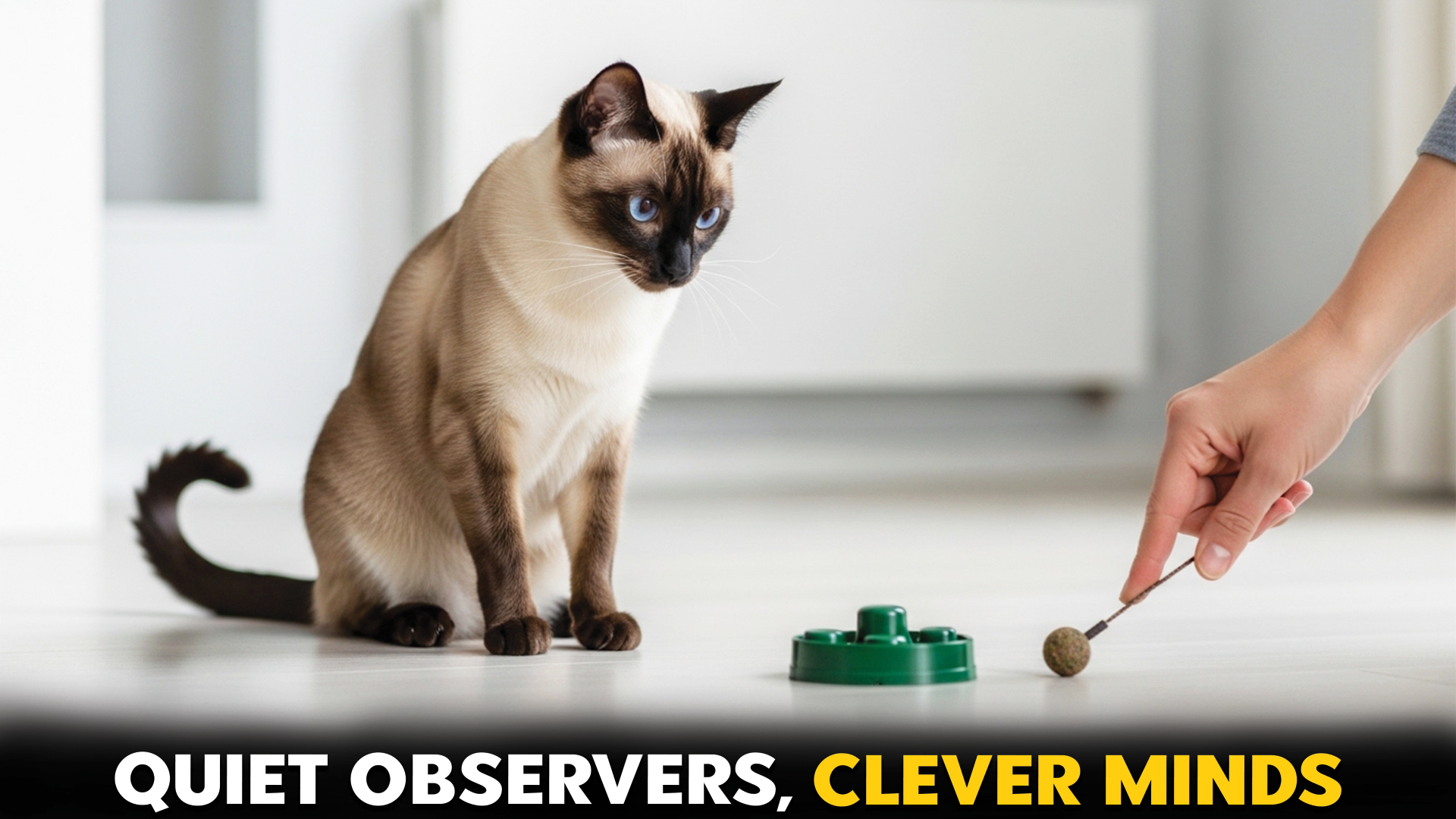
Cats don’t just learn through repetition—they also learn by watching. Observational learning in cats refers to their ability to pick up behaviors, routines, and problem-solving strategies simply by observing humans or other animals. From figuring out how doors open to mimicking play techniques, some cats absorb information quietly before putting it into action.
So why do certain cat breeds learn by watching more than others? Intelligence, curiosity, and social awareness play a major role. Breeds that are highly alert and mentally engaged tend to study their surroundings closely, noticing cause-and-effect relationships.
Rather than diving in immediately, these cats pause, observe outcomes, and then adjust their behavior based on what they’ve seen work before.
Understanding observational learning helps explain why some cats adapt so quickly to new homes, rules, or routines. For owners, this means living with a cat that seems to understand things almost intuitively, making training and daily life smoother and more rewarding.
Cat Breeds That Learn Through Observation
1. Bengal
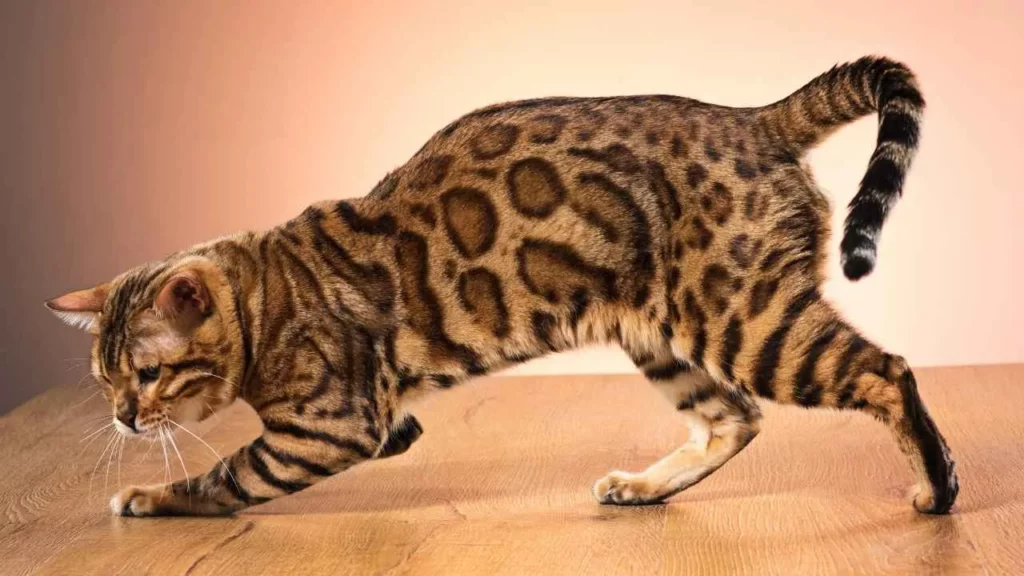
Often referred to simply as the Bengal, this striking breed traces its roots to a cross between a domestic shorthair and the Asian leopard cat.
According to Britannica, coat color can vary, though brown, silver, and gray are common, and the ears are small with a slightly pointed shape. Known for its spotted or marbled coat and wild, exotic appearance, the Bengal stands out for both beauty and brains.
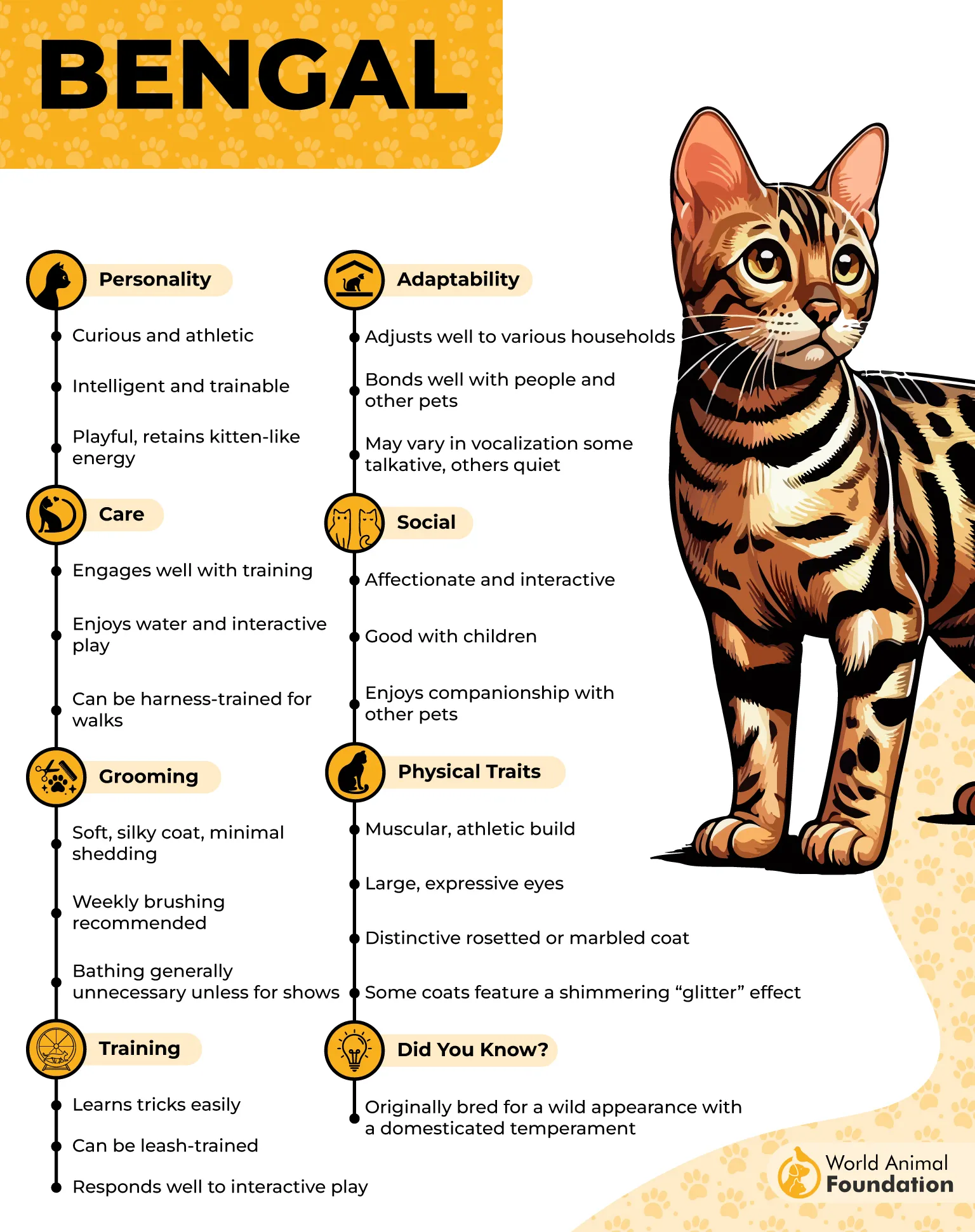
Bengals are highly intelligent and imitative, making them excellent observational learners. They closely watch people and other pets, quickly figuring out how things work before trying them themselves.
This breed is famous for copying behaviors it observes, from opening doors to manipulating objects with its nimble paws. Their curiosity and sharp memory allow them to learn routines, games, and even leash walking by watching first.
Because they’re energetic and mentally driven, Bengals thrive in environments that challenge their minds as much as their bodies.
Fun fact: Some Bengal cats have been known to turn light switches on and off after observing their humans do it.
2. Abyssinian
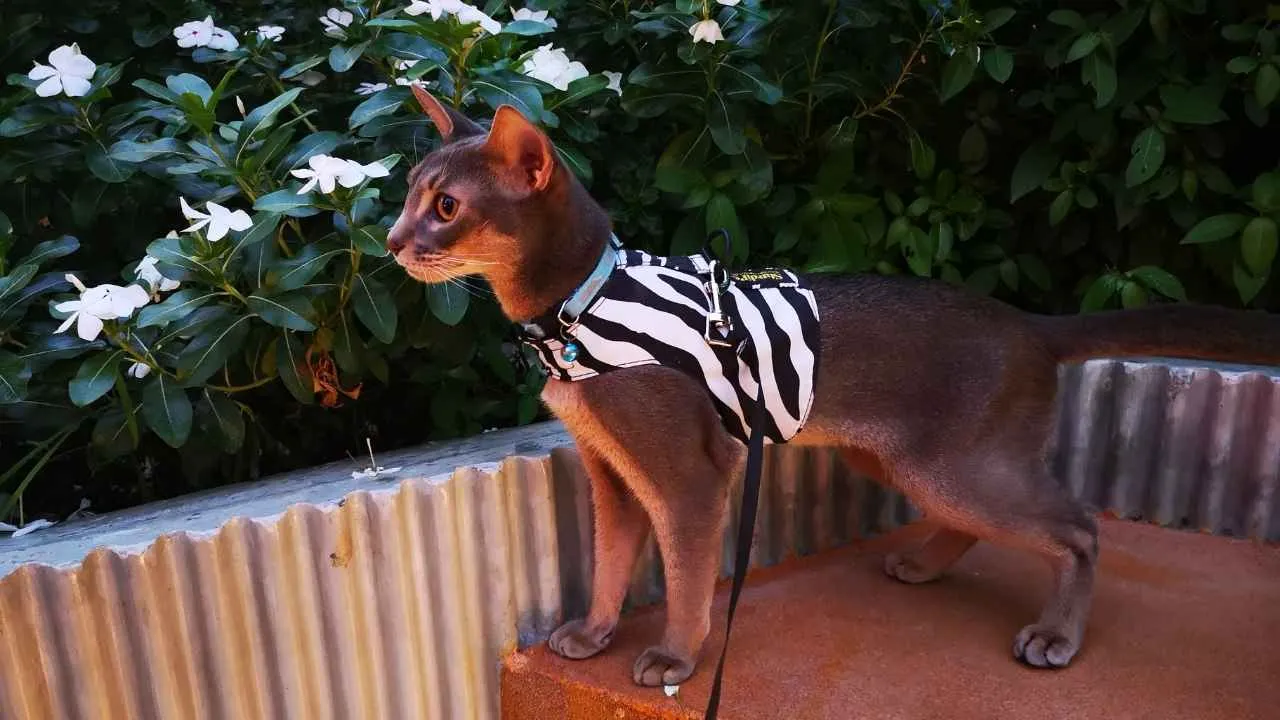
Often called the “Aby,” the Abyssinian is one of the oldest known cat breeds, admired for its ticked coat, athletic build, and alert, expressive eyes.
According to PetMD, some believe Abyssinians are direct descendants of revered ancient cats, while others suggest the breed originated in present-day Ethiopia and traveled to England with British soldiers, as noted by the Abyssinian Cat Club.
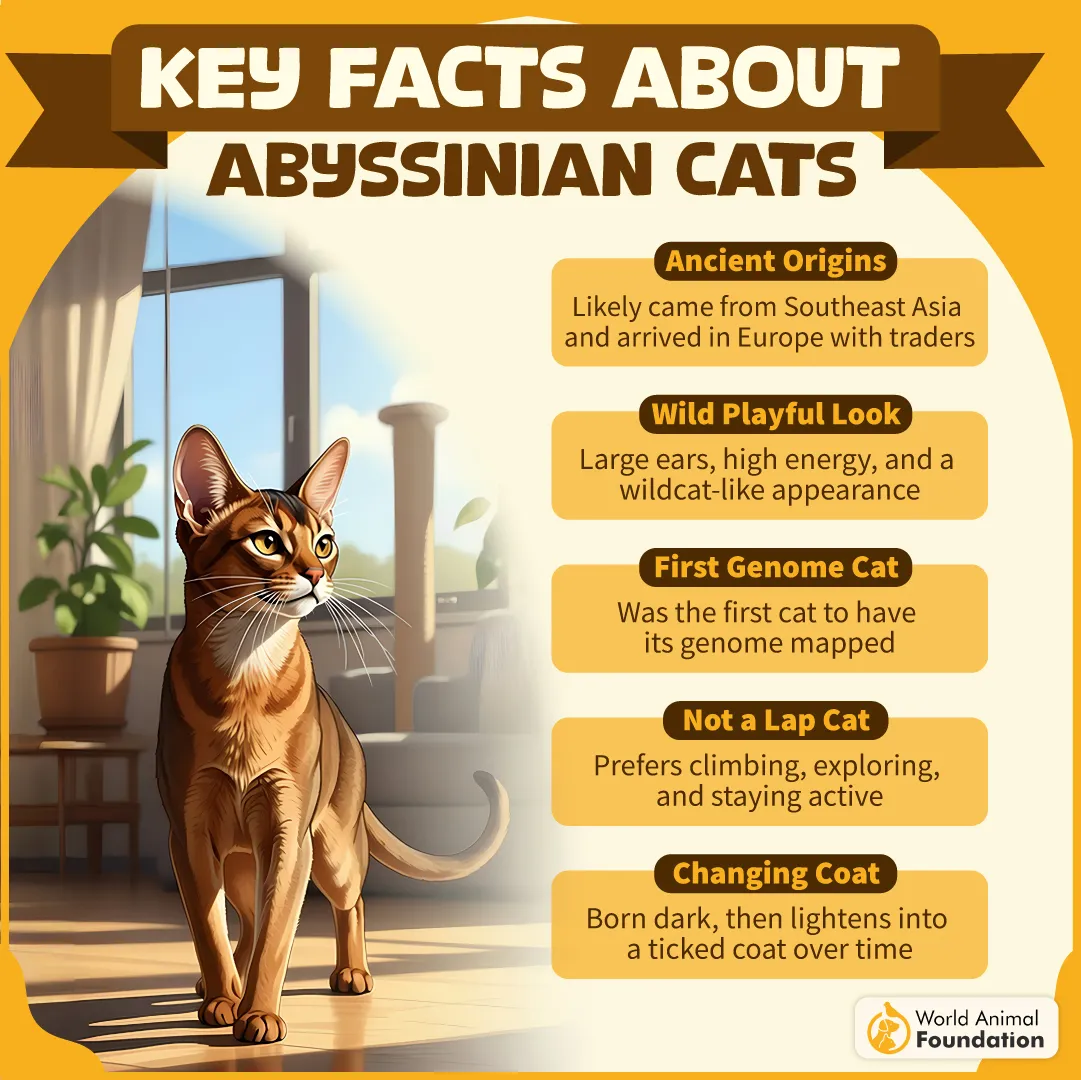
Abyssinians are natural observers, frequently positioning themselves up high to watch everything happening below. This watchful habit allows them to learn routines, behaviors, and problem-solving strategies simply by paying attention before acting.
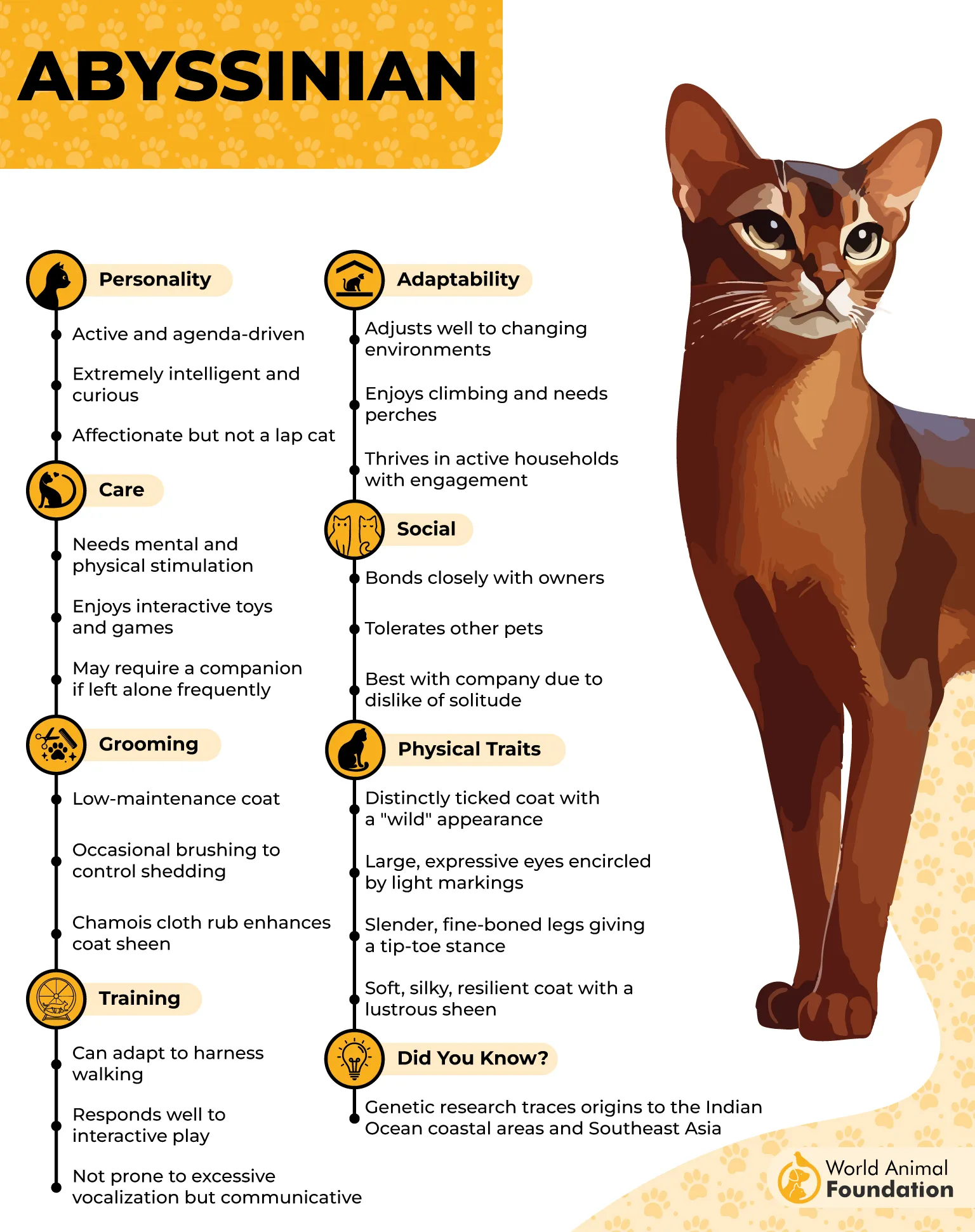
Highly intelligent and curious, this breed excels at learning through observation rather than repetition. Abyssinians often pick up tricks, household habits, and even agility-style games by watching humans or other pets first.
Though not typically lap cats, they stay closely involved in family life and adapt quickly to new environments.
Fun fact: Abyssinians are known for learning tricks quickly and are often described as one of the smartest cat breeds in the world.
3. Siamese
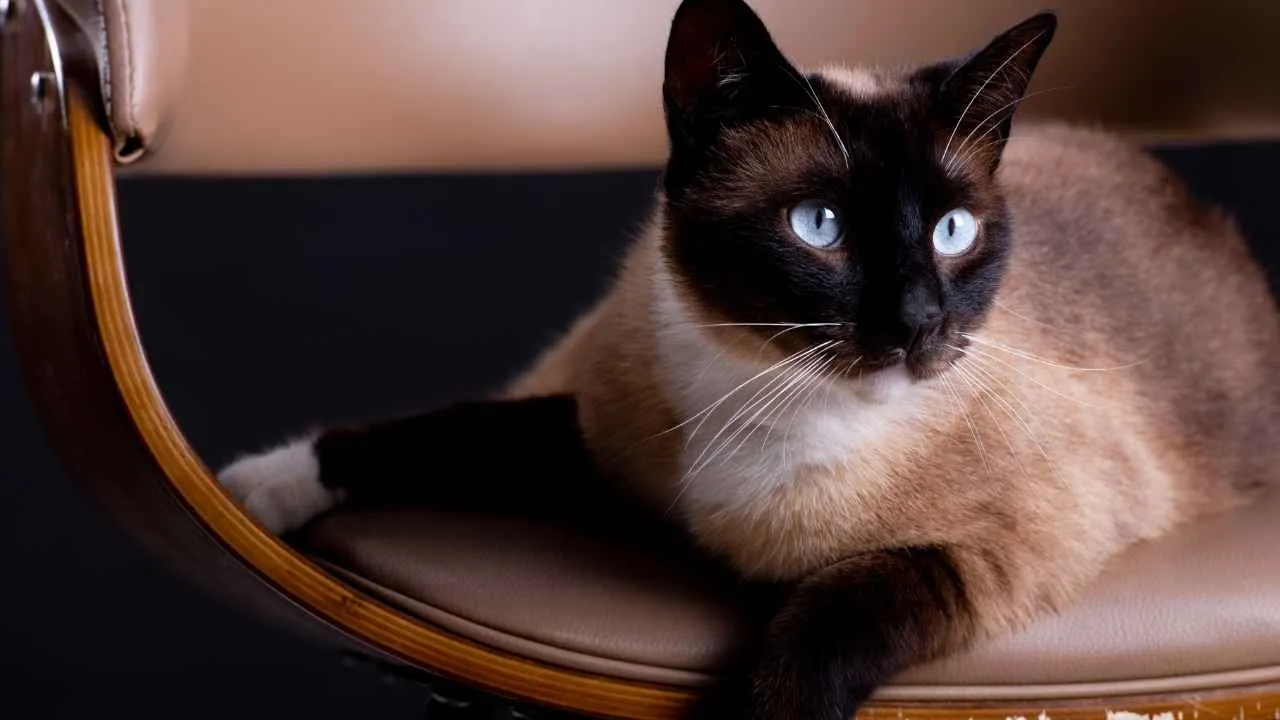
Also known as the Thai cat, the Siamese is one of the oldest domesticated cat breeds, originating in Thailand. With striking blue eyes, a sleek color-point coat, and a confident presence, this breed is instantly recognizable and deeply people-oriented.
According to WebMD, Siamese cats are a well-loved and sociable breed, though prospective owners should carefully consider both the cats’ health requirements and their own before choosing one as a pet.
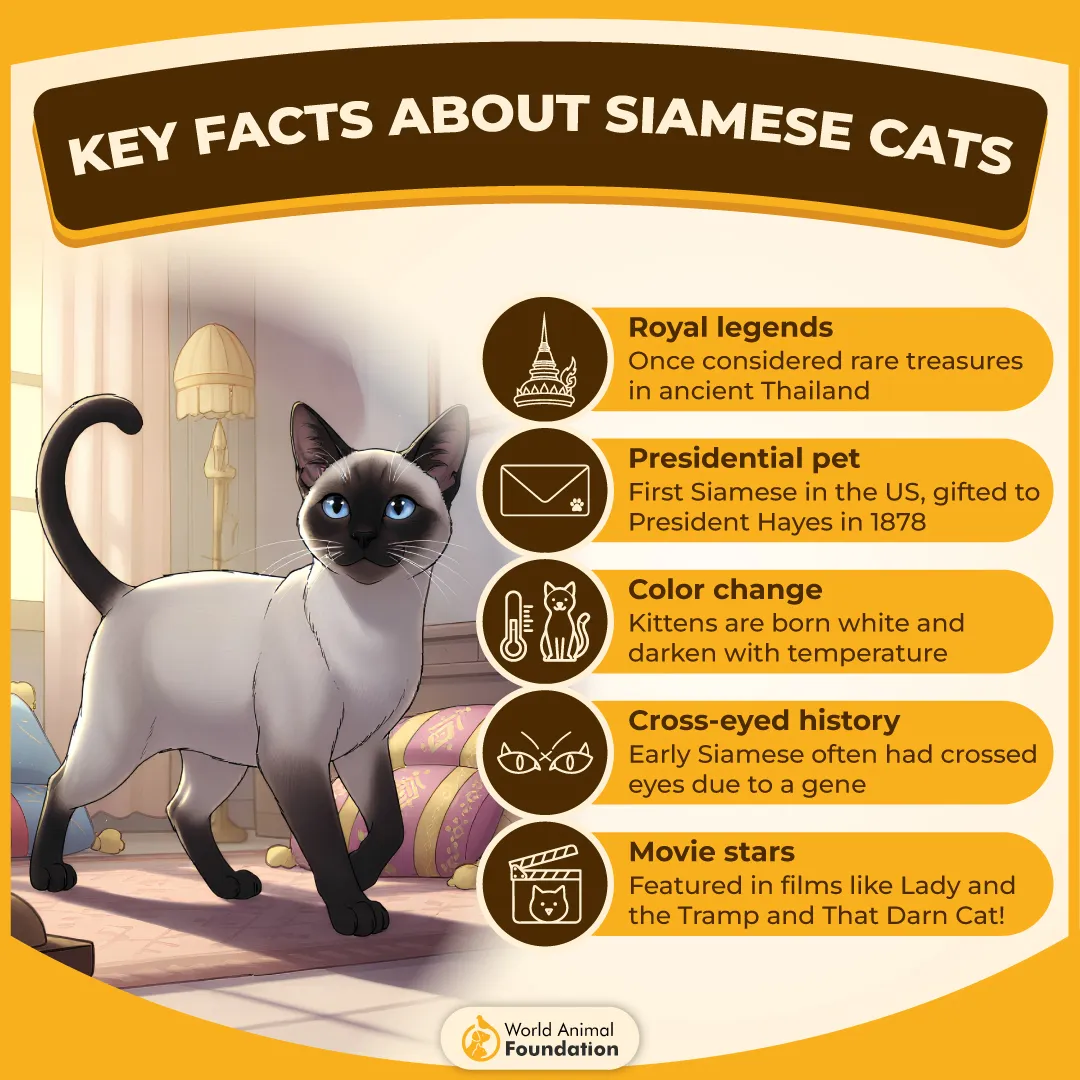
Siamese cats excel at learning through observation, often watching humans closely before acting. They study routines, notice cause and effect, and quickly apply what they’ve seen—whether it’s opening doors, locating treats, or anticipating daily activities.
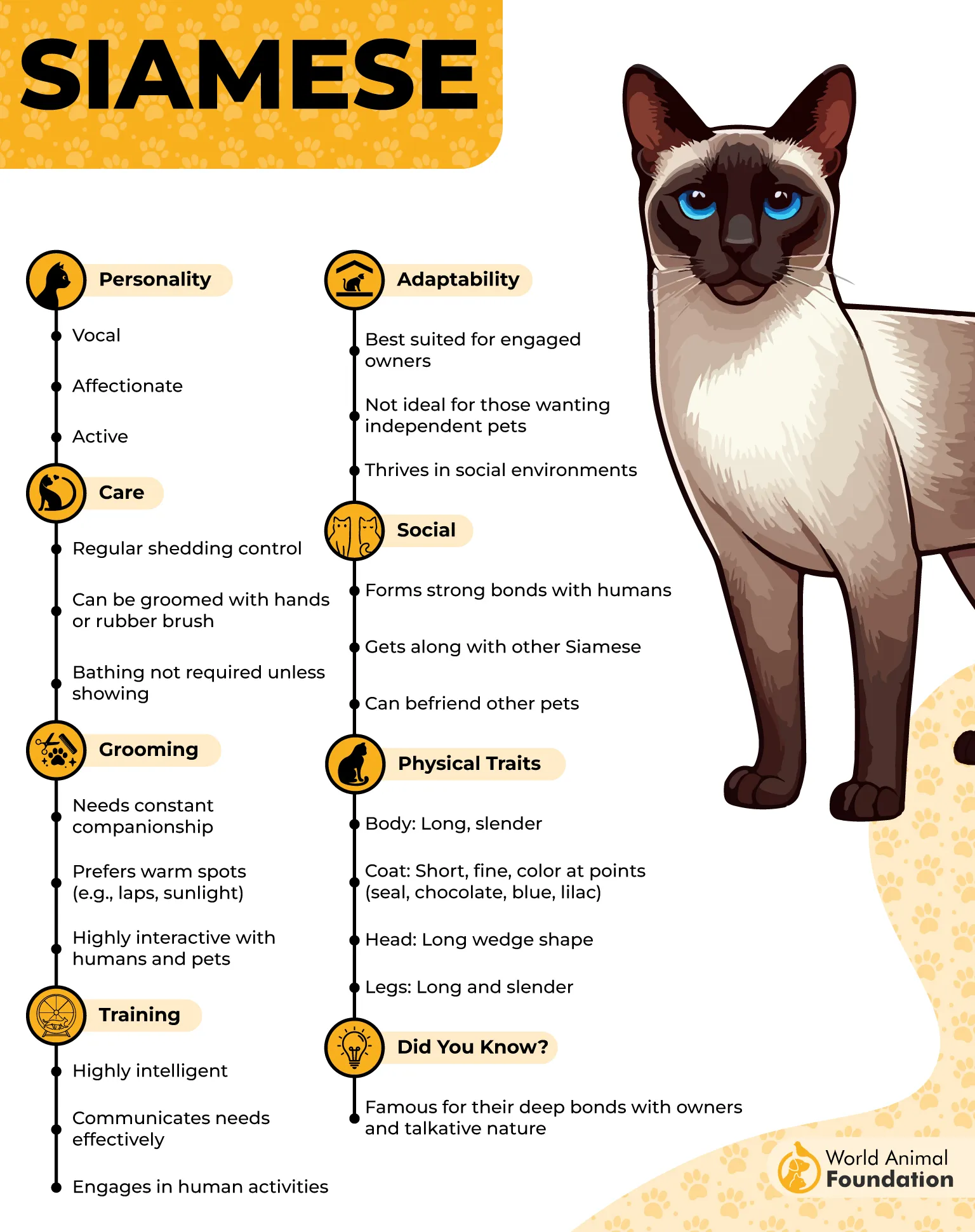
Highly intelligent and inquisitive, this breed uses observation as a problem-solving tool. Rather than relying on trial and error, Siamese cats often assess situations first, then jump in once they understand how things work, especially during play or enrichment activities.
Because they are social and mentally driven, Siamese cats benefit from environments where they can watch and participate.
Fun fact: Siamese cats are famous for being extremely vocal and will often “comment” out loud after observing something that catches their interest.
4. Burmese
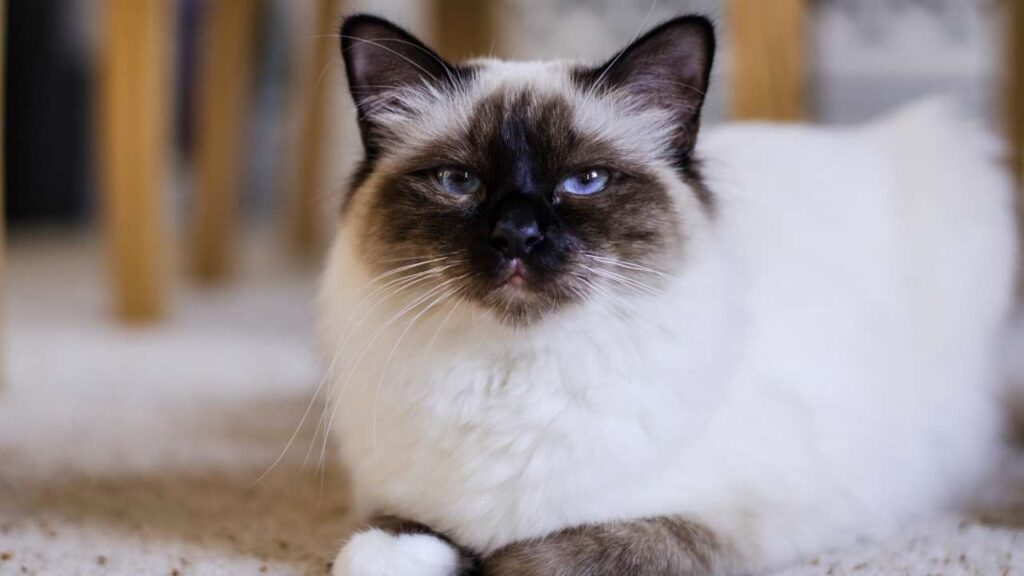
Also known as the American Burmese, this breed originated from a mix of Siamese cats and native Burmese felines, giving it a sleek coat and expressive eyes. Compact, people-oriented, and curious, Burmese cats are known for their alert presence and affectionate nature.
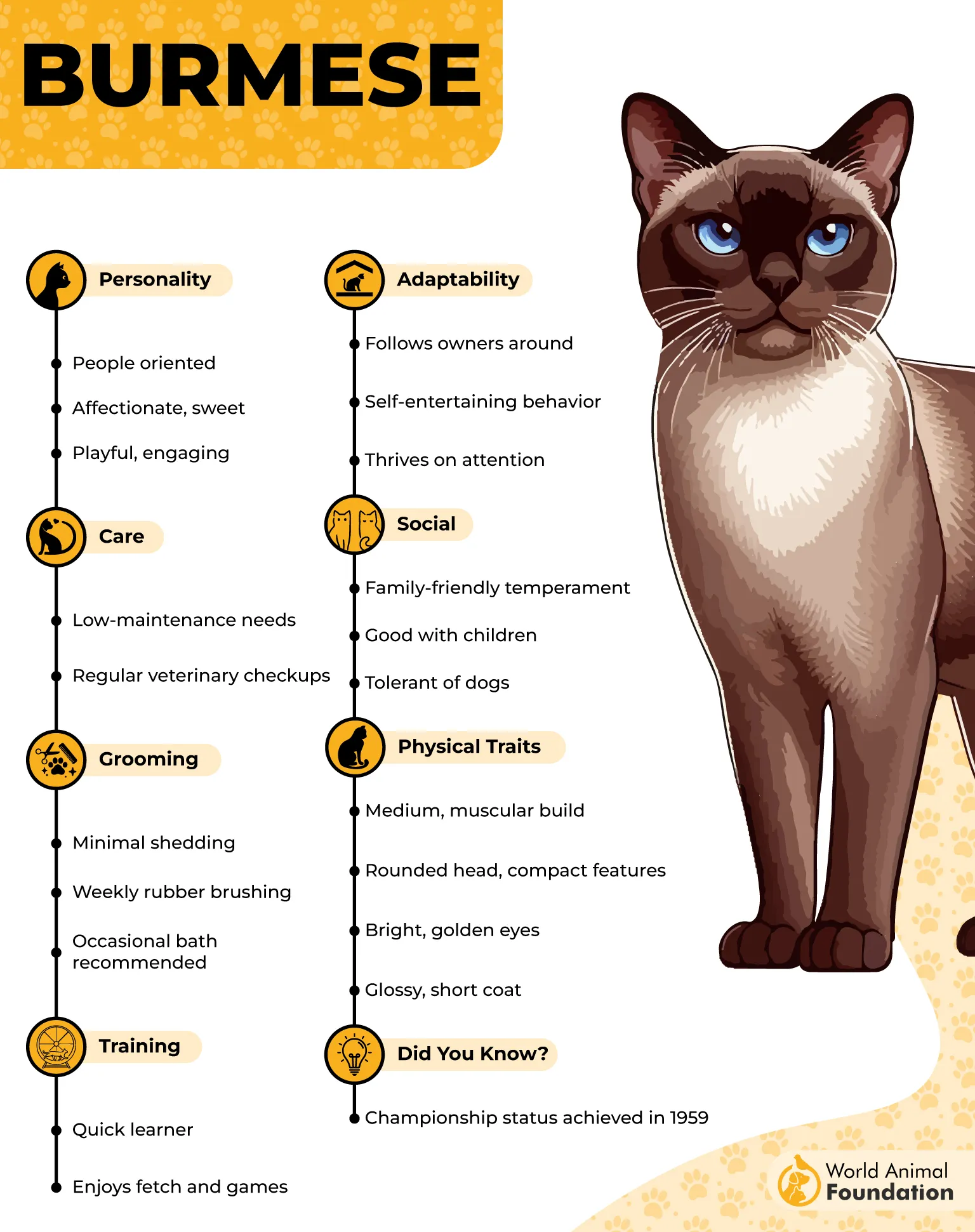
Burmese cats are natural social learners who pick up behaviors by closely watching their humans. Their strong desire to be involved in daily activities makes observational learning second nature, especially when routines are consistent.
Highly intelligent and adaptable, they quickly mimic actions linked to rewards, such as playtime or attention. By observing how doors open, toys work, or commands are given, they often learn faster than through repetition alone.
Their sharp minds thrive in interactive homes where learning happens organically.
Fun fact: Burmese cats are known to learn tricks like fetch, leash walking, and basic commands simply by watching and engaging with their owners.
5. Maine Coon
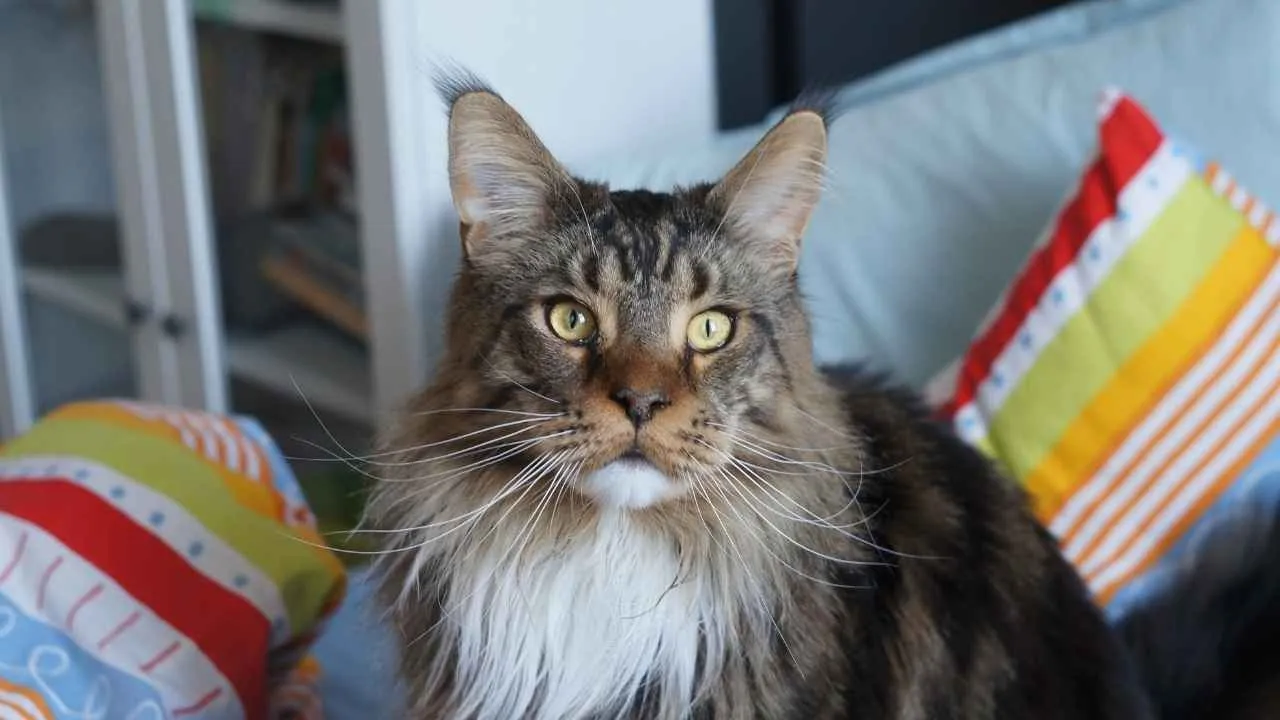
Often called the “gentle giant” or the “dog of the cat world,” the Maine Coon is one of North America’s oldest cat breeds and the official state cat of Maine. Known for its large size, shaggy coat, and thoughtful expression, this breed combines strength with a calm, friendly nature.
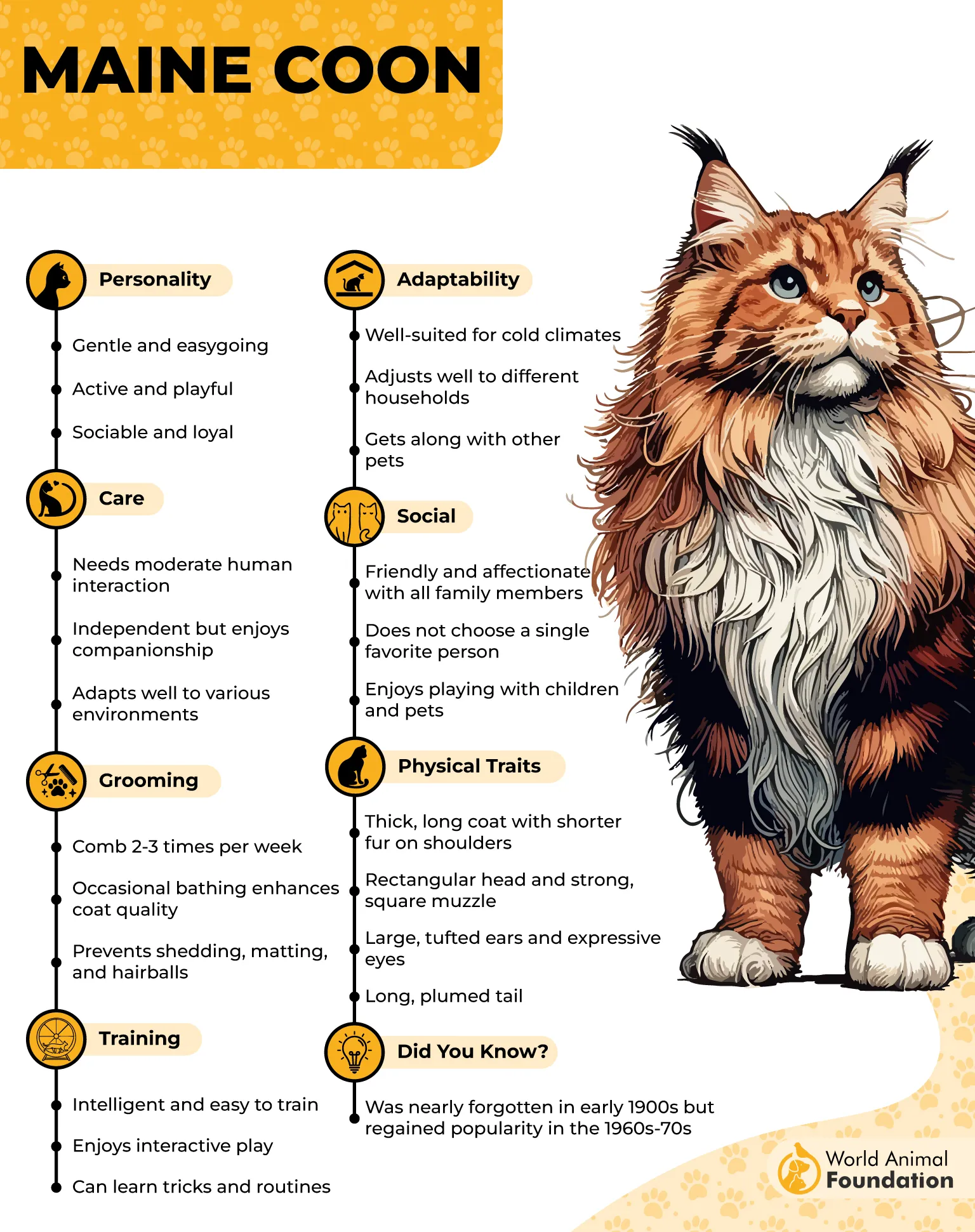
Rather than rushing in, they study how doors open, how toys move, or how humans interact with objects, then apply that knowledge with impressive precision.
These cats are quiet observers with strong memories, making them excellent problem-solvers. Their patience allows them to retain what they’ve seen, whether it’s learning routines, navigating new spaces, or figuring out interactive toys through careful observation.
Originally bred as working cats on farms and ships, Maine Coons still use their sharp minds today.
Fun fact: Instead of typical meows, Maine Coons often communicate using soft chirps and trills, giving them a uniquely conversational charm.
6. Cornish Rex
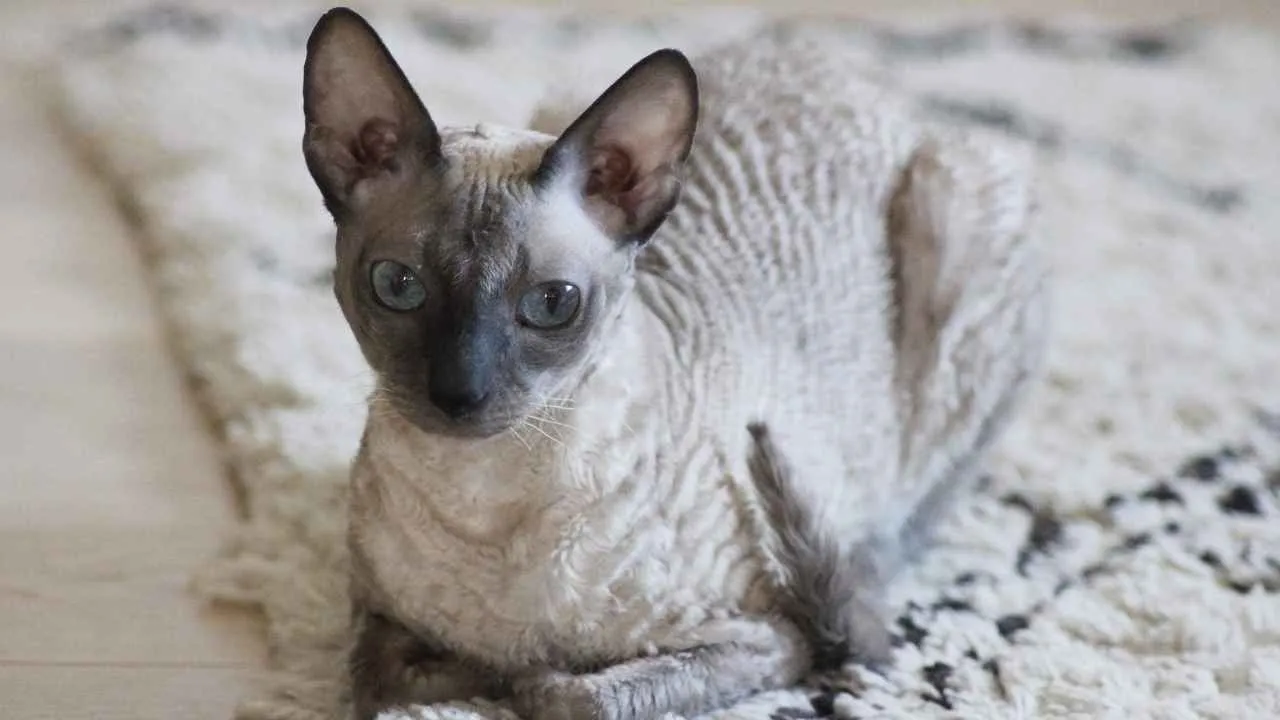
Also known as the Rex cat, the Cornish Rex originated in Cornwall, England, and is instantly recognized by its soft, wavy coat, oversized ears, and slender, athletic build. This elfin-looking breed stands out for both its appearance and its lively, people-oriented personality.
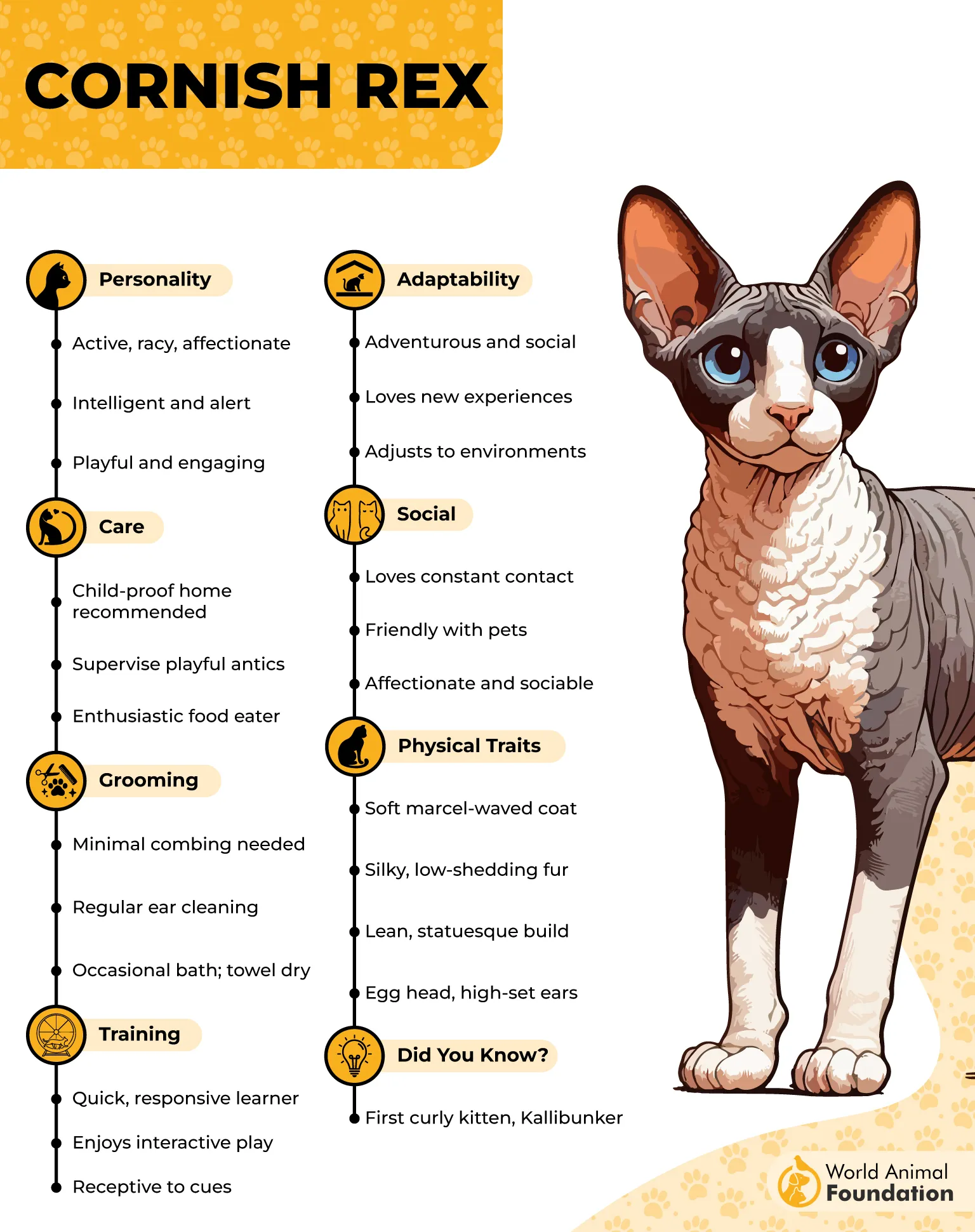
They closely observe human routines and other pets, often copying behaviors once they understand how something works.
Highly intelligent and curious, this breed excels at picking up games, tricks, and household habits through observation. Watching doors open, cabinets move, or toys activate often inspires them to try the same actions themselves.
Playful well into adulthood, Cornish Rex cats combine mental sharpness with boundless energy.
Fun fact: Their long, nimble toes are so dexterous that many Cornish Rex cats can learn to open doors and cabinets on their own.
7. Japanese Bobtail
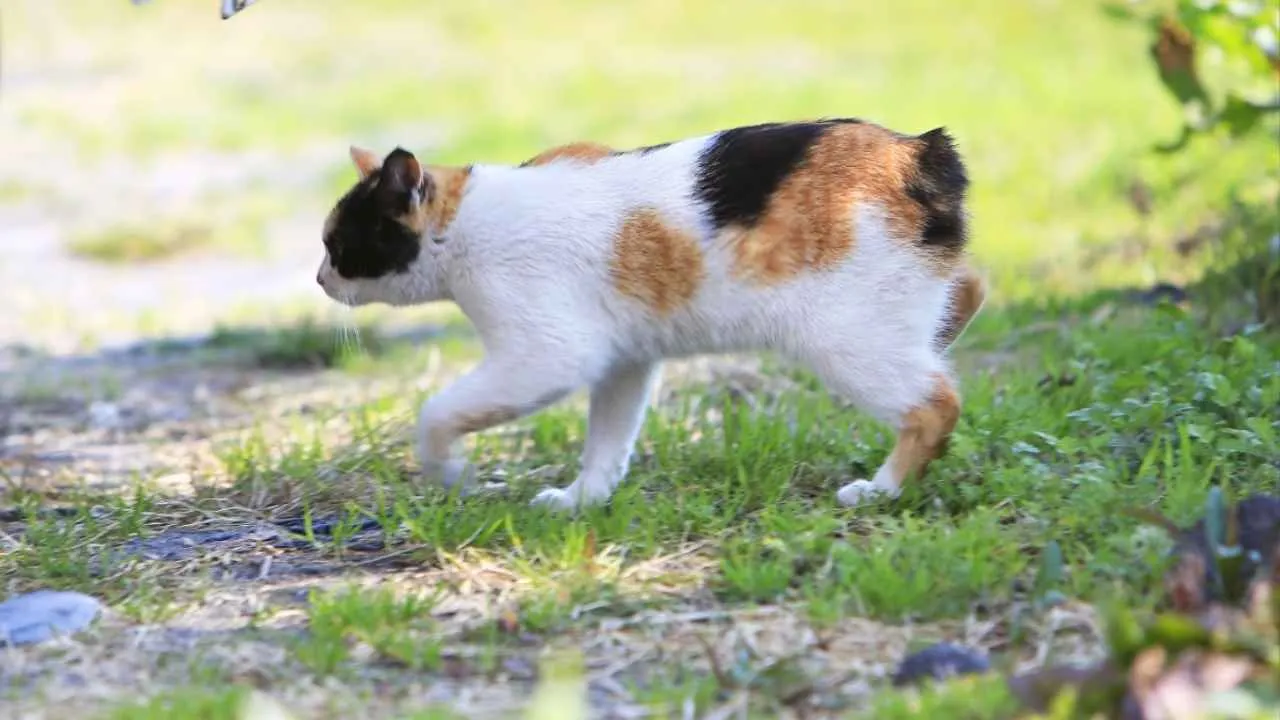
Also called the Japanese Bobcat, the Japanese Bobtail is one of the oldest recorded cat breeds, instantly recognized by its short, pom-pom tail and expressive face. Originating in Japan, this breed has long been associated with intelligence, charm, and cultural significance.
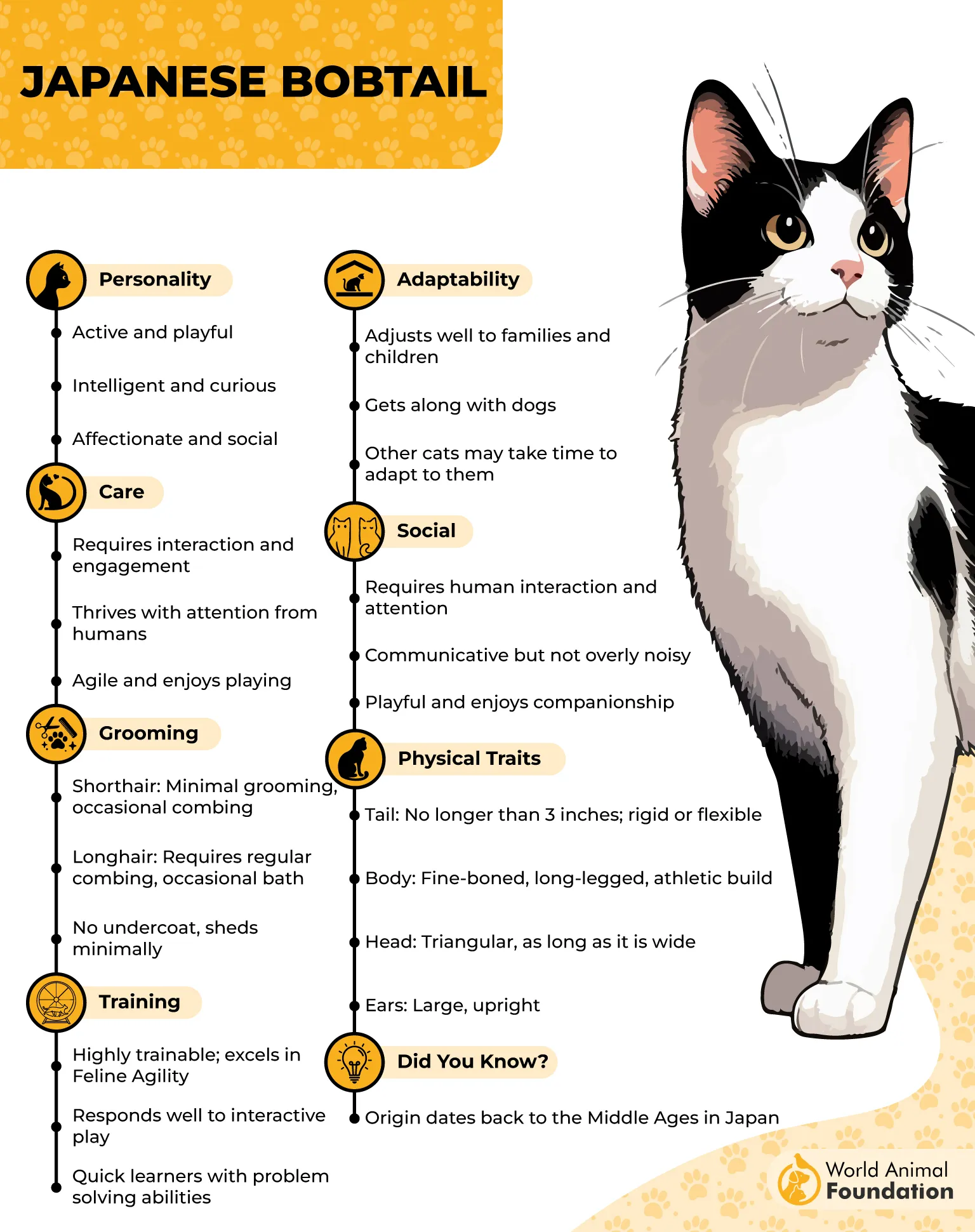
Japanese Bobtails excel at learning through observation, often watching humans or other pets before copying their behaviors themselves. Their sharp awareness helps them quickly understand routines, commands, and even games without repeated instruction.
Highly social and mentally agile, this breed enjoys interactive environments where it can observe daily activities. By watching how doors open, toys move, or treats appear, Japanese Bobtails connect patterns and apply them with impressive accuracy.
Their playful, curious nature makes them enthusiastic problem-solvers who thrive on mental challenges.
Fun fact: Japanese Bobtails are frequently depicted in ancient Japanese art and were once credited with protecting the silk industry by controlling rodent populations.
Conclusion
Cats that learn through observation showcase just how powerful a feline’s inquisitive nature can be. Many intelligent cat breeds watch closely before acting.
With high intelligence and a clever mind, these cats absorb household routines in subtle ways, often using their front paws to test outcomes. Breeds with short hair or long hair, whether laid back or dog-like, can all display this skill when given enough mental stimulation.
For active cats that get bored easily, observation fuels interactive games, food puzzles, and complex toys that prevent boredom. Spending time interacting with teaser toys, interactive games, and positive reinforcement helps them perform tricks, form strong bonds, and enjoy playing alongside other cats.
