




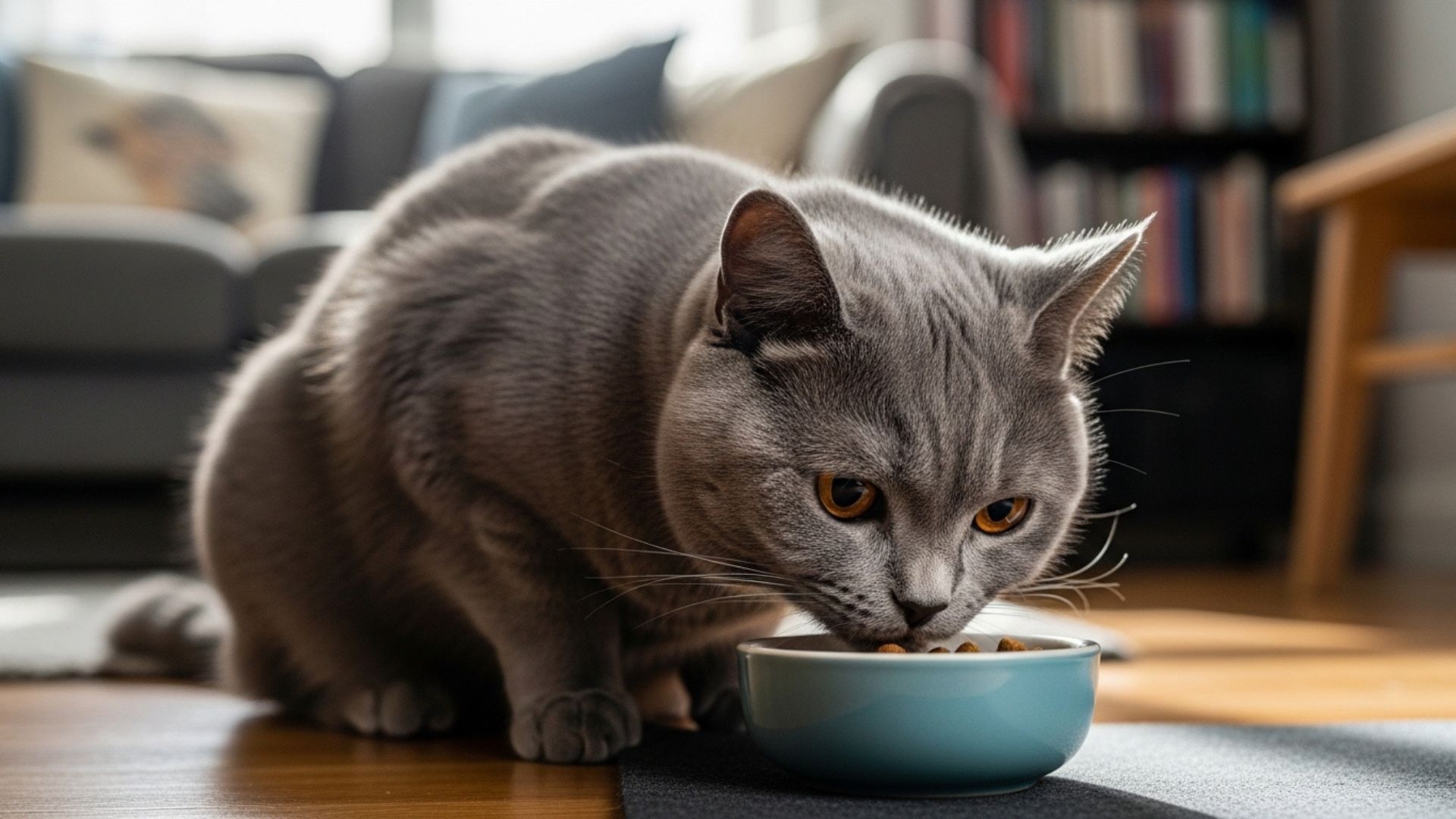
Cats have a very different relationship with food than dogs or people, and for many, grazing is simply second nature. Rather than finishing a full bowl in one sitting, cats often take a few bites at a time, wander off, and return later. This eating style reflects their instincts as solitary hunters, built to consume multiple small meals instead of large, scheduled feasts.
So what does “grazing” mean in cats? It refers to eating small amounts of food throughout the day, often in short, frequent visits to the bowl. Some cat breeds are especially comfortable with this pattern due to their metabolism, steady energy needs, and preference for nibbling rather than binge eating. For these cats, grazing supports consistent nutrient intake and aligns closely with their natural behavior.
Grazing differs from scheduled feeding in both structure and flexibility. While timed meals offer control and monitoring, grazing allows cats to eat when hunger strikes. Understanding which breeds thrive on small, frequent meals helps owners choose a feeding approach that balances instinct, health, and daily routine.
Cat Breeds That Graze Throughout the Day
1. Ragdoll
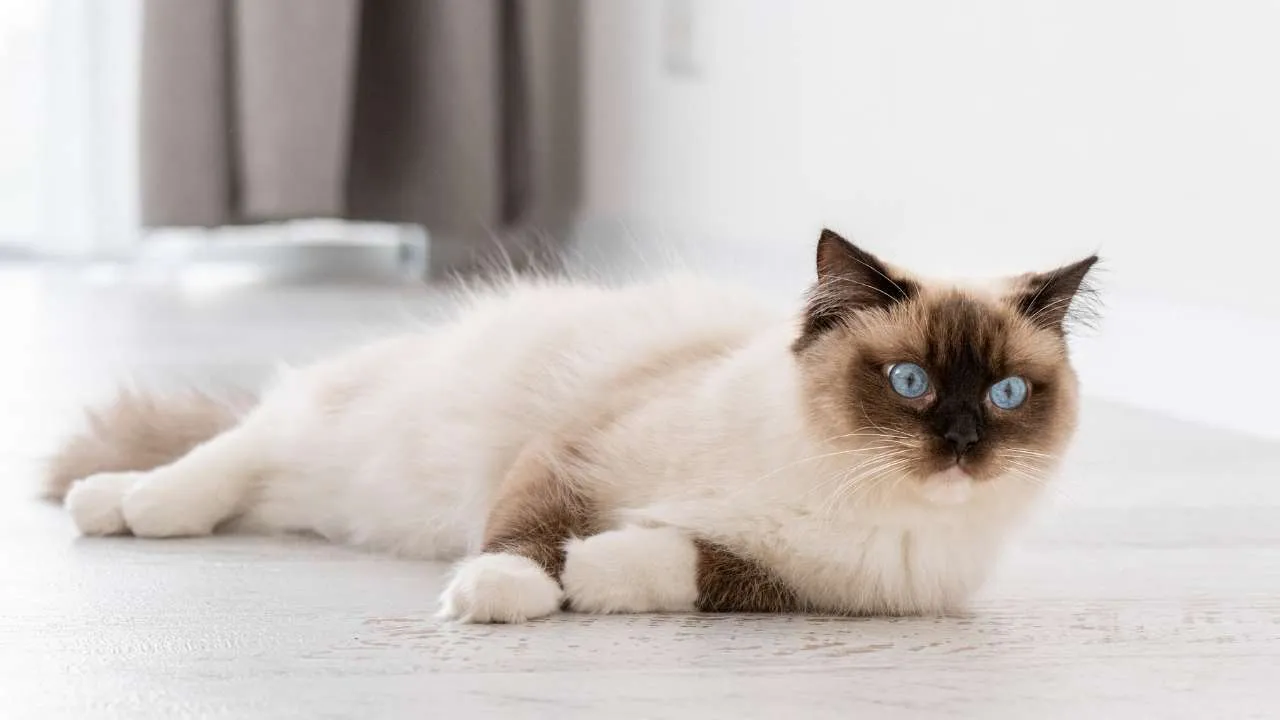
Often called the “floppy cat” because of how it relaxes when held, the Ragdoll is also known for its striking blue eyes, silky coat, and gentle, dog-like personality.
This large, laid-back breed is affectionate, people-oriented, and famously calm in everyday life. According to Petplan, Ragdoll cats have a calm, friendly temperament that makes them ideal family pets.
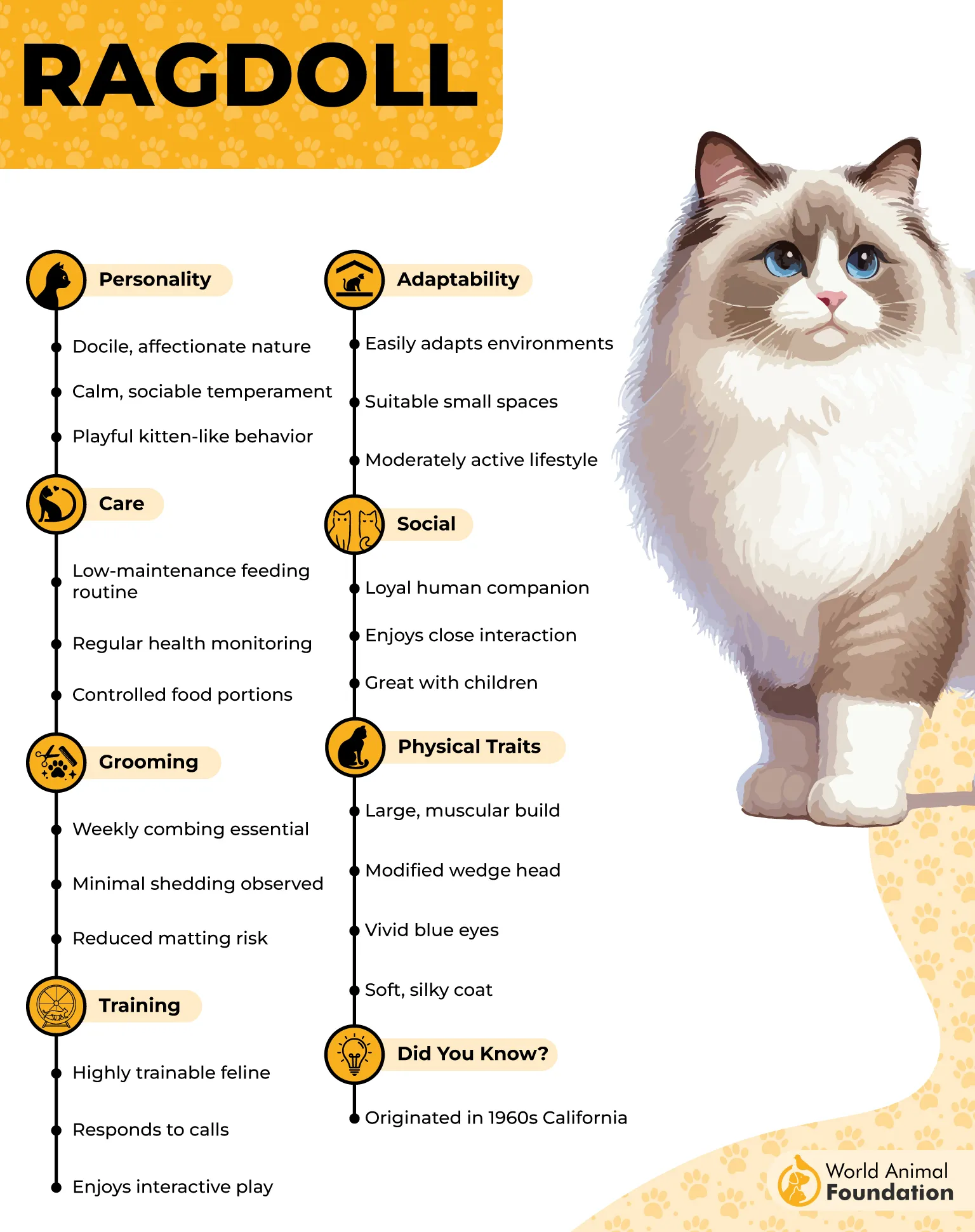
Ragdolls are naturally relaxed eaters, making them well-suited to grazing throughout the day. Rather than rushing meals, they tend to take small portions at a time, which aligns with their slow-paced temperament and self-regulating habits.
As they mature, Ragdolls often prefer eating smaller amounts more frequently, especially as their metabolism slows in adulthood. Grazing helps them stay comfortable and satisfied without feeling rushed or overly hungry between meals.
Their quiet, easygoing nature means they’re unlikely to overeat out of excitement or stress.
Fact: Many adult and senior Ragdolls benefit from smaller, more frequent meals rather than large, scheduled feedings.
2. British Shorthair
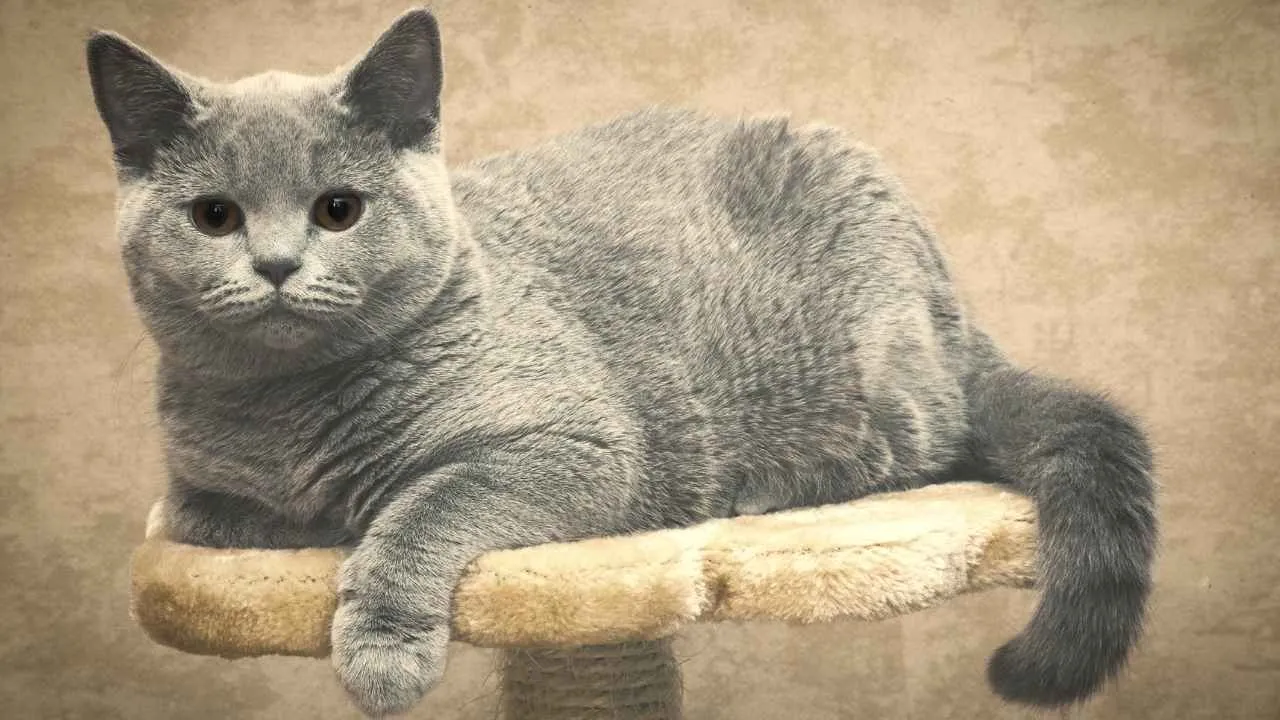
Often called the “British Blue,” the British Shorthair is known for its round face, dense plush coat, and teddy bear–like build. Calm and reserved by nature, this classic breed has a quiet confidence and a famously easygoing presence in the home.
According to Britannica, the British Shorthair is a cat breed distinguished by its strength, naturally good health, and frequent tendency to sleep.
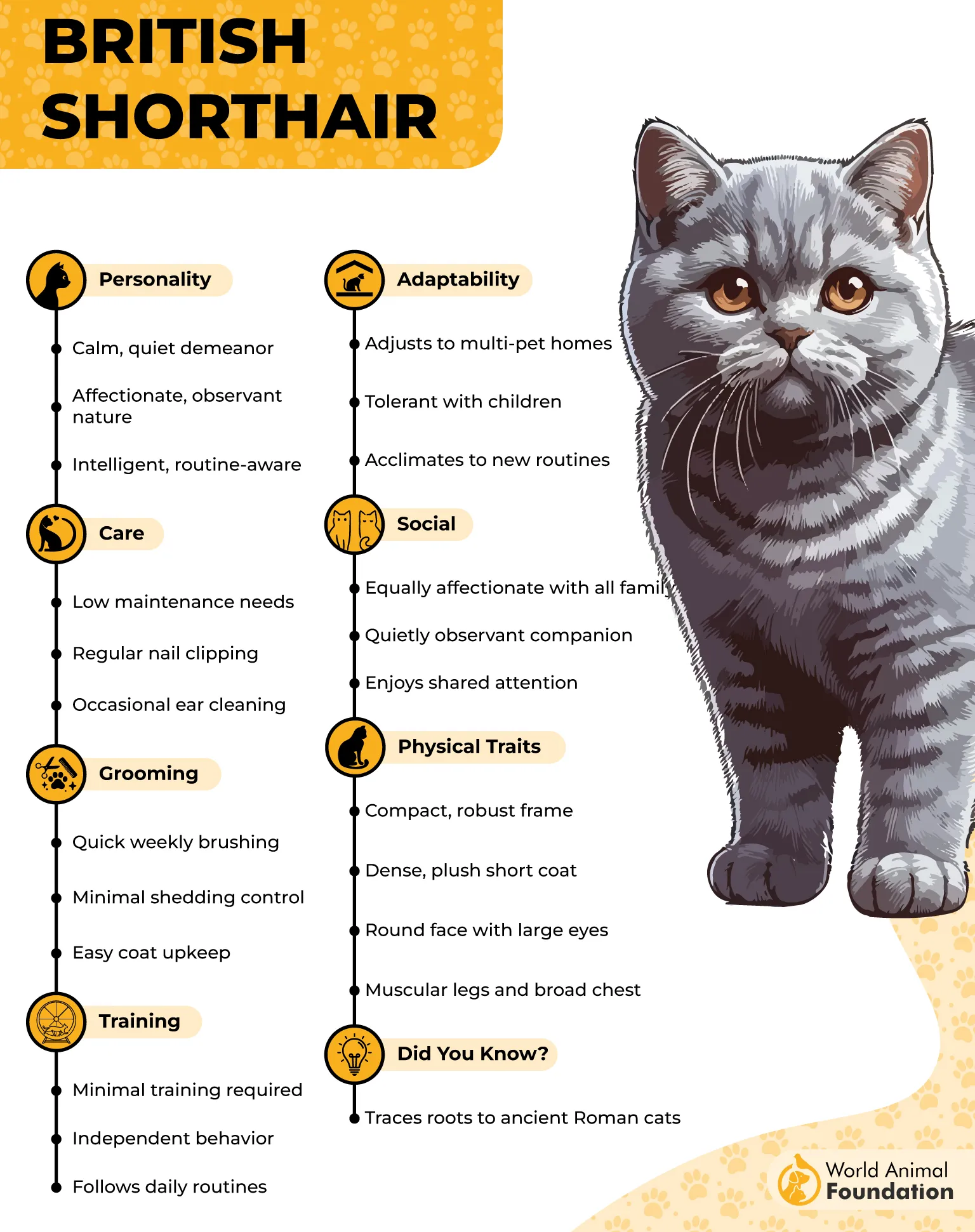
British Shorthairs tend to be independent but very food-aware, making them natural grazers. Rather than rushing to finish a bowl, they often eat slowly and return for small bites, especially when food is readily available.
Their laid-back personality means they rarely beg or overeat, preferring to manage intake on their own terms. This steady, self-controlled approach to food suits grazing better than strict meal schedules, particularly for cats that enjoy routine without pressure.
Intelligent and observant, British Shorthairs quickly learn where and when food appears, but they’re patient about it.
Fact: This breed’s short, dense coat contains more hairs per square inch than any other cat breed, giving it a uniquely plush texture.
3. Persian
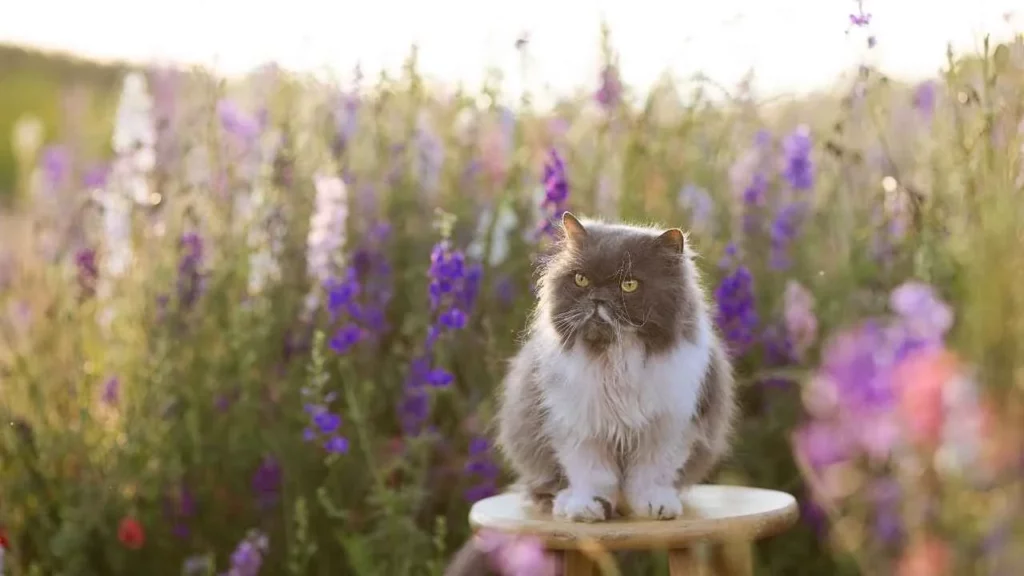
Often referred to as the Persian Longhair, the Persian cat is instantly recognizable for its flat face, flowing coat, and calm, regal demeanor.
This breed is known for its quiet nature, affectionate temperament, and preference for peaceful, predictable environments. According to Purina, the Persian is a docile and quiet cat that prefers a calm, peaceful environment.
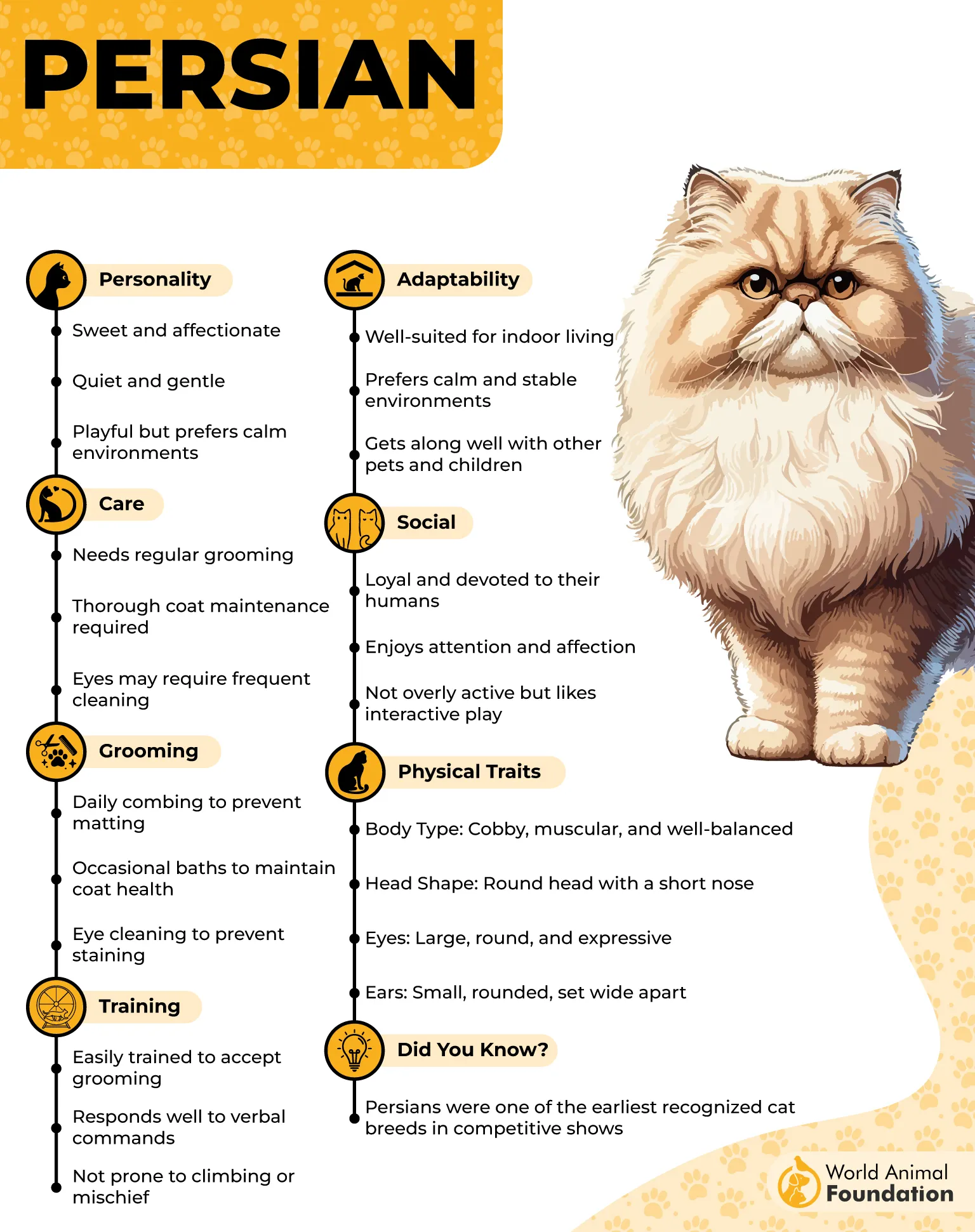
Persians are playful cats with steady appetites, making them well-suited to grazing. Rather than rushing meals, they naturally nibble small amounts, mirroring the frequent, light feeding patterns of their ancestors.
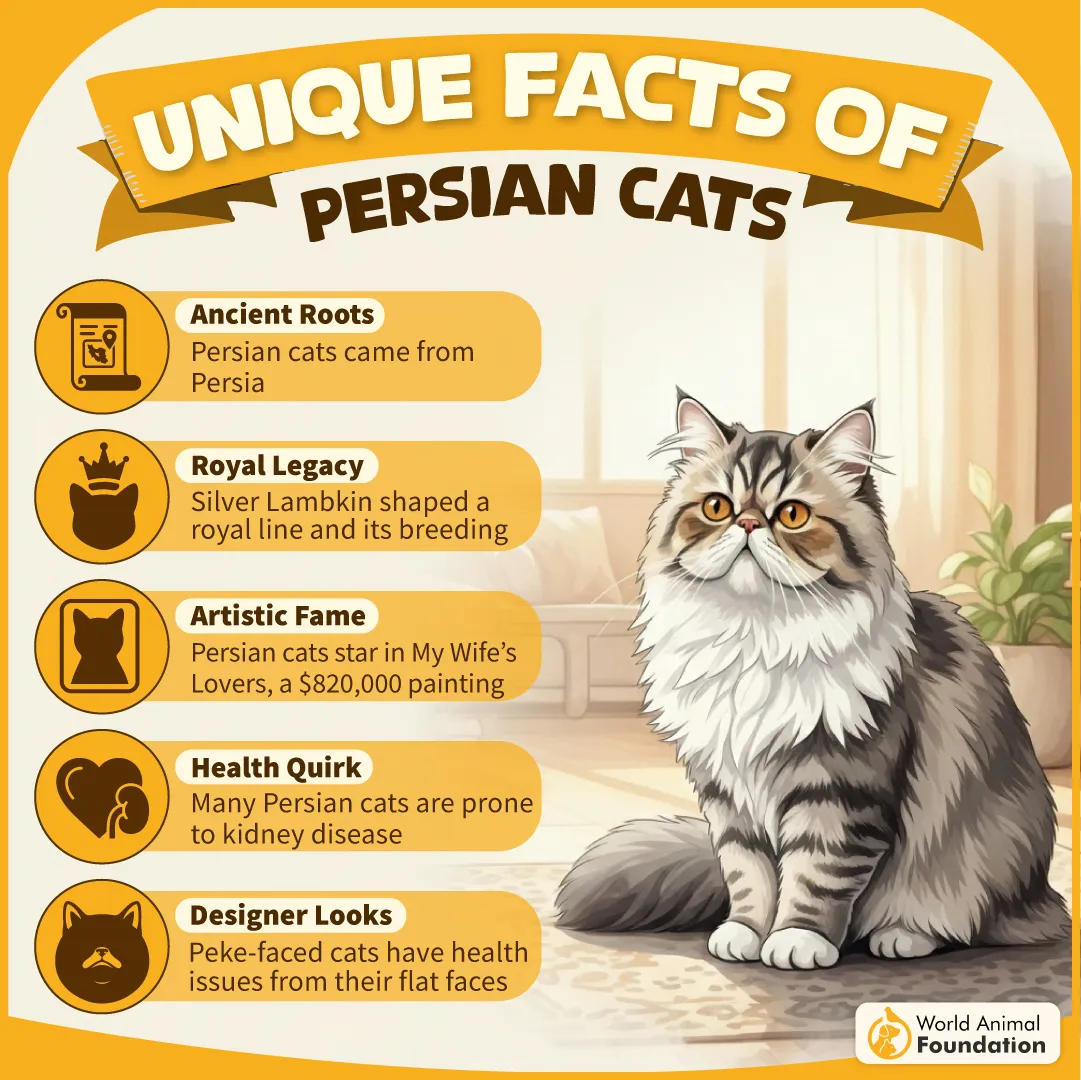
Their relaxed energy level and love of routine mean they prefer food to be available without pressure. Grazing supports their comfort while also helping manage hairball-prone digestion, especially for long-coated cats that groom often.
Although generally placid, Persians still enjoy short bursts of play between naps and meals.
Fact: Persian cats tend to eat several small meals per day, a habit that reflects their natural nibbling behavior rather than strict meal-based feeding.
4. Russian Blue

Also known simply as the “Blue Archangel,” the Russian Blue is admired for its silvery-blue coat, vivid green eyes, and quietly elegant presence. Originating in northern Russia, this breed is gentle, reserved, and deeply attached to familiar routines.
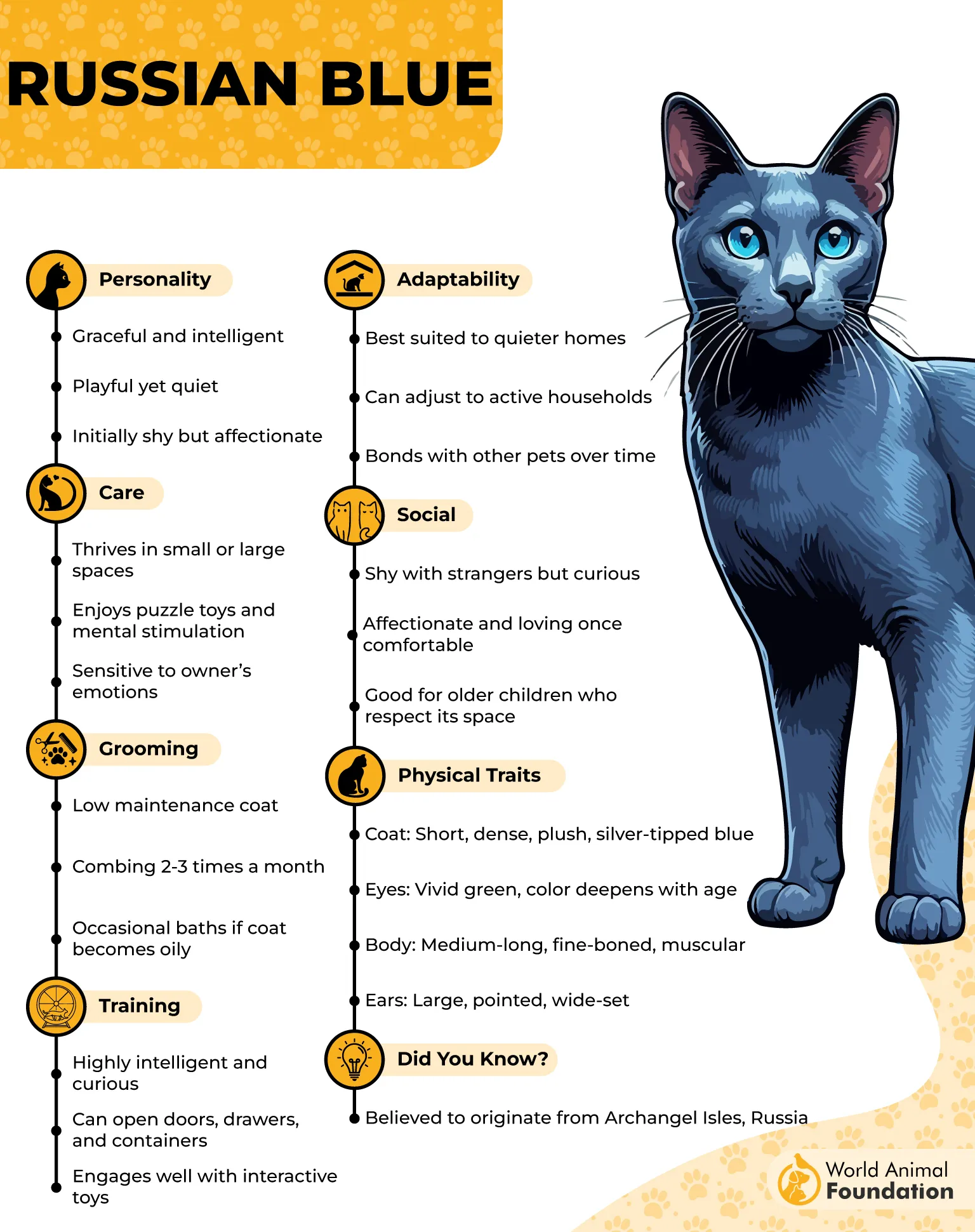
Russian Blues are low-stress eaters that naturally prefer nibbling throughout the day. Their calm temperament and dislike of disruption make grazing a comfortable option, allowing them to eat small amounts without pressure or urgency.
Because they are sensitive to environmental changes, frequent small meals help them stay relaxed and balanced. Grazing supports their need for predictability while preventing the anxiety that can come with rushed or overly rigid feeding schedules.
Observant and intelligent, Russian Blues manage their food intake carefully and rarely overindulge when left to nibble at their own pace.
Fact: Russian Blues are known for thriving in peaceful, predictable homes where routines—including feeding—remain consistent.
5. Birman
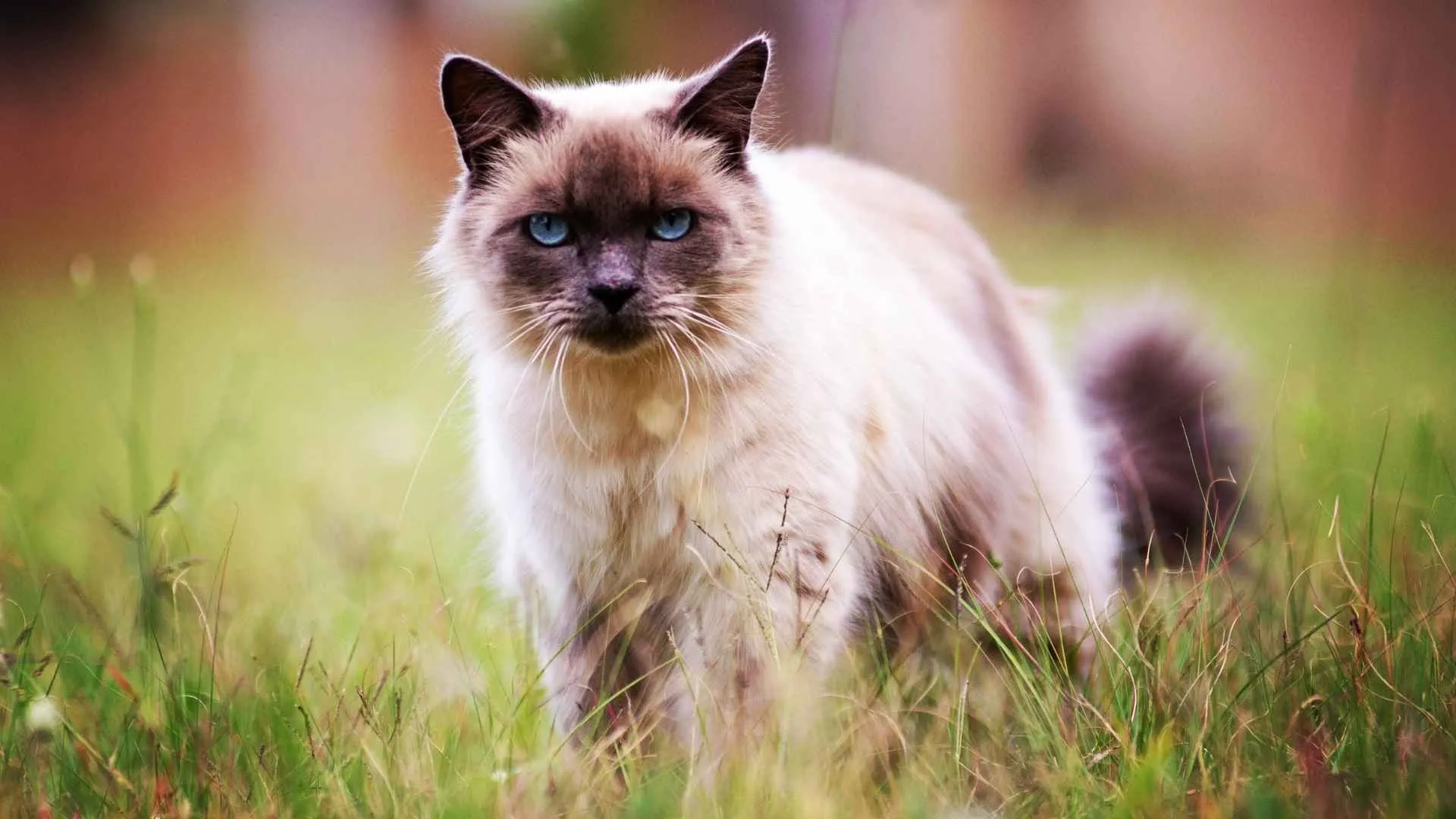
Often called the “Sacred Cat of Burma” or the Mitted Cat, the Birman is admired for its silky coat, striking blue eyes, and signature white “gloves” on each paw. Gentle and social, this breed blends quiet elegance with a strong desire to stay involved in daily family life.

Birmans are intelligent grazers that prefer routine over rigid schedules. Instead of finishing meals in one sitting, they often return to the bowl for small portions, which suits their steady metabolism and calm temperament.
Because they are observant and food-aware, Birmans quickly learn feeding patterns and thrive when food access is predictable but flexible. Grazing helps prevent boredom-related eating while supporting their preference for consistency and balance.
Affectionate yet sensible, this breed benefits from regulated portions paired with enrichment to avoid weight gain.
Fact: the average cat—including the Birman—naturally prefers eating 10 to 15 small meals a day rather than one or two large ones.
6. Scottish Fold

Often called “Foldies,” the Scottish Fold is instantly recognized by its folded ears, round face, and gentle expression. Originating in Scotland, this breed is known for a calm, adaptable nature and a moderate activity level that fits well into relaxed households.

Scottish Folds balance energy and food intake naturally, making grazing a comfortable eating style for them. They enjoy nibbling small amounts between short play sessions rather than consuming large meals all at once.
With moderate energy needs, these cats benefit from puzzle feeders and light interactive toys that engage their curiosity without overstimulation. Grazing supports steady energy levels, helping them stay satisfied while avoiding the restlessness that can come from strict feeding schedules.
Because they’re prone to weight gain, a grazing approach paired with enrichment helps keep habits balanced.
Fun fact: All Scottish Folds trace their lineage back to a barn cat named Susie, discovered in Scotland in 1961, whose unique folded ears defined the breed.
7. Exotic Shorthair
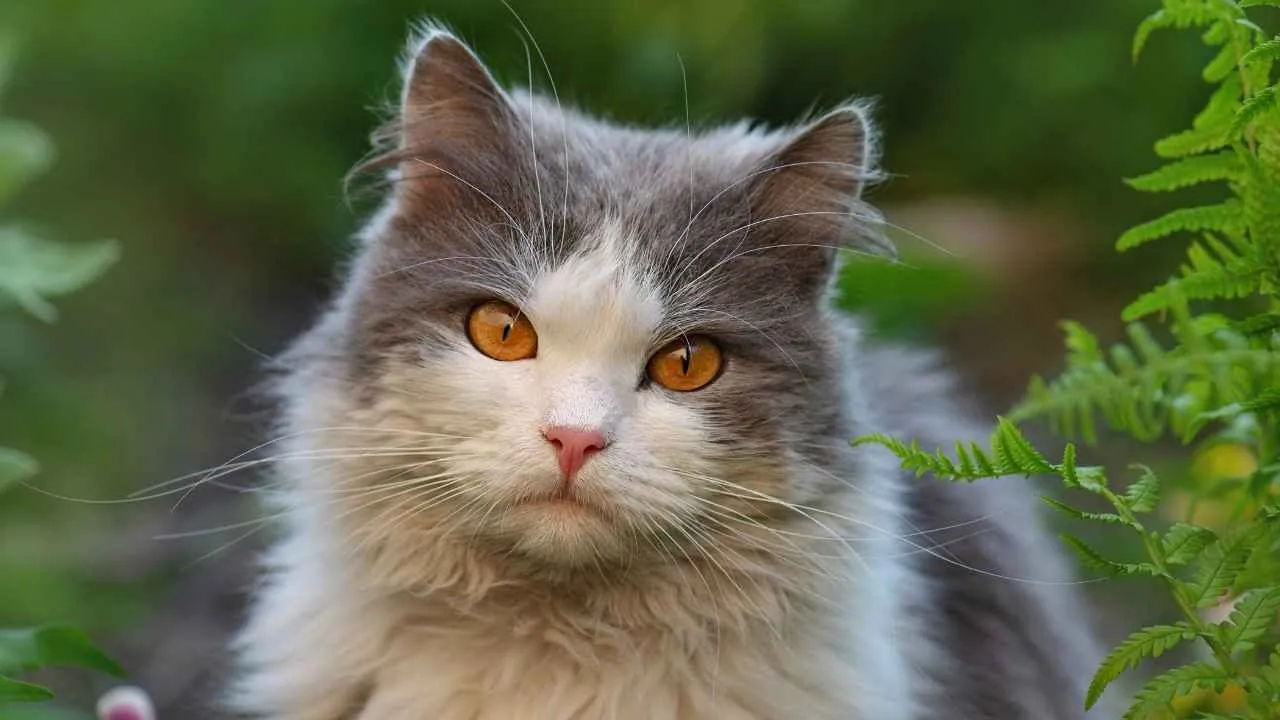
Often called the “Persian Exotic” or the “lazy man’s Persian,” the Exotic Shorthair shares the round face and sturdy build of the Persian but with a short, plush coat. Its teddy bear appearance, large eyes, and calm expression make this breed instantly recognizable.
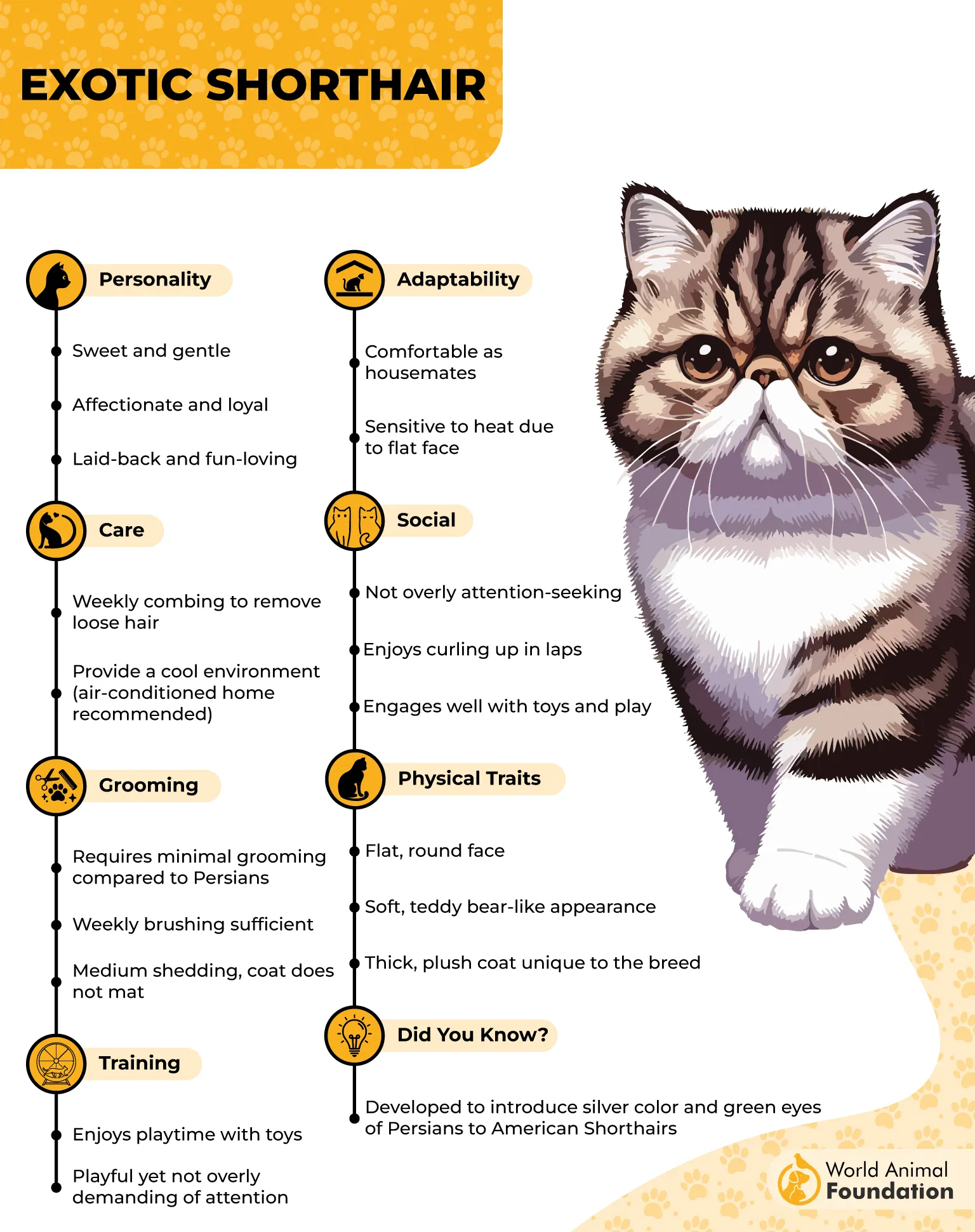
Exotic Shorthairs are easygoing cats that tend to graze calmly rather than rush meals. Their relaxed temperament means they usually eat small amounts at a time, returning to the bowl when hunger naturally strikes.
Because they are not highly active, these cats rarely overeat out of excitement or stress. Grazing allows them to self-regulate intake while avoiding the frantic behavior sometimes seen with strict feeding schedules.
Quiet, affectionate, and content with gentle routines, Exotic Shorthairs do best when food is always accessible but portioned carefully.
Fact: The breed was originally called the “Sterling” because of its striking silver coat before being renamed Exotic Shorthair.
Conclusion
Understanding why some cats prefer to graze helps owners support healthier eating habits. Unlike dogs, many domestic cats instinctively eat small amounts every few hours, a pattern inherited from feral cats.
Grazing can work well for indoor cats when the food bowl is managed carefully, whether you’re offering food as dry food, wet food, or a mix. This approach often suits an adult cat that self-regulates well and benefits from steady nutrients like essential amino acids.
That said, grazing isn’t ideal for every home. In multi-cat households, where cats share food bowls, monitoring intake becomes more challenging, especially when introducing new food or managing health near the litter box routine.
Some cats thrive better with meal feeding and a consistent feeding routine. Choosing the right feeding time helps maintain healthy cats while respecting natural instincts for how cats eat.
