




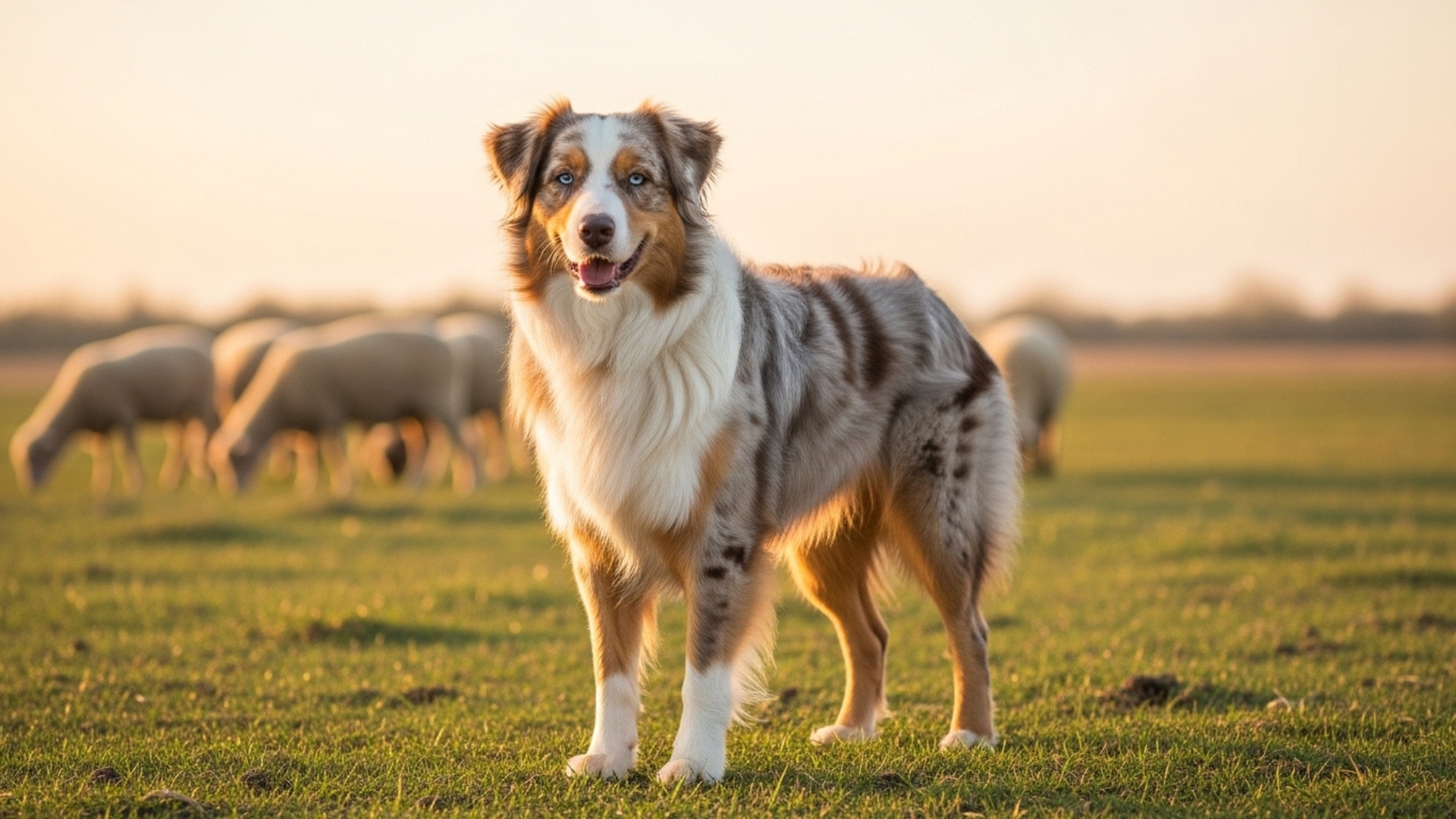
Some dogs are born to move a whole field like it is a chessboard. Others are born to stick close to humans like a warm shadow.
And here’s the best part! A few dog breed legends do both. These herding breeds were originally bred to herd sheep, manage livestock, and handle ranch work on farms. Many still do that job today.
But with the right home, they can also become deeply loyal family pets and excellent companions. Sounds crazy, right?. It is not magic. It is herding instincts, brains, and a work ethic that never quits.
This blog breaks down nine working dogs from the herding group that can work closely with humans, learn various tasks, and stay loyal through the long distances of real life.
Veteran Dog Breeds Used for Herding and Companion Service
1. Border Collie
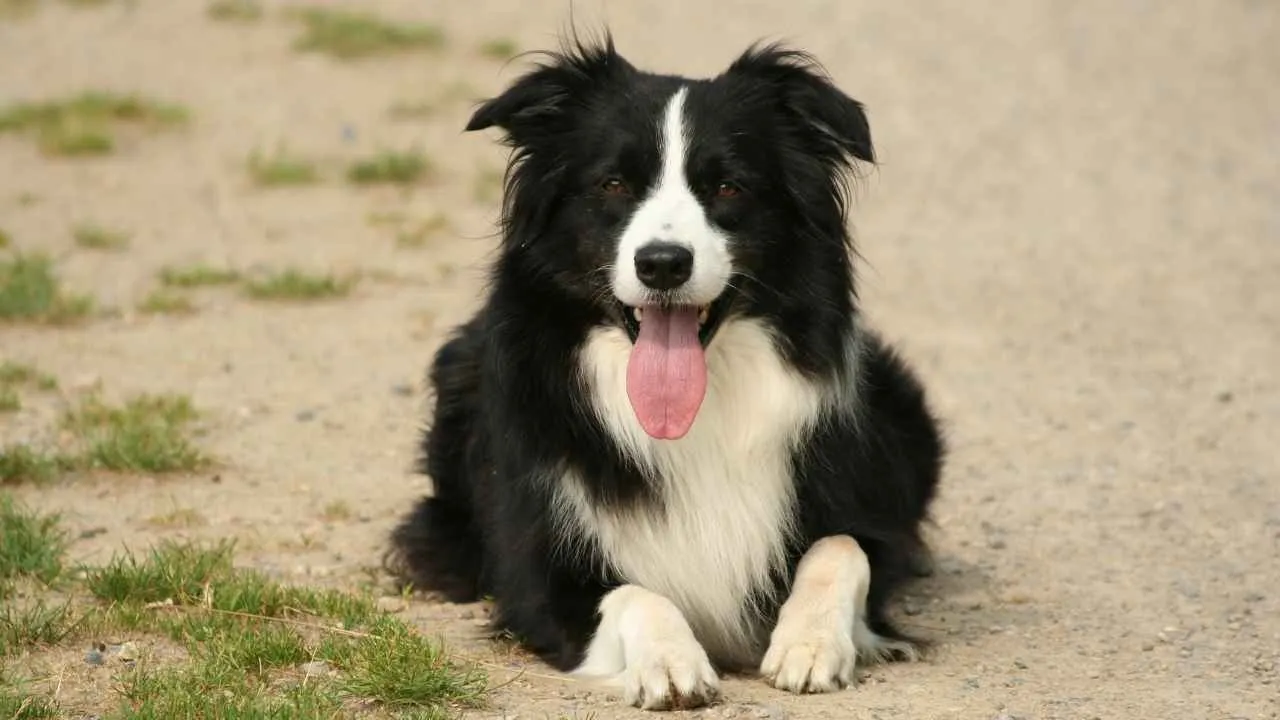
Border Collie energy is not a cute rumor. It is real life. The Border Collie was originally bred on farms in Great Britain to herd livestock with quick eyes and even quicker feet. Border Collie herding looks like smooth teamwork with humans and animals, not loud chaos.
These herding dogs are built for sharp turns, sudden stops, and fast bursts of speed. That agility often shows up in daily life too, like darting after a ball, then snapping back to your side like a pro.
According to PetMD, a Border Collie can be medium-sized, often around 30 to 55 pounds, with a coat that may be short or medium and wavy. Colors vary, but the real standout is intelligence. This intelligent breed is often called the gold standard for problem-solving.
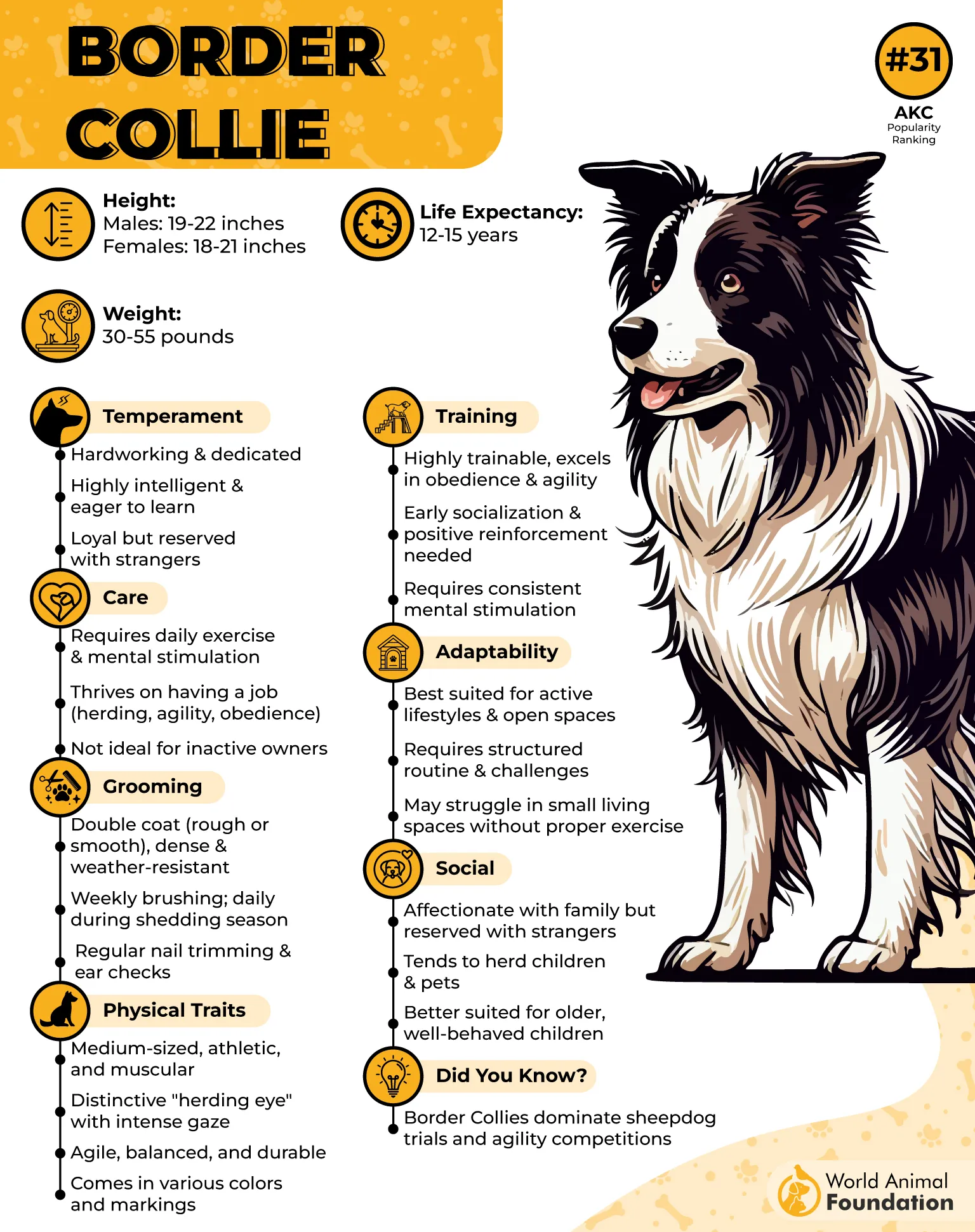
That is why mental stimulation matters so much. Without a job, many dogs invent one. And it gets even worse, though, when that “job” becomes chewing, digging, or chasing other animals in the yard.
Training can be a joy because many Border Collie dogs enjoy training and are quick learners. Consistent training helps channel strong herding instincts into safe routines around family and kids.
These herding dogs also love agility, and some even try dog sports because they crave movement and focus.
Best daily vibe: Active walks, games, and puzzle time for mental stimulation
Watch for: Bored dogs creating “projects” around the house
Fun note: Border collie focus can lock on like a laser during herding
2. Australian Cattle Dog
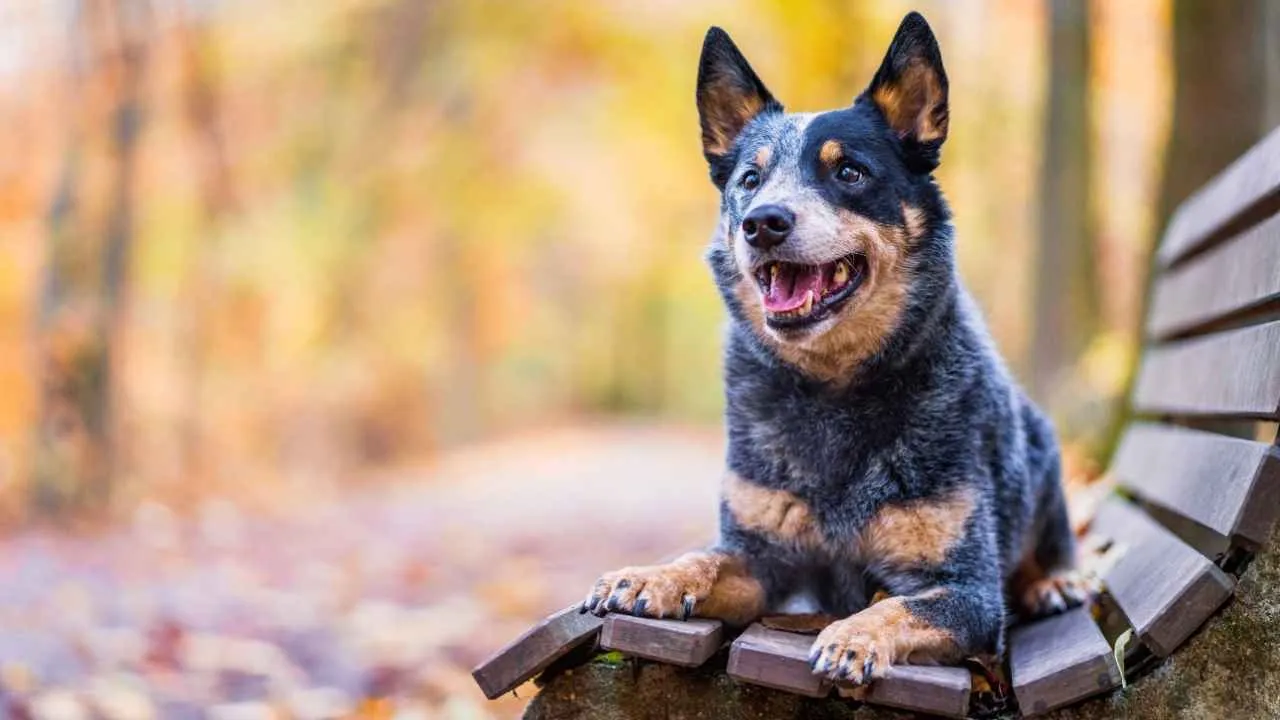
Australian Cattle Dogs are tough little tanks with a sharp mind. As per Britannica, the Australian Cattle Dog was originally bred in the 19th century to herd cattle in the harsh Australian Outback. The “heeler” nickname comes from the way these cattle dogs move cattle by nipping at the feet.
It sounds intense, but it is simply the job they were made for. On farms, these herding dogs can work long distances with a steady pace and a serious work ethic.
The look is easy to spot. Australian Cattle Dogs have prick ears and a short, dense double coat. Many are blue with speckling or mottling, and some are red, speckled with darker markings on the head.
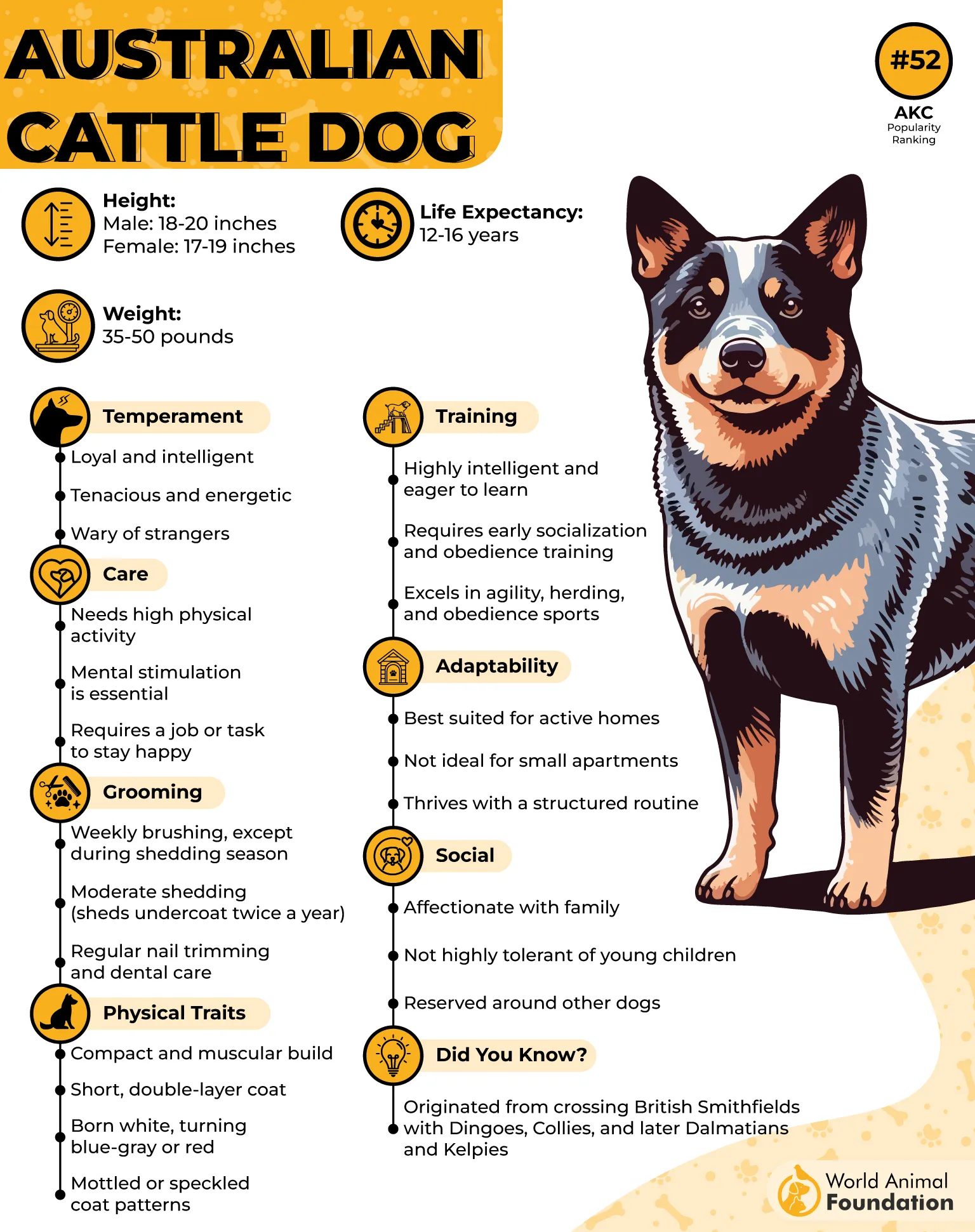
Here’s a fun fact. A puppy may be born white with facial markings, then the coat color develops as it grows. These dogs are usually medium-sized, sturdy, and ready to move from sunrise to “why is it dark already?”
These cattle dogs tend to bond hard with owners and can be fiercely loyal when their needs are met. Training should start early, because herding instincts can spill into daily life, like trying to herd kids, cats, or other animals.
The good part is that they are intelligent dogs who love a clear job. Give them daily exercise, structure, and mental stimulation, and you get a confident partner who can handle real work and still chill near the family after.
Best daily vibe: Structured play, skill games, and calm downtime after exercise
Watch for: Heel-nipping habits when excited
Important note: Consistent training keeps herding cattle habits from turning into chaos
3. Australian Shepherd
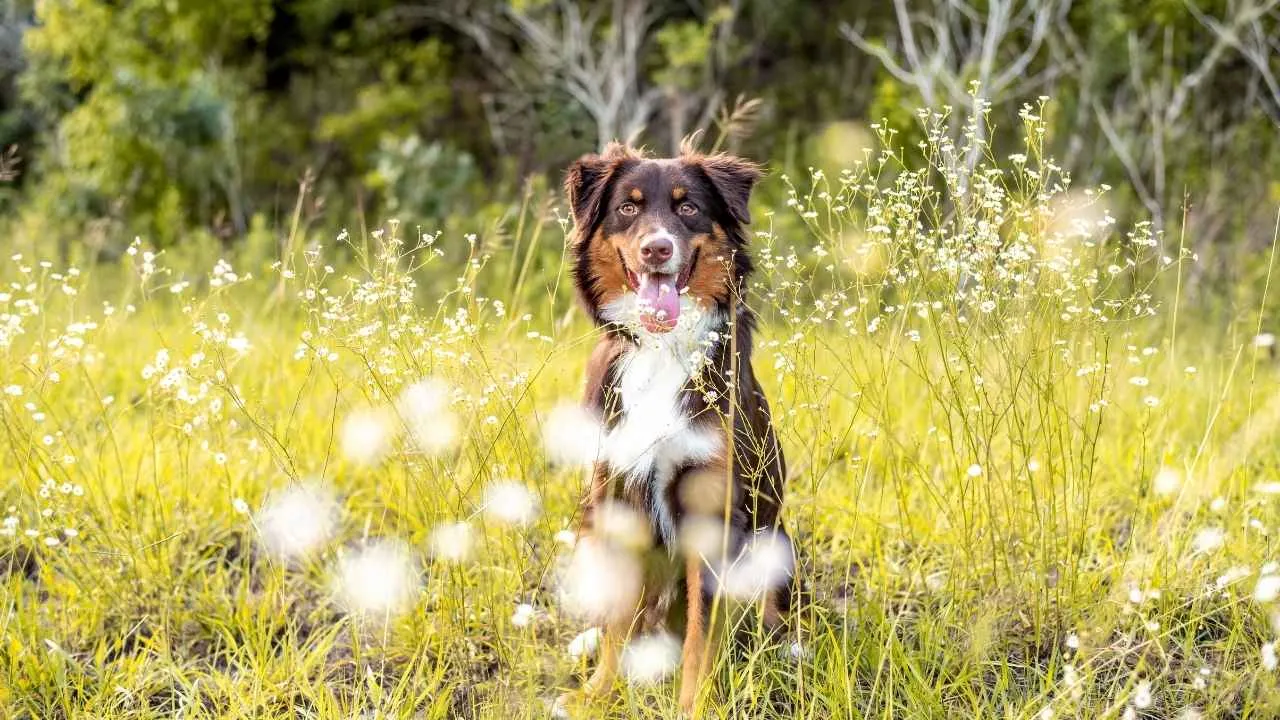
The Australian Shepherd story surprises a lot of humans. As per the AKC, the Australian Shepherd was developed in the western United States in the late 1800s from British-derived herding dogs.
On farms and ranches, these herding dogs helped with herding livestock and guarding space with a confident posture. Many were originally bred for a life of movement, working closely with humans and reading animals like sheep and cattle with quick judgment.
Coat variety is part of the charm. An Australian Shepherd can be black, blue merle, red merle, or red, with or without white markings or tan points. The coat is medium length and slightly wavy, often with feathering on the legs and a fuller area around the chest.
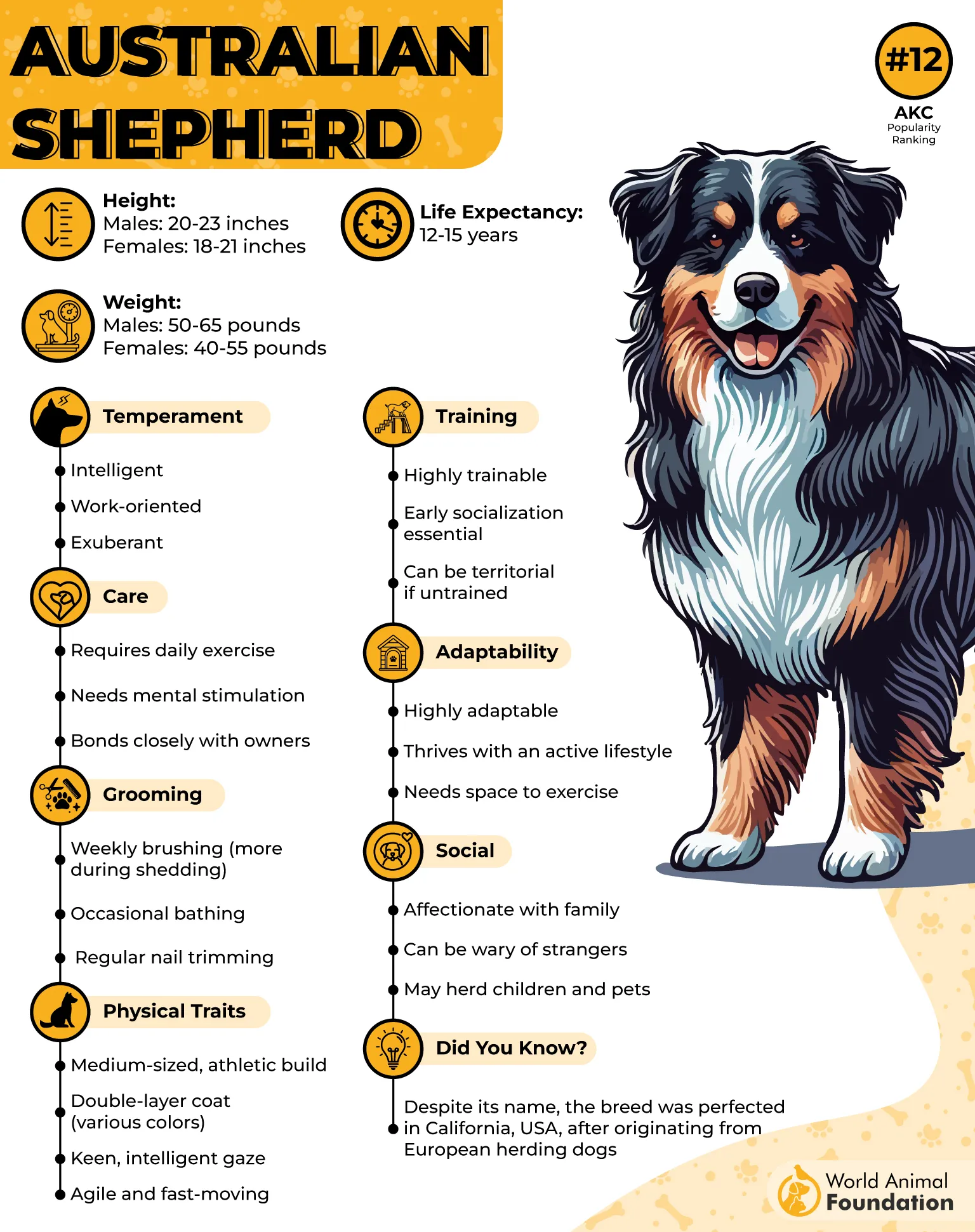
Some dogs even have two different eye colors, which always looks like the dog knows a secret. Temperament is often alert and eager, with strong herding instincts and a bold, ready-for-anything job mindset.
Training works best when it feels like teamwork, not like a lecture. These herding dogs enjoy training when it is upbeat and fair. They need mental stimulation and daily exercise so the intelligent side stays calm instead of restless.
With the right routine, they can settle into family life while still keeping that working group spark. That blend is why many owners call them both capable working dogs and lovable family pets.
Best daily vibe: Tasks, tricks, and plenty of movement
Watch for: Herding instincts showing up around other animals
Did you know: Coat patterns can be wildly different even in the same litter
4. Belgian Malinois
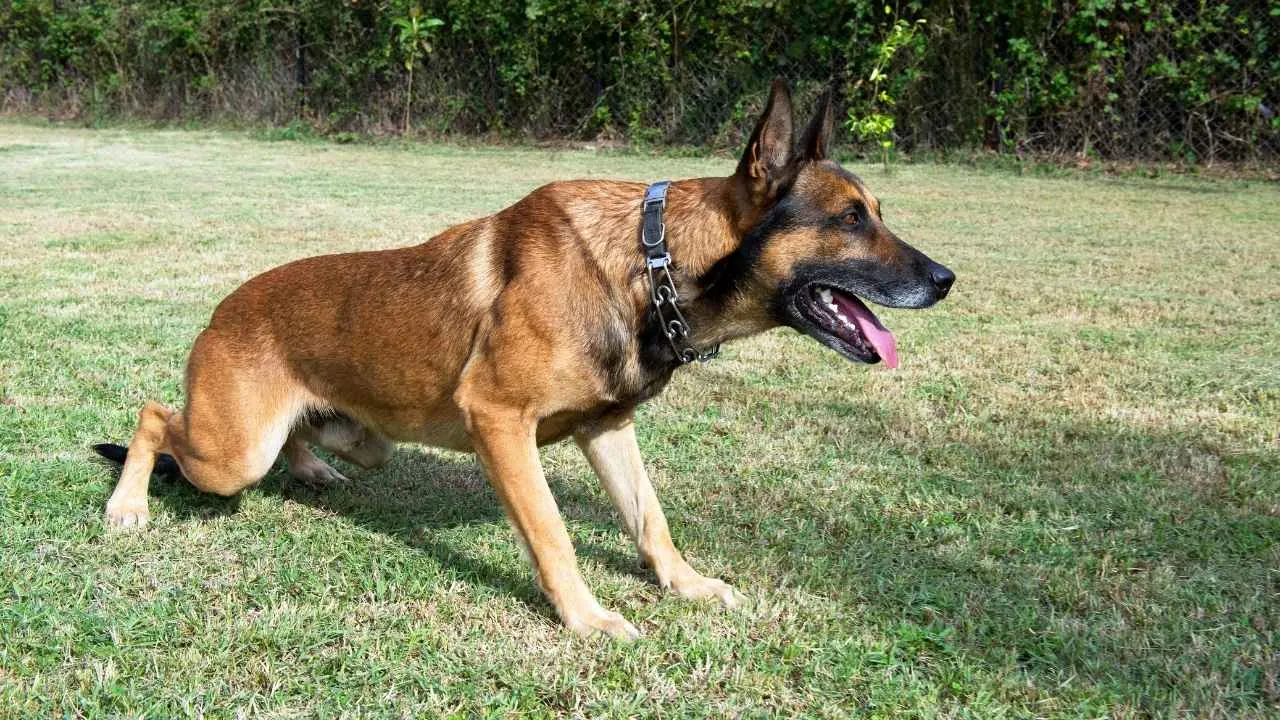
Belgian Malinois dogs are not here to nap through life. This dog breed is famous for being smart, confident, and fully ready to work. These herding dogs often form an intense bond with humans and want to be involved in everything.
But why bother with that? Because when a Belgian Malinois feels included, you get a focused partner with a huge work ethic and a bright mind that thrives on purpose.
The body is square and athletic, usually 22 to 26 inches tall, with strong muscles and a proud head carriage. Coat colors range from fawn to mahogany, usually with black ears and a dark mask that frames alert eyes.
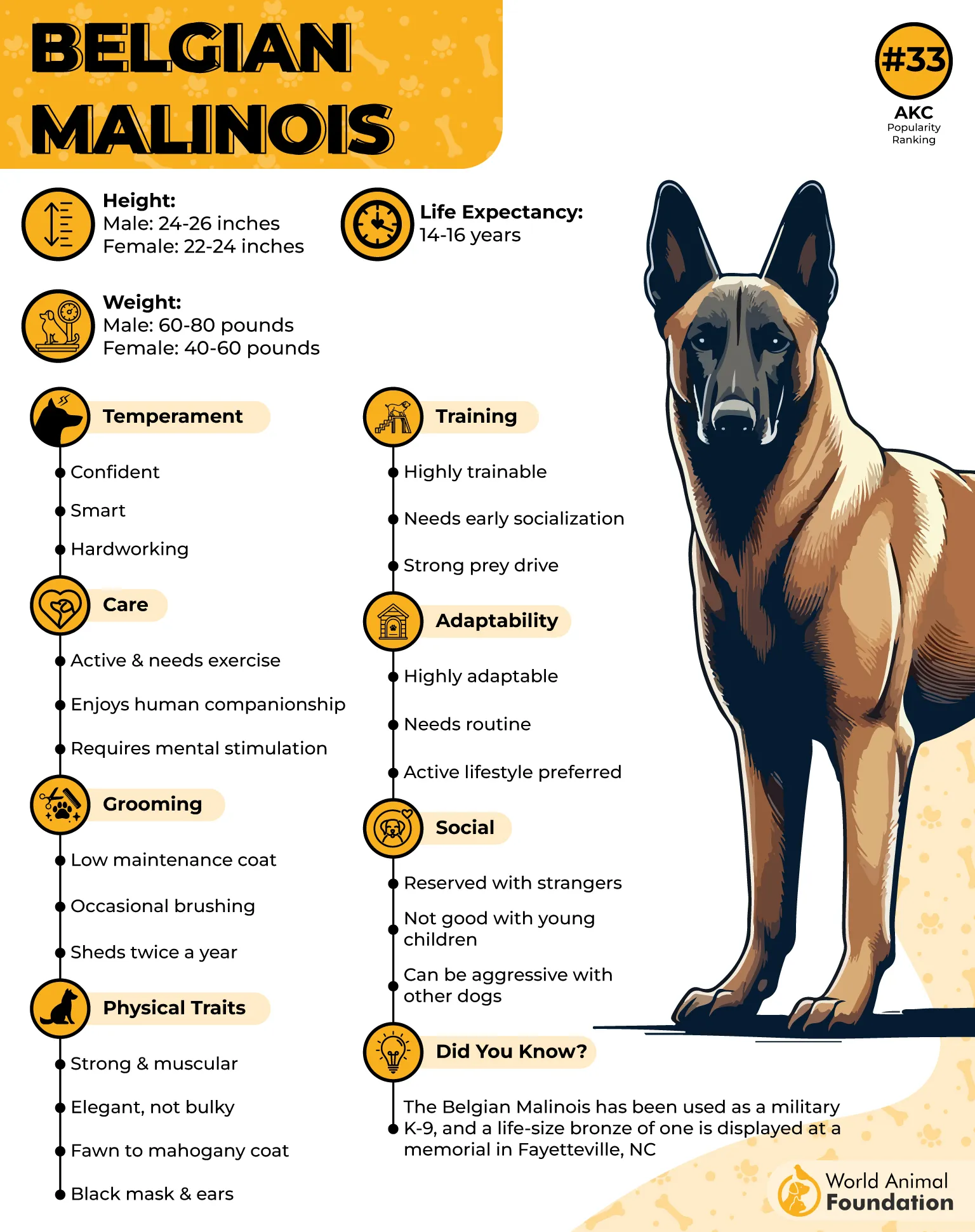
Many dogs in this working group love routines, especially when training is clear and fair. They can be fast learners, but they can also be too clever for casual handling. That is why consistent training matters.
These herding dogs often show up in demanding roles, including police work and search and rescue, because they can stay locked in on a task even in loud, busy environments.
They also need serious daily exercise and mental stimulation, or boredom hits hard. Here’s the good part. With the right owners, a Belgian Malinois can be deeply loyal, steady, and amazingly tuned in to humans, like a teammate who always checks in.
Best daily vibe: Focused drills, movement, and skill work
Watch for: Underemployed dogs getting restless or wild
Important note: Training should be firm, kind, and consistent
5. Shetland Sheepdog
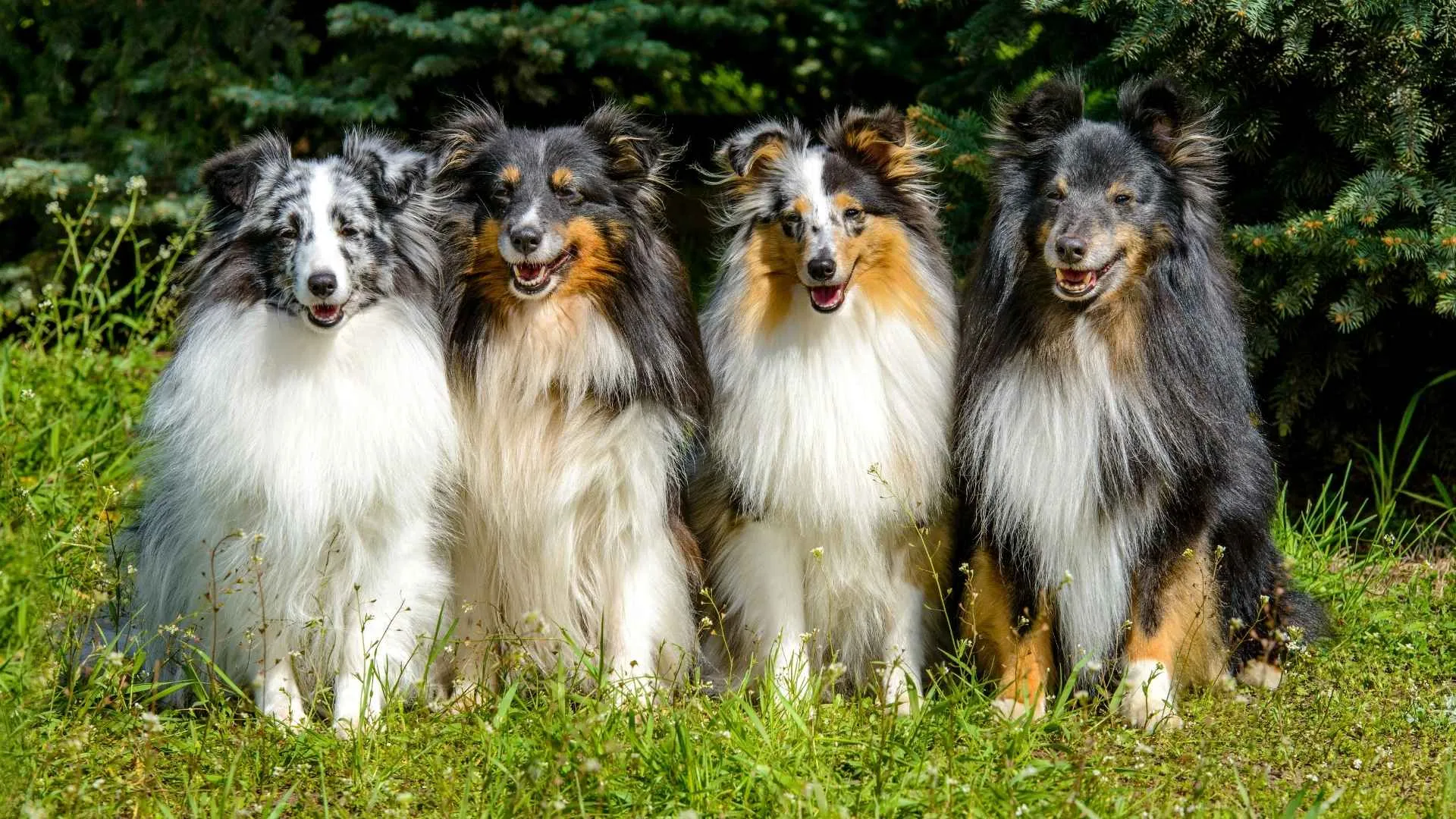
The Shetland Sheepdog, or “Sheltie,” is small but mighty. According to Hill’s Pet, the Shetland Sheepdog was originally bred on Scotland’s Shetland Islands to control small sheep, poultry, and ponies. The landscape was harsh, food was scarce, and farms needed herding dogs that could work without eating like a giant.
So these dogs were bred smaller on purpose. The result is a compact worker with a big brain and a gentle nature that often surprises people.
Shelties are sturdy, agile, intelligent, and alert. Many have a long straight coat in sable, black, or blue merle, often with white and tan markings. They can be cautious around strangers, which is not a flaw.
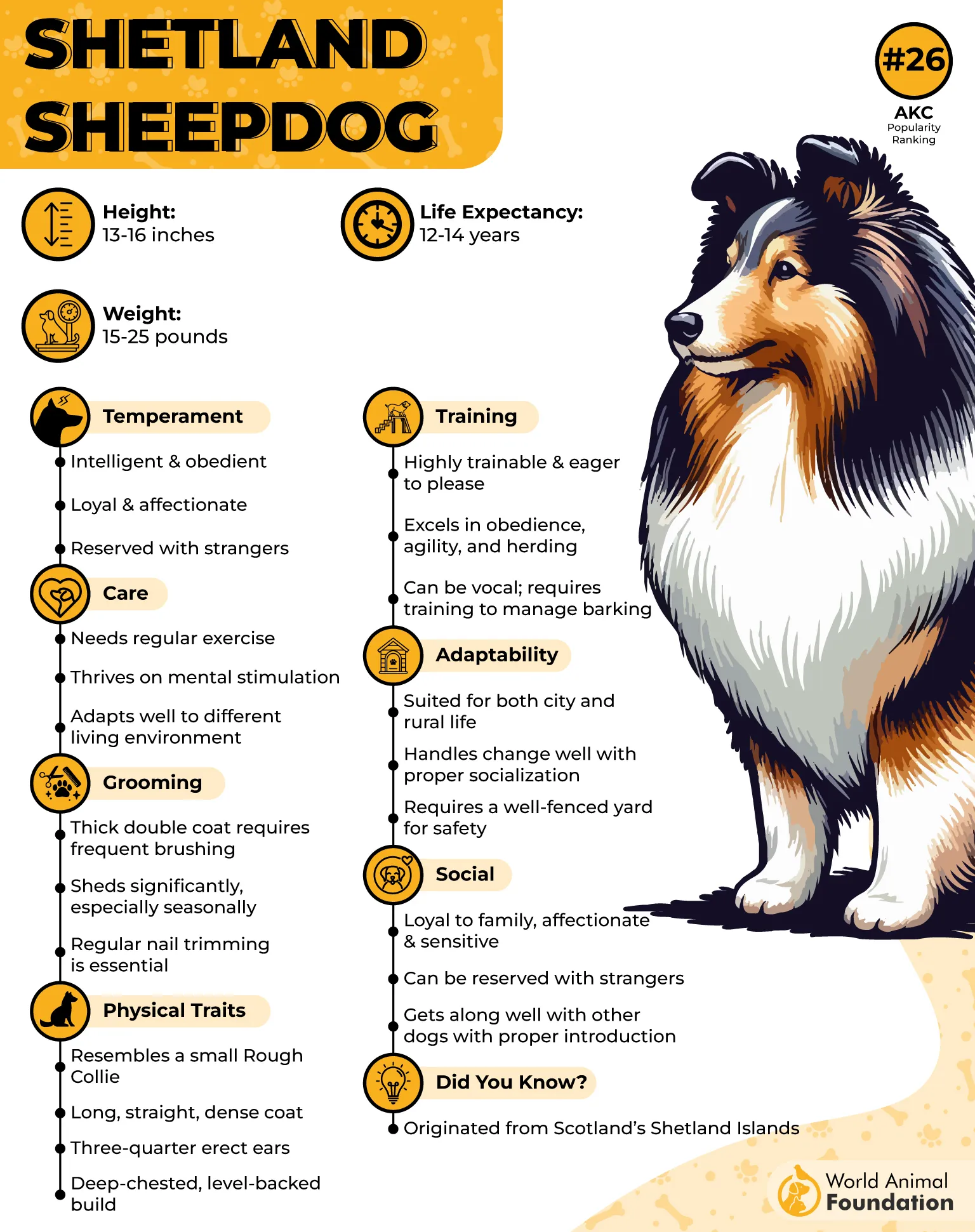
It is part of temperament. With social time and kind training, they can learn to relax and feel safe. Their herding instincts are real, so they may try to herd kids or other animals with quick movement and focused staring.
Because they are small, daily exercise does not need to be extreme, but it should be steady. Mental stimulation keeps the intelligent side satisfied. These herding dogs often enjoy training when it is upbeat and clear.
Here’s the best part! The Shetland Sheepdog can fit into many family setups, as long as owners respect their sensitive nature and give them a job-like routine, even if the “job” is learning tricks and helping around the home.
Best daily vibe: Short games, walks, and training sessions
Watch for: Shy behavior without early social time
Fun fact: Early Shelties were called “Toonie dogs,” meaning farm dogs
6. German Shepherd Dog
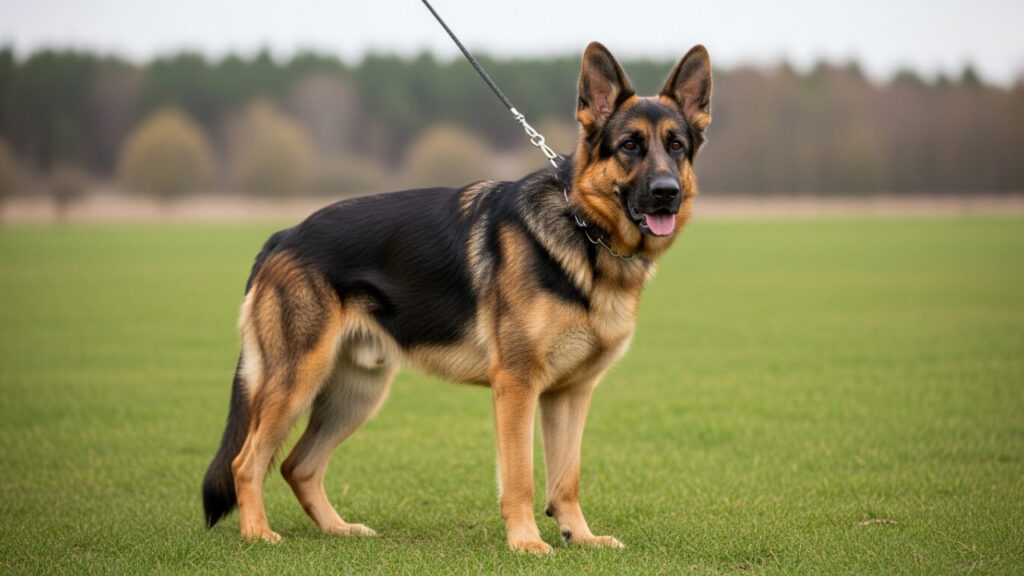
German shepherds have a reputation, and honestly, they earned it. This dog breed is large, agile, muscular, highly intelligent, and loyal. As part of the herding group, German shepherds love having a job and a clear routine.
Many were originally bred with herding instincts that made them useful on farms, especially where livestock needed steady control and quick response.
A German Shepherd Dog often weighs around 50 to 90 pounds. That size can look intense, but temperament can be balanced with good handling. These working dogs are often confident, brave, and ready to learn.
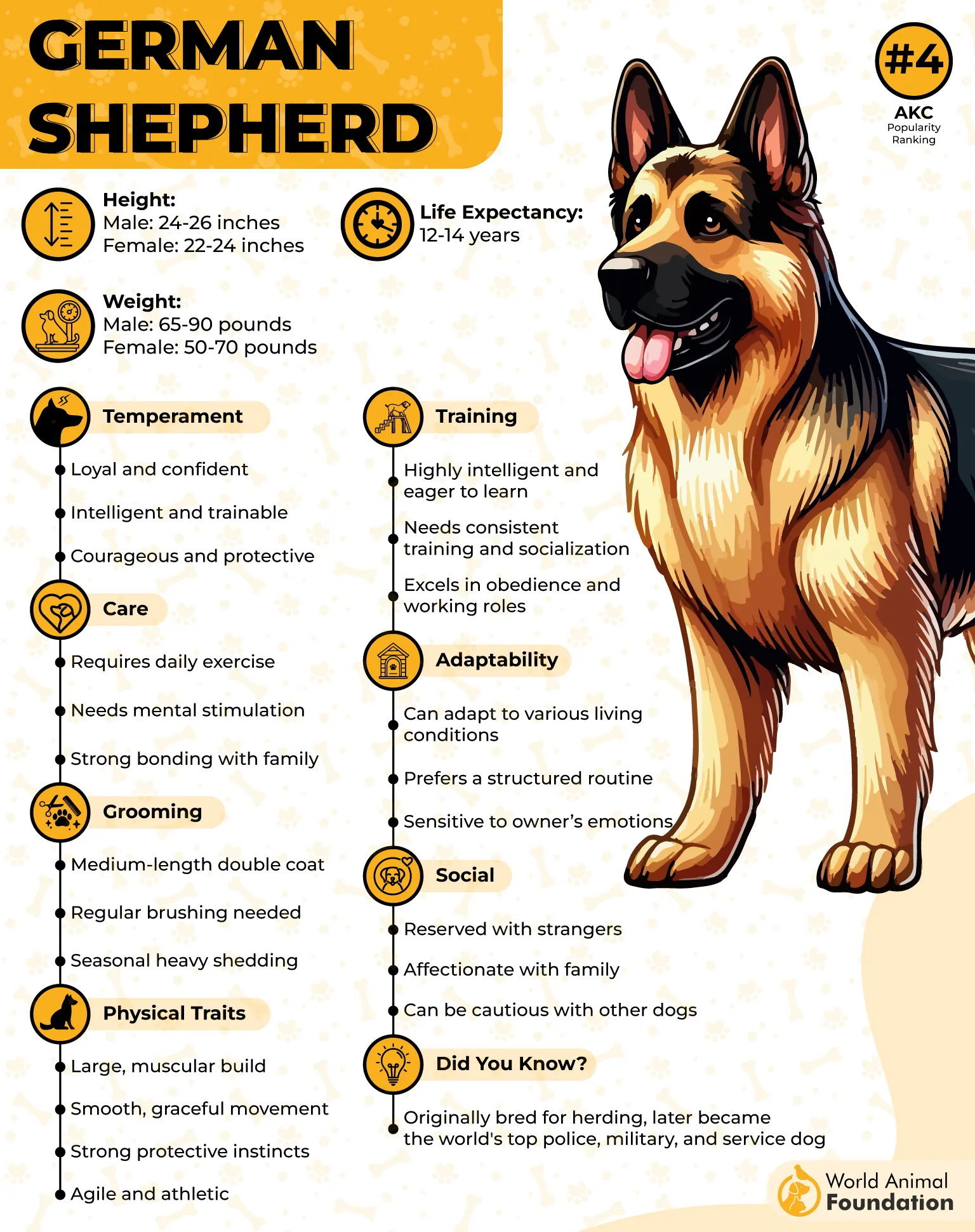
Training is a big piece of the story. With proper training, German shepherds can thrive in roles like patrol work, bomb detection support, and search and rescue. They are also known as guard dogs because they can protect livestock and home space when needed.
In daily life, German Shepherds can become deeply loyal family protectors. They do best with daily exercise and mental stimulation so their intelligence stays focused. They are popular breeds for a reason.
When owners commit to consistent training, these dogs can handle various tasks and still be calm around the family. And here’s the good part. A well-raised German Shepherd dog often becomes that steady presence who watches, learns, and sticks close through every season of life.
Best daily vibe: Structured walks, training games, and calm bonding time
Watch for boredom and frustration without enough work
Important note: social time helps balance confidence and calm
7. Belgian Sheepdog
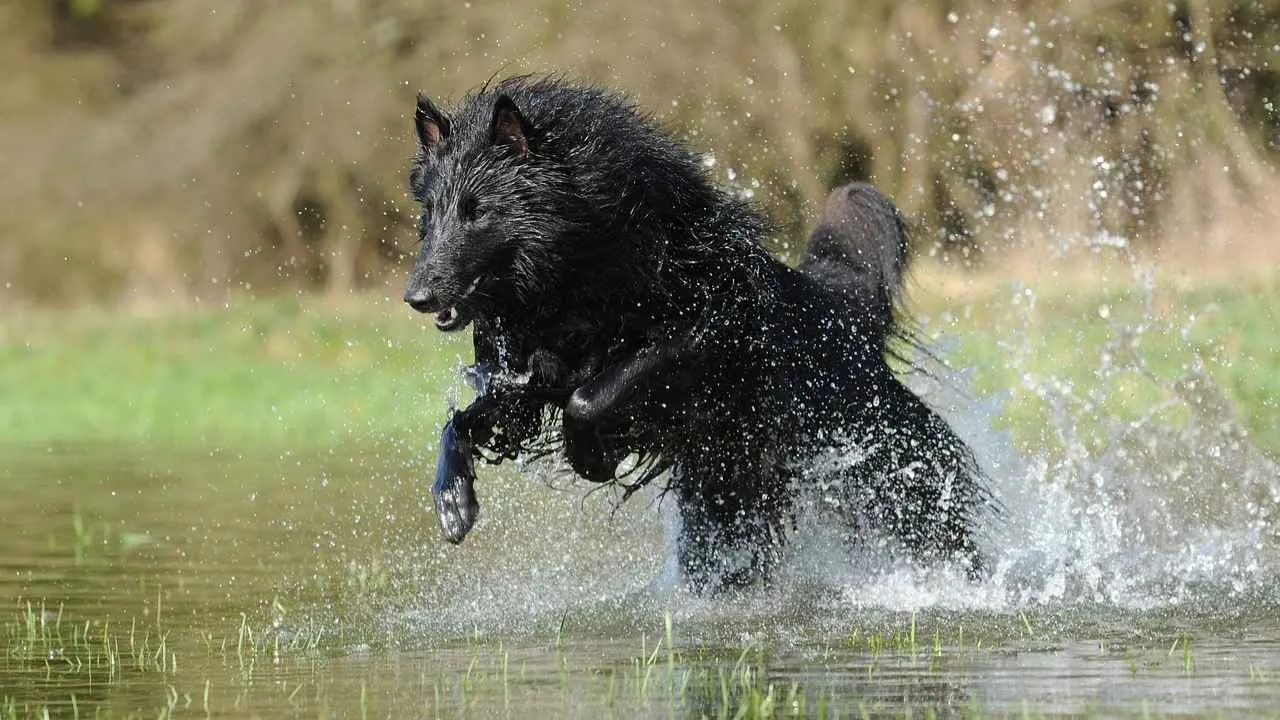
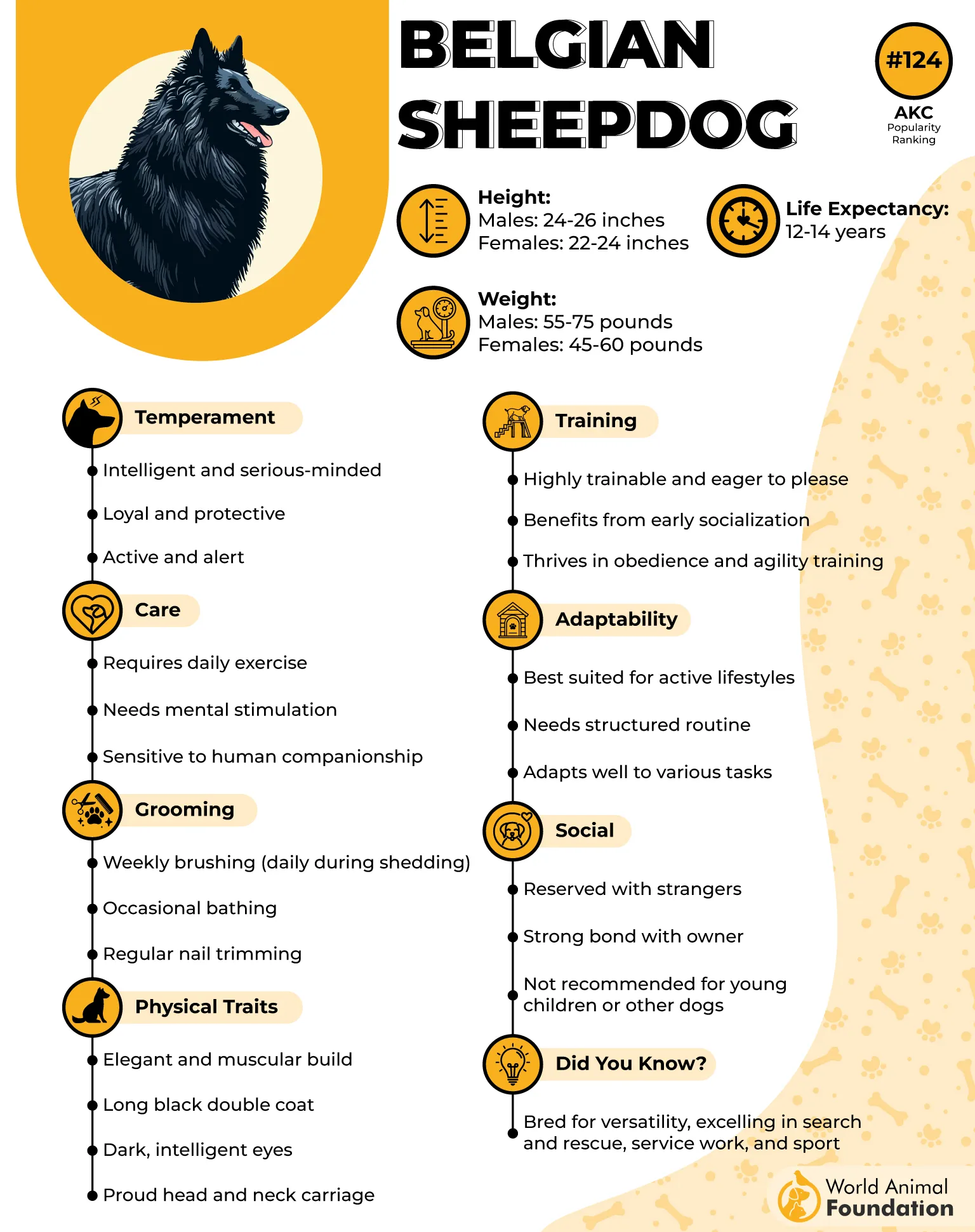
Belgian Sheepdogs, also called Groenendael, are known for a beautiful, long black coat and a sharp, ready mind. This dog breed can trace its roots back to 19th-century Belgium, where these herding dogs worked for herding and guarding purposes.
Later, many became known for obedience and usefulness in real-life work, including message carrying and watch roles in wartime. That history shows a serious work ethic and a strong bond with humans.
These working dogs are medium to large in size. They tend to be alert and intelligent, which means mental stimulation is not optional.
Many dogs in this working group can be fast learners, but they also have an independent side that needs clear training and positive handling. Consistent training helps their intelligence become a strength, not a stress.
Belgian Sheepdogs often do best with owners who enjoy training and daily exercise. They can be loyal and deeply loyal once a bond is built, and they often prefer working closely with their people rather than doing their own thing.
Their long coat needs regular brushing, especially during shedding, but it can also be a cozy bonus in cooler weather. But wait, there’s more! Many Belgian Sheepdogs stay playful into puppy years, which can make learning feel fun instead of strict.
Best daily vibe: Movement, training, and bonding as a team
Watch for: Coat care getting ignored during busy weeks
Fun note: Many dogs stay goofy and playful even while “on duty.”
8. Beauceron
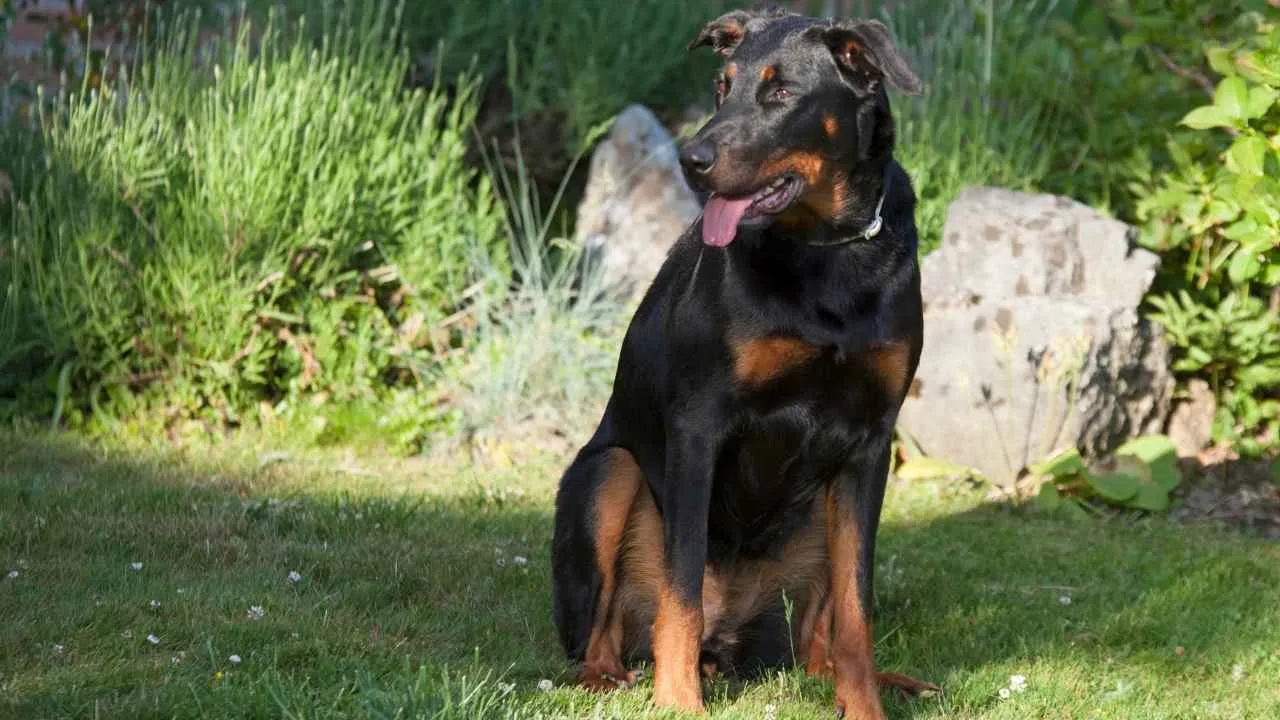
The Beauceron brings big herder energy with a smart, steady brain. This dog breed is imposing and powerful, yet often balanced when trained well. Beaucerons are rugged and large, sometimes up to about 27.5 inches at the shoulder.
They are muscular, but not clumsy. Many herding dogs move with purpose, and the Beauceron is no exception. They were made to herd livestock and stay brave when the job gets messy.
The classic look includes a black coat with red accents, including the famous red feet that inspired the nickname “red stockings.” Some are also seen in black, gray, and tan.
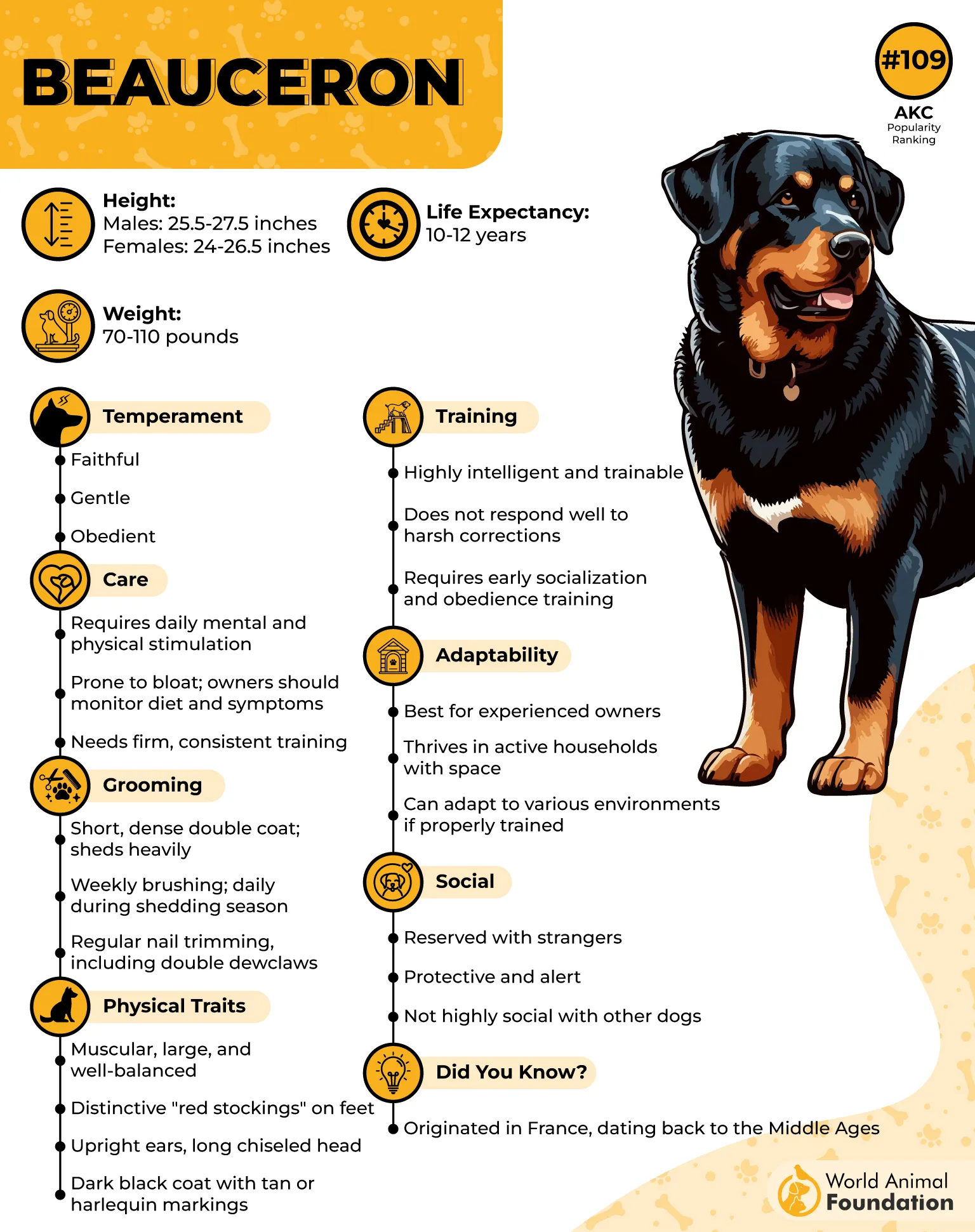
Their expression is often described as confident and direct, which matches the temperament when the dog is raised with structure. These working dogs are not for owners who want an easy button. They need training, leadership, and mental stimulation. Without that, a dominant attitude can take over.
Here’s the good part. When the bond is built with clear training and fair rules, the Beauceron can be loyal, protective, and levelheaded. Many become natural guard dogs who take the job seriously without being frantic.
They can be gentle giants in the home when raised with care, especially around family. They also do well on farms, where a strong body and strong herding instincts make sense. Give them daily exercise, and they will repay you with calm confidence.
Best daily vibe: structure, skill work, and steady routines
Watch for: stubborn behavior without clear rules
Important note: early social time helps keep temperament even-tempered
9. Briard
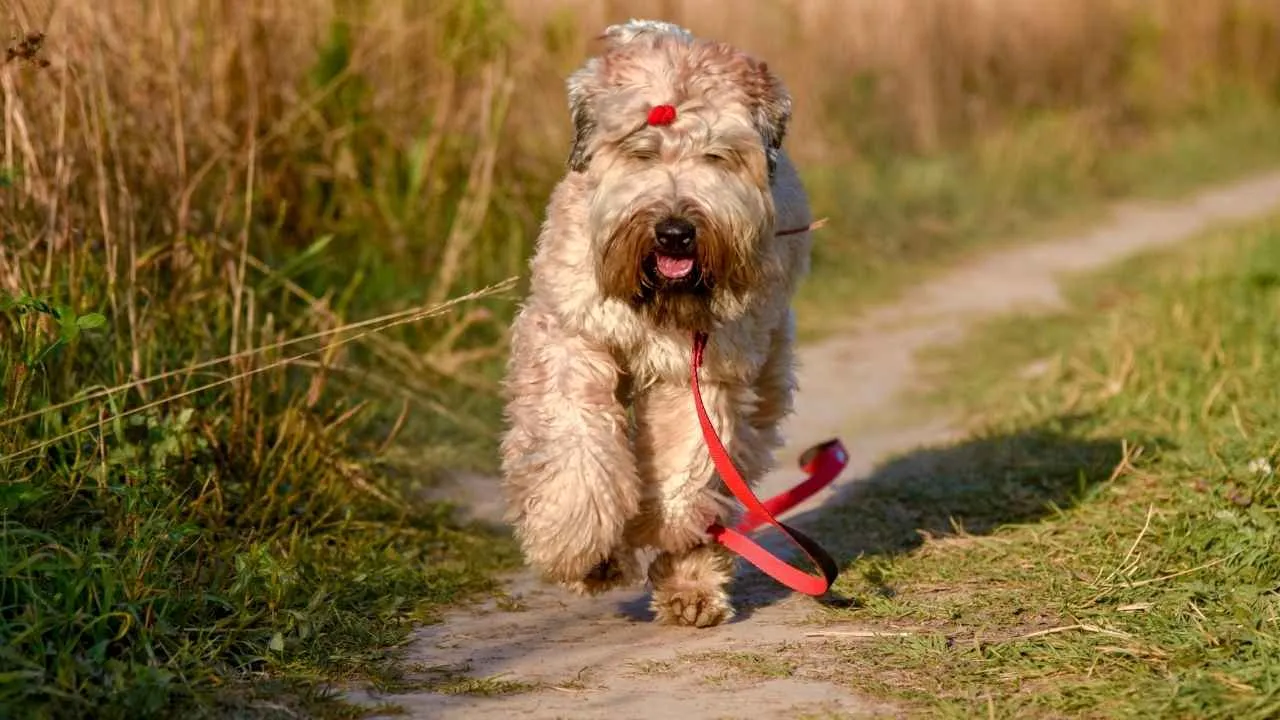
The Briard is an old soul with a bold heart. This dog breed is an ancient French herding dog with a rugged look and a long history. Briard dogs were originally bred to guard and herd sheep, and the breed has been around for centuries, showing up in art and stories tied to famous humans.
That history is cool, but the real magic is how the Briard moves and thinks. These herding dogs can make abrupt turns, quick starts, and sudden stops, which is exactly what herding sheep demands.
Briards are large dogs. That size can feel surprising when the dog moves like “quicksilver.” Temperament is often brave and confident, with spirit and initiative.
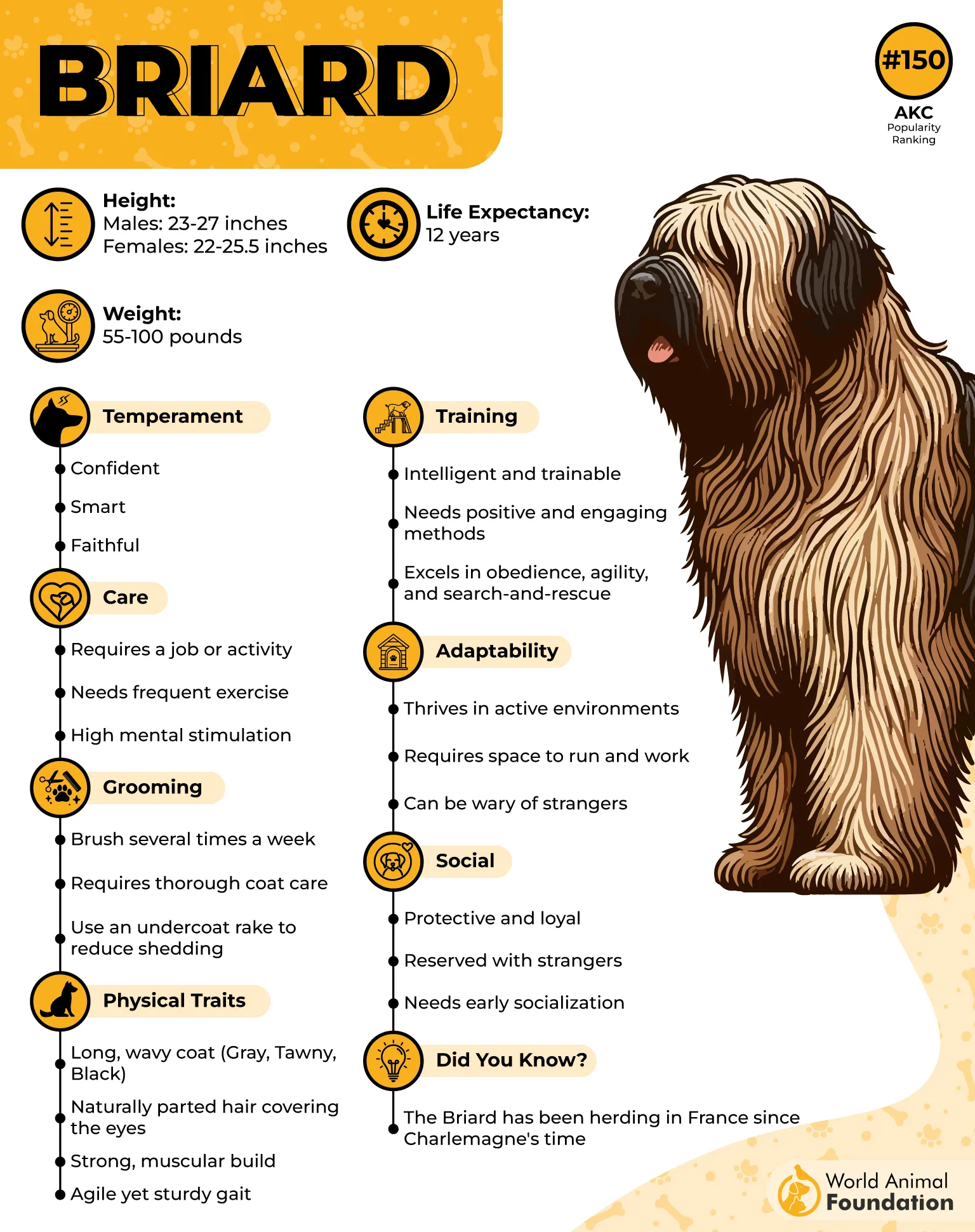
These working dogs can be wise, alert, and very tuned in to humans when raised well. Their herding instincts can show up as protective behavior, so training should focus on calm control, not just excitement.
Training works best when it is positive and clear. Many dogs enjoy training when it feels like teamwork. Briards can manage livestock and also stay close to family, acting like a gentle shadow with a job mindset.
They often need mental stimulation to keep their intelligence happy, plus daily exercise to keep the body calm. Here’s the best part! With the right owners, the Briard can protect sheep, respect humans, and still be a warm, loyal presence at home.
Best daily vibe: Learning, calm routines, and meaningful tasks
Watch for: Protective habits without guidance
Fun fact: The Briard’s history is packed with famous moments
Conclusion
Herding dogs are not just farm helpers. They are brainy, loyal, and built for real work. In the herding group, many breeds were originally bred to herd livestock, move cattle, and control sheep with a sharp focus.
That same intelligence can also support humans in daily life through steady routines and companionship. The key is simple. Give these working dogs training, daily exercise, and mental stimulation.
Keep the temperament balanced with kindness and structure. And here’s the best part! When you match the right dog breed to your life, you get a partner who can work hard, stay loyal, and still cuddle like they invented comfort.
