




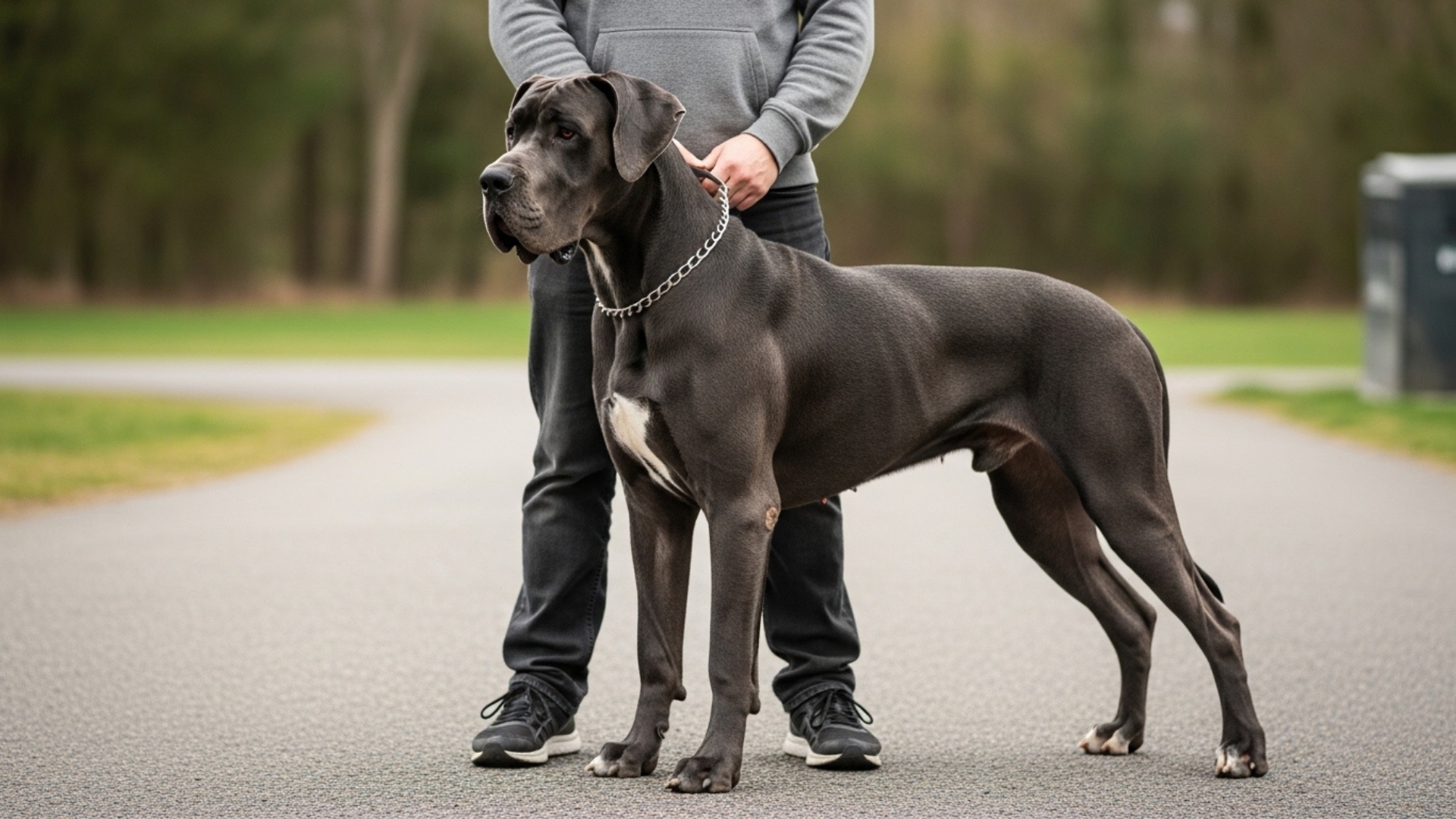
When people think of guard dogs, they often picture large, intimidating breeds with fierce reputations. However, true protection isn’t just about size or aggression—it’s about loyalty, intelligence, and the ability to respond appropriately in any situation.
Many of the popular guard dog breeds are not only vigilant guardians but also gentle, affectionate companions who integrate seamlessly into family life. The key to a great protection dog lies in the right balance of temperament and training.
A well-bred dog with natural protective instincts, combined with proper socialization and professional guidance, can become both a reliable defender and a loving member of the household. These excellent guard dogs are alert without being overly aggressive and confident without being uncontrollable.
We’ll explore the most loyal dog breeds trained for protection and defense, highlighting their natural abilities, personalities, and how training helps shape them into dependable guardians. Whether you’re looking for peace of mind or a devoted companion, these guard dog breeds offer the perfect blend of security and affection.
Loyal Dog Breeds Trained for Protection and Defense
1. Cane Corso
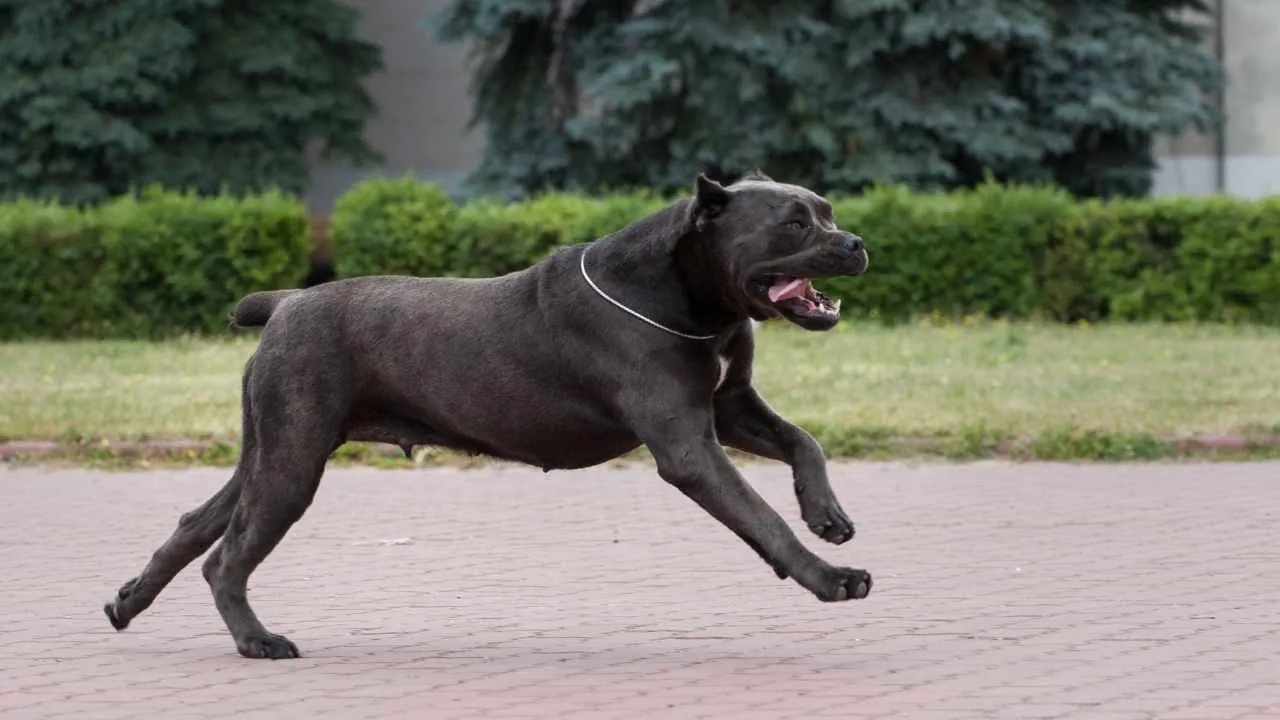
The Cane Corso is basically the kind of dog that looks like it already knows your secrets—and is prepared to defend them. This powerful Italian mastiff has a naturally protective instinct, making it one of the most reliable guard dogs out there.
With its muscular build and serious expression, it doesn’t just scare intruders—it politely suggests they reconsider their life choices. But here’s the fun twist: behind that tough, no-nonsense exterior is a dog that’s incredibly loyal and deeply attached to its family members.
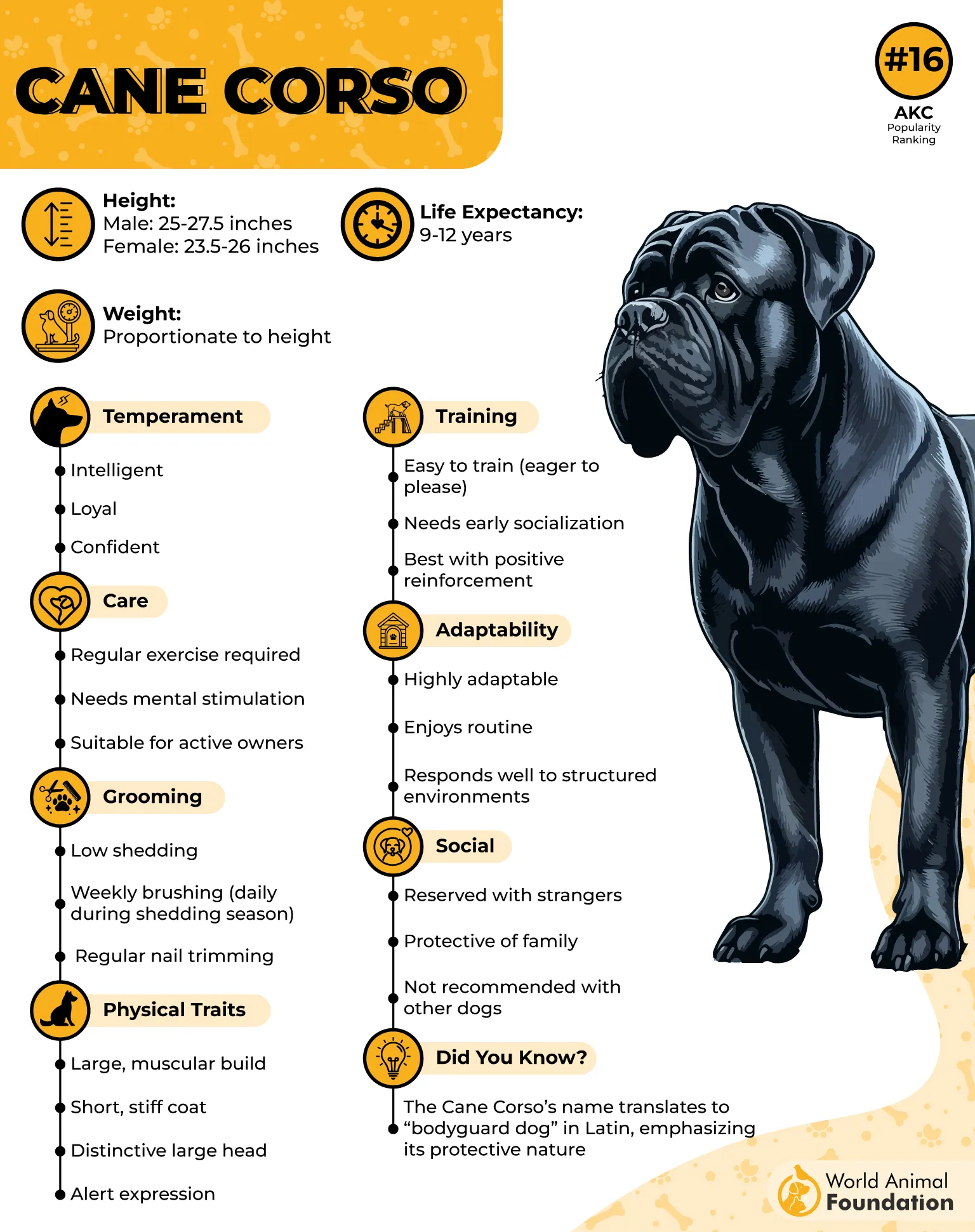
According to the American Kennel Club (AKC), a Cane Corso doesn’t just live with you—it commits to you. It’s the kind of dog that follows you from room to room like a very large, slightly intimidating shadow. Personal space? Never heard of it.
They’re highly intelligent and eager to please, which sounds perfect—until you realize they also have a bit of a stubborn streak. Think of them as smart enough to learn quickly… and clever enough to question your authority.
Despite their guarding abilities, they’re surprisingly affectionate. They love their people deeply and often forget just how big they are. Don’t be surprised if your Cane Corso tries to sit on your lap like a tiny puppy—it’s all love, just… with extra weight.
In short, the Cane Corso is a perfect mix of strength, intelligence, and deep loyalty. With the right training, it becomes more than just a guard dog—it becomes a devoted protector, a gentle companion, and occasionally, an overconfident lap dog.
2. German Shepherd
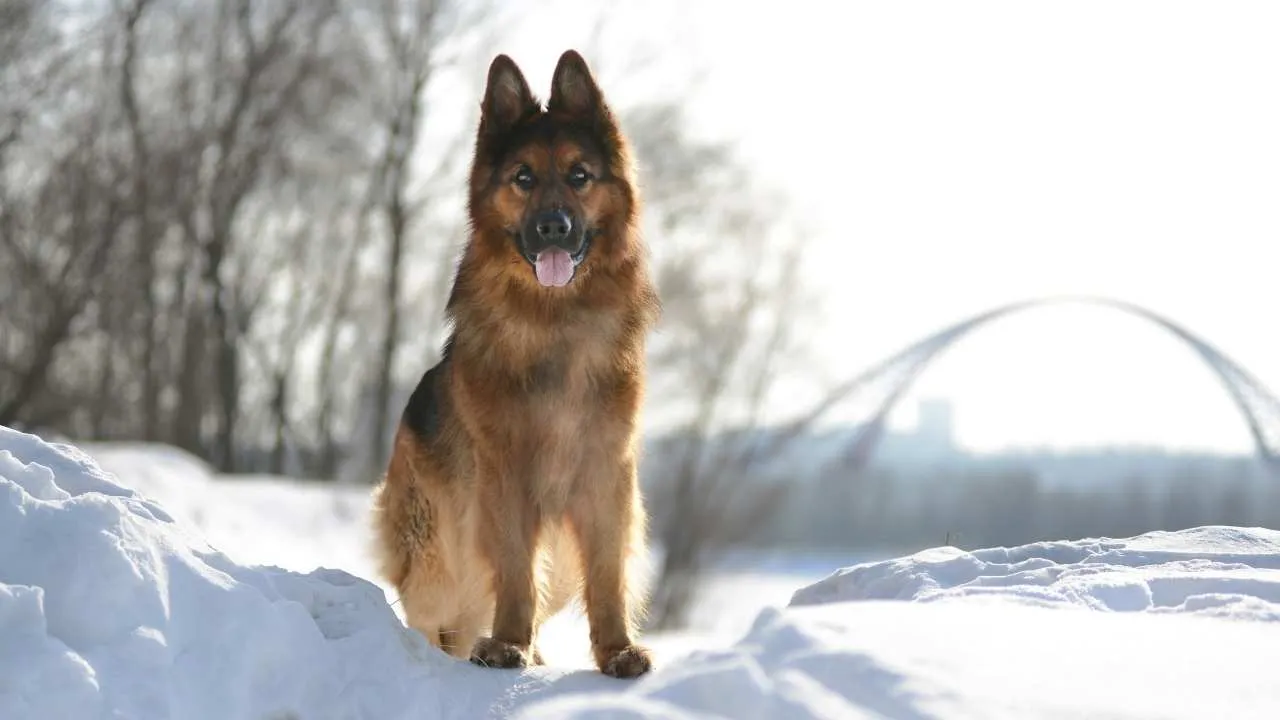
The German Shepherd is basically the overachiever of the dog world. If dogs had report cards, this one would come home with straight A’s… and probably a note saying, “Also helped teach the class.”
Known worldwide for their intelligence, confidence, and loyalty, German Shepherds are the kind of dogs that don’t just learn commands—they master them. This is why you’ll often see them working alongside police, military units, and search-and-rescue dog teams.
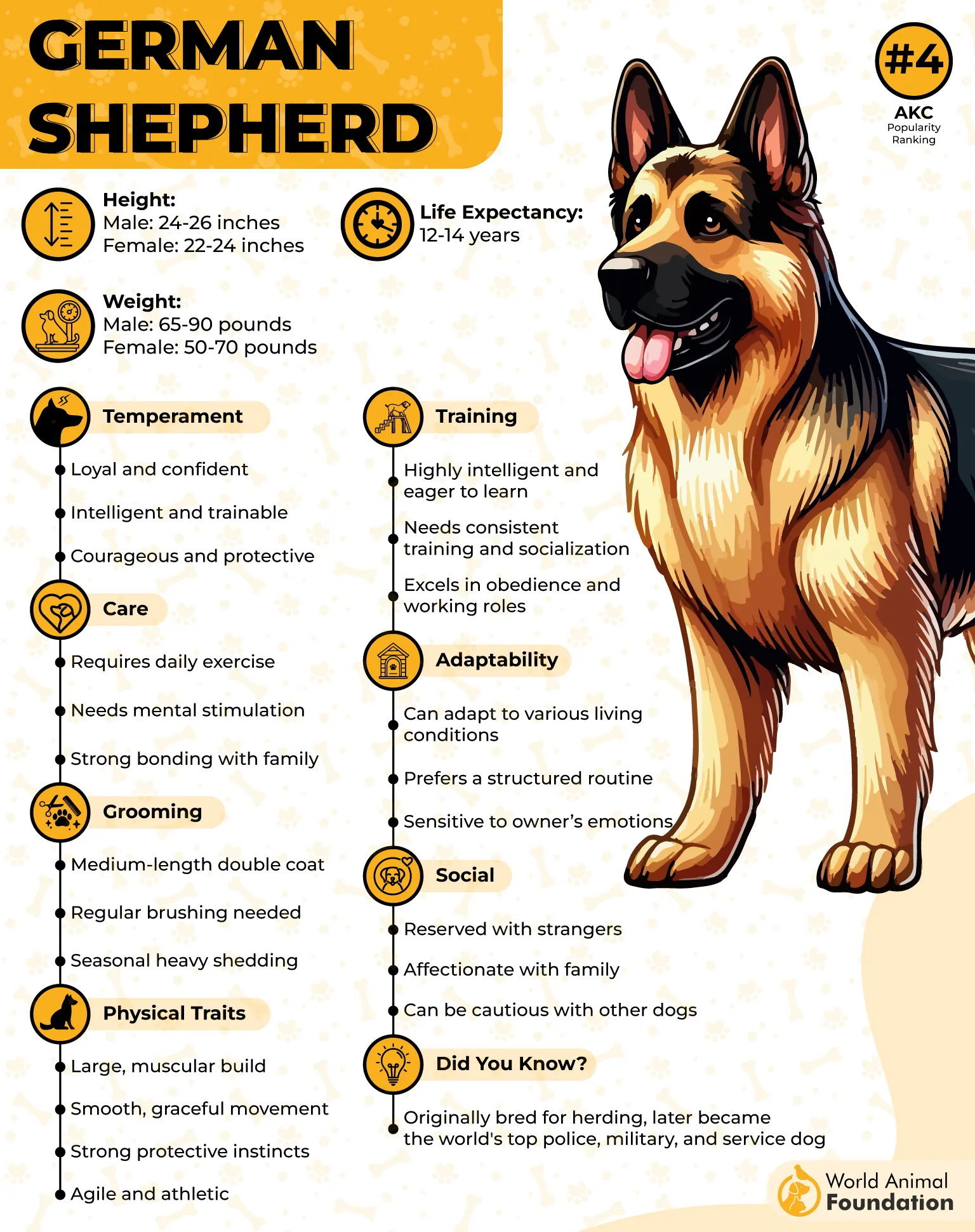
As per Wikipedia, they form strong, deep bonds with their families and take their role as protectors very seriously. Not in a dramatic, “barking at every leaf” kind of way, but in a calm, watchful, “I’ve got this handled” manner. Their natural alertness makes them excellent watchdogs—they notice everything.
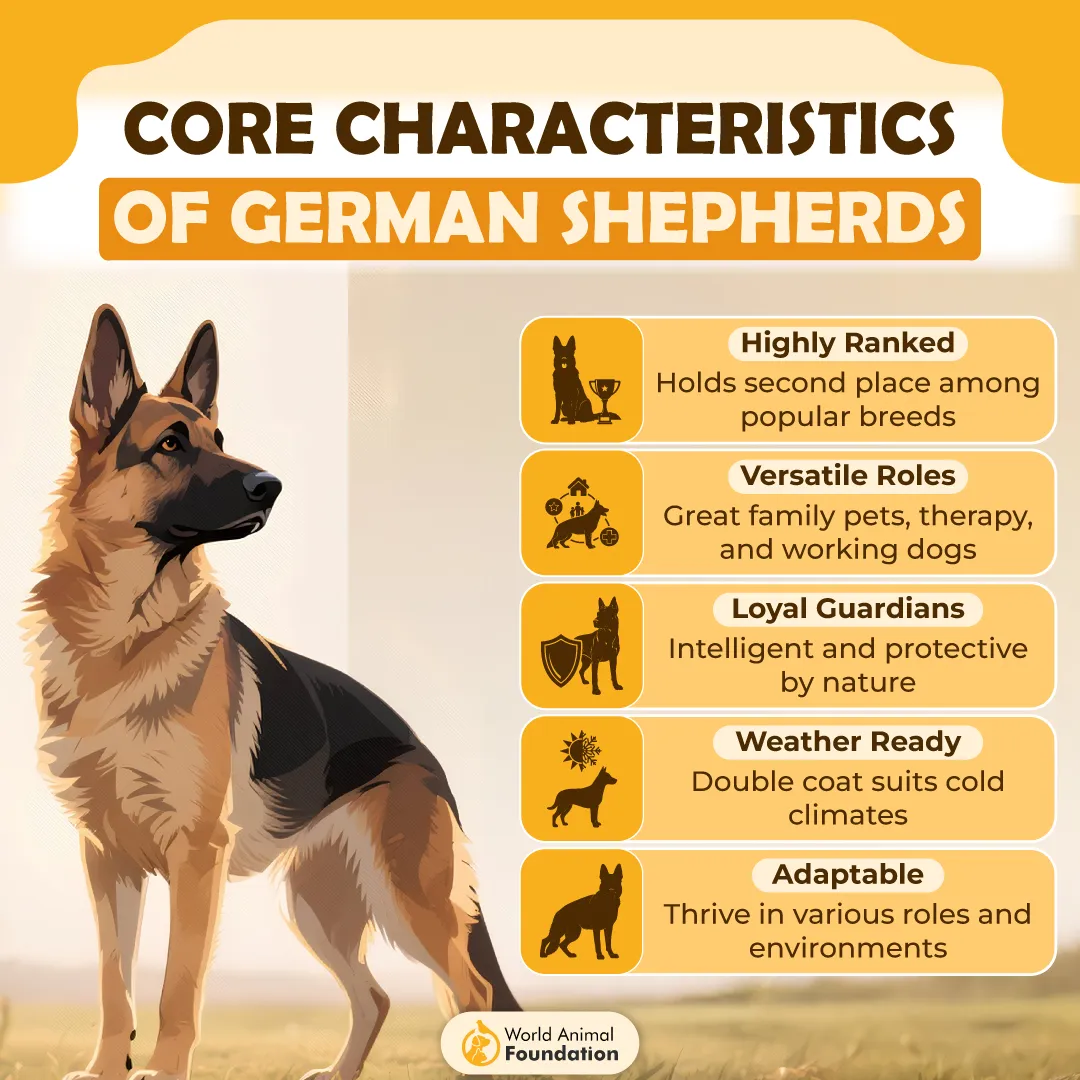
However, with great intelligence comes great responsibility. If not properly socialized, a German Shepherd can become overly protective or wary of strangers. They’re not the type to instantly trust everyone—and honestly, they’d probably side-eye your guests before deciding if they’re worthy.
The good news? With proper training and early socialization, they become incredibly balanced dogs. They learn to tell the difference between a real threat and your friend who just came over to borrow something (again). Instead of overreacting, they respond appropriately—like a true professional.
3. Bullmastiff
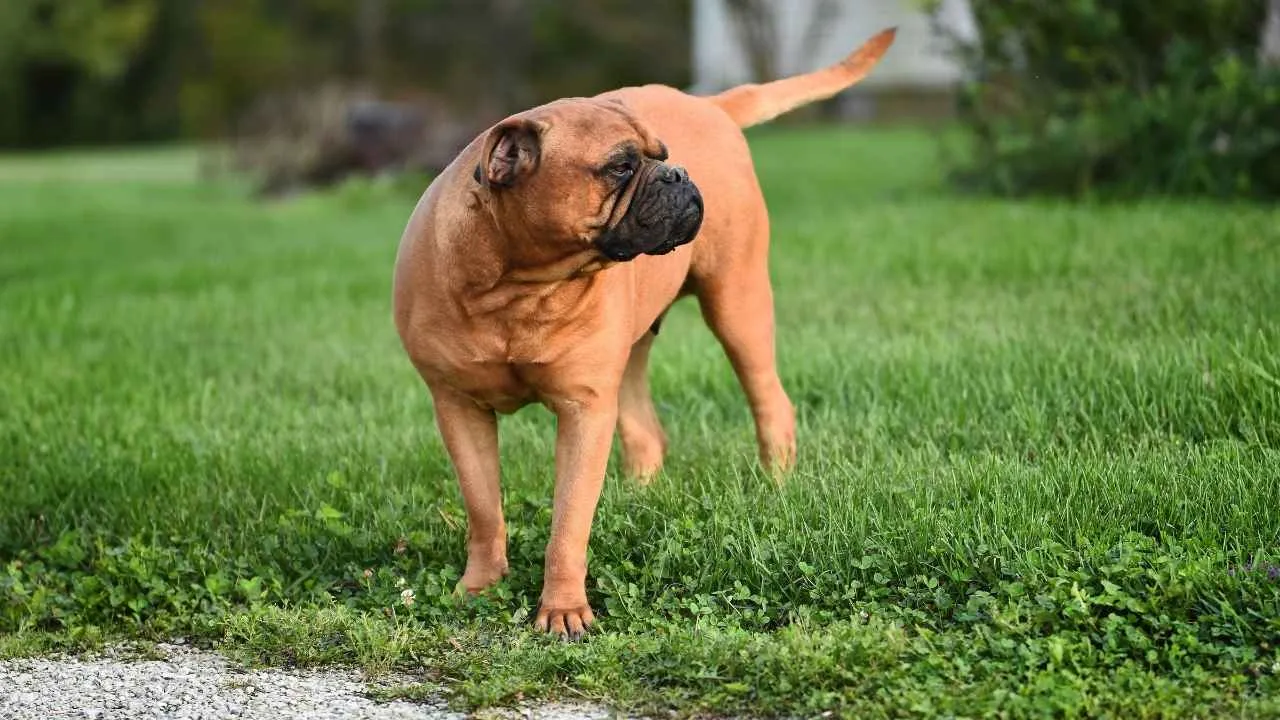
The Bullmastiff is what you’d call a gentle giant with a built-in security system. Originally bred to guard estates, this best guard dog doesn’t need to make a scene to prove a point—its sheer size and intimidating presence usually do all the talking. Honestly, one look at a Bullmastiff and most intruders will suddenly remember they left the stove on at home.
Despite their intimidating appearance, Bullmastiffs have an incredibly calm demeanor and are affectionate with their families. They’re fiercely loyal protectors and have a natural instinct to protect their humans without being overly dramatic about it.
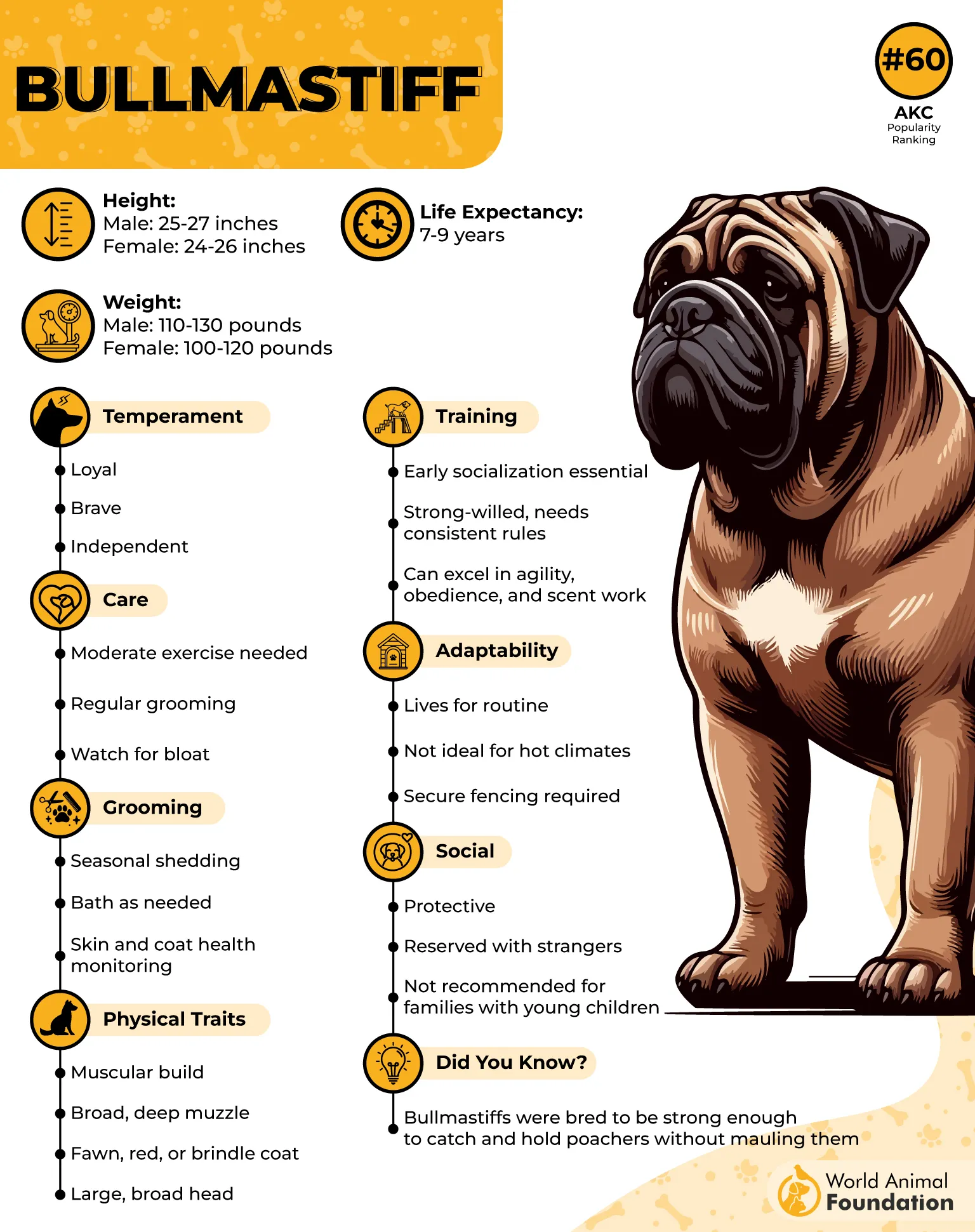
And that’s what makes them special. They don’t bark at every passing shadow or falling leaf. Instead, they stay relaxed and observant… until something actually feels off. Then, they switch into action mode with impressive decisiveness.
They’re natural protectors. With proper training, a Bullmastiff becomes obedient, confident, and well-controlled—even in stressful situations. Without it, you might end up with a very large dog making very independent security decisions, which can get… interesting.
Mental and physical stimulation is also important for this breed. While they may look like they’re just lounging around (and yes, they love lounging), they still need engagement to stay balanced and happy. A bored Bullmastiff isn’t destructive—it’s just… creatively stubborn.
In the end, the Bullmastiff is a perfect blend of strength, loyalty, and a protective nature—a quiet guardian who doesn’t need to bark loudly to make a powerful statement.
4. Great Dane
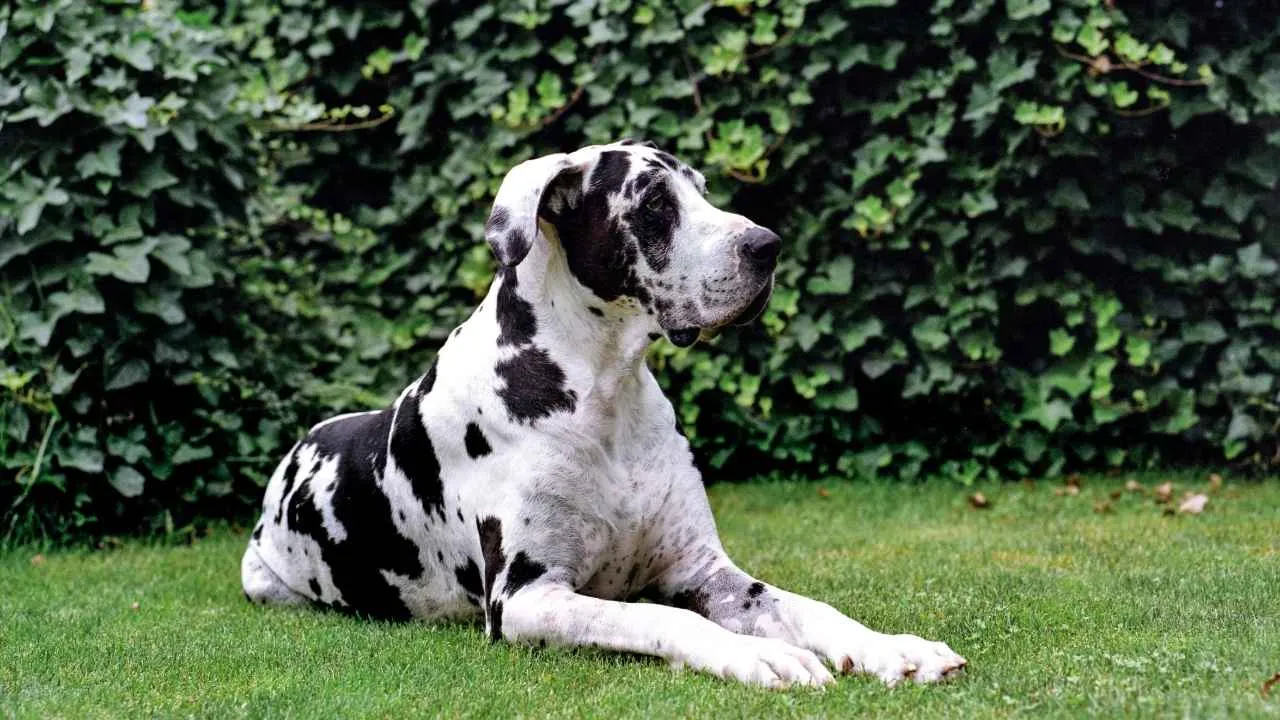
The Great Dane is living proof that sometimes, size alone is enough to do the job. Towering, elegant, and impossible to ignore, this breed is a natural guardian—even without trying too hard. One look at a Great Dane standing at the door, and most unwanted visitors will politely decide this is not the house for them.
Despite their massive size, Great Danes are known as “gentle giants” for a reason. They’re incredibly friendly, affectionate, and deeply loyal to their families. But don’t mistake their sweet nature for weakness—they are naturally inclined to protect their home and loved ones when it matters.
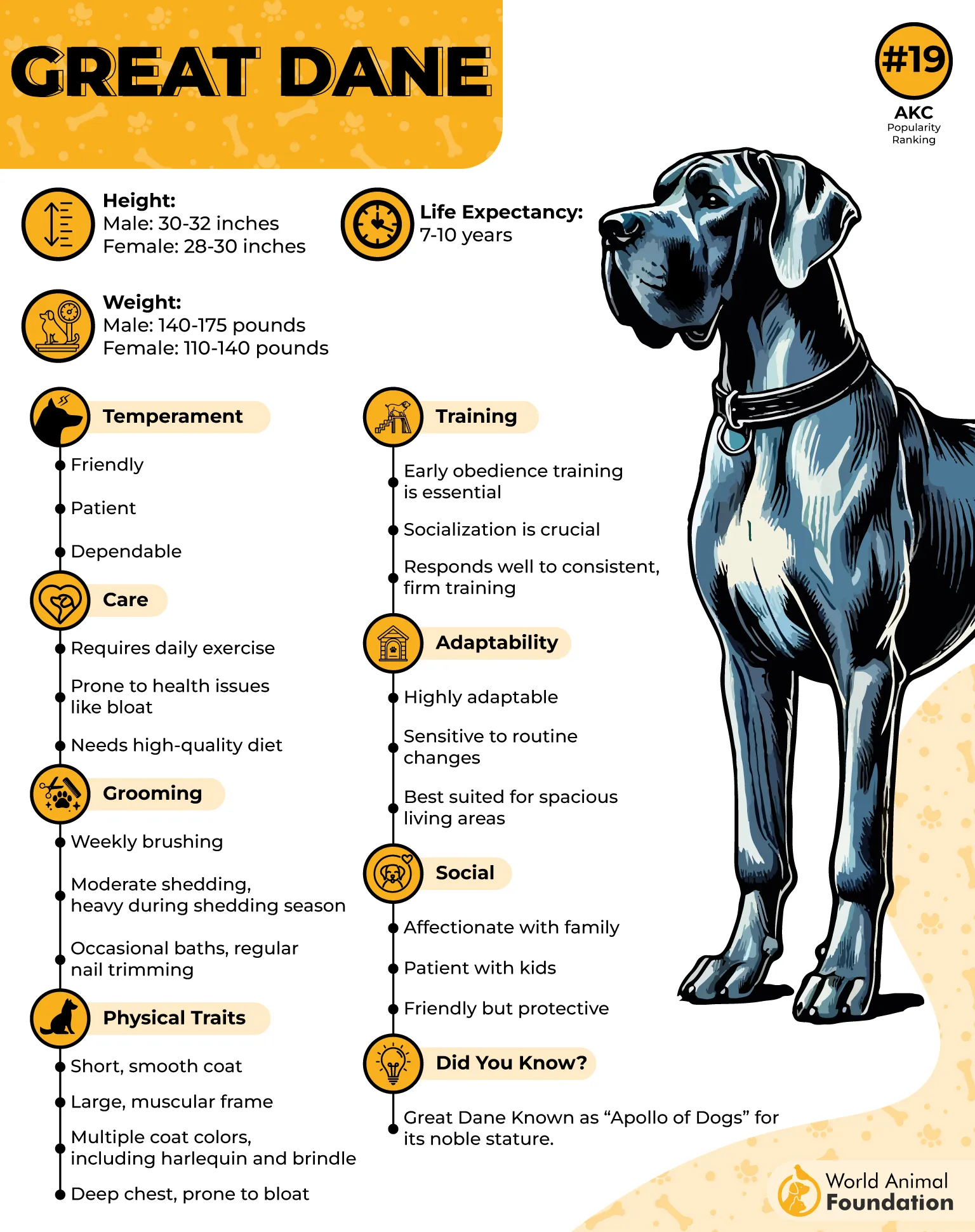
They have a quiet, watchful presence rather than an overly reactive one. A Great Dane won’t bark at every little noise, but if something feels off, they’ll step in with calm confidence. It’s less “alarm system going crazy” and more “professional security standing by.”
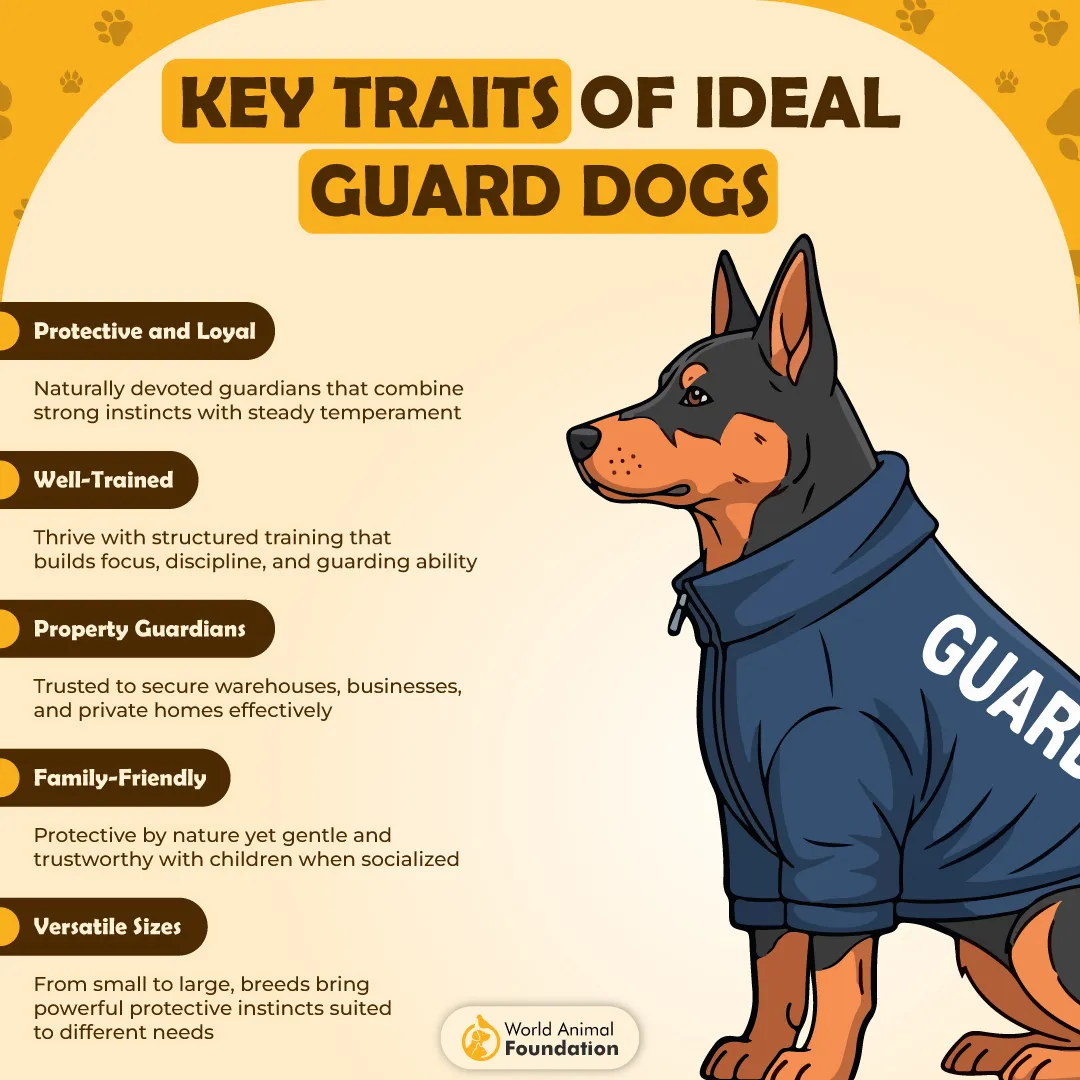
Their guarding instinct comes naturally, but like all large breeds, they benefit from proper training and socialization. With the right guidance, they learn when to relax and when to take things seriously—basically becoming a well-mannered giant who knows exactly how to behave.
And here’s the funny part: Great Danes truly believe they are small lap dogs. They will lean on you, sit on you, and somehow attempt to cuddle like they weigh 5 kg instead of… well, a lot more than that. Personal space becomes more of a suggestion than a rule.
5. Akita
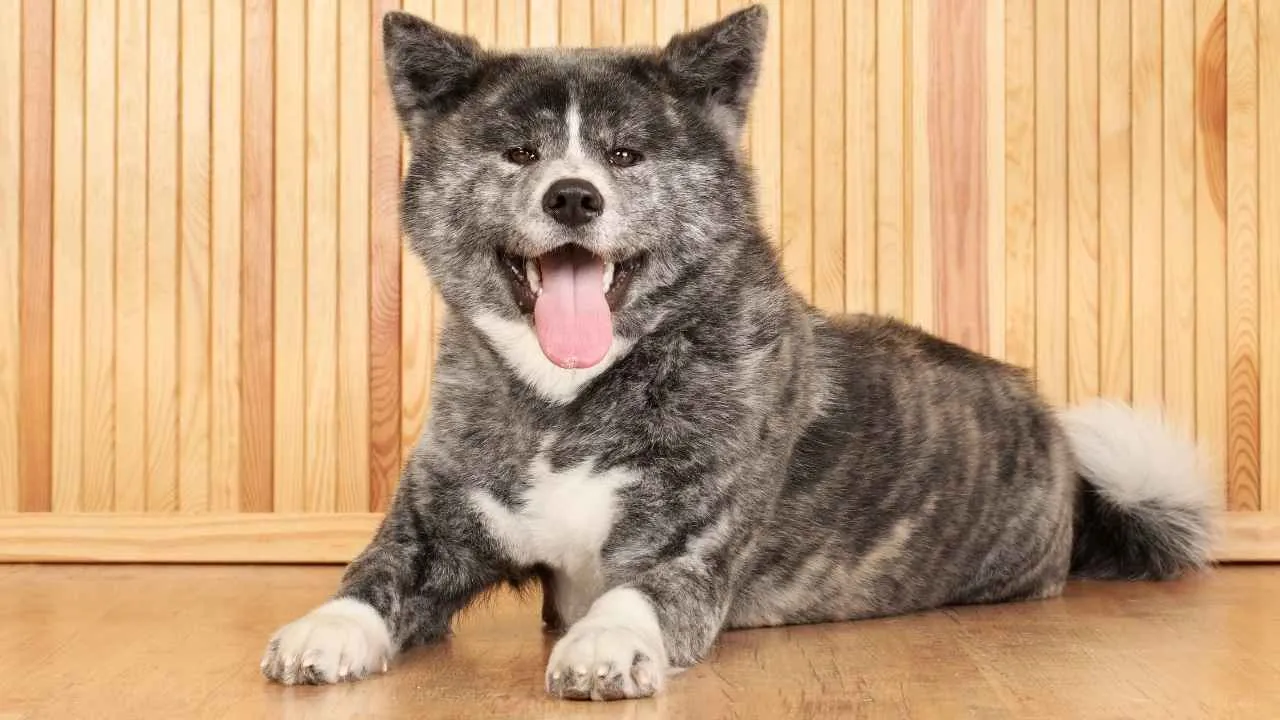
The Akita is the definition of loyalty—seriously, this breed doesn’t just set the bar, it is the bar. Famous for the legendary story of Hachiko, who waited nearly nine years at a train station for his owner, who had passed away, the Akita has earned a reputation as one of the most devoted dogs in the world.
If loyalty were a competition, the Akita would win… and then wait for you forever just to celebrate, PetMD noted. Akitas are proud, confident, and naturally protective dogs.
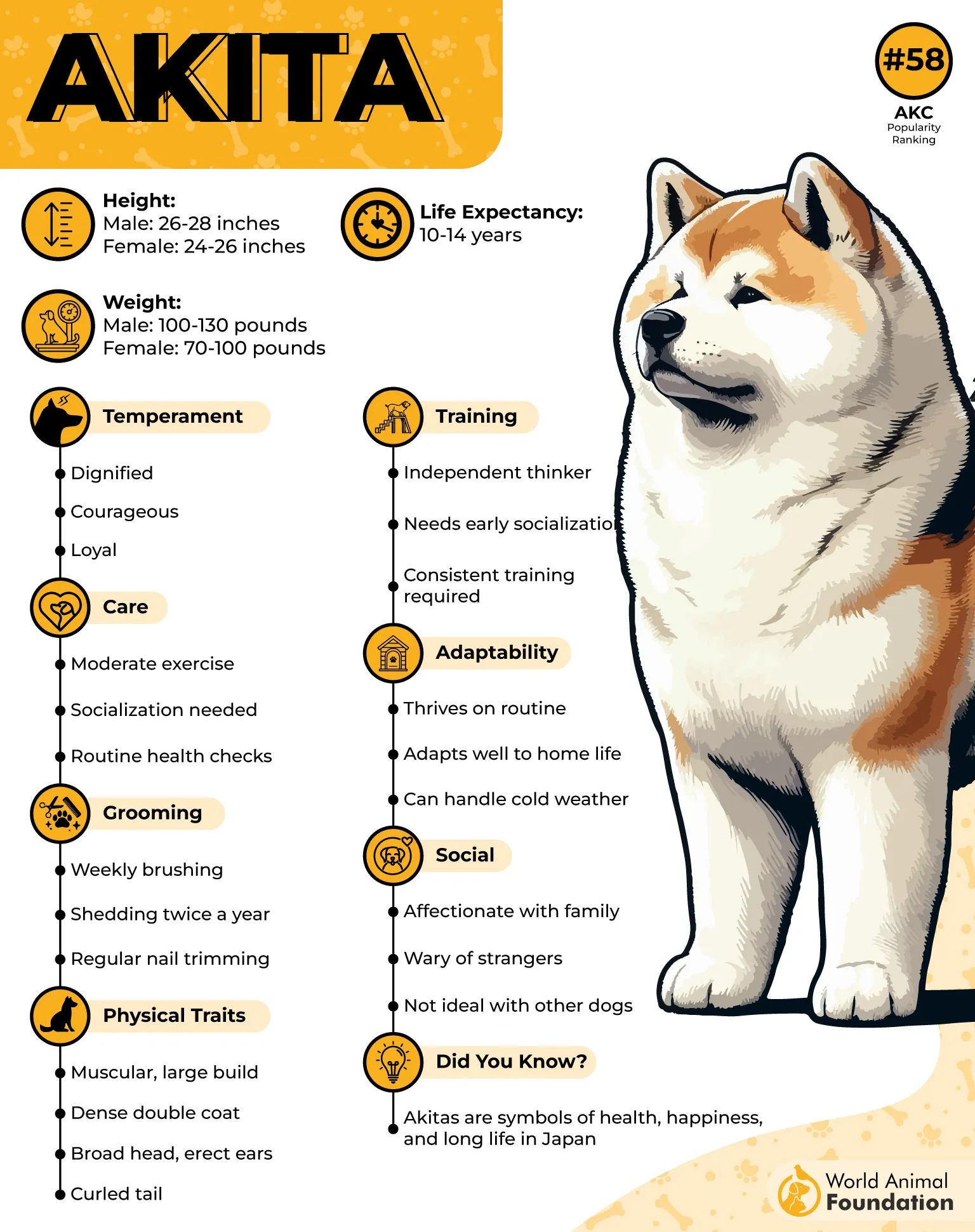
They don’t need to be taught to guard—they come pre-installed with that feature. Calm and watchful, they keep an eye on their surroundings and are always aware of what’s going on. Not in a nervous way, but in a composed, “I’ve assessed the situation” kind of way.
They form deep, strong bonds with their families and are incredibly loyal to their humans. However, they’re not exactly the “best friends with everyone” type. Akitas tend to be reserved, sometimes even a bit suspicious around strangers.
Because of their independent nature, Akitas do best with experienced owners who understand how to train and guide them properly. They’re intelligent, but they also like doing things their way.
Proper socialization is important to help them stay balanced and confident in different situations. With the right training, they become calm, controlled protectors who know exactly when to step in and when to relax.
In the end, the Akita is a powerful mix of loyalty, independence, and natural protection—a dignified guardian who won’t just protect your home, but your heart too.
6. Giant Schnauzer
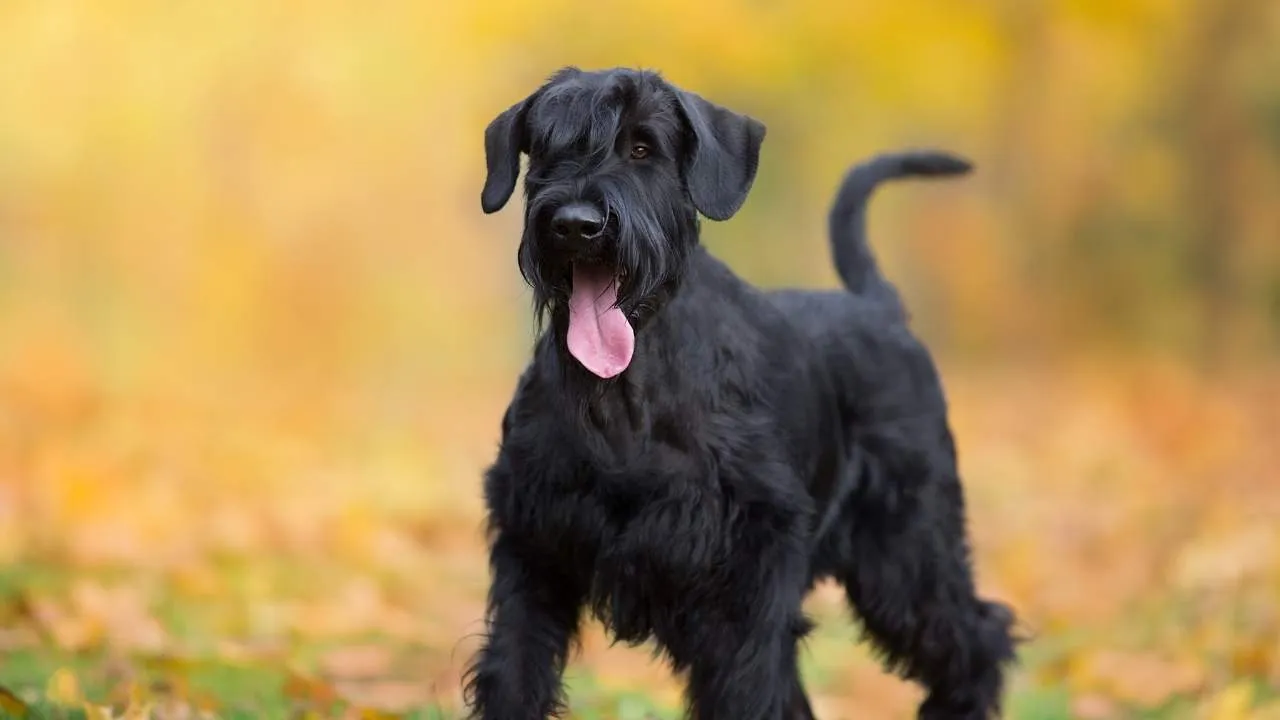
The Giant Schnauzer might look like a stylish, bearded gentleman—but don’t let that fancy mustache fool you. Behind that fluffy exterior is a powerful, energetic, and highly capable guard dog that takes its job very seriously.
Originally bred as a working dog, the Giant Schnauzer is strong-willed, intelligent, and always ready for action. This is not the kind of dog that enjoys sitting around doing nothing all day. If you don’t give them a job, they’ll find one—and you may or may not approve of their career choices.
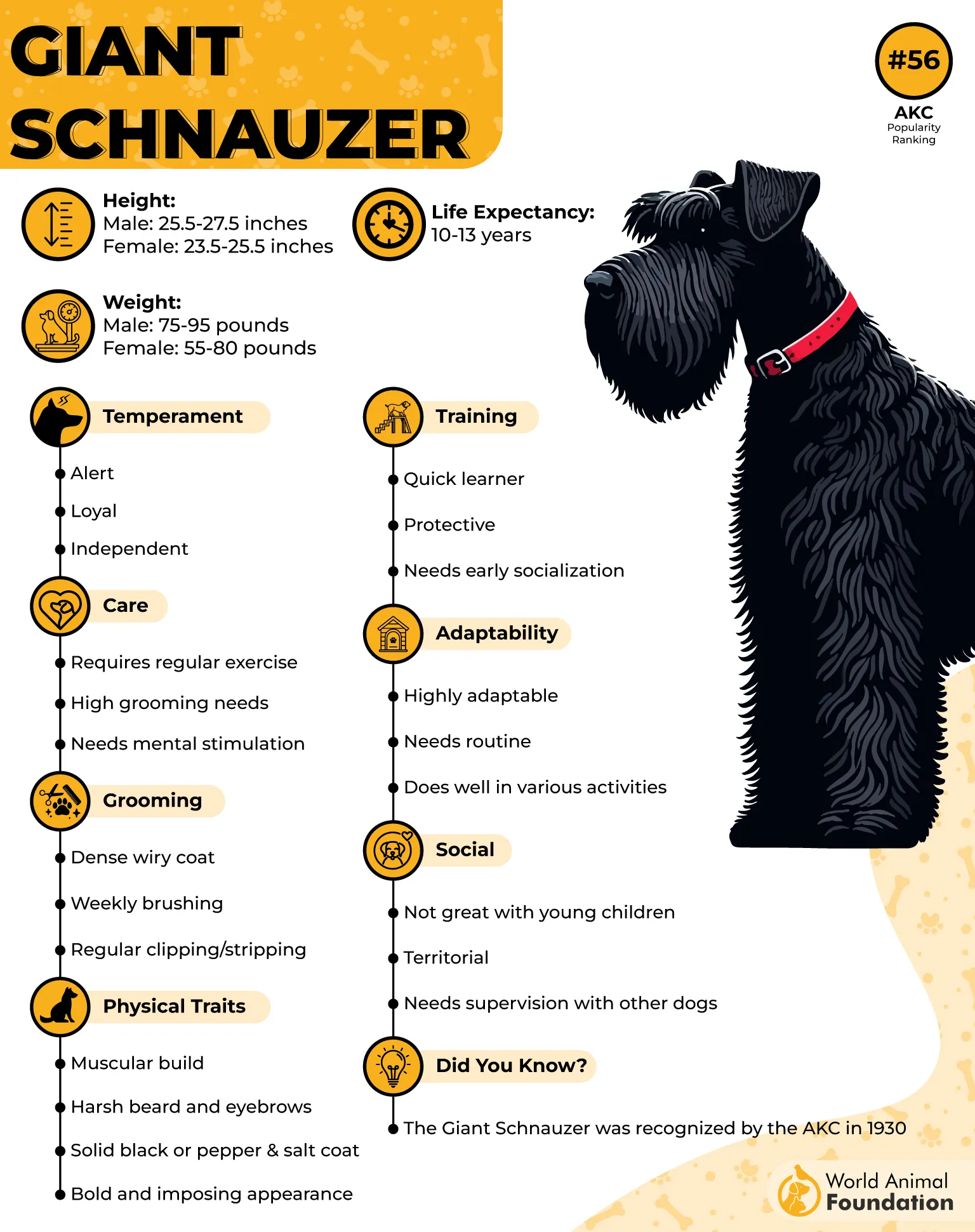
They are naturally protective and make excellent guard dogs for families. With their deep, loud bark and alert nature, they double as both a watchdog and a deterrent. However, this breed is best suited for experienced owners.
Giant Schnauzers are smart—but also independent and a bit stubborn. Training isn’t optional here; it’s essential. Without proper obedience training, you might end up being supervised by your dog instead of the other way around.
With consistent training and structure, though, they become incredibly loyal, obedient, and dependable protectors. They form strong bonds with their families and are always ready to step in if something feels off.
7. Doberman Pinscher
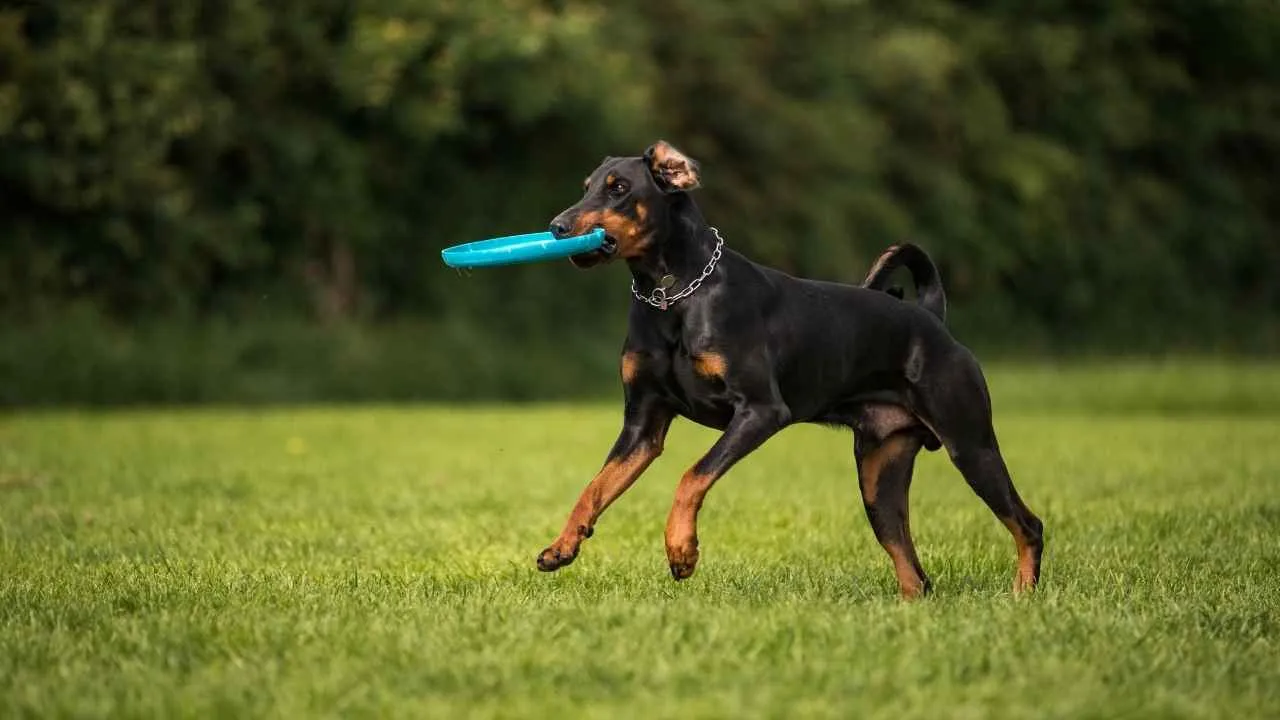
The Doberman Pinscher is like the athlete of the guard dog world—sleek, fast, and always ready for action. With their sharp appearance and confident posture, Dobermans don’t just guard your home… they own the security system.
Originally bred for protection, they have an incredible sense of awareness. A Doberman doesn’t miss much—whether it’s a strange noise, an unfamiliar face, or something slightly out of place, they’re already tuned in.
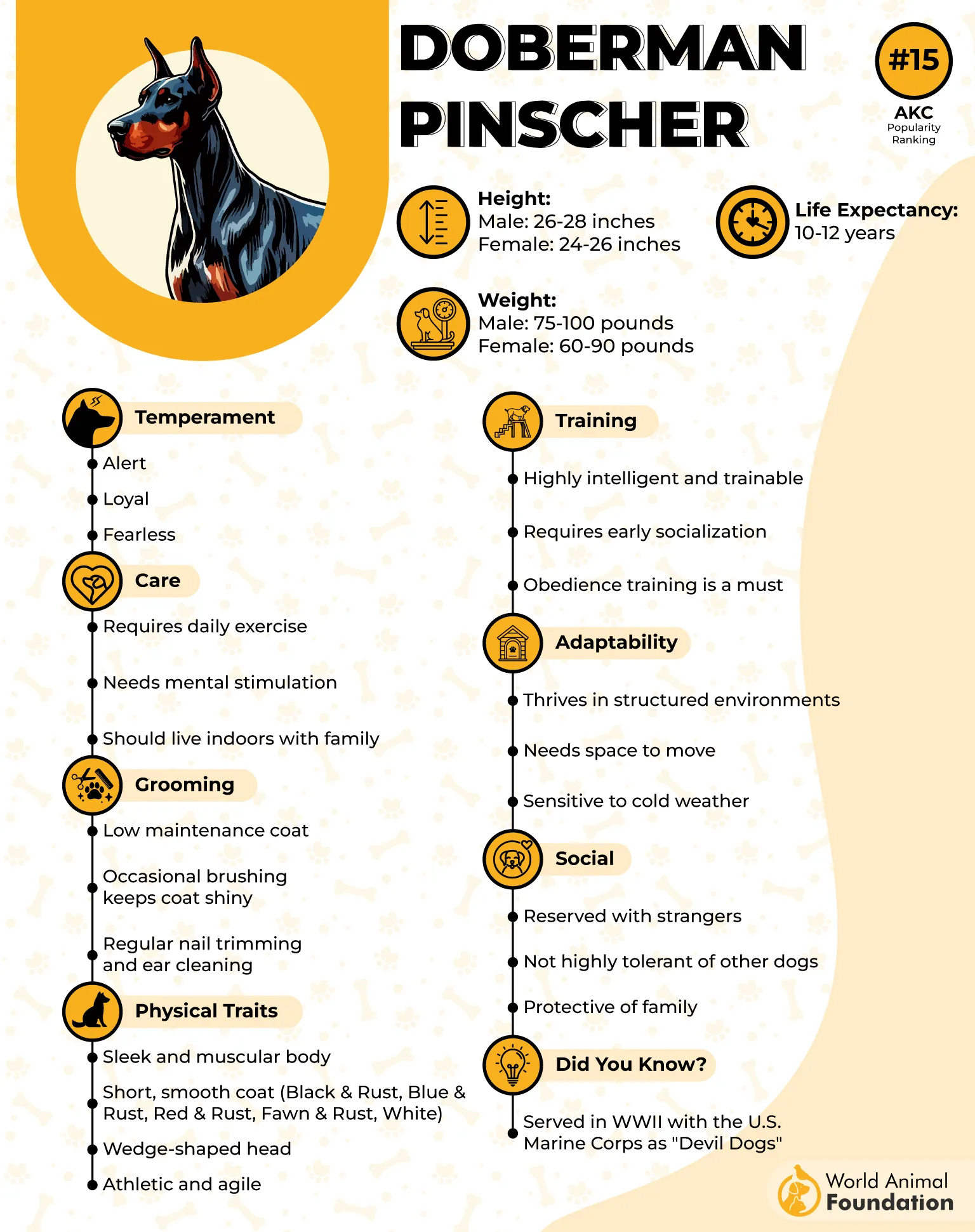
Despite their tough reputation, Dobermans are surprisingly affectionate and loving with their families. These natural guard dogs form strong bonds and are known to be playful, gentle, and even great with children. So yes, the same dog that looks like it stars in action movies will also happily play around like a big puppy at home.
They’re highly intelligent and energetic, which means they need early training and mental stimulation. Without it, all that energy can turn into chaos—think zoomies, but with a very powerful dog.
Dobermans are also incredibly loyal family companions—once they bond with you, they’re all in. Your business becomes their business. Your safety becomes their mission. Your snacks… also become their business, unfortunately.
With consistent obedience training, however, they learn to channel their energy perfectly, stepping into protection mode only when it’s truly necessary.
Conclusion
While many breeds are often recognized for their loyalty and protective instincts, it’s important to remember that no two dogs are exactly alike. What truly shapes a dog’s behavior is a combination of genetics, early socialization, consistent training, and the environment in which they are raised.
Protective nature can be a valuable trait, helping deter intruders and guard property, livestock, or even assist in roles such as guide or military work. However, without proper guidance from a young age, even naturally loyal companions can develop unwanted behaviors.
Ultimately, the best dog for any family is one whose needs match the owner’s lifestyle. With proper care, daily exercise, and positive reinforcement, many breeds can become loyal, loving, and well-balanced family pets.
