




“Let’s adopt a puppy!” That’s how the excitement often begins, usually from children dreaming of a playful companion. But choosing a dog is more than picking a cute face.
You want a loyal friend who will be part of your family for years. Yet, some breeds naturally have shorter lifespans, and knowing this ahead of time can help you prepare.
A dog’s longevity depends on many factors, with size being one of the most important. Larger dogs grow quickly and age faster than smaller dogs.
According to Wikipedia, larger dogs often reach senior stages earlier than smaller dogs due to faster growth and aging. Rapid growth can put extra strain on bones, joints, and organs, making certain breeds more prone to health issues over time.
Proper care, a balanced diet, gentle exercise, and regular vet visits can still give these dogs fulfilling lives. Rescue dogs, in particular, can thrive with love and attention. Before bringing a new furry friend home, it’s helpful to understand the challenges ahead.
With that in mind, let’s explore dog breeds facing a shorter-than-average lifespan.
Dog Breeds Facing a Shorter-Than-Average Lifespan
1. Mastiff
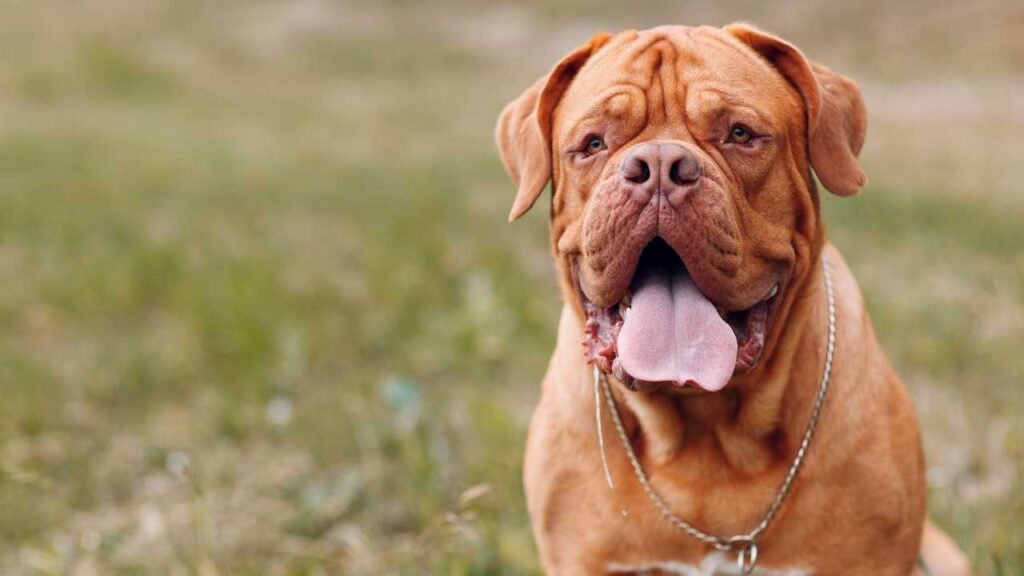
Mastiffs are among the largest dogs in the world, known for their immense strength and dignified presence. With a short coat, large feet, a long, low-set tail, and a powerful frame, they can easily weigh over 120 pounds.
Historically, Mastiffs served as hunting dogs, war dogs, and even participated in blood sports like bull baiting, bear baiting, and lion baiting. According to the American Kennel Club, despite their fierce past, today they are good-natured, courageous companions.
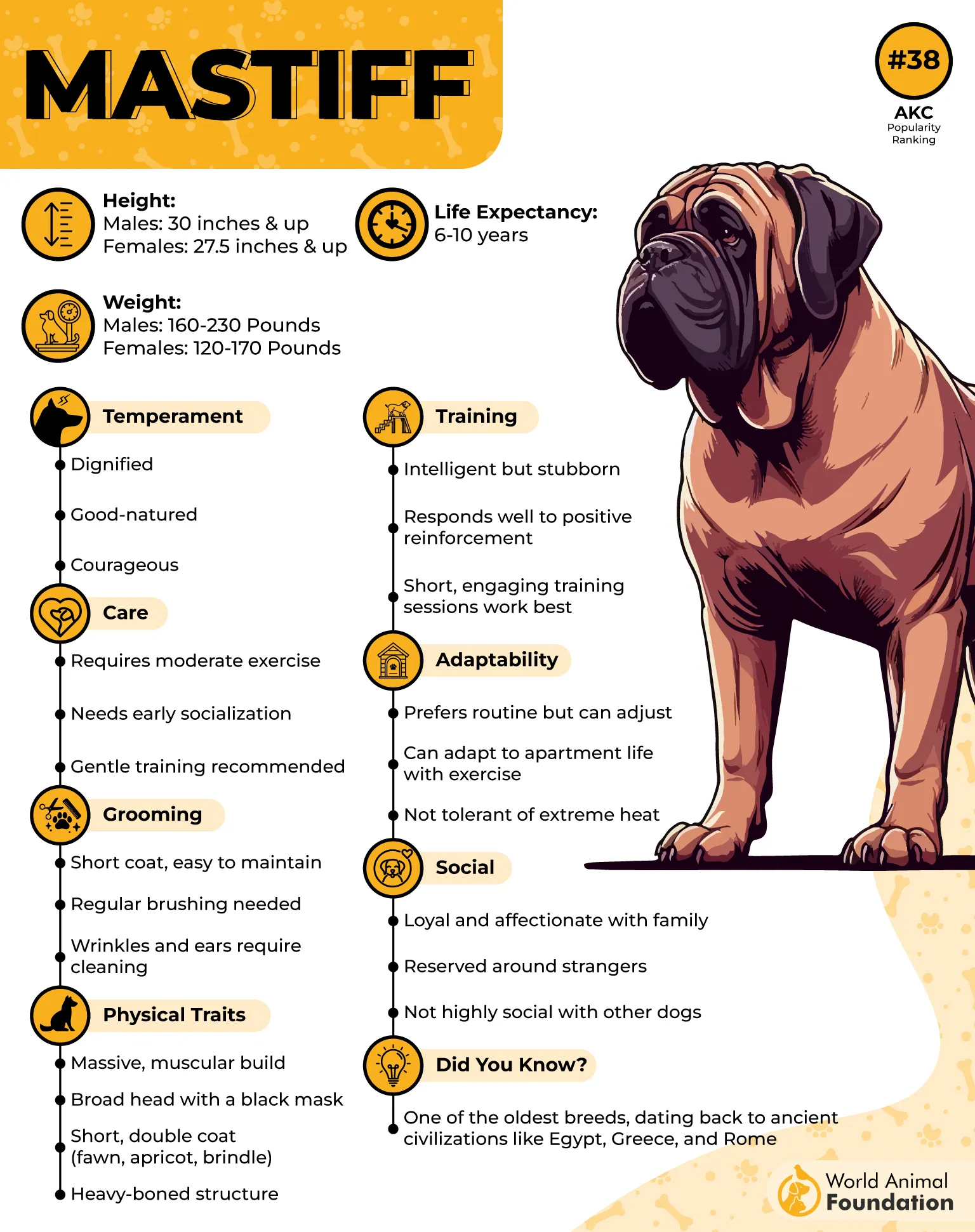
Their giant size, however, comes with challenges. Large joints can increase stress on the heart and other organs. Excess weight can strain hips and knees, making movement more difficult as they age.
Signs of early pain include reluctance to climb stairs, stiffness after naps, or hesitation to move quickly. As one breeder once said, “A Mastiff’s heart is as big as its paws, and it needs care just as massive.”
Common Health Issues
Hip dysplasia
Heart disease
Seasonal allergies
Eye anomalies
Cancer
Von Willebrand’s disease
Degenerative myelopathy
Epilepsy
On average, Mastiffs live around 6 to 10 years, which is the shortest life expectancy of many medium or larger breeds.
Care Tips:
Support joints with soft bedding and avoid slippery floors. Keep weight in check through portion control and gentle exercise. Short, controlled walks and moderate play help reduce daily strain while keeping your giant friend active.
2. Bulldog
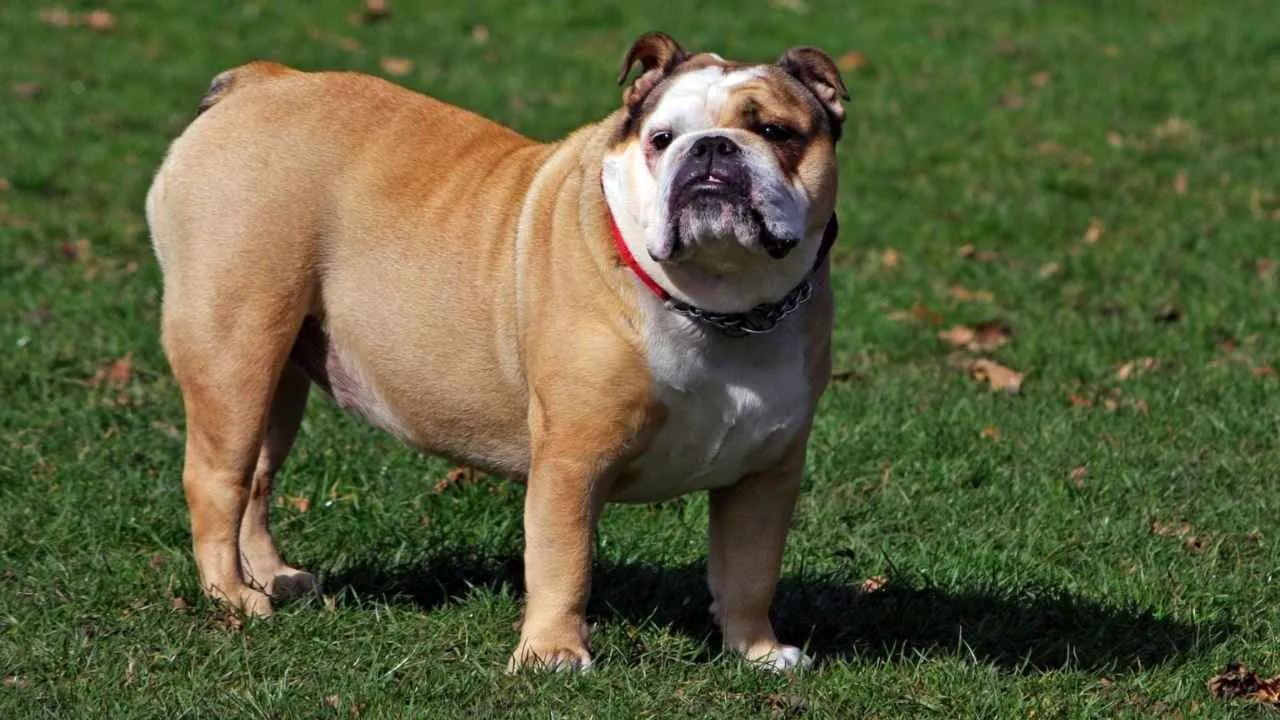
The Bulldog, commonly known as the English Bulldog, is instantly recognizable for its wide stance, muscular low profile, and short, wrinkled face often featuring an underbite.
PetMD notes that friendly and devoted, they make wonderful family pets. However, their flat face, or brachycephalic structure, can create severe breathing problems.
Airflow is restricted, making it harder for Bulldogs to regulate temperature, especially in warm weather. Even light exercise in heat can cause rapid panting, coughing, or fatigue, signaling stress.
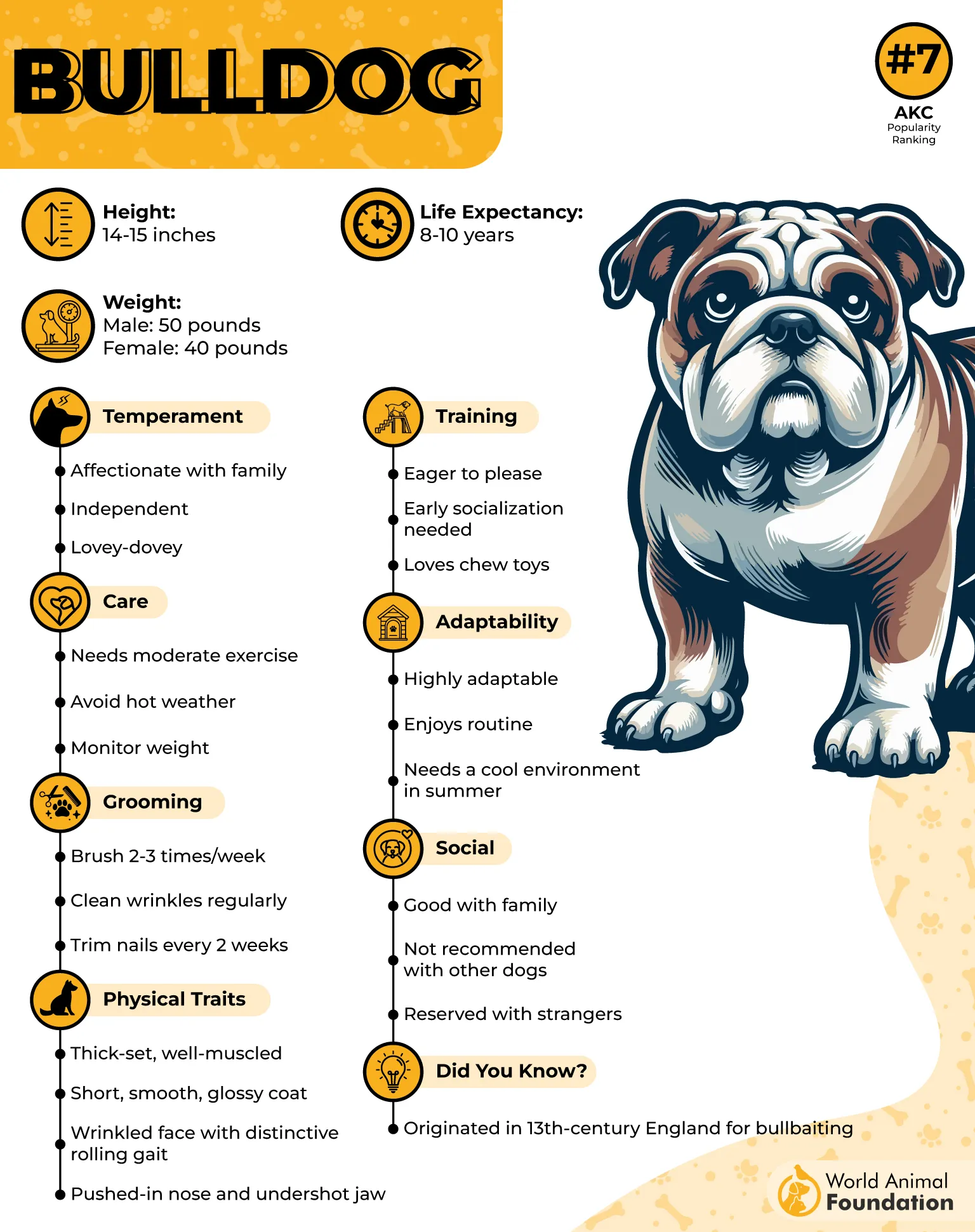
As one veterinarian notes, “A Bulldog’s charm comes with unique care needs, especially for breathing and comfort.” Short walks are ideal, and play should be in cool, shaded areas. Keep an eye on signs like wheezing, excessive drooling, or labored breathing—these mean it’s time to contact a vet immediately.
Common Health Issues
Brachycephalic obstructive airway syndrome (BOAS)
Hip dysplasia
Skin problems and allergies
Patellar evaluation issues
Cardiac exam abnormalities
Obesity
Fropian (flat-faced structural issues)
Respiratory problems
Bulldogs are one of the giant breeds with the shortest life expectancy, typically living around 8 to 10 years.
Care Tips:
Keep exercise short and in cool areas. Avoid hot days and ensure access to shaded, ventilated spaces. Regular vet checks are essential to monitor breathing and overall health.
3. Saint Bernard
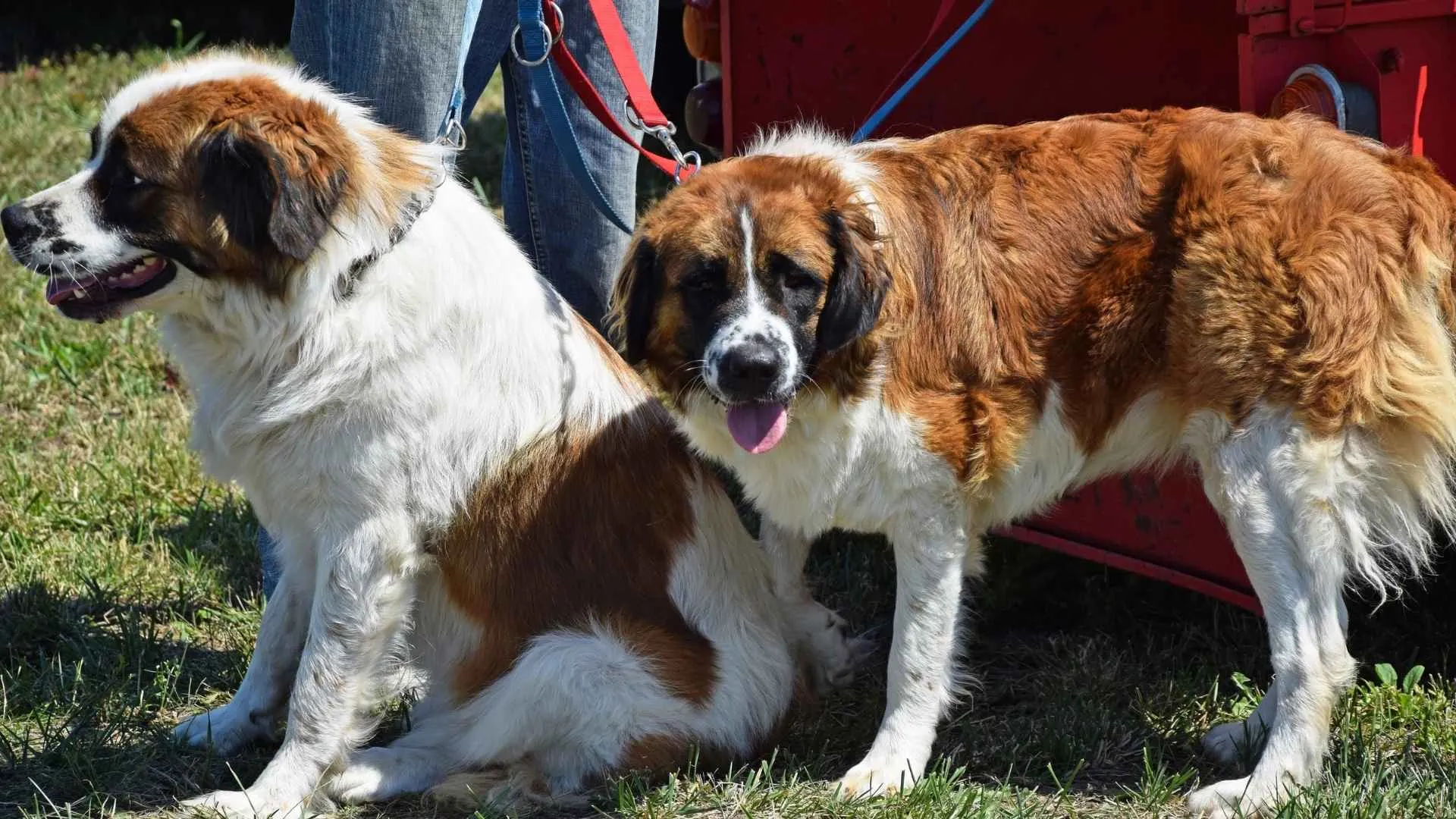
Saint Bernards are giant dogs first trained by monks in the 1600s to locate and rescue people buried by avalanches in the Swiss Alps. Friendly, calm, and gentle, they do well with children and make wonderful family dogs.
Their popularity soared after the release of the 1992 family movie Beethoven. These dogs are extraordinarily muscular, powerful, and imposing, which makes them both impressive and prone to certain health challenges.
Fast growth in Saint Bernard puppies can strain bones and joints, setting the stage for problems in adulthood. Larger breeds grow rapidly, and that speed can put extra stress on hips, knees, and spine. Early signs of trouble include limping, stiffness after play, or difficulty climbing stairs.
Providing soft beds and non-slip flooring helps protect their joints and reduces the risk of falls or injury. Gentle, controlled exercise is essential during puppyhood to shape strong, healthy adults.
Serious Health Problems
Hip and elbow dysplasia
Bone cancer
Cancer and neurological conditions
Heart disease
Gastric torsion (bloat)
Intervertebral disc disease
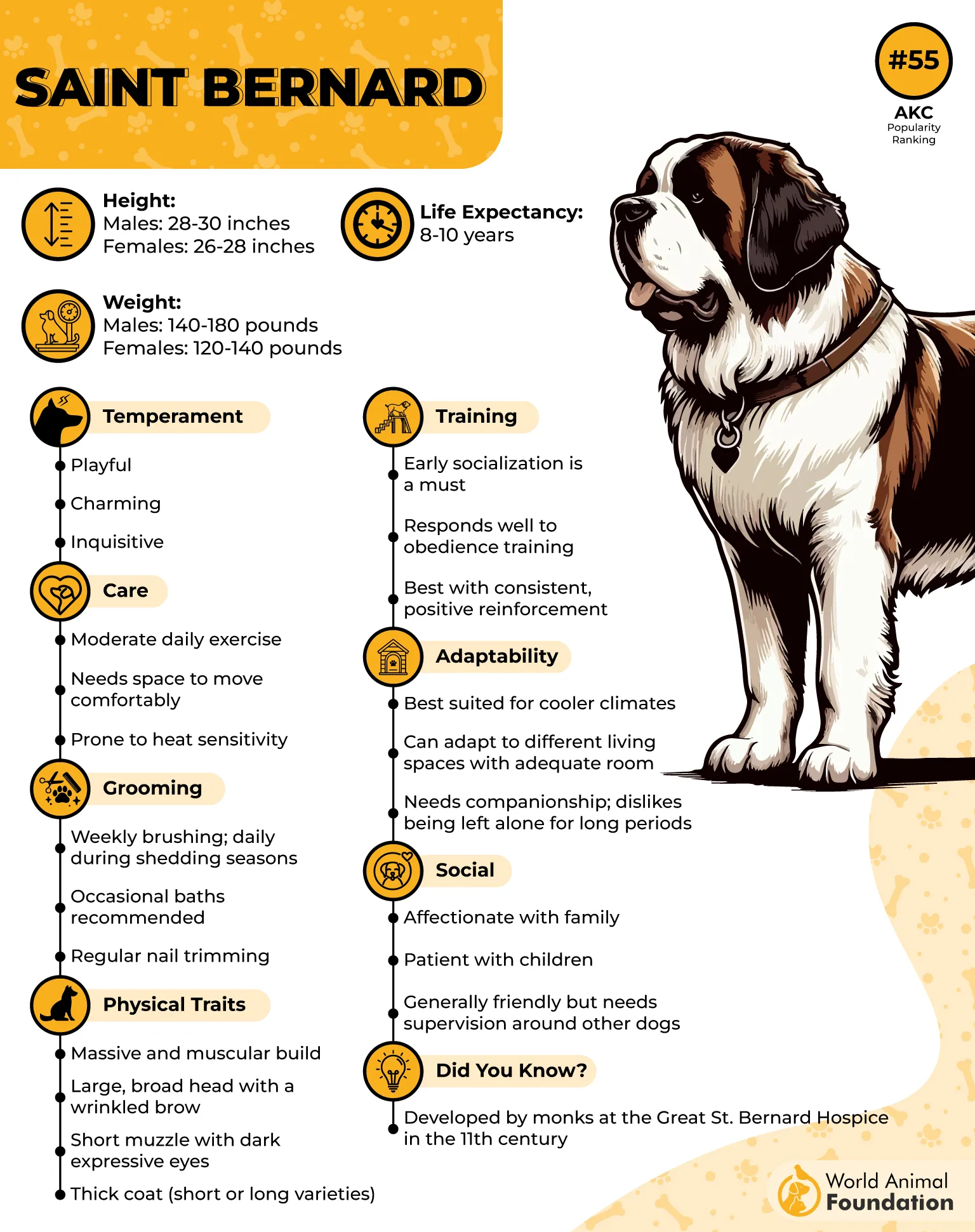
Saint Bernards typically have an average life expectancy of 8 to 10 years, which is shorter than many smaller or medium-sized breeds.
Care Tips:
Offer soft bedding and non-slip surfaces. Moderate exercise protects joints, while a proper diet supports steady growth and healthy bones.
4. Rottweiler
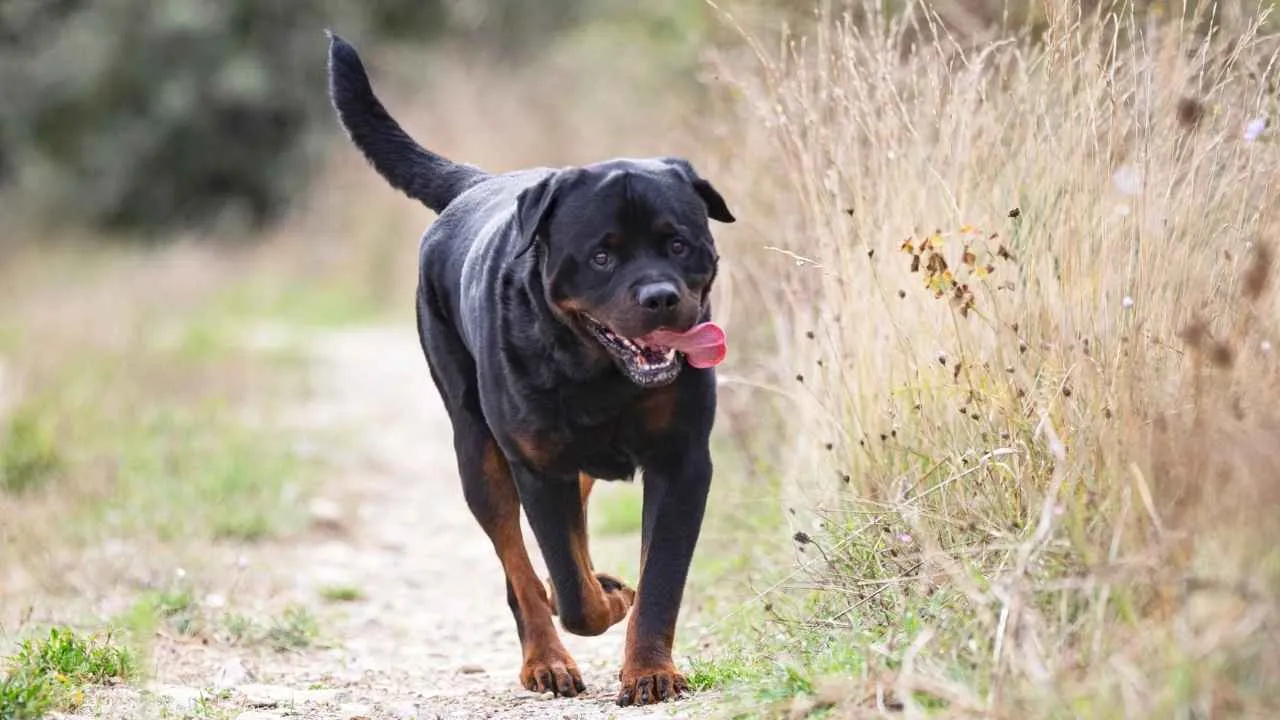
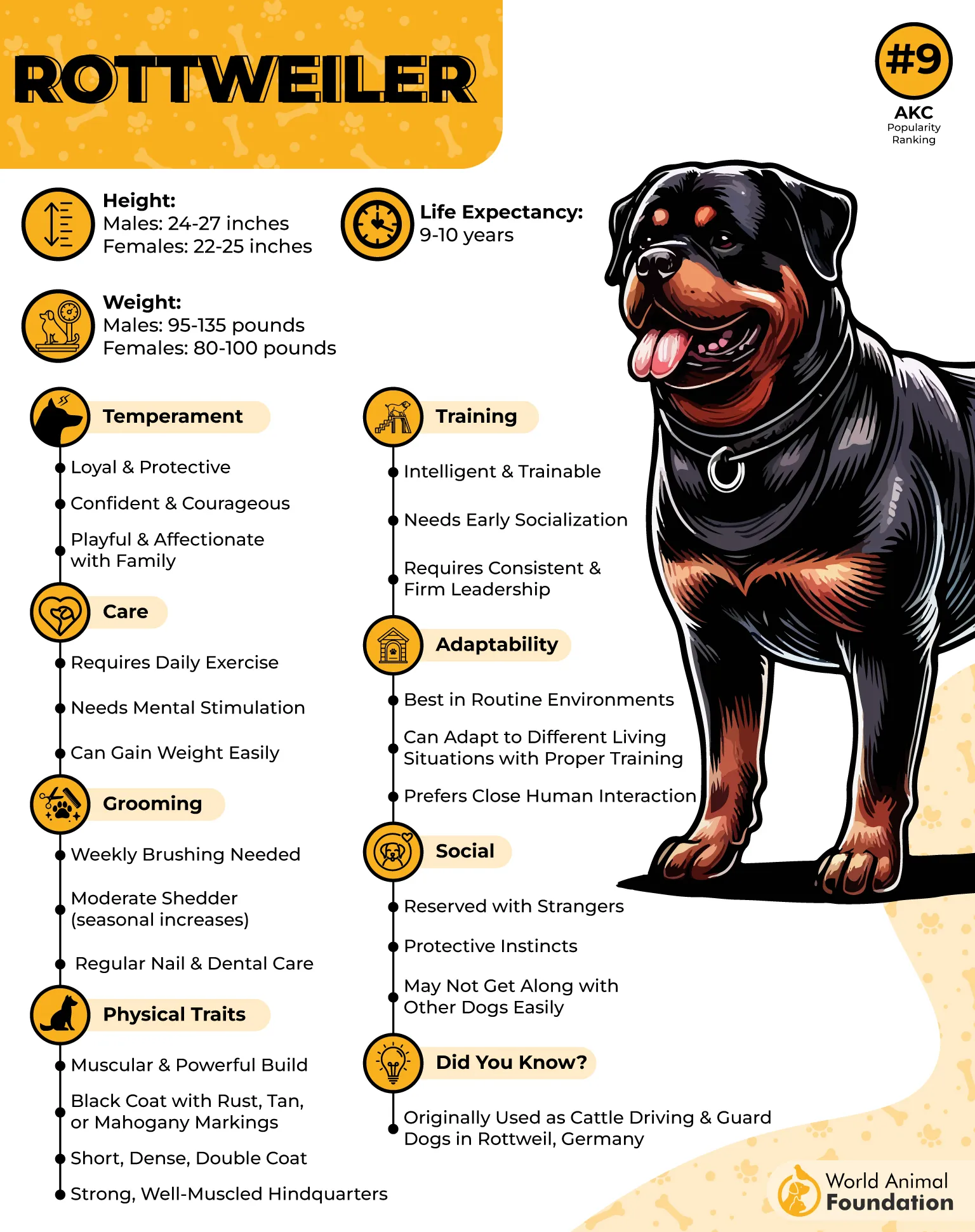
Rottweilers are generally sturdy dogs, known for their strength, loyalty, and protective instincts. During World War II, they served in various roles, including messenger, ambulance, draft, and guard dogs.
Their strong bones and powerful frames make them impressive, but they are also prone to serious bone and joint issues. Rapid growth and large size put extra strain on joints and organs, which eventually leads to problems if not managed carefully.
Even early signs of trouble may appear subtle. Slight limping, stiffness, or reluctance to climb stairs can indicate joint pain. Weight control is a major concern; extra pounds increase stress on hips and knees.
Low-impact exercise, like swimming or short walks, helps strengthen muscles without overloading joints. Proper training and safe routines can also prevent injuries.
Most Common Health Concerns
Hip and elbow dysplasia
Bone cancer
Skin infections
Heart disease
Joint issues
Obesity
Rottweilers are considered a dog breed with the shortest life expectancies among large breeds, typically living around 8 to 10 years.
Care Tips:
Maintain a healthy weight, provide low-impact exercise, and schedule regular vet checkups to catch joint and bone problems early.
5. Newfoundland

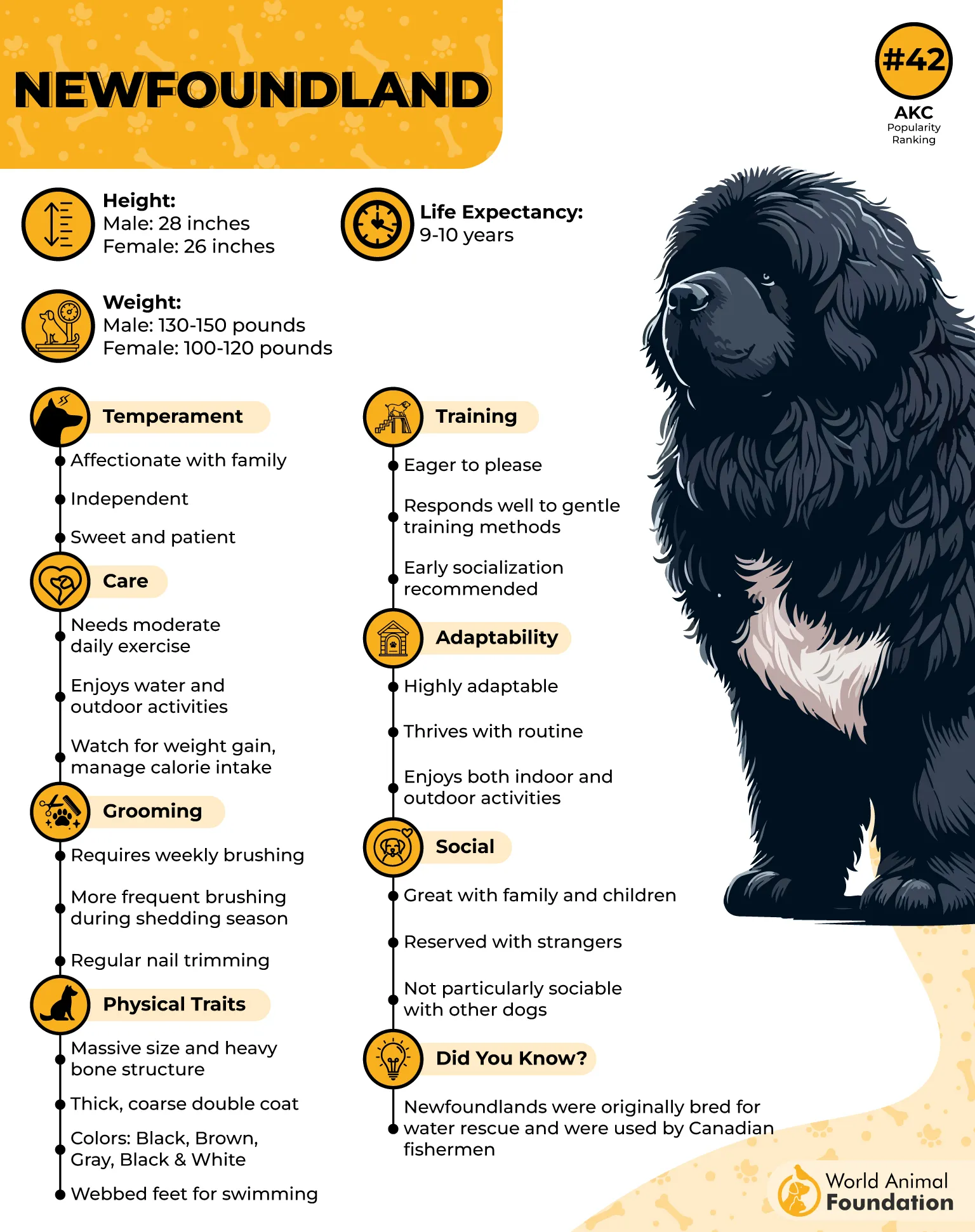
Newfoundlands are gentle giants with a massive chest, powerful build, and a natural love for water. Their large chest size, however, puts extra strain on the heart, making heart health a major concern.
Early signs of heart trouble include coughing, difficulty breathing, fatigue during short walks, or reluctance to play. These signs should never be ignored, as untreated heart issues can worsen quickly.
Swimming is a fantastic low-impact activity for Newfoundlands. It strengthens muscles, supports joints, and provides a safe way to stay active without overloading the body.
Always supervise water play, use calm water, and provide gradual swim sessions to prevent exhaustion. Rest days are equally important to reduce strain on the heart and joints.
Common Health Conditions
Hip dysplasia
Early arthritis
Heart valve problems
Respiratory issues
Ear infections
Impaired vision
Itchy skin
Stress on joints causes pain and difficulty walking
Newfoundlands are a dog breed with one of the shortest lifespans among giant dogs, typically living around 8 to 10 years.
Care Tips:
Encourage gentle swimming, provide rest between activities, and schedule routine vet checkups to monitor heart and joint health.
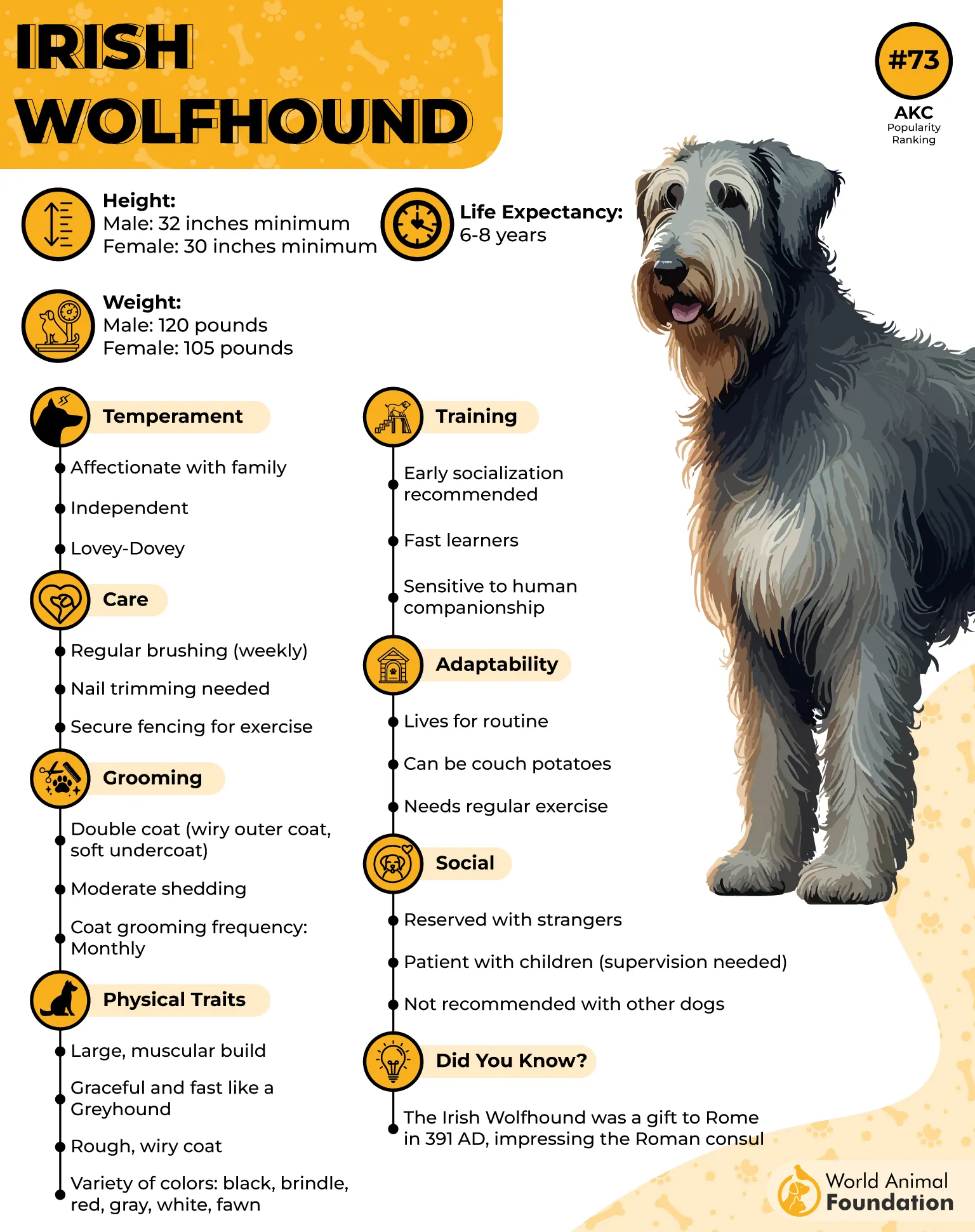
6. Irish Wolfhound
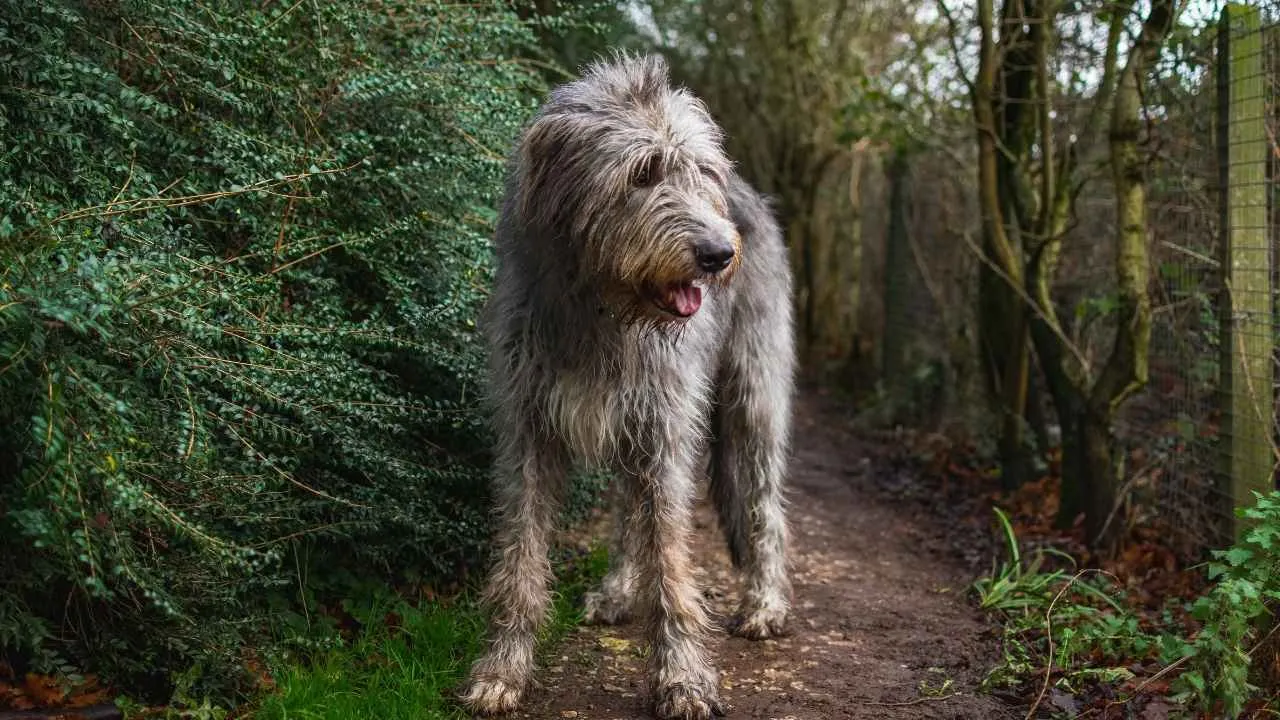
Irish Wolfhounds are one of the largest dog breeds, a majestic sight hound native to Ireland. Despite their size, they are generally gentle and get along well with children and other dogs.
However, they have a very short life cycle and age faster than most breeds. Their rapid growth and large frame put extra strain on joints and organs, which contributes to early aging.
Early signs of aging can include slower movement, weak legs, reluctance to climb stairs, and fatigue after short walks. Diet plays a key role in supporting long-term health—high-quality protein and balanced nutrients help maintain muscle and bone strength.
Calm daily routines and gentle activities, like slow walks or soft play, help older Wolfhounds stay comfortable. Comfort care, such as padded bedding and careful lifting, is essential when mobility issues appear.
Common Health Issues
Mitral valve disease and congestive heart failure
Skin fold dermatitis
Gum disease
Retinal disorders
Joint strain and early arthritis
Irish Wolfhounds are considered a dog breed with one of the shortest lifespans, typically living around 6 to 8 years.
Care Tips:
Keep routines calm and predictable. Monitor for weak legs or fatigue and provide soft bedding to protect joints and bones. Gentle walks help seniors stay active safely.
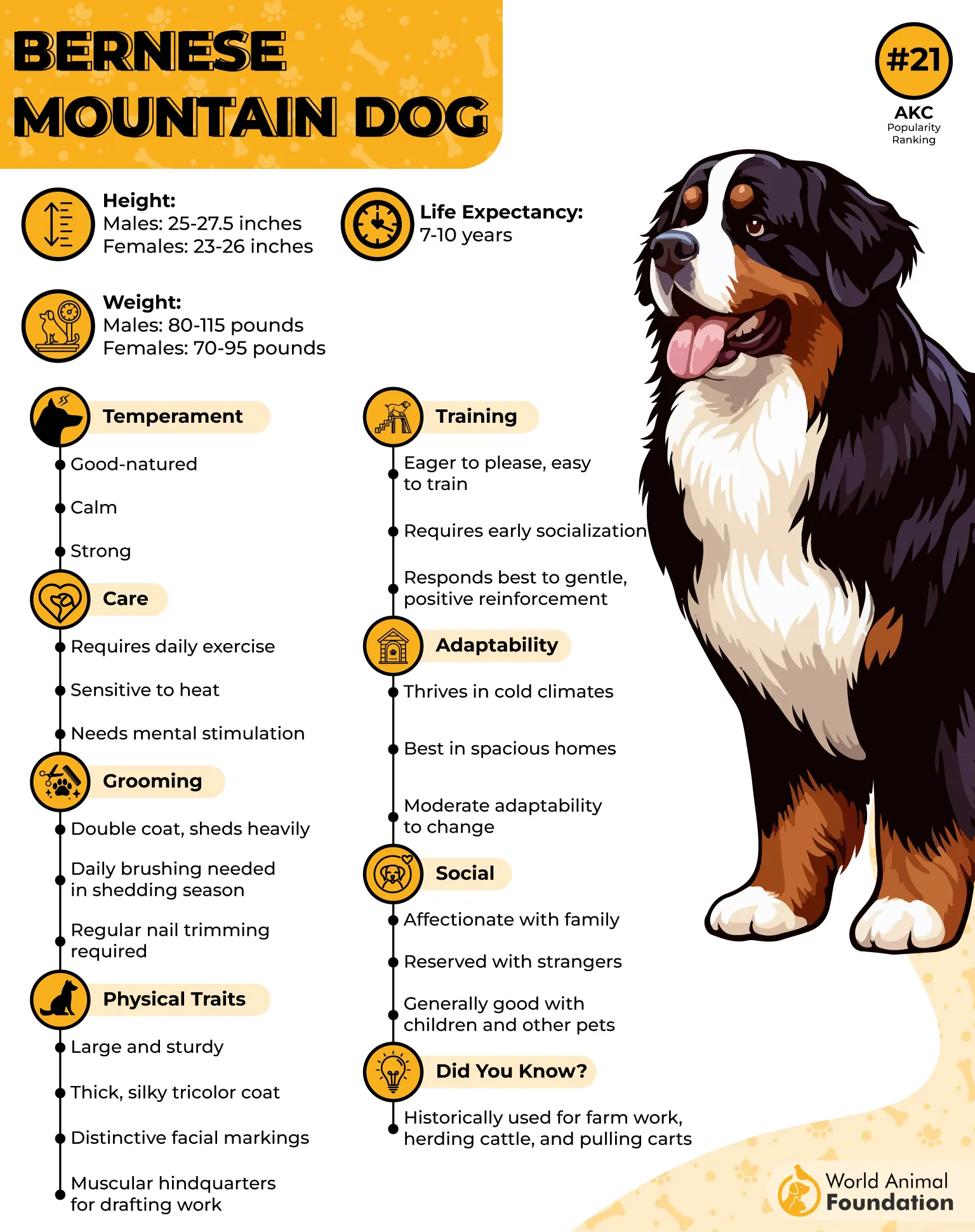
7. Bernese Mountain Dog
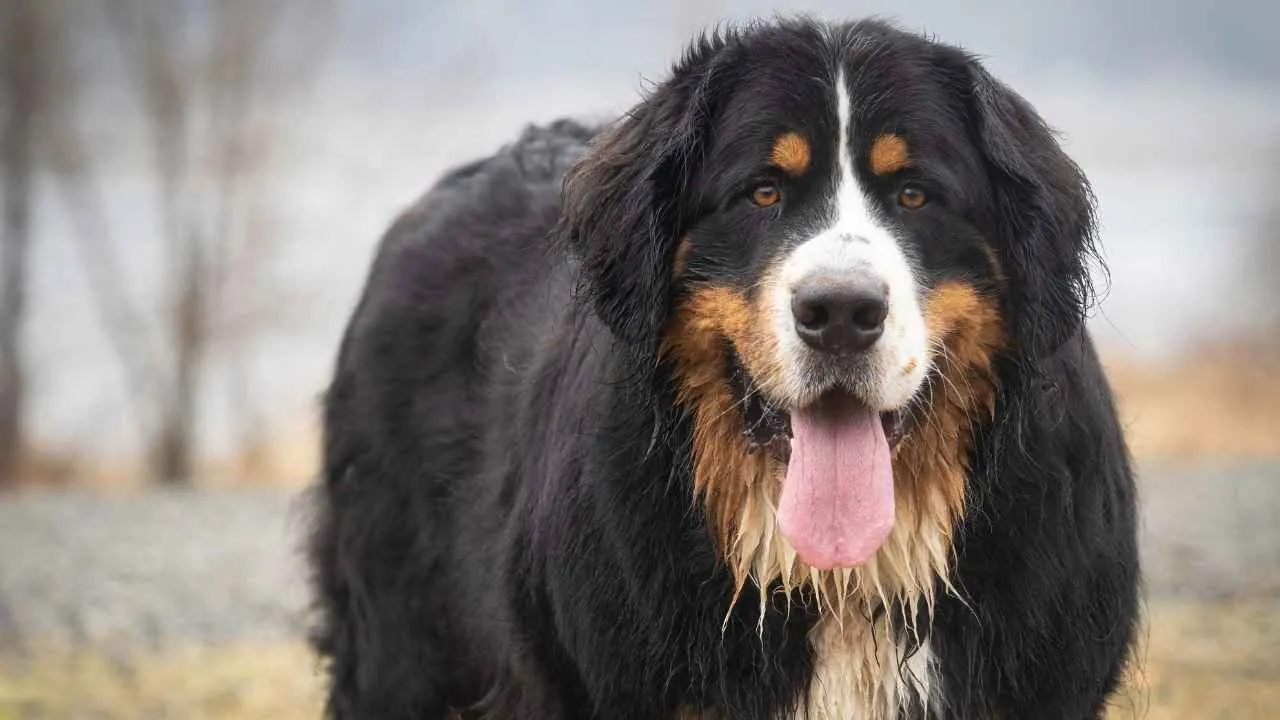
Bernese Mountain Dogs are gentle, loving family companions who form deep bonds with their people. They enjoy being close to their families and often follow them from room to room. Sadly, this breed faces cancer more often than many other dogs.
Their large size and fast growth can place extra strain on the body over time. This added stress may affect how cells repair themselves, which can increase the risk of serious illness later in life.
Early signs of illness can seem small at first, which is why families may miss them. Low energy, less interest in food, or small lumps under the skin can be easy to brush off. Regular touch checks help you notice changes sooner. Simple home checks save time and can lead to faster care.
As one vet shared, “Small changes can mean big trouble in this breed.” Routine vet visits add another layer of protection and help catch problems early.
Common Health Concerns
Cancer
Hip and elbow dysplasia
Joint pain
Heart disease
Bloat
Skin issues
Bernese Mountain Dogs have a dog’s average life expectancy of about 7 to 10 years, which is shorter than that of many other dogs.
Care Tips:
Do gentle touch checks each week. Keep routine vet visits on schedule. Offer calm support and soft bedding during care.
Conclusion
Choosing a dog is a big family decision, and knowing the risks ahead of time helps families plan with care and confidence. Some dog breeds with the shortest lifespan live with real limits due to size and body strain.
Many large breeds fall into the group with the shortest life expectancy because their joints and organs are going to experience greater strain over time. This added pressure can lead to serious medical conditions as dogs grow older.
Even so, the right care can still add happy years to a dog’s life. Many pet parents see their dogs stay playful and loving with proper food, gentle exercise, and regular vet visits.
Some breeds are generally healthy, yet they may still face a few health conditions as they age. In rare cases, a rare but devastating condition can appear, which makes early checks even more important.
Love, patience, and steady care can change a dog’s quality of life in meaningful ways. For future pet parents, plan with both your heart and your head, and be ready to support your dog through every stage of life.
