





Cats thrive on predictability, and for some, a delayed meal can feel like a serious disruption rather than a minor inconvenience. These cats rely heavily on routine to feel secure, and when feeding schedules shift—even slightly—it can trigger anxiety, vocal protests, or restless behavior.
This sensitivity is often most noticeable during changes like daylight saving time, when their internal clocks no longer align with household schedules.
Unlike their wild ancestors, domestic cats depend entirely on humans for when and how they eat. When hunger sets in without resolution, stress builds quickly, especially in a species that is naturally crepuscular and wired to anticipate meals around dawn and dusk.
Routine plays a powerful role in regulating feline stress levels. Consistent feeding times, combined with enrichment like puzzle feeders and interactive play, help satisfy natural hunting instincts and reduce frustration. Understanding how hunger, habit, and biological rhythms interact can make all the difference in keeping sensitive cats calm, confident, and content.
Cat Breeds That Get Stressed by Late Meals
1. Siamese
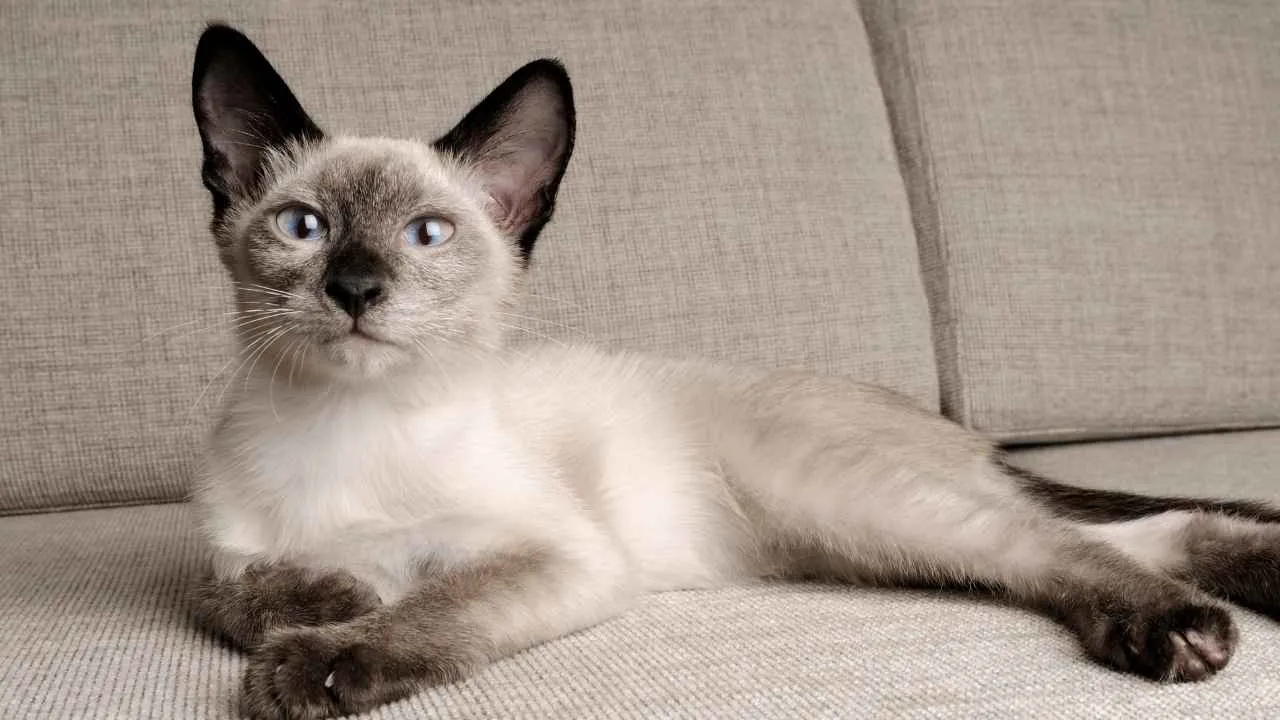
They are also known as the Thai cat or “Meezer”. Originating in Thailand, this breed is famous for its vocal nature, sharp intelligence, and deep attachment to its humans.
According to PetMD, in addition to their large ears and vivid baby-blue eyes, they have a slim, sleek body with darker color points on the ears, face, paws, and tail.
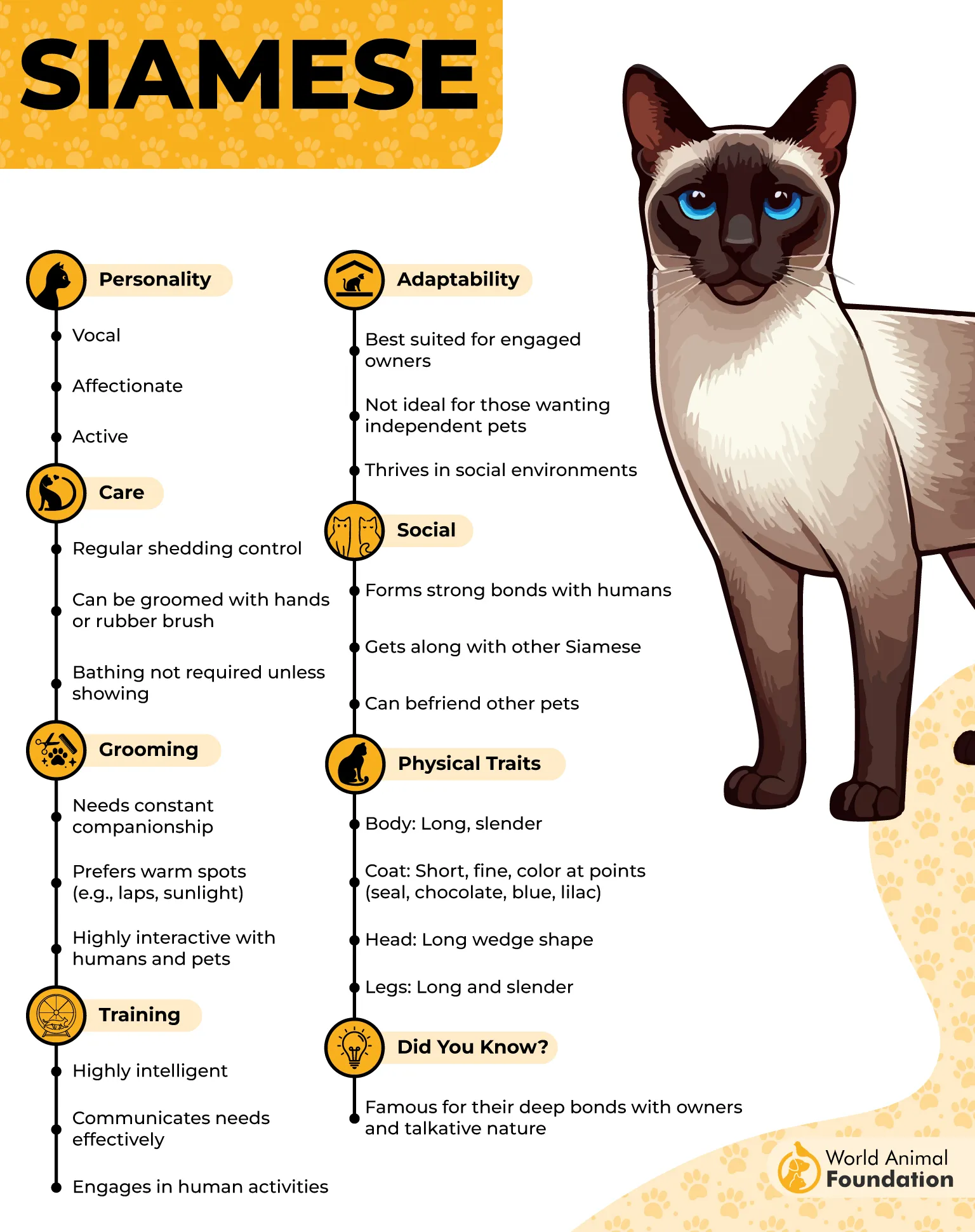
Siamese cats thrive on strict mealtimes and are especially sensitive to late feeding. Their strong internal clock and love of routine mean they expect meals to arrive on schedule—and they will loudly remind you if dinner is delayed.
Highly social and emotionally aware, this breed links food routines with security and attention. When meals run late, Siamese cats may become anxious, vocal, or clingy, using constant communication to express discomfort and hunger.
Because they crave structure, consistent feeding schedules help keep Siamese cats calm and balanced.
Fun fact: Siamese cats are so vocal that many owners describe living with them as having daily “conversations,” especially when mealtime is approaching.
2. Oriental Shorthair
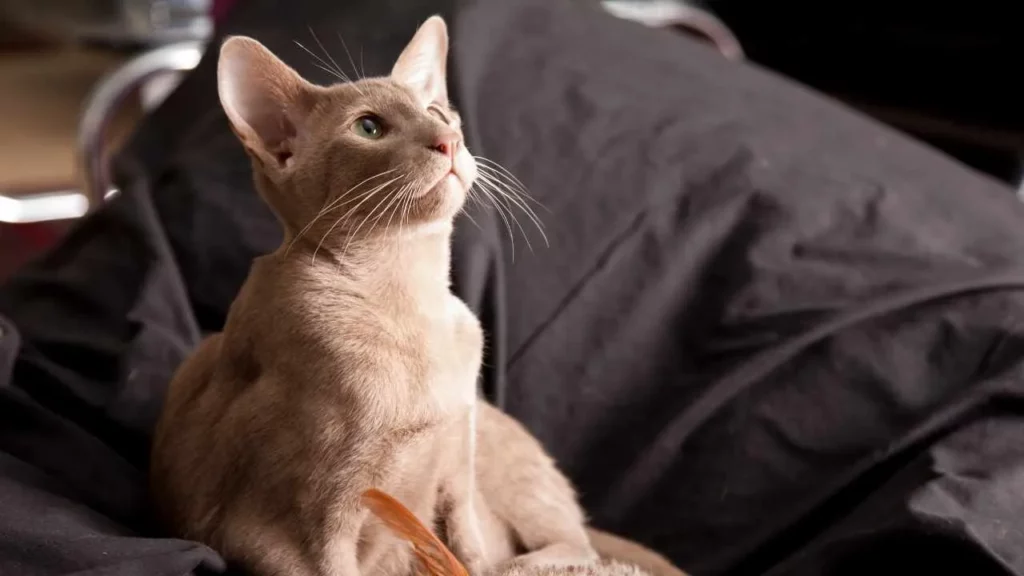
Also known as the Rainbow Cat, Ornamental, or even the “Honking Cat,” the Oriental Shorthair is a Siamese-family breed developed in England. It’s known for its sleek body, short coat in hundreds of color variations, and highly expressive personality.
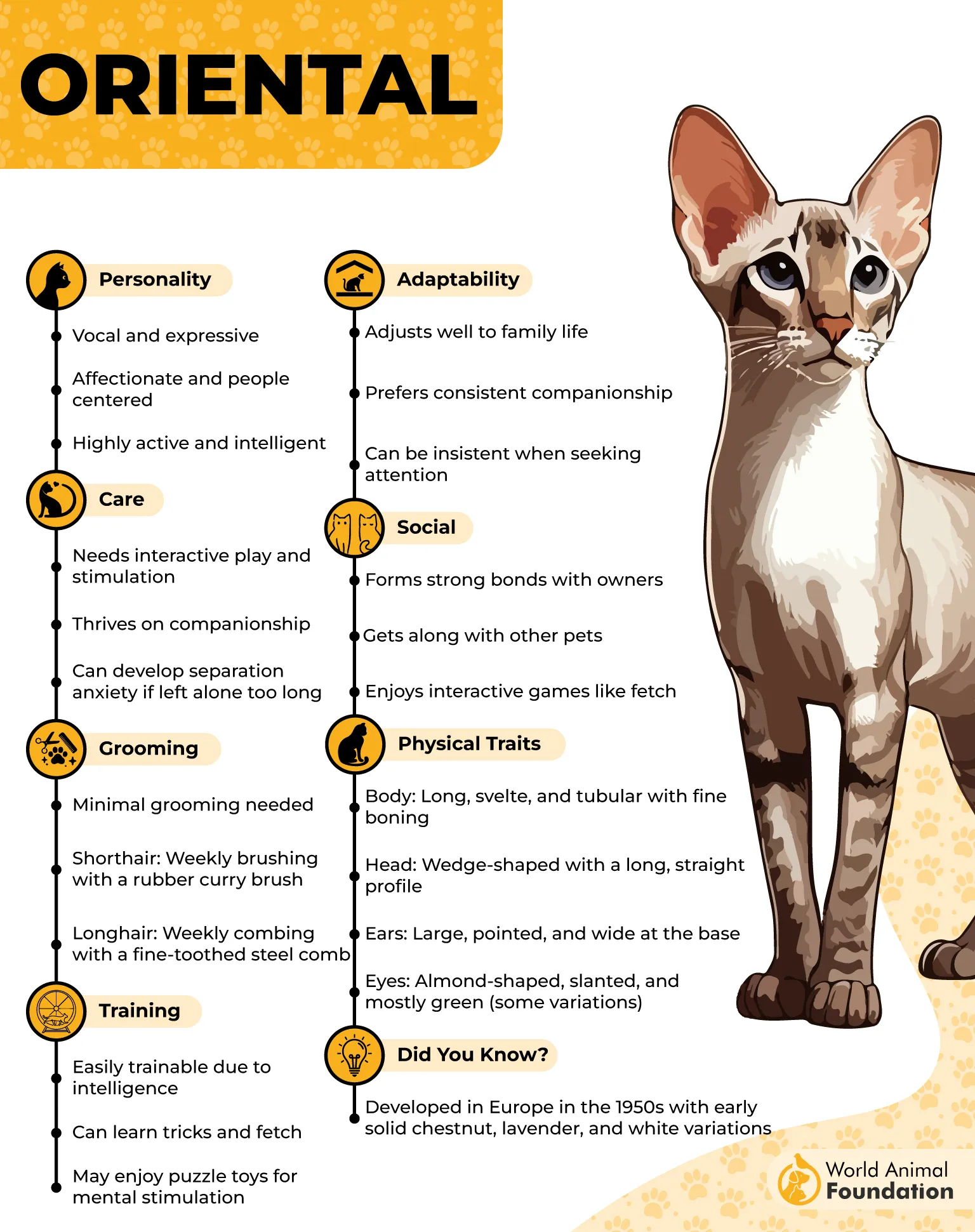
According to Purina, Oriental Shorthairs are lean, medium-sized cats with muscular, athletic bodies, and are often heavier than they appear when lifted.
Oriental Shorthairs are famously vocal, especially when routines are disrupted. When dinner runs late, they don’t suffer in silence—expect persistent meowing and shadowing as they clearly communicate hunger and frustration.
This breed is deeply people-oriented and emotionally sensitive, linking feeding schedules with comfort and attention. Late meals can trigger anxiety or grumpy behavior because they rely on consistency to feel secure in their environment.
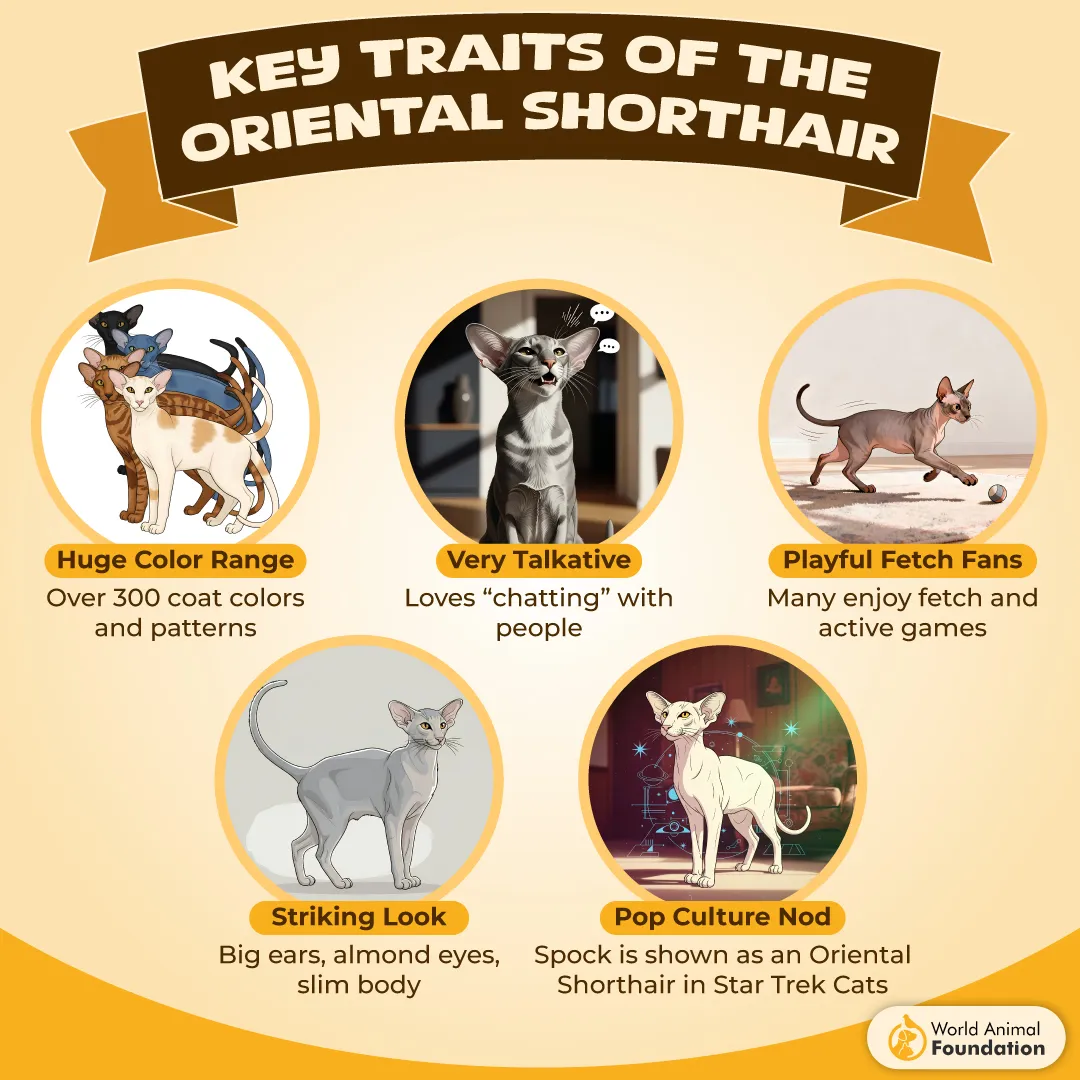
Highly social and intelligent, Oriental Shorthairs do best with predictable meal routines and regular interaction.
Fun fact: This breed is nicknamed the “Rainbow Cat” because it comes in more than 300 different coat colors and patterns.
3. Bengal
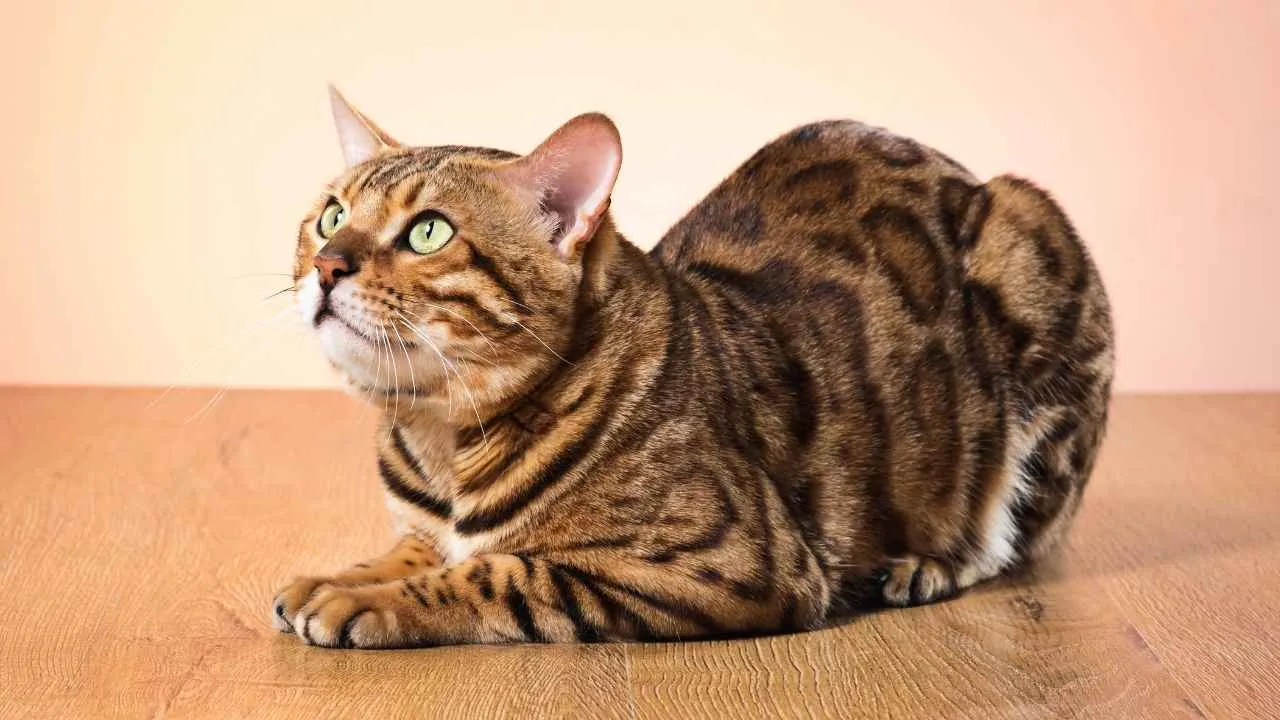
Also known as the Bengal cat, this striking breed is admired for its leopard-like rosetted coat and athletic build, a result of its wild ancestry. Intelligent and inquisitive, Bengals have a bold presence and a naturally active, alert demeanor.
According to PDSA, these cats are affectionate but usually prefer to sit beside their owners rather than on their laps, and they enjoy elevated vantage points, making a cat tree an ideal addition.
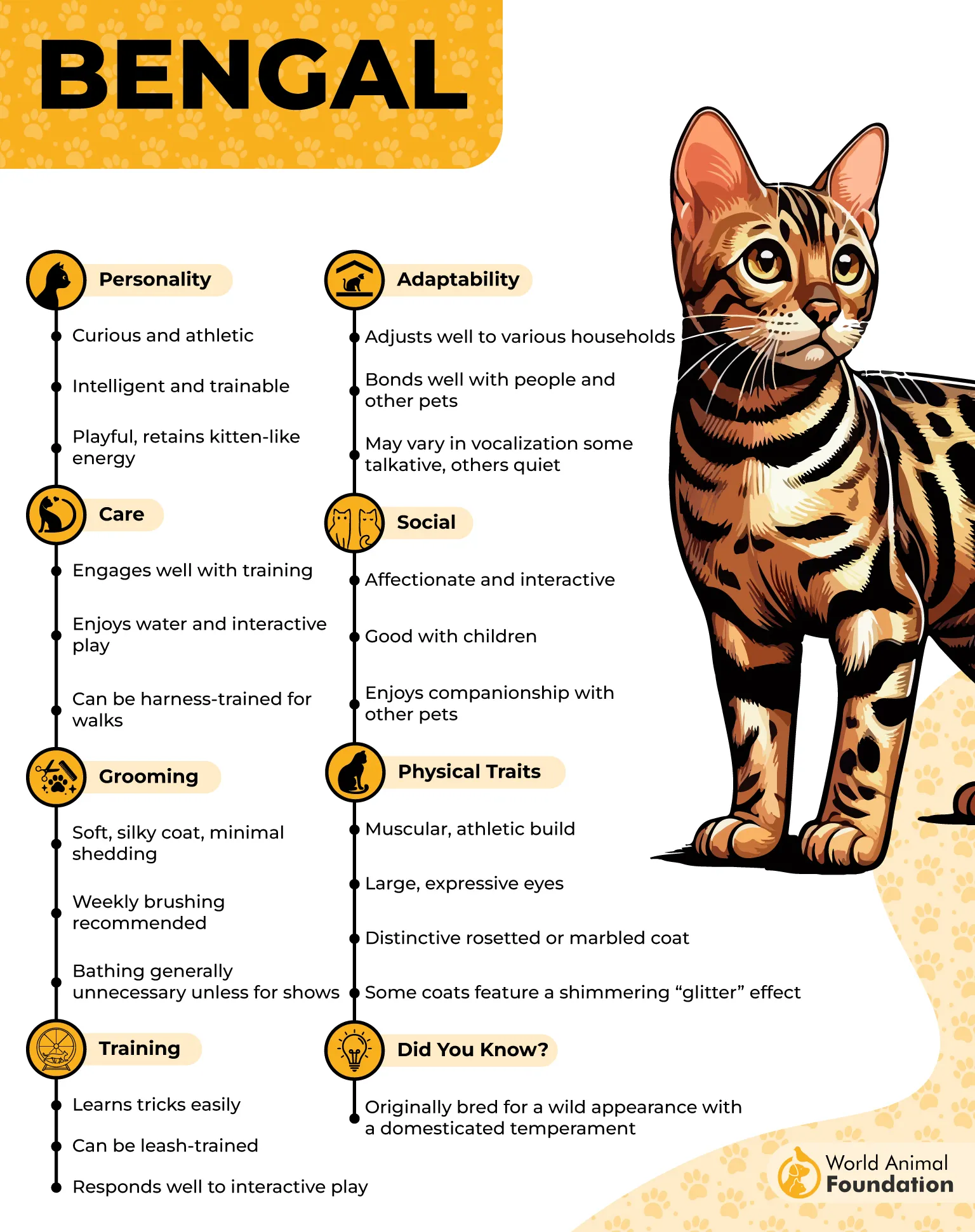
Bengals are high-energy and strongly food-motivated, which makes them especially sensitive to delayed meals. Their fast metabolism and intense activity levels mean hunger can quickly turn into restlessness, pacing, or vocal frustration when feeding schedules slip.
Because they thrive on structure, predictable mealtimes help Bengals stay calm and focused. Late meals can interrupt their routine, increasing stress and making them more demanding, particularly in indoor environments where stimulation is already carefully managed.
Mental engagement paired with timely feeding—such as puzzle feeders or post-meal play—helps ease their food-related anxiety.
Fun fact: Bengals are known to eagerly learn tricks like playing fetch, especially when food rewards are involved.
4. Burmese
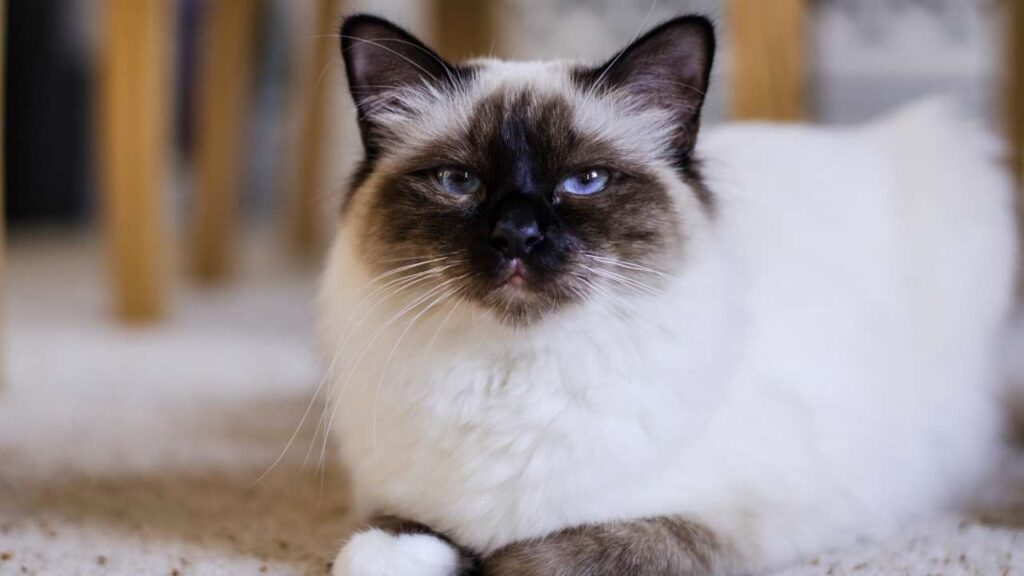
Also known as the British Burmese or American Burmese, the Burmese cat is admired for its sleek coat, expressive eyes, and deeply social personality. This breed is people-oriented, highly intelligent, and known for forming intense emotional bonds with its family.
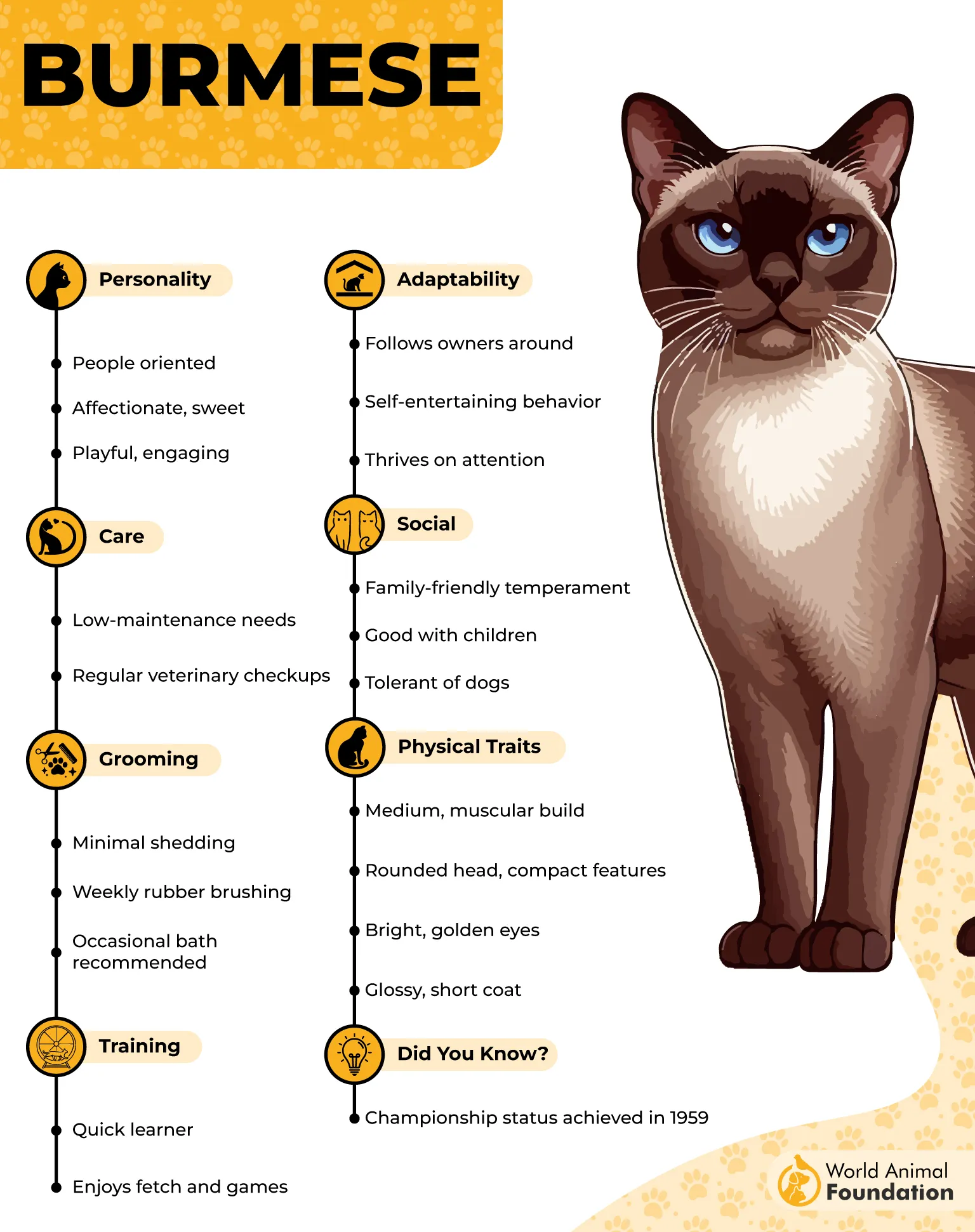
Burmese cats are especially sensitive to routine, and late meals can trigger noticeable stress. Because they rely on structure for emotional security, any disruption to feeding schedules may lead to vocal protests or restless, attention-seeking behavior.
Their strong attachment to humans means hunger is often paired with anxiety. When meals are delayed, Burmese cats may follow their owners closely, meow persistently, or become unsettled, signaling discomfort caused by broken expectations.
Maintaining consistent mealtimes helps this breed stay calm and balanced, reducing stress-related behaviors.
Fun fact: Burmese cats are often described as “velcro cats” because they love staying physically close to their favorite person at all times.
5. Abyssinian
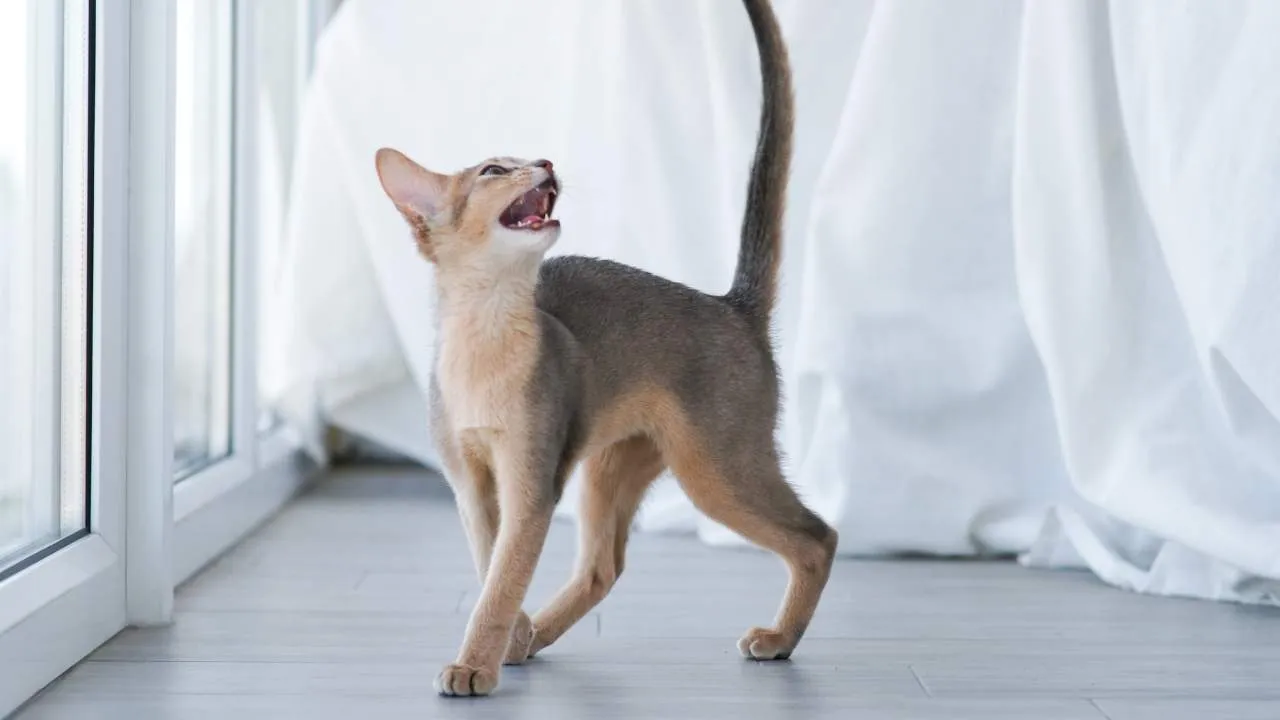
Often nicknamed the “Aby” or even the “Clown of the Cat Kingdom,” the Abyssinian is an ancient breed admired for its ticked coat, alert ears, and curious expression. With roots linked to Abyssinia (modern-day Ethiopia), this cat combines elegance with constant motion.
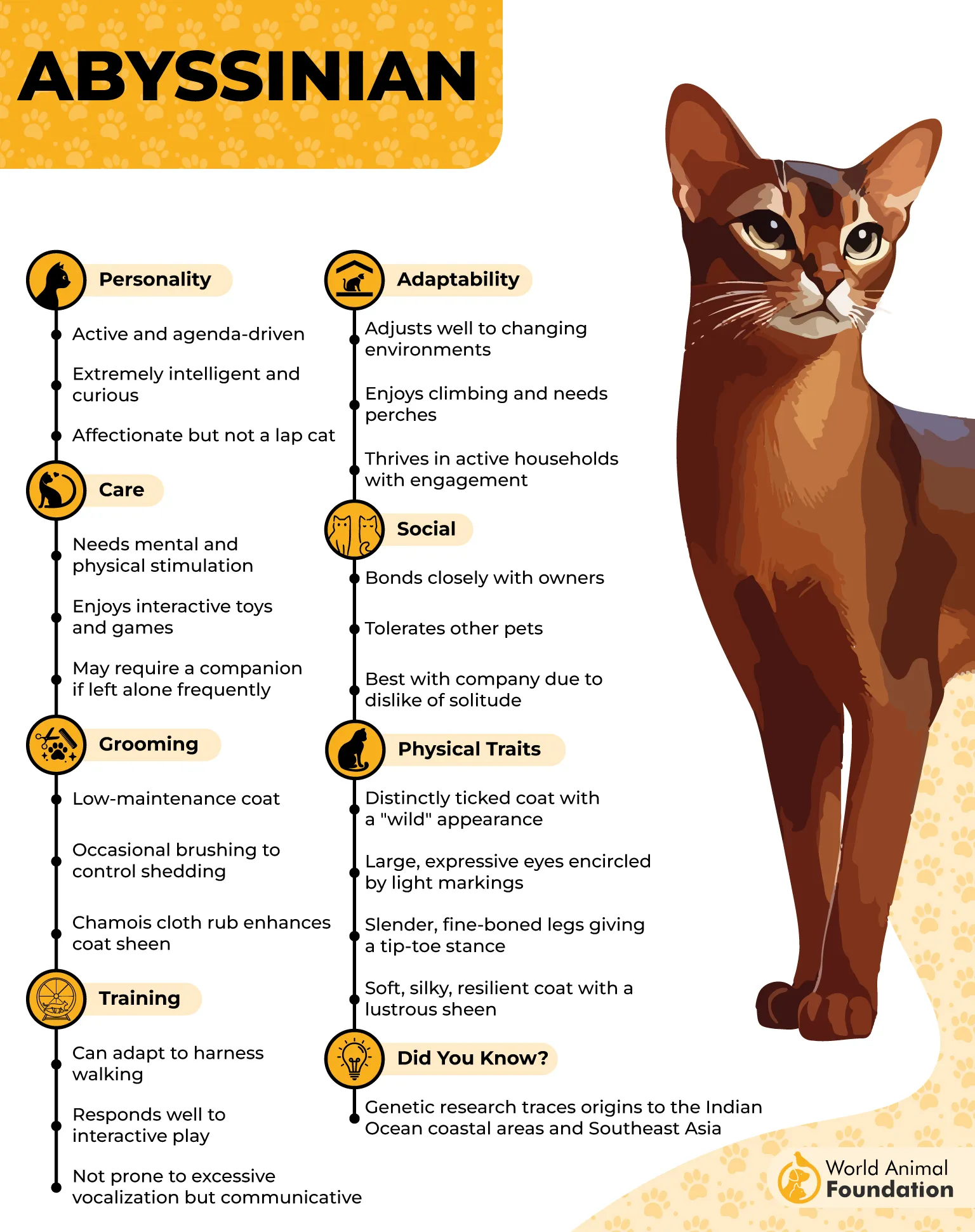
Abyssinians are highly intelligent and strongly schedule-oriented, which makes them sensitive to changes in routine—especially feeding times. When meals are late, their sharp awareness and internal clock can quickly turn anticipation into stress or restlessness.
Because they are natural explorers with busy minds, Abyssinians associate food with structure and security. Delayed meals may interrupt their expected rhythm, leading to increased vocalizing, pacing, or persistent attempts to get attention.
Keeping meals predictable helps these cats stay calm and focused, allowing their playful energy to remain positive rather than anxious.
Fun fact: Abyssinians are often called “Aby-grabbys” because they love to snatch and investigate anything that captures their interest.
6. Maine Coon
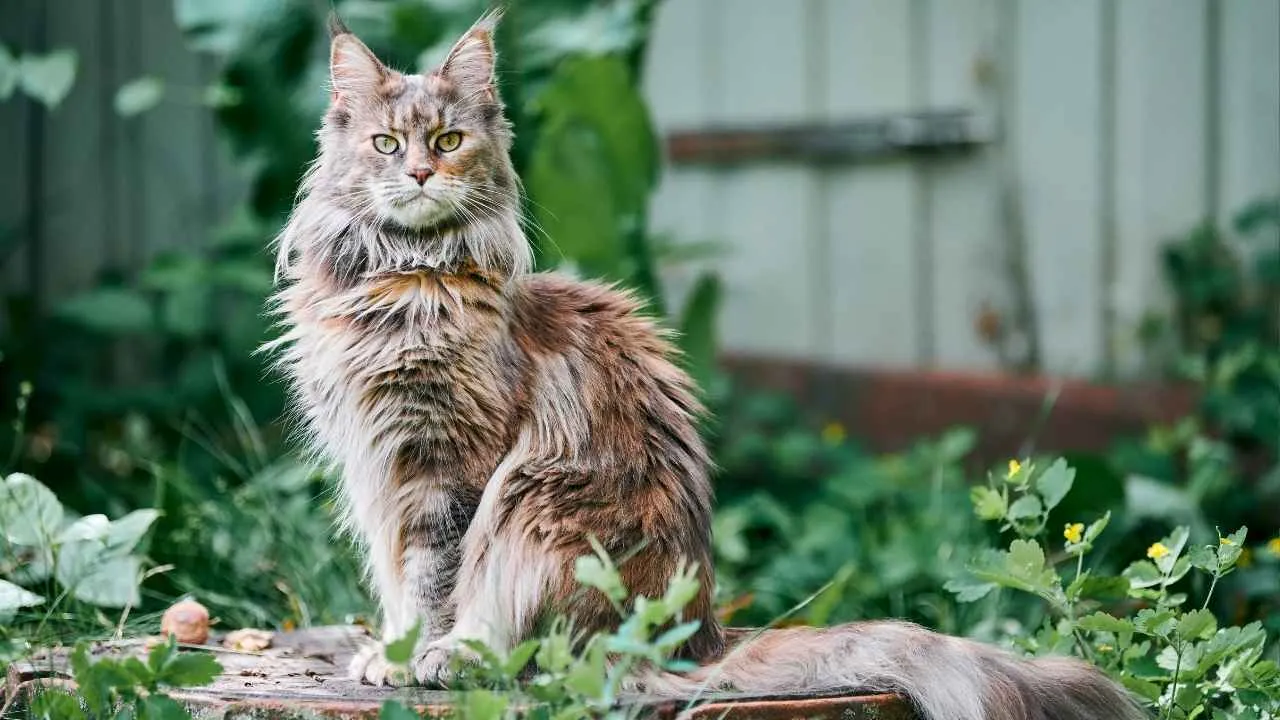
Also known as the American Longhair or the gentle giant, the Maine Coon is a large, rugged cat with tufted ears, a flowing coat, and a famously calm presence. Originating in Maine, this breed is admired for its affectionate temperament and strong attachment to family routines.
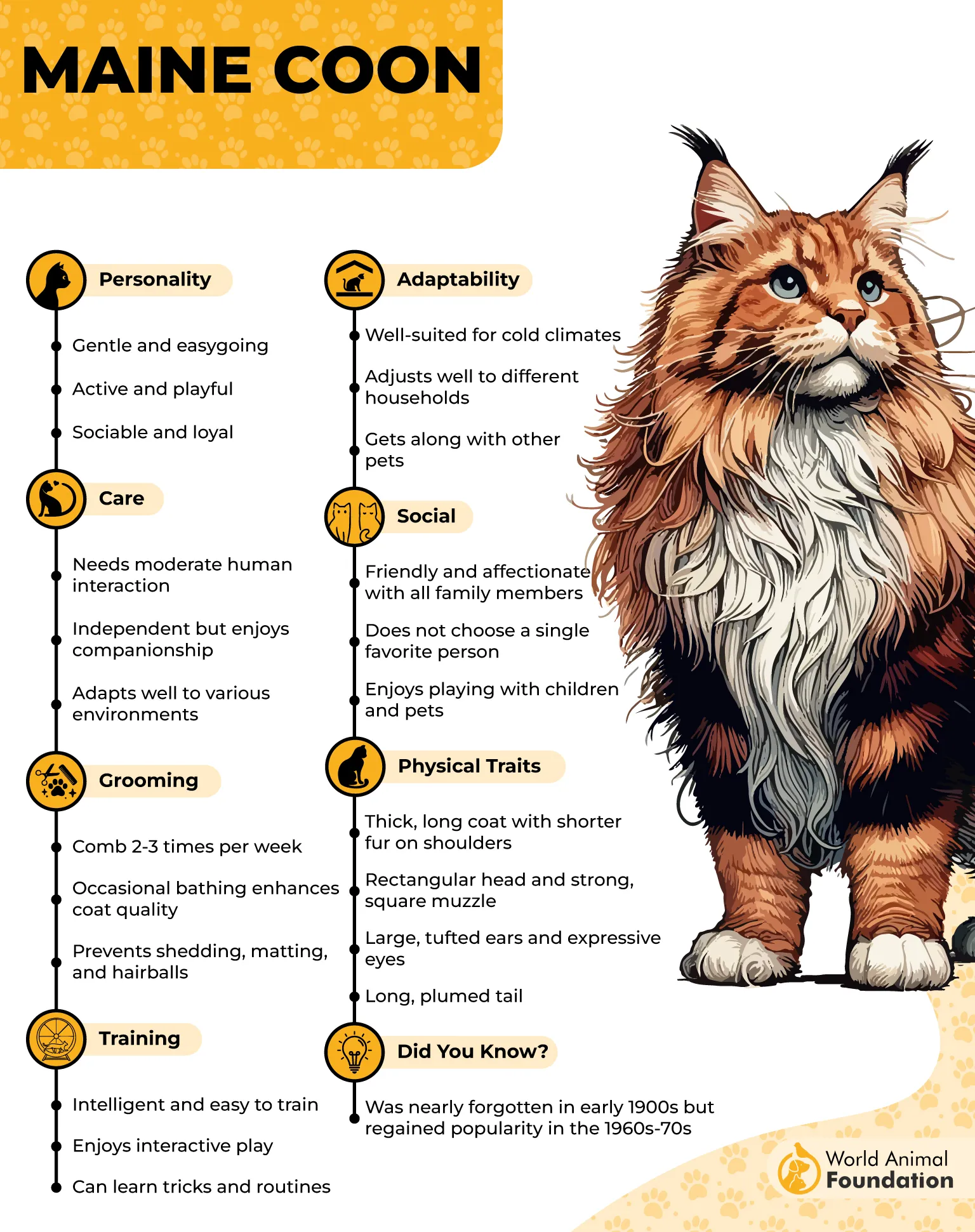
Maine Coons form powerful associations with daily feeding rituals and can become unsettled when meals are delayed. Because they bond closely with their humans, food time feels like a shared event rather than just nourishment.
Though generally easygoing, disruptions to their feeding schedule may lead to restlessness or subtle vocal cues like chirping and trilling. Consistent mealtimes help reinforce security and prevent stress-related behaviors tied to hunger.
While they enjoy playful bursts, Maine Coons are creatures of habit who value predictability.
Fun fact: The Maine Coon is the official state cat of Maine and is rumored to have ties to the cats of Marie Antoinette.
7. Devon Rex
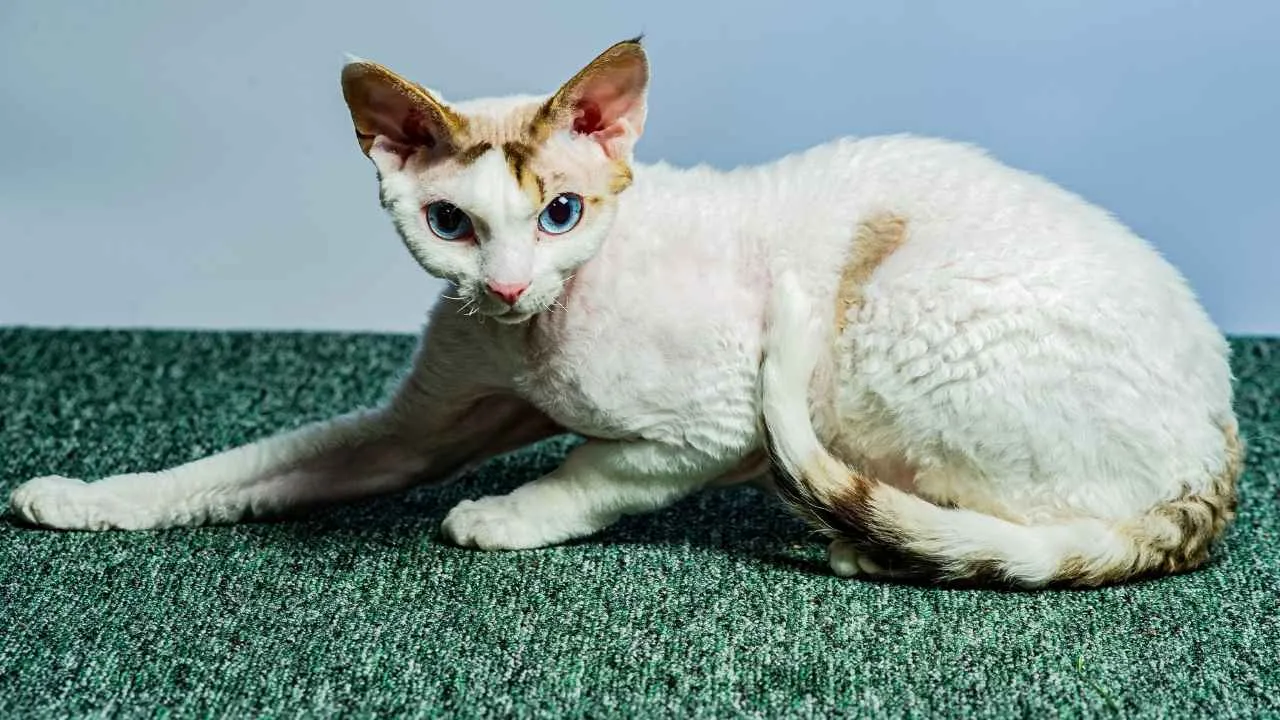
Often nicknamed the “pixie cat,” the Devon Rex is a small, elf-like breed from England, known for its soft, wavy coat, oversized bat ears, and slender frame. Its unique appearance comes from a natural genetic mutation that gives the coat a velvety, rippled texture.
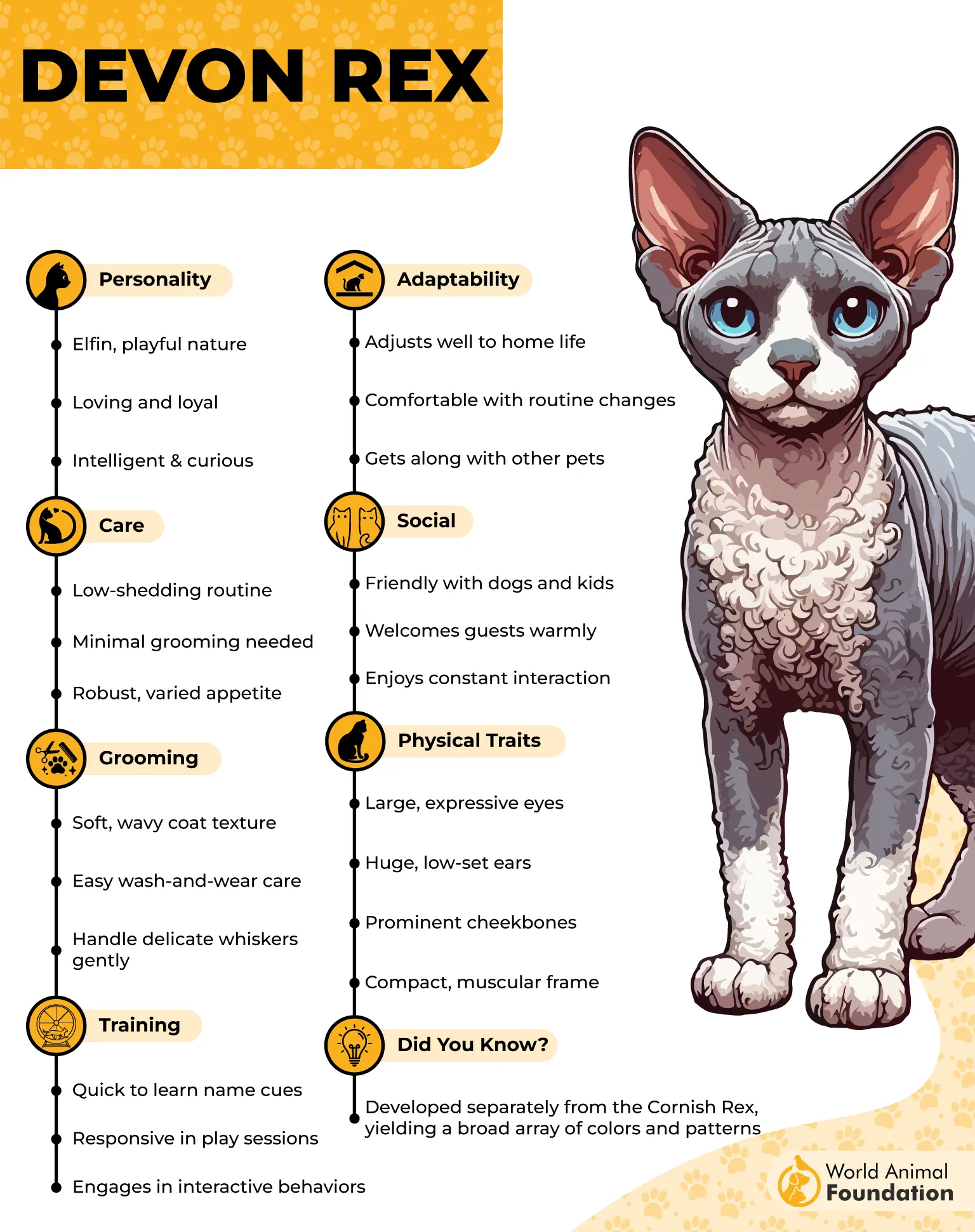
Devon Rex cats form intense bonds with their people and become easily frustrated when routines change. Because food is closely tied to attention and comfort, delayed meals can quickly trigger stress, restlessness, or demanding behavior.
Highly energetic and emotionally expressive, this breed thrives on predictability. When meals arrive late, a Devon Rex may pace, vocalize, or follow its owner closely, signaling discomfort caused by hunger and disrupted expectations.
Their strong need for involvement means consistent feeding times help them stay calm and secure.
Fun fact: The Devon Rex is often described as dog-like because it loves following its humans everywhere—especially when it suspects food is involved.
Conclusion
Late meals can be more than a minor inconvenience for sensitive cats—they can trigger real stress. Most cats, especially routine-driven breeds, rely on predictable feeding times to feel secure.
The average cat prefers consistency, and when cat food arrives late, anxiety can build quickly, even around other cats in the home. Whether meals include wet food or dry food, timing matters just as much as what’s in the bowl for your feline friend.
For many cats, hunger-related stress may worsen existing concerns like dental disease or affect diabetic cats, making schedules especially important.
The average cat may react with vocalizing, pacing, or litter box avoidance when routines slip. Before switching to new food from the pet store, or blaming behavior on personality—or even comparing habits to dog breeds—rule out health issues with medical tests.
Long ago, cats hunted on schedule, and honoring that instinct still helps them stay calm today.
