




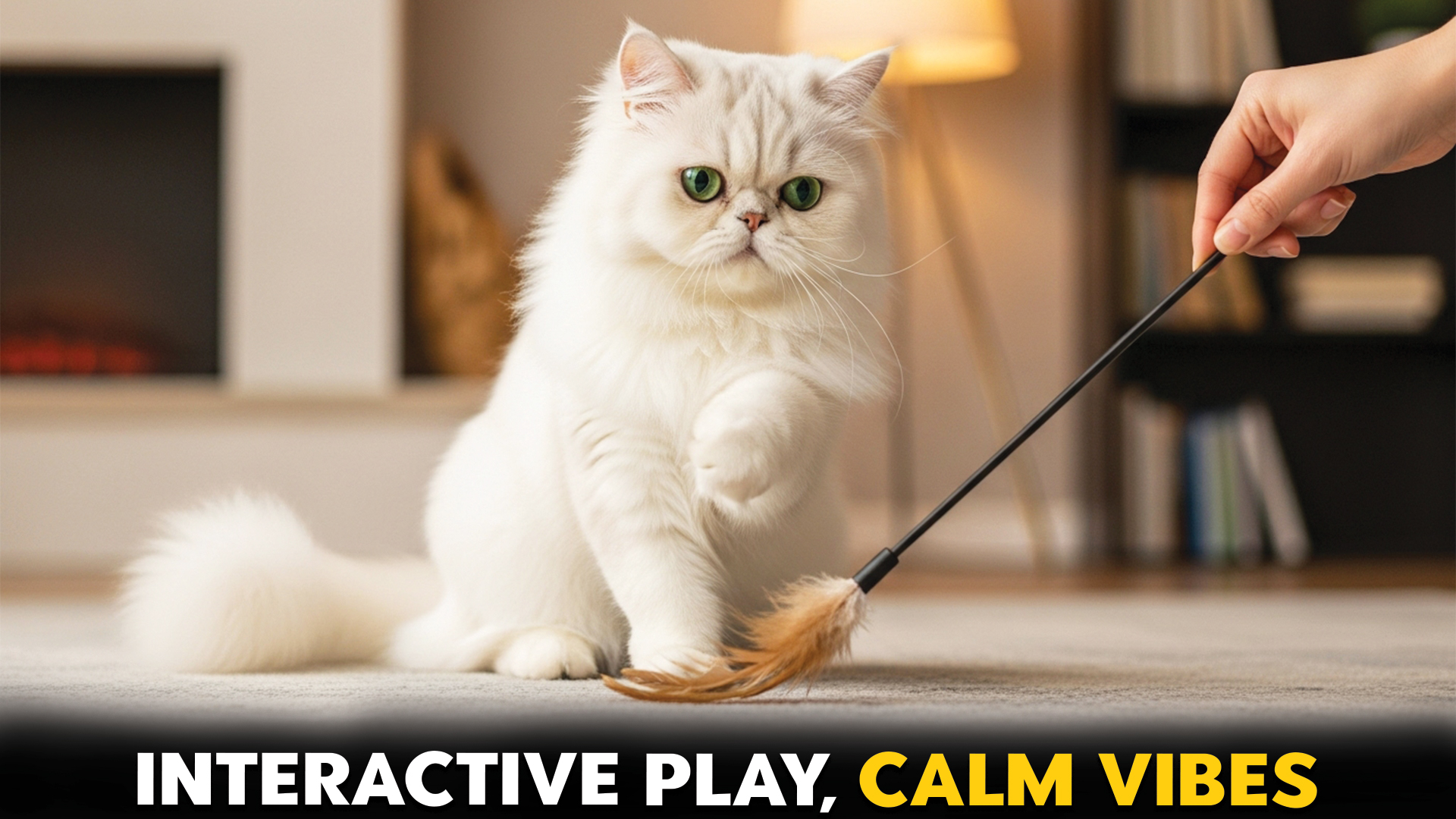
Cats are often celebrated for their bursts of speed and sudden pounces, but not every feline thrives on high-energy chaos.
Some cats truly shine during slow interactive play, where patience, focus, and gentle movement take center stage. This style of play emphasizes connection over intensity, allowing cats to engage their minds as much as their bodies. For calm, observant breeds, these quieter moments can be far more satisfying than frantic chasing.
So, what exactly is slow interactive play for cats? It involves deliberate, thoughtful activities such as gently moving wand toys, puzzle-based games, or interactive sessions that encourage stalking, watching, and planning rather than instant leaps.
This approach mirrors natural hunting behaviors while keeping stress levels low. Cats that enjoy this style often prefer predictability, subtle motion, and extended engagement instead of constant stimulation.
Not all cats are wired the same way, which is why some naturally gravitate toward calmer play. Breed traits, temperament, and energy levels all influence these preferences.
Cats, known for their relaxed, affectionate personalities, often find slow interactive play deeply rewarding, strengthening bonds with their humans while providing meaningful mental enrichment.
Cat Breeds That Enjoy Slow Interactive Play
1. Ragdoll
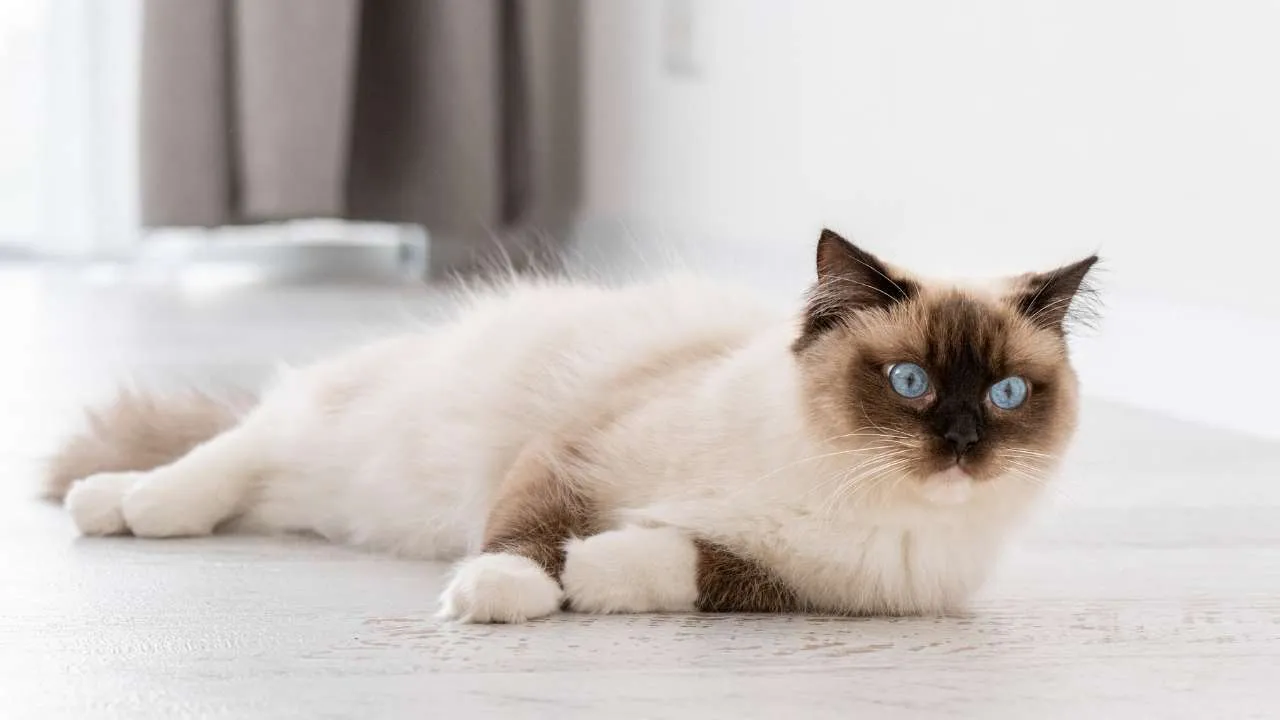
Often called the “gentle giant” of the cat world, the Ragdoll—also known simply as Ragdoll Cat—is famous for its striking blue eyes, semi-long silky coat, and exceptionally calm demeanor.
According to Britannica, it enjoys playing retrieval games. Originating in the United States, this breed is cherished for its affectionate, people-oriented personality and relaxed presence in the home.
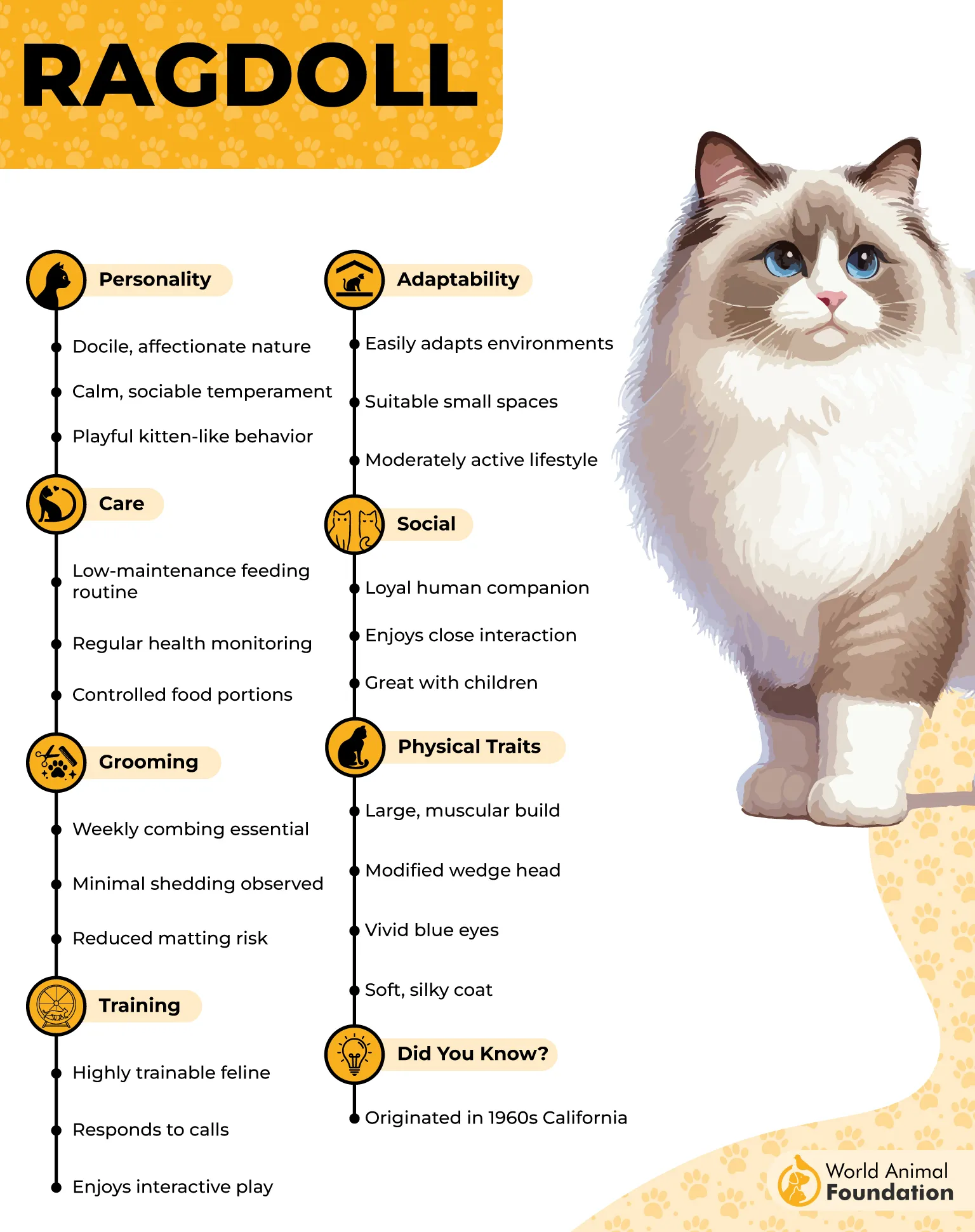
When it comes to slow interactive play, Ragdolls truly shine. Rather than frantic chasing, they prefer thoughtful activities like puzzle toys, gentle wand movements, or a slow game of fetch that lets them observe, plan, and respond at their own pace.
Their docile temperament makes them ideal for calm, engaging play sessions that focus on connection instead of speed. Ragdolls often enjoy interactive toys that stimulate the mind, rewarding patience and curiosity over quick reflexes.
Because they love staying close to their humans, slow play becomes a bonding ritual rather than just exercise. These cats happily participate without overstimulation, making playtime soothing for both pet and owner.
Fun fact: Ragdolls are known for “going floppy” when picked up, a trait that reflects their famously relaxed and trusting nature.
2. Persian
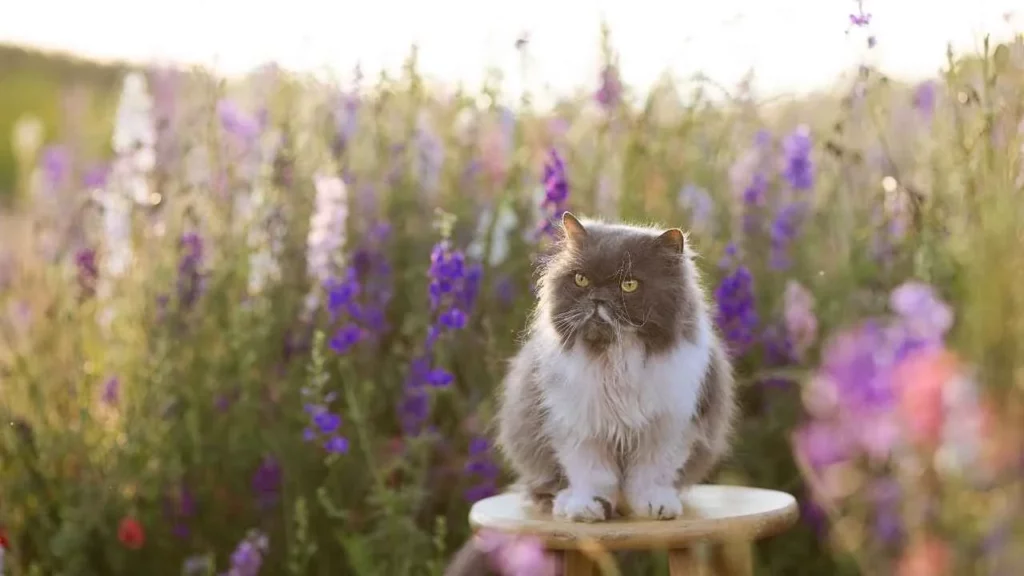
Often called the Persian Longhair, the Persian cat is instantly recognizable for its flat face, round features, and flowing coat. According to PetMD, Persian cats are believed to be among the oldest cat breeds, with origins dating back to the 1600s.
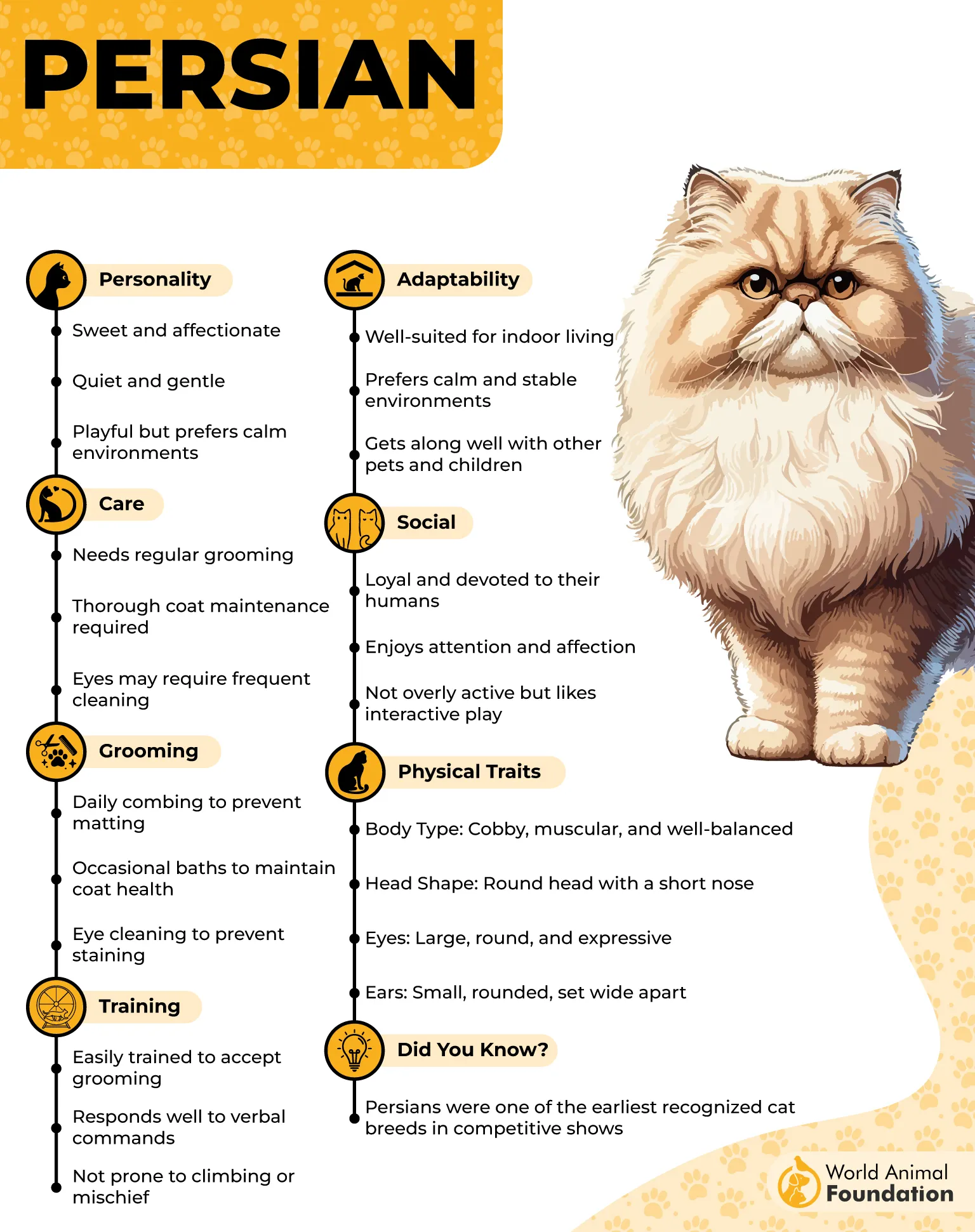
Rather than wild bursts of energy, they prefer relaxed toy sessions that involve gentle teasing, soft wand movements, or watching a toy glide across the floor. This makes playtime soothing rather than chaotic.
Persians are playful without the zoomies, enjoying interaction at their own unhurried pace. They’re more likely to bat at a toy while lounging than sprint across the room, making them ideal for owners who value calm, thoughtful engagement.
Their love of routine and quiet environments means slow play fits seamlessly into daily life. Short, peaceful play sessions paired with affection keep them mentally stimulated and content.
Fun fact: Persians are known for having quiet voices and often communicate by gazing intently at their owners rather than vocalizing.
3. British Shorthair
Often called the British Blue, the British Shorthair is one of Britain’s oldest and most recognizable cat breeds, known for its round face, dense plush coat, and calm confidence.
According to WebMD, British Shorthairs are relaxed cats that can do well on their own. This breed carries a dignified charm and an easygoing personality that suits quieter homes.
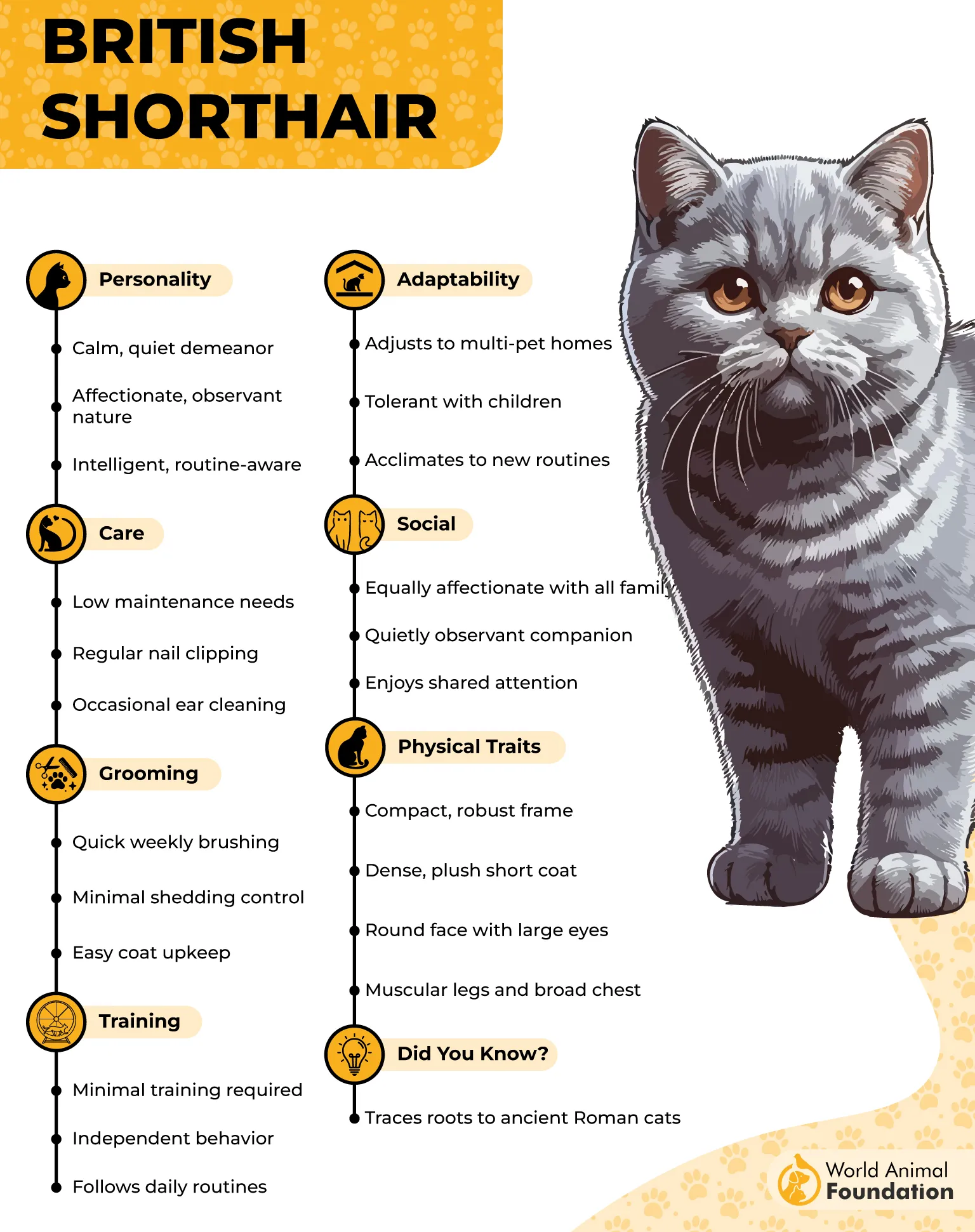
They enjoy watching, thinking, and gently engaging with wand toys or puzzles, making playtime feel relaxed and intentional instead of chaotic.
Naturally curious yet composed, this breed stays mentally engaged without becoming overstimulated. Their moderate energy level allows them to fully enjoy thoughtful play that mimics stalking or problem-solving, which aligns well with their steady temperament.
Affectionate but not demanding, British Shorthairs often play best when interaction feels calm and respectful. They’re content to pause, observe, and rejoin at their own pace, turning slow play into a bonding ritual.
Fun fact: The British Shorthair is believed to descend from cats brought to Britain by the Romans to control rodents.
4. Birman
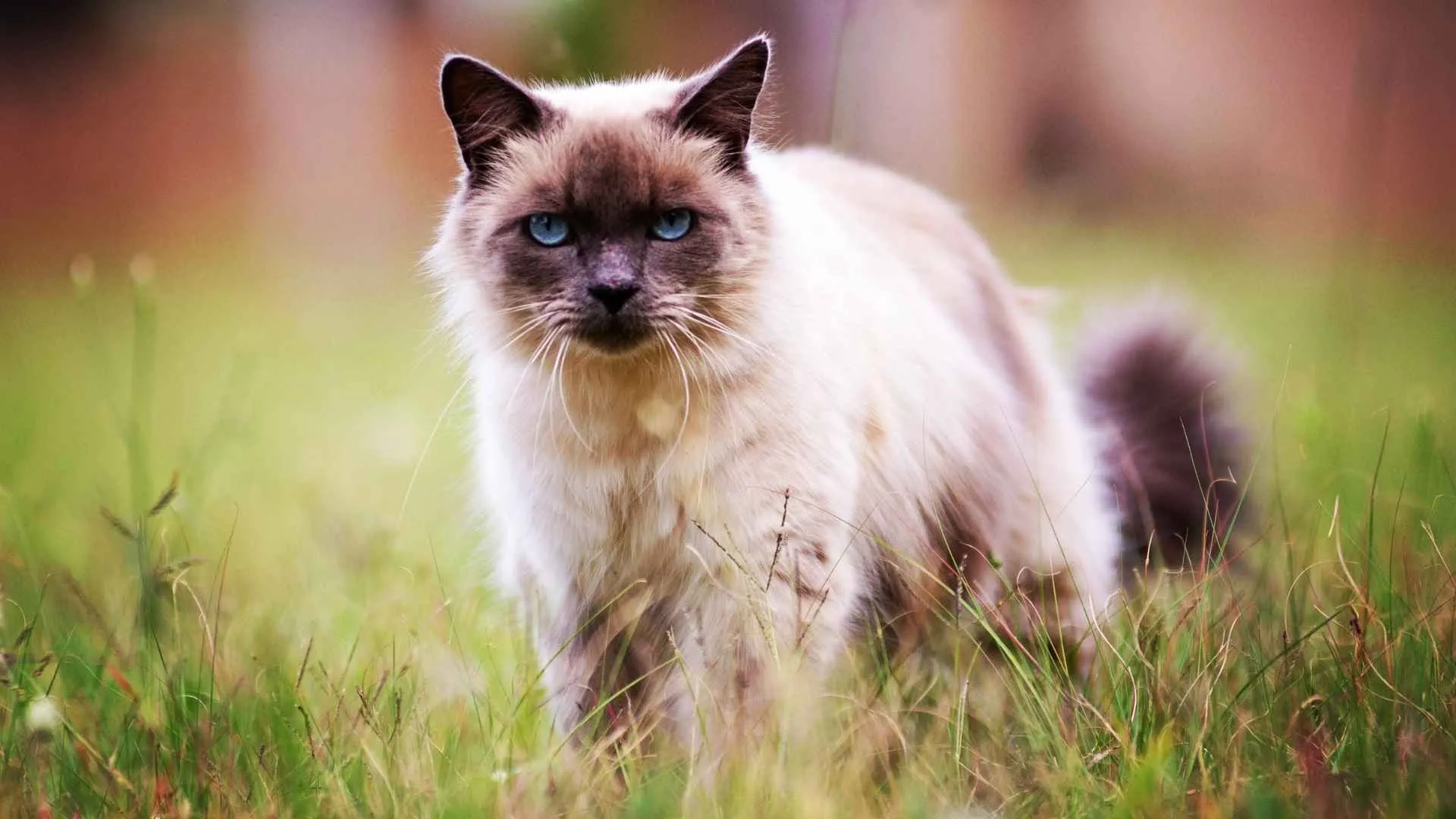
Often called the Sacred Cat of Burma, the Birman is admired for its silky colorpoint coat, signature white “gloves,” and striking blue eyes. This breed combines elegant looks with a calm, people-oriented personality that thrives on gentle companionship.

Birmans are perfectly suited to slow interactive play, preferring thoughtful one-on-one sessions over frantic chasing. They enjoy watching a wand toy glide softly or engaging in puzzle-style games that reward patience and focus rather than speed.
Naturally relaxed and attentive, the Birman stays close during playtime, responding best to calm movements and quiet encouragement. Their mild curiosity and affectionate nature make interactive play feel more like shared bonding than exercise.
Unlike highly driven hunters, Birmans lack an intense prey instinct, which makes slower play more fulfilling for them. They’ll often pause, observe, and then gently engage, savoring the interaction itself.
Fun fact: Birmans are known for their soft, chirping voices and tend to communicate gently rather than loudly during play and daily interaction.
5. Scottish Fold
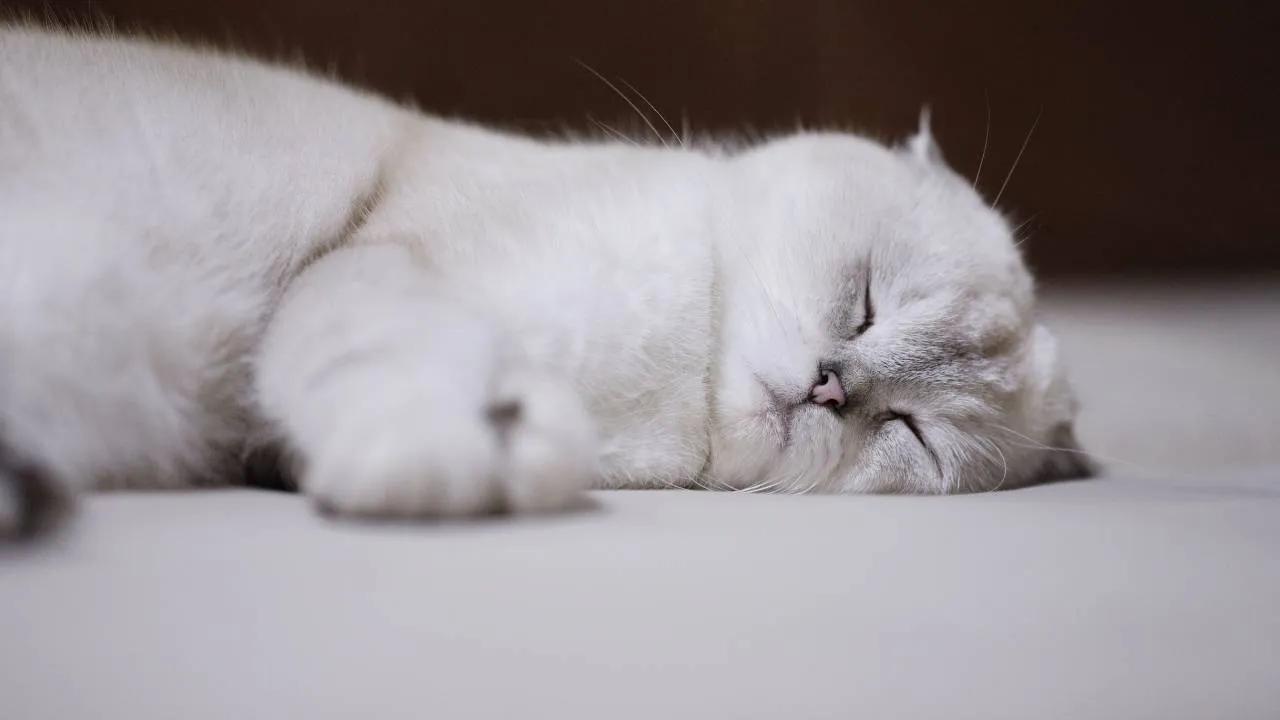
Often nicknamed the Highland Fold in its longhaired form, the Scottish Fold is instantly recognized by its folded ears, round face, and wide, expressive eyes. This breed is gentle, adaptable, and deeply people-oriented, often bonding closely with one favorite person.

They enjoy watching toys move deliberately, carefully tracking motion before making a soft, strategic pounce that reflects their observant nature.
Slow interactive play suits their calm temperament perfectly, especially games that involve teasing movements, puzzle toys, or quiet one-on-one sessions. These cats often sit back, analyze the situation, and engage only when they feel confident, making playtime feel intentional and relaxed.
Because they thrive on companionship, Scottish Folds enjoy play that doubles as bonding time. Gentle wand toys, rolling balls, or soft floor-level games keep them mentally stimulated without overwhelming their laid-back personality.
Fun fact: All Scottish Folds descend from a single white barn cat named Susie, born in Scotland in 1961.
6. Chartreux
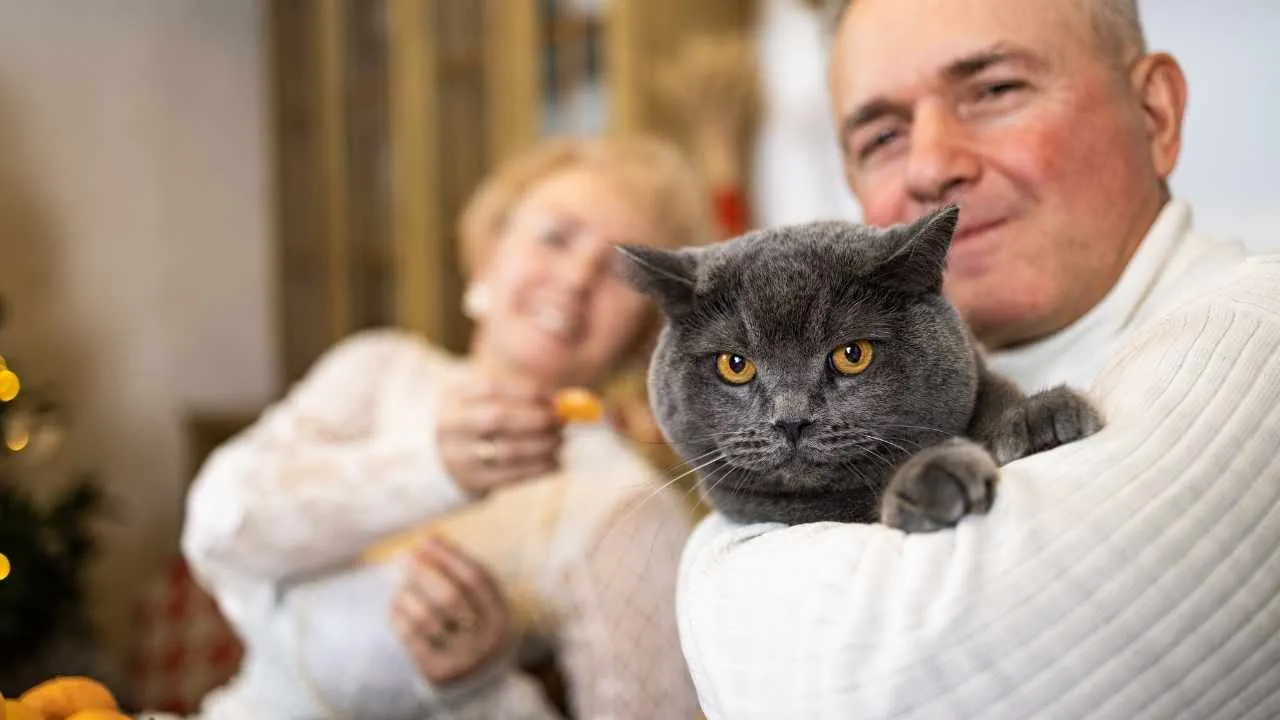
Often called France’s “smiling blue cat,” the Chartreux is an ancient natural breed known for its plush blue-gray coat, round face, and calm presence. This quietly affectionate cat forms deep bonds, often favoring one person while remaining gentle with the whole household.
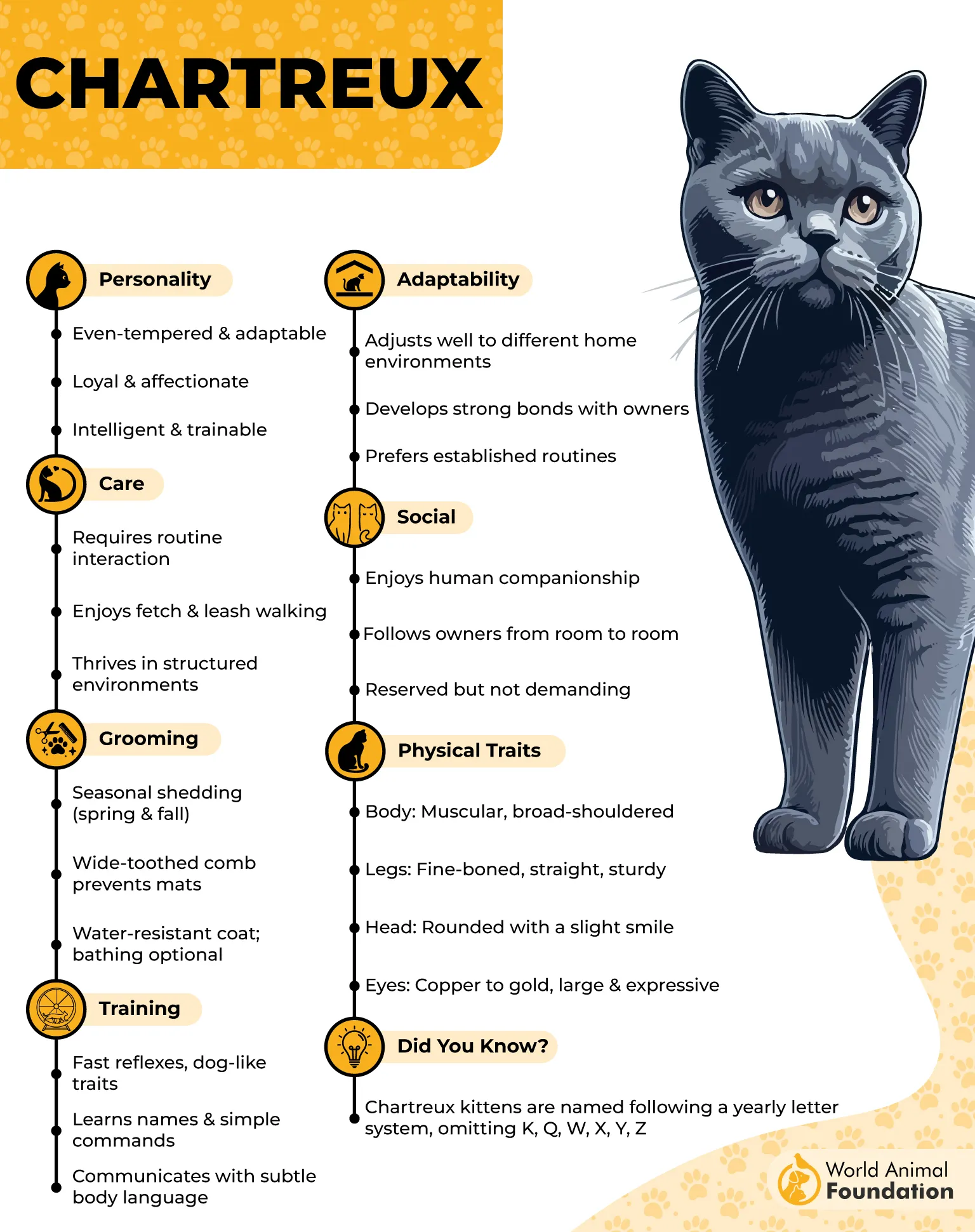
Thoughtful games that involve gentle movement, watching, and timing suit this breed perfectly, allowing them to engage without overstimulation.
Rather than demanding constant entertainment, Chartreux cats enjoy short, meaningful playtimes spaced between naps and meals. They are observant and patient, often using their eyes instead of their voice, which makes calm, focused play especially rewarding.
This breed’s laid-back temperament means they’re content to follow their humans, pause for a bit of play, then settle in nearby. Their relaxed rhythm makes slow interactive play feel like a shared ritual rather than a high-energy workout.
Fun fact: Chartreux cats are famously quiet and often communicate more through eye contact than vocalization.
7. Exotic Shorthair
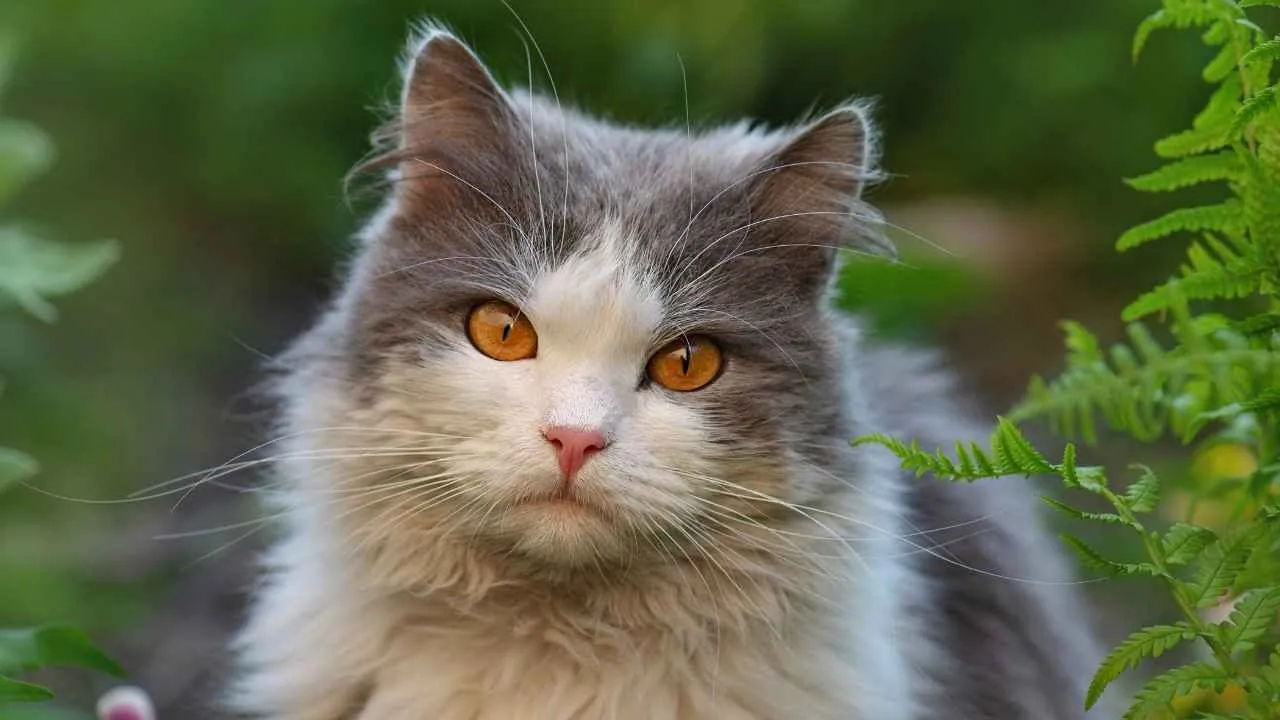
Often nicknamed the Exotic or described as the short-haired Persian, the Exotic Shorthair is loved for its round face, plush coat, and teddy-bear charm. Bred from Persians crossed with American Shorthairs and Burmese, this cat thrives on close human companionship.
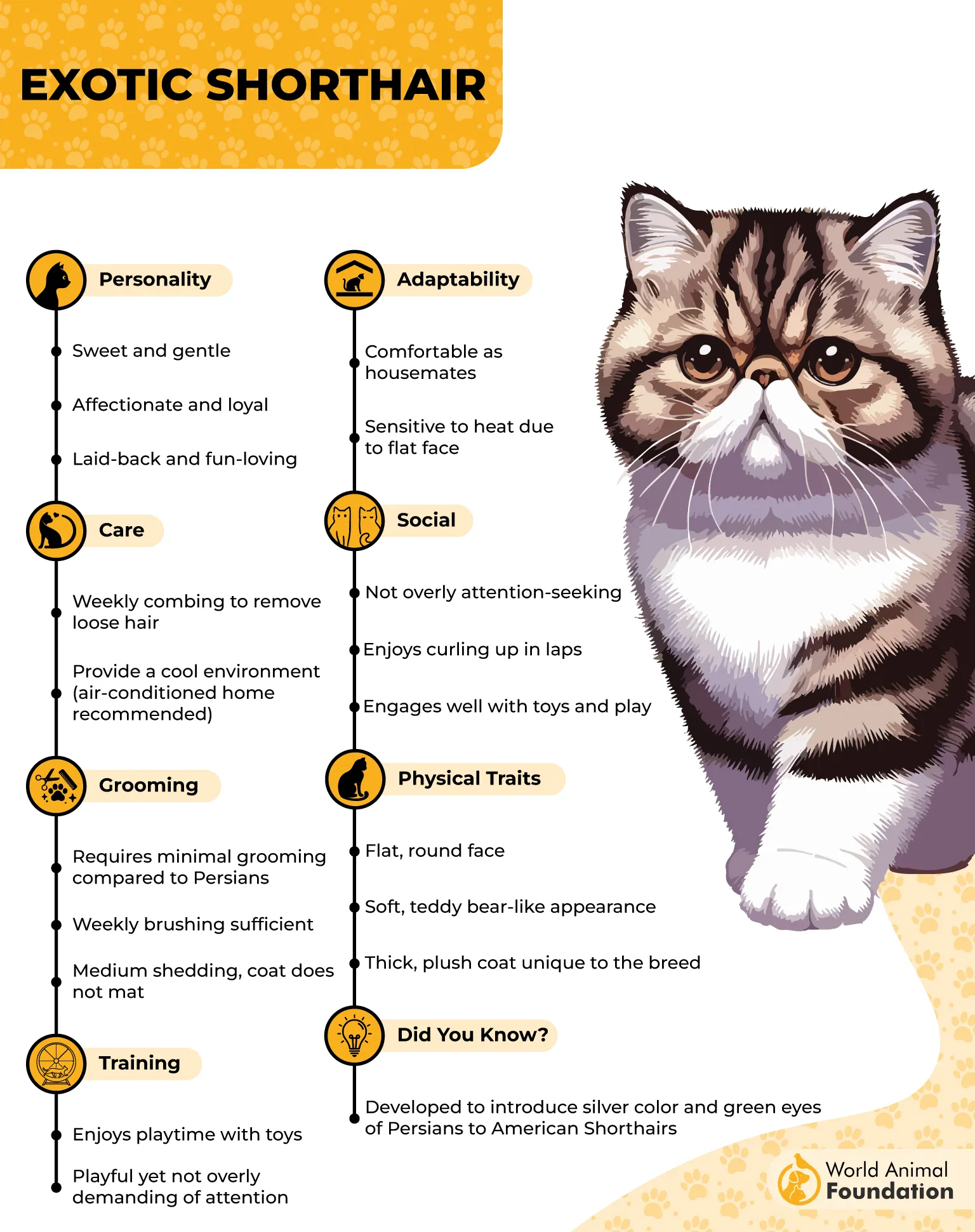
Rather than frantic zoomies, Exotic Shorthairs favor slow interactive play that lets them stay near their people. Gentle wand toys, soft movements, and relaxed games suit their calm curiosity and help strengthen their already deep human bonds.
Their playful side emerges in quiet, thoughtful ways, with focused watching and short bursts of engagement instead of nonstop action. This makes them ideal for owners who enjoy peaceful play sessions that feel more like shared moments than workouts.
Because they dislike being left alone, Exotic Shorthairs often use slow play as a way to connect emotionally. These mellow interactions keep them stimulated without overwhelming their laid-back nature.
Fun fact: Exotic Shorthairs were developed in the 1950s to combine the Persian’s sweet temperament with a shorter, easier-care coat.
Conclusion
Slow interactive play highlights a gentler side of domestic cats, showing that fun doesn’t always need to be fast or intense. Many breeds—and individual personality types—prefer thoughtful games that fit predictable routines and household routines.
For adult cats, especially, this calm engagement is perfectly normal and supports mental stimulation without overstimulation. Cats tend to enjoy activities that let them observe, plan, and connect, whether they’re naturally dog-like, highly trainable, or simply content to spend time nearby.
Across many breeds, from Siamese cats and Maine Coon to Russian Blue and Turkish Van, slow play helps prevent boredom and strengthens bonds with humans and other pets. Even other cats in the home can adapt quickly when play is relaxed and structured.
Learning tricks, rotating toys every few weeks, and respecting individual preferences allow these cats to thrive. Ultimately, slow interactive play suits cats that value connection, routine, and meaningful engagement over constant motion.
