




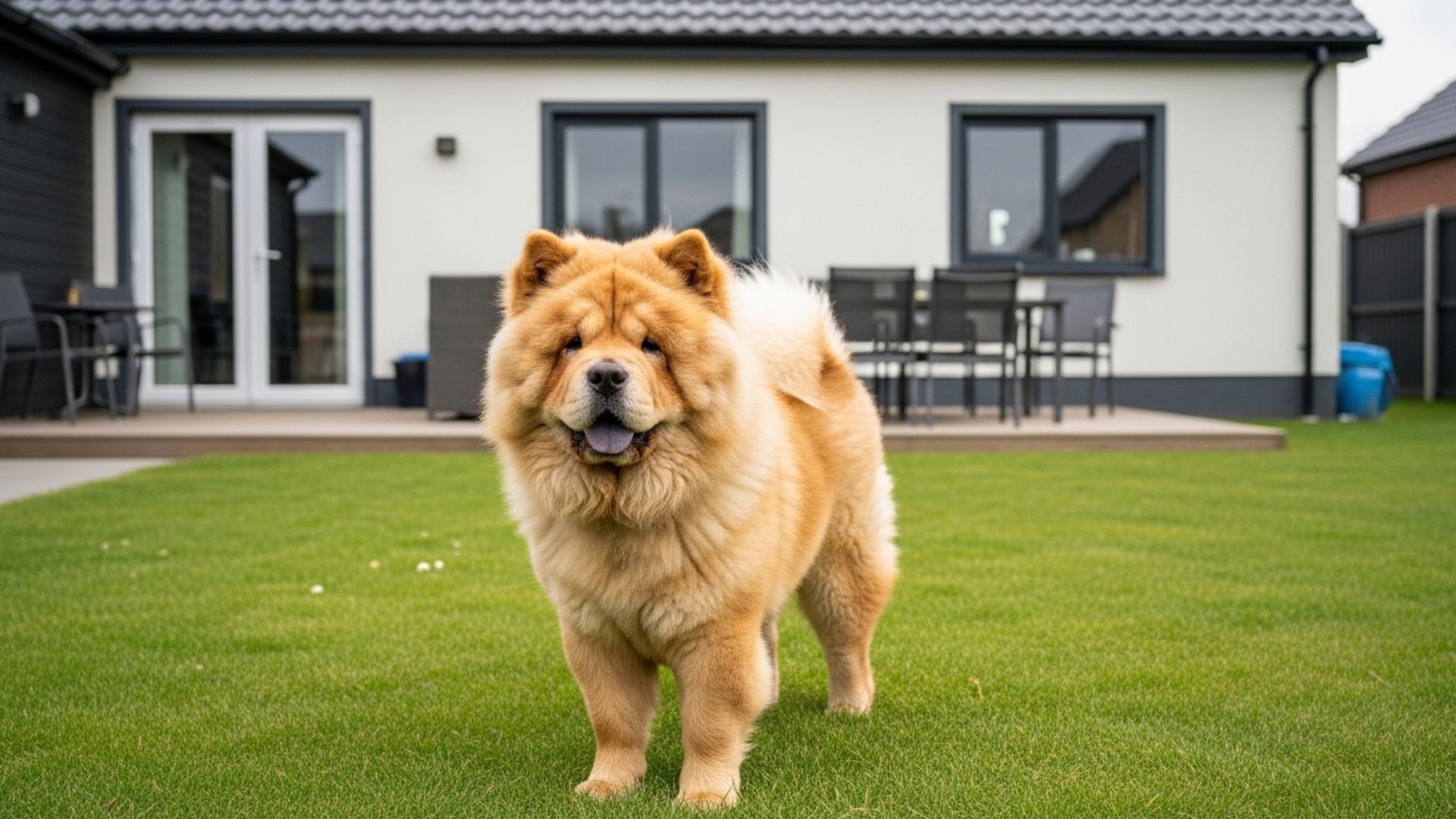
Some dogs are sweet, smart, and lovable, but they can also be stubborn, intense, or a little hard to manage.
Some breeds are bursting with intensity, independence, and a stubborn streak that can leave unprepared owners feeling overwhelmed. Their strong personalities, high energy levels, and sharp instincts often require experienced handling, consistent training, and plenty of mental stimulation.
That does not make them bad dogs. It simply means they may need the right home, patient training, and a clear routine.
In this guide, we will look at 10 dog breeds often known for an unruly temperament and explain what that can look like in everyday life. You will also learn why behavior depends on more than breed alone, including socialization, exercise, and handling.
If you are choosing a dog or trying to understand your current one better, this list will help you make a more informed decision.
Top Dog Breeds Known for Their Unruly Temperament
1. Siberian Husky
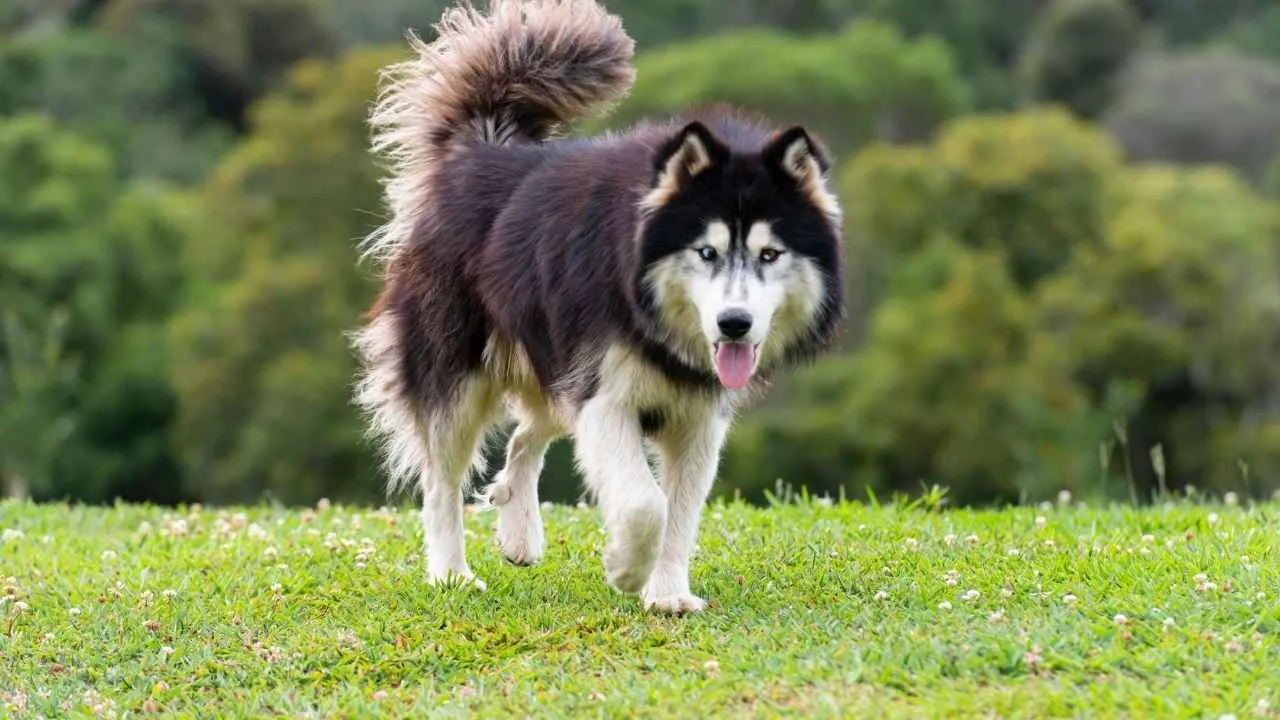
Siberian Huskies first arrived in the United States in 1908, when Russian fur trader William Goosak brought them to Nome, Alaska. This breed was not warmly received at first, but over time, the Husky became one of the most recognized dog breeds in American homes.
Their rise in popularity also came with a reputation for big voices and bold behavior. As per PetMD, a Siberian Husky is known for endless energy, a talkative style, and a need for movement. These large dogs do best with active owners who can provide regular exercise, space to roam, and strong daily structure.
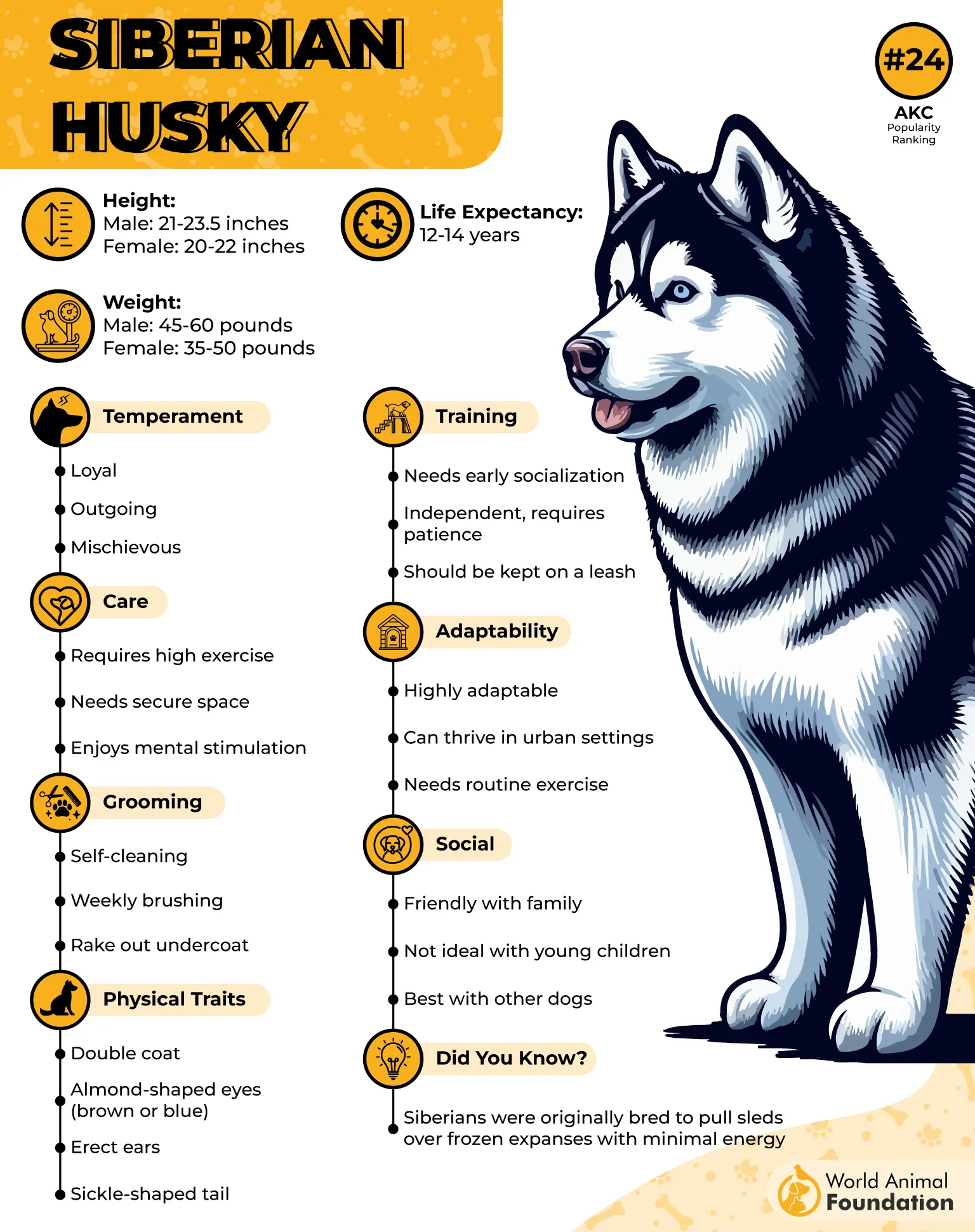
Without enough physical and mental stimulation, a dog like this can become bored and develop difficult behavior at home. Because this breed is smart and active, training should start at a young age with consistent training and socialization.
Husky puppies need early exposure to people, animals, and everyday life, and they respond well to positive reinforcement and short training sessions. They are lovable, but their independent streak and loud howling can be a real challenge in homes with shared walls.
Why This Breed Is a Good Fit
Great for active families who want a playful dog with high energy levels and a big personality.
A strong match for experienced dog owners who enjoy training and can lead with patience.
Perfect for people who do not mind a vocal pup that likes to sing about daily life.
2. Jack Russell Terrier
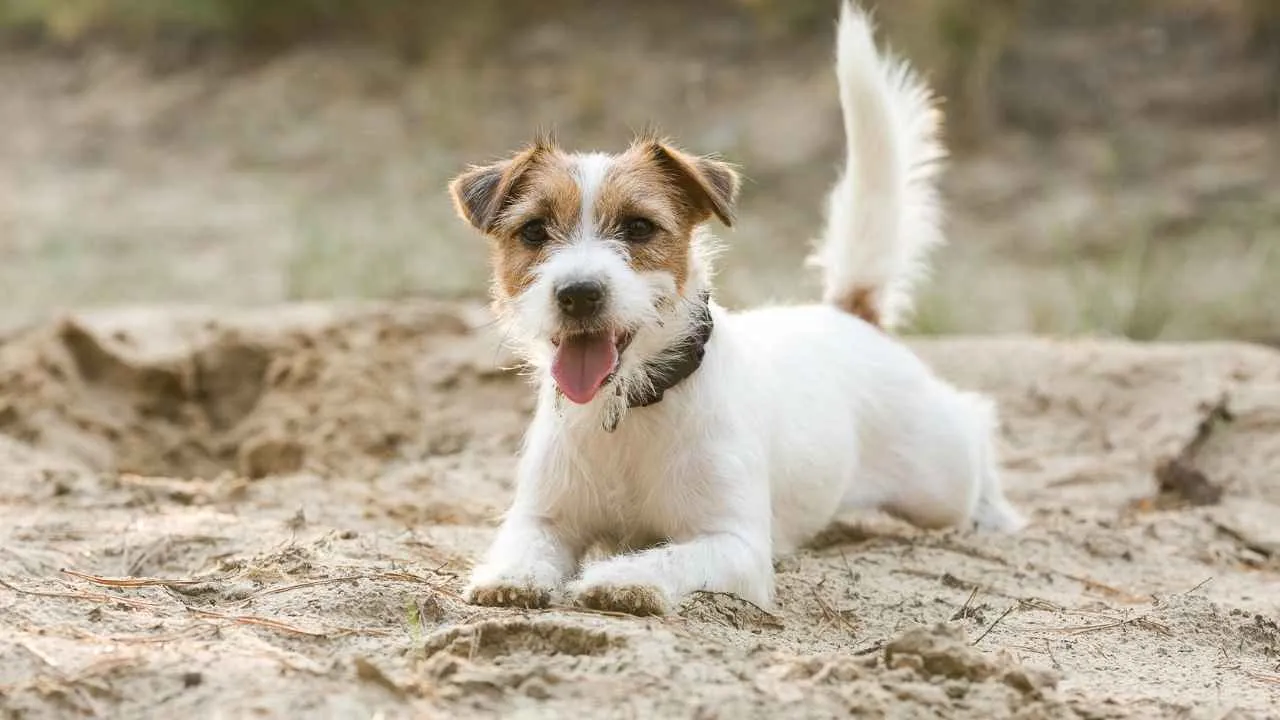
The Jack Russell Terrier was developed in England in the 19th century for fox hunting above and below ground. This breed was originally bred for tenacity, courage, and energy, which still shape the dog’s behavior today.
The name can confuse, but this article follows the standard that treats Jack Russell Terrier and Parson Russell Terrier as the same Breed.
According to Britannica, the Jack Russell Terrier has a weatherproof double coat and a body built to move on foot during a hunt. The legs are longer than those of many terriers, and the tail is traditionally kept long enough to help handlers pull the dog from a burrow.
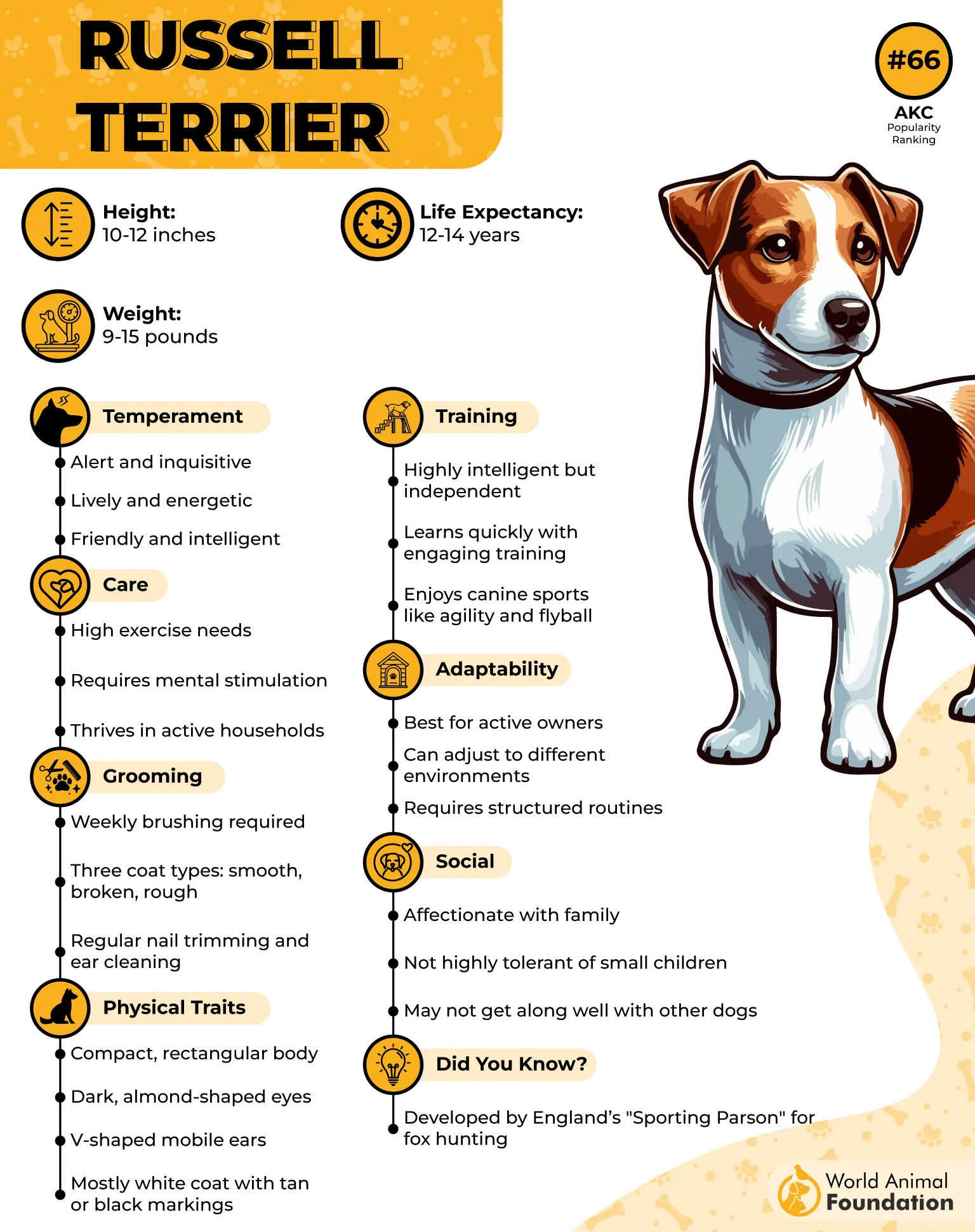
Even with a small size, the Jack Russell carries strong-willed energy and a very determined attitude. The Jack Russell is known for a strong hunting instinct, which can make training a real challenge for some owners.
A pup with this much drive may be easily distracted, stubborn, and quick to act, so proper training and positive reinforcement techniques help them learn to respond and follow commands.
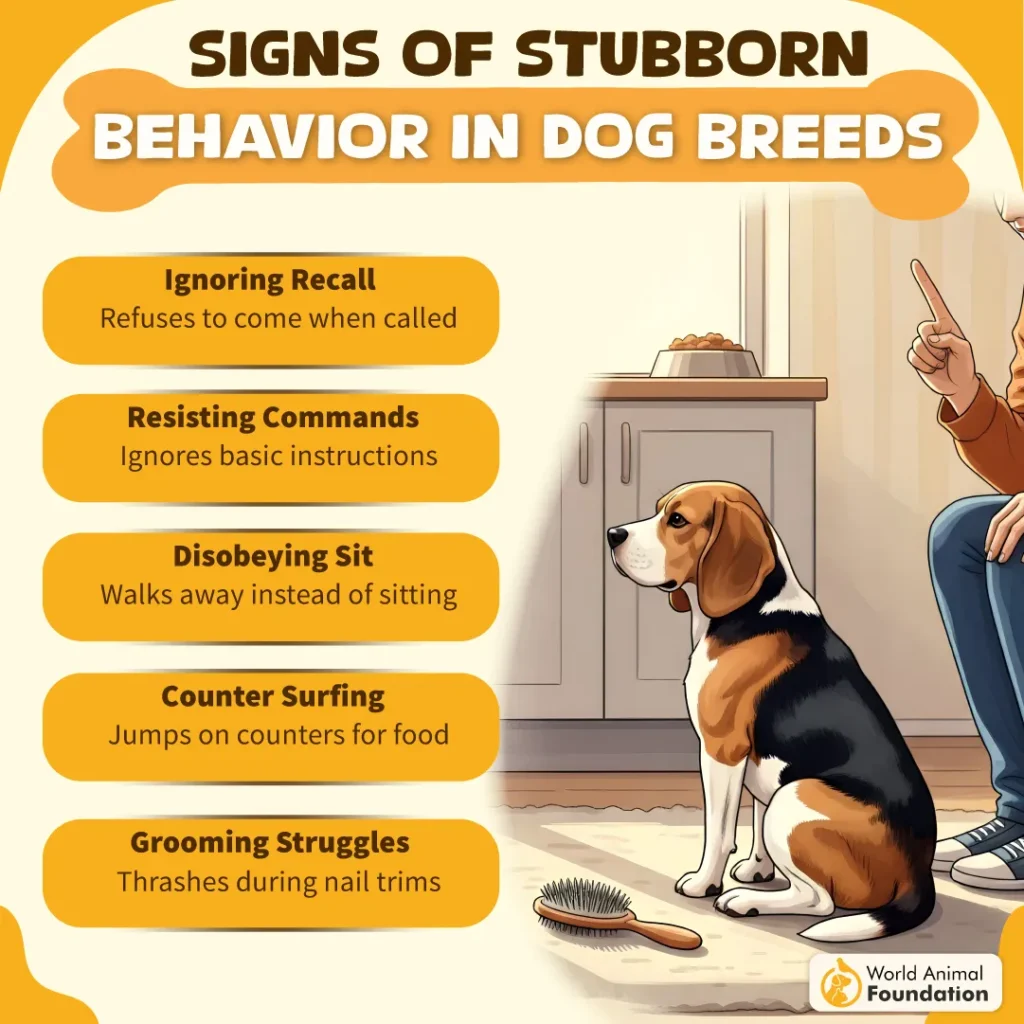
Their intelligence and strong personalities can be fun, but this Breed often needs steady guidance from dog owners who enjoy a busy, feisty dog’s lifestyle.
Why This Breed Is a Good Fit
Ideal for people who want a bold little dog that brings action and humor into daily life.
Works well for owners who like a challenge and enjoy consistent training with clear boundaries.
A fun choice if you want a lively companion with a huge spirit packed into a compact frame.
3. Akita
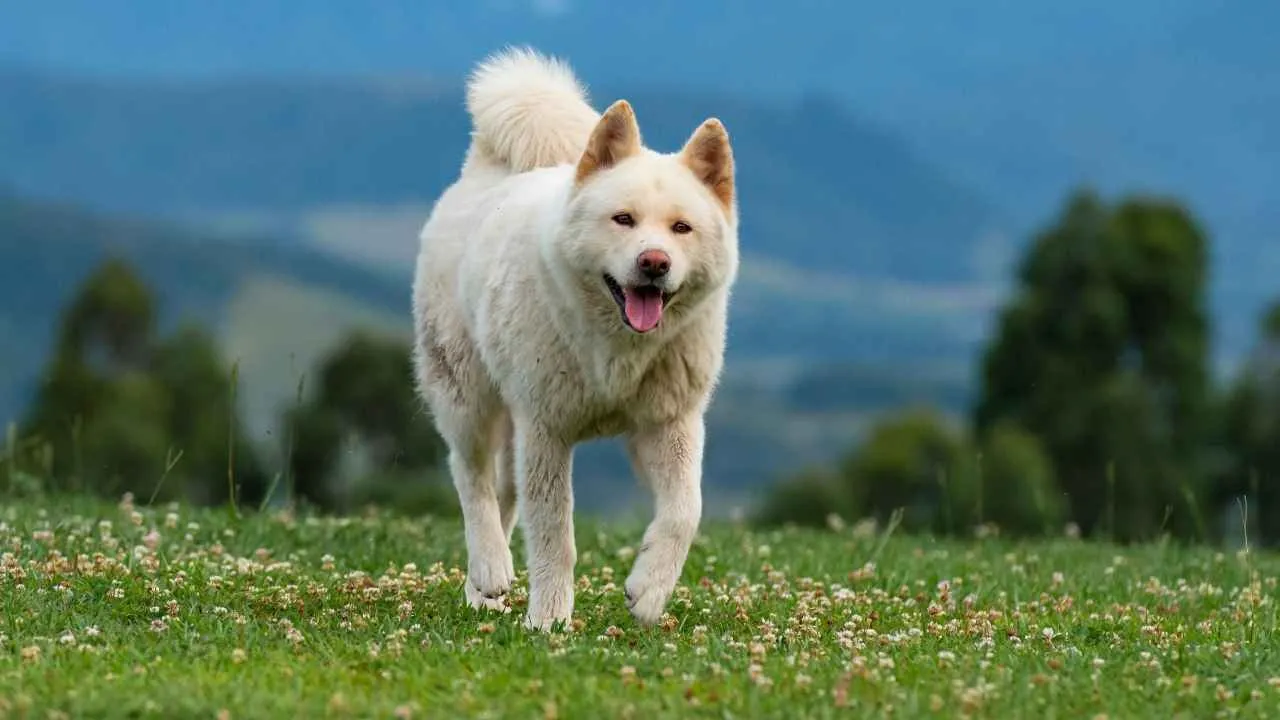
The Akita is a working dog that originated in the mountains of northern Japan. In 1931, the Japanese government designated this Breed as a natural monument, and the dog was used for hunting and fighting before later work in police and guard roles.
The first Akita came to the United States in 1937 as a gift to Helen Keller during her tour of Japan. The Akita is a powerful, muscular dog with a broad head, small pointed ears, and a large, curved tail carried over the back.
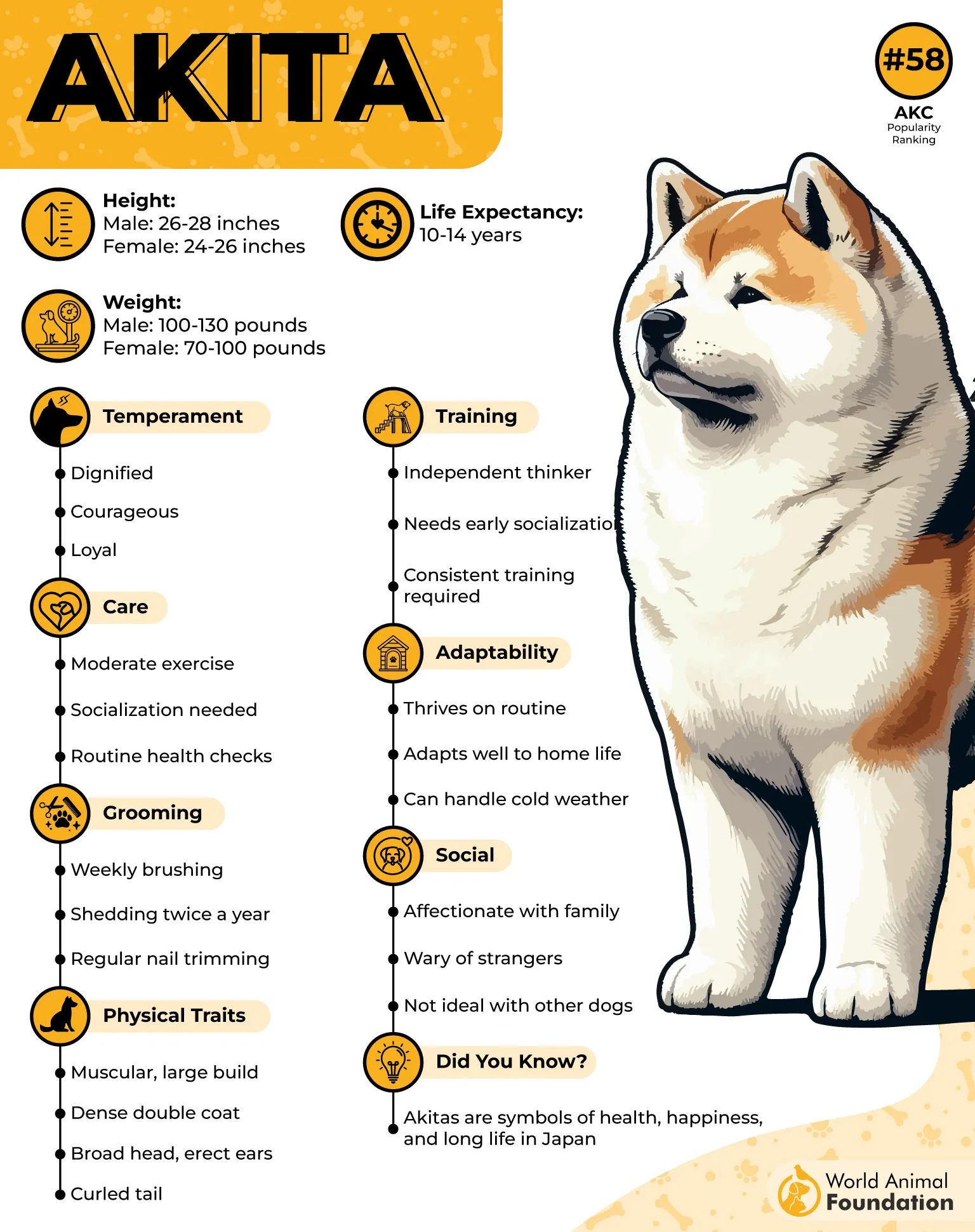
Akitas come in several colors and markings, including white, brindle, and pinto, and most non-white dogs have a dark mask around the muzzle. Their appearance alone gives them a strong protective instinct look that many people associate with guard dogs.
Because the Akita has a serious working background, training and socialization matter early in life.
A dog with this kind of presence can be strong-willed and may need obedience training with positive reinforcement techniques so the dog’s behavior stays manageable around strangers and in the family home.
With the right approach, this Breed can be calm and loyal while still showing the protective instincts it is known for.
Why This Breed Is a Good Fit
A strong option for owners who want a powerful dog with a confident presence and clear purpose.
Fits homes that value structure, routine, and respectful handling from a young age.
Great for people who admire dignified animals and can commit to steady guidance.
4. Chow Chow
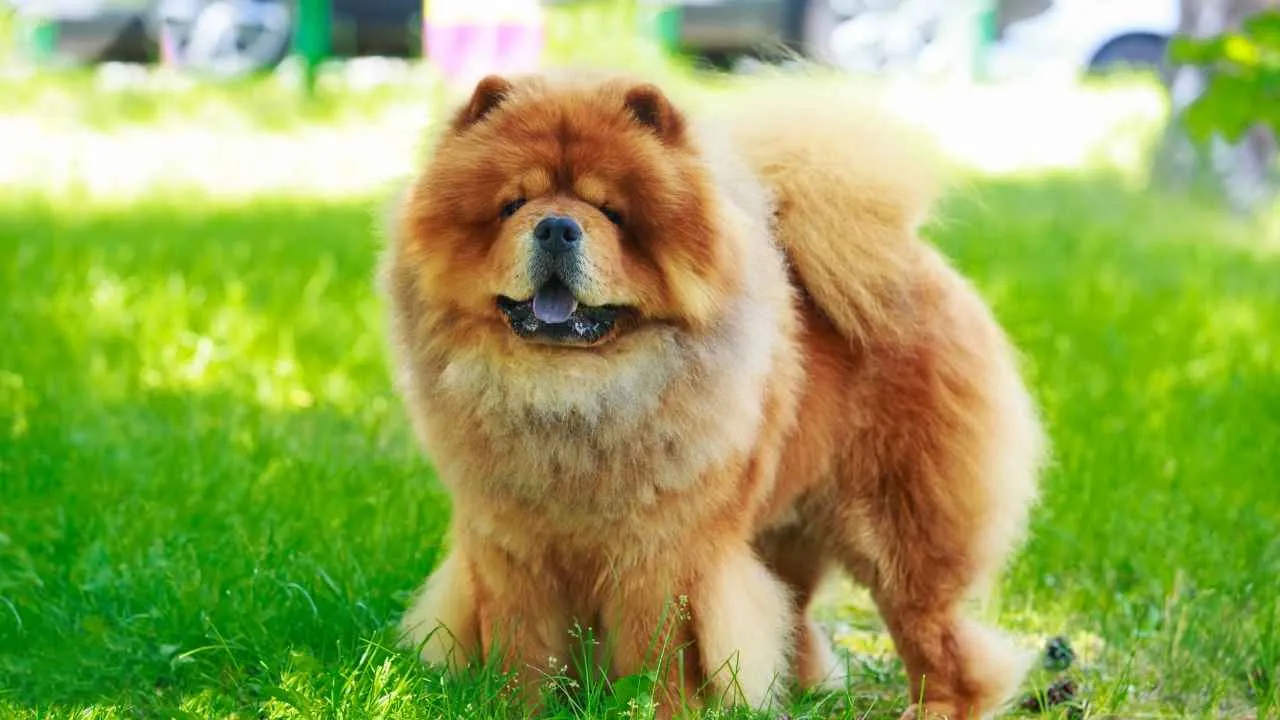
The Chow Chow is an ancient all-purpose dog from China with a deep-chested, muscular build and a very distinct look. It stands out with a lion-like ruff, blue-black tongue, deep-set eyes, and a stiff-legged gait that gives the dog a serious expression.
Chow Chows can have rough or smooth coats in colors such as red, black, blue, cinnamon, or cream. This dog is described as dignified, serious-minded, and aloof, and many owners note how clean and fastidious they are.
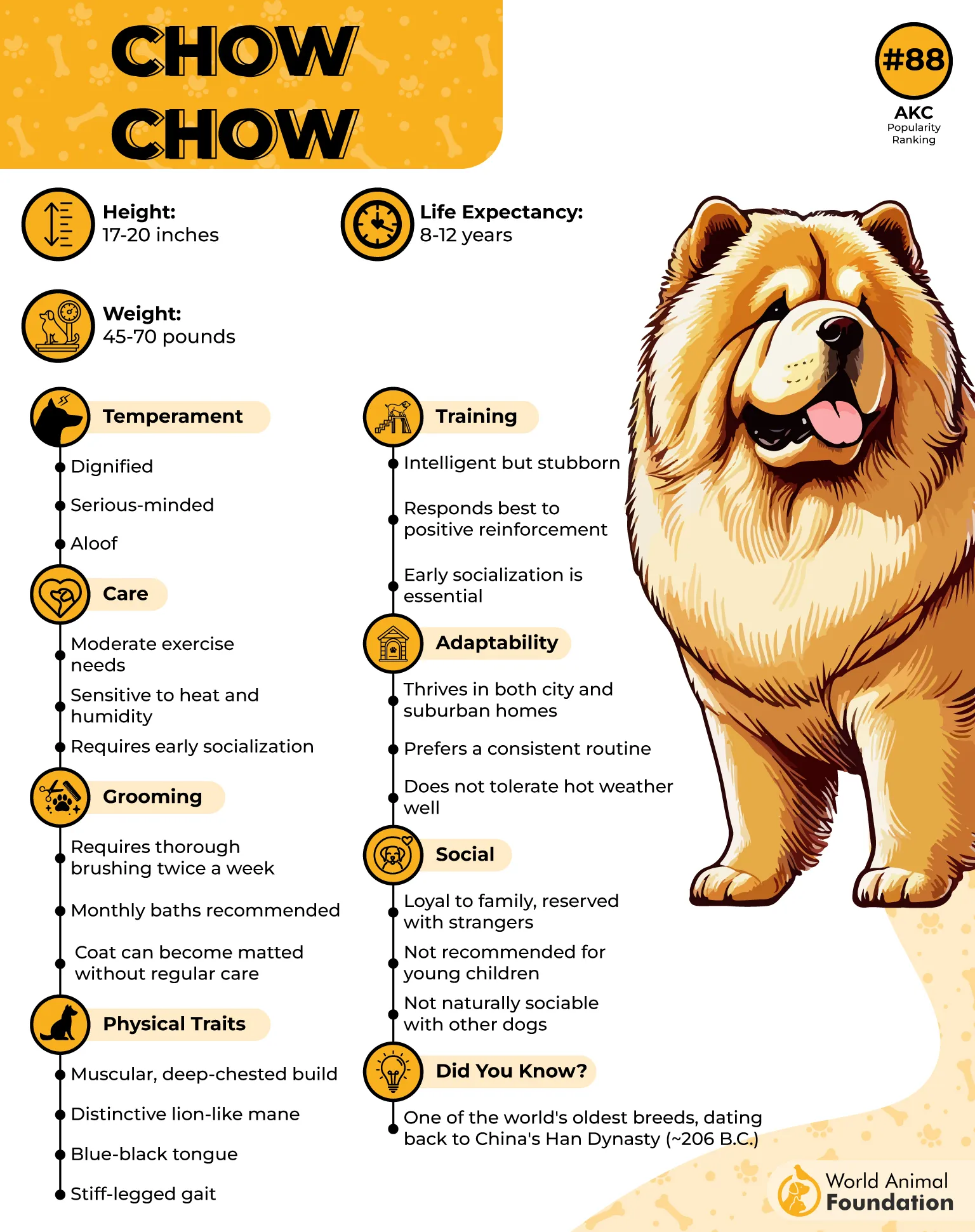
Well-socialized Chow Chows are not fierce or intractable, but they are often reserved with strangers and deeply loyal to loved ones. Their independent nature and fiercely independent attitude can be misunderstood if people expect a very outwardly social pup.
The Chow Chow is adaptable and can do well in city life, with no special exercise needs noted in the source.
Still, socialization and early exposure to various people help shape behavior, especially because this Breed tends to carry itself with calm confidence and a strong sense of distance around unfamiliar faces. Their quiet style can suit owners who want a dog that is serene, refined, and not overly clingy.
Why This Breed Is a Good Fit
Excellent for people who like a clean, dignified dog with an independent nature and steady presence.
A nice match for city life if you want a calm companion that values its space.
Great for owners who enjoy subtle affection instead of nonstop attention-seeking antics.
5. Dalmatian
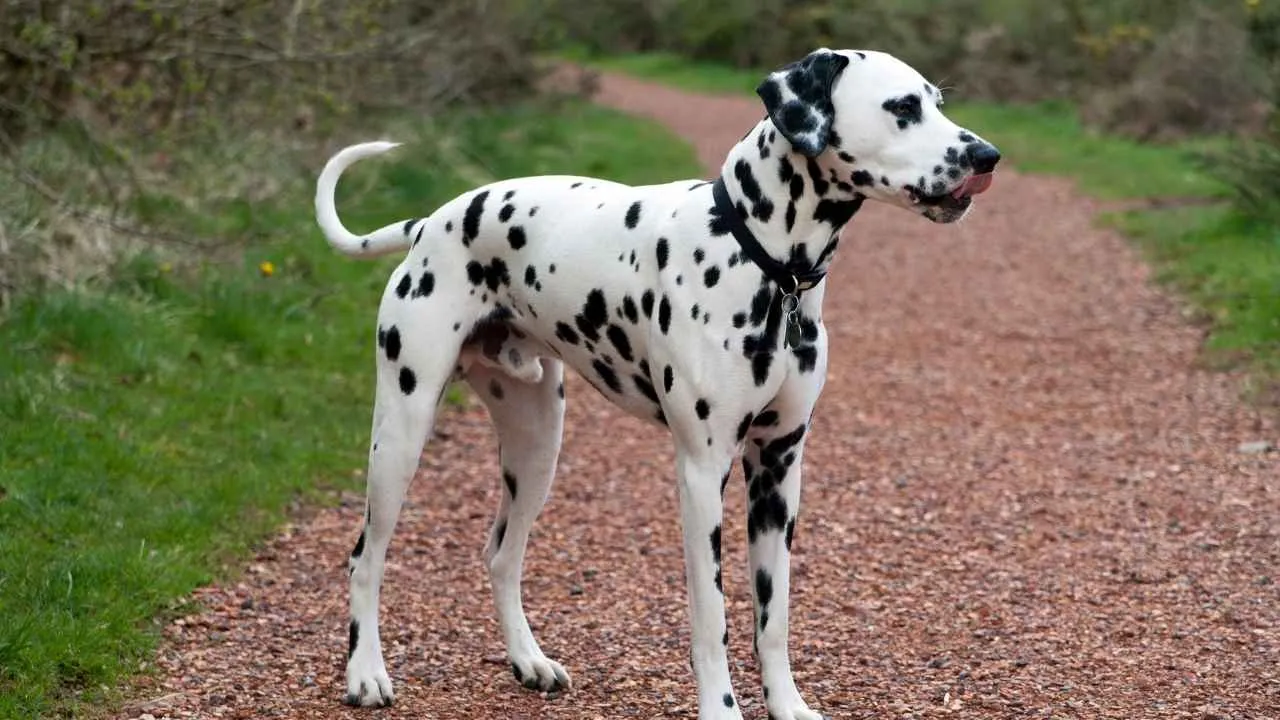
Dalmatians first became famous as the original fire dog, running beside fire carriages in the 1700s and barking to clear the way. This breed still has a close connection to firefighters today, often serving as a mascot or helping teach young people about fire safety.
That history reflects a dog with energy, alertness, and a strong drive to stay engaged. According to Royal Canin, a Dalmatian is loyal, intelligent, and energetic, and the source makes it clear that this dog needs a highly active life.
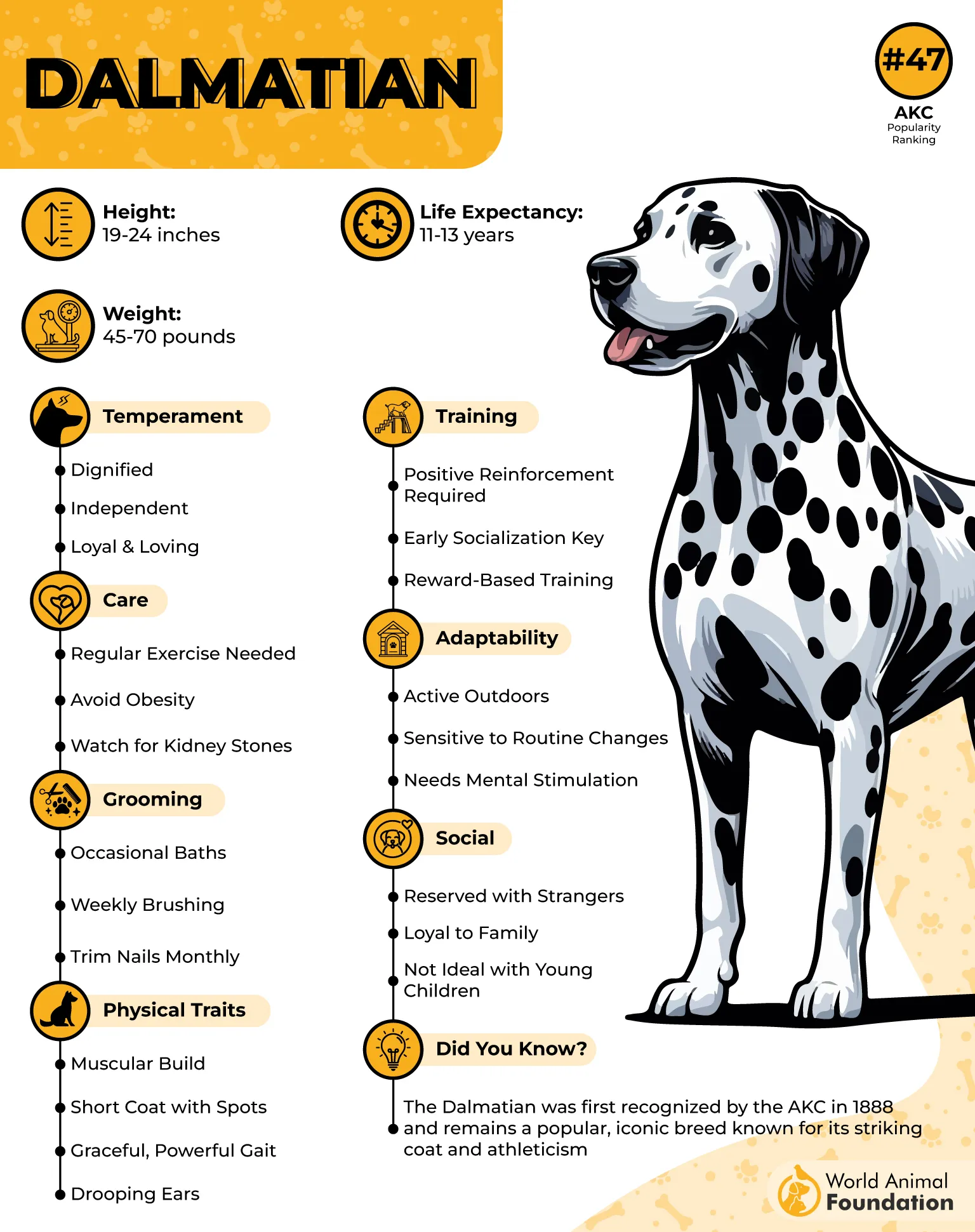
They are natural competitors that enjoy activities like agility, but they can also be independent and willing to take charge if training is delayed. Starting training at a young age helps guide behavior before unwanted habits become part of daily life.
This dog needs a lot of daily exercise and should not be left alone for long periods. When a dog like this does not get enough activity, it may create its own entertainment, and that can turn into a challenge for the home and family.
Dalmatians also may experience separation anxiety, so the right approach is a lifestyle where the dog gets movement, company, and consistent training rather than long, lonely hours.
Why This Breed Is a Good Fit
Best for active owners who want a dog that can keep up with exercise and busy days.
A fun choice for families ready to include their pup in outings instead of leaving pets behind.
Great if you enjoy a smart, spirited companion that thrives with structure and action.
6. Beagle
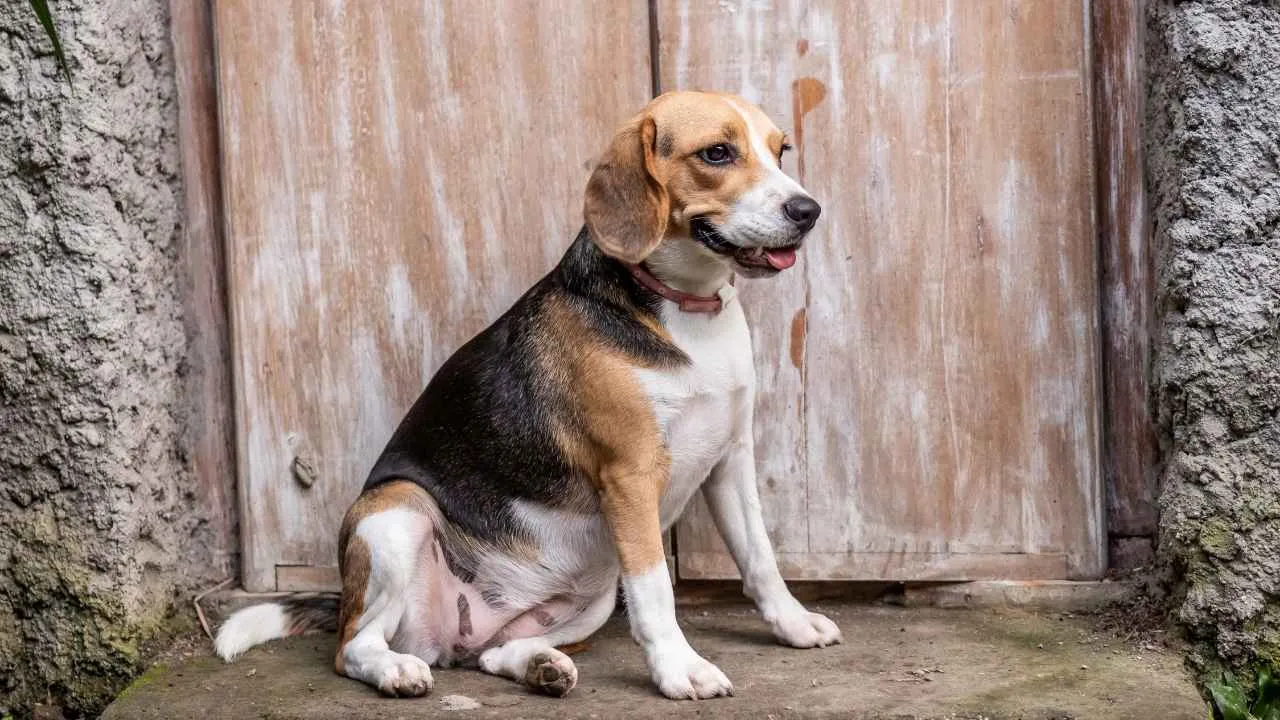
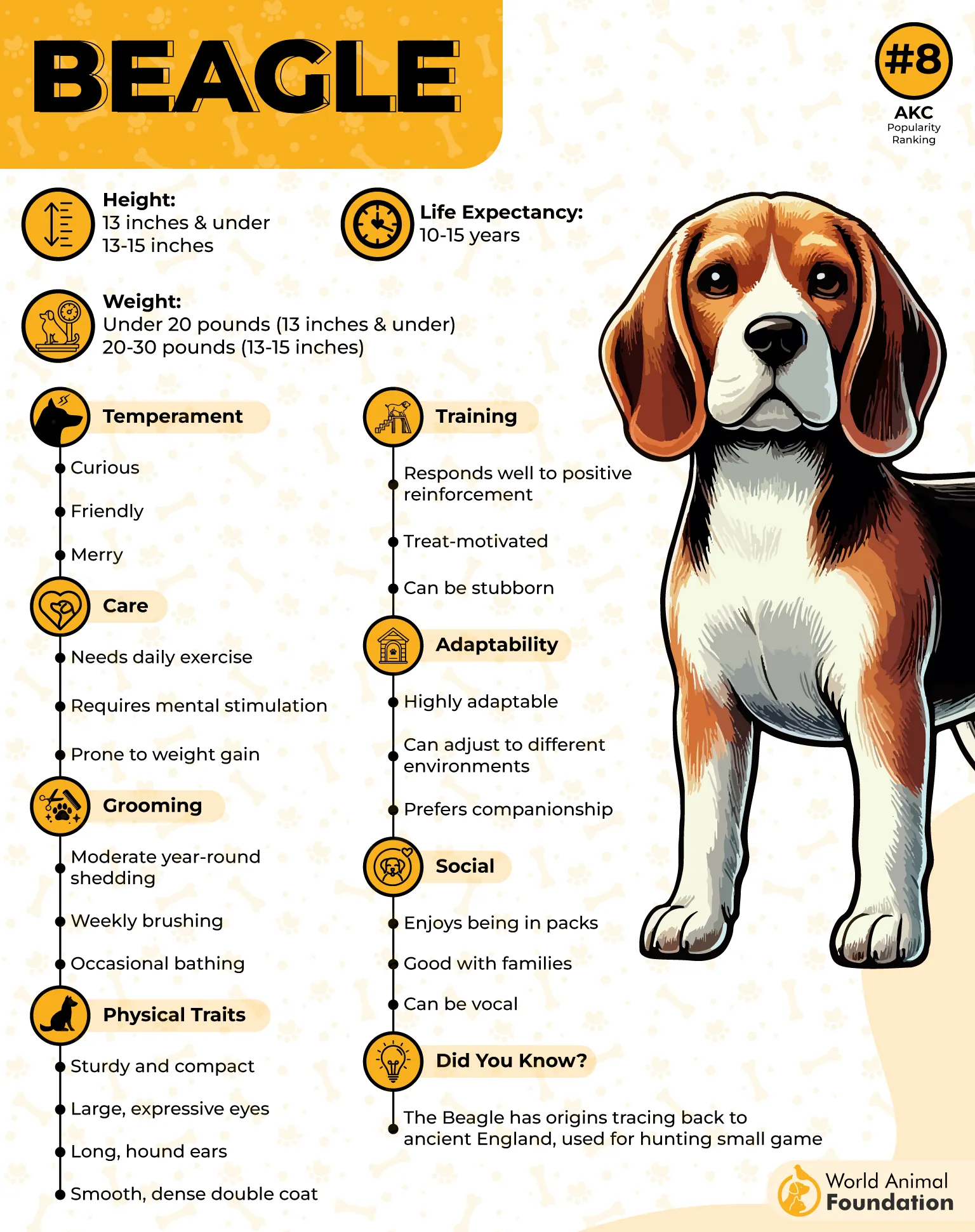
The Beagle has a slightly domed skull, a broad nose, long droopy ears, and a deep chest. This dog comes in two size groups, including one around 13 inches or under and another from 13 to 15 inches tall.
The smooth, dense coat is usually black, tan, and white, giving the dog a classic look many people recognize instantly.
Beagles are cheerful dogs that enjoy affection and are widely considered good with children and other pets. They prefer company, though, and if left alone, a dog may howl and become destructive.
That makes this breed a better fit for homes where people are around often and can respond to the dog’s need for companionship.
The source also notes that beagles can be difficult to housebreak and obedience train, and they are known for excessive barking. For some owners, that creates a real challenge, especially when a pup is young and full of energy.
Positive reinforcement, obedience training, and consistent training can help this dog learn household rules, but patience is important because beagles tend to be vocal and easily distracted when something interesting catches their nose.
Why This Breed Is a Good Fit
Great for families who want a cheerful dog that enjoys people, children, and everyday together time.
A good match for owners who can give company and do not mind a talkative personality.
Perfect if you like a playful hound vibe and have patience for training and routine.
7. Weimaraner
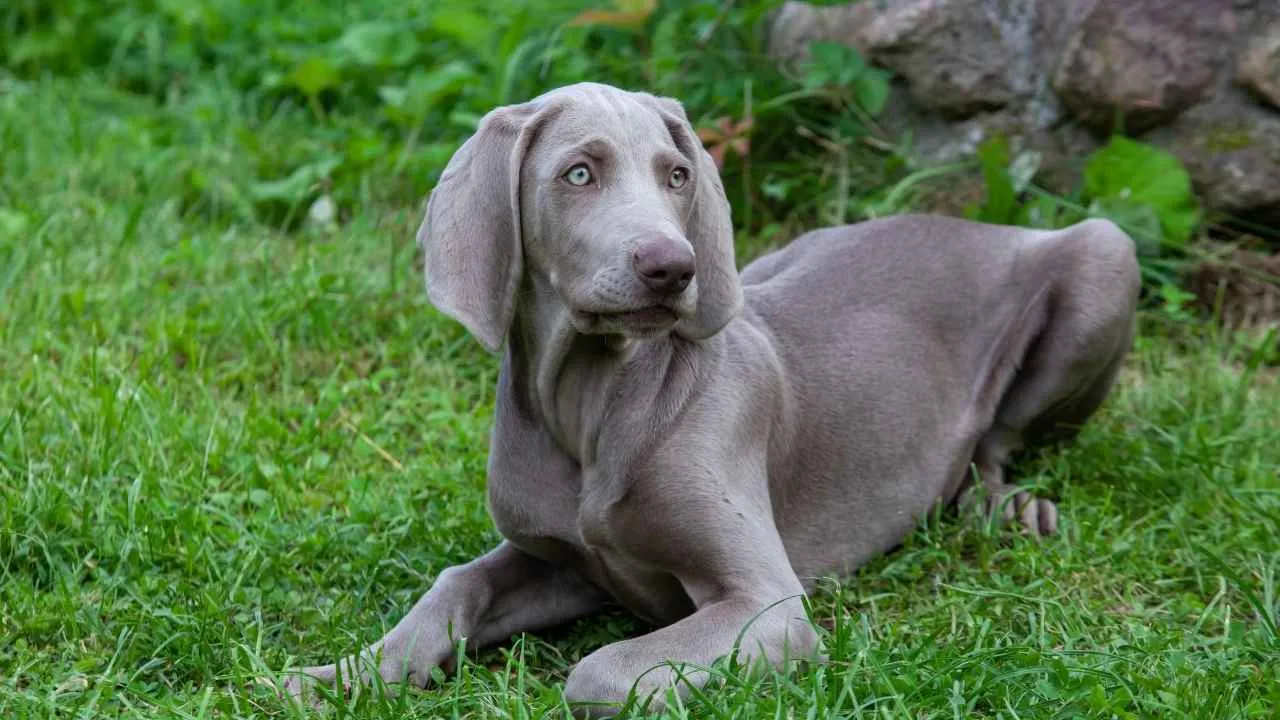
The Weimaraner, often called the Gray Ghost, is known for a sleek, silvery-gray coat and a graceful, athletic build. It is loved by hunters and pet owners for friendliness, obedience, and beauty, with an amiable face and intelligent expression.
A properly bred dog is solid colored, sometimes with a small white spot on the chest. Weimaraners enjoy exercise, and plenty of it, along with quality time with humans.
The source describes them as excellent with kids and eager to be full-fledged family members, which shapes the dog’s behavior in the home. They are trainable and loving, but they need daily engagement to stay balanced in life.
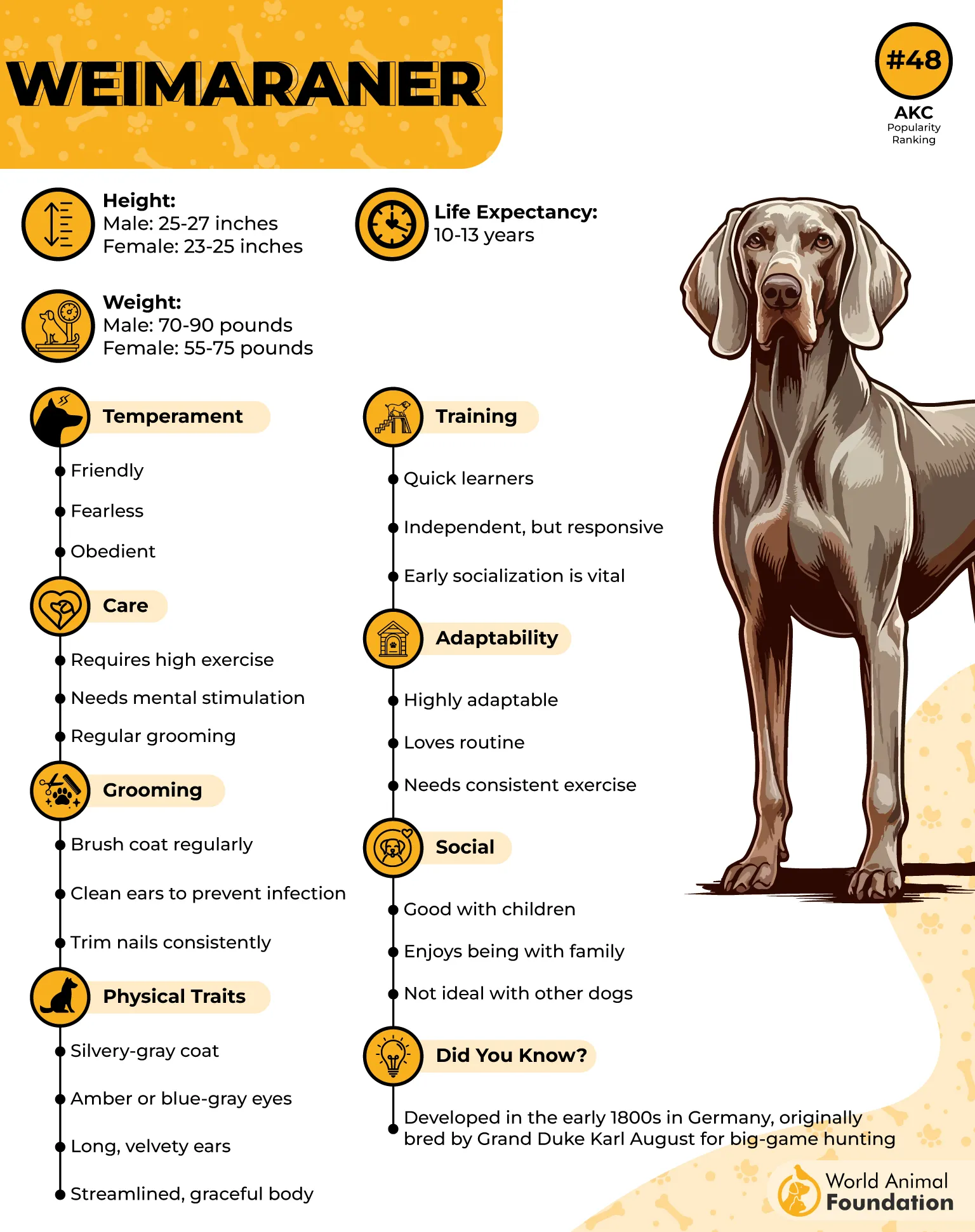
The Weimaraner can be an excellent pet when owners are committed to keeping the dog physically active and mentally engaged. That means exercise, mental stimulation, and training are not optional extras but part of the right approach for this highly intelligent companion.
If a family wants a graceful, affectionate pup that likes to be involved, the Weimaraner can be a strong fit as long as the household can lead an active routine.
Why This Breed Is a Good Fit
Wonderful for active families who want a dog that is friendly, trainable, and deeply involved.
A smart choice for people who enjoy exercise and can offer mental stimulation every day.
Great for homes looking for a sleek, affectionate companion with a can-do attitude.
8. Shiba Inu
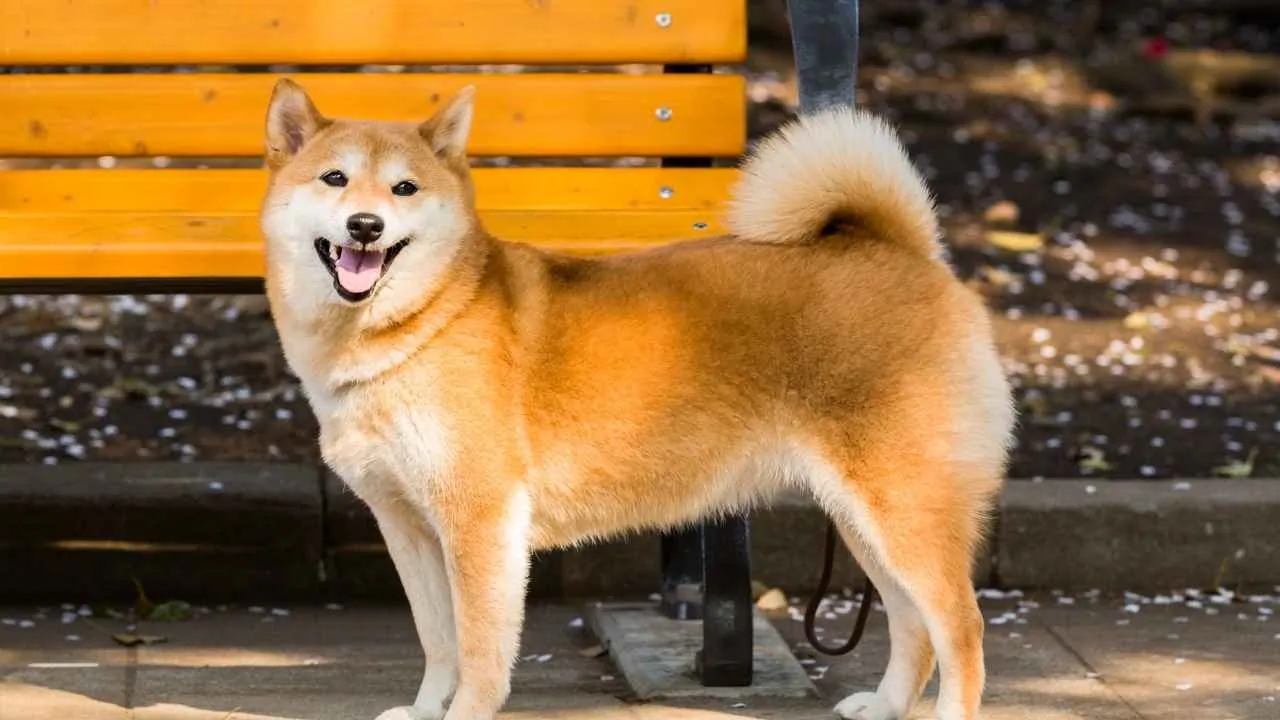
The Shiba Inu is an alert, loyal, and lively dog that tends to form strong bonds with owners. It also has an independent streak, territorial tendencies, and a strong hunting instinct, which can make behavior harder to manage without clear boundaries.
Shiba Inu dogs are playful and curious, and they like being involved in what is happening around the home.
Because of their stubborn nature and independent nature, training should begin early with positive reinforcement and positive reinforcement techniques.
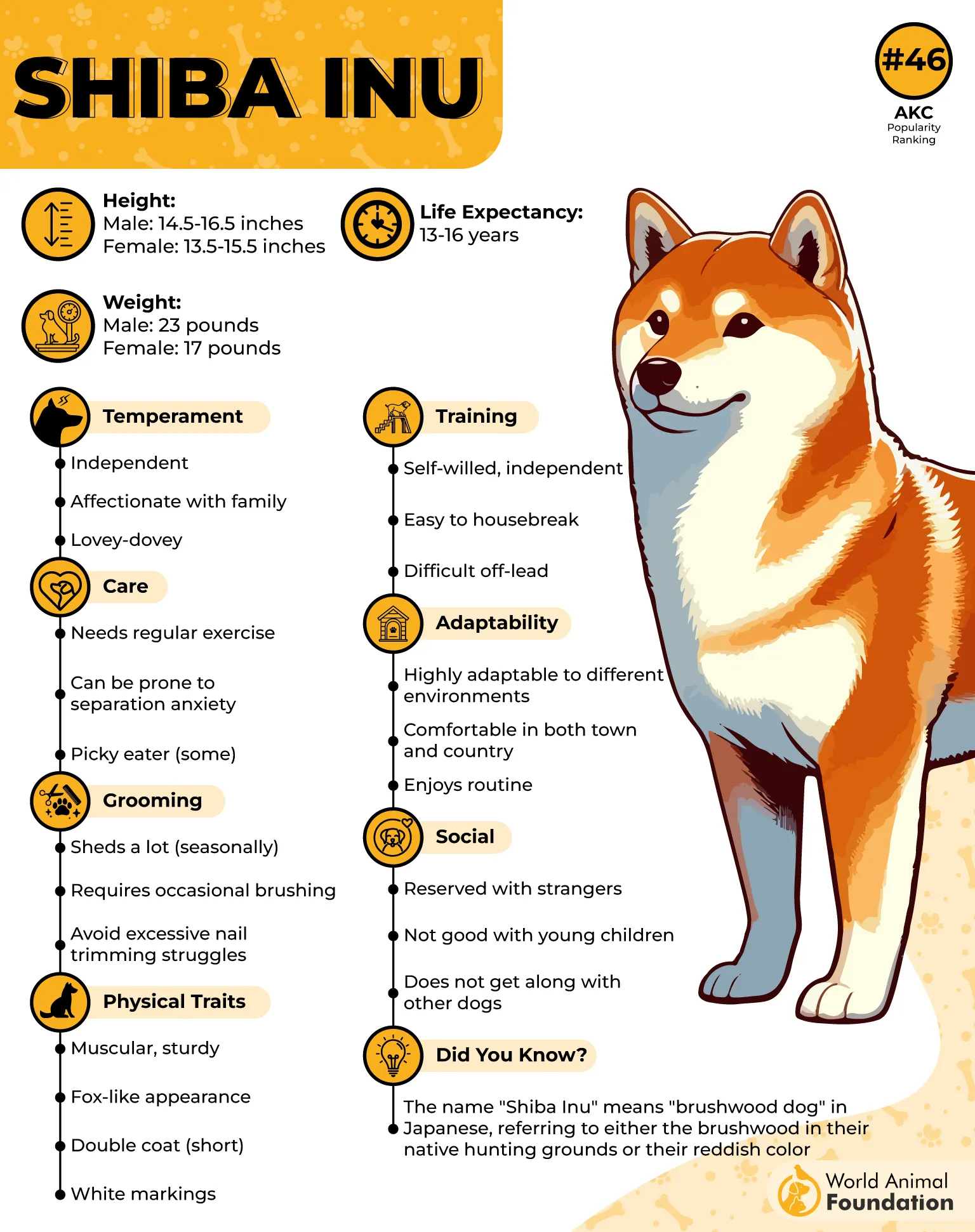
The source stresses setting boundaries early, and that matters because a dog with this personality may not naturally follow commands without guidance. Shibas are best kept on a lead around wildlife due to their prey drive and a strong-willed response to moving animals.
The Shiba Inu can also be quite vocal, though not always a big barker, and may yodel, purr, or even scream when excited. Shibas are described as a better match for experienced owners than first-time homeowners, especially where young children might test their patience.
They also have a thick double coat and need regular attention, including weekly brushing, coat care, and routine checks for ears and oral hygiene.
Why This Breed Is a Good Fit
Excellent for experienced dog owners who enjoy a clever dog with quirks and confidence.
A strong pick if you want a loyal companion with personality, not a clingy shadow.
Great for people who do not mind grooming and can handle a stubborn but charming pup.
9. Shar-Pei
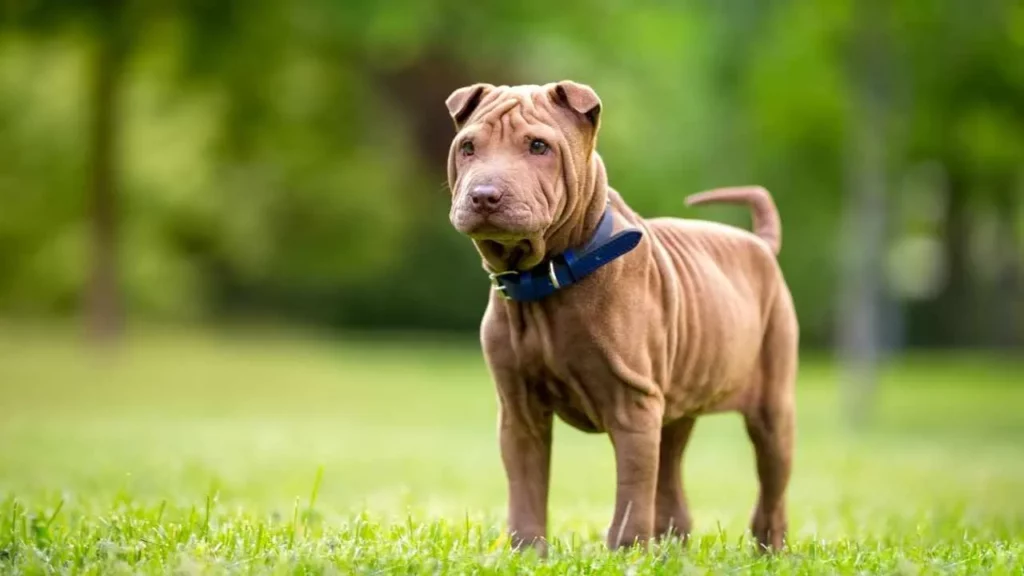
The Shar-Pei originated in China during the Han Dynasty more than 2,000 years ago. This dog is known for a broad muzzle, bluish-black tongue, tiny eyes and ears, and folds of skin around the face, neck, and shoulders.
As a medium-sized dog, the Shar Pei typically weighs 45 to 60 pounds and stands about 18 to 20 inches tall.
Chinese farmers originally bred the Shar Pei to guard and herd livestock, and by the 1900s, the dog was also used for hunting boar and guarding the home.
That working background helps explain the Breed’s serious presence and strong-willed temperament. Today, the Shar Pei is described as a loyal companion, but training still plays an important role in daily behavior.
Like other breeds, this dog needs consistent training to learn good behavior around new people, other pets, and children. Socialization, positive reinforcement, and regular practice can help a pup respond better in new situations and reduce the challenge of managing a dog with a strong personality.
With the right approach, the Shar Pei can be a steady companion for owners who respect its history and give it structure.
Why This Breed Is a Good Fit
A good match for owners who appreciate loyal animals with a calm but serious presence.
Fits homes that can offer socialization and consistent training from an early age.
Great for people who like unique looks and a dog with real character.
10. Rottweiler
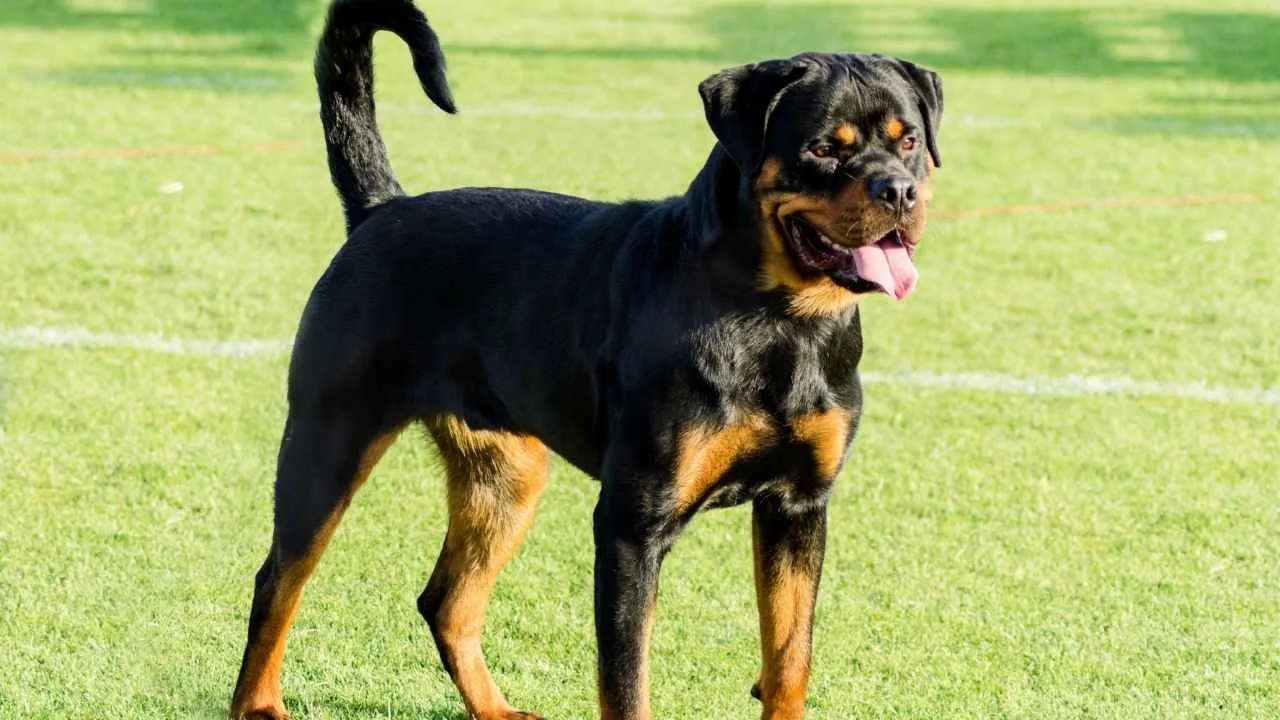
The Rottweiler is a robust working dog descended from the mastiffs of the Roman legions. This dog is known for strength, a muscular frame, and a self-assured aloofness toward the outside world, while still being playful and affectionate with loved ones.
The dog’s black coat with rust markings and powerful build creates an imposing appearance, but the source also describes a gentle playmate within the family circle.
A well-bred and properly raised Rottweiler should be calm, confident, and courageous without being unduly aggressive. The Rottweiler often carries a strong protective instinct and territorial awareness, which is why early training and socialization are emphasized.
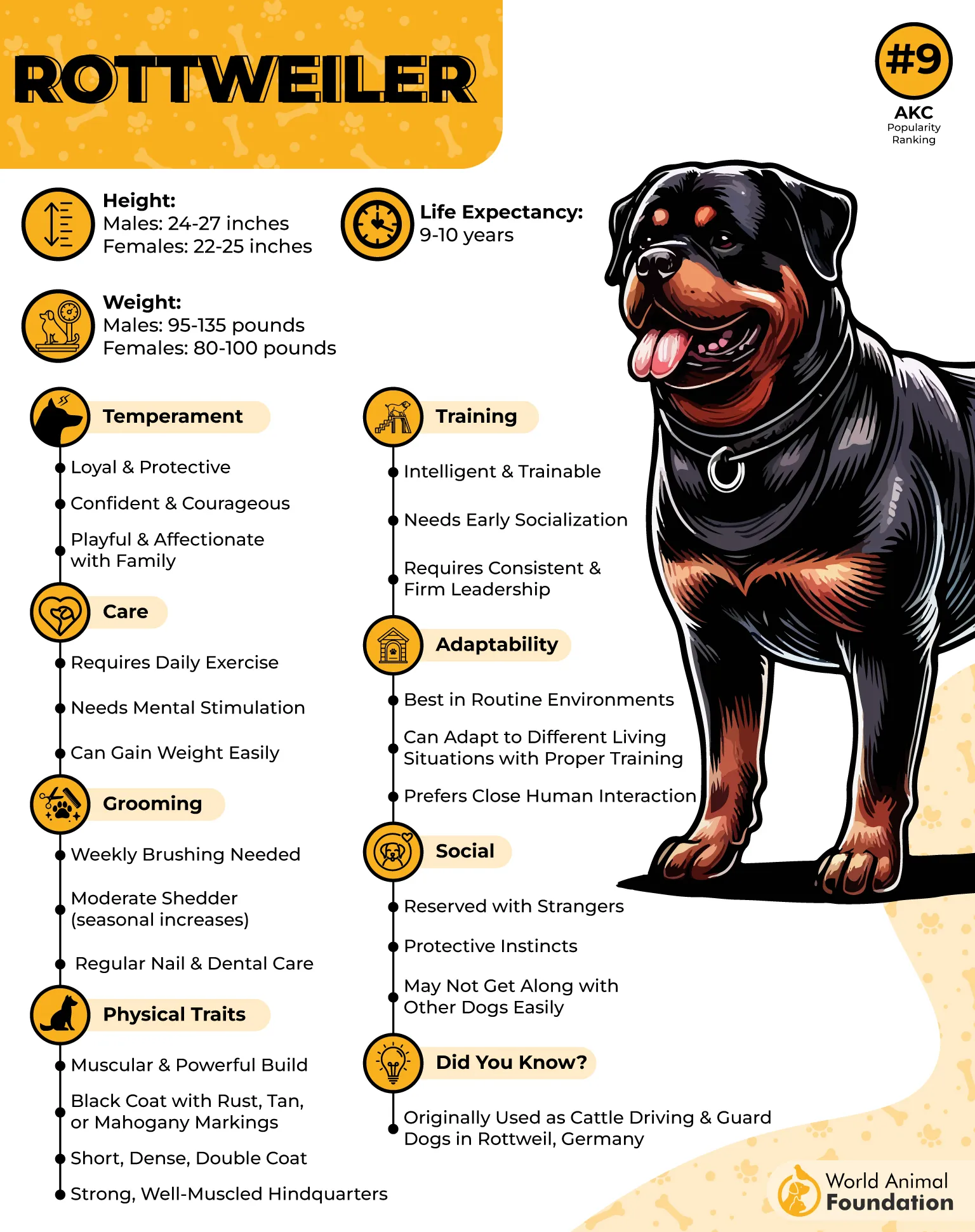
With the right handling, those traits can be shaped in a positive way instead of becoming a challenge for owners.
The Rottweiler also has a playful nature that surprises people, including a tendency to act like a lap dog despite its size.
For dog owners, that mix of protector and goofball can be rewarding, but it still requires obedience training, consistent training, and a clear lead from humans.
This dog can be a lovable companion when raised with structure, socialization, and proper training from a young age.
Why This Breed Is a Good Fit
Great for experienced owners who want a loyal protector with heart, humor, and presence.
A strong fit for families ready to invest in socialization and early guidance.
Perfect if you want a confident dog that can guard the home and still ask for cuddles.
Conclusion
Living with one of these dog breeds can be a lot of fun, but it can also test your patience in very real ways. Many of these dogs are smart, energetic, vocal, or strong-willed, which means they need structure, time, and the right home setup. An unruly temperament does not mean a bad dog.
It usually means the dog needs better guidance, more activity, and clear boundaries. With early socialization, consistent training, and positive reinforcement, many challenging behaviors can become much easier to manage.
The key is choosing a breed that matches your lifestyle, experience, and energy level. When the fit is right, even a stubborn pup can grow into a loyal, entertaining, and deeply rewarding companion for everyday life.
