




We all wish our dogs could live forever. One minute, they are zooming through the house, the next, they are seniors with wise eyes and slower steps. But here is something many pet parents overlook when choosing a breed: lifespan.
Size, genetics, and breed traits quietly shape how long a dog may live. Giant breeds often age faster, while some smaller dogs tend to stick around much longer. Understanding this can change how you plan vet visits, screenings, and even your emotional readiness.
Let’s meet the dog breeds that tend to have the shortest lifespans and what that really means for you.
Did you know?
Mixed-breed dogs often live longer, likely due to greater genetic diversity, which can lower inherited health risks and make them more resilient, adaptable, and full of life.
Dog Breeds Known for Their Limited Lifespans
1. Dogue de Bordeaux

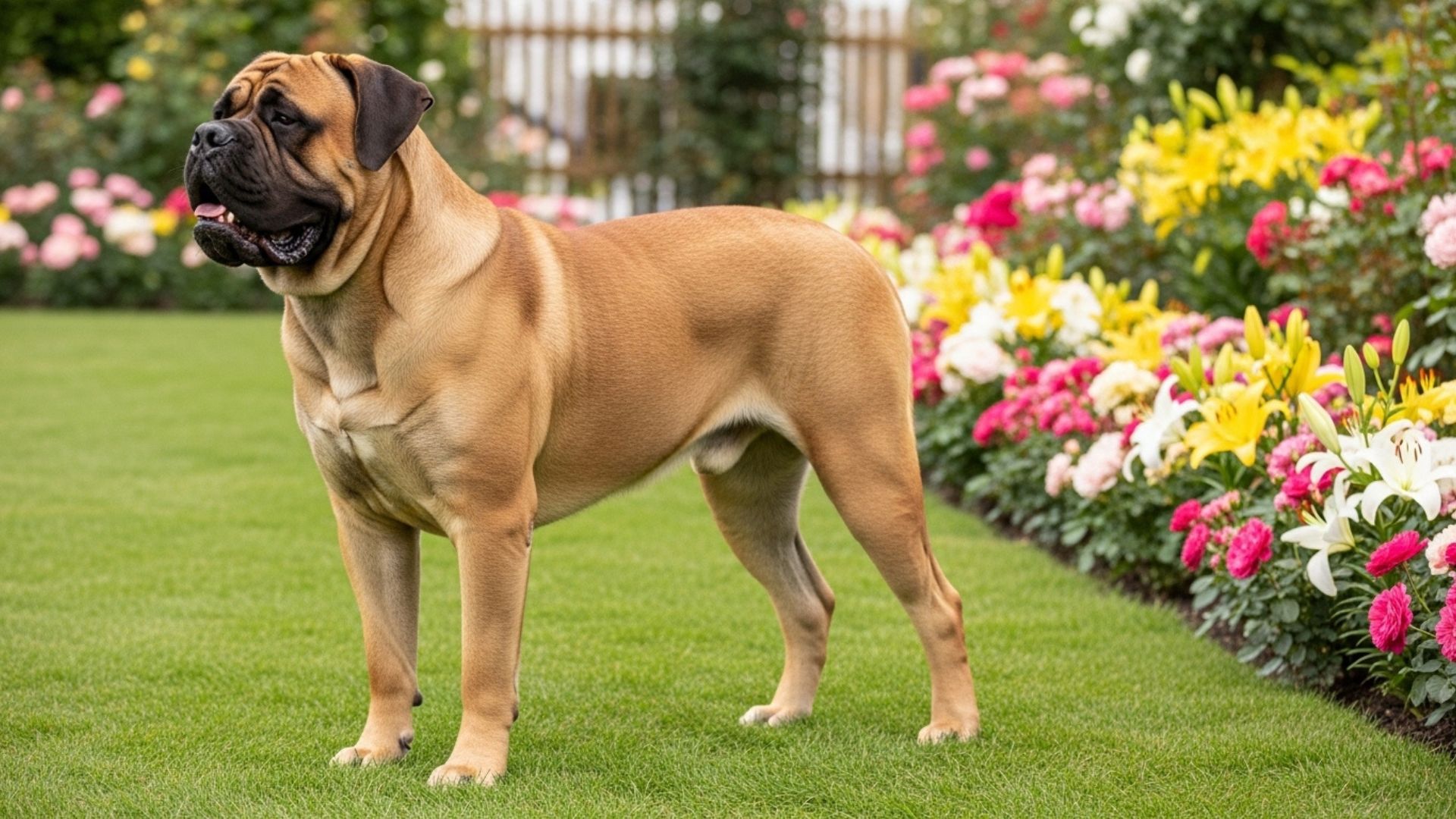
Some dogs politely alert you to trouble. The Dogue de Bordeaux looks like it could write the warning letter itself. This ancient French guardian carries a serious presence, with a massive head, deep expression, and a history that stretches back centuries of guarding, hunting, and hard work.
Around loved ones, this powerhouse softens beautifully. They are loyal, affectionate, and surprisingly sensitive, forming close bonds with people of all ages. That devotion comes with a protective streak, so early socialization and steady, confident guidance shape their impressive courage into calm reliability.
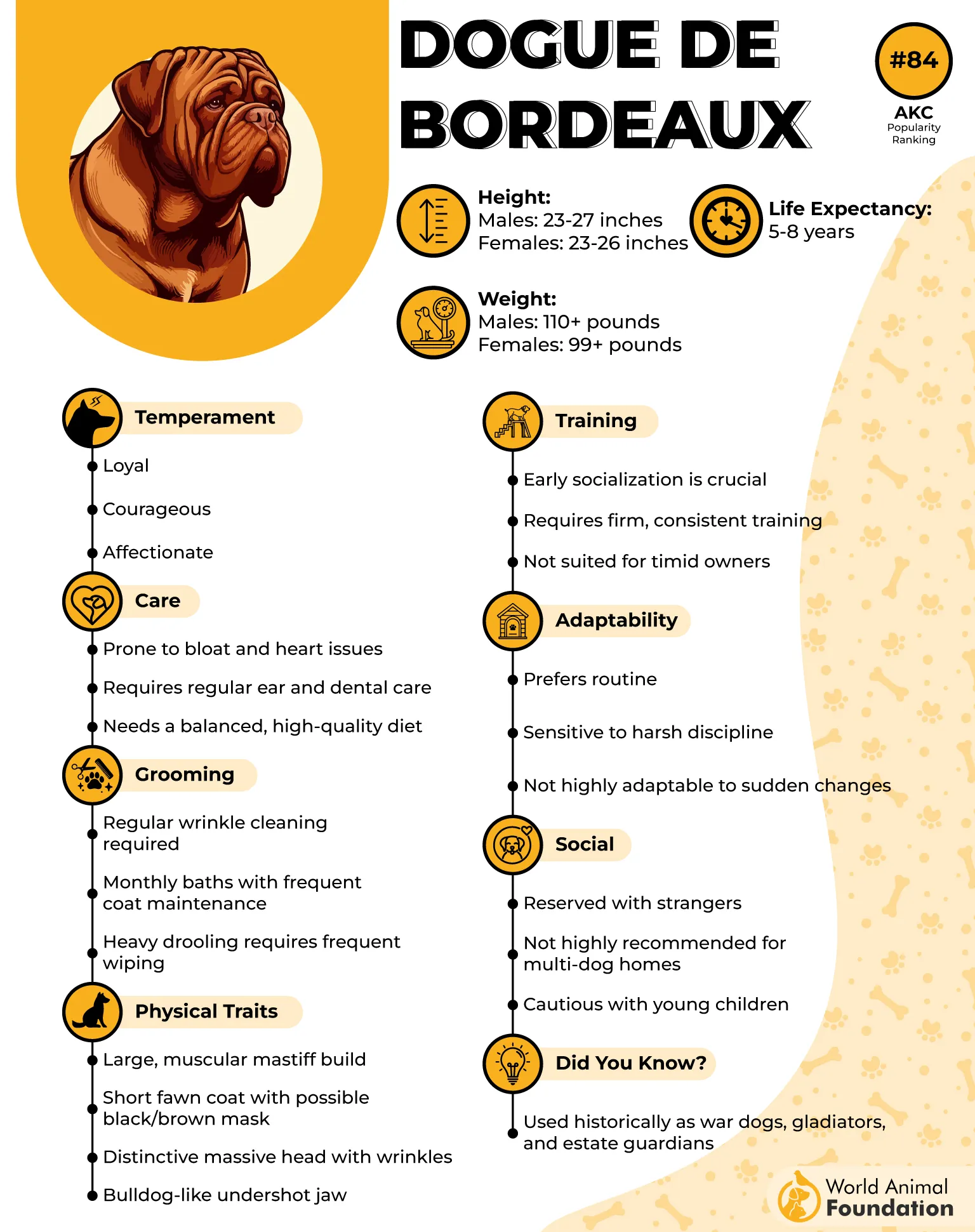
Life with this large dog means understanding their 5 to 8 year lifespan and watching for major concerns like bloat, heart disease, and orthopedic issues. Their short muzzle can also bring breathing challenges in heat, so warm days call for caution and a cool, comfortable environment.
Special Considerations For this Breed
Facial wrinkles require frequent cleaning and drying to prevent irritation or infection
Young dogs need low-impact activity to protect developing joints
2. Bullmastiff
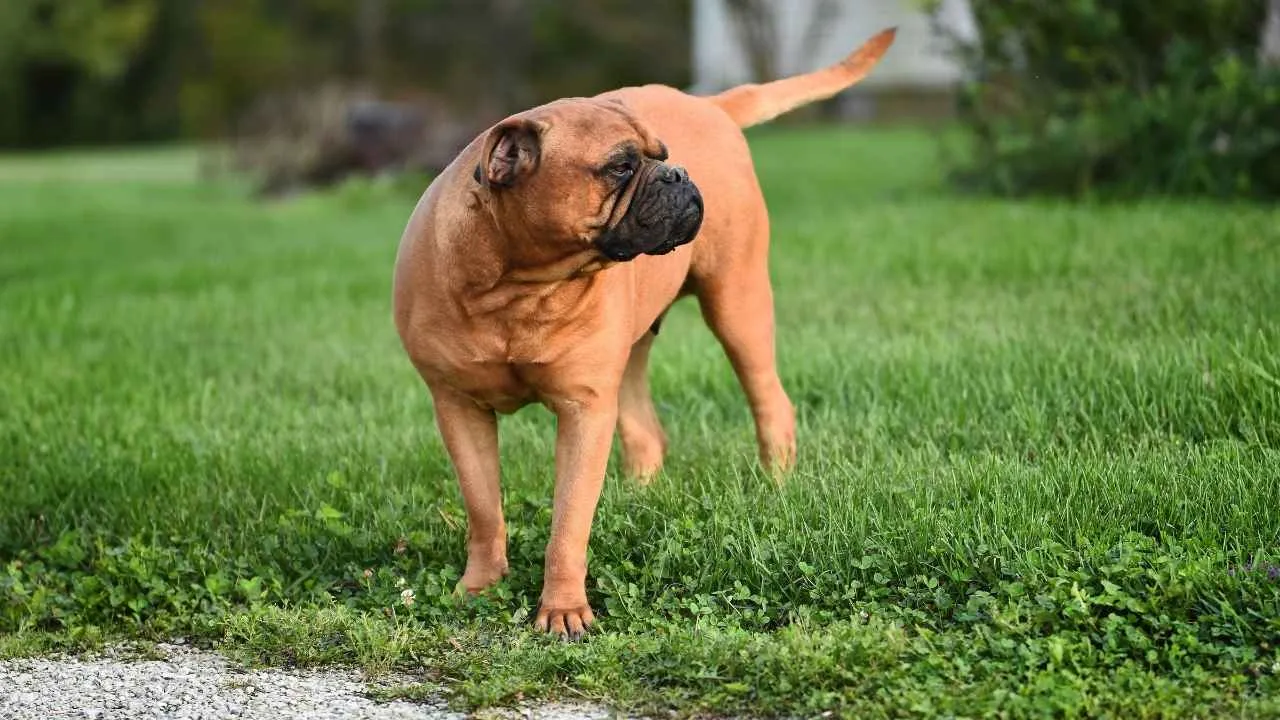
The Bullmastiff did not earn the nickname “Gamekeeper’s Night Dog” by accident. Bred in England to track and hold poachers, this muscular guardian blends high intelligence with quiet confidence, making it a serious presence when protecting home and property.
Their typical lifespan ranges from 7 to 9 years. While generally sturdy, they can be prone to concerns such as cardiac conditions, hip and elbow dysplasia, thyroid issues, eye problems, cancer, and the sudden emergency of bloat.
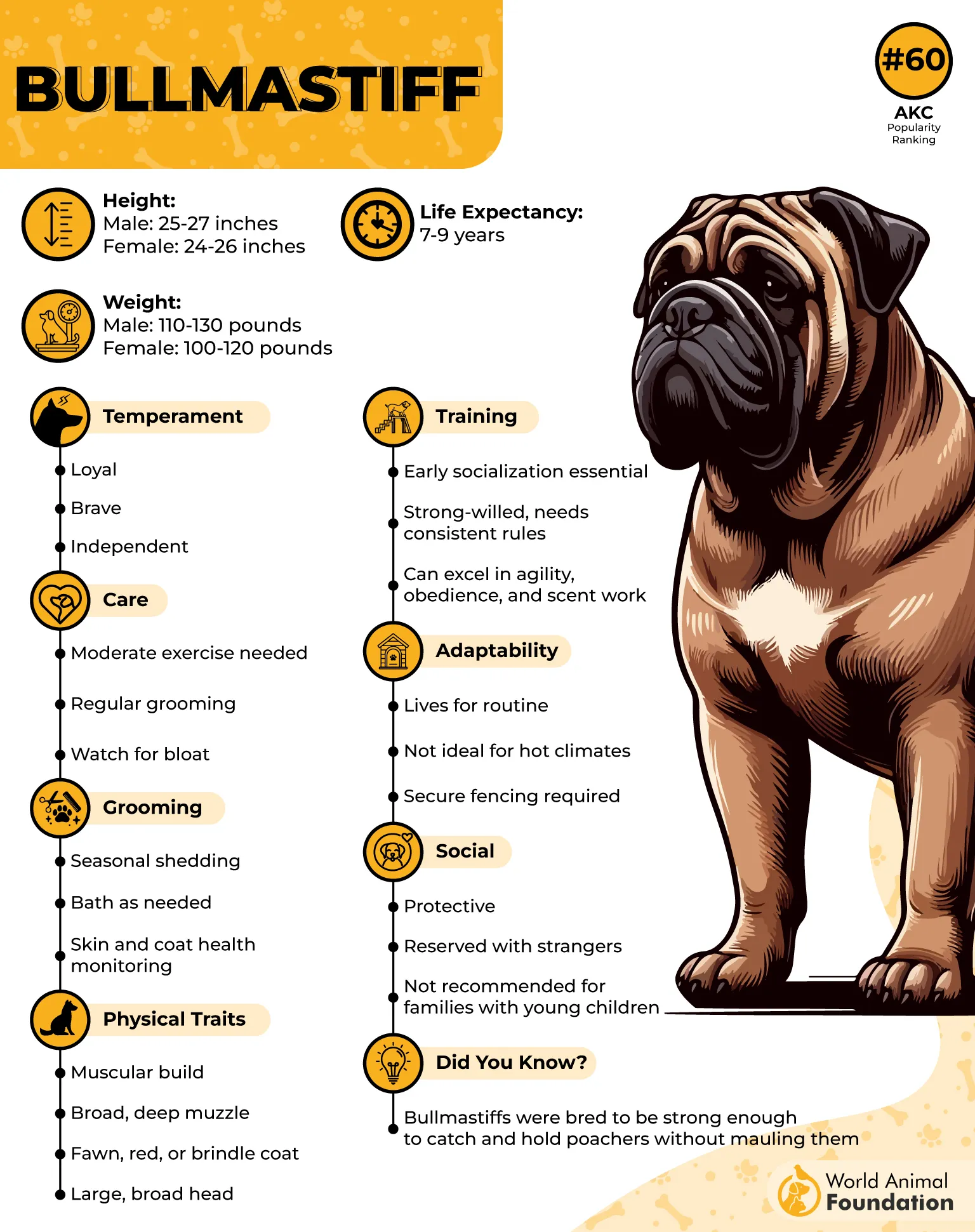
As noted by PetMD, Bullmastiffs need daily exercise such as long walks and secure yard play, but they are not built for distance running. They enjoy activity in moderation and thrive when outdoor time is safely contained within fenced areas.
Special Considerations For this Breed
Early, structured socialization is essential due to their strong will and size
Meals should be divided into set portions rather than free feeding
3. Irish Wolfhound
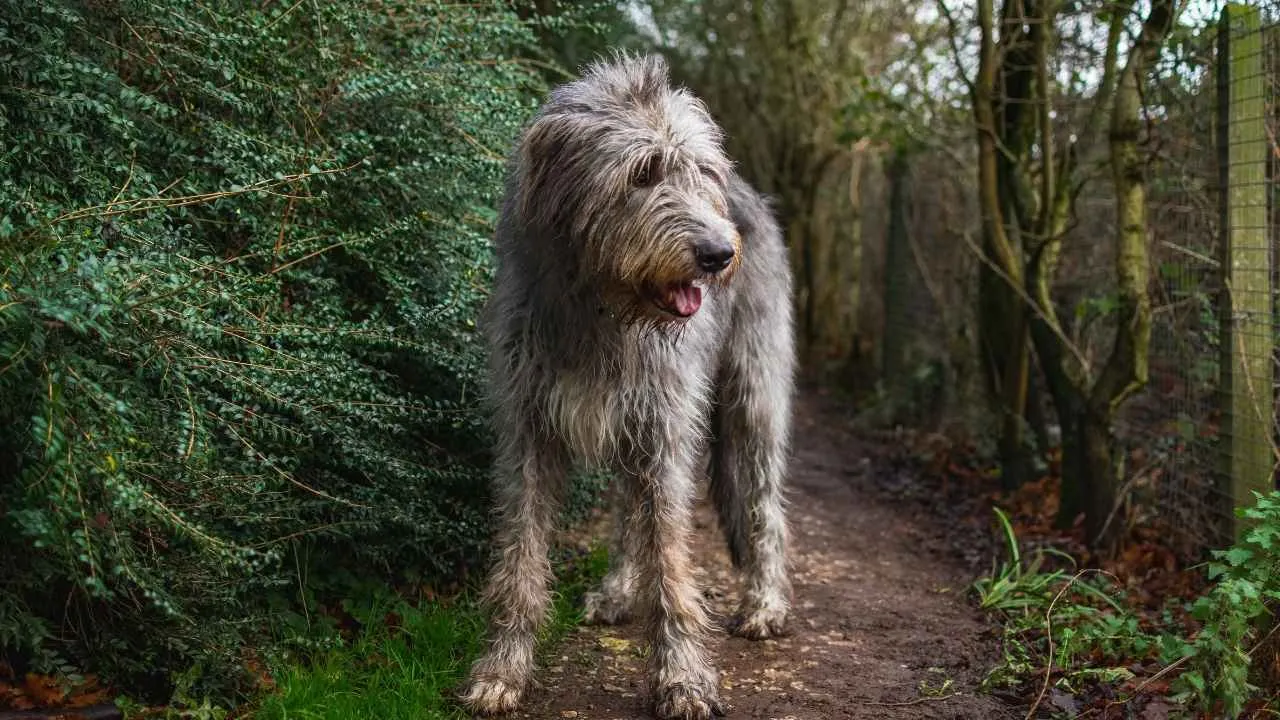
A dog that once chased wolves across Irish fields now lounges like a shaggy philosopher in your living room. The Irish Wolfhound carries legend in its stride, yet today offers a calm, steady presence that quietly commands attention without theatrics.
This dignified hound proudly claims the title of the tallest breed recognized by the AKC. That towering outline alone can make strangers pause. Fierce in history, serene in modern homes, they balance power with remarkable gentleness.
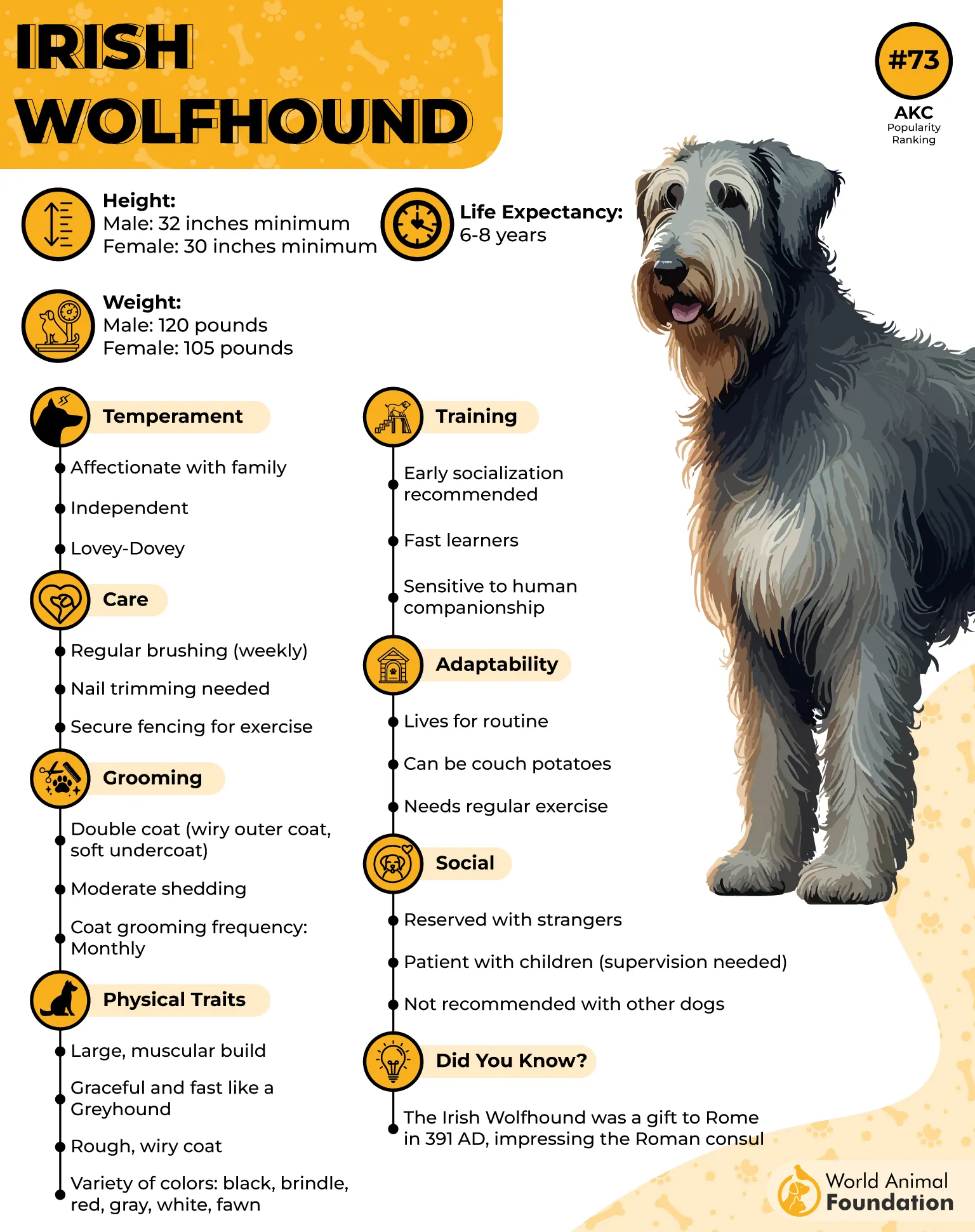
Their lifespan averages 6 to 8 years, which makes responsible breeding incredibly important. Thoughtful breeders screen for heart conditions, certain cancers, liver shunt, and joint issues. Regular exams, including cardiac evaluations, help dog owners stay proactive with this short-lived giant.
Special Considerations For this Breed
Secure fencing is necessary due to strong chase instincts
Puppies mature slowly and can be destructive if left alone too long
4. Great Dane
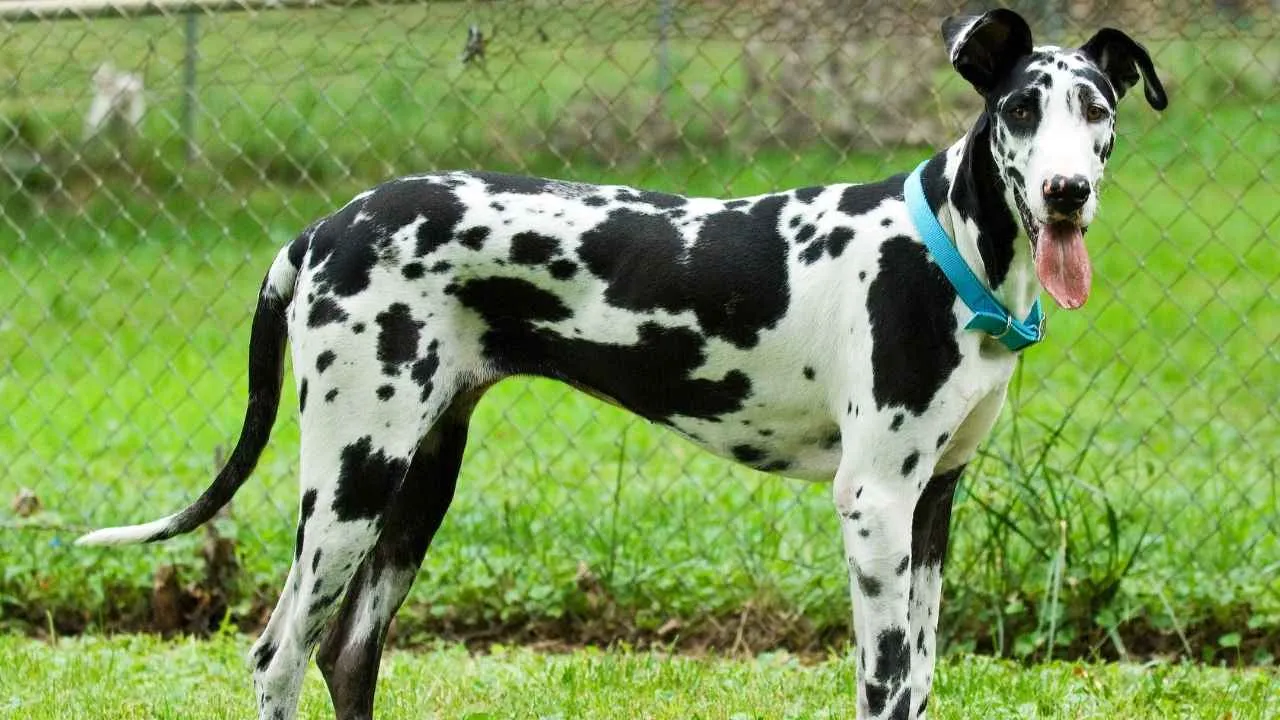
There is something unforgettable about a dog nicknamed the “Apollo of Dogs.” The Great Dane moves with smooth confidence and quiet alertness, combining guardian roots with a surprisingly friendly personality that fills a home as fully as their enormous presence.
Known as a gentle giant, this breed thrives on close human contact and does best in homes that truly have the space to accommodate such size. Their lifespan typically ranges from 7 to 10 years, which is shorter than that of many smaller breeds.
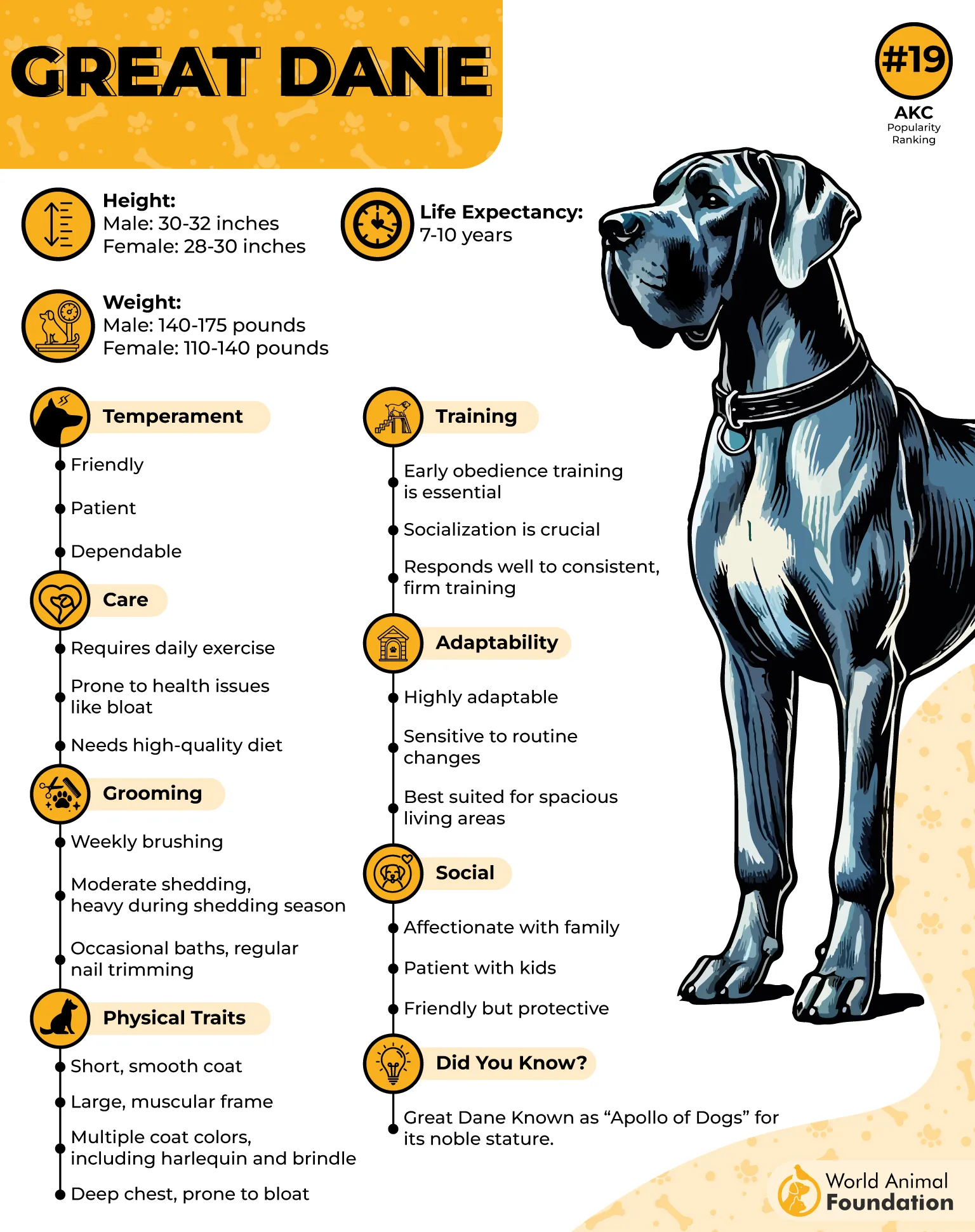
Bloat remains the number one killer of Danes, and many owners discuss preventive gastropexy with their veterinarians. They are also prone to hip dysplasia, thyroid issues, cardiac disease, and dilated cardiomyopathy, requiring attentive health monitoring.
Special Considerations For this Breed
Avoid vigorous activity near feeding times to reduce GDV risk
Their long tail can develop repeated injuries
5. Leonberger

A Leonberger does not simply stand in your yard. It occupies the horizon. This lush-coated German giant carries a calm, steady presence that feels reassuring without theatrics, making it a natural fit for households that want both companionship and quiet watchfulness.
Heinrich Essig from Leonberg, Germany, wanted a truly majestic companion, so he mixed strong working dogs to create one. The Leonberger quickly won over European royalty and showed it could handle life on farms, pastures, and by the water.
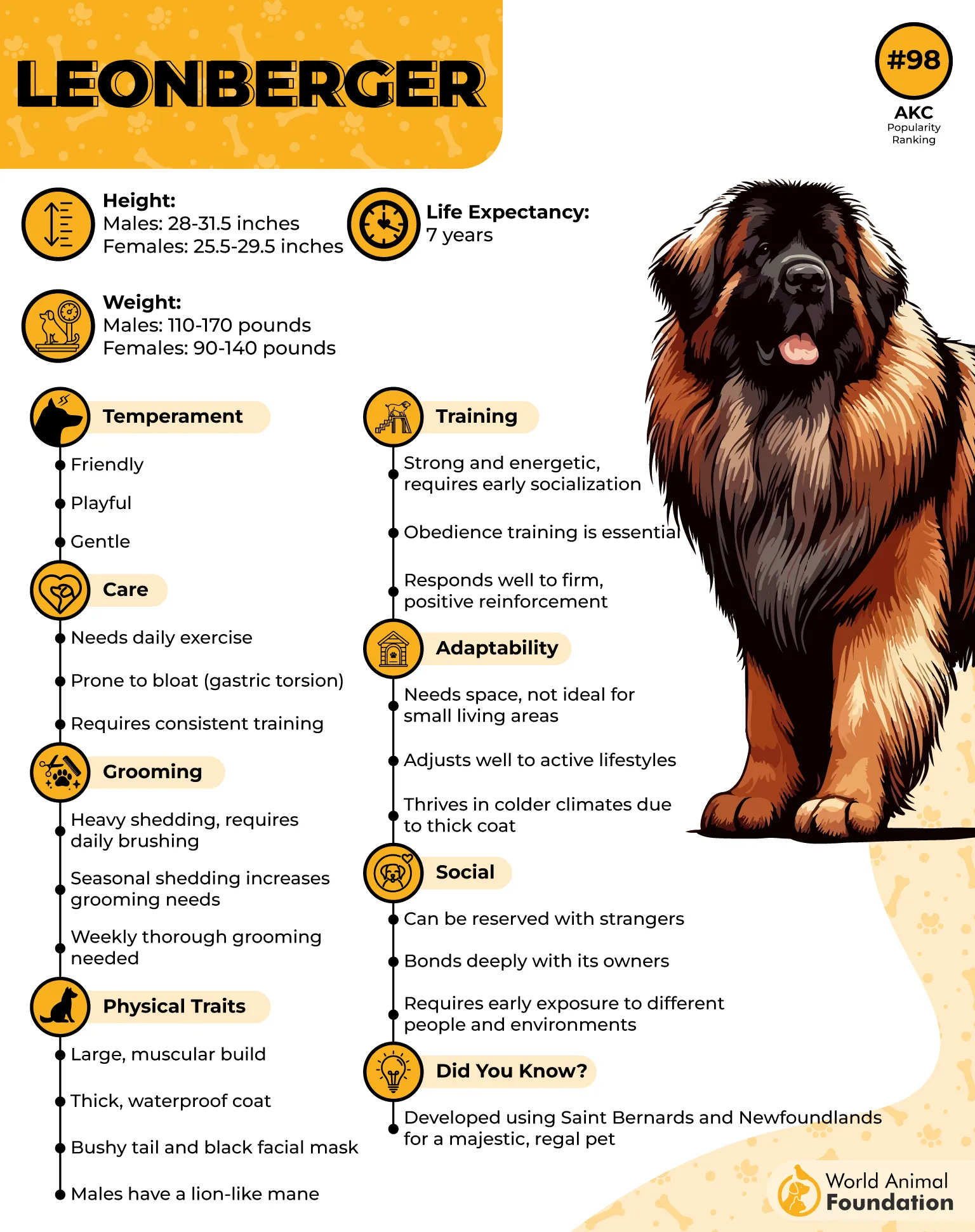
Living with a Leo means space, movement, and commitment. They thrive with active owners who enjoy hiking, jogging, swimming, or even cart pulling. Puppies are exuberant and need early social exposure, while adults benefit from daily vigorous activity. Their lifespan typically ranges from 8 to 9 years.
Special Considerations For this Breed
Heavy seasonal shedding requires consistent coat maintenance tools and time
Deep chested build places them at risk for bloat, so meal routines matter
6. Rottweiler
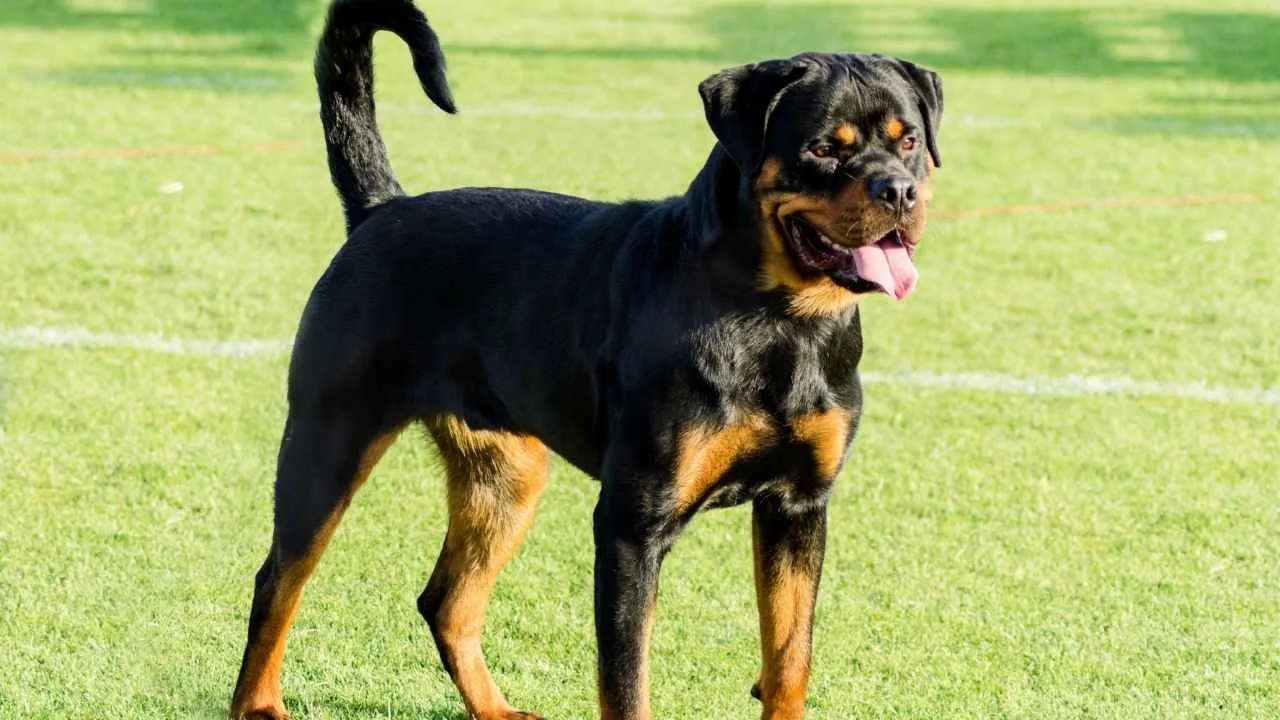
Confidence walks on four legs when a Rottweiler steps forward. Descended from Roman drover dogs, this powerful guardian blends steady self-assurance with deep loyalty, making it a serious protector that still believes it belongs right in the middle of family life.
Within their circle, Rottweilers are affectionate, playful, and even a little goofy. Toward strangers, they carry a composed aloofness that gives them their guardian reputation. With proper raising, they are calm and courageous. Their average lifespan falls between 9 and 10 years.
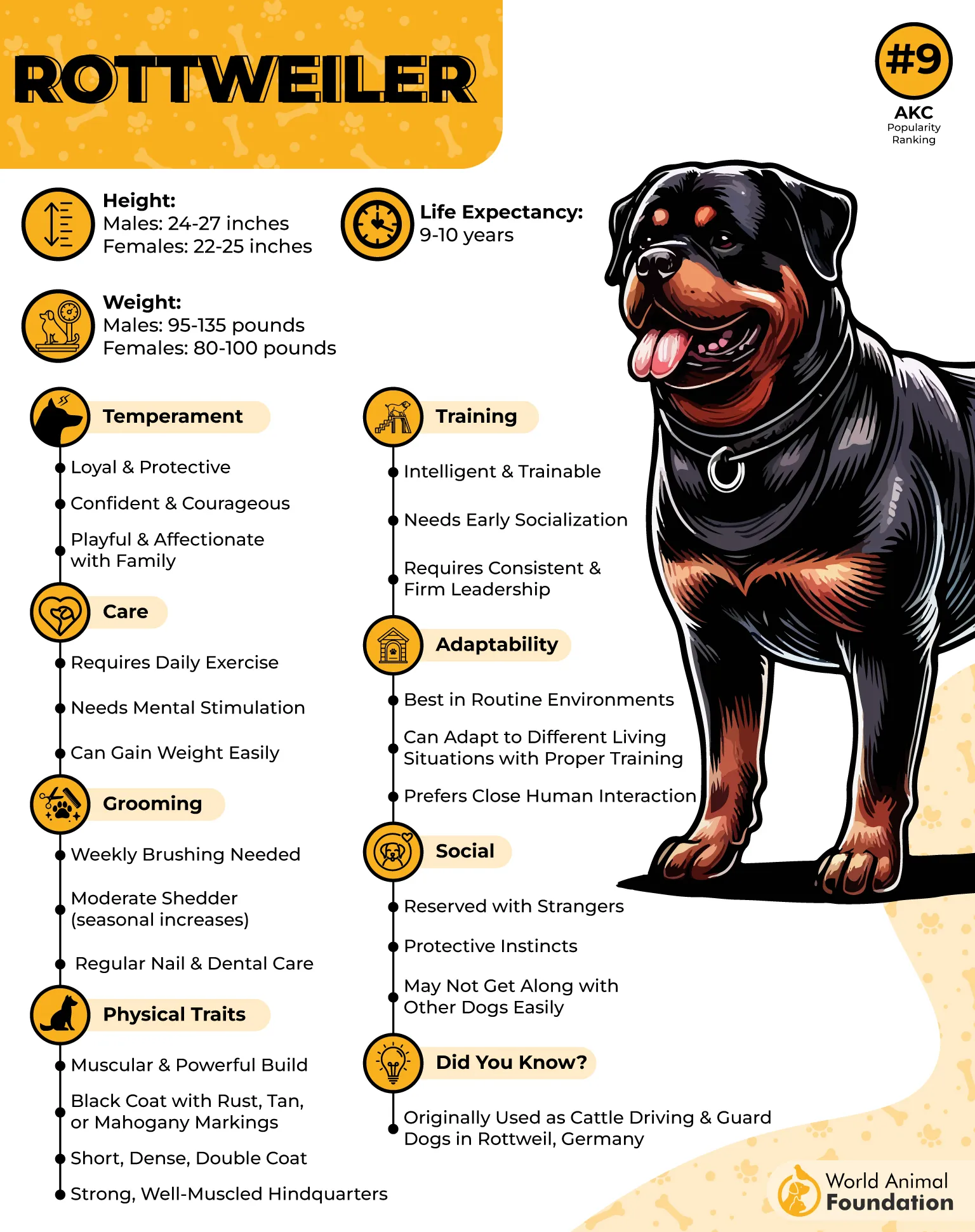
As mentioned by WebMD, a Rottweiler’s daily food intake depends on age, weight, and activity level. Adult Rottweilers usually eat two meals a day, while puppies may need three to four. Treats should stay under 10% of daily calories.
Special Considerations For this Breed
Early leadership and structured socialization are essential from puppyhood
Weekly brushing and regular dental and nail care keep them well-maintained
7. Bernese Mountain Dog
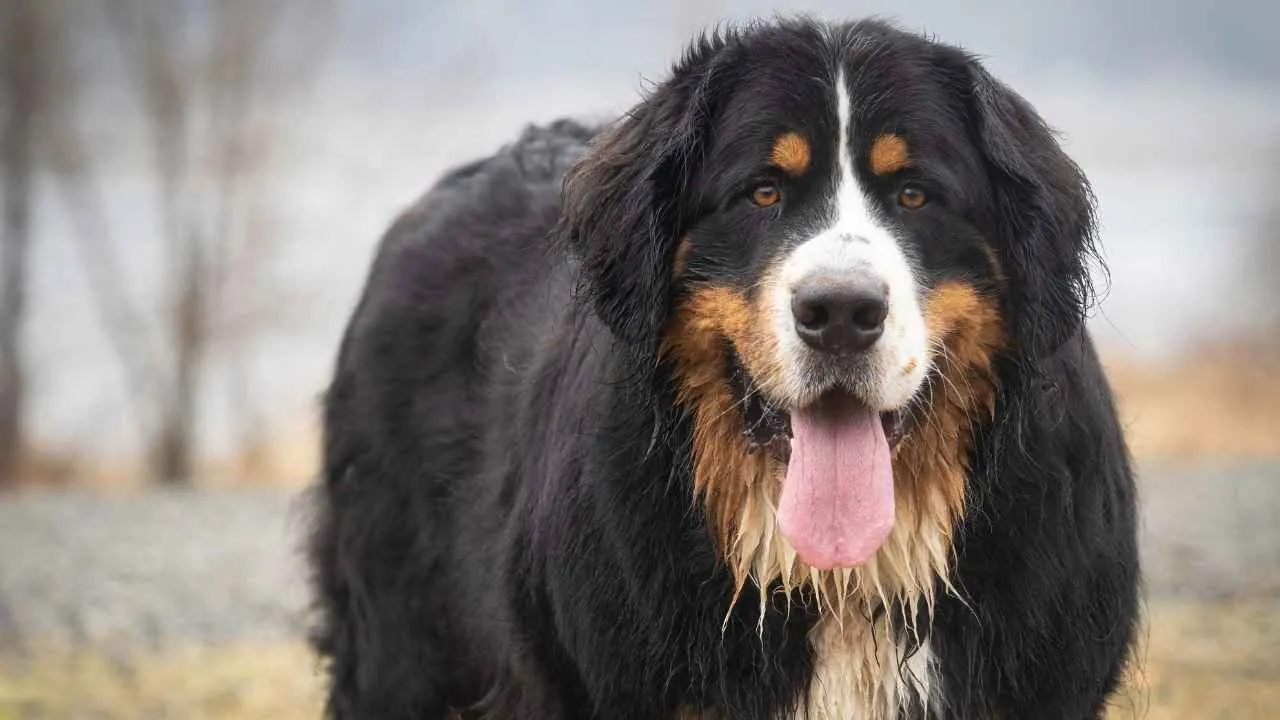
Snow-dusted hills and dairy farms shaped this Swiss farmhand into something unforgettable. The Bernese Mountain Dog carries a steady, grounded presence that feels reassuring in a home meant to be protected. Big, powerful, and built for real work, this is strength with a soft heart.
A thick, silky tricolor coat in jet black, clear white, and rust gives the Berner that noble, almost storybook appearance. Dark eyes carry an intelligent gleam, and those bold markings are unmistakable. They are placid by nature but happily spring into action for a romp.
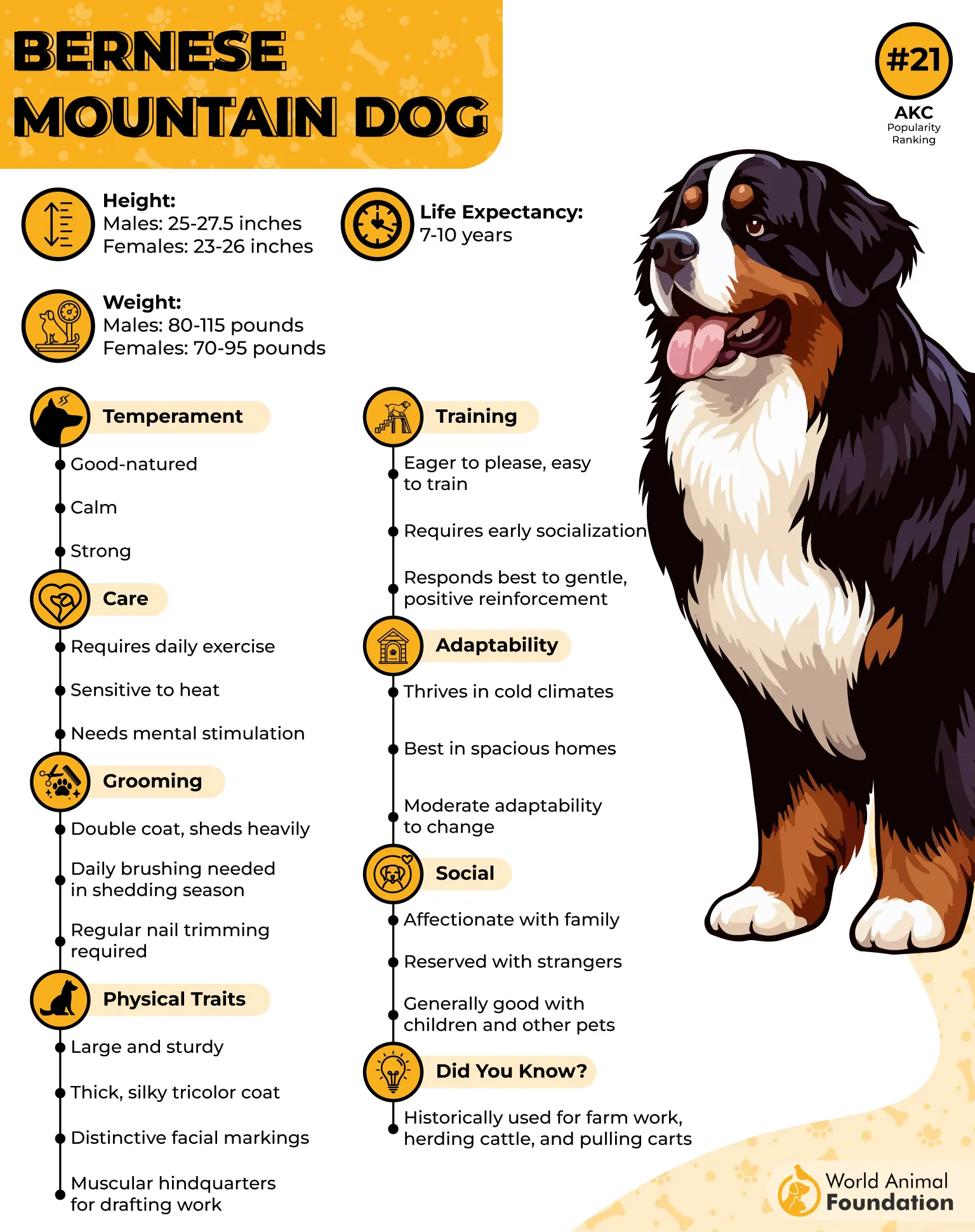
Generally healthy, they can face concerns such as hip and elbow dysplasia, certain blood disorders, some cancers, progressive retinal atrophy, and the serious risk of bloat seen in large breeds. Their average life expectancy ranges from 7 to 10 years.
Special Considerations For this Breed
The benefits of early socialization to prevent undesirable behaviors when left alone
Calorie intake should be monitored carefully to prevent excess weight gain
Conclusion
Bringing home a dog is not just about falling in love with a face or a fluffy coat.
It is about understanding the years you may share and preparing for them with open eyes and a full heart. Some breeds offer a shorter timeline, which simply means being more intentional with care, screenings, and everyday moments.
When you know what to expect, you can plan better, love harder, and make thoughtful choices that match your lifestyle and emotional readiness. A shorter lifespan does not mean less joy. It just means every year matters even more.
If you are further interested in such wonderful breeds, some other dogs you can look up include the French Bulldog, Pug, and Chihuahua.
