




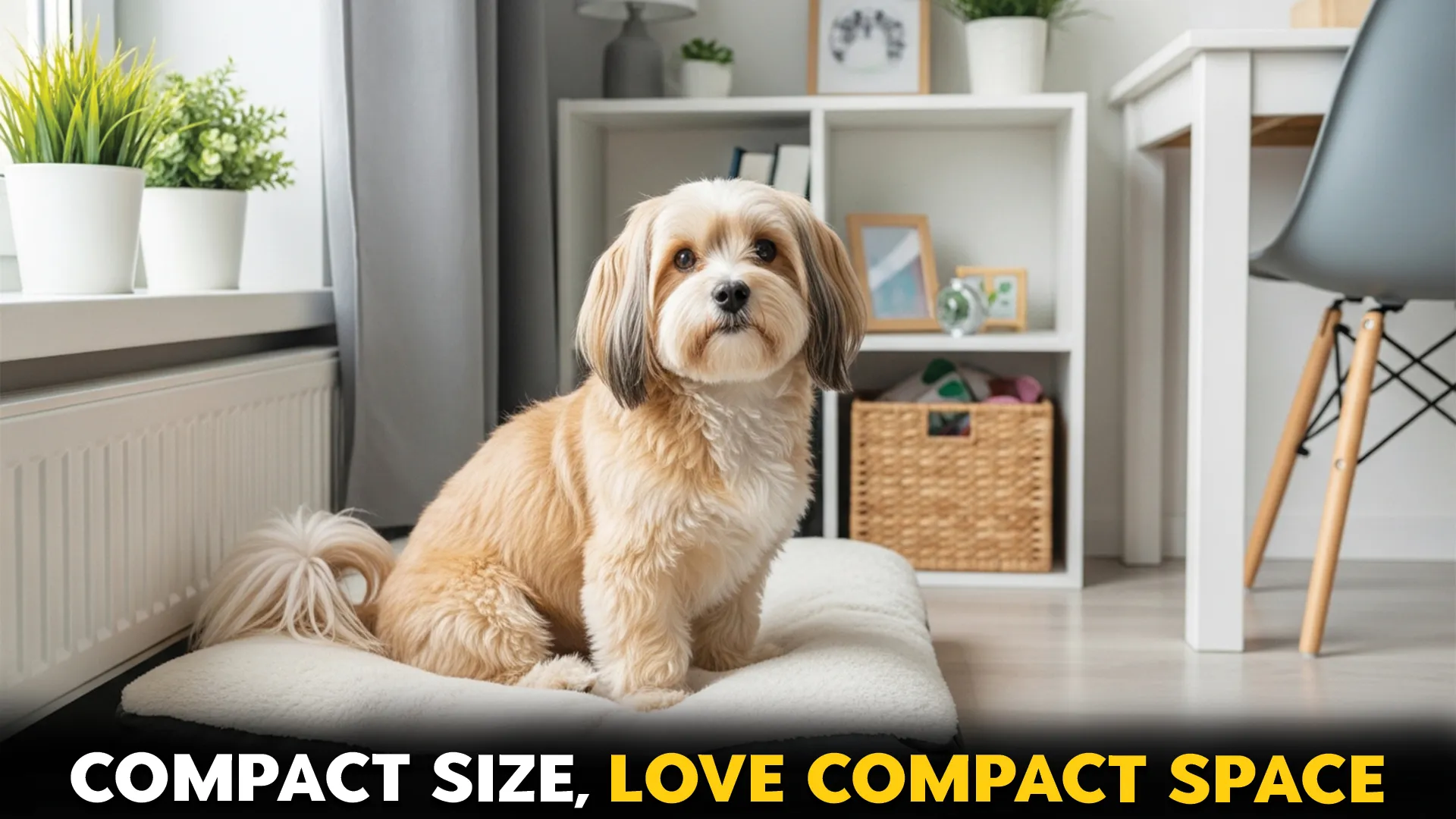
Large homes and open yards often dominate the image of ideal dog ownership. Yet many thriving dog owners live in apartments, shared buildings, and compact houses without sacrificing companionship.
Tiny dog breeds that love small space living challenge the assumption that more space equals more happiness. These dogs do not rely on vast territory to feel secure. They rely on structured routines, mental stimulation, and close human connection.
In smaller homes, they move easily through limited square footage and settle comfortably into daily life. Their manageable size reduces physical strain, while their adaptable temperament keeps indoor living peaceful. Not every small dog fits this description, and choosing incorrectly can lead to stress for both sides.
In the sections ahead, you will explore which tiny dogs genuinely flourish in compact environments and what makes them dependable companions for small space living.
Key Takeaways
Compact living works surprisingly well for certain tiny breeds that focus more on people than territory.
The Pomeranian moves through tight rooms with bold confidence, while the Yorkshire Terrier stays alert and engaged even inside a small flat.
Toy Poodles and Maltese rely more on mental stimulation and human closeness than square footage, turning everyday routines into shared moments.
By the time you meet the full list, it becomes clear which tiny companions genuinely feel at home in smaller spaces.
Tiny Dog Breeds That Love Small Space Living
1. Pomeranian
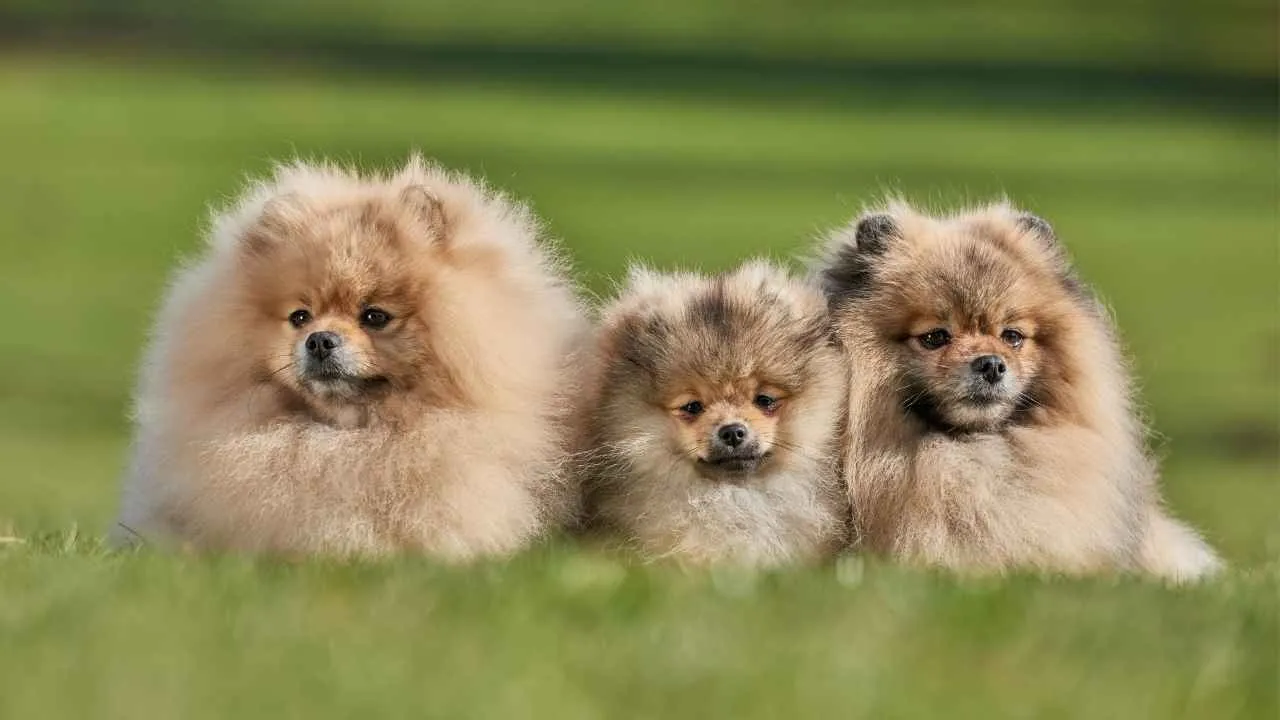
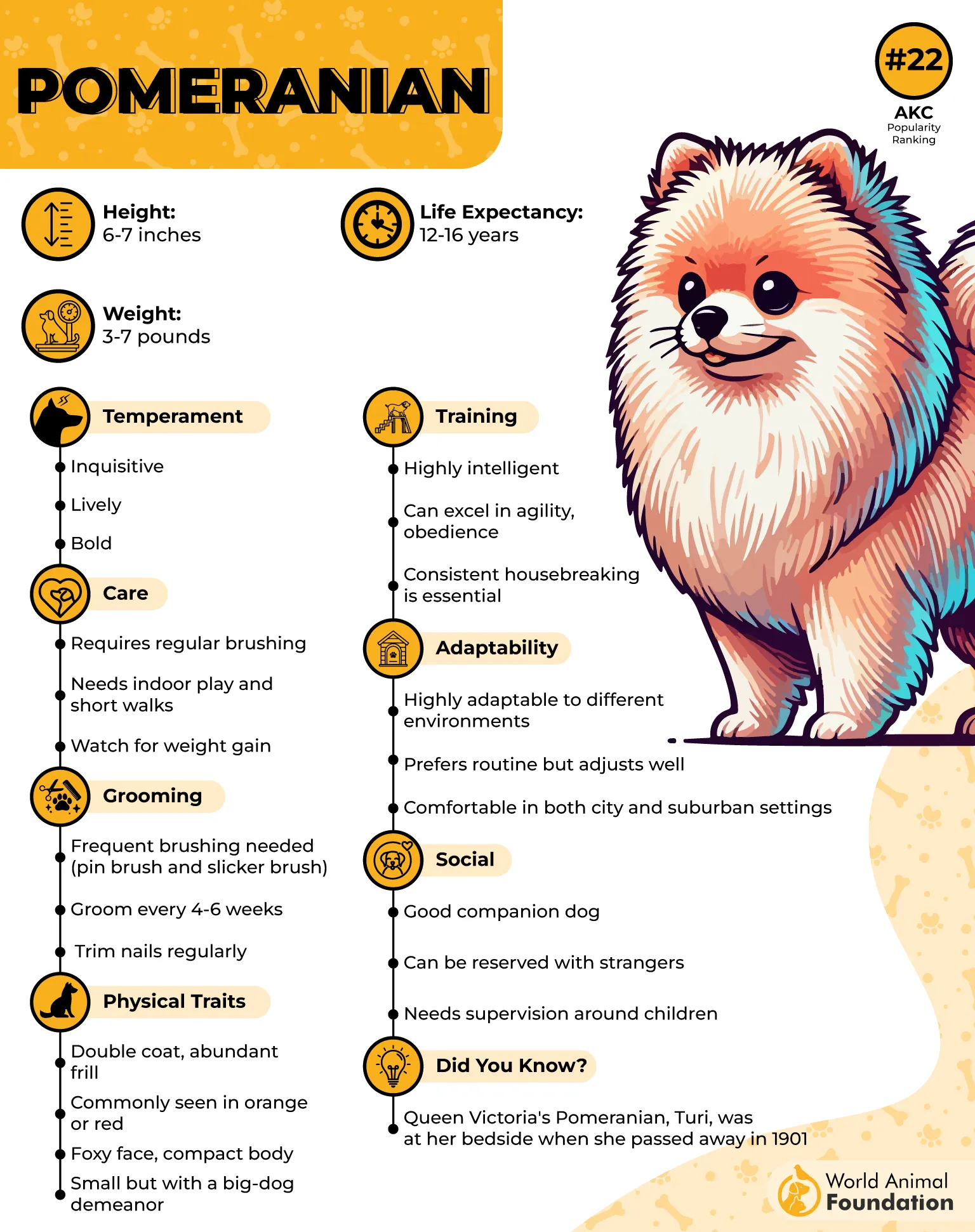
The Pomeranian comes from the Pomerania region of Poland and Germany and descends from the German Spitz. This tiny dog moves through small homes with bold confidence and constant curiosity. Their lively presence fills a room without needing much physical space.
Personality in a Small Package
This small dog breed stays alert and involved in everything happening around them, which suits close-quarters living. They bond closely with people and enjoy being part of daily routines.
That personality shows up in ways like:
Quick learning in obedience and trick training
Strong alert barking at unfamiliar sounds
Confident attitude even around larger dogs
Always Nearby
Poms prefers staying close, often choosing a lap over a distant corner of the room. Their affectionate nature makes apartments feel interactive rather than cramped. Because they are sensitive to change, gradual alone-time training matters in apartment living, as per Omlet.
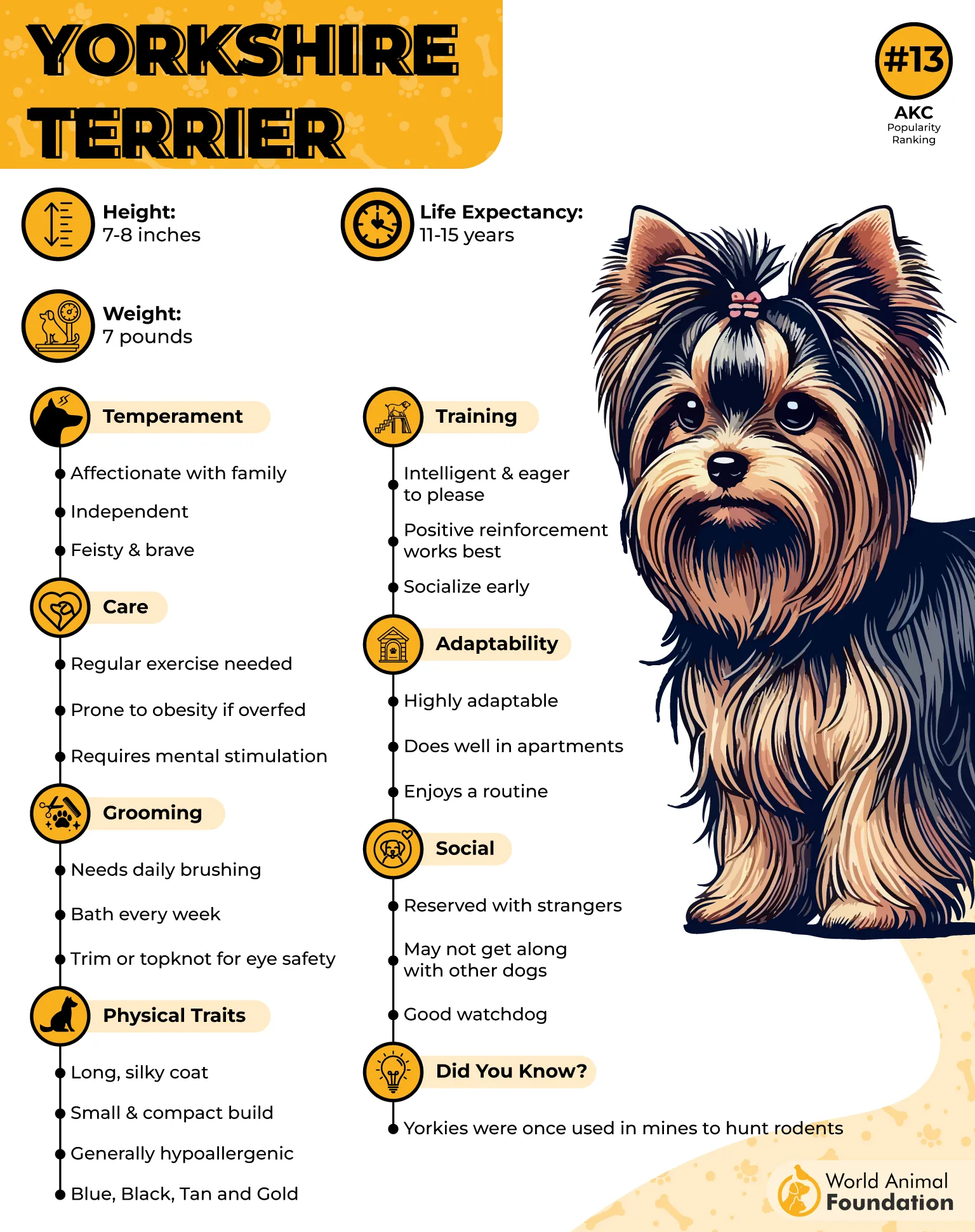
2. Yorkshire Terrier

Yorkshire Terrier brings bold energy into compact spaces, filling an apartment with curiosity and charm. Originally bred to hunt rats and mice, this tiny dog still moves with purpose and alert focus. Its affectionate nature blends with independence, making daily life lively and interactive.
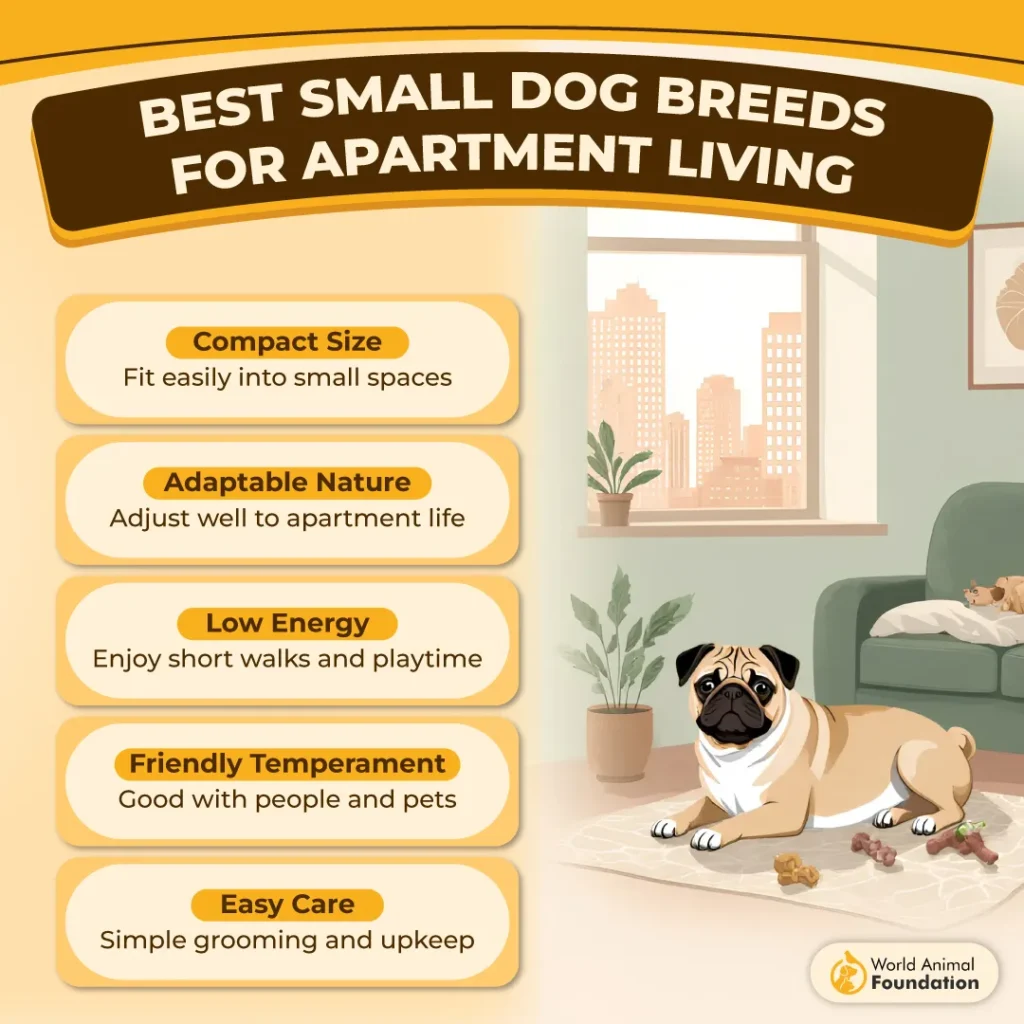
Compact Yet Vigilant
This toy breed stays busy indoors, always aware of movement around the home. Even in a small flat, their sharp instincts remain active.
A closer look shows why they fit well in tight quarters:
An alert watchdog who signals approaching visitors
Quick learner during training sessions
Enjoys indoor fetch and short neighborhood walks
Social but Selective
Yorkies benefit from early social exposure to prevent overprotective behavior in confined environments. Proper introductions help them settle comfortably around strangers and respectful children. Small furry pets may trigger their hunting instinct, so supervision is necessary.
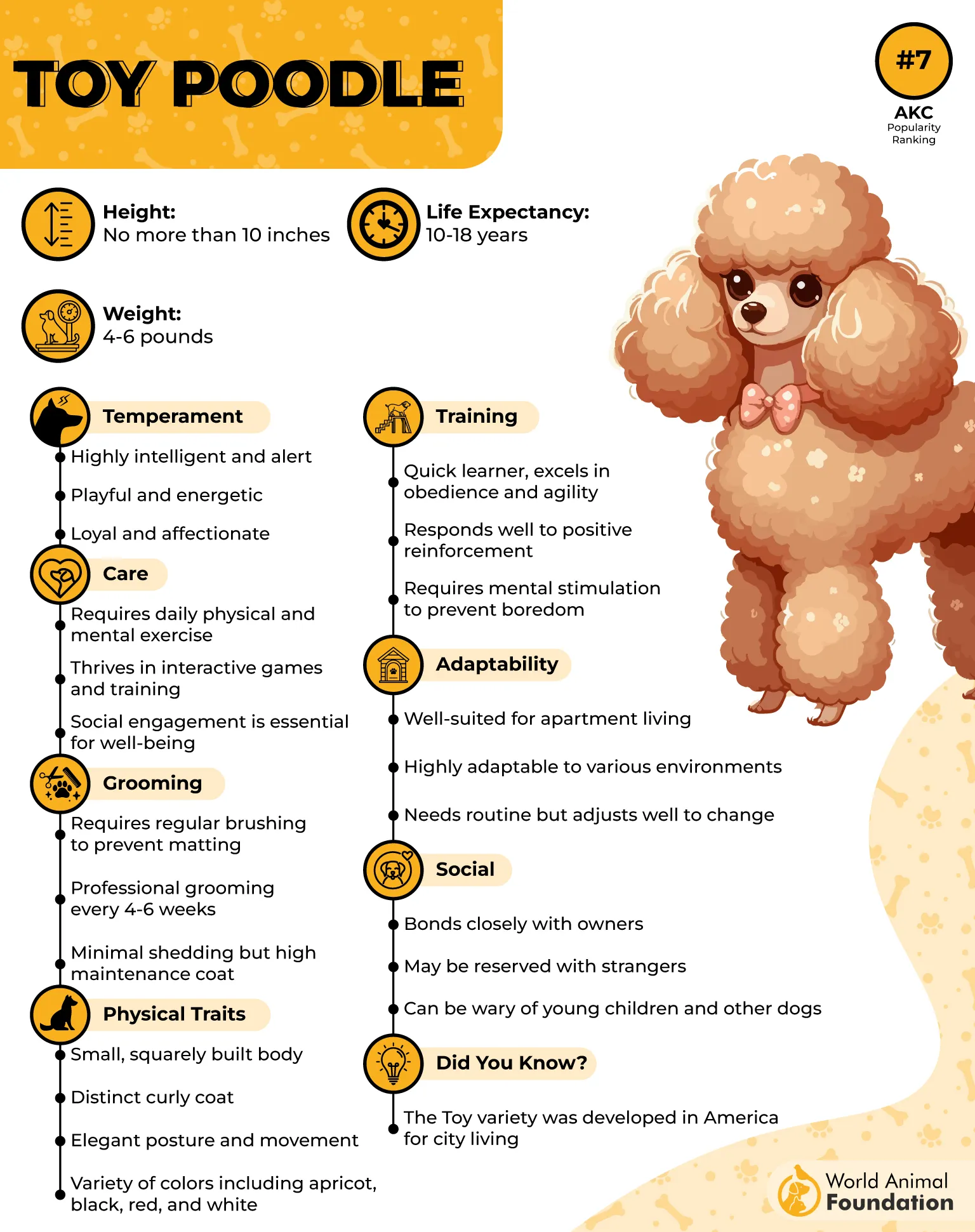
3. Toy Poodle
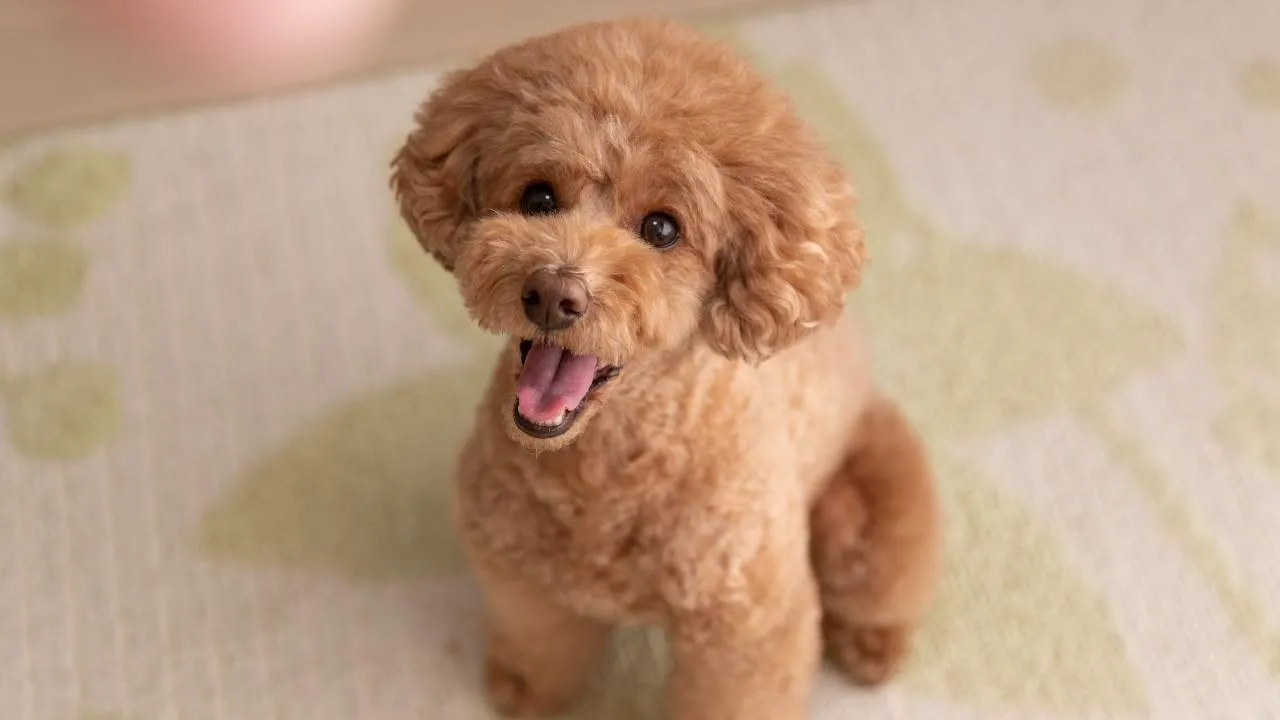
Toy Poodle is a quick-thinking, alert little dog that stays mentally active even inside a small apartment. Their circus background explains their love for learning and performing, which translates beautifully into compact living. They are lively within the home and rarely content doing nothing.
Quick Learner
Toy Poodle responds fast to reward-based training and enjoys structured interaction. They remain energetic indoors, playing short games and moving from room to room with enthusiasm.
That sharp mind shows up in practical ways:
Picks up tricks and commands rapidly
Excels in agility, obedience, and Flyball
Uses intelligence creatively if left unstimulated
Companion Focused
These small breed bonds closely with people and prefer constant interaction over isolation. In a small space, that attachment means they stay involved in daily routines rather than retreating to a corner. Without engagement, their cleverness can turn into mischief around the house.
4. Maltese
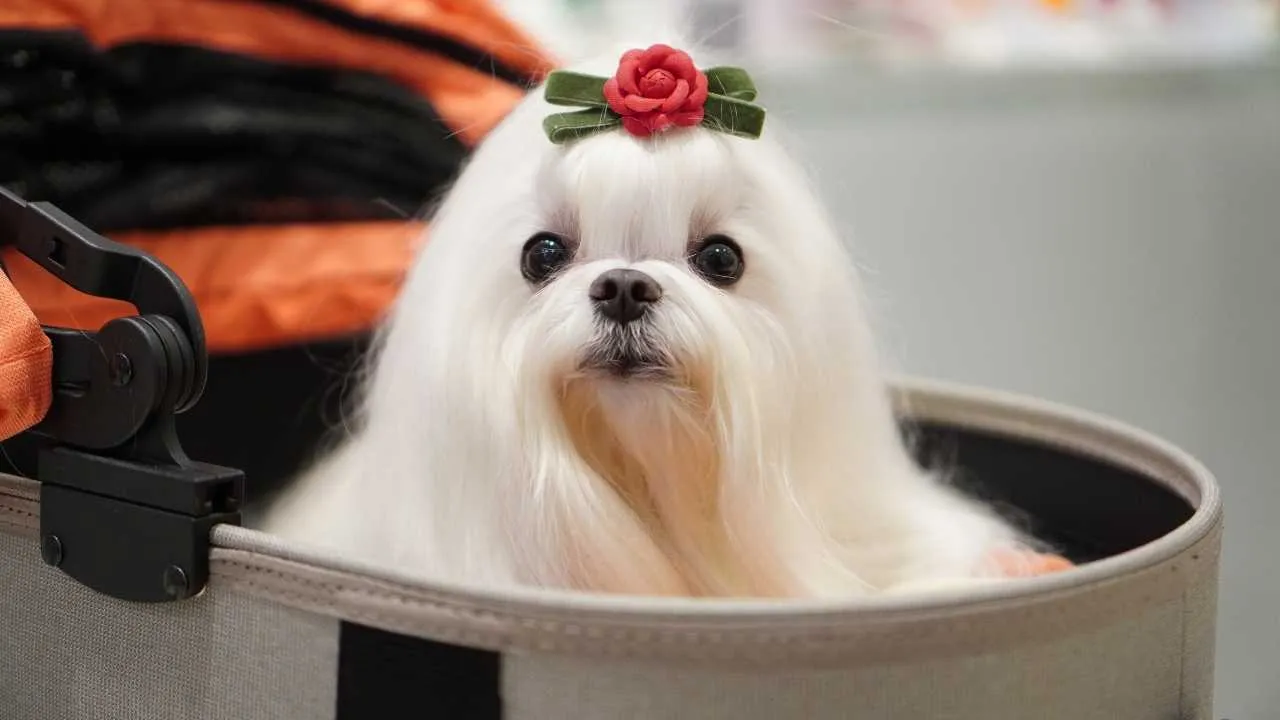
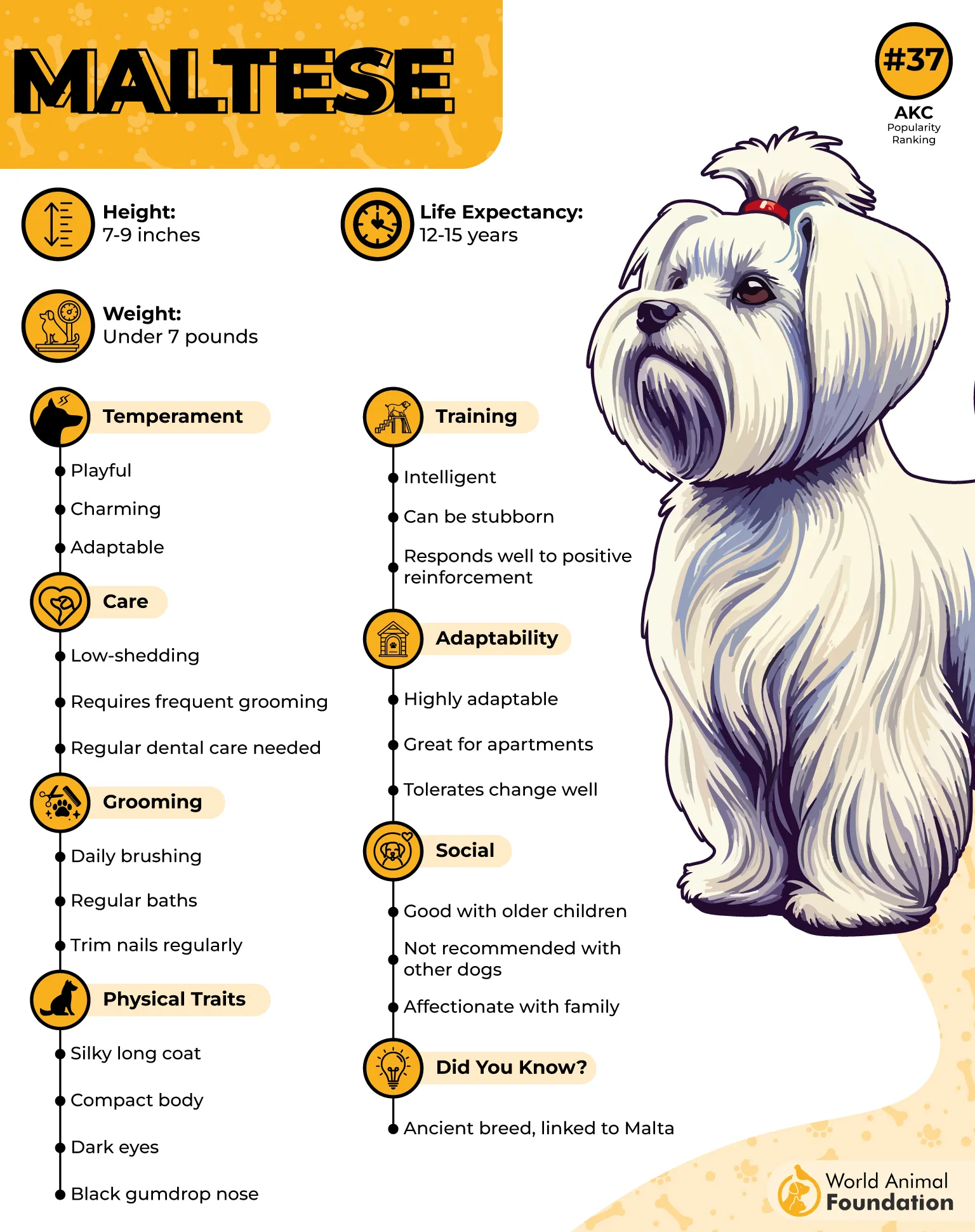
Maltese settle comfortably into compact homes because their world revolves around people, not square footage. They prefer laps over lawns and stay happiest when close to their humans. In smaller spaces, that constant companionship feels natural rather than crowded.
Small Size, Big Personality
They keep apartment life lively with playful energy that rarely fades, even in adulthood. Their compact frame and light activity needs suit short walks and indoor games.
What makes them especially practical includes:
Content with brief daily walks
Alert to door knocks without aggression
Quick learners during training sessions
Grooming in Close Quarters
These lap dogs have a low-shedding coat that works well in smaller homes, especially for those mindful of allergens, as mentioned in PetMD.
The popular puppy cut keeps maintenance manageable with regular trims and simple daily brushing. Tear staining around the eyes needs routine cleaning to maintain their neat appearance.
5. Chihuahua
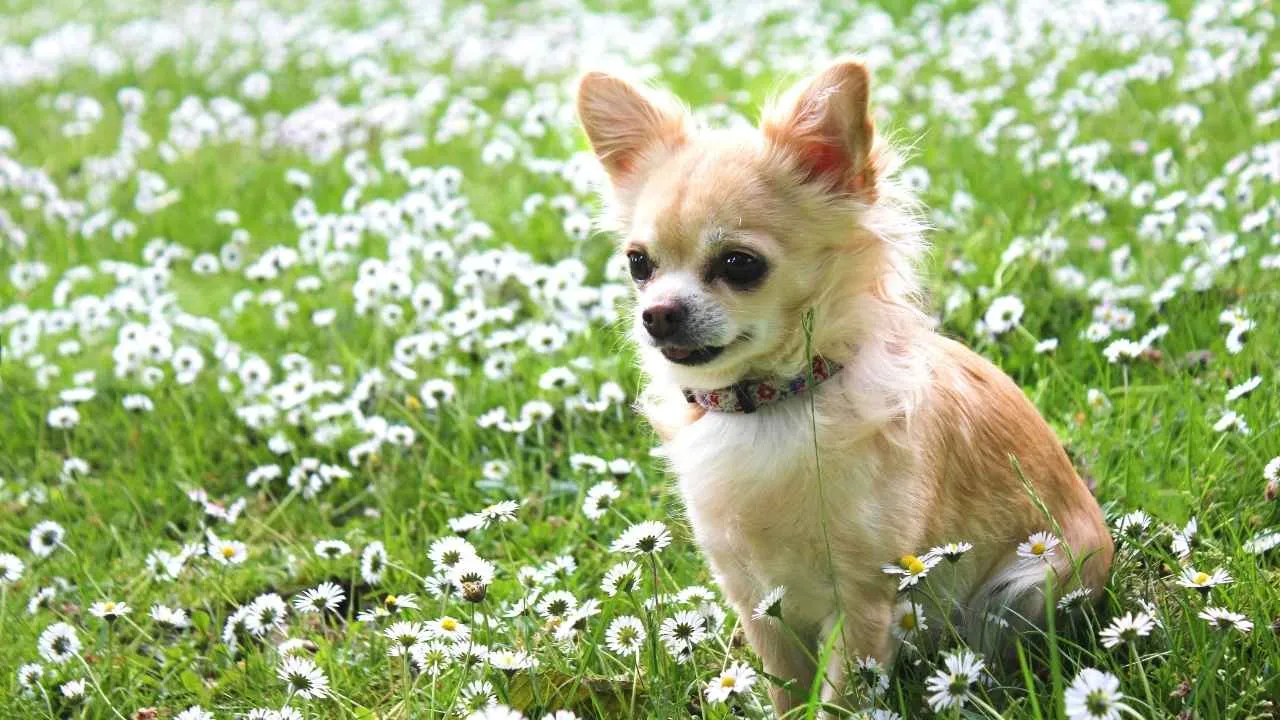
Chihuahua commands attention the moment it walks into a room, standing tall with pointed ears and a watchful expression. Its mysterious roots trace back to Mexico, where early specimens were discovered in the mid-1800s. What began as an overlooked, tiny dog later became one of the most popular companion breeds in the United States.
Compact Living Expert
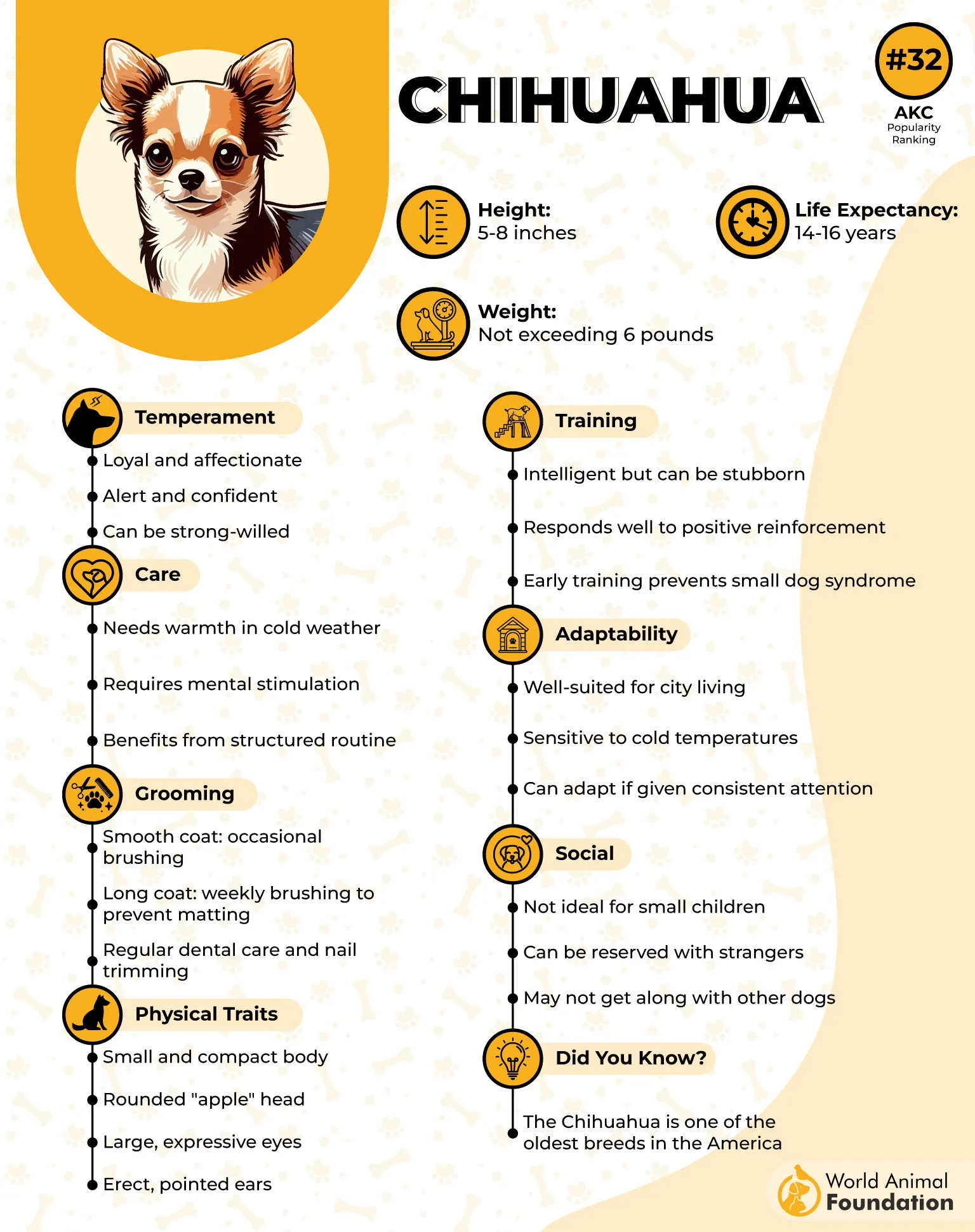
Chihuahua fits effortlessly into flats and small houses, moving easily between sofa corners and sunny windowsills. Its size makes indoor life practical and manageable.
Look closer at what supports apartment living:
Comfortable with short indoor bursts of activity
Alert barking signals visitors instantly
Minimal space needed for daily movement
Big Personality Indoors
Chihuahua behaves like a miniature terrier, confident and expressive in tight quarters. It often bonds intensely with one person and may guard that closeness with sharp awareness. Training and early social exposure help prevent over-attachment and reactive snapping in confined spaces.
6. Toy Fox Terrier
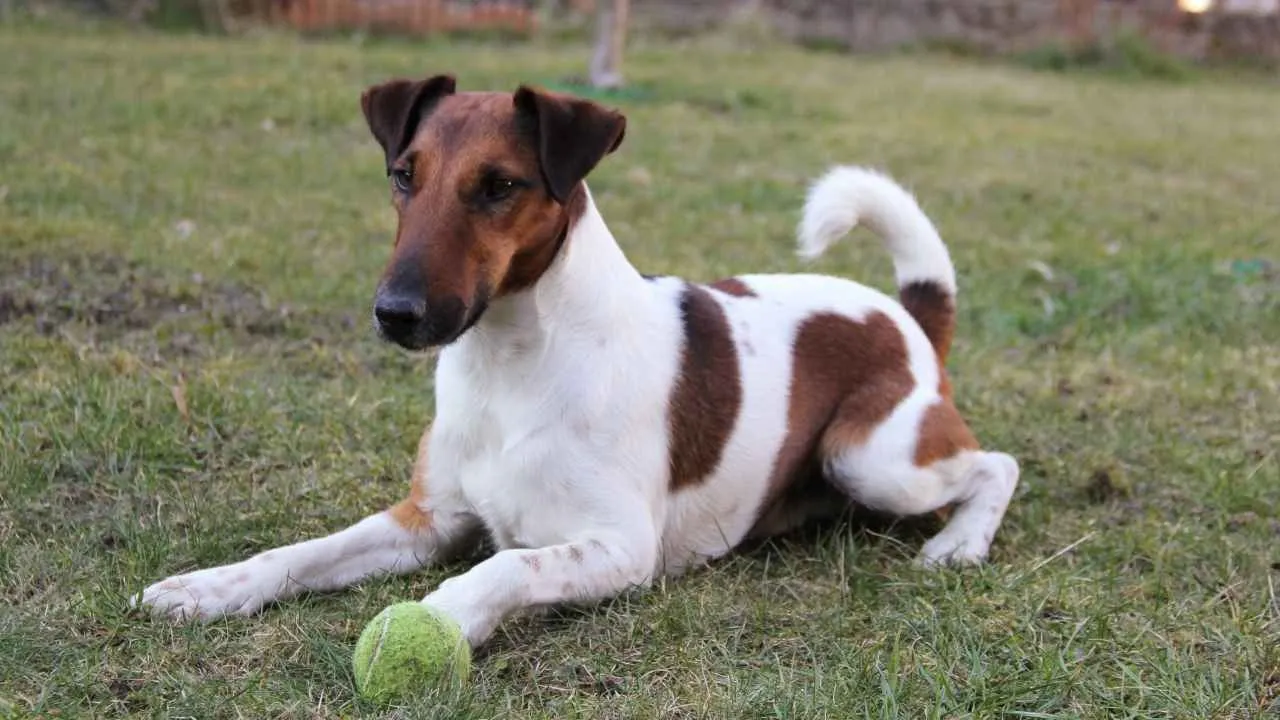
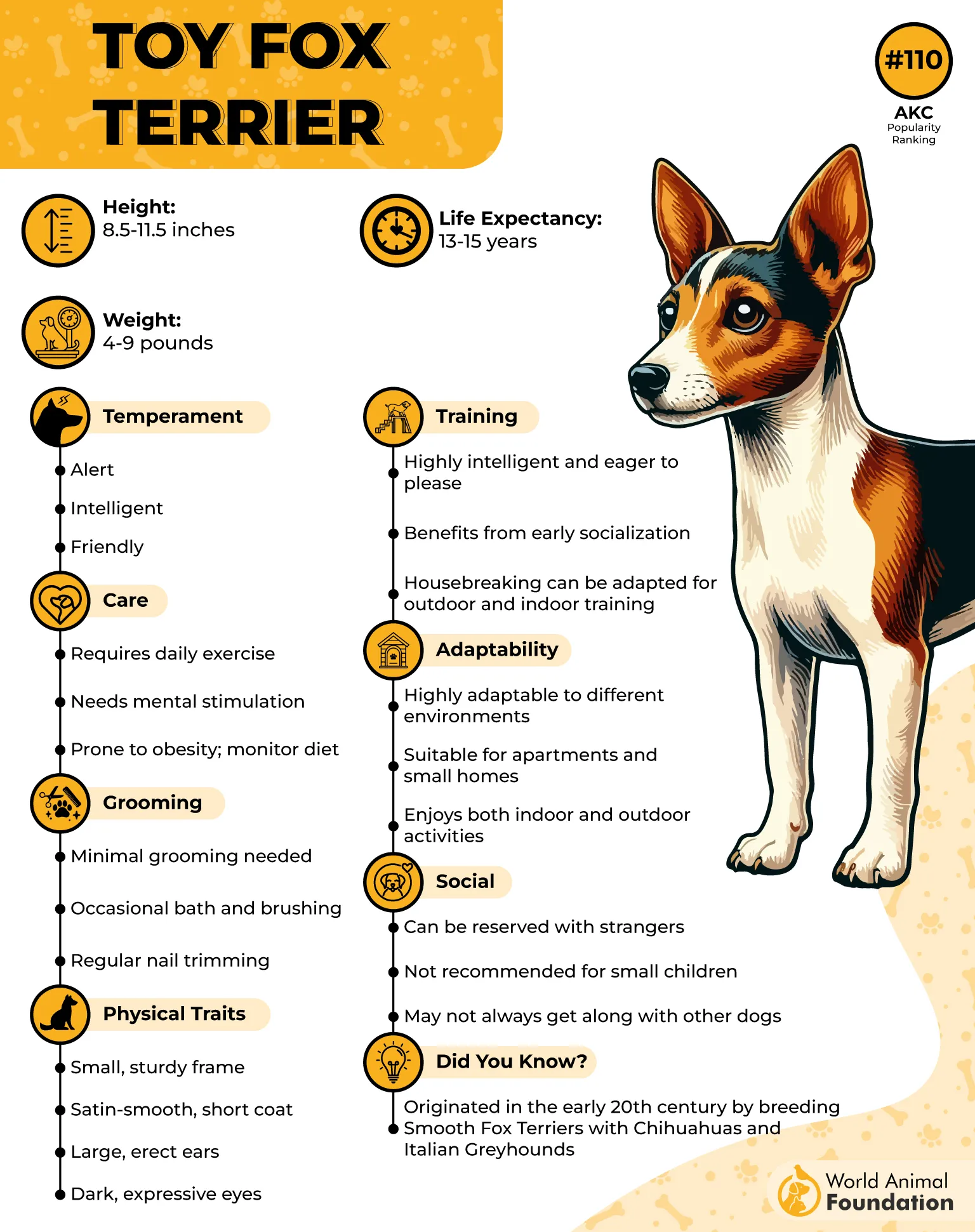
Toy Fox Terrier fits easily into compact homes while filling the room with personality. This satin-coated little terrier stands under a foot tall, yet moves with lively confidence. Large upright ears and bright, alert eyes give it a constant look of eager curiosity.
Built for Small-Space Versatility
TFTs began as a barnyard ratter, which explains their sharp reflexes and quick thinking indoors. That heritage still shapes how it behaves at home.
Key traits that matter in tight living quarters:
Fast learner with strong problem-solving ability
Naturally outgoing and people-focused
Small, balanced frame suited for indoor movement
Smart and Adaptable Indoors
This terrier breed responds quickly to training, including housetraining and even potty pad routines. This flexibility makes travel and apartment living easier to manage. Its intelligence turns everyday routines into interactive moments rather than idle time.
7. Pug

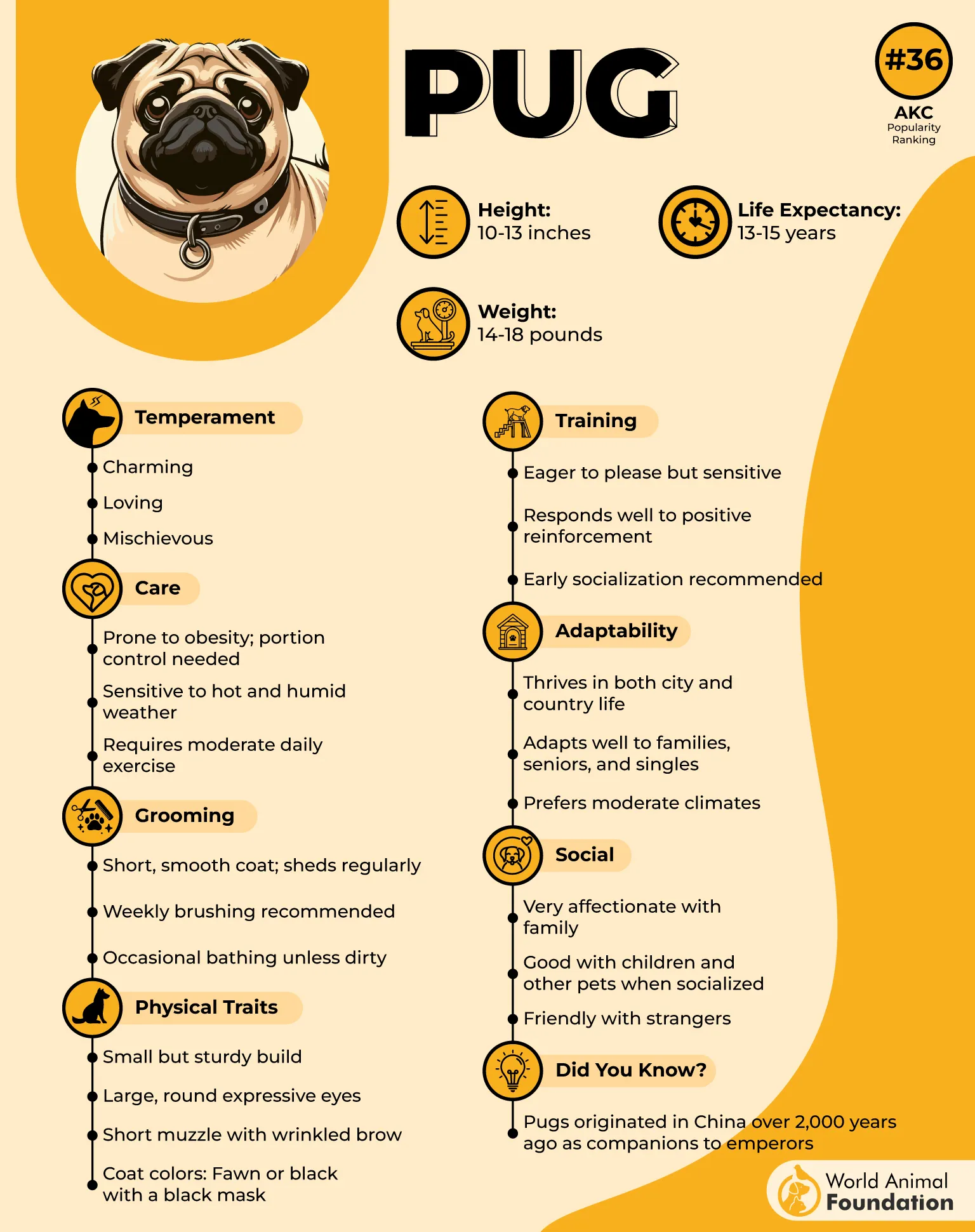
Pug was bred for companionship, and that purpose shows in how closely it stays by your side. In a small apartment, this constant presence feels intentional rather than clingy. The nickname “shadow” makes sense once you notice how often it chooses your lap over open floor space.
Compact Body, Big Personality
Pug fills a room with personality more than movement. They interact comfortably with family members, children, and visiting guests, keeping tension low in tight living quarters, as mentioned by the American Kennel Club.
A few everyday realities explain why:
Prefers lounging on sofas, beds, and chairs
Rarely shows aggression toward pets or strangers
Needs portion control due to a strong appetite
Energy in Short Bursts
Pugs do not demand large yards or endless play sessions. Sudden bursts of frantic indoor zooming are usually followed by long stretches of deep sleep. A daily walk matters, though rain and cold rarely excite this breed.
Conclusion
Apartment living does not limit companionship when the match is right. The best small dog breeds prove that square footage matters less than temperament and routine. These lively little dogs adapt to elevators, hallways, and shared walls with surprising ease. Many were bred as companion dogs, placing human connection above territory.
An affectionate dog with a calm nature settles into daily rhythms without demanding constant space. With early guidance around other dogs and consistent structure, small homes remain peaceful. In the end, the best small dog breeds turn compact rooms into warm, personal spaces filled with loyalty and presence.
