




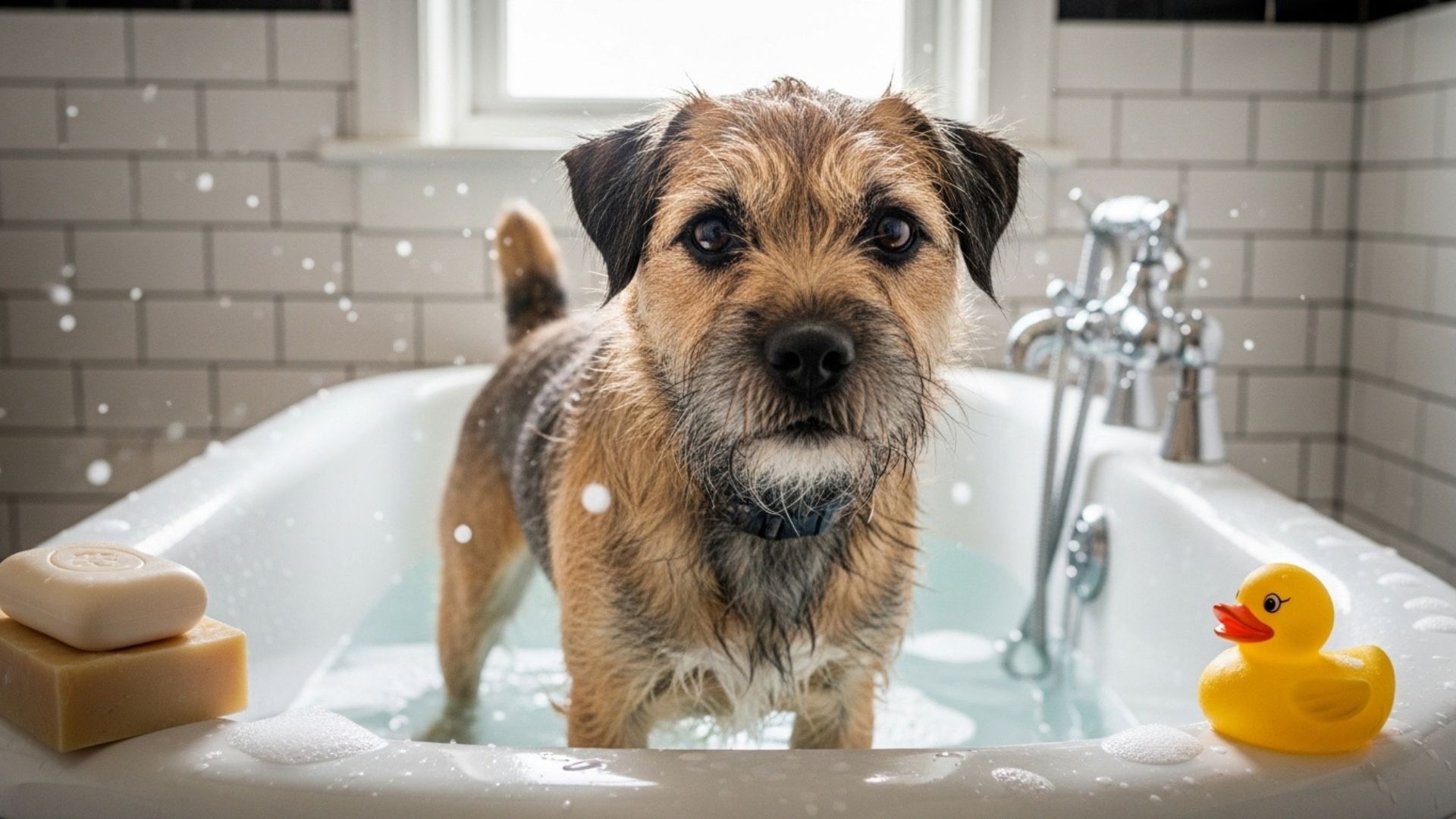
Some dogs demand constant brushing, frequent trimming, and ongoing health attention from an early age. Others live quietly for many years with straightforward grooming and stable physical resilience.
The contrast affects everyday life more than most people anticipate. Longevity provides emotional comfort and a deeper attachment over time. Minimal grooming needs protect energy, finances, and patience. When both qualities align, ownership feels balanced instead of demanding.
Health durability often connects to size and genetic background, while coat texture determines maintenance levels. Ignoring these factors can lead to long-term frustration. Considering them carefully leads to practical satisfaction. A dog that remains vibrant for years while staying easy to care for supports a realistic lifestyle.
In this article, you will discover the breeds known for extended lifespans and examine how their coat characteristics make grooming far less complicated.
Key Takeaways
Years matter when it comes to building a bond with a dog, especially when daily care does not feel overwhelming.
Breeds like the Chihuahua and Dachshund often live well into their teens, offering steady companionship without demanding hours of coat care.
The Whippet and Shiba Inu add durability with surprisingly manageable grooming, proving that longevity and simplicity can go hand in hand.
As you read through, you may find yourself picturing which of these long-living, low-fuss companions could stay by your side the longest.
Dog Breeds With the Longest Lifespans and Easy Grooming
1. Chihuahua
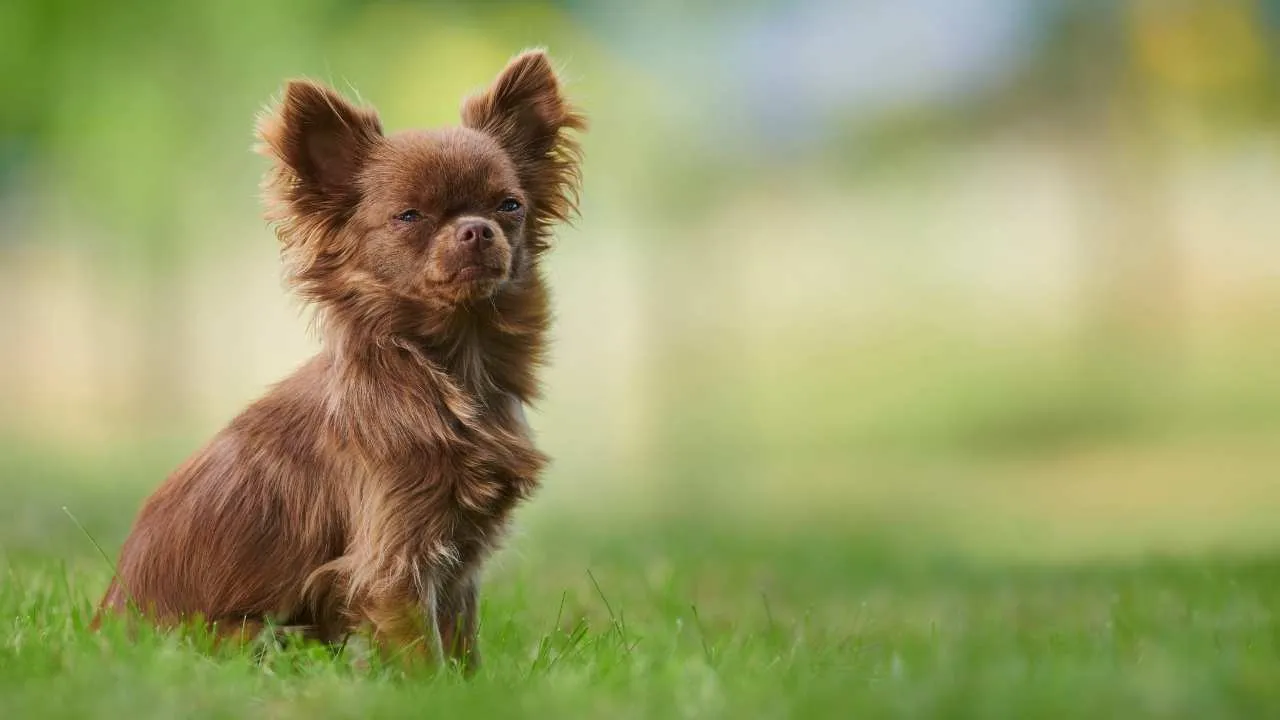
Chihuahua dogs pack a bold personality into a tiny frame, forming deep bonds with their human companions. Affectionate yet alert, they quickly learn household routines and enjoy being involved in daily life. Their small stature makes them ideal for indoor living and travel.
Effortless Grooming
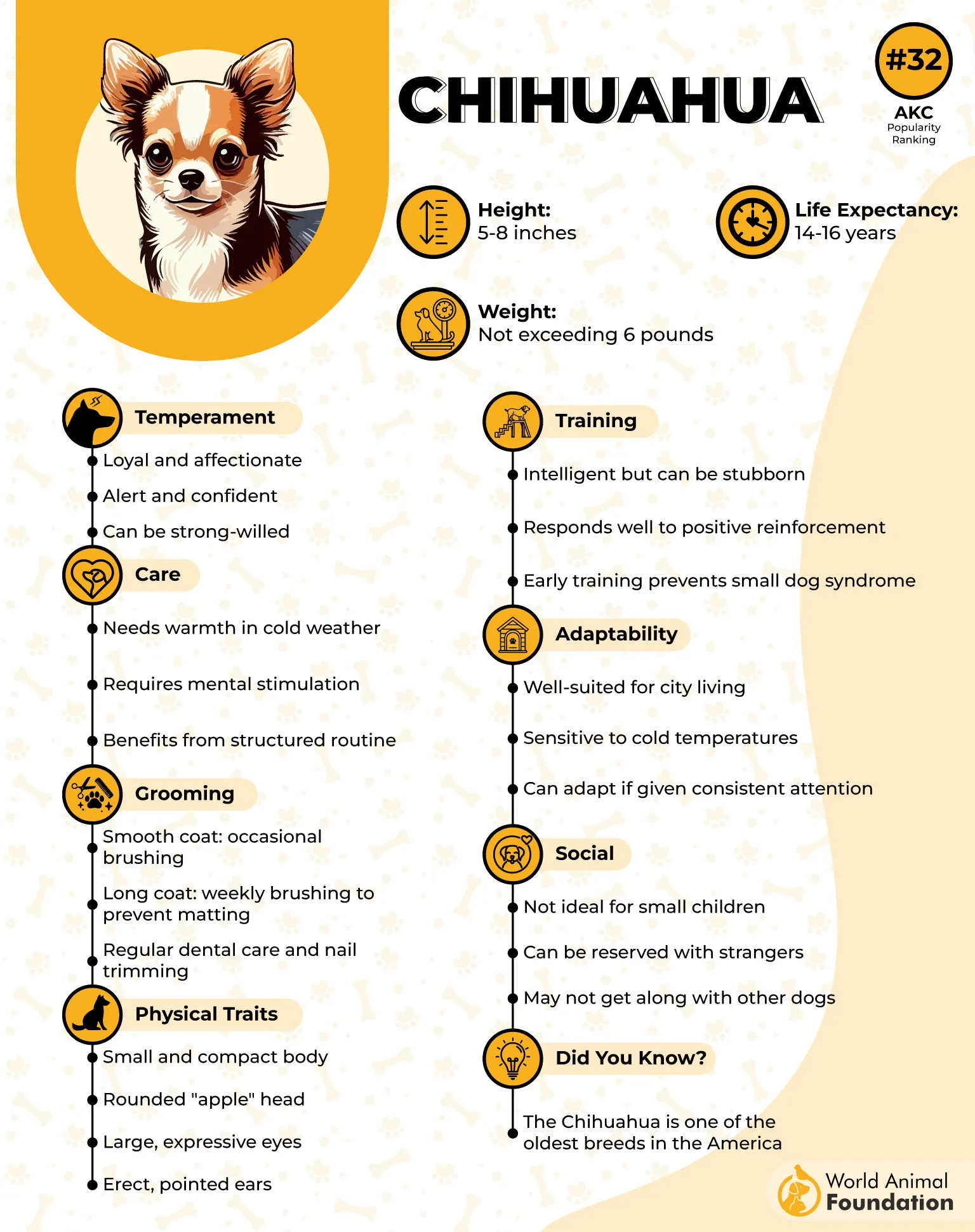
This breed’s coat is remarkably easy to maintain, whether short or long-haired, keeping brushing simple and regular, as mentioned by PetMD. Essential care focuses on teeth and nails to support health.
Key grooming points include:
Daily dental attention to prevent disease
Weekly brushing for coat upkeep
Routine nail trimming for comfort
Long-Lived Companions
Chihuahuas are one of the longest-living dog breeds, often surpassing a decade or more with proper care. Their adaptability, minimal grooming needs, and strong family bonds make them practical and rewarding companions. These qualities allow them to thrive in varied living situations.
2. Dachshund
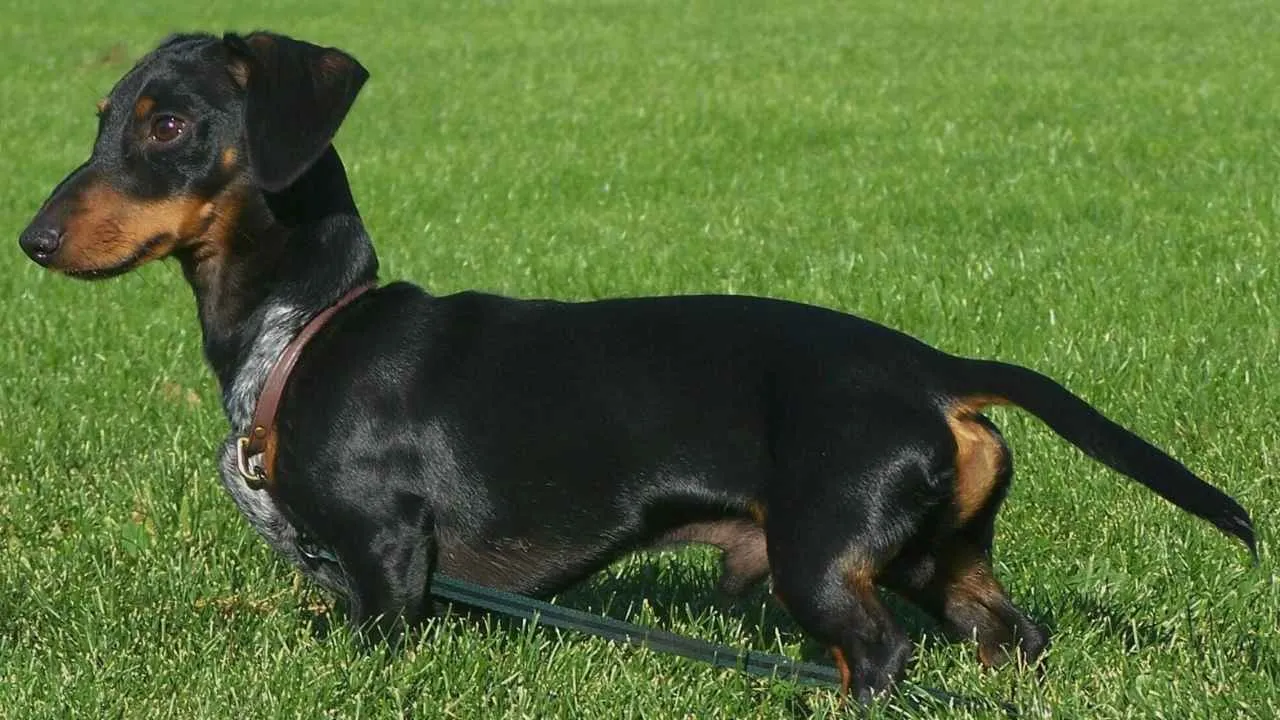
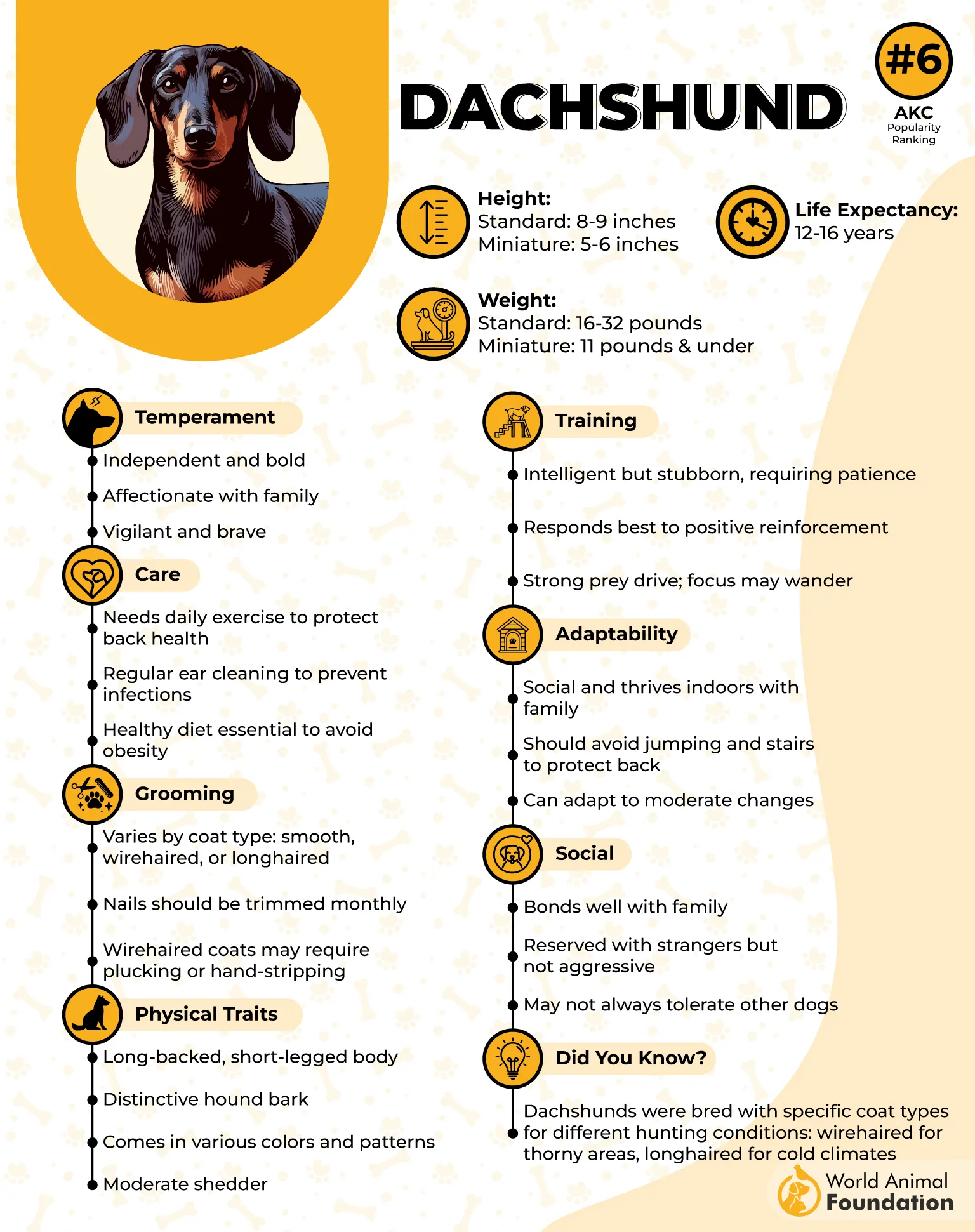
Dachshund dogs are recognized for impressive lifespans of 12-16 years that often stretch well into their teens. Their long body and short, muscular legs were designed for determined hunting work. That durability now translates into a small companion known for lasting companionship.
Coat Variety and Care
These small dog breeds come in three coat types, each influencing grooming effort in practical ways. The differences matter more than most expect.
Here’s how their coats vary:
Smooth: short, glossy, and simple to brush
Longhaired: slightly wavy with feathering on chest and underside
Wirehaired: coarse outer coat with softer undercoat
Shedding and Maintenance
Dachshund dogs shed throughout the year, though not heavily compared to dense-coated breeds, as Petplan writes. Smooth varieties require minimal upkeep, while longhaired and wirehaired types benefit from routine brushing. Their manageable size makes bathing and coat care straightforward.
3. Whippet
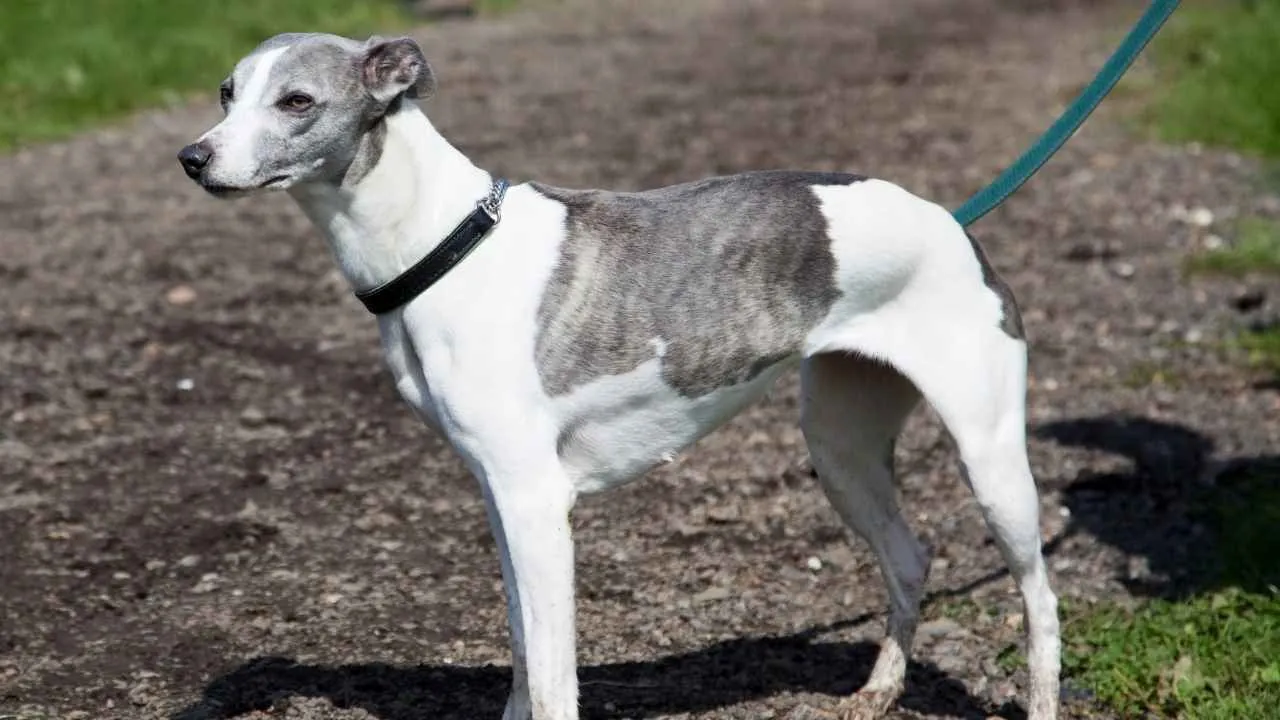
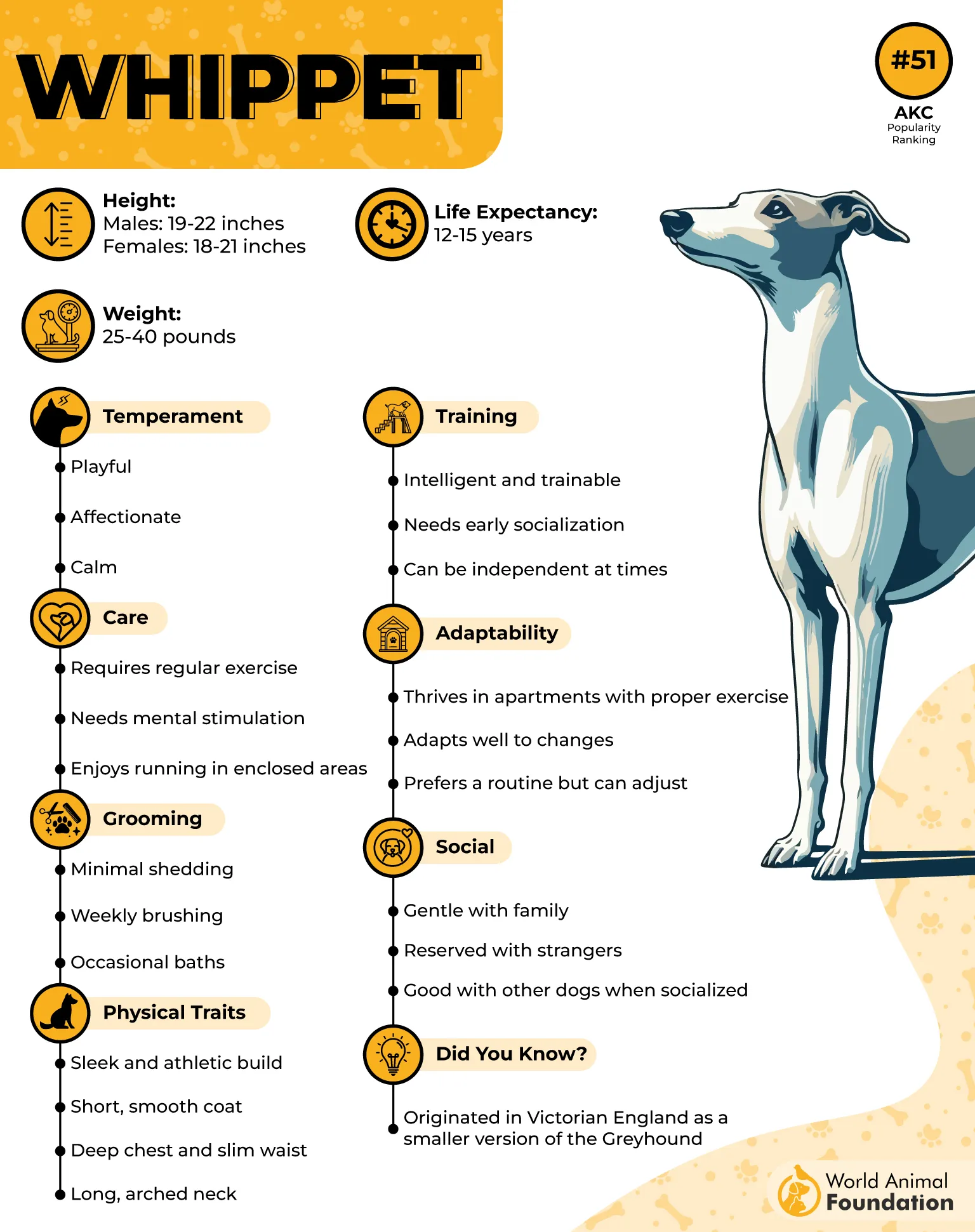
Whippet combines athletic precision with an average lifespan of 12 to 15 years, making this sleek sighthound both enduring and elegant. Known as the “Poor Man’s Racehorse,” this breed delivers bursts of speed followed by long stretches of relaxed companionship, as per the AKC.
Effortless Upkeep
Whippet stands out for their short, smooth coat that requires minimal grooming effort throughout the year. Weekly brushing and the occasional bath usually keep the coat clean and healthy.
Day-to-day care stays refreshingly simple:
Light weekly brushing
Occasional baths
Regular ear checks and nail trims
Adaptable Living
Whippet fits comfortably in both fenced homes and city apartments, provided there is room for controlled running. This breed rarely barks, which adds to its appeal for quieter living spaces. Between energetic sprints, Whippet prefers long hours of rest beside familiar company.
4. Shiba Inu
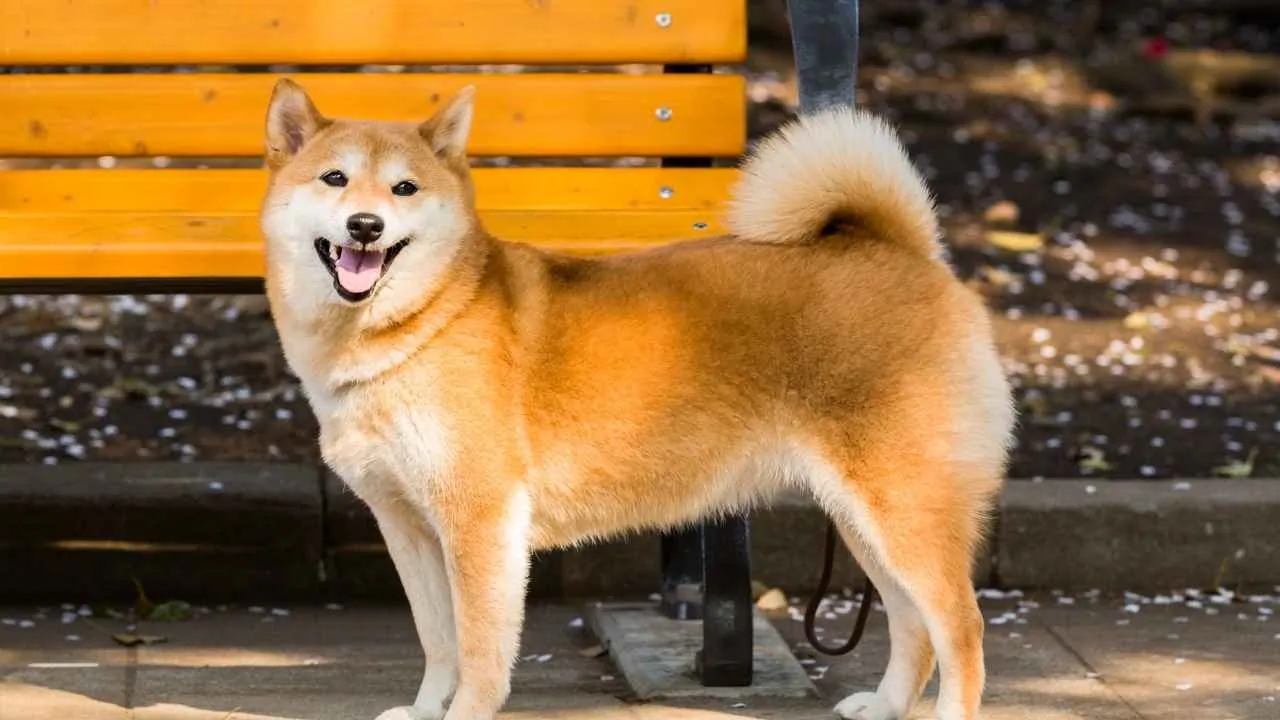
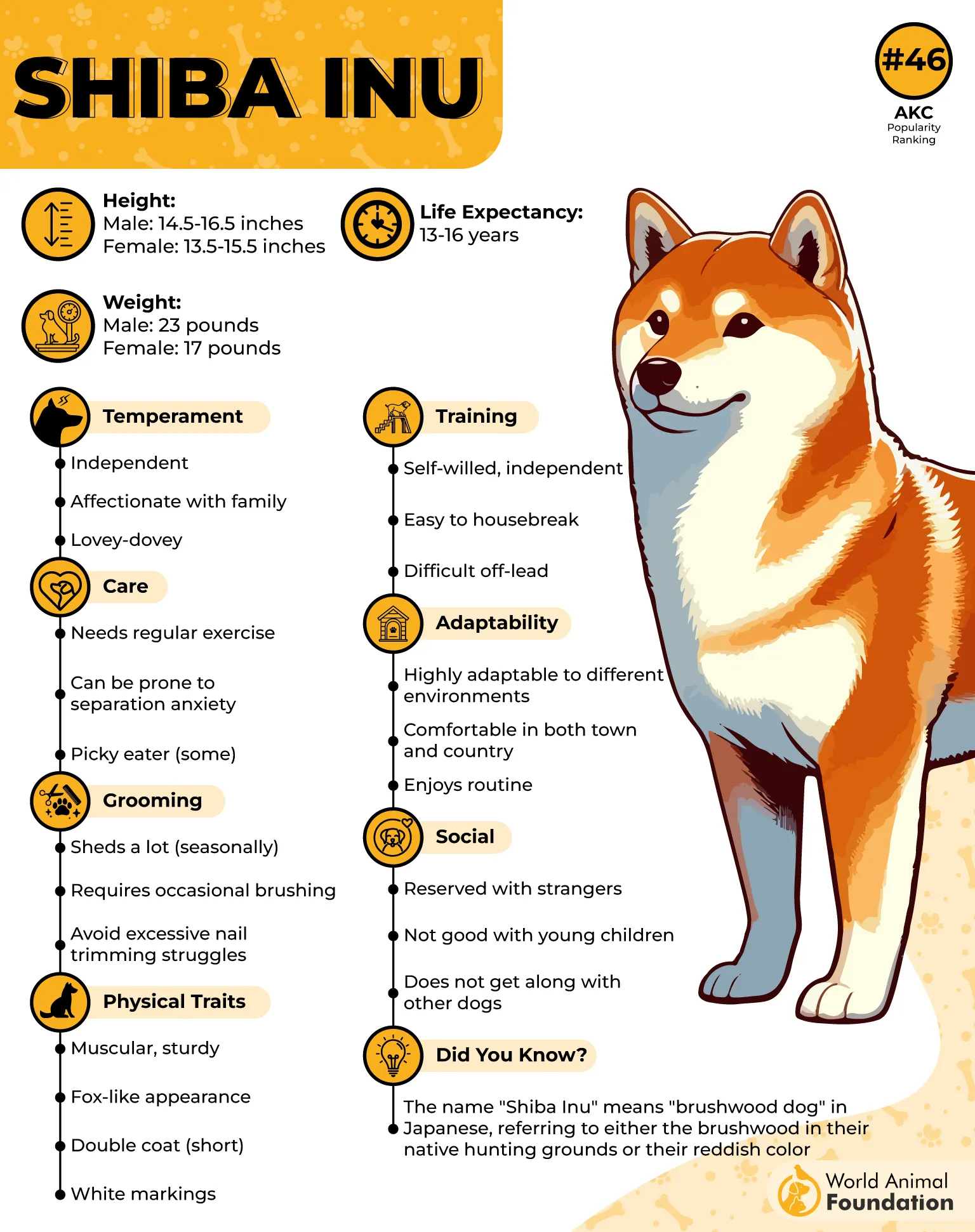
Shiba Inu stands out with an impressive lifespan of 13 to 16 years, placing it among longer-living companion breeds. Originating in Japan, this ancient hunter once tracked birds and small game across rugged terrain. That hardy background contributes to its enduring vitality today.
Coat Structure and Maintenance
This small breed has a dense double coat with a soft underlayer and stiff guard hairs that can reach up to two inches. The curled, thickly furred tail and bold colors such as red, sesame, and black and tan add to its distinct look.
Grooming stays manageable with:
Regular brushing to control seasonal shedding
Routine baths to maintain coat health
Attention during heavy shed cycles
Temperament and Energy
Shiba Inu is intelligent, alert, and often independent, which shapes daily life with this breed. High energy levels require consistent activity to prevent stress-driven behaviors, including the well-known “Shiba scream.” Mental stimulation plays a direct role in maintaining balanced behavior.
5. Greyhound
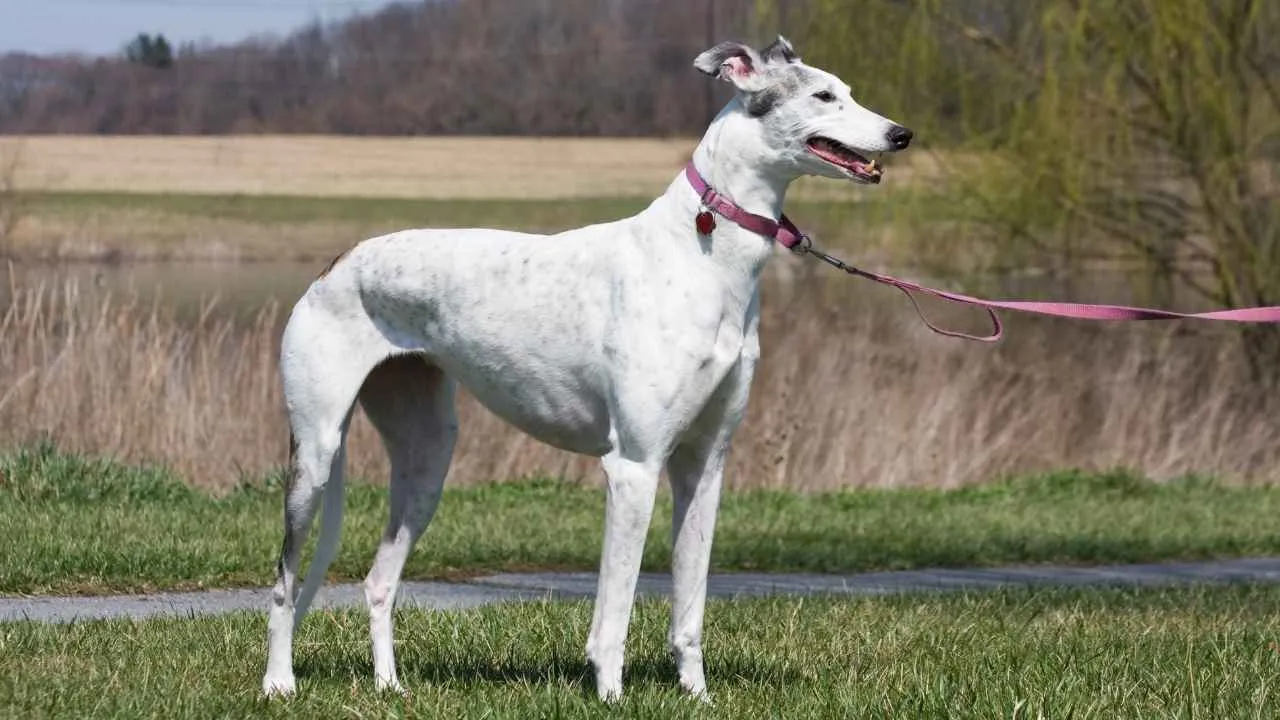
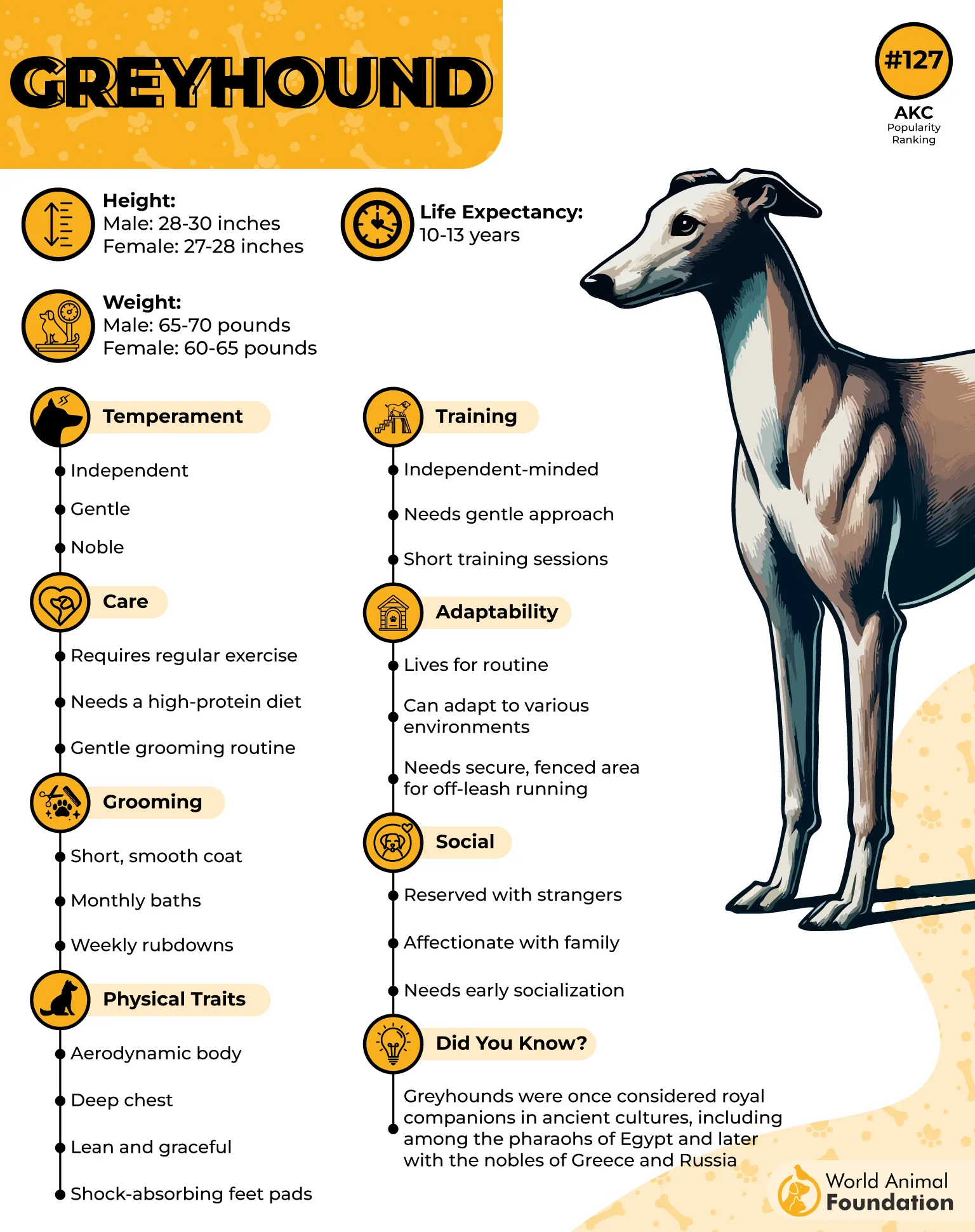
Greyhound combines athletic design with a respectable lifespan of 10 to 13 years, offering both longevity and grace. For centuries, this streamlined hound has fascinated royalty and artists with its sculpted silhouette. Beneath the aerodynamic frame lies a calm, sweet-tempered companion with quiet independence.
Built for Speed, Easy to Maintain
Greyhound’s structure follows a clear purpose, from the narrow skull to the deep chest and tucked waist. That same sleek build makes coat care refreshingly simple.
Grooming essentials of this breed include:
Short, smooth coat that rarely mats
Weekly wipe-down with a hound glove
Occasional baths to maintain shine
Practical Coat Care
Greyhound’s fine coat lies close to the body, leaving little room for dirt to cling. Regular rubdowns keep the skin healthy while enhancing the natural gloss of the fur. There is no heavy undercoat to manage or seasonal trimming to schedule.
6. Rat Terrier
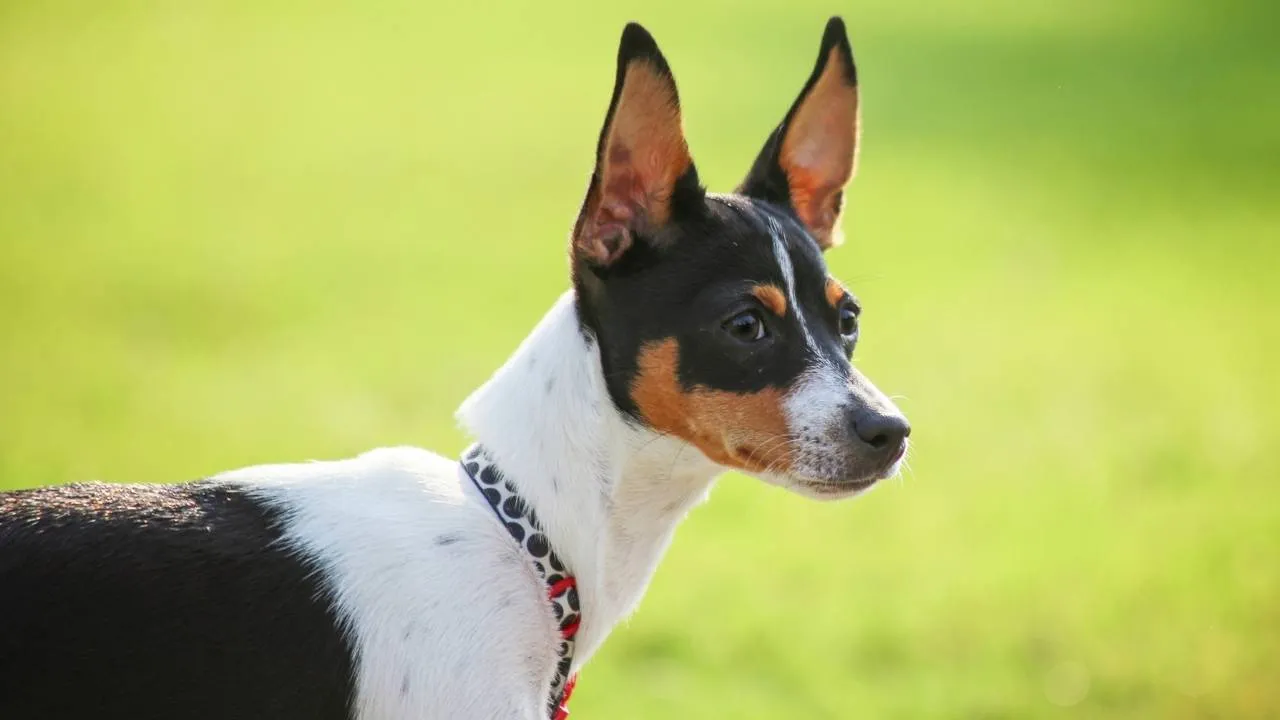
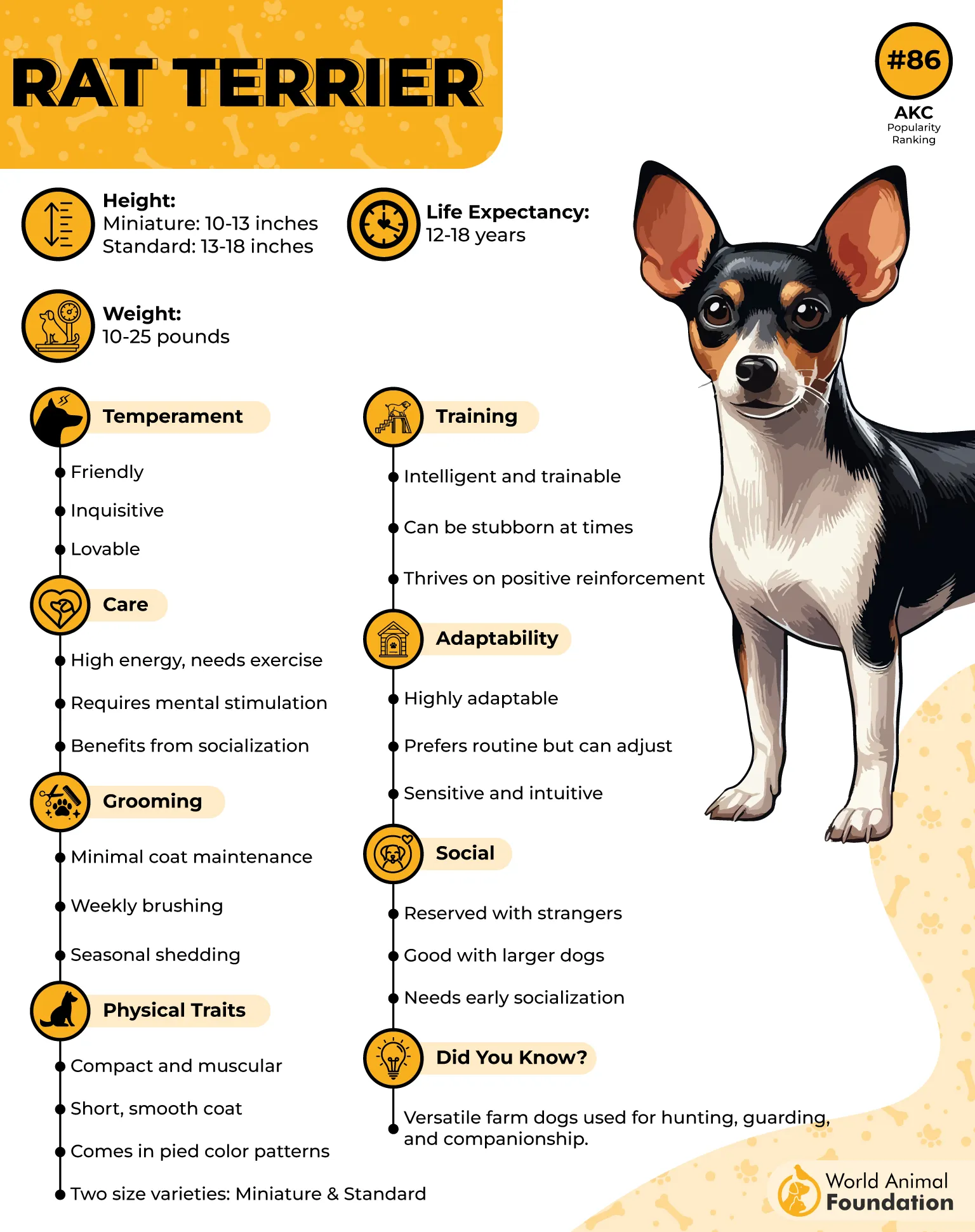
Rat Terrier is a lively, intelligent companion known for a lifespan that often reaches 12 to 18 years. That kind of longevity makes this small hunter a long-term presence in the home. Energy and sharp instincts keep them mentally engaged well into their senior years.
Low-Fuss Coat
This breed has a short, dense coat that keeps grooming simple and manageable. Routine brushing is usually enough to maintain a clean appearance.
Here’s what keeps upkeep realistic:
Short, smooth coat
Mild year-round shedding
Heavier shed in spring and fall
Personality with Staying Power
RT combines tenacity with humor, bringing both drive and entertainment into daily life. Originally bred to hunt rats, they remain quick, alert, and eager to participate in family activities. Their intelligence and activity level often suit experienced households best.
7. Border Terrier
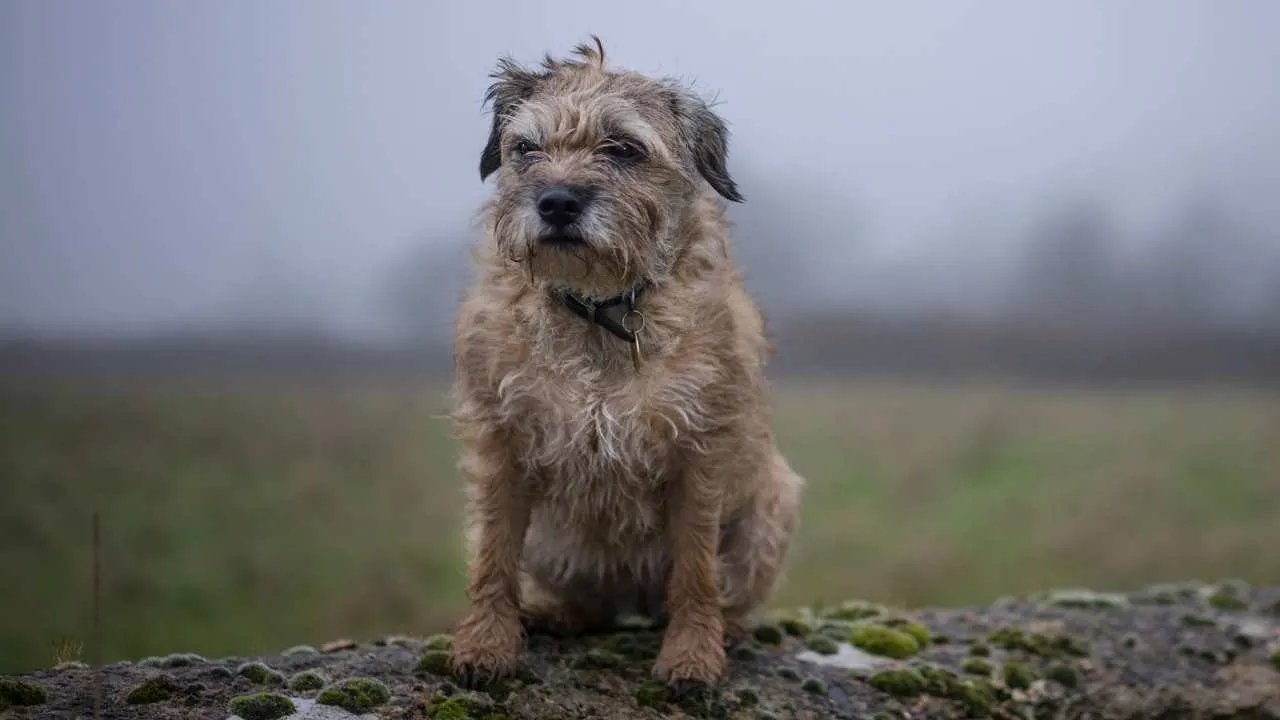
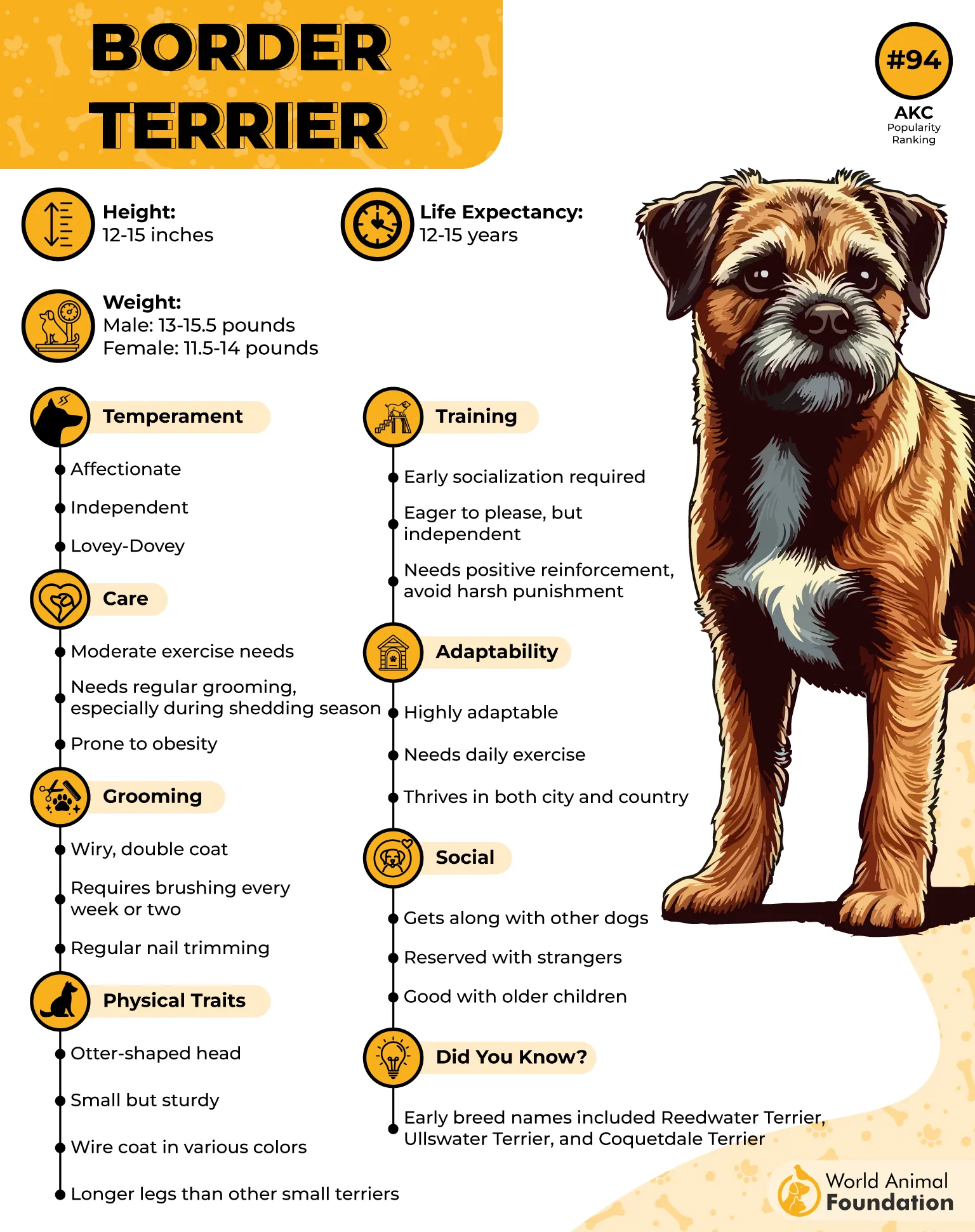
Border Terrier stands out with a life expectancy of 12 to 15 years, offering long-term companionship without fragile upkeep. This tough, no-frills working terrier earned a reputation for durability in the field. At home, that same resilience translates into a steady, affectionate presence.
Low-Fuss Coat
Border Terrier features a dense double coat designed for rough country work while remaining surprisingly manageable. Its wiry outer layer protects, and the softer undercoat insulates.
Grooming stays simple for most of the year:
Weekly light brushing keeps the coat tidy
Seasonal hand-stripping removes dead hair
Naturally weather-resistant texture repels dirt
Distinctive and Practical
Border Terrier is easy to recognize by its “otter head” and slightly longer legs compared to other small terriers. That balanced build supported active outdoor work and still suits an energetic family life. Compact size also makes coat care and handling straightforward.
Conclusion
Choosing a dog with longevity and simple care creates space for a deeper connection over time. While giant breeds and some larger breeds often have shorter averages, these companions show how thoughtful breeding supports a longer dog’s lifespan.
Pet parents who maintain a balanced diet, healthy weight, and regular exercise and mental stimulation often see that their dog’s lifespan reaches its full potential. Consistent grooming keeps upkeep realistic without overwhelming busy routines.
For pet parents seeking practicality and affection, these breeds stand out as great family pets. Years shared with steady health become the quiet reward of wise selection.
