




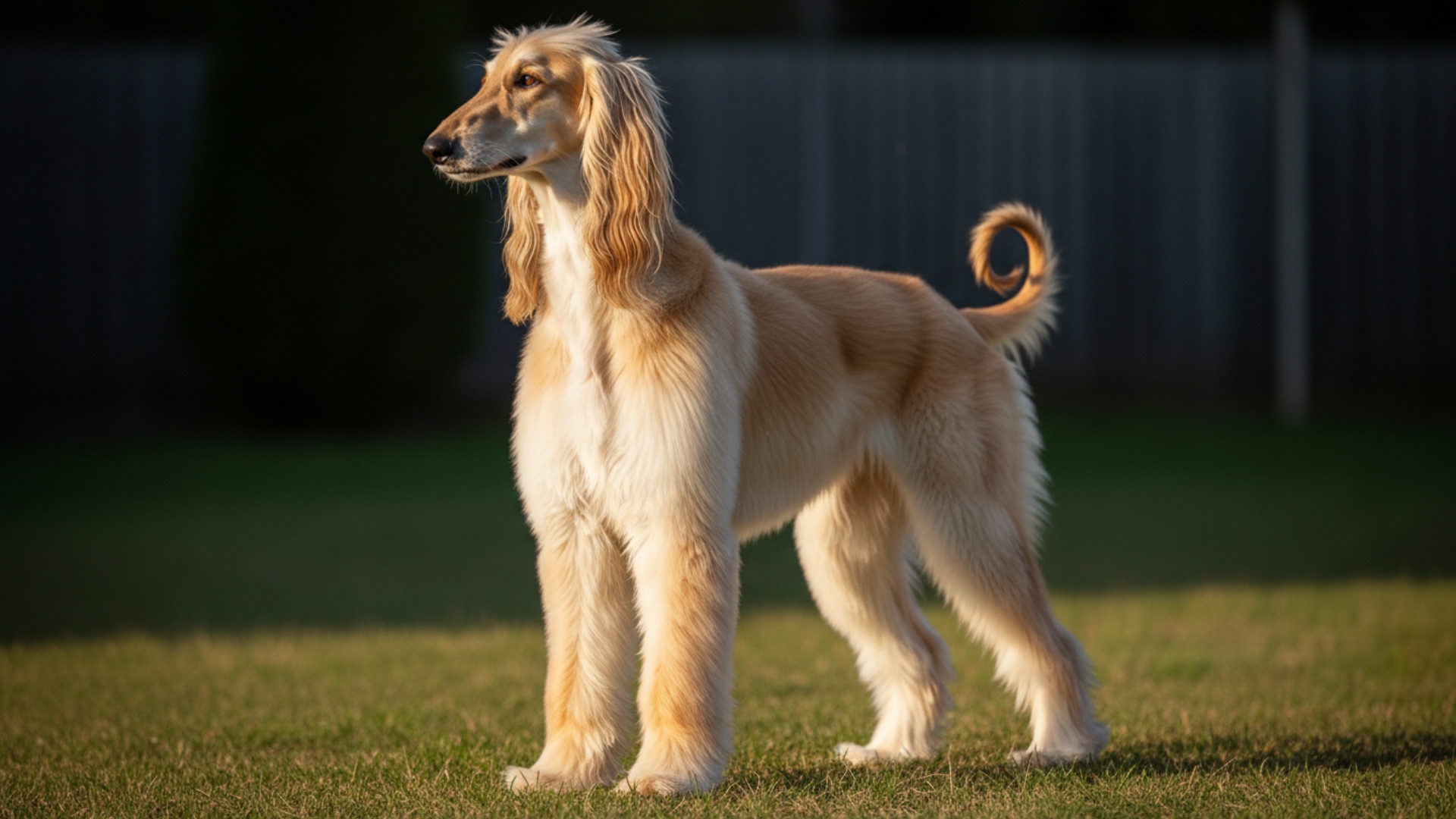
From curly tails to short legs, every dog feature has its charm—but there’s something especially captivating about a long, elegant snout. Dogs seem to sense the crinkle of a snack wrapper from a mile away or know we’re at the door before we even knock.
Long-snouted dogs, or brachycephalic breeds, stand in striking contrast to flat-faced brachycephalic dogs. Many were developed for hunting and tracking, where an elongated muzzle was thought to support scent work.
Whether bred for the chase or companionship, these streamlined canines combine dignity with devotion. Their distinctive profiles reflect generations of intentional breeding—resulting in loyal partners as unique as their noses.
Dog Breeds Characterized By Their Pronounced Snout Types
Long-snouted, brachycephalic dogs prove that sometimes, the nose truly knows.
1. Afghan Hound
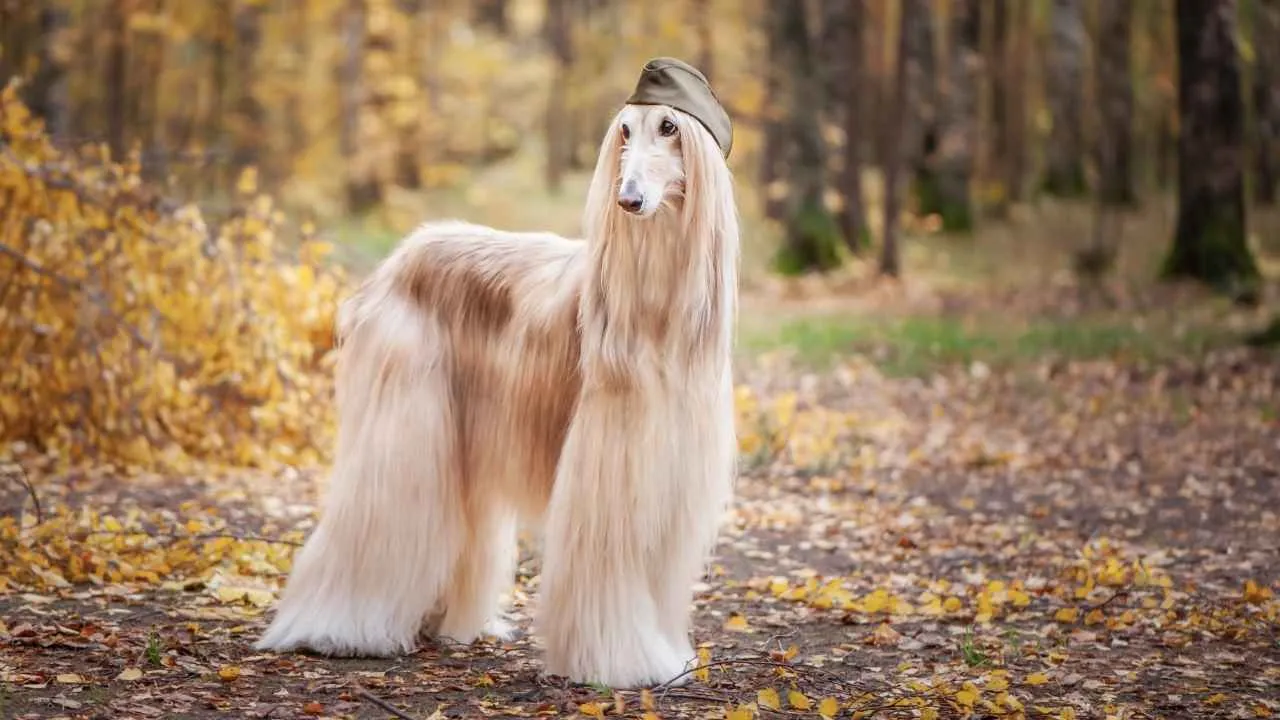
The Afghan Hound is often regarded as one of the oldest dog breeds, with roots tracing back thousands of years to the mountainous regions of Afghanistan and neighboring lands. The breed reached the West in the late 1800s and was officially recognized by the American Kennel Club in 1927.
Grace with a Mind of Its Own
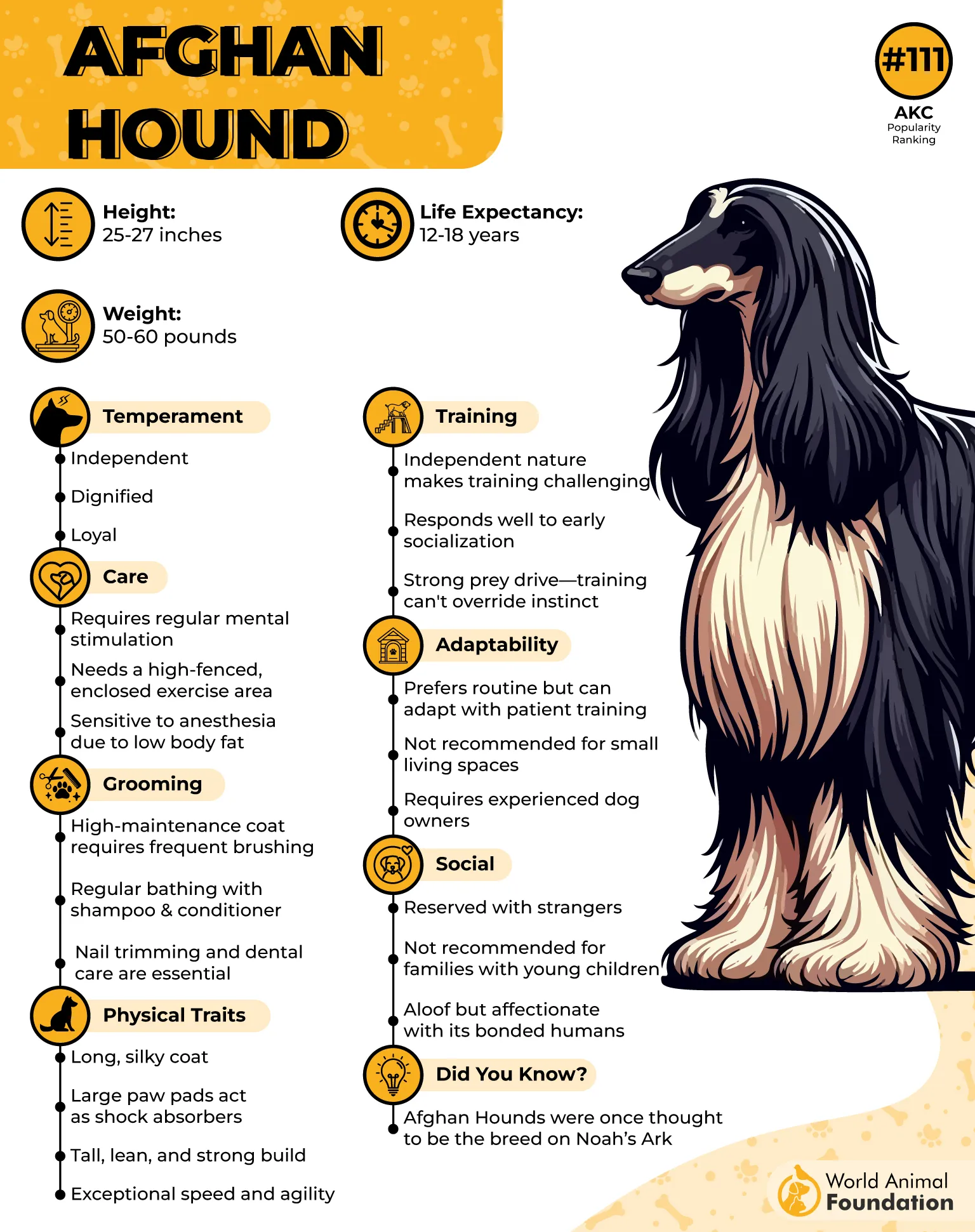
Aloof yet deeply loyal, the Afghan Hound carries itself with unmistakable dignity. While reserved with strangers, these dogs form powerful bonds with their families and often reveal a playful, even silly side at home. Calm and observant, they prefer to engage on their own terms rather than demand constant attention.
Training the Independent Aristocrat
Consistency and patience are key when training an Afghan Hound. Their intelligence is undeniable, but their independent streak requires gentle, positive reinforcement and early socialization. With a strong prey drive, they must always be leashed or kept within a tall, secure fence.
The Signature Snout: Why the Afghan’s Profile Stands Out
Elongated muzzle enhances panoramic vision typical of sighthounds
Streamlined skull structure supports aerodynamic speed
Deep jaw design aids in gripping swift prey
Balanced head proportions contribute to refined, aristocratic expression
Selective breeding for hunting in open terrain favored a longer facial structure
2. Bloodhound
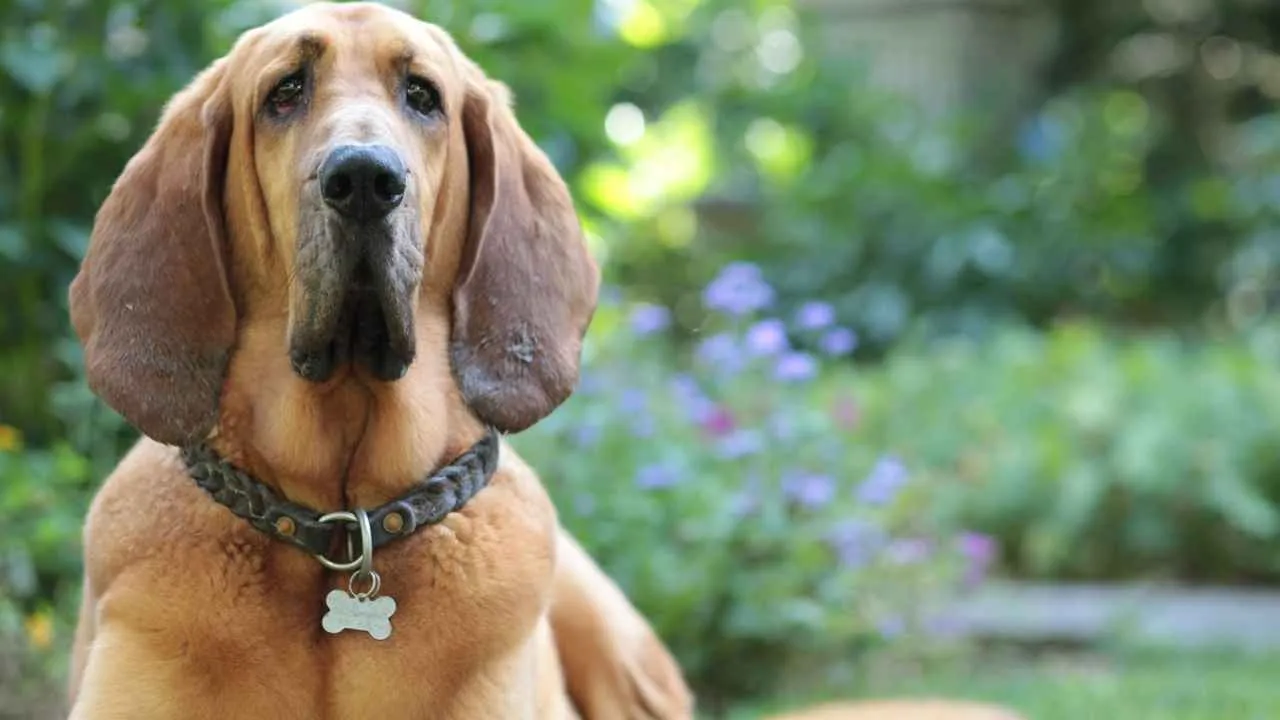
The Bloodhound is among the oldest dogs, with roots stretching back to ancient Greece and Rome. Refined in the Middle Ages by monks at Saint Hubert Monastery in Belgium, these dogs were bred in honor of St. Hubert, patron saint of hunters.
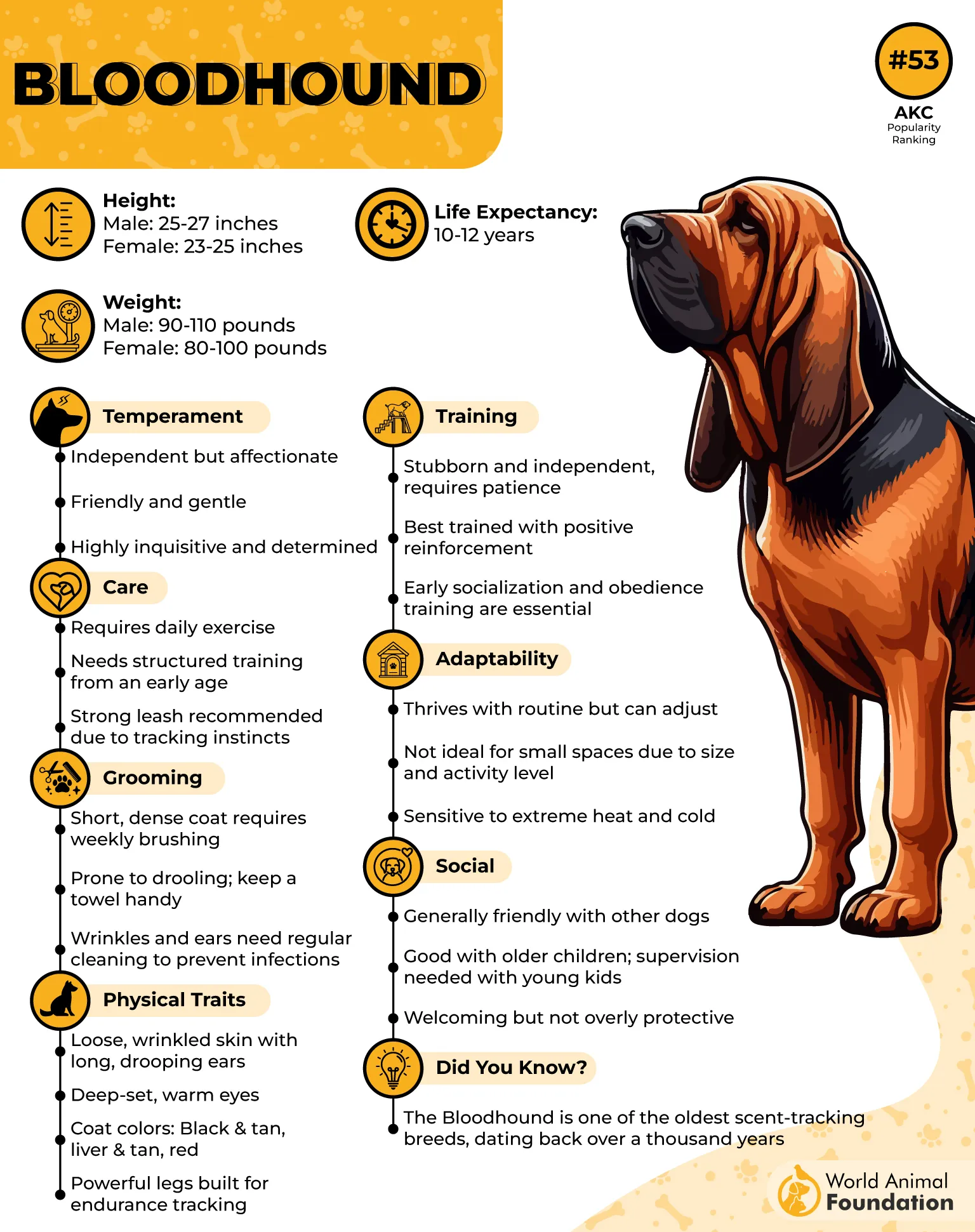
The Gentle Sleuth with a Stubborn Streak
Calm, affectionate, and famously tolerant with children, the Bloodhound carries a noble, almost mournful expression. Yet beneath that droopy exterior lies fierce determination and independence. Once a scent captures their attention, distraction becomes nearly impossible.
Training a Nose That Never Quits
Training requires patience and consistency, as Bloodhounds mature slowly and prefer following scents over commands. Daily exercise is essential, always on leash or within secure fencing due to their relentless trailing instinct.
The Science Behind the Legendary Snout
Possesses around 230 million scent receptors, vastly surpassing humans
A long muzzle increases surface area for scent detection
Loose facial folds help trap and hold odor particles
Long ears sweep ground scents upward toward the nose
Selective breeding prioritized endurance and scent precision
3. Borzoi
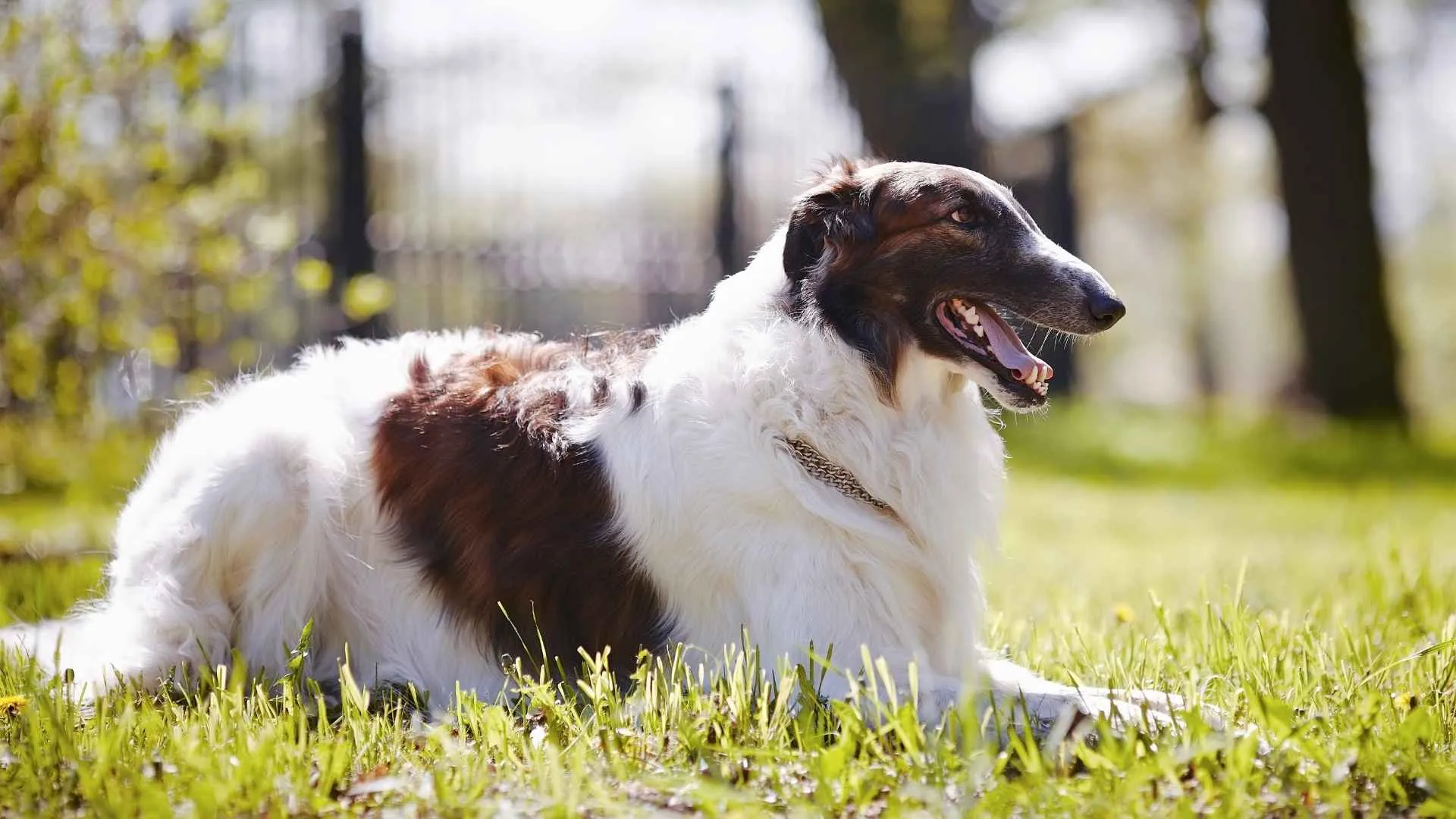
The Borzoi, once known as the Russian Wolfhound, was refined in 17th-century Russia to pursue wolves across vast estates, as per Purina. Bred by aristocrats, these swift hounds combined Arabian greyhounds with thick-coated Russian dogs to create a hunter of speed and stamina.
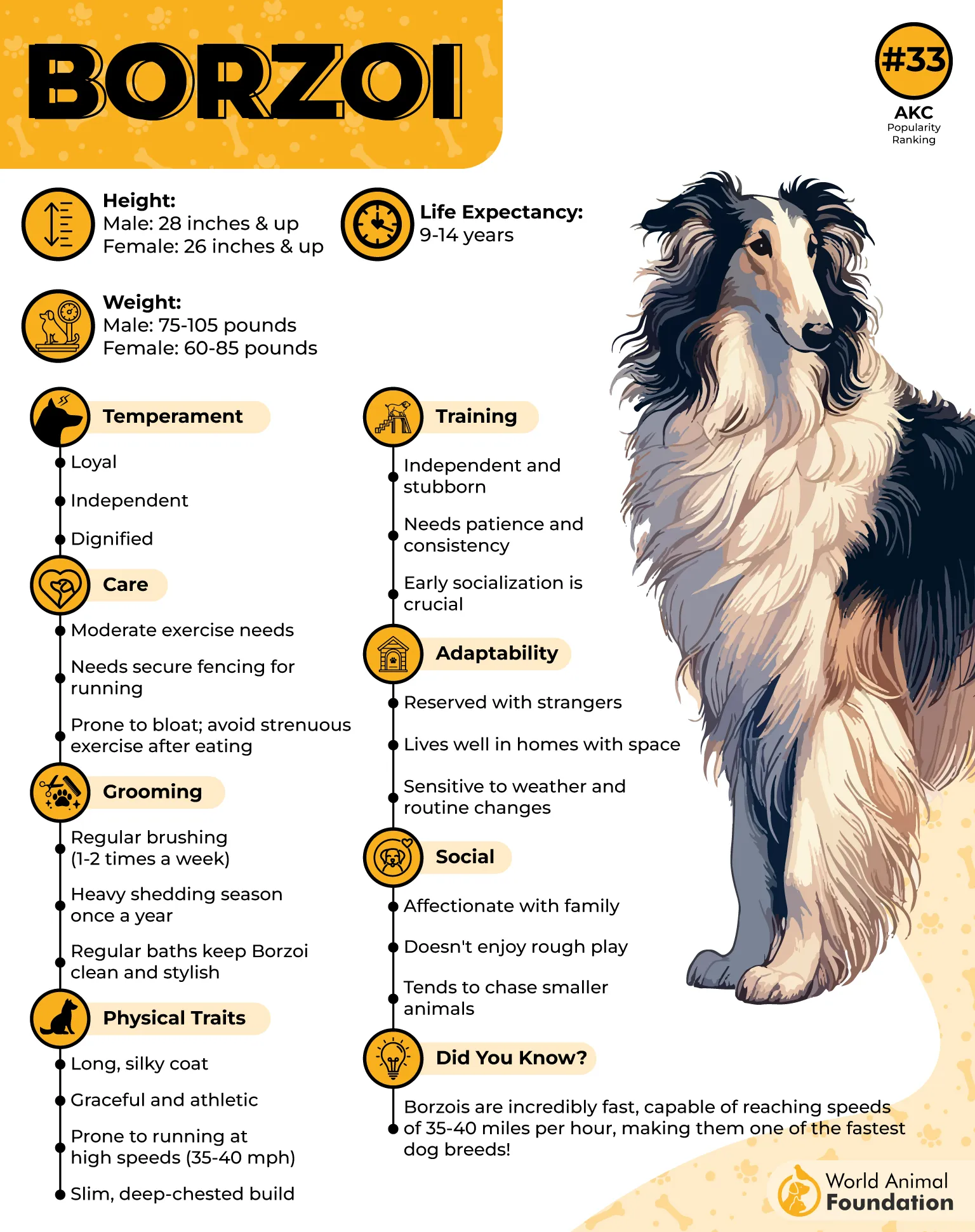
A Velvet Temperament with Quiet Pride
Inside the home, Borzois are calm, gentle, and surprisingly unobtrusive for their size. They form deep bonds with family yet remain reserved with strangers, carrying themselves with dignified composure. Though affectionate, they are not prone to rough play and often display a catlike independence.
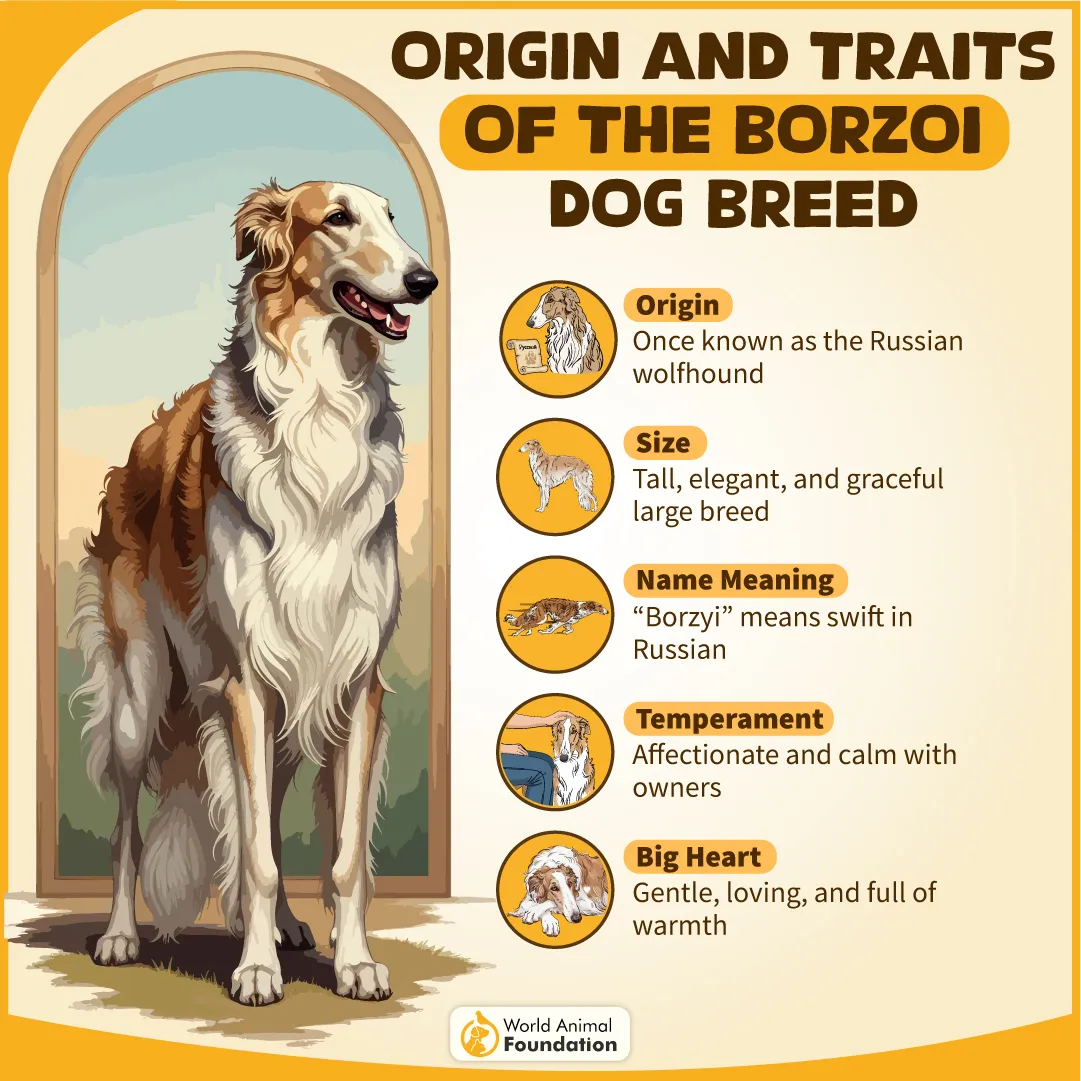
Training Grace in Motion
Patient, positive training works best for this intelligent but independent breed. Harsh corrections can bruise their sensitive nature, while repetitive drills quickly bore them. A fenced yard and leash control are crucial, as their instinct to chase can override even the strongest recall.
The Anatomy of an Aristocratic Snout
Long, narrow muzzle enhances forward vision for spotting distant prey
Streamlined head supports aerodynamic speed up to 40 mph
Deep jaw structure aids in gripping formidable quarry
Selective breeding favored elongated facial proportions for coursing
Balanced skull and muzzle create the breed’s signature refined profile
4. Doberman Pinscher
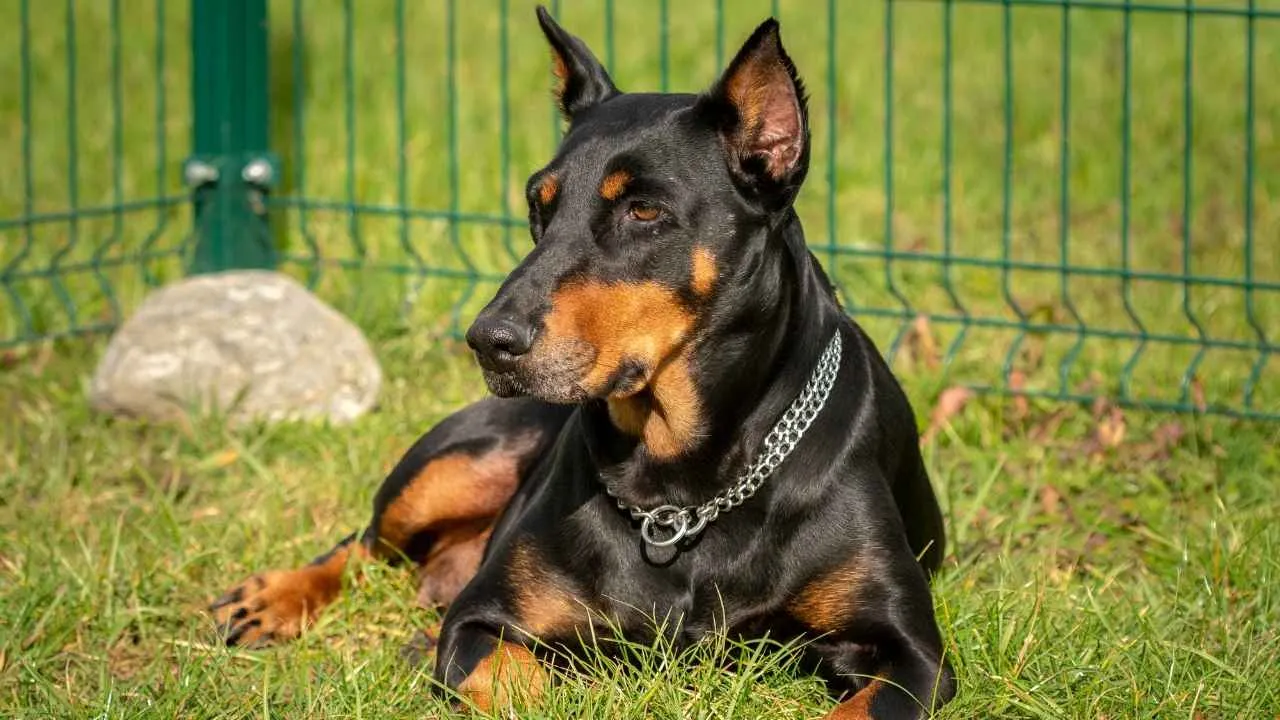
The Doberman Pinscher was developed in late 19th-century Germany by tax collector Karl Friedrich Louis Dobermann, who sought a fearless yet loyal dog. Blending strength, speed, and intelligence, the breed quickly gained recognition as a dependable guardian.
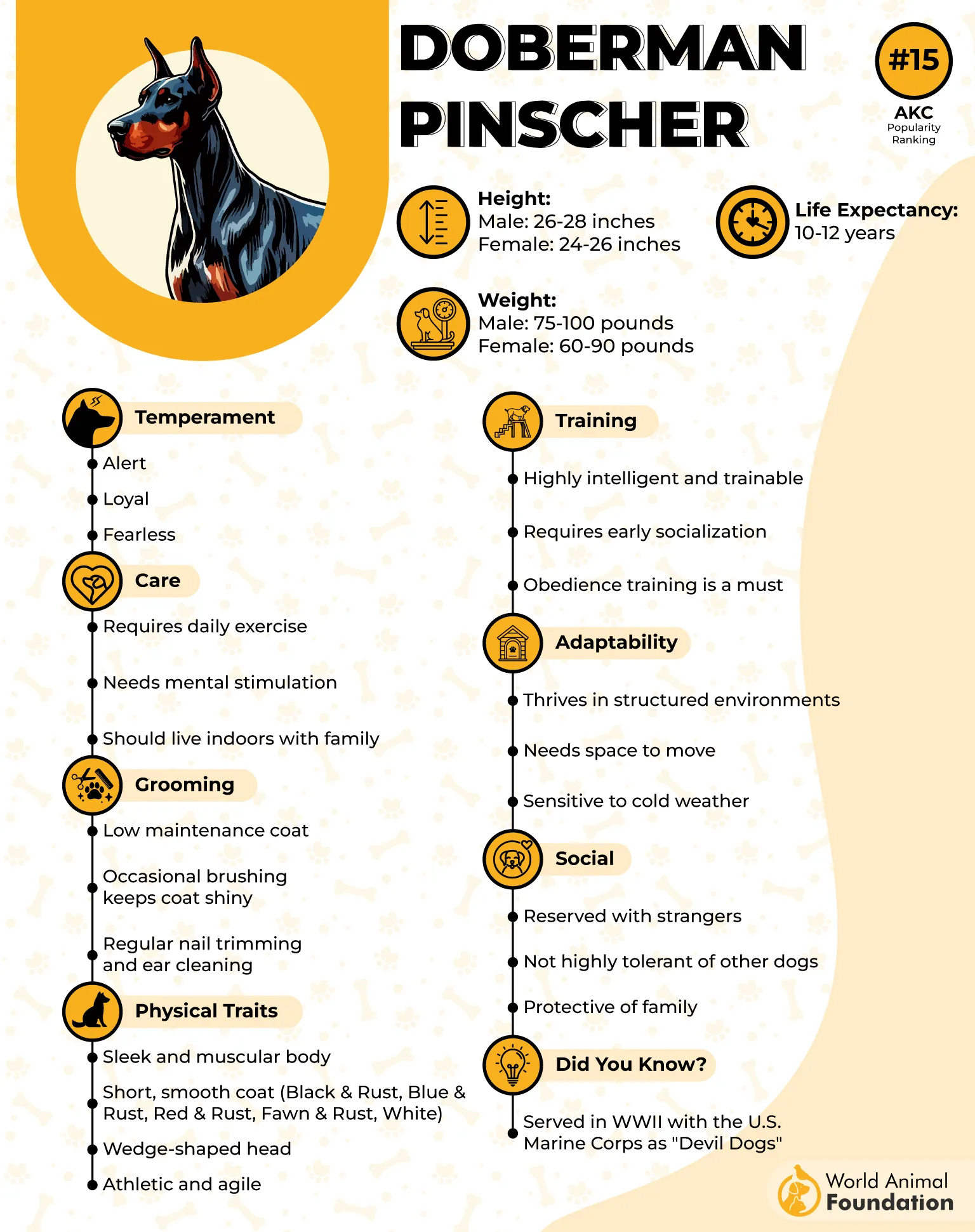
Courage Wrapped in Devotion
Despite an often-misunderstood reputation, the Doberman is affectionate, playful, and deeply loyal to family. Naturally alert and confident, they make exceptional watchdogs without being unnecessarily aggressive. Their sleek, muscular build and proud carriage give them a commanding yet elegant presence.
Training Brilliance with Purpose
Highly intelligent and energetic, Dobermans thrive on structured training and daily physical challenges. Long walks, runs, hikes, and advanced obedience sessions keep both body and mind sharp. Because they are strong-willed and quick learners, engaging and varied sessions prevent boredom.
The Defined Muzzle: Power Behind the Profile
Long, tapered snout supports a strong, balanced bite
Streamlined head enhances alert expression and focus
Jaw strength is developed for protection and working roles
Selective breeding favored a refined yet powerful facial structure
Elongated muzzle complements the breed’s sleek, aerodynamic build
5. Whippet
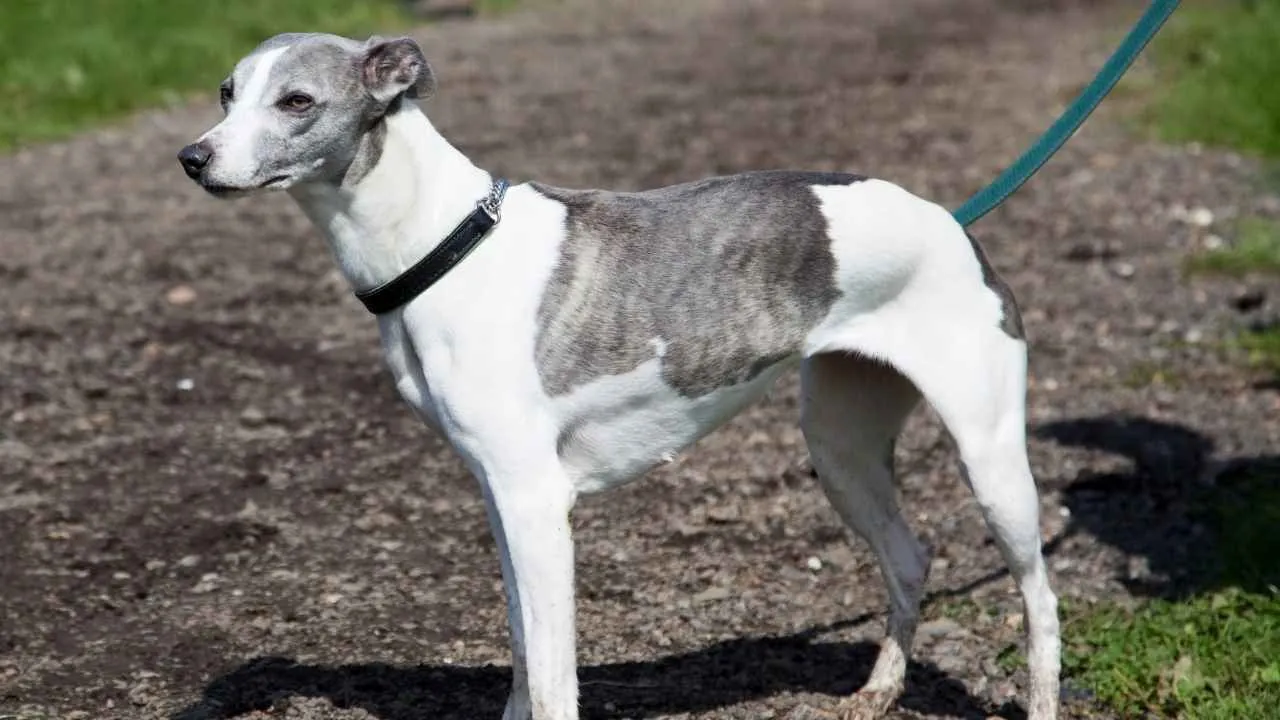
The Whippet traces its roots to Victorian England, where coal miners sought a smaller, affordable racing dog modeled after the Greyhound. Nicknamed the “Poor Man’s Racehorse,” this compact sprinter dazzled crowds with speeds up to 35 mph, as per PDSA.
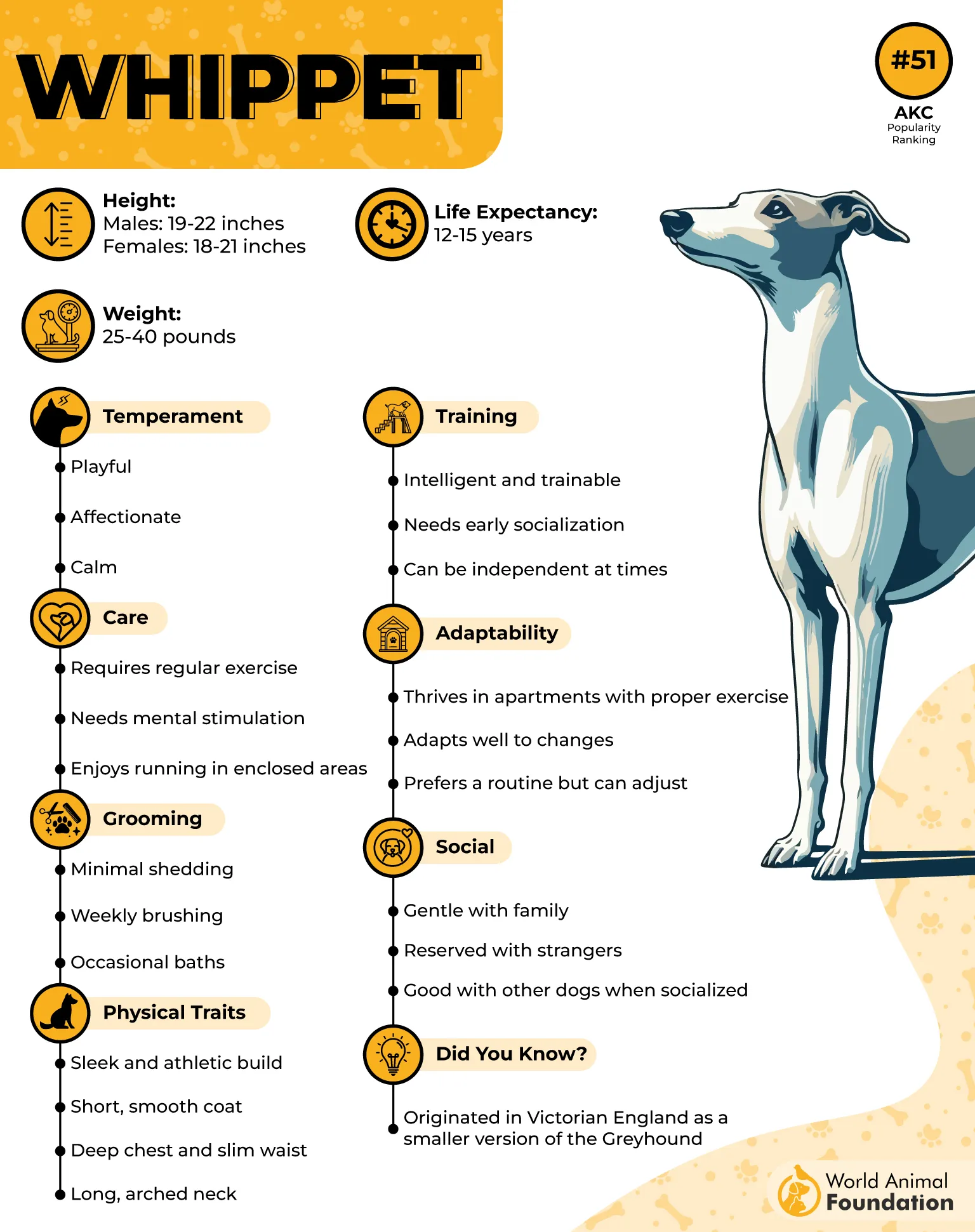
Lightning Speed, Gentle Heart
Whippets combine athletic brilliance with a tender, affectionate spirit. Though capable of explosive bursts of speed, they are calm and quiet indoors, often content to lounge for hours beside their humans. Sensitive and sweet-natured, they thrive in peaceful homes and bond closely with family.
Training the Graceful Sprinter
Intelligent and eager, Whippets respond beautifully to positive reinforcement and early socialization. They enjoy short sprints, lure coursing, and mentally engaging activities rather than endless endurance work. Gentle guidance builds confidence in this sometimes sensitive breed.
The Streamlined Snout: Built for Speed
Long, lean muzzle enhances forward vision while sprinting
A narrow head reduces air resistance during high-speed chases
Jaw structure supports gripping small, fast prey
Elongated facial profile reflects classic sighthound design
Selective breeding favored aerodynamic efficiency over bulk
6. Pug
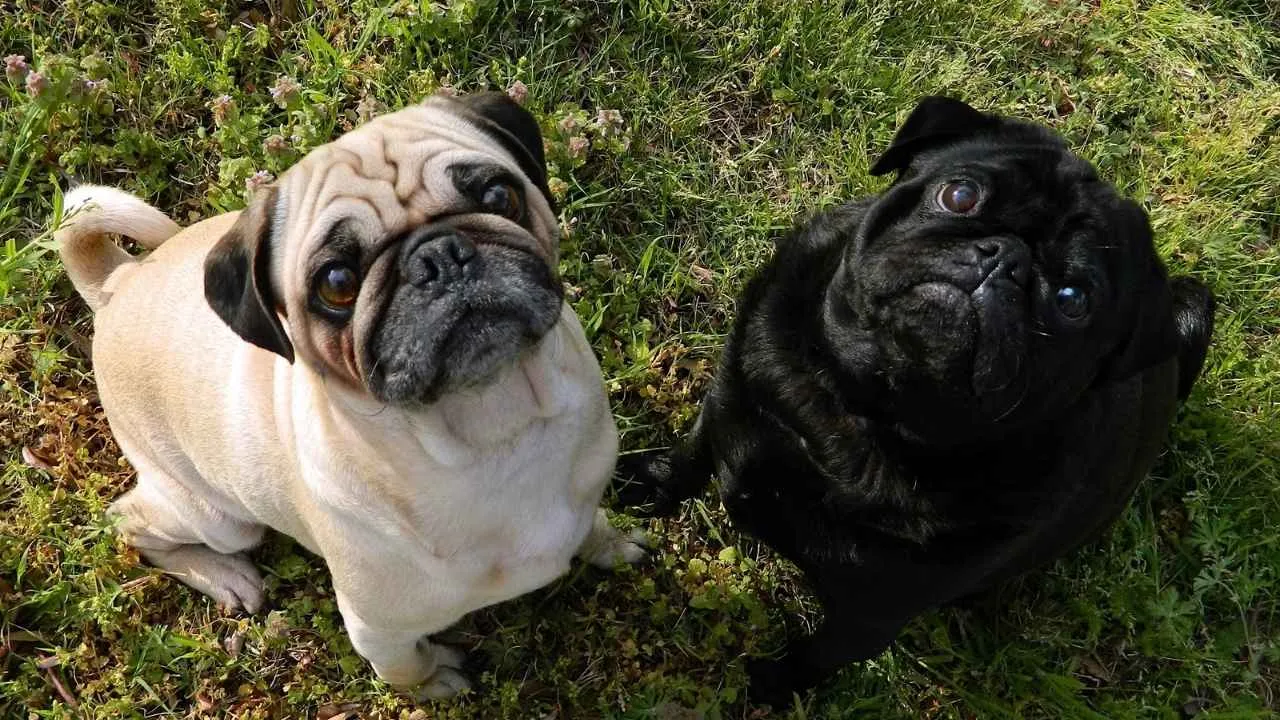
The Pug likely originated in ancient China before traveling to England in the 17th century with Dutch traders. Bred as cherished canine companions rather than hunters, Pugs quickly won hearts with their compact bodies, curled tails, and expressive dark eyes.

Big Personality in a Small Package
Playful, affectionate, and delightfully comedic, Pugs thrive on human company and dislike being left alone for long periods, as per Britannica. Though confident and alert, they are not natural guard dogs, preferring companionship over confrontation.
Gentle Guidance and Mindful Care
Pugs respond best to consistent, reward-based training begun early in life. Moderate daily exercise—short walks and engaging play sessions—helps prevent weight gain, which can worsen breathing difficulties. Regular grooming, wrinkle cleaning, and veterinary checkups are essential to keep them healthy and comfortable.
The Flat-Faced Factor: Why the Pug’s Snout Stands Out
An extremely short muzzle defines a brachycephalic structure
Compressed nasal passages contribute to breathing challenges
Prominent eyes and a rounded skull accentuate facial flatness
Selective breeding prioritized appearance over muzzle length
Facial folds require careful hygiene to prevent infection
7. Boxer
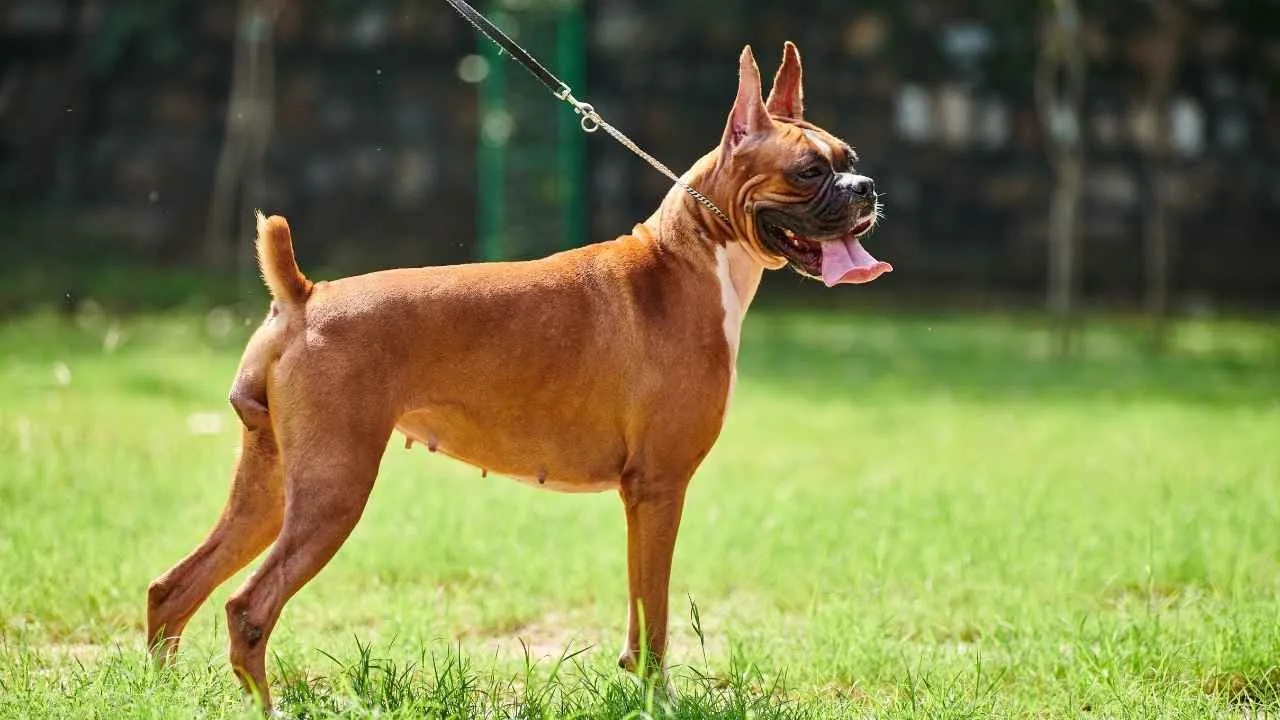
Boxers trace their roots to Germany in the late 1800s, descended from the powerful Bullenbeisser, a formidable big-game hunting dog, and refined with English mastiff-type breeds. Originally bred to tackle wild boars and bulls, Boxers quickly became versatile working dogs—excelling as farm helpers, police dogs, war dogs, and even guide dogs.
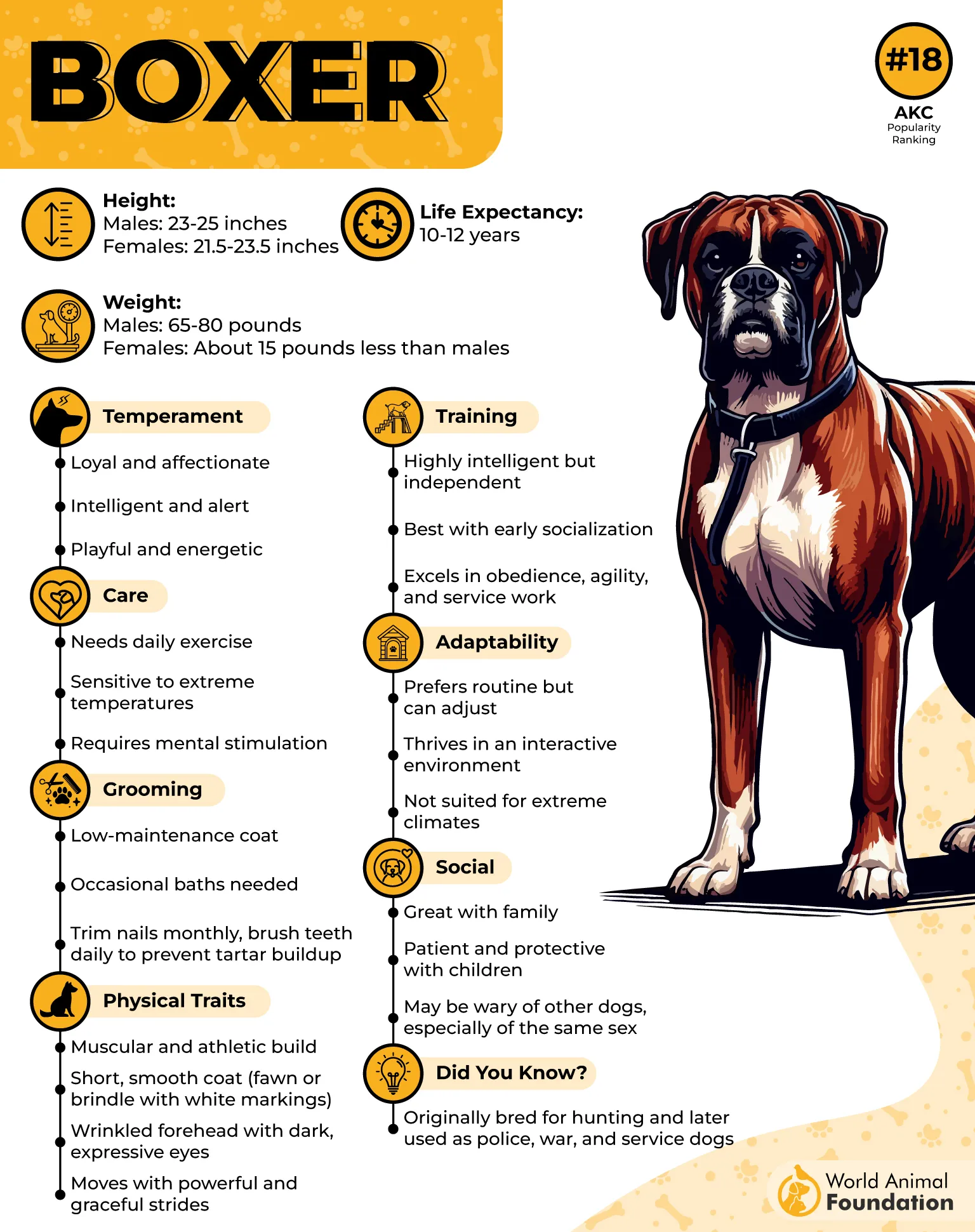
Playful Guardians and Family Companions
Despite their intimidating strength, Boxers are famously affectionate and playful, forming deep bonds with their families, particularly children. Their alert eyes, expressive forehead wrinkles, and exuberant personalities make them both watchful guardians and mischievous companions.
Training and Care for a Dynamic Breed
Boxers are intelligent, strong-willed, and energetic, requiring consistent training and socialization from a young age. Their short coat is low-maintenance, but regular brushing, occasional baths, and routine nail and dental care keep them healthy.
Why Boxers’ Snouts Are So Distinctive
Their short, broad snouts help absorb impact when biting or holding.
The pronounced muzzle supports strong jaw muscles.
Facial wrinkles around the snout enhance expression.
The snout’s structure allows efficient breathing during high-energy activities.
It provides a balanced facial profile that complements their muscular, athletic frame.
Conclusion
No matter the shape or size, every dog has a unique charm, and long noses are no exception. These elongated snouts aren’t just for show—they’re incredible tools for sniffing out treats, tracking scents, and reading their surroundings. With a little care and attention, long-nosed dogs can become loyal, clever, and endlessly entertaining companions.
Their streamlined faces often reflect a history of work, racing, or hunting, yet they thrive in loving homes just as much as in the field. Beyond their remarkable olfactory abilities, these dogs bring personality, energy, and affection into everyday life. A long snout might help them find a hidden toy, but it’s their heart that truly makes them unforgettable.
While shorter-snouted dogs face their own unique challenges, long-nosed breeds benefit from both functionality and elegance. By understanding their needs for exercise, training, and mental stimulation, pet parents can ensure a happy and healthy life. So grab a leash, some treats, and a sense of adventure—these pups are ready to show you just how extraordinary a long nose can be.
