




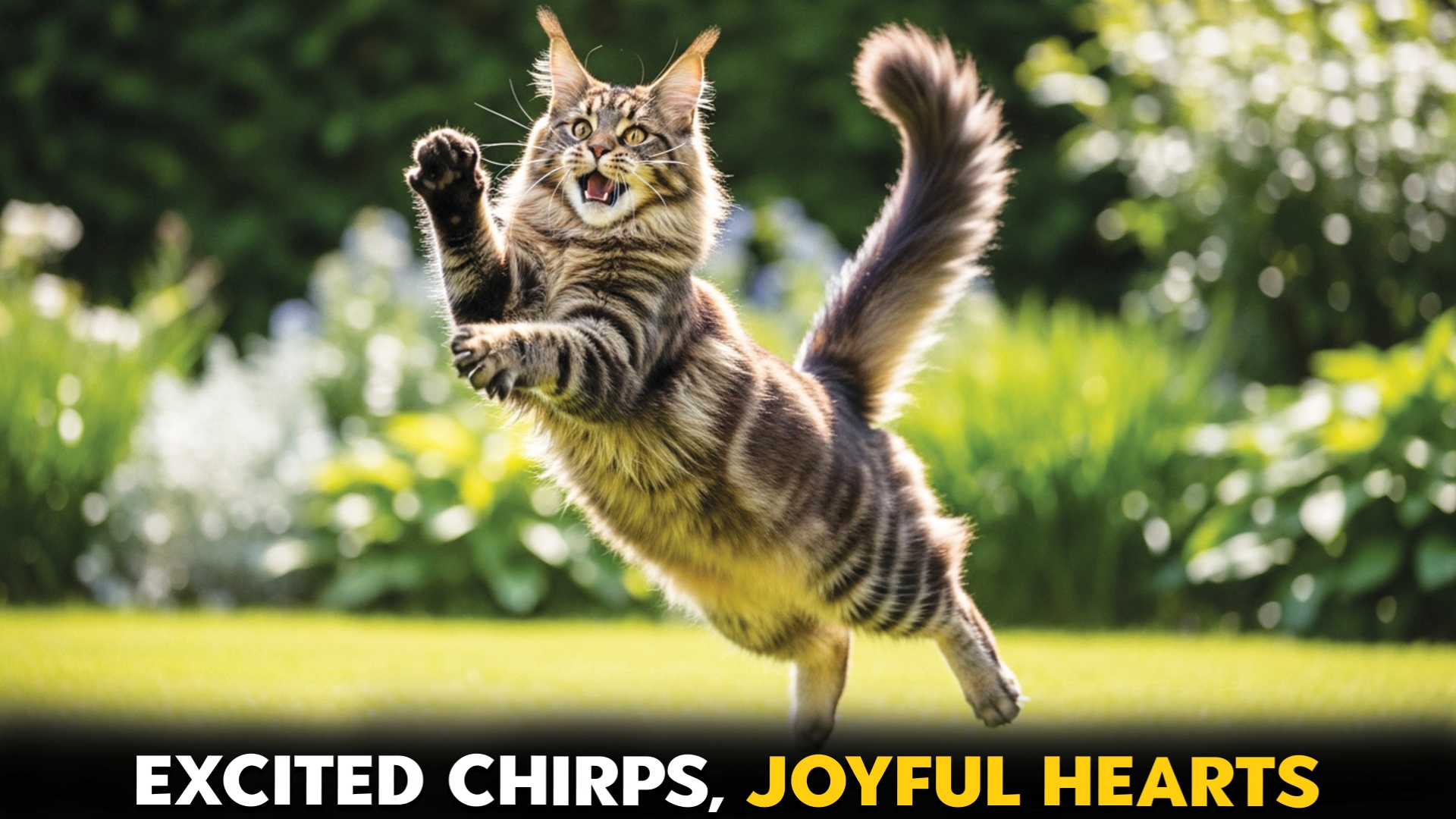
Cats may be famous for soft purrs and subtle meows, but chirping is one of their most fascinating and expressive sounds. This short, trilling noise often bursts out when a cat is excited, focused, or watching something it can’t quite reach.
Experts believe chirps are tied to hunting instincts and social behavior. In the wild, similar sounds help cats express anticipation or excitement, especially when observing prey. In domestic life, chirping may appear during playtime, when greeting owners, or when watching birds through a window. It’s a unique blend of instinct and learned behavior.
Not all cats are equally vocal, though. Genetics, personality, and breed traits play a major role in how often a cat chirps. Some breeds are naturally more communicative, using chirps alongside meows, trills, and chatter to interact with their humans. These expressive cats tend to form strong bonds and love being heard.
Cat Breeds That Chirp When Excited
1. Siamese
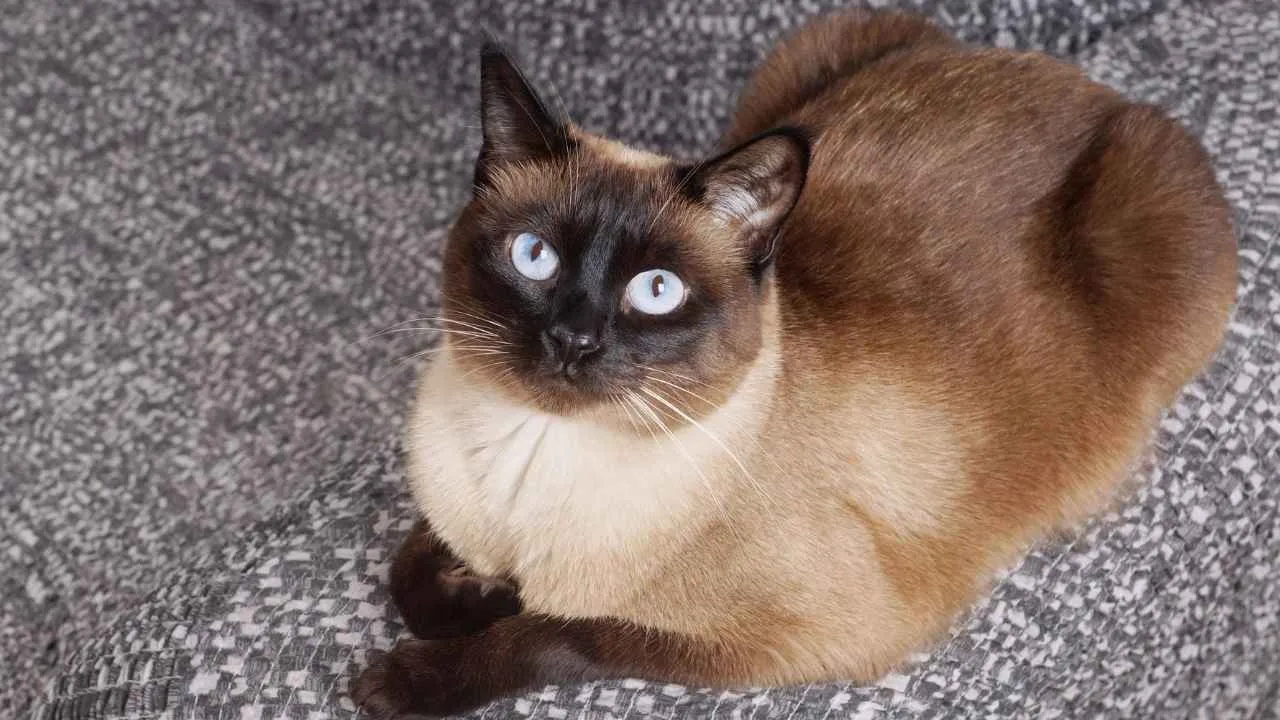
The Siamese cat, originating in Thailand, is one of the oldest and most recognizable purebred felines, admired for its sleek build, striking blue eyes, and people-focused nature.
According to Britannica, the Siamese is a sleek, long-bodied cat with slender legs and a long, slim tail. Often associated with elegance and intensity, this breed quickly stands out for its expressive voice and animated communication style.
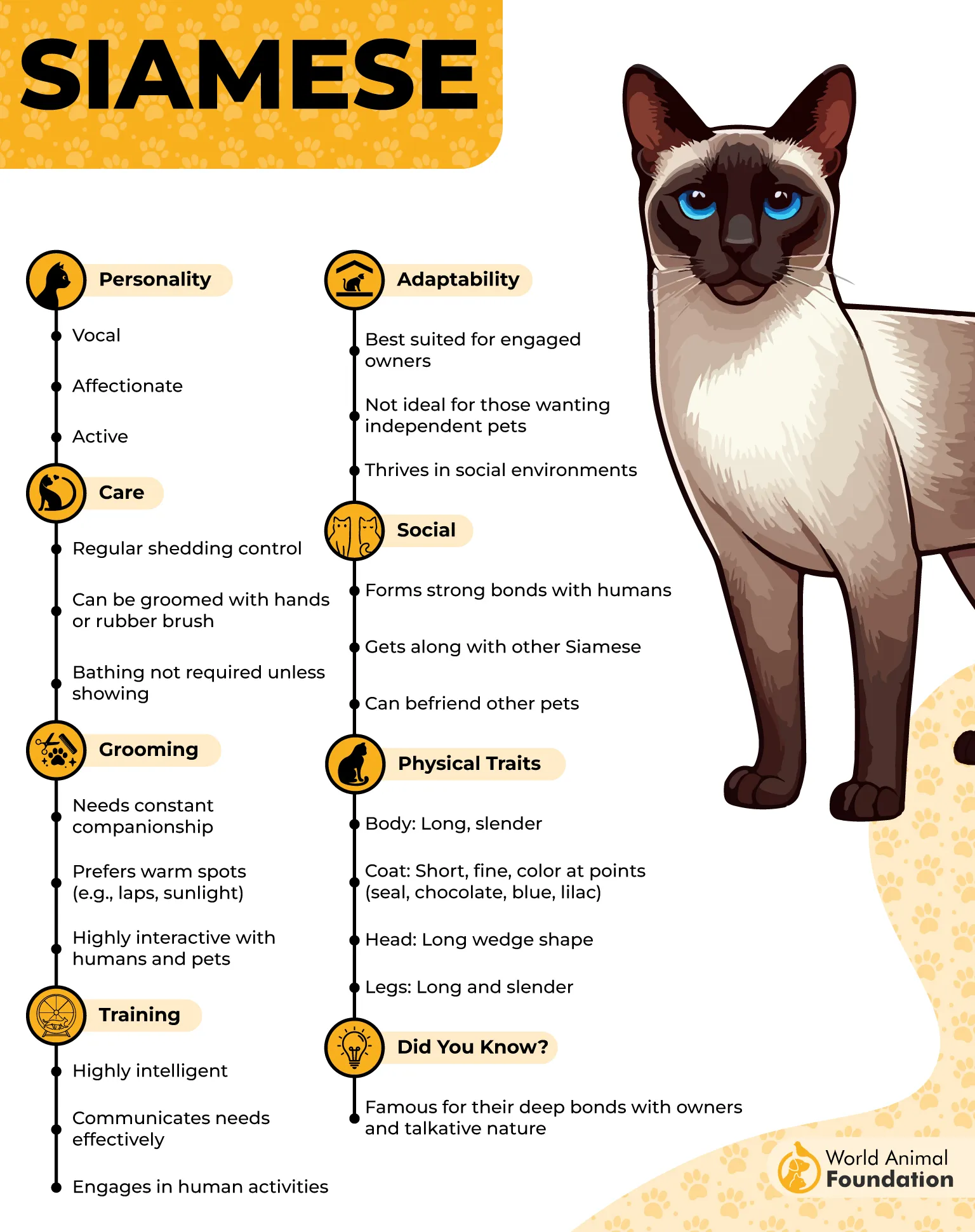
Siamese is famous for more than loud meows. When excited or stimulated, they frequently chirp and trill, especially during play, window watching, or moments of anticipation, using sound as a way to stay engaged with their surroundings.
Their vocal behavior is closely tied to their social personality. Siamese cats form deep bonds with their humans and dislike being ignored, often responding to conversation with chirps, yowls, or chatter that feels almost conversational and emotionally charged.
Highly intelligent and affectionate, they thrive on interaction and mental stimulation, happily following family members around the house to stay involved.
Fun fact: Siamese cats are widely considered the most vocal cat breed, known for communicating through meows, yowls, chirps, and trills.
2. Burmese
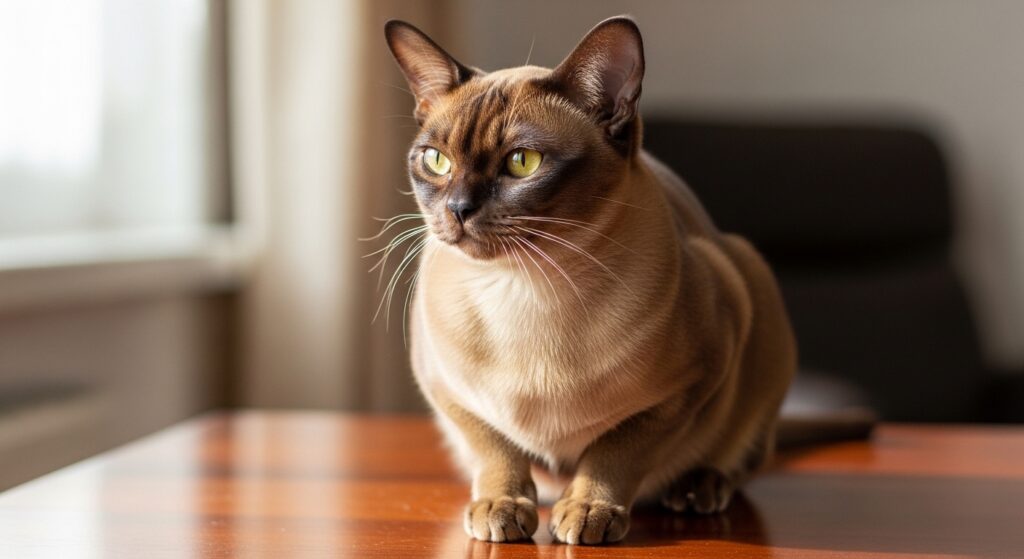
The Burmese, sometimes linked to its origins in Myanmar (formerly Burma), is a compact, people-focused cat known for staying close to its humans.
According to PetMD, they’re also known for playing an impressive game of fetch, and they don’t like being left alone for long periods. With rounded features and expressive eyes, this breed quickly becomes part of daily life rather than a distant observer.
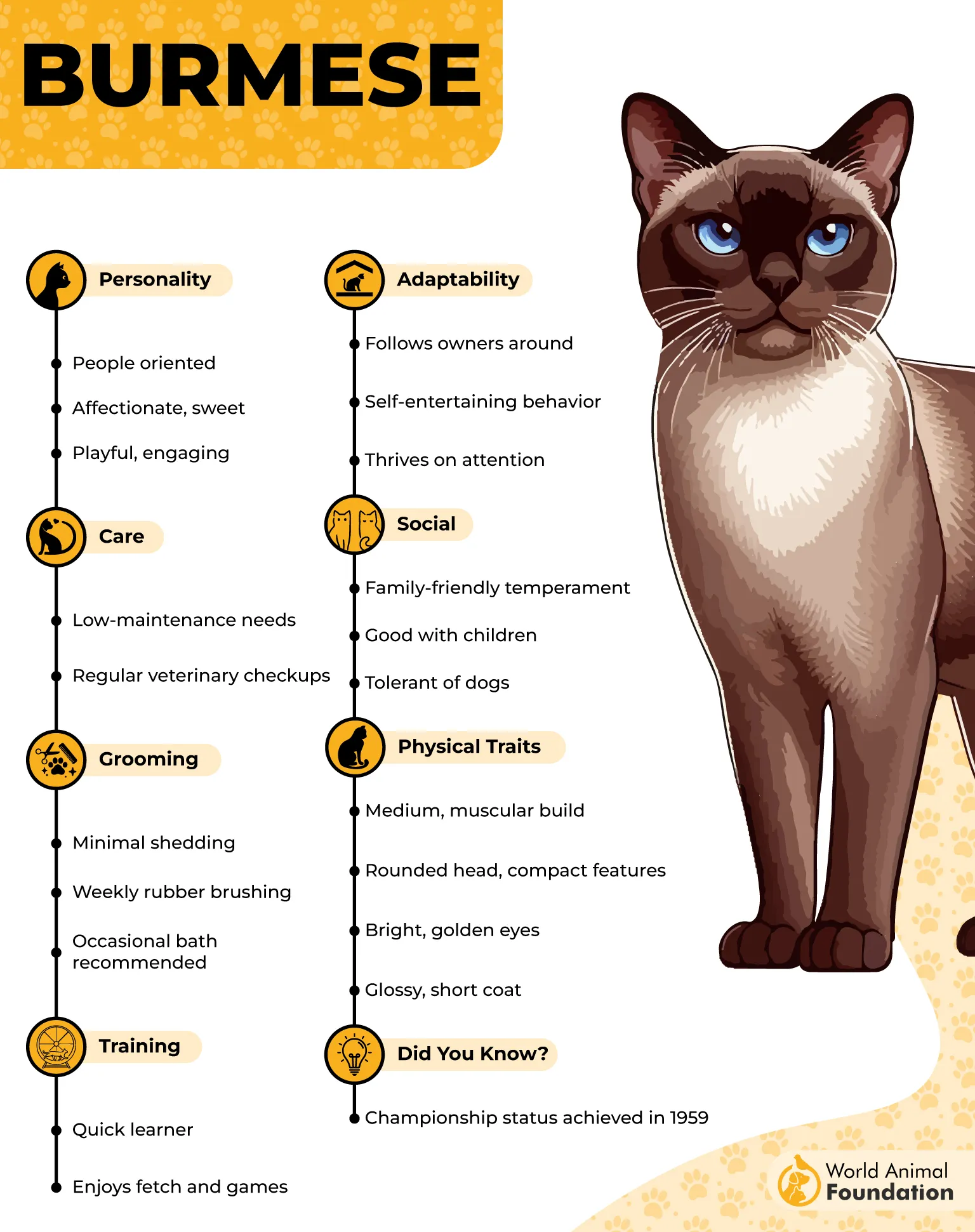
When excitement builds, the Burmese often responds with soft chirps and trills instead of loud cries. These high-pitched sounds appear during play, greetings, or moments of anticipation, making conversations feel gentle and musical rather than demanding.
Unlike louder vocal breeds, Burmese cats communicate in a sweeter tone that blends meows with subtle chirping. Their eagerness to interact means they frequently “talk” back, especially when stimulated by toys, movement, or familiar voices around the home.
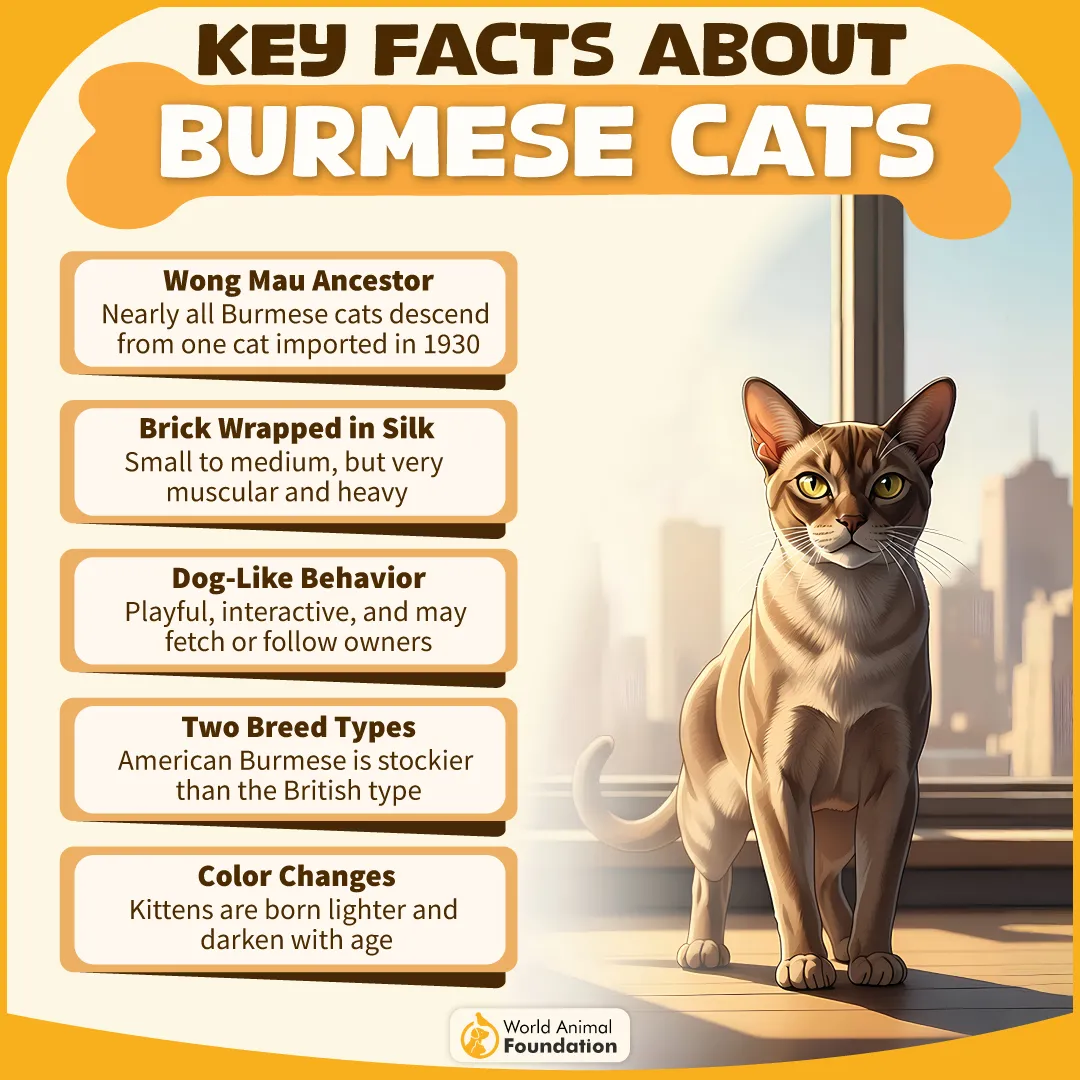
This expressive behavior is closely tied to their strong bond with people and heightened awareness of sound.
Fact: Burmese cats have highly sensitive ears with muscles that can swivel up to 180 degrees, helping them pinpoint sounds and react with excited chirps.
3. Bengal
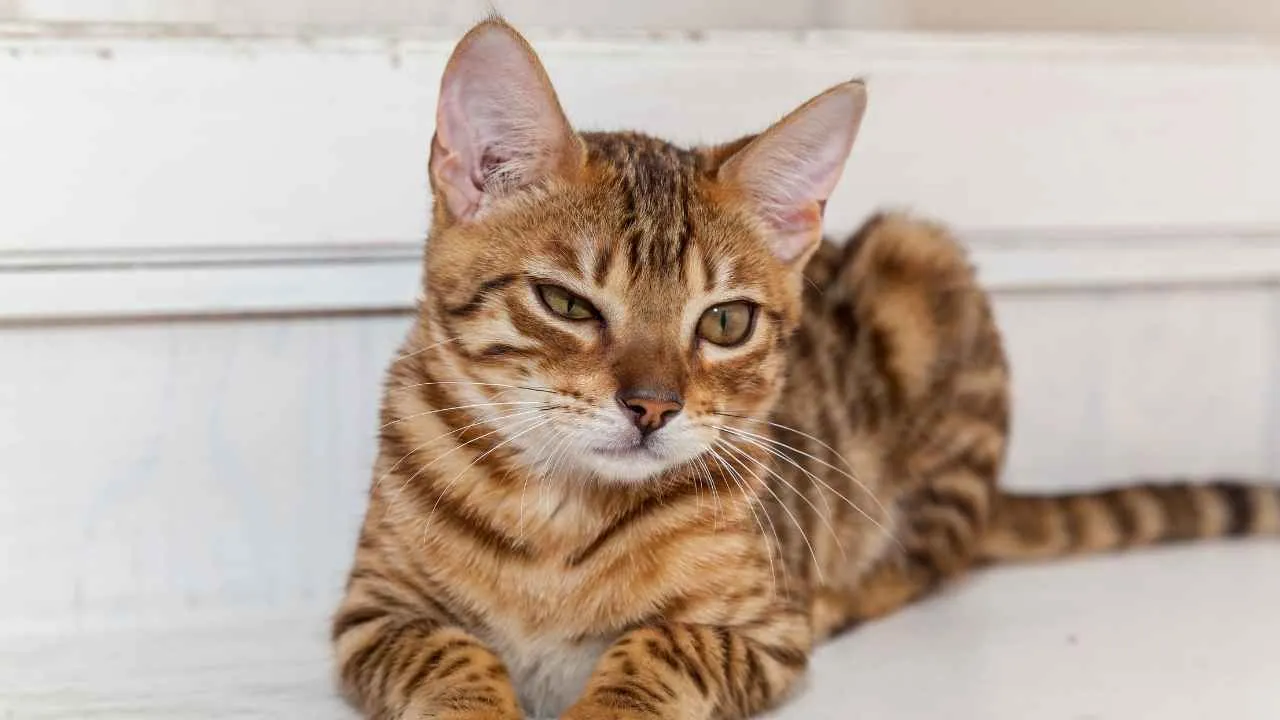
Often called the Bengal cat, this striking breed is known for its muscular build and confident presence. According to Purina, the Bengal is a sleek, muscular cat with a wild look, highlighted by bold marbling and spotting on its thick, luxurious coat.
Developed in the United States, Bengals combine wild-looking beauty with a fully domestic, people-oriented personality.
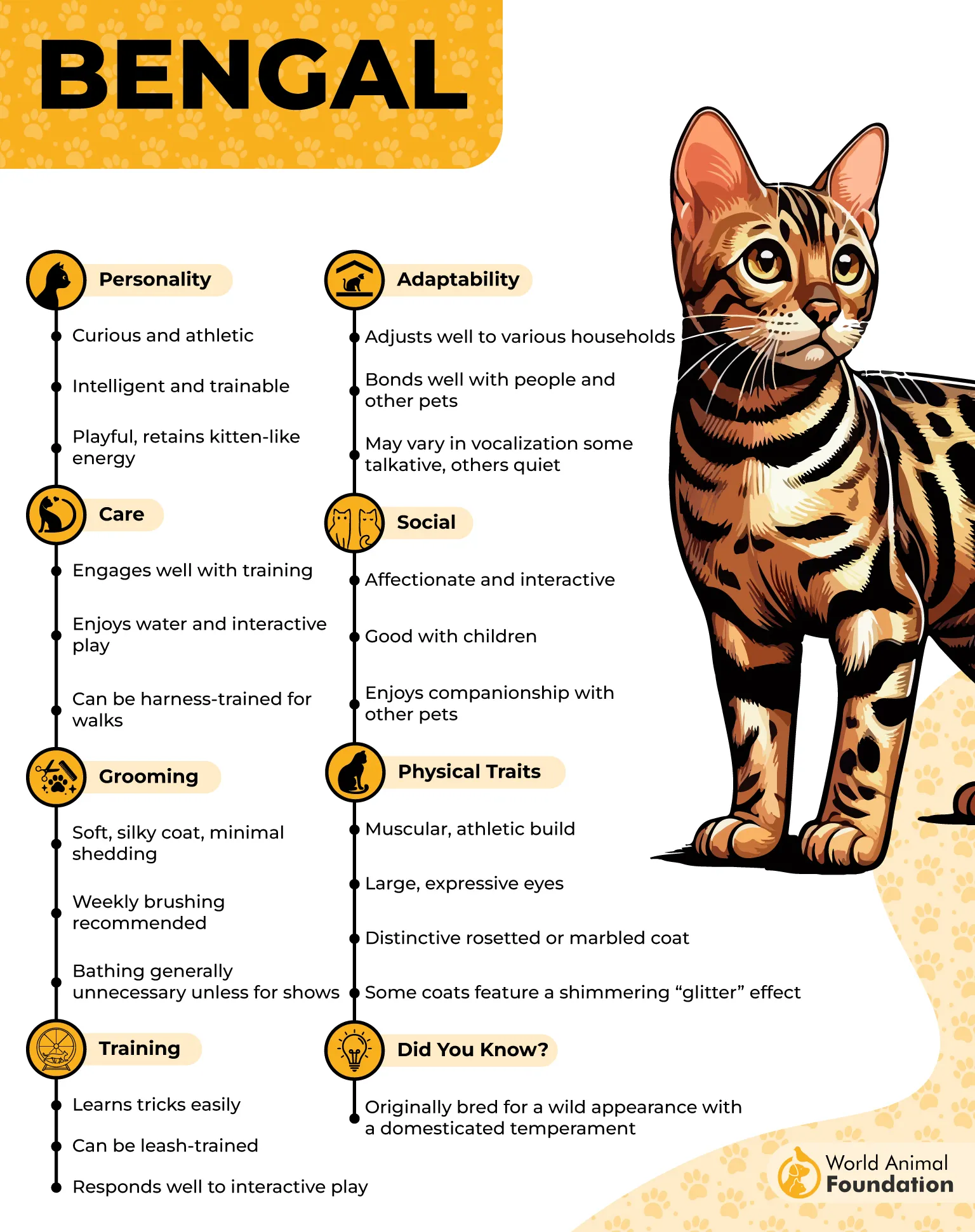
When excitement hits, Bengals are quick to express it vocally. Their chirps often appear during play, feeding time, or while watching birds, reflecting strong hunting instincts blended with social awareness and curiosity.
Highly interactive by nature, Bengals enjoy “talking” to their humans through a mix of chirps, trills, and soft calls. This constant commentary helps them stay connected and makes them one of the more expressive breeds in lively households.
Their background plays a role here, as Bengals descend from a mix that includes the Asian leopard cat and several vocal domestic breeds.
Fun fact: Bengals are famously fond of water and may chirp excitedly while playing with faucets or bowls.
4. Maine Coon
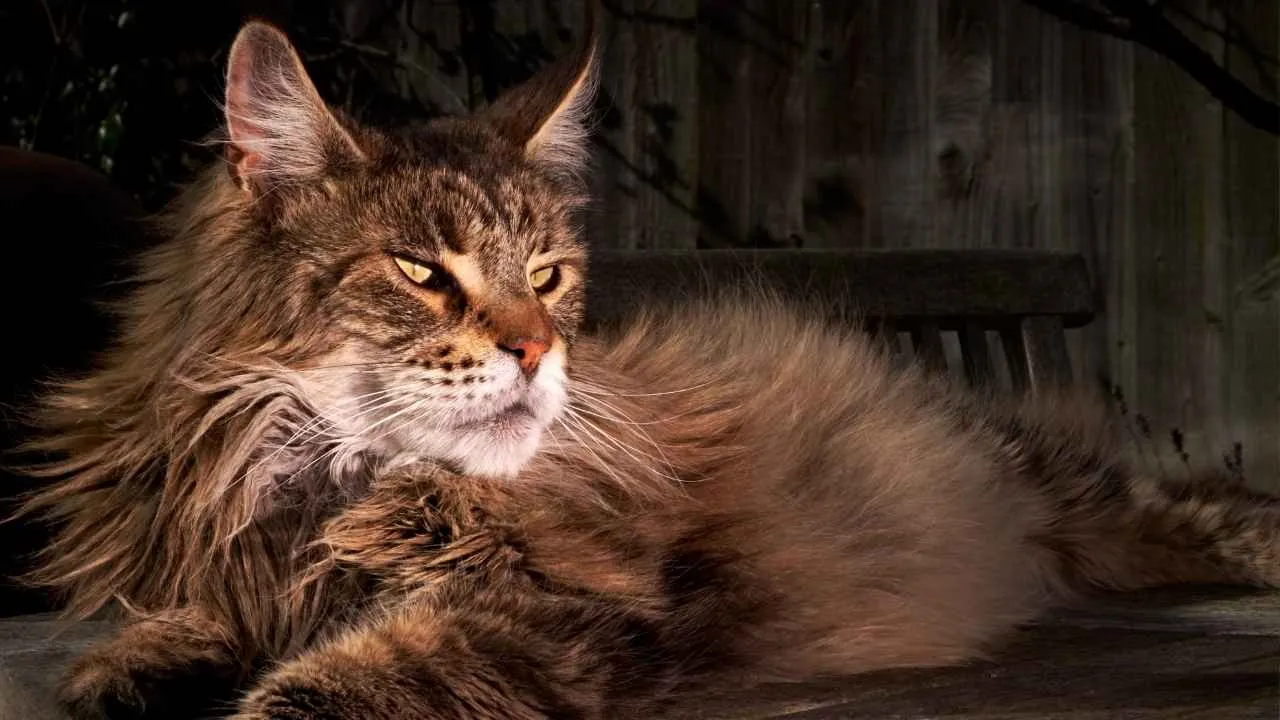
Often called the “gentle giant” or the “American Longhair,” the Maine Coon stands out for its impressive size, tufted ears, and flowing tail. Despite their powerful build, these big cats are famously friendly and people-oriented, making them a favorite in family homes.
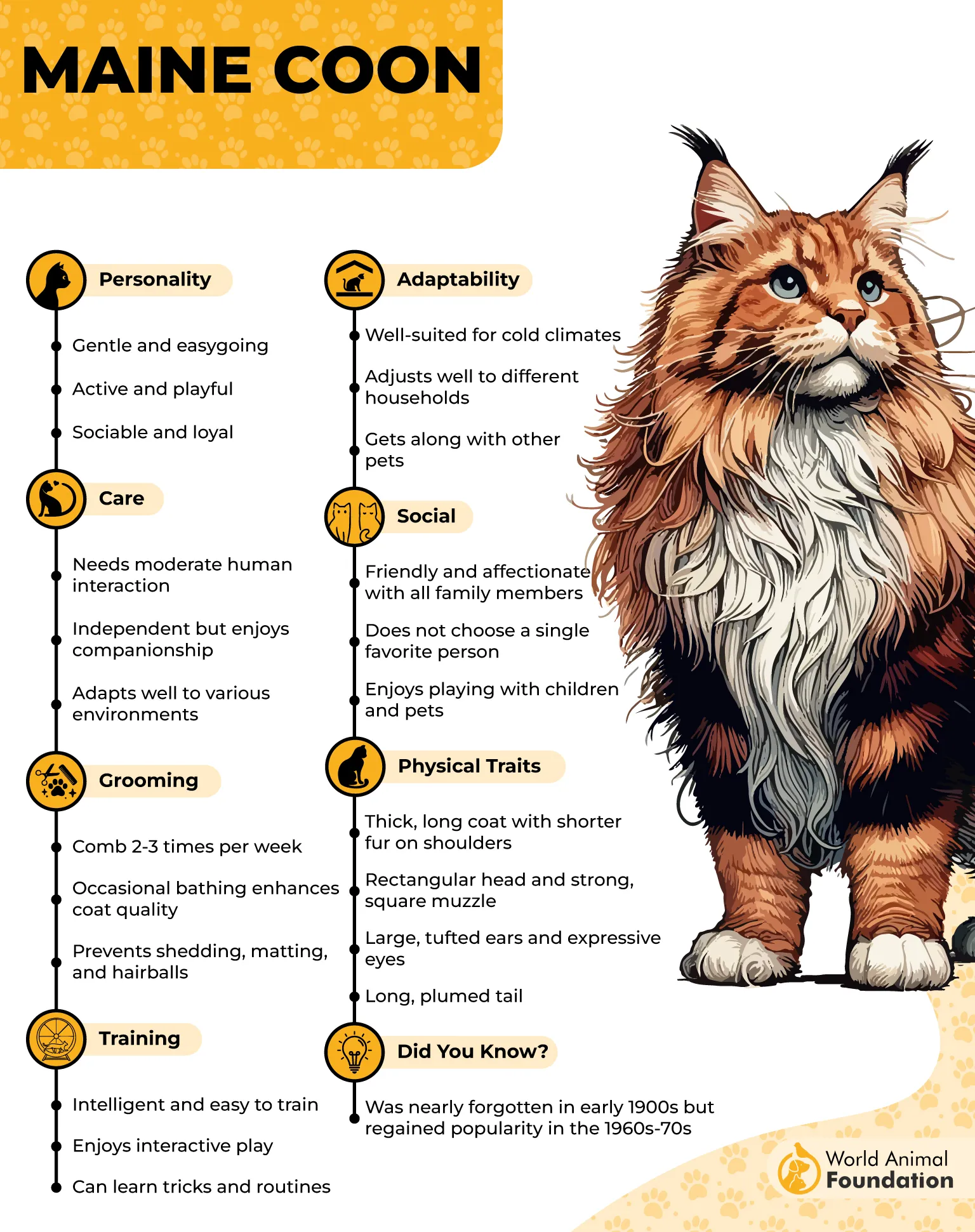
When it comes to vocal habits, Maine Coons are masters of chirps and trills. Instead of loud meows, they express excitement with soft, bird-like sounds, especially during play, feeding time, or when greeting their favorite humans.
Their chirping is often linked to alertness and curiosity. Whether watching birds from a window or engaging in interactive games, Maine Coons use these gentle sounds to communicate enthusiasm without being overly demanding.
This blend of playfulness and subtle vocalization makes them especially charming. They enjoy being involved in daily activities and often form deep bonds, using chirps as their signature way to stay connected.
Fun fact: Maine Coons are known for chirping at dripping taps and can spend hours fascinated by falling water.
5. Japanese Bobtail
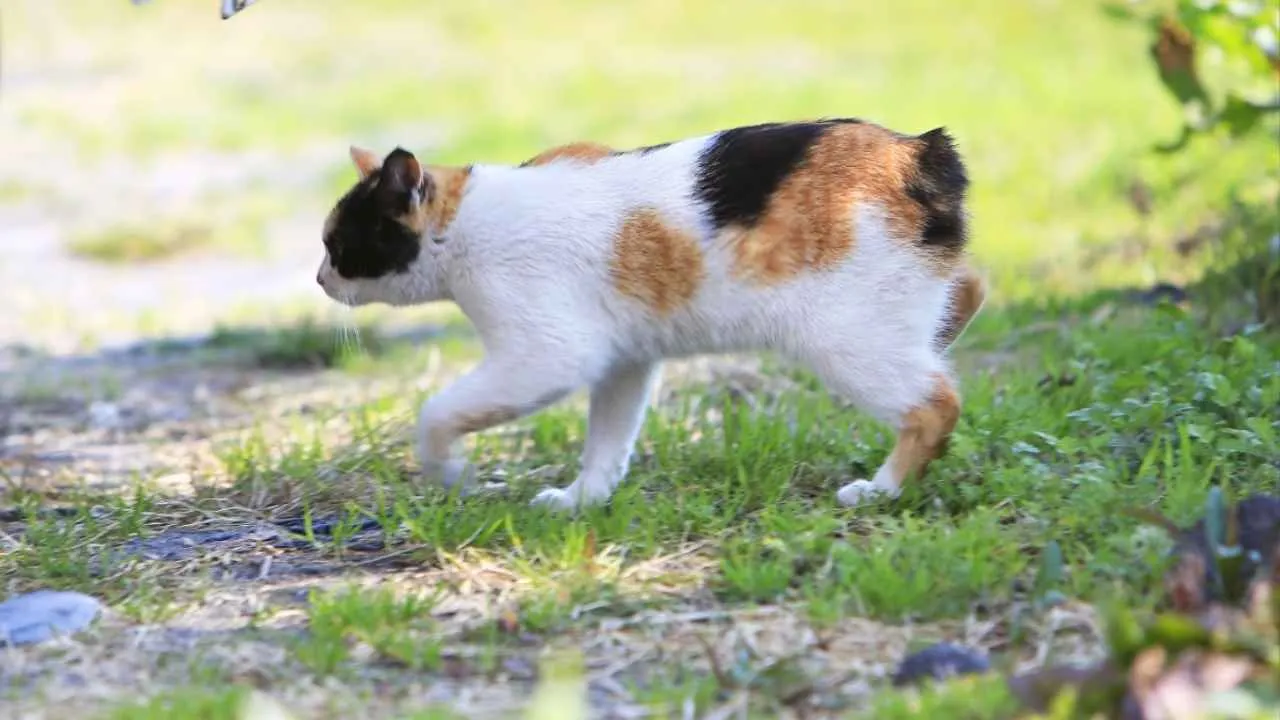
Often called the Bobtail or simply the Japanese Bobtail, this ancient breed is instantly recognized by its short, pom-like tail and lively personality. Native to Japan and long celebrated in folklore, it’s known as a symbol of good fortune and cheerful energy.
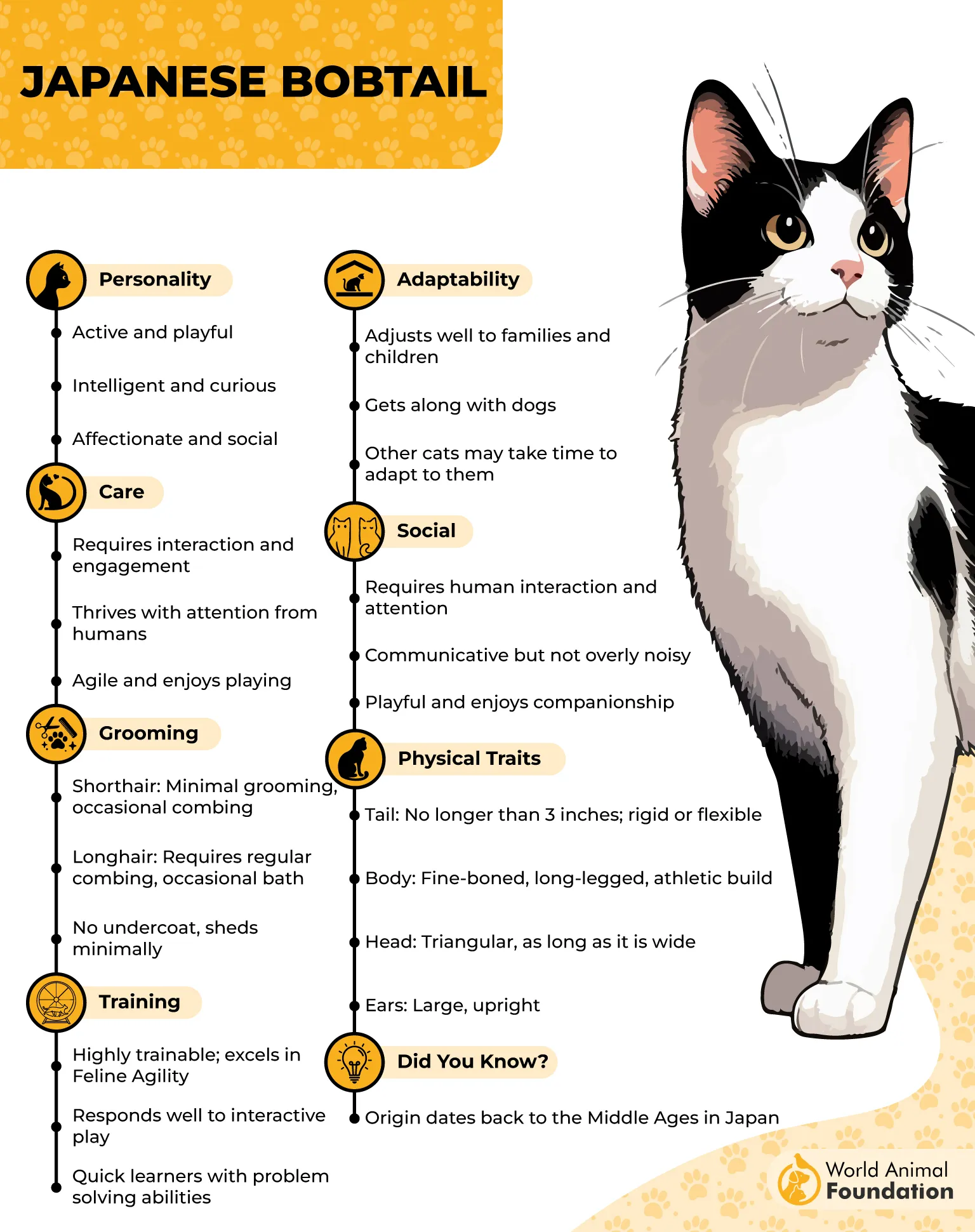
When excitement hits, Japanese Bobtails rarely stay silent. Instead of loud yowls, they communicate through soft, musical chirps and trills that sound almost like a conversation. These sounds often appear during play, greetings, or moments of anticipation.
Highly intelligent and curious, this breed loves interactive games such as fetch and hide-and-seek, which naturally trigger excited vocalizations. Their chirps seem to narrate every move, especially when they’re exploring new spaces or watching activity around the house.
Social by nature, Japanese Bobtails form close bonds with people and other pets, often riding on shoulders or following their humans from room to room.
Fun fact: Japanese Bobtails are famous for having a wide range of song-like chirps rather than loud meows.
6. Turkish Angora
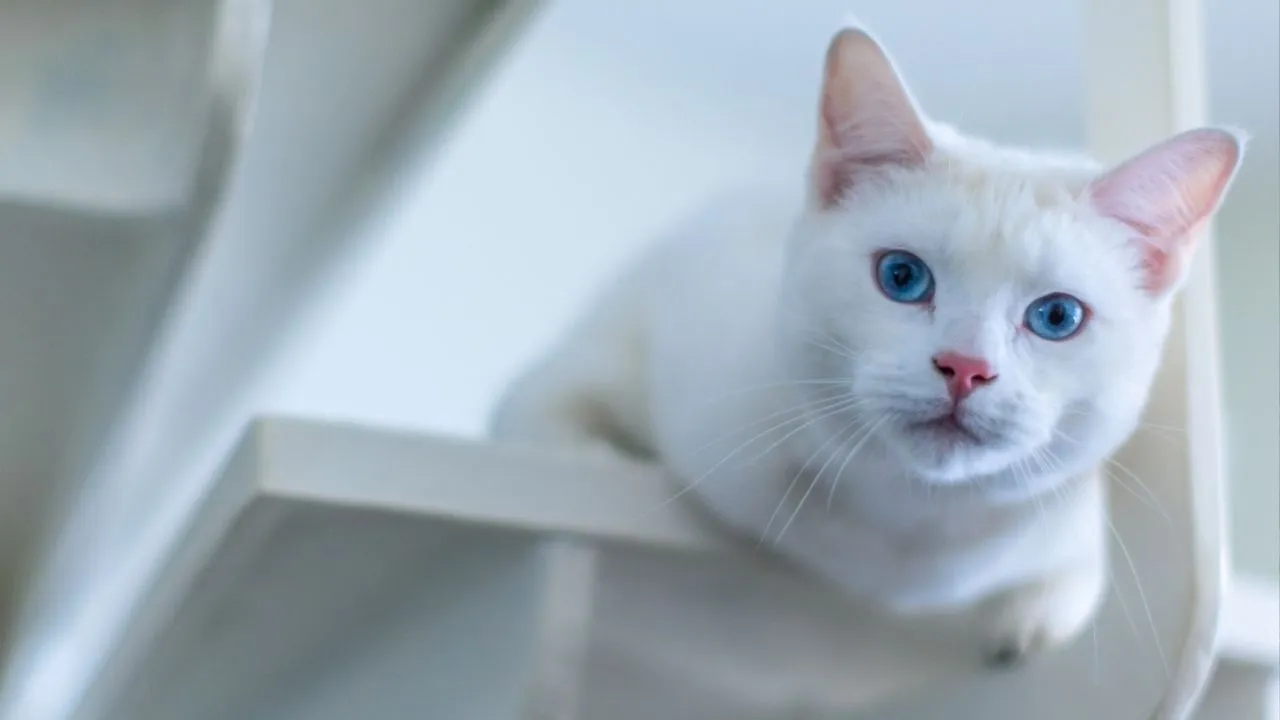
Often called simply the Angora, the Turkish Angora is a rare and elegant breed from Turkey, admired for its silky coat, plume-like tail, and graceful build. Traditionally white but now seen in many colors, this cat combines beauty with a highly social personality.
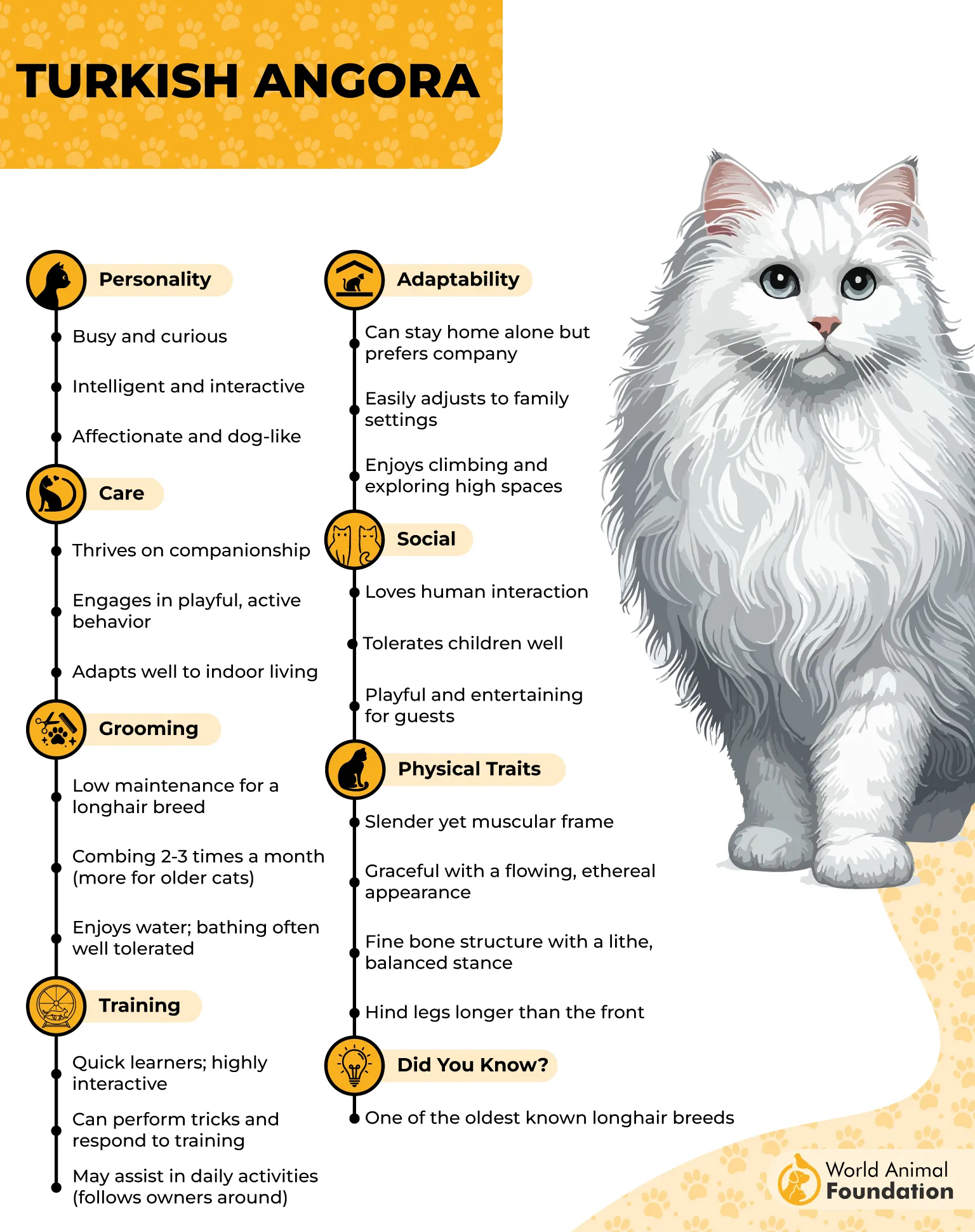
When excitement strikes, Turkish Angoras are quick to chirp, trill, and vocalize, especially while watching birds or engaging in play. Their sharp intelligence and curiosity mean they often “comment” on whatever captures their attention, making their chirping a regular soundtrack in the home.
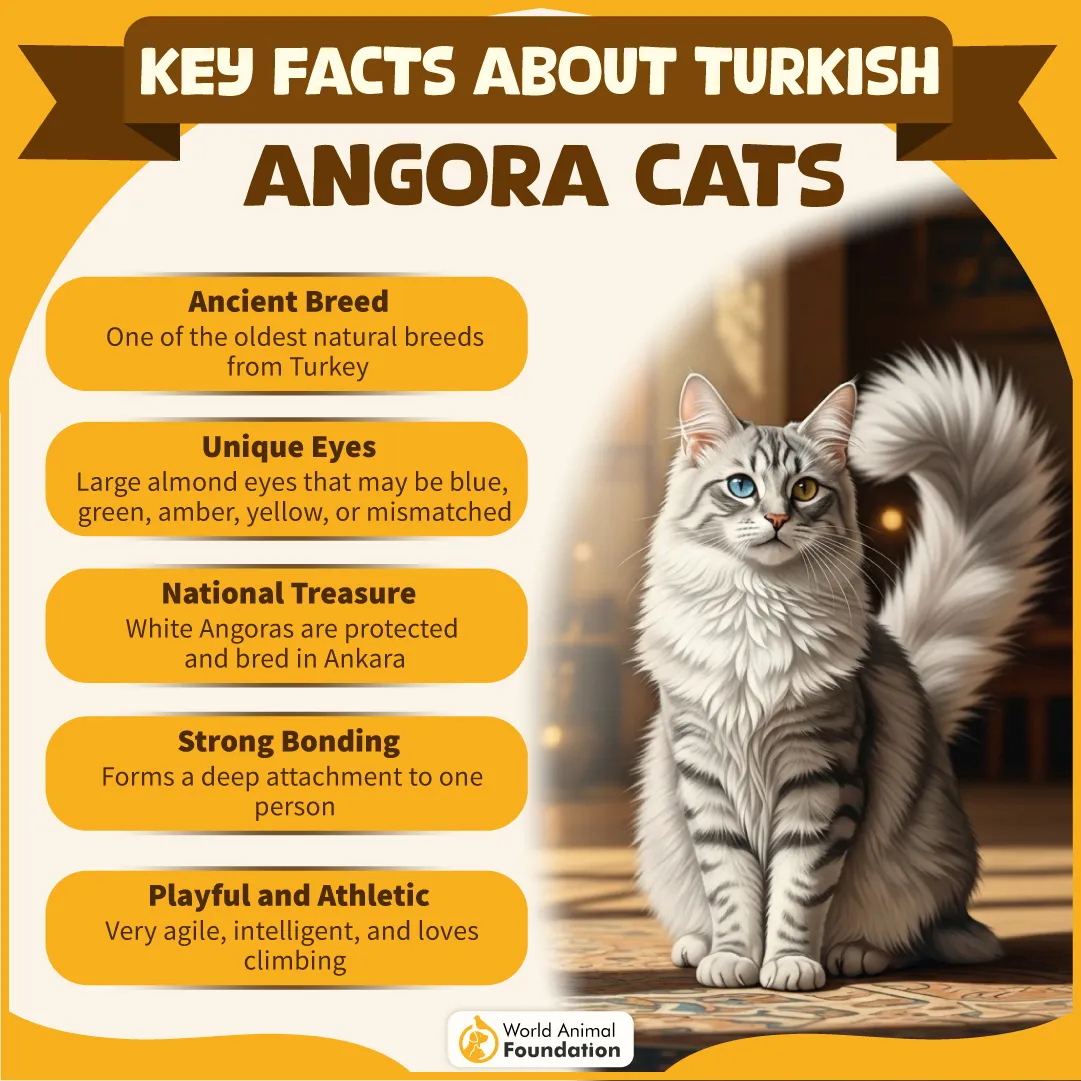
This breed’s high energy fuels frequent bursts of sound during climbing, jumping, and interactive games. Chirps often appear mid-play, reflecting their enthusiasm and mental engagement as they move swiftly from one activity to the next.
Because Angoras thrive on stimulation, boredom can increase their vocal expressions, including excited chirping. Providing toys, vertical space, and daily interaction helps channel their energy into happy communication rather than frustration.
Fact: All registered Turkish Angoras must trace their lineage back to Turkey, where the breed is still preserved in national breeding programs.
7. Singapura
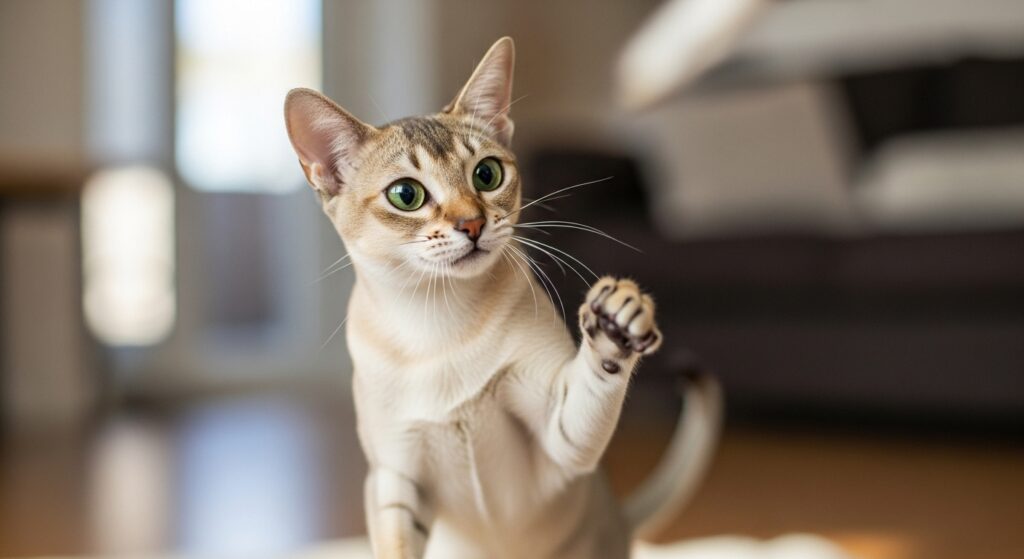
Often called the Pura, the Singapura is the smallest recognized domestic cat breed and traces its roots to Singapore. With a ticked coat, large expressive eyes, and a curious face, this compact feline is known for being sociable, affectionate, and deeply people-oriented.
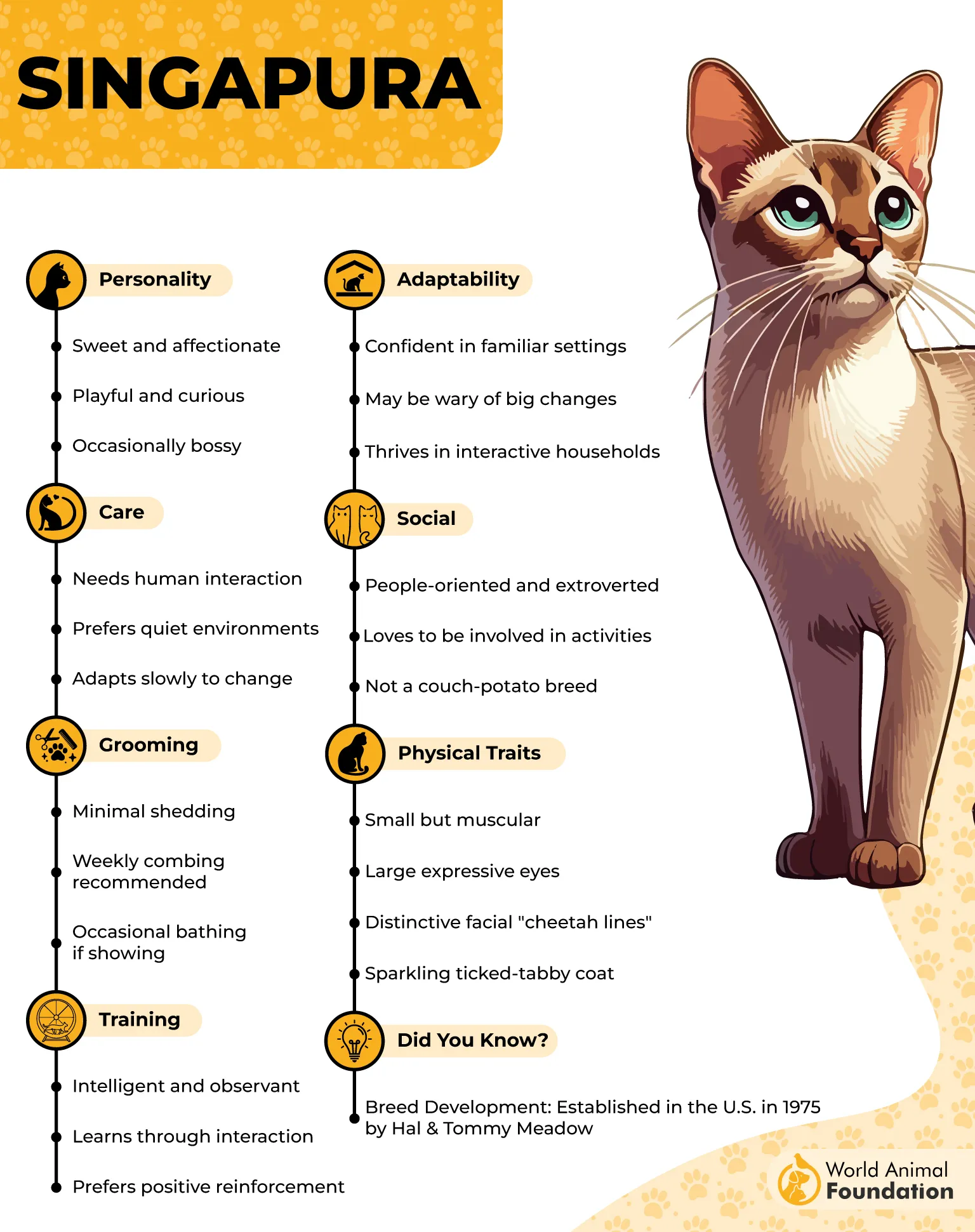
Naturally alert and intelligent, Singapuras are quick to chirp when excitement strikes. Whether greeting their favorite human, anticipating playtime, or watching movement around them, they use soft chirps and trills as a friendly way to communicate interest and joy.
This breed thrives on interaction and mental stimulation, which is why vocal expressions often accompany games, exploration, and bonding moments. Their tendency to “talk” is gentle rather than loud, making their chirping feel conversational and endearing rather than demanding.
Highly observant and emotionally attuned, Singapuras form close bonds and enjoy being involved in daily life. Their expressive sounds are often paired with cuddles, following their owners, or playful bursts of activity.
Fun fact: Singapuras descended from Singapore’s so-called “drain cats” and are affectionately nicknamed the “little lions of love.”
8. American Bobtail
Often called the Bobtail or American Bob, the American Bobtail is a distinctive domestic breed developed in the United States, known for its naturally short tail and wild, rugged look. Despite that untamed appearance, this cat is affectionate, intelligent, and deeply people-oriented.
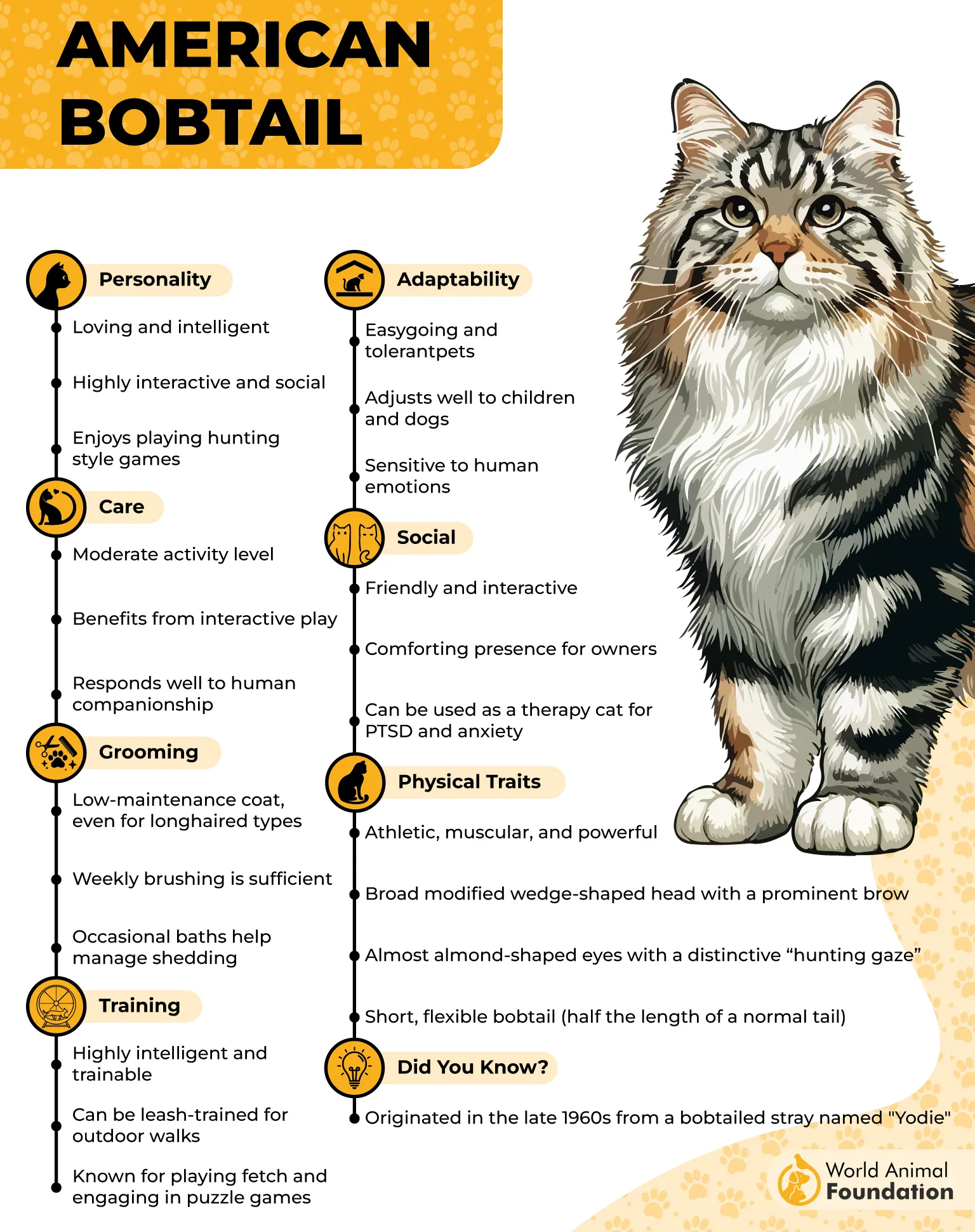
When excitement kicks in, the American Bobtail rarely sticks to a simple meow. Instead, it communicates with soft chirps, trills, and clicks, especially during play or when engaging with family members. These vocal bursts often appear while stalking toys or greeting familiar humans.
Highly interactive by nature, this breed enjoys games that stimulate both mind and body. Their strong hunting instincts, paired with curiosity, make them expressive companions, using chirping sounds to show anticipation, focus, and enthusiasm during playful moments.
Balanced and adaptable, American Bobtails form close bonds and enjoy ongoing “conversations” throughout the day.
Fun fact: When vocalizing, American Bobtails are known to chirp and trill rather than rely on traditional meows.
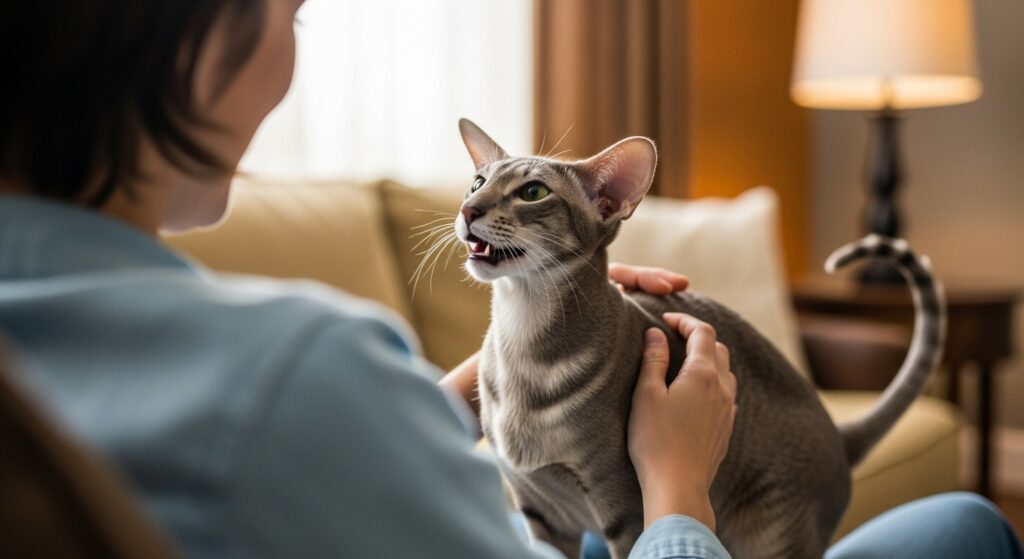
9. Oriental
Often called the American Bob or simply the Bobtail, the American Bobtail stands out for its naturally short tail, sturdy build, and people-loving personality. This breed is known for forming close bonds and staying near its favorite humans throughout the day.
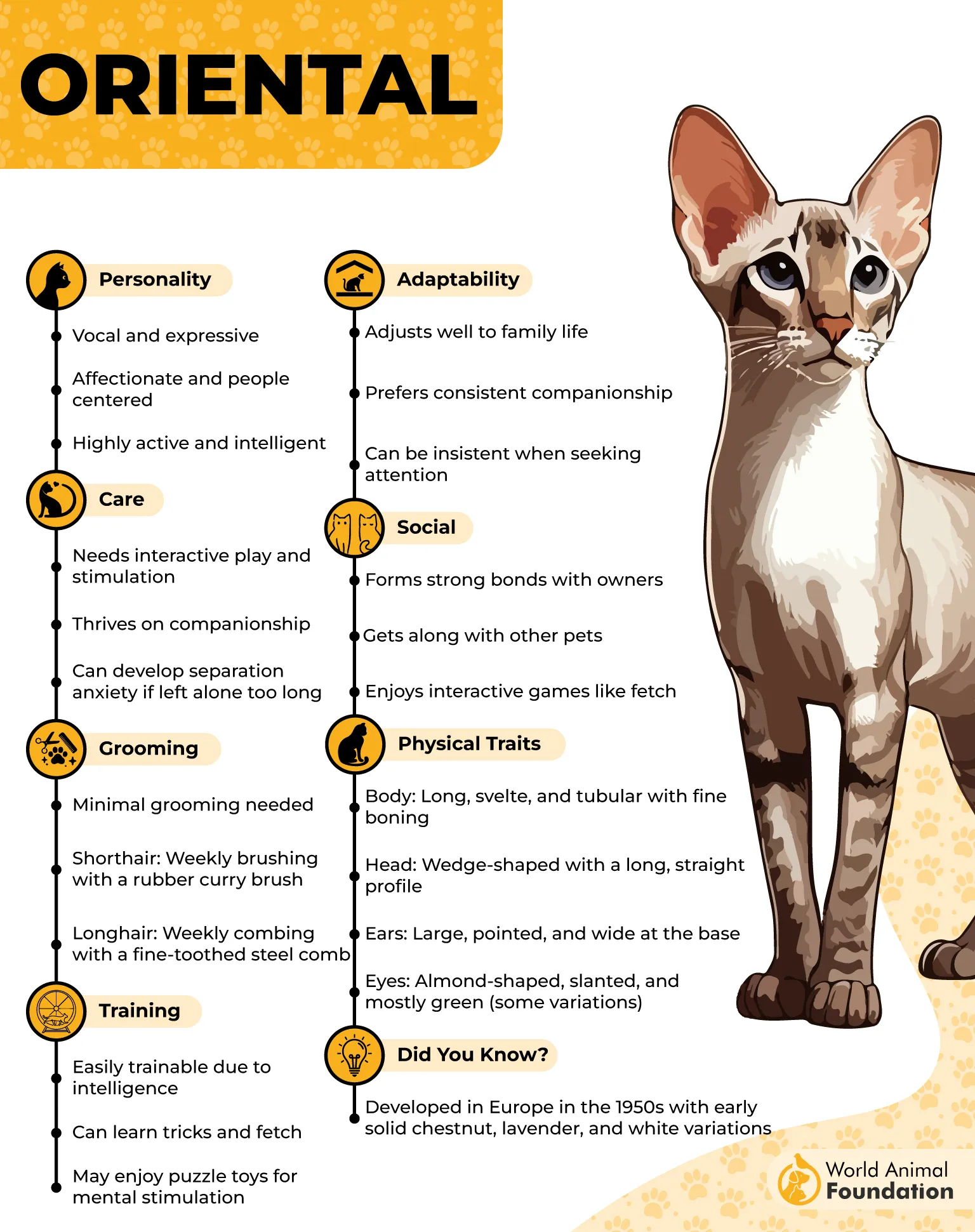
As a constant companion, the American Bobtail is expressive without being overwhelming, frequently using chirps and trills when excited or engaged. These happy sounds often appear during play, greetings, or moments of anticipation, making their communication feel warm and personal.
Highly intelligent and curious, this breed thrives on interaction and mental stimulation. Chirping commonly accompanies interactive games, climbing sessions, or exploration, especially when the Bobtail is focused on something intriguing or wants your attention.
Despite their playful energy, American Bobtails balance activity with calm affection, using soft vocal cues to stay connected. Their chirps reflect excitement rather than demand, reinforcing their reputation as friendly, emotionally aware companions.
Fun fact: American Bobtails are known for developing especially strong attachments to one or two family members, often following them from room to room.
Conclusion
Cats that chirp when excited offer a fascinating glimpse into feline communication, blending instinct with personality. From playful moments to focused observation, these talkative cats use various sounds to attract attention and share their excitement.
Their vocal nature often reflects curiosity, affection, and a strong desire to connect, making them especially appealing to cat lovers who enjoy interactive pets. While some breeds are known for distinctive meows, chirping adds another layer to how cats communicate with their human companions and even other cats.
For families and individuals alike, living with pretty vocal breeds can be deeply rewarding. Cats with an affectionate nature often chirp to seek attention, greet familiar faces, or express anticipation during play.
Whether it’s large-sized breeds like Maine Coon cats or smaller, energetic companions, these expressive felines bring personality and warmth into everyday life. Their sounds strengthen bonds, turning simple moments into shared conversations that deepen the human–cat relationship.
