




Not all dogs are ready to accept the cold weather, as it covers the land with snow and ice. Some dog breeds do not perform well in cold climates compared to others, which have the genetic composition of surviving in these temperatures, including thick fur and a long outer coat or even a thick double coat.
When a person and their family like hiking snowy trails, skiing, snowshoeing, or spending many hours in the winter, it is necessary to choose the right snow dog breed.
It is not only the thickness of coats that helps them prosper in the snow. Vital factors also include their energy level, temperament, trainability, and ability to adapt to their active families and their lifestyle. A real snow dog must like physical tests and outdoor friendship activities.
The seven most perfect snow dog breeds, which suit the winter and outdoor activities, are listed below, and each of them has their specific advantages in cold-weather life and adventure.
Ideal Dog Breeds for Snowy Conditions and Active Lifestyles
1. Alaskan Malamute
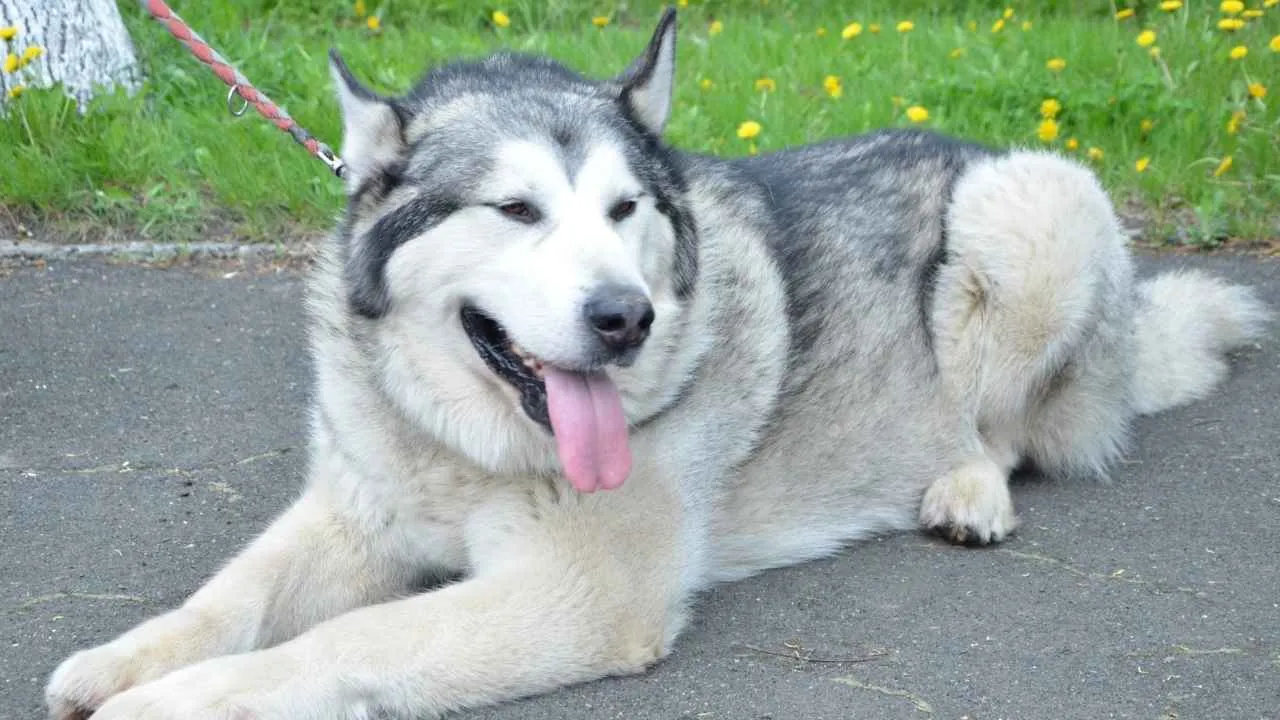
The Alaskan Malamute is one of the strongest working dogs in the Arctic. This breed was originally bred by the Mahlemut tribe of Inuit and was meant to pull sleds of heavy loads over a long distance.
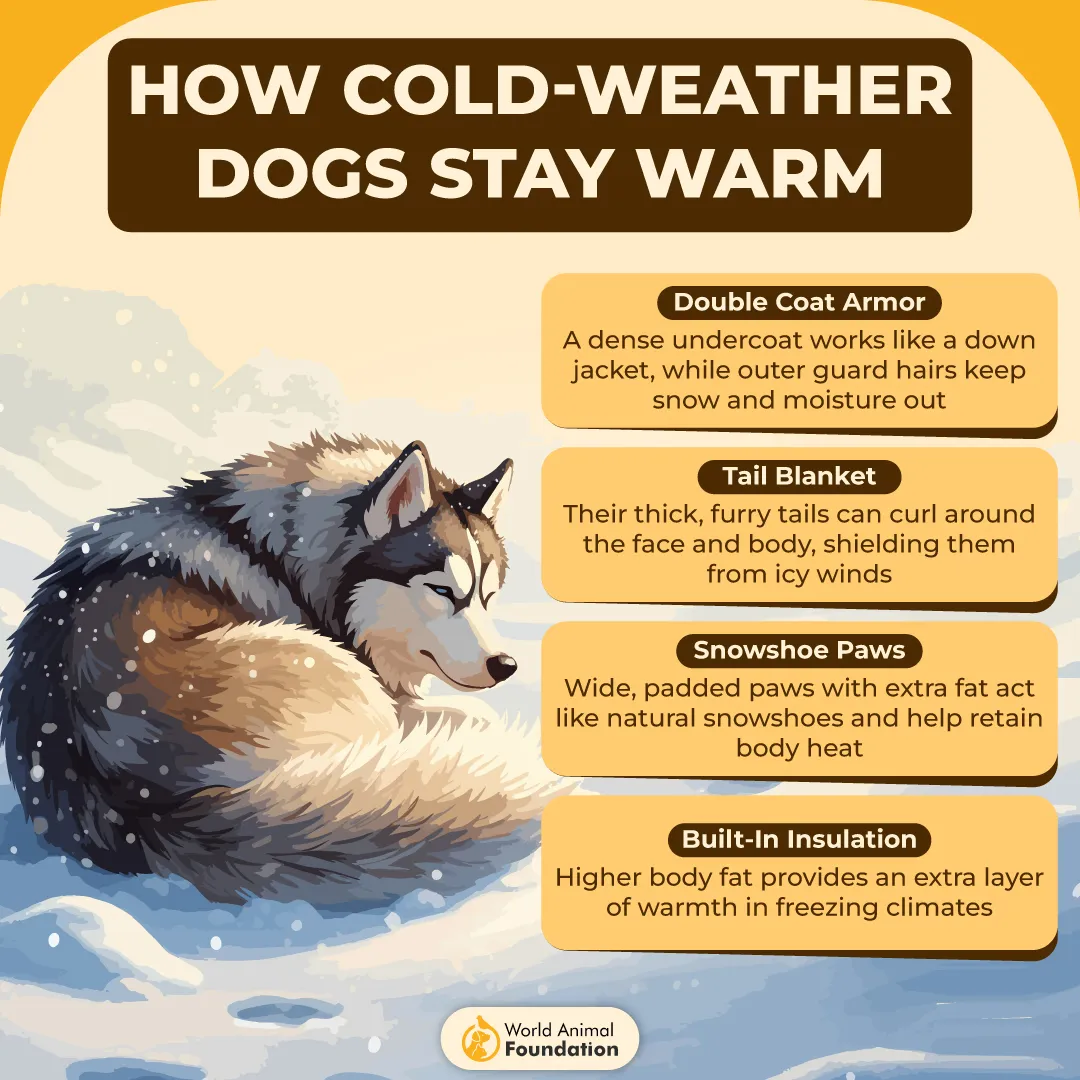
Their heavy, thick double coat is also waterproof against the utter cold weather. Their broad shoulders and deep chest offer pulling power, and paws that are covered with fur serve as natural snowshoes. Even their bushy tails assist in preserving the heat when they are coiled around their bodies, resting.
Physical Characteristics
Malamutes are also insulated with a thick undercoat and have a coarse outer covering to keep the snow and water out. Their muscular body and strong bones enable them to break through deep snow without straining themselves.
Activity and Lifestyle Compatibility
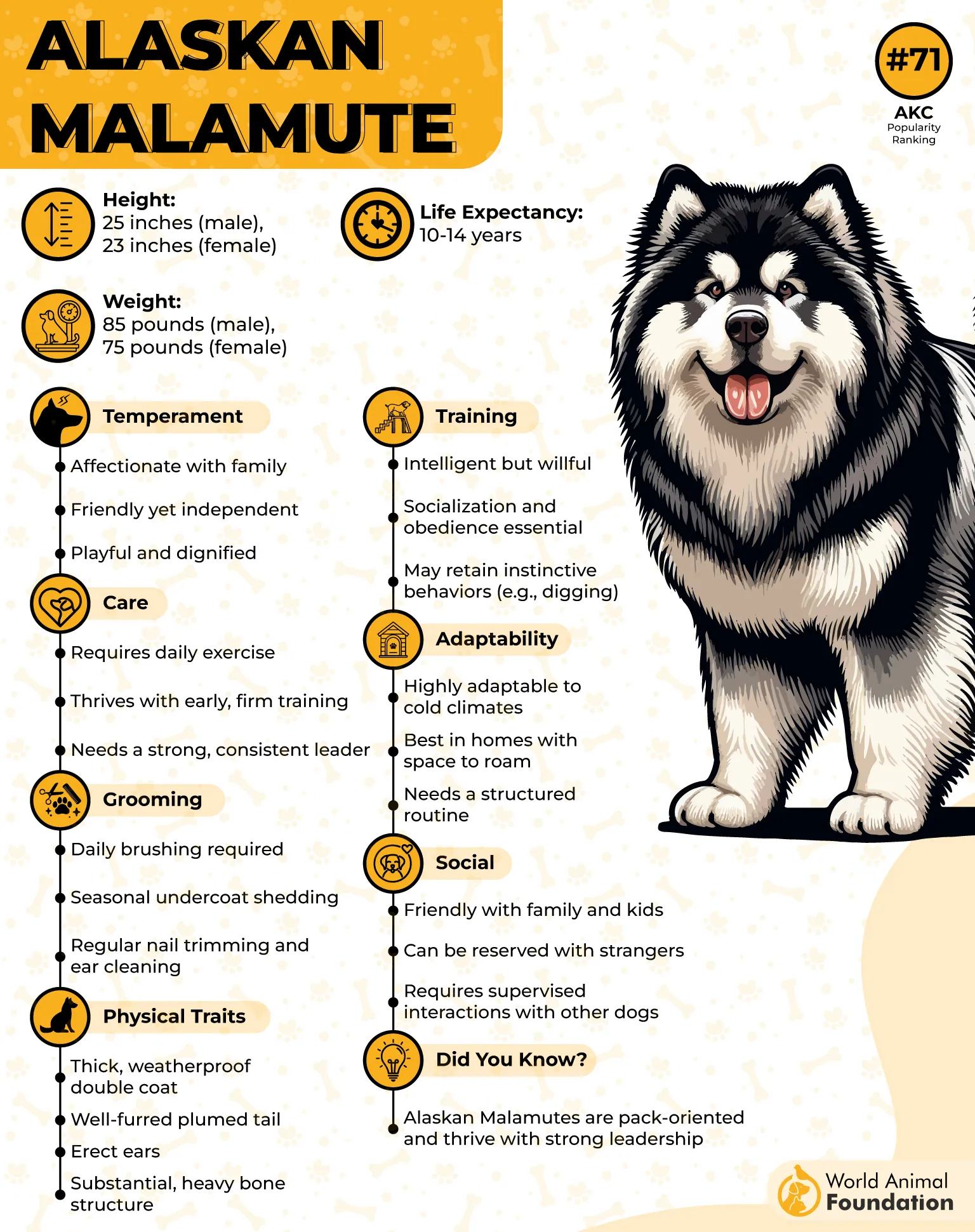
The breed is suitable for busy owners who like to hike in the winter, backpacking, or other endurance outdoor activities. They need to have a lot of physical activity and mental stimulation in order to be steady and cheerful.
Temperament and Ownership Issues
As per the AKC, Malamutes are independent but willful dogs that require socialization and strict training. They are suitable for experienced owners, but do not go well with those who lead sedentary lifestyles, and they require space to move around and explore.
2. Samoyed
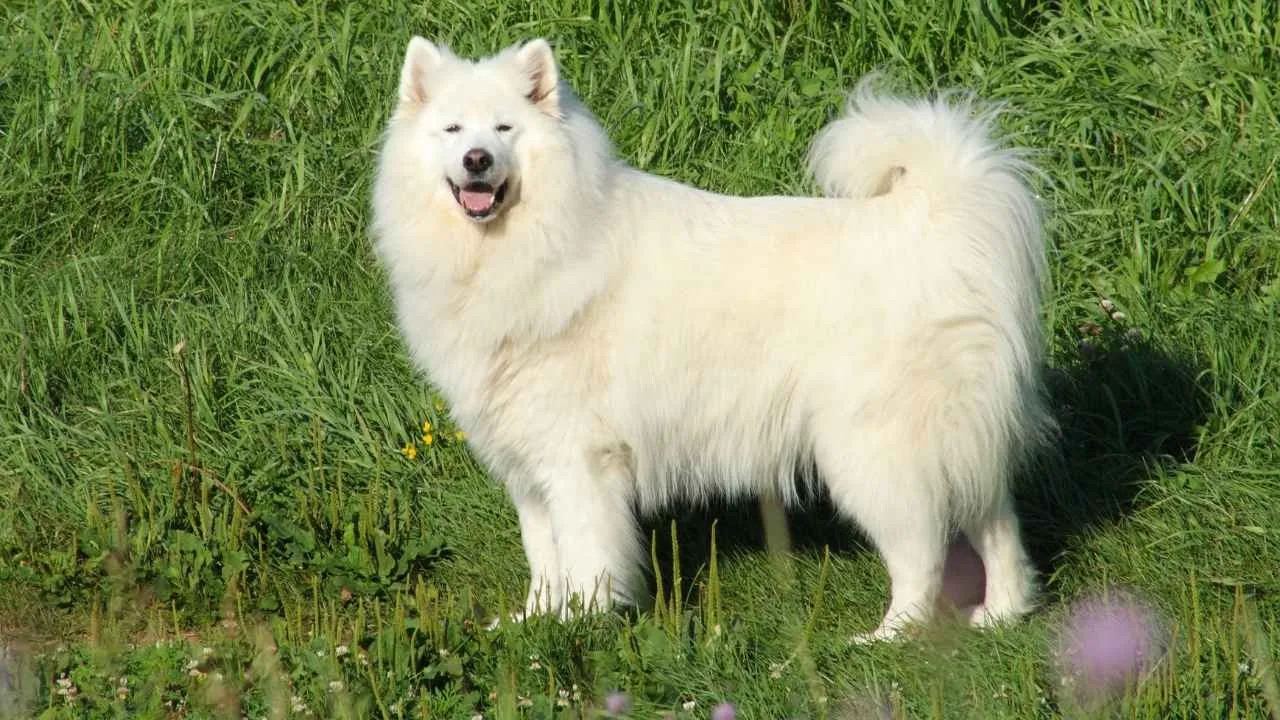
The smiling face and bright white coat of the Samoyed, which was raised in Siberia, were genetically adapted to round up reindeer and work as sled dogs. These dogs worked in close association with families during the cold weather, and they formed close social connections.
Their two-layer coat is thick and fluffy, providing incredible protection during harsh winters and helping them stay warm. The outward look is somehow deceptive because a strong and nimble working dog is beneath the surface, with the ability to endure hard enough.
Physical Characteristics
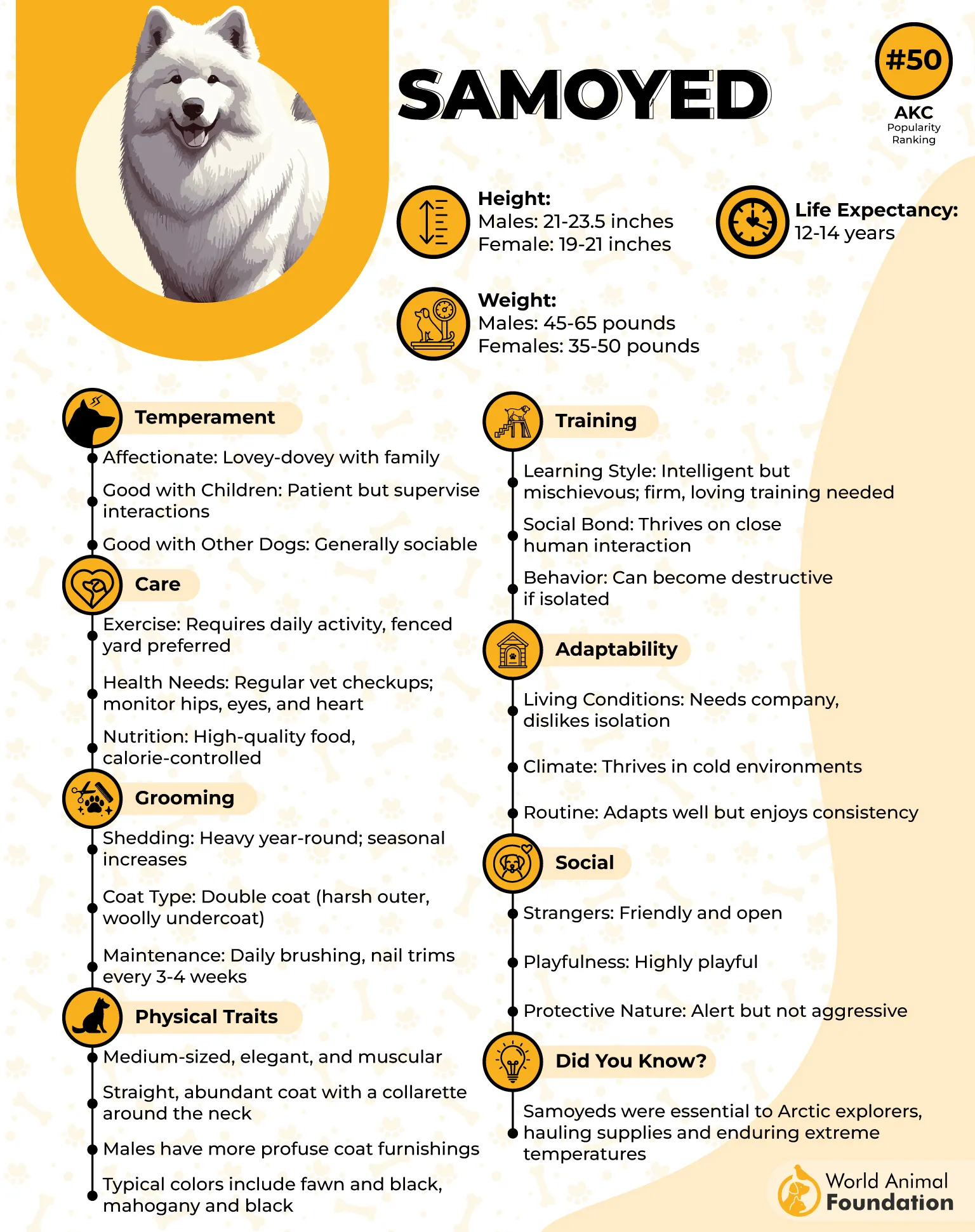
The thick undercoat of the Samoyed helps to keep the animal warm, whereas the outer coat helps to keep the animal out of snowy and windy weather. Their mouth is slightly tilted to avoid the tendency to drool and the formation of icicles during the freezing season.
Activity and Lifestyle Compatibility
Samoyeds like running, playing, hiking, and outdoor activities. They are active and need to move to avoid stagnation.
Temperament and Ownership Issues
Samoyeds are social and loving, unlike other Arctic breeds. They are also very social and are well-suited to families where they are incorporated into the family activities as family pets. Their thick coat must be groomed on a regular basis.
3. Bernese Mountain Dog
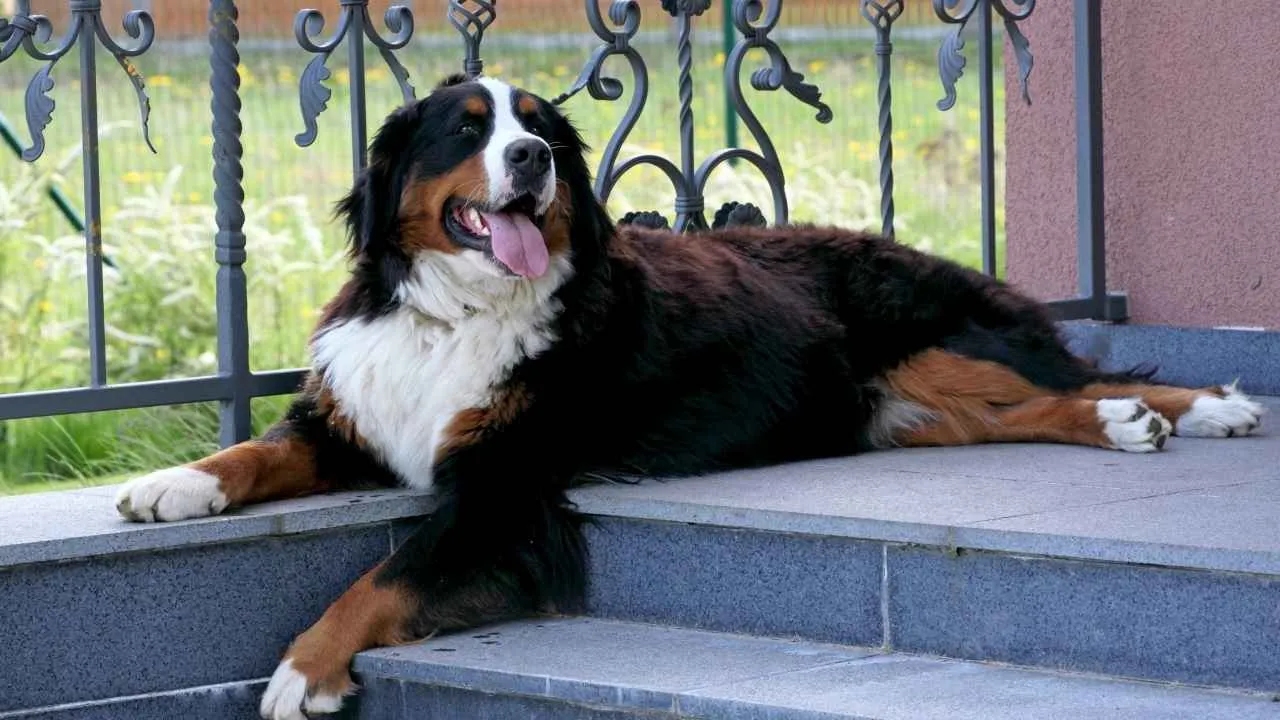
The Bernese Mountain Dog, which originated in the Swiss Alps, was used to draw carts and shepherd livestock in the cold mountains. They are tough, and at the same time, they are known for their affectionate nature.
Their heavy-colored tricolor coat safeguards against cold in the Alps. They are robust in cold weather conditions, but not as endurance-oriented as the sled breeds.
Physical Characteristics
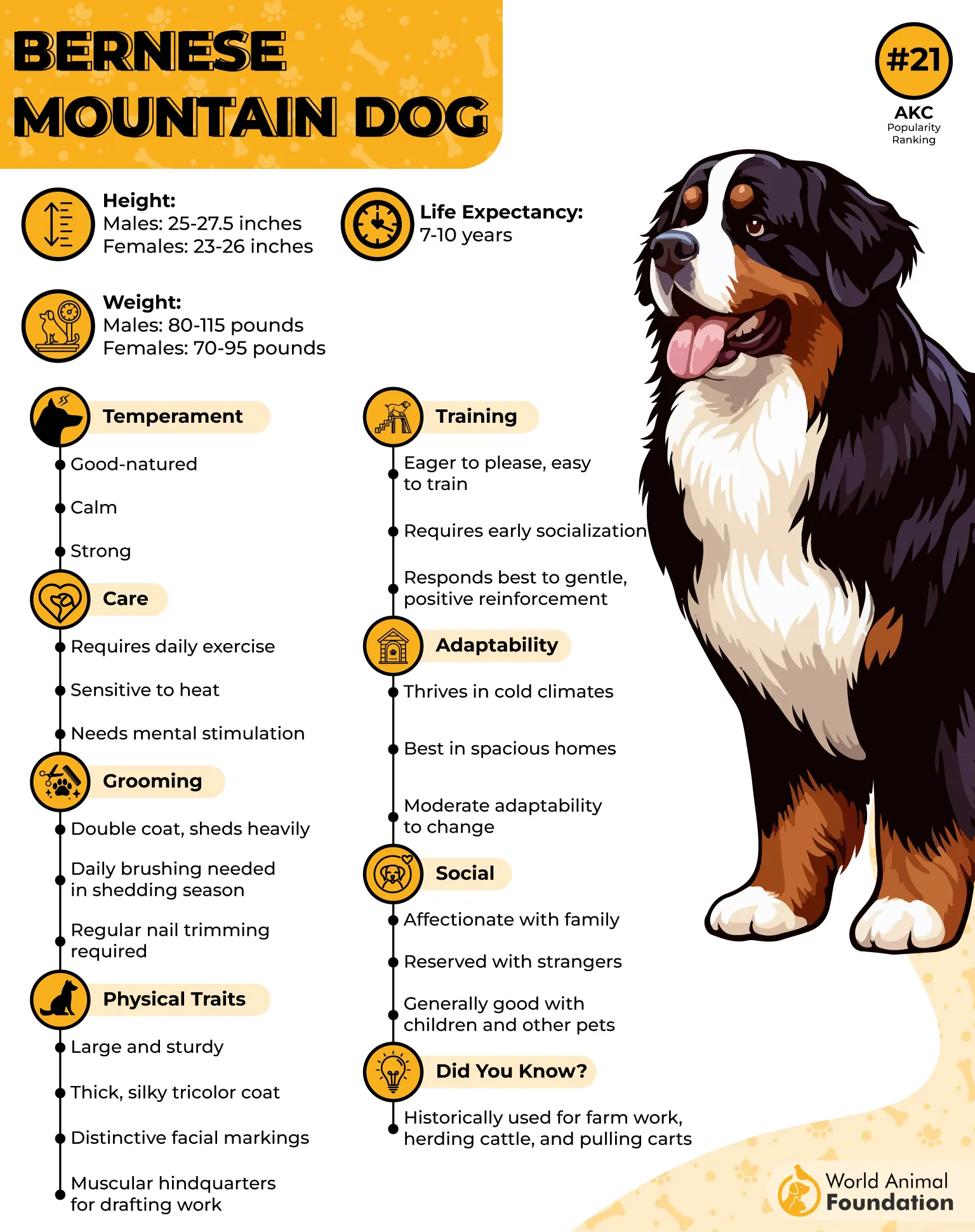
These Mountain Dogs have long, isolating coats and powerful, robust frames that enable them to move in snowy areas without any difficulty. They are sizable to keep the body warm.
Activity and Lifestyle Compatibility
They have moderate winter rises, snow walks, and outdoor activities with their pet parents. Although they are very energetic like young dogs, they tend to be more relaxed compared to Siberian Huskies or Alaskan Malamutes.
Temperament and Ownership Issues
Britannica states that the Bernese Mountain Dog is a gentle giant that is often friendly to other strangers and pets. They are not very heat-resistant, and hence they suit better in cold climates throughout the year.
4. Siberian Husky
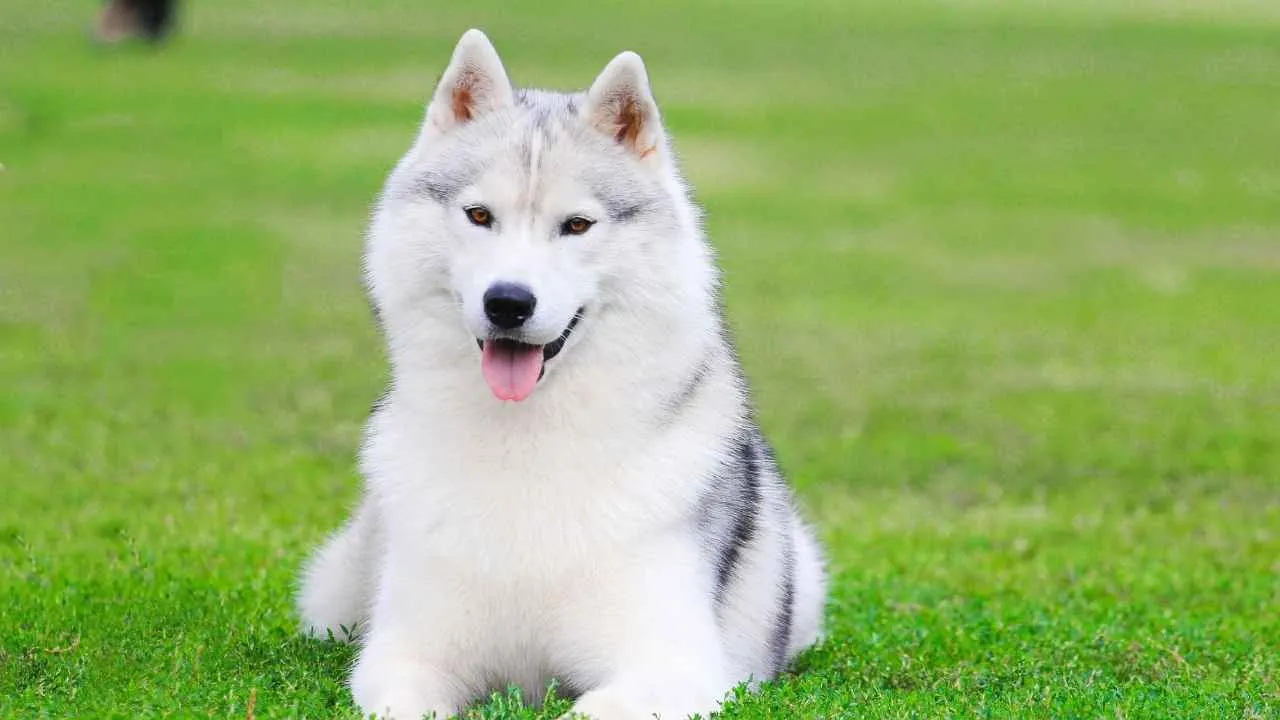
There are not many dog breeds as closely associated with snow as the Siberian Husky is. The Huskies had been developed by the Chukchi people of Siberia as long-distance sled pulling dogs in extreme cold weather conditions.
They are thinner than Malamutes but are designed to be efficient and enduring. Temperature is controlled when needed by their two coats, which make them warm in winter and surprisingly adaptable in warmer climates.
Physical Characteristics
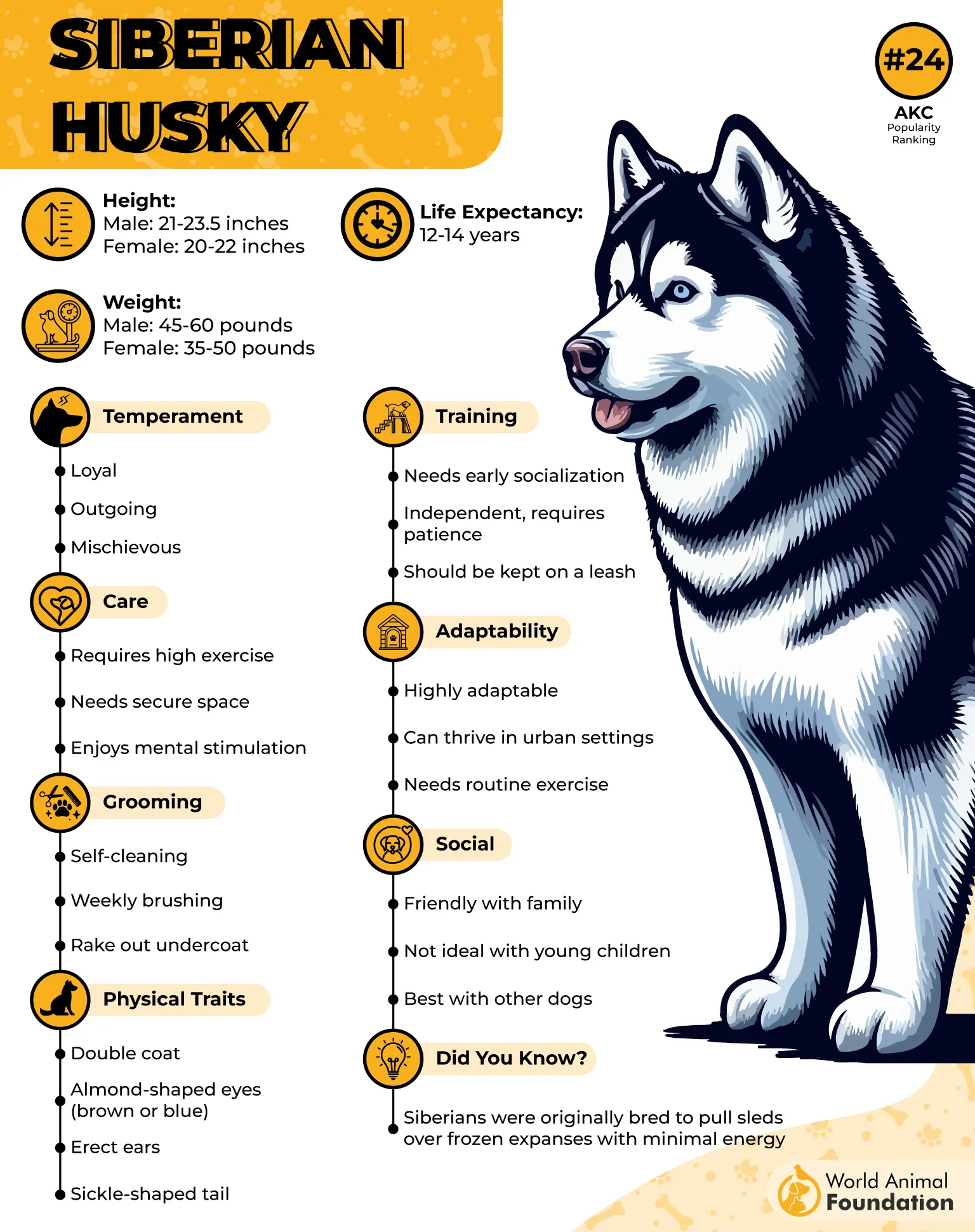
Huskies are thickly covered with an undercoat and topcoat that resists the weather. Their bodies are small in shape, thus they preserve heat, and the glare caused by snow is minimized by their almond-shaped eyes.
Activity and Lifestyle Compatibility
Siberian Huskies are perfect for very active pet parents. They are good runners, trekkers, and thrive as one of the best dog breeds in snow sports. Huskies need a lot of exercise in a day.
Temperament and Ownership Issues
These snow dogs are escape artists as they are independent and clever. It is important to have secure fencing and training, and handy to keep a leash on them. Owners who can keep up with their energy and adventurous spirit make them prosper.
5. Keeshond
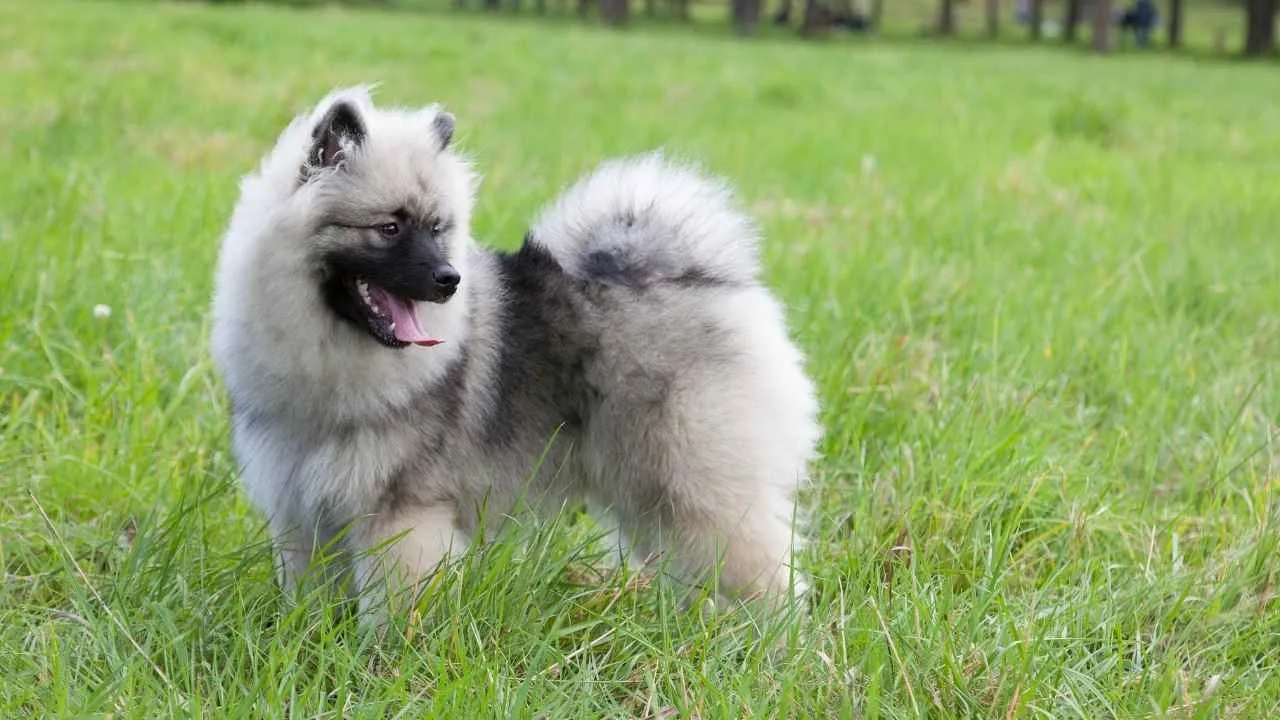
The Keeshond is a smaller Spitz breed that can tolerate cold weather. They have Nordic roots, and they were originally used to supervise Dutch barges.
Their plush and thick coat makes them well prepared to survive the cold, even though they are of a middle size.
Physical Characteristics
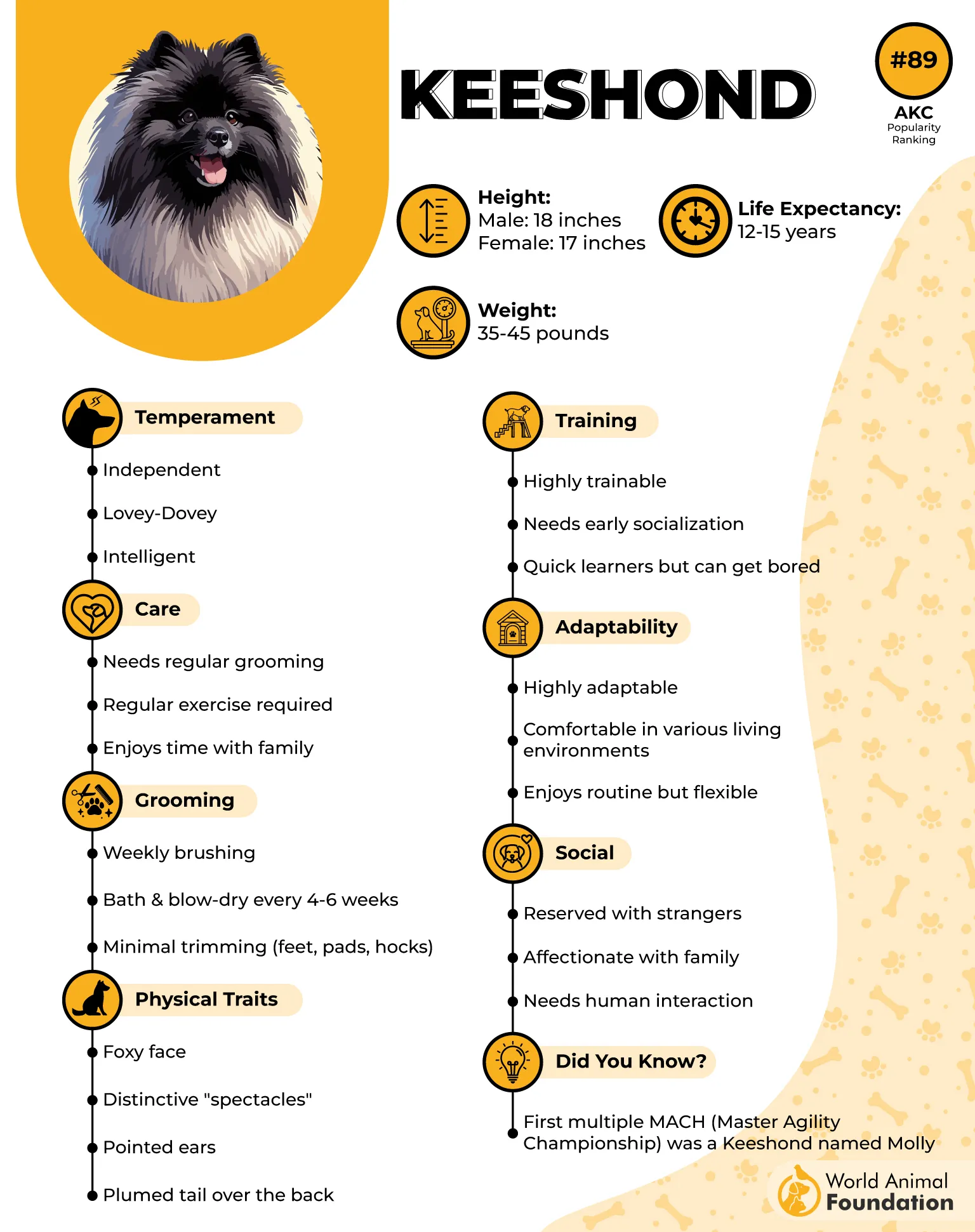
The Keeshond has a thickly coated two-layered coat and a short frame, which enables them to keep heat. Their fur automatically keeps them covered against the cold weather and snow.
Activity and Lifestyle Compatibility
They like vigorous walks, light hikes, and outdoor games. When active, they are not as demanding as other high-energy level sled breeds.
Temperament and Ownership Issues
Keeshonds are caring, even-tempered, and family-oriented. They are also very accommodating in any environment and are suited to homes that want a smaller pet to maintain.
6. Norwegian Elkhound
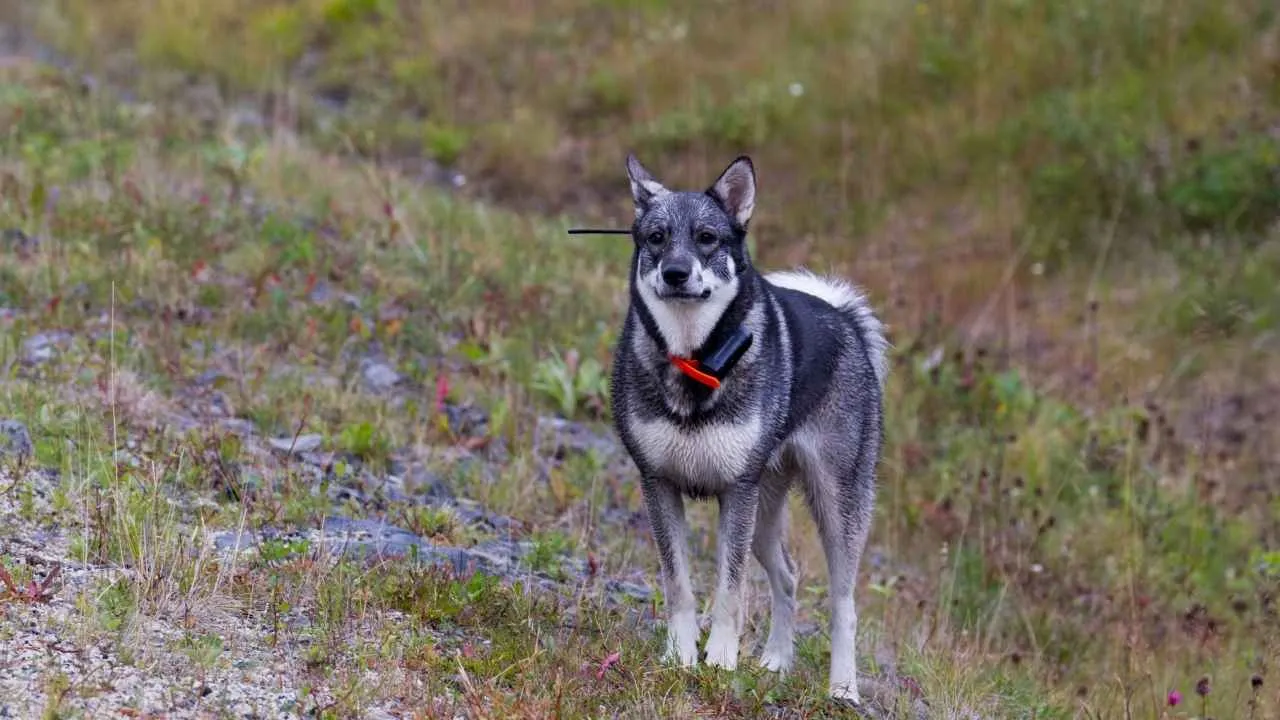
The Norwegian Elkhound is a prehistoric Scandinavian hunting dog that was used to hunt down large game in frozen forests. Powerful, intelligent, nimble, and brave, they are absolutely fitted to survive severe weather.
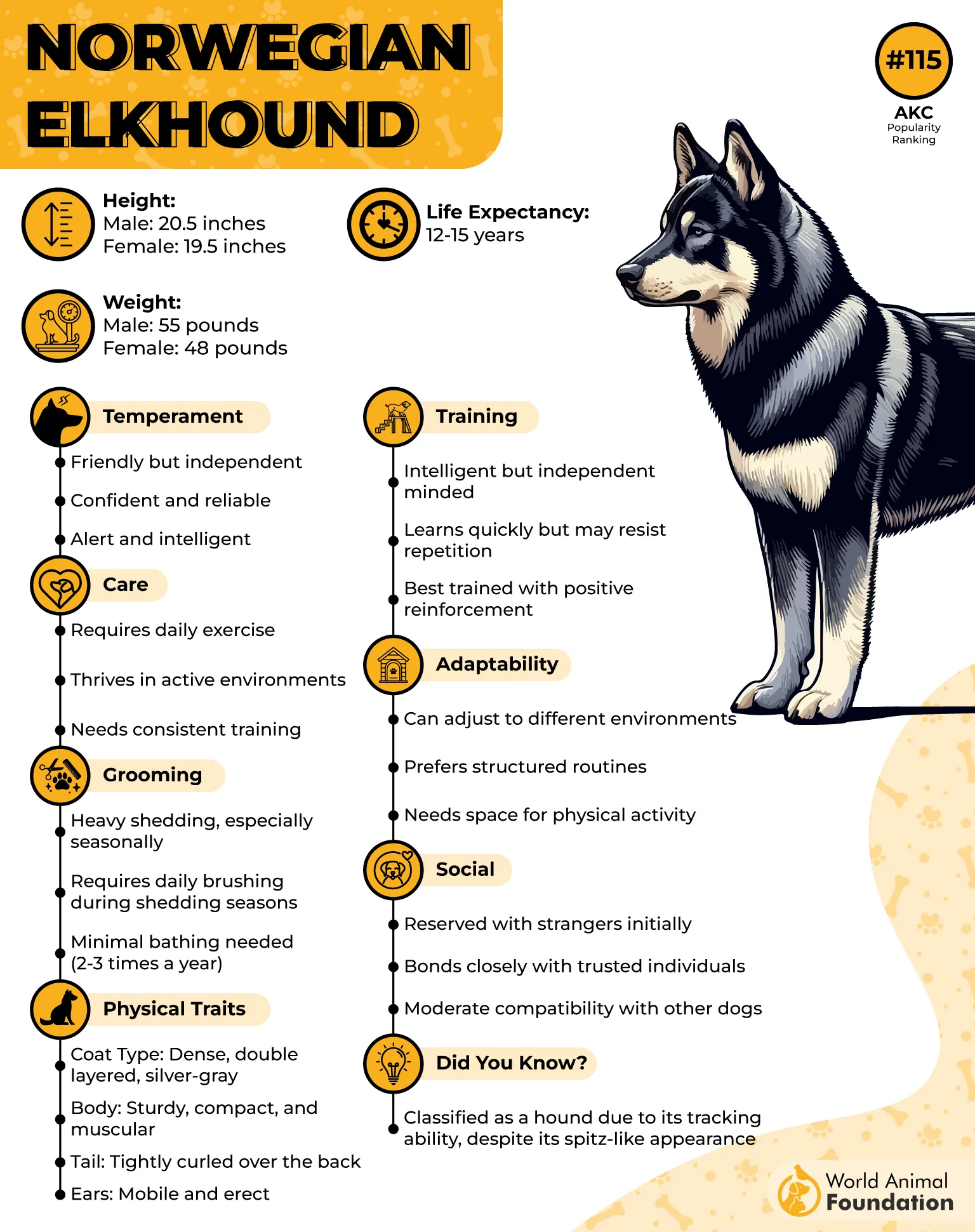
Physical Characteristics
Their heavy grey double coat gives them insulation and gives them protection against the weather. Their short but strong physique facilitates strength in thick snow amidst low temperatures.
Activity and Lifestyle Compatibility
Elkhounds do well when exercising and exploring the outdoors. They love hiking and organized sports, particularly during cold weather.
Temperament and Ownership Issues
They are protective and loyal, and are good watchmen to bring home. Balanced behavior is achieved through early socialization because they are vocal and independent. Their humans will soon find that these snow dogs make great companions.
7. Saint Bernard
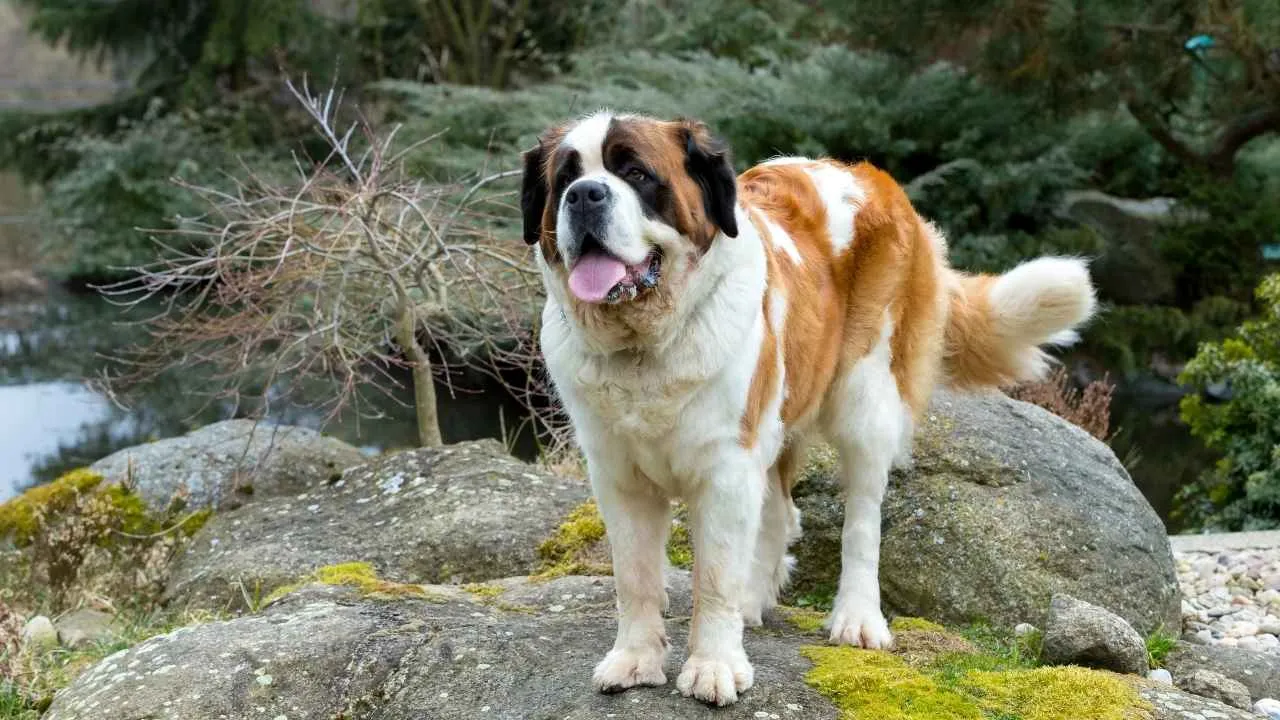
The Saint Bernard is mythical, considering the Alpine rescue effort in the Swiss Alps. Originally bred to work as a rescue dog, as per Orvis, they are strong and tender giants. They are insulated against cold in the mountains by their large, strong build and thick coat.
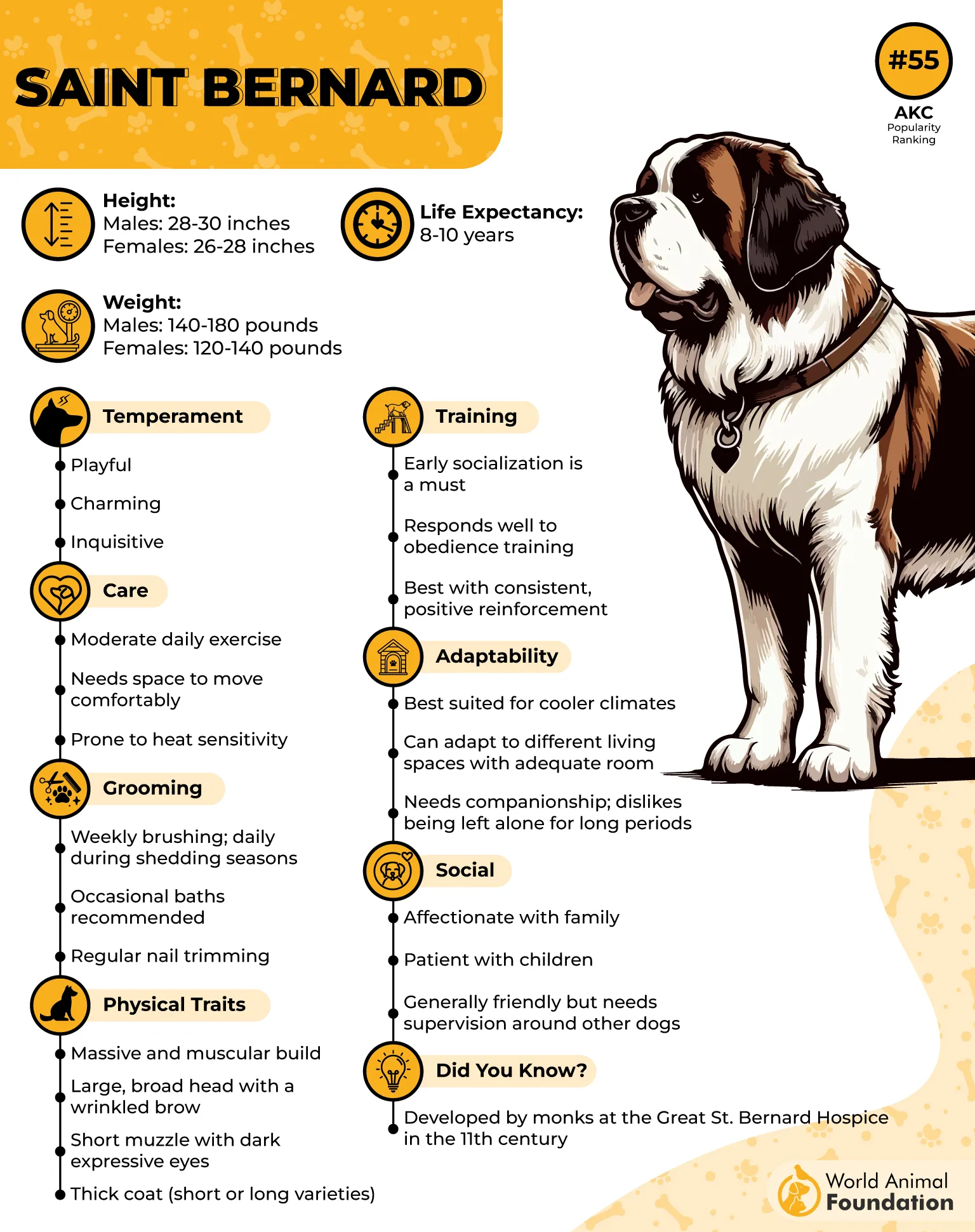
Physical Characteristics
The Saint Bernard has a dense, heavy coat that makes it well-suited to cold climates but highly sensitive to heat. Bred for alpine rescue work, these powerful dogs move steadily and confidently across deep, snowy terrain, using their strength and endurance to navigate harsh winter conditions with ease.
Activity and Lifestyle Compatibility
They do not play at a high level of endurance but love moderate snow games and walks outdoors. They suit spacious environments as well as cold climates.
Temperament and Ownership Characteristics
Saint Bernards are peaceful, tolerant, and very affectionate towards their families. They are notoriously good around children, but their size requires proper joint care and weight management as a long-term health necessity.
Conclusion
To adopt a suitable dog in the snowy conditions and be able to have an active life, it is necessary to think it over. The above breeds, from the powerful Alaskan Malamute to the reliable Saint Bernard, were the result of years of work and survival in the cold.
When you walk in the snowy forests, mountain trails, icy waters, or just admire the fresh air in the open environment, these breeds can be transformed into wonders. Nevertheless, they all have their own exercise, grooming, and training requirements.
The trick here is to match your activity level, experience, and the environment that you live in with the natural traits of the dog breed. A snow-loving dog does not simply survive; when well matched, they make you embrace the climate.
Having the right dog nearby, winter becomes not a hard time of day but an adventure that is to be experienced.
