




Big energy deserves a fun plan, not constant stress and guilt.
Some dog breeds wake up ready to move, think, and get stuff done. That is not “bad behavior.” That is just their normal wiring. And here’s the best part! When these dogs get enough exercise and a little brain work, their daily life at home gets easier. Less pacing. Less chaos. More calm cuddles.
But why bother with that? Because not all dogs fit a couch potato routine. Some are high-energy breeds that need a real outlet. The right match makes dog ownership feel joyful instead of messy. This blog shares the best dog breeds for an active lifestyle, with simple details that actually help.
Expect honest notes, fun facts, and what daily exercise can look like in real homes. A little planning now can prevent destructive behaviors later. And yes, it can also help with separation anxiety in some dogs.
Dog Breeds That Thrive on Daily Exercise and Fun
1. Border Collie
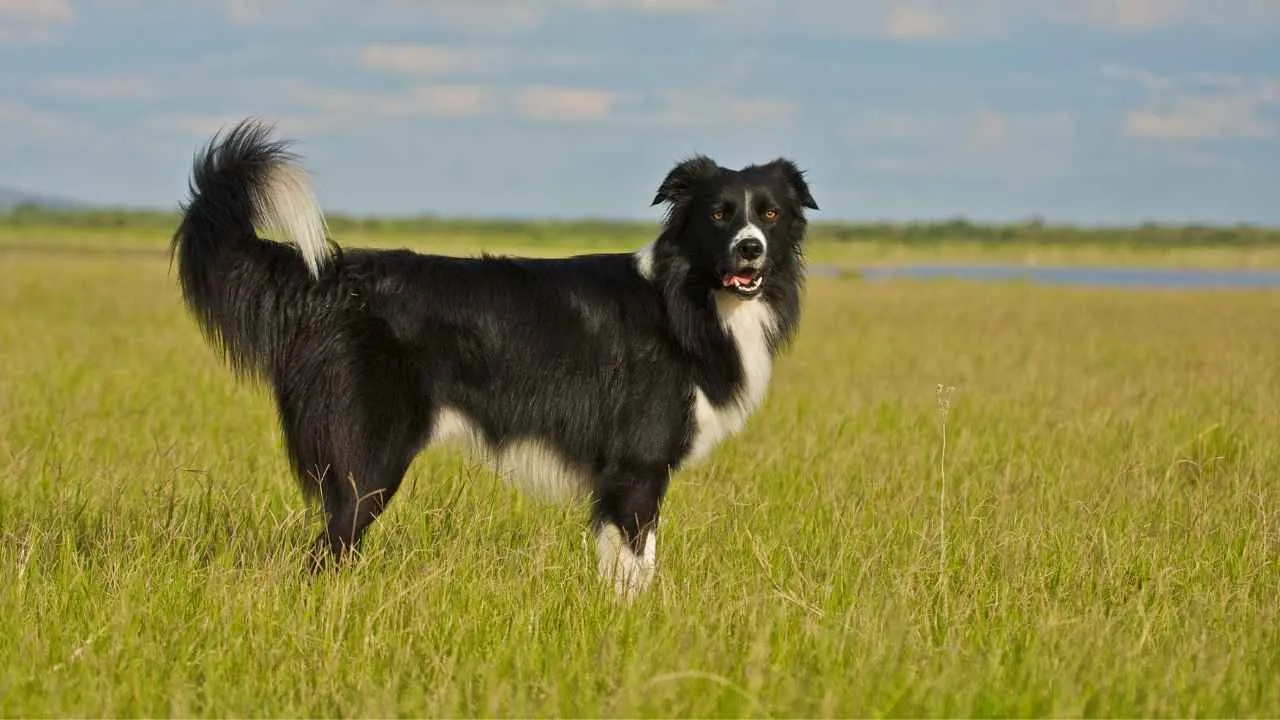
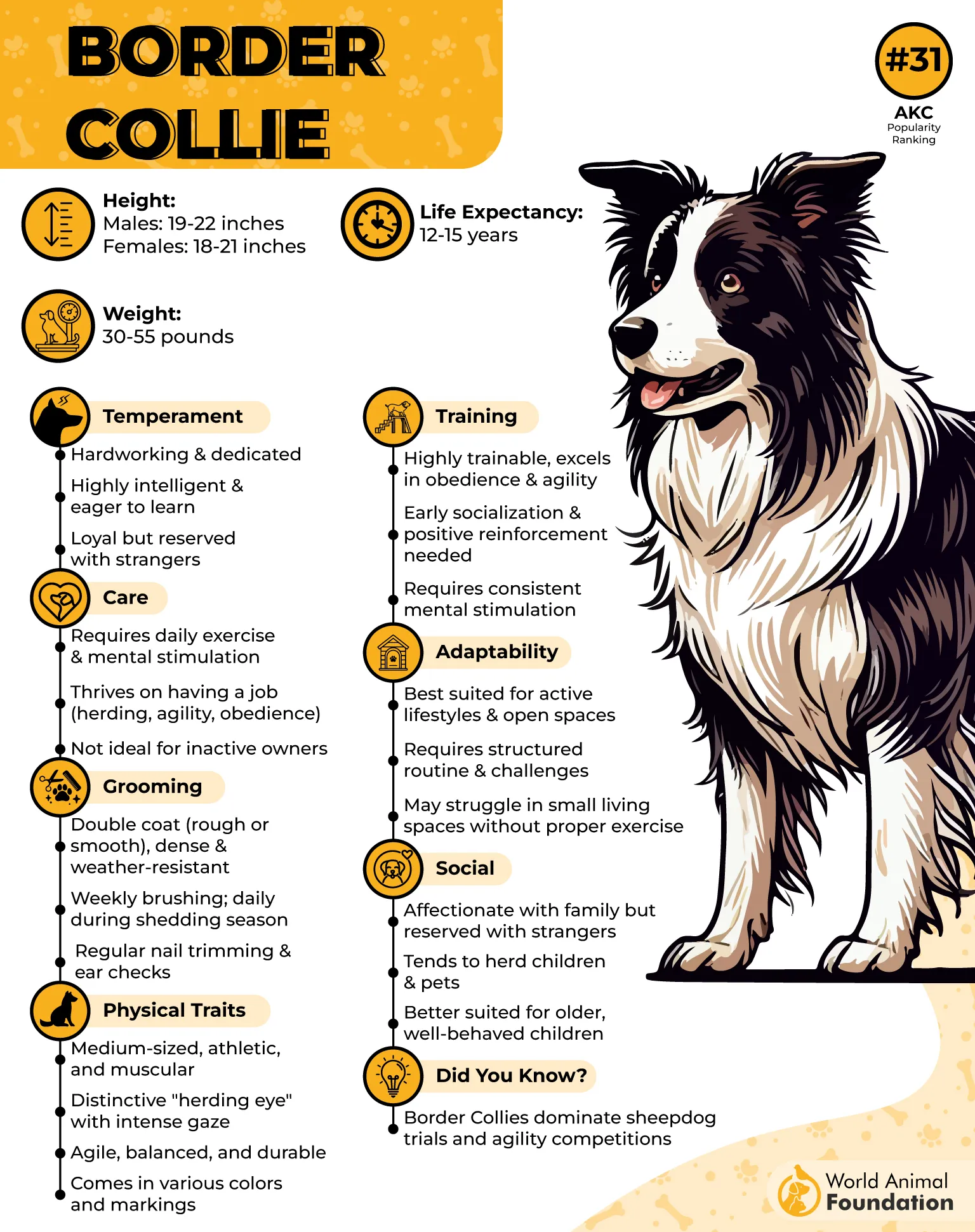
These Border Collies are famous for being scary smart. That brain never really turns off. They were originally bred to work livestock with sharp focus and quick choices. That “herding eye” is not just a cute look. It is a working tool.
This medium-sized dog is athletic, balanced, and built to move all day. Energy levels stay high, even after a simple play session. Physical activity matters, but mental stimulation matters just as much.
Without it, some dogs get bored fast and start creating their own games. It gets even worse, though, when those games include chewing furniture.
According to Pawlicy Advisor, Queen Victoria grew very fond of Border Collies, and that helped boost their popularity as sheep herding dogs.
The good news is that they are highly trainable. Positive training turns that busy mind into a team player. Agility training can be a perfect outlet because it mixes speed, control, and thinking. For active owners, this can feel like having a teammate who truly listens.
Bright Work, Happy Brain
Try puzzle feeders for mental and physical stimulation
Mix fetch with simple scent games for physical and mental stimulation
Keep sessions short bursts, then repeat later
2. Australian Shepherd
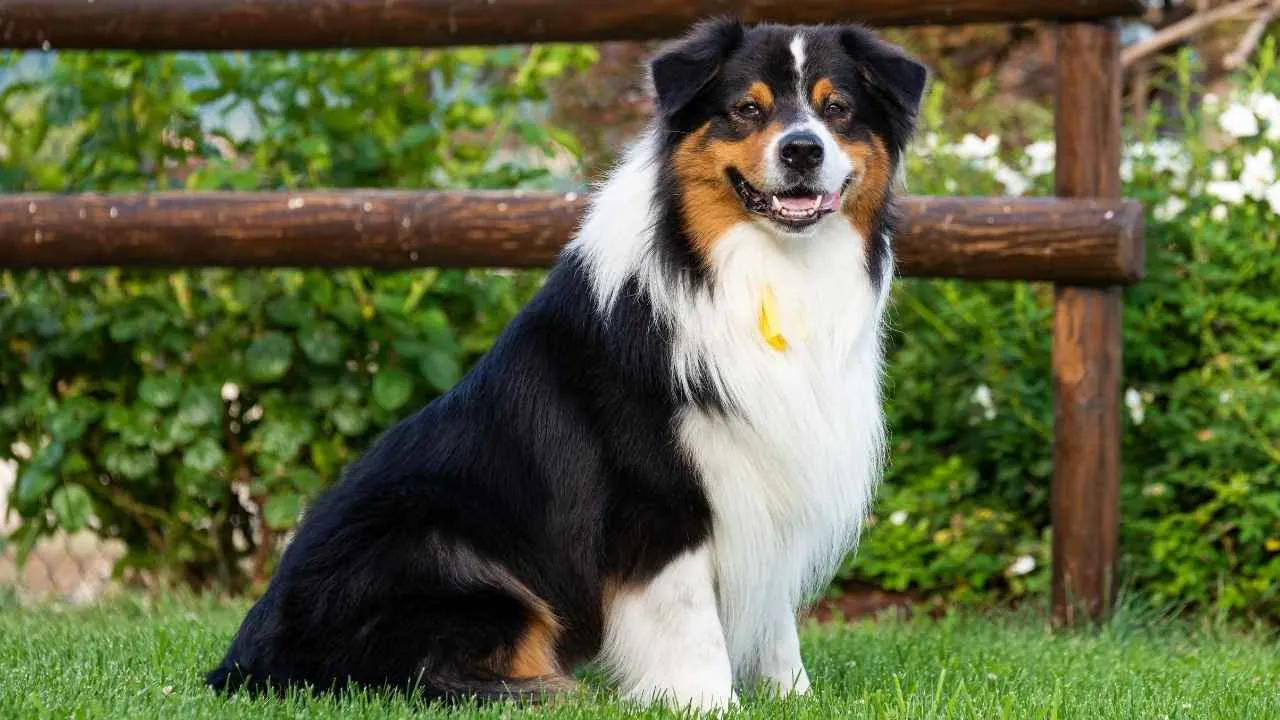
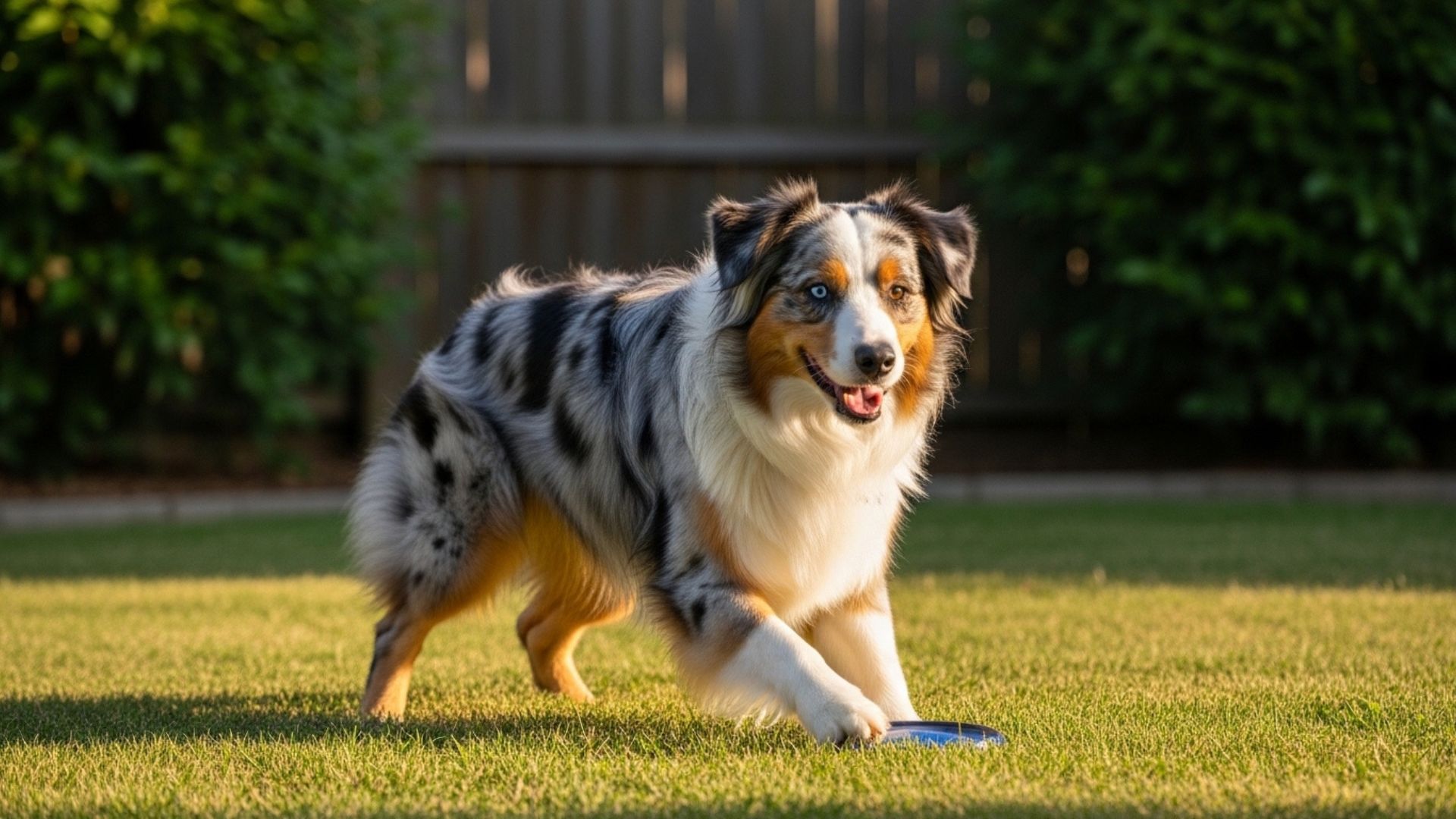
Australian Shepherds were developed in America to work in ranch life. The working instinct still shows up today. They often want a task, a pattern, and a person to follow. Sounds crazy, right? A dog that loves “work” can be one of the best dog choices for someone who enjoys structure.
They move with an energetic nature and a strong drive to stay busy. Energy levels can stay steady for hours, so a lazy plan usually falls flat. Daily exercise helps, but variety matters too.
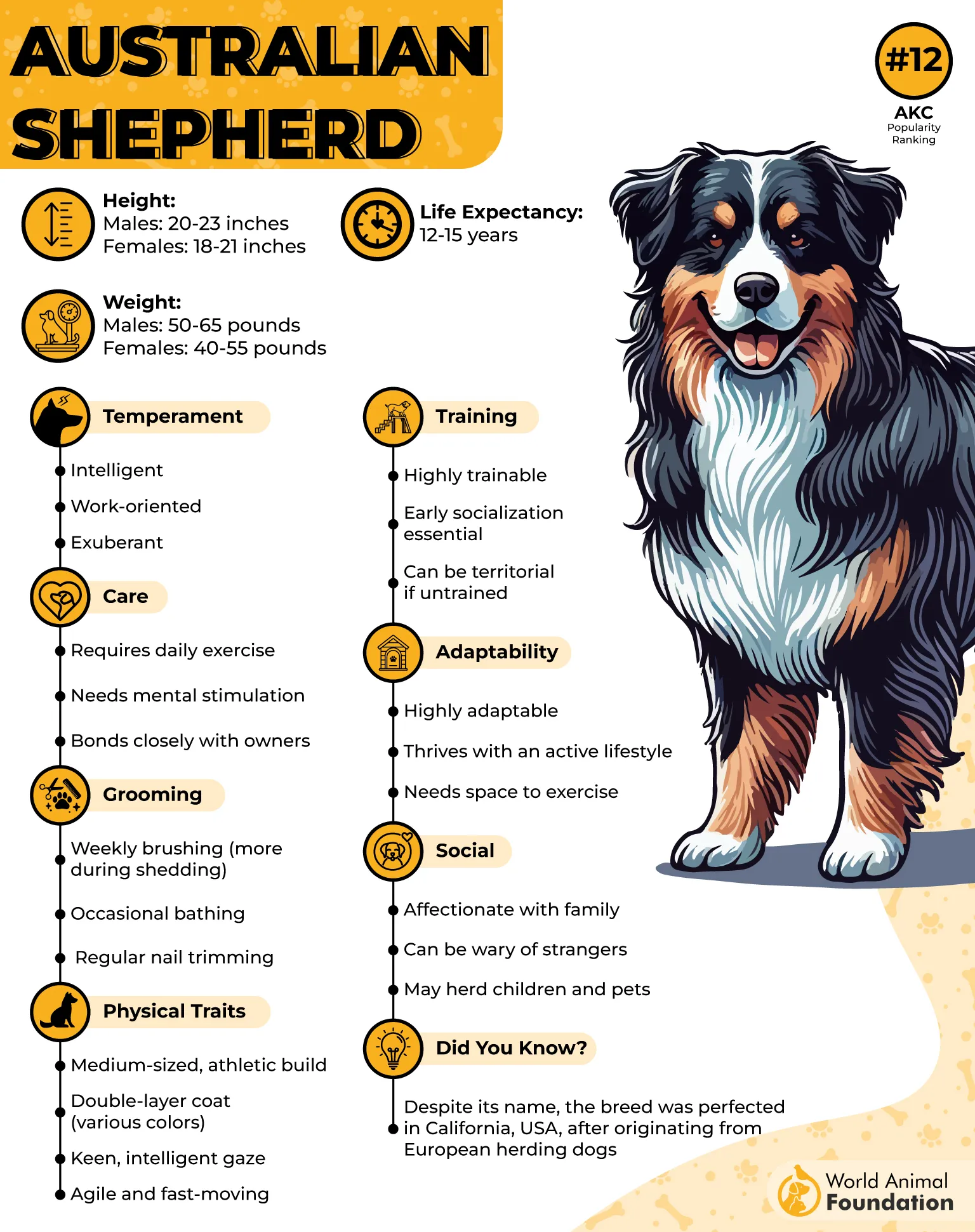
Think outdoor activities, new routes, and quick skill games. Daily walks can be a start, but this breed often needs more than a casual loop.
As per PetMD, Australian Shepherds usually stand 18–23 inches at the shoulder and weigh around 40–65 pounds as adults, with males typically bigger than females.
They also shine with basic training and steady rules. Training classes can help dog owners build timing and confidence.
This is a smart pick for active lifestyle homes where people love spending time outdoors and want a dog that joins in without complaining.
A Ranch Mindset in a Family Home
Use positive training to teach focus around distractions
Offer mental stimulation with simple “find it” games
Keep rules clear so dog ownership stays smooth
3. Jack Russell Terrier
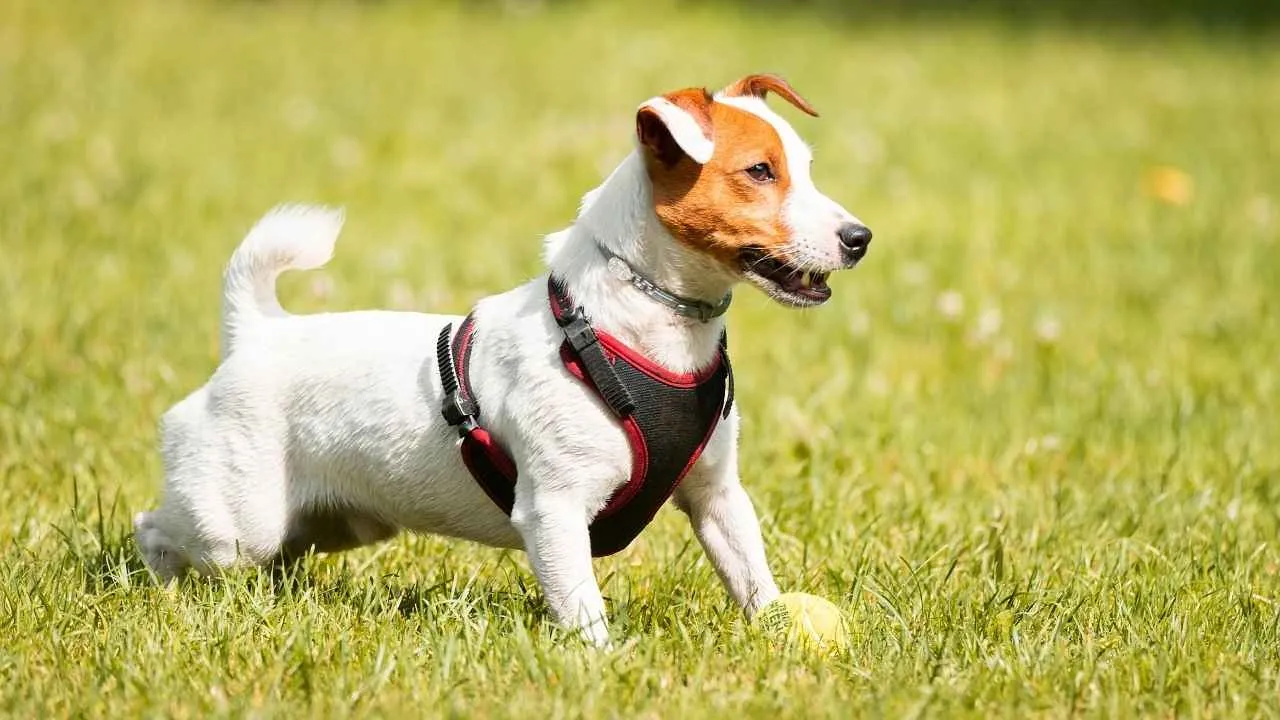
The Jack Russell Terrier has a big motor in a small body. This breed has roots in working terriers from the British Isles, later shaped in Australia for modern standards. That background matters because they were originally bred to be bold and useful, not to lounge politely.
Energy levels can spike fast. This can look like zooming, digging, or dramatic “opinions” about everything. A little laughter helps here. These are energetic dogs with a strong need for proper exercise.
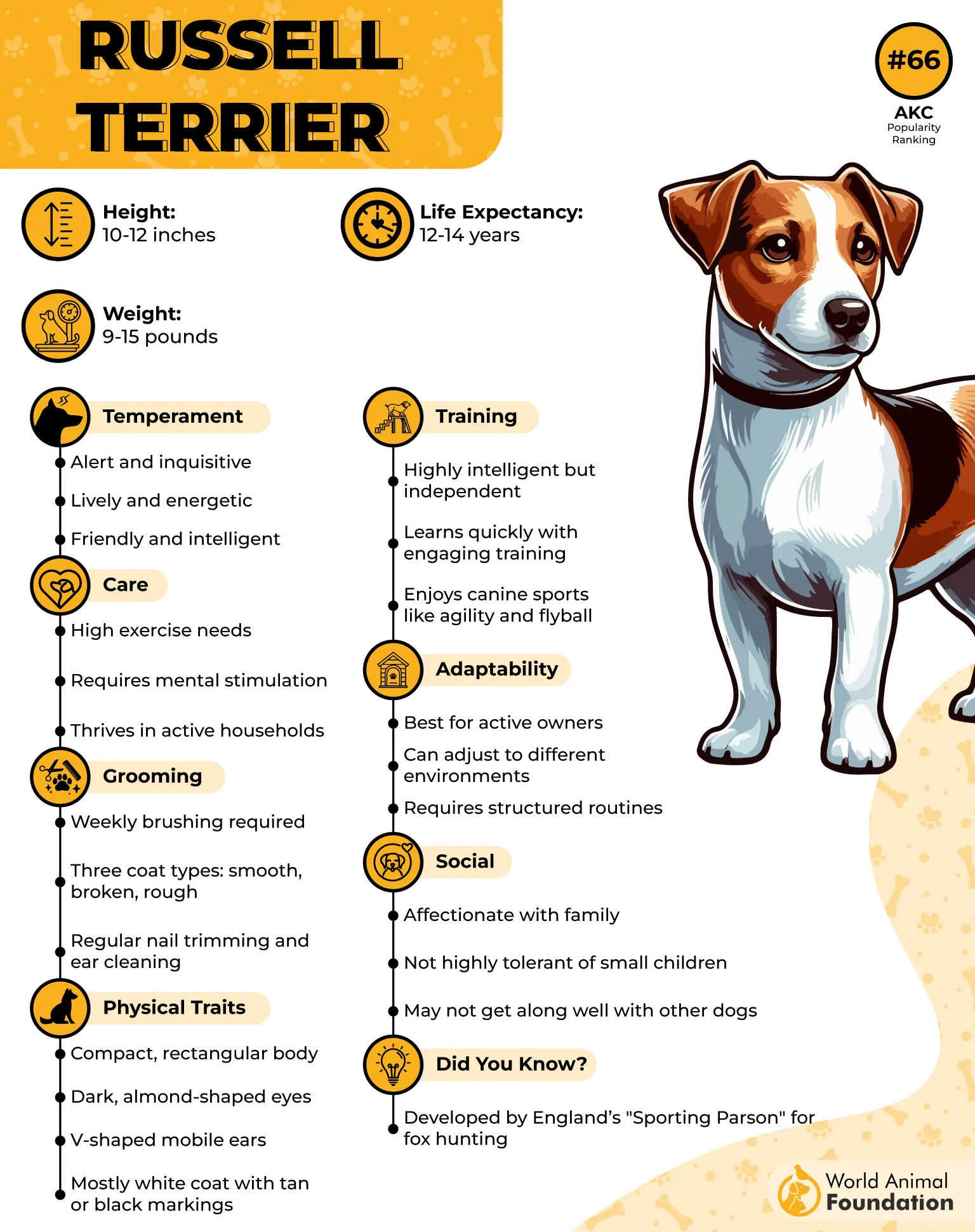
Without enough exercise, some dogs turn into tiny chaos machines. But wait, there’s more! They also need mental stimulation, or they will invent their own challenges.
According to Britannica, the Jack Russell Terrier has a tough, weather-resistant double coat that is mostly white with black, tan, or black-and-tan markings. The coat can be smooth, rough, and wiry, or a mix in between.
The win is that they love play and learn quickly with the right approach. Keep sessions fun, use rewards, and avoid harsh methods.
Positive training works best because it keeps trust strong. For busy lifestyle homes, plan short bursts of play several times a day, plus a solid activity block.
Small Body, High Energy Dog
Use tug games to burn physical exertion safely
Teach impulse control with basic training games
Rotate toys to prevent boredom and stress
4. Siberian Husky
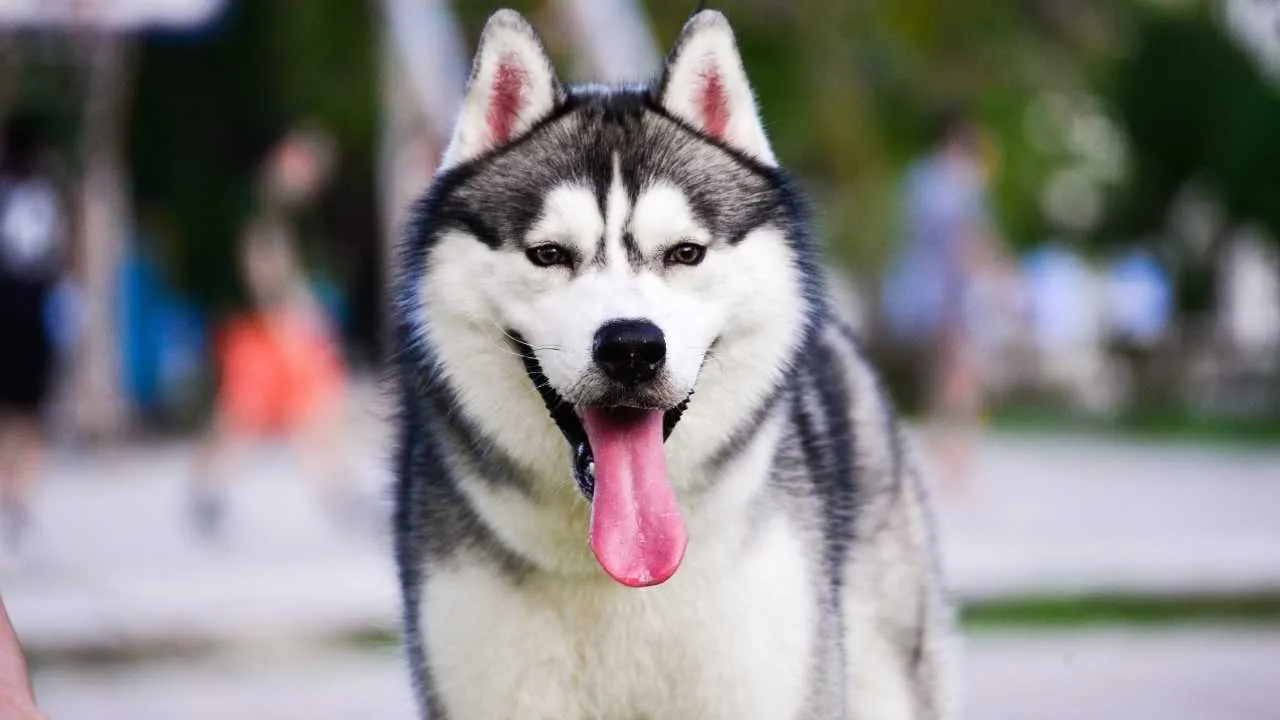
A Siberian Husky is built for motion and has a personality to match. Huskies became known in the U.S. after arriving in Alaska in 1908. Over time, they gained fans for their looks, stamina, and big attitudes. They are also famous for being vocal, so quiet neighbors may not love the soundtrack.
This is a large breed with strong energy needs. Energy levels can stay high, and some dogs are extremely energetic in the first few years. They need space, plus lots of mental stimulation. Vigorous exercise helps, but it has to be safe and planned.
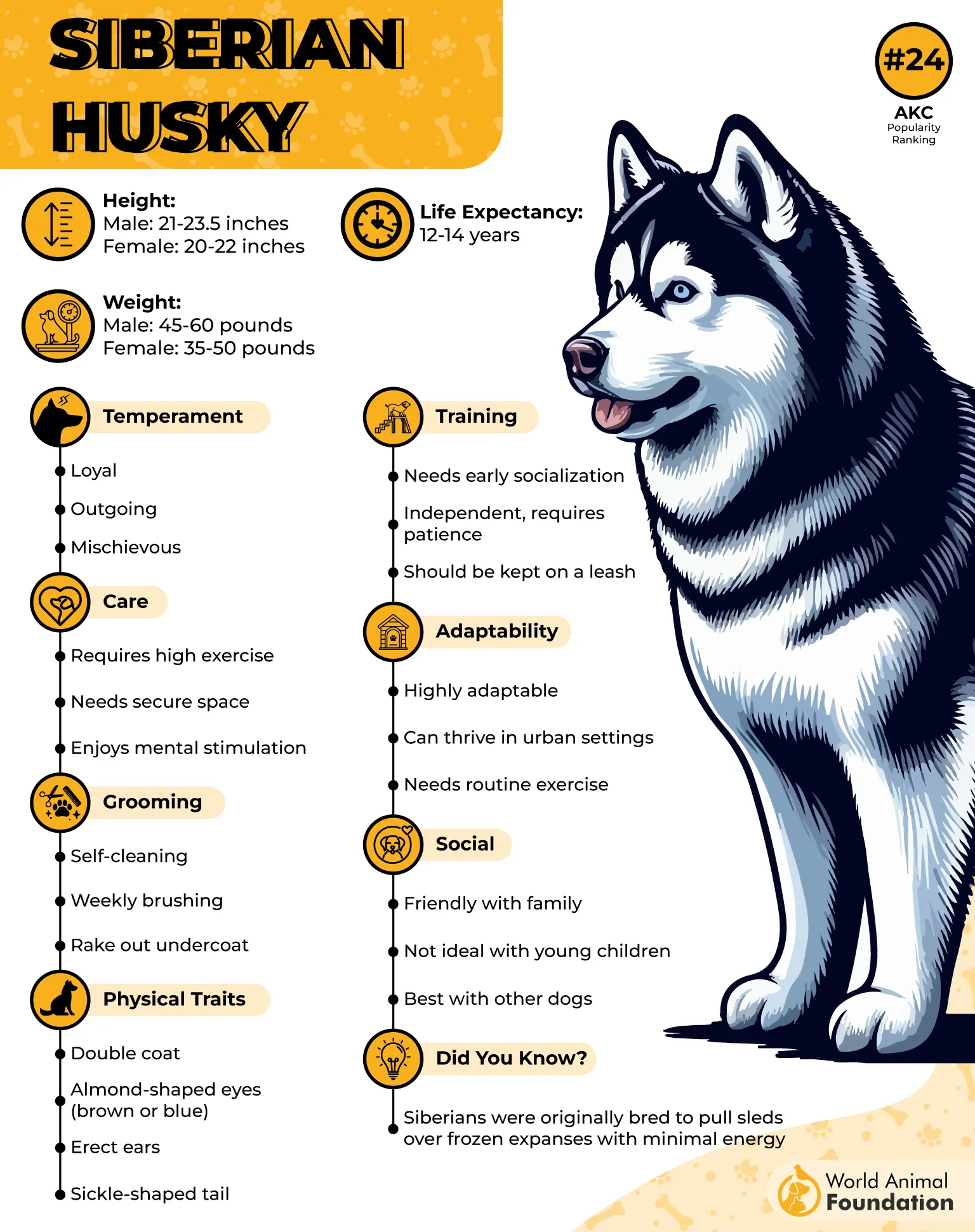
A Husky that gets bored may test fences, doors, and patience. That can lead to destructive behaviors if the day feels empty.
Consistent training from early life helps a lot. Social time with other dogs can be useful if introductions are handled well. This breed can be well-suited for active dog households that enjoy long walks and steady routines. Think at least an hour of movement most days, plus brain games.
Talkative, Tough, and Full of Boundless Energy
Plan long walks and safe roam time for physical activity
Add mental stimulation with hide-and-seek games
Watch for separation anxiety signs and build calm routines
5. Vizsla
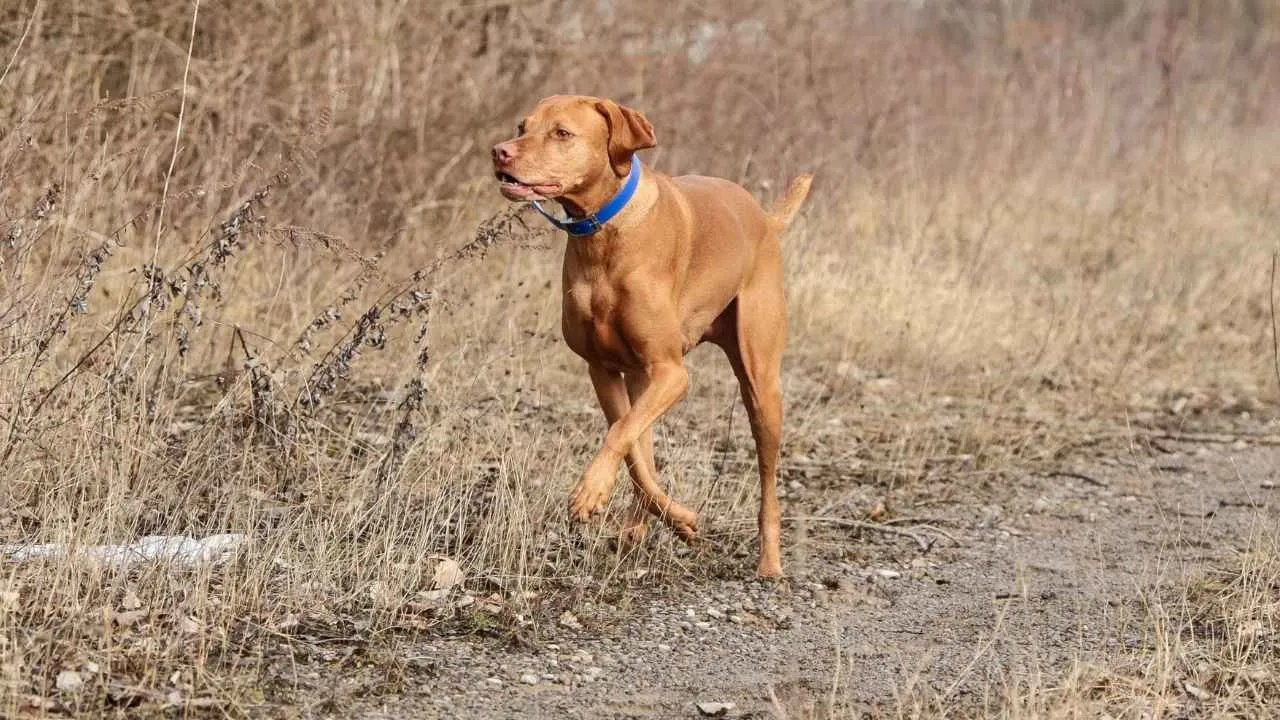
Vizslas are sleek, muscular, and built like sports cars. They mature around one to two years, and their bodies are well-proportioned for speed and stamina. Their short coat is easy to care for, which is a relief for many dog owners. Less grooming drama, more time for fun.
They often form strong bonds and love spending time close to their people. That closeness is sweet, but it can also mean they dislike being left out.
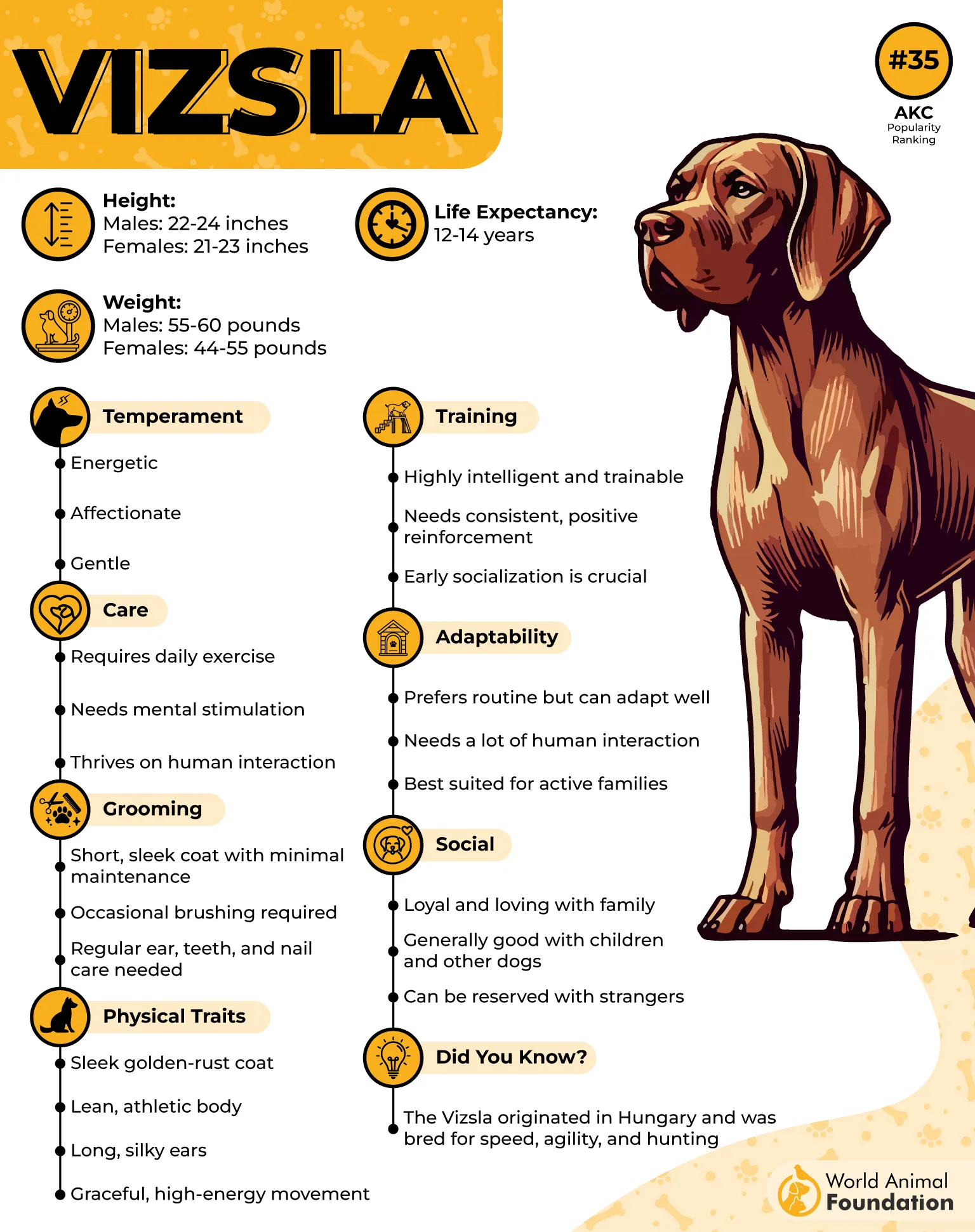
Some dogs may struggle if alone time is not taught gently. Regular exercise is key, but so is a calm routine at home. A Vizsla can thrive with brisk walks, training games, and safe running time.
They make great companions for active owners who want a dog that stays engaged. Their energy levels tend to be steady rather than random, especially with structure. Physical stimulation matters, and a little learning each day keeps the brain satisfied, too.
Smooth Athlete, Soft Heart
Teach alone time slowly to reduce stress
Mix daily exercise with simple scent games
Keep sessions upbeat with positive training
6. Dalmatian
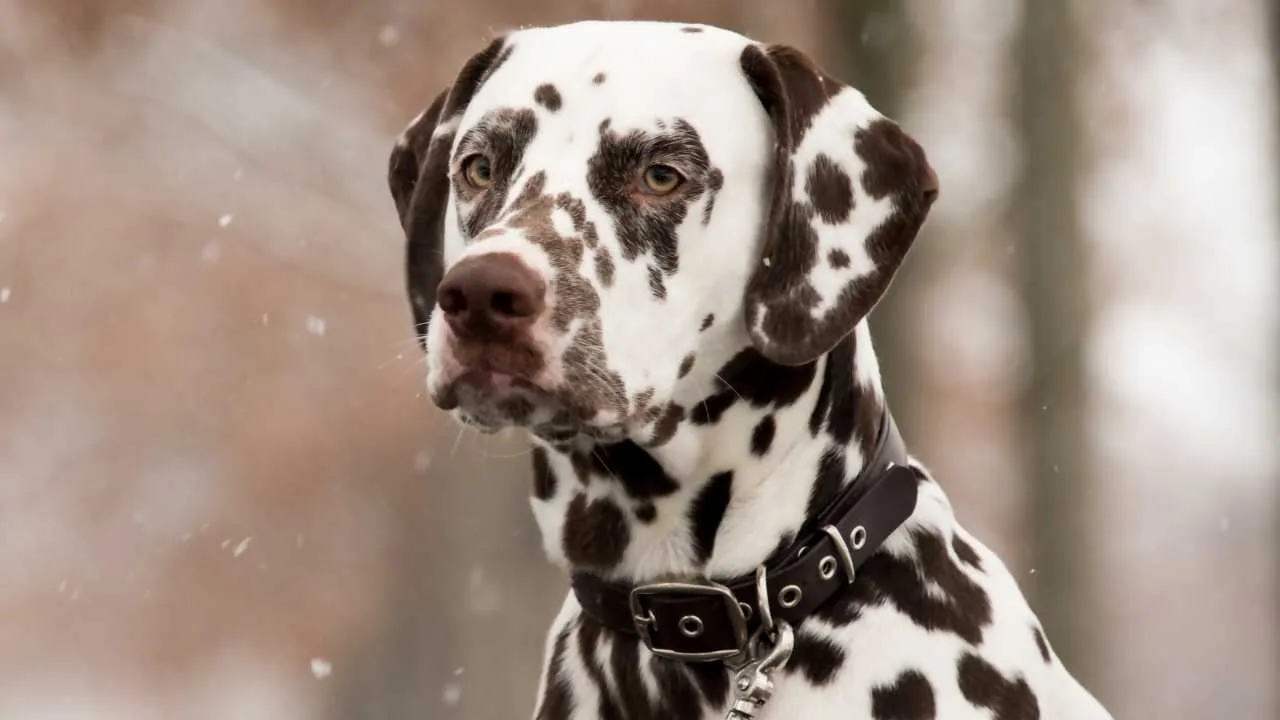
Dalmatians have one of the most famous looks in the dog world. Those spots are not just a fashion moment. This breed has a long history as a coach dog, moving with horse-drawn rigs. Yes, they could run alongside carriages for miles. That background explains their strong stamina and “ready to go” vibe.
This is an active, muscular dog with really high energy. Energy levels stay lively, and they often enjoy being running partners for people who like to move.

Outdoor activities like hikes and steady jogs can fit well. But why bother with planning? Because Dalmatians can get restless when days are dull. Without enough exercise, some dogs may become pushy, noisy, or too intense indoors.
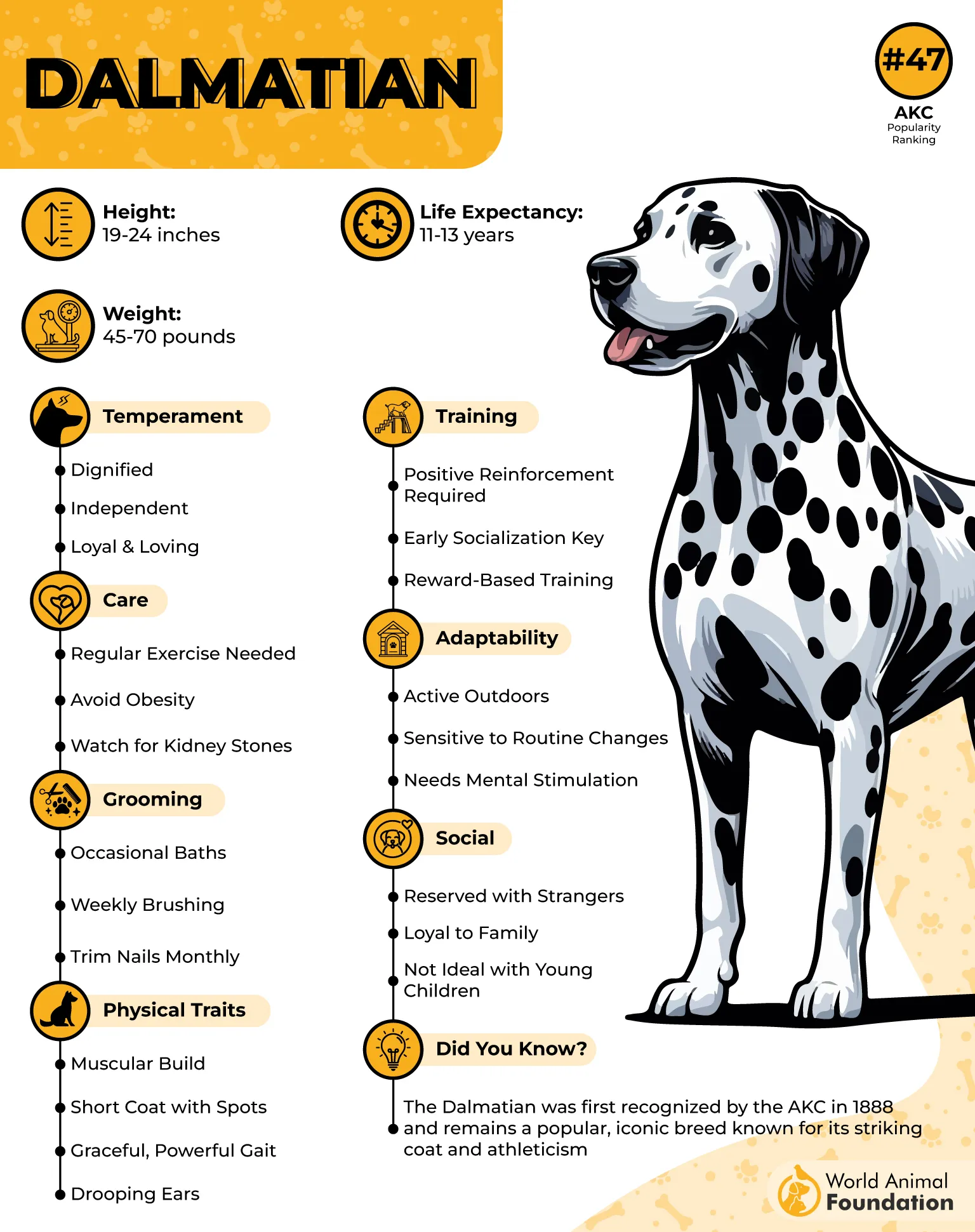
They can be reserved with strangers, yet loyal and affectionate with their chosen people. They also have a protective streak, which makes training important. Keep it clear, fair, and consistent. These dogs can be excellent companions when their bodies and minds are kept busy.
Built for Distance and Daily Fun
Add daily exercise that matches their stamina
Practice calm greetings with positive training
Use physical activity plus brain games to keep balance
7. Weimaraner
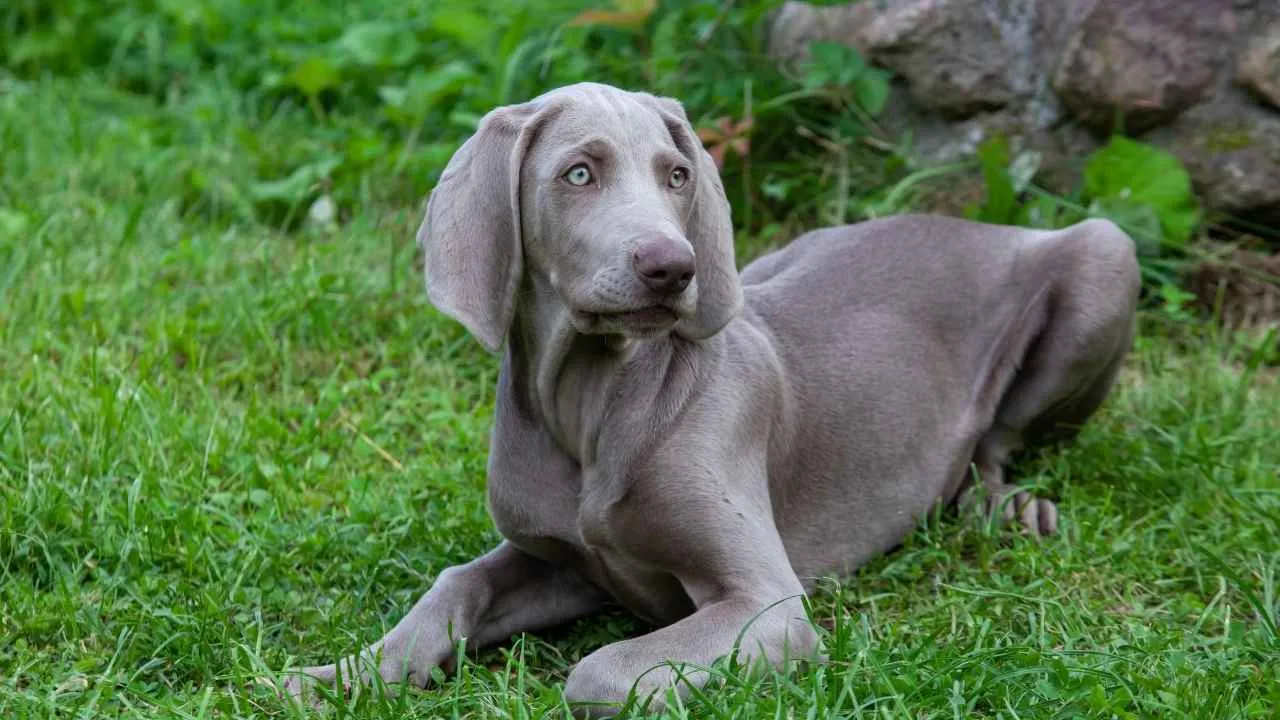
The Weimaraner is known as the “Grey Ghost” for its silver-grey coat. The breed developed in Germany for nobility in the early 1800s as a pointing dog, and it later became admired in the hunting field.
That history matters because the body and mind were designed for action. They are hunting dogs with strong drive and speed.
This can be a large dog with intense focus. Energy levels can stay high through the day, especially in young adults. They do best with daily exercise that challenges both body and brain.
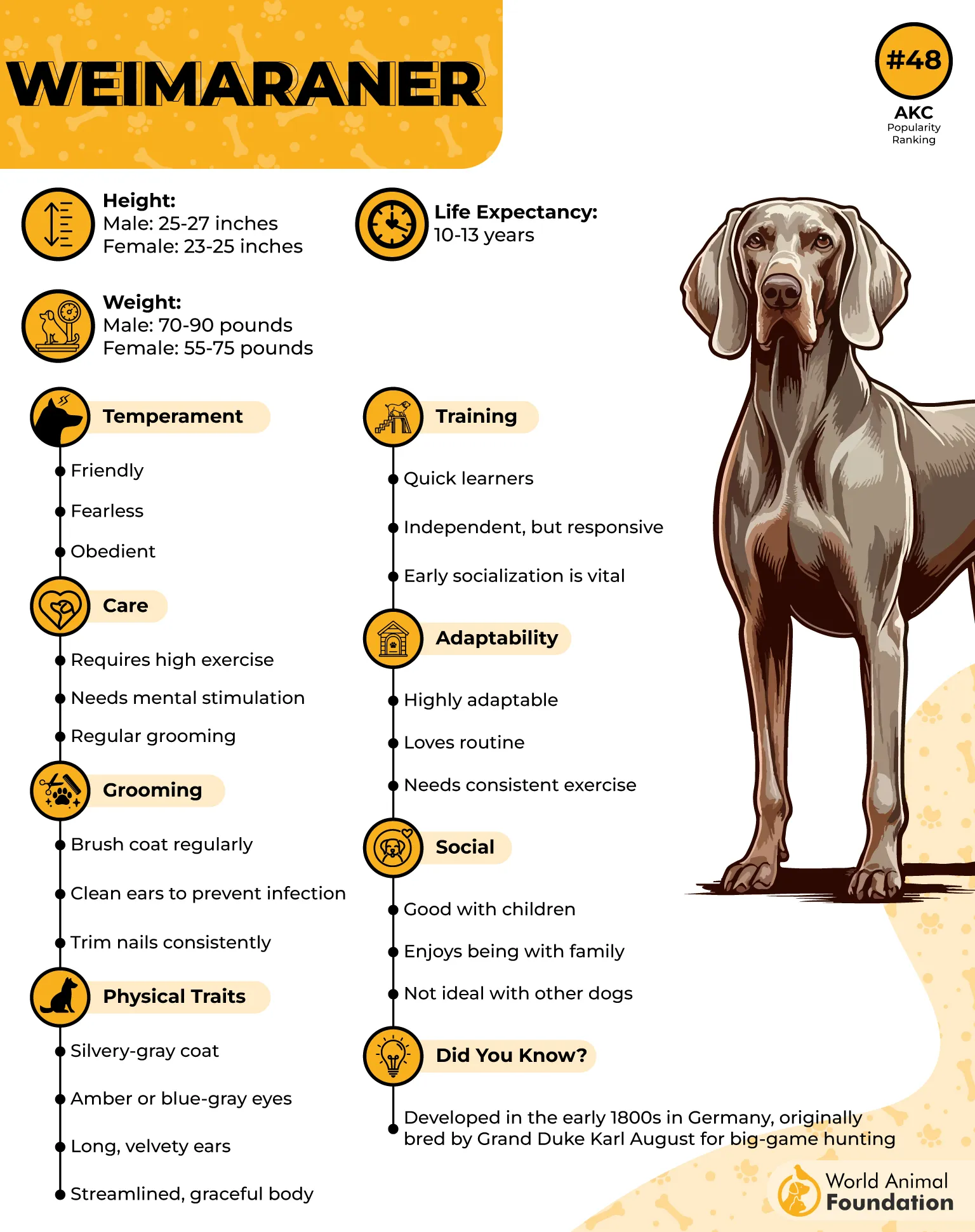
Think structured play, training games, and steady movement. Without enough exercise, some dogs become restless and clingy. That can feed separation anxiety if routines are shaky.
They often love being close to their people and can thrive in active lifestyle households. Many enjoy running partners, but start slow and keep it safe.
Also, very few dogs were ever meant to hunt lions, so ignore wild myths. Pick a plan that fits the breed’s real instincts and your real schedule.
Fast Mind, Fast Feet
Keep sessions varied to match energy needs
Use positive training to build calm focus
Add physical and mental stimulation to prevent boredom
Conclusion
Choosing from the best dog breeds for movement should feel exciting, not stressful. These dog breeds are active dogs with real exercise needs, so the match has to be honest.
Daily exercise, mental stimulation, and clear routines help energy levels settle healthily. That is when breeds thrive, and home life feels calmer.
And here’s the good part. A plan does not need to be fancy. It just needs to be steady. If the schedule is tight, build simple habits and protect that time like it matters, because it does.
Also, embrace pet insurance if possible. Some dogs can face health problems, and pet insurance can soften the blow. The best dog is the one that fits your world and gets loved properly.
