




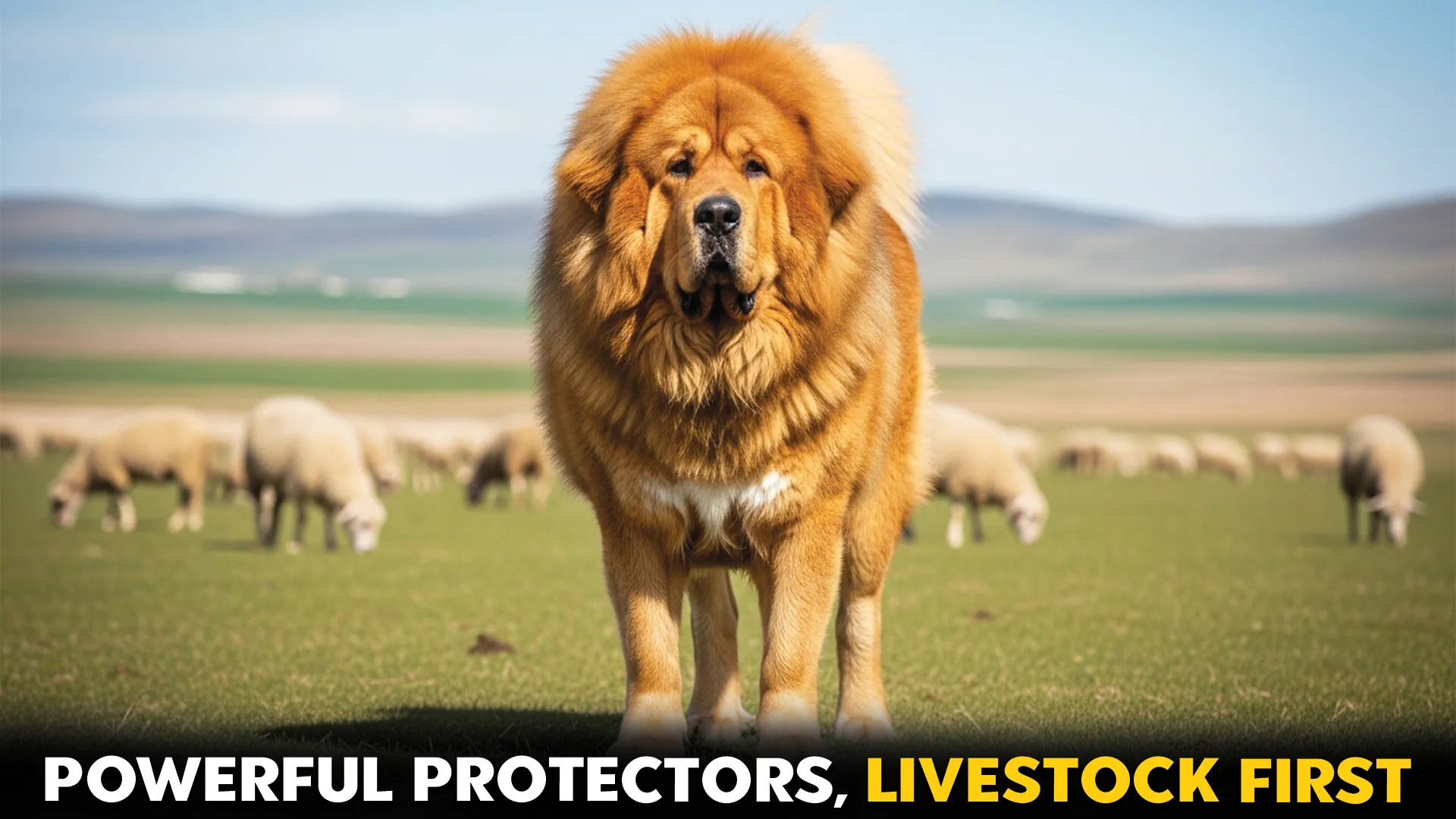
What protects your livestock when you are not there to hear the first rustle in the dark? Fences can be climbed. Gates can be breached. Human supervision has limits.
For centuries, farmers have relied on livestock protection dogs to fill that gap between vulnerability and safety. These guardians live with the herd, think independently, and respond without waiting for instruction. Their work demands patience, courage, and a natural understanding of territory.
However, not every protection breed thrives in every environment. Some excel in open rangelands, others adapt better to smaller farms. Climate, predator type, and livestock species all influence which guardian will succeed. Selecting without understanding these variables can lead to frustration and preventable loss.
This comprehensive guide explores the top livestock protection dog breeds, comparing their strengths, challenges, working styles, and suitability for different farming conditions.
Key Takeaways
When the sun goes down, and the pasture falls silent, protection shifts to the dogs that never fully switch off.
The Great Pyrenees patrols with quiet confidence, while the Anatolian Shepherd Dog watches vast land with steady, calculating focus.
Tibetan Mastiffs and Caucasian Shepherd Dogs rely on sheer presence and instinct, often deterring predators without needing to chase them.
By the time you reach the final breed, you begin to see that true protection is not loud or chaotic; it is steady, watchful, and deeply rooted in instinct
Top Livestock Protection Dog Breeds: A Comprehensive Guide
1. Great Pyrenees
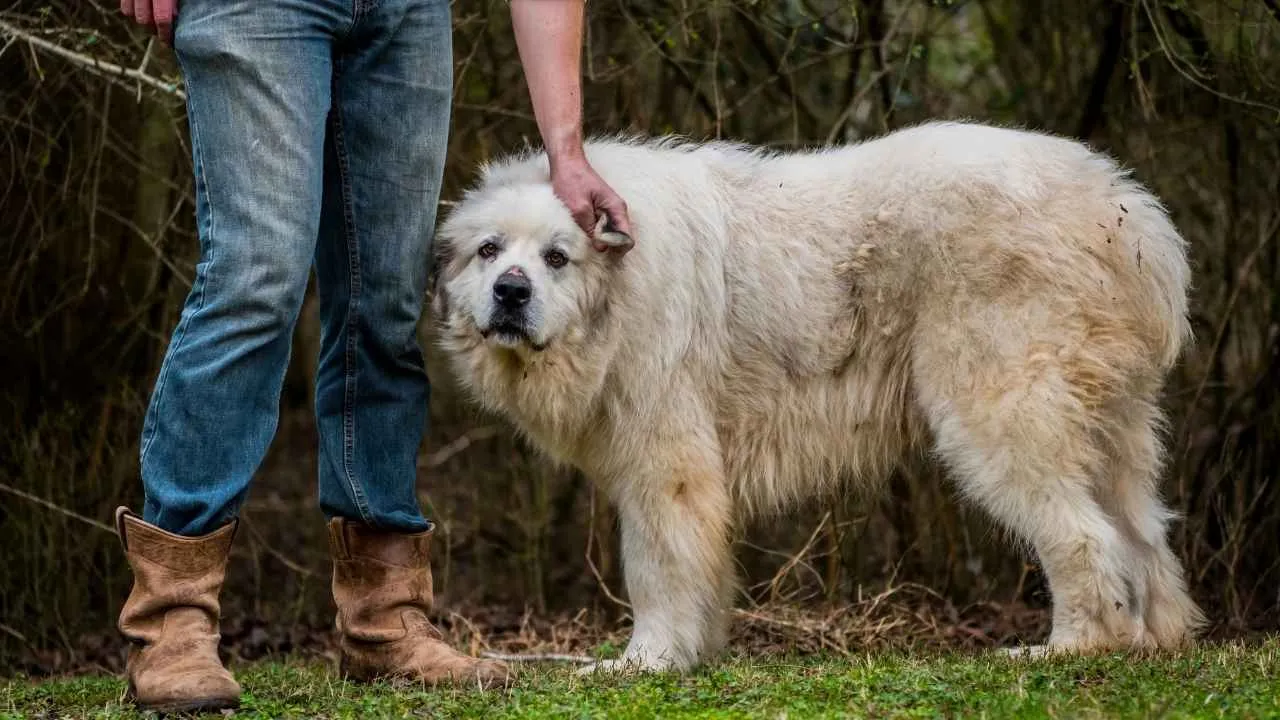
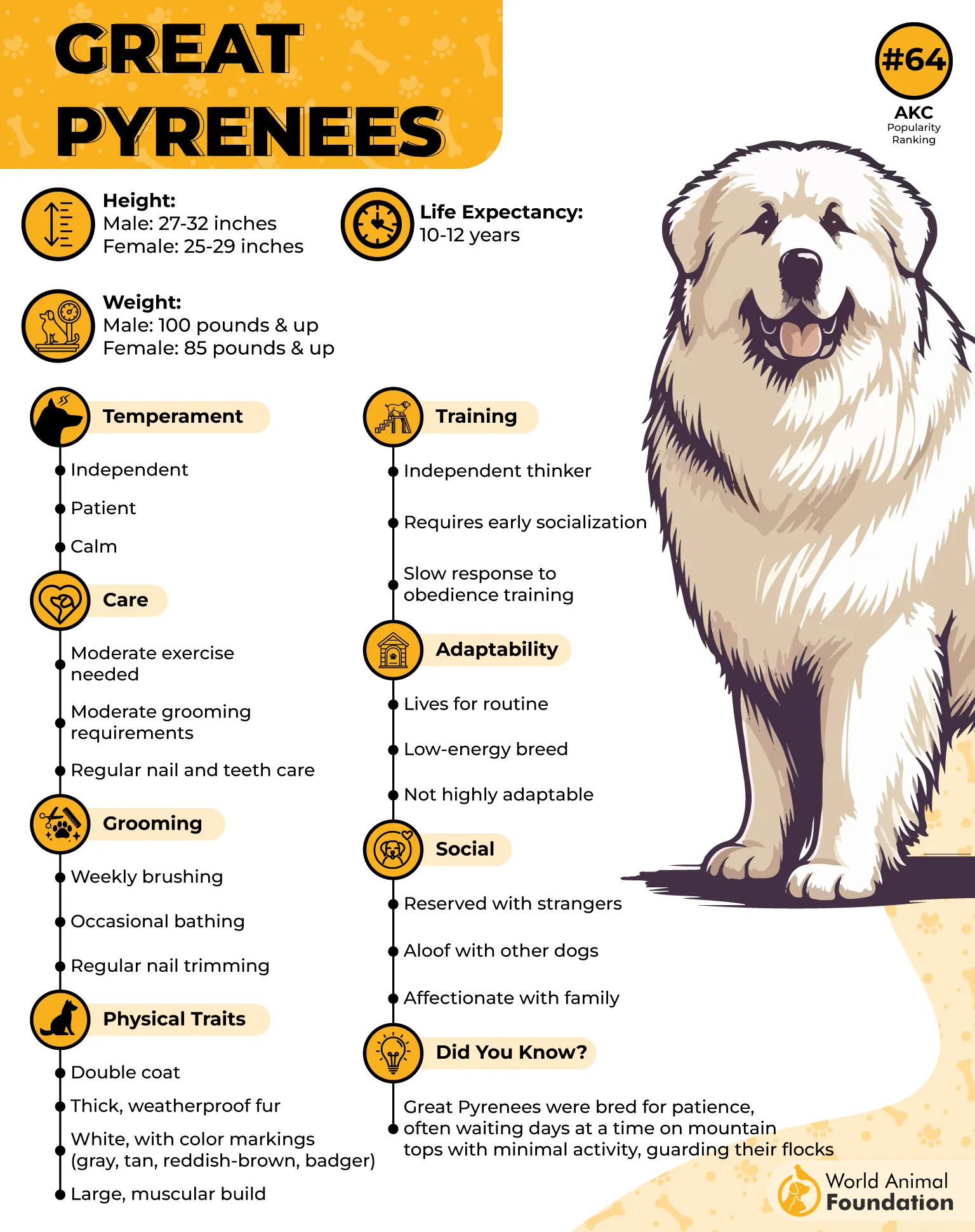
Great Pyrenees dogs were originally bred for centuries in the high Pyrenees Mountains, safeguarding sheep from predators. Their thick, white coats blend seamlessly with snowy landscapes, allowing them to patrol silently. These dogs combine power with calm vigilance, watching over flocks with quiet confidence.
Strength and Presence
This breed’s impressive size and musculature enable it to act decisively when needed. Their body language communicates authority without aggression.
Key attributes include:
Dense, weather-resistant coat for mountain climates
Strong, steady legs built for endurance and balance
Alert eyes and upright ears to detect distant threats
Independent Loyalty
While gentle with families, Great Pyrenees are bred to think independently, making decisions when alone with livestock. Their strong-willed nature requires respectful handling and consistent guidance, as PetMD writes. Their calm demeanor at home reflects the patience they exhibit on duty.
2. Anatolian Shepherd Dog
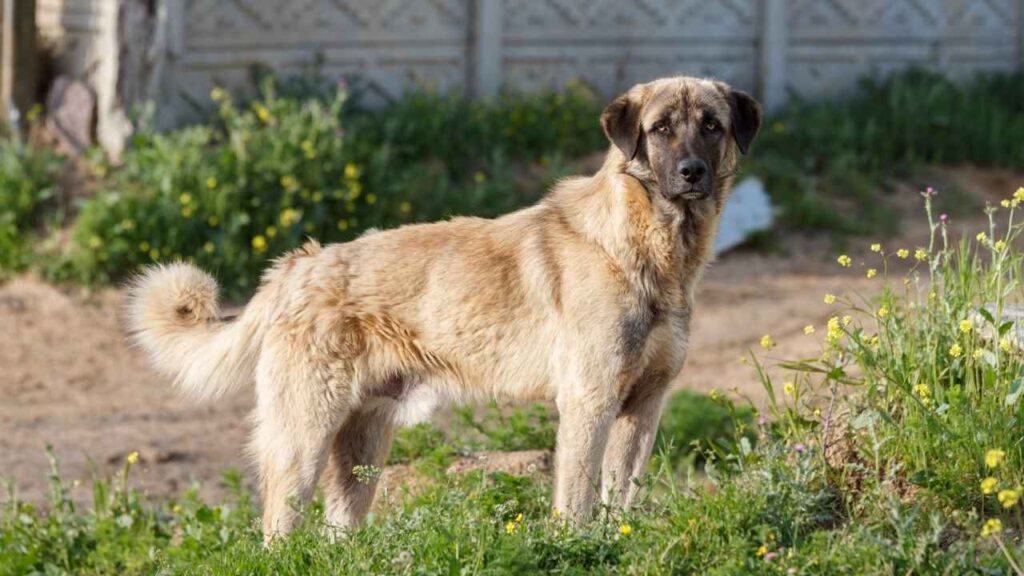
Anatolian Shepherd Dogs are stalwart guardians that have protected flocks in Turkey for thousands of years. Their imposing size and calm demeanor make them natural overseers of livestock across rugged terrain. This ancient lineage gives them a sense of timeless reliability.

Strength and Skill
Muscular yet agile, Anatolians combine brawn with intelligence, allowing them to manage livestock efficiently and deter predators.
Here’s how they put their power to use:
Guarding livestock against wolves, bears, and other threats
Navigating difficult terrain with agility and endurance
Responding to subtle changes in herd behavior
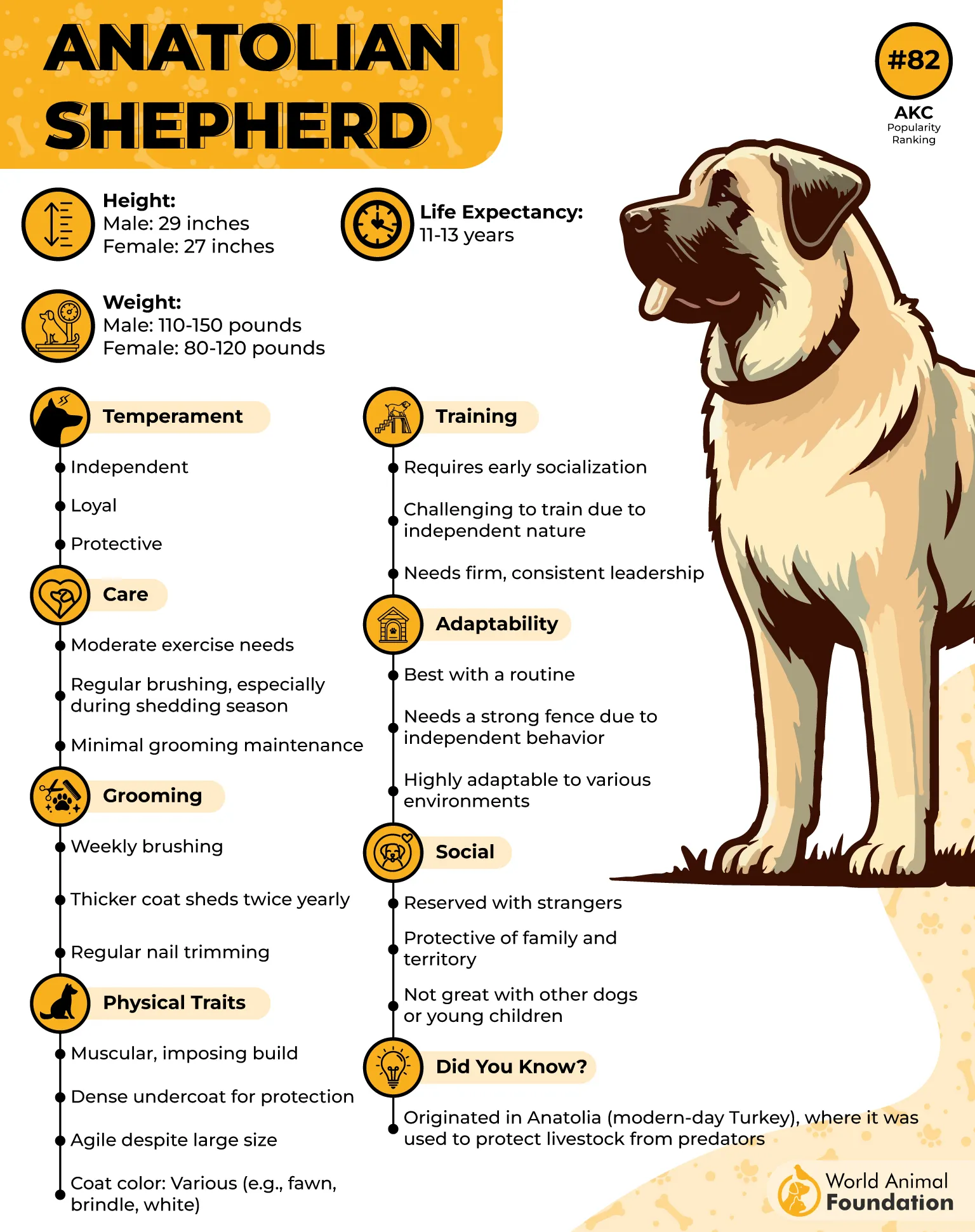
Temperament and Bonds
These livestock guardian dog breeds are intensely loyal to their charges and form strong bonds with their human handlers, as per the AKC. Calm and patient, they observe before acting, balancing authority with affection. Their independence makes consistent leadership essential.
3. Kuvasz
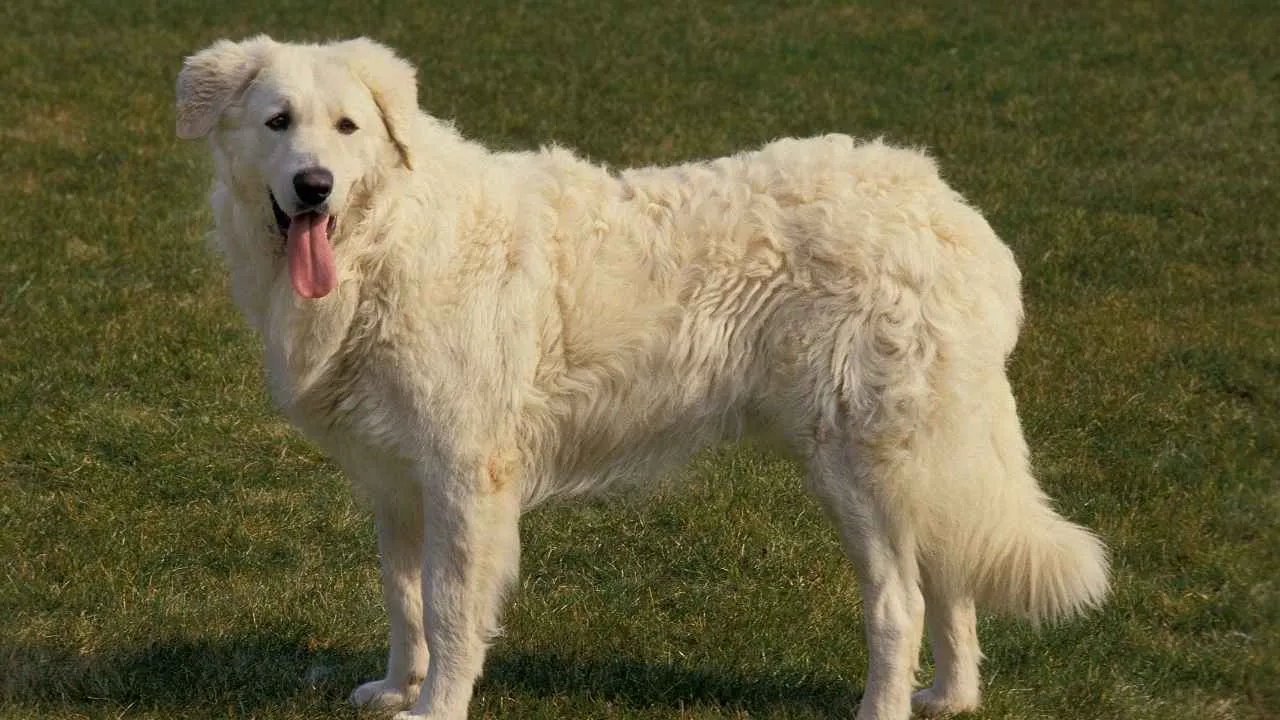
Kuvasz are snow-white guardians with a history of protecting royal herds and estates in Hungary. Their elegance is matched by a powerful presence that commands attention and respect. This ancient breed blends intelligence with steadfast loyalty.
Agile Strength
Despite their large frame, Kuvasz are surprisingly nimble and quick to respond to threats. Their intelligence and courage make them effective livestock protectors.
These habits reflect their natural abilities:
High endurance and swift reflexes for guarding
Strong bond and devotion to family
Alert awareness of your surroundings
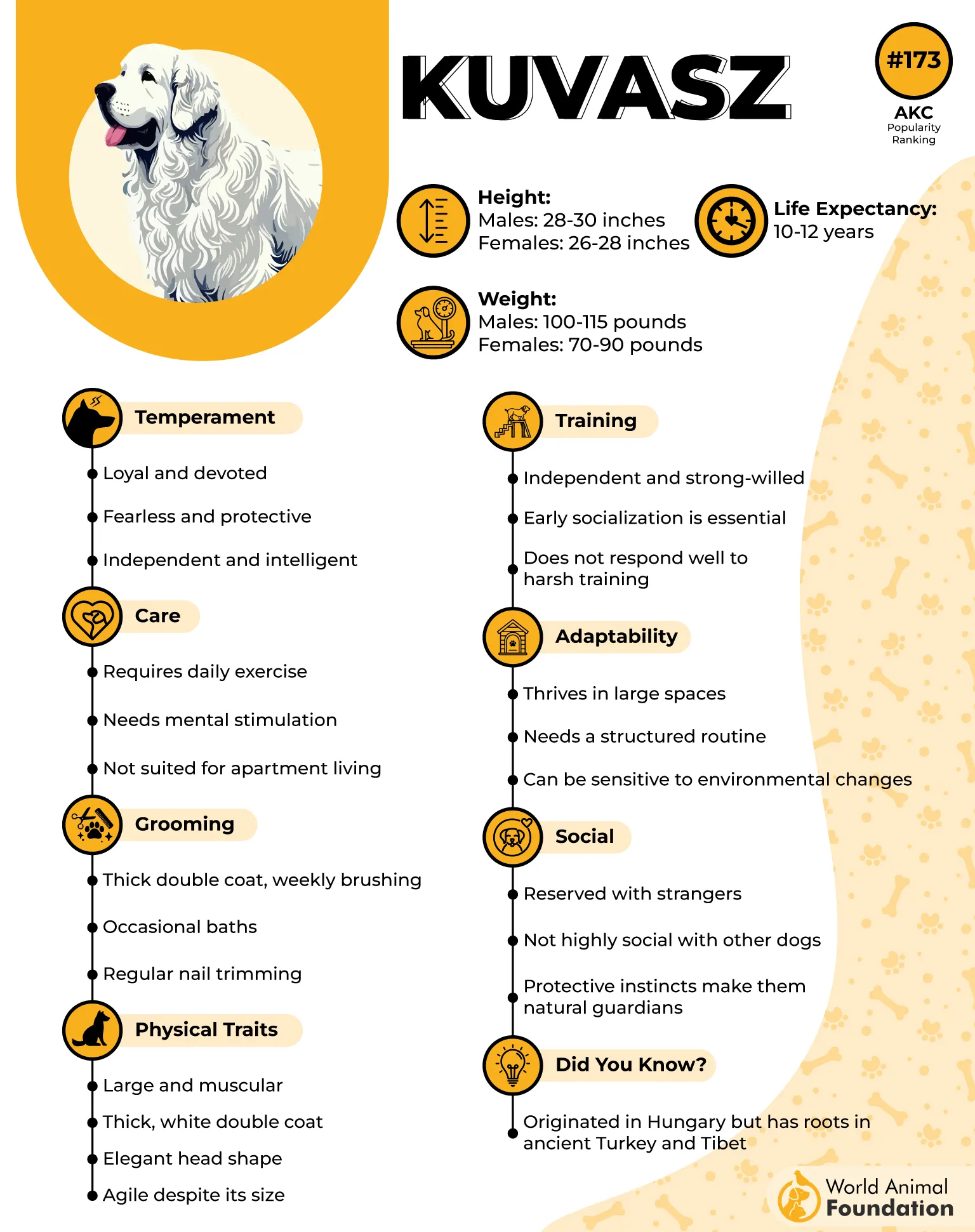
Independent Spirit
Kuvasz think independently, relying on instinct and judgment when guarding flocks. They are deeply loyal but can challenge novice handlers, requiring guidance and patience, as VCA Animal Hospital stated. Proper boundaries and early socialization are essential for harmony.
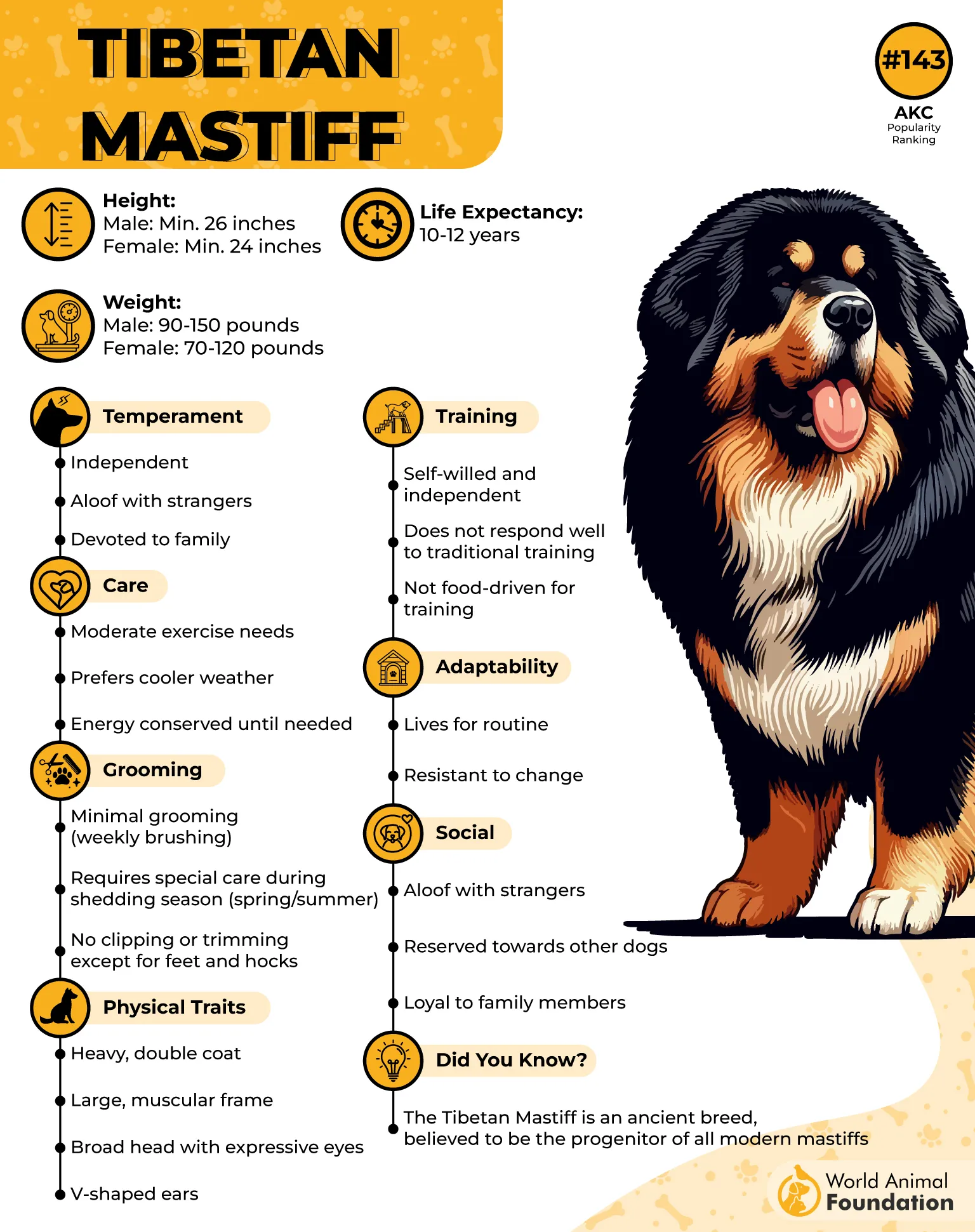
4. Tibetan Mastiff
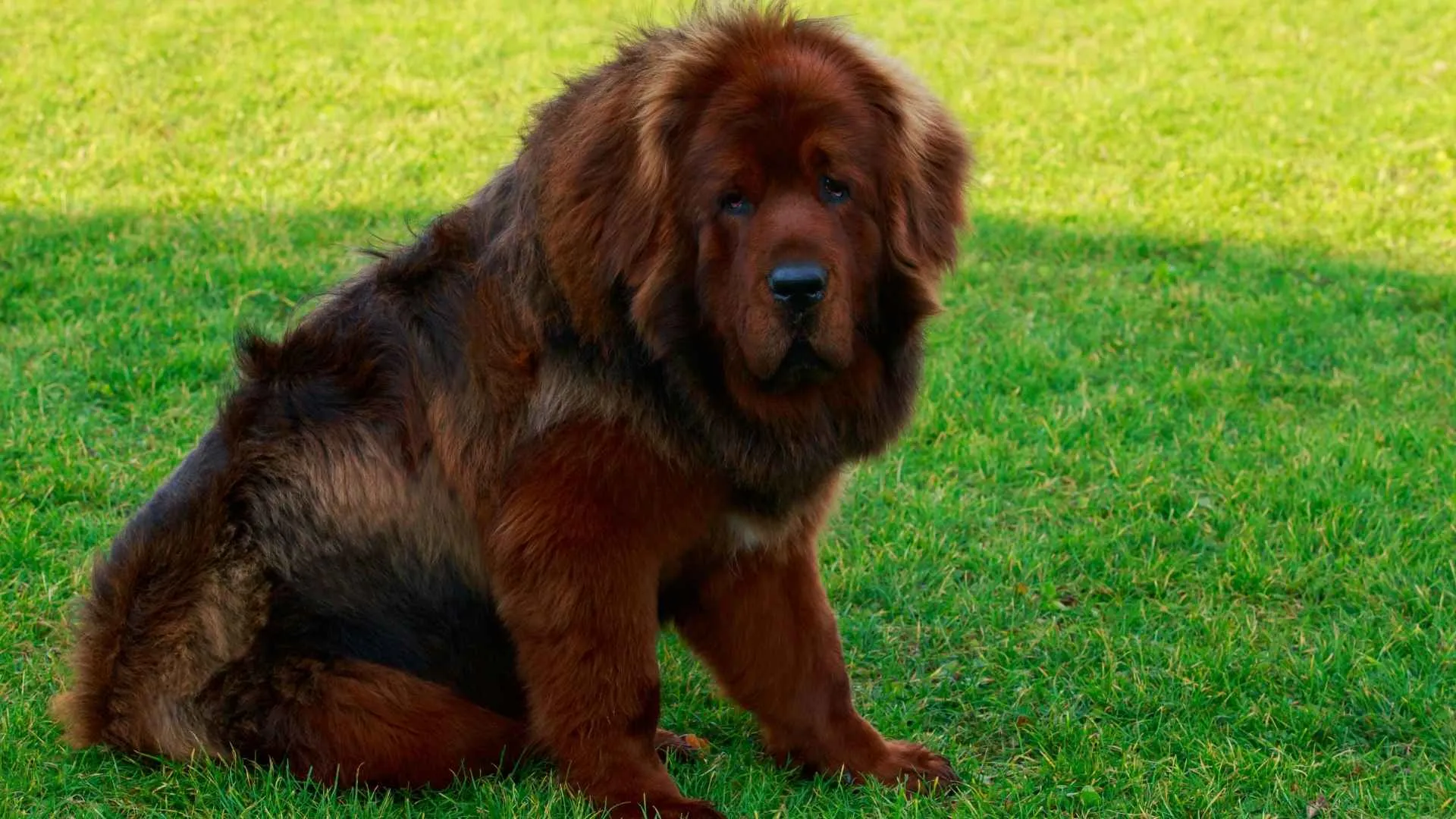
Tibetan Mastiffs are towering, powerful dogs with a heritage tracing back thousands of years. They were trusted to guard monasteries, nomadic herds, and villages across the Himalayas. Their presence alone signals authority and vigilance.
Protective Instincts
These livestock guardian breeds instinctively assess threats, combining caution with measured action. Their strength is matched by keen judgment, making them reliable sentinels.
You can see their protective instincts in these traits:
Independent decision-making when guarding livestock
Heightened awareness of unusual activity near the property
Gentle protectiveness towards familiar humans and animals
Family Connections
While formidable outside, they show deep devotion at home, often forming strong bonds with children and other pets. Their loyalty is selective, rewarding families who respect their boundaries. Early socialization shapes confidence and trust in new environments.
5. Pyrenean Mastiff
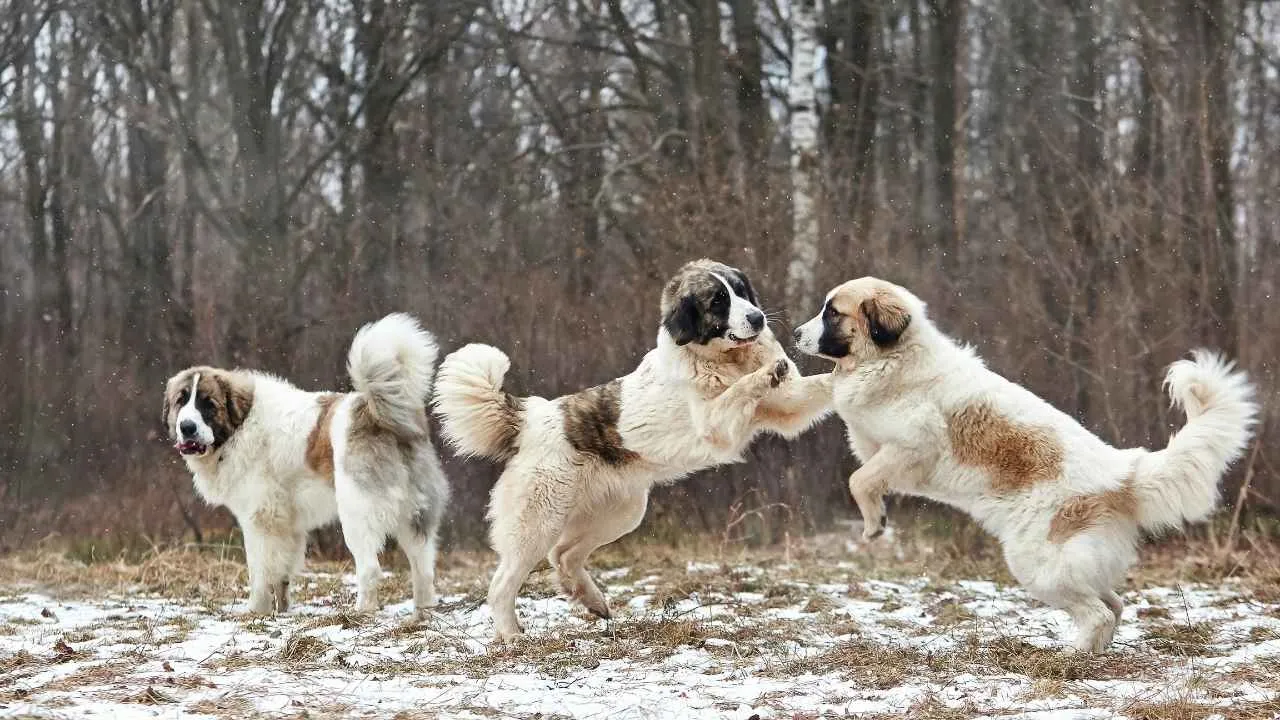
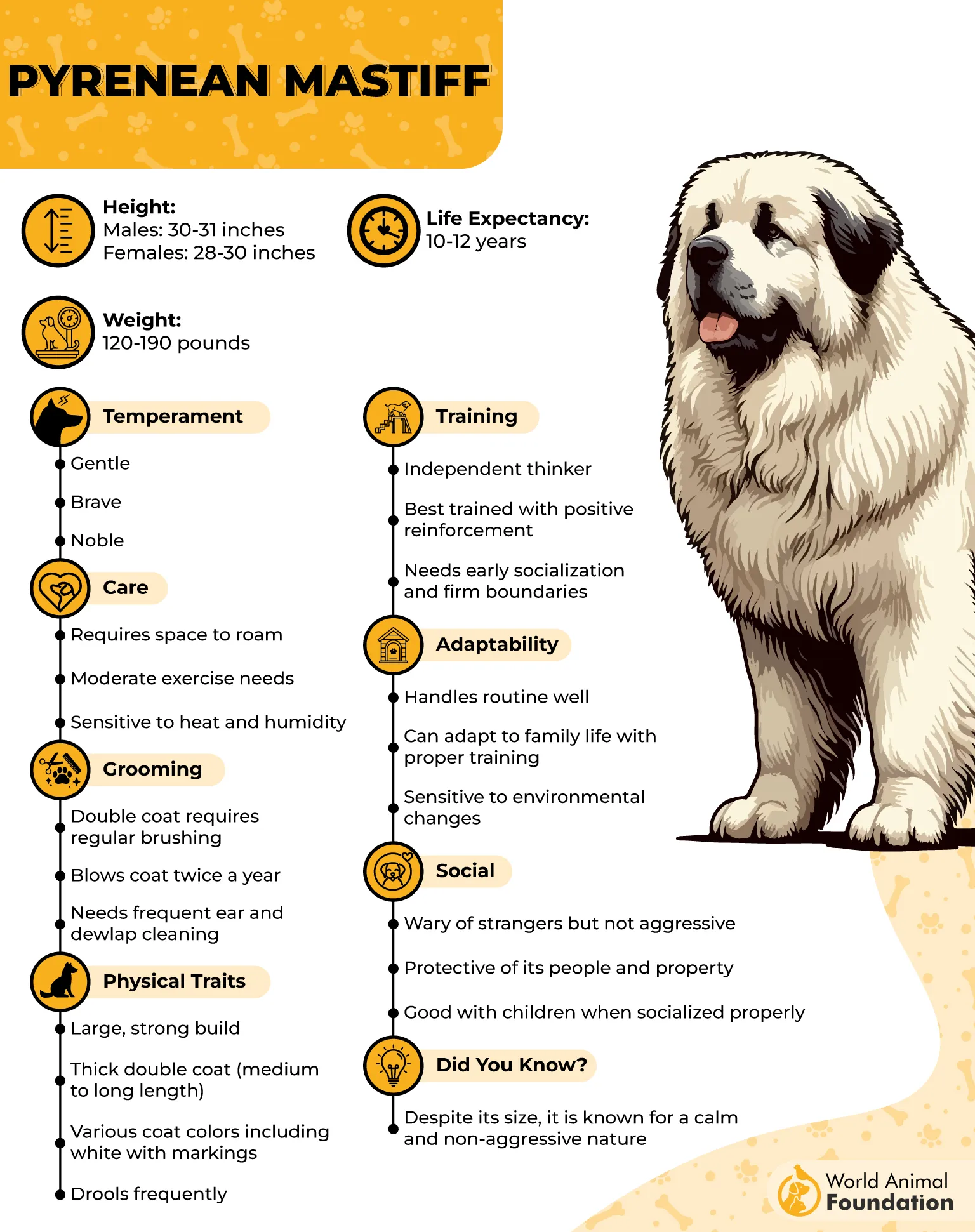
Pyrenean Mastiffs were bred centuries ago to defend flocks from wolves and bears in Spain’s Pyrenees Mountains. Their massive size and calm demeanor allowed them to patrol vast terrain with confidence and authority. Over time, they transitioned from livestock protection to family guardians.
Temperament and Protective Instincts
These dogs combine gentleness with vigilance, making them both companions and guardians. Regular walks or secure outdoor spaces help them stay fit and mentally stimulated.
Here’s how their watchful side shows up:
Courage to face intruders or predators
Awareness of size and strength with other animals
Alert barking only when truly necessary
Gentle Giants at Home
Despite their imposing size, Pyrenean Mastiffs are affectionate and patient with children, friends, and family. Their low prey drive makes them tolerant of other animals while still instinctively protective. They are calm, intelligent, and respond thoughtfully to guidance.
6. Maremma Sheepdog
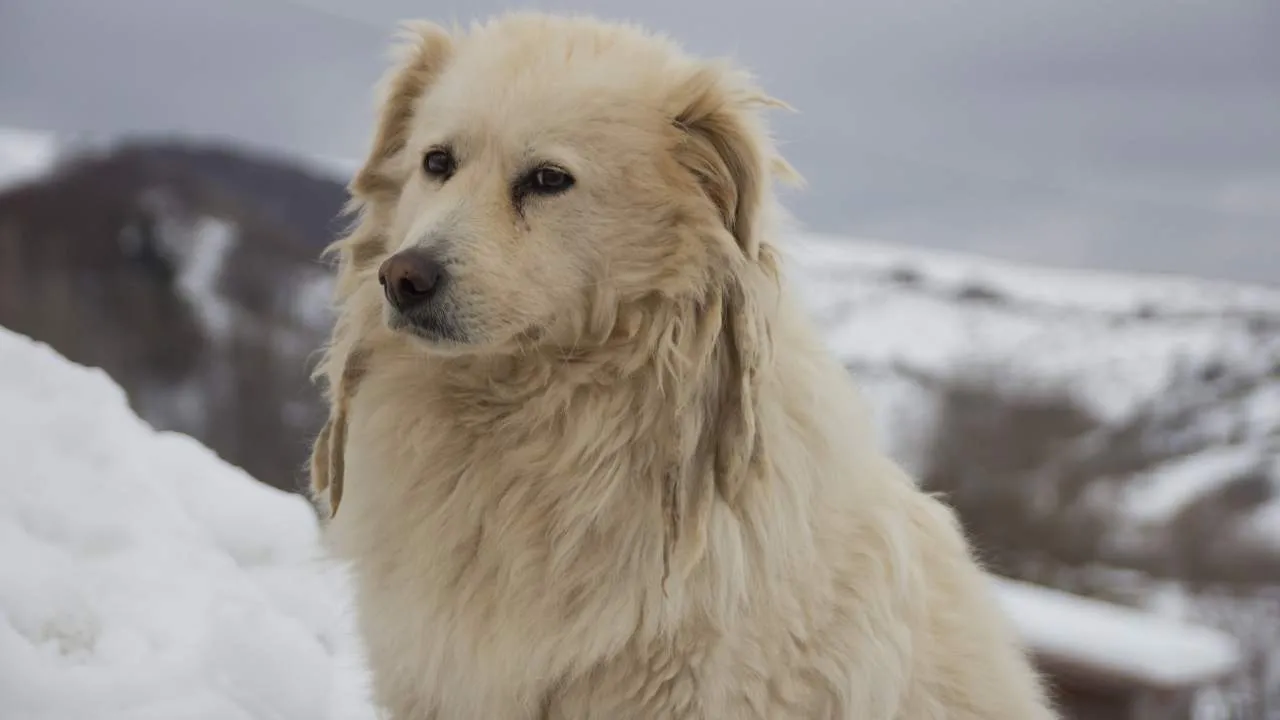
Maremma Sheepdog has long stood watch over sheep, poultry, property, and family with steady vigilance. Bred specifically to protect livestock, this Italian guardian treats its territory as a responsibility, not a backdrop. Even during calm moments, it studies its surroundings with quiet focus.
Instinct in Action
Maremma Sheepdog reacts to movement and unfamiliar presence with immediate awareness, often announcing concerns through a firm bark. Its guarding behavior extends beyond sheep to chickens, cats, and home grounds.
What defines its working style becomes clear in daily life:
Alerts loudly to people, birds, or roaming dogs
Observes strangers closely, even in relaxed settings
Accepts poultry and small animals as part of its duty
Steady Household Presence
Maremma Sheepdog fits naturally into rural homes where space and purpose are clear. Known as great family dogs, they bond well with children while remaining cautious with unfamiliar visitors. Among large dogs bred for farm life, this guardian prefers meaningful company and daily structure.
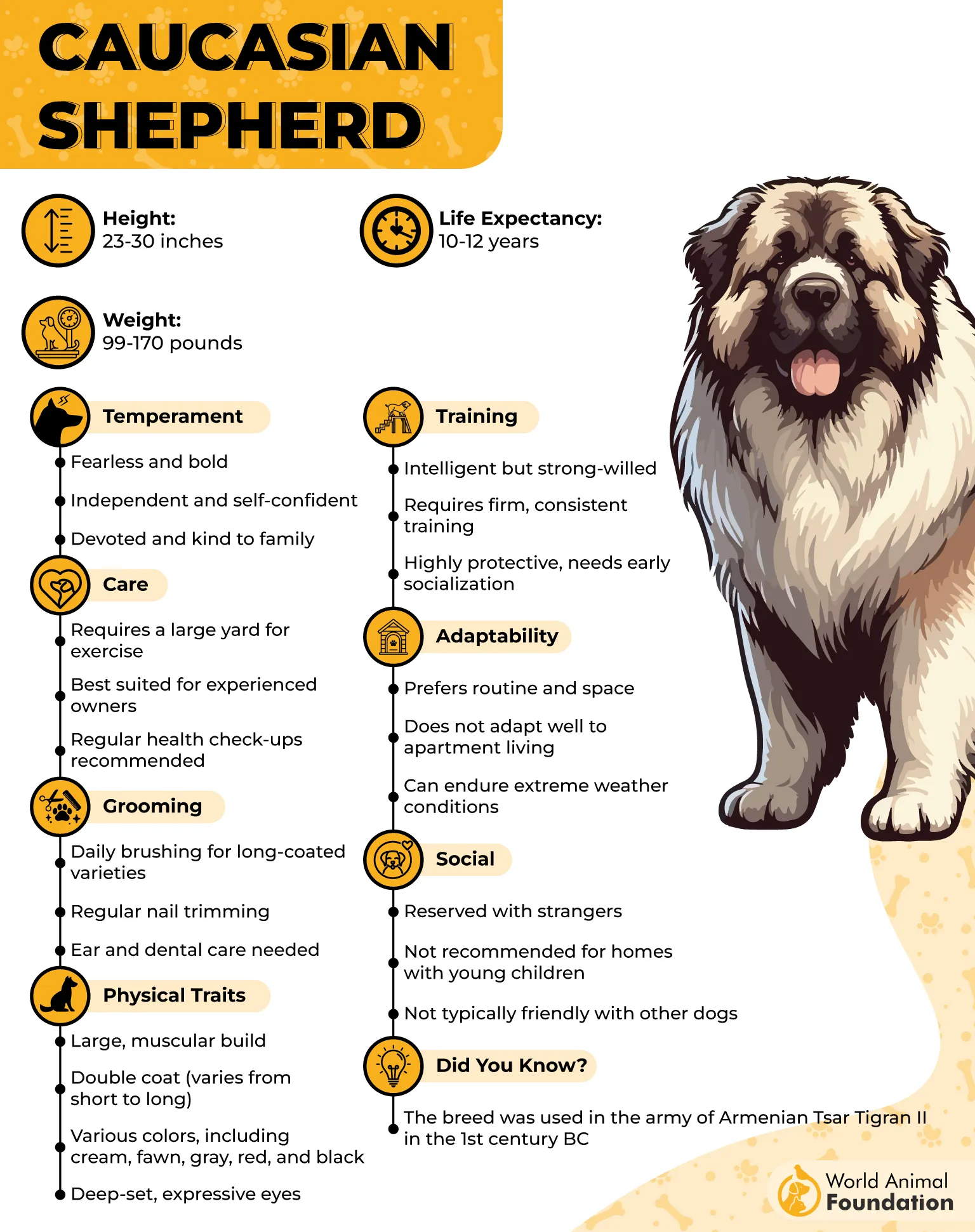
7. Caucasian Shepherd Dog
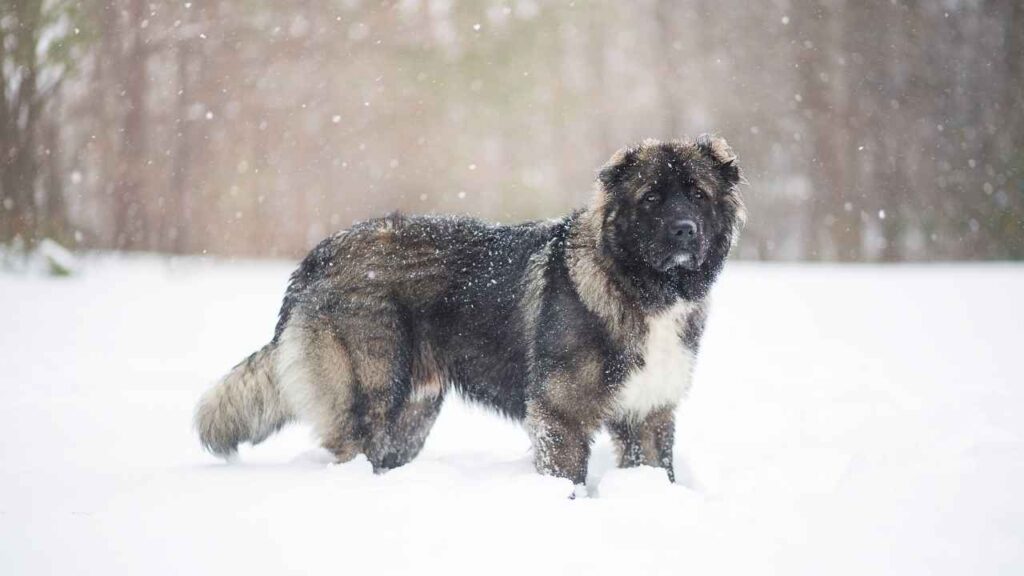
The Caucasian Shepherd Dog developed in rugged regions where flocks depended on constant protection from predators. Its guardian history shaped a bold temperament and strong territorial awareness. This breed approaches livestock duty with vigilance rooted in centuries of working isolation.
Power With Independence
These shepherds combine massive size with sharp alertness, making their presence alone a deterrent. Their instincts are decisive and self-directed, which matters when protecting herds in open terrain.
Key working characteristics include:
Strong territorial guarding instinct
Natural distrust of unfamiliar visitors
Confident decision-making without constant supervision
Loyalty on Its Own Terms
They form deep bonds with their household yet remain strikingly independent. Its protective nature extends firmly to property and animals under its watch. Strangers entering the space are assessed seriously and without hesitation.
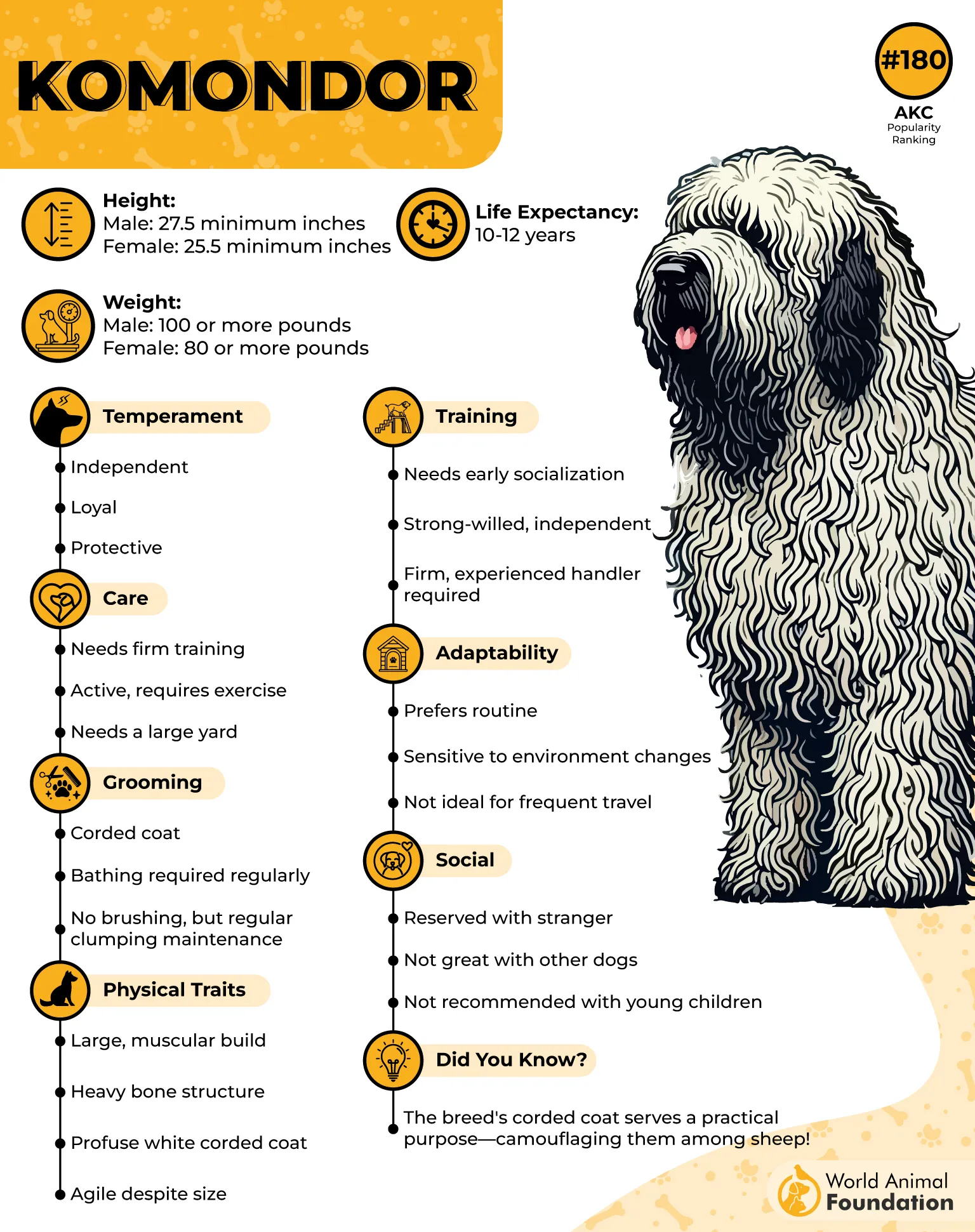
8. Komondor
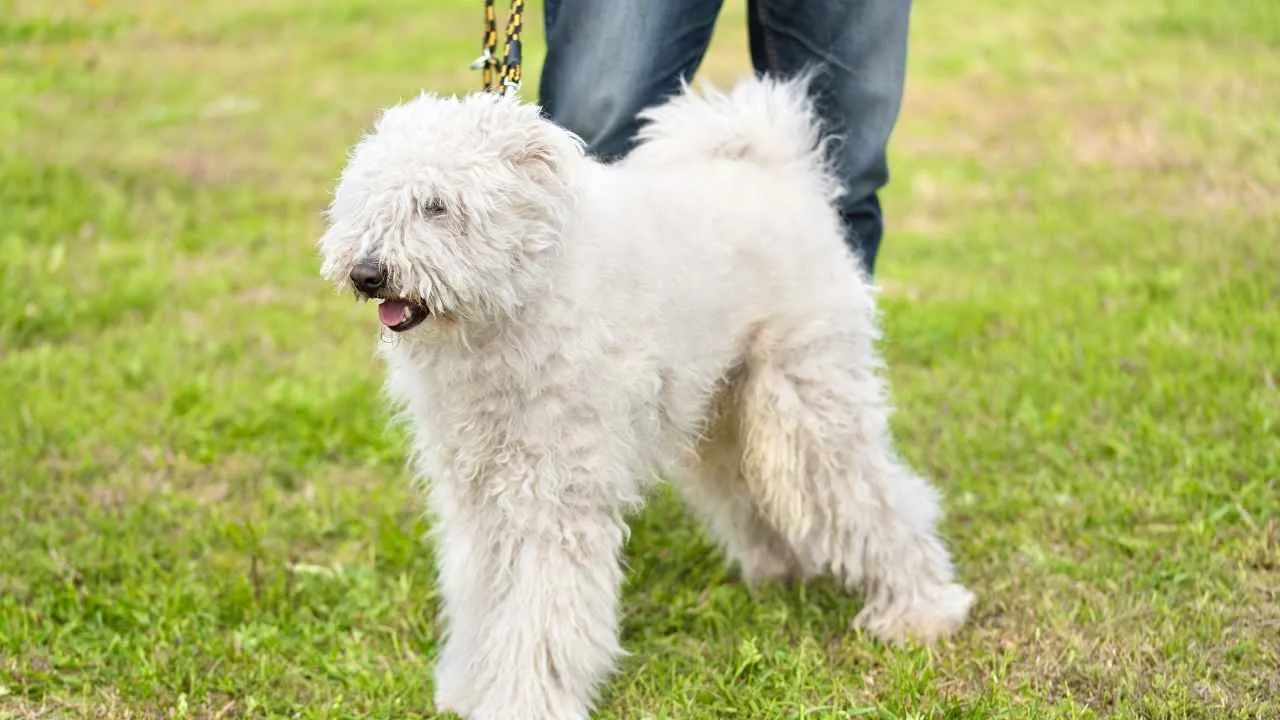
Komondor developed in Hungary as a dedicated livestock guardian, blending seamlessly among sheep before confronting predators. Their corded coat helps them disappear into the flock until action is required. Size alone often discourages intruders before conflict begins.
Built for Protective Duty
Komondor approaches protection with independence and confidence, focusing on the task at hand. They think for themselves, which makes early socialisation essential around strangers and visiting guests.
That working mindset becomes clearer through these defining traits:
Blends visually with sheep to surprise predators
Fiercely guards property and livestock
Naturally protective of children and horses
Training and Temperament
Komondor finds repetitive drills dull, so short and inventive sessions hold attention better than rigid routines. Play-based methods and rewards keep engagement high without creating resistance. Their focus remains protection, making structure and exposure critical from an early age.
9. Spanish Mastiff
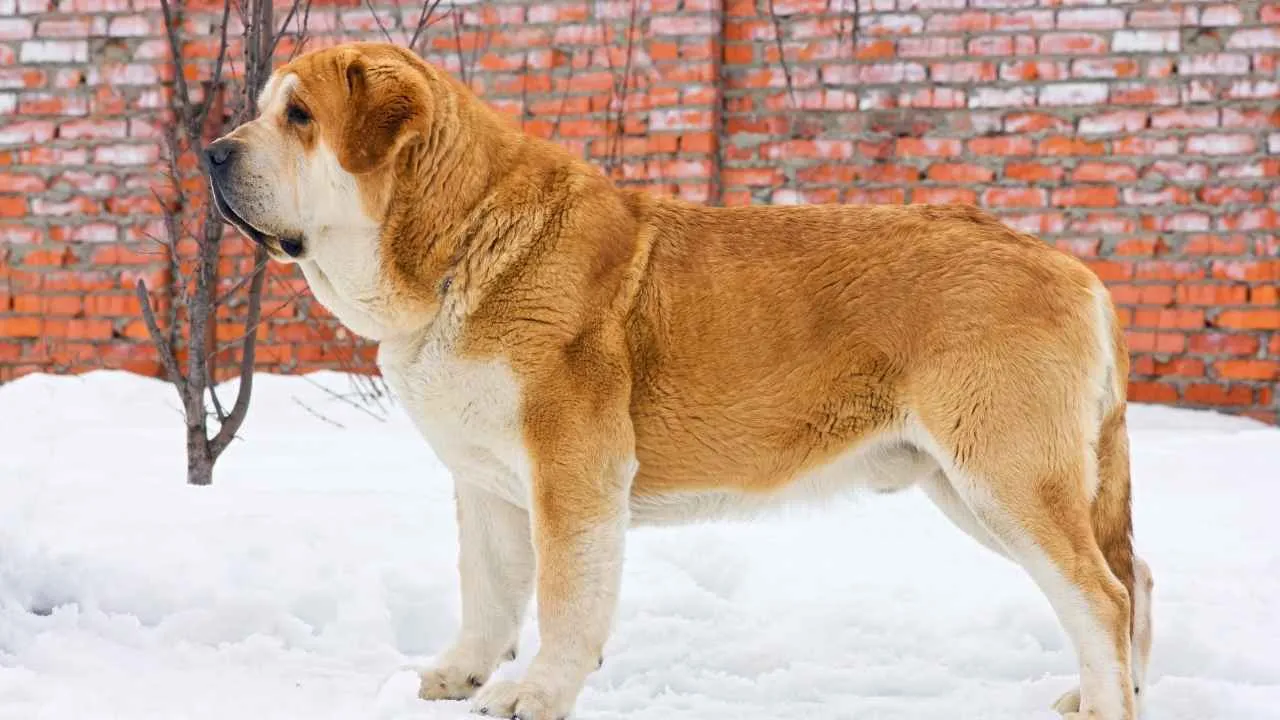
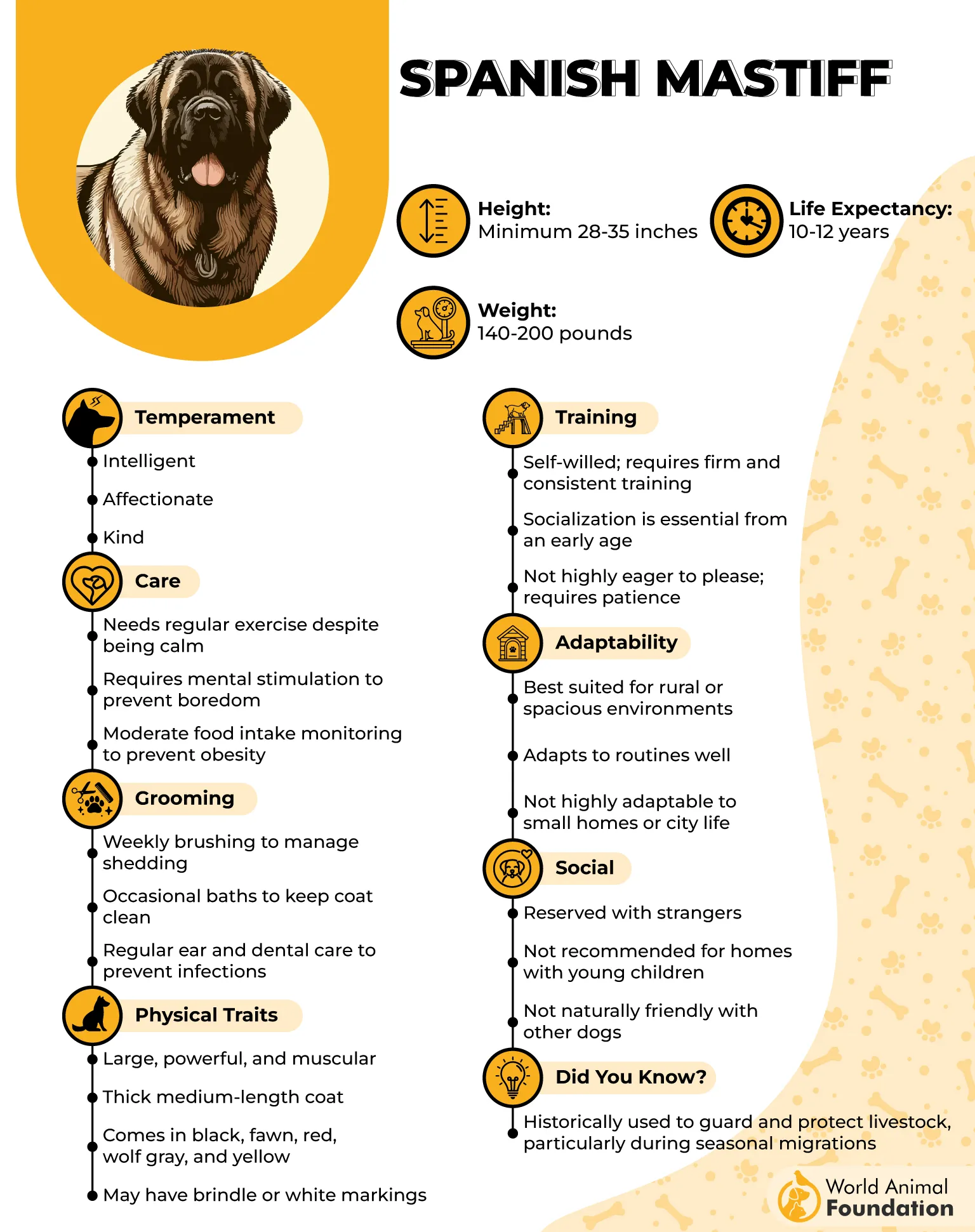
Spanish Mastiff developed alongside Spain’s transhumant sheep routes, walking with Merino flocks during the historic Mesta migrations. For centuries, this breed defended traveling livestock from wolves across open countryside. Its calm confidence comes from generations of standing between predators and valuable herds.
Power Built for Protection
This farm dog is massive, muscular, and balanced, with a broad head and dense medium coat suited for harsh terrain. Its physical presence alone serves as a serious deterrent across open grazing lands.
That strength shows itself in practical ways:
Deep, far-reaching bark is audible across fields
An imposing size that discourages wolves’ approach
Endurance for long seasonal livestock journeys
Steady Temperament
Spanish Mastiff remains composed and self-assured while monitoring farmland and grazing animals. Affectionate and noble with familiar people, it becomes resolute when strangers or predators approach. Its decisions reflect awareness of its own power and responsibility.
Conclusion
Livestock protection is not a single instinct but a combination of courage, patience, and independence shaped by centuries of work.
From mountain sentinels to open range patrols, these territorial guardians respond to predators and human threats with steady resolve. Each breed brings a distinct balance of power and gentle nature within the household.
Success depends on the environment, the livestock type, and the handler’s commitment to proper socialization and consistent training. When raised correctly alongside other dogs and animals, they become reliable partners.
True security on a farm is rarely dramatic. It is measured in quiet nights and undisturbed herds.
