




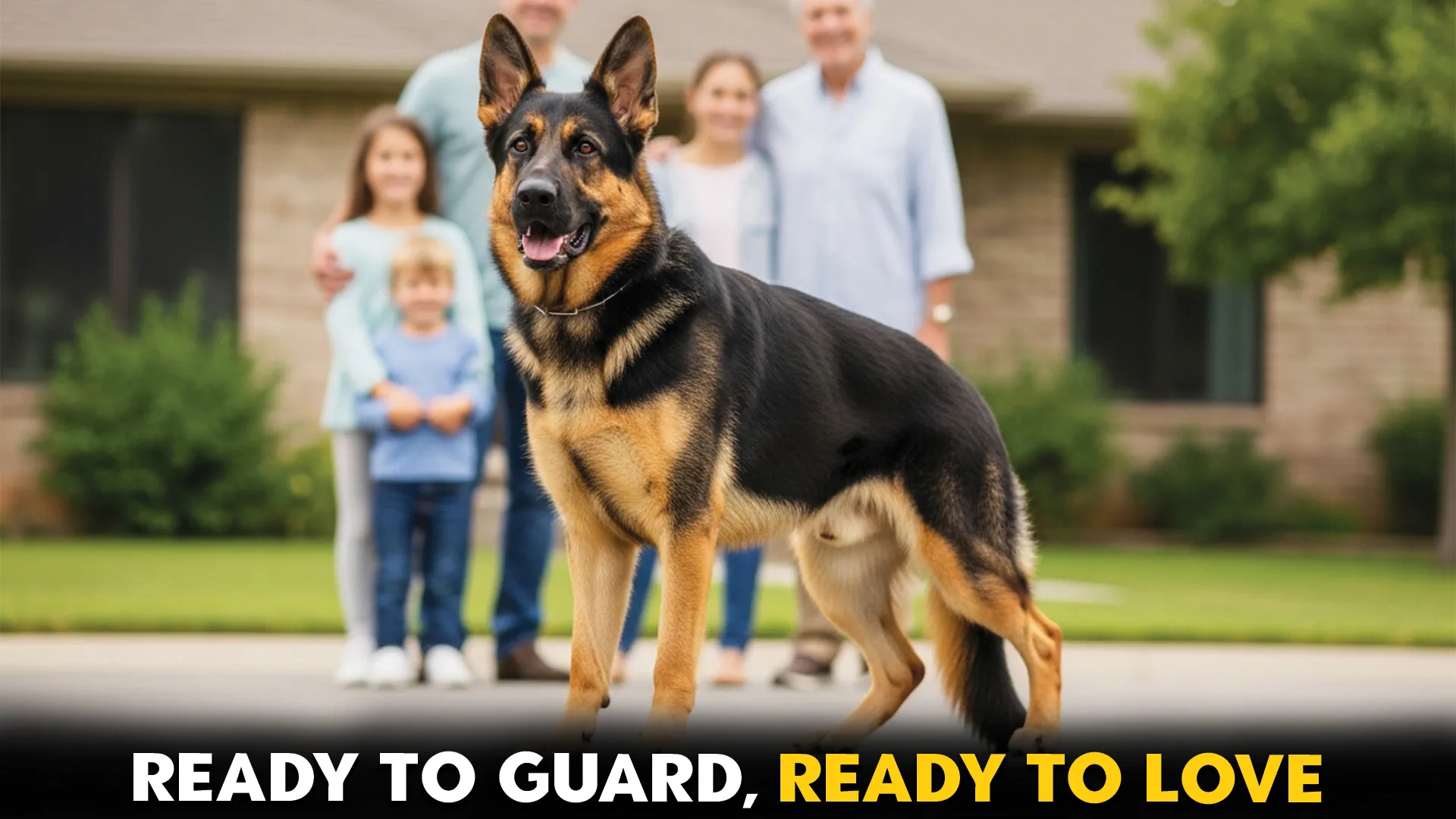
When it comes to protecting the people you love most, peace of mind matters. While security systems and cameras can help, nothing compares to the loyal presence of a devoted guard dog. The best guard dog breeds are not just strong and alert—they are intelligent, courageous, and deeply committed to their families.
Bringing a guard dog into your home is about more than security.
It is also about finding a loyal companion who loves your family as fiercely as they protect it. The best family-friendly guard dog breeds combine confidence, intelligence, and a steady temperament with affection and devotion.
They are watchful without being reckless and protective without losing their gentle side at home.
In this guide, we will explore 7 guard dog breeds that can help safeguard your space while fitting beautifully into family life. With the right training, care, and commitment, these dogs offer both peace of mind and a lifelong best friend.
Guard Dog Breeds Ready to Protect Your Family
1. German Shepherd
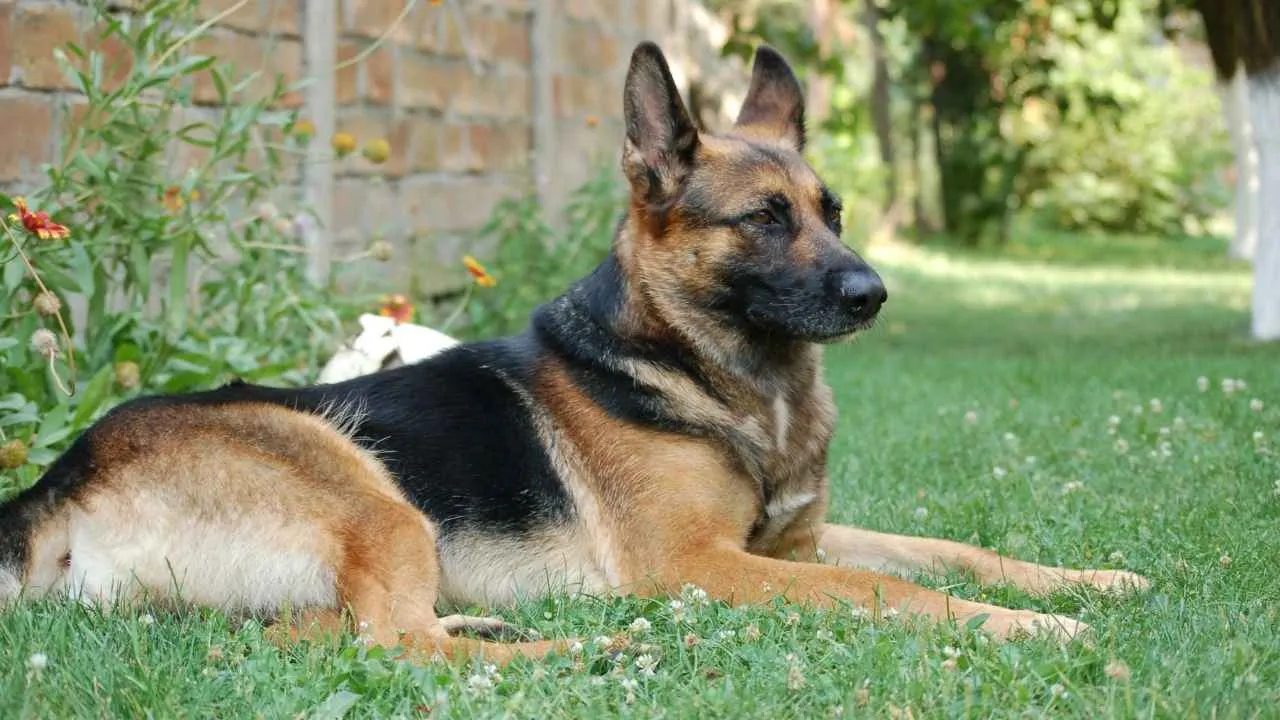
German Shepherds were developed in late 19th-century Germany by Captain Max von Stephanitz, who wanted the ideal working dog. The breed quickly proved itself beyond herding, serving in World War I as message carriers, guards, and search dogs. Over time, they became widely used in police and military roles and gained popularity as loyal household companions.
German Shepherds are built with a muscular frame and upright ears. Their double coat sheds heavily year-round, with heavier shedding in spring and fall, so regular brushing is part of the deal. They are active dogs that need one to two hours of daily exercise to stay balanced and out of trouble.
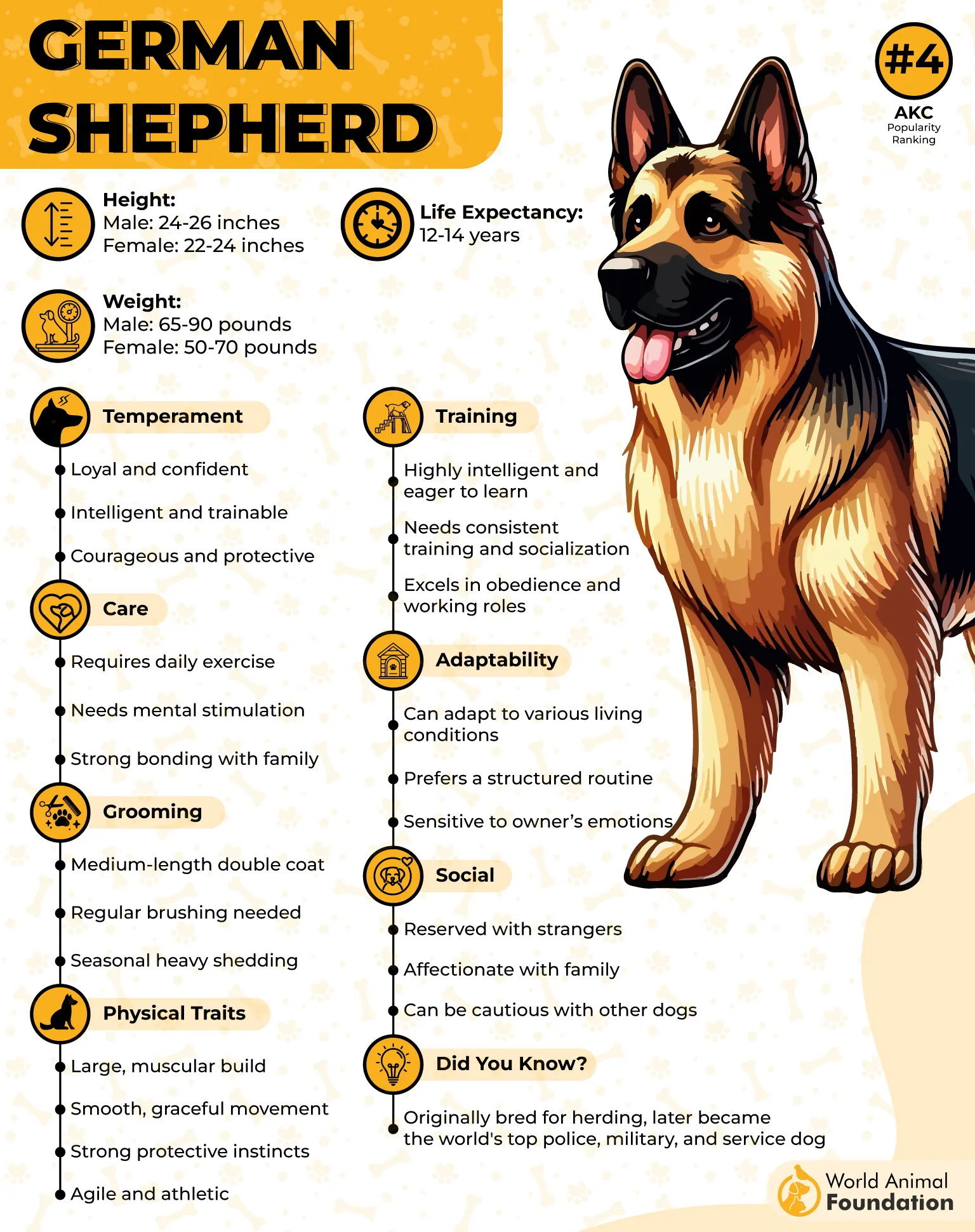
Temperament can vary by individual, but they are generally loyal, alert, and gentle with family while reserved around strangers, as noted by PetMD. They are one of the smartest dog breeds and respond well to consistent training and positive reinforcement. With proper socialization and supervision, they can do well with children and thrive in active, experienced households.
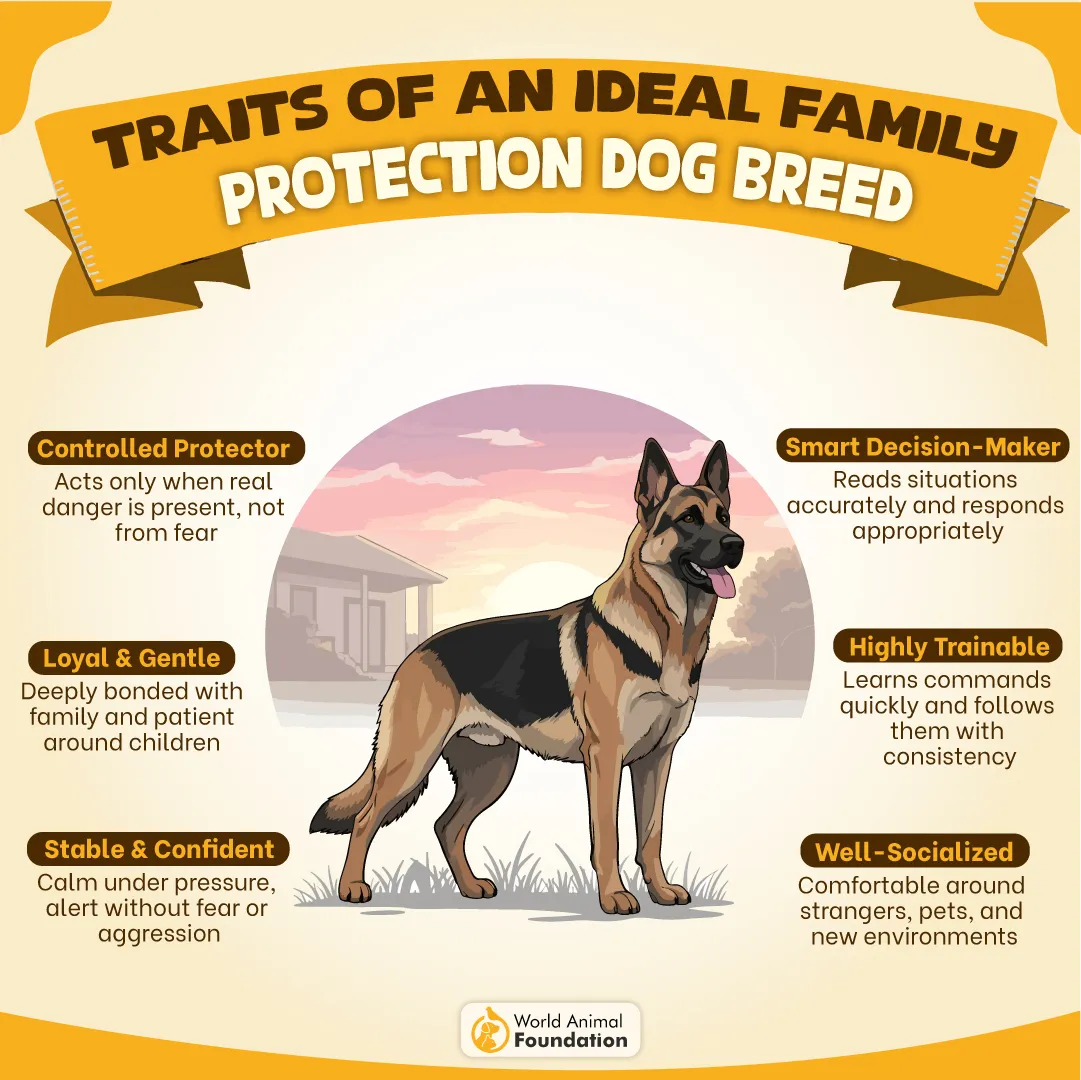
Why This Breed Is a Good Fit
Naturally alert and observant, making them strong household watchdogs
Deep loyalty creates a close bond with their family
Thrive with structured training, which supports reliable behavior at home
2. Cane Corso
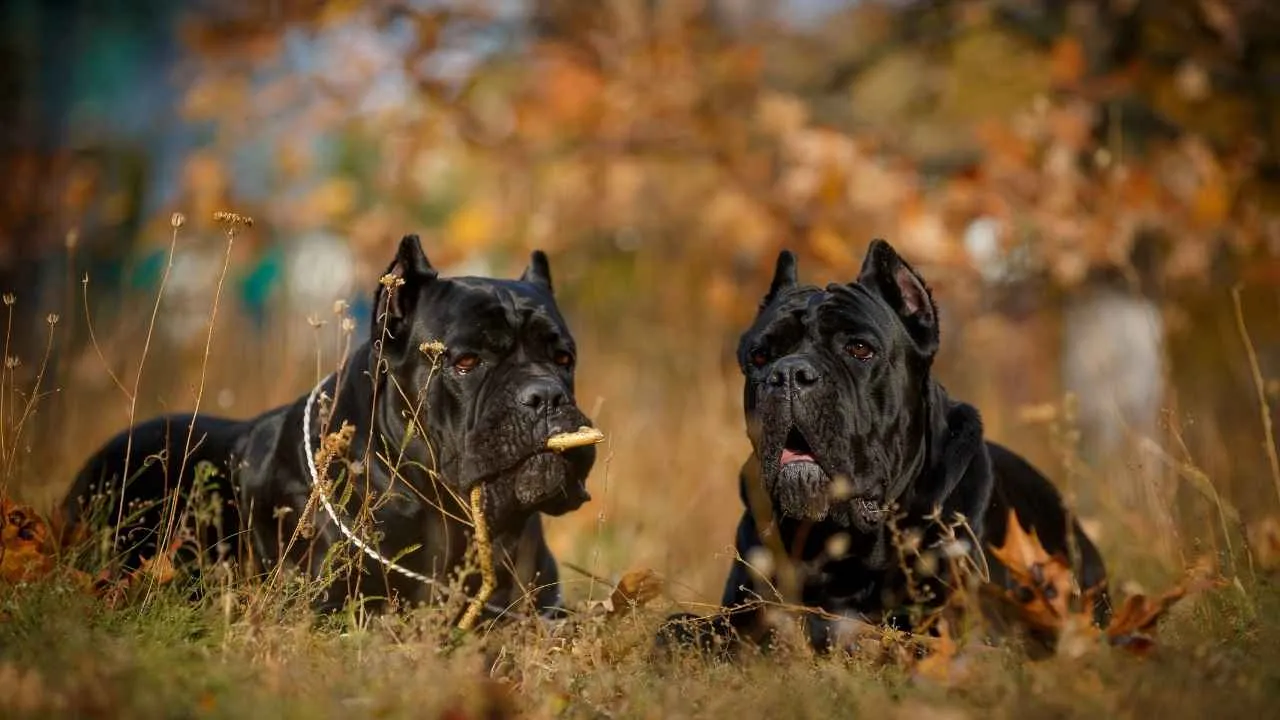
The Cane Corso descends from ancient Roman Molossian war dogs and was later bred in Italy as a versatile farm guardian.
Its name comes from Latin and can be translated as “bodyguard dog” or “guard dog of the courtyard,” which gives you a clear hint about its original purpose. The breed nearly disappeared after the World Wars and was revived in the 1970s, later gaining formal recognition in the 21st century.
This mastiff-type dog has a muscular, stocky build with a large, wide head and a short coat that requires only weekly brushing. Despite minimal grooming needs, owners should be ready for some drool and around two hours of daily exercise to keep this working breed satisfied.
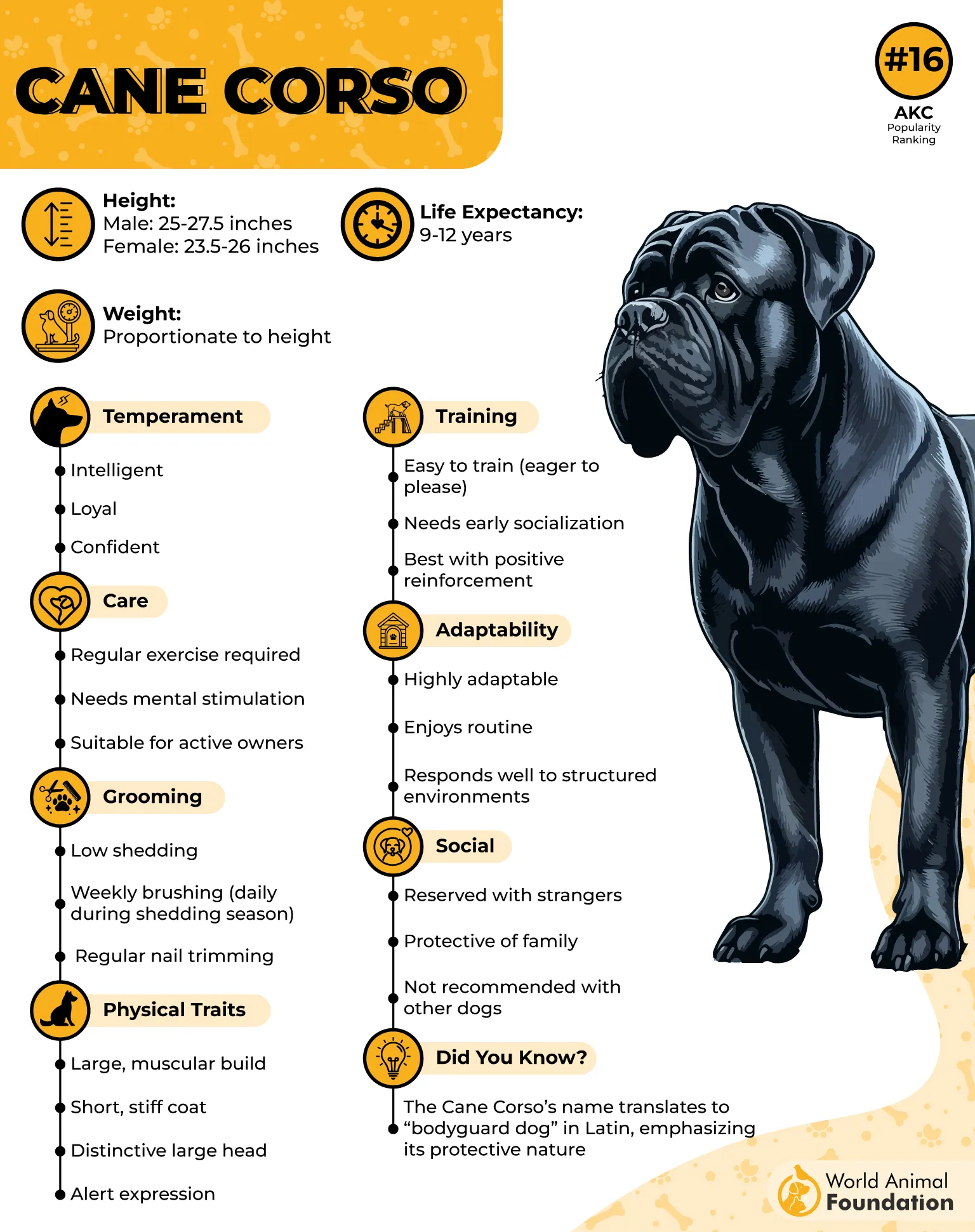
PDSA states that the Cane Corsos are a protective dog breed and not particularly trusting of strangers. They are affectionate with their family but serious in nature and can be difficult for inexperienced owners to handle. Early socialization and reward-based training are essential, especially because of their size and strength.
Why This Breed Is a Good Fit
Strong guardian background rooted in farm and courtyard protection
Powerful presence alone can act as a visual deterrent
Enjoy structured activity, which supports focused behavior at home
3. Belgian Malinois
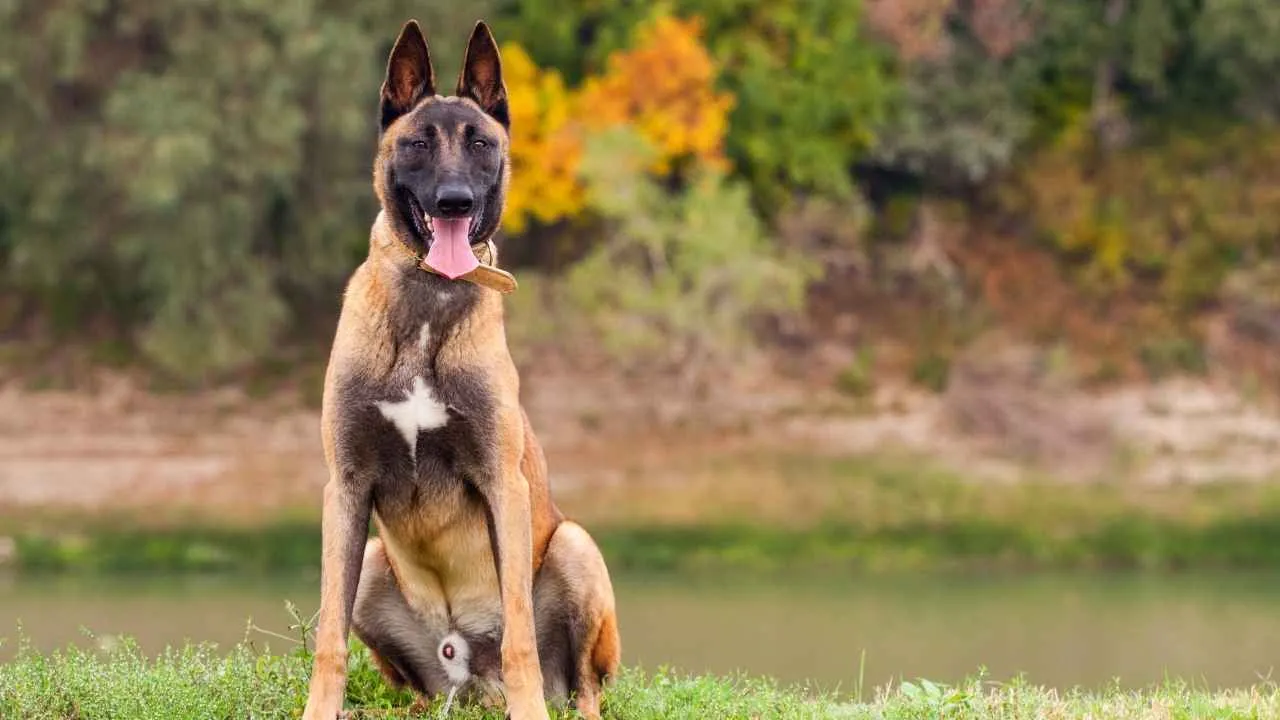
Originally bred in Belgium for herding, the Belgian Malinois has expanded far beyond farm work. Named after the city of Malines, this breed is now widely recognized in police and military roles due to its protective drive and precision in high-stakes situations. Its natural guarding instinct makes it a standout among working dogs.
Malinois have a strong, athletic build and a double coat suited for different weather conditions. These dogs are known for impressive speed and agility, and they need about 60 to 90 minutes of high-energy exercise every day, along with consistent mental stimulation.
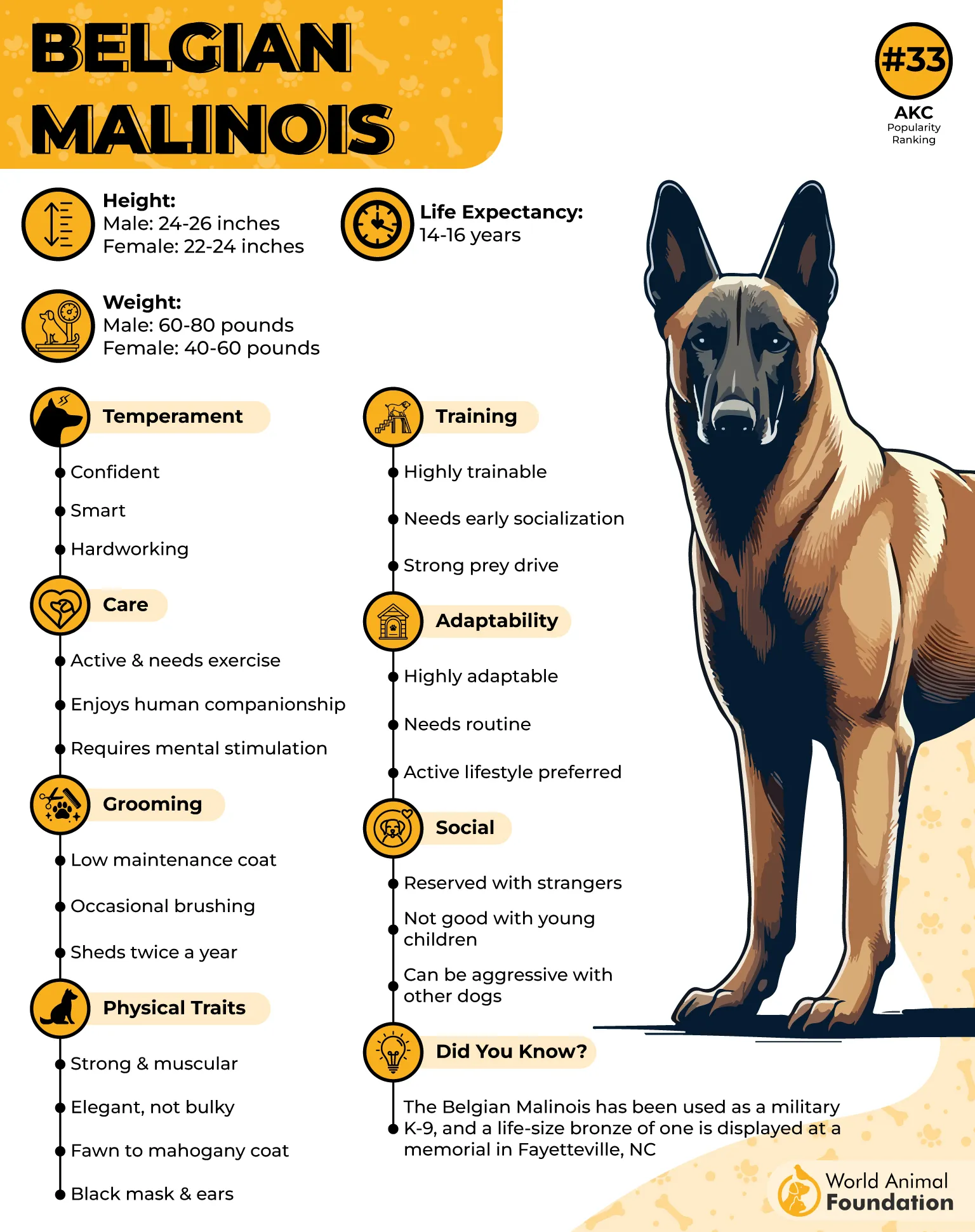
Highly intelligent and eager to learn, Belgian Malinois respond best to early, structured training that includes both obedience and protection work. They are intensely devoted to their handler and can be affectionate when properly socialized. Because of their energy and drive, they do best in active homes prepared to meet their daily exercise and training needs.
Why This Breed Is a Good Fit
Strong inborn guarding and herding instincts
Excellent responsiveness when trained with consistency
Loyal and alert, ready to respond quickly when needed
4. Akita

Originating in Japan, Akitas were bred as guard dogs and were also used for hunting, which contributes to their strong prey drive. There are two types, but this refers to the larger Akita developed for a stronger build. They are known for their loyalty and deep attachment to their families.
Akitas are large and powerful. They have dense, short coats that shed heavily and require at least weekly brushing, often more during peak shedding seasons. With a minimum of two hours of exercise each day, they enjoy running, walking, and even swimming.
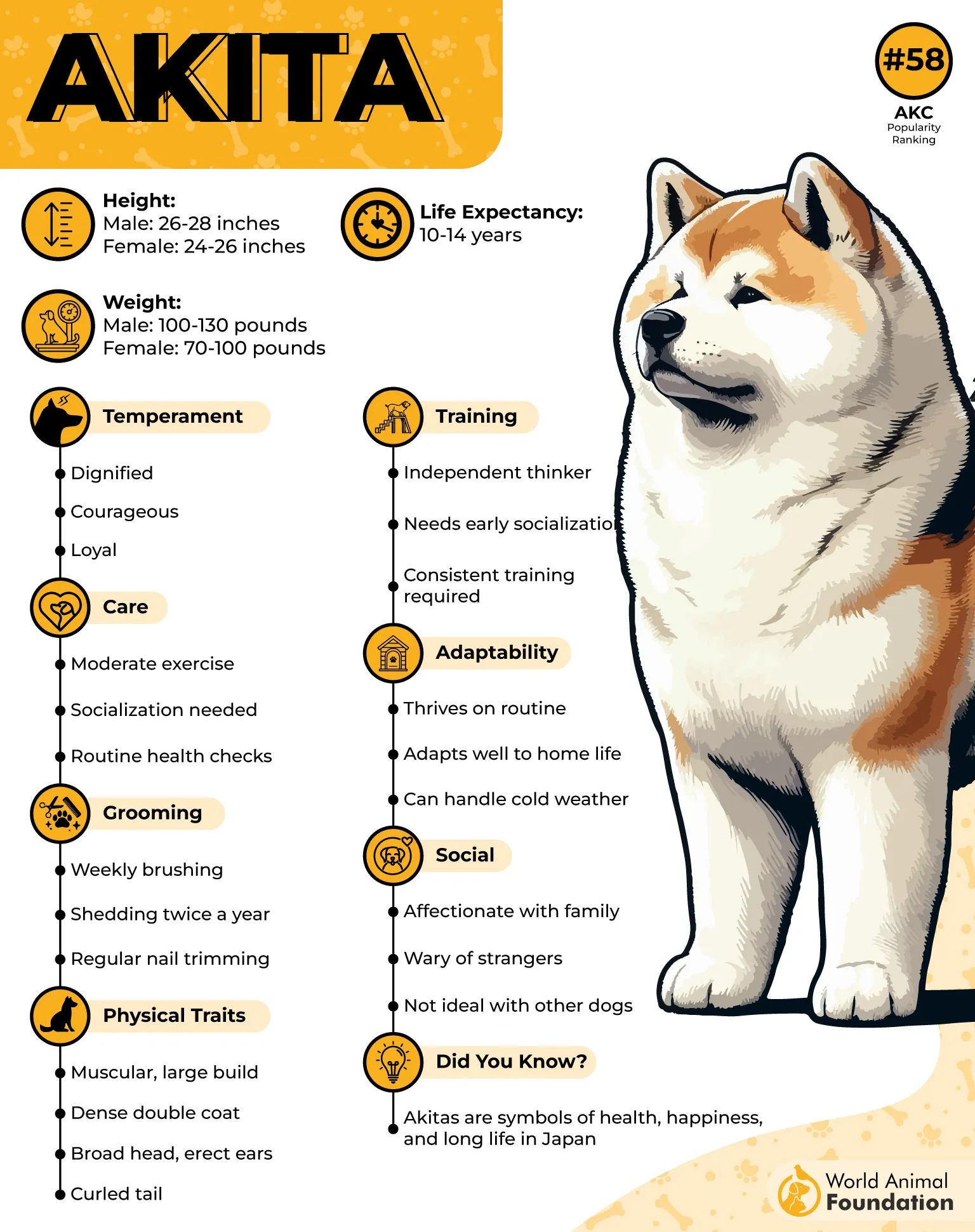
This furry breed is intelligent and independent, which can sometimes be mistaken for stubbornness. Because they can be wary of strangers and other dogs, early and ongoing socialization is especially important.
Akitas can fit well into family life but are better suited for experienced owners who understand their size, strength, and protective tendencies.
Why This Breed Is a Good Fit
Naturally alert and likely to bark when they sense something unusual
Strong family attachment supports watchful behavior at home
An active nature pairs well with owners who enjoy outdoor adventures
5. Doberman Pinscher
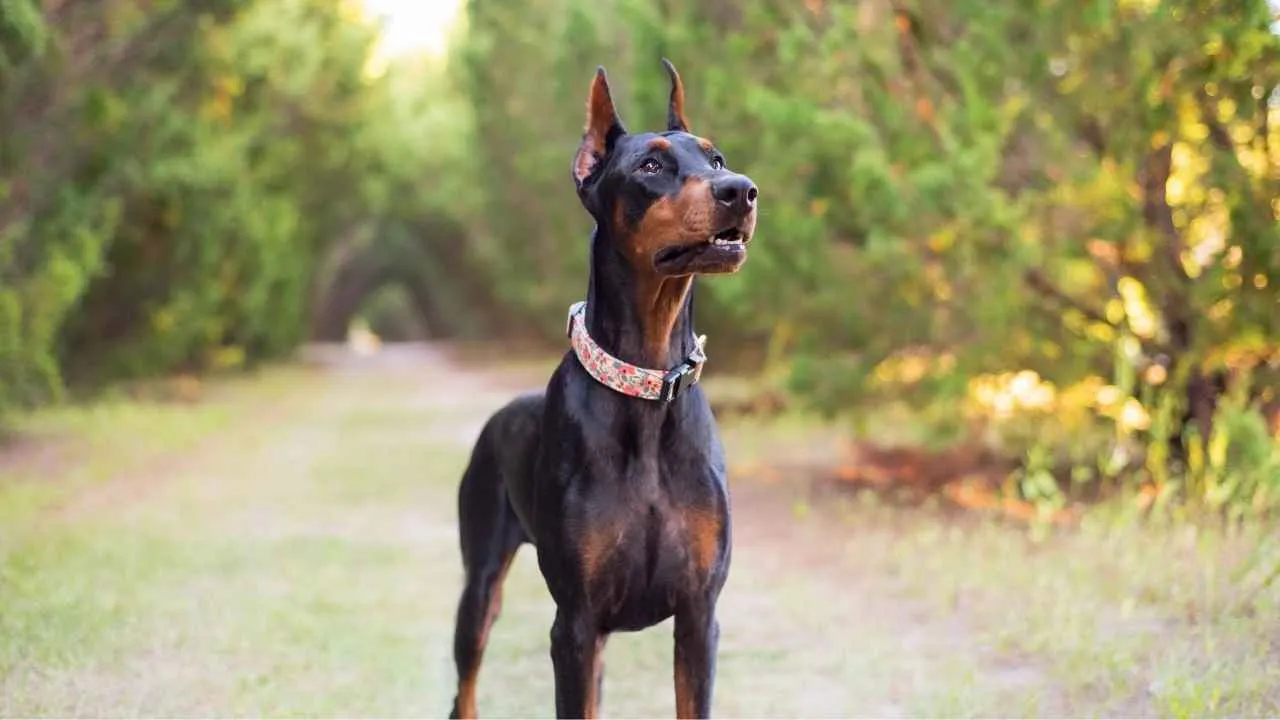
The Doberman Pinscher was developed in the late 1800s by Louis Dobermann, a German tax collector who wanted a loyal and protective companion. The protective guard dog is known today for its intelligence, alert nature, and frequent work in security, police, and search and rescue roles.
Energetic and curious, Dobermans need positive reinforcement, obedience training, regular physical exercise, and mental challenges to stay balanced. Without enough activity, they may develop destructive habits simply to entertain themselves. They form strong bonds with their families but can be wary of unfamiliar people, so early training and socialization are essential.
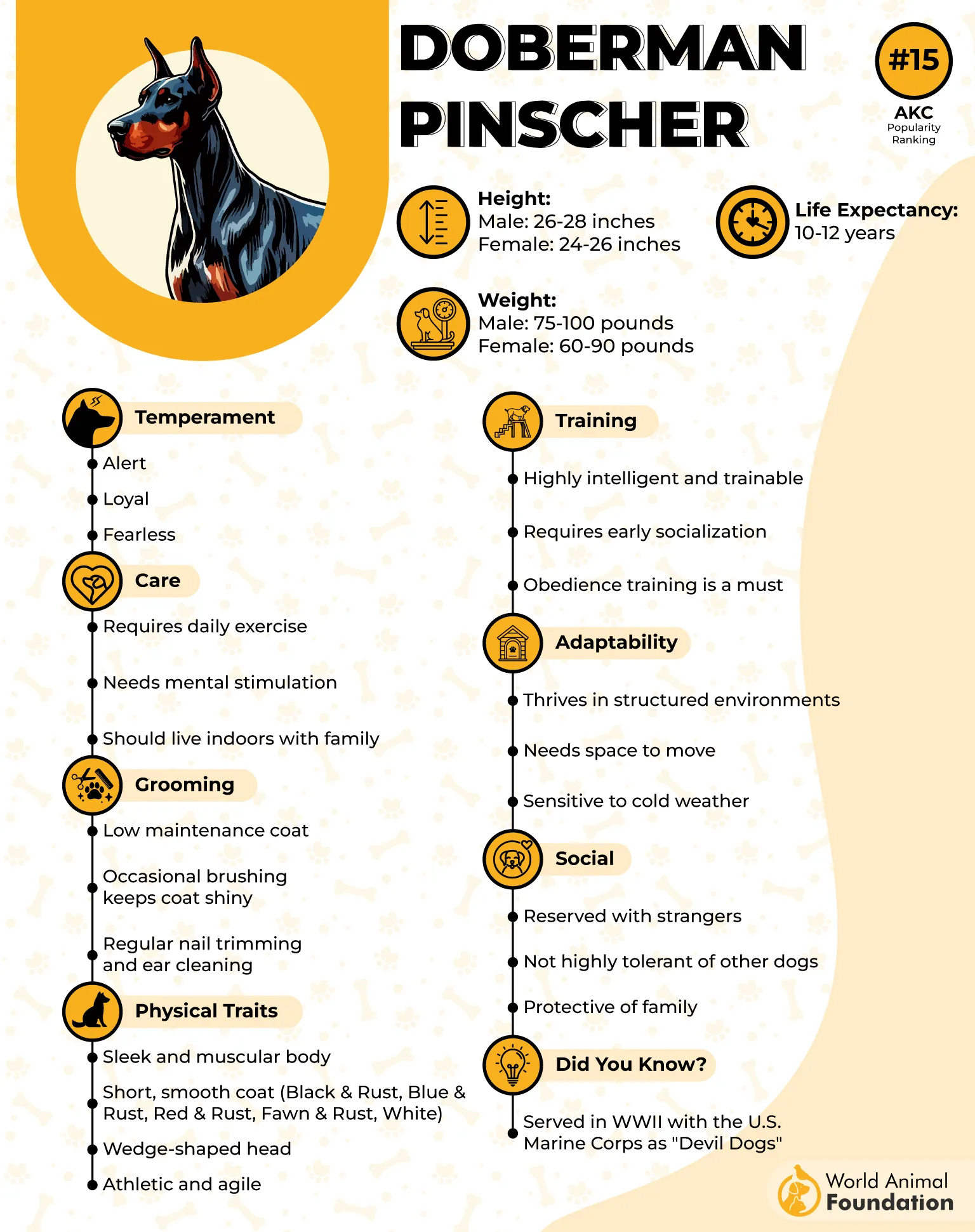
Health-wise, they can be prone to conditions such as gastric dilatation-volvulus, dilated cardiomyopathy, hypothyroidism, von Willebrand disease, and hip dysplasia. Feeding two meals per day instead of one large meal can help reduce the risk of bloat.
With structured training and positive reinforcement, Dobermans thrive and become loyal, responsive companions.
Why This Breed Is a Good Fit
Naturally alert and responsive, making them attentive household guardians
Strong loyalty encourages close family bonds
Highly trainable, which supports reliable protection behavior
6. Rottweiler
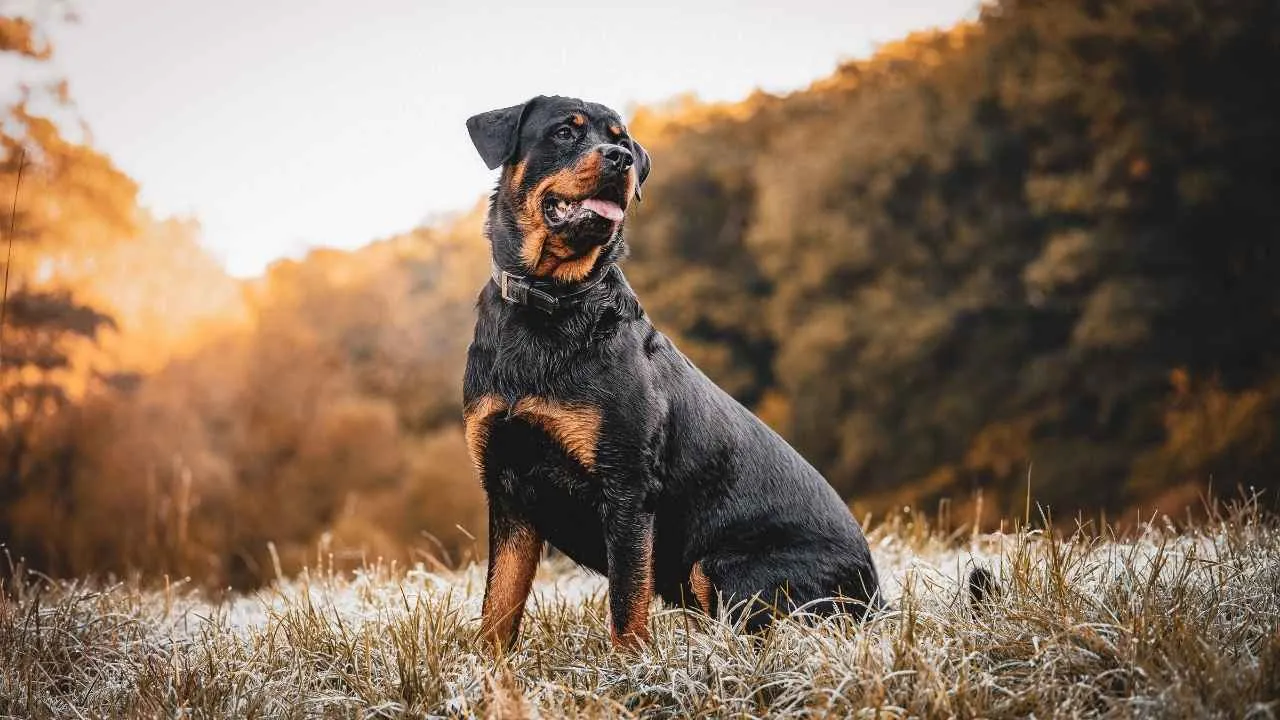
Rottweilers are large, muscular working dogs known for their devoted and courageous temperament. Originally bred for farmers and butchers, they developed a strong instinct to guard and protect, according to PetPlan.
Despite an unfair reputation for aggression, they can be playful and gentle with those they consider part of their pack.
These dogs are highly intelligent and confident, which makes early training and socialization very important. Experts often recommend them for experienced owners who can provide firm and consistent handling from a young age. Rottweilers grasp commands quickly and benefit from exposure to new people and environments during puppyhood.
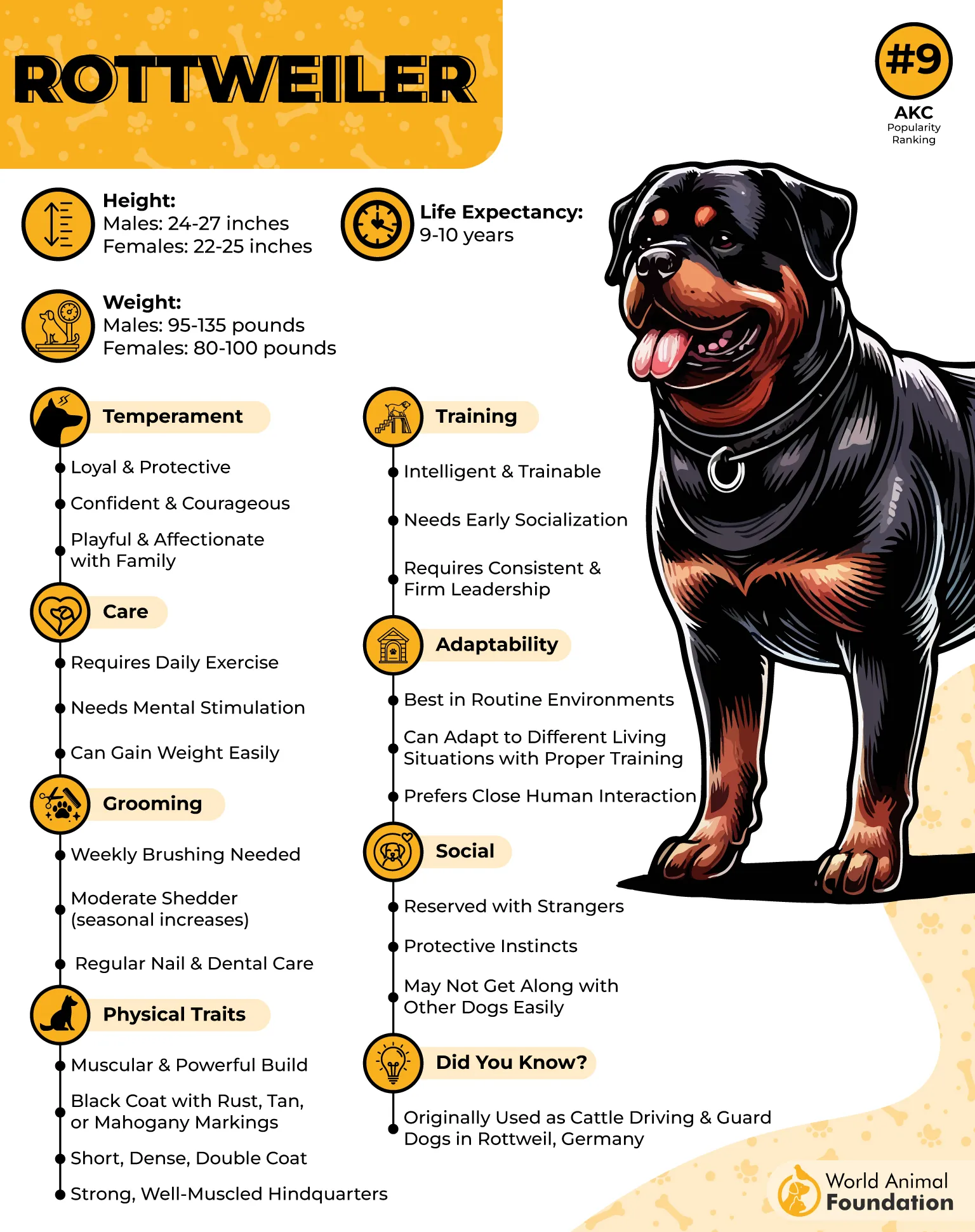
They require at least two hours of daily exercise and enjoy interactive games and challenges. Because they can be prone to bloat, feeding two smaller meals a day is recommended instead of one large portion. With plenty of space, stimulation, and human contact, Rottweilers grow into loyal companions who stay closely attached to their families.
Why This Breed Is a Good Fit
Strong natural guarding background from their working history
Thrive with structured activity, supporting steady behavior
Deep attachment to their household encourages watchful loyalty
7. Giant Schnauzer
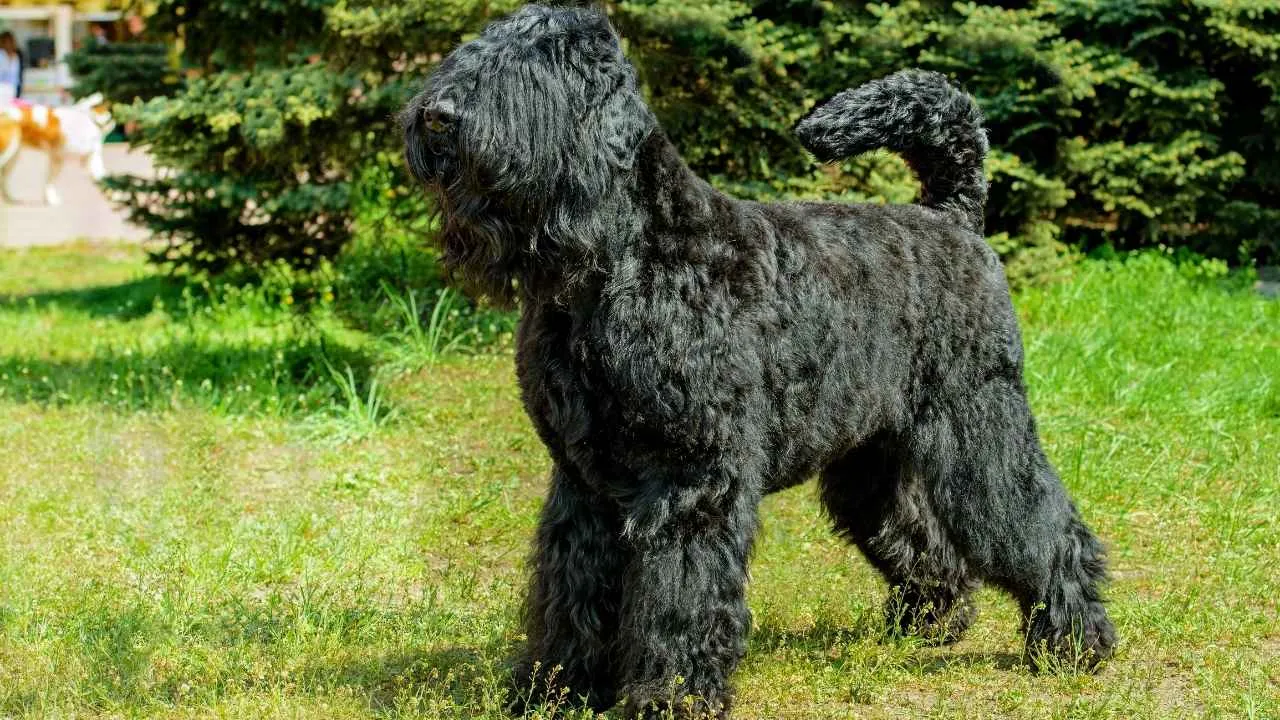
The Giant Schnauzer was developed in Germany in the mid 1800s to drive cattle and later served as a guard dog for farmers and merchants. Today, they are admired for work in police and military roles while also serving as dedicated family guardians.
This breed is intelligent, eager to please, and highly energetic. Giant Schnauzers need vigorous daily exercise along with mental stimulation through training and play. They can be wary of strangers due to their guarded background, so early socialization helps them grow into confident adults.
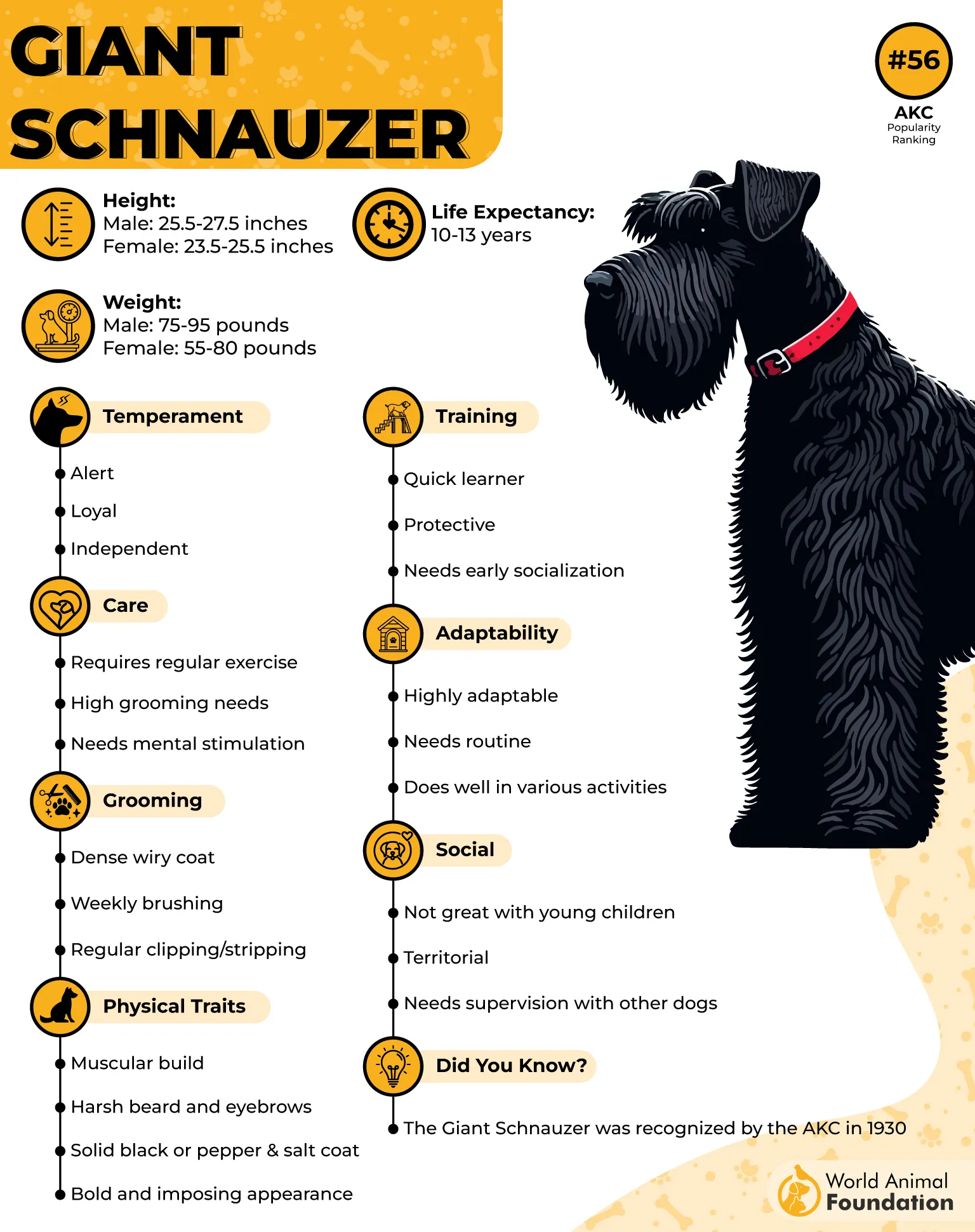
Their wiry double coat requires weekly brushing and regular professional grooming. Health concerns can include hip dysplasia, osteochondritis dissecans, and hypothyroidism, so routine veterinary care is important. When given a job and consistent training, they respond quickly and enjoy activities such as agility, tracking, and obedience.
Why This Breed Is a Good Fit
Natural guarding instinct rooted in farm and security work
Enjoy structured training, which supports dependable responses
Alert and vigilant, often quick to signal unusual activity
Conclusion
Choosing an excellent guard dog to protect your family is about more than strength or size.
It is about finding a breed whose temperament, energy level, and training needs match your home and lifestyle. The right dog will not only stand watch but also share in daily routines, outdoor adventures, and quiet moments with the people they love.
Other family guard dog breeds, including the Bernese Mountain Dog, make protective and loving family pets. Every breed on this list brings its own personality, work ethic, and level of responsibility. With proper socialization, consistent training, and plenty of exercise, many guard dog breeds can offer both dependable protection and loyal companionship.
When you invest the time and care they deserve, you gain more than security. You gain a devoted partner who is always ready to stand by your side.
