




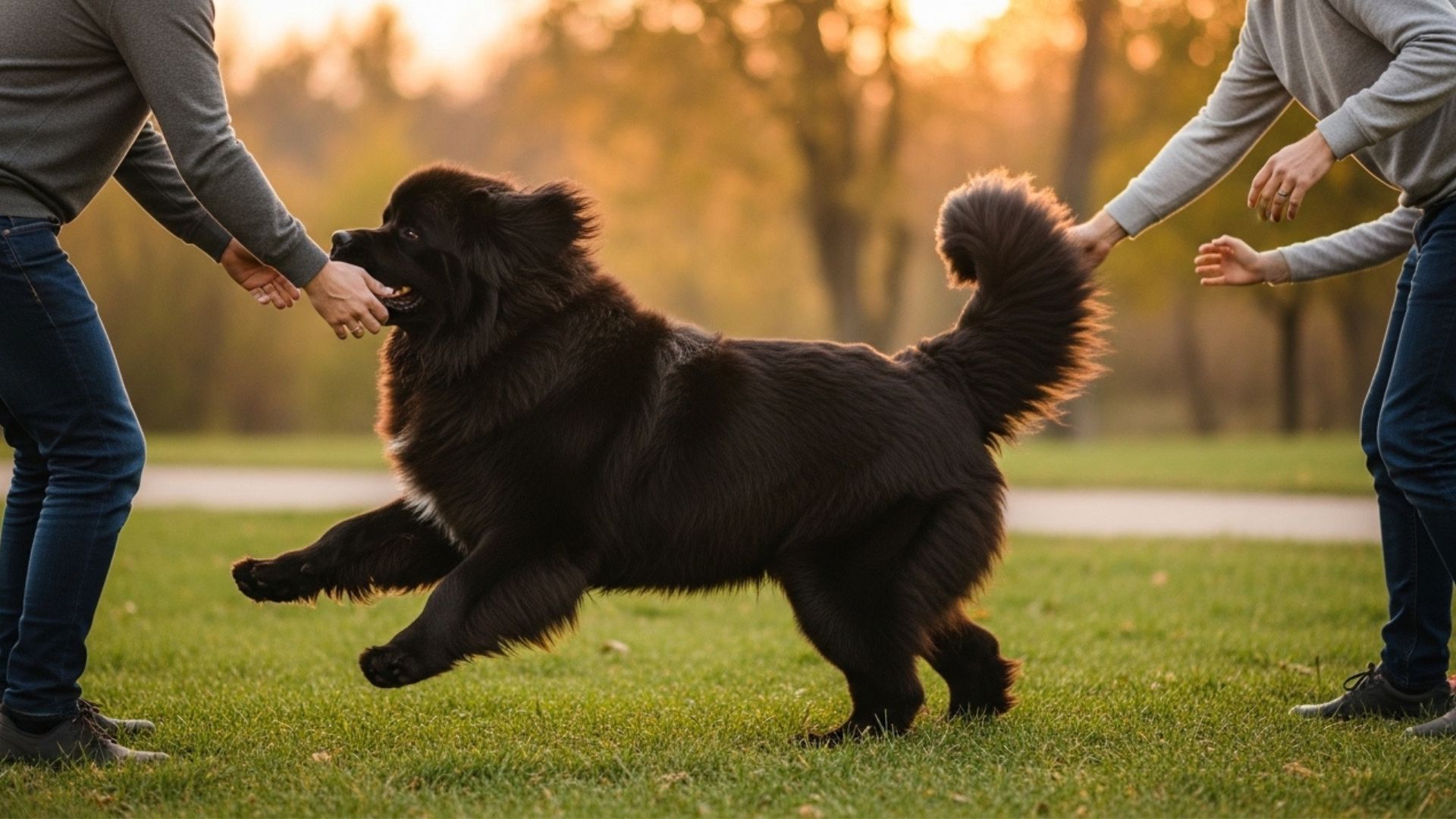
There is something unforgettable about sharing your home with a truly big dog.
Gentle giant breeds combine impressive size with sweet, steady personalities that can make them wonderful family companions. While their height and weight may turn heads, many of these dogs are known for being patient, loyal, and eager to stay close to their people.
That said, life with a large or giant breed is different from life with a smaller pup. Space, training, budget, and health needs all play an important role in choosing the right match.
In this family-friendly guide, we will explore gentle giant dog breeds that offer both heart and presence in one very big package.
Gentle Giant Dog Breeds: A Family-Friendly List
1. Bernese Mountain Dog
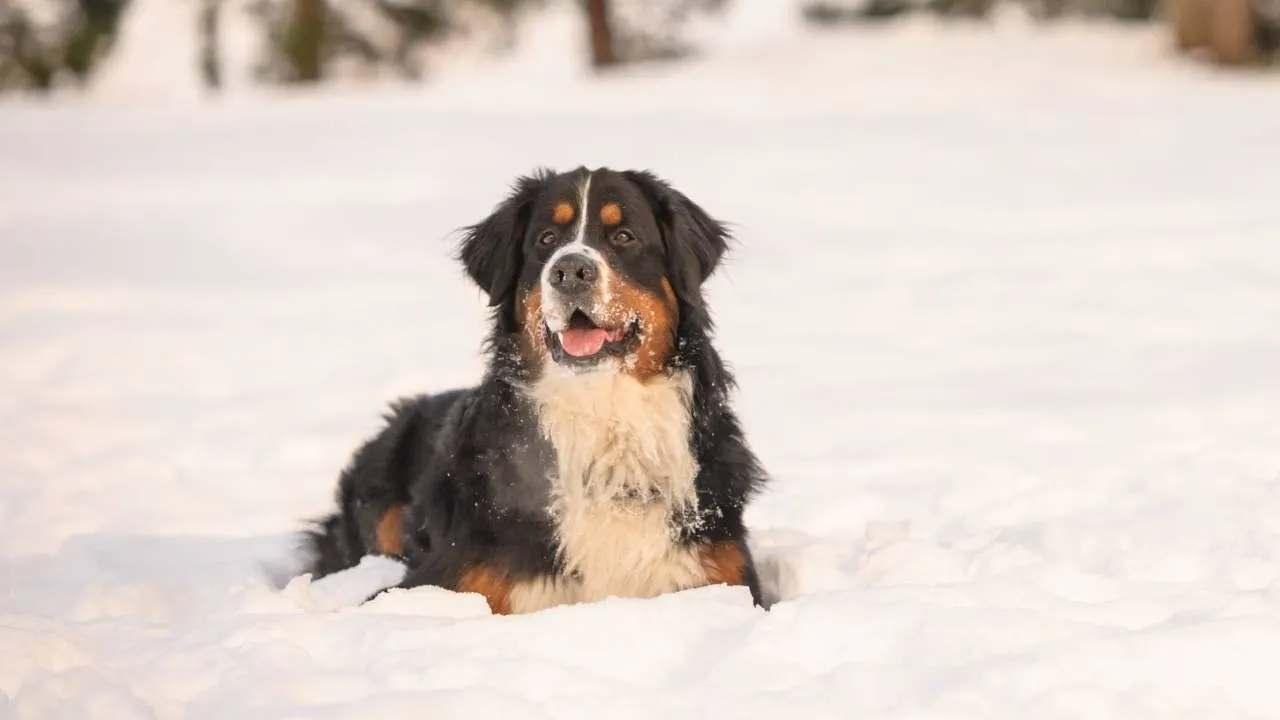
The Bernese Mountain Dog began as a hardworking farm dog in Switzerland and arrived in the United States in the 1920s to do similar jobs. Today, most Berners are devoted family companions. They are large dogs with a striking tricolor coat of black, white, and tan.
Berners are affectionate, intelligent, and eager to please, which makes training rewarding when positive reinforcement is used.
The American Kennel Club notes that they are generally patient with children and other pets and get along quite well with the entire family. Because of their strength and size, early leash training and polite greeting skills are especially important.
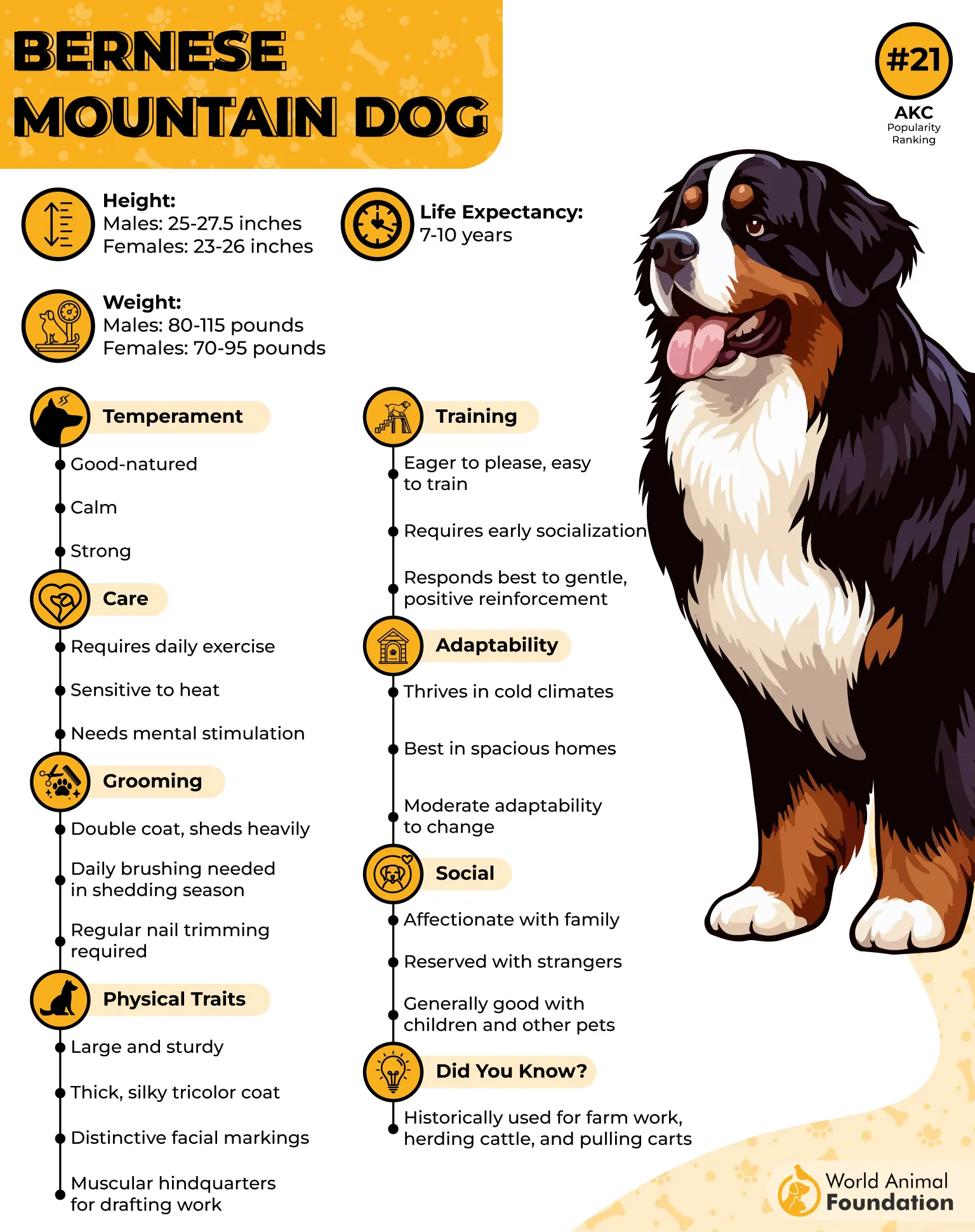
Their thick double coat sheds all year heavily and needs brushing several times a week, if not daily. They benefit from regular exercise, such as walks, hiking, cart pulling, or nose work. Pet parents should also be aware of health concerns, including GDV, hip and elbow dysplasia, and certain cancers, and plan veterinary care accordingly.
Why This Breed Is a Good Fit
Patient and affectionate with family members, including kids and other pets
Highly trainable and responsive to reward-based methods
Enjoys both relaxed downtime and outdoor activities like hiking
2. Newfoundland
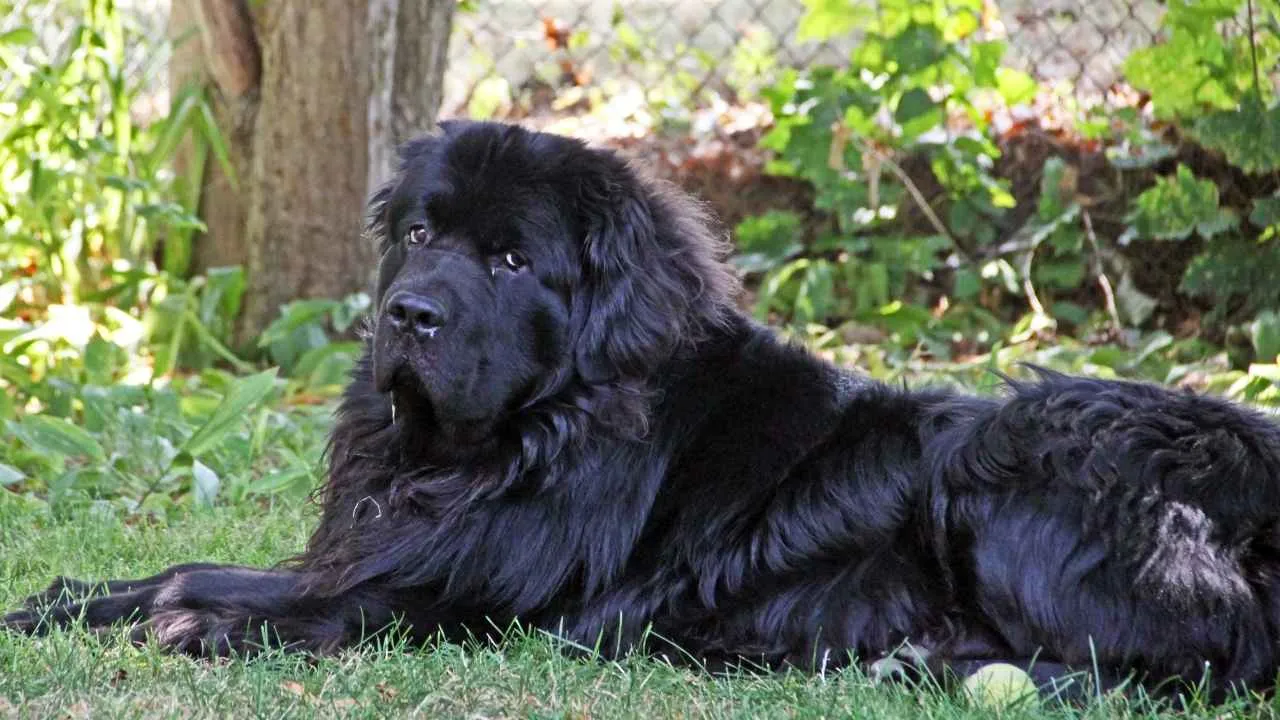
Developed on the island of Newfoundland in Canada, the Newfoundland built its reputation as a powerful working dog on fishing vessels. As per Britannica, these dogs performed water rescues, hauled in heavy nets, and even carted loads to market. Males often weigh more, with females slightly smaller, and their strong build and partially webbed paws make them skilled swimmers.
Newfoundlands are known for being sweet, friendly, and intelligent. Their patient, devoted nature has earned them the nickname “nanny dog,” especially because of how well they tend to get along with children. Although they are considered low energy, they still need daily exercise and enjoy swimming, hiking, and long walks with their people.
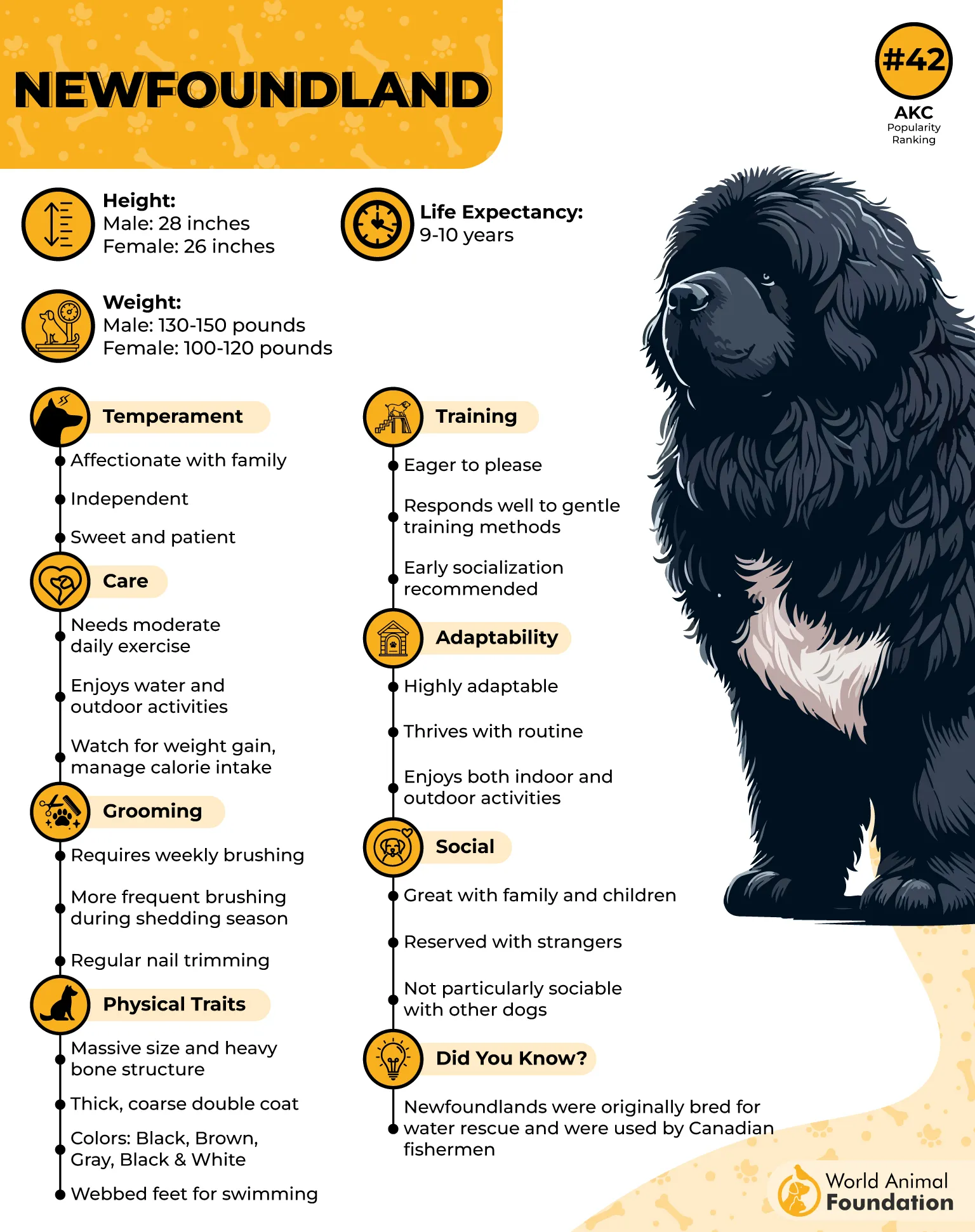
Their thick coat protects them in cold water but sheds and requires regular brushing, with heavier shedding in spring and fall. This breed is prone to conditions such as hip and elbow dysplasia, heart disease, urinary stones, and gastric torsion.
With a lifespan of around 9 to 10 years, they thrive in homes that can handle their size, grooming needs, and love of chilly weather.
Why This Breed Is a Good Fit
Natural water lover with strong rescue instincts
Gentle, steady temperament that suits family life
Enjoys meaningful activities like carting and water work
3. Saint Bernard
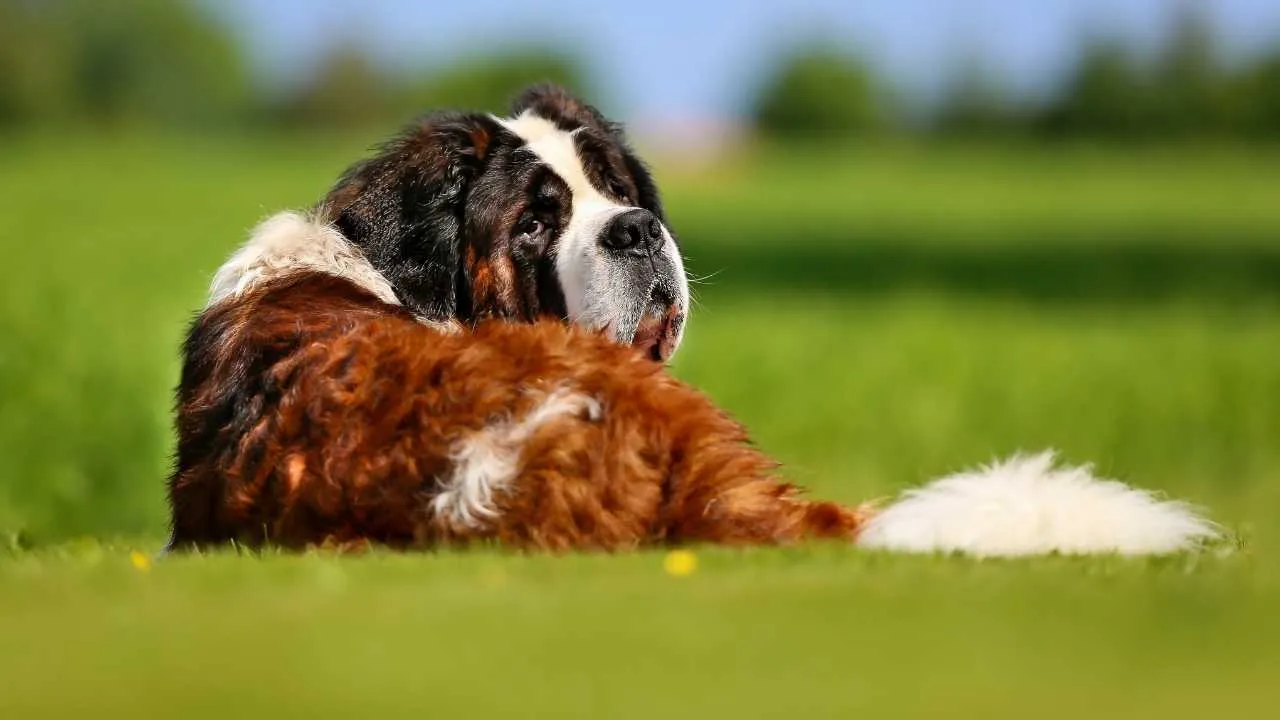
Saint Bernards are large dogs known for their calm, affectionate nature and strong bond with families. Being massive, they need plenty of space to move comfortably. Their reputation as gentle giants makes them popular in homes with children, though supervision is important due to their size.

They are intelligent and can grow into well-mannered companions with consistent, reward-based positive training. Because they are so powerful, teaching them not to jump up and to walk nicely on a lead from an early age is essential. Once fully grown, they need at least an hour of daily exercise that includes walks, playtime, and secure off-lead time.
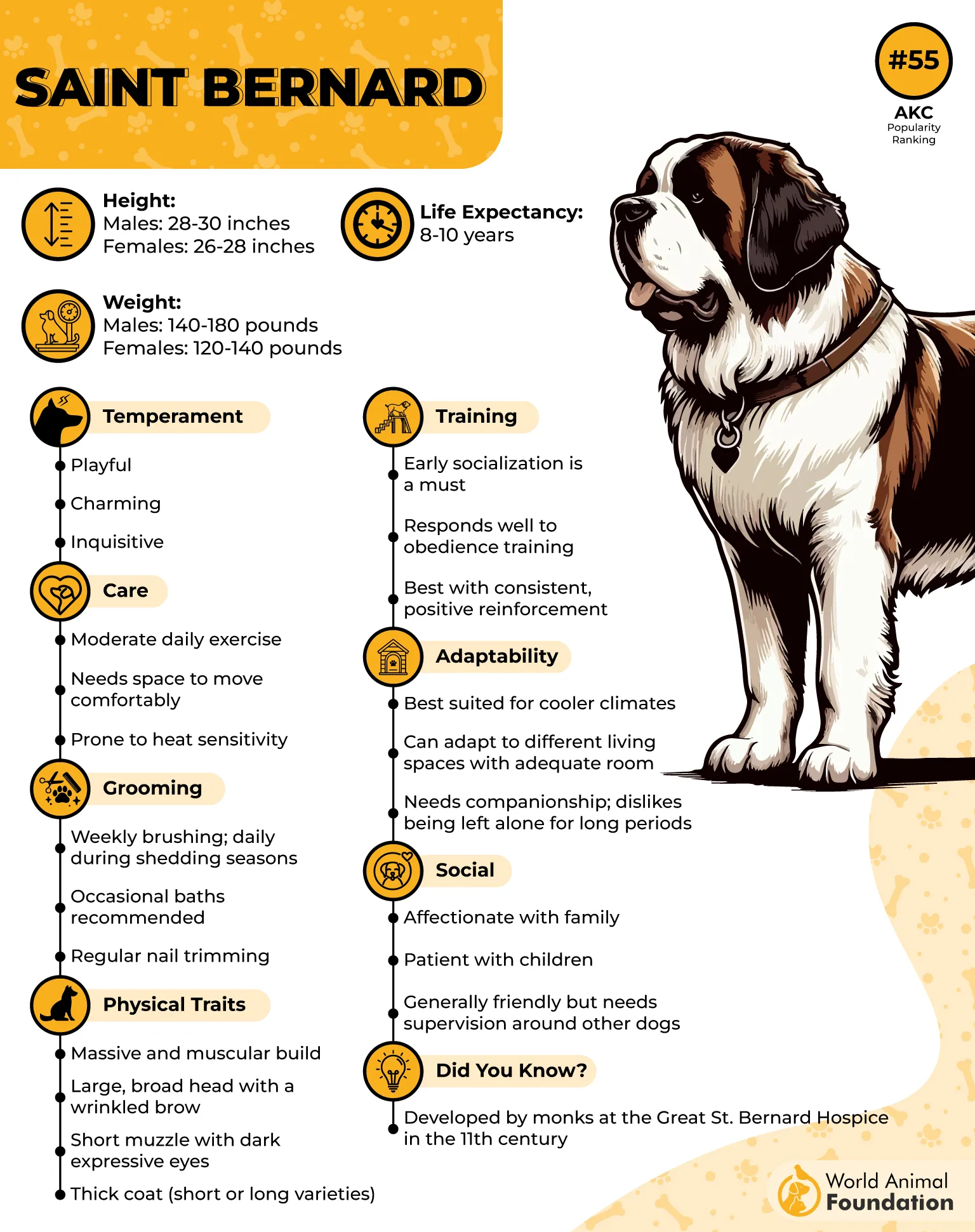
Saint Bernards shed heavily and drool often, so regular brushing and frequent cleanups are part of daily life. As per PDSA, they are prone to several health concerns, including hip and elbow dysplasia, GDV, heart disease, certain cancers, and issues related to their skin folds and eyes. Their average lifespan is under 10 years, and they require ongoing grooming and veterinary care.
Why This Breed Is a Good Fit
Relaxed and affectionate personality that suits family settings
Thrives in a busy household with plenty of interaction
Historically known for search and rescue work in cold climates
4. Tibetan Mastiff
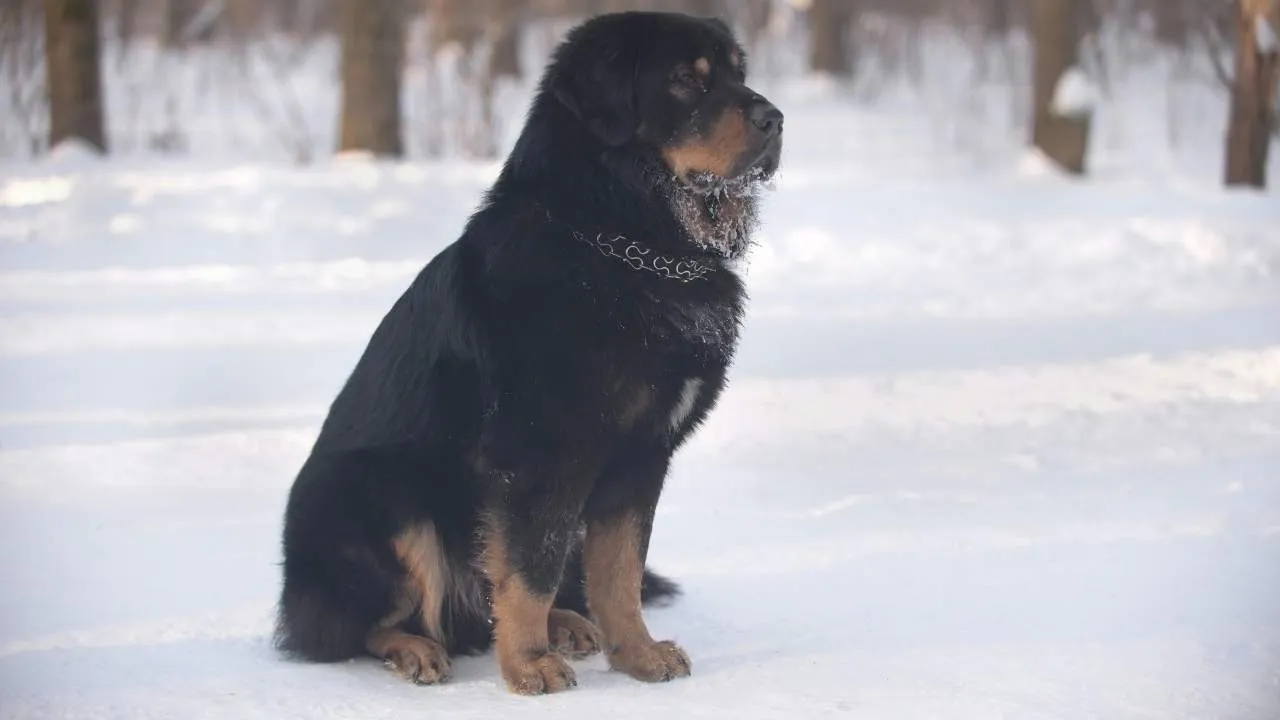
The Tibetan Mastiff is a powerful, agile breed recognized for its lionlike mane and massive build. Their thick double coat comes in colors such as black, brown, gray, or blue, sometimes with tan or gold markings, and sheds seasonally.
Bred thousands of years ago to guard land and property, this breed remains deeply territorial and protective of its family. Their guarding instincts are usually strongest at home and less pronounced outside their territory. They are intelligent and quick to learn, but traditional treat-based training may not always work, and they often rely on their own judgment.
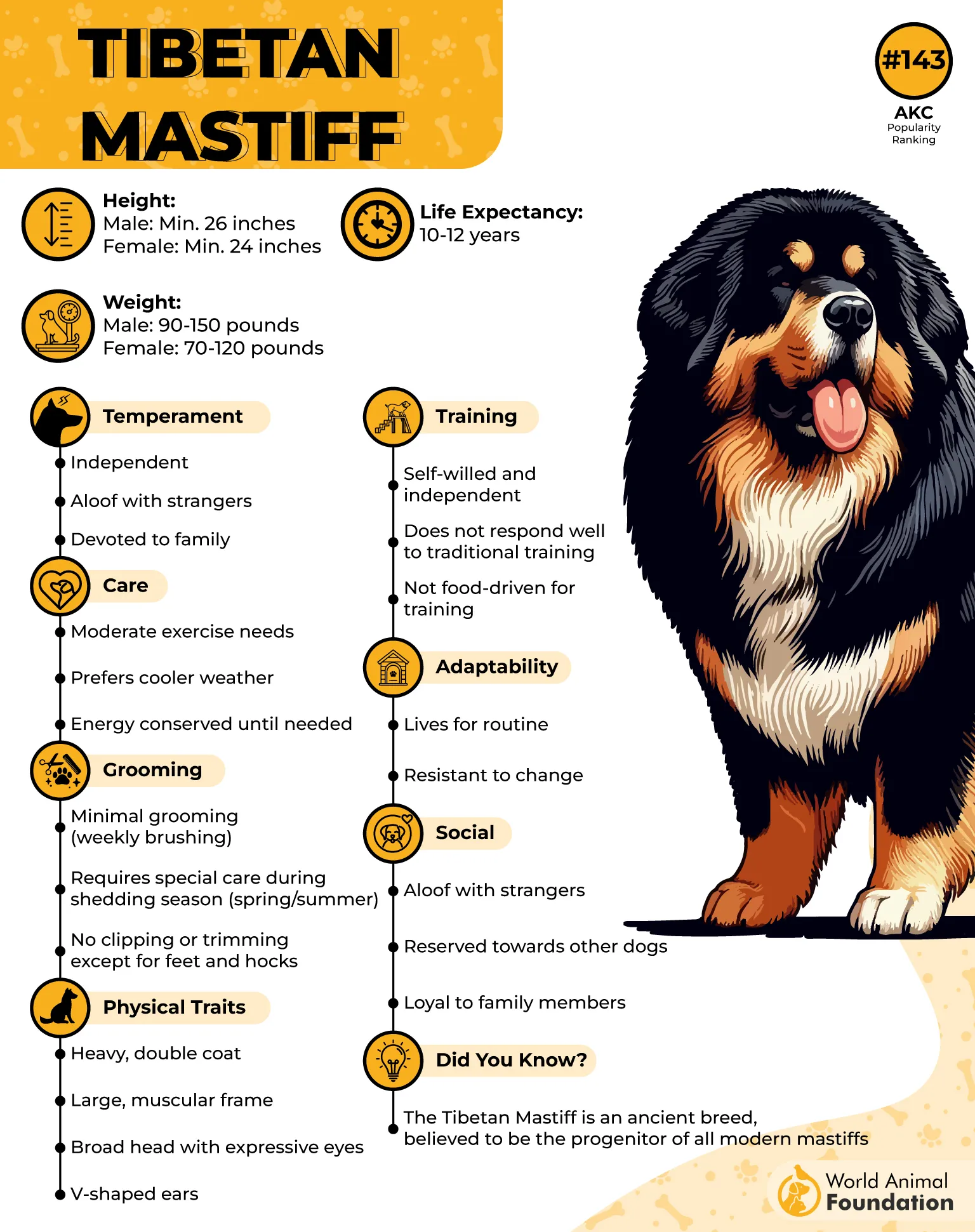
Tibetan Mastiffs are generally quiet indoors and fairly laid back, though more active in the early morning and later evening. They require only weekly brushing for most of the year, with heavier grooming during shedding seasons. Health screenings for hips, elbows, eyes, and thyroid are recommended, as the breed can be prone to joint issues.
Why This Breed Is a Good Fit
Strong natural guardian instincts rooted in centuries of protection work
Calm and composed indoors despite impressive size
A loyal companion that bonds closely with family members
5. Leonberger
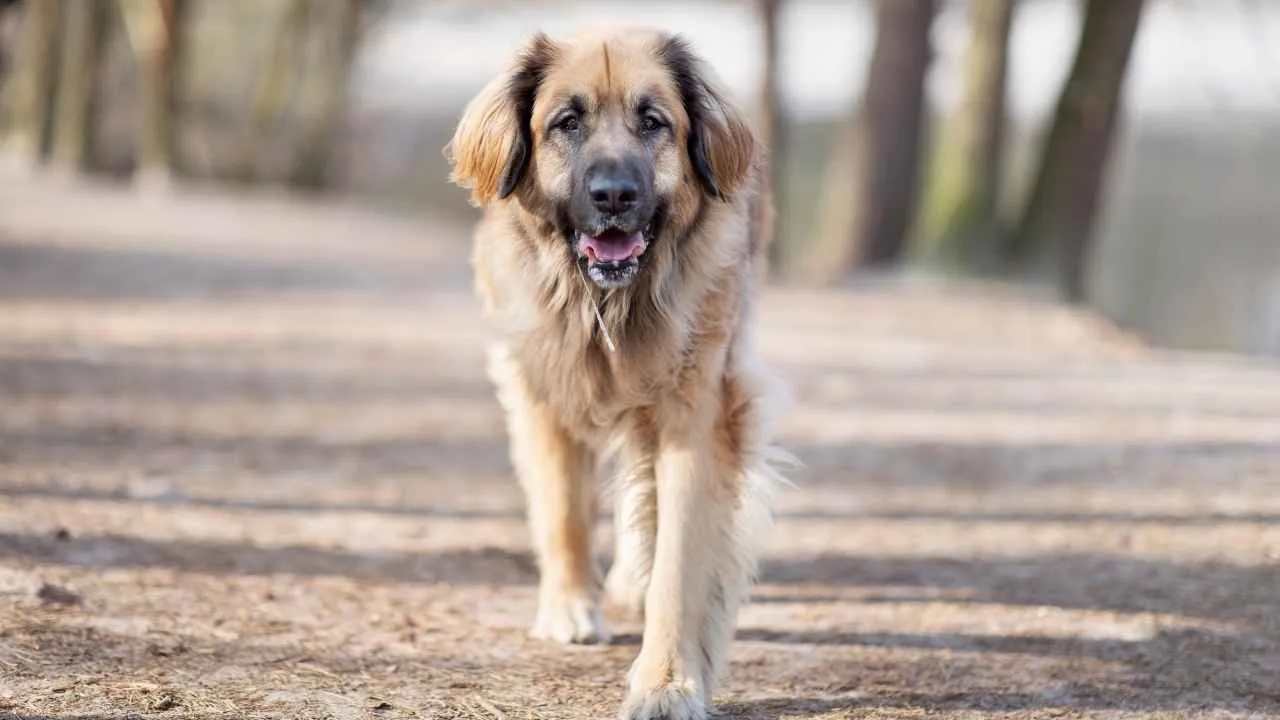
Developed in Germany in the mid-1800s, the Leonberger was created to resemble a lion, the symbol of the town of Leonberg. The breed descends from the Newfoundland, longhaired Saint Bernard, and Great Pyrenees, resulting in a large, muscular yet elegant dog.
Leonbergers are friendly, self-assured, and especially good with children, making them valued family companions. They are obedient and willing to learn, responding well to consistent, positive training. Known for their composure and noise insensitivity, they adapt well to different living situations.
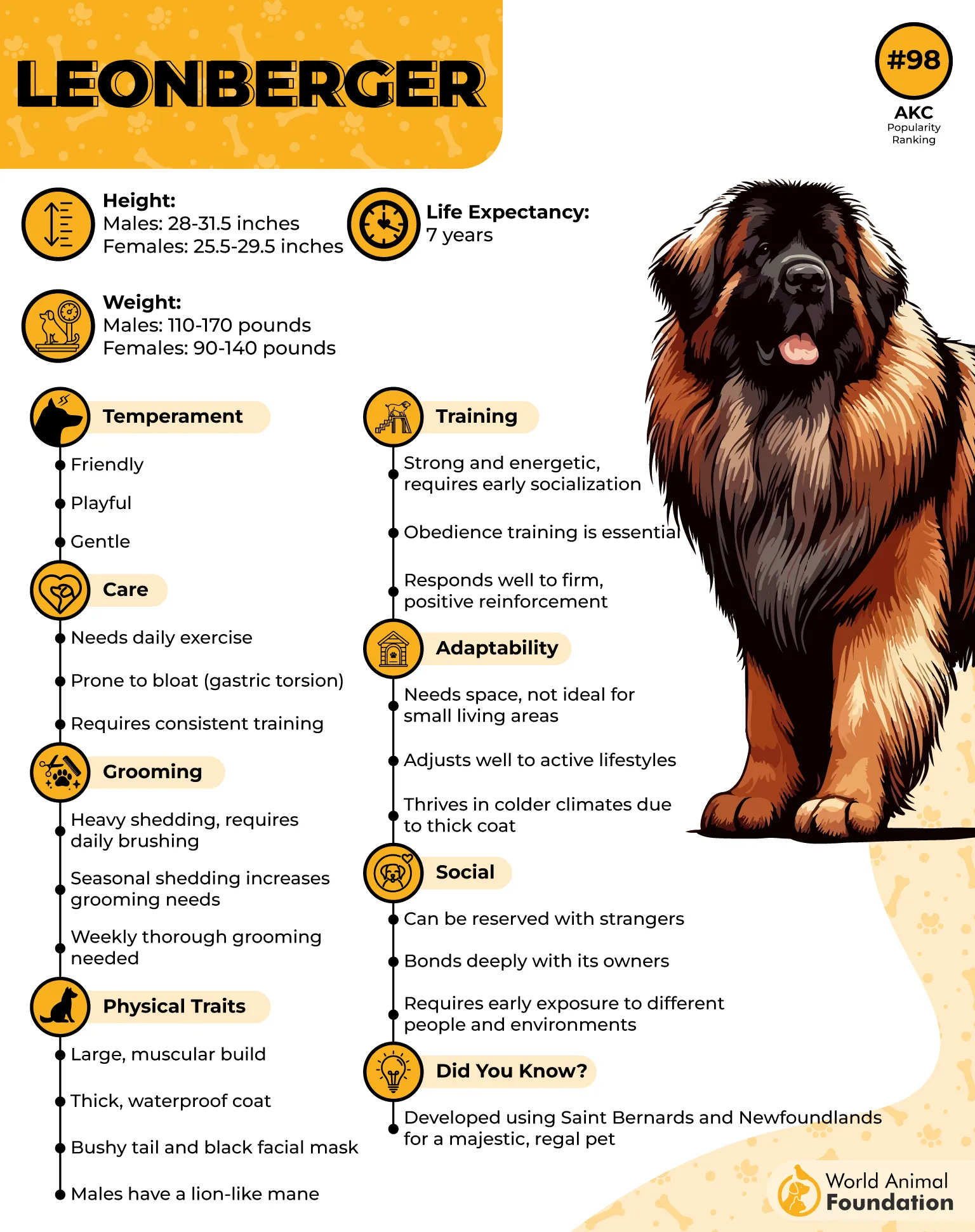
Their thick double coat features a distinctive mane in males and feathering on the legs, with colors ranging from lion yellow to reddish brown and sandy shades, all with a black mask. Regular grooming is necessary to manage their coat and seasonal shedding. Bred as watch, companion, and family dogs, they combine steady temperament with playful energy.
Why This Breed Is a Good Fit
Confident yet gentle breed suited for active households
Strong desire to be involved in everyday family life
Balanced mix of watchfulness and sociability
6. Irish Wolfhound
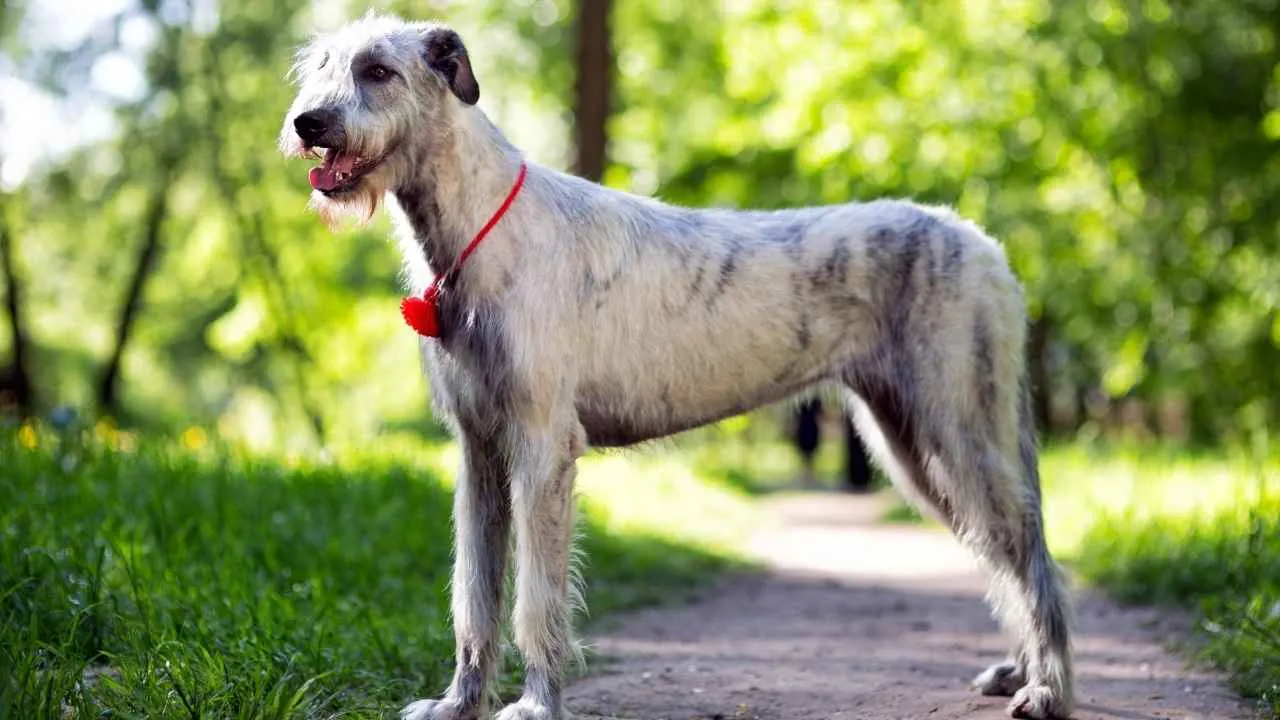
The Irish Wolfhound is the tallest of all AKC breeds, with males standing at least 32 inches and weighing around 120 pounds or more. Originally bred as fearless big-game hunters capable of taking down wolves, today they are calm, dignified companions. Their rough, hard coat comes in colors including gray, brindle, red, black, white, and fawn.
Despite their imposing height, Irish Wolfhounds are known for being gentle, loyal, and kind. They are generally patient with children, though supervision is important due to their size and strength. While not fierce guard dogs, their sheer presence can be enough to discourage intruders.
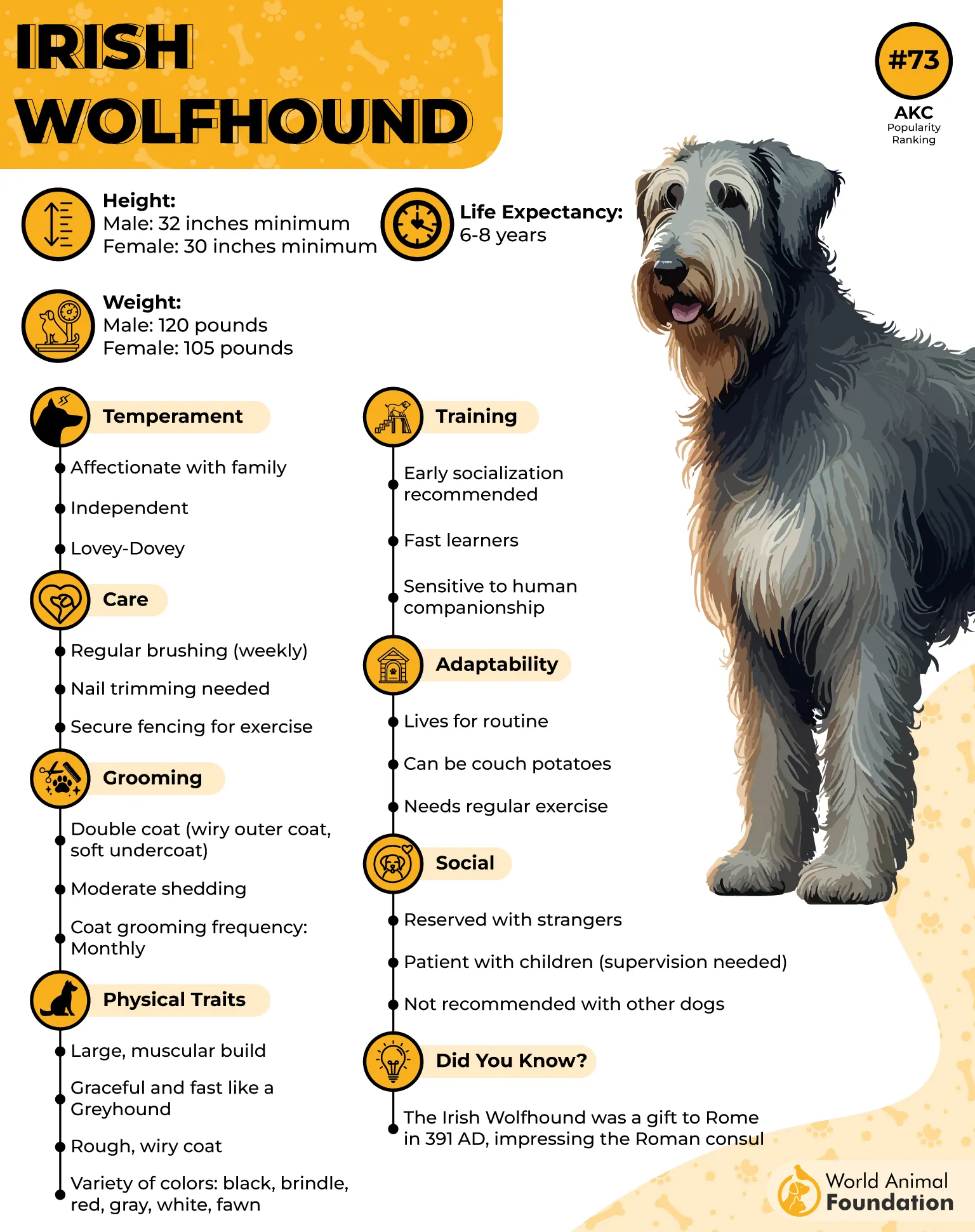
As hunting dogs, they have strong instincts and may chase running animals, so early training and socialization are essential. With proper introductions, many get along with other pets, though prey drive can vary by individual. Their life expectancy is typically 6 to 8 years, and owning one is a significant commitment.
Why This Breed Is a Good Fit
Calm and serene nature paired with impressive stature
Historically loyal companion with a gentle approach to family life
Majestic appearance that turns heads wherever they go
7. Neapolitan Mastiff
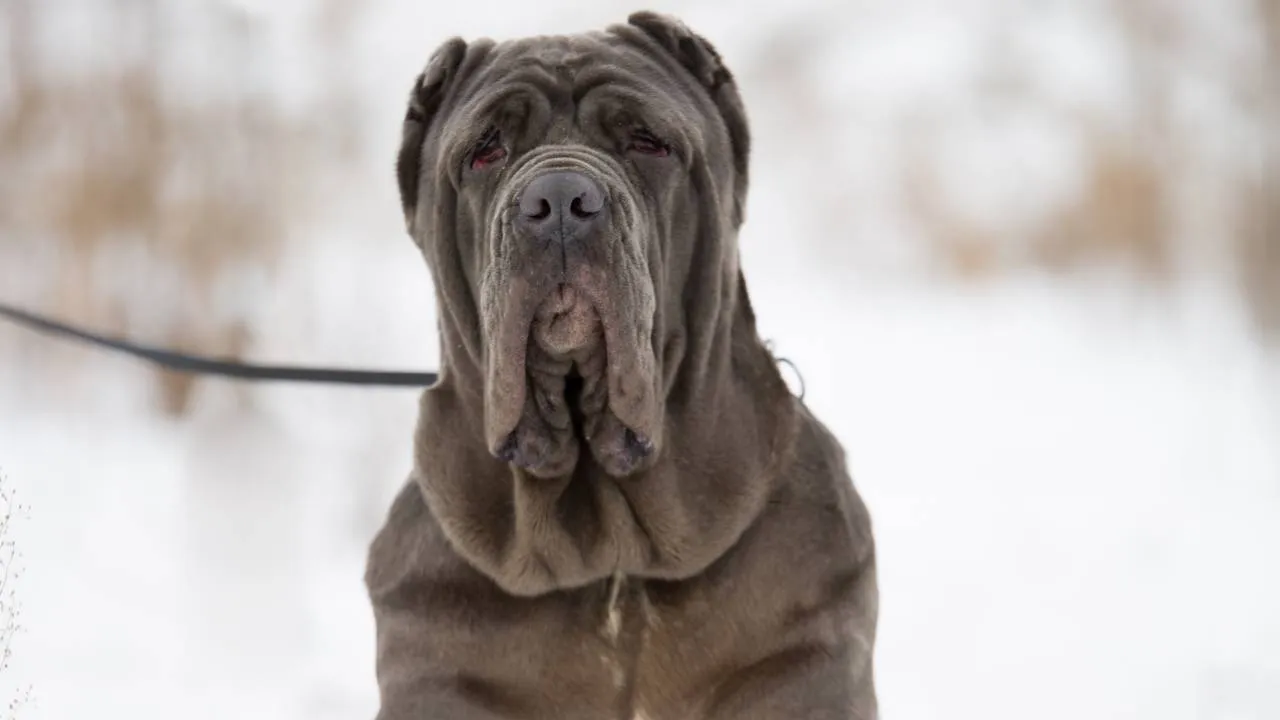
The Neapolitan Mastiff, often called the Neo, traces its roots to ancient mastiffs bred for guarding and battle. In Naples, Italy, the breed developed its signature loose skin, designed to offer protection. They have a short coat and a deeply wrinkled face and neck.
Bred as watch and guard dogs, Neos are intensely devoted to their families and highly protective. They are naturally wary of strangers and can be jealous if not socialized early. Though often appearing calm and even lazy, they remain alert and ready to respond if they sense a threat.
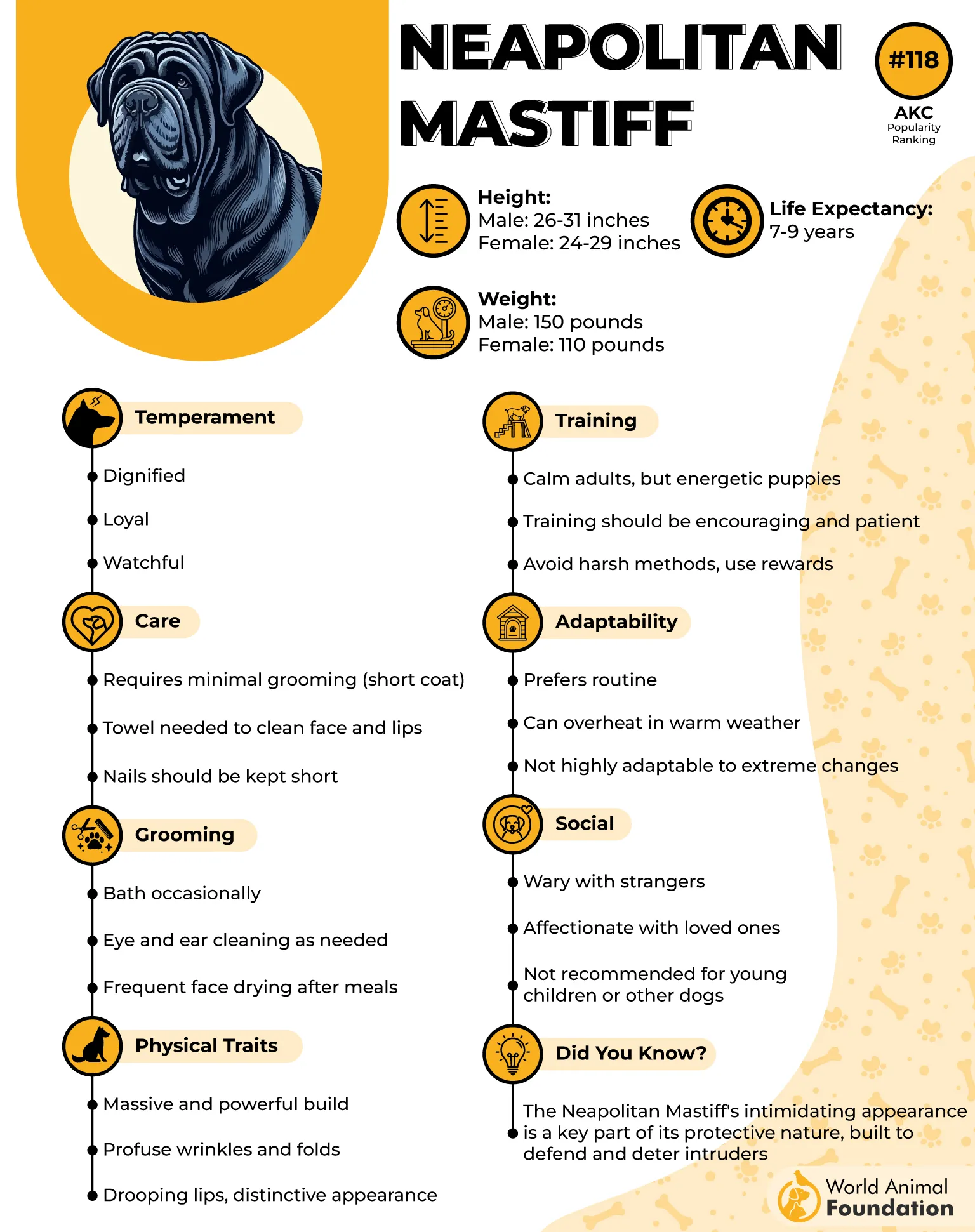
Neapolitan Mastiffs need firm but fair leadership and respond to positive reinforcement, though some can be stubborn. They require daily walks but not excessive exercise, and do best in cooler weather. Regular cleaning of skin folds is essential, as they are prone to skin infections, and health concerns can include hip dysplasia, elbow dysplasia, heart problems, and bloat.
Why This Breed Is a Good Fit
Deep loyalty and strong protective instincts for home and family
Calm indoor presence despite a powerful build
Watchful nature that provides reassurance without constant aggression
Conclusion
Large dog breeds prove that size and sweetness can go hand in hand. From steady family guardians to calm couch companions, these impressive yet gentle dogs often bring loyalty, patience, and heart into the home.
Still, living with a giant breed is a true commitment. Their space needs, grooming routines, training requirements, and potential health concerns all deserve thoughtful planning.
Other dogs, such as the Golden Retriever and the Labrador Retriever, though not massive dogs, are among the most famous big dog breeds with a gentle nature.
When matched with the right family, these affectionate dogs can become devoted friends who offer both comfort and confidence.
If you have the room, time, and dedication, a gentle giant may reward you with years of unforgettable moments, oversized cuddles, and a presence that fills every corner of your home.
