





Cats experience the world through heightened senses, and sound plays a larger role in their emotional well-being than many people realize. While loud or sudden noises can trigger stress, gentle music often has the opposite effect—creating a soothing backdrop that helps certain cats relax and feel secure.
Cats that are more socially attuned tend to associate gentle sounds with safety, routine, and human presence. Slow tempos and soft tones can mimic comforting rhythms, helping regulate breathing and reduce anxiety. Over time, music can even become a cue for rest, bonding, or quiet play, reinforcing a sense of calm within the home.
In this article, we’ll explore cat breeds that are especially receptive to gentle music. These felines often display relaxed body language, affectionate behavior, and a noticeable ease when soft tunes are playing. If you’re seeking a peaceful companion who thrives in a tranquil atmosphere, these music-loving cats may be the perfect match for your lifestyle.
Cat Breeds That Enjoy Gentle Music
1. Ragdoll
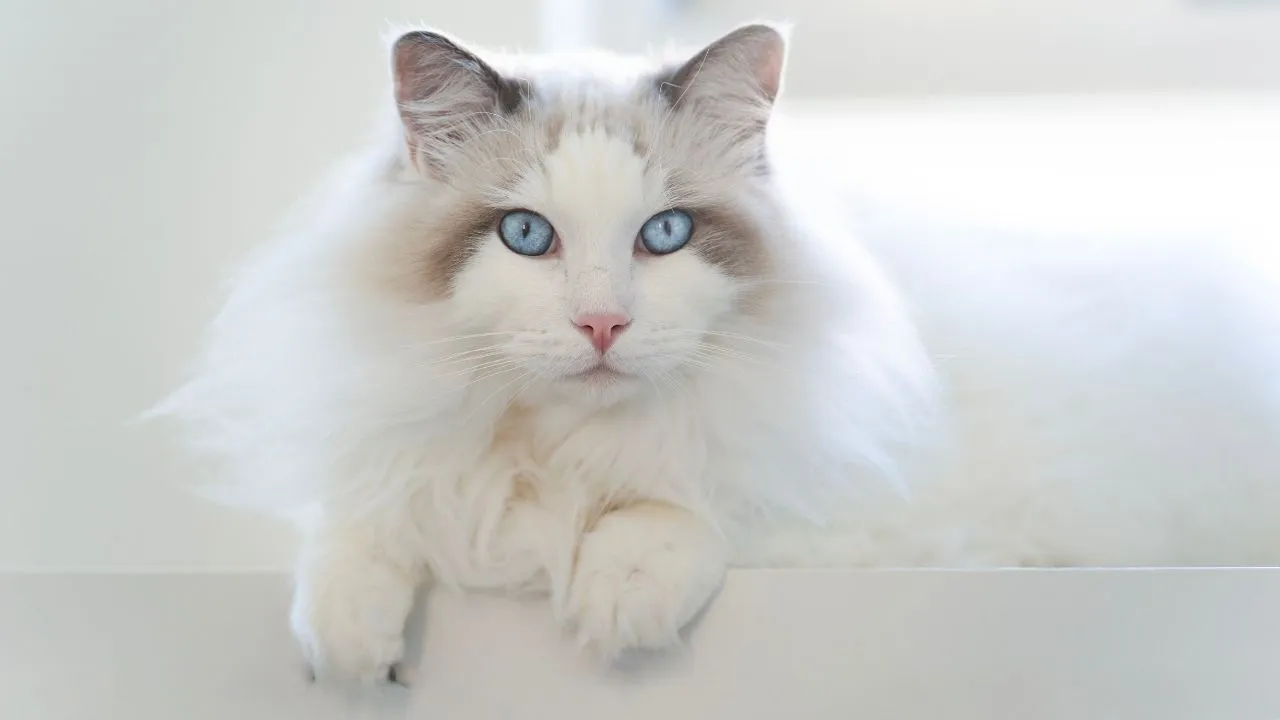
The Ragdoll, often nicknamed the “puppycats” of the feline world, is known for its plush coat, striking blue eyes, and famously relaxed personality.
Developed in the United States, this breed is celebrated for its easygoing nature and strong attachment to people, making it a natural fit for quiet, soothing homes. According to Britannica, the Ragdoll is people-oriented and often docile, and it enjoys playing retrieval games.
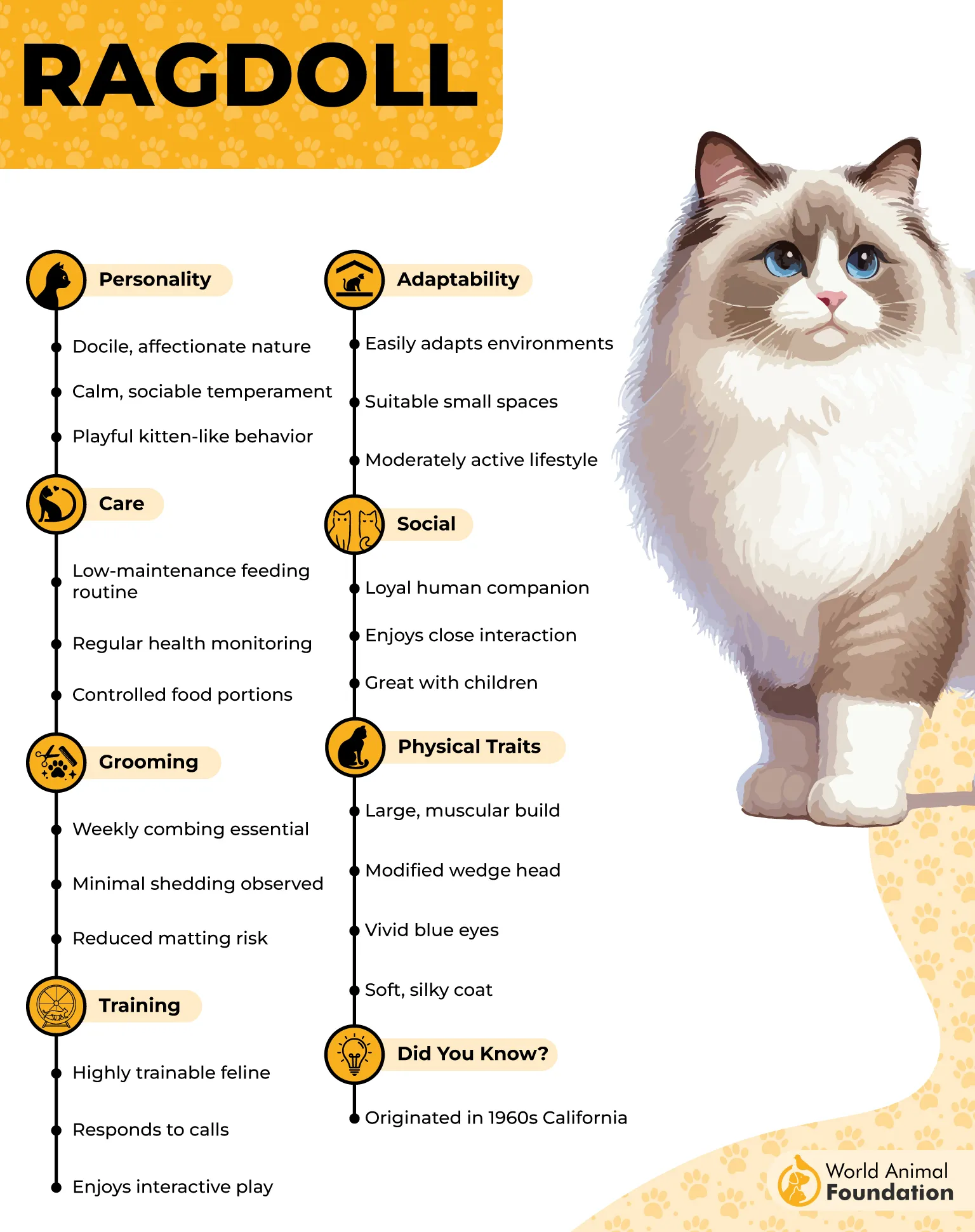
As a cat that thrives in peaceful surroundings, the Ragdoll responds especially well to gentle music. Soft melodies often encourage them to stretch out, relax, and settle beside their favorite humans, reinforcing their calm and affectionate demeanor.
Unlike high-energy breeds, Ragdolls prefer tranquil activities and predictable routines. Gentle background music can enhance their sense of security, helping them unwind during rest periods or quiet bonding time with their owners.
Their patient temperament and sensitivity to atmosphere make them ideal companions for serene households.
Fact: Ragdolls are famously known for going limp when picked up, a trait that inspired the breed’s name and reflects their deeply relaxed nature.
2. Persian
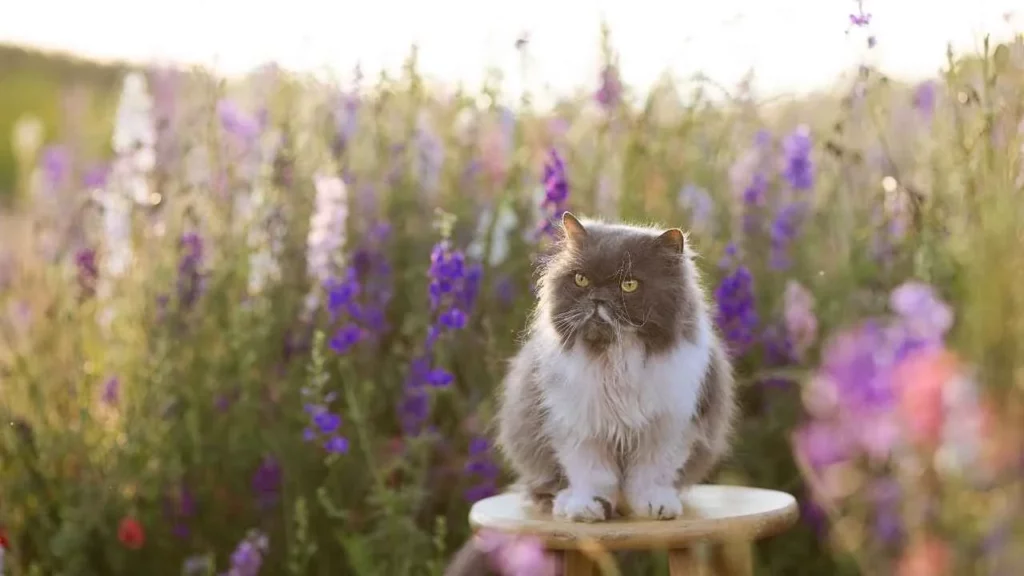
Often called the quintessential lap cat, the Persian—sometimes simply known as the Longhair—is famous for its flat face, flowing coat, and serene personality.
According to PetMD, Persian cats are believed to be among the oldest cat breeds, with roots dating back to the 1600s. This breed moves through life at an unhurried pace, preferring comfort, routine, and quiet surroundings.
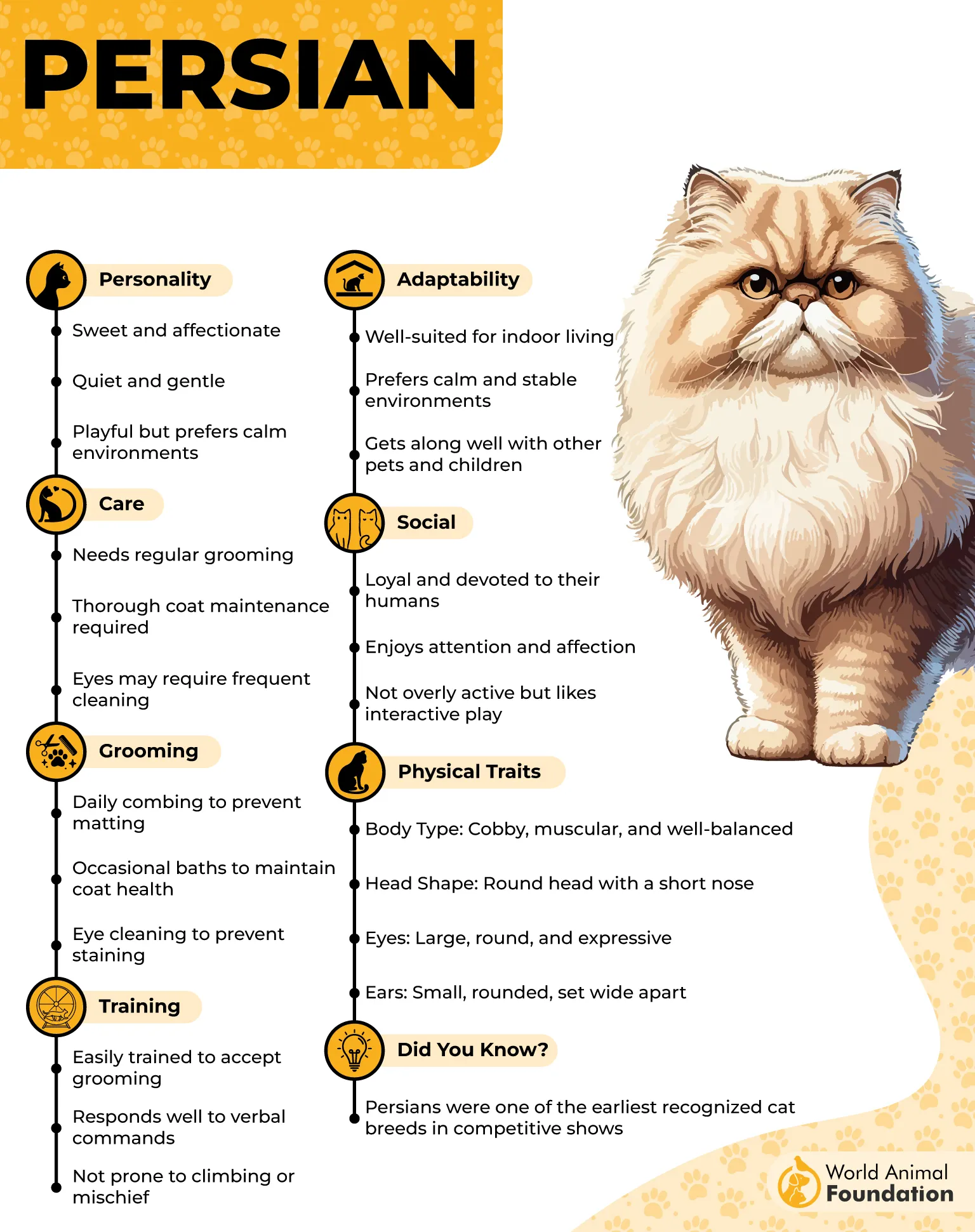
Persians are naturally drawn to calm environments, which makes them especially receptive to gentle music. Soft melodies pair perfectly with their relaxed demeanor, often encouraging them to lounge peacefully or drift into restful naps without disturbance.
Unlike more energetic breeds, Persians don’t seek constant stimulation. Gentle background sounds help reinforce a sense of security, allowing them to feel content simply observing their surroundings or enjoying quiet affection from their humans.

Their low-key vocalizations and unassuming behavior mean they’re rarely startled by soft tunes, making music a subtle form of enrichment rather than excitement.
Fact: Persians are known for having a soft, sweet meow and a temperament so calm they’re often described as one of the quietest cat breeds.
3. British Shorthair
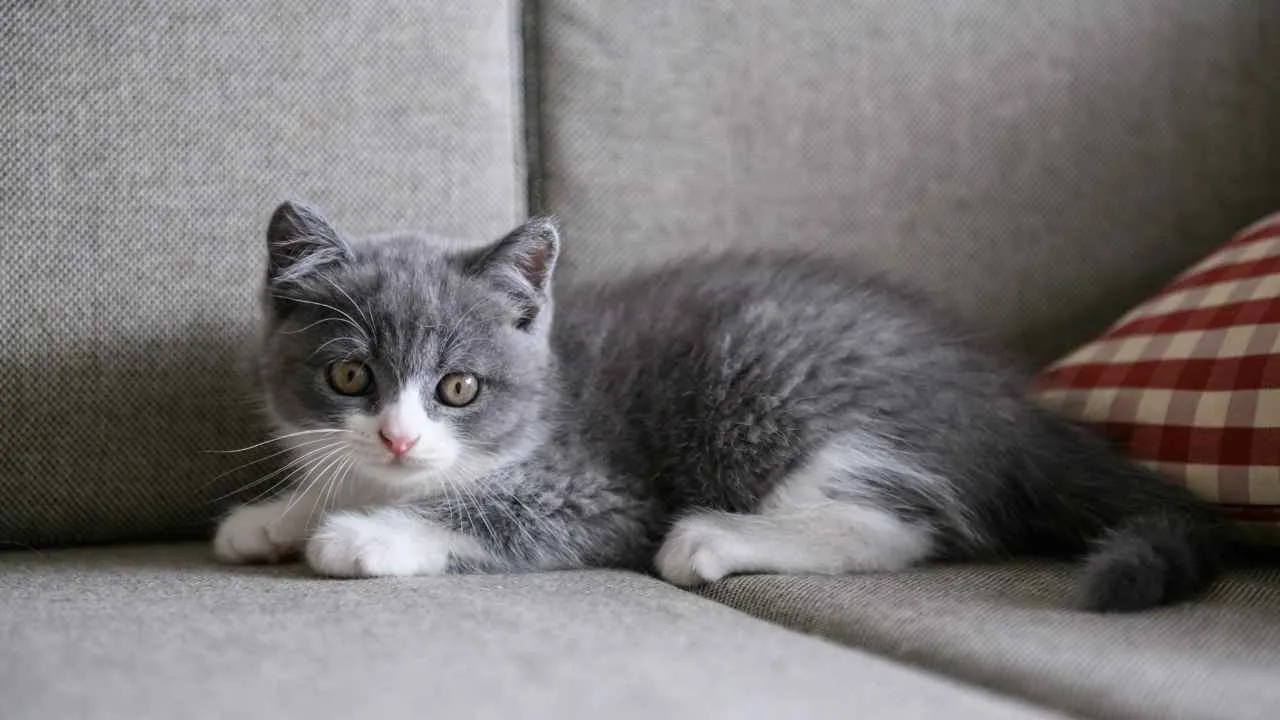
The British Shorthair, sometimes simply called the Brit, is one of the oldest recognized cat breeds and is instantly known for its round, teddy bear–like face and plush coat.
Calm, dignified, and quietly affectionate, this breed prefers peaceful surroundings and steady routines. According to WebMD, British Shorthairs are friendly, relaxed cats that enjoy being around people and napping on the couch.
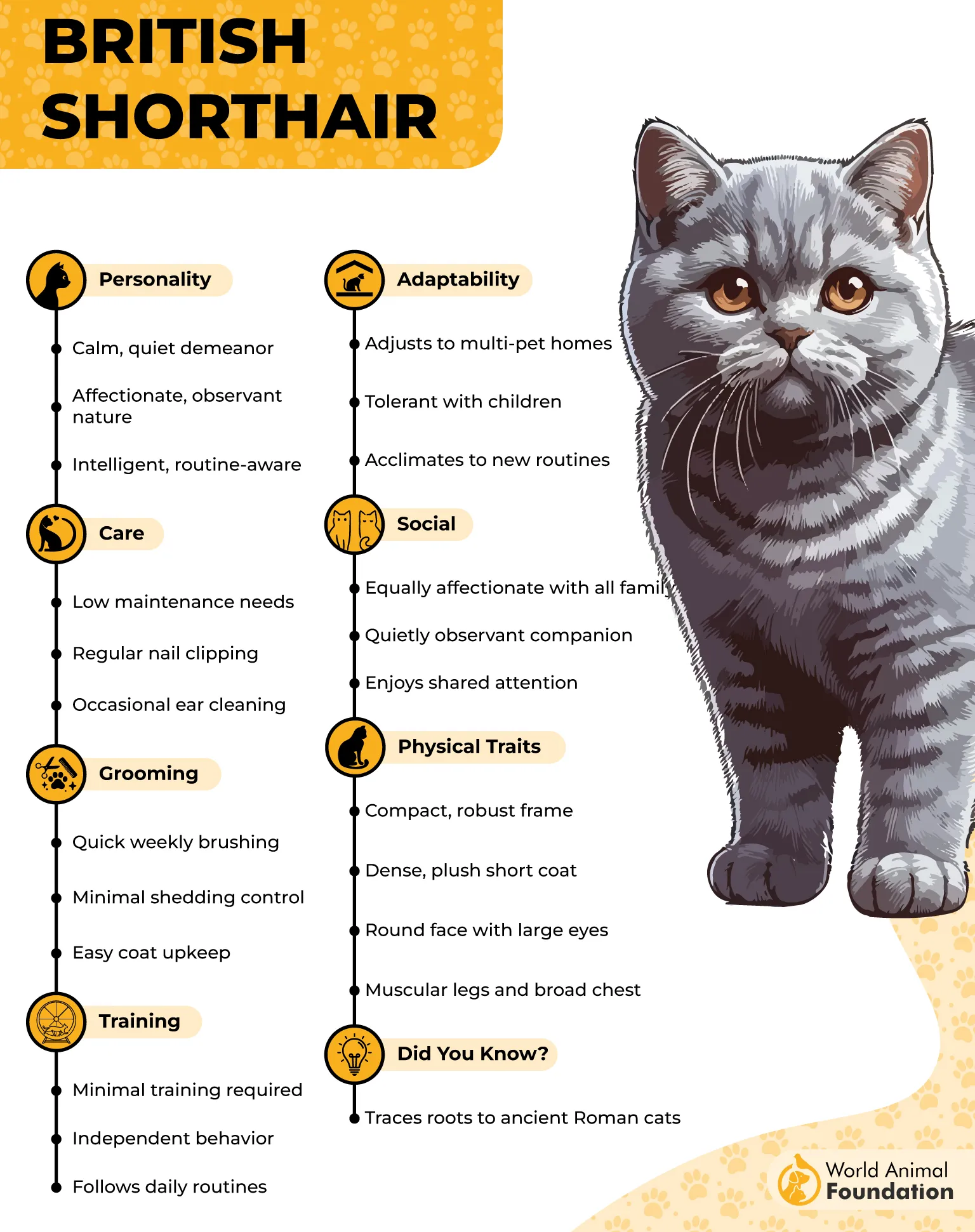
With a naturally gentle temperament, the British Shorthair is drawn to soft, soothing environments where gentle music can enhance its sense of security. Rather than reacting to loud or stimulating sounds, these cats often relax when calm melodies play in the background.
Their laid-back personality means they enjoy lounging nearby while music fills the room, often settling into cozy spots to observe quietly. Gentle tunes complement their preference for low-key companionship and help reinforce a tranquil atmosphere.
Because they are not overly demanding or hyperactive, British Shorthairs respond best to subtle sensory stimulation, including soft music that mirrors their calm demeanor.
Fact: The British Shorthair is considered one of the oldest cat breeds and was showcased at some of the very first cat shows in London.
4. Russian Blue
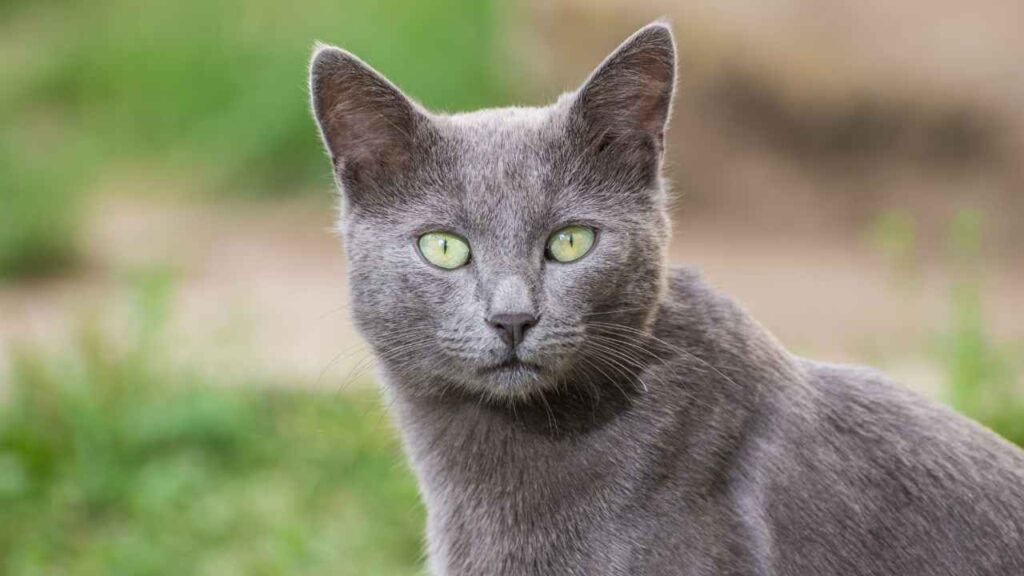
Often called the Archangel Cat, the Russian Blue is a refined and quietly elegant breed known for its silvery blue coat, emerald-green eyes, and gentle expression. With a naturally reserved personality, this breed thrives in peaceful homes where calm routines and soft surroundings are the norm.
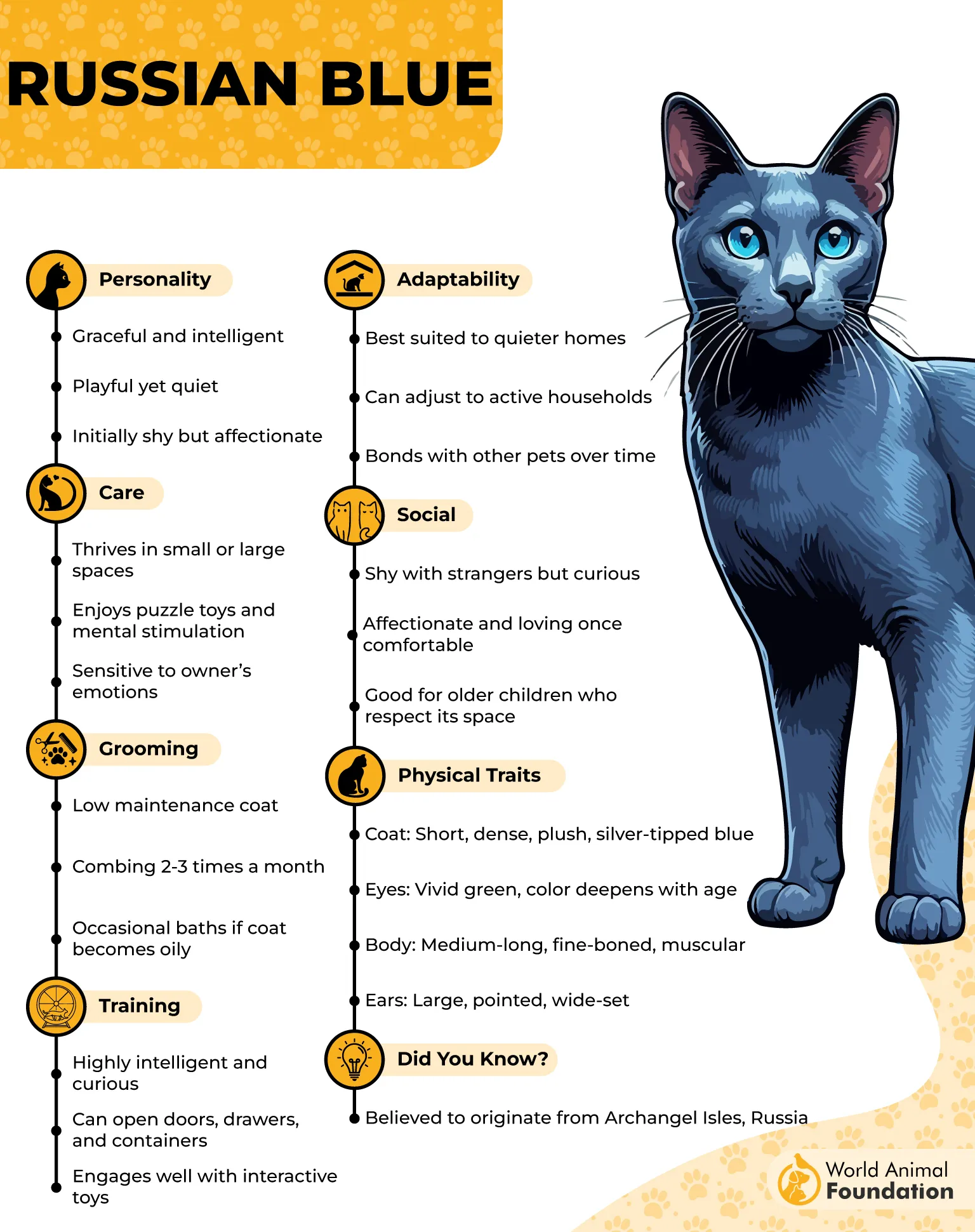
Russian Blues are sensitive to their environment, which makes them especially responsive to gentle music. Soft melodies often encourage them to relax, curl up nearby, and remain quietly observant, reinforcing their reputation as serene companions. Loud or chaotic noise, by contrast, can easily unsettle them.
Their easygoing temperament pairs well with soothing sounds, as these cats enjoy lounging in sunlit spots while subtle music plays in the background. Gentle rhythms can enhance bonding moments, helping them feel secure and emotionally connected to their favorite people.
Though initially shy with strangers, Russian Blues form deep attachments and appreciate quiet interaction.
Fact: The Russian Blue is known for its plush, dense coat and naturally calm demeanor, which has made it a favorite in tranquil households for generations.
5. Birman
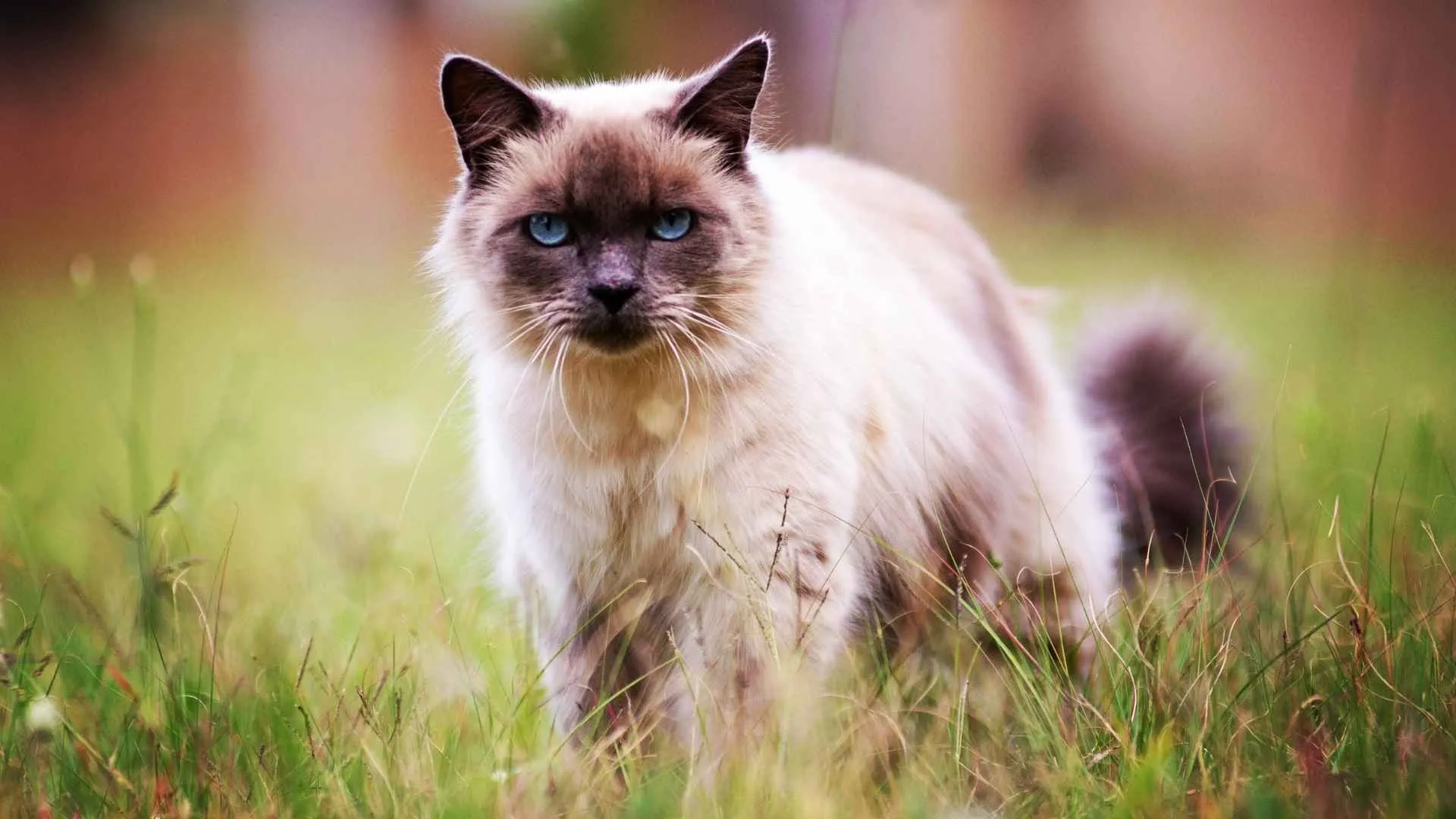
The Birman, also known as the Sacred Cat of Burma, is instantly recognized by its silky coat, deep blue eyes, and signature white paws. This medium-built, color-pointed breed is admired for its gentle personality and naturally calm presence in the home.

Birmans are especially receptive to peaceful environments, making them well-suited to soft, gentle music. Their quiet and affectionate nature allows them to relax fully when soothing sounds are present, often responding with slow blinks, steady breathing, and contented purring.
Unlike more high-energy breeds, Birmans tend to enjoy calm routines and subtle sensory input. Gentle melodies can enhance their sense of security, encouraging them to lounge nearby or curl up beside their favorite person while the music plays.
Their balanced temperament also helps them adapt well to quiet households with respectful children or other calm pets. A notable fact about this breed is its long-standing nickname, “Sacred Cat of Burma,” inspired by legends that associate Birmans with peaceful temple life and spiritual calm.
6. Scottish Fold
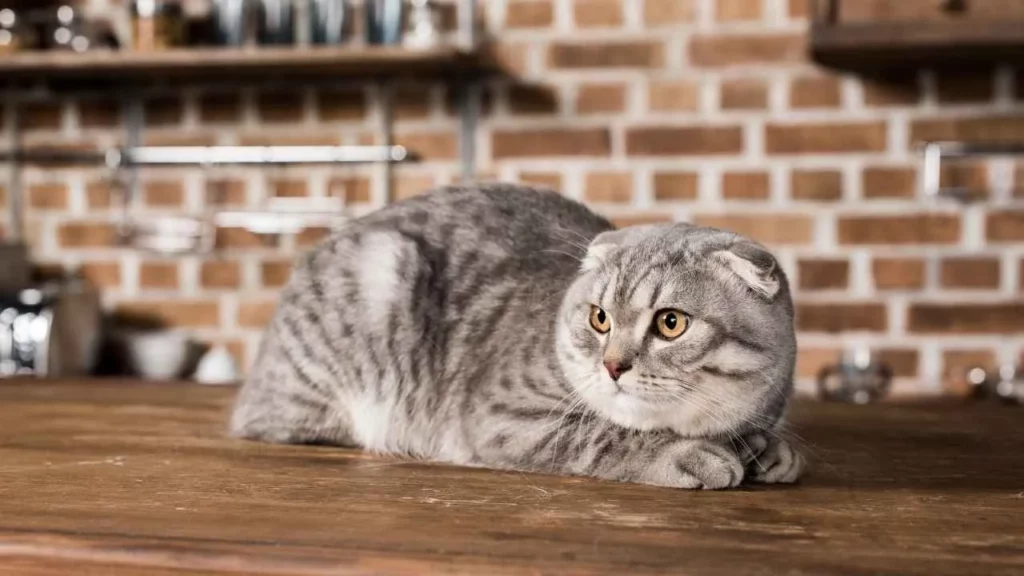
The Scottish Fold, sometimes simply called the Fold, is instantly recognized for its forward-folded ears and round, expressive eyes. Beyond their unique look, this breed is known for a calm, gentle personality that thrives in peaceful homes.

Sensitive by nature, Scottish Folds respond well to soothing environments, making gentle music especially comforting for them. Soft melodies often encourage them to relax nearby, stretching out or settling into cozy spots while the sound plays quietly in the background.
Rather than seeking constant stimulation, these cats prefer low-key interactions and subtle routines. Gentle music pairs well with their laid-back temperament, helping reduce stress and reinforcing their sense of security when resting near their favorite people.
Social yet not demanding, Scottish Folds enjoy sharing quiet moments with their families. Their moderate playfulness blends nicely with calm settings, where music, light play, and affection coexist harmoniously.
Fact: The Scottish Fold originated in Scotland in 1961 from a cat named Susie, whose folded ears were caused by a natural genetic mutation.
7. Chartreux
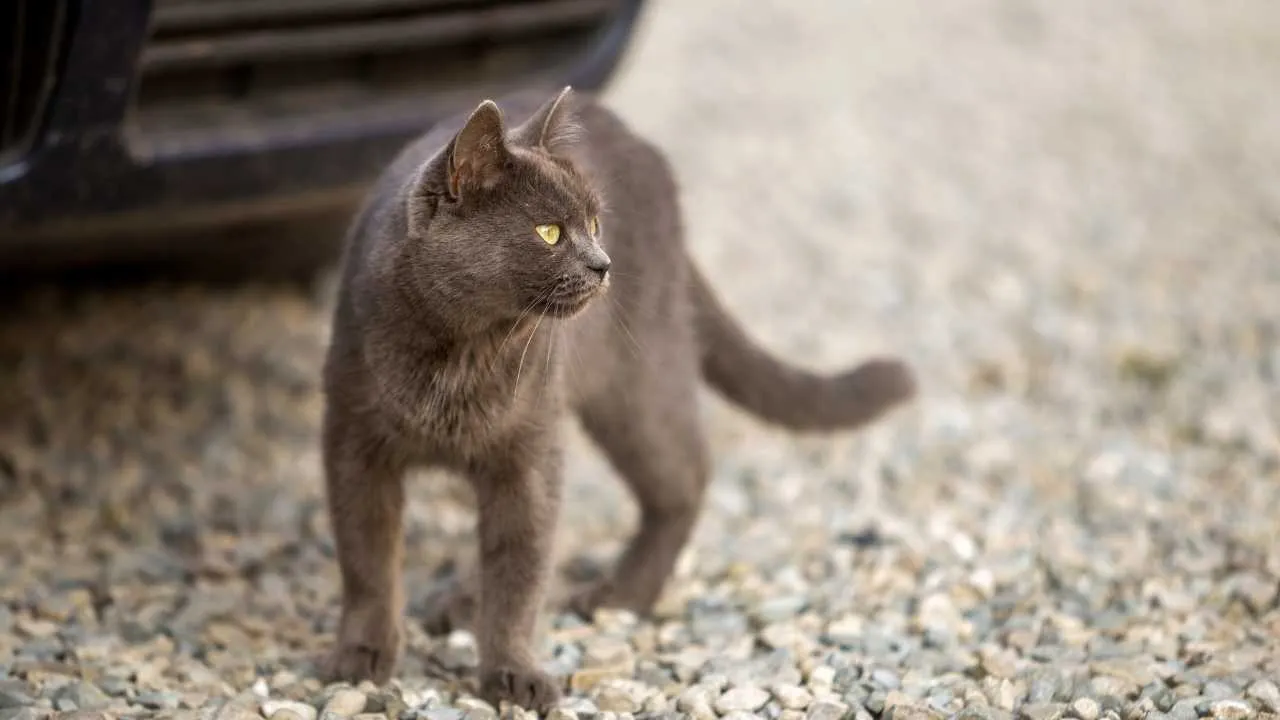
The Chartreux, sometimes called France’s blue treasure, is one of the oldest natural cat breeds, known for its plush blue-gray coat and expressive copper-to-gold eyes. This sturdy yet gentle feline has a quiet presence that suits peaceful households.
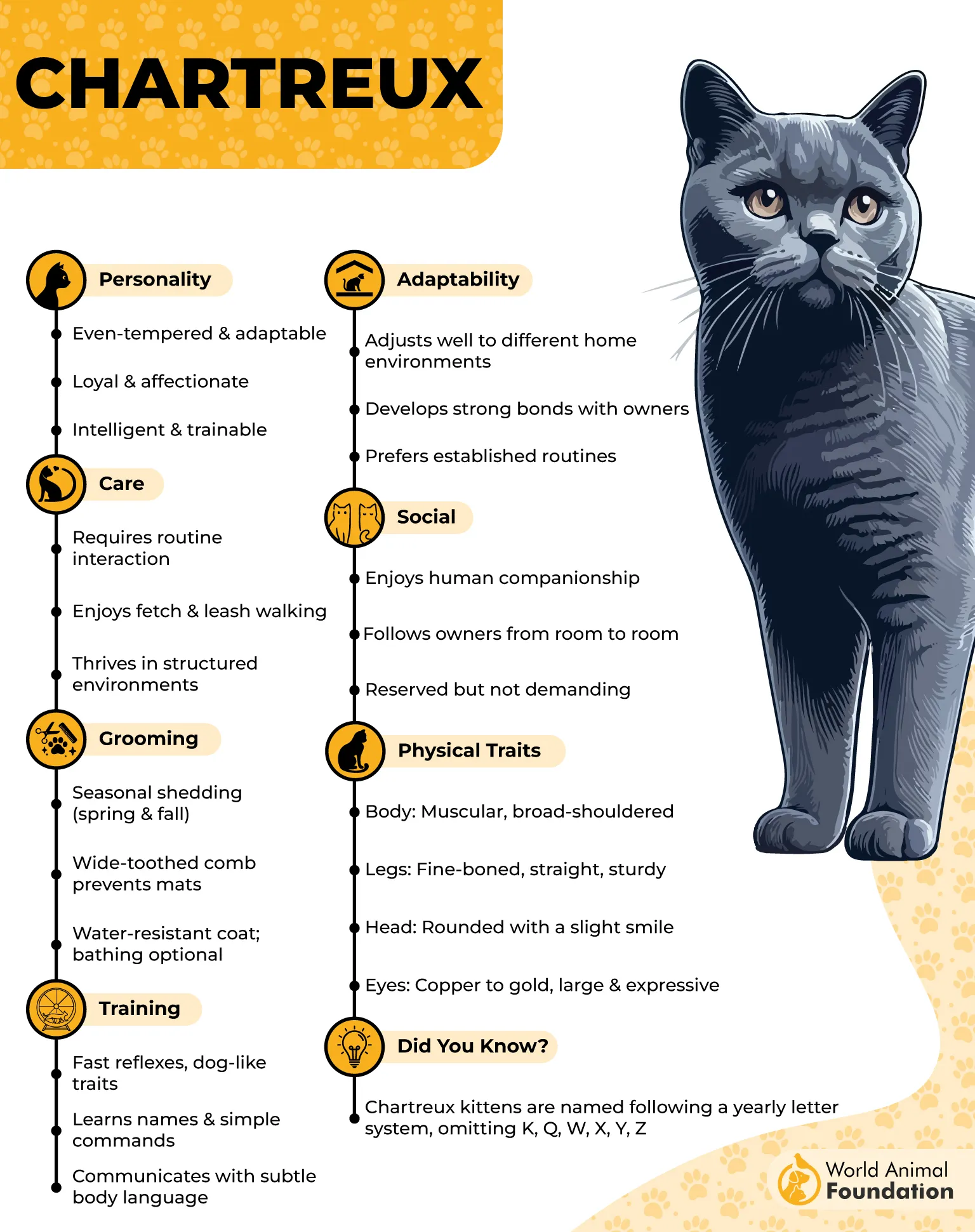
Naturally calm and observant, the Chartreux responds well to tranquil surroundings, making gentle music a welcome part of their environment. Soft melodies often encourage them to relax, perch comfortably, and settle into a restful state without overstimulation.
Unlike more vocal breeds, the Chartreux communicates subtly, preferring deep purrs and body language over constant meowing. Gentle music complements this reserved personality, helping maintain emotional balance while strengthening their bond with familiar humans.
Although historically skilled hunters, these cats are content with a slow, predictable routine indoors.
Fact: The Chartreux is considered a natural breed that developed without deliberate human crossbreeding, a trait that contributes to its steady temperament and quiet charm.
Conclusion
Cats that enjoy gentle music often thrive in peaceful, predictable environments where sound becomes a source of comfort rather than stimulation. Soft classical music or specially designed cat music can create a calming effect that helps feline friends relax, nap, or quietly observe their surroundings.
Unlike heavy metal or abrupt noises, certain sounds—such as slow rhythms, a gentle human voice, or cat-specific music—tend to reduce stress and promote emotional balance in sensitive cats.
While not all other cats respond the same way, many mellow breeds show a preference for a particular genre that mirrors natural tones they find reassuring. Whether it’s subtle human music or calming compositions made just for cats, these specific sounds can provide mental stimulation without overwhelm.
When used thoughtfully, music becomes a simple way to enrich daily life, supporting well-being and harmony for cats who truly appreciate gentle auditory experiences.
