




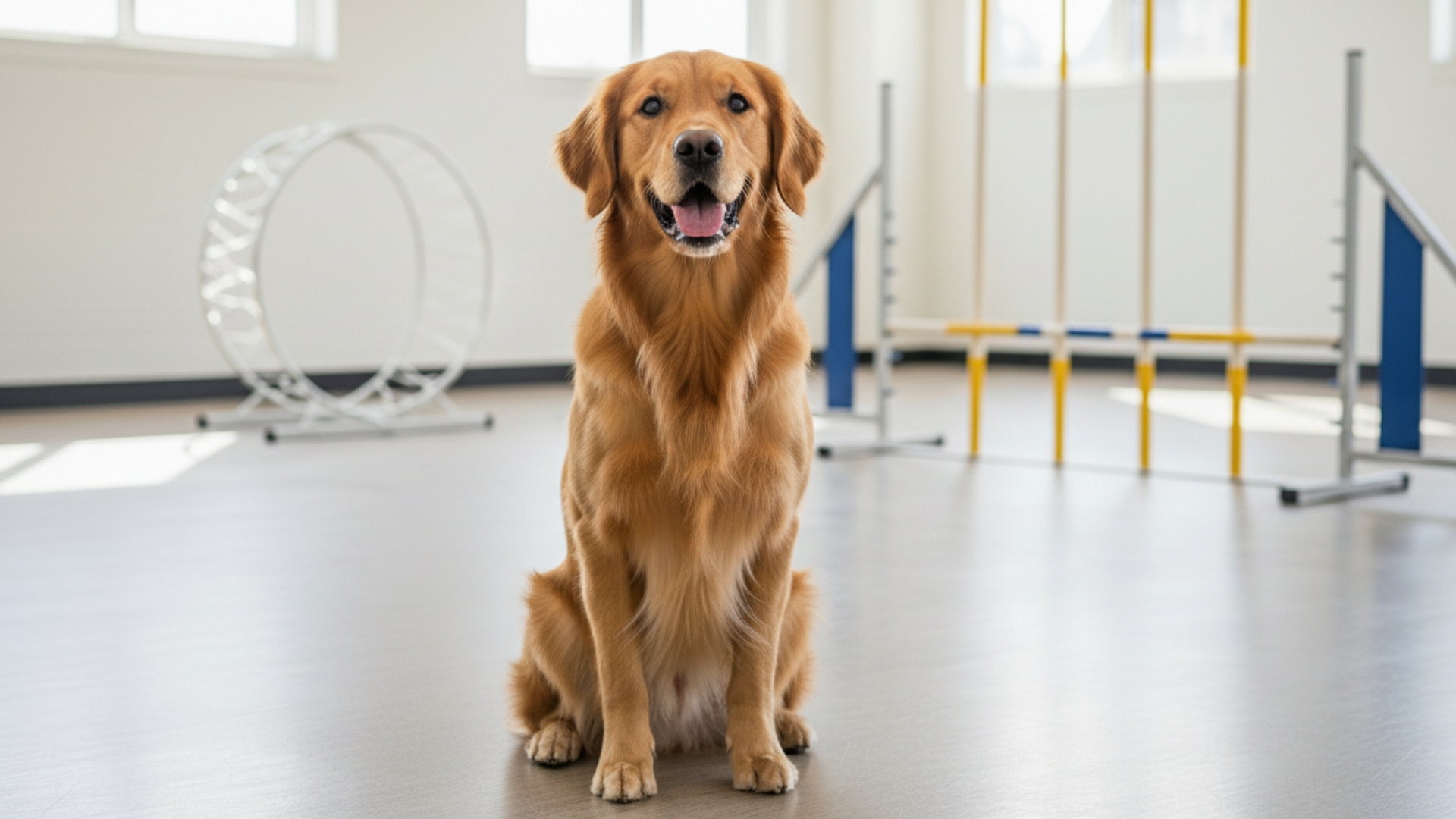
When it comes to dogs, intelligence is not just about performing tricks or responding to commands. But it is about understanding, adapting, and forming deep connections with their humans.
Some breeds seem to get things instantly; you show them once, and they remember. You teach them a command, and they master it in minutes. If you have ever wished for a dog that makes training feel less like a chore and more like a joy, you are in the right place.
In the world of canine companions, certain breeds always stand out for their remarkable problem-solving skills, eagerness to learn, and quick response to commands. From the lightning-fast learning abilities to the sharp-minded versatility, such dogs augment intelligence with enthusiasm.
Moreover, the intelligent breeds often thrive on mental stimulation and structured training sessions, making them ideal companions for active families and first-time owners.
In this article, we will explore the top smartest dog breeds that make training easier, faster, and more rewarding as well. Whether you are looking for a family-friendly dog, a working partner, or a highly trainable best friend, these brilliant breeds are ready to impress and also willing to learn.
Top Smartest Dog Breeds – Training Made Easy
1. Australian Cattle Dog
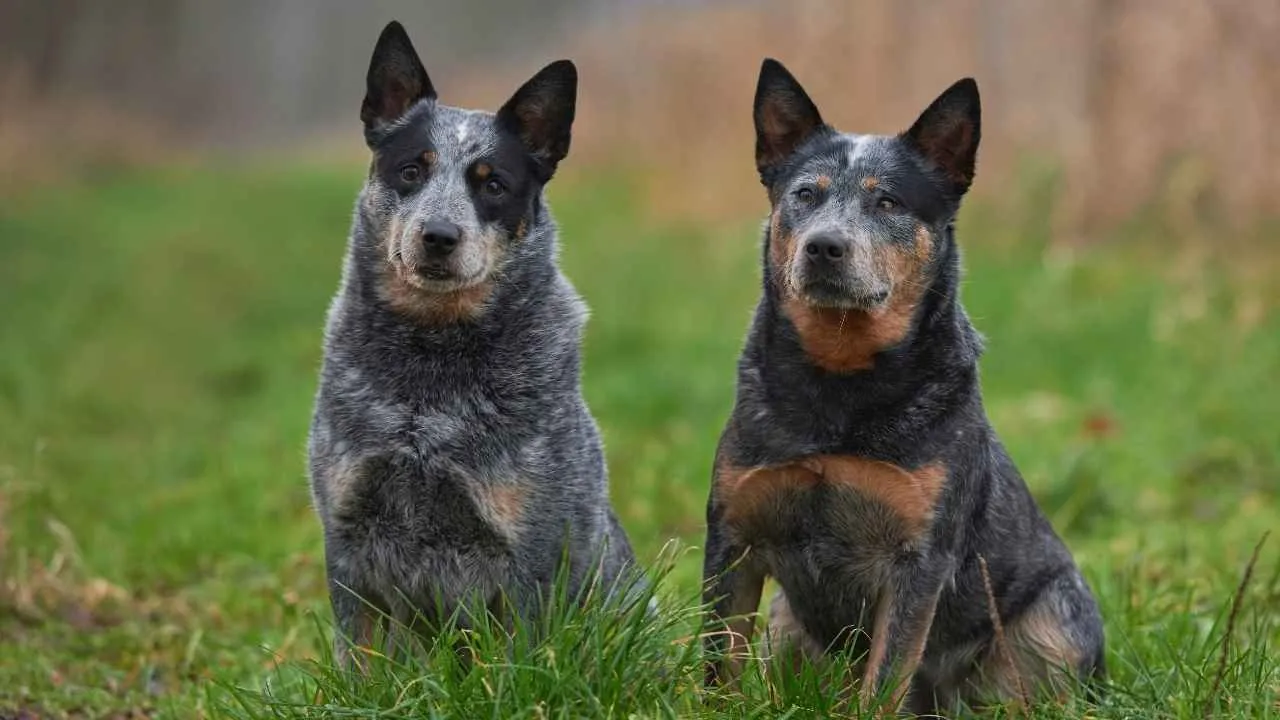
As the name indicates, the Australian Cattle Dog hails all the way from Australia, which has a compact and muscular body with a short, smooth, double coat.
According to the American Kennel Club, it is also known as Blue or Red Heeler and is related to Australia’s famous wild dog, the Dingo. It was specifically bred to herd cattle across vast terrain. It is blessed with intense focus and alertness.
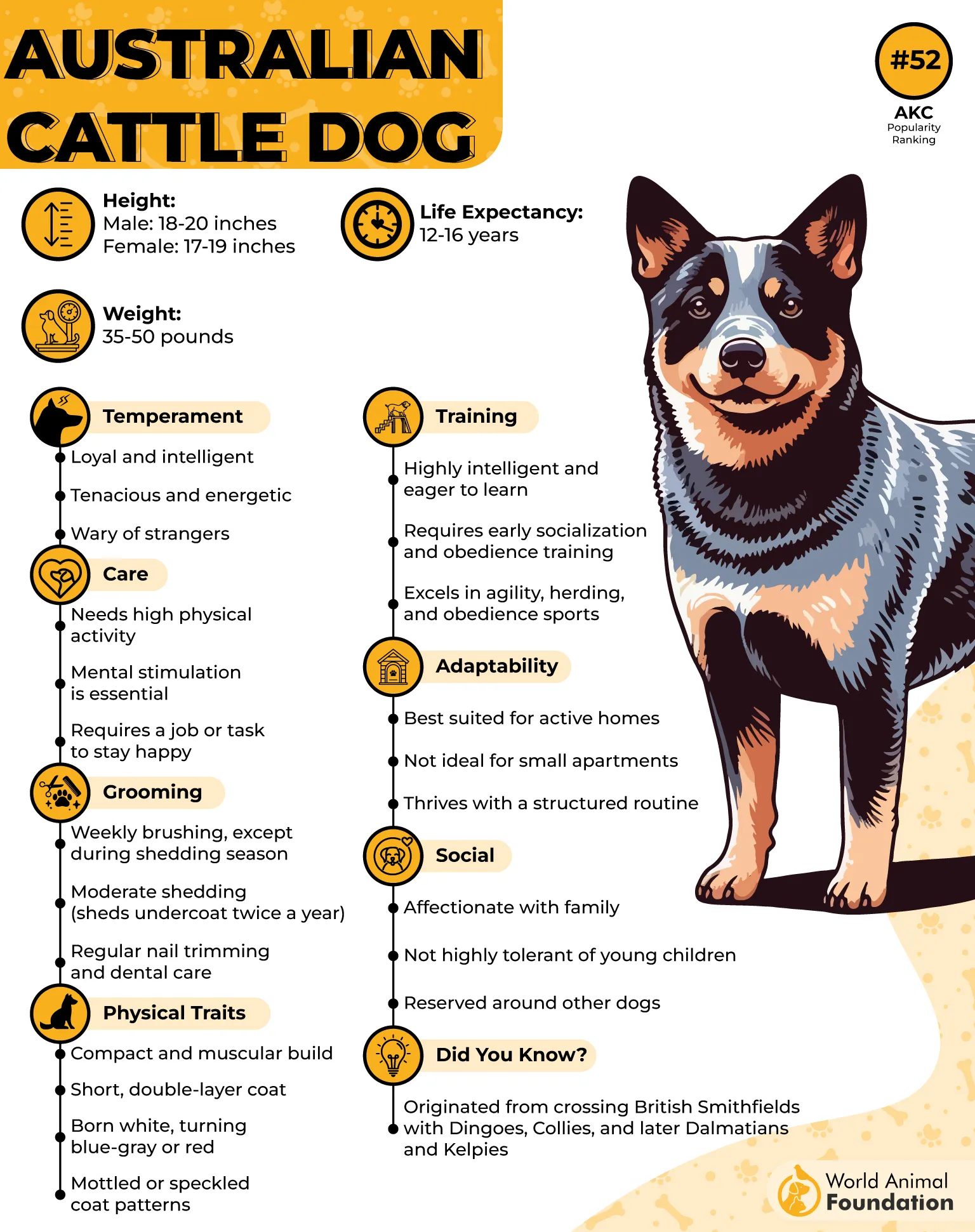
Aussie is loyal, protective, and deeply bonded to its owners. It is considered one of the brilliant breeds due to its advanced adaptive intelligence. It learns the routines quickly and anticipates actions. Being a working dog, it is relatively easy to be trained as it learns with minimal repetitions. Further, it responds strongly to responsibility and engagement rather than just food reward.
It is highly responsive to advanced obedience, agility, and problem-based games. It stimulates its mind and accelerates learning. But it can become destructive if it remains mentally understimulated. Aussie needs firm but positive leadership. Due to its high energy, it is only well-suited to active families.
2. Golden Retriever
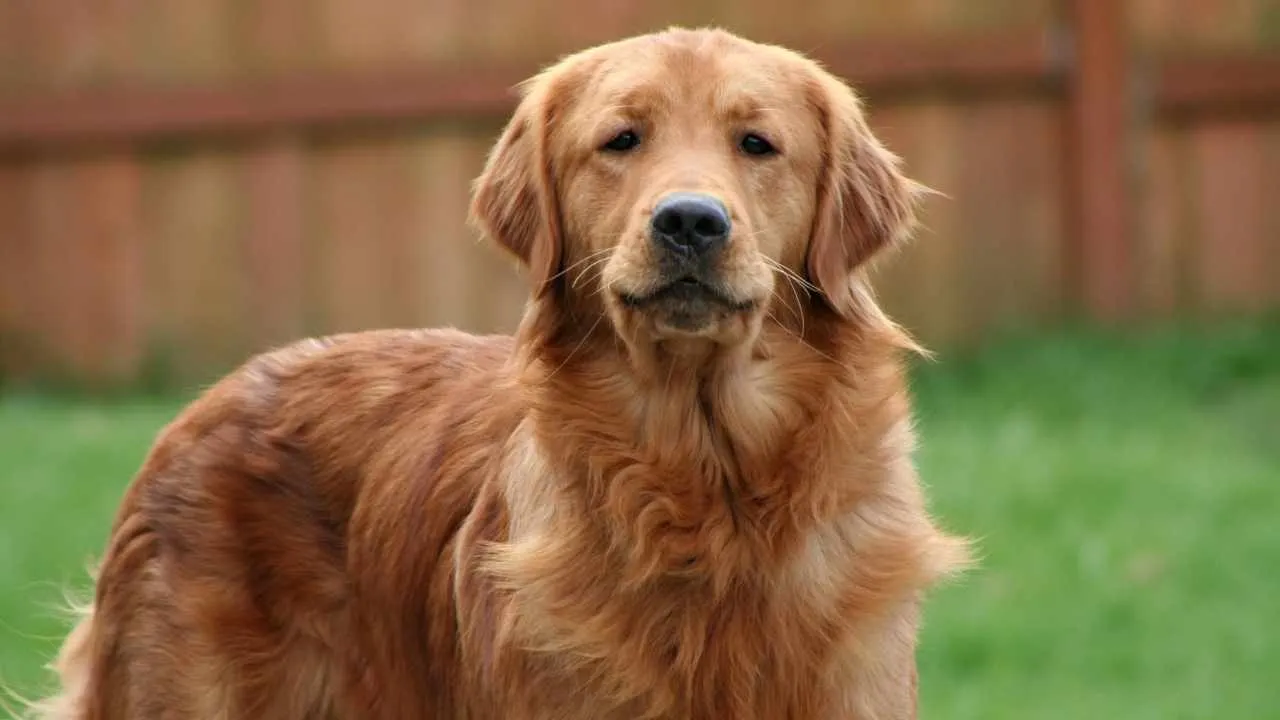
Golden Retriever is a highly intelligent, big, fluffy dog breed with a strong, well-balanced, athletic build and water-resistant double coat. It originated in Scotland to retrieve shot waterfowl gently without damaging the game. It has strong social awareness and is highly responsive to training.
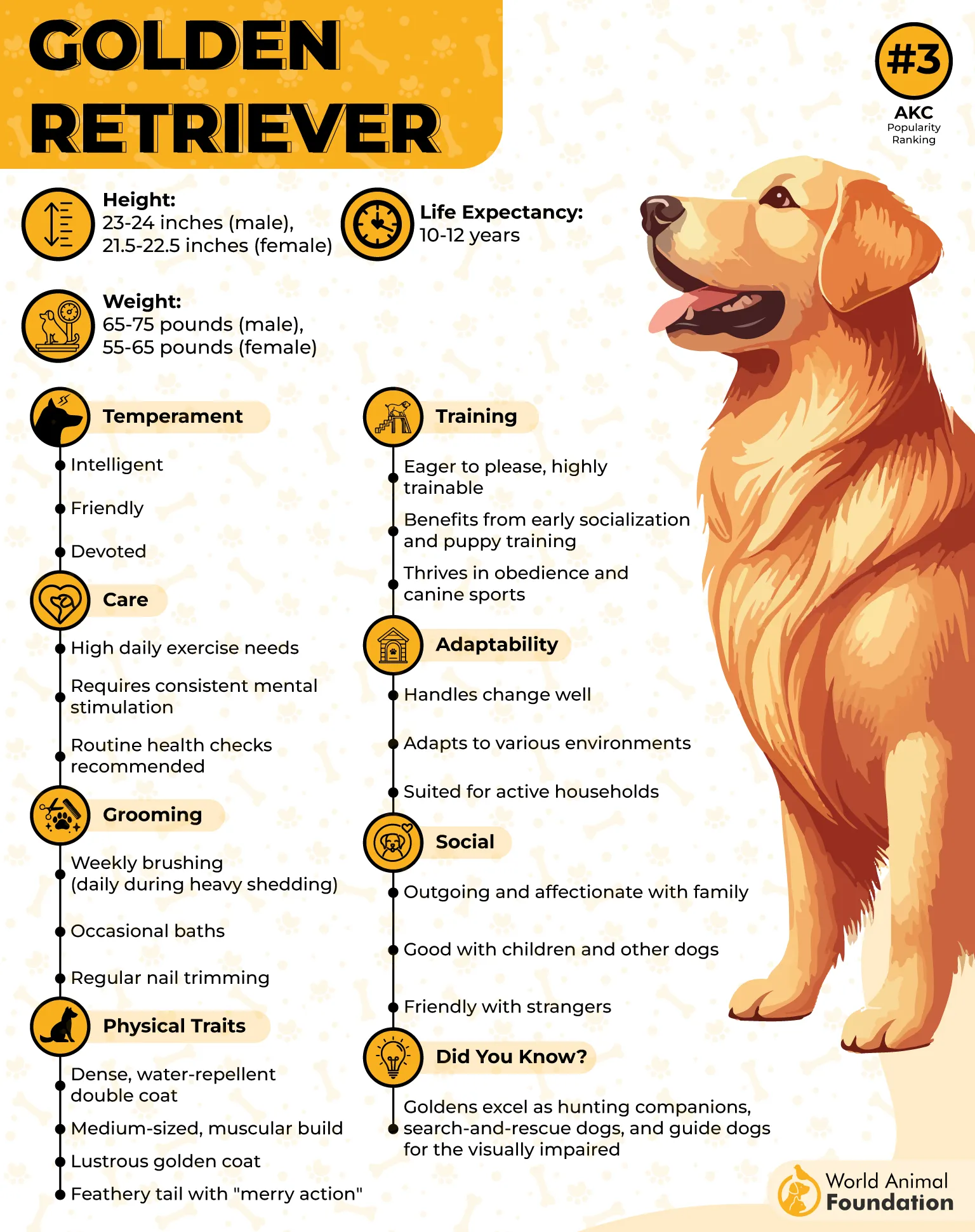
The Golden Retriever is famous for its friendly, tolerant, and eager-to-please nature. Its steady temperament makes it an excellent dog for therapy work. Being intelligent, it is a quick learner and good at reading human body language and facial cues, which enhance communication. It also adapts well to different tasks such as hunting, search and rescue, and guide work.
Golden likes positive reinforcement and always responds enthusiastically to it during training sessions. Unlike other independent breeds, it remains patient during structured practice sessions. Besides, its balanced temperament reduces distractions during training.
However, it can develop separation anxiety due to a strong attachment with the owners and demands consistent mental stimulation to prevent boredom.
3. Papillon
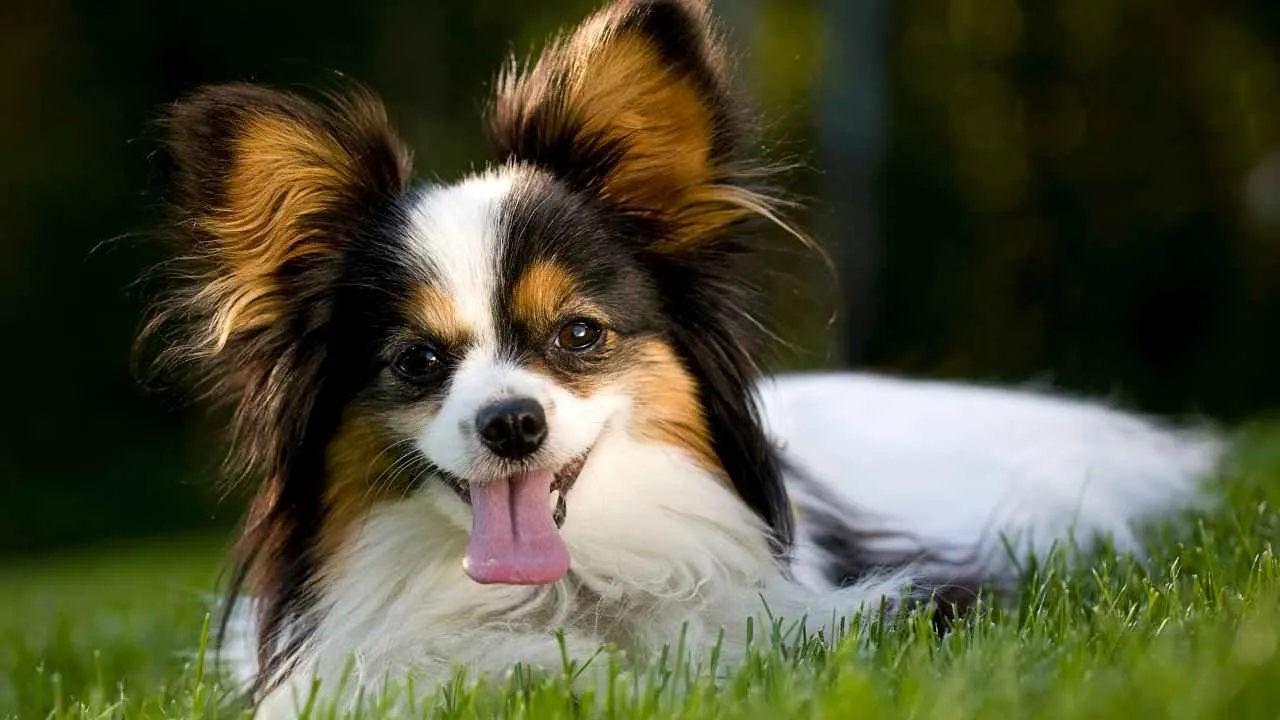
Papillon is a small-sized dog with a fine-boned yet athletic build, large, expressive eyes, and light-footed movement. It was originally bred in France and Belgium as a refined companion dog for the aristocracy. Despite being a toy breed, it has surprisingly strong stamina.
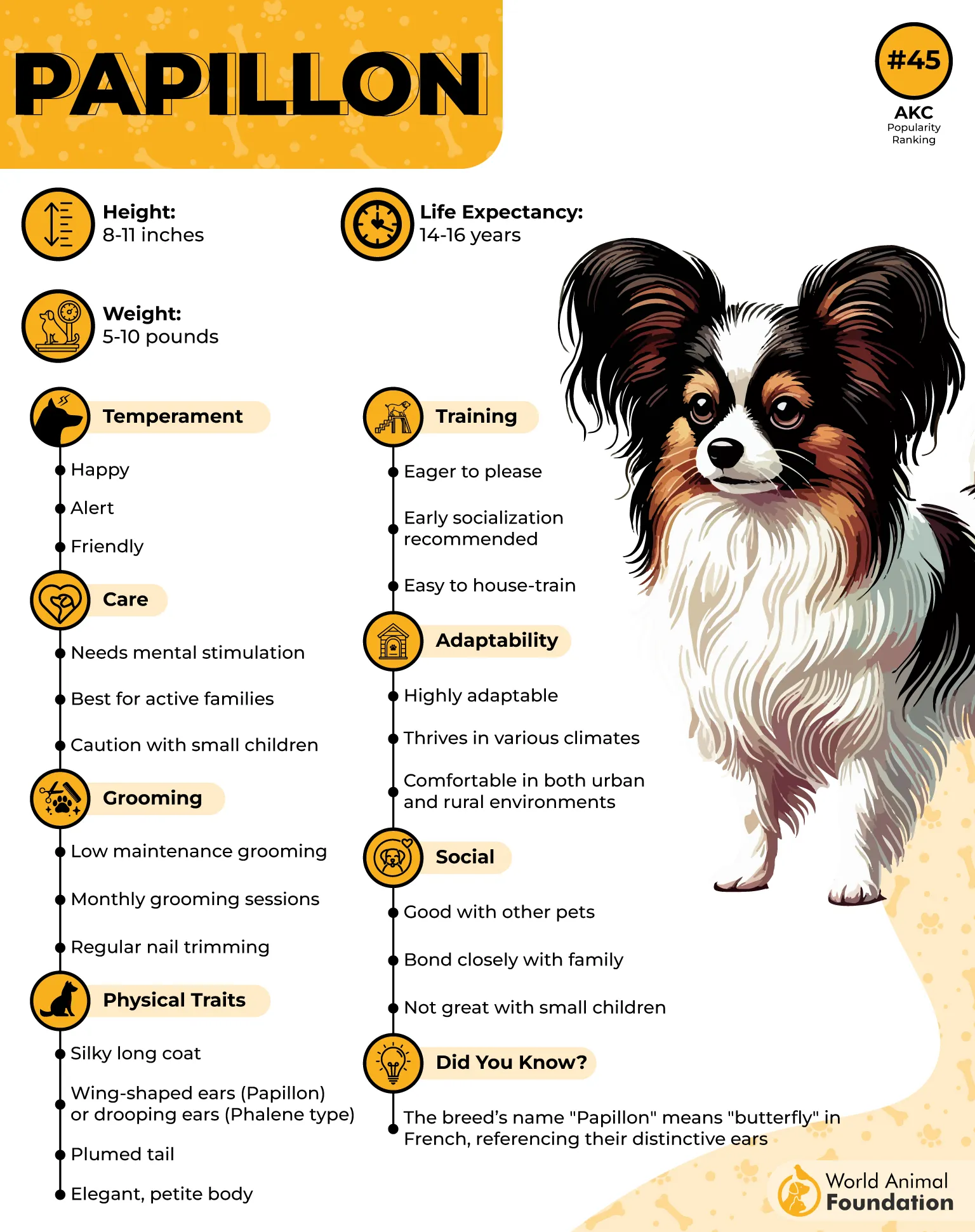
Papillon is lovely, curious, confident, and affectionate with its family. It makes the training easy as it learns commands in a very few repetitions. Its dominance in agility training reflects advanced coordination and rapid decision-making.
Additionally, due to its high engagement levels, it stays mentally “tuned in” during short training sessions.
Small rewards and verbal praise are highly effective for it. As it learns remarkably fast, it excels in trick training and obstacle-based exercises. It remarkably adjusts its behavior rapidly when given clear feedback. But it can become vocal if not properly trained. And due to its fragile size, careful and gentle handling is necessary.
4. Labrador Retriever

Lab is a strong canine companion with an athletic, well-balanced build and water-resistant double coat. It was developed in Newfoundland to retrieve game for hunters, particularly waterfowl. Funny part is that it is highly food-motivated, which makes it quite adorable.
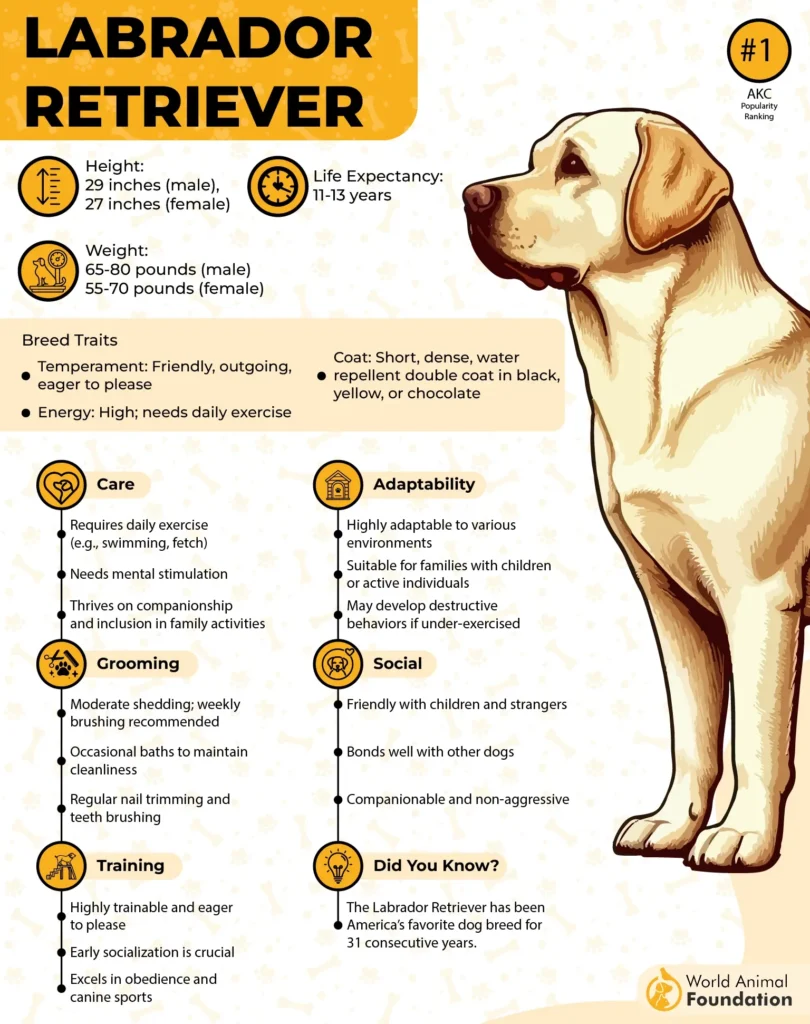
Lab is amiable, outgoing, and known for its even temperament and adaptability. Being one of the easiest dog breeds to train, it always ranks high in working and obedience intelligence evaluations.
Being an intelligent dog, it can quickly learn new commands and can transfer the learned skills from one context to another, showing cognitive flexibility. Due to more patience, it can perform advanced tricks in distracting environments.
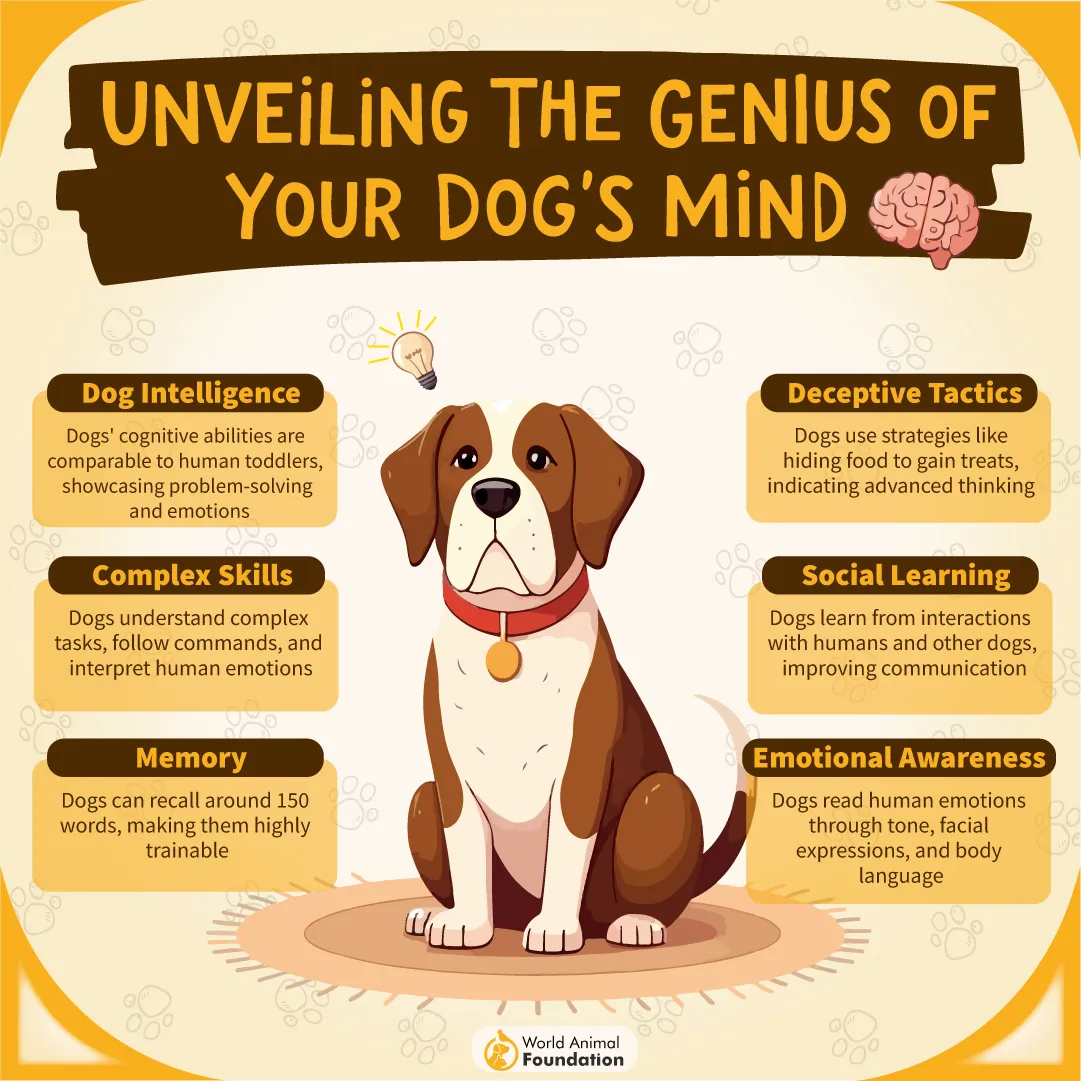
In addition to this, it responds powerfully to reward-based training, and its balanced temperament reduces resistance to correction. It always maintains its enthusiasm through repetitive practice. Nonetheless, it is prone to overheating and weight gain. It has a tendency to become destructive if under-exercised.
5. Rottweiler

Rottie is a smart dog breed with a threatening show that is large, powerful, brawny, and has a strong jaw. It is stated by Purina that the Rottie is one of the oldest herding dogs, with a history dating back to the Roman Empire. It has high endurance and work drive.
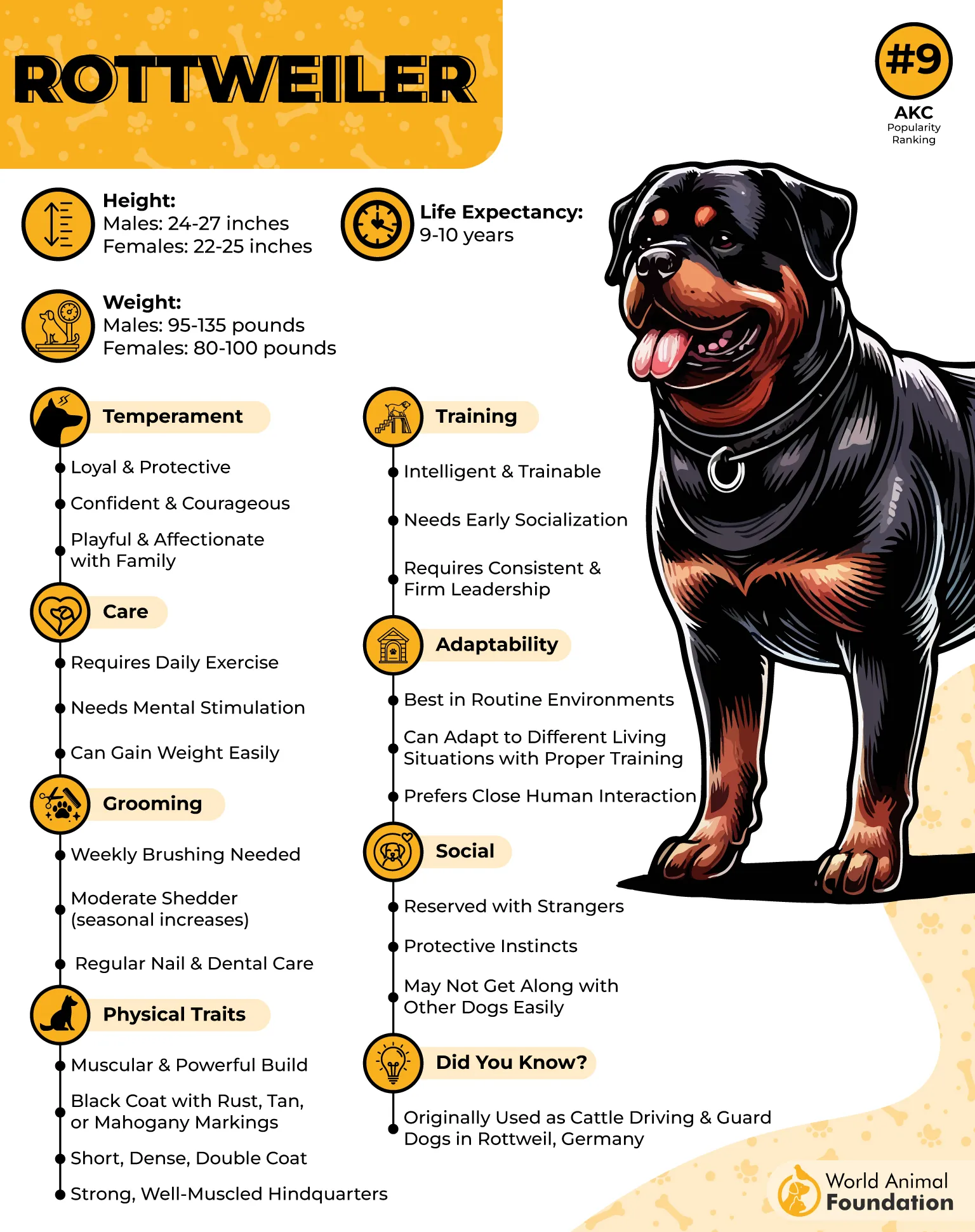
Rottie is devoted, confident, and soft-hearted with loved ones. Due to its intelligence, it can make decisions without direct commands. But once trained, commands and routines are remembered long-term.
It can learn and perform a variety of tasks, from obedience to protection work. Further, it reads the owner’s cues accurately and responds appropriately.
Rottie thrives on purpose-driven tasks that challenge its intelligence. New behaviors are learned quickly with repetition and reinforcement. It also maintains focus and attention during complex or high-stress exercises. Nevertheless, it requires daily exercise for mental engagement.
6. German Shepherd
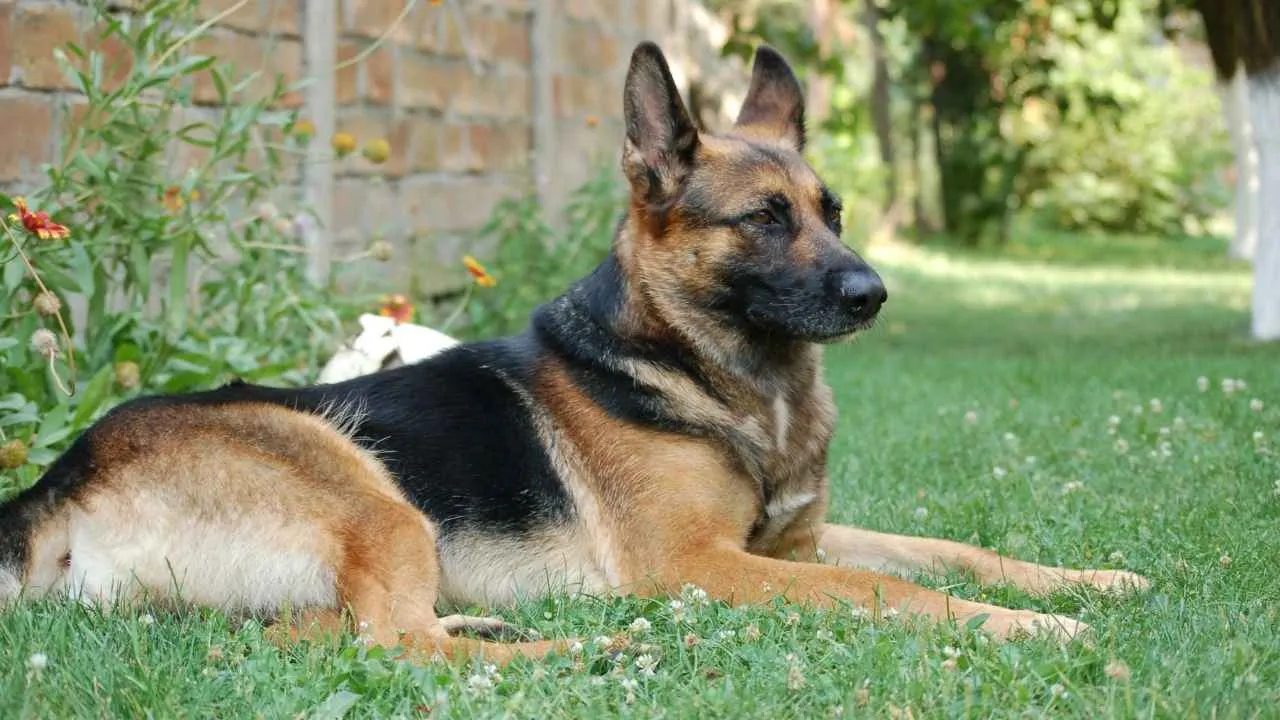
German Shepherd is one of the dog breeds with long snouts that hails from Germany, which has a strong, brawny build, thick double coat, and high stamina and endurance. It was developed for herding and protecting sheep. It is bestowed with keen senses, especially hearing and smell.
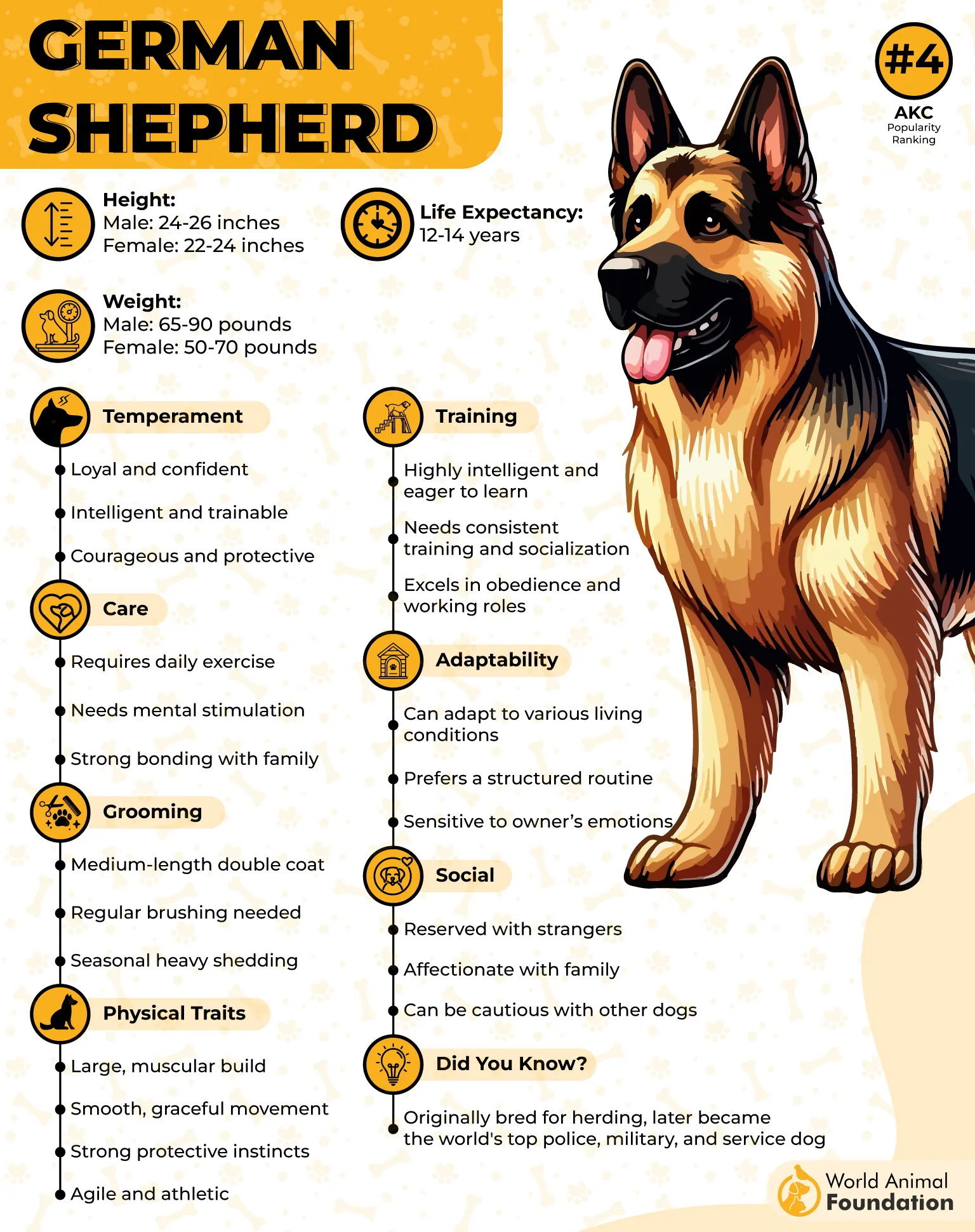
GSD is faithful, courageous, and highly devoted to the owners. It is an astute dog breed that is a fast learner and can learn multi-step commands and execute sequences with precision.
It is highly attuned to subtle body language and voice modulation. Moreover, it can learn the basic commands as well as the advanced skills in no time. It responds exceptionally well to a confident, consistent handler.
Once it is properly trained, it retains commands with strong reliability over time. It excels well in agility courses, protection work, and advanced service tasks.
Owing to its goal-oriented and mentally driven nature, structured training channels its intelligence into a disciplined performer. However, it demands extensive mental challenges to sharpen its intelligence.
7. English Springer Spaniel
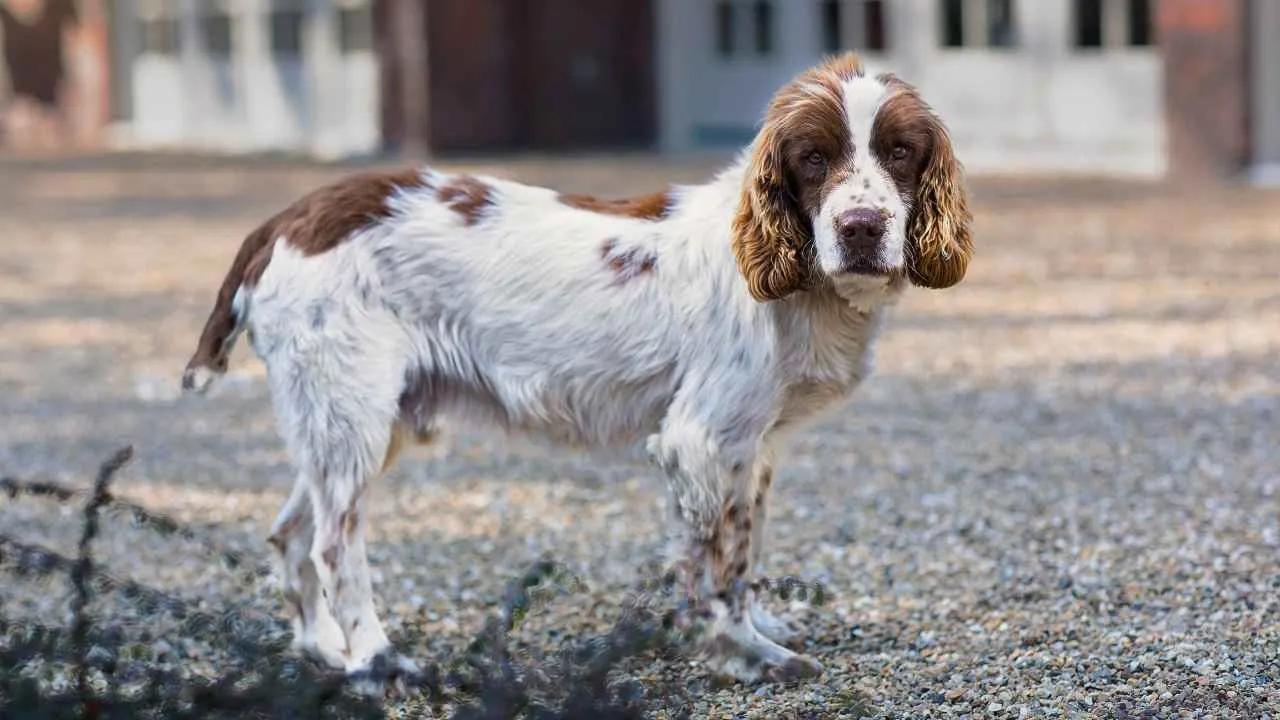
The English Springer Spaniel originated in England and has a medium-sized, athletic build with long ears and expressive eyes. It was bred to flush birds out of dense brush into the air for hunters. It has a strong scent-tracking ability and agile movement.
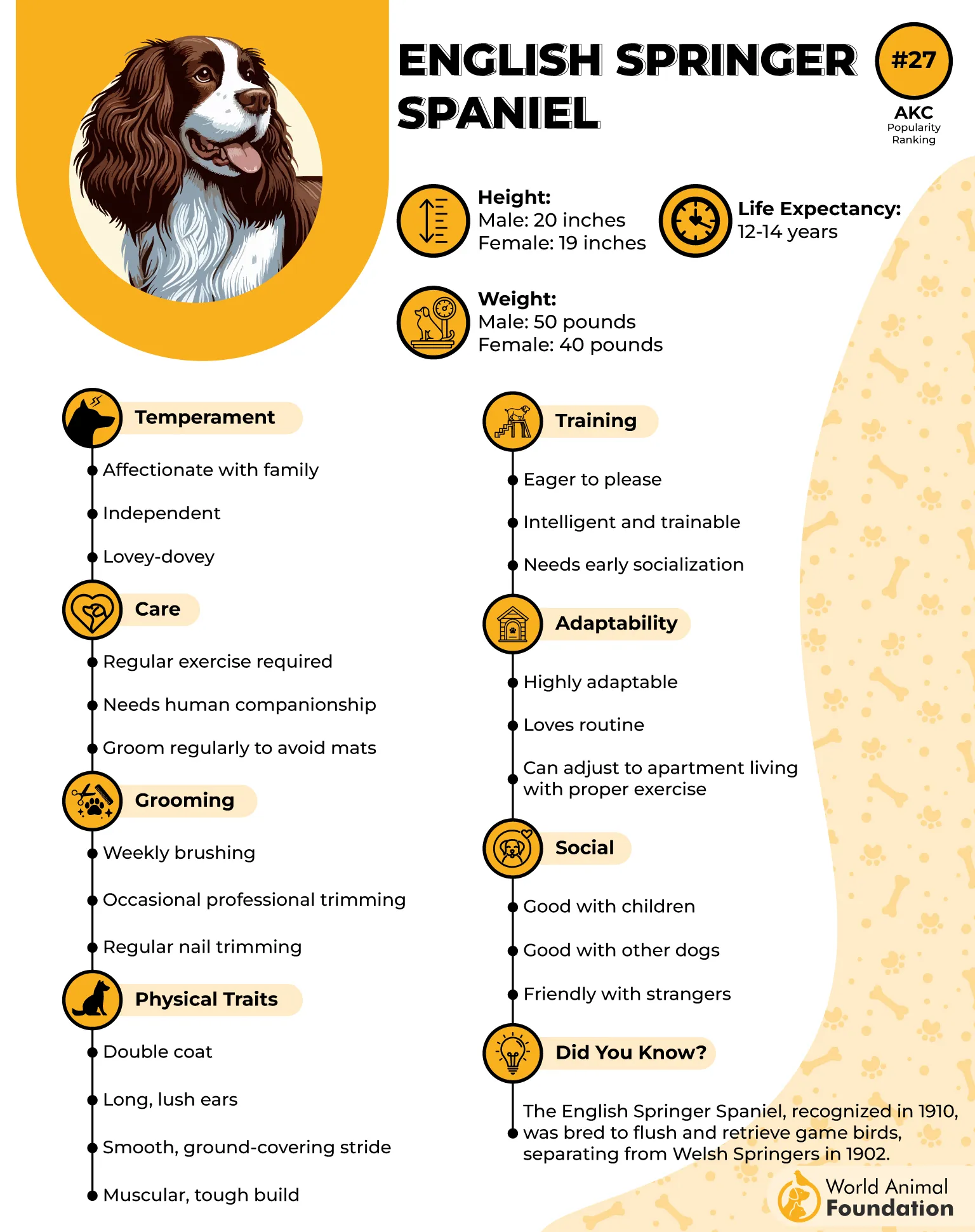
English Spaniel is affectionate, enthusiastic, and highly people-oriented. It is undoubtedly one of the smartest dogs that continuously monitors handler cues during work. Its olfactory efficiency allows it to discriminate and track subtle scent patterns.
Amazingly, it can track multiple scent trails and recall location points during hunting sessions.
It is easy to be trained as its stamina supports longer training sessions without mental fatigue. It responds enthusiastically to verbal encouragement and positive rewards.
Further, it is generally resilient and adaptable to structured routines. Due to high energy, it requires daily exercise and may develop separation anxiety if left alone frequently.
8. Miniature Schnauzer
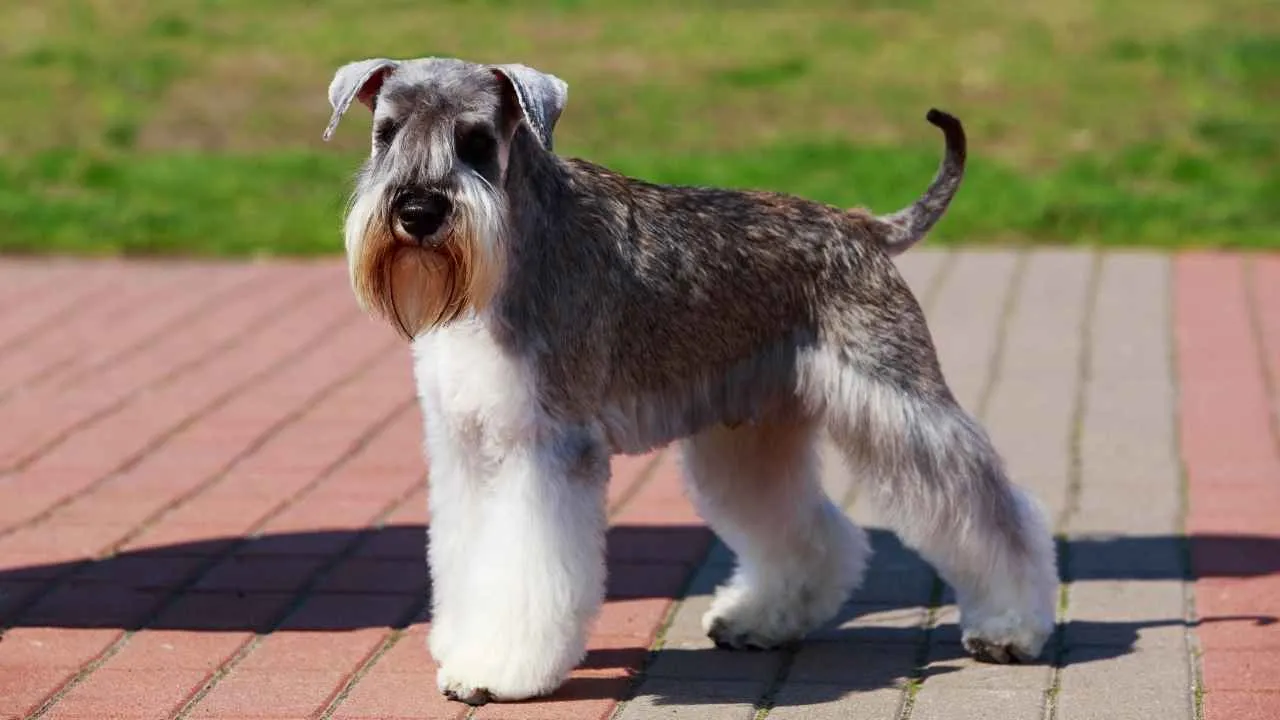
Miniature Schnauzer is one of the brilliant, best dog breeds with a beard that is small but sturdy, a square-shaped build, and distinctive beard and eyebrows. It was developed in Germany primarily as a ratter and a small farm guardian. It has sharp hearing and a quick reaction time.
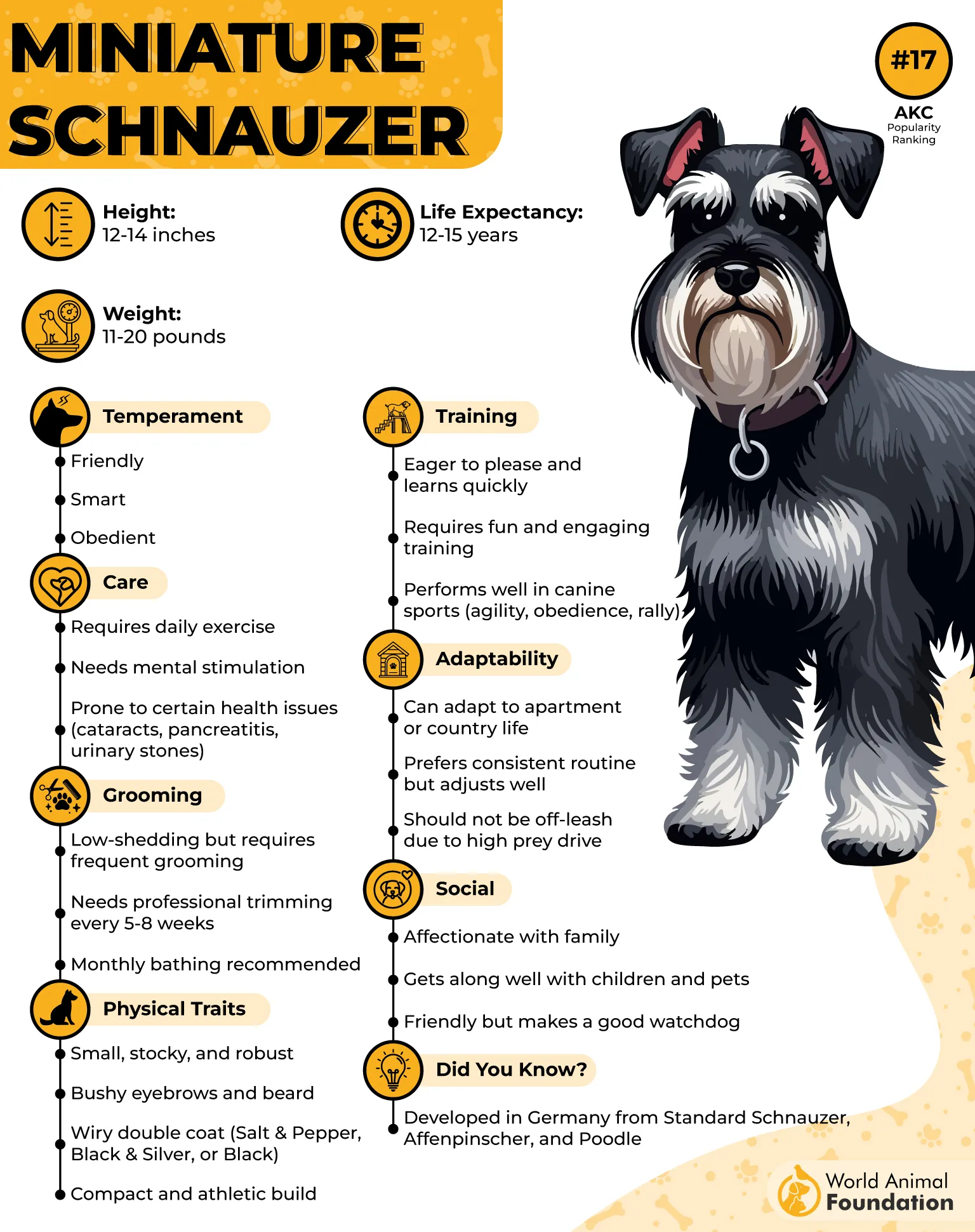
The Miniature Schnauzer is spirited, intelligent, and warm-hearted with the family. It is able to work independently due to its quick tactical movements and hunting background. It can learn remarkably fast the household patterns and adjust its responses accordingly.
Besides, it maintains sustained awareness of surroundings, reducing delayed reactions. It also excels in obedience and rally competitions due to its responsiveness.
It responds best to concise, energetic training blocks. It enjoys dynamic engagement more than repetitive drills. It also gives an alert response to vocal cues. Nevertheless, it can be vocal if not properly managed.
Due to its strong desire to prey, it may require leash control. It can also become territorial without early socialization.
9. Border Collie
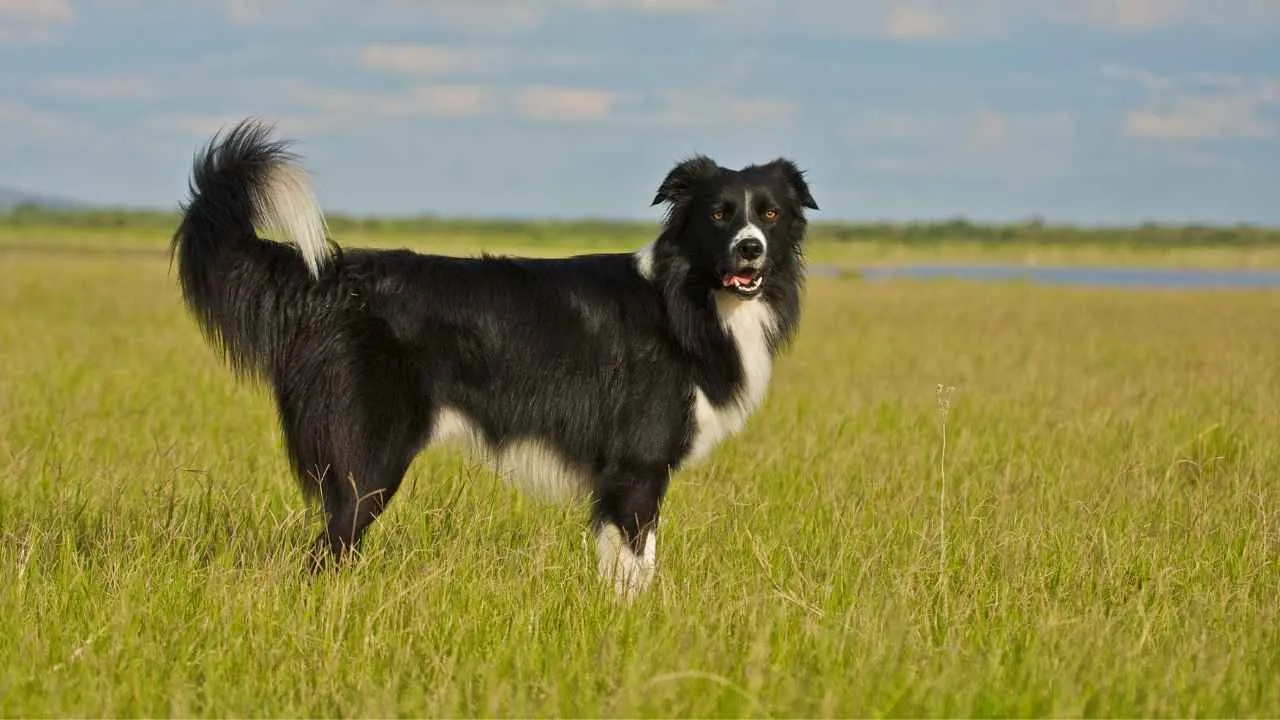
Border Collie is a medium-sized, sharp dog with a lean, athletic body, exceptional stamina, and agility. It originated in Europe, particularly along the border of Scotland and England, for herding sheep. Its penetrating gaze, known as “the eye,” was used to control livestock.
According to VCA, a dog named Hemp made such a good showing in the 19th century, and after that, Hemp is considered the father of the Border Collie. Hemp and its progeny herded not by nipping and barking, as was commonplace, but by staring and stalking (known as “giving eye”). This intimidated the sheep into moving.
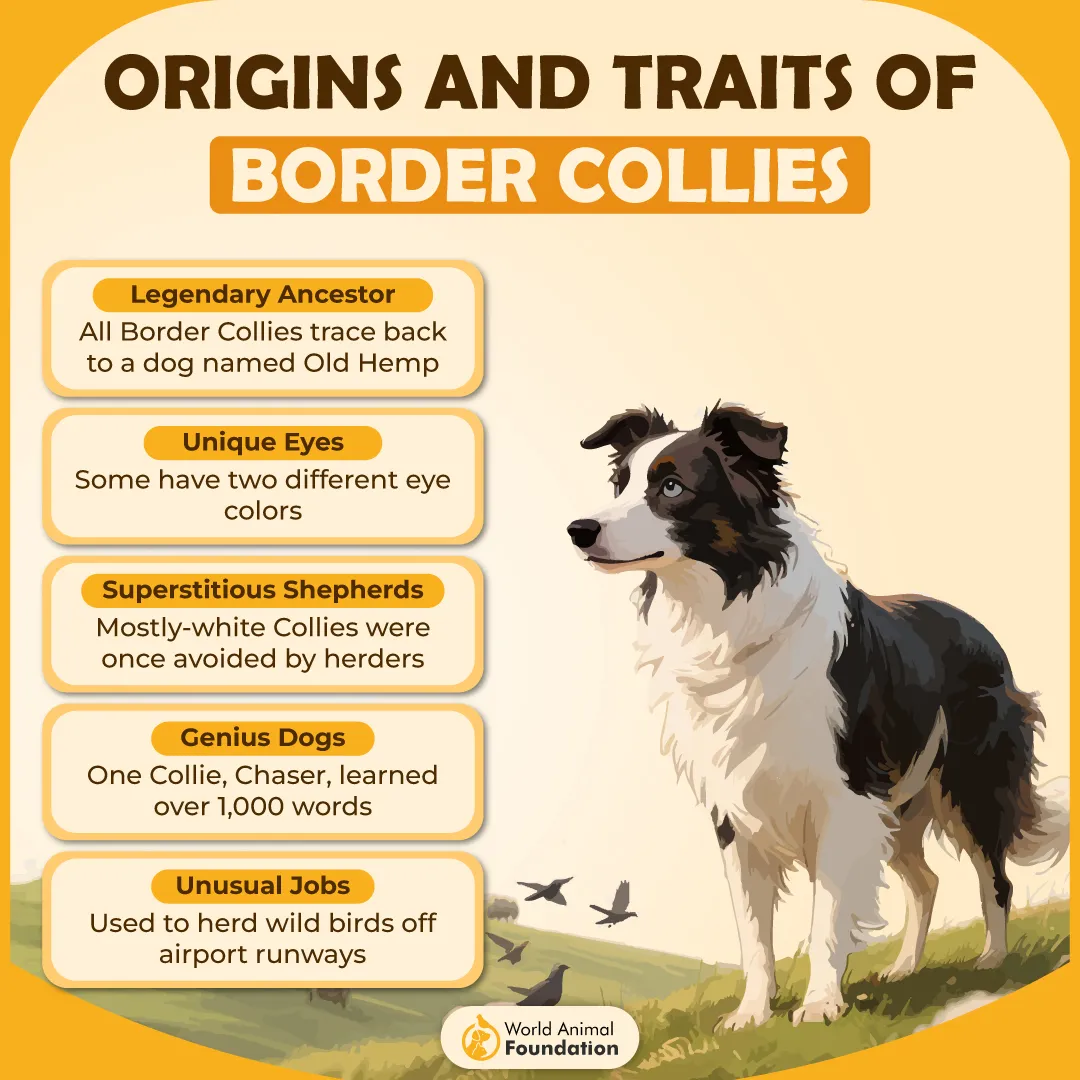
Border Collie is an intelligent, alert, and highly driven dog, while being affectionate with the family. It is blessed with advanced problem-solving skills and is able to make rapid decisions. It can be trained easily as it can maintain long periods of attention.
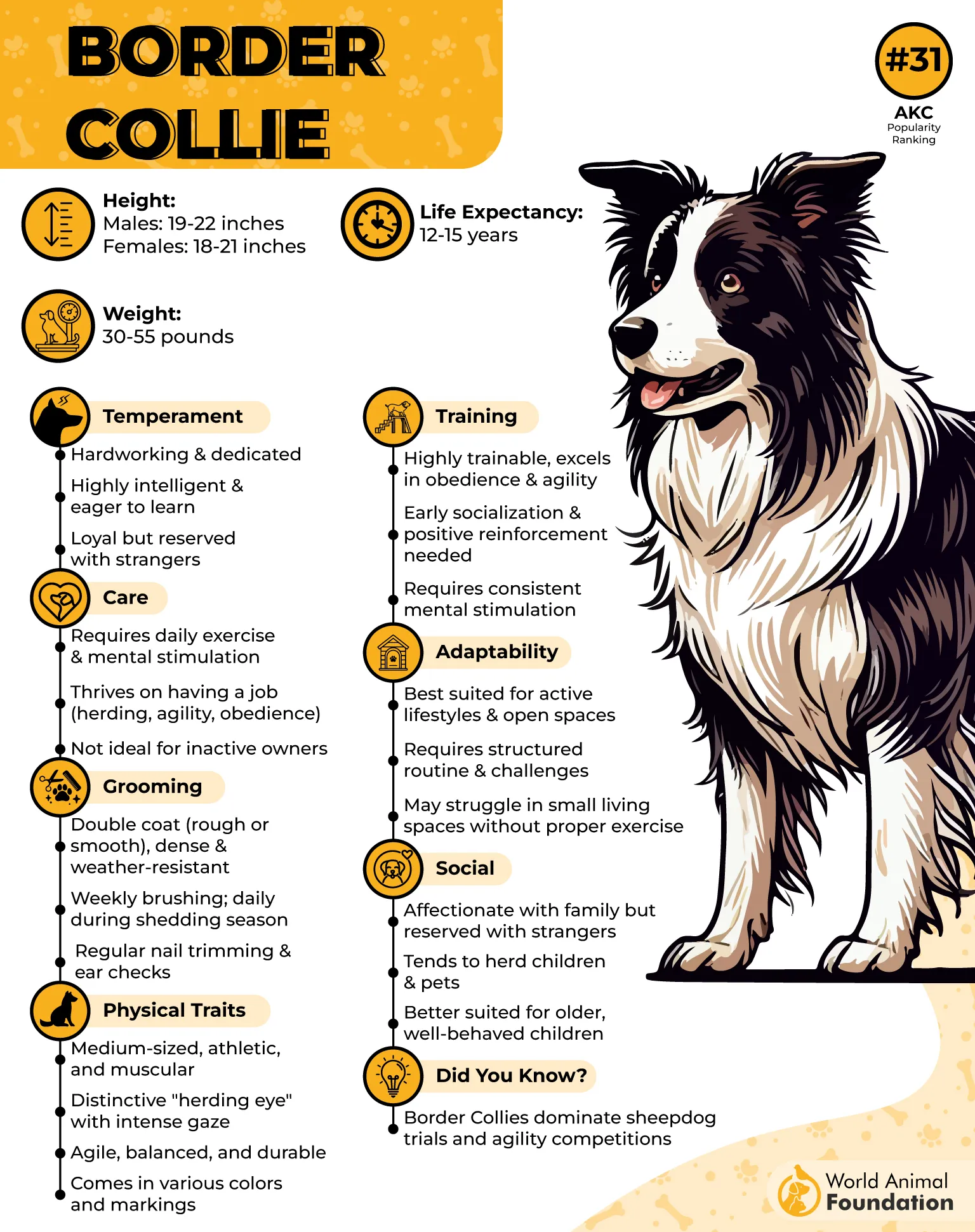
Additionally, it can grasp the complex commands and sequences with fewer repetitions.
Moreover, it thrives when given purposeful challenges, making structured training highly effective. Puzzle-based games, agility, and obedience exercises keep it engaged as it is eager to learn. It instinctively reads subtle signals, making non-verbal training highly productive.
But it requires intense mental stimulation to prevent boredom-induced mischief.
10. Doberman Pinscher
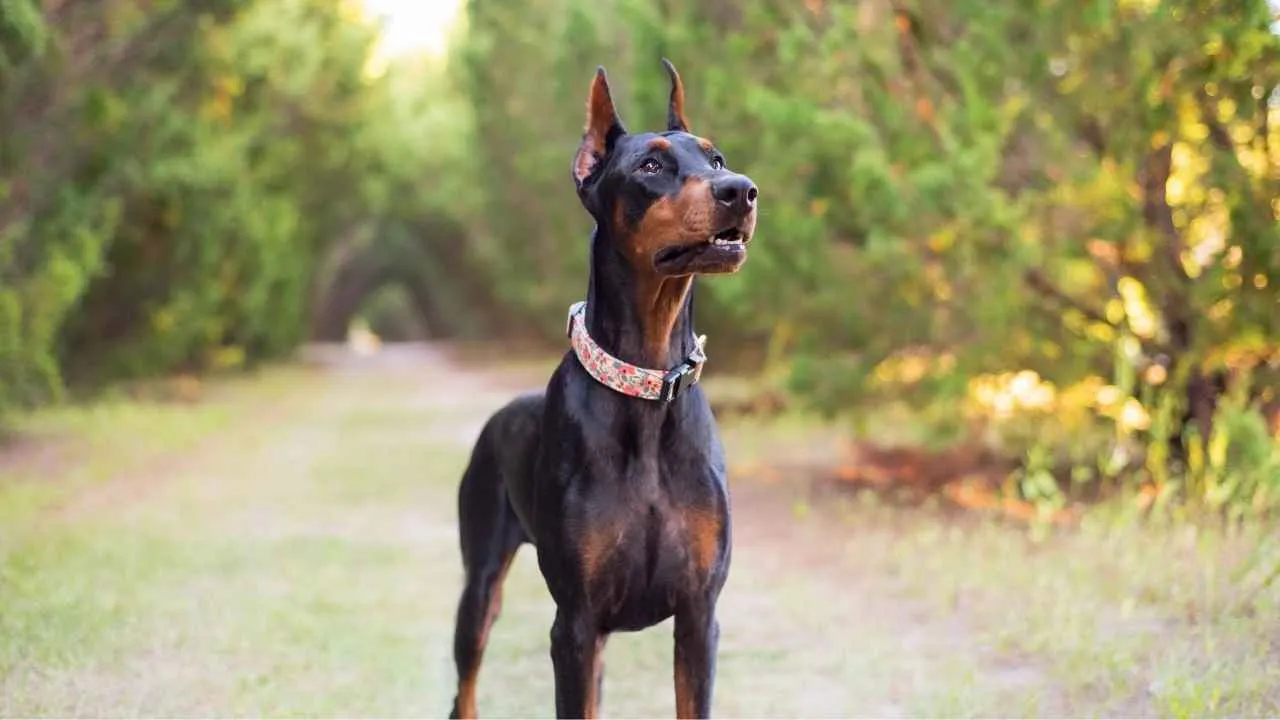
The Doberman Pinscher is a beautiful, dominant, and dignified German dog with a medium to large size, muscular and sleek, athletic build, and short, shiny coat. It was bred as a personal protection and guard dog. It has remarkably high energy and stamina.
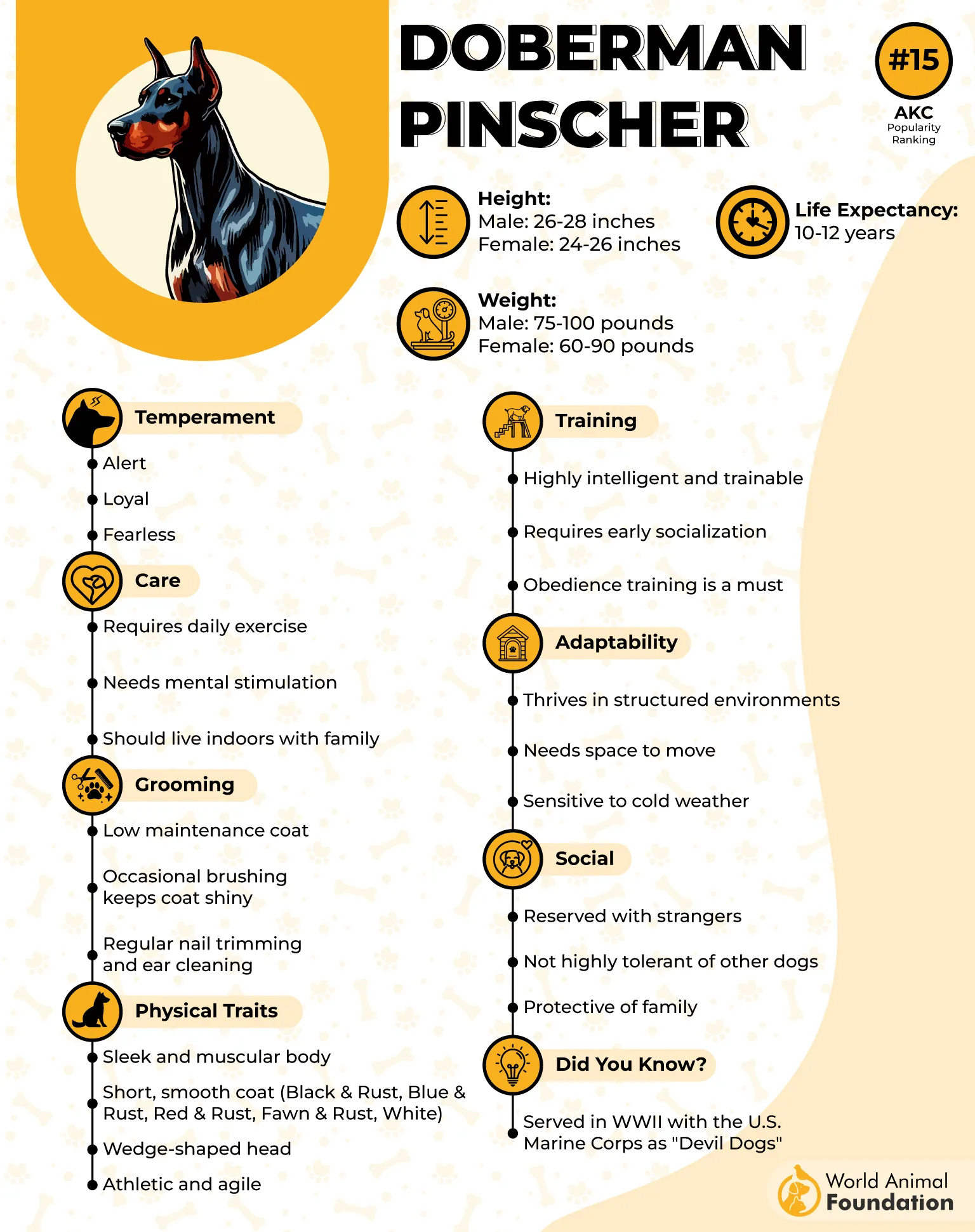
Doberman is faithful, confident, courageous, and form deep bonds with family members. Due to its high intelligence, it quickly understands and follows both verbal and non-verbal instructions. It is exceptional at reading and following human directions.
Its guarding instincts are paired with intelligent risk assessment. Commands and routines are retained effectively, reducing retraining needs.
Besides, it thrives on cooperation and purpose-driven tasks. Interestingly, it learns new behaviors faster than many working breeds. It is also capable of extended training sessions without losing focus. However, due to its strong-willed personality, inconsistent training may lead to dominance issues.
Conclusion
To cut a long story short, intelligence in dogs comes in many forms, such as problem-solving ability, obedience, emotional awareness, and adaptability.
The breeds we have explored, from the tireless and strategic Australian Cattle Dog to the loyal and emotionally intuitive Doberman Pinscher, demonstrate how intelligence can shape not only behavior but the training experience.
Training smart dogs is not just about teaching commands, but it is about channelling their cognitive energy into structured, purposeful activities. They all show remarkable alertness and quick learning, irrespective of their size.
But the high-IQ dog breeds require mental stimulation, consistent guidance, and physical activity to prevent boredom or behavioral issues.
With the right approach, training becomes less of a chore and more of an engaging partnership that strengthens the bond between the dog and owner. Ultimately, choosing a smart dog breed can transform your experience as a dog owner.
