




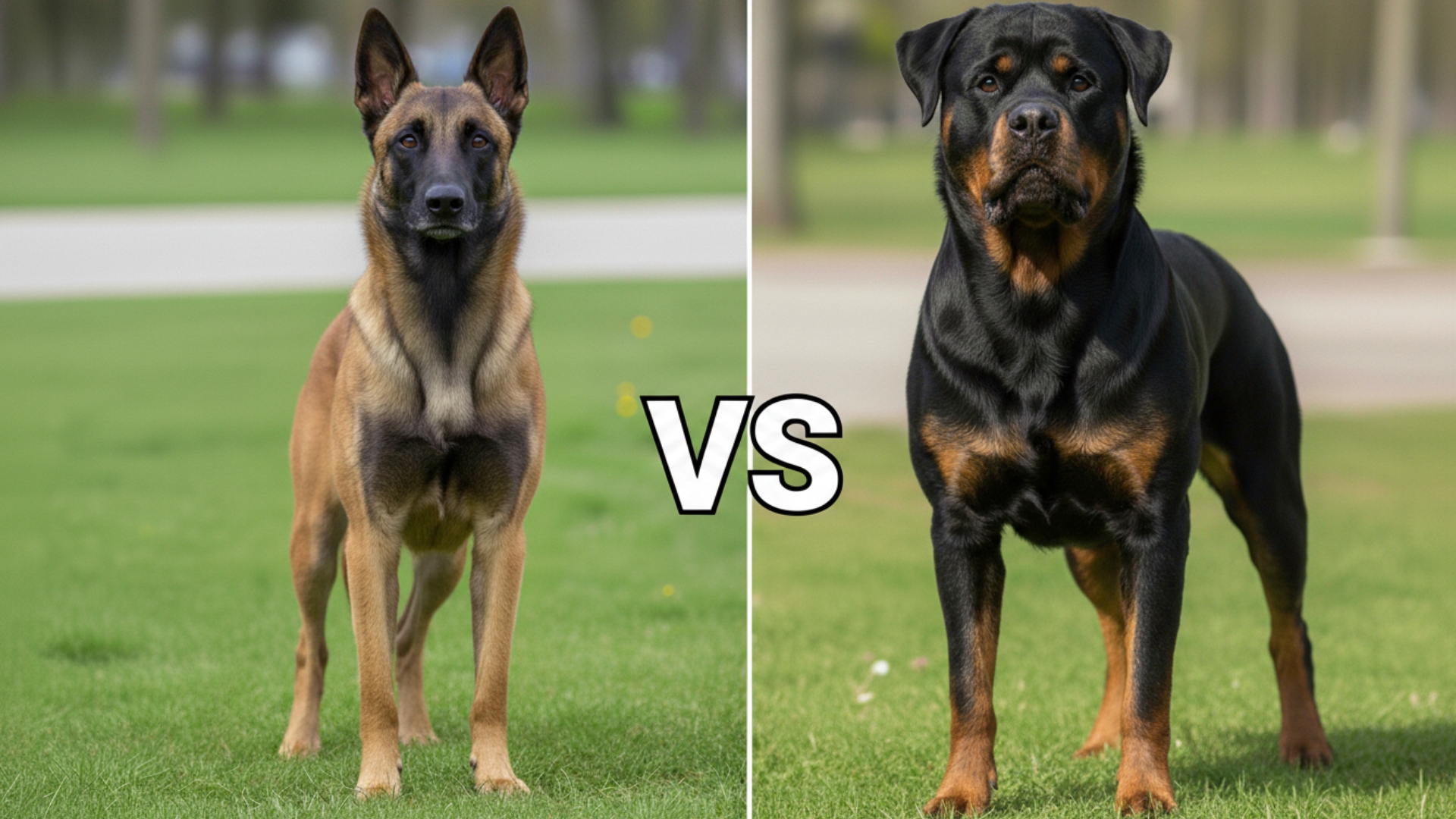
Two guardian breeds. Both confident. Both intelligent. Both are capable of extraordinary loyalty. Yet their essential qualities diverge in ways that matter deeply to owners.
One operates with sharp intensity and rapid responsiveness, constantly scanning its surroundings. The other projects physical power and territorial steadiness, holding ground with quiet assurance. Their builds reflect their roles.
Lean muscle and speed define one. Dense strength and commanding stature define the other. Training approaches differ. Energy levels differ. Even the way they bond with their handlers differs. These distinctions influence everything from exercise routines to household compatibility.
Admiration alone is not enough when selecting a serious working dog. A clear understanding is required.
In the analysis ahead, we will examine their temperament, trainability, and long-term commitment so you can evaluate which aligns best with your expectations and capabilities.
Key Takeaways
When loyalty meets capability, Belgian Malinois and Rottweilers each show a unique type of devotion that defines their role in human life.
Malinois rely on mental engagement and constant interaction, their energy and alertness creating a bond that’s active and intense.
Rottweilers combine enduring strength with approachable calm, protecting their family while moving through the world with steady confidence.
By the time you review all nine traits, it’s clear which breed fits a fast-paced handler and which fits one seeking controlled power.
Essential Qualities of Belgian Malinois vs. Rottweiler Dog Breeds
1. Origins & Purpose
Belgian Malinois
Belgian Malinois emerged in the late 1800s as one of four Belgian shepherd varieties developed for disciplined farm work. Centered around the city of Mechelen, breeders refined them for controlled herding and dependable property oversight. Precision, alertness, and responsiveness were intentional goals from the start.
Belgian Malinois entered the United States in the early 1900s, though momentum slowed after World War II, as stated by ABMC. Recognition by the American Kennel Club in 1959 revived structured breeding and performance focus. By the early 21st century, their original herding discipline had translated into police, military work, and federal security assignments.
Rottweiler
On the other hand, Rottweiler ancestry traces to mastiff-type dogs used by Roman armies to drive cattle alongside marching troops. In the German town of Rottweil, they developed into cattle-driving dogs trusted to move and safeguard livestock tied to the butcher trade. Strength and steadiness shaped their early purpose.
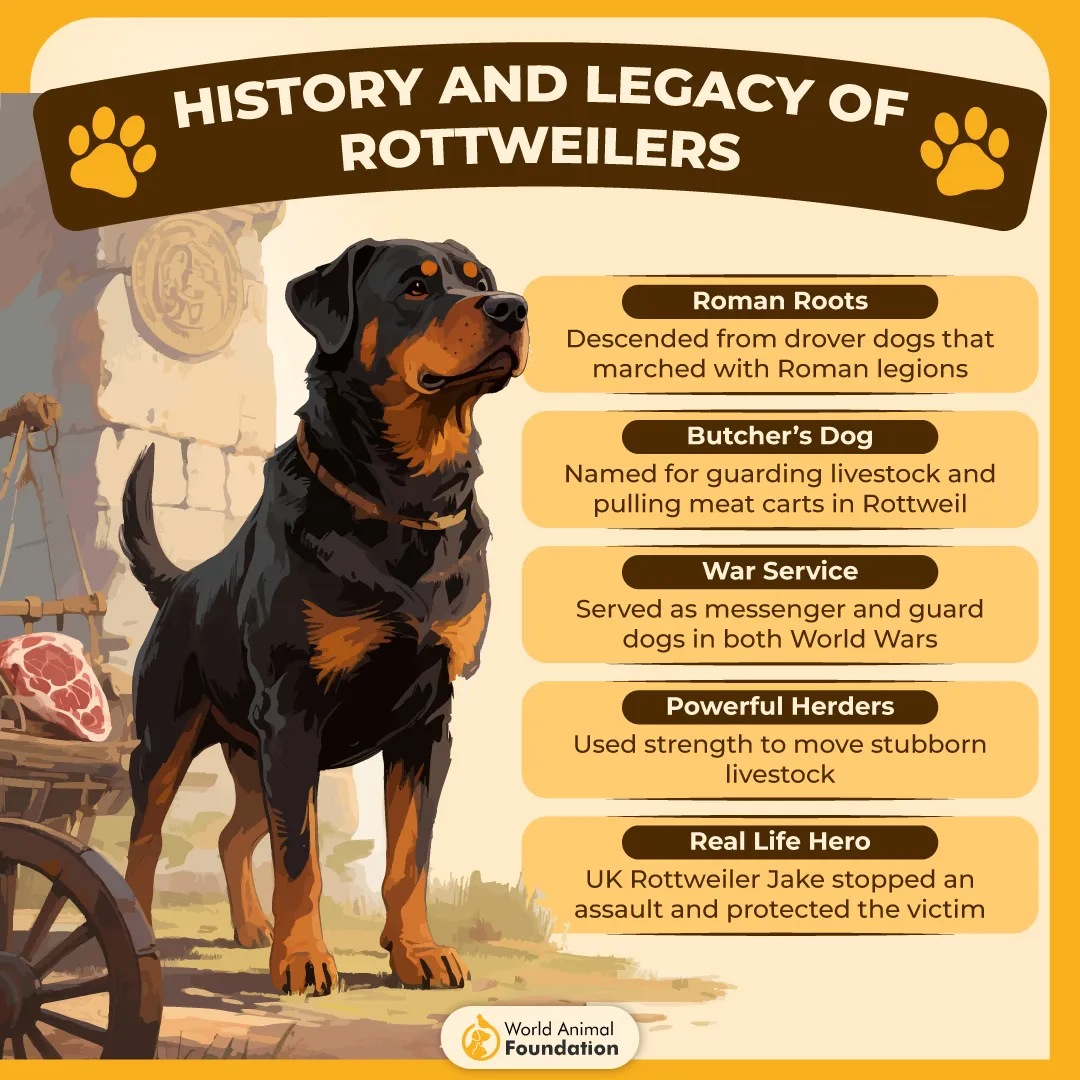
Rottweilers entered police service in the early 20th century as their reliability gained formal recognition. Their working background supported this transition from livestock management to structured enforcement roles. Steady growth in the United States followed as its reputation for controlled power became widely valued.
2. Size & Physical Build
Size Comparison
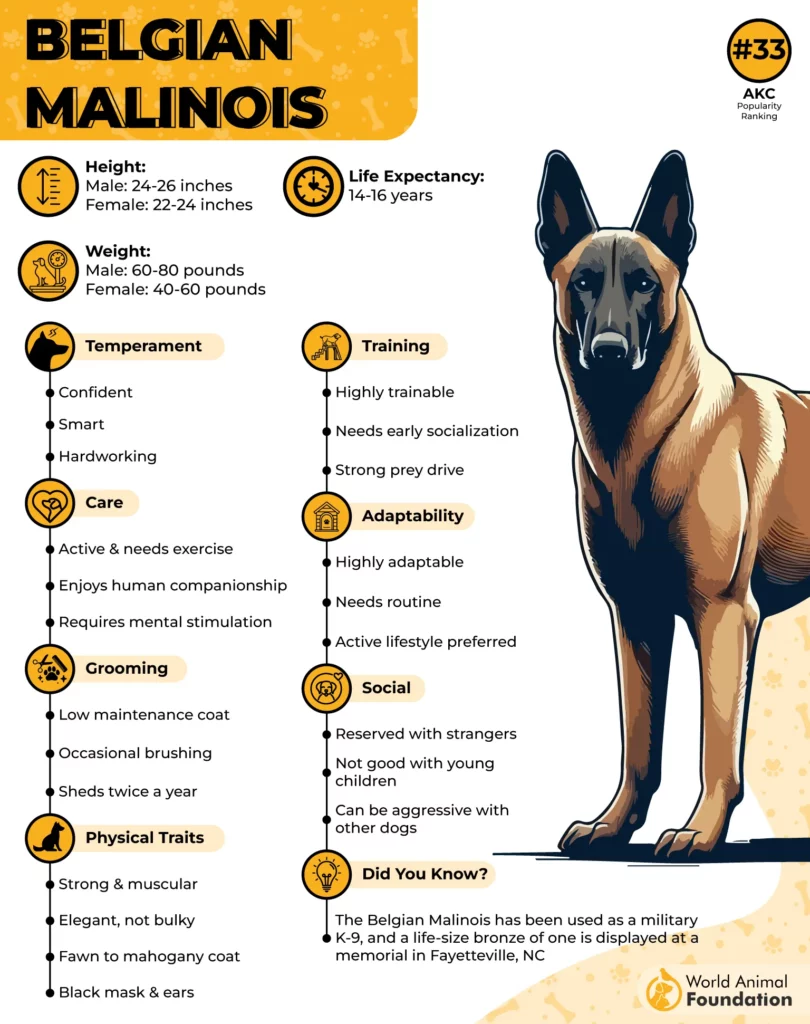
Belgian Malinois stand 22–26 inches tall, with males typically reaching 24–26 inches and 60–80 pounds. Females are slightly lighter, ranging from 40 to 60 pounds at 22–24 inches. Their measurements reflect a medium-large working frame built for mobility.
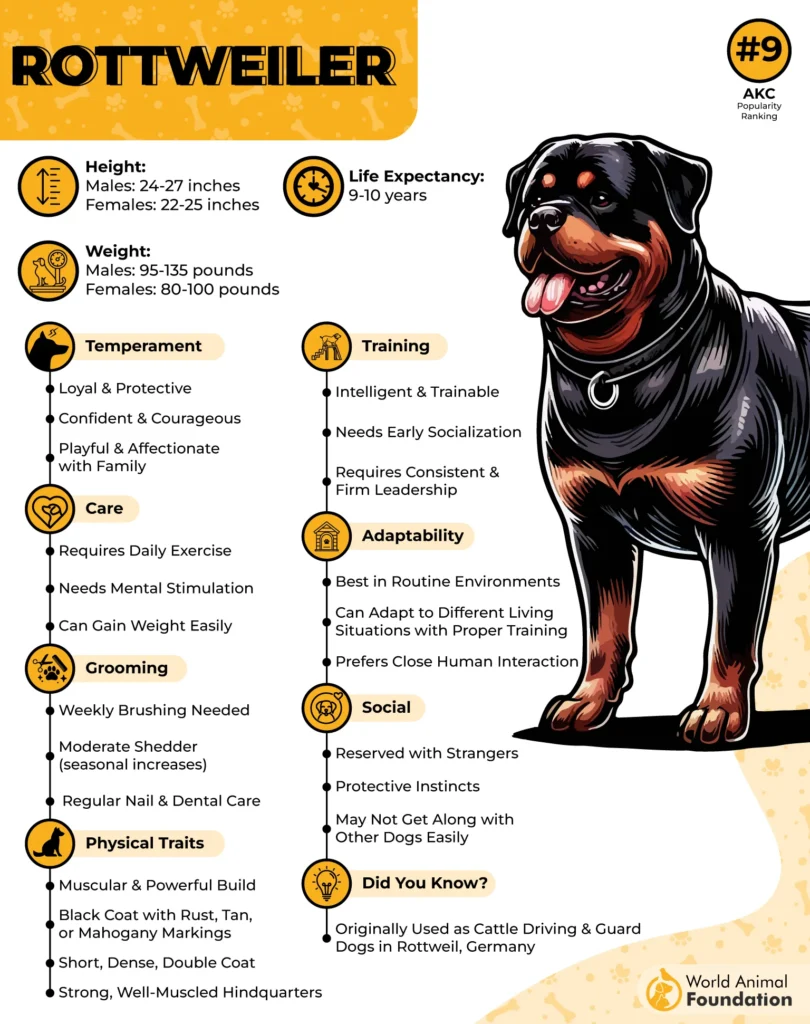
Rottweilers stand between 22 and 27 inches, with males commonly measuring 24–27 inches and weighing 80–135 pounds. Females are smaller and lighter but still substantial in build. The overall size range places them in a heavier and more imposing category.
Physical Build & Structure
Belgian Malinois are squarely proportioned, muscular yet streamlined rather than bulky. A proud head carriage, black mask, and dark ears frame alert, focused eyes. Coat colors range from rich fawn to mahogany, reinforcing their sharp, athletic outline.
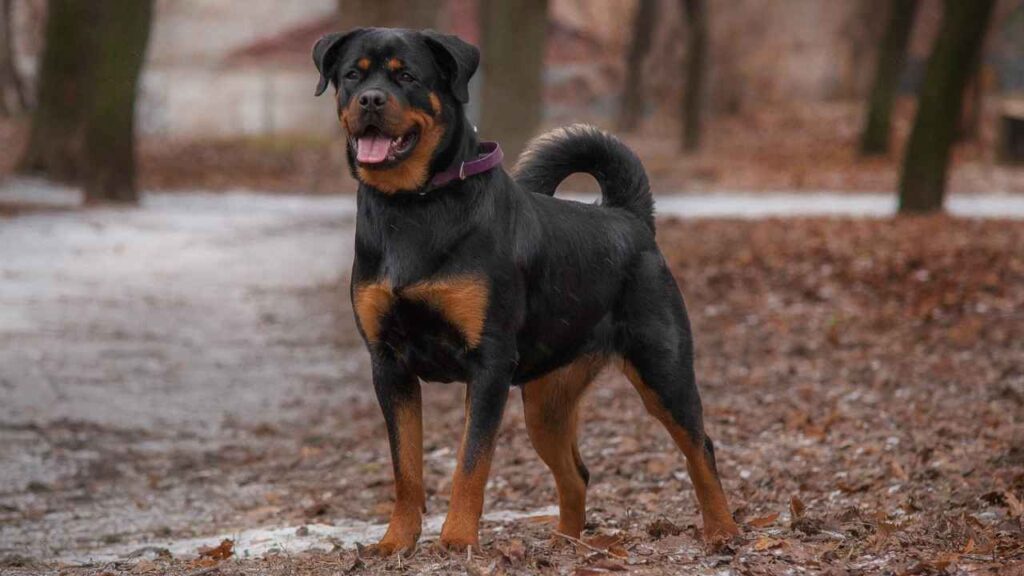
Rottweilers display a broad, heavily muscled structure supported by powerful hindquarters. Their balanced frame enables a steady, effortless trot grounded in strength. When properly developed, their physical presence projects calm control and confidence.
3. Temperament & Personality
Belgian Malinois
Belgian Malinois build intense loyalty around one primary human and stay closely connected throughout the day. Separation or isolation often leads to restlessness because engagement is central to their temperament. Their devotion is active and constant rather than casual.
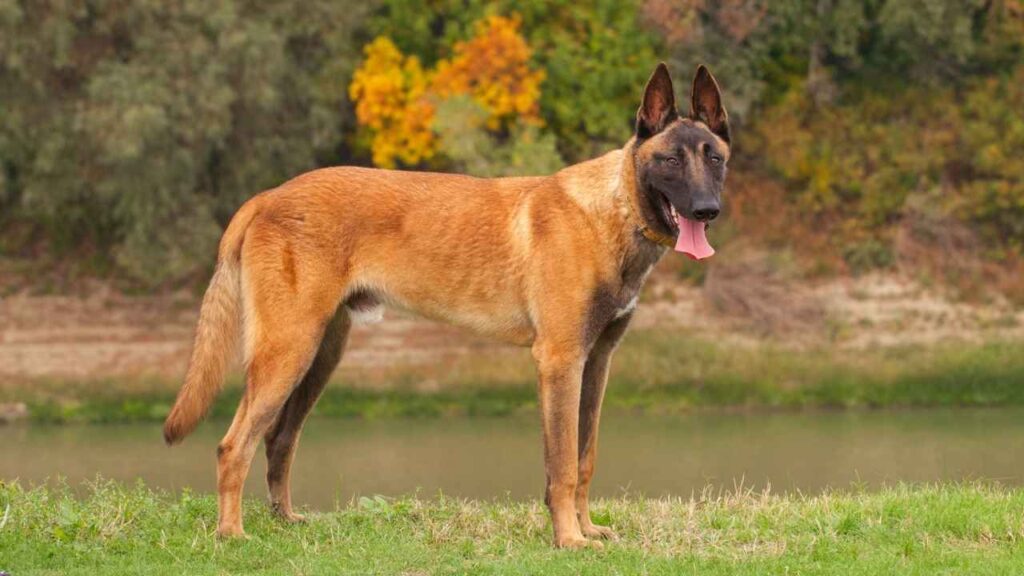
Belgian Malinois prefer structured interaction over passive companionship. They seek involvement in daily routines and respond strongly to focused partnership. This deep attachment shapes both their reliability and their emotional intensity.
Rottweiler
Rottweilers display a wide personality range, from playful and openly affectionate to reserved and strongly bonded to one person. Their guardian background influences how they react in unfamiliar settings. New situations can trigger alert barking as they assess the environment.
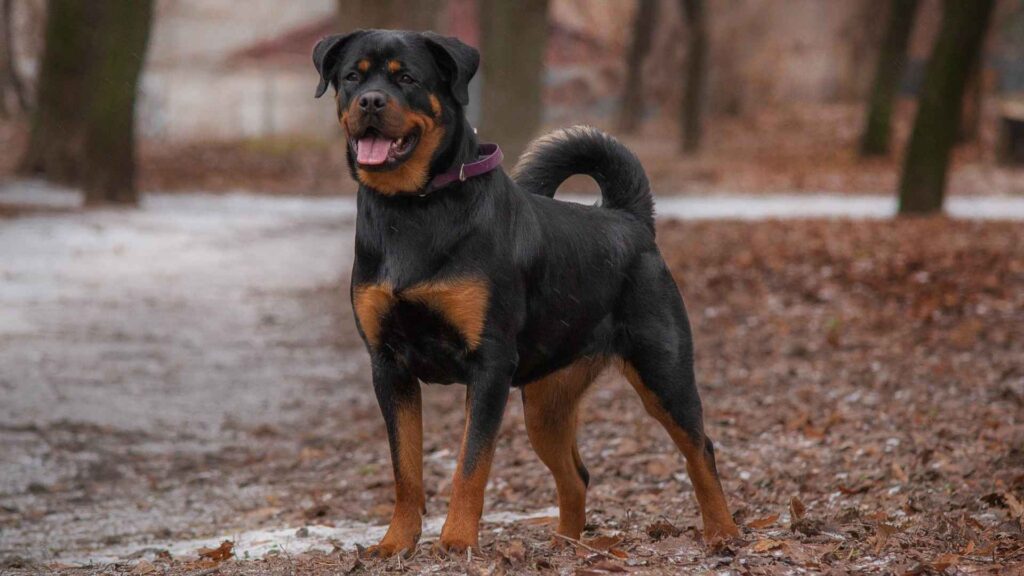
Rottweilers are generally calm, steady, and family-oriented in daily life. They often shadow their household members and value proximity. With early training and proper socialization, they interact gently with children and settle into a composed presence indoors.
4. Exercise & Energy Levels
Daily Energy Requirements
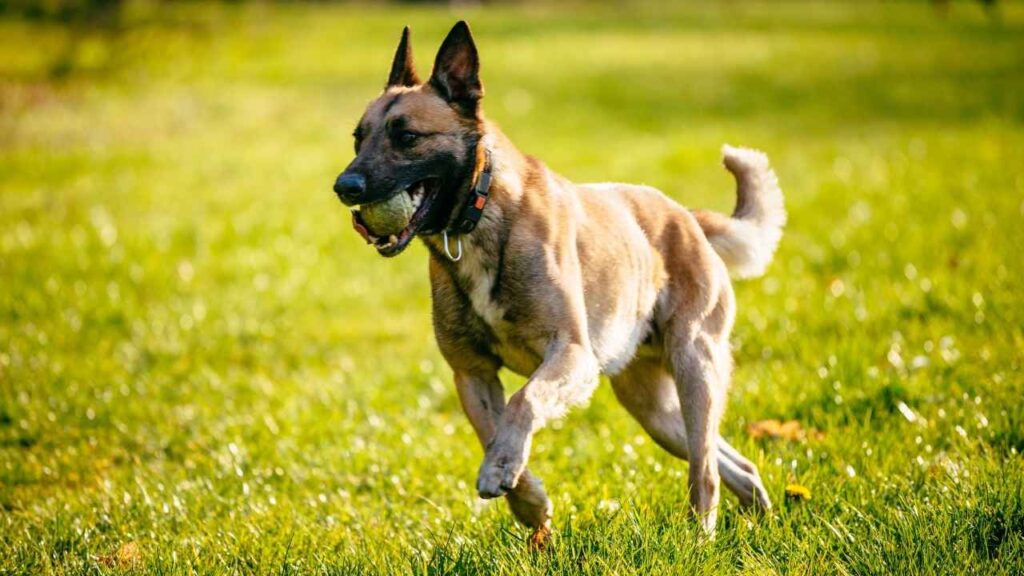
Belgian Malinois operate at a high intensity that goes far beyond routine neighborhood walks. better suited to experienced dog owners. They require demanding aerobic outlets, such as long-distance running or extended endurance sessions. Short bursts of activity rarely match their natural drive.
Rottweilers need at least 60 minutes of daily activity to stay balanced and engaged, as PetMD claims. Walks, hikes, backyard play, or structured dog sports meet that baseline requirement. Consistency matters more than intensity for this powerful breed.
Work Output & Mental Drive
Belgian Malinois demand intensive, long-term training paired with structured physical challenges. They excel in agility, tracking, herding, and obedience competitions where precision meets stamina, as per the AKC. Without purposeful engagement, they invent their own outlets, often through destructive behavior.
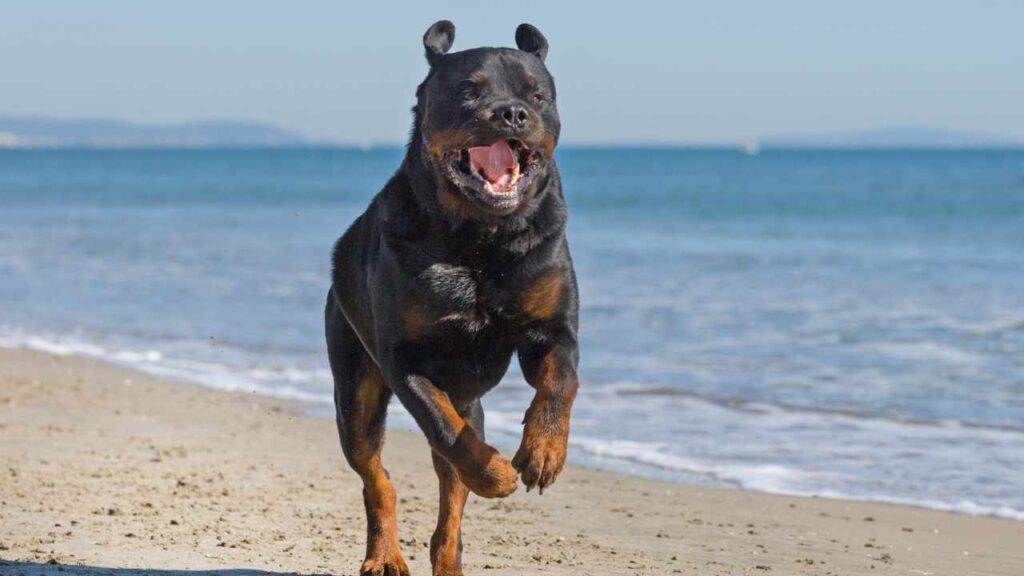
Rottweilers combine muscular endurance with a willingness to learn structured tasks. They enjoy swimming, steady trotting, and working roles such as carting, herding, tracking, and obedience. Regular activity also helps maintain a healthy weight and supports a strong frame.
5. Training & Intelligence
Belgian Malinois
Belgian Malinois are highly intelligent and quick learners, but their strong prey drive means they naturally chase moving objects. Early socialization and structured obedience training are essential to guide their energy in productive ways. Daily mental engagement is critical to prevent behavioral issues.
Effective Training Approach
Begin consistent training and socialization from puppyhood.
Use professional guidance familiar with the breed for complex tasks.
Incorporate jobs or games to challenge their mind and reward focus.
Their intelligence shines in activities like agility, obedience, or herding exercises. Involving the owner directly strengthens the bond and ensures a happy, well-adjusted dog.
Rottweiler
Rottweilers respond best to early leadership, socialization, and consistent training. Living in a human-centered environment and interacting with people and other animals daily is vital for development. Proper guidance prevents stubborn tendencies and encourages good manners.
Effective Training Approach
Implement structured puppy classes and basic obedience early.
Maintain consistent, fair, and firm discipline without roughness.
Engage in sports or functional tasks to channel energy and intelligence.
Rottweilers excel when partnered with their human in activities requiring focus and teamwork. Their natural drive to please can be harnessed into productive roles, from sports to service work.
6. Coat Maintenance
Belgian Malinois
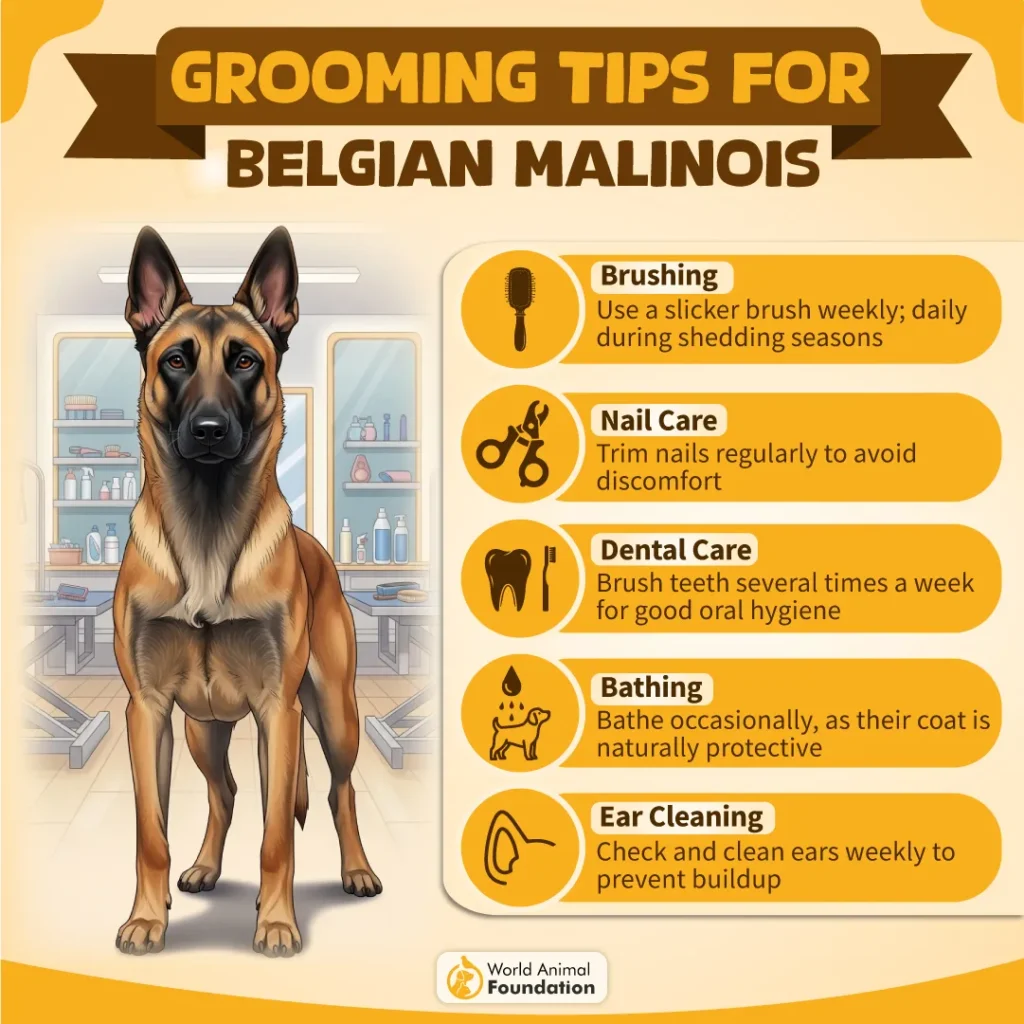
Belgian Malinois have a short, dense, waterproof coat that requires minimal upkeep. Brushing occasionally with a medium-bristle brush, rubber grooming mitt, or hound glove keeps the coat healthy. Malinois shed twice a year, and during these periods, daily brushing with a slicker helps remove loose hair. Regular grooming also promotes new hair growth and evenly distributes natural skin oils.
Rottweiler
Rottweilers have a straight, coarse outer coat with a softer undercoat on the neck and thighs. Weekly brushing maintains shine and prevents tangling, while periodic baths keep the coat clean.
Rottweilers shed moderately most of the year, with heavier shedding during spring and fall. Consistent grooming during these seasons helps manage hair around the home and keeps the coat in top condition.
7. Health & Lifespan
Lifespan
Belgian Malinois typically live 14–16 years, reflecting a generally healthy constitution when bred responsibly. Their longevity is supported by attention to genetics, proper nutrition, and preventive care throughout their life.
Rottweilers have a shorter lifespan of 9–10 years, influenced by their larger size and predisposition to certain health conditions. Careful management, nutrition, and regular veterinary oversight can help maximize quality and length of life.
Health Considerations
Belgian Malinois benefit from screenings for hip and elbow dysplasia as well as select eye conditions. Regular ear checks and dental hygiene further reduce risks and support lifelong wellness.
Rottweilers require more extensive monitoring, including hips, elbows, heart, and eye exams, plus DNA testing for Juvenile Laryngeal Paralysis & Polyneuropathy (JLPP). Proper vaccination timing and intact status until at least six years strengthen immunity and reduce cancer risks.
8. Belgian Malinois vs. Rottweiler Suitability as Family Pets vs Guard Dogs
Belgian Malinois – Companion and Protector
Belgian Malinois can form deep bonds with family members but require constant engagement and purposeful activity. Their intelligence and high energy mean they thrive on shared tasks and structured interaction, which can make them rewarding but demanding companions.
As guard dogs, Malinois excel due to natural vigilance and sharp instincts. Their responsiveness to training and quick decision-making make them ideal for roles requiring alertness and precision. However, under-stimulation can lead to destructive behavior, so supervision and purpose-driven routines are essential.
Rottweiler – Family Ally and Defender
Rottweilers can be affectionate and steady with children and family, provided they are raised with consistent socialization. Their calm, confident demeanor allows them to integrate well into households, though they require clear boundaries and responsible handling.
In protective roles, Rottweilers combine sheer presence with measured aggression, making them formidable guardians. Their size and instinctive guarding skills give families a reliable protector, but early training ensures their power is channeled safely and predictably.
Conclusion
Belgian Malinois and Rottweilers both represent serious working breeds shaped by purpose and discipline. One thrives on speed, constant mental stimulation, and demanding physical exercise.
The other relies on steadiness, mass, and deeply rooted protective instincts. With proper training and structured training sessions built on positive reinforcement, both can become a well-trained dog capable of control and loyalty.
They are excellent guard dogs, yet can also grow into great family dogs when socialized around other pets and other dogs. They are rarely suited for a first-time dog owner, but in experienced hands, they become exceptional partners.
