




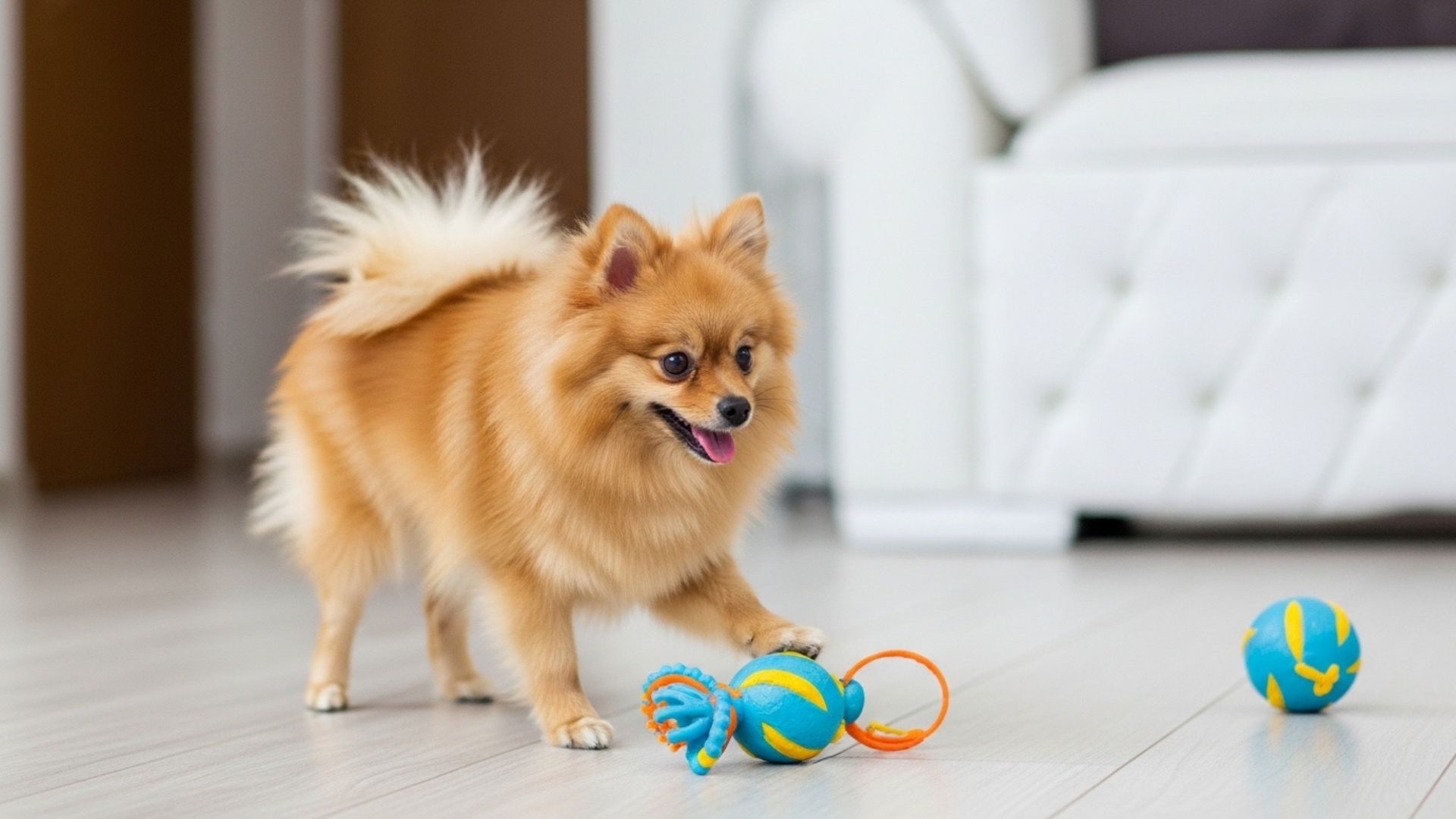
If you’re thinking about adding a new pup to your family, one important question may come to mind: which dog breeds live the longest? While every dog is unique, lifespan can vary significantly based on factors such as size, breed, genetics, and overall lifestyle.
Generally, smaller breeds tend to outlive larger ones, but health, nutrition, and proper care also play a major role. If your goal is to welcome a furry companion who will share many joyful years by your side, choosing a breed known for longevity is a great place to start.
Genetics certainly influences lifespan, but responsible ownership makes a world of difference. Providing a high-quality diet, regular exercise, maintaining a healthy weight, and scheduling routine veterinary checkups can help maximize your dog’s lifespan and overall well-being.
To help you find a loyal companion who will be part of your life for years to come, we’ve rounded up the top health-focused dog breeds living over 12 years with joy—breeds known not only for their longevity but also for their vibrant personalities and lasting companionship
Fun Fact: A study found that Guinness World Records states that the oldest Jack Russell on record was Willie, who lived to be 20 years old in 2014.
Top Health‑Focused Dog Breeds Living Over 12 Years With Joy
1. Poodle

Life expectancy: 10-18 years
The Poodle (Toy) may be small enough to fit in your lap, but don’t let the size fool you — this smallest dog breed comes with a big brain, and a big heart. That’s potentially nearly two decades of curly-haired companionship, clever tricks, and enthusiastic greetings like you’ve been gone for years.
Toy Poodles are famously intelligent— the kind of dog that learns commands faster than you can Google them. They’re eager to please, which makes training not just easy but genuinely fun. Treats, praise, and a little dramatic applause? They live for it.
They are generally a healthy breed, but during their long life, they may be predisposed to:
Progressive Retinal Atrophy (PRA)
Patellar Luxation
Legg-Calvé-Perthes Disease
Ear Infections
Because of their sharp minds, they thrive on mental stimulation like puzzle toys, scent walks, and obedience games. Without it, they may decide to “redecorate” your home in their own creative way.
When socialized early, Toy Poodles are gentle and affectionate with children and other pets. They form strong bonds with their families and often become loyal little shadows.
With proper care, regular veterinary check-ups, and a little grooming dedication, the Toy Poodle rewards you with years of loyalty, laughter, and surprisingly sophisticated side-eye. If you’re looking for a health-conscious breed that lives long and loves hard — wrapped in curls — this one checks all the boxes.
2. Papillon

Average life span: 14-16 years
The Papillon is proof that big joy can come in a tiny, butterfly-eared package. Instantly recognizable by those signature ears that resemble delicate wings, Papillons combine elegance with a surprisingly adventurous spirit.
Papillons are one of the longer-living small breeds. And thanks to advances in veterinary medicine over the past two decades, their average lifespan has steadily improved.
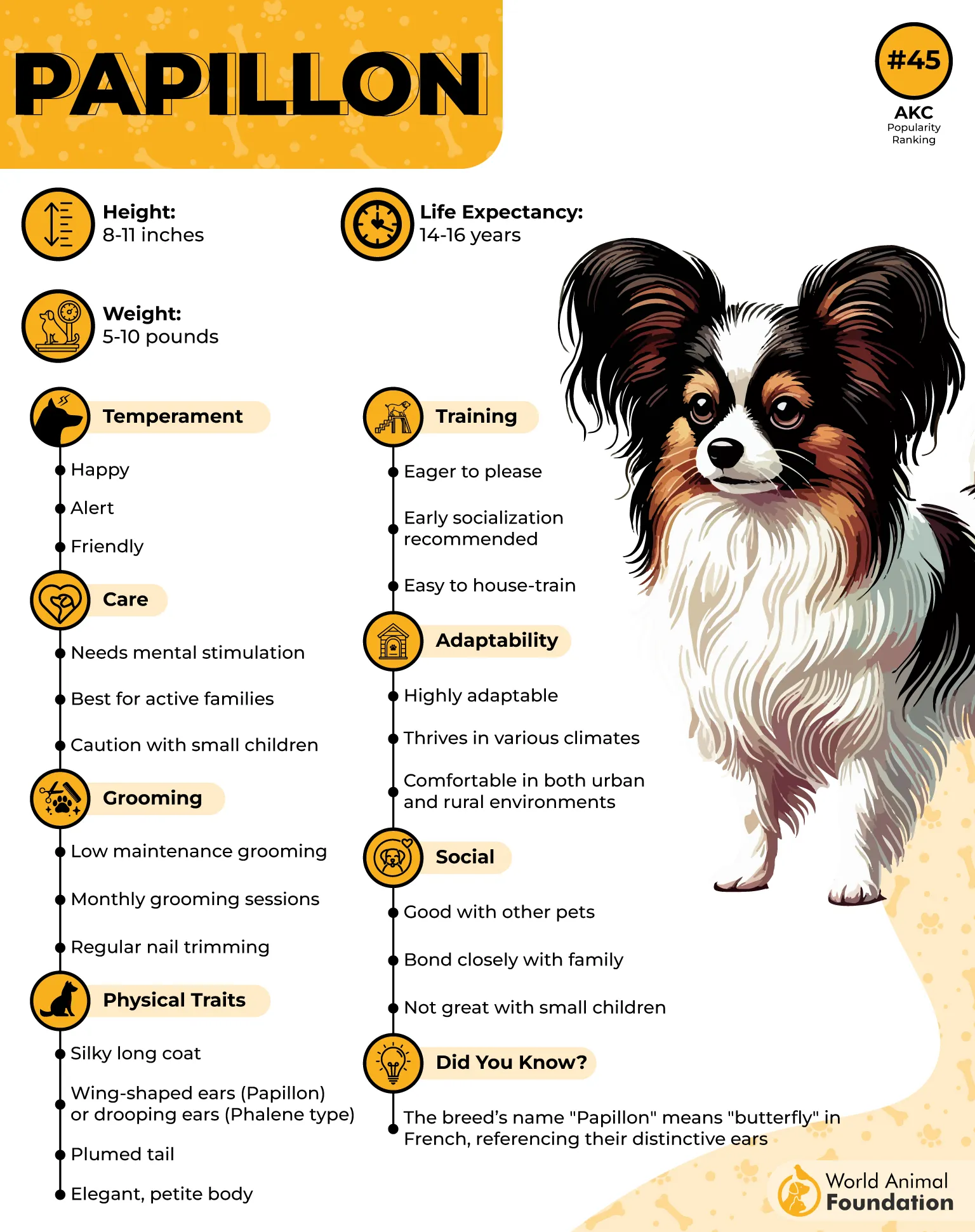
Some Papillons don’t just meet expectations — they completely outshine them. A Papillon named Chanel famously lived to 21 years old, while another, Scolly, reached 20 years before crossing the rainbow bridge.
They are generally a healthy breed, but like all dogs, they may be prone to certain health conditions that owners should monitor:
Patellar Luxation
Dental Disease
Collapsed Trachea
Progressive RetinalAtrophy (PRA)
Von Willebrand’s Disease
Allergies
Low Blood Sugar (Hypoglycemia)
Papillons are intelligent, eager to learn, and often excel in agility and obedience. Their playful personality keeps them youthful well into their senior years. They bond deeply with their families and thrive on companionship. Leave them out of the fun? Absolutely not acceptable in Papillon terms.
With regular vet check-ups, proper dental hygiene, and a loving home, Papillons often enjoy long, vibrant lives filled with energy and affection.
3. Pomeranian

Life expectancy: 12-16 years
The Pomeranian is basically a walking cloud with confidence. With their glorious double coat, bright fox-like face, and permanent “I know I’m adorable” smile, it’s no surprise they’re one of the world’s most popular toy breeds — a reputation strongly supported by the American Kennel Club (AKC).
Living an average of 12–16 years, Pomeranians are a long-term bundle of fluff and sass. They may be tiny, but their personality? Absolutely supersized. Poms are bold, lively, and often unaware that they weigh less than a house cat.
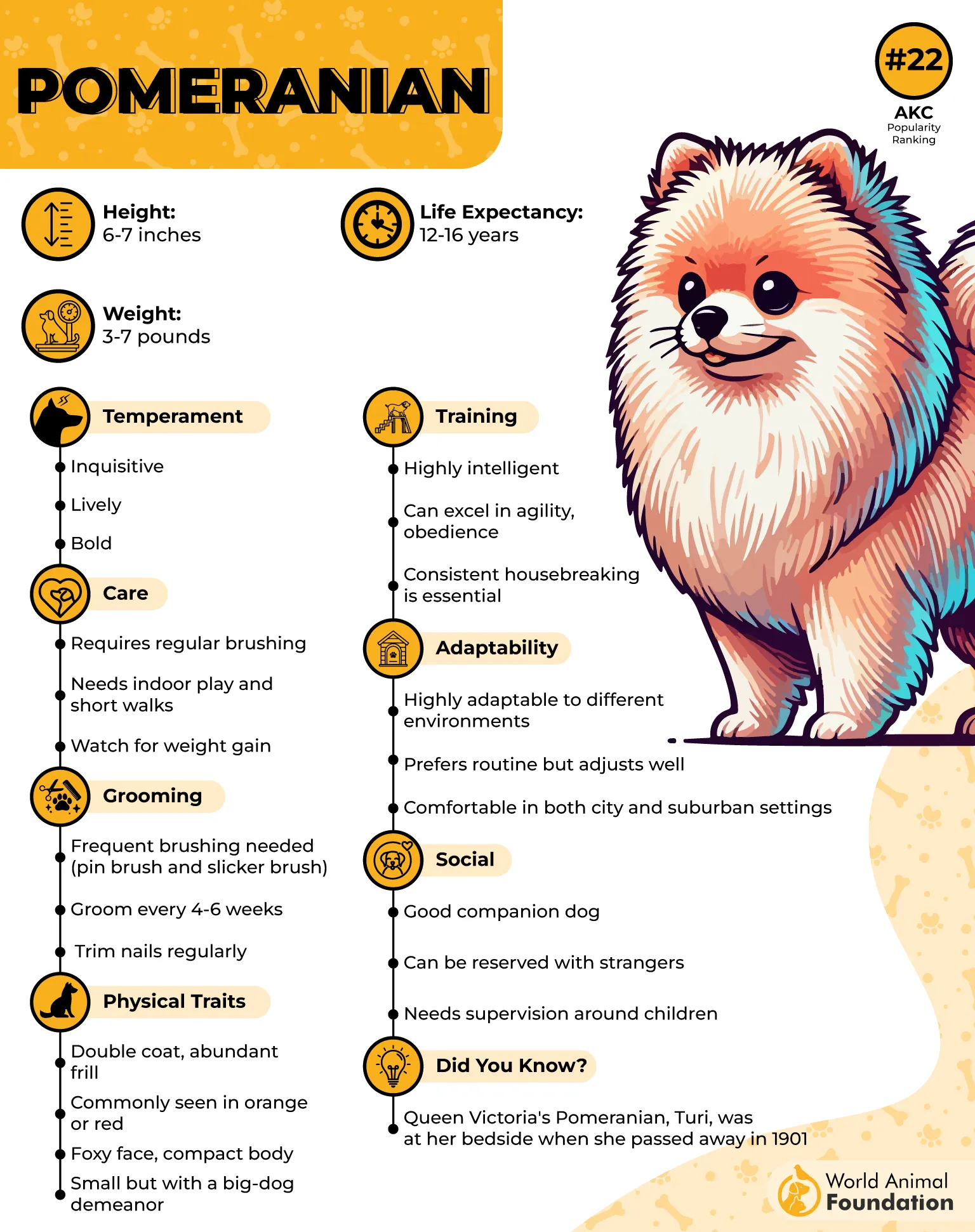
Despite their glamorous coat, they’re energetic little companions who enjoy short daily walks and interactive play. They’re intelligent and quick learners — especially if treats are involved. Training early helps channel their natural confidence into charming leadership rather than “tiny ruler of the household.”
Pomeranians are generally healthy and sturdy for their size, but responsible owners should be aware of a few common health concerns:
Patellar Luxation
Disease
Tracheal Collapse
Alopecia (Black Skin Disease)
Hypoglycemia (especially in puppies)
With attentive care, regular grooming, dental hygiene, and routine vet visits, Pomeranians often enjoy long, joyful lives filled with energy and affection.
If you’re looking for a health-conscious breed that delivers both longevity and personality — wrapped in a fabulous fur coat — the Pom is ready to strut into your home.
4. Miniature Pinscher
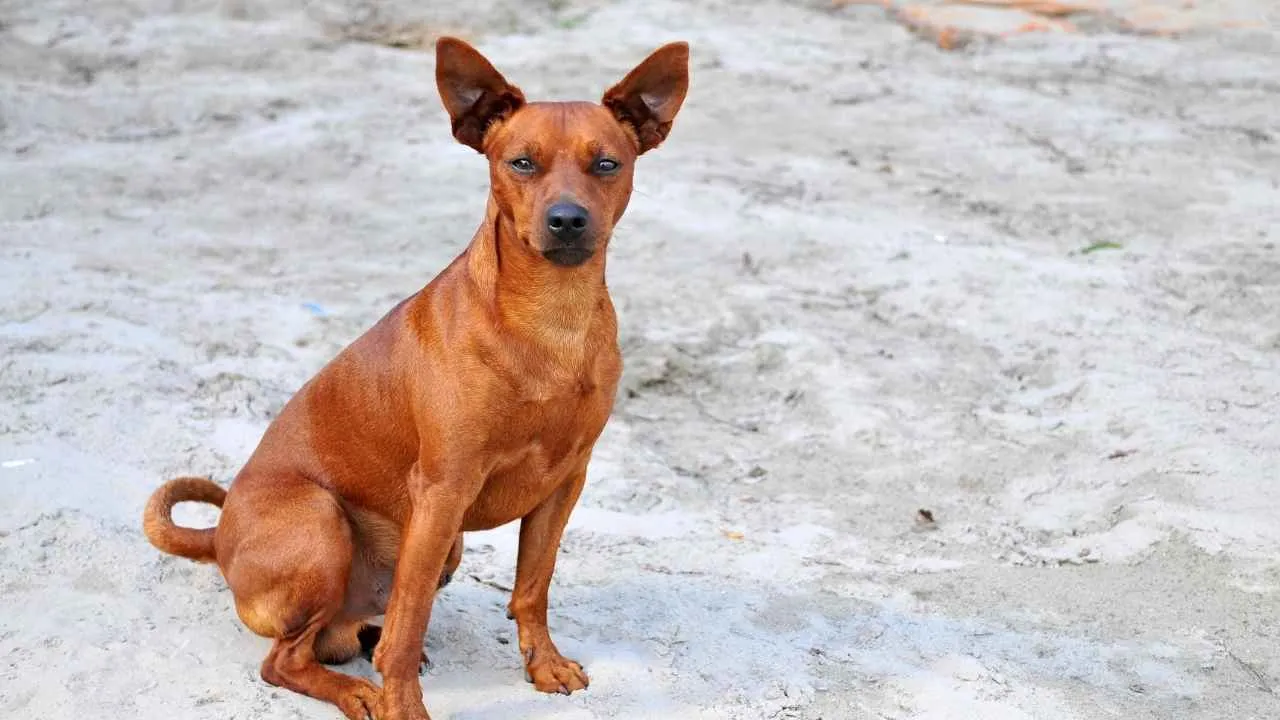
Life expectancy: 12-16 years
The Miniature Pinscher may be small in size, but in his mind? Absolute royalty. Often nicknamed the “King of Toy Breeds,” this confident little powerhouse walks with purpose, pride, and just a touch of dramatic flair.
Miniature Pinschers are among the longer-living small breeds. These lap dogs are typically robust and healthy, bringing years of bold companionship, comic relief, and nonstop curiosity into your home. Min Pins are energetic, fearless, and endlessly inquisitive.
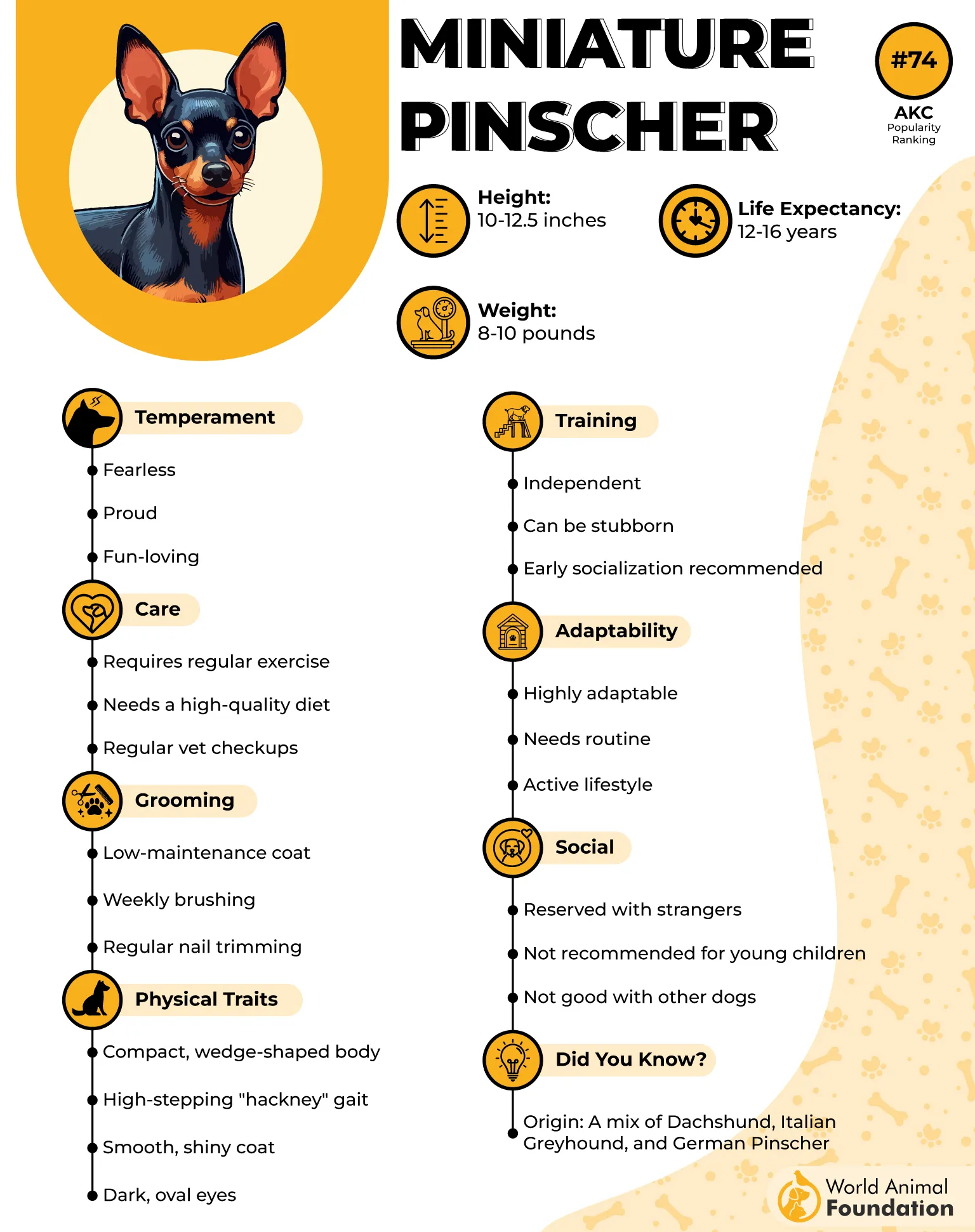
If there’s a space to squeeze into, a sound to investigate, or a mystery to solve, they’re on the case. Families welcoming one home quickly learn that “baby-proofing” becomes “Pinscher-proofing.” If it fits in their mouth or under their paws, it’s fair game for inspection.
Miniature Pinschers are generally healthy, though they can be prone to certain small-breed conditions:
Patellar Luxation
Legg-Calvé-Perthes Disease
Epilepsy
With proper care, routine vet visits, and a safe environment (secure fencing is a must — remember, tiny king with big bravery), Min Pins can live long, vibrant lives full of personality and devotion.
If you’re looking for a health-focused breed that offers longevity, confidence, and the attitude of a much larger dog packed into a sleek, compact body, the Miniature Pinscher rules the toy world with style.
5. Chinese Crested
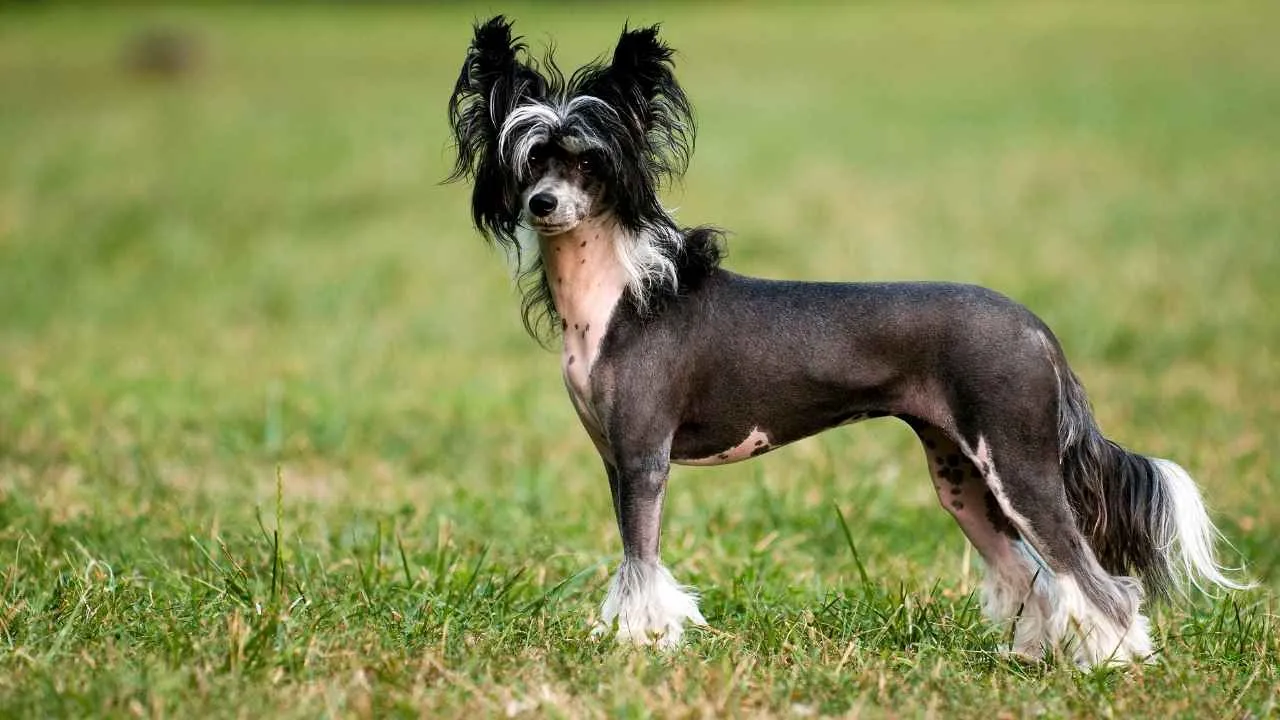
Life expectancy: 13-18 years
The Chinese Crested is one of the most unique-looking long-living breeds you’ll ever meet — and proudly so. Available in two varieties — the nearly hairless (with soft tufts on the head, feet, and tail) and the fully coated “Powderpuff” — the Chinese Crested proves that beauty truly comes in many forms.
But beyond the distinctive appearance lies a deeply devoted companion. Chinese Cresteds are affectionate, people-oriented dogs who form strong bonds with their families. They love cuddling, lap time, and being included in daily life.
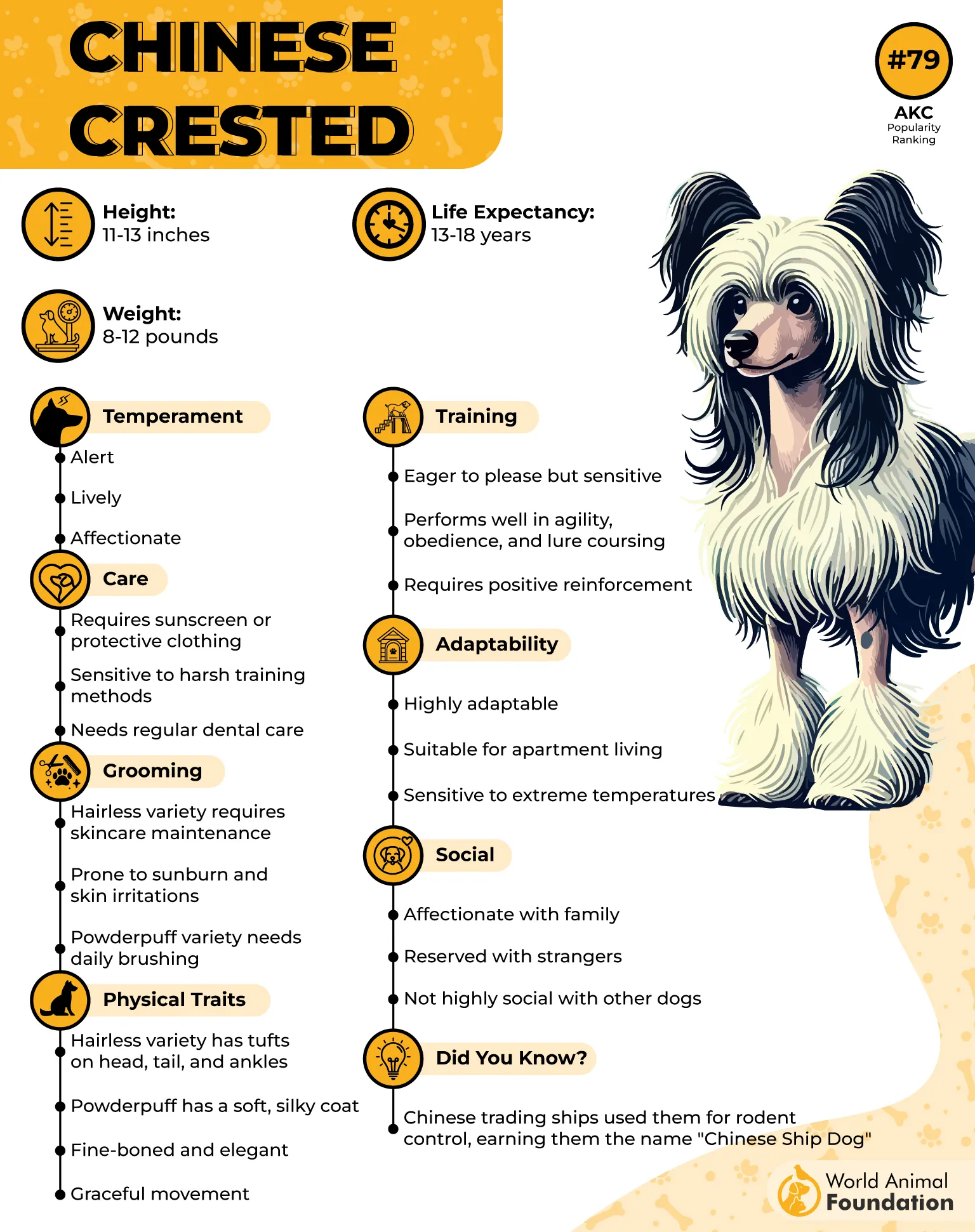
They’re playful without being overly demanding. Short walks, indoor games, and mental stimulation keep them happy. Because of their close attachment to their humans, they don’t enjoy being left alone for long stretches — they prefer being your tiny, loyal sidekick.
Chinese Cresteds are generally healthy and long-lived, but potential health concerns can include:
Dental Disease
Patellar Luxation
Progressive Retinal Atrophy (PRA)
Skin Issues (especially in the hairless variety)
Hairless Cresteds require special skin care, including protection from sunburn and cold weather — yes, sunscreen and cozy sweaters may become part of your routine.
With proper care, attention, and lots of love, the Chinese Crested can enjoy nearly two decades of companionship. If you’re looking for a health-focused, long-living breed that combines individuality, loyalty, and a dash of delightful weirdness, this little original might be your perfect match.
6. Shiba Inu

The Shiba Inu is an ancient breed that originated in Japan, originally bred to hunt birds, small game, and even wild boar. Yes — that fox-like, Instagram-famous face once belonged to a bold little hunter trekking through mountainous terrain
Shiba Inus are generally a very healthy and long-living breed. They’re known for their independence, intelligence, and that unmistakable “Shiba attitude.” Shibas are clean, cat-like dogs who groom themselves meticulously.
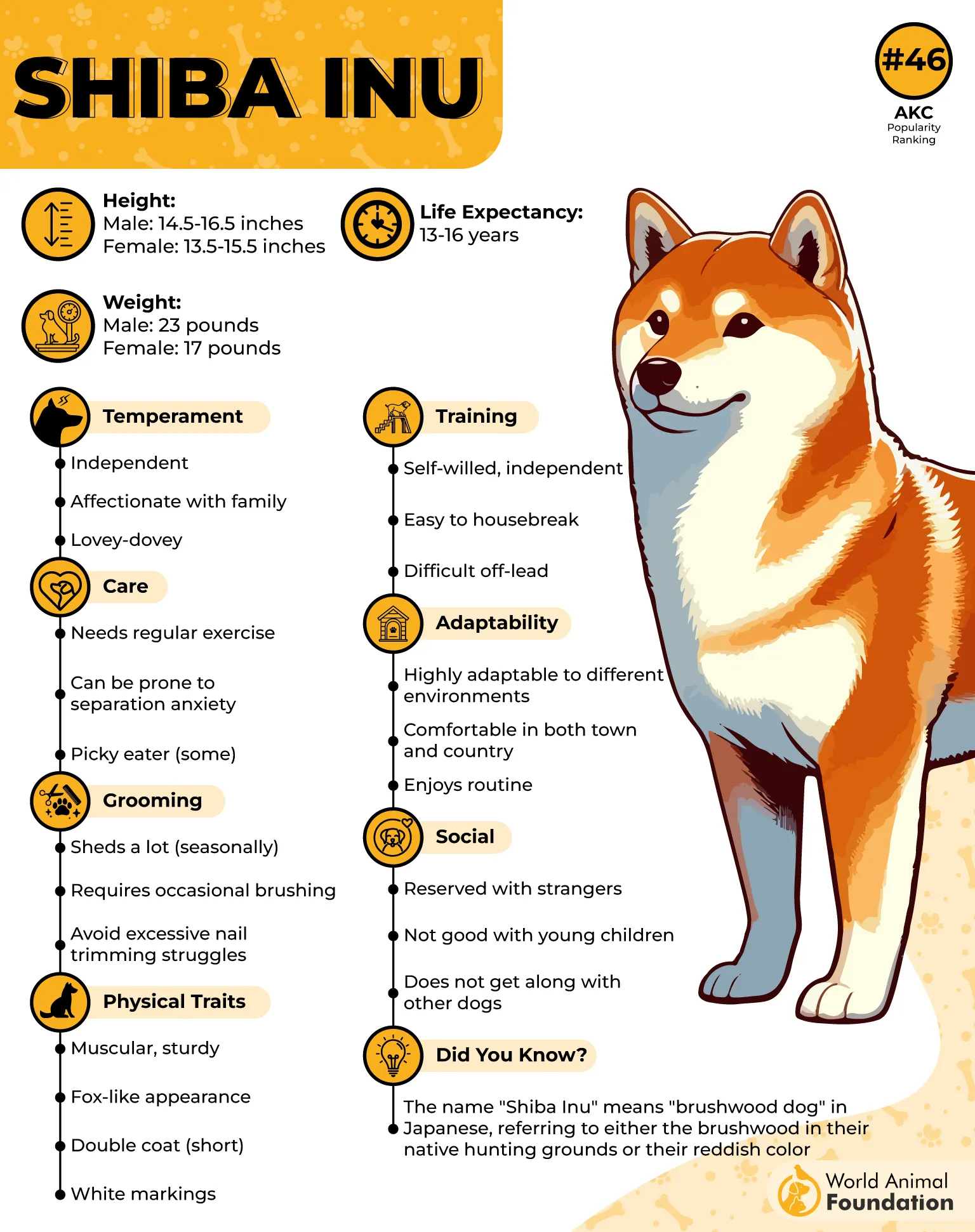
While typically robust, Shiba Inus can be prone to:
Allergies
Patella Luxation
Dental Disease
Anxiety
Despite their independent streak, they form strong bonds with their families. Early socialization and desensitization during puppyhood are especially important. This helps them grow into confident adults who are more comfortable at the vet, grooming salon, and in new environments.
With proper training, routine veterinary care, and plenty of physical and mental stimulation, Shiba Inus thrive and often enjoy long, vibrant lives. They’re loyal but not clingy, affectionate but on their terms — think of them as the dignified roommate who occasionally allows cuddles.
7. Beagle

The Beagle may be considered medium-sized, but their personality — and especially their nose — is anything but average. In fact, Beagles come in two size varieties (under 13 inches and 13–15 inches tall), but no matter the size, one thing remains constant: that powerful scent drive.
Originally bred as scent hounds, Beagles are happiest when they’re following their nose. And they will follow it anywhere. Backyard? Sure. Neighbor’s yard? Also sure. Straight into mild chaos? Absolutely.
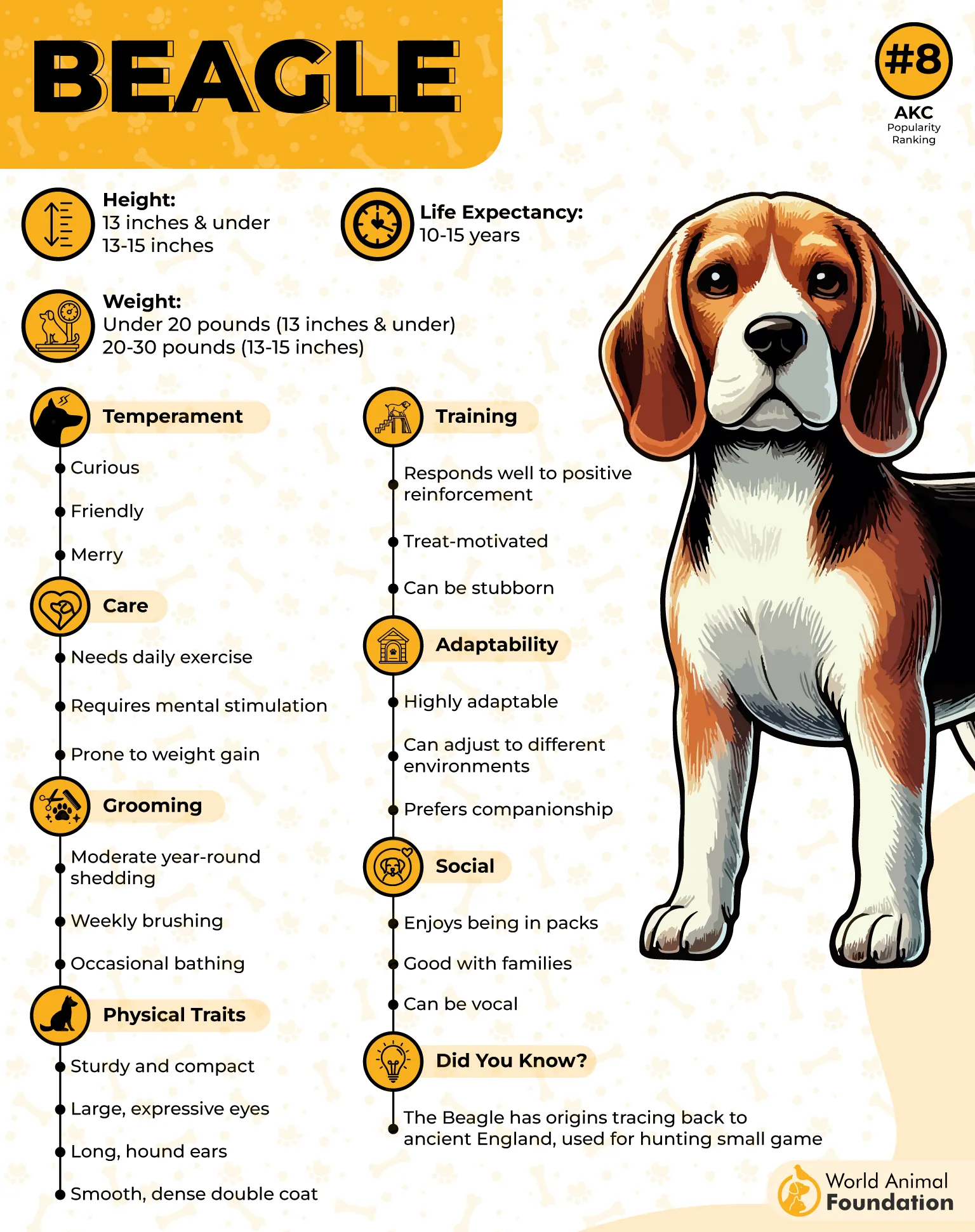
Beagles can enjoy a long and joyful life when given proper care. They are affectionate, playful, and wonderful companions for families and active pet parents. While generally sturdy dogs, Beagles can be prone to certain health concerns:
Limber Tail Syndrome
Obesity
Allergies
PetMD noted that because of their floppy ears, Beagles are more prone to ear infections. Regular ear cleaning and routine vet checkups are key to keeping them comfortable and healthy.
If you’re looking for a loyal, energetic, long-living companion with soulful eyes and a nose that never quits, the Beagle brings heart, humor, and just a little harmless trouble into the home.
8. Chihuahua
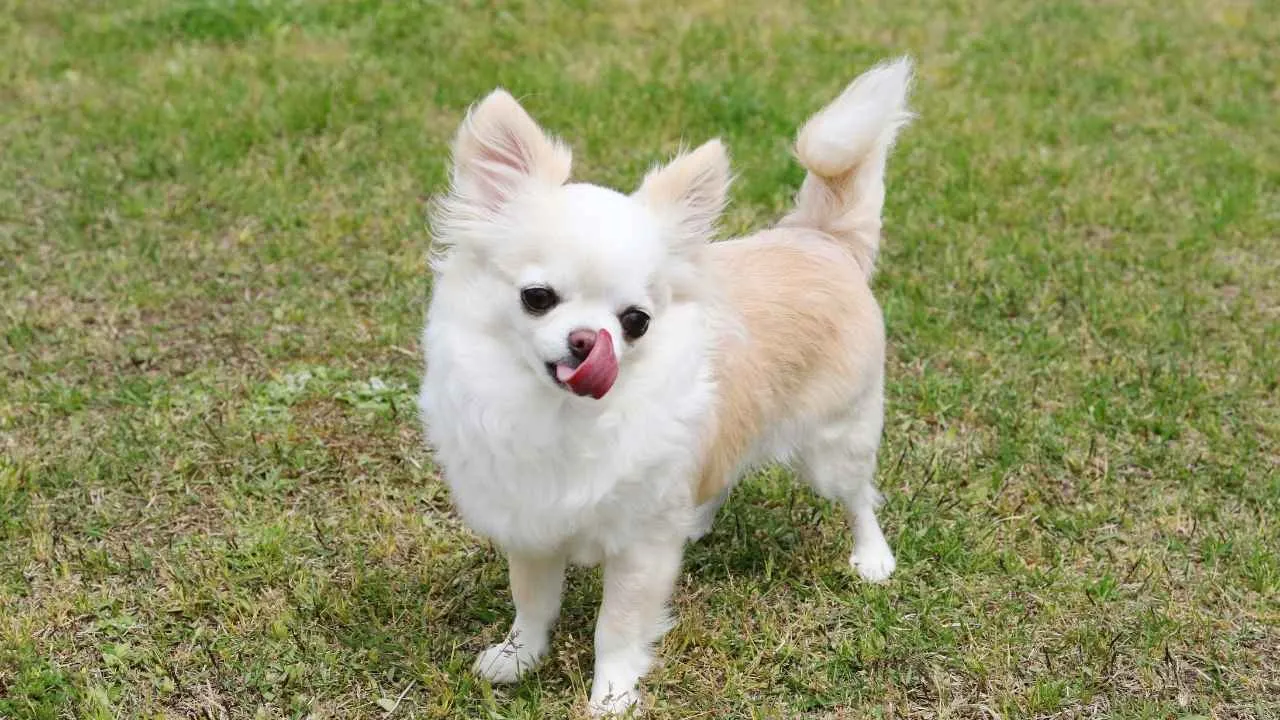
The Chihuahua may be the tiniest dog in the world, but what they lack in size, they make up for in personality.
Originating in Mexico, Chihuahuas are alert, lively, and sometimes a little sassy — but they love their humans fiercely and often form strong bonds with their families. They may be reserved around strangers, but once they trust you, they’re loyal to the very last heartbeat.
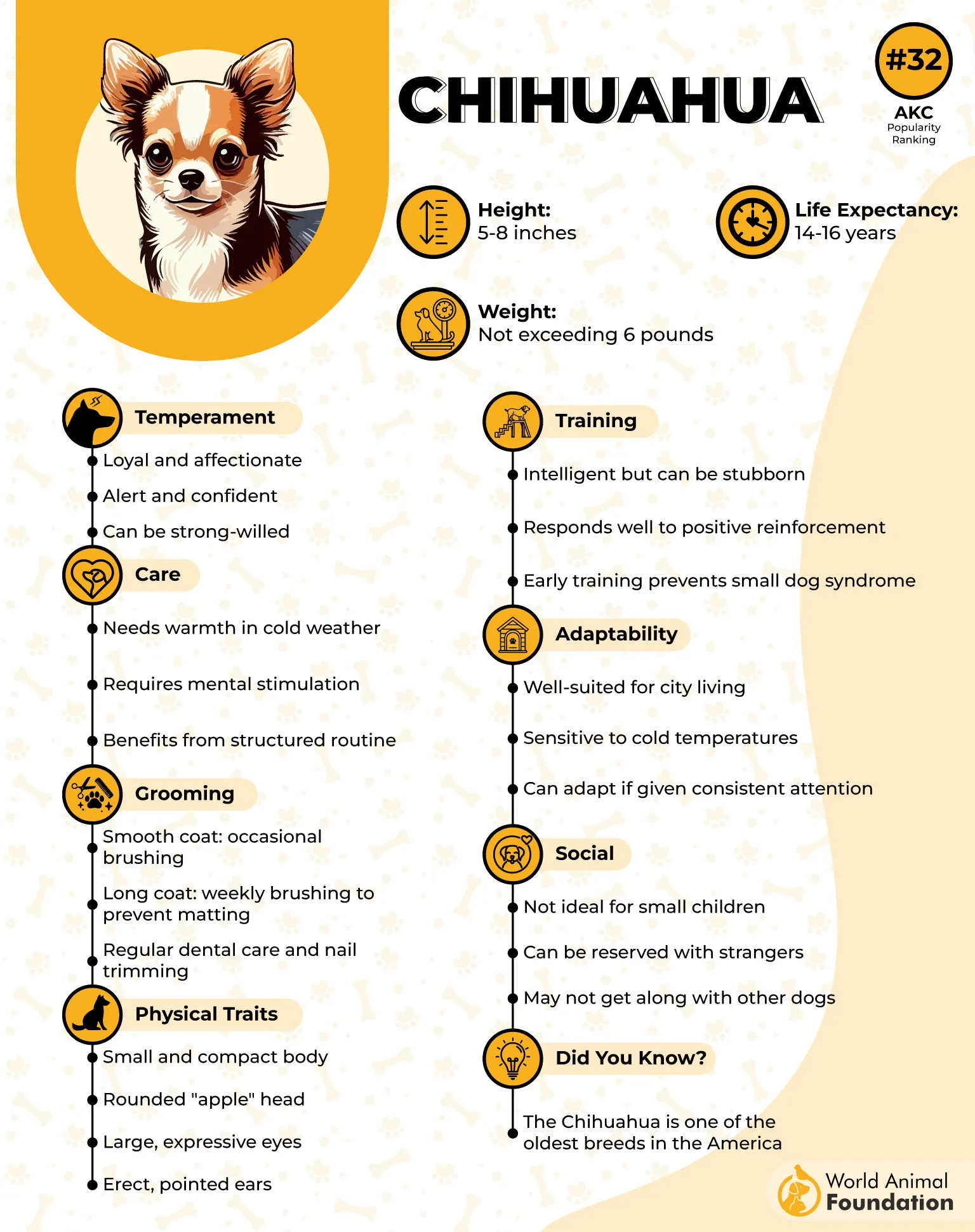
Chihuahuas are among the healthiest long-living breeds. Their small size doesn’t make them fragile; they’re surprisingly hardy and energetic. A Chihuahua in your lap may look delicate, but underneath that tiny frame beats a big dog’s heart and a courageous spirit.
Though generally healthy, Chihuahuas can be prone to certain conditions during their long lives:
Heart Disease
Patellar Luxation
With proper care, routine vet visits, and plenty of love, Chihuahuas often enjoy many years of companionship, mischief, and unwavering devotion. Small in stature but mighty in personality, they prove every day that good things truly come in tiny packages.
9. Dachshund

The Dachshund may be famous as the “wiener dog,” but don’t let their short legs fool you — these long-bodied little hunters are muscular, energetic, and full of personality.
Originally bred to chase and dig out badgers, Dachshunds are brave, curious, and sometimes a little stubborn, proving that courage truly comes in compact packages.
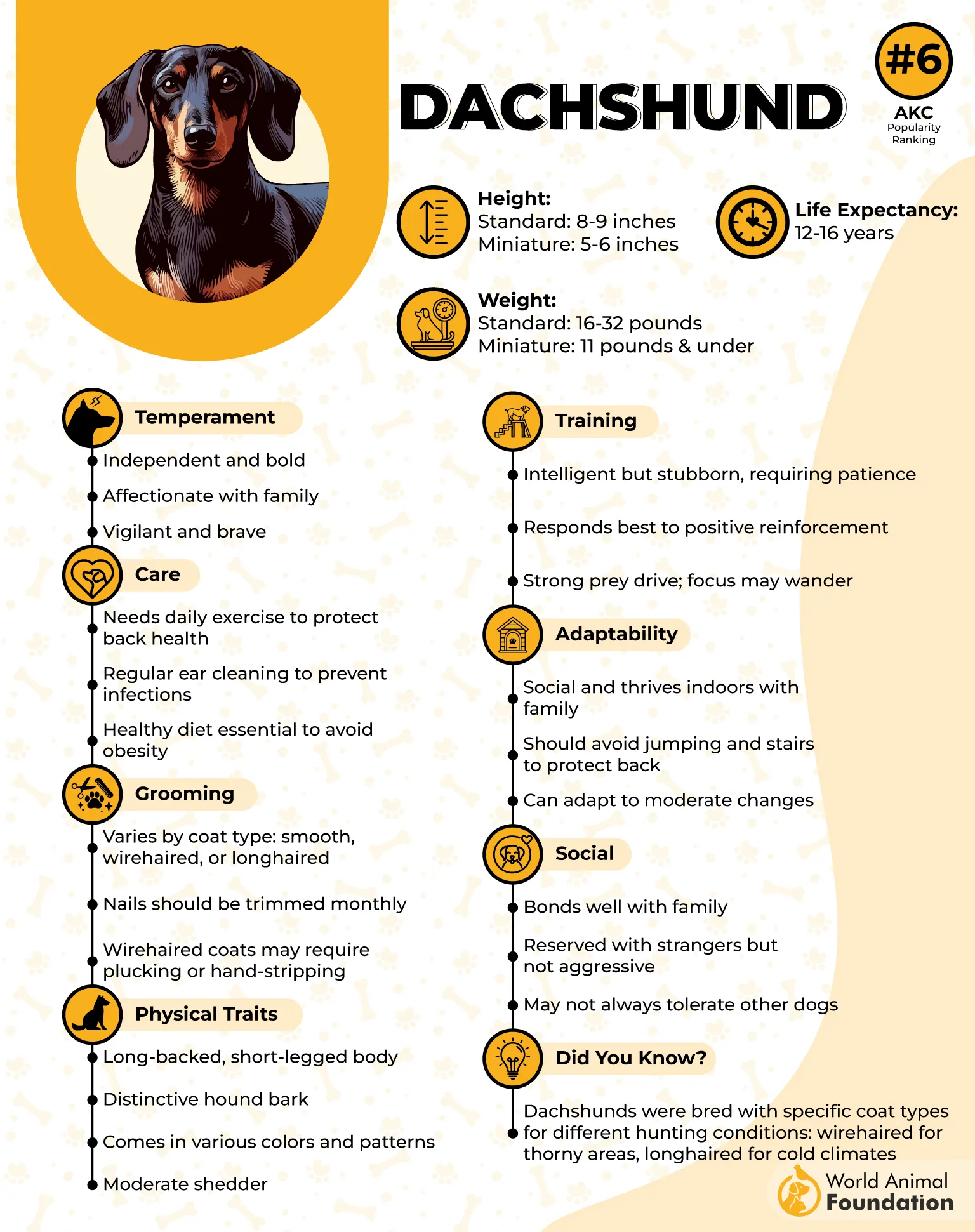
Dachshunds are one of the longer-living small to medium breeds. Their long backs make them uniquely adorable, but also require extra care. Jumping off furniture, twisting suddenly, or carrying too much weight can lead to back injuries
Health issues to watch for include:
Intervertebral Disc Disease (IVDD)
Obesity
Patellar Luxation
Despite their spunky size, Dachshunds are affectionate and make loyal companions. They thrive on interaction, play, and mental stimulation. Early socialization helps curb stubborn streaks and fosters a friendly, confident adult dog.
With proper diet management and back-conscious handling, Dachshunds often enjoy long, joyful lives filled with adventures, cuddles, and plenty of quirky personality. These tiny hunters may be short on legs, but they’re long on love and loyalty
Conclusion
When looking for the longest living dog breeds, focus on health, genetics, and lifestyle factors that support longevity. Ensuring your dog’s cardiovascular health, proper nutrition, moderate exercise, and regular grooming can significantly improve the quality of life.
Choosing dogs from responsible, reputable breeders, performing genetic testing, and providing mental exercise and positive reinforcement all contribute to a long, happy, and affectionate life.
A dog’s life is not just about breed—it’s about the care, love, and attention you provide every day. By combining a balanced diet, consistent training, and an active lifestyle, you give your furry friend the best chance at a long, healthy, and joyful life.
Different dog breeds like the Australian Cattle Dog, Cavalier King Charles Spaniel, Shih Tzu, Jack Russell Terrier, and certain mixed-breed dogs are known for their long lifespans, often living well into their late teens.
