





Small dogs have long battled an unfair stereotype. People often imagine them as fragile lap ornaments — adorable, yes, but not exactly built for adventure. The truth, however, is far more exciting.
Many small breeds were originally developed for hunting, vermin control, farm work, and active companionship. They may fit comfortably in a travel carrier, but their personalities often fill an entire room.
One of the biggest advantages of small dogs is their versatility. Weighing under 25 pounds in most cases, these breeds are easy to transport, adapt well to apartments, and cost less to feed than their larger counterparts. Yet many of them possess athletic ability, endurance, and intelligence that rival those of much larger dogs.
If you’re searching for a compact companion who brings enthusiasm, loyalty, and just a touch of mischief to every outing, you’re in the right place. Let’s start with a terrier that looks elegant but plays like a champion.
Adorable Small Dog Breeds That Thrive on Playful Adventures
1. Silky Terrier
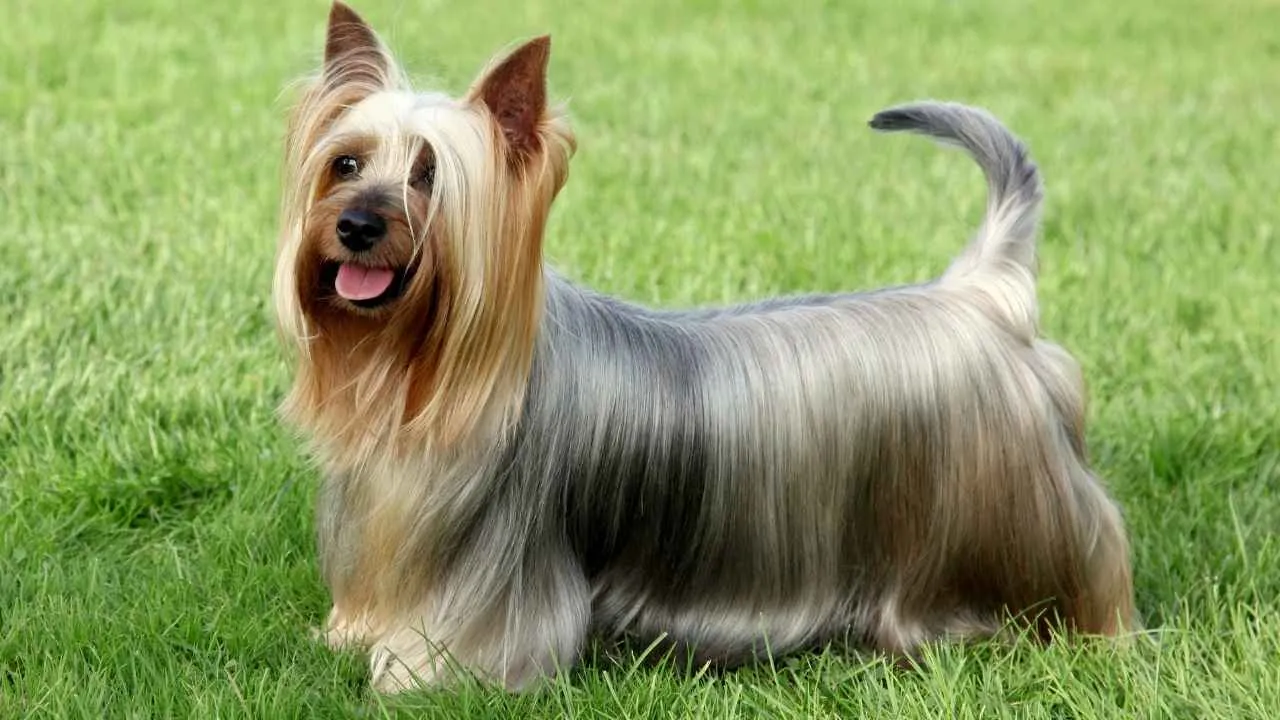
The Silky Terrier may appear refined with its glossy blue-and-tan coat flowing neatly down its sides, but beneath that polished exterior lies a determined and energetic adventurer. Developed in Australia in the late 19th century by crossing Yorkshire Terriers with Australian Terriers, the breed was originally used for hunting small vermin.
Adventure for a Silky Terrier often means exploration. They love investigating new environments, whether that’s a wooded trail, a neighborhood park, or simply a new walking route.
Their moderate-to-high energy level means they require daily exercise, typically 30–60 minutes split between walks and active play. While they don’t need marathon runs, they do appreciate mental challenges that require problem-solving.
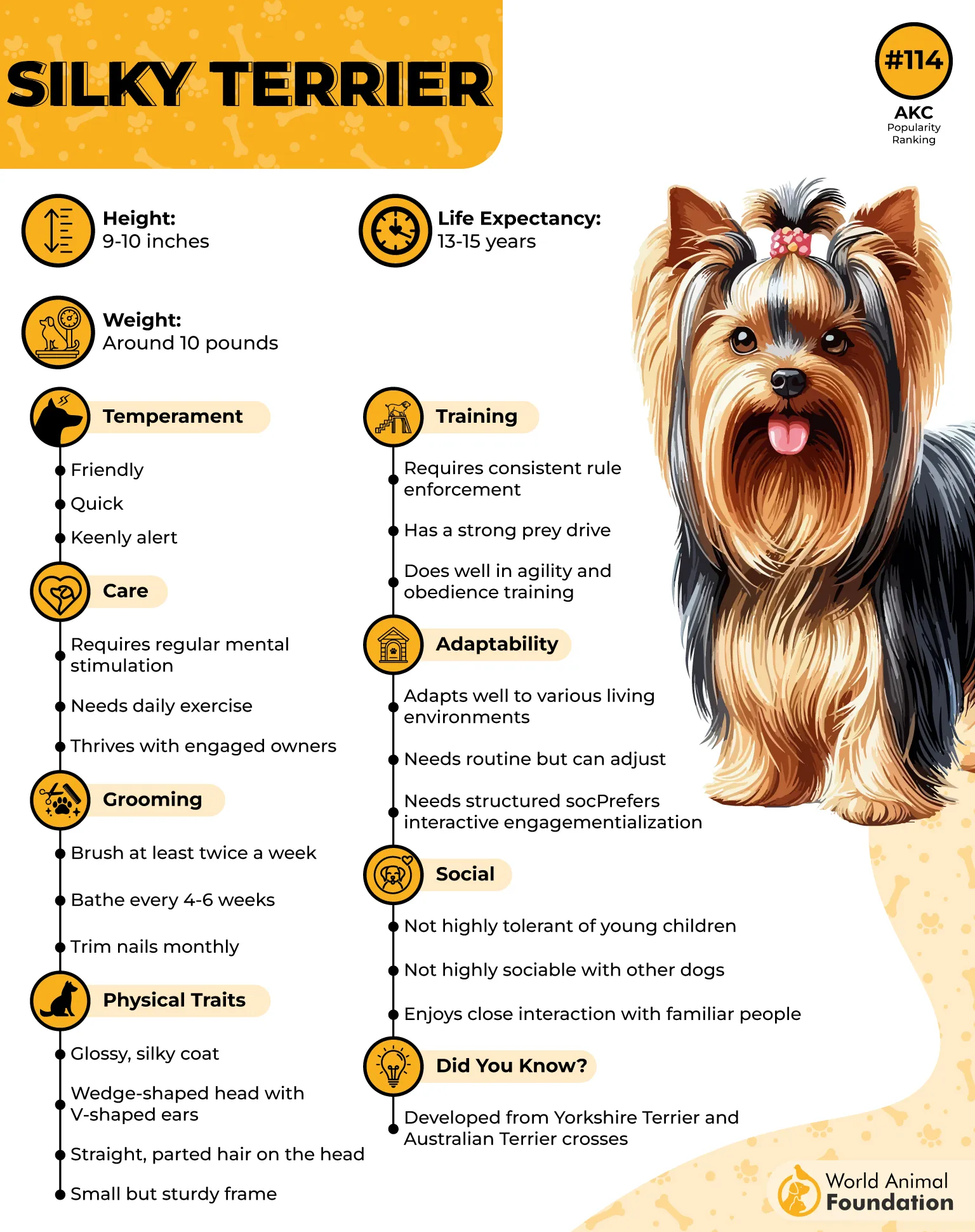
Intelligence is one of the Silky’s standout traits. They learn commands quickly, but like many terriers, they also test boundaries. Consistent, positive reinforcement is most effective because harsh corrections can lead to stubborn behavior.
Despite their bold spirit, Silkies are deeply bonded to their humans. They enjoy companionship and prefer to be involved rather than left alone for long periods. When properly socialized, they can get along well with other dogs, though their prey drive may make them quick to chase small animals.
2. Bichon Frise
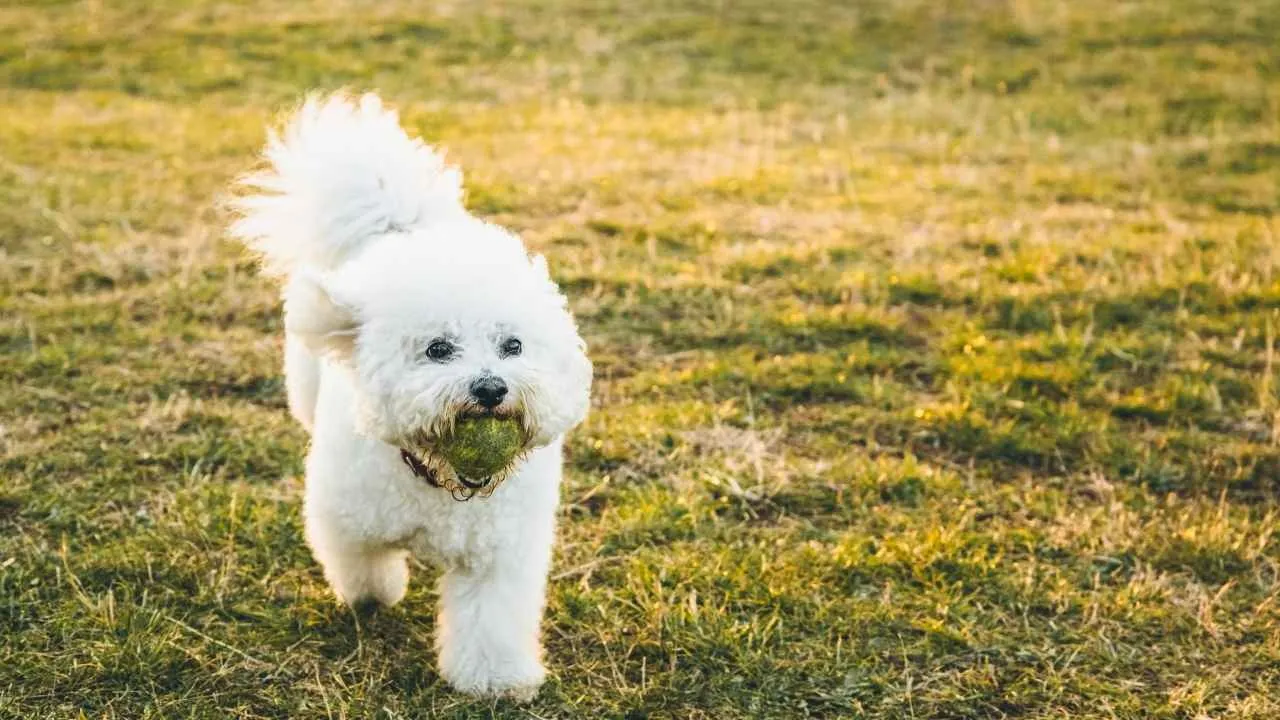
Few breeds radiate joy quite like the Bichon Frise. With their bright dark eyes and fluffy white coats, they almost look designed to make people smile. Originating in the Mediterranean region and popularized in France and Spain, Bichons were companion dogs for sailors and nobility alike.
While they are often considered lap dogs, they are far from lazy. They thrive on interactive play, enjoying fetch games, agility exercises, and brisk daily walks. Their moderate activity needs make them suitable for both apartment dwellers and suburban households. The Royal Kennel Club mentions that a 30–45-minute walk, combined with indoor play, usually keeps them satisfied.
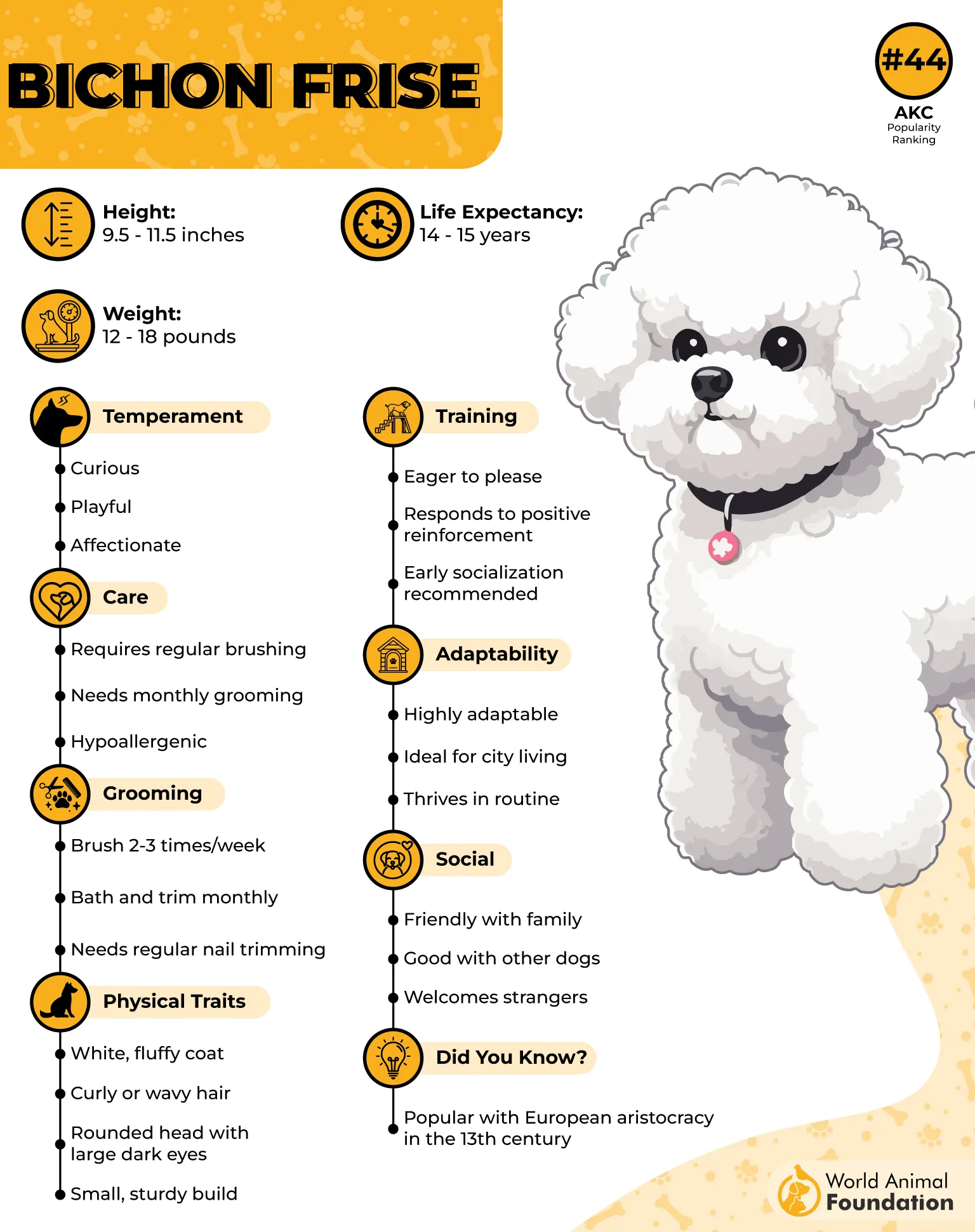
One of the most attractive qualities of the Bichon Frise is its adaptability. They are known for getting along well with children and other pets when properly introduced. Their social temperament makes them excellent companions for families who enjoy frequent outings and gatherings.
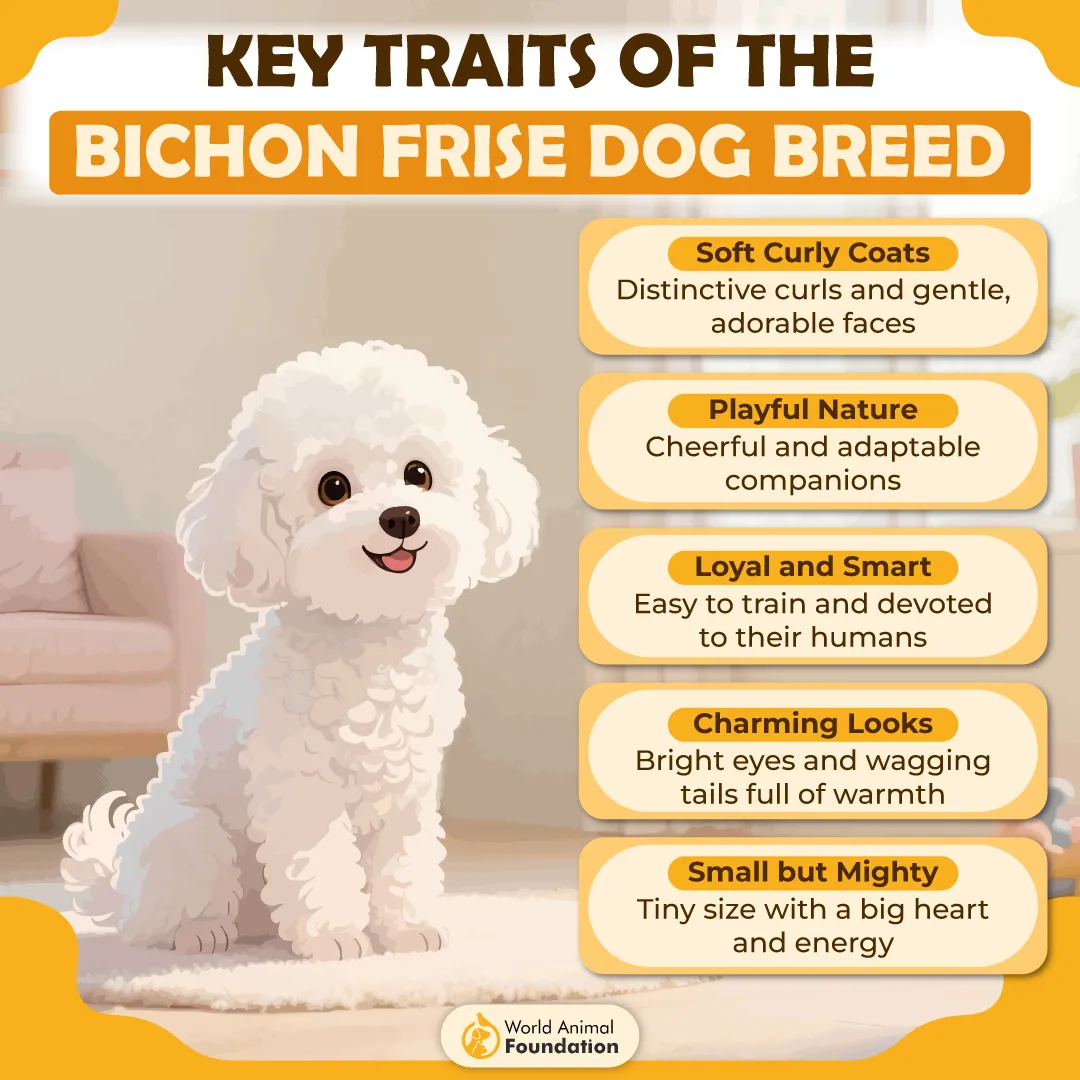
Grooming, however, is a serious commitment. The Bichon’s hypoallergenic-type coat requires brushing several times a week and professional grooming roughly every month. Without proper maintenance, their soft curls can mat easily.
The Bichon Frise proves that adventure doesn’t always require high intensity. Sometimes, playful curiosity, affectionate companionship, and an upbeat personality are all you need to turn everyday activities into joyful experiences.
3. Jack Russell Terrier
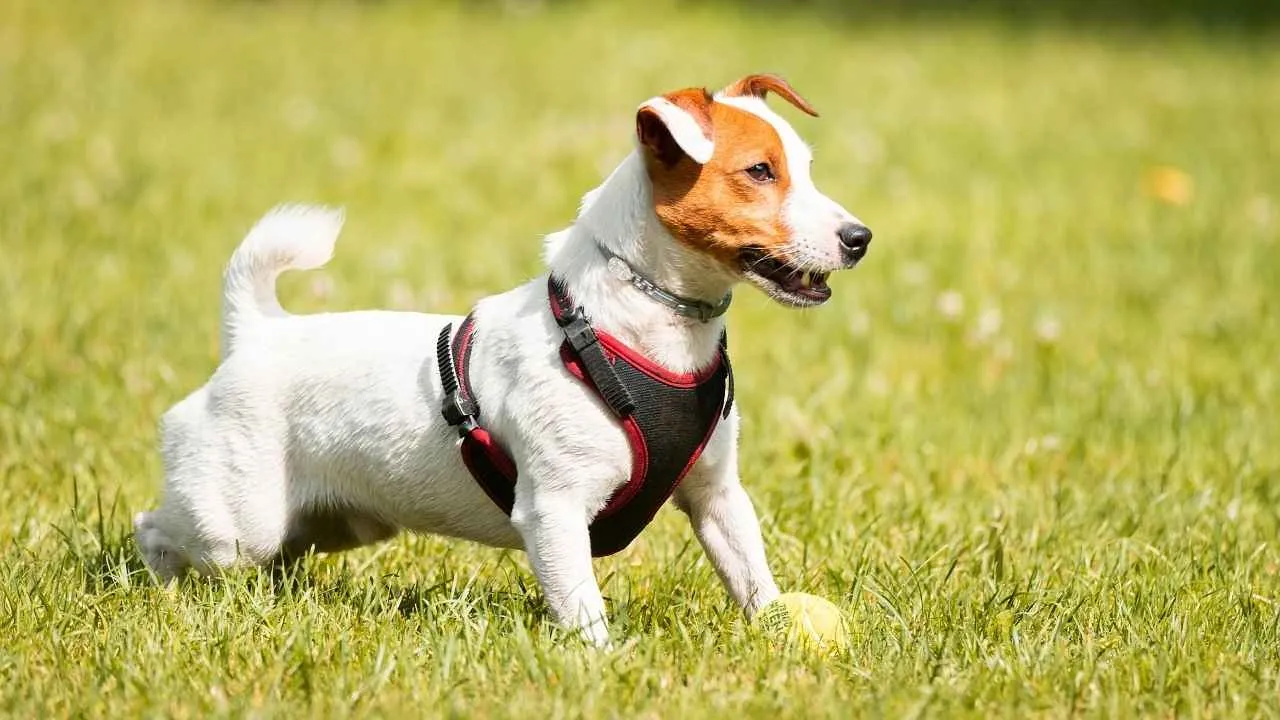
If enthusiasm had a physical form, it might resemble the Jack Russell Terrier. They are quick, agile, and intensely driven — a combination that makes them both thrilling and challenging companions.
They are natural athletes, says Britannica. They excel in agility, flyball, earthdog trials, and obedience competitions. Their speed and jumping ability are remarkable for their size, often clearing obstacles that catch unsuspecting owners off guard. A simple walk around the block is rarely sufficient for this breed; they require vigorous daily activity.
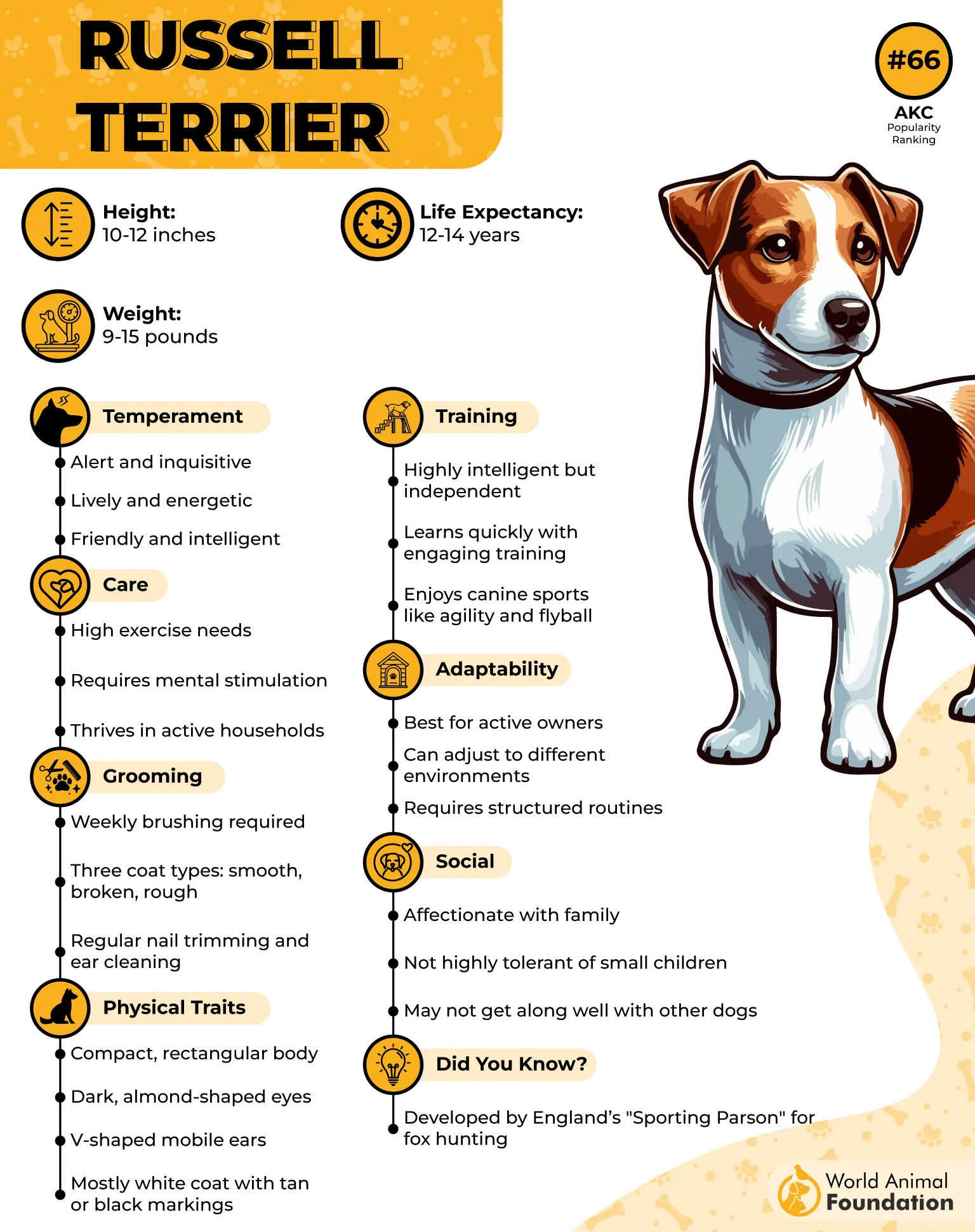
Mental stimulation is equally important. Jack Russells are exceptionally intelligent, but that intelligence can manifest as mischief if not properly channeled. Puzzle toys, advanced training exercises, and structured games help prevent boredom-related behaviors. Without these outlets, they may dig, bark excessively, or attempt escape artistry.
Training must be consistent and confident. They respond well to firm but fair leadership and positive reinforcement. Early socialization helps manage their natural prey drive and assertiveness with other animals. While loving their families, they may not always tolerate rough handling from very young children.
4. Boston Terrier
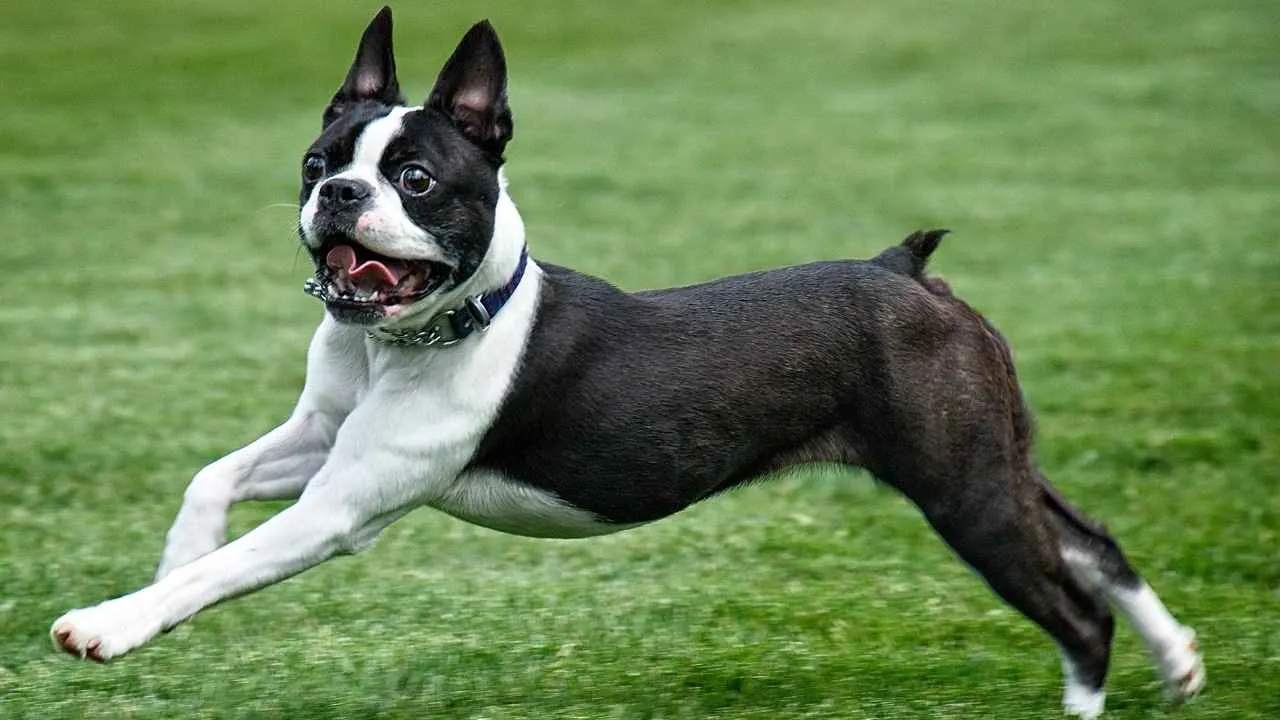
The Boston Terrier, affectionately nicknamed the “American Gentleman,” combines playful energy with polished charm. Their tuxedo-like markings and expressive eyes give them an unmistakable personality before they even move.
While they may not be marathon runners, Boston Terriers absolutely enjoy active play. A daily routine that includes brisk walks, fetch, tug-of-war, or backyard zoomies keeps them happy and healthy. Because they are a brachycephalic (short-nosed) breed, owners must be mindful of extreme heat and overexertion.
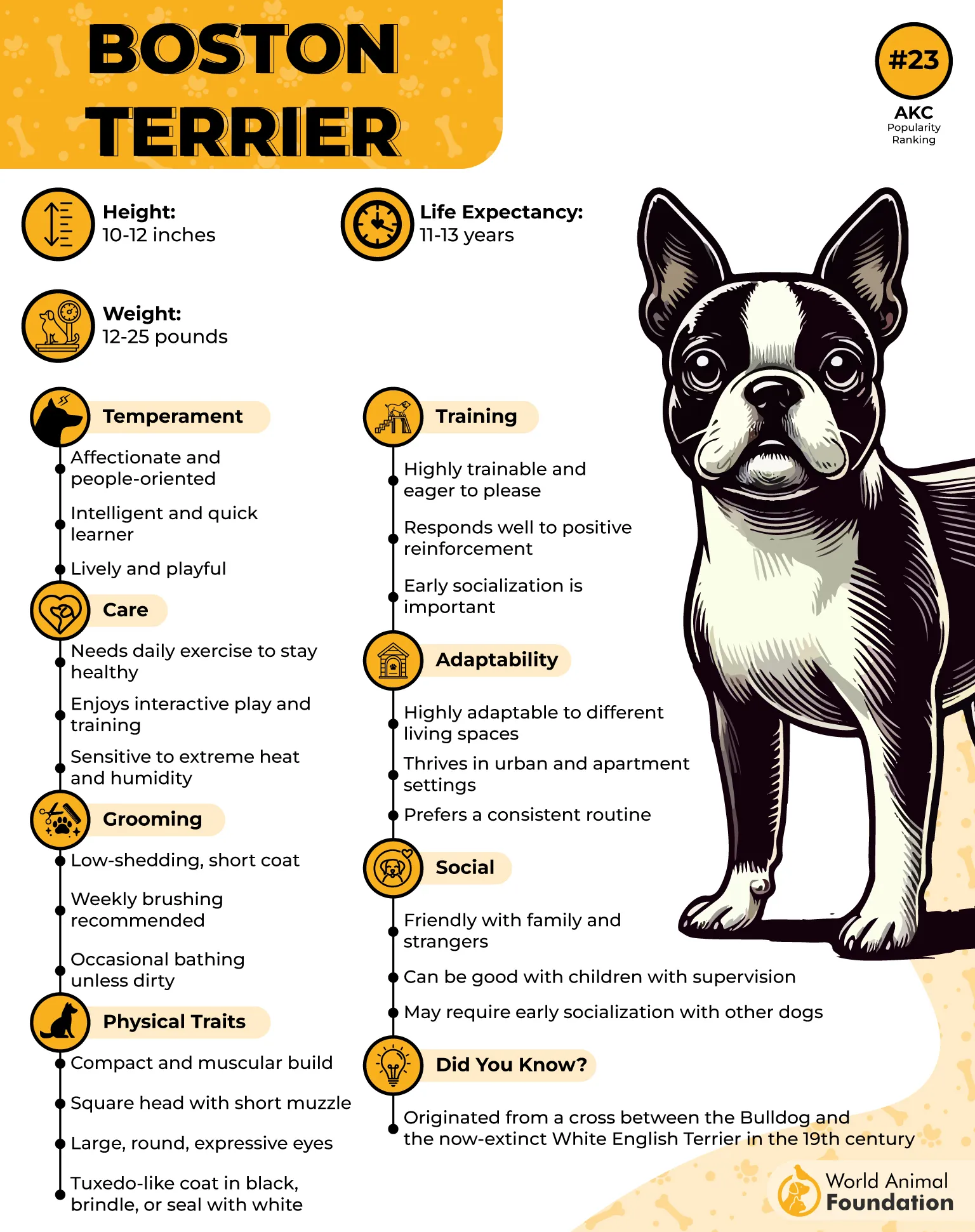
Boston Terriers are highly social dogs that thrive in family environments. They tend to bond closely with their humans and often want to be involved in everything happening around them. Their playful antics make them excellent companions for children, provided interactions are respectful.
Many Boston owners describe them as having a sense of humor — they genuinely seem to enjoy entertaining their people.
If you want a little dog that blends liveliness with loyalty — and who looks like they’re permanently dressed for a formal event — the Boston Terrier offers spirited adventure in a charming, manageable package.
5. Papillon
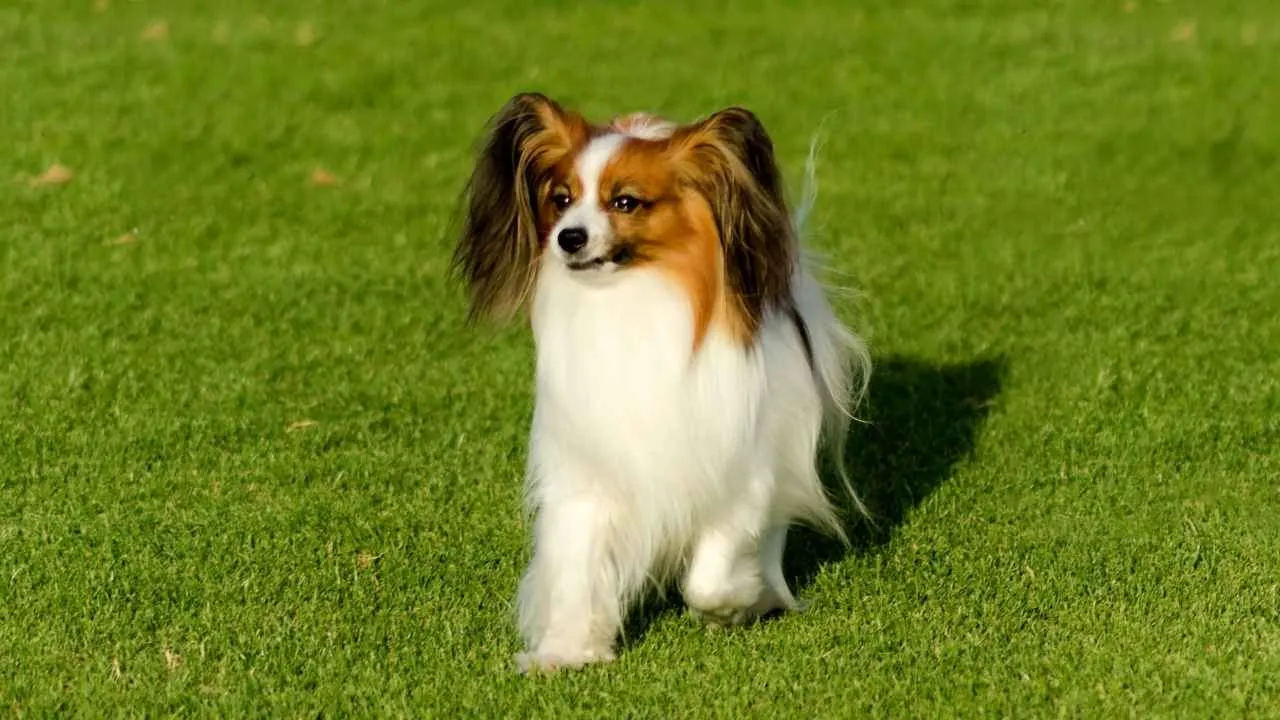
The Papillon is living proof that size does not dictate capability. The name “Papillon,” meaning butterfly in French, refers to their distinctive upright ears that resemble delicate wings. But behind that graceful appearance lies a sharp mind and a surprisingly athletic frame.
They consistently excel in agility competitions despite their tiny stature. Their quick reflexes, balance, and enthusiasm for learning make them standout performers in dog sports. In fact, they are frequently ranked among the top toy breeds for obedience and agility titles.
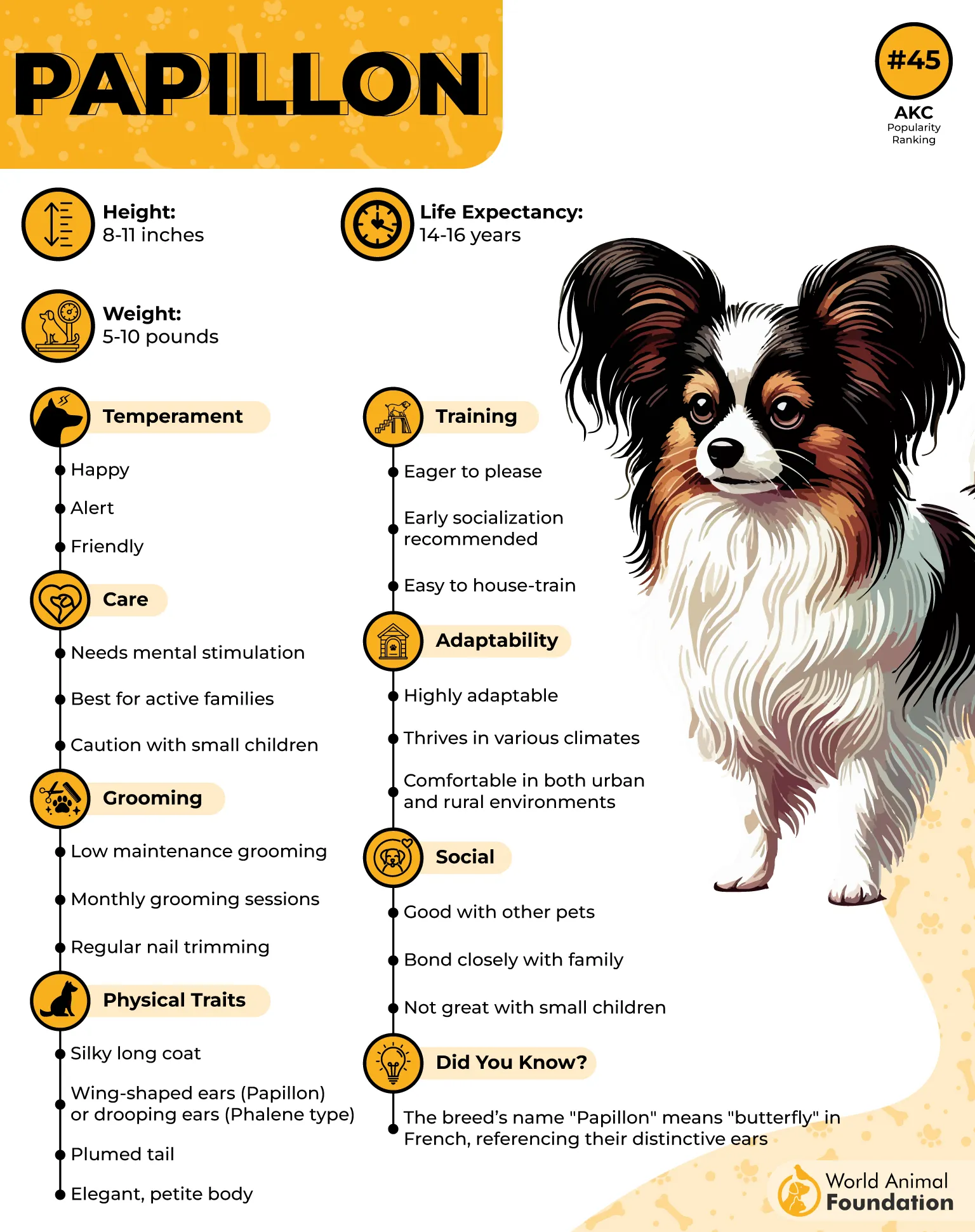
Beyond sports, PetMD says they are affectionate and alert companions. They tend to form strong bonds with their families, lead active lifestyles, and enjoy being part of daily routines. Their moderate energy level means they appreciate walks and play sessions, but they are equally happy cuddling afterward.
That balance makes them adaptable to both apartments and houses.
Training this dog is often rewarding. They grasp new commands quickly and enjoy mental stimulation. However, because they are so intelligent, they can become manipulative if given control over situations. Structured, consistent guidance keeps their intelligence working for you rather than against you.
6. Toy Fox Terrier
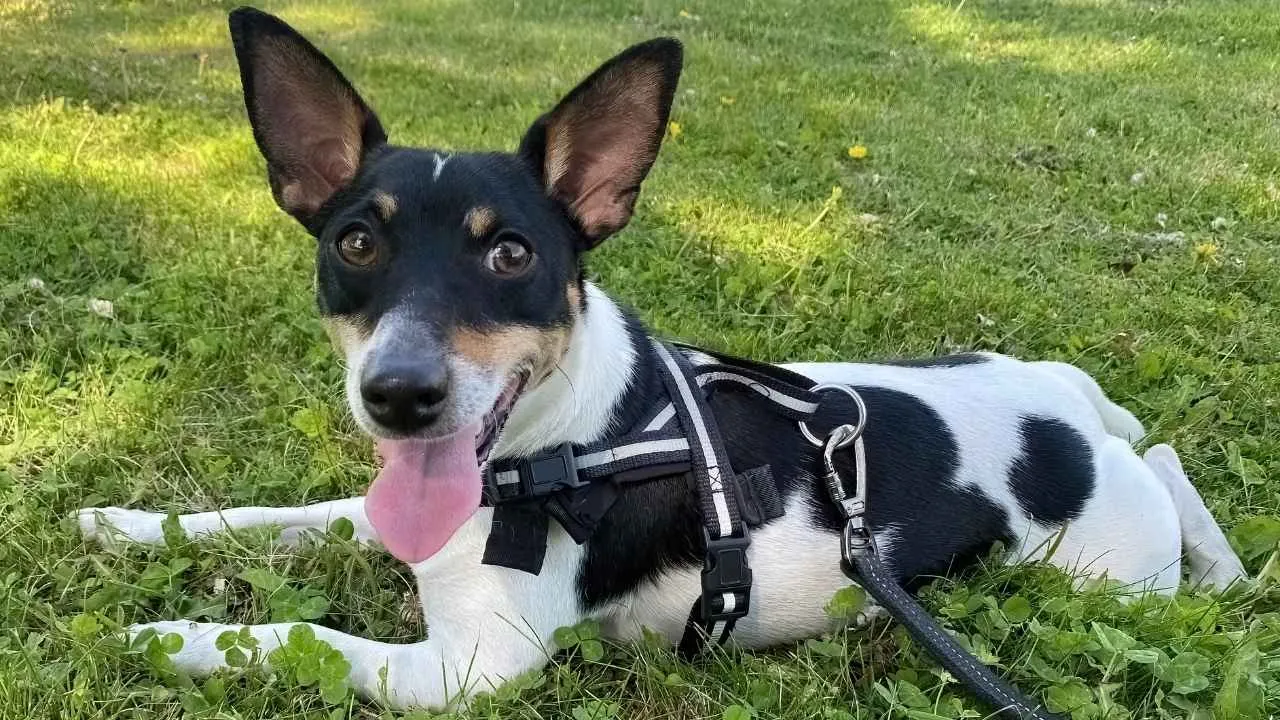
The Toy Fox Terrier may be small, but it carries a big personality and bold confidence. Developed in the United States in the early 20th century, this breed was created by downsizing Smooth Fox Terriers while preserving their lively spirit. The result is a compact, alert companion that thrives on activity and attention.
Orvis says Toy Fox Terriers are energetic and agile, enjoying interactive games that challenge both body and mind. Short bursts of play, fetch, and trick training sessions keep them engaged. They do not require excessive exercise, but they do require stimulation.
Without it, their intelligence may manifest in mischievous ways.
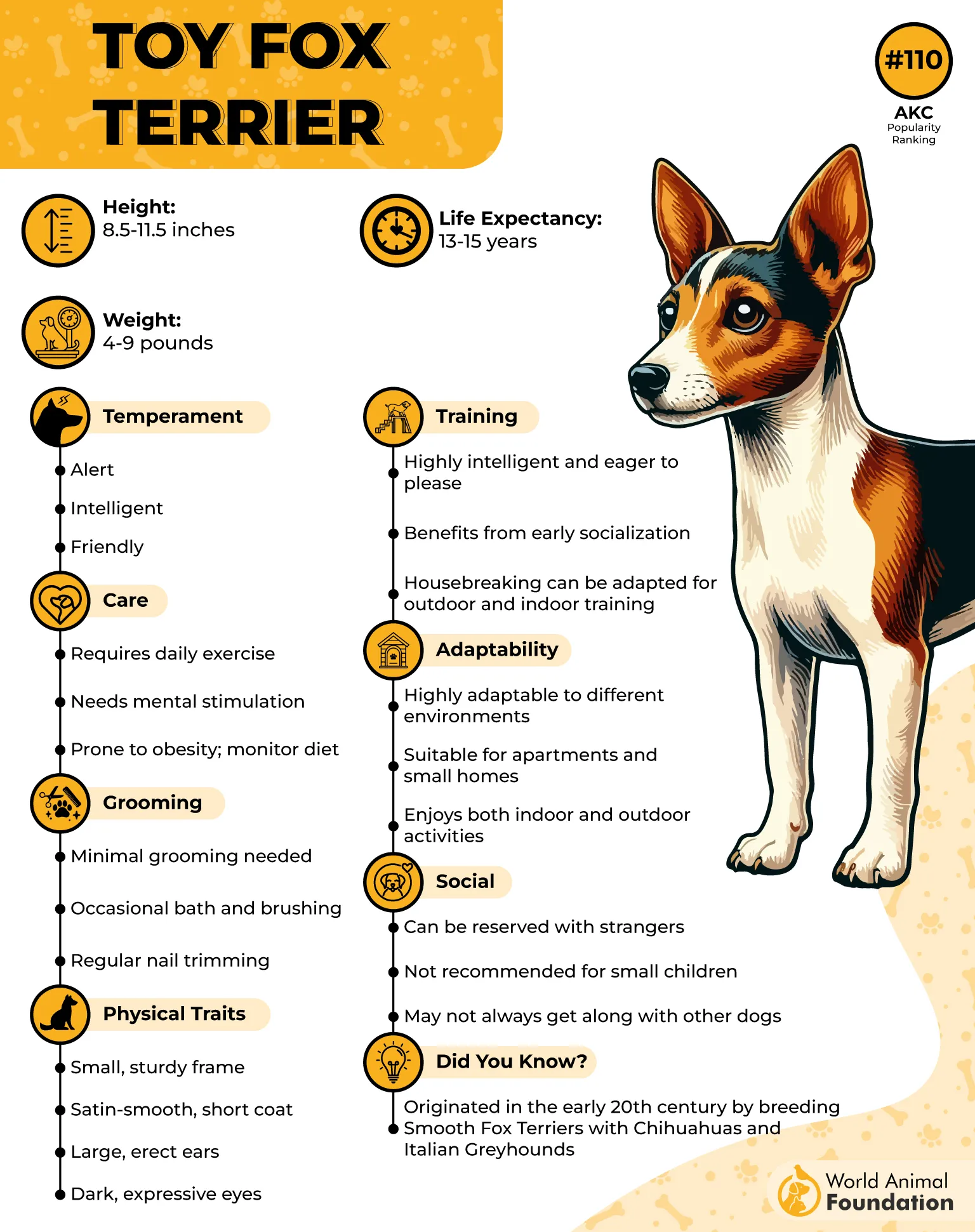
Toy Fox Terriers bond intensely with their primary person and often prefer to stay close. This “Velcro dog” tendency makes them affectionate companions who enjoy travel and outings.
They’re happiest when included in family adventures.
They respond well to positive reinforcement and love learning tricks that allow them to show off. Early socialization helps ensure they remain confident and friendly around strangers.
7. Yorkshire Terrier
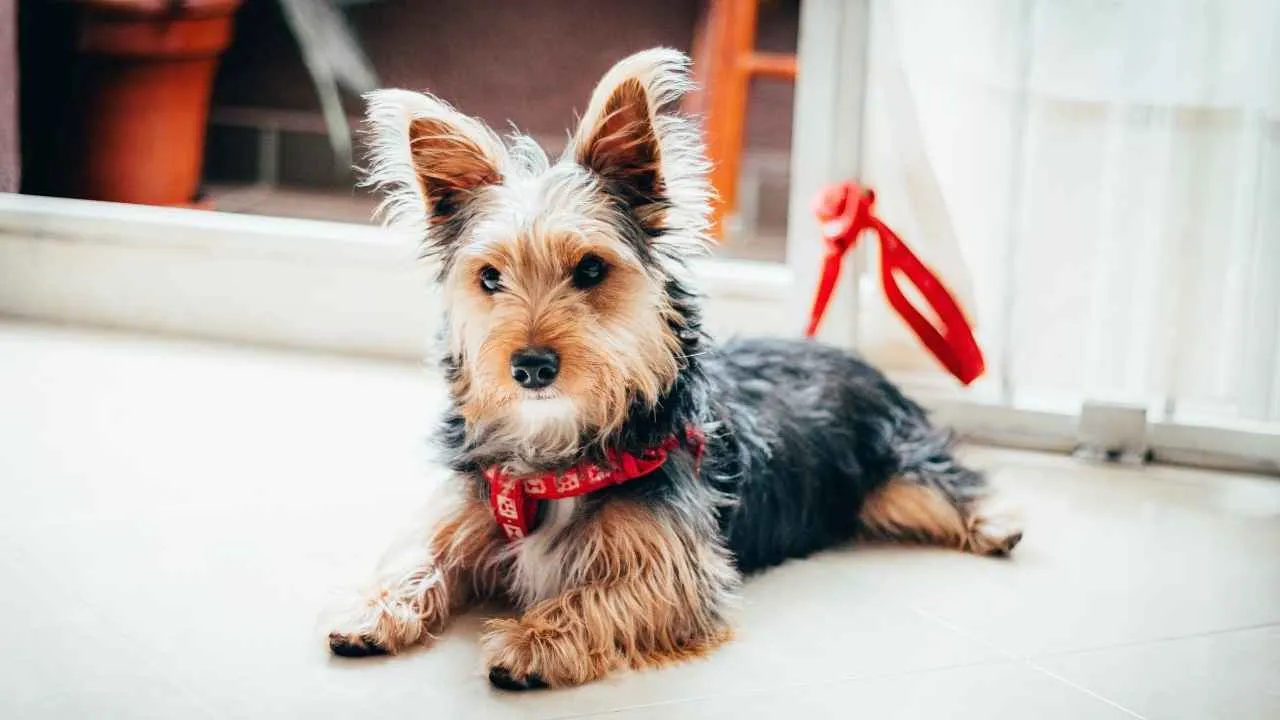
The Yorkshire Terrier, or Yorkie, began its journey not as a pampered lap dog but as a determined rat hunter in England’s textile mills. These dogs were originally bred to chase vermin in tight industrial spaces. That fearless working history still pulses beneath their silky, glamorous coats.
Yorkies are spirited and surprisingly brave for their size. They enjoy walks, interactive play, and exploring new environments with their people.
While they may not need intense exercise, they do appreciate daily stimulation and structured activity. Mental engagement is just as important as physical movement.
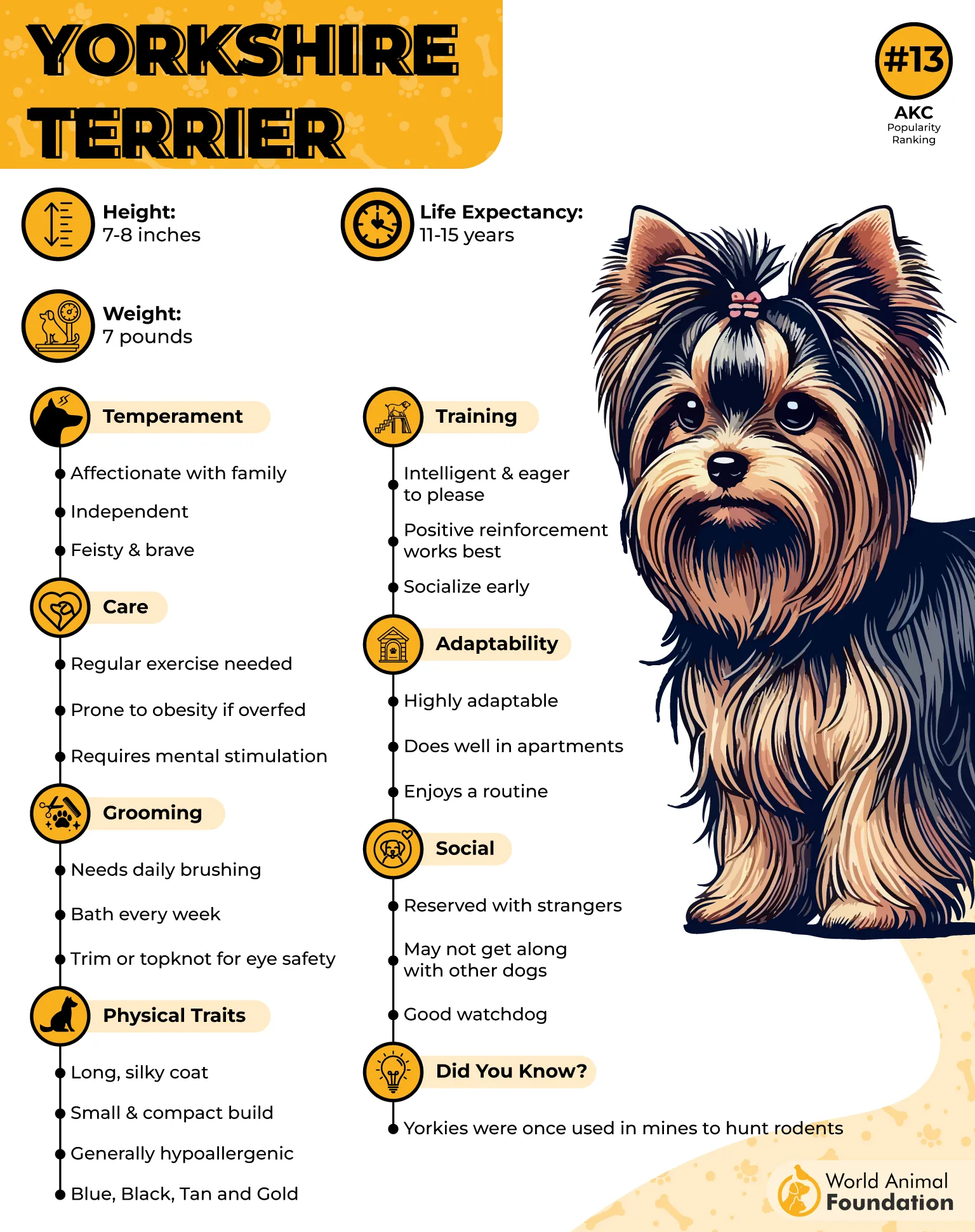
Their long, flowing coat requires consistent grooming to prevent tangles and mats. Many owners opt for shorter “puppy cuts” for easier maintenance. Despite their polished appearance, Yorkies are resilient and adaptable, thriving in both apartments and larger homes.
These intelligent dogs are independent, and they may develop selective hearing if boundaries aren’t clear. Early socialization and consistent positive reinforcement are essential to prevent excessive barking.
8. Poodle (Toy & Miniature)
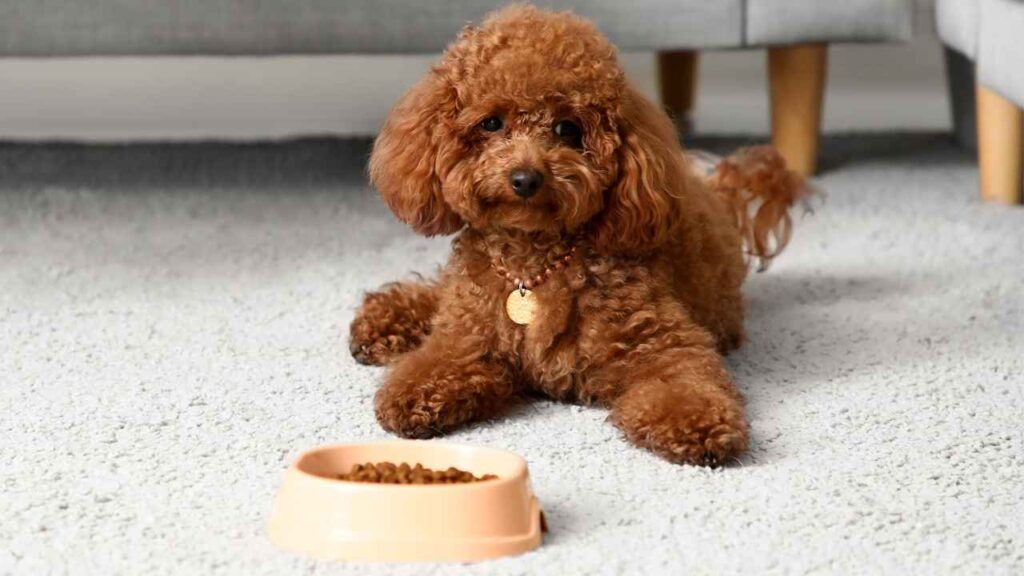
Few small breeds combine intelligence, athleticism, and elegance quite like the Poodle. Regardless of size, they consistently rank among the smartest dogs in the world. Their reputation for intelligence is well-earned and widely documented.
Initially bred as water retrievers in Germany and later refined in France, Poodles possess strong working instincts and provide phenomenal human companionship. They excel in obedience, agility, and advanced trick training. Their ability to learn quickly makes them ideal companions for active households that value mental engagement.
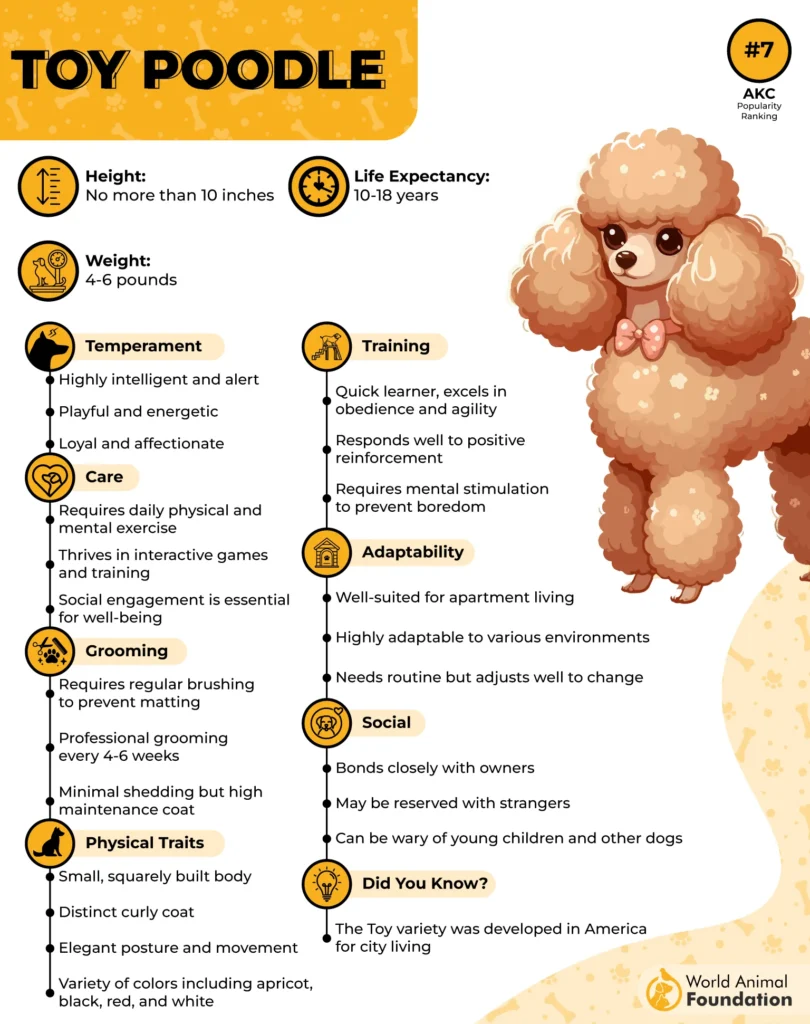
Exercise needs vary slightly by size, but both Toy and Miniature Poodles benefit from daily walks and interactive play. These family dogs are adaptable to apartment life as long as they receive adequate stimulation.
Their versatility makes them excellent travel companions and family pets.
The Poodle’s curly coat is low-shedding, which appeals to many households sensitive to allergies. However, grooming is essential, typically every 4–8 weeks, to prevent matting. Coat maintenance is the trade-off for their hypoallergenic qualities.
9. Border Terrier
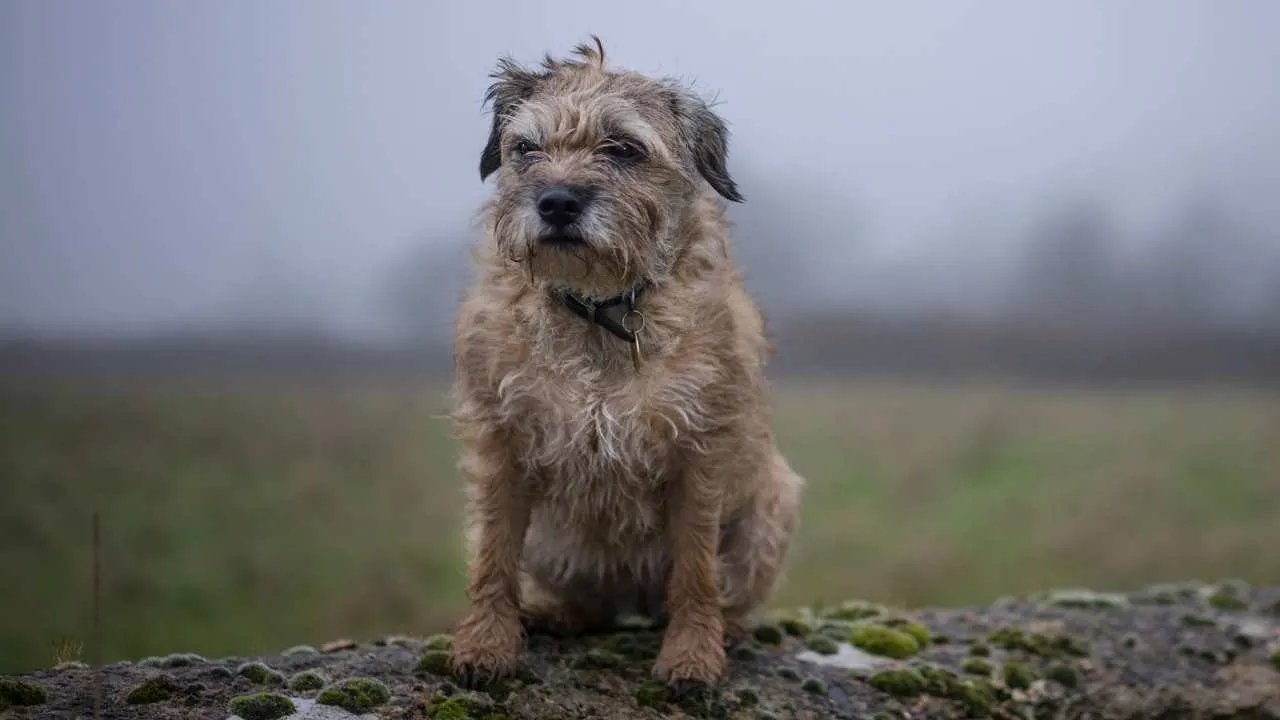
The Border Terrier may look scruffy and unassuming, but don’t underestimate this hardy little explorer. Developed along the border of England and Scotland, this breed was originally used to hunt foxes in rugged terrain.
They are known for their balanced temperament — energetic without being hyperactive. Daily walks, moderate hikes, and interactive games suit them perfectly. They possess enough stamina for outdoor adventures while remaining manageable indoors.
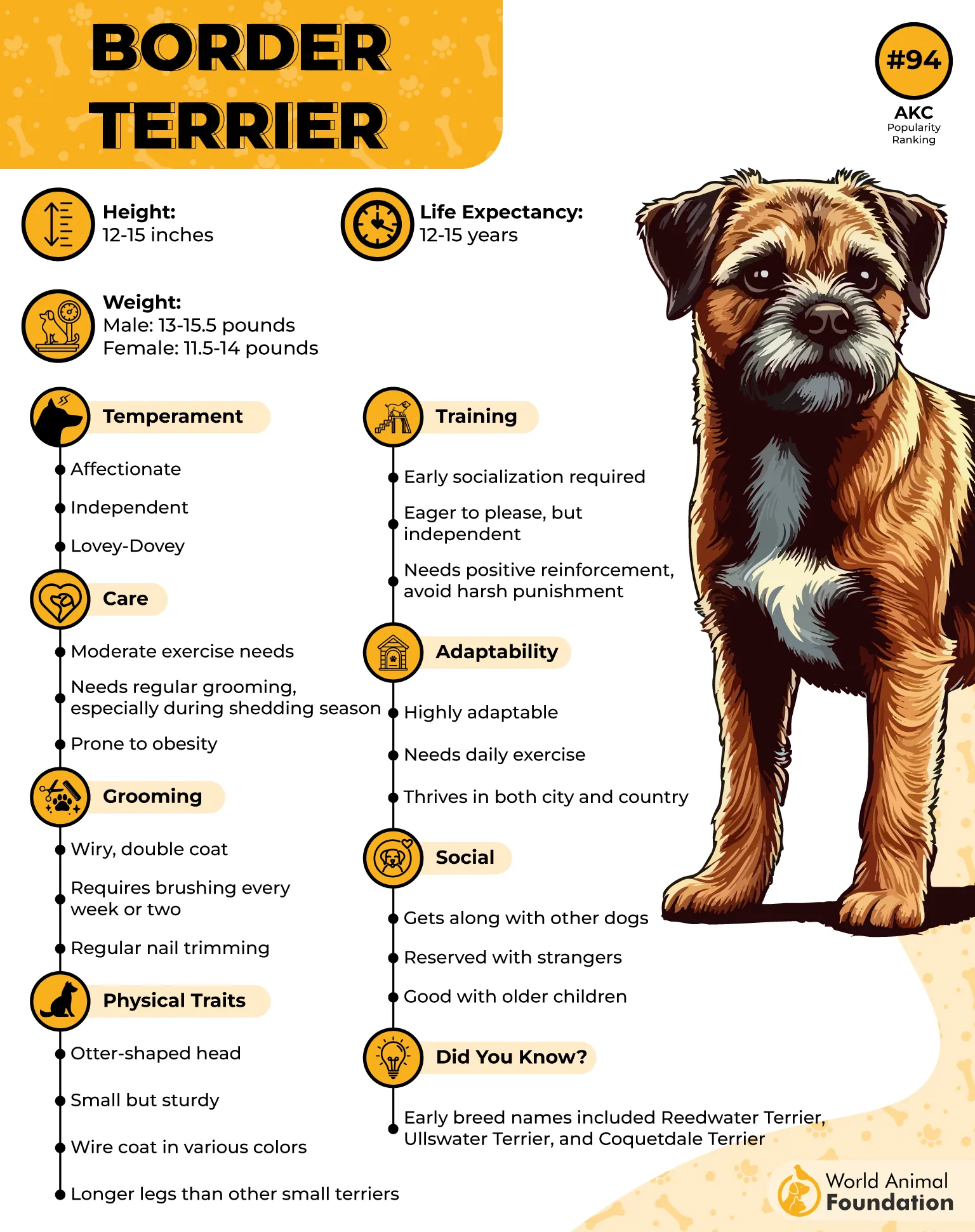
Border Terriers are friendly and generally good with children when properly socialized. Their adaptable nature allows them to thrive in both city apartments and rural homes. They are less prone to excessive barking compared to many terriers.
Their wiry coat requires occasional hand-stripping to maintain texture, though grooming demands are moderate overall. Regular brushing helps manage shedding.
If you’re looking for a playful companion that blends terrier toughness with family-friendly warmth, the Border Terrier is a quietly confident adventurer.
Conclusion
Small dogs may be compact in size, but they are anything but small in spirit. From the fearless Jack Russell to the brainy Papillon and the adaptable Boston Terrier, each breed on this list offers a distinct flavor of playful adventure. Some bring athletic intensity, others bring cheerful companionship, but all bring enthusiasm to everyday life.
Choosing the right small dog means understanding your own lifestyle. Do you want high-speed agility? Moderate daily walks? A Velcro companion for travel? Grooming commitment and energy levels should factor into your decision just as much as appearance.
In the end, adventure isn’t defined by size — it’s defined by spirit. And these nine small breeds prove that sometimes the biggest joy comes in the smallest packages.
