




Who does not love a dog that lives longer and becomes a long-term companion?
Choosing a dog is a long-term commitment, and for many people, longevity matters as much as temperament, size, and looks. While no dog can be guaranteed a certain lifespan, research and veterinary data show that some breeds live longer than others.
Understanding which dog breeds tend to enjoy longer, healthier lives can help future owners make a thoughtful decision.
A dog’s life span is influenced by a mix of genetics, size, and overall health predispositions. In general, small and medium-sized dogs often outlive larger breeds as they go through some age-related ailments.
However, size alone does not tell the whole story. Responsible breeding, low incidence of inherited diseases, and adaptable lifestyles also play a crucial role in how long a dog may live.
A longer lifespan means shared experiences, deeper bonds, and years of loyalty.
This article will explore the longest living dogs and highlight why they make excellent choices for individuals and families seeking a lasting bond.
Dog Breeds with the Longest Lifespans: The Best Choices
1. Pomeranian

Pomeranian is a tiny, tricolor dog breed with a compact body, a thick, double coat, a distinctive plumed tail that curls over the back, and a fox-like face with bright eyes. It originated from the Pomerania region of Central Europe as a working, herding, and guarding dog.
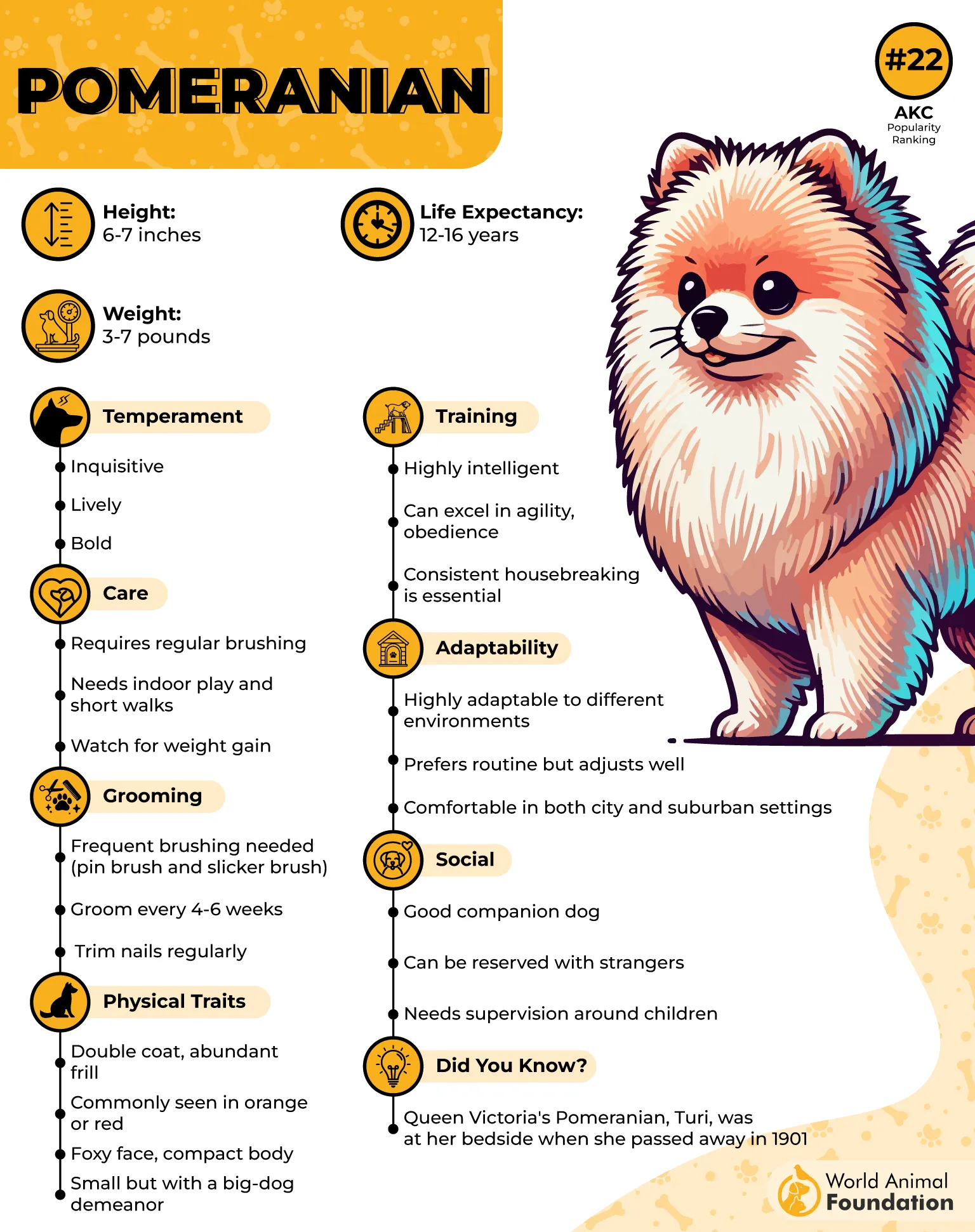
This furry friend is lively, curious, and forms strong bonds with its owners. Pom is among the dog breeds that live longer, between 12 and 16 years. As a toy breed, it places significantly less strain on its bones, joints, and vital organs.
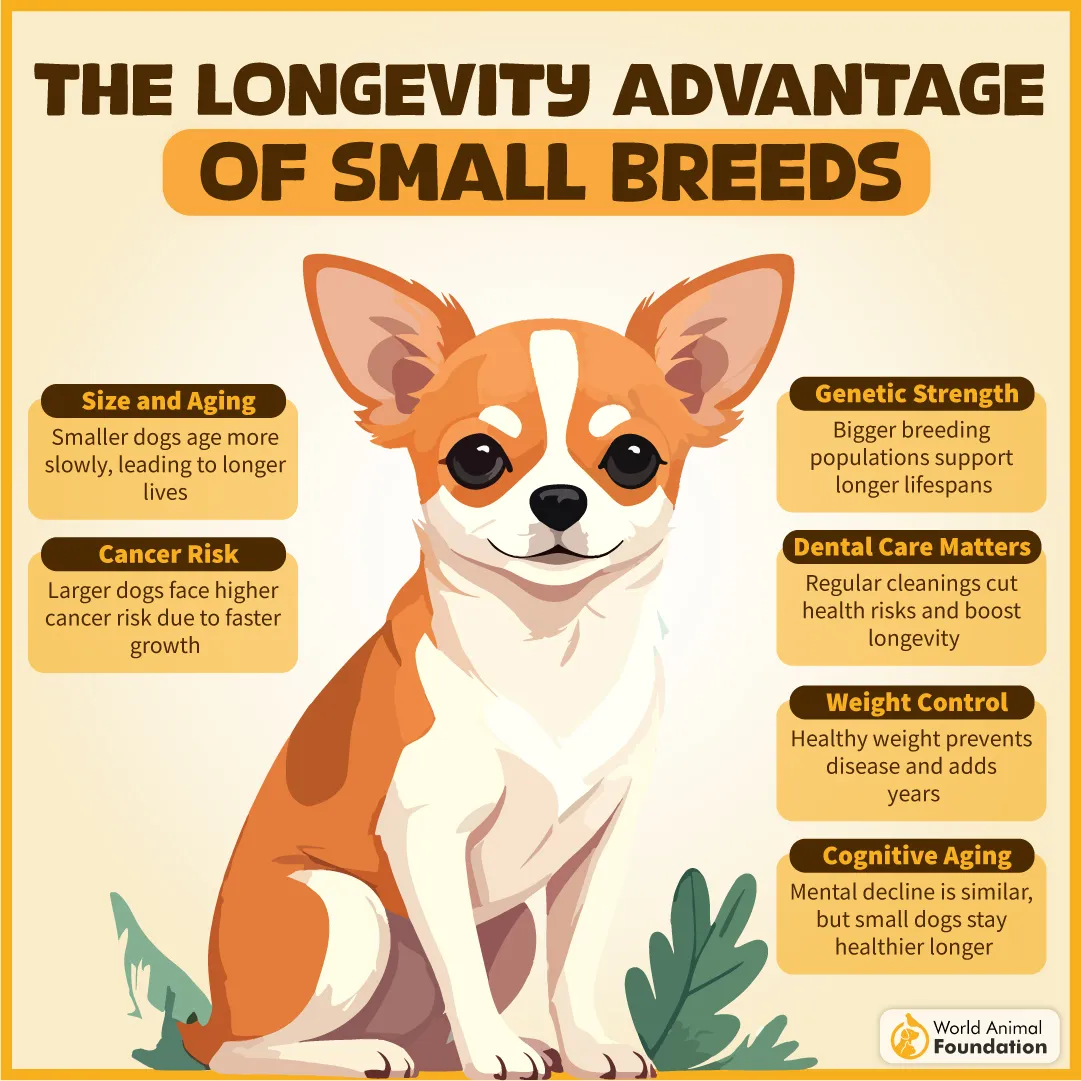
Being a smaller dog, it ages slowly, and it reduces the physical stress, lowering the risk of many life-shortening conditions such as heart disease and joint degeneration.
But it is prone to dental diseases, and its thick coat demands regular grooming to prevent matting. Moreover, it can be an excessive barker if not trained well.
2. Maltese
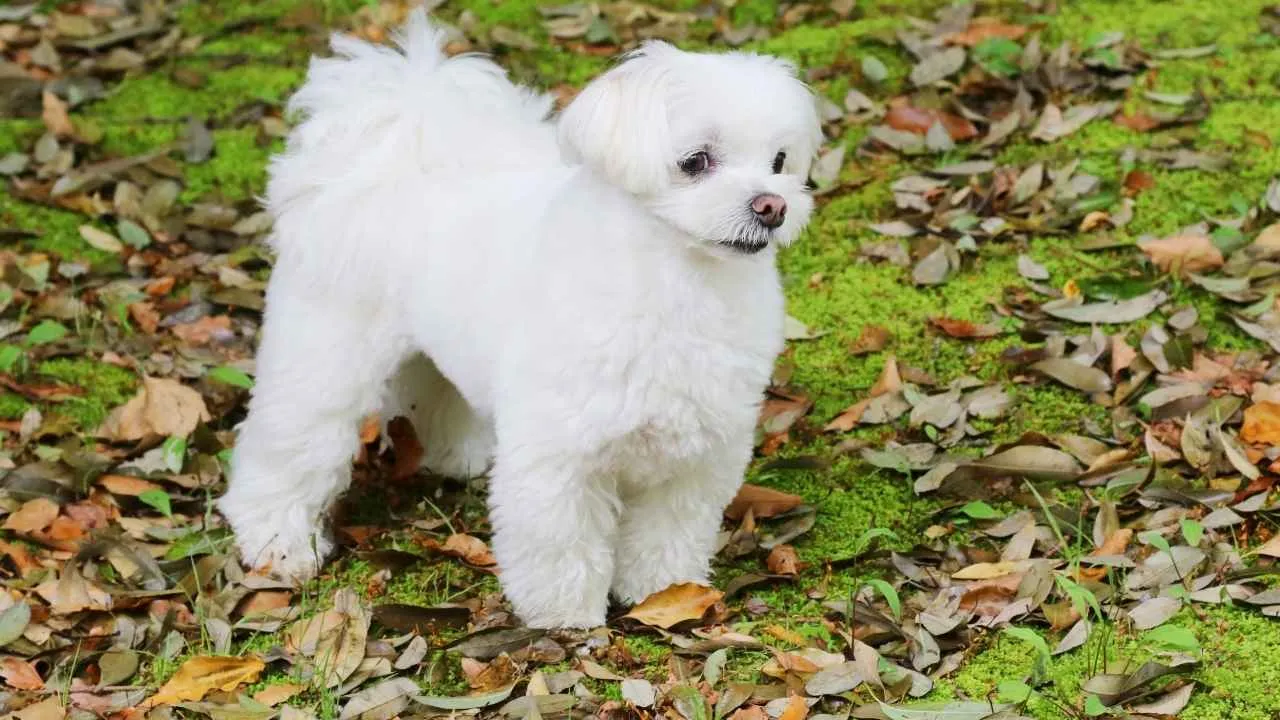
Maltese is a smaller dog breed with a fine-boned dog, a long, white, silky coat, and dark, expressive eyes. It was bred in the Central Mediterranean region exclusively as a companion dog. It has a gentle and people-oriented temperament.
According to the American Kennel Club, it is an extremely alert dog and makes a good watchdog.
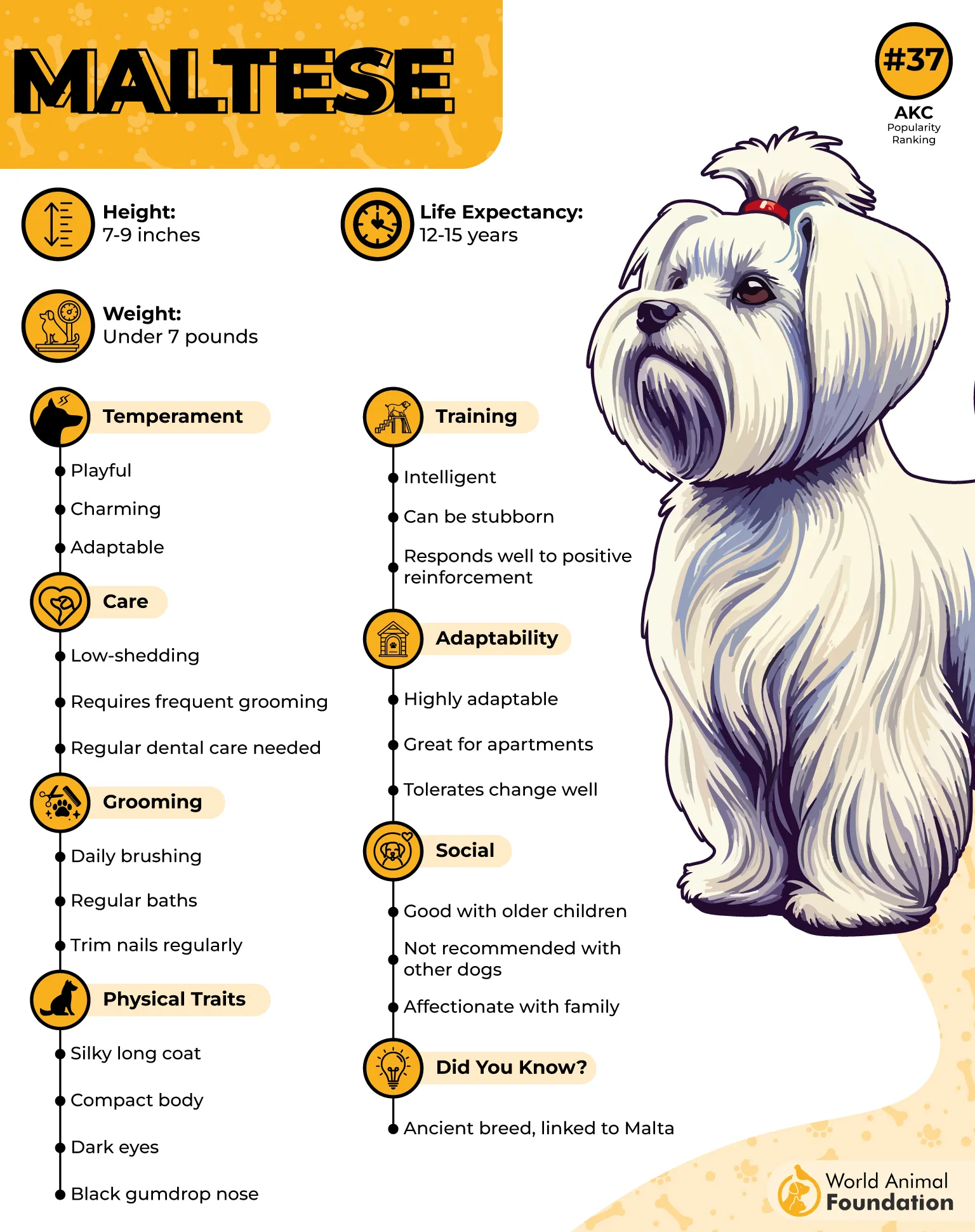
It is an affectionate, extremely loyal, highly social dog and a great family pet. It undoubtedly ranks among the longest living breeds with an average life expectancy of 12-15 years. Its small size plays a major role in a dog’s life as it places minimum stress on the heart and is also less prone to severe orthopaedic issues.
Additionally, its single-layer coat reduces the risk of skin infections and overheating, contributing to overall physical resilience. Further, it does not require intense exercise and is less likely to suffer injuries. But it may develop separation anxiety if left alone for longer periods.
3. Dachshund

Dachshund is a small to medium-sized German dog that is among the dog breeds with big ears, having a distinctive elongated body, short legs, muscular body, and strong chest. It was originally bred as a hunting dog due to its fearless nature and loud bark.
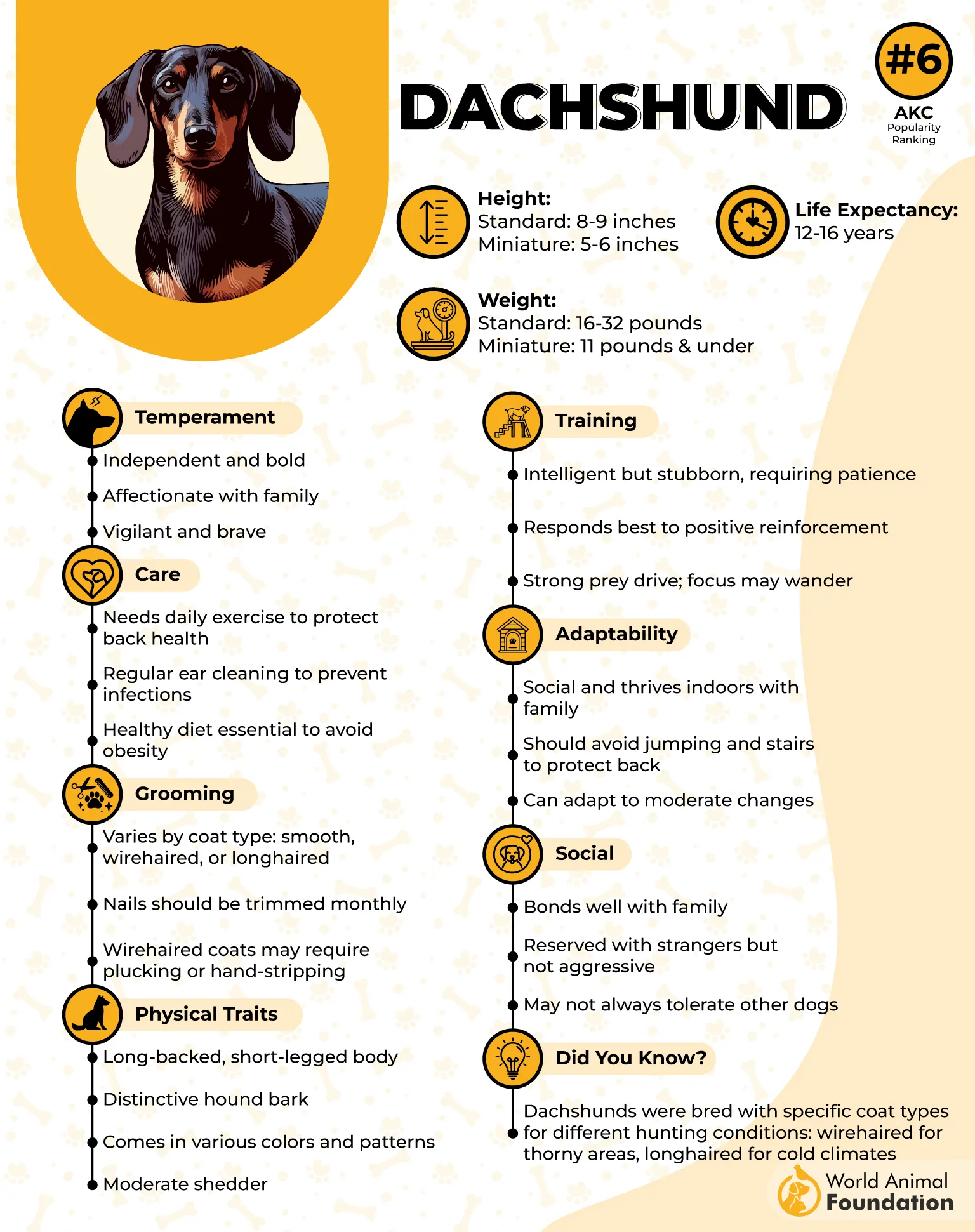
It is bold, curious, and has a big personality in a small frame. It is attached to the family. It is also well recognized as one of the longest living dog breeds with an average lifespan of 12-16 years.
Its genetics play a key role in its long lifespan. Moreover, it has been established for centuries with relatively stable bloodlines and a robust immune system.
Its active and moderate lifestyle further supports longevity, and it enjoys daily walks. But its biggest drawback is one of the major health issues, and that is its susceptibility to intervertebral disc disease. Obesity can also develop if a healthy weight is not managed with a balanced diet.
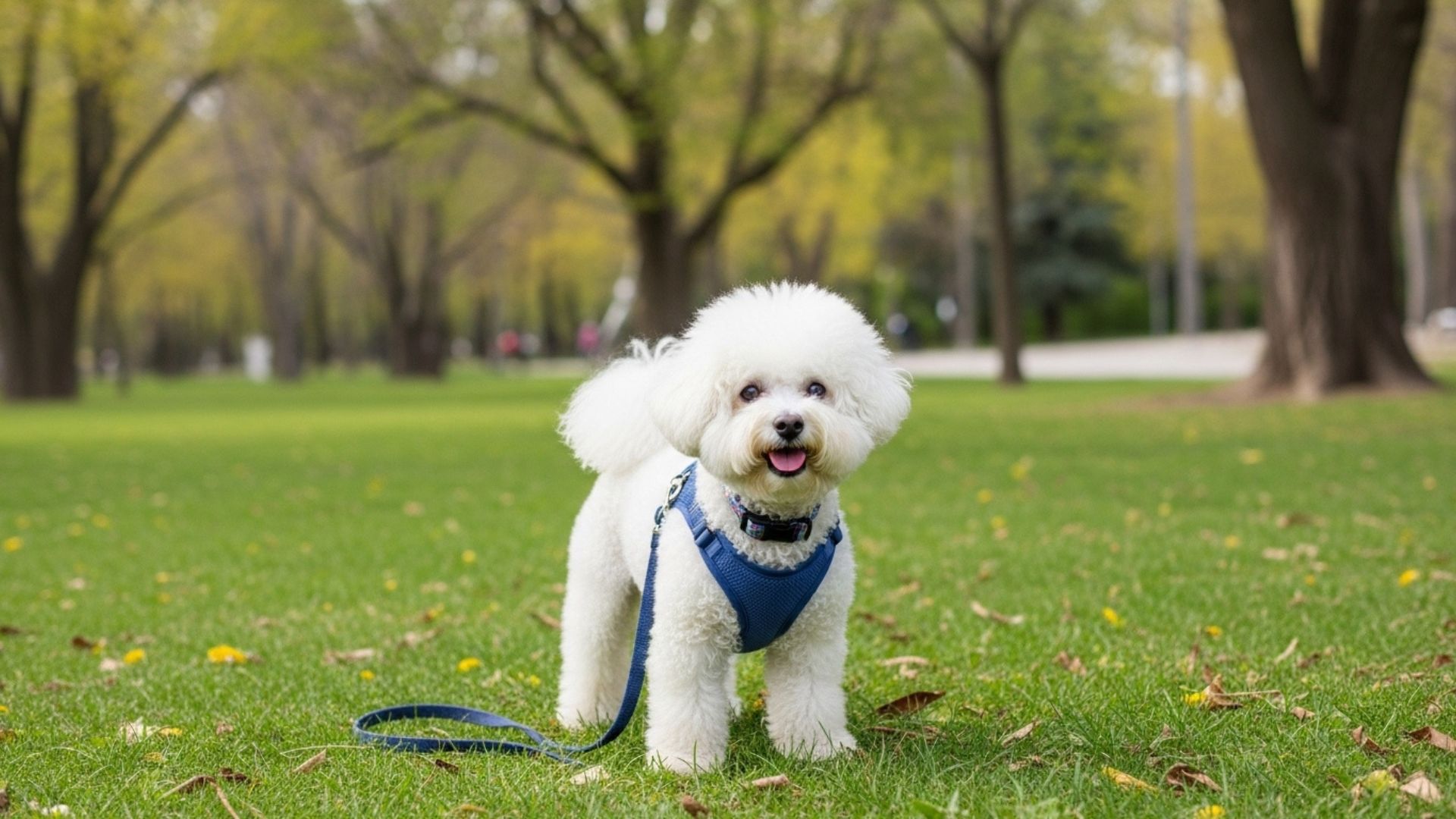
4. Bichon Frise
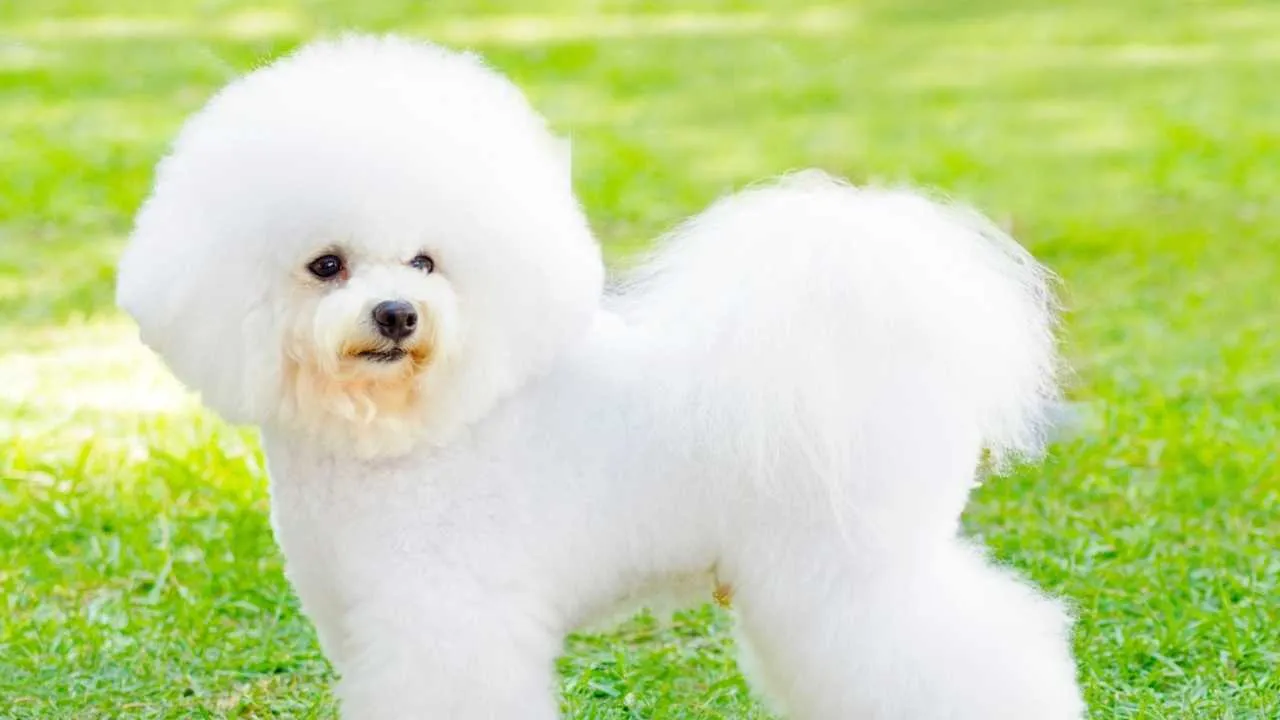
Bichon Frise is a little, sturdy dog with a soft, dense, curly, white coat and athletic body. It traces its roots to the Mediterranean region, where it was bred purely as a human companion. It is intelligent and eager to please.
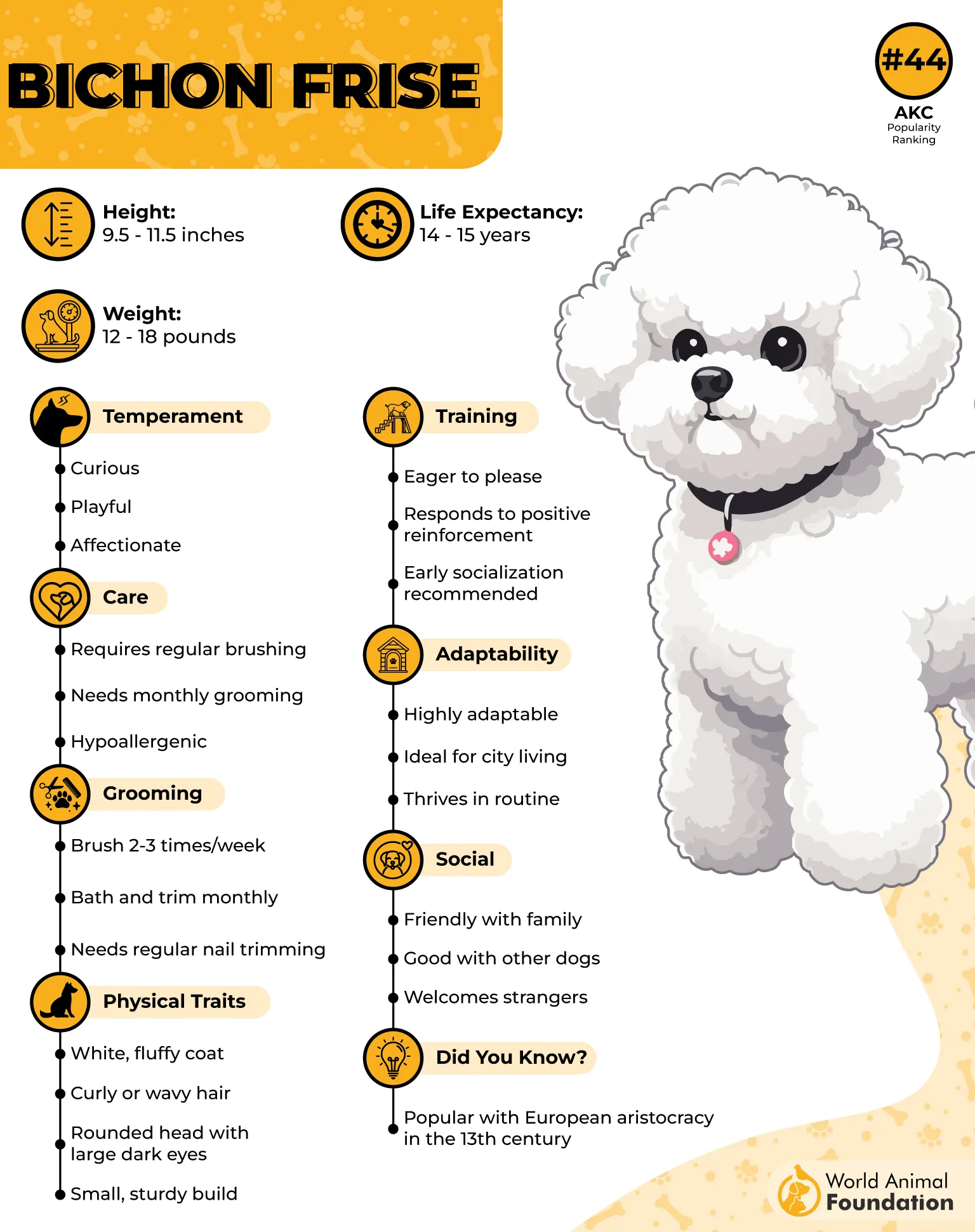
Bichon is cheerful, warm-hearted with pet parents, and highly social. Amazingly, this dog’s longevity ranges from 14 to 16 years. One major contributor to its longevity is its balanced and compact build. Further, genetically, this breed has a strong defence system and fewer life-threatening inherited diseases.
Another factor supporting its long lifespan is its strong bond with humans, which makes it easier to notice any health problems with it. Nonetheless, it is vulnerable to allergies, skin sensitivities, and dental issues.
5. Shih Tzu
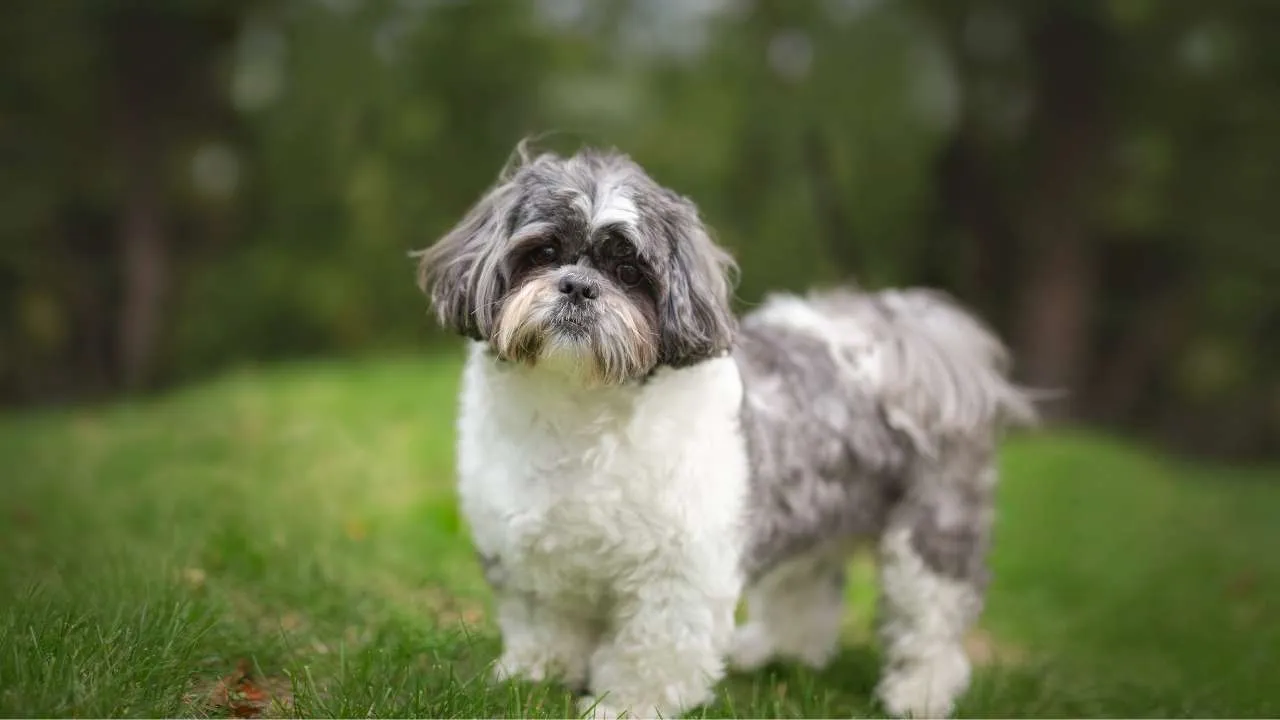
The Shih Tzu is a small breed of dog that hails from China with a short muzzle, large, round eyes, and a long, flowing double coat. It was solely bred as a companion dog and a beloved pet for Chinese emperors and nobility.
An interesting fact reported by Britannica is that its name also translates to “lion dog” due to its hairy face and often long, flowing coat.
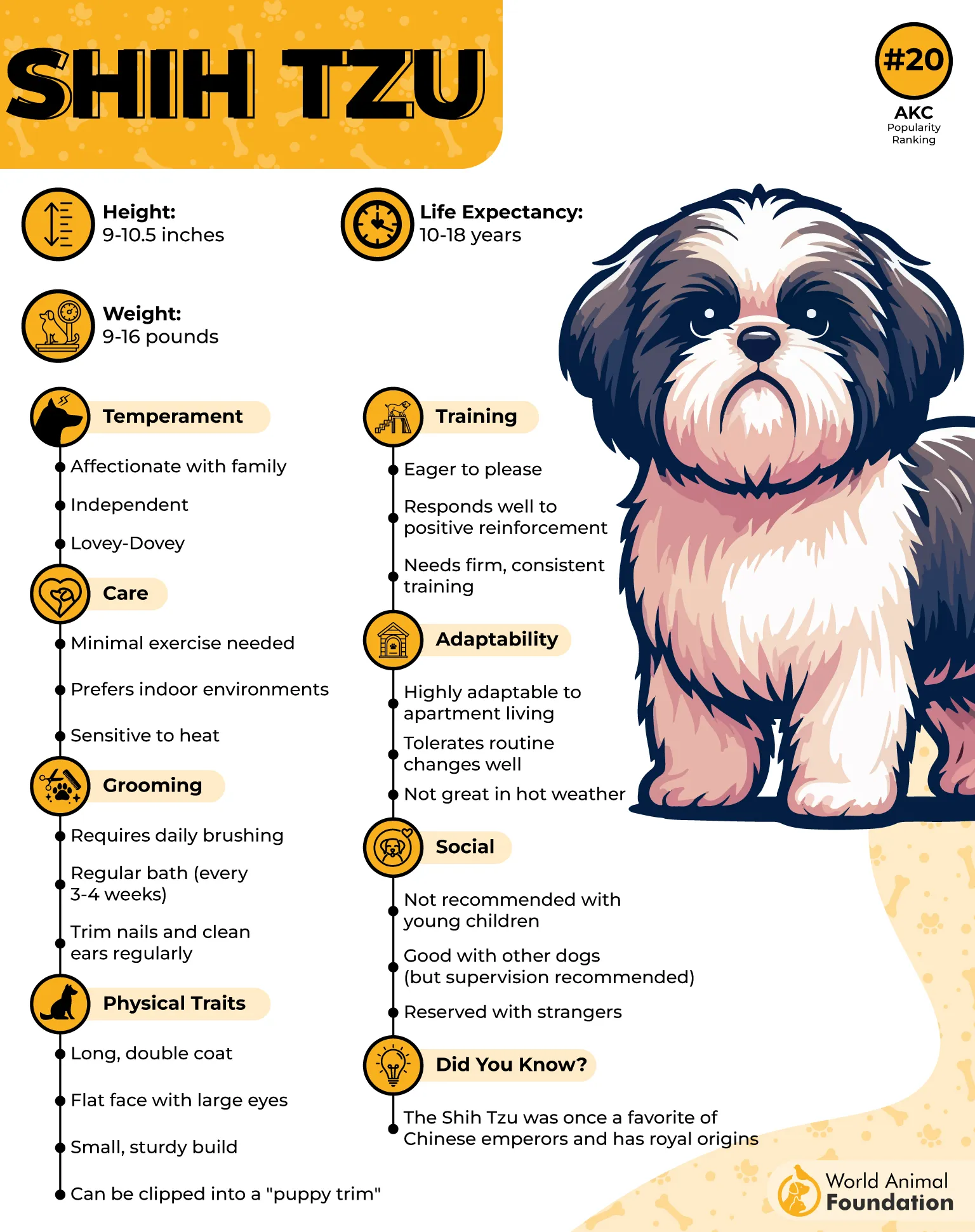
The Shih Tzu is an affectionate, amiable, outgoing canine companion that thrives on human interaction. It tends to live from 13 to 16 years, and many live even longer. It miraculously lives long due to its small but sturdy build, which reduces strain on joints and internal organs.
Its overall stature allows it to age more slowly and maintain mobility later in life.
It requires daily but light exercise to reduce the risk of injuries. But it can develop conditions like eye problems and dental issues, so dental cleanings and routine vet checkups are necessary. Besides, due to its flat face, it can lead to breathing difficulties.
6. Yorkshire Terrier

A Yorkie is a little dog with a long, flowing, silky coat that resembles human hair. It was developed in England as a vermin hunter. It is delicate, agile, and mentally sharp. Amazingly, it carries itself with confidence and is surprisingly brave for its size.
As stated by Royal Canin, it is a good watchdog and also known as a miniature lion.
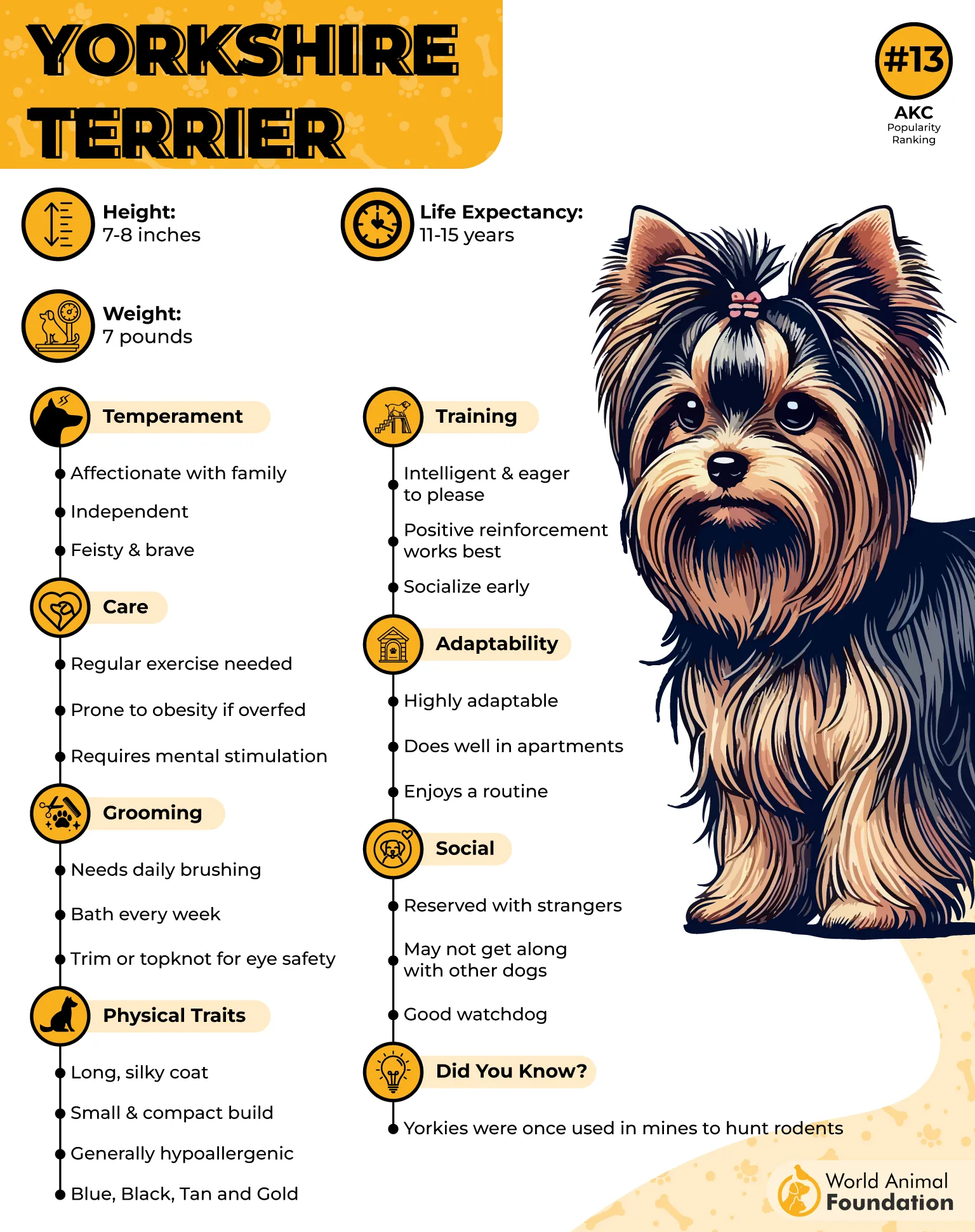
Yorkie is lovely, soft-hearted, and always devoted to its owners. It is renowned for its exceptional longevity, often living between 13 and 16 years. Small dog breeds age slowly, and the Yorkie is a prime example of this advantage. Due to its good genetics, it has a reduced prevalence of certain hereditary health conditions.
It is highly adaptable and maintains an active yet manageable lifestyle. However, consistent grooming is needed to maintain its coat. It can also be strong-willed at times, so basic training is mandatory.
7. Chihuahua
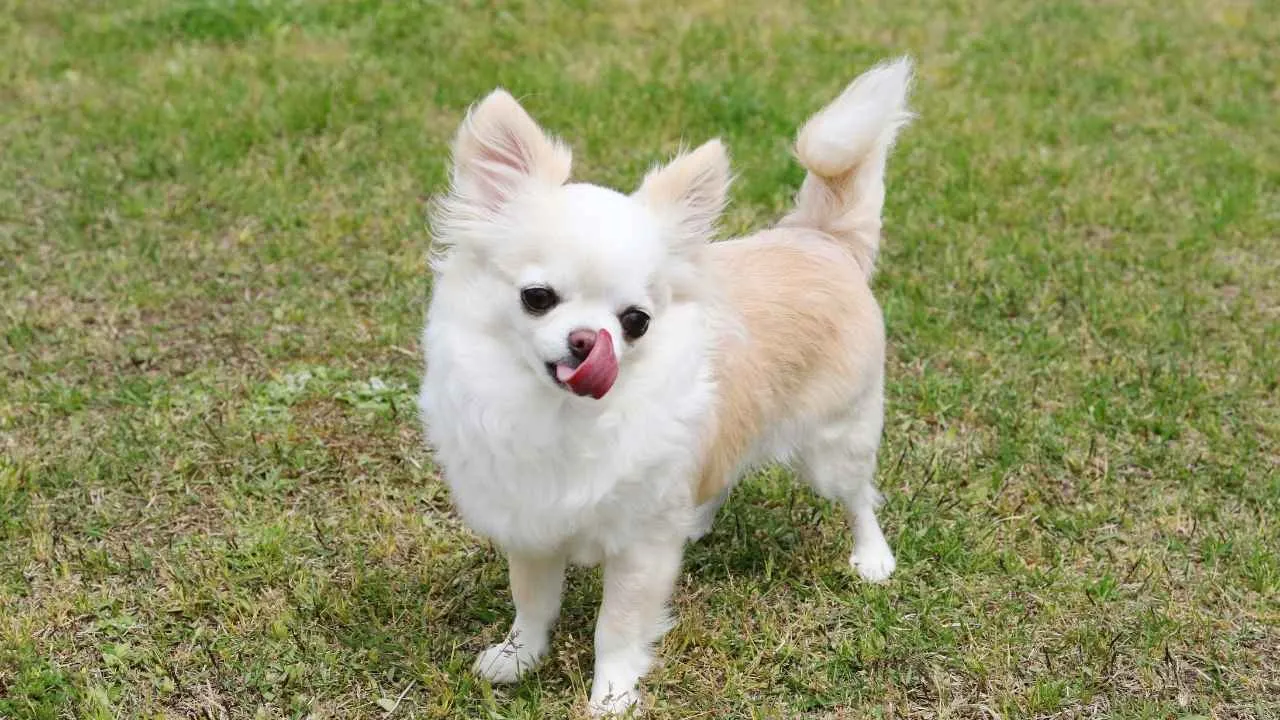
Chihuahua is one of the smallest dog breeds in the world with large, expressive eyes, an apple-shaped head, and alert expressions. It was developed in America specifically to be a human companion, thrives closely with humans, and is a loyal breed as well.
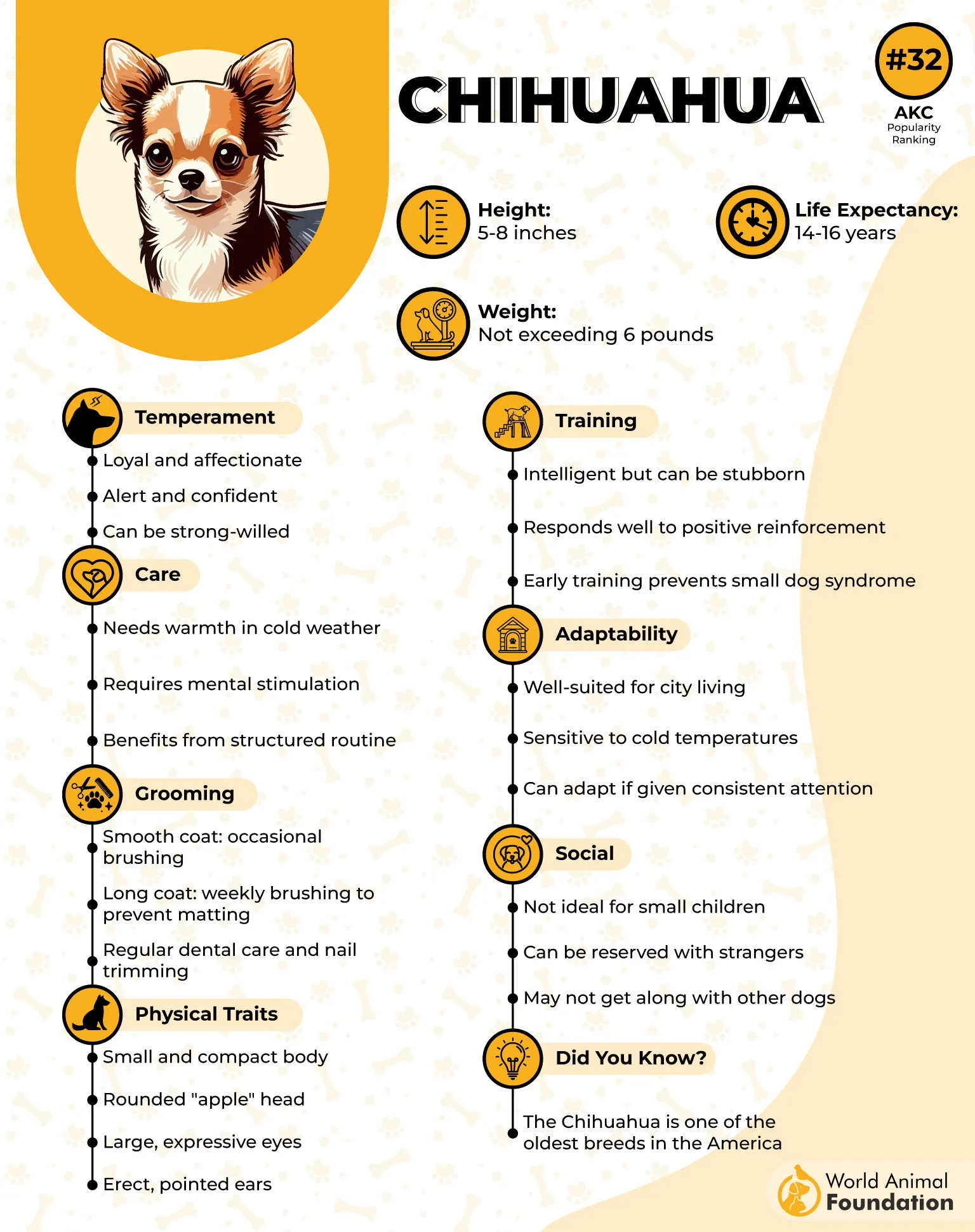
Being one of the most loyal dog breeds, it is highly devoted to its owners. It frequently displays a “big dog” attitude. It is widely regarded as one of the longest living breeds with a long lifespan compared to other breeds of 14-18 years. It benefits from a long evolutionary history as a companion animal, which has helped establish a resilient immune system.
Further, it is not bred for demanding tasks, reducing the risk of chronic wear and tear injuries. Nonetheless, it demands routine vet check-ups as it is prone to dental issues and fragile bones. It also tends to bark excessively and may develop anxiety if not properly socialized and trained.
Conclusion
To cut a long story short, when it comes to choosing a dog for longevity, small and toy breeds consistently stand out over giant breeds, as such dogs live healthy lives for long. Breeds like Pomeranian, Maltese, Dachshund, Bichon Frise, Shih Tzu, Yorkshire Terrier, and Chihuahua combine compact size, resilient genetics, and adaptable temperaments.
Their smaller frame places less stress on internal organs and joints, allowing them to age more gracefully than large dogs. Moreover, due to their strong bond with humans, it is ensured that health problems are often noticed and addressed promptly.
However, longevity also depends on many other factors such as exercise routine, diet, grooming, and routine vet check-ups.
Additionally, providing mental stimulation and socialization ensures that long-living breeds remain not only physically healthy but also emotionally fulfilled. Ultimately, choosing a long-lived breed maximizes the time one can share with a loyal companion.
