




If you have ever tried to understand coat patterns, you know how confusing terminology can be. Sable, shaded, tipped, overlayed. The differences are not always obvious at first glance.
Dog breeds featuring stunning sable coat varieties often leave people wondering what truly defines this pattern. The answer lies in the structure of each individual hair.
Sable coats contain multiple pigments along a single strand, creating depth and natural shading. This gives the overall coat a blended appearance rather than a flat surface.
Because of the layering, sable can look different depending on lighting, age, and grooming. Recognizing true sable requires attention to detail and an understanding of how the pattern develops.
In the sections ahead, you will gain clarity on how sable forms genetically, how it evolves from puppyhood to adulthood, and how to identify exceptional examples with confidence.
Key Takeaways
Dogs with sable coats have a special way of capturing attention, with black-tipped hairs that shift and sparkle as they move.
German Shepherds, Collies, and Belgian Malinois showcase how black-tipped hairs over warm base shades create a rich, shifting visual effect that changes with every step.
Pomeranians, Shetland Sheepdogs, and English Cocker Spaniels add playful twists to the pattern, with coats that evolve from puppyhood and reveal new textures as they grow.
By the end, you’ll see why these seven breeds prove that a coat can steal the spotlight almost as much as the dog itself, making every glance unforgettable.
Dog Breeds Featuring Stunning Sable Coat Varieties
1. German Shepherd
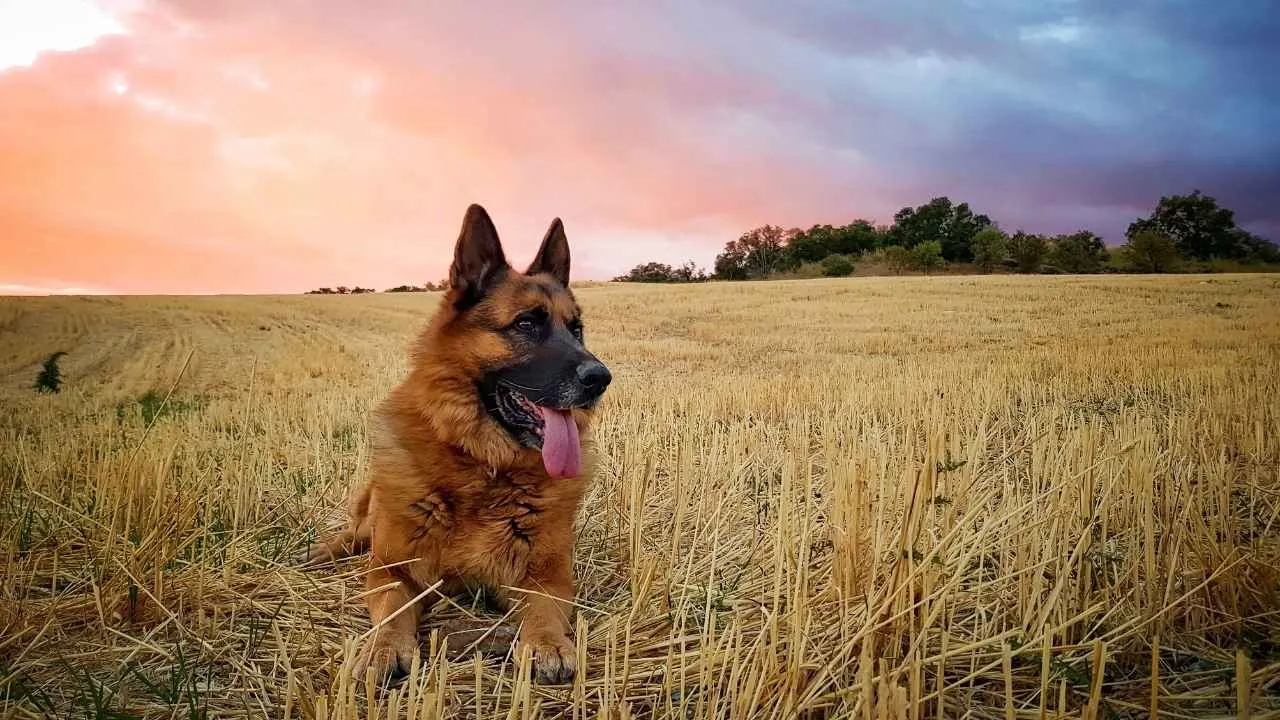
German Shepherd is most closely associated with the sable coat, which is considered the original and standard pattern of the breed. Although widely recognized, a true sable German Shepherd is actually rare. The dominance of this pattern explains why it is so deeply linked to the breed’s identity.
The Structure of the Sable Coat
This dog with a sable pattern features a base coat that may be white, red, gold, silver, blue, or parti, with each hair tipped in black. This layered pigmentation creates depth and shifting tones that change with light and movement.
Look closer, and you notice defining coat details:
Black-tipped guard hairs
Variable base shades beneath
Double coat in medium or long length
Texture and Layering
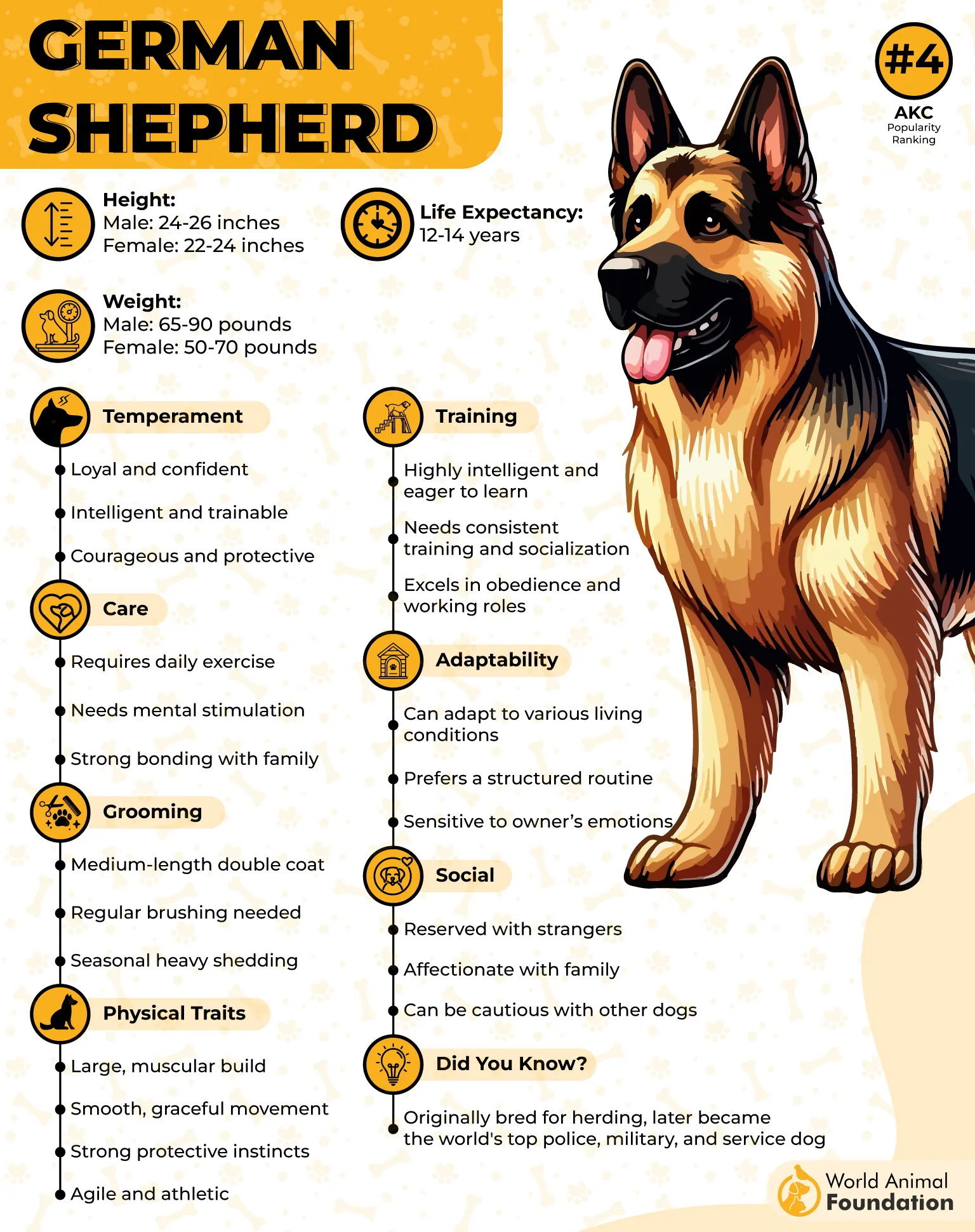
German Shepherds in sable form always have a double coat, whether medium or long in length, as per Petplan. The dense undercoat supports the outer layer, giving the color pattern its textured appearance. This combination gives the coat a visual dimension rather than a flat or solid finish.
2. Collie
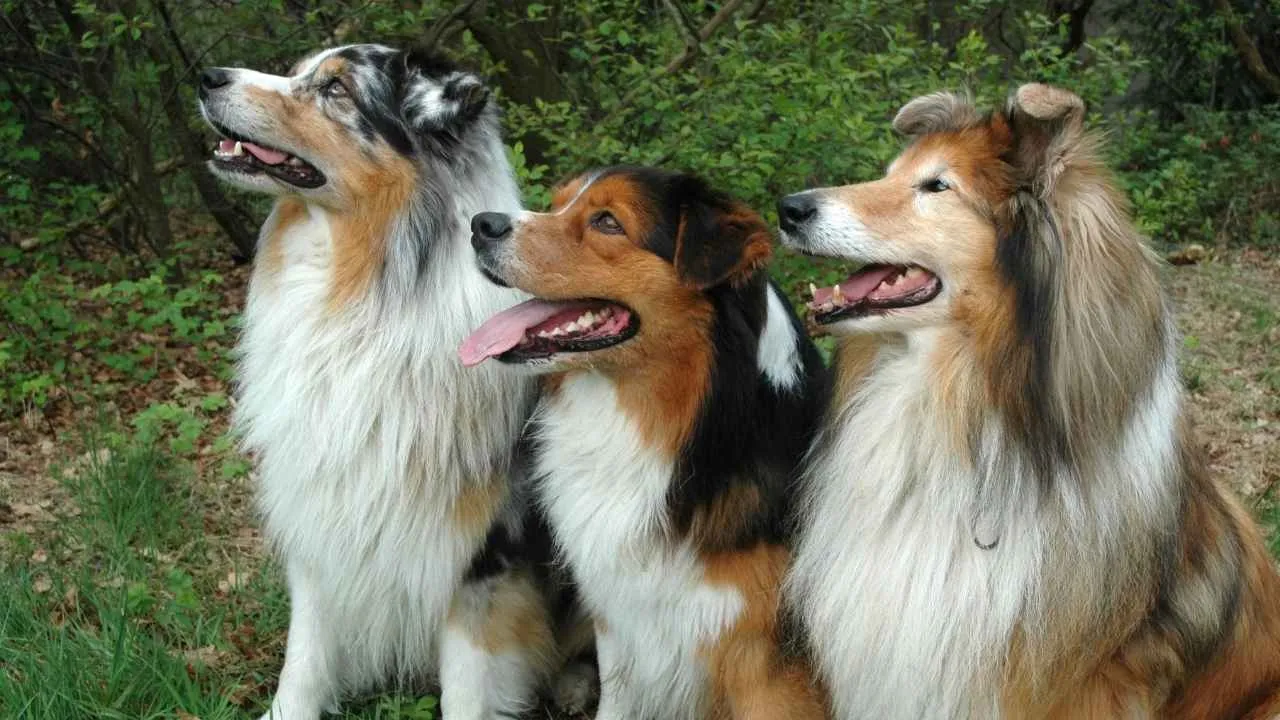
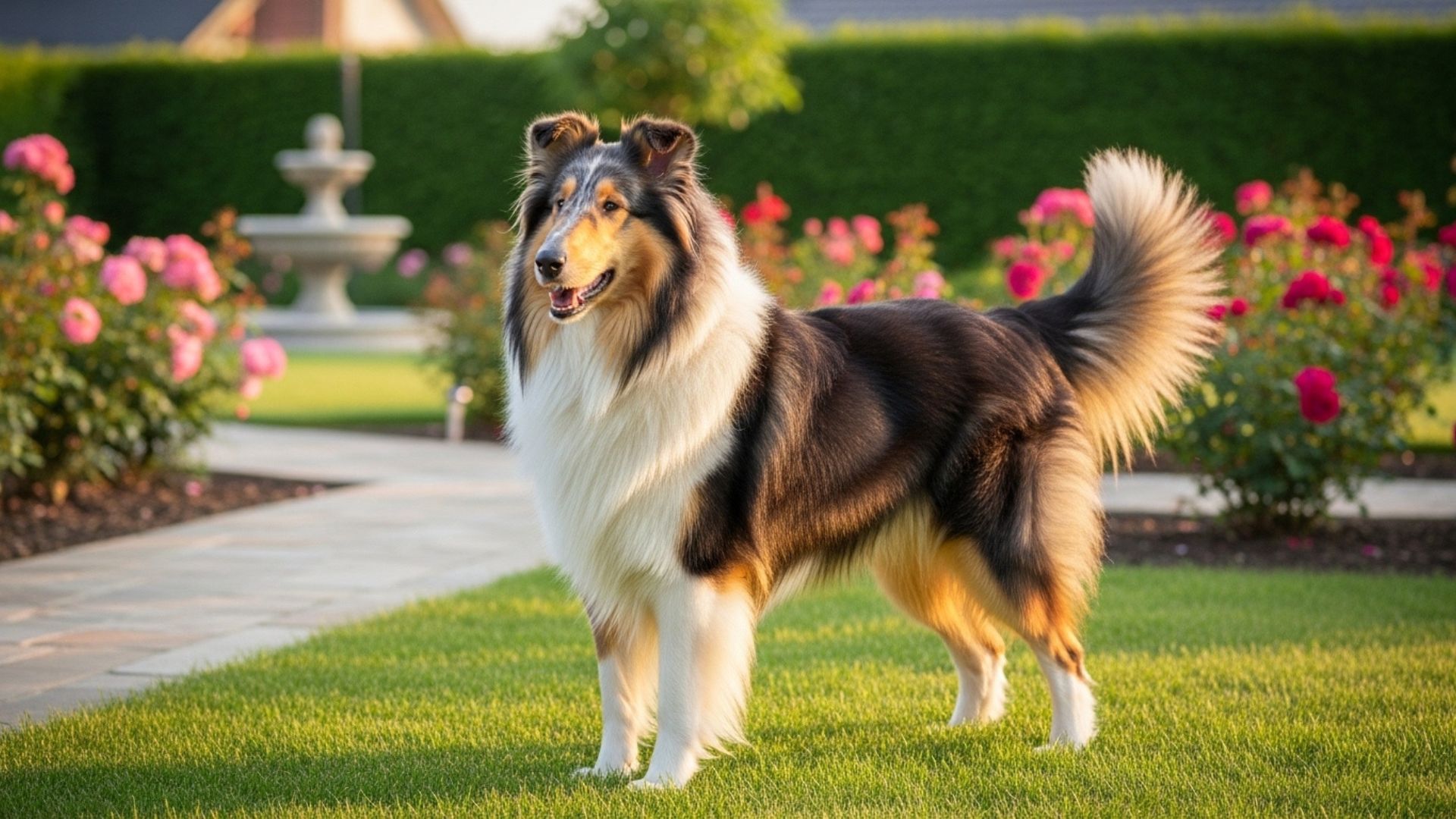
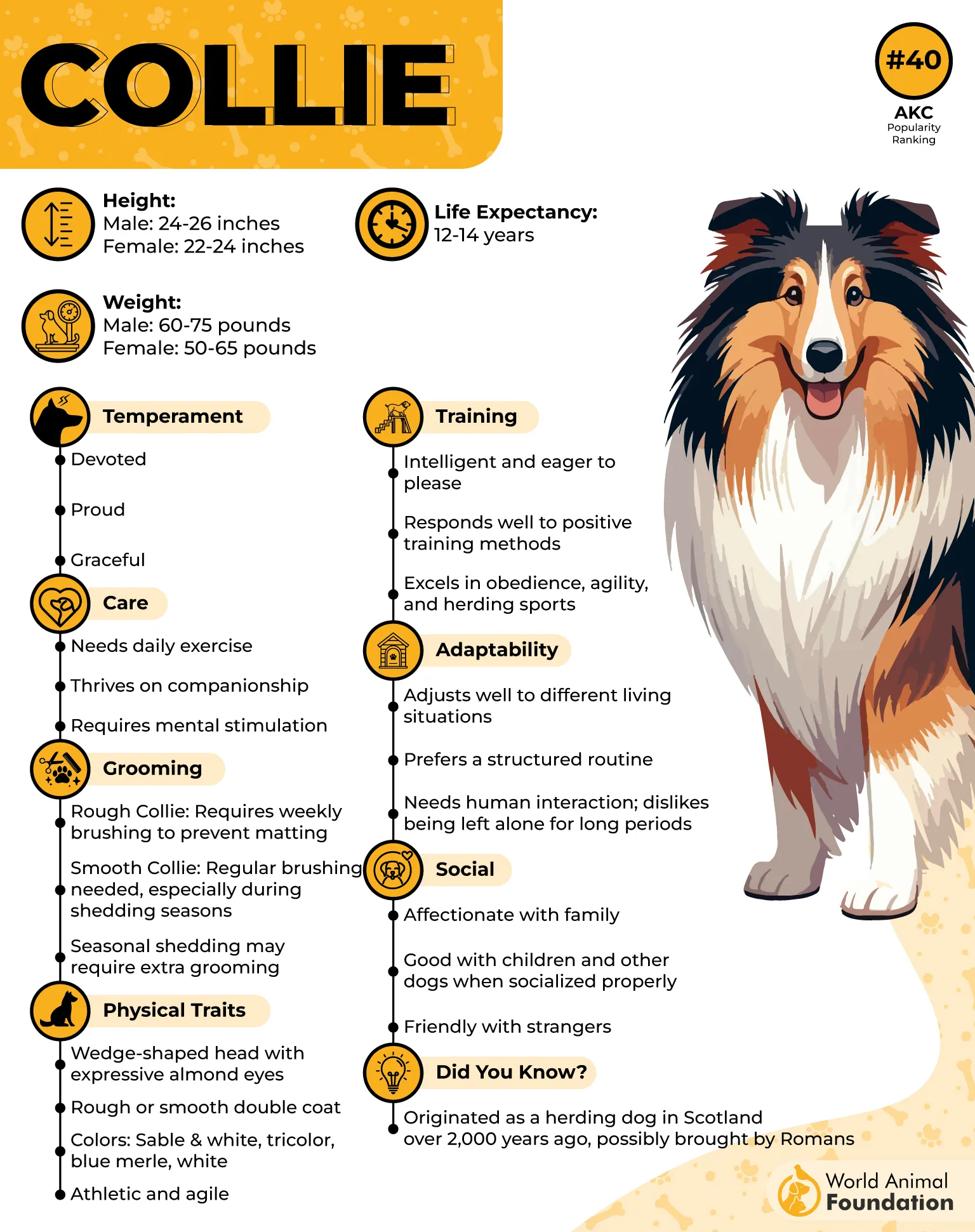
Collie has a distinct head shape and elegant outline, yet their coats often draw the longest second look. Both Rough and Smooth varieties display the same official color range, giving this breed a surprisingly wide palette. That range shapes how sable appears across different textures and coat lengths.
Sable Spectrum
Collie’s classic sable is the shade most people associate with the breed, appearing in red, brown, or buff tones. In Rough coats, these shades create depth through long feathering, while Smooth coats show cleaner color transitions, as per AKC.
The variations become clearer when you look closely:
Red to deep mahogany overlays
Buff-toned undercoats
Light-tipped guard hairs
Patterned Variations
Collie also appears in sable merle, where lighter sable is blended with marbled patterning and sometimes blue eyes. Tri color presents a black base with brown facial and leg markings, balanced by traditional white areas. Blue merle builds on that tri-color base through the merle gene, producing a blue grey patterned effect.
3. Belgian Malinois
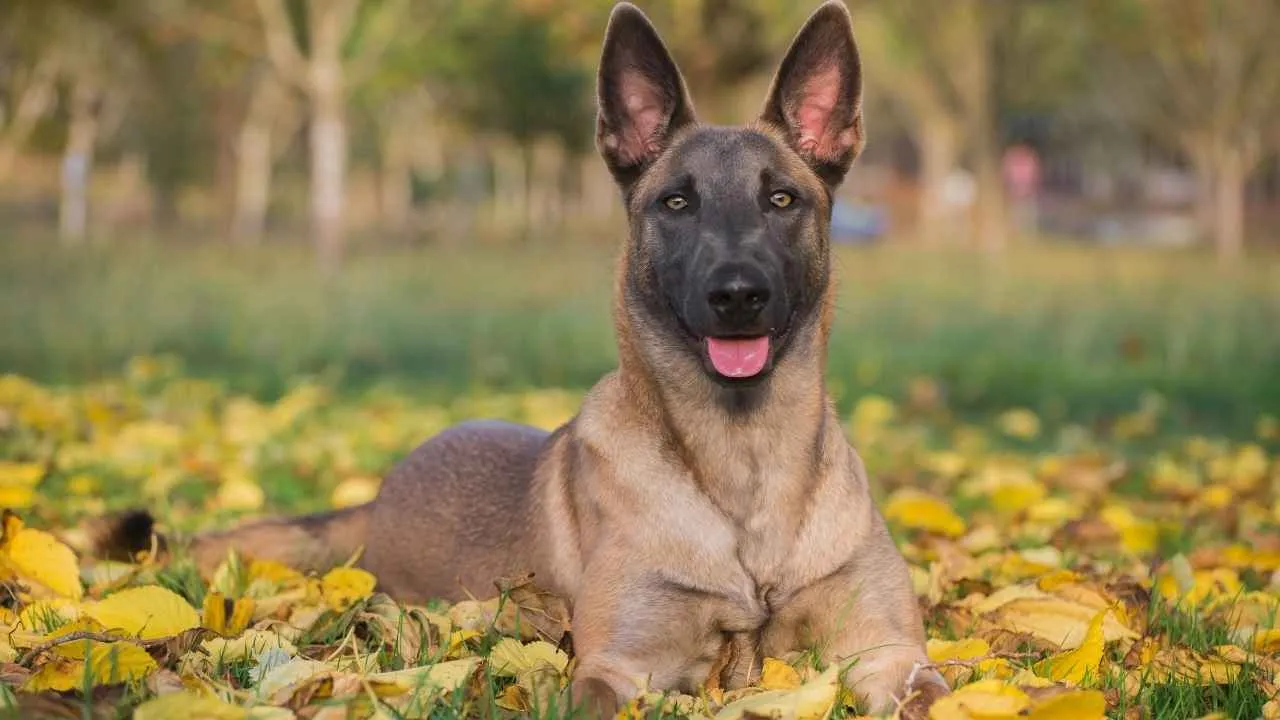
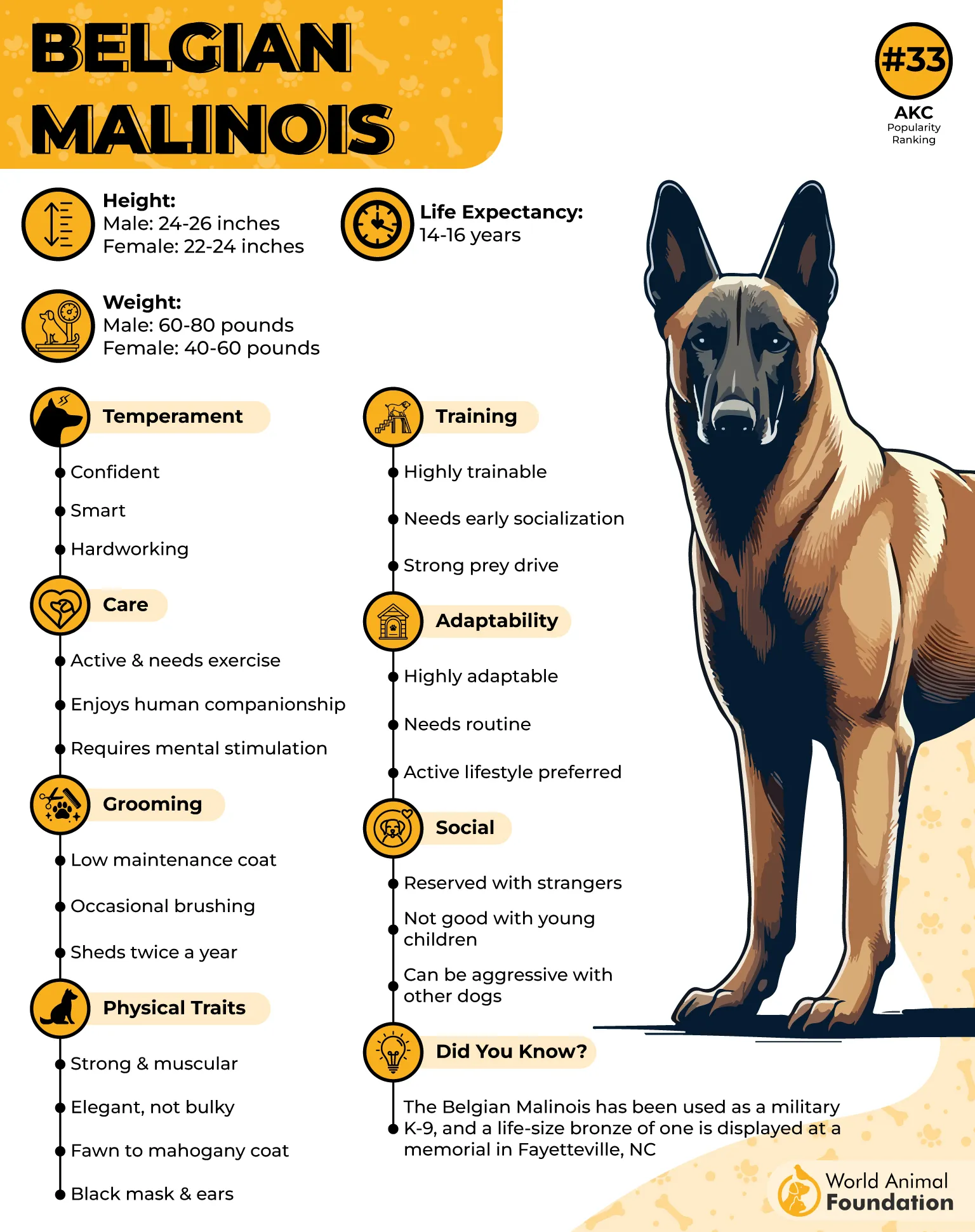
Belgian Malinois is closely related to the German Shepherd, and that lineage explains the frequent appearance of sable patterning in the breed. Its short, straight coat allows color variation to show clearly, making shade transitions more visible than in longer-coated breeds.
Sable Variations
Belgian Malinois presents sable in multiple distinct forms, each defined by how the base color blends into darker tipping at the ends of the hair. The structure of each strand creates depth, especially where lighter tones meet black or chocolate tips.
Here’s the closer look at how the shades shift:
Fawn base that darkens toward black or chocolate tips
Reddish tones ranging into deep mahogany with darker edging
Red sable with facial masking, even without a saddle pattern
Fawn and Mahogany Depth
Fawn sable Malinois typically features light fawn hair that deepens toward the tip, often finishing in black and sometimes chocolate.
Mahogany variations move through reddish brown into a richer red tone before ending in darker tipping. The layered coloring gives the coat dimension without requiring long fur to create contrast.
4. Shetland Sheepdog
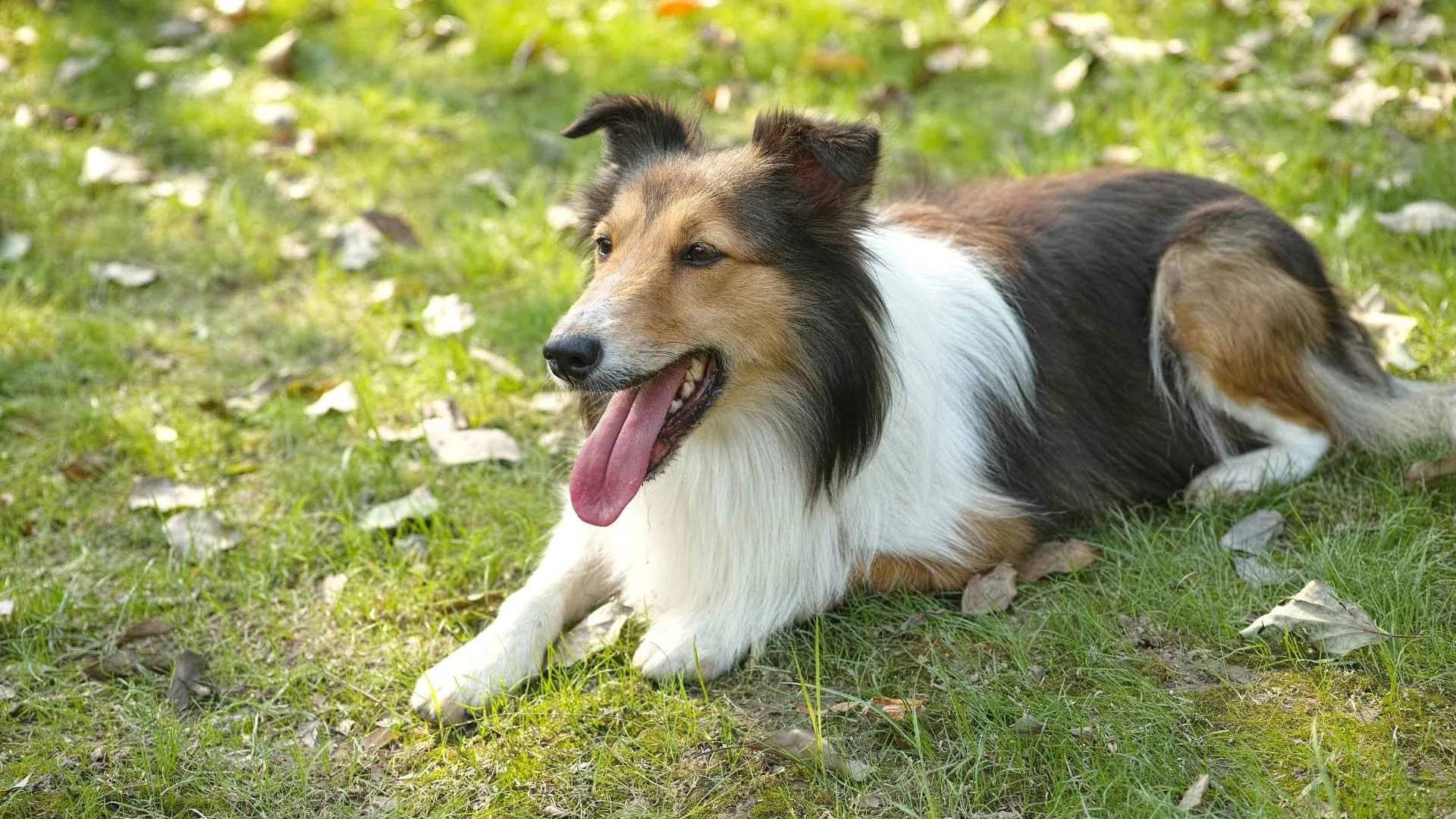
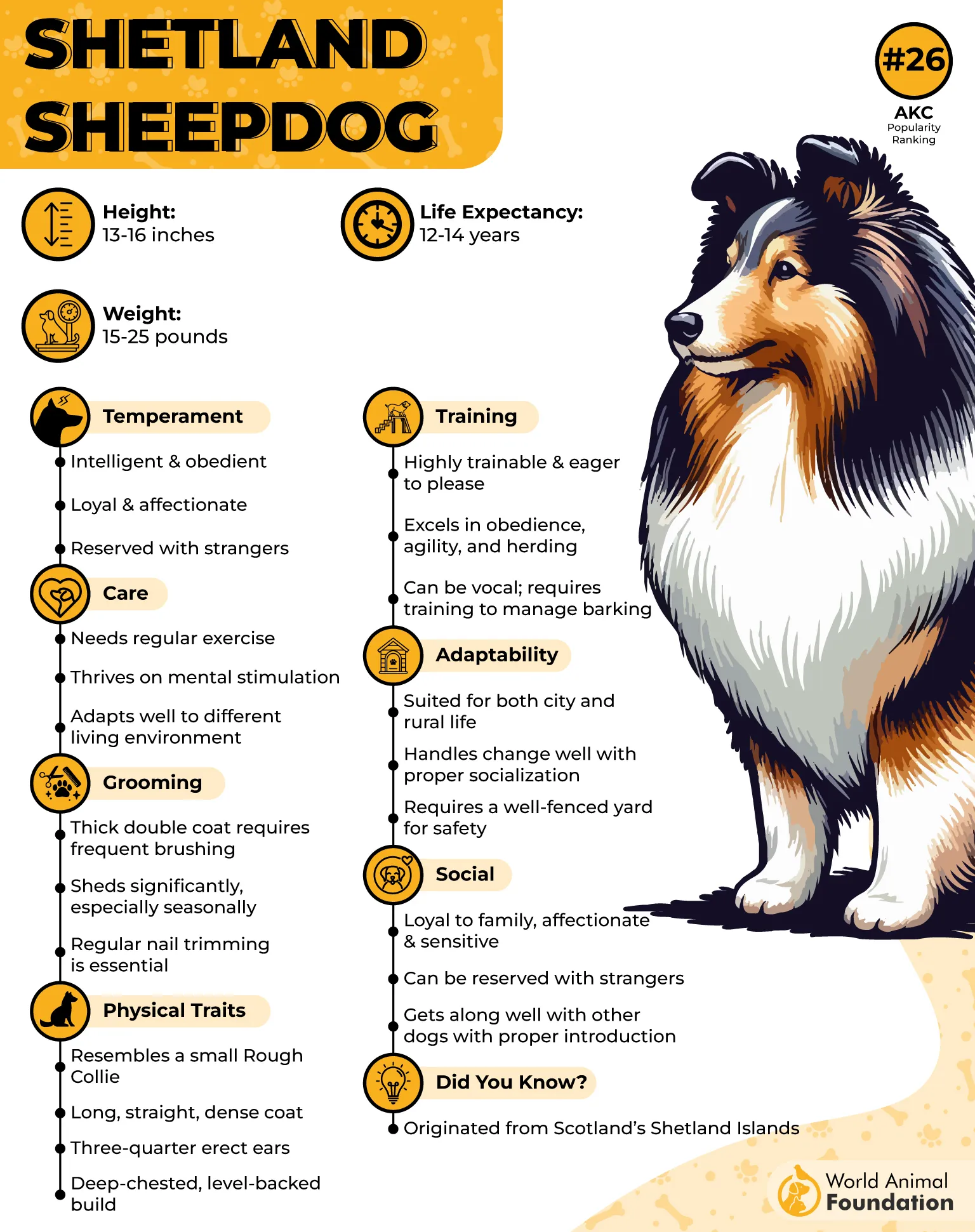
Shetland Sheepdog is widely recognized for its sable coloring, which is the most common pattern within the breed. This shade often appears as rich golden or deep mahogany tones that darken to black at the hair tips. The layered shading creates depth across the coat rather than a flat single color.
Sable Pattern Details
Shetland Sheepdog often displays sable coats accented with tan and splashes of white along the legs, toes, neck, and chest. The gene responsible for sable is dominant in this breed, explaining why the pattern appears so frequently.
You can spot the pattern’s beauty in these features:
Golden to mahogany base tones
Black tipping along outer hairs
White markings on the chest and lower limbs
Puppy Coat Transformation
Shetland Sheepdog puppies are typically born with dark coats before shifting in tone as they mature, as GKCSSC claims. As growth progresses, the early gray softens into clearer tan or golden hues. This gradual color change explains why sable depth becomes more visible over time.
5. Pomeranian
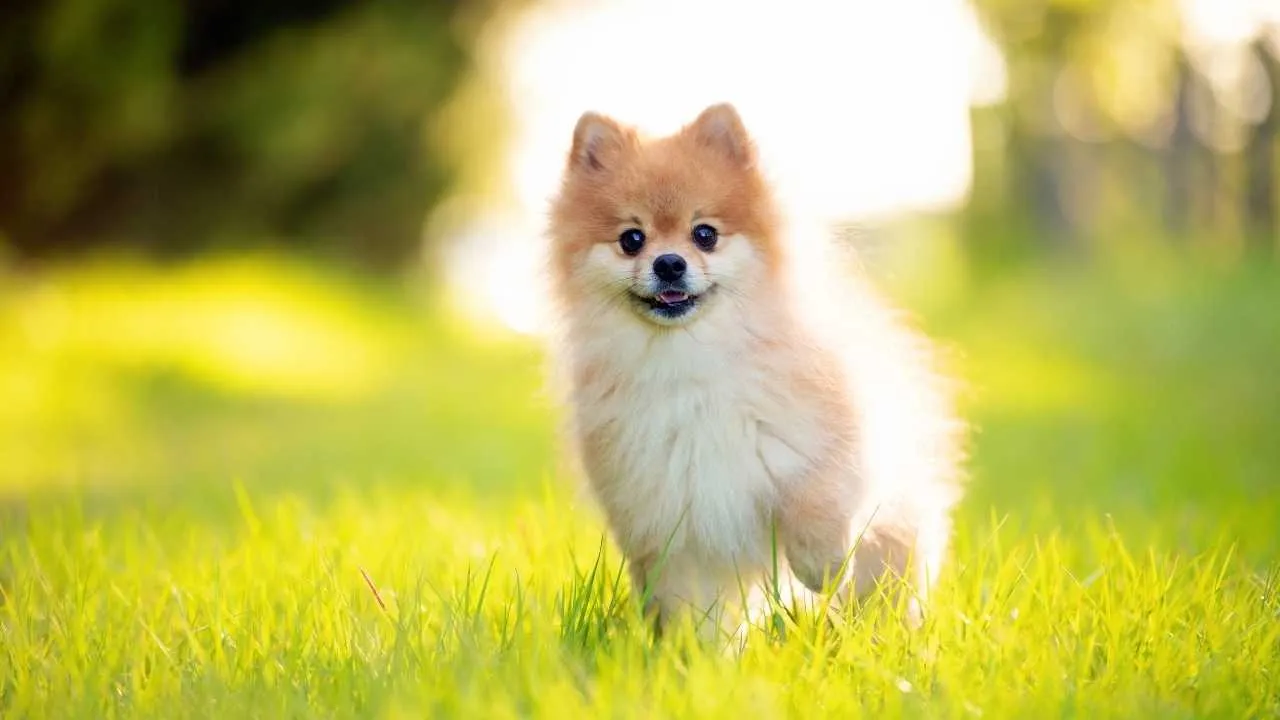
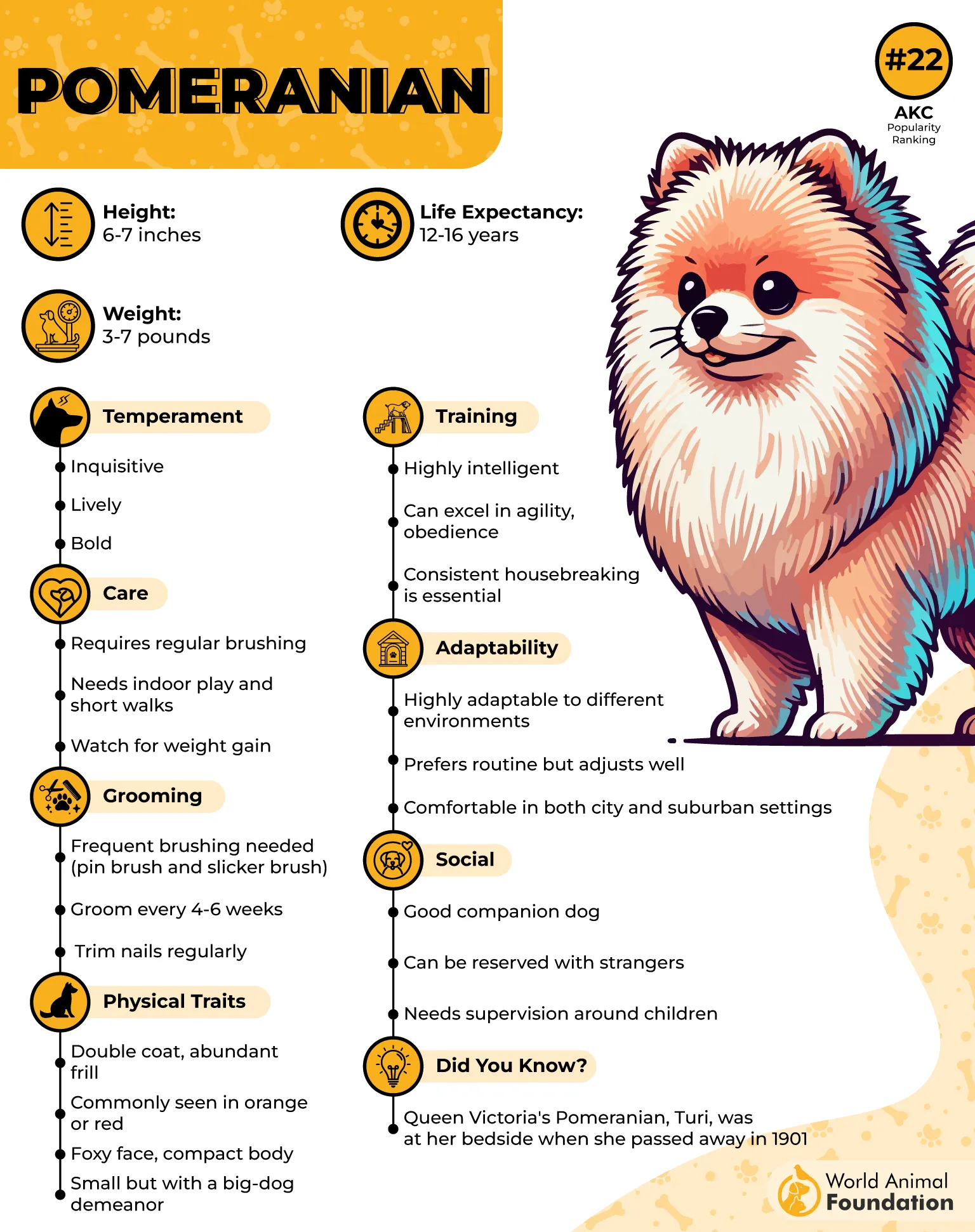
Pomeranians display a range of sable patterns, with dark-chocolate or deep-orange tips adding depth to their coats. The distinctive saddle coat pattern appears along the back, though the fluffy neck ruff can obscure it. Tail and leg areas highlight the sable more clearly, creating a dynamic, layered look.
Coat Evolution
Sable markings in Pomeranians can shift noticeably during the first year as the puppy coat is shed for the adult coat. This change may lighten or darken the base coat while altering the prominence of dark tips.
Observing this transformation reveals subtle variations:
Dark-tipped hairs may intensify over time
Some Poms retain strong sable from puppyhood
Pattern distribution can vary between the tail, legs, and body
Pattern Retention
While many Poms see a decrease in sable as they mature, some maintain or even increase the dark tips. The adult double coat introduces new textures and color depths, emphasizing the breed’s visual complexity. Watching these changes gives insight into how sable traits evolve naturally over time.
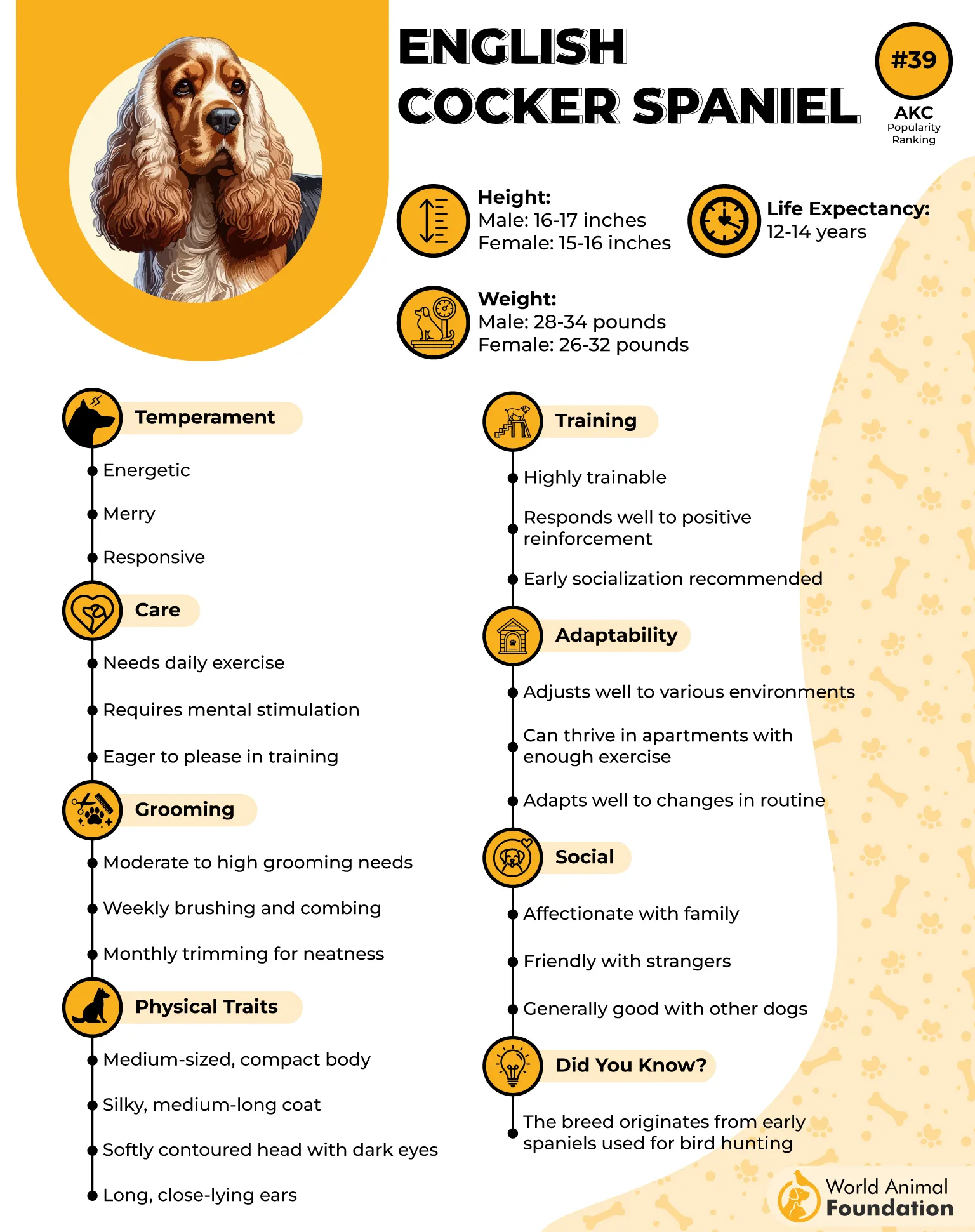
6. English Cocker Spaniel
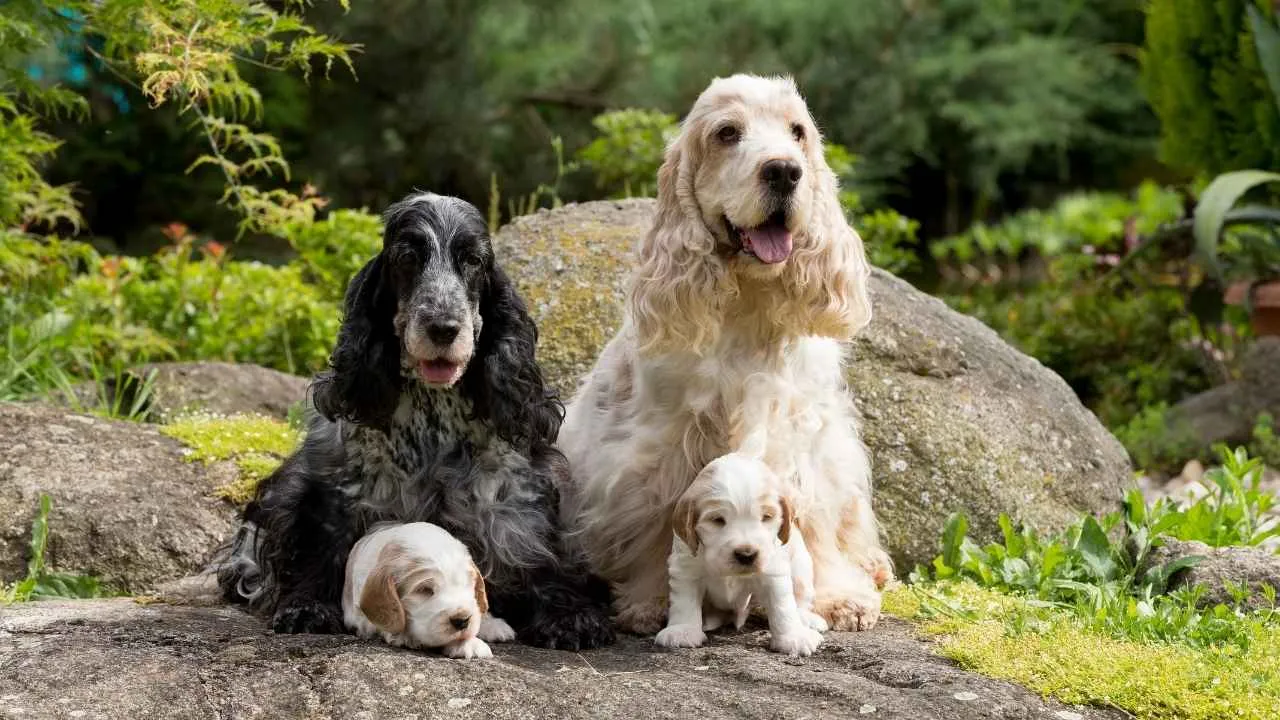
English Cocker Spaniels display sable coats that vary widely, creating shades from chocolate to golden or silver. Puppies often show black hairs throughout their coat, giving early hints of the pattern. Some dogs feature a subtle mask or sabling around the eyes, creating a striking, eyeliner-like effect.
Color Variations
These coat patterns extend into playful variations, making each dog visually unique and expressive. Sable patterns are apparent from a young age, evolving as the puppy grows into a mature coat.
Observing the subtleties reveals interesting details:
Chocolate, golden, or silver hues blending with black hairs
Masking around the face enhances expressive features
Subtle eye sabling adding depth to facial marking
Visual Appeal in Action
The sable coat also accentuates movement, making the dog appear dynamic while running or playing. Variations in shading can catch light differently, enhancing the breed’s charm and agility. Subtle contrasts in the coat create a visually captivating effect that draws attention naturally.
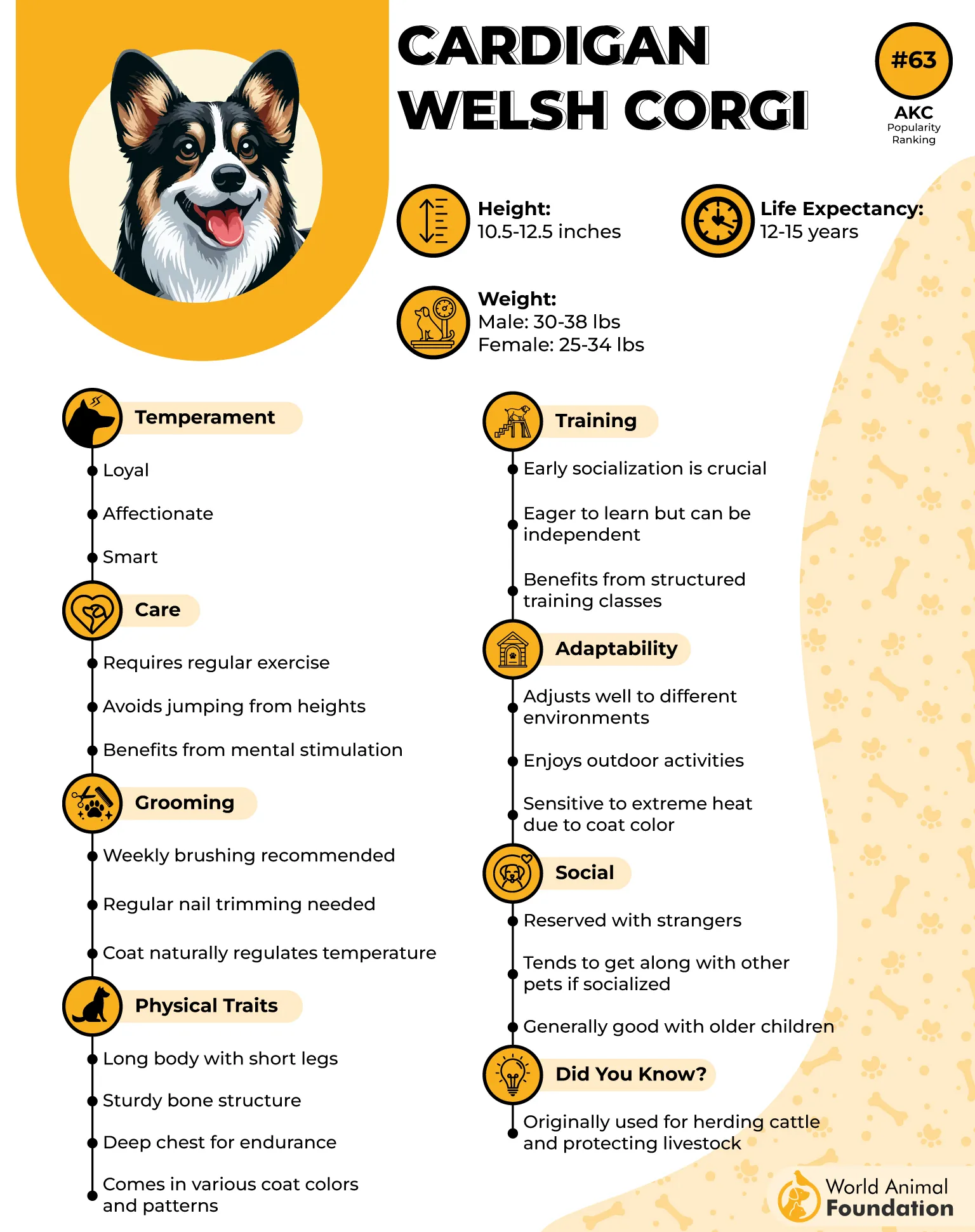
7. Cardigan Welsh Corgi
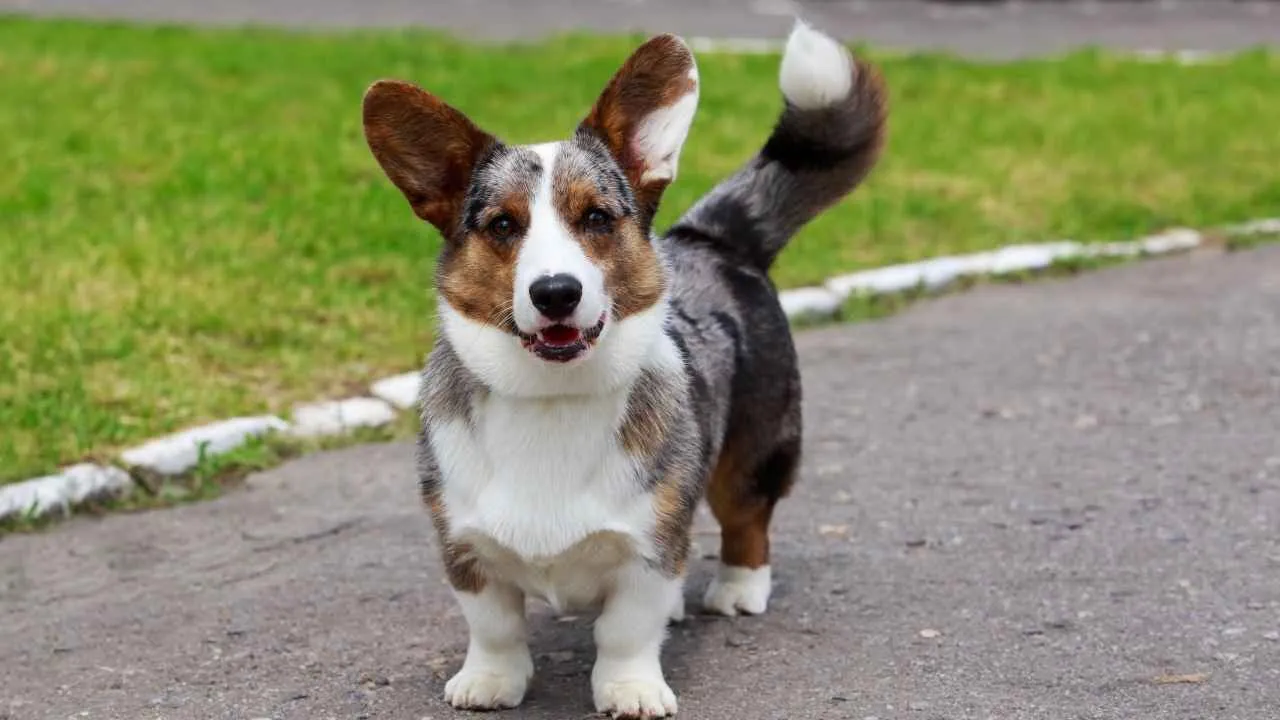
Cardigan Welsh Corgis show a stunning range of shades, including red, sable, brindle, and blue merle. White markings often appear on the neck, chest, legs, muzzle, tail tip, and head blaze. The white should never dominate the face or surround the eyes to maintain the breed’s look.
Sable and Markings
Sable coats display layered tones that give the dog a rich, vibrant appearance and highlight movement. Blue merles may have one or two blue eyes, with butterfly noses tolerated in this color.
The following stand-out details are:
Layered sable creates depth and shine
Blue merle eye variation adds contrast
White flashings balance the overall look
Visual Impact
The coat colors enhance the dog’s striking appearance while showing off its shape and posture. Sable shades emphasize the Cardigan’s alert expression and agile form. Color patterns make each dog uniquely recognizable in the breed.
Conclusion
Sable coloration brings depth, movement, and layered dimension to every breed featured here. From the structured double coat of the German Shepherd to the feathered elegance of the Collie, each dog’s coat pattern tells its own story through shifting tones and texture.
Sable dogs stand apart from other dogs because their coloring never appears flat or static. Even in short coats or fluffy fur, the dark tipping creates a distinctive appearance that catches changing light.
These gorgeous coats prove that color alone can transform outline and posture. In sable shades, structure and pigment work together to create lasting visual impact.
