




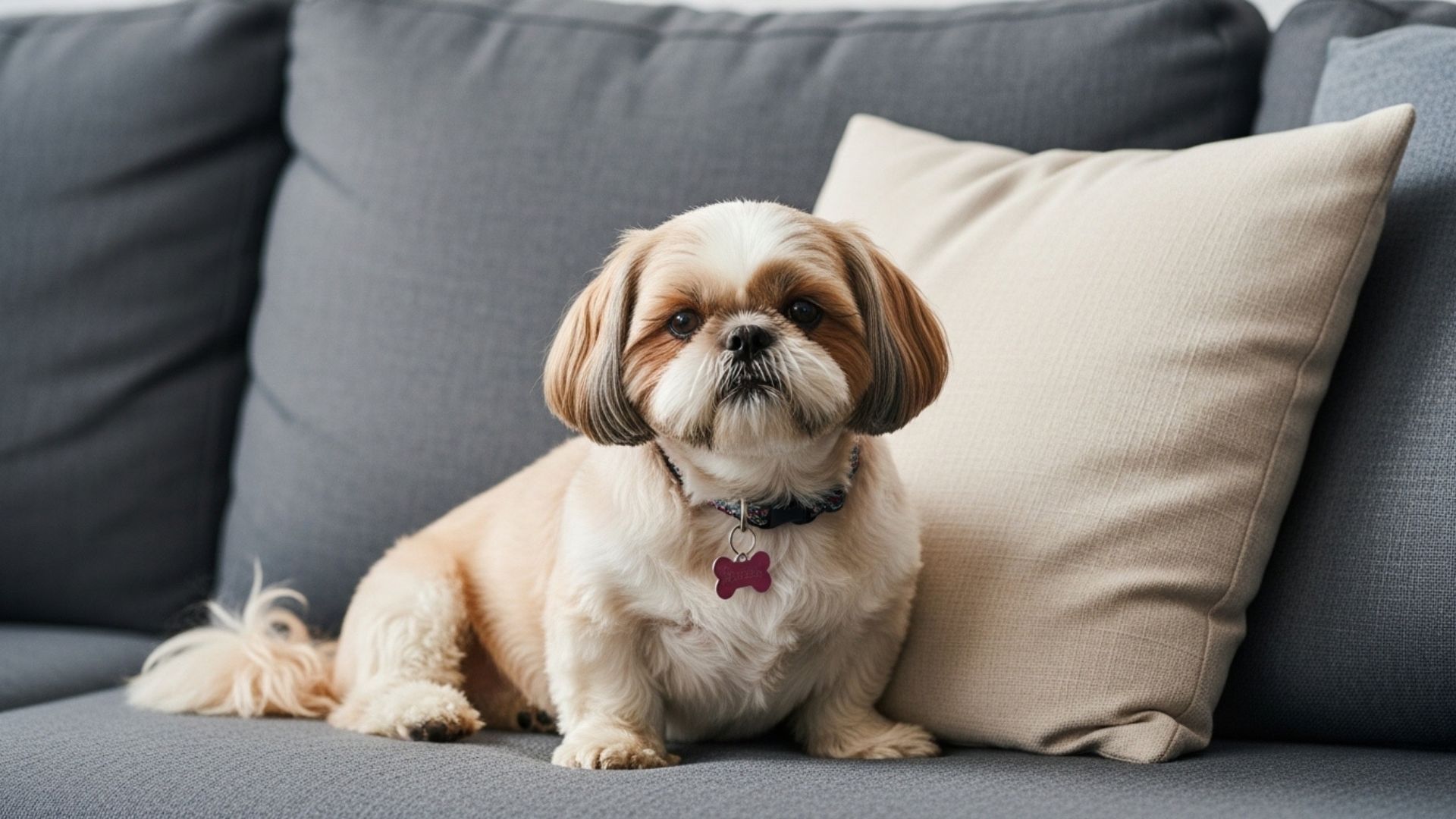
Small walls, thin floors, and close neighbors can make apartment living feel like a reality show. One random bark, and someone is side-eyeing you in the elevator. But wait, there’s more! The right dog can turn a shared living situation into something cozy, fun, and surprisingly calm.
This blog breaks down dog breeds that tend to do well in apartment settings, including studio apartments or smaller spaces with roommates. The focus is on real-life stuff: barking tendencies, indoor playtime, daily walks, regular grooming, and how easily a breed can adapt.
Some pups rarely bark, some are on the quieter side, and some just love humans so much they forget to cause chaos. Sounds crazy, right?
Keep reading, because the best dogs for apartment dwellers are not always the ones people expect.
Great Dog Breeds for Shared Apartments and Studios That Love Cozy Spaces
1. French Bulldog
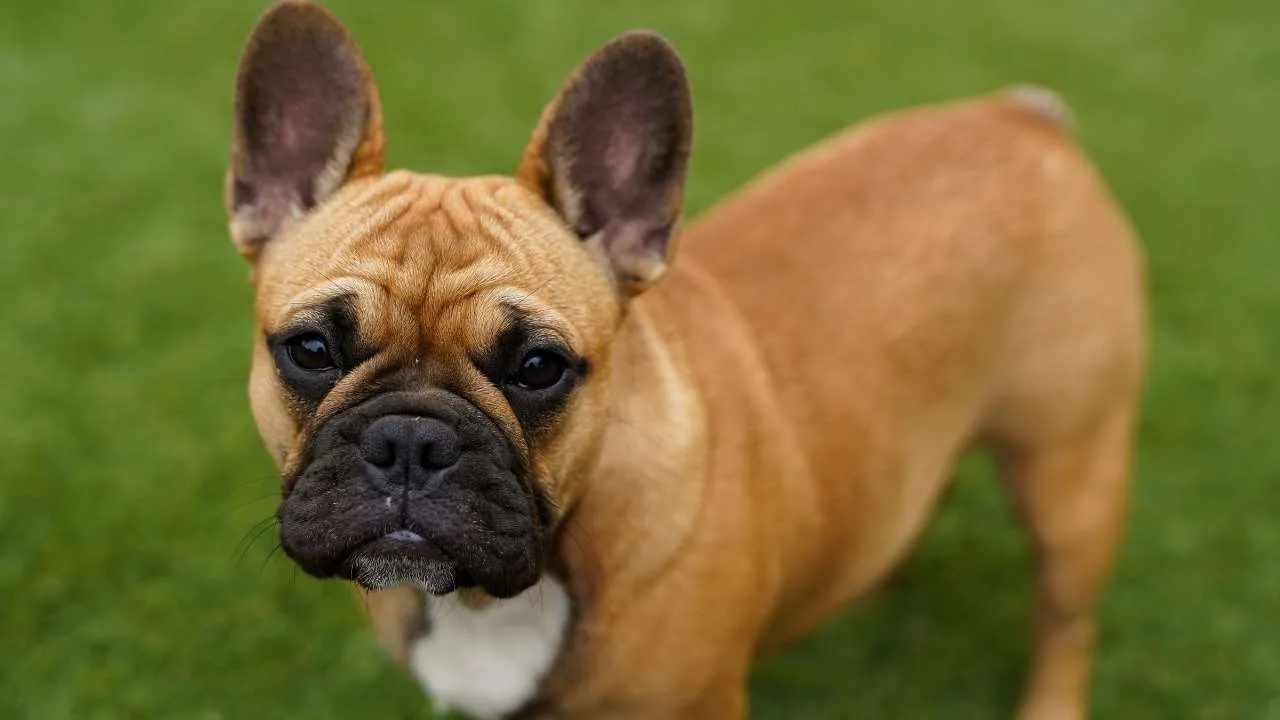
French Bulldogs look like tiny comedians who got cast in a superhero movie. Those bat ears are iconic, and the compact body is built for comfort, not marathons.
For apartment life, this small dog breed often feels well-suited because it can relax in a smaller living space without acting bored and dramatic.
According to PetMD, a French Bulldog usually has a calm, friendly vibe with humans, and it can be a great companion for singles, couples, or a family in an apartment building.
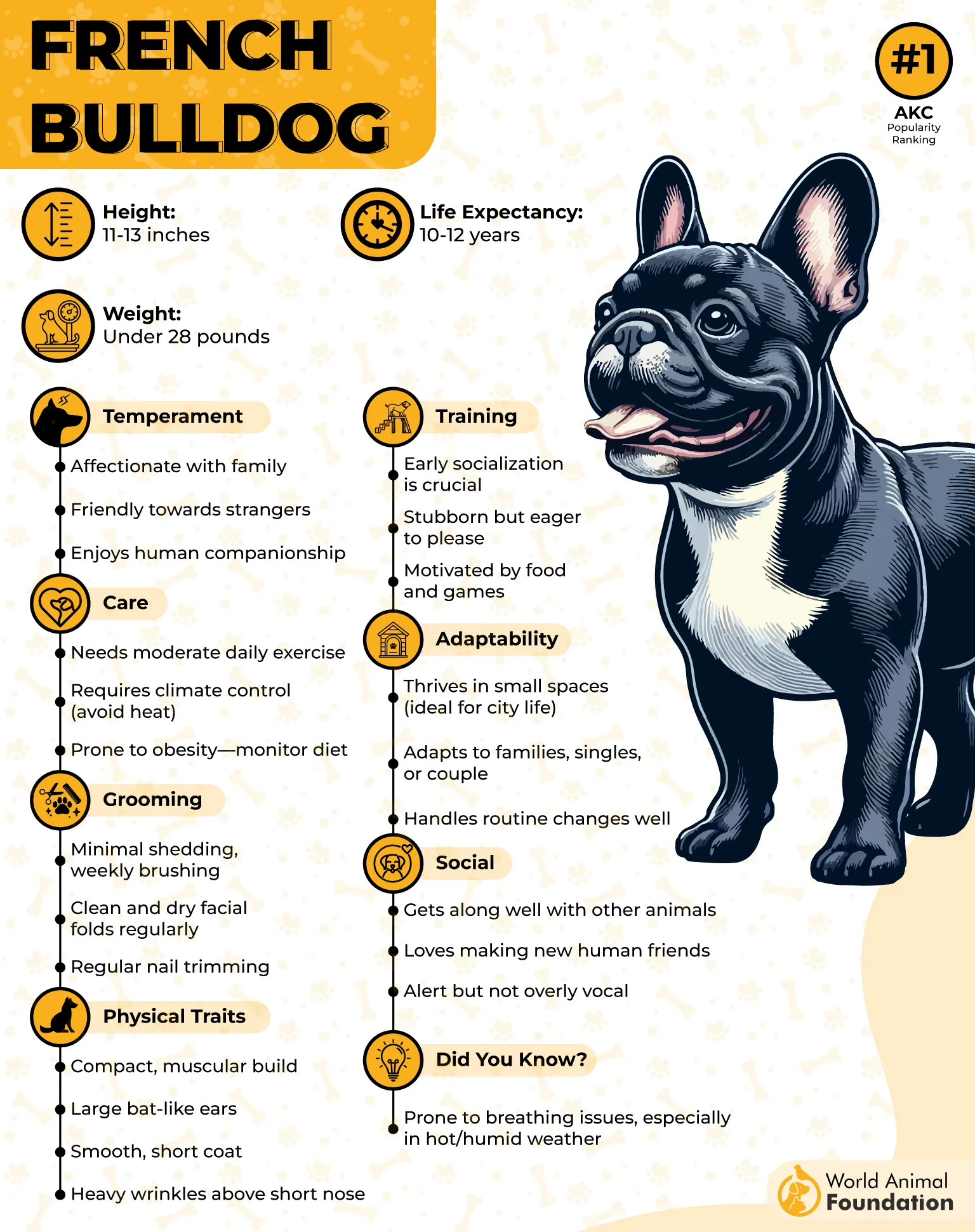
Many dog owners love that this breed tends to bark less than many breeds. It may still alert you if something feels off, which is handy when neighbors are coming and going all day.
Here’s the good part. This breed does not need intense exercise. Enough exercise often looks like short daily walks plus some indoor playtime.
Keep things simple, add a little mental stimulation, and the Frenchie is usually happy. Grooming is also fairly easy because the coat is short, and it does not shed like a fluff machine.
Apartment-friendly habits that make life easier
Often stays on the quieter side in apartment settings
Enjoys short daily walks and chill indoor playtime
Can adapt easily to shared living space routines
Regular grooming is simple with a smooth coat
2. Chihuahua
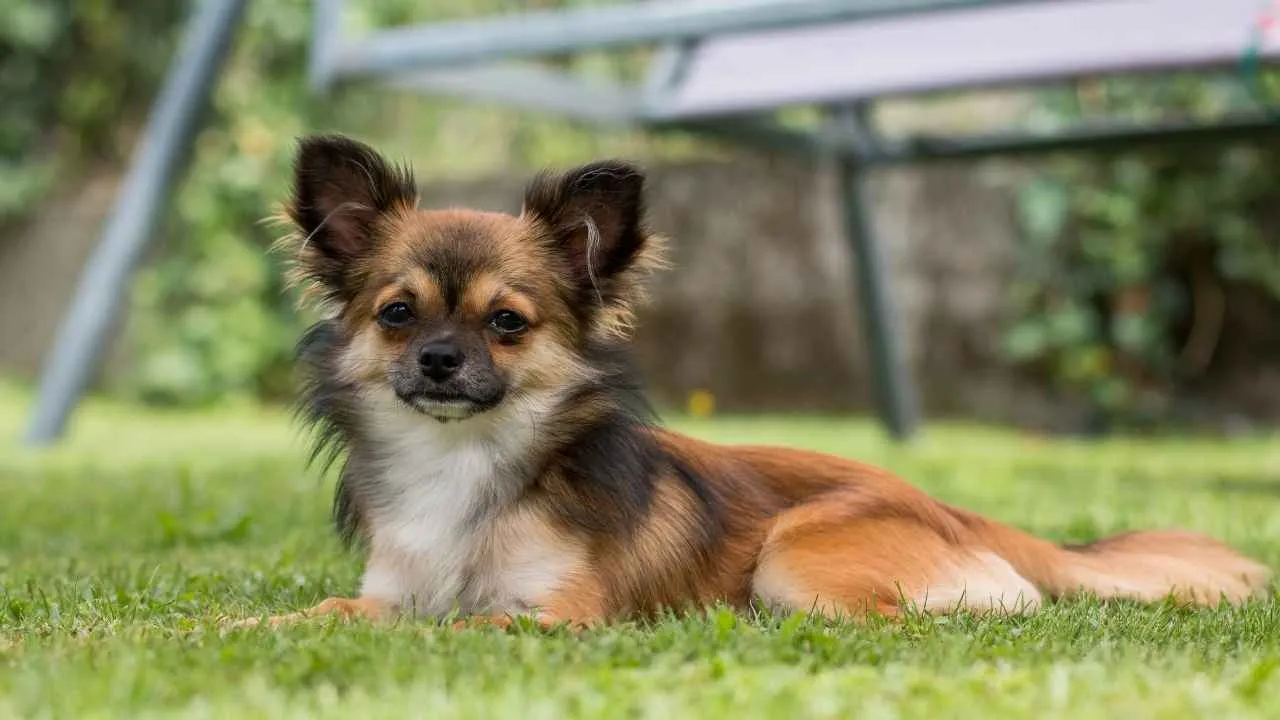
Chihuahuas are tiny dogs with main-character energy. This small dog can weigh under six pounds, yet still acts like it owns the whole apartment. And here’s the best part! With smart dog training, that bold attitude becomes confidence instead of chaos.
For apartment dwellers, the Chihuahua can work well because it does not need a huge living space to feel settled.
It can live in an apartment and still feel safe, especially when it gets lots of time close to its favorite humans. This breed can be very loyal, and it bonds fast. That makes it a sweet pet for people who want a close, cuddly companion.
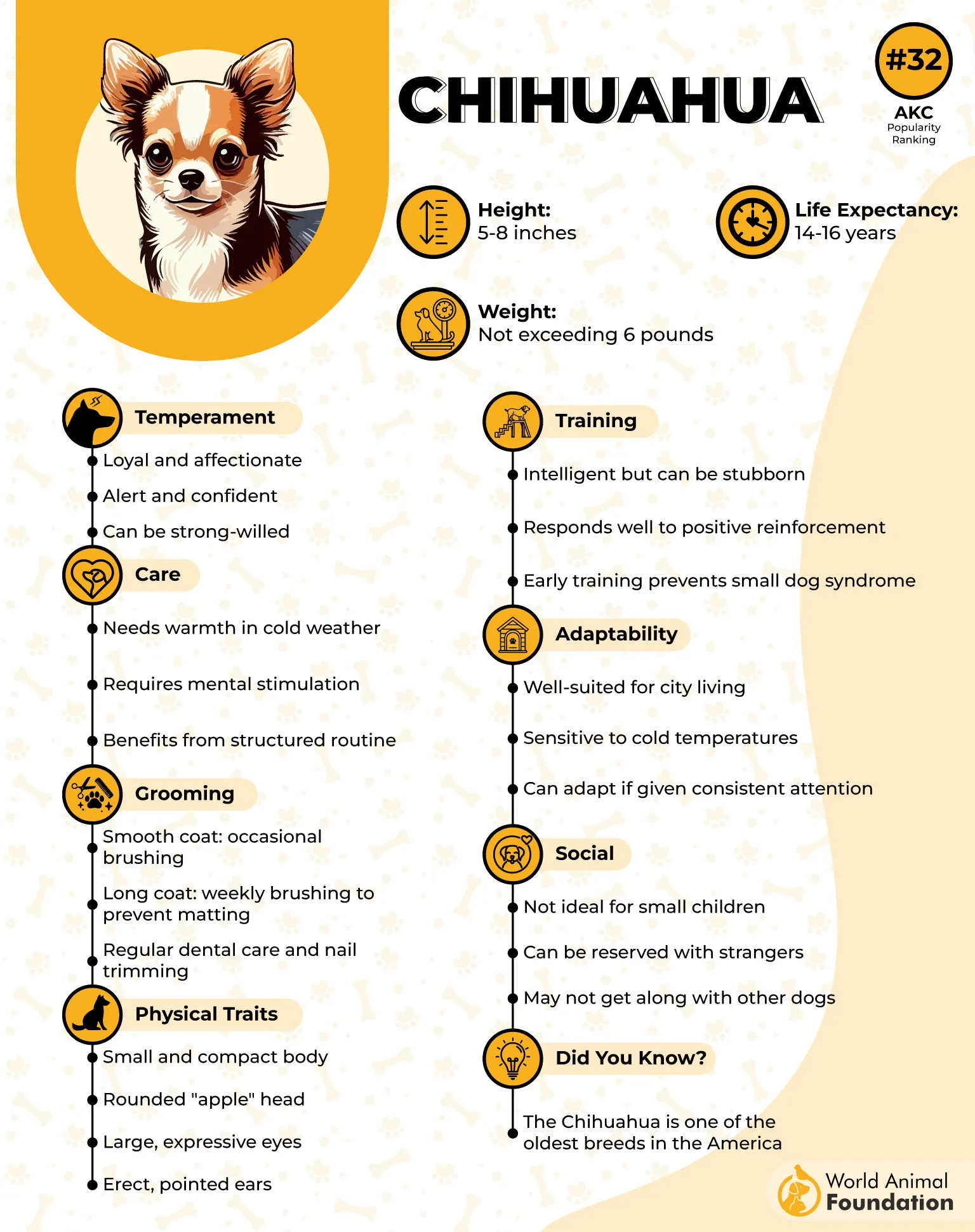
But why bother with training? Because without it, the Chihuahua may try to run the house like a tiny boss. Some can bark when they hear hallway noise, so managing barking tendencies matters in a shared apartment.
Keep routines steady, offer mental stimulation, and reward calm behavior. Add short daily walks, a little indoor playtime, and it can settle nicely, even around other pets with slow introductions.
Small-space tips for a confident Chihuahua
Dog training helps reduce bark triggers in an apartment building
Short daily walks plus gentle play can be enough exercise
Likes warm spots and cozy corners in a smaller space
Benefits from calm routines around neighbors and other dogs
3. Cavalier King Charles Spaniel

According to the AKC, the Cavalier King Charles Spaniel wears its connection to British history in its breed name. The Cavalier King Charles Spaniel has a soft, sweet look that melts people on sight. It carries that classic, gentle toy breed charm, but it also has a sporty side.
That mix can be a great fit for apartment living, especially when the household wants a dog that can chill and still enjoy some movement.
This breed often does well in many living situation setups, from a shared apartment to a studio apartment, because it tends to be affectionate and flexible.
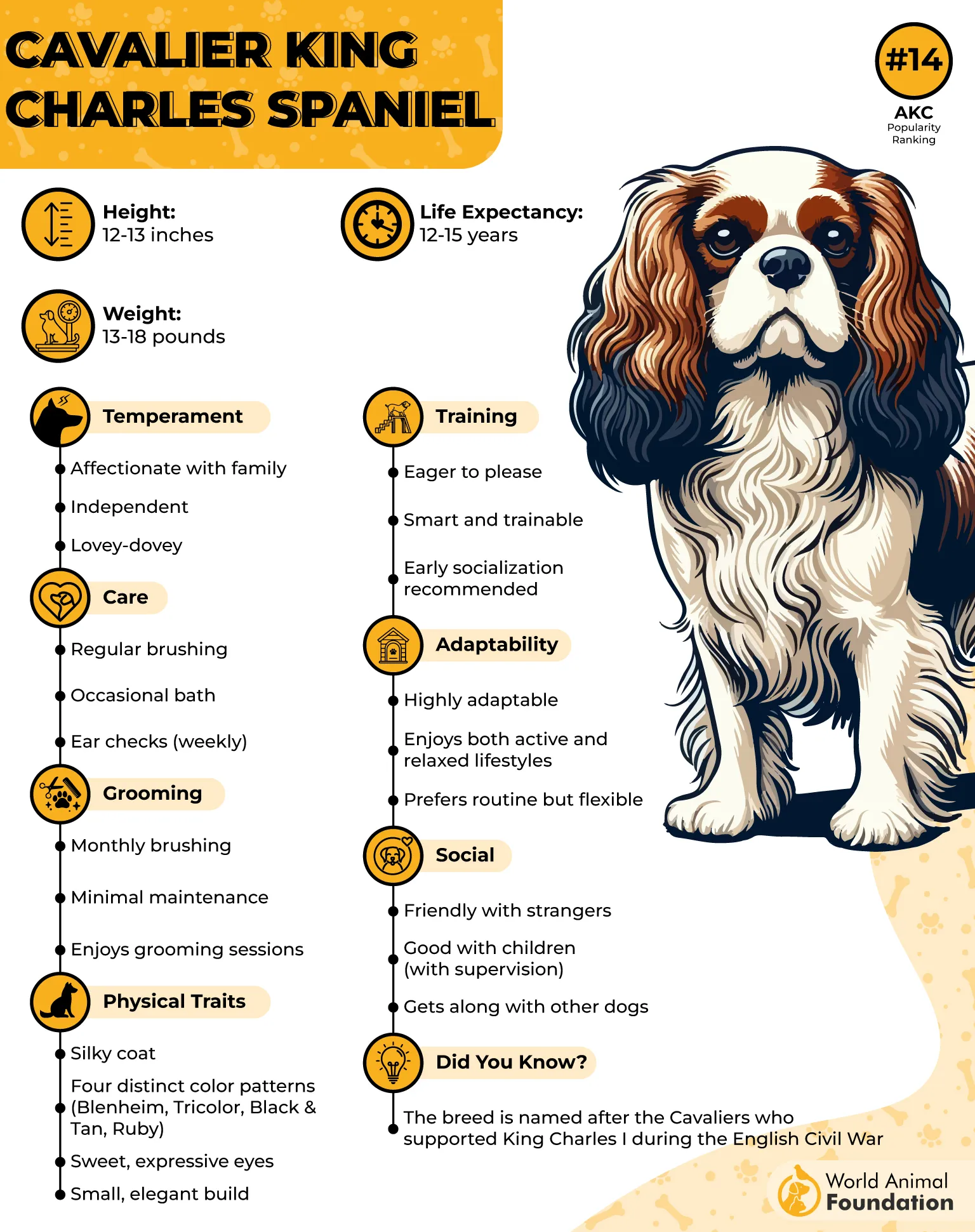
Some days, it will happily follow you around like a polite shadow. Other days, it will be upbeat and ready for a quick game. It can get along with a family, and many owners find it friendly with other dogs too.
The coat is silky and pretty, but it does mean regular grooming matters. That is the trade-off for the royal look. Exercise needs are usually moderate.
Daily walks plus a bit of indoor playtime can keep the breed content. It helps to add mental stimulation with simple games, because a bored dog in a smaller living space can start seeking attention in messy ways.
Why the Cavaliers can suit shared apartments
Often calm indoors and happy near humans
Moderate exercise needs with daily walks
Enjoys mental stimulation without needing a huge space
Regular grooming keeps the coat healthy and neat
4. Pug

Pugs are little clowns with big feelings. One look at that wrinkled face and sparkling eyes, and it is hard not to laugh. They were made to be close to humans, and that’s perfect for apartment life, where the main goal is peaceful, happy company.
As per Britannica, the Pug is a breed of toy dog that probably originated in China and was introduced to England near the end of the 17th century by Dutch traders. A Pug is a small but sturdy dog, and many dog owners love how social and affectionate it can be. It may be calm indoors and happiest curled up near you after a short burst of play.
This makes it well-suited for apartment settings where there is enough space for a dog bed, a few toys, and a clear path to the couch.
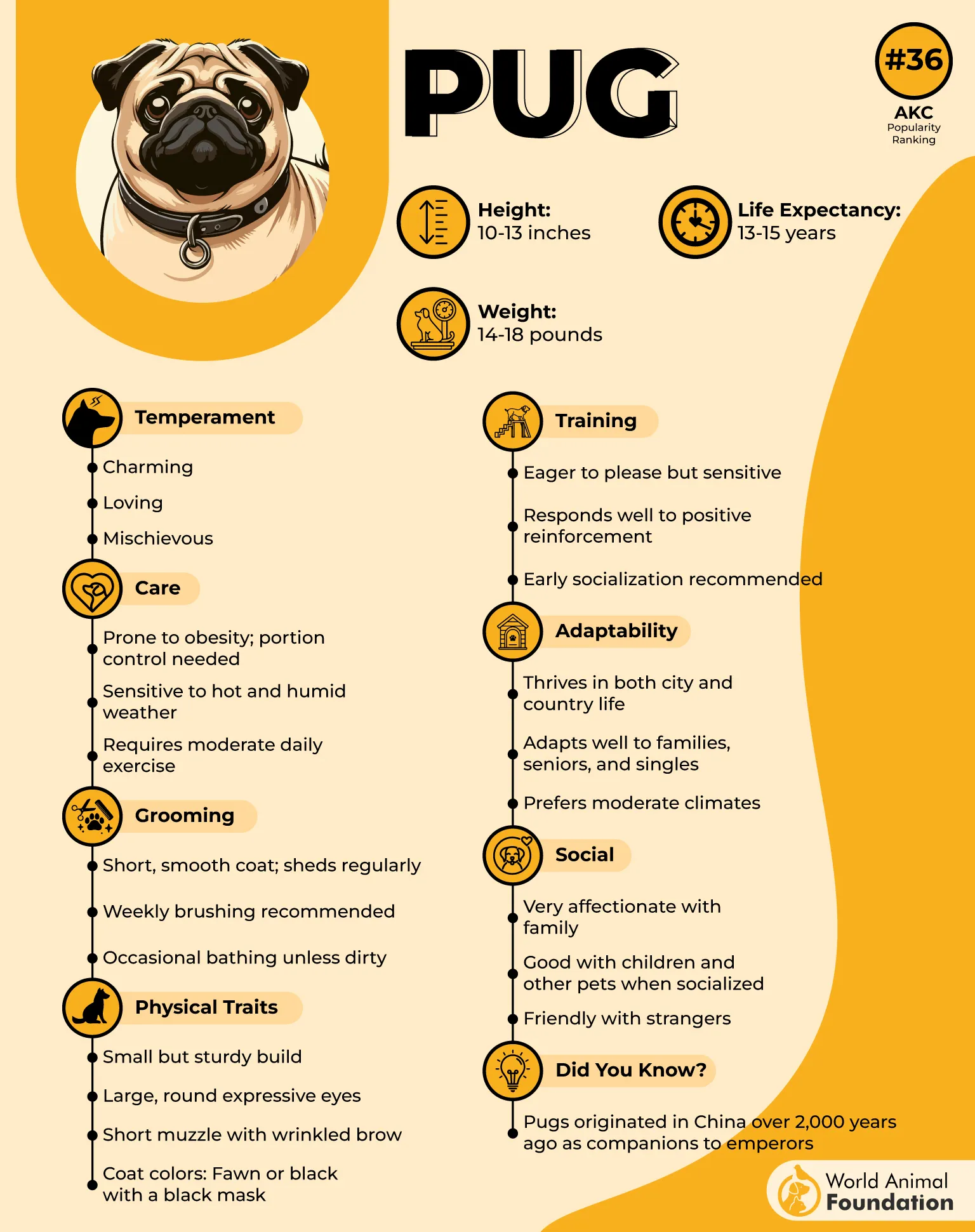
But wait, there’s more! Pugs love food, so keeping a healthy routine matters. Exercise should be steady but not extreme. Daily walks are helpful, but heat can be rough, so timing and comfort matter.
Many Pugs do fine with other dogs and can live peacefully with other pets when introductions are slow. Barking can happen, but many are not big bark stars.
With simple train routines and consistent rules, the Pug can be a great fit for apartment dwellers who want a sweet, funny pet.
Pug perks for apartment living
Loves humans and enjoys a calm home life
Daily walks help maintain steady energy
Often comfortable in a smaller living space
Training and routine help prevent nuisance bark
5. Shih Tzu
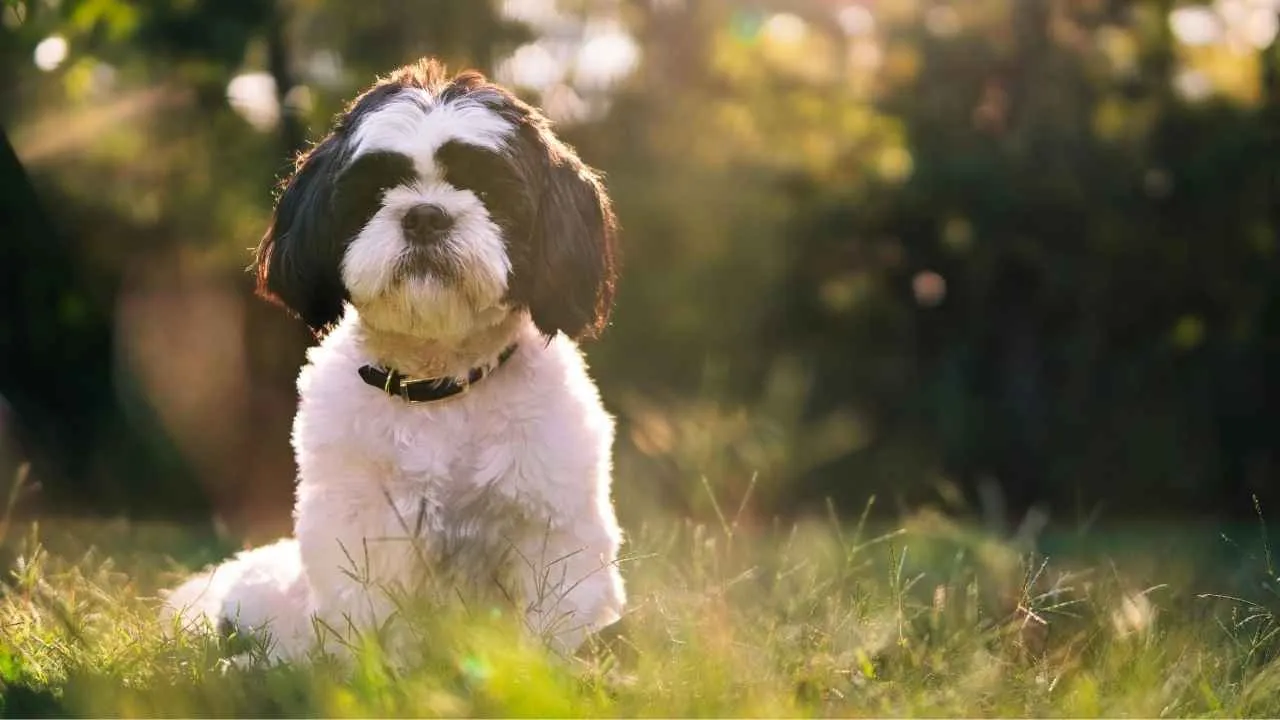
Shih Tzu energy is pure mischief wrapped in fluff. This small dog breed was shaped for indoor life, which is why it can live in an apartment as if it were born for it.
The breed often enjoys lounging, cuddling, and acting adorable while you try to focus. It gets even worse, though, because it knows it is cute.
For shared apartments and studio living, the Shih Tzu can be a great companion because it usually does not need a huge yard.

Enough exercise is often a mix of daily walks and gentle indoor playtime. Many Shih Tzu pups enjoy being close to their people, which can reduce stress for apartment dwellers who want a buddy nearby.
The coat is a big deal. Grooming is not optional if you want comfort and cleanliness. Regular grooming helps prevent knots and keeps the dog feeling good.
Some Shih Tzu can bark at sounds in the hallway, so basic dog training is useful for apartment building life. Keep a routine, add mental stimulation with easy games, and the dog can settle into a quiet nature that roommates and neighbors will appreciate.
Shih Tzu habits that work in smaller spaces
Often happy indoors with short daily walks
Regular grooming keeps the coat comfortable
Enjoys indoor playtime and close human contact
Training helps manage bark around neighbors
6. Bichon Frise
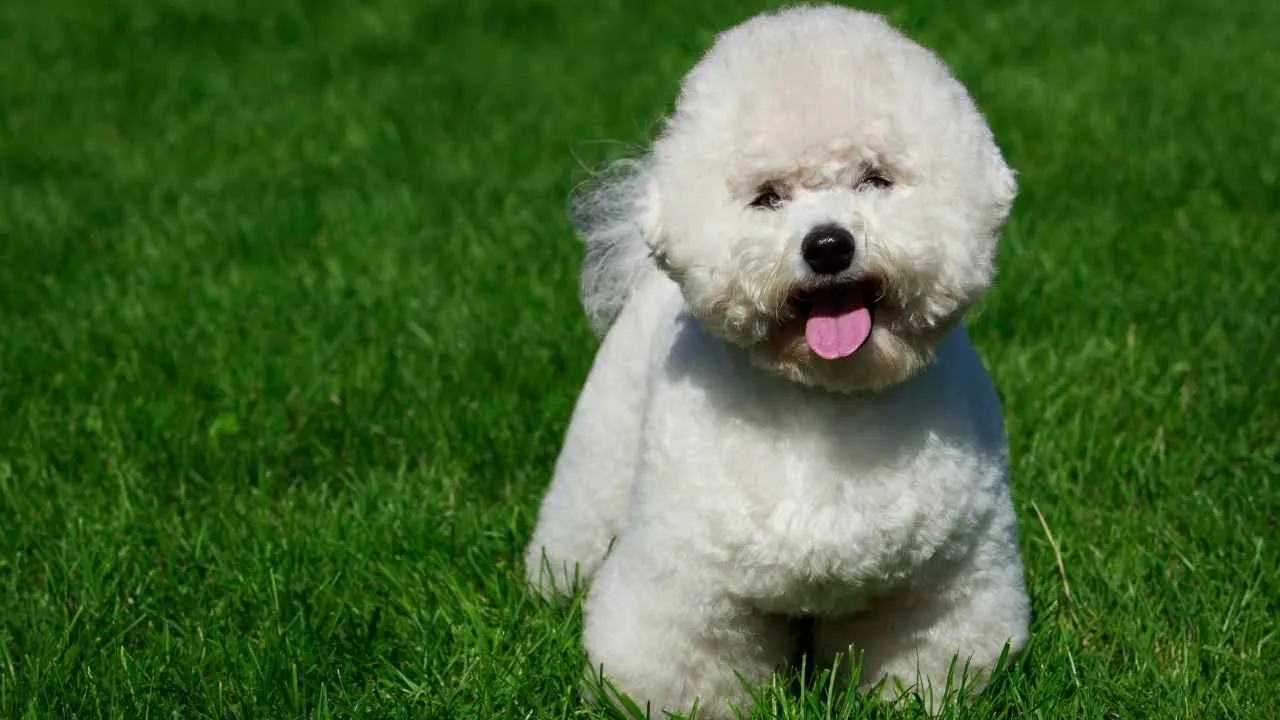
Bichon Frise looks like a little cloud with a sense of humor. This breed is known for charm and a bright, friendly personality. In apartment living, that cheerful nature can make shared space feel warmer, especially when roommates want a dog that feels social and sweet.
The Bichon often does well in a smaller space because it bonds strongly with humans and enjoys being involved. It can also get along with other dogs, and many owners say it treats strangers like future friends.
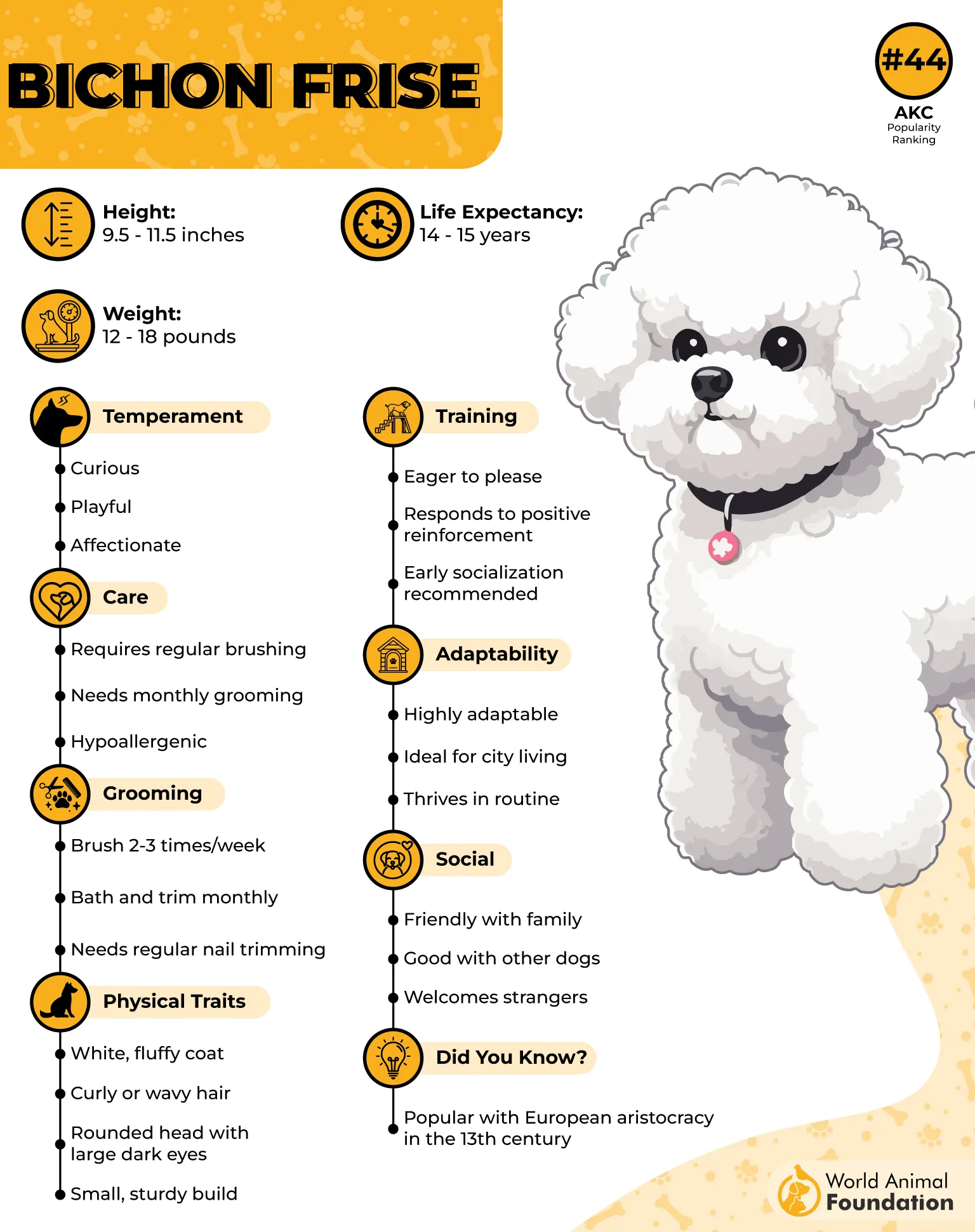
That can be helpful in apartment settings where you run into people in hallways, elevators, and the dog park. Here’s the good part. Many people like this breed because the coat is often described as more allergy-friendly, though no dog is truly zero-allergen.
Grooming still matters. Regular grooming keeps the coat plush, clean, and comfortable. Exercise needs are usually moderate.
Daily walks and indoor playtime can be enough space-wise, especially when you add mental stimulation like simple tricks. Bichons are often easy to train, and that helps a lot when you live close to neighbors.
Bichon Frise strengths for apartment dwellers
Friendly personality that fits a shared living space
Can be easy to train with simple routines
Enjoys mental stimulation and short exercise sessions
Regular grooming supports coat health and comfort
7. Basset Hound

Basset Hounds have a face that looks like it just heard the saddest song ever. But the personality is often calm, steady, and quietly charming.
This breed is low to the ground, sturdy, and built for endurance, not speed. That slower pace can be a relief in apartment life, where nobody wants zoomies at midnight.
A Basset Hound can feel well-suited for apartment living when its needs are understood. It usually enjoys relaxing at home, but it still needs daily walks to stay healthy.
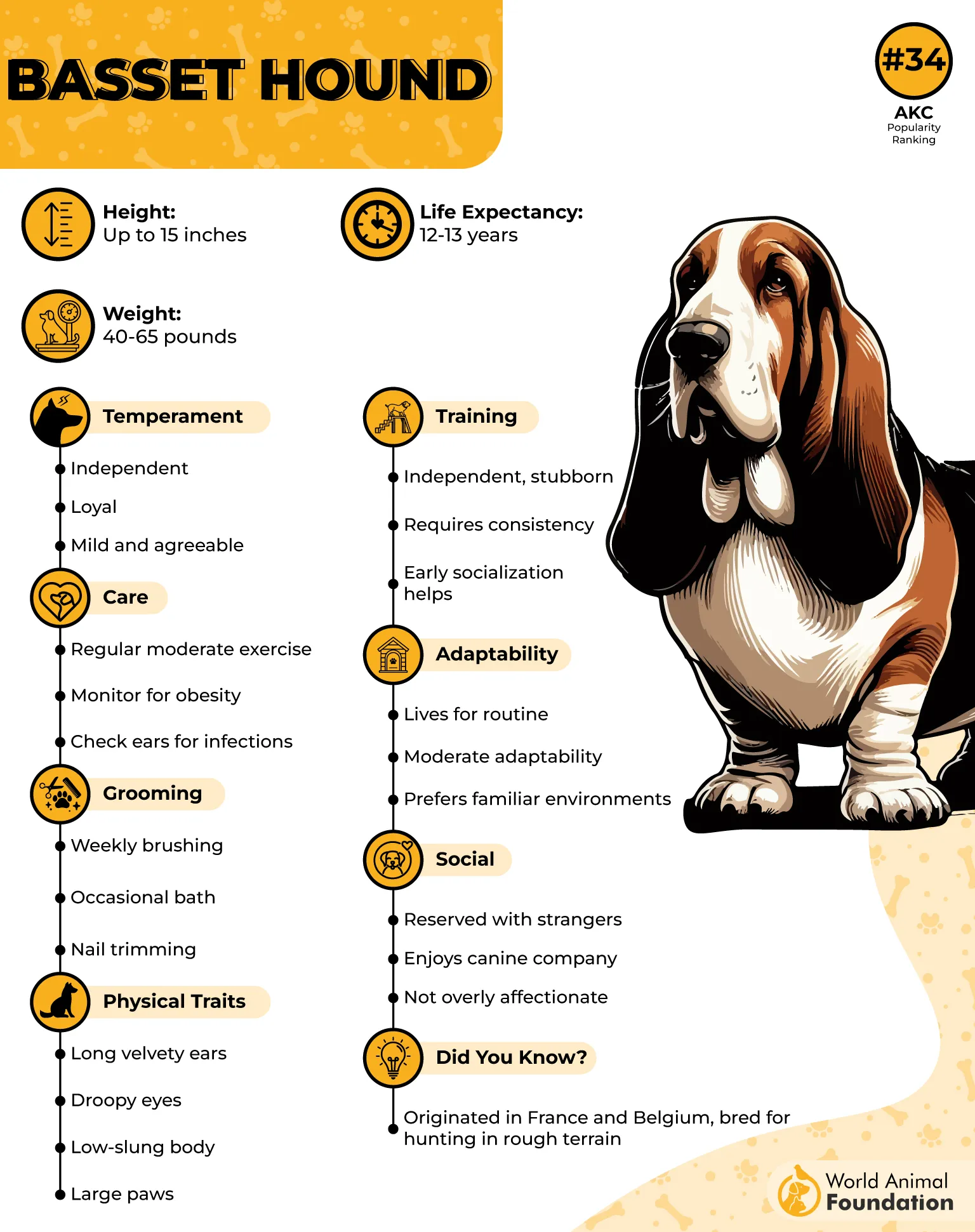
The nose is powerful, and once it catches a scent, it can get stubborn. So dog training matters, especially for leash manners in a shared apartment building.
Now, the honest part. Bassets can bark with a loud voice, and that can be tricky with neighbors. Some are on the quieter side, but it is not guaranteed. This is where routine helps.
Give enough exercise, keep walking times steady, and offer mental stimulation through scent games that do not require much space. Grooming is generally manageable, but the breed does shed, so a quick cleanup routine keeps the shared living space more pleasant.
Basset Hound notes for shared apartments
Calm vibe indoors when exercise is steady
Daily walks support health and reduce restlessness
Training helps manage stubborn moments
Shedding can happen, so simple grooming helps
Conclusion
Shared apartments and studio living can still be perfect for a dog. The trick is picking a breed that matches the space, the noise level, and the daily routine. Some dog breeds thrive with short daily walks and indoor playtime.
Others need stronger dog training to handle bark triggers in an apartment building. Grooming also matters, especially when living space is tight, and cleaning needs to stay simple.
And here’s the best part! When the right pet fits your apartment life, everything feels easier. Neighbors stay happier, roommates stay calmer, and the dog feels safe. So, choose with care, keep routines steady, and give enough exercise and mental stimulation.
A small home can still hold a big, happy life.
