




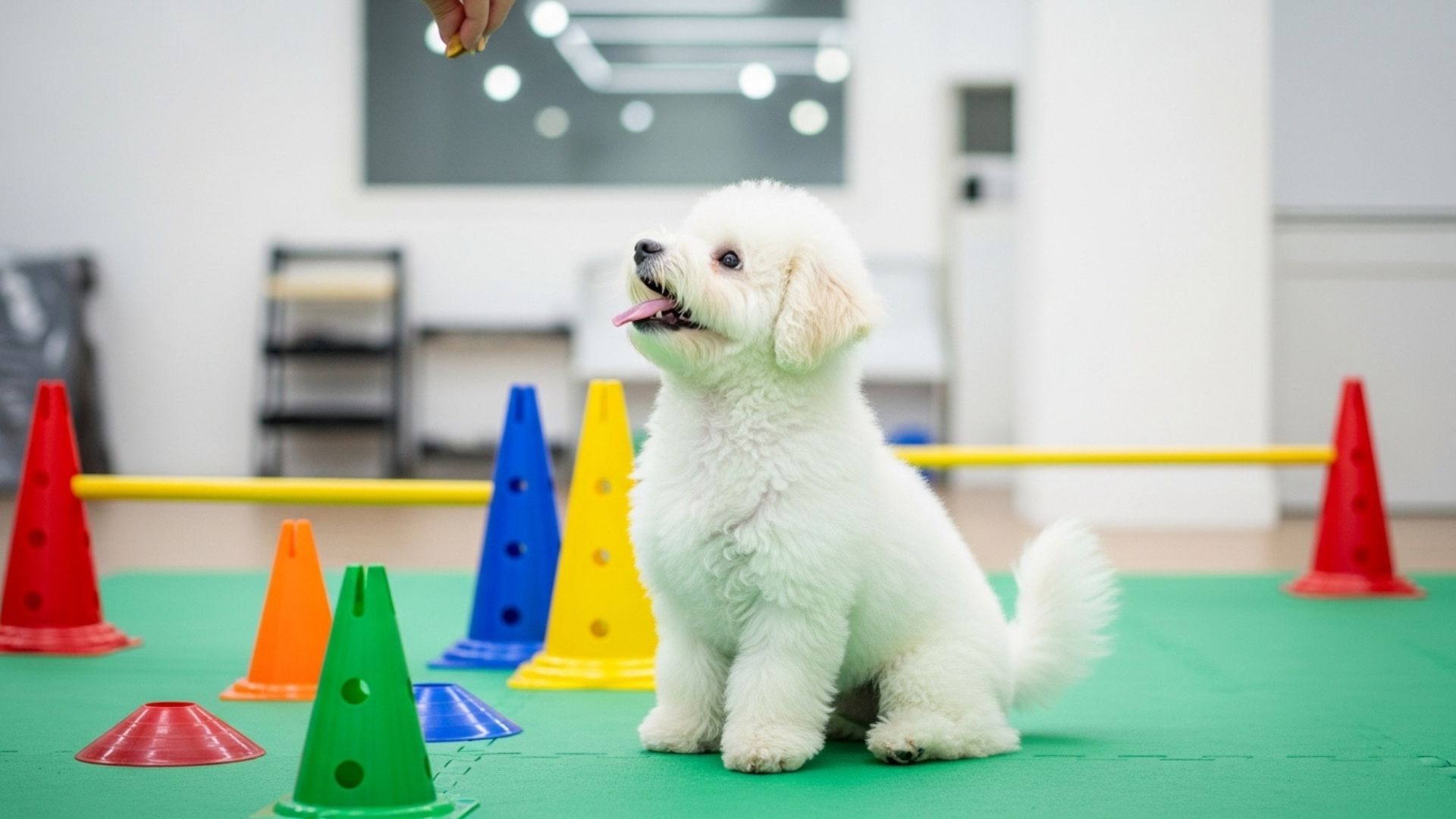
Bringing a trainable small dog breed into your life is like inviting a tiny bundle of energy and personality into your daily routine. Some pups seem to understand commands instantly, while others treat “sit” like a mysterious suggestion. For beginners, choosing a breed known for trainability can make all the difference, turning short training sessions and positive reinforcement into moments of genuine fun rather than frustration.
Training isn’t just about rules—it’s about connection. Small dogs with sharp minds often thrive on games that build skills, trust, and confidence. Add early socialization, gentle handling, and mental challenges, and you’ll find your new companion quickly adapting to family life without stress or pressure.
Ultimately, intelligent dog breeds are a joy to live with, and picking a breed with intelligence, eagerness to please, and a love for rewards can save time and effort. With the right small dog, learning commands becomes play, and training turns into bonding.
Top Small Dog Breeds That Are Easiest To Train For Beginners
Choosing a smart, eager-to-please small dog makes training a fun and rewarding adventure for new pet parents.
1. Boston Terrier
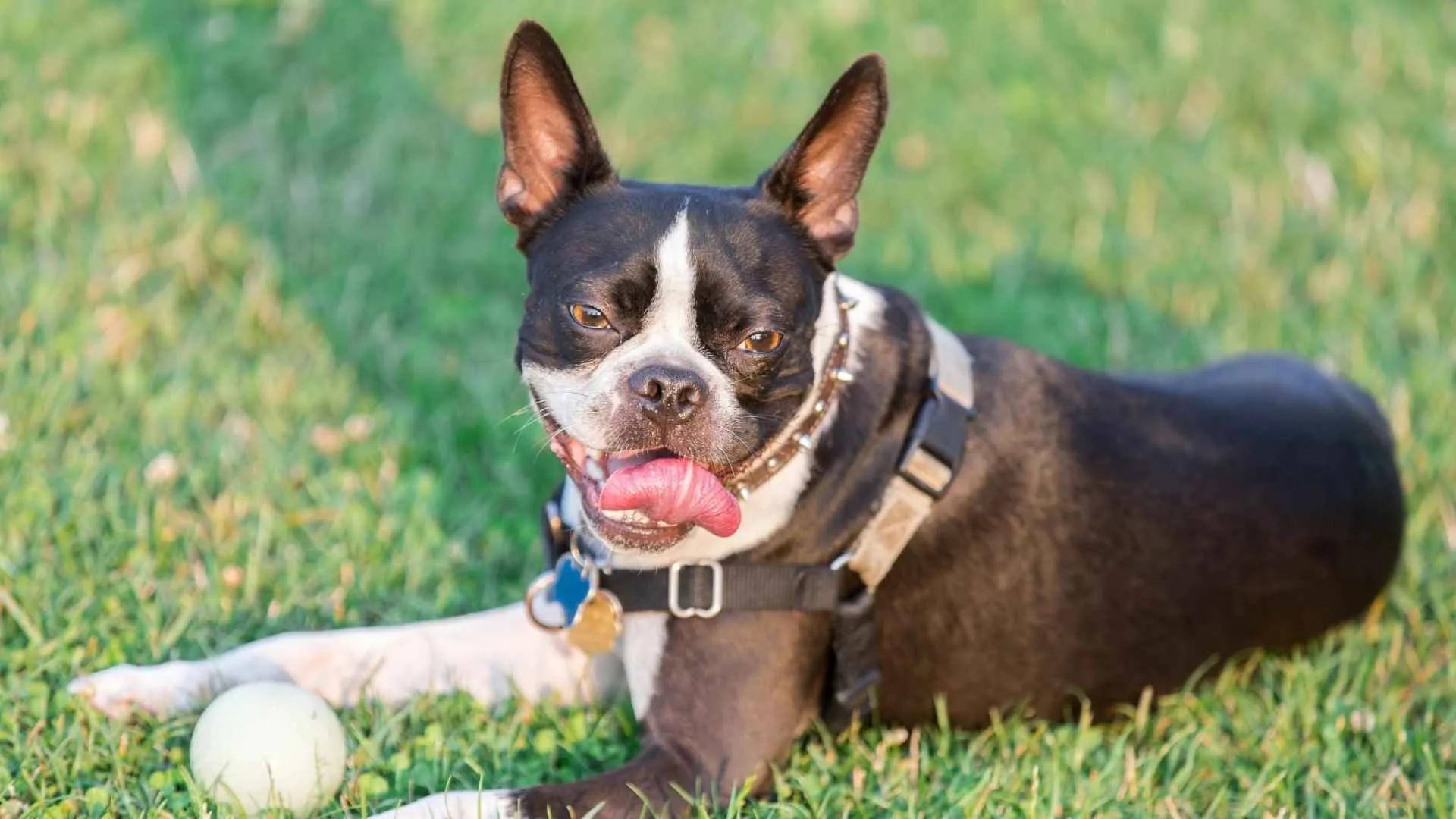
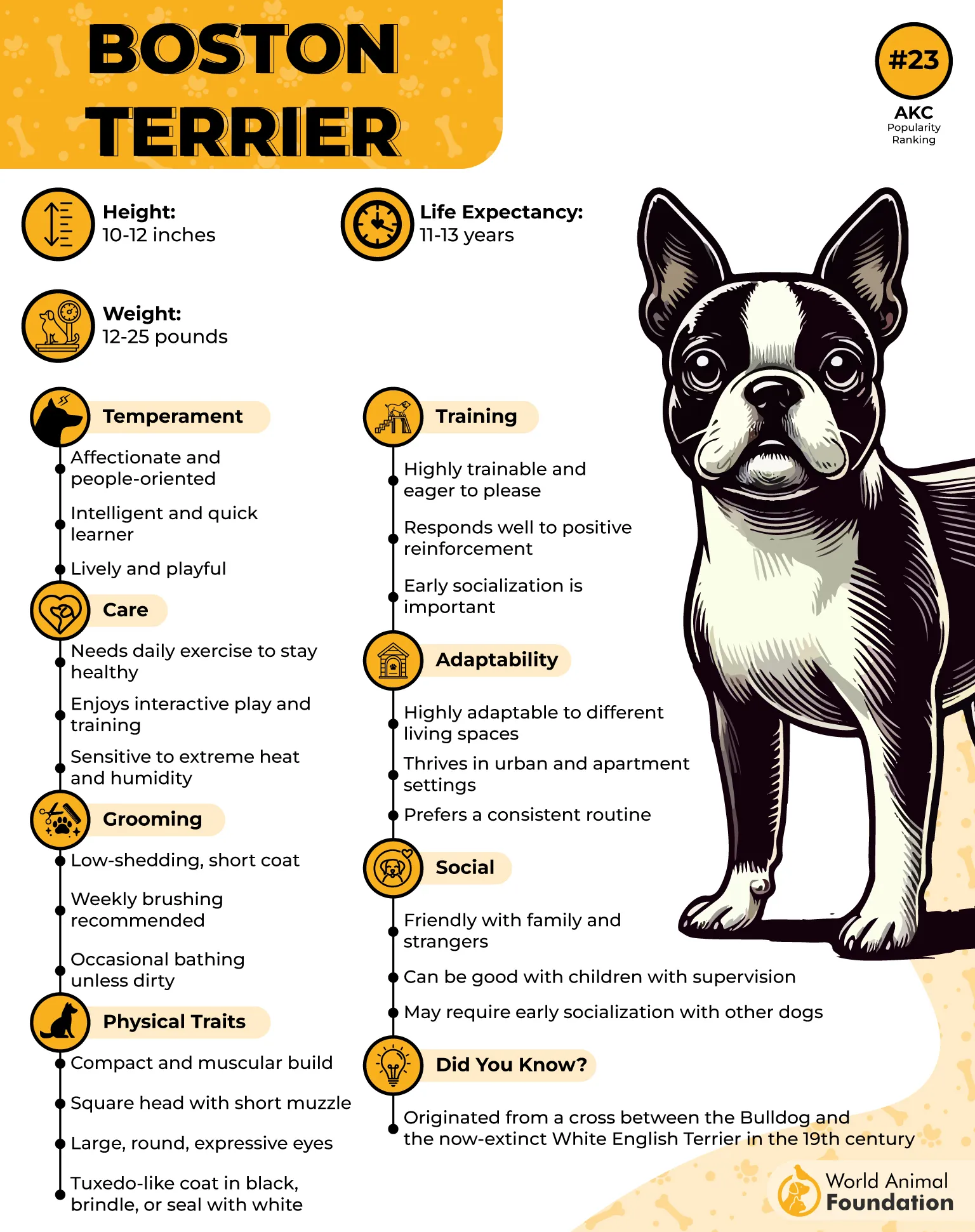
Boston Terriers trace their roots back to Boston, Massachusetts, where a cross between a Bulldog and a now-extinct white English Terrier created a small, muscular dog named Judge. Over generations, breeders refined him into the compact, friendly, tuxedo-clad companion we know today.
Spirited Companions with Heart
Small but full of energy, Bostons thrive in family life and enjoy joining in all kinds of household activities. Short bursts of play and mental stimulation keep these little charmers happy and prevent boredom-related mischief.
Quick Learners with Personality
Boston Terriers are intelligent and respond beautifully to positive reinforcement, though they sometimes have a mind of their own. Early socialization and gentle handling help them become confident, well-mannered companions, and a harness is recommended for walks to protect their sensitive tracheas.
Why Boston Terriers Are Beginner-Friendly
Eager to please and highly responsive to positive reinforcement
Intelligent and quick to learn basic commands
Small size makes handling and training easier
Social and adaptable to various living environments
Enjoy games and activities that make training feel like play
2. Pug
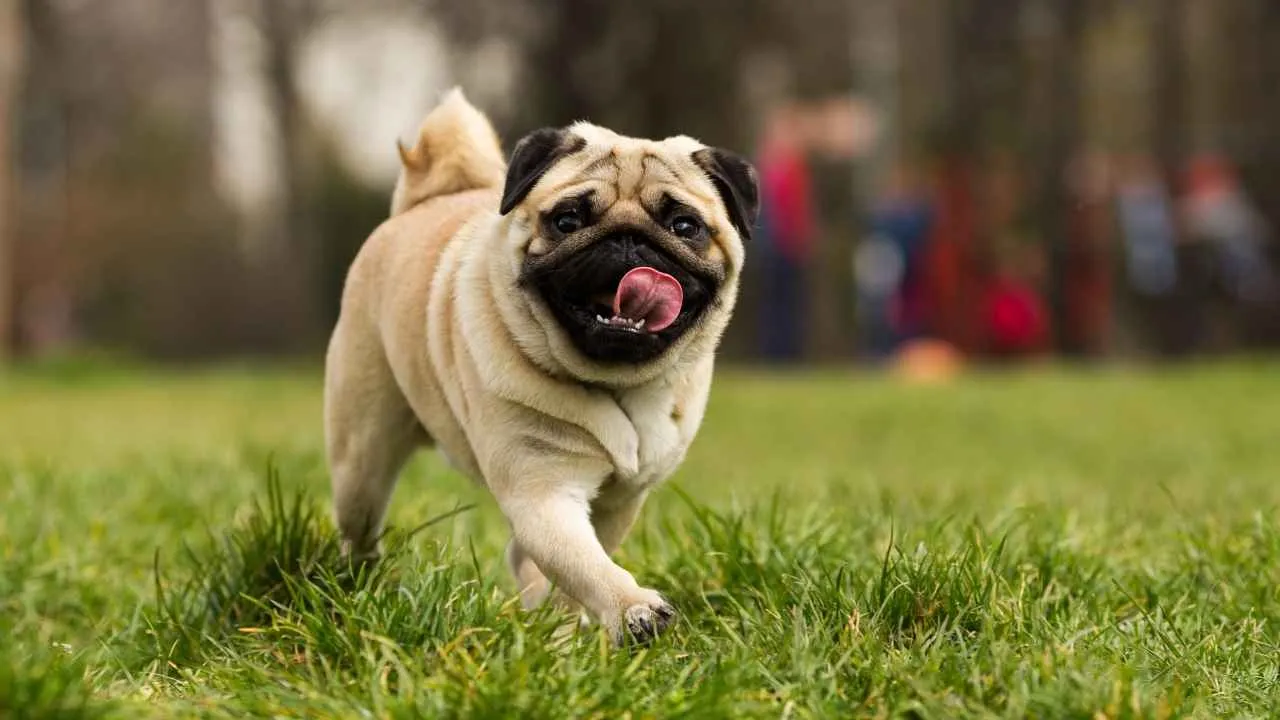
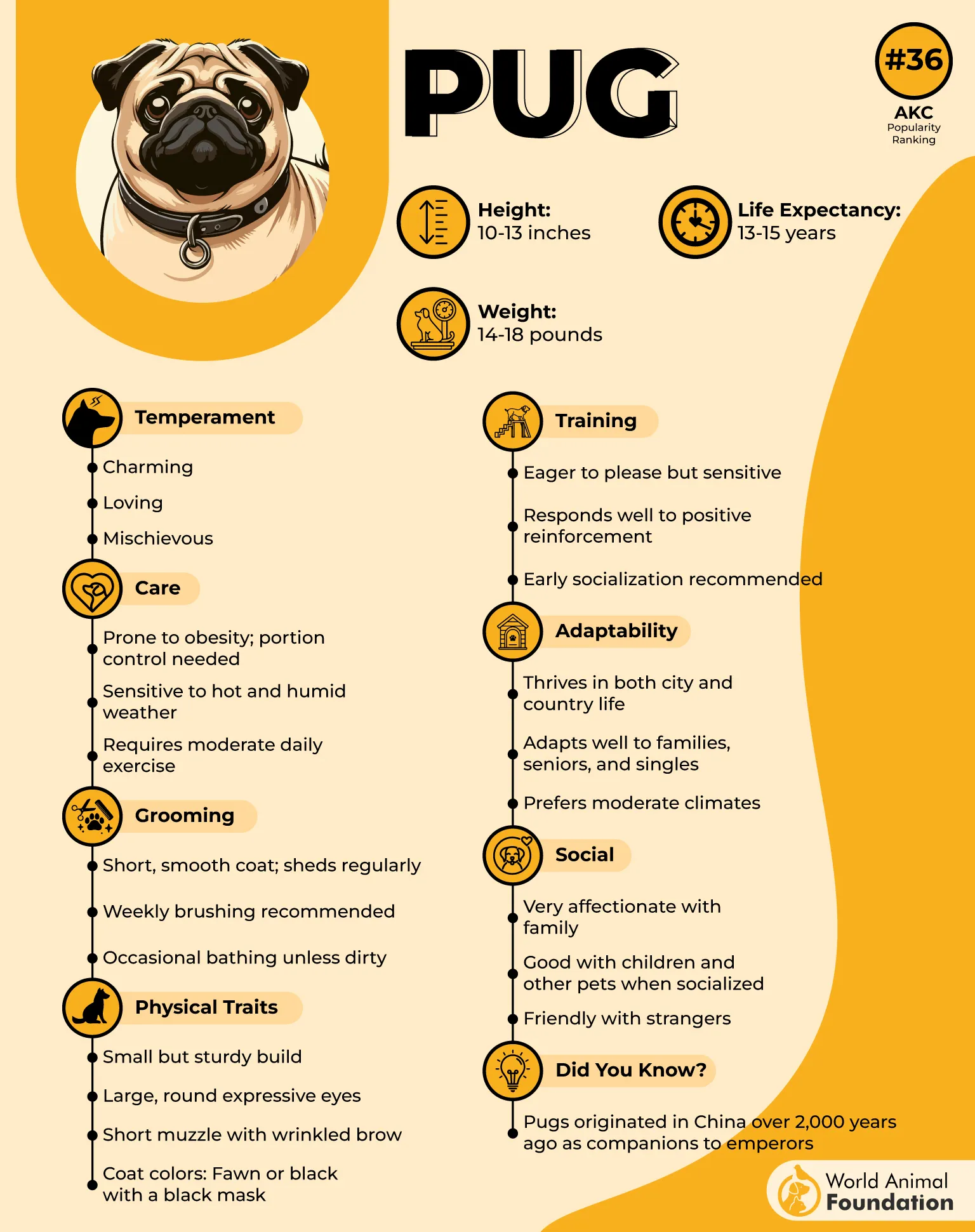
Pugs likely originated in China and were brought to Europe in the late 17th century, quickly becoming treasured lap dogs for nobility, as per PDSA. Their square, muscular build, curled tail, and large, expressive eyes give them a distinct and charming appearance.
Playful Hearts with Gentle Needs
Although energetic and cheerful, Pugs require moderate exercise, favoring short walks and indoor games over intense activity. With proper care, grooming, and attention to diet, these small companion dogs stay healthy, happy, and ready to entertain at a moment’s notice.
Smart, Sociable, and Loving
Pugs are affectionate, intelligent, and eager to bond with their families, though they can be stubborn at times. Positive, reward-based training works best, starting from day one, with consistency from all household members.
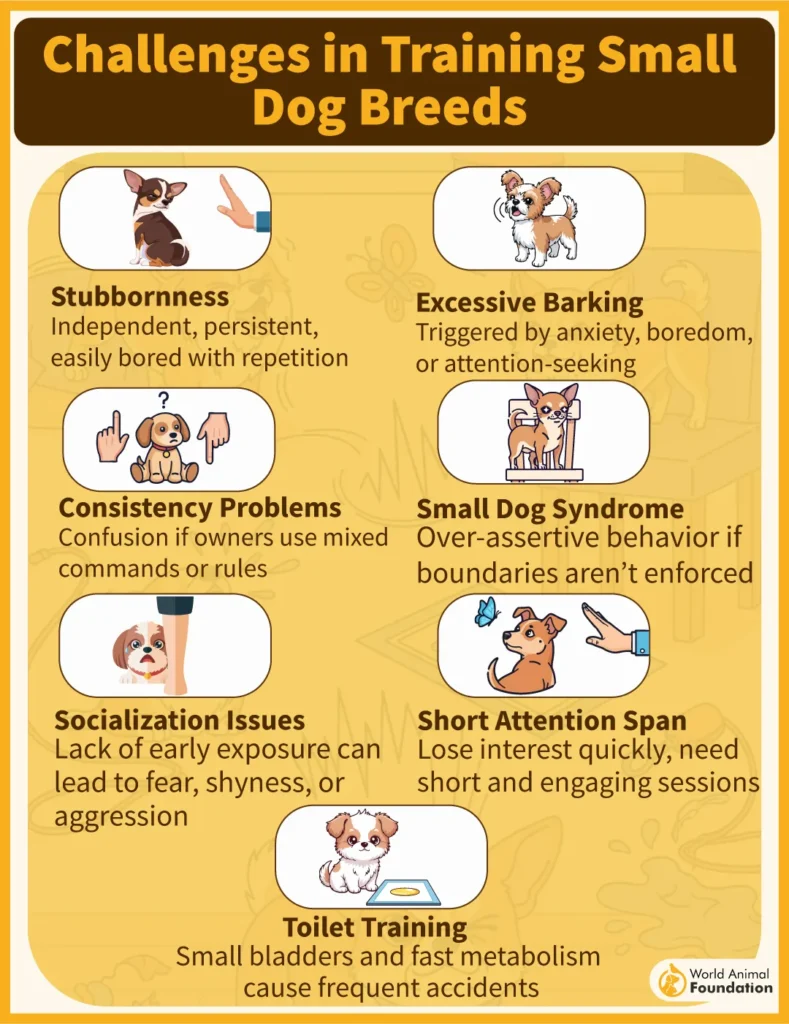
Why Pugs Are Beginner-Friendly
Loyal and people-oriented, thriving on human companionship
Quick to learn with positive reinforcement methods
Playful and motivated by games and treats
Compact size makes handling and exercise manageable
Adaptable to apartment and home living environments
3. Bichon Frise
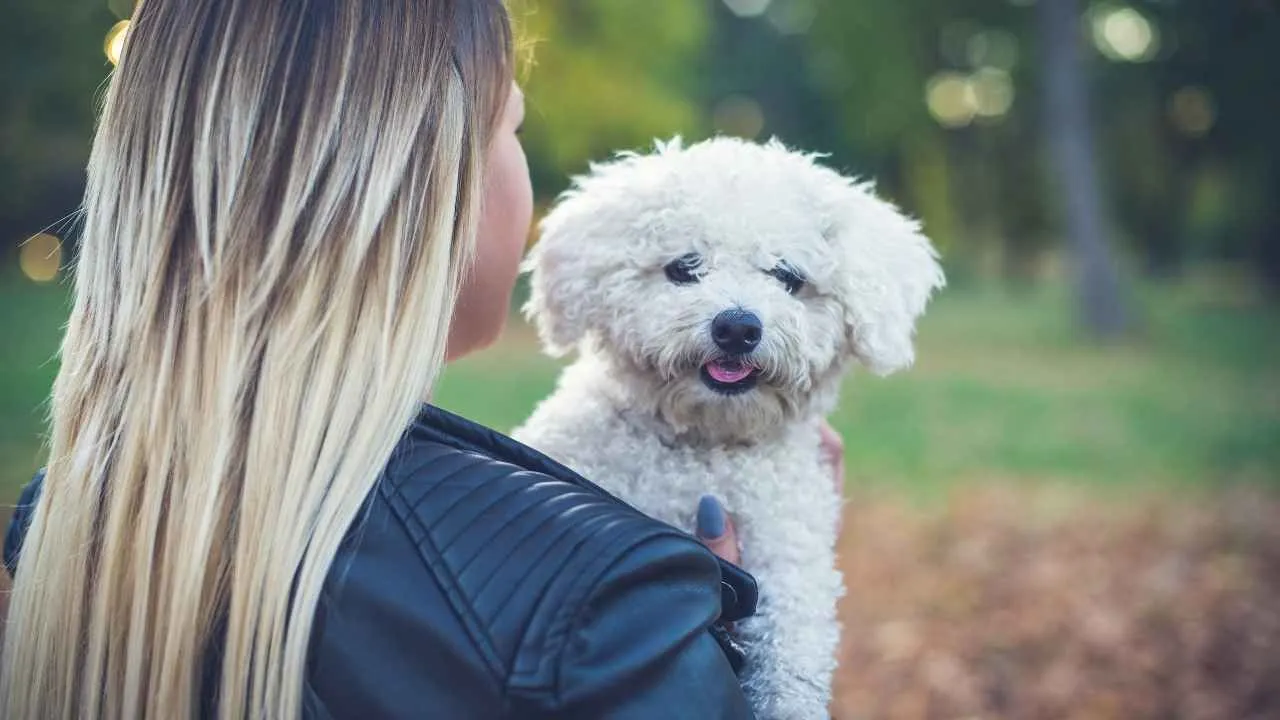
The Bichon Frise traces its origins to the Mediterranean, where it charmed sailors and royalty alike with its small, fluffy presence. Over the centuries, these cheerful dogs moved from royal courts to street performers’ circuses, earning a reputation as clever, adaptable companions.
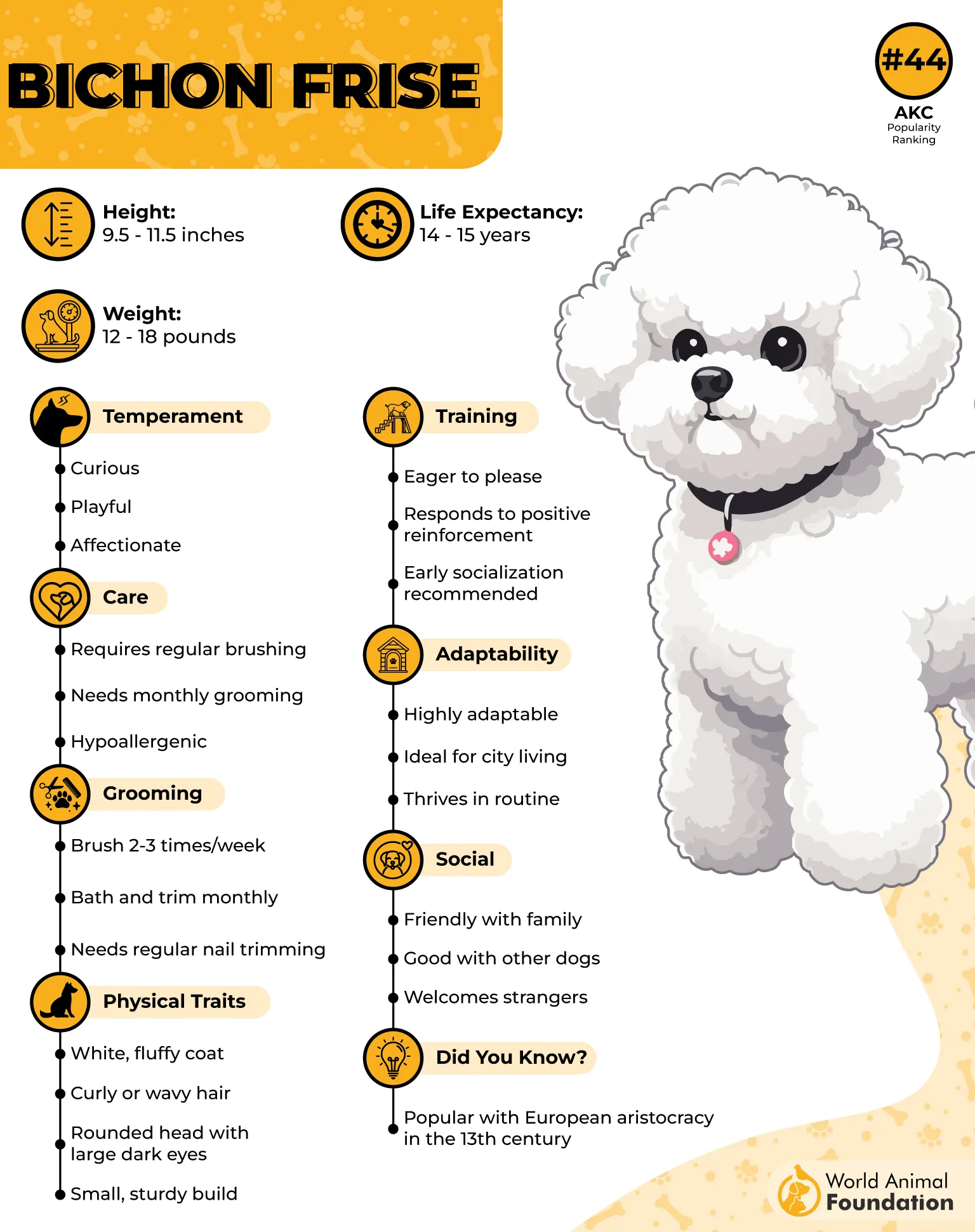
Cheerful, Playful, and Family-Friendly
Gentle, affectionate, and full of life, Bichons adore being part of the family. They bond easily with children and other pets, thriving on daily play, walks, and mental engagement. Their plush, curly coat sheds minimally, making them a great option for allergy-sensitive households, as per Purina.
Intelligent Little Performers
Bichon Frises are smart, eager to please, and quick to learn, responding well to positive, reward-based training. Their history as circus performers shows just how clever and adaptable they can be. Consistency and patience make them wonderful family pets, and they flourish when socialized early and given gentle guidance.
Why Bichon Frises Are Beginner-Friendly
Highly intelligent and eager to please
Quick learners with positive reinforcement
Small, manageable size for training sessions
Playful and motivated by games and treats
Sociable and adaptable to family life and other pets
4. Papillon
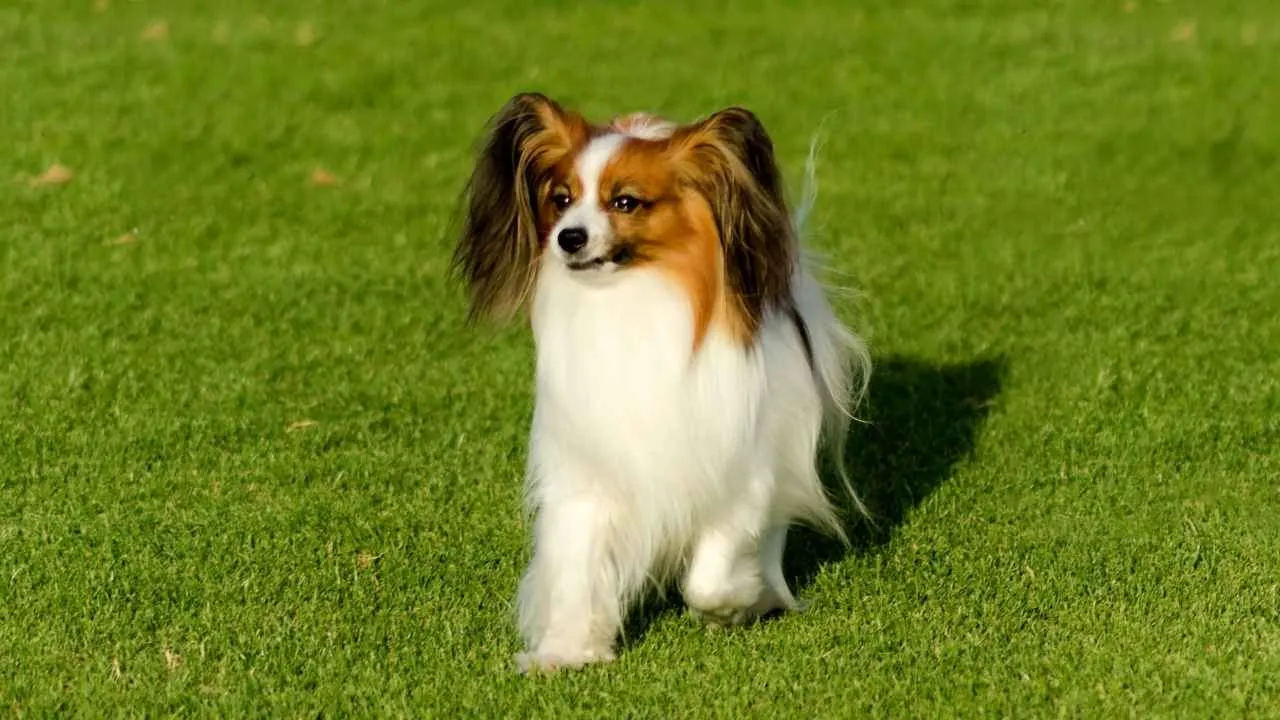
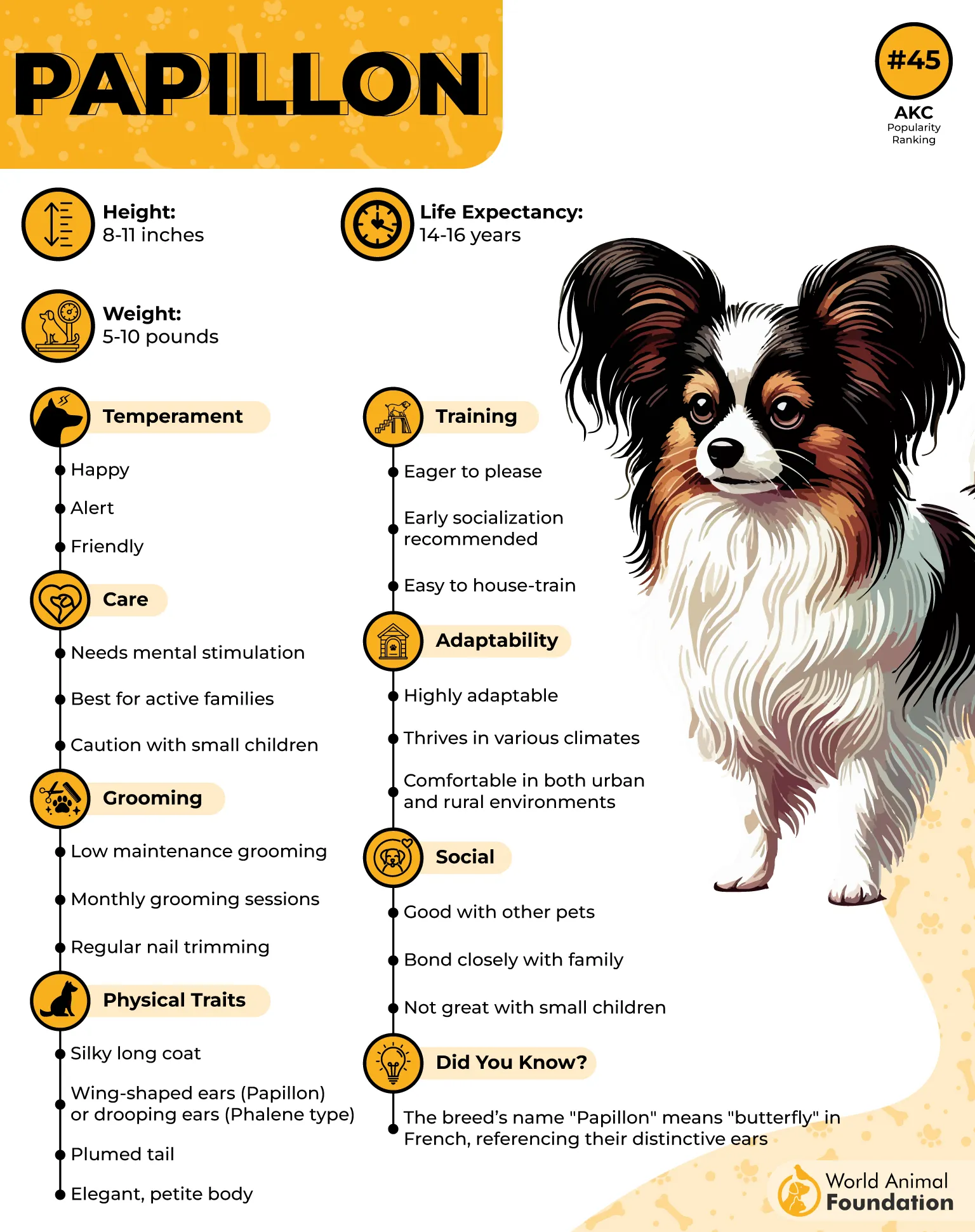
The Papillon, named for its signature butterfly-like ears, is a glamorous little companion with roots in European royal courts dating back to the 16th century. Descended from toy Spaniels, this dainty dog combines elegance with brains, making it as famous for its intelligence as for its striking appearance.
Spirited, Social, and Loving
Papillons are lively, friendly, and outgoing, enjoying both lap cuddles and playful runs around the house, as per PetMD. They bond well with children, other dogs, and even cats if socialized early. Small yet confident, they adapt seamlessly to apartments or large homes, and travel well thanks to their tiny size.
Quick-Witted Performers
One of the smartest toy breeds, Papillons learn commands and tricks rapidly and thrive on mental challenges. Their alertness, desire to please, and playful energy make training a fun and rewarding experience. Whether in agility, obedience, or simple family games, Papillons excel with gentle, consistent guidance.
Why Papillons Are Beginner-Friendly
Extremely intelligent and quick to grasp commands
Eager to please and responsive to positive reinforcement
Small, manageable size makes training stress-free
Social and adaptable to family life and other pets
Playful nature keeps training sessions engaging
5. Cavalier King Charles Spaniel

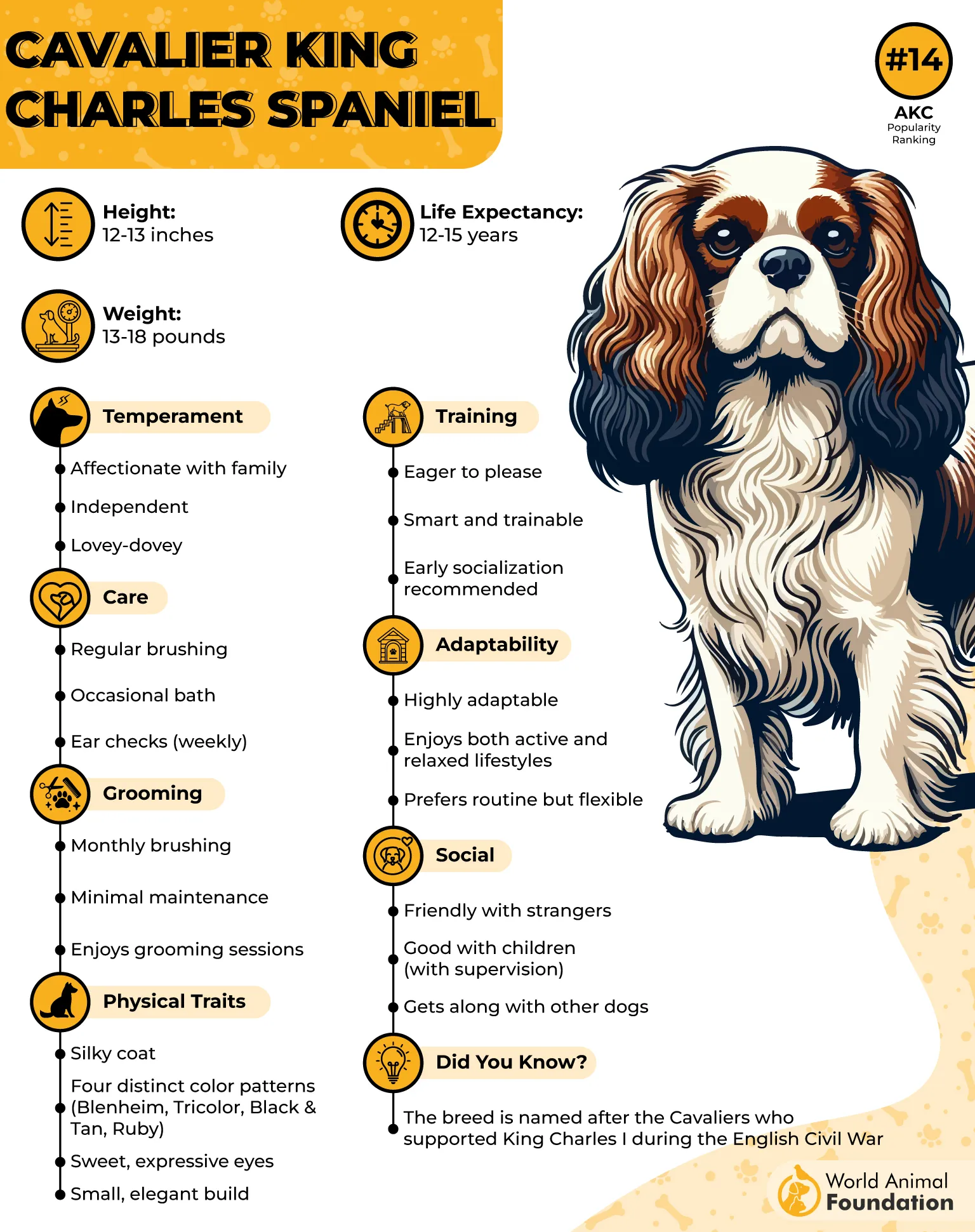
The Cavalier King Charles Spaniel carries its noble heritage proudly, tracing back to 17th-century British royalty, according to the AKC. Small yet elegant, these toy spaniels combine the gentle temperament of a lapdog with the energy and athleticism of a sporting breed, making them both playful companions and calm cuddle partners.
Adaptable Family Friends
Cavaliers are friendly, patient, and highly social, thriving with children, other pets, and strangers alike. They enjoy daily walks and moderate outdoor play but are equally happy lounging on a sofa. Their adaptable nature allows them to fit effortlessly into both active households and more relaxed lifestyles.
Smart, Eager, and Trainable
Known for their intelligence and desire to please, Cavaliers respond well to consistent, reward-based training. Whether learning basic commands, agility exercises, or obedience skills, their eagerness to engage and bond with their owner makes training sessions enjoyable and effective.
Why Cavalier King Charles Spaniels Are Beginner-Friendly
Eager to please and quick learners
Intelligent and responsive to positive reinforcement
Small, manageable size for handling and training
Gentle and sociable, great with children and pets
Adaptable to different living situations and routines
6. Border Terrier

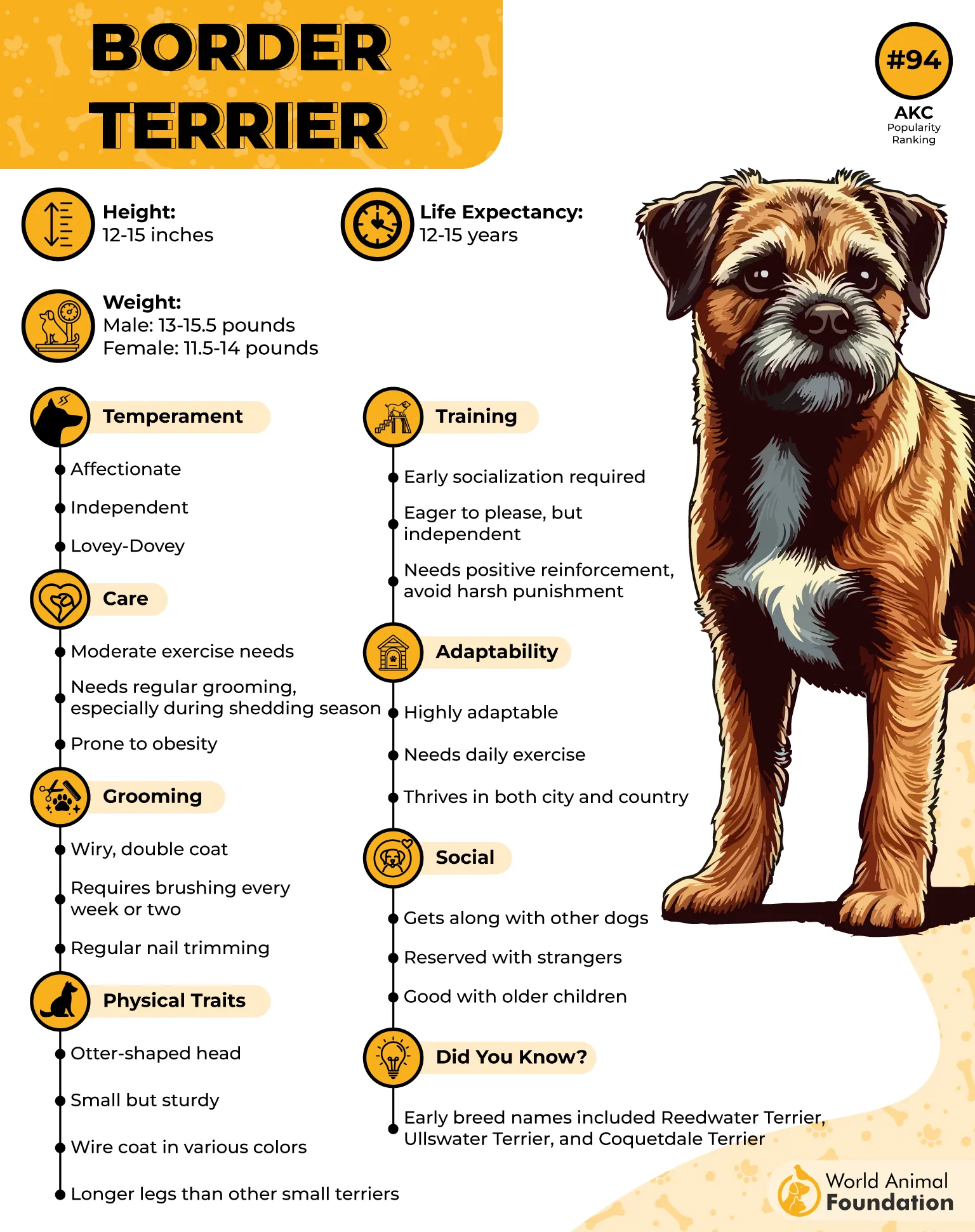
The Border Terrier was bred in the borderlands of England and Scotland to help farmers control foxes threatening their livestock. Their dense, wiry coat protects them from harsh weather, while their compact, athletic build allows them to navigate both rough terrain and narrow burrows with ease.
Clever Companions with Heart
Unlike many terriers, Border Terriers were originally bred to work alongside other dogs, making them more social and less aggressive. While they have an independent streak and an instinct to dig, they also respond well to guidance and enjoy mental stimulation, making them rewarding companions.
Easy-Care Energy for Busy Lives
Borders are active dogs who need daily exercise but are surprisingly low-maintenance. Adaptable to city apartments or country farms, they enjoy being close to their owners and form strong bonds that last 13–14 years, provided their food and exercise are balanced, as per Britannica.
Why Border Terriers Are Beginner-Friendly Learners
Respond well to positive reinforcement and consistent training.
Naturally obedient and eager to please their family.
Moderate energy makes them focused during training sessions.
Social temperament allows them to interact well with other pets.
Intelligent problem-solvers who enjoy learning tricks and commands.
7. Havanese
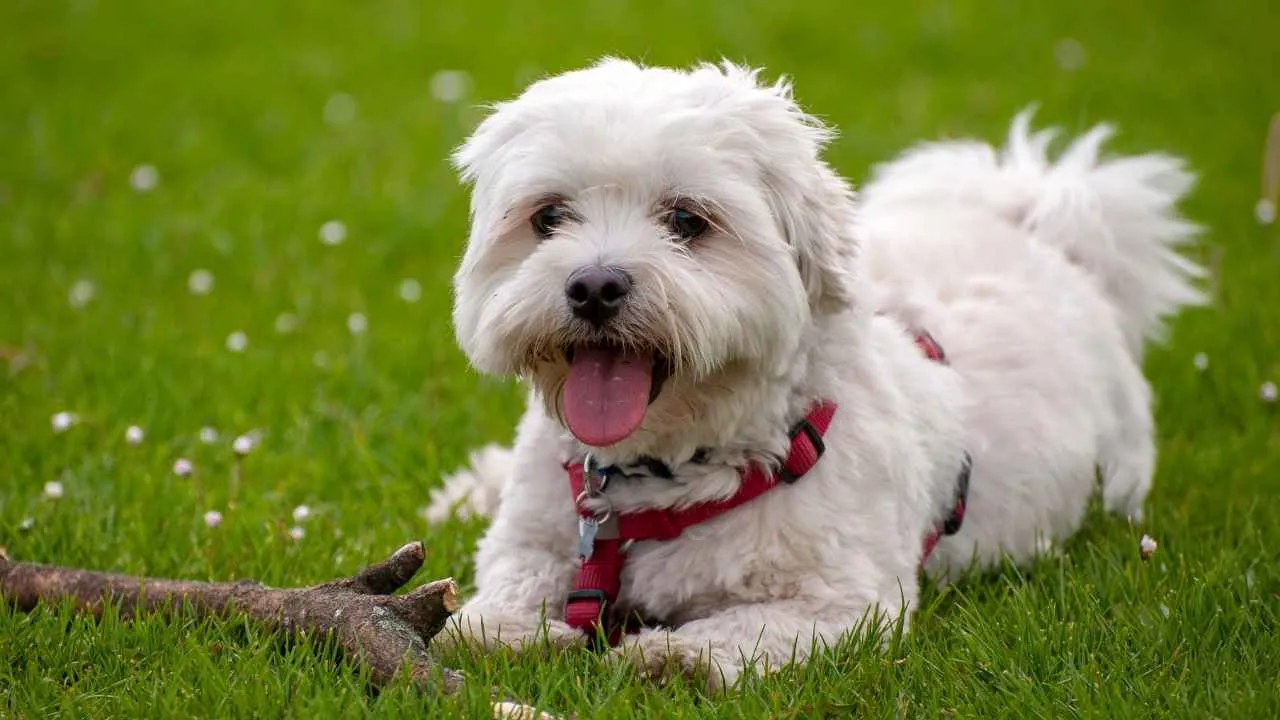
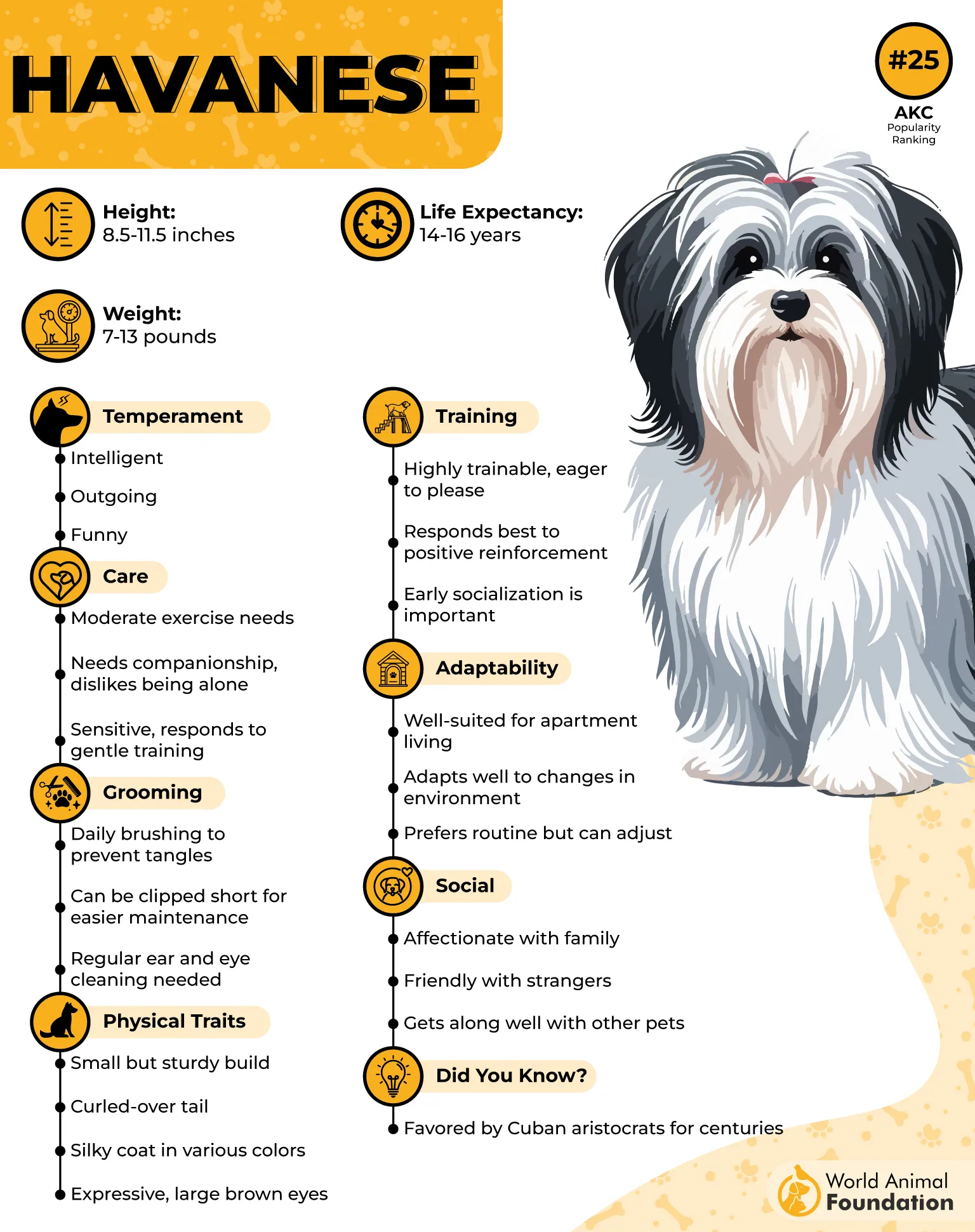
The Havanese, Cuba’s national dog, descends from small companion breeds brought to the island by Spanish settlers. Over time, they became beloved lapdogs of the Cuban aristocracy, prized for their affectionate dog nature and lively charm. Their silky coat, expressive eyes, and sturdy little frame make them both elegant and approachable.
Cheerful, Social, and Eager to Please
Havanese are known for their bright intelligence and strong desire to bond with their people. Unlike more independent toy breeds, they genuinely enjoy learning and interacting, which makes training feel like a shared activity rather than a task. They respond quickly to praise, treats, and upbeat encouragement, often picking up basic commands with ease.
Care, Exercise, and Training Tips
Though small, Havanese are moderately energetic and benefit from daily walks, playtime, and short mental challenges. Their long, double coat requires regular brushing to prevent tangles, but many owners opt for a shorter “puppy cut” for easier upkeep. Early socialization helps them grow into confident, adaptable companions who are comfortable around new people and environments.
Why Havanese Are Beginner-Friendly Learners
Highly intelligent and quick to grasp new commands.
Strong desire to please their owners.
Respond exceptionally well to positive reinforcement.
Small, sturdy size makes them easy to handle during training.
Naturally social temperament supports smooth adaptation to family life.
Conclusion
Choosing a calm small dog isn’t just about picking a cute face—it’s about finding a companion whose personality and temperament fit seamlessly into your daily life. Calm, adaptable, and eager-to-please dogs tend to thrive in family homes, learning commands quickly and enjoying the bonding that training brings. By focusing on these qualities, you set the stage for a happy, harmonious relationship.
Training doesn’t have to feel like a chore. Short, positive sessions filled with praise, games, and mental stimulation turn learning into fun for both you and your furry friend. When a dog genuinely wants to make you happy, teaching new skills becomes a partnership rather than a struggle, and the trust you build makes life together easier and more rewarding.
Finally, matching an intelligent dog’s energy to your lifestyle is key. A senior dog who thrives on the amount of attention, exercise, and interaction you can provide will be calmer, more confident, and easier to train. With patience, consistency, and a focus on trust and understanding, the right intelligent dog breed can become not just an excellent family pet but a beloved lifelong friend.
