




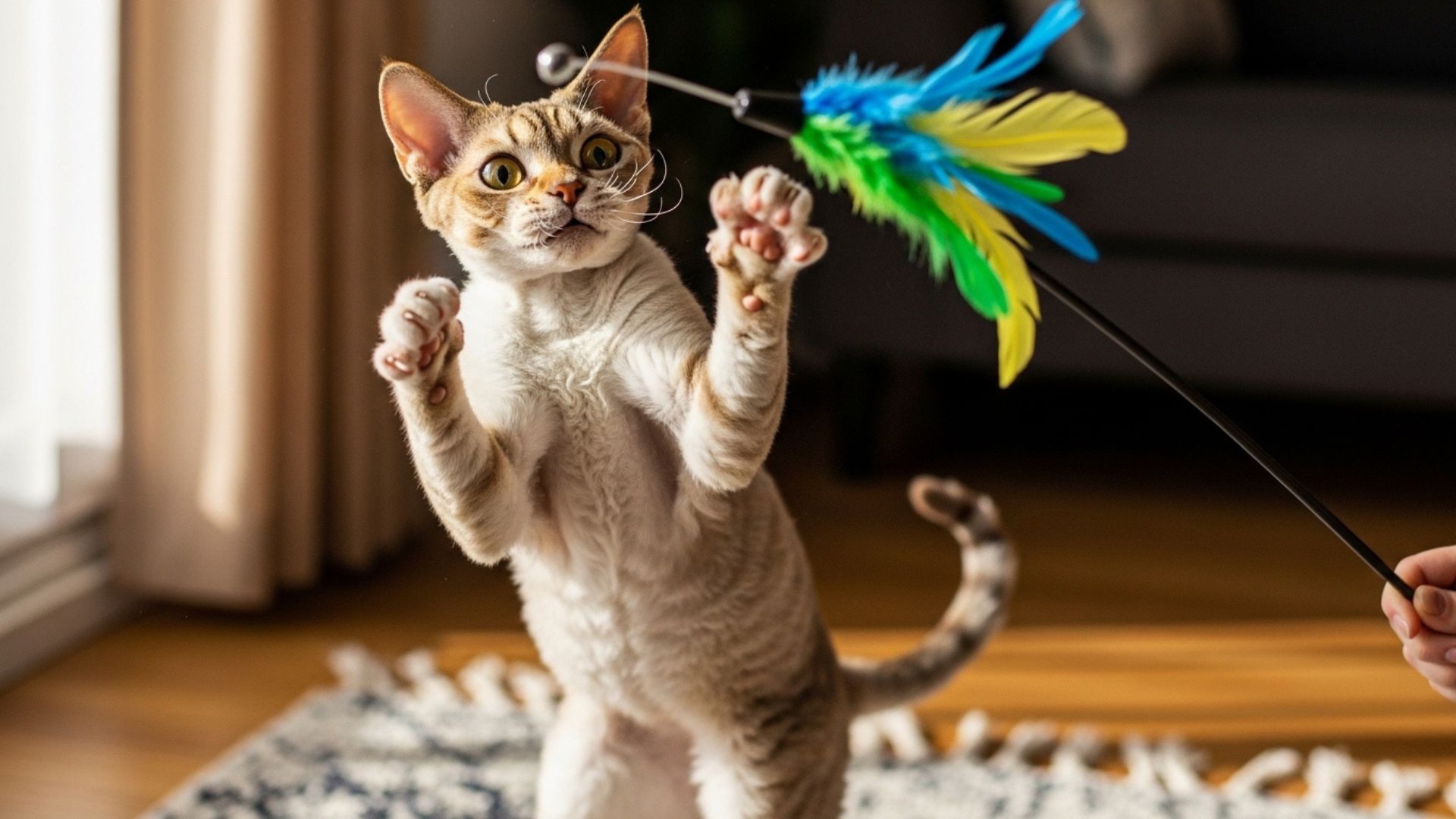
Wand toys are a favorite in many cat homes, and for good reason. With a simple flick of the wrist, these toys turn playtime into an interactive experience that encourages movement, focus, and engagement. Many cats love the way wand toys mimic the motion of prey, making play feel exciting and rewarding.
While nearly any cat can enjoy a good teaser session, some breeds seem especially drawn to this style of play. In this article, we will explore cat breeds that often prefer wand toys and why these playful tools fit their natural tendencies.
Whether you are choosing toys for a new kitten or refreshing your cat’s play routine, understanding breed preferences can make playtime more fun for both of you.
Cat Breeds That Prefer Wand Toys
1. Abyssinian
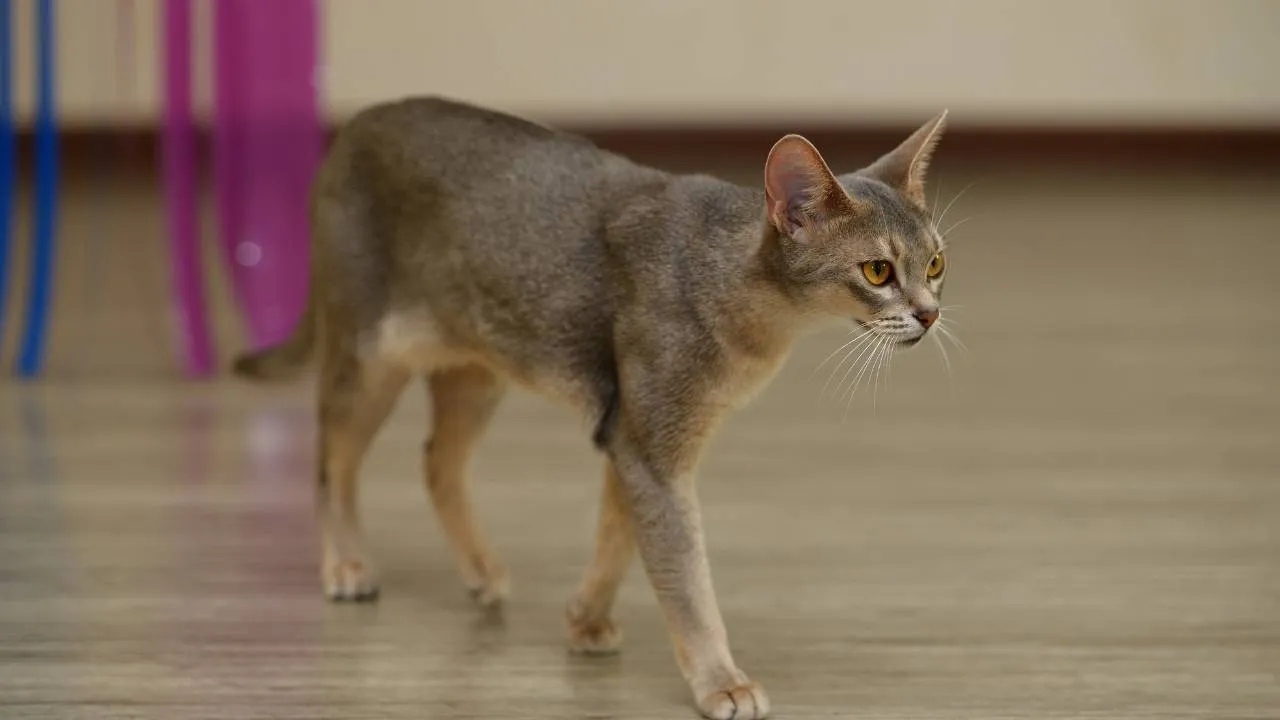
The Abyssinian is often described as curious and constantly on the move, with a strong interest in everything happening around them. Breed profiles highlight their alert nature and love of exploring vertical spaces, shelves, and furniture tops. Sitting still for long is rarely their style, especially during waking hours.
As per VCA, this breed enjoys games that allow them to chase, leap, and stay mentally engaged. Interactive play is frequently recommended for Abyssinians because it helps channel their busy energy into something constructive. They tend to lose interest in toys that do not react or change, preferring play that feels unpredictable.
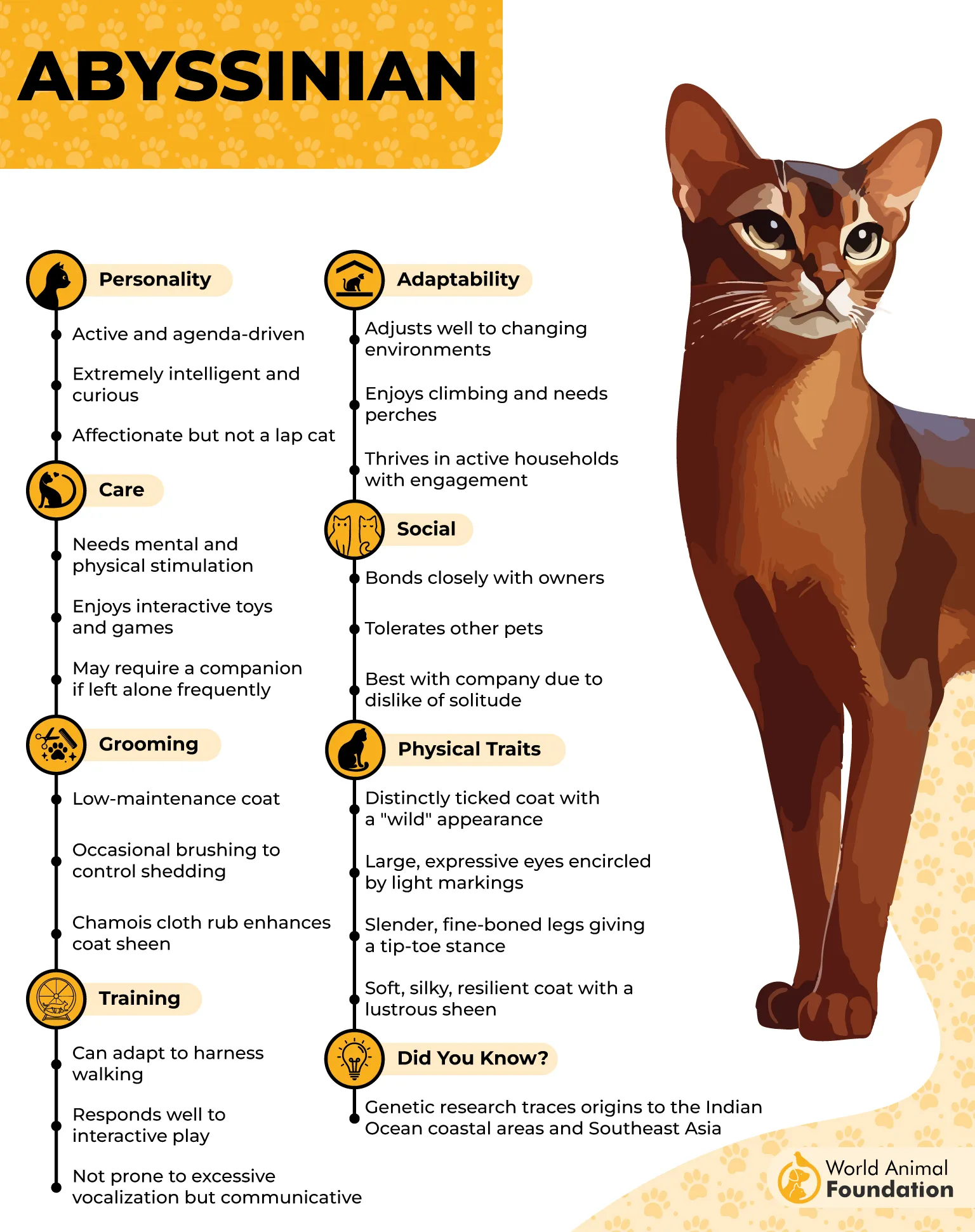
Time spent playing together also supports their social side. Abyssinians are known for forming close bonds with their people and often want to be part of daily activities. A play routine that involves movement and attention fits naturally into how they connect with their humans.
Why This Cat Is a Good Fit
Enjoys fast-moving play that keeps both body and brain busy
Thrives on interactive games rather than solo entertainment
Often stays engaged longer when the play involves human participation
2. Siamese
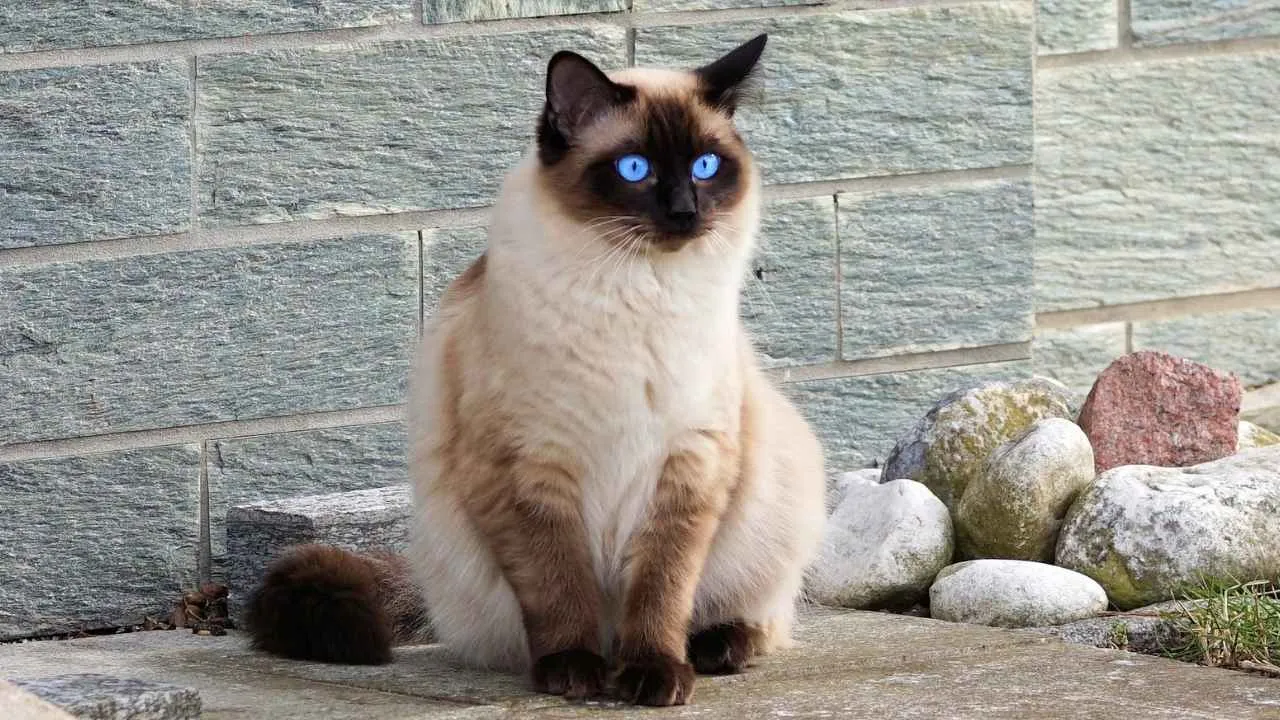
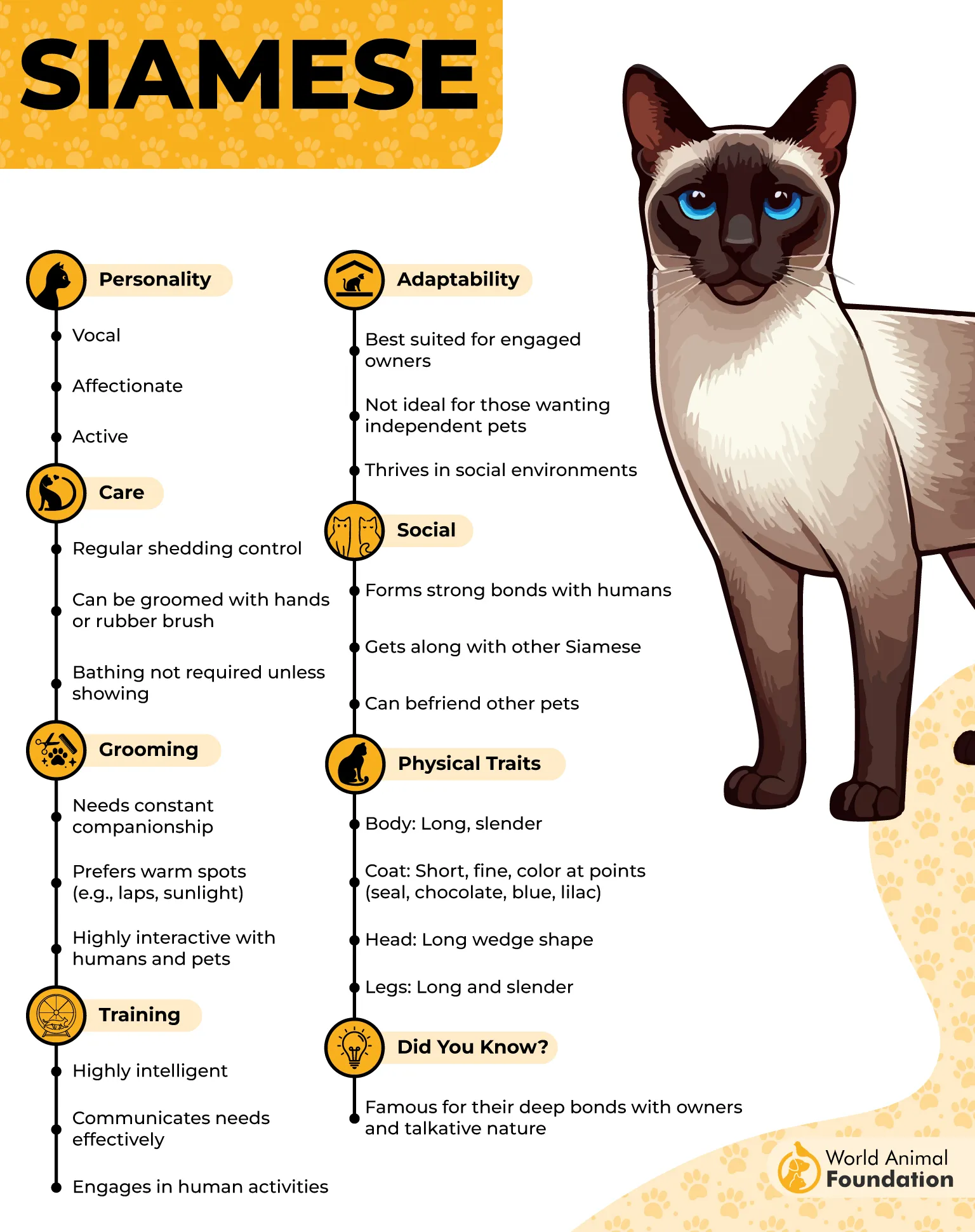
Siamese cats are well known for being people-focused and expressive. Many breed guides describe them as social companions who like to stay involved in household routines. They often follow their favorite person from room to room, ready to join whatever is happening.
Playtime is an important outlet for their energy and curiosity. Sources that focus on Siamese behavior emphasize the value of interactive toys to prevent boredom. When play feels like a shared activity, these cats tend to stay interested and enthusiastic.
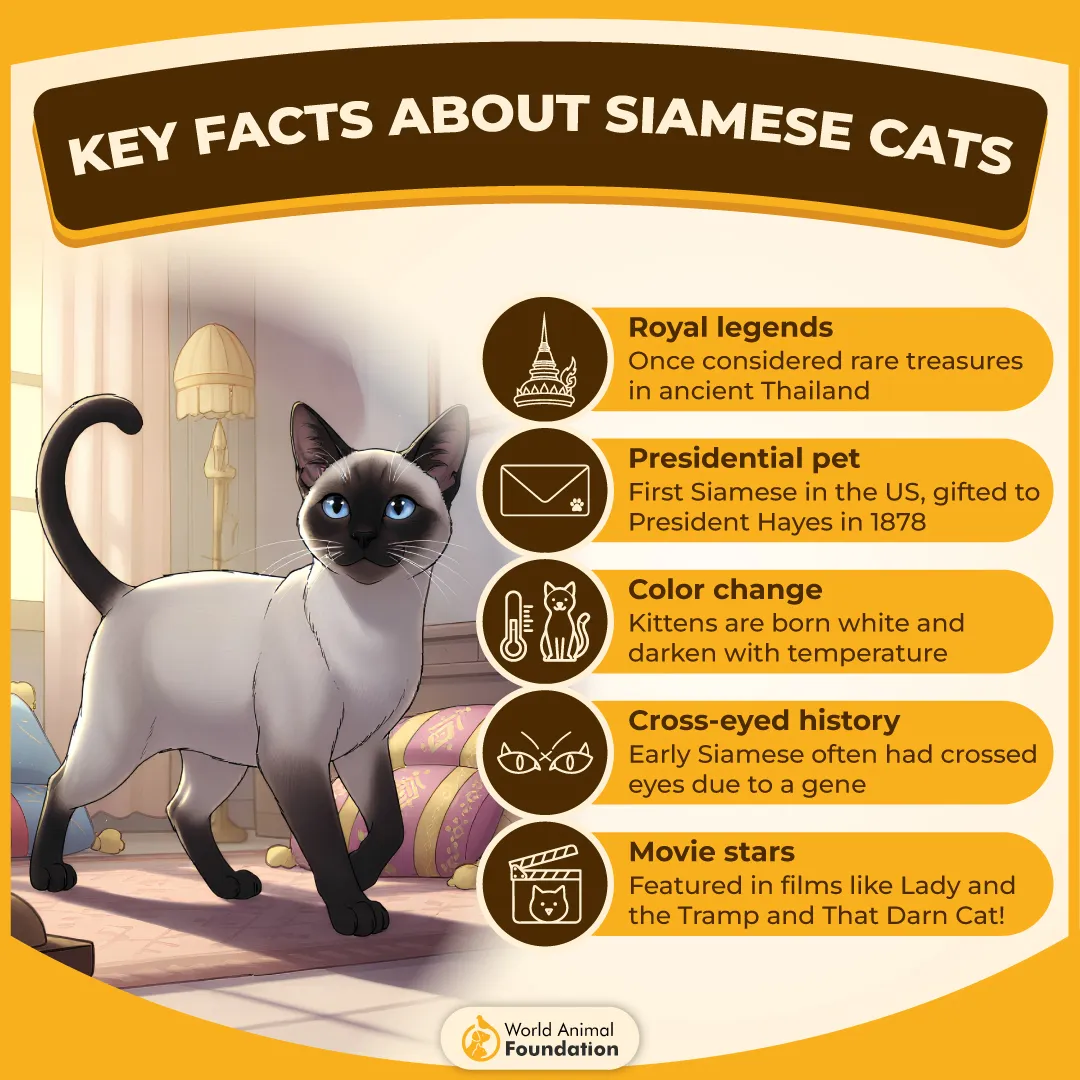
Mental engagement matters just as much as physical movement for this breed. Siamese cats enjoy games that challenge their attention and reward quick reactions. A toy that responds to movement can hold their focus longer than something left on the floor.
Why This Cat Is a Good Fit
Prefers play that includes direct interaction with people
Responds well to toys that move unpredictably
Benefits from active games that reduce boredom indoors
3. Devon Rex
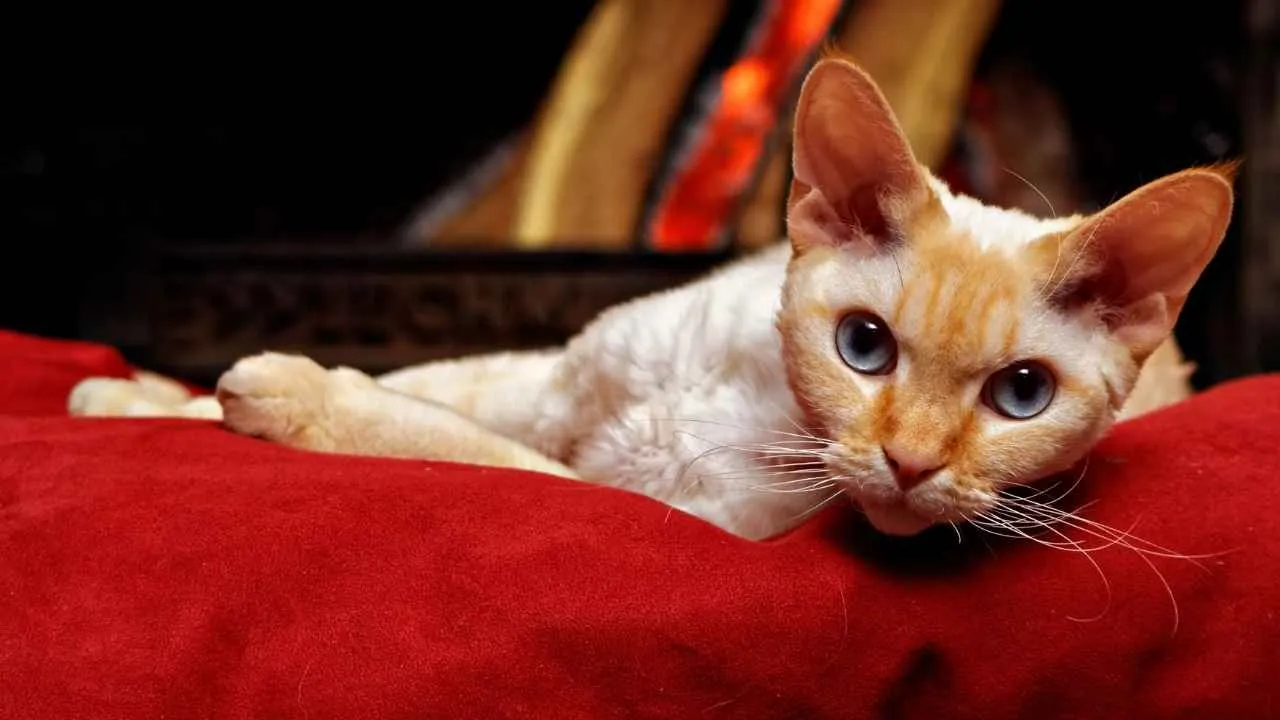
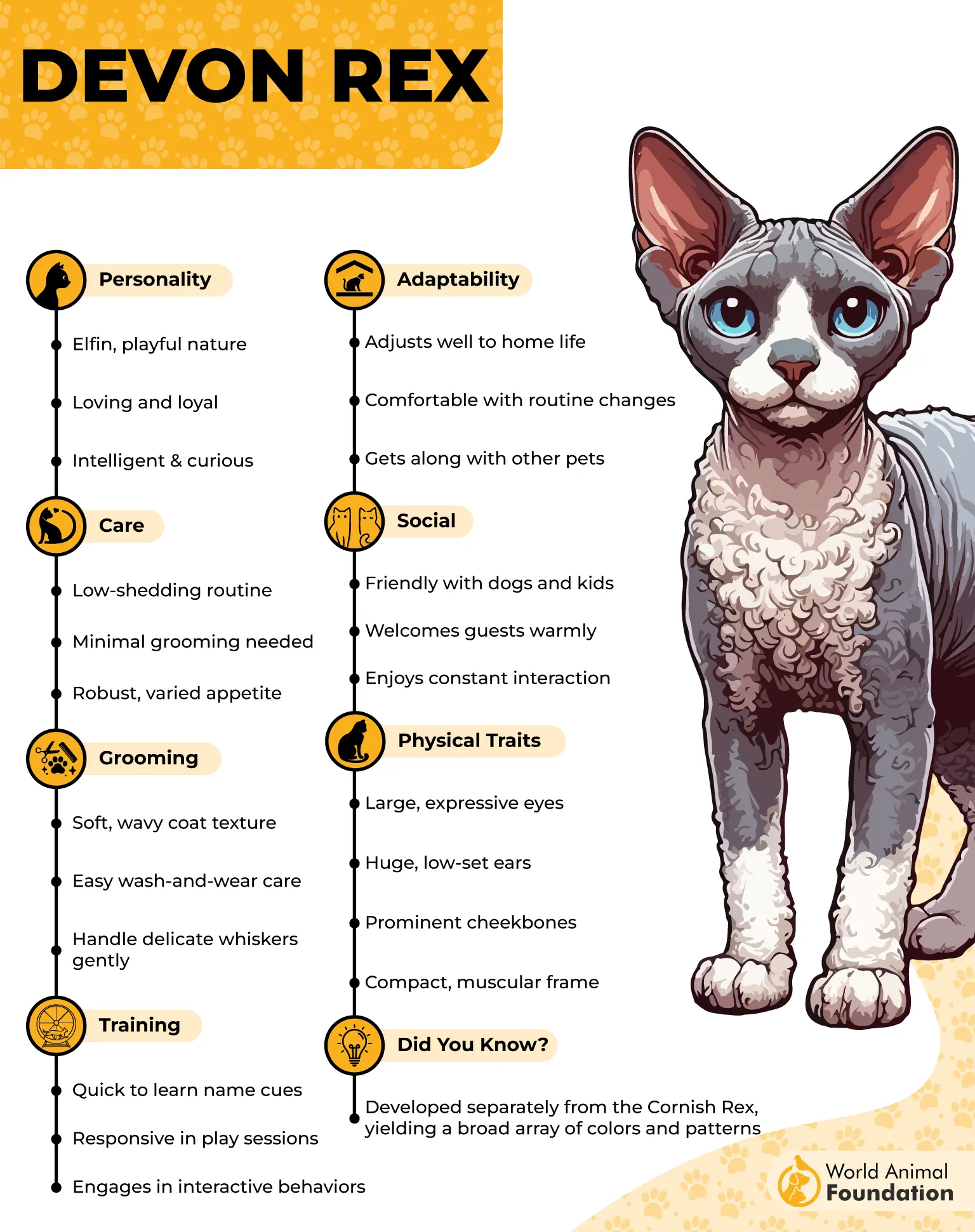
The Devon Rex is often described as playful, quirky, and full of personality. Breed profiles note their love of climbing, jumping, and investigating new objects. They are rarely shy about turning everyday moments into play opportunities.
These cats tend to enjoy toys that let them leap and twist through the air. Articles focused on Rex cats commonly recommend interactive play to match their athletic and curious nature. Simple toys can quickly become boring if they do not offer movement or variety.
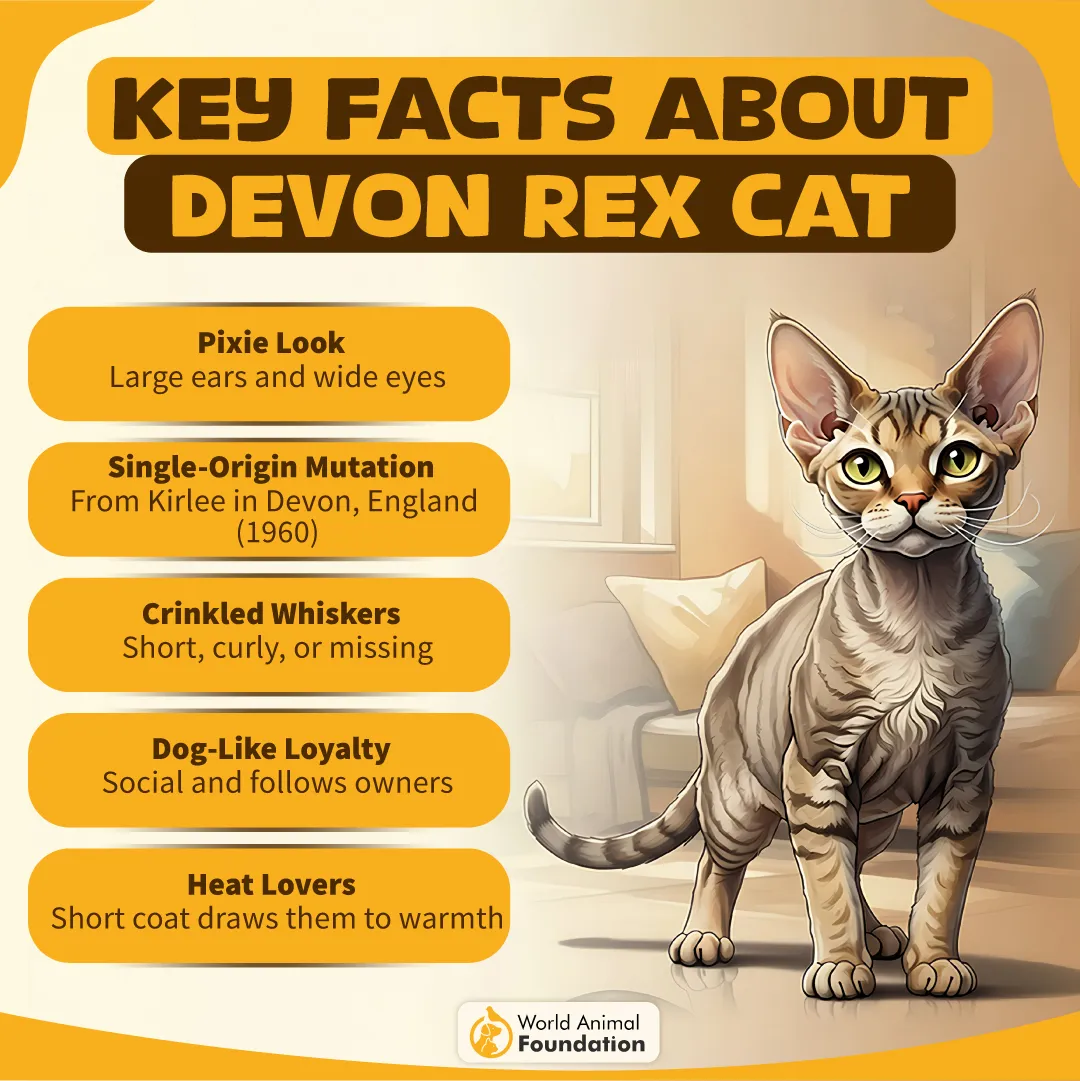
Devon Rex cats are also known for enjoying close contact with their humans. Play sessions often double as bonding time, with the cat staying nearby even after the game ends. Keeping play social helps maintain their interest and enthusiasm.
Why This Cat Is a Good Fit
Loves jumping and midair movement during play
Stays engaged with toys that change direction often
Enjoys playful interaction as part of bonding time
4. Bengal
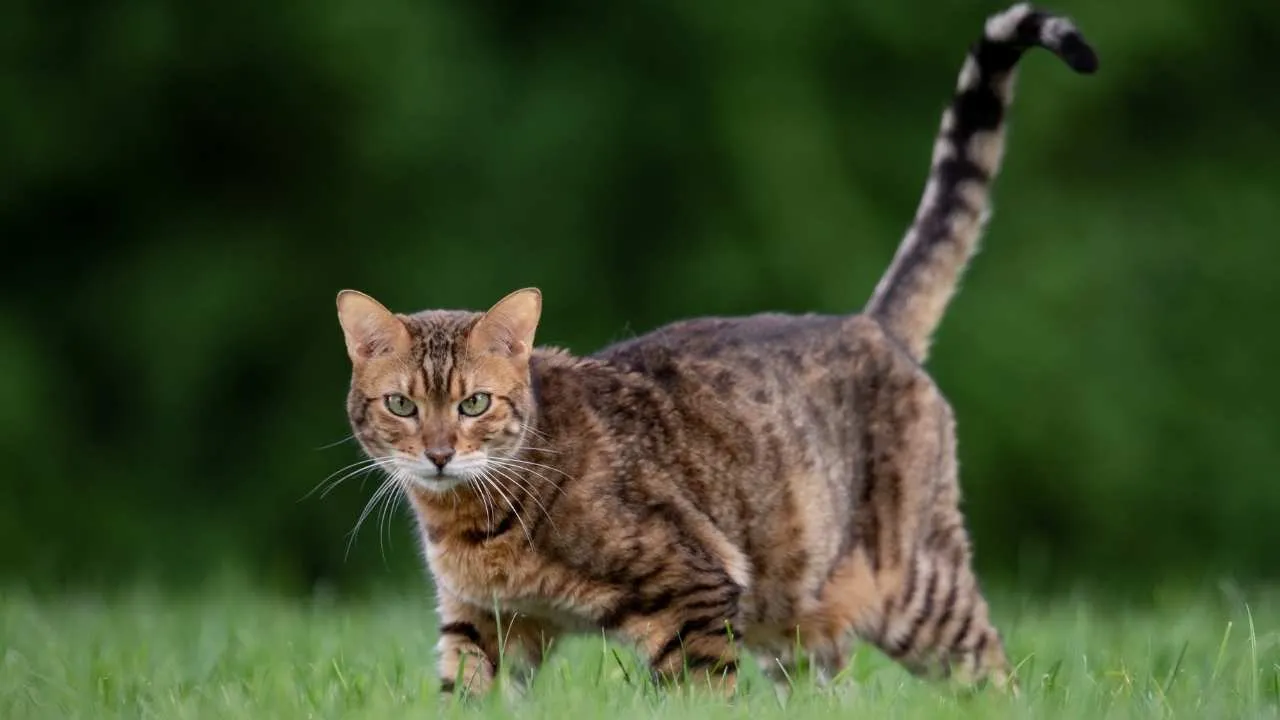
Bengals are frequently described as energetic and confident, with a strong interest in movement. Breed resources highlight their athletic build and love of running, climbing, and exploring. They often look for activities that let them burn off excess energy.
Play is an important part of daily life for this breed. Petplan stresses the need for interactive games to keep them occupied indoors. Toys that simulate chase can help satisfy their natural instincts in a safe way.
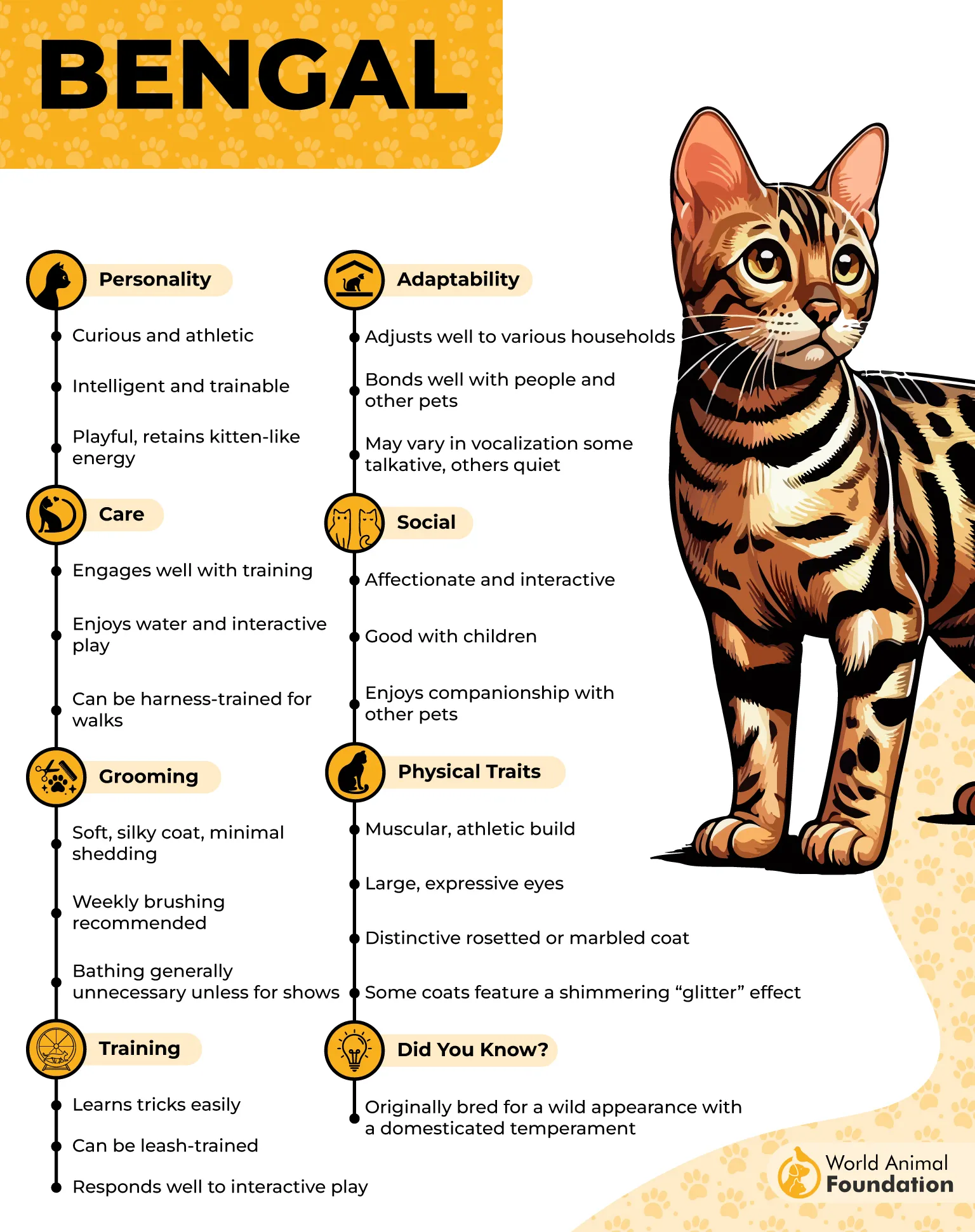
Without enough stimulation, Bengals may create their own entertainment. Providing structured play helps direct their attention toward appropriate outlets. Engaging toys can turn that energy into a positive routine rather than mischief.
Why This Cat Is a Good Fit
Needs active play to match high energy levels
Enjoys games that involve chasing and quick movement
Benefits from structured play sessions with a clear goal
5. Savannah
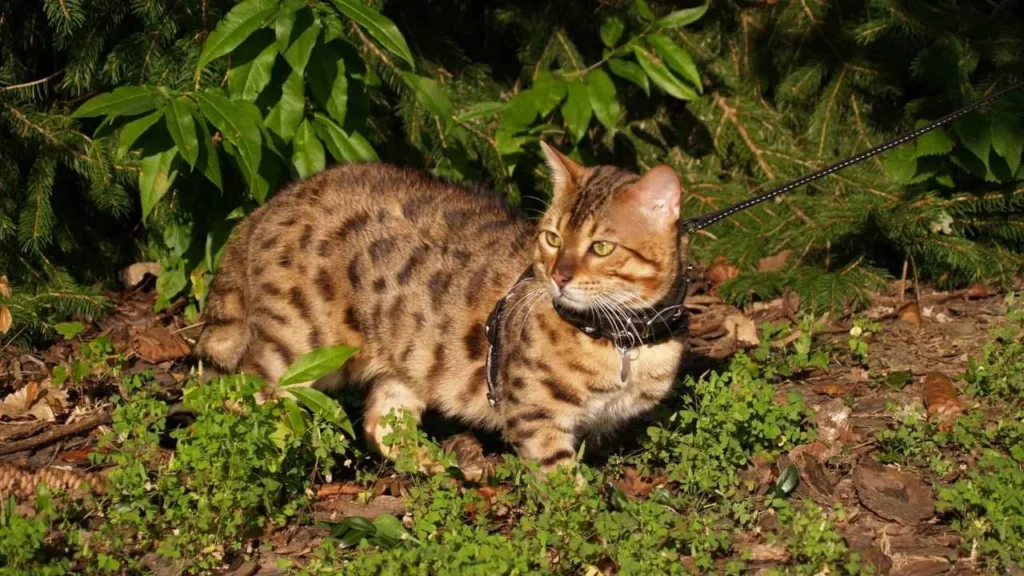
Savannah cats are known for their tall build, alert posture, and intense curiosity. Breed overviews often describe them as highly active and interested in everything happening around them. They tend to watch movement closely and are quick to investigate anything new in their environment.
This large breed thrives on engagement that feels purposeful rather than random. Savannahs are often drawn to play that involves stalking, chasing, and sudden changes in direction. Toys that react to motion can help keep their attention longer than items left sitting still.
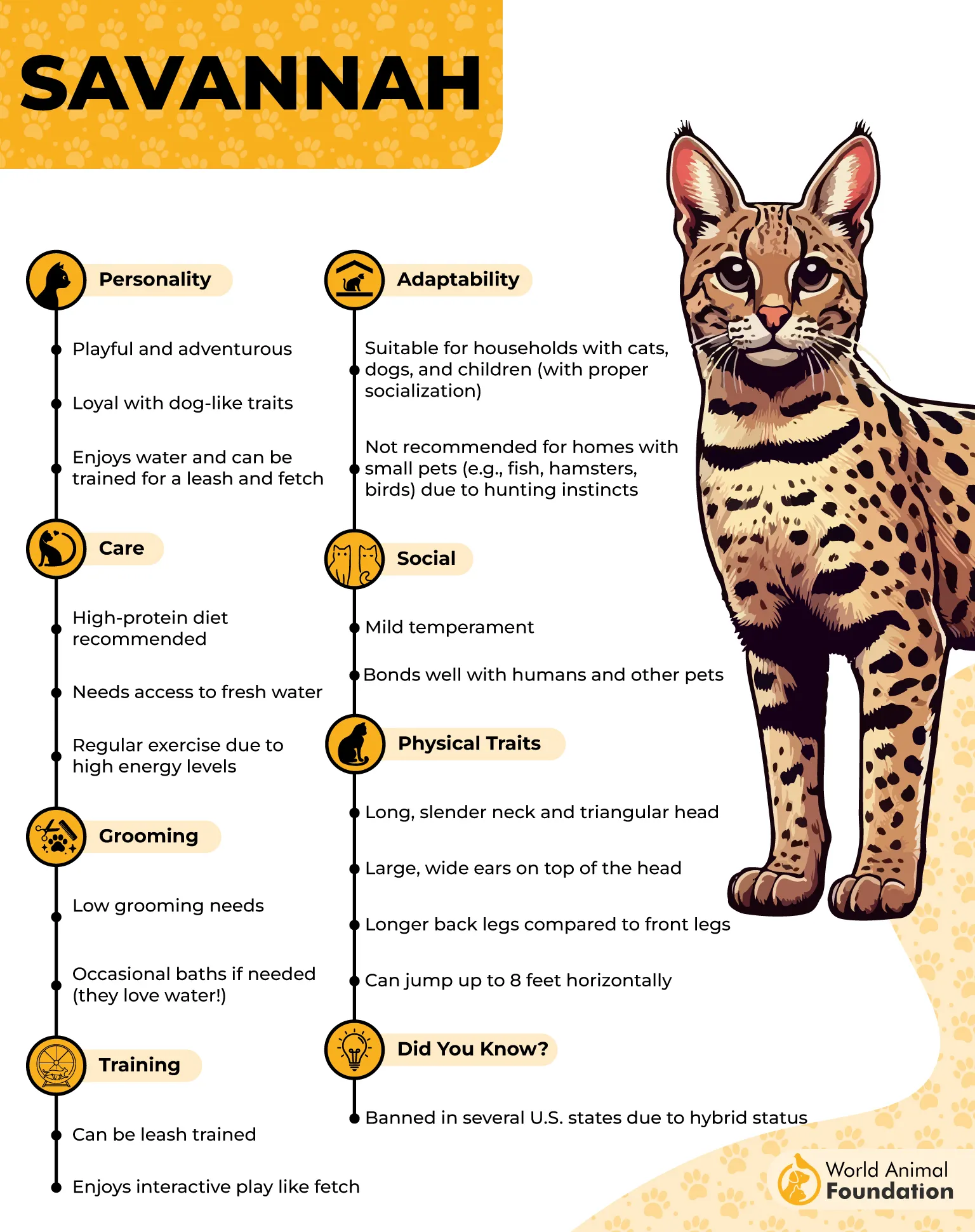
Savannah cats are also intelligent and can become bored without enough stimulation. Regular play sessions give them a healthy outlet for energy while reinforcing positive interaction with their people. Structured play fits well into their daily routine and helps prevent frustration.
Why This Cat Is a Good Fit
Naturally tuned in to movement and motion-based play
Enjoys games that feel active and challenging
Stays more content with interactive play built into the day
6. Ocicat
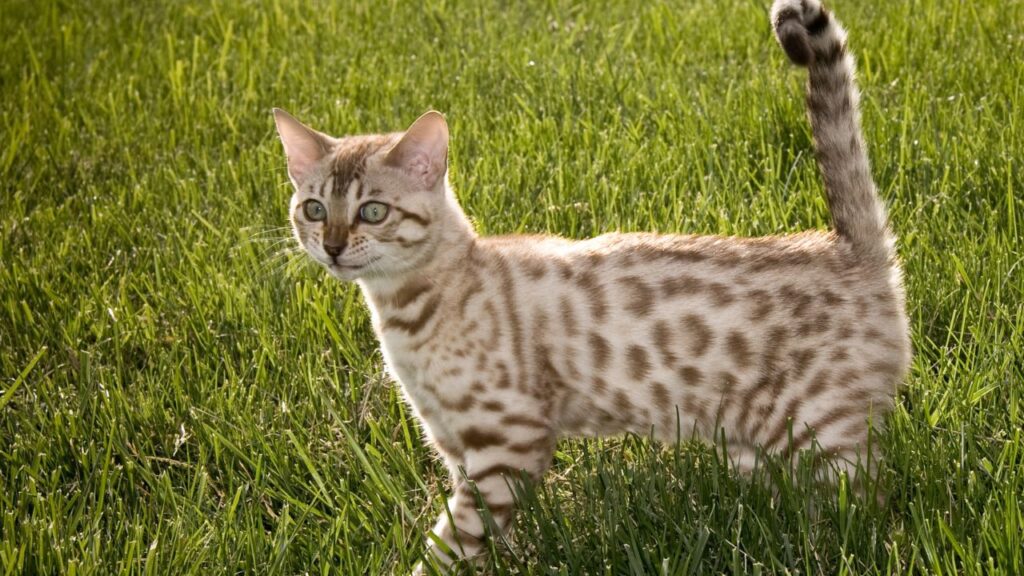
The Ocicat is often described as outgoing and people-friendly, with a confident personality. Despite their wild appearance, breed guides emphasize their domestic and social nature. They typically enjoy being involved in household activities rather than watching from a distance.
Play is an important part of how Ocicats interact with their environment. Many sources note that they enjoy games that encourage running and quick responses. Interactive toys can help satisfy their need for activity without overwhelming them. They are also great with other cats and pets.
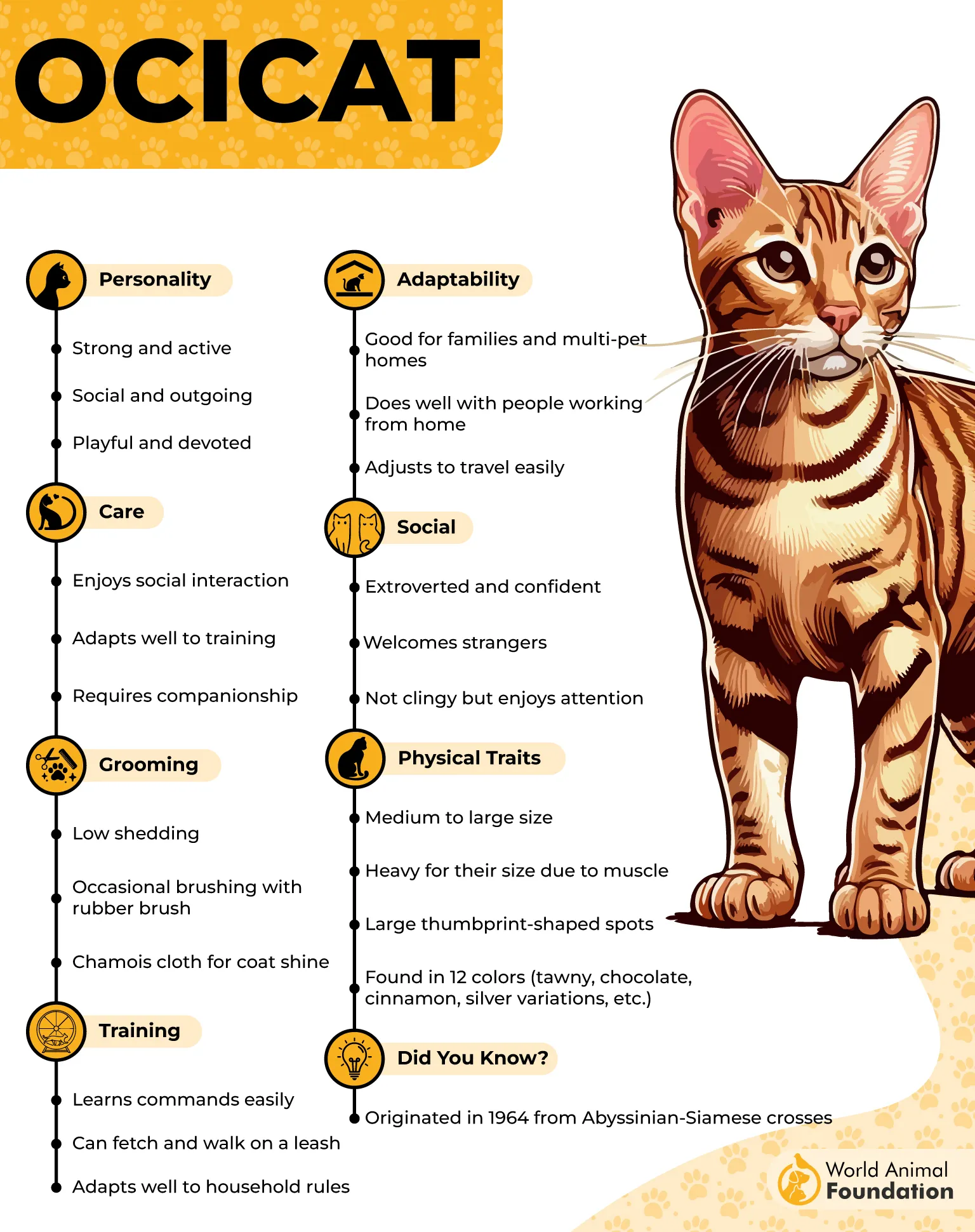
Ocicats often enjoy play that feels cooperative instead of solitary. They may bring toys back or wait expectantly for the next round. This makes shared playtime a natural extension of their social behavior.
Why This Cat Is a Good Fit
The Cat likes games that involve back-and-forth interaction
Responds well to toys that invite movement and response
Enjoys play as a form of social connection
7. Turkish Van
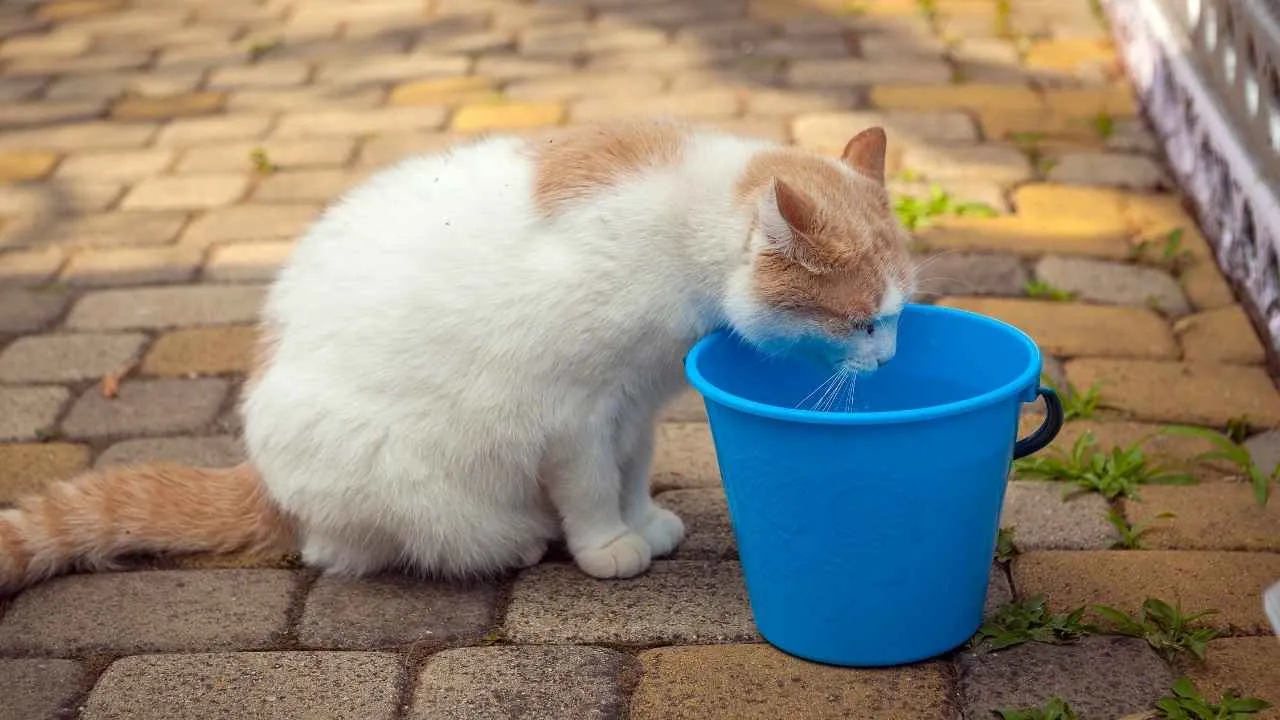
Turkish Vans are frequently described as energetic, confident, and independent thinkers. Breed profiles often mention their strong bodies and love of physical activity. They tend to explore their space thoroughly and with purpose.
As per TICA, this breed enjoys play that allows them to move freely and use their strength. Toys that can be chased or swatted through the air often hold their attention longer. They may lose interest in play that feels repetitive or passive.
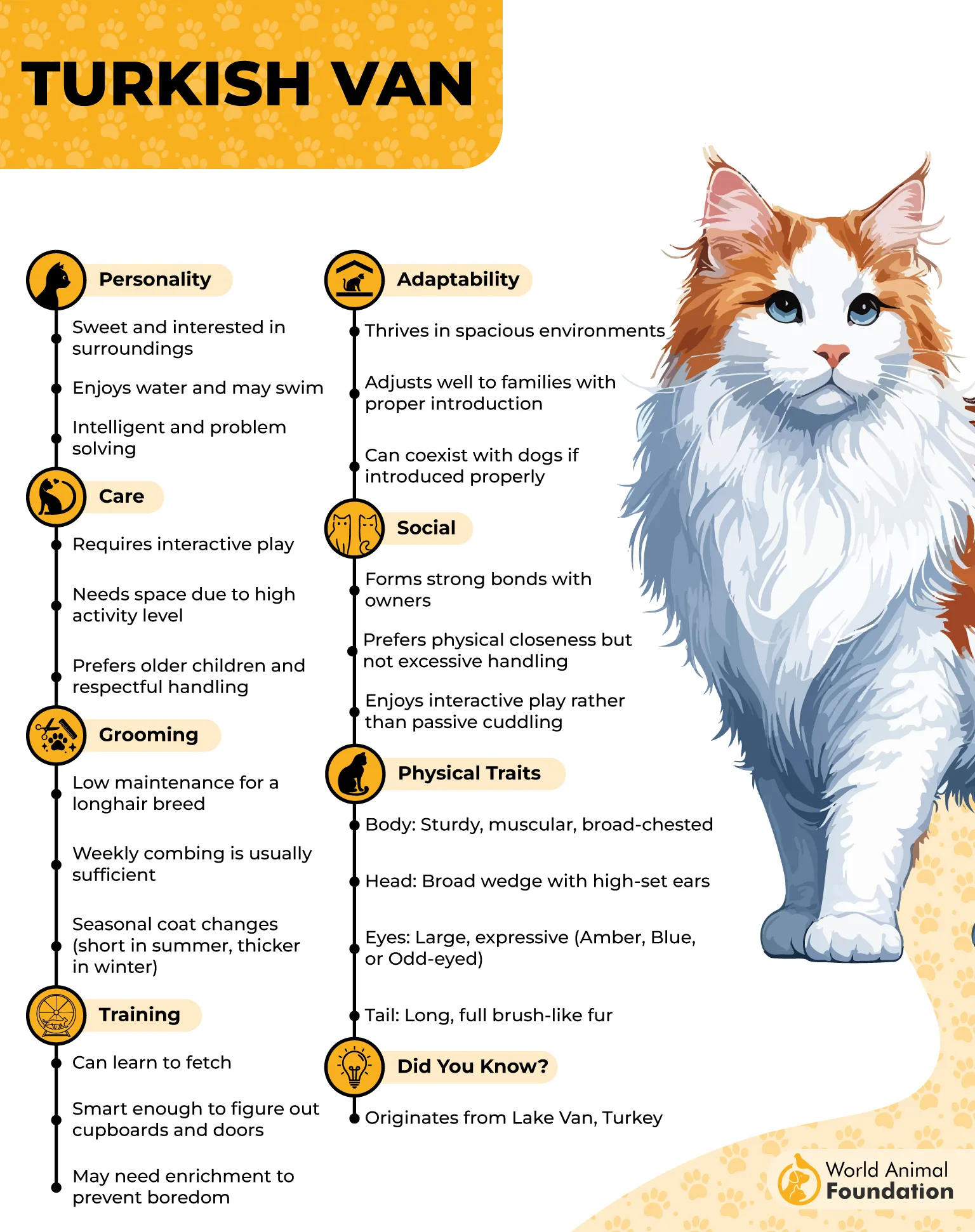
Turkish Vans also appreciate having control over when and how they play. Interactive sessions that allow them to engage on their own terms tend to work best. Respecting their rhythm helps keep the play enjoyable rather than overwhelming.
Why This Cat Is a Good Fit
Enjoys active play that uses speed and strength
Prefers toys that move and change direction
Stays engaged when play feels optional and flexible
Conclusion
Wand toys are more than just entertainment. For many cat breeds, they support natural behaviors like chasing, pouncing, and problem-solving while strengthening the bond between cat and human. From highly social cats to independent explorers, the breeds covered here often respond best to play that feels interactive and alive.
Paying attention to how your cat plays can make daily routines more enjoyable and help prevent boredom-related behaviors. While breed tendencies offer helpful clues, every kitty is an individual with unique preferences.
Try different wand styles, observe what excites your cat most, and keep play sessions fun and flexible. Ready to upgrade playtime? Pick up a wand toy and start a daily play routine your cat will look forward to.
