




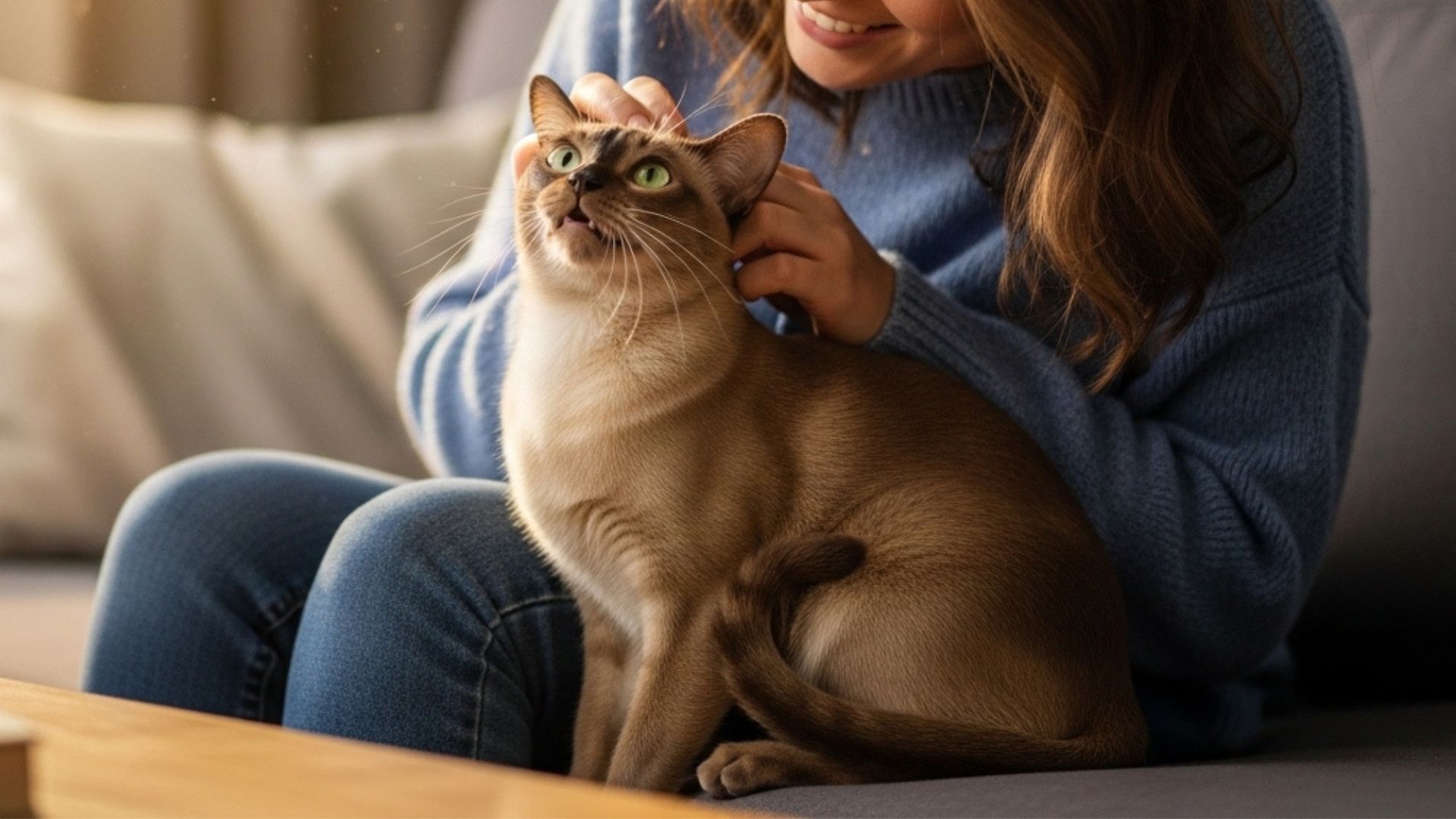
Cats may be known for their quiet grace, but some are anything but silent. While wild cats rely on stealth, many domestic cats have learned that sound is an effective way to connect with humans. From insistent meows to soft chirps and expressive yowls, certain breeds don’t wait to be spoken to—they start the conversation themselves.
What does it mean when a cat “initiates” a conversation? It’s more than random noise. Vocal cats use sound intentionally to ask for attention, food, play, or companionship. Their communication style often reflects intelligence, strong social bonds, and a desire to interact, making them feel more like active participants in daily life.
Some cat breeds are more vocal than others due to genetics, temperament, and how closely they’ve evolved alongside humans. And cat communication goes beyond meowing—body language, eye contact, and tone all play a role.
In this article, we explore ten cat breeds known for initiating conversations and why their voices are such a defining trait.
Cat Breeds That Initiate Conversations
1. Siamese

Also known as the Thai Cat, the Siamese is one of the oldest and most recognizable cat breeds, admired for its sleek frame, colorpoint coat, and striking blue eyes. Its people-oriented nature makes it a constant presence in the home.
According to Britannica, the Siamese is a popular short-haired domestic cat breed that originated in Thailand, which was officially known as Siam until 1939.
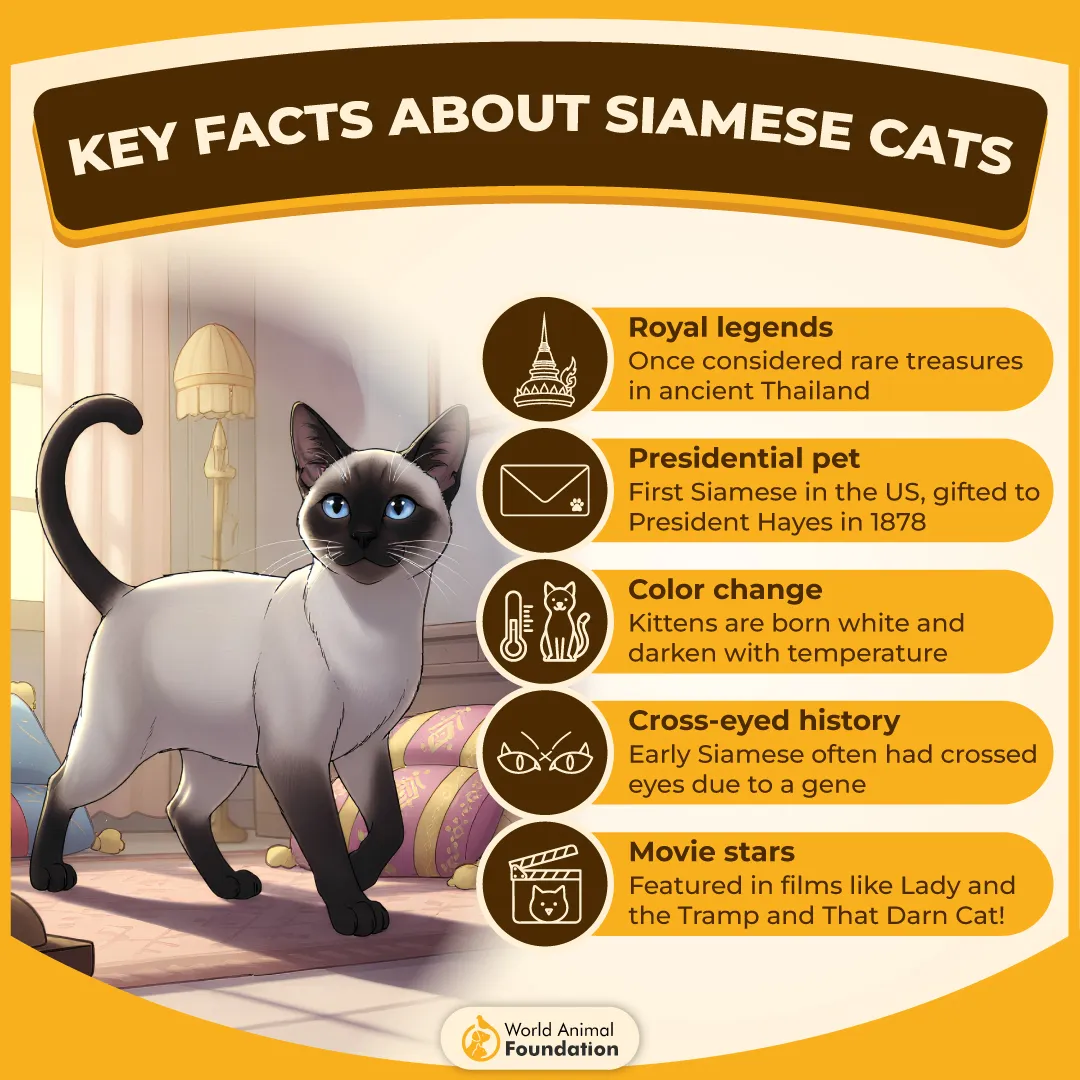
When it comes to initiating conversations, the Siamese is unmatched. This breed communicates through a wide range of sounds, including loud meows, chirps, trills, and dramatic yowls, often responding directly to human voices.
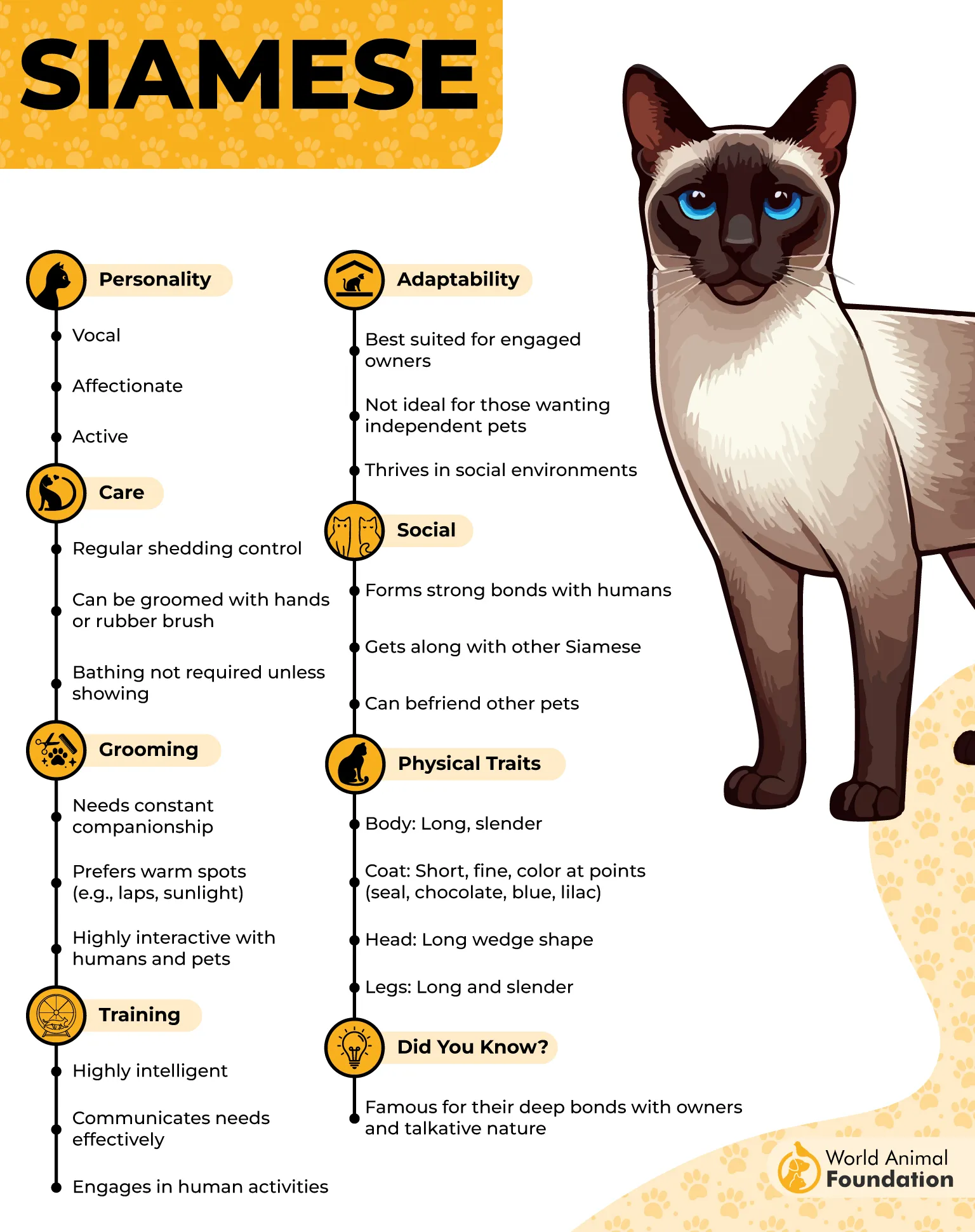
Their vocal behavior is closely tied to social intelligence. Siamese cats crave interaction and use sound deliberately to demand attention, express opinions, or simply stay involved in whatever their humans are doing.
Affectionate to the core, they often combine vocal communication with physical closeness, climbing into laps or perching on shoulders while “talking.”
Fun fact: Siamese cats are considered the most vocal of all cat breeds, with talkative traits strongly linked to their genetics.
2. Oriental Shorthair
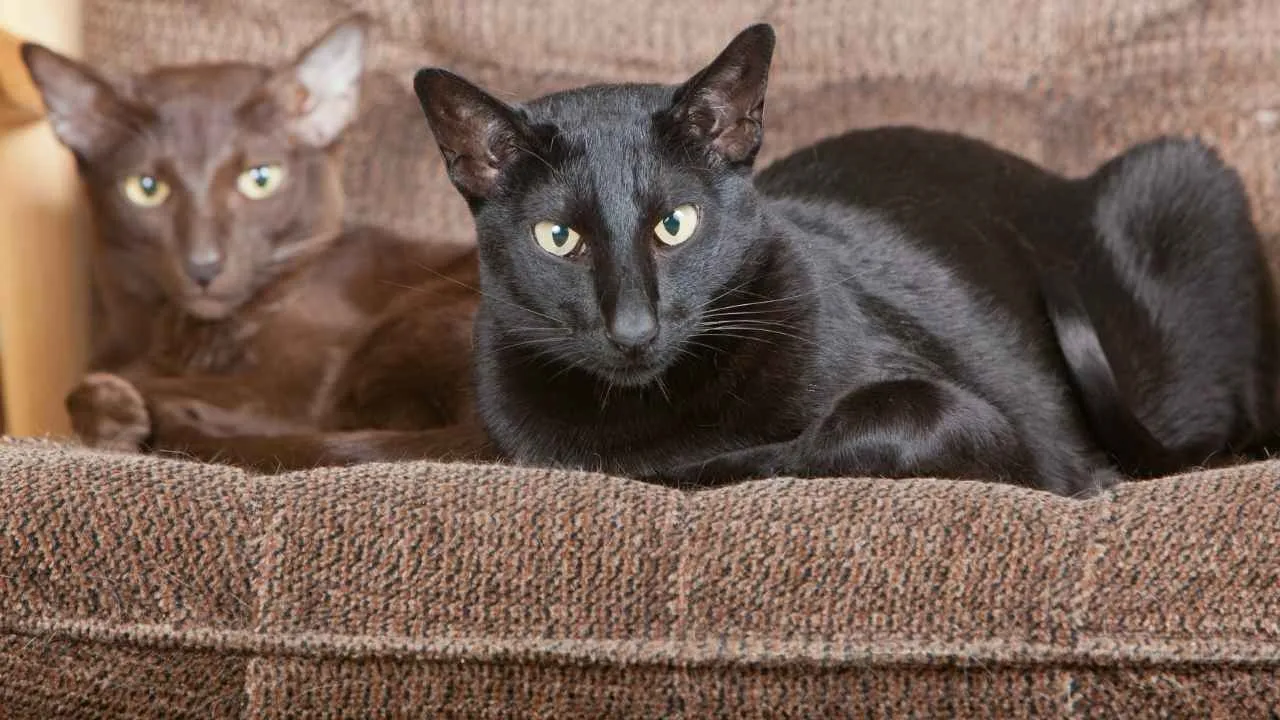
Also known simply as the Oriental, the Oriental Shorthair is closely related to the Siamese and shares the same sleek body, long limbs, and oversized ears.
The main difference lies in coat variety, with this breed appearing in an impressive range of colors and patterns. PetMD notes that the Oriental Shorthair comes in virtually every color and pattern, and it’s a lively breed that values human companionship.
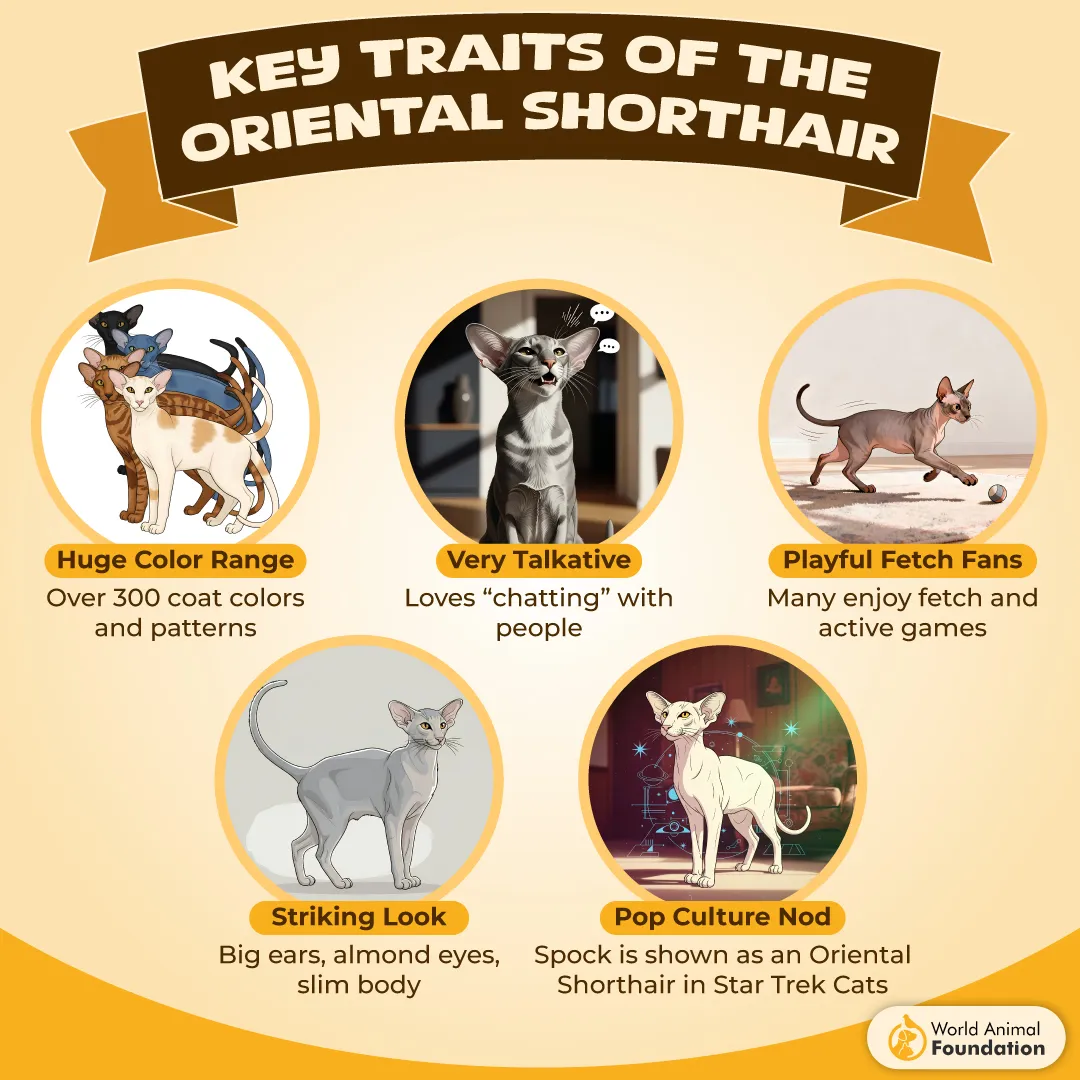
Conversation comes naturally to the Oriental Shorthair. Highly vocal and expressive, it uses an extensive sound range to announce needs, opinions, and emotions, often directing its “speech” straight at its favorite person.
Intelligence and curiosity fuel this breed’s talkative behavior. Orientals seek constant engagement and dislike being ignored, so vocal communication becomes their preferred way to stay involved in daily activities.
Despite their elegant appearance, they are affectionate and clingy, frequently curling up on laps while continuing their chatter.
Fun fact: The Oriental Shorthair was developed from the Siamese after World War II, which explains its similarly intense and persistent vocal nature.
3. Balinese
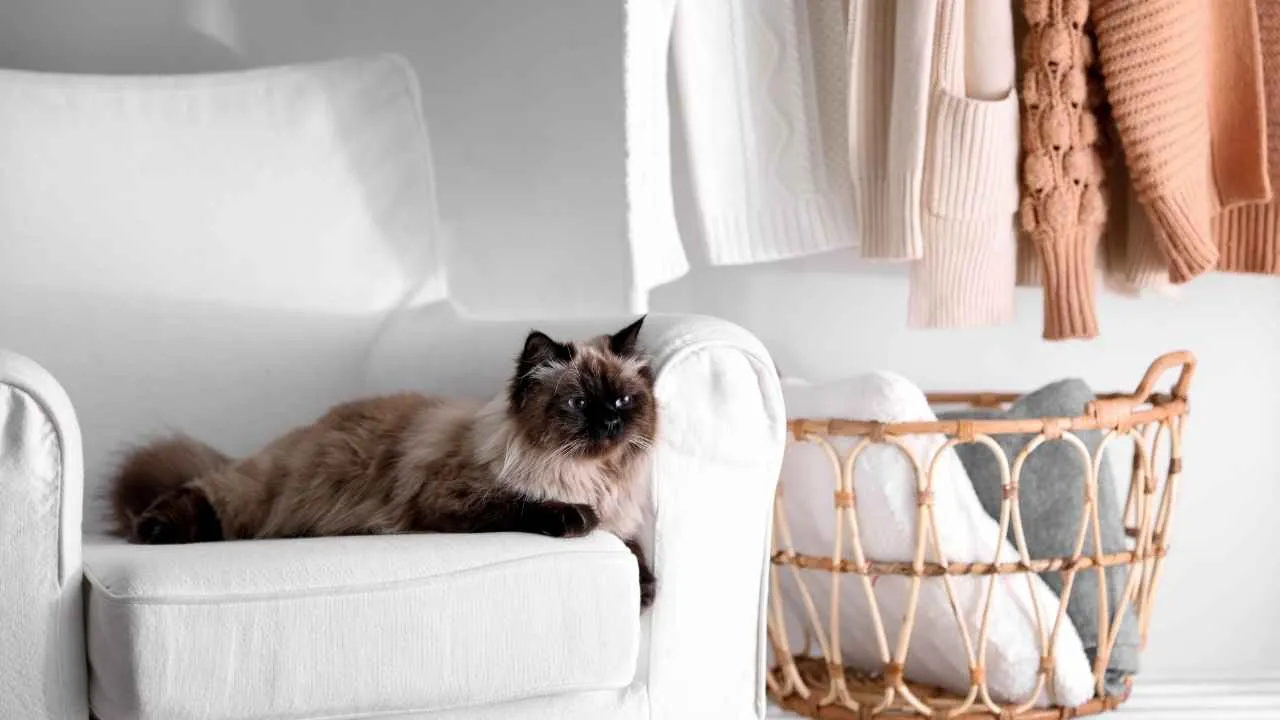
They are also known as the Long-Haired Siamese. Developed from a natural genetic mutation, this breed pairs elegance with an outgoing personality.
According to Purina, the Balinese closely resembles the Siamese and shares many of the same striking traits, including large ears, a wedge-shaped head, and a long, sleek body—more pronounced in the modern type and less so in the older type.

Balinese cats are highly vocal and use their voices to engage with their humans throughout the day. Their meows, chirps, and conversational sounds are softer than a Siamese’s but just as intentional and expressive.
Communication goes hand in hand with intelligence. Balinese cats are quick learners who enjoy interaction, often “talking” during play, training sessions, or when seeking attention and companionship.
Deeply social by nature, they dislike being left alone and may vocalize more when feeling ignored.
Fun fact: The Balinese is closely related to the Siamese and was developed in the mid-twentieth century from long-haired Siamese kittens.
4. Tonkinese
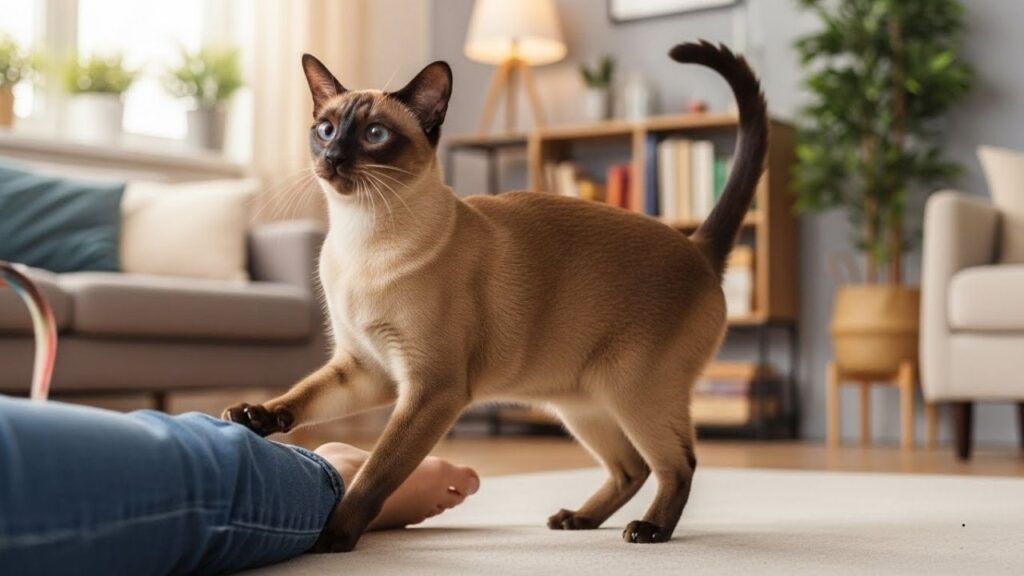
Often called the Tonk, the Tonkinese is a hybrid breed developed from the Siamese and Burmese. It features a softly pointed coat, expressive eyes, and a balanced, athletic build that reflects both parent breeds.
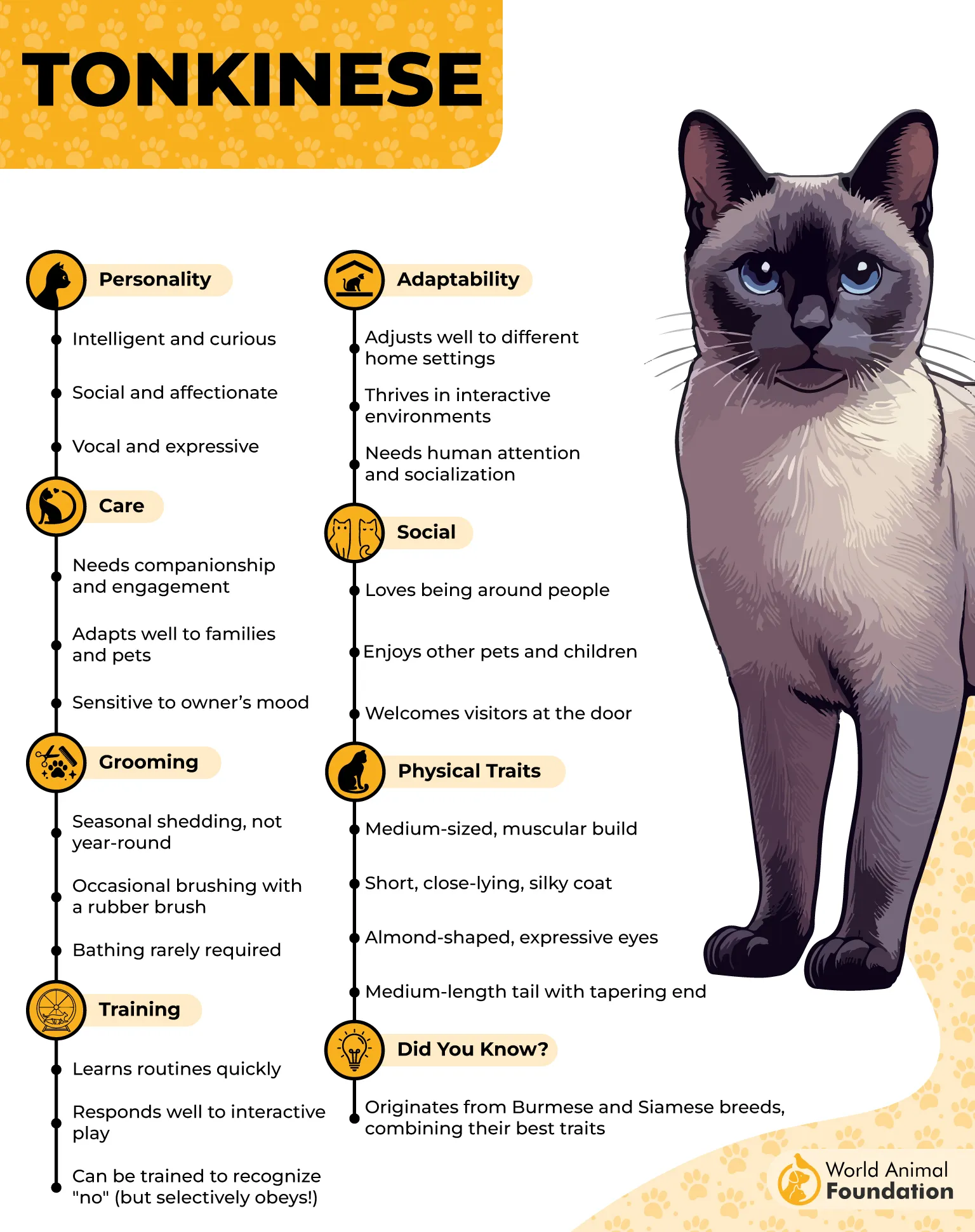
The Tonkinese is known for initiating conversations in a friendly, approachable way. Rather than loud demands, it uses gentle meows, chirps, and trills to engage, often responding directly when spoken to by its people.
Highly social by nature, this breed prefers being involved in daily activities and uses vocal cues to stay connected. Its communication style feels conversational, making interactions feel mutual rather than one-sided.
Playful and intelligent, the Tonkinese combines movement with sound, chatting during games like fetch or hide-and-seek.
Fun fact: Tonkinese cats almost always “answer” when spoken to, a trait inherited from both of their famously vocal parent breeds.
5. Burmese
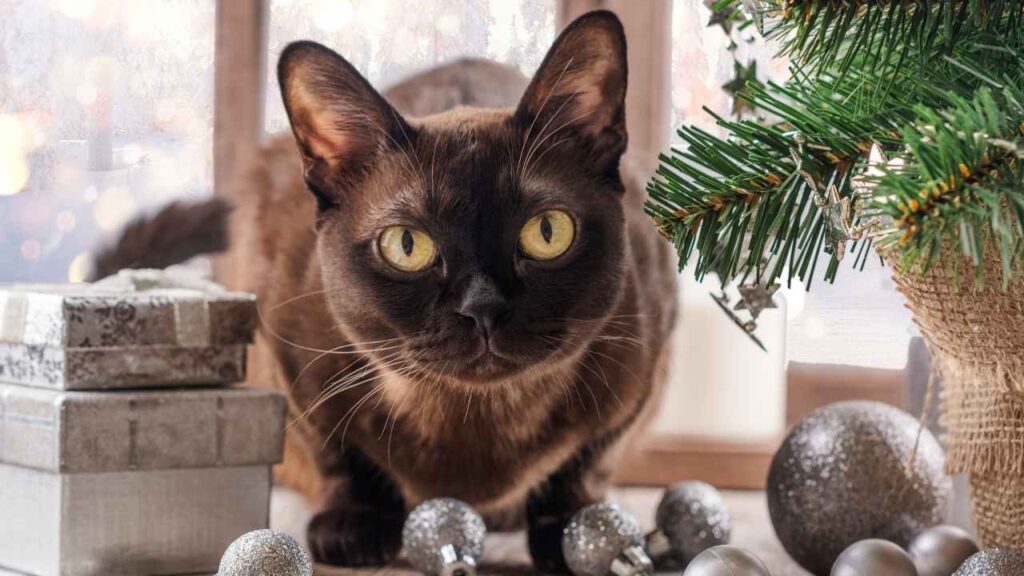
Also known simply as the Burmese, this breed is famous for its golden eyes, compact build, and deeply people-oriented personality. Often called “Velcro kitties,” Burmese cats are known for staying close to their humans at all times.
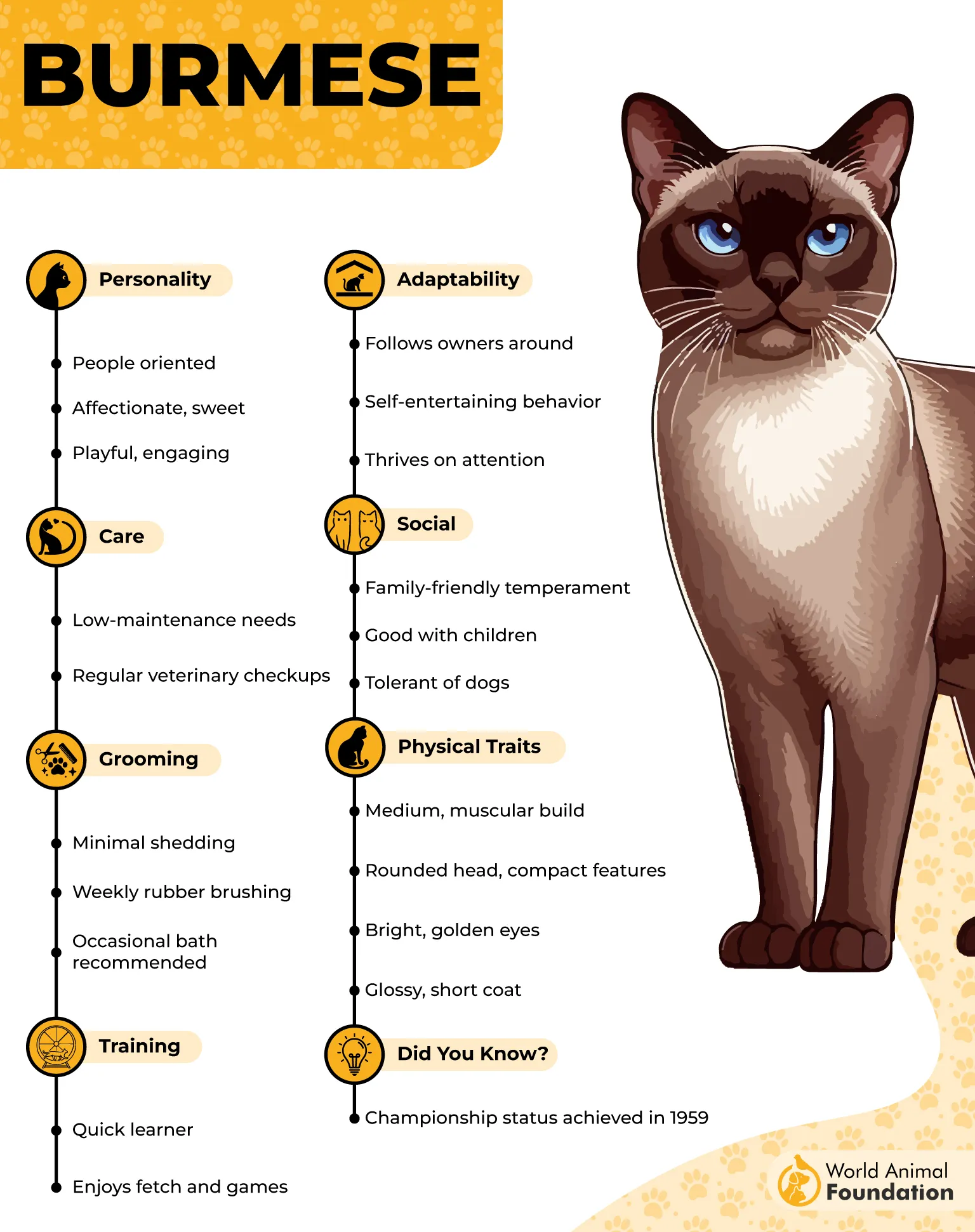
Unlike louder vocal breeds, the Burmese initiates conversations in a gentle, musical way. Soft meows and light trills are their preferred tools, used frequently to check in, ask for attention, or simply stay involved in household activity.
Their communication style reflects strong emotional intelligence. Burmese cats are curious, playful, and socially confident, often following family members from room to room while quietly “talking” along the way.
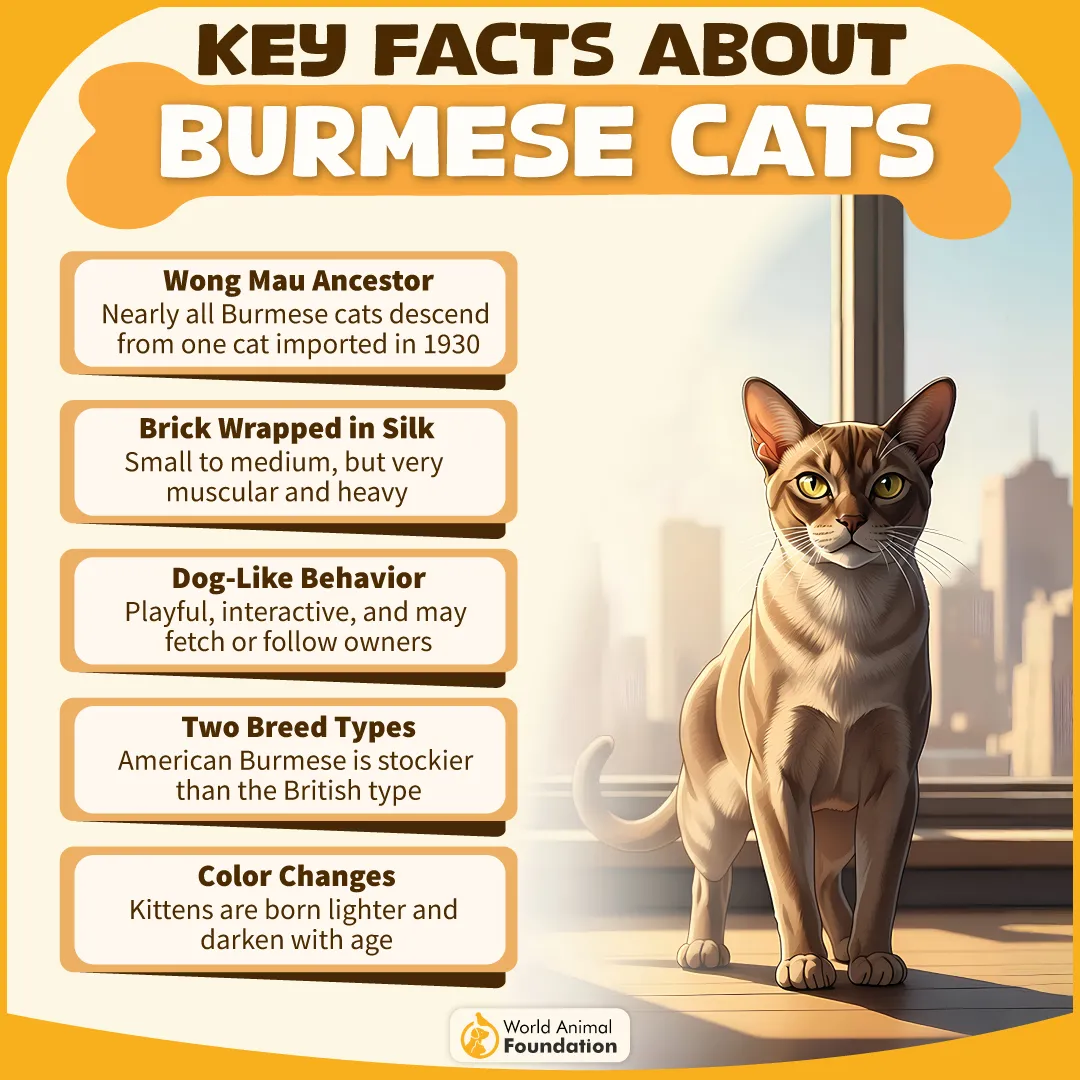
Though mellow as adults, they remain interactive and expressive well into later life, using both voice and body language to connect.
Fun fact: Burmese cats developed in Myanmar and are known for having a softer, sweeter voice than their close relative, the Siamese.
6. Sphynx
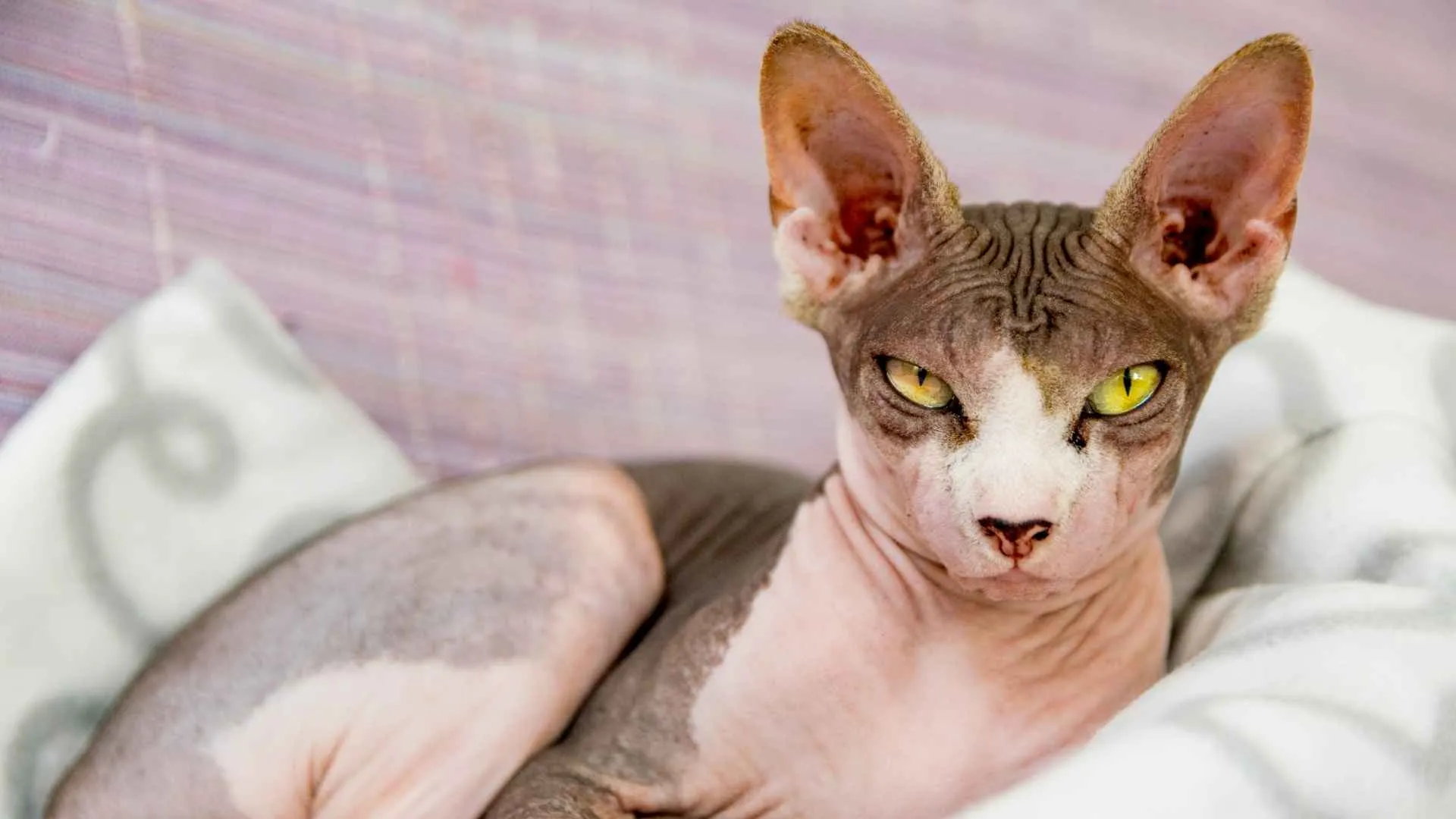
Also known simply as the Sphynx, this breed is instantly recognizable for its nearly hairless appearance and wrinkled skin, often covered in a soft, peach-like down. Developed from a natural genetic mutation, the Sphynx quickly gained devoted fans.
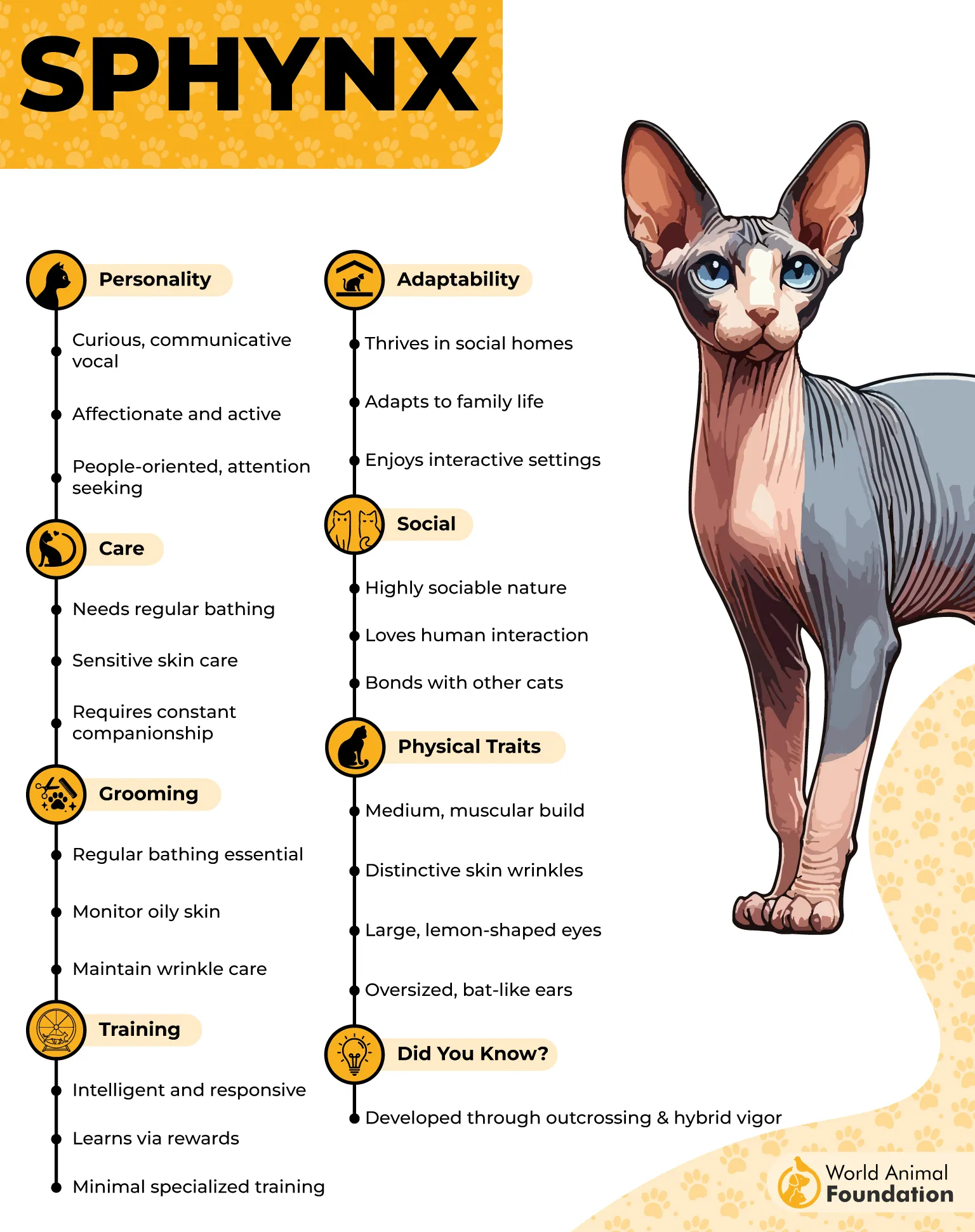
Conversation comes naturally to this breed. Sphynx cats are highly vocal, using loud meows, chirps, trills, and expressive yowls to make their thoughts known. Silence is rarely their default setting.
Their talkative nature stems from intense social needs. Deeply attached to their people, Sphynx cats initiate conversations to seek warmth, attention, and constant companionship throughout the day.
Often described as “Velcro cats,” they follow their humans closely while narrating every move.
Fun fact: The Sphynx breed originated in the 1960s after a spontaneous genetic mutation produced a hairless kitten that captured widespread attention.
7. Peterbald
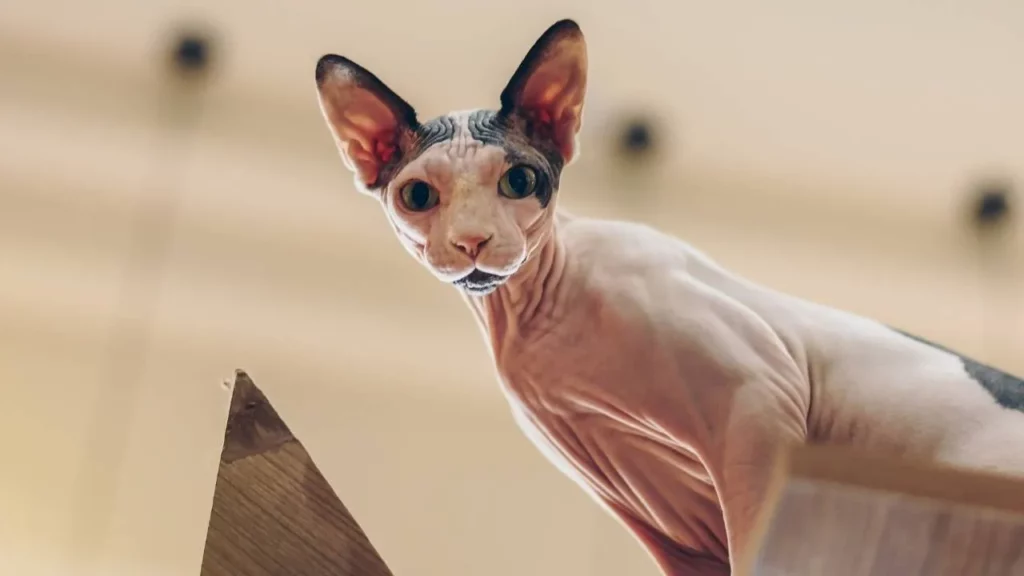
Also known as the Russian Hairless in some circles, the Peterbald is a rare and striking breed developed from Russian cats crossed with Oriental Shorthairs. Its unique appearance—often hairless or lightly coated—matches an equally memorable personality.
Conversation comes naturally to the Peterbald. Highly vocal and emotionally aware, this breed uses frequent meows and soft sounds to stay connected, often initiating “dialogue” as it follows its people from room to room.
Their talkative nature is tied to deep social intelligence. Peterbalds read human moods well and respond with vocal reassurance, playful chatter, or attention-seeking calls when they sense distance or boredom.
Exceptionally affectionate, they dislike being alone and rely on communication to maintain closeness. Their voices become tools for bonding rather than noise.
Fun fact: The Peterbald was developed using Oriental Shorthairs, a breed ranked among the most vocal cats in the feline world.
8. Bengal

Also known simply as the Bengal Cat, this striking breed is recognized for its leopard-like spotted coat and athletic build. Developed in the United States, Bengals blend wild ancestry with a fully domestic personality.
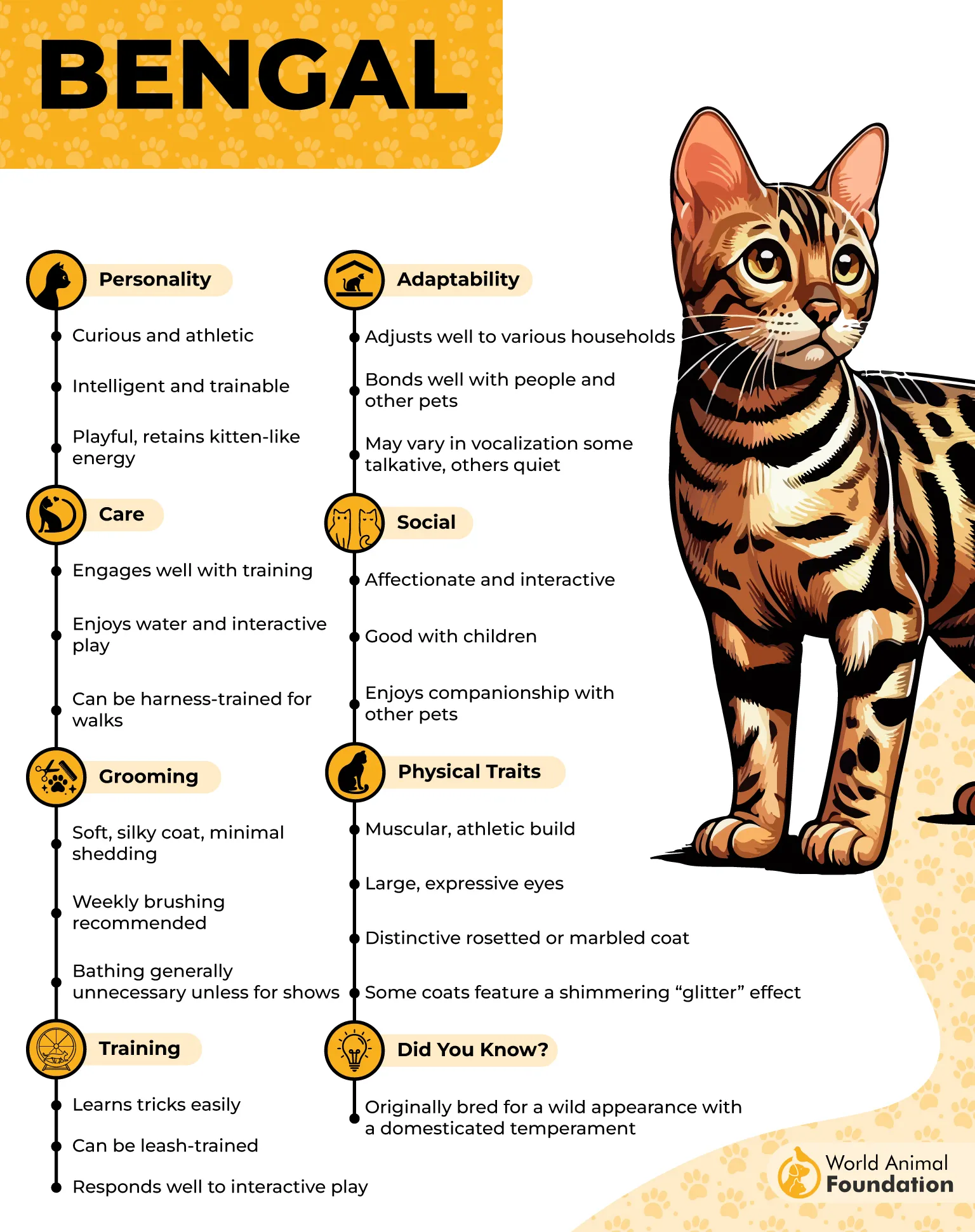
Bengals don’t just seek attention—they call for it. While not constantly vocal, they initiate conversations when they want engagement, often chirping or meowing to draw their humans closer or to announce their next adventure.
Highly intelligent and observant, Bengals use sound as part of a larger communication style that includes eye contact, body language, and dramatic positioning. They may “talk” from high perches, follow their people from room to room, or vocalize during play.
Affectionate yet independent, they tend to bond closely with chosen humans, becoming persistent conversational companions when interaction is desired.
Fun fact: The Bengal is a hybrid breed with ancestry tracing back to the Asian leopard cat, which may explain its unique vocal patterns.
9. Maine Coon
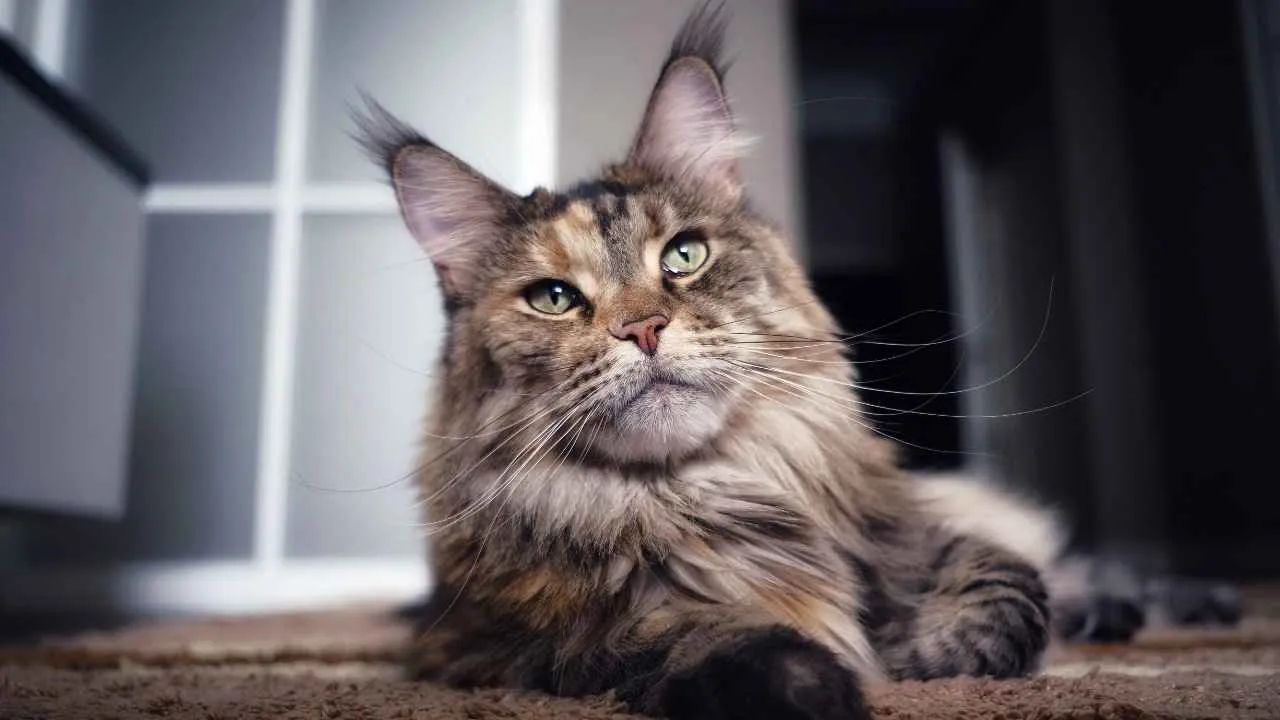
Also known as the Gentle Giant or America’s native longhair, the Maine Coon is one of the oldest natural cat breeds in North America. Originating in Maine, this large breed is admired for its dense coat, tufted ears, and sociable personality.
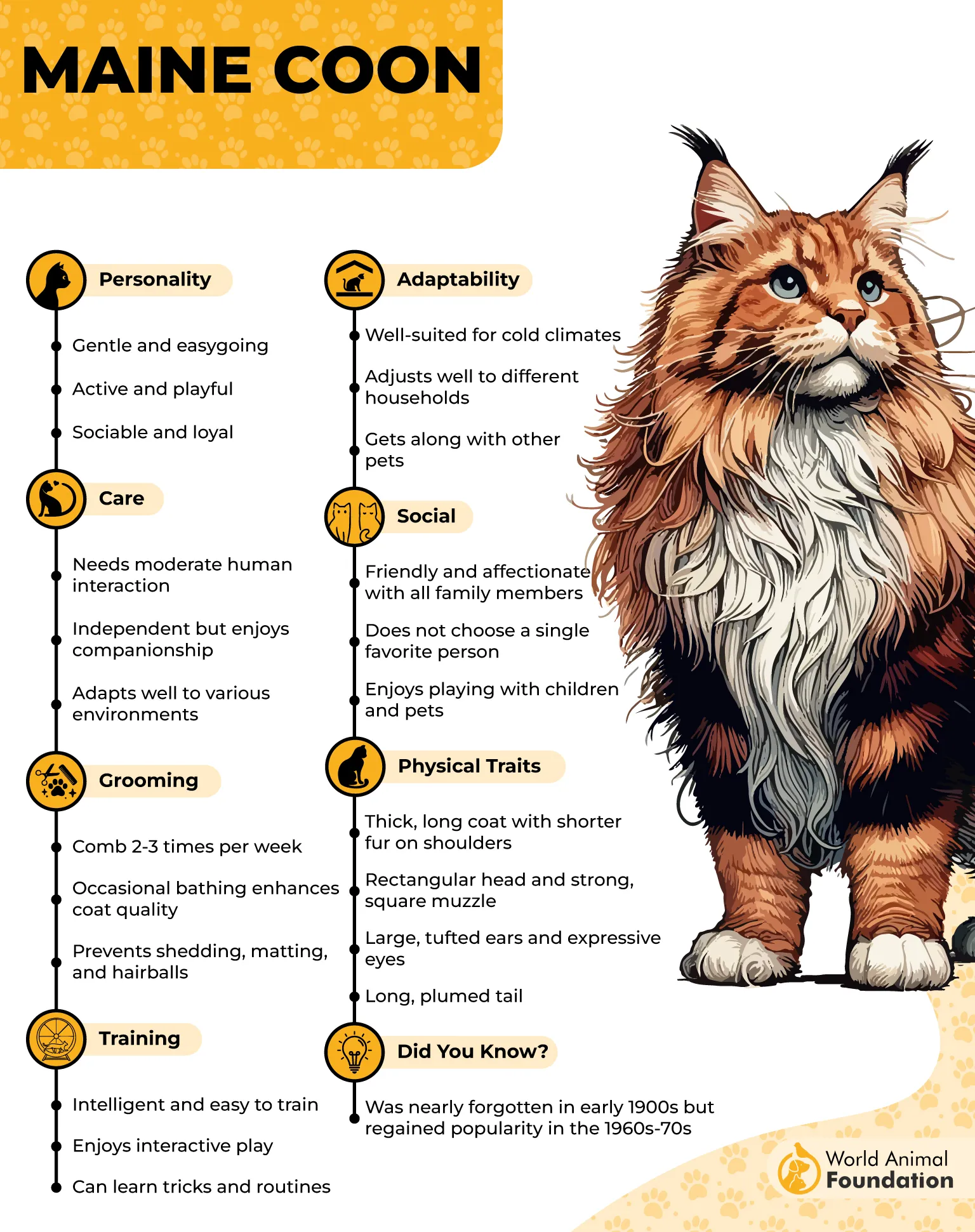
While not excessively loud, Maine Coons are masters of subtle conversation. Instead of constant meowing, they prefer soft chirps, trills, and expressive purrs, often using these sounds to announce their presence or comment on household activity.
Their communication style reflects intelligence and awareness. Maine Coons closely observe routines, recognize patterns, and frequently vocalize in response to interaction, making their “conversations” feel purposeful rather than noisy.
Affectionate yet independent, they enjoy engaging with everyone in the household, often following people from room to room while offering quiet commentary.
Fun fact: Maine Coons are known for their dog-like traits, including playing fetch and showing fascination with water.
10. Japanese Bobtail
Also known as the JBT or the famous “singing cat,” the Japanese Bobtail is instantly recognizable by its short, pom-like tail and elegant build. Deeply rooted in Japanese culture, this breed has long been associated with good fortune.
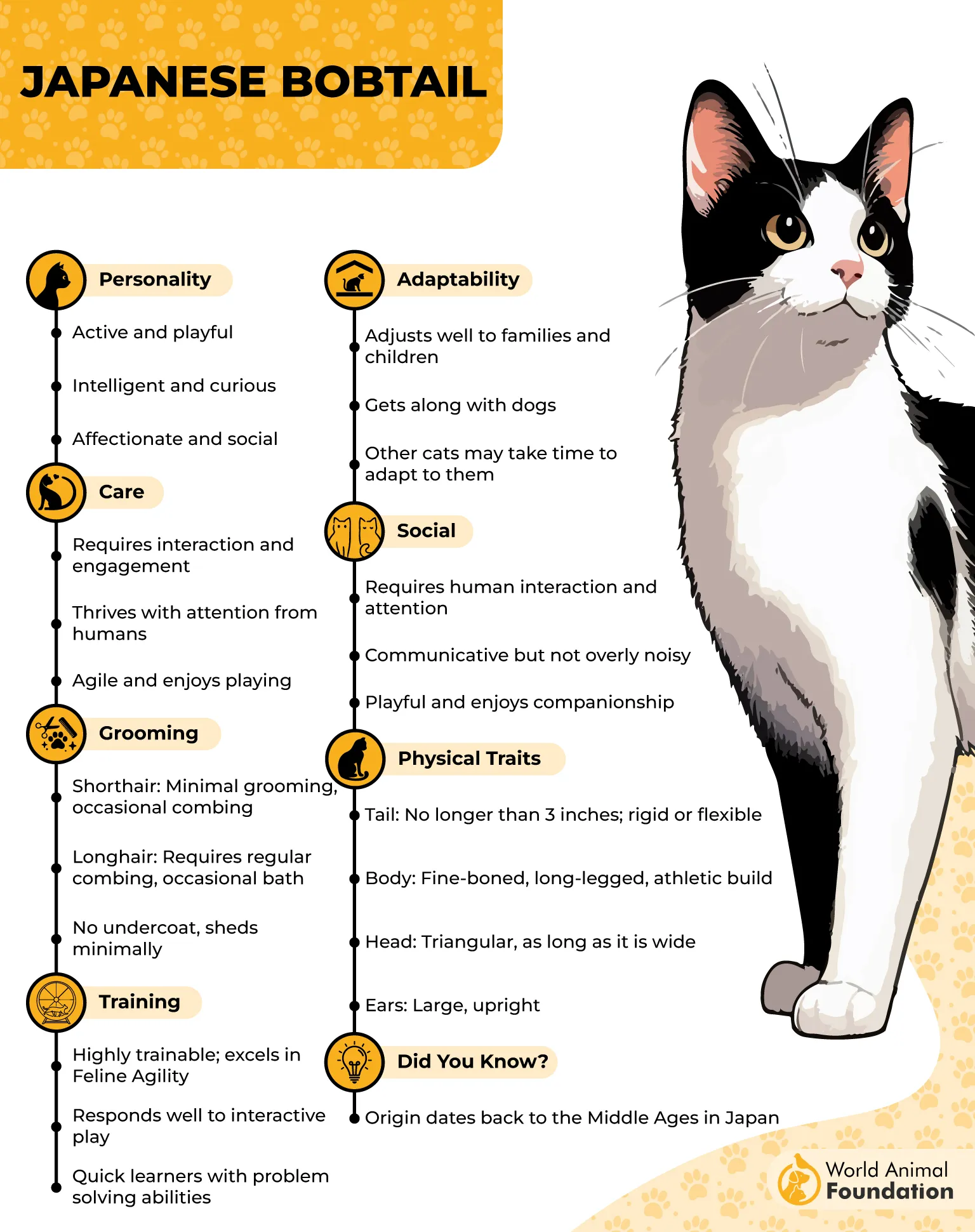
Conversation is a defining trait of the Japanese Bobtail. Rather than loud yowls, it communicates through a melodic range of chirps, trills, and soft meows, often responding directly when spoken to.
Their vocal style is paired with high intelligence and social awareness. Japanese Bobtails seem to understand human speech patterns, pausing play or activity to “reply,” making interactions feel like true conversations.
Active and agile, they combine communication with movement, sometimes chatting from a shoulder perch or mid-play.
Fun fact: Japanese Bobtails are often called “singing cats” because of their wide, musical range of vocal tones.
Conclusion
Cat breeds that initiate conversations show how deeply communication shapes the bond between cats and humans. For cat owners and cat lovers alike, vocal cat breeds bring an expressive nature that turns everyday moments into meaningful exchanges.
From distinctive meows and chirping sounds to a gentle voice or a pretty vocal presence, these chatty cats go far beyond what many cat owners expect from the average cat.
Whether your furry friend has long hair, strong hind legs, or a playful personality, vocal tendencies often reflect intelligence and a desire for mental stimulation. Even a shelter cat or feline friend with a quiet nature can develop a unique voice when bonding with human companions.
While breeds like Scottish Folds may communicate more subtly, talkative cats create good conversation, making them excellent companions and a perfect match for households that enjoy interaction.
