




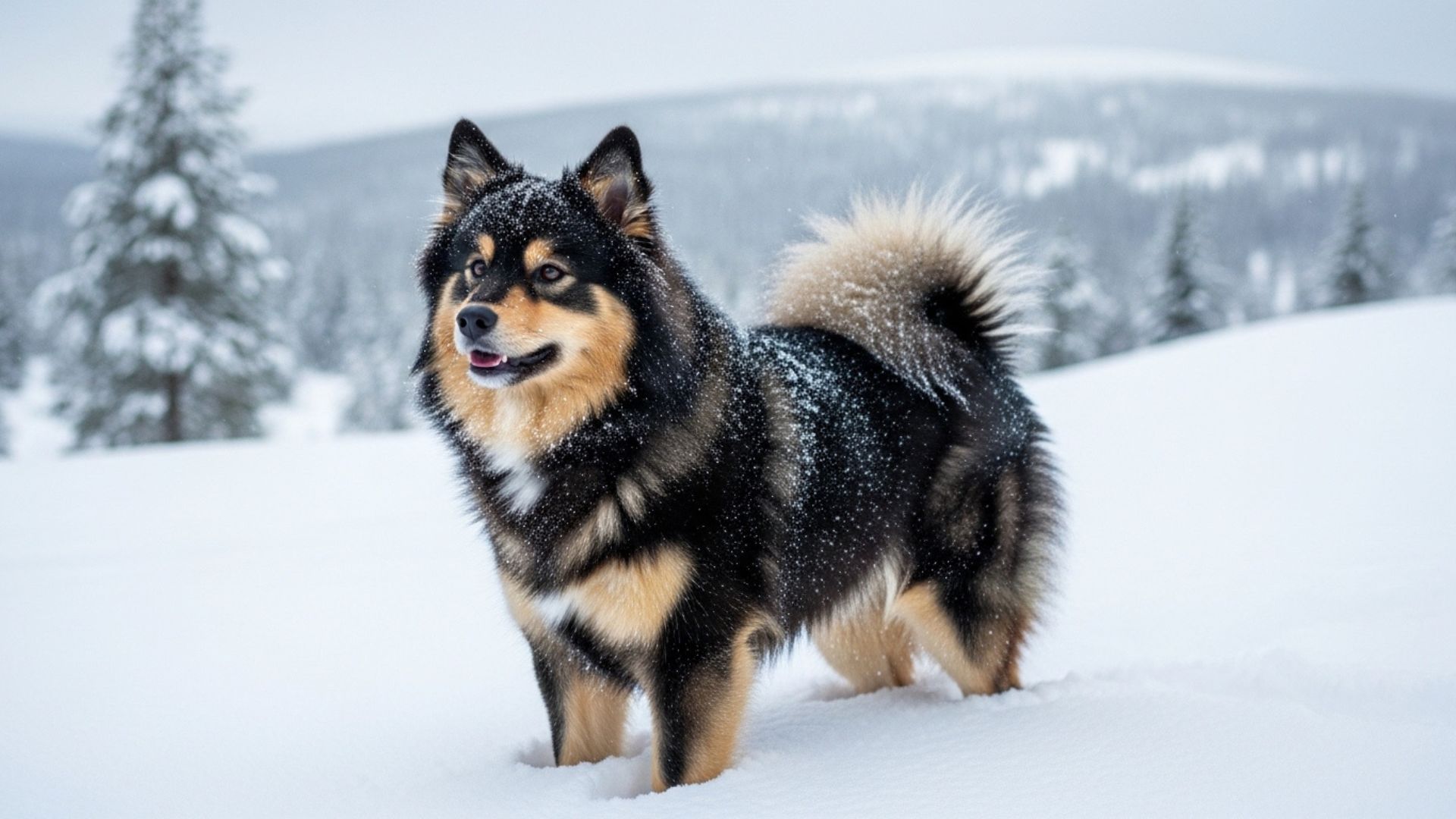
What makes a dog truly prepared for winter? Is it a thick coat alone, or something deeper rooted in structure, stamina, and temperament? Hardy dog breeds ready for winter’s embrace carry more than insulation.
They possess strong bone density, steady energy output, and mental resilience that support work in freezing conditions. Snow-covered terrain requires balance and traction. Prolonged cold demands efficient circulation and durable paw pads.
These characteristics were refined over time in climates where winter defined survival. Not every dog thrives when temperatures drop. Some struggle with exposure and fatigue. Others grow more focused and alert. Understanding this difference matters for owners who experience long, harsh winters.
In the sections ahead, you will uncover the defining physical adaptations and behavioral strengths that separate true winter specialists from fair-weather companions.
Key Takeaways
Snow, ice, and biting wind are not obstacles for certain breeds; they are home ground shaped by centuries of real work.
The Alaskan Malamute and Siberian Husky were built to pull across frozen terrain for miles, carrying endurance in every stride.
The Samoyed’s famous smile even serves a purpose in Arctic cold, while the Newfoundland once hauled lines through icy coastal waters without hesitation.
Keep reading, and you may find the one breed whose winter instincts match the coldest days of the season
Hardy Dog Breeds Ready for Winter’s Embrace
1. Alaskan Malamute
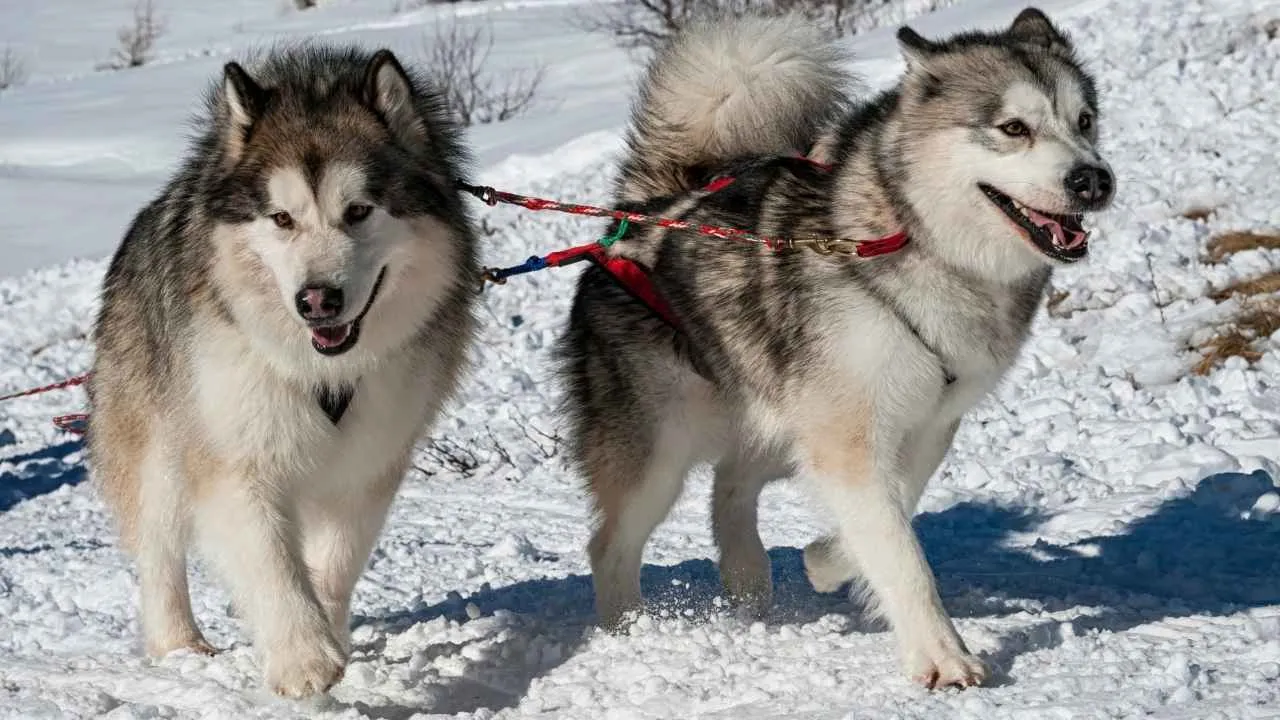
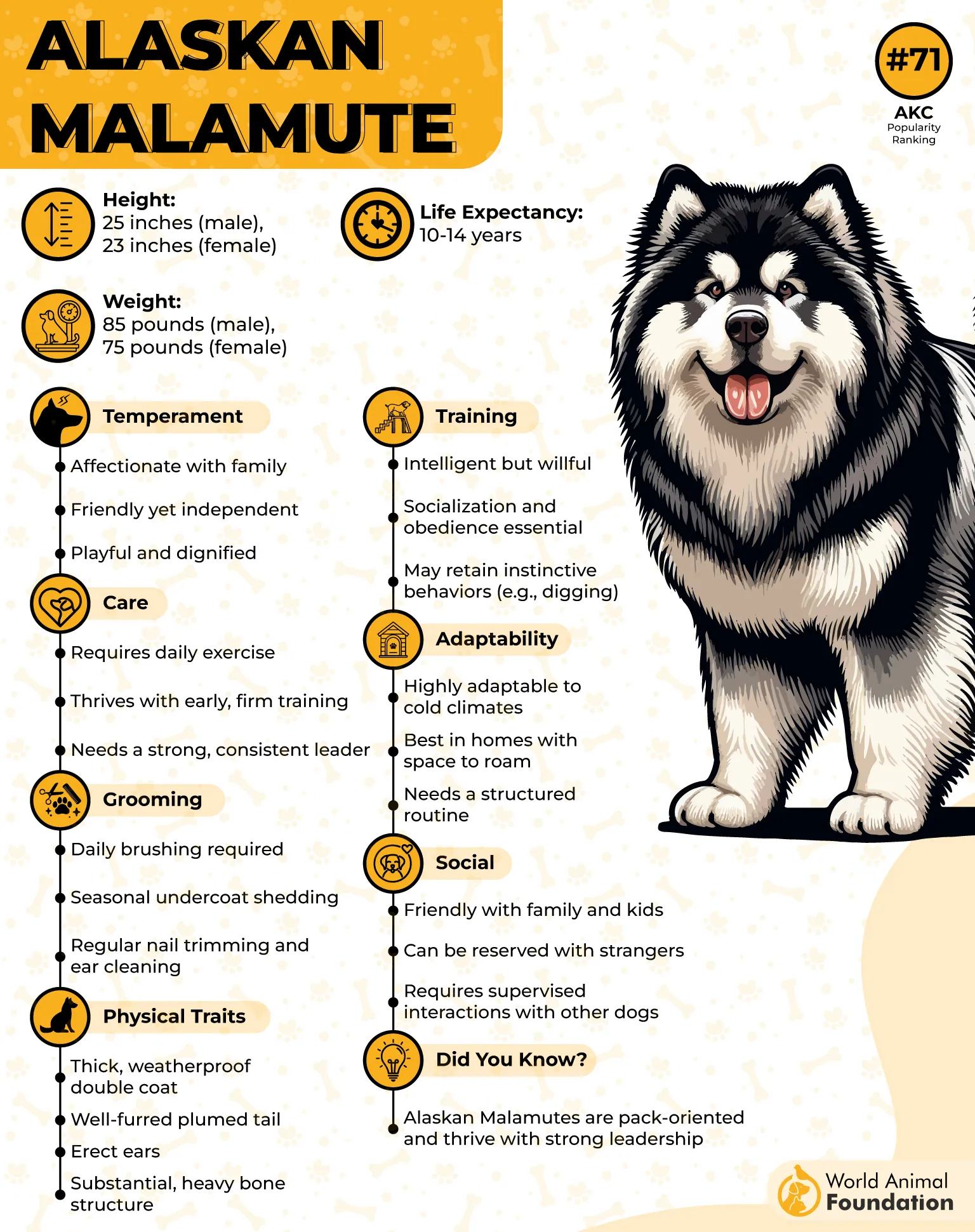
Alaskan Malamutes are muscular dogs with thick double coats designed to keep them warm in cold weather. They trace their heritage to Inuit tribes, where they pulled sleds and carried supplies across harsh terrain. That legacy gives them endurance and resilience that remain evident in daily activity.
Work Ethic and Energy
These dogs excel when given purpose-driven tasks, reflecting centuries of sled work and hauling during the Klondike Gold Rush, as Britannica claims. Regular winter adventure activities, such as running or biking alongside them, channel their sled heritage into productive outlets.
Their natural drive shows in ways that go beyond exercise:
Strong pulling ability for structured activities
High stamina for long walks or runs
Quick learning for coordinated tasks
Playful Independence
Alaskan Malamutes are playful and spirited, often expressing themselves with distinctive “awoos” and clever antics. They can be mischievous in seeking attention or treats, showcasing intelligence and self-will. This balance of energy and independence keeps them engaged alongside their human companions.
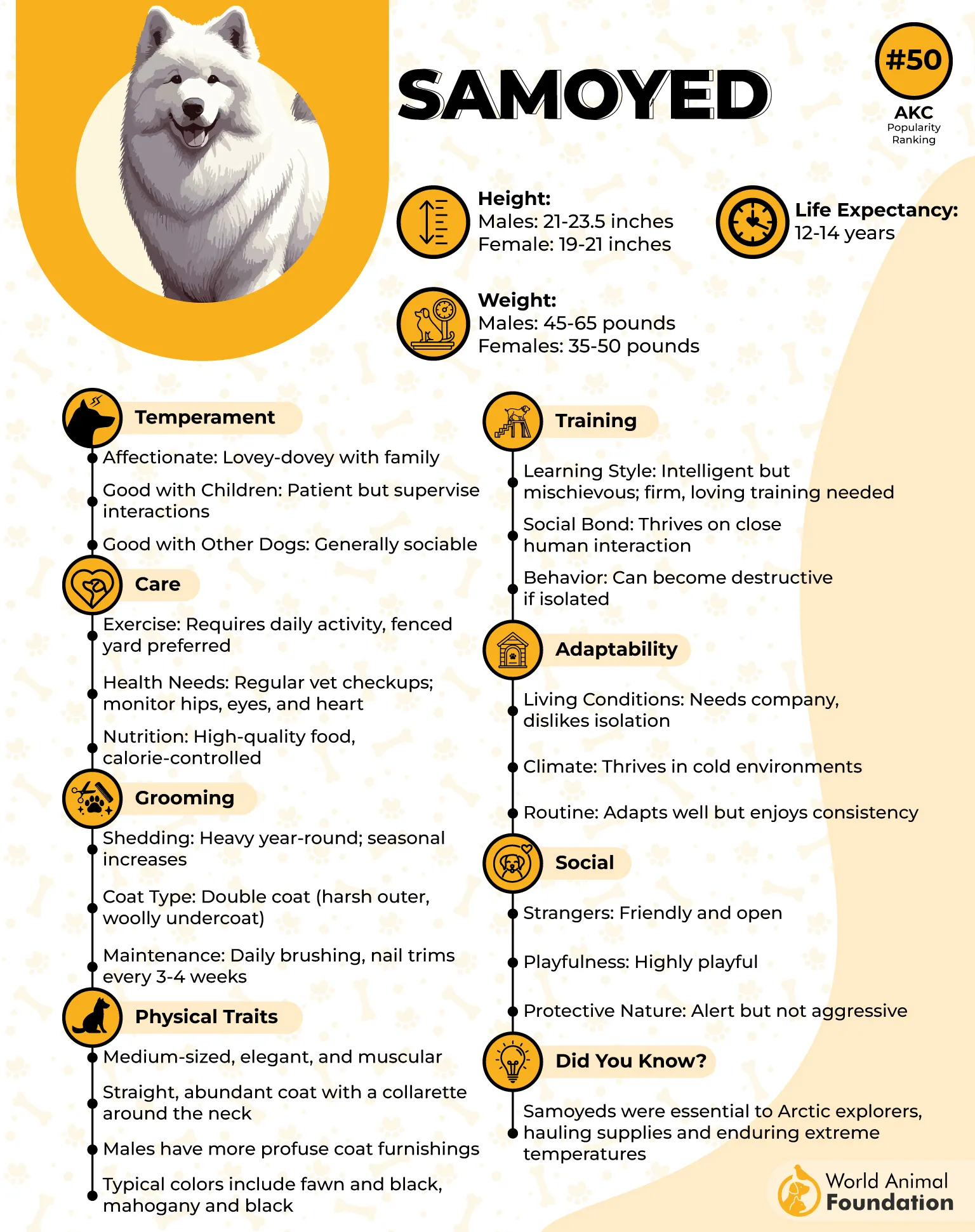
2. Samoyed
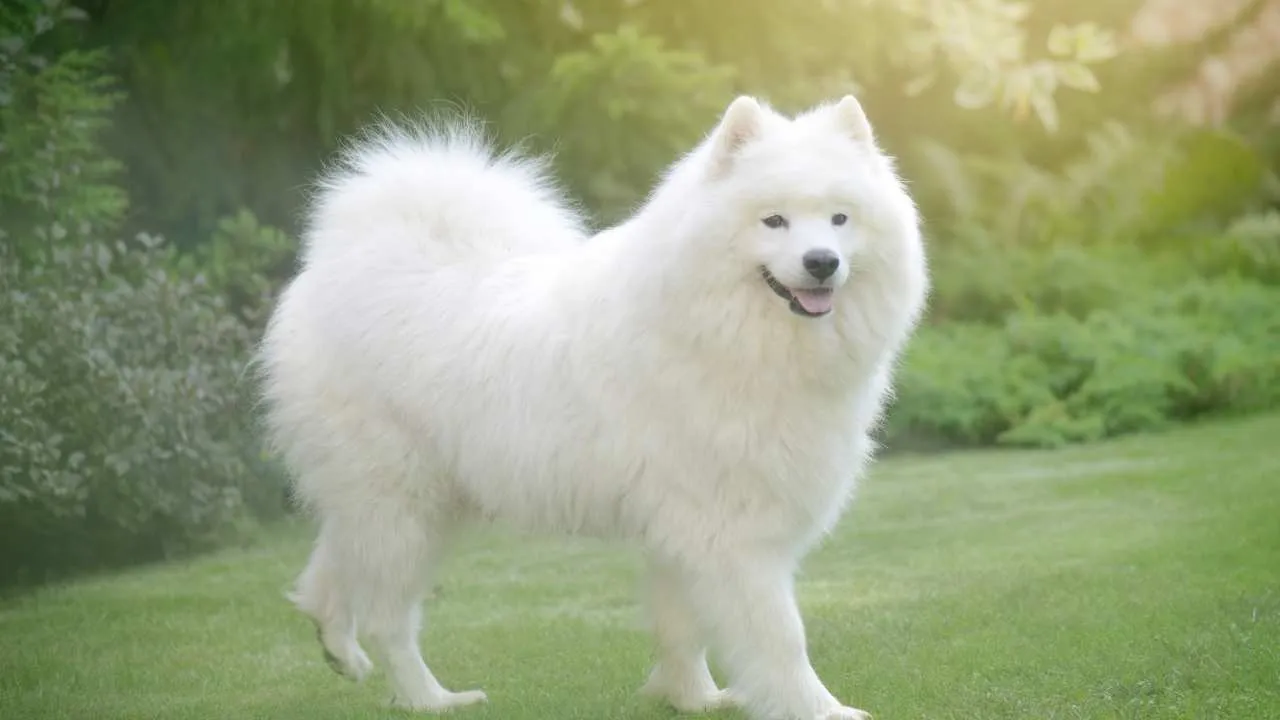
Samoyeds has massive size with a thick, all-white coat built to withstand cold climates. Their structure combines strength and grace, allowing them to move efficiently across snow and ice. Even the breed’s perpetual smile serves a practical purpose by preventing drool from freezing around the mouth.
Social and Smart Companions
These dogs are highly intelligent and crave interaction, making solitary confinement a source of stress and mischief. Their eagerness to learn and social nature support structured engagement.
They excel in activities that challenge both body and mind:
Herding and sled work
Tracking and nose-based games
Hiking or snow exploration
Agile and Functional Beauty
Samoyeds’ agility and stamina are ideal for sustained activity in harsh environments, even in -60 degrees, reflecting their heritage as working sled dogs, as the AKC notes. Their graceful movement is paired with alertness, allowing them to navigate obstacles efficiently.
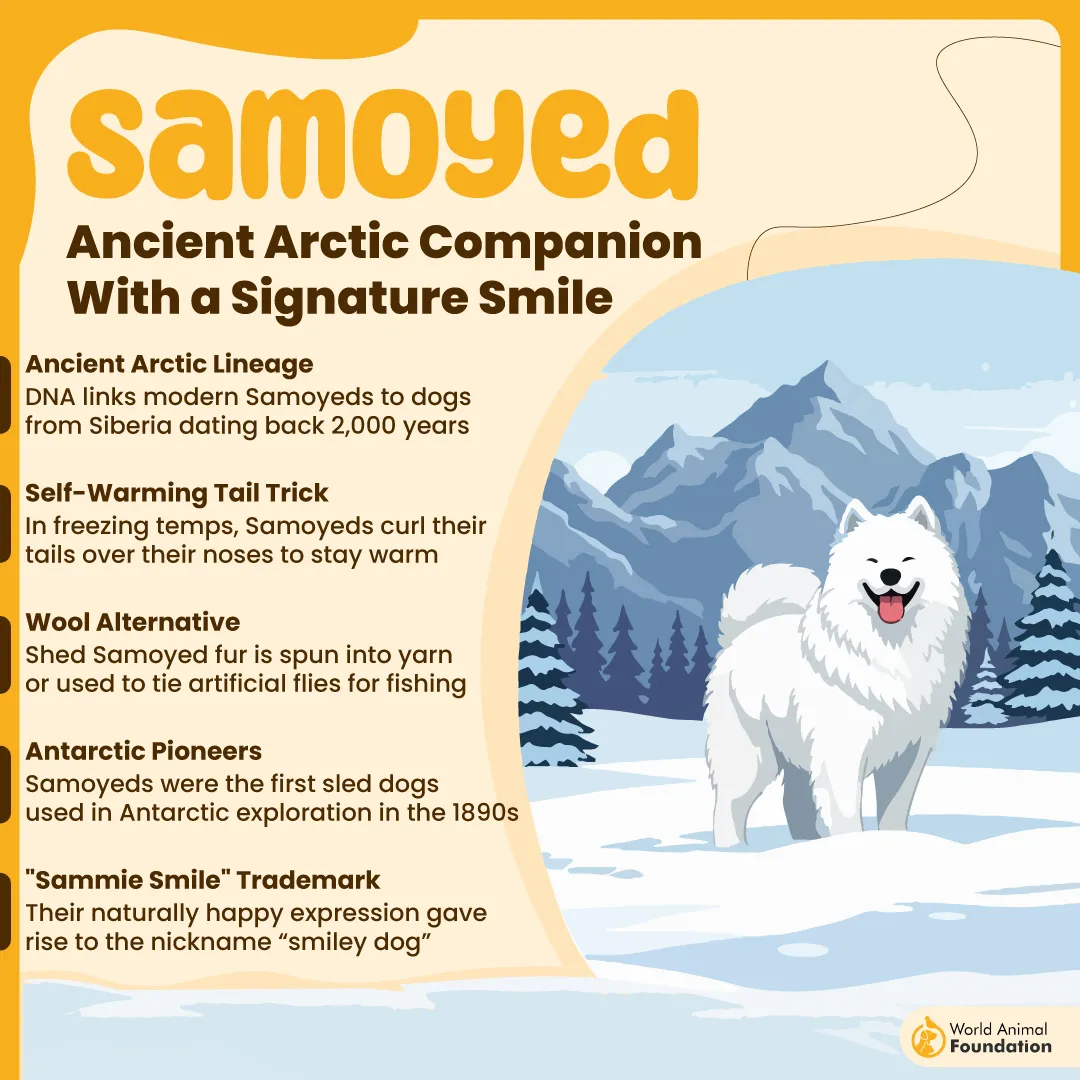
Did You Know: The iconic Samoyed smile isn’t evolved to prevent icicles from forming on the dog’s lips during extreme Arctic conditions.
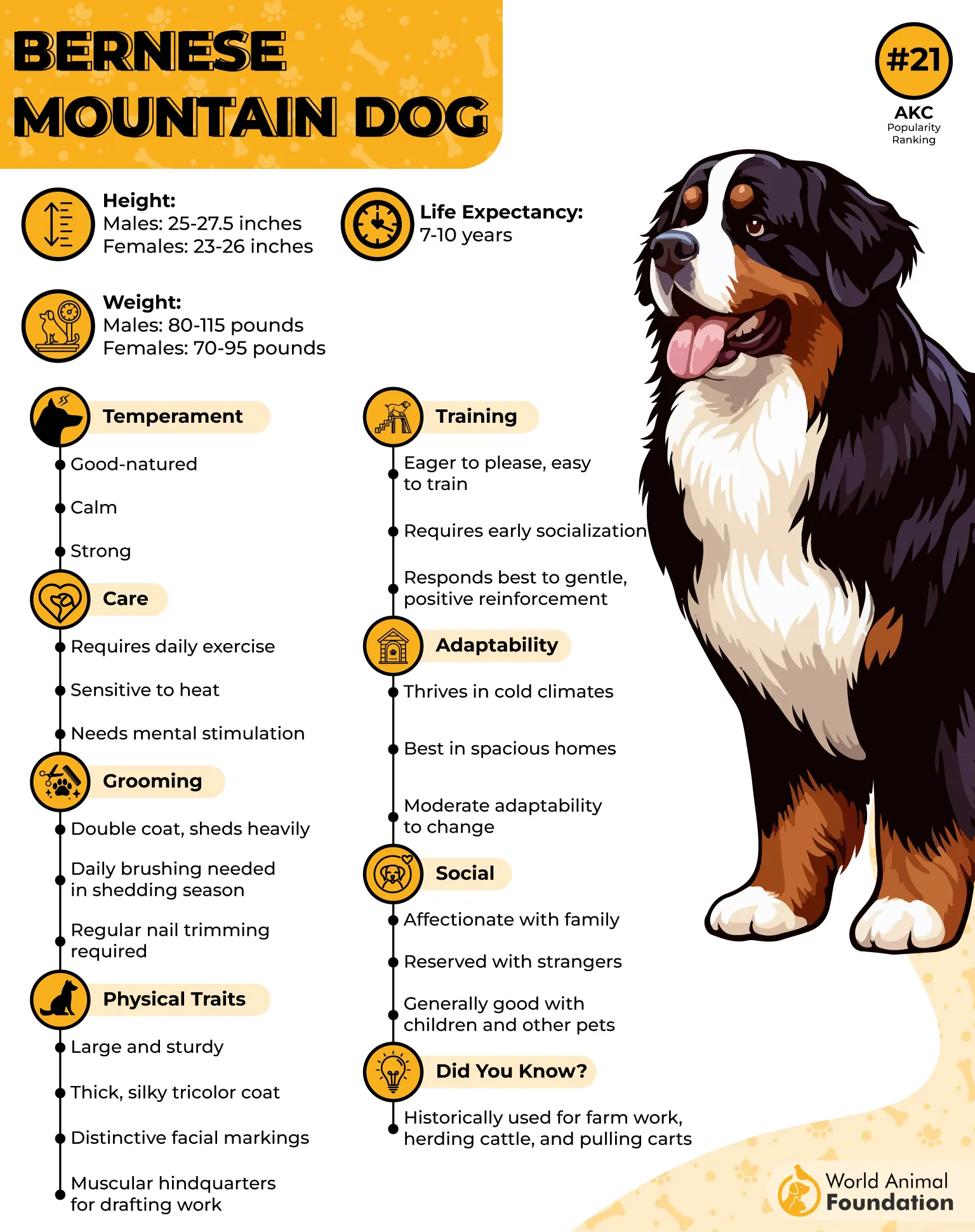
3. Bernese Mountain Dog
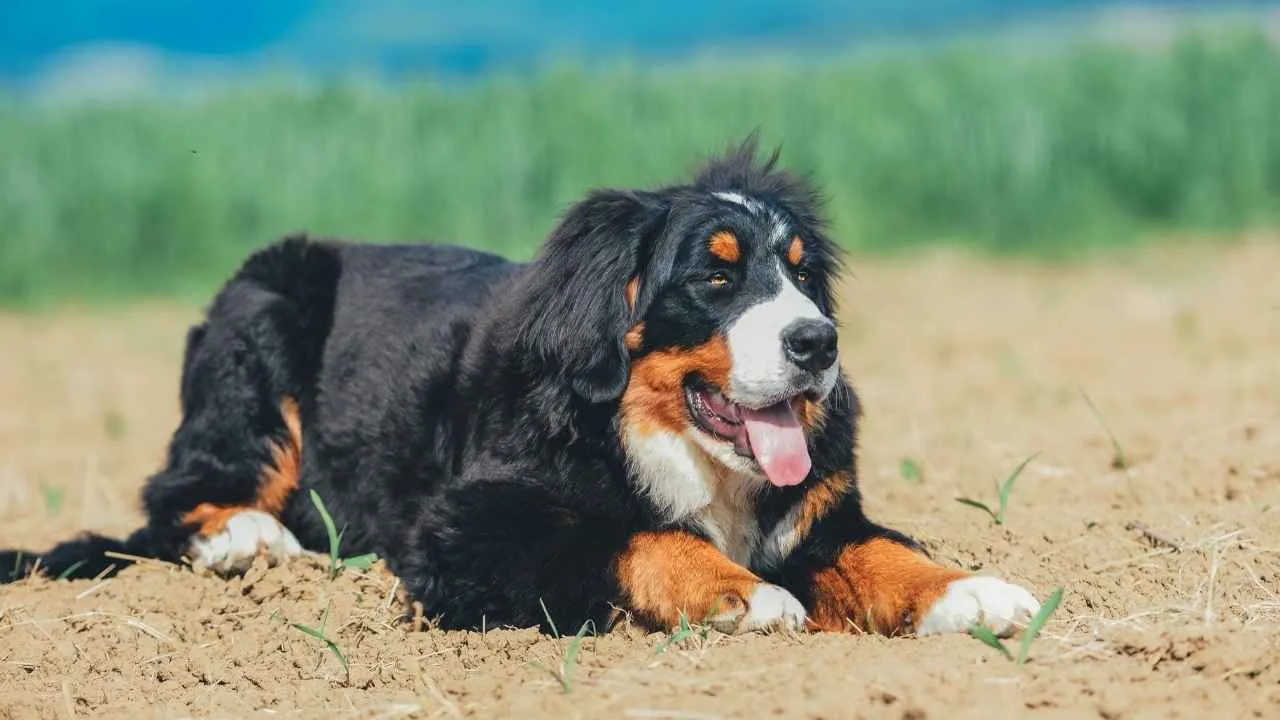
Bernese Mountain Dog developed as a powerful farm worker in Switzerland, combining brain and muscle for demanding outdoor tasks.
The breed’s large frame and steady build supported long days in cold alpine pastures. That working origin explains why icy air and snow feel natural rather than challenging.
Built for the Cold
Berners have a thick, silky, moderately long tricolored coat of jet black, clear white, and rust that shields the body from colder temperatures. The dense layering offers insulation while the distinctive facial markings remain a clear breed hallmark.
Their unique structure shows up in these abilities:
Dense double coat suited for freezing temperatures
Strong drafting and cart-pulling ability
Endurance shaped by alpine farm work
Gentle Power Outdoors
This breed balances physical strength with a placid, affectionate temperament that stays steady even in brisk conditions. The breed enjoys romps in open spaces and often joins outdoor trips such as camping or backpacking. Snow-covered trails give this sturdy worker room to move with purpose.
4. Siberian Husky
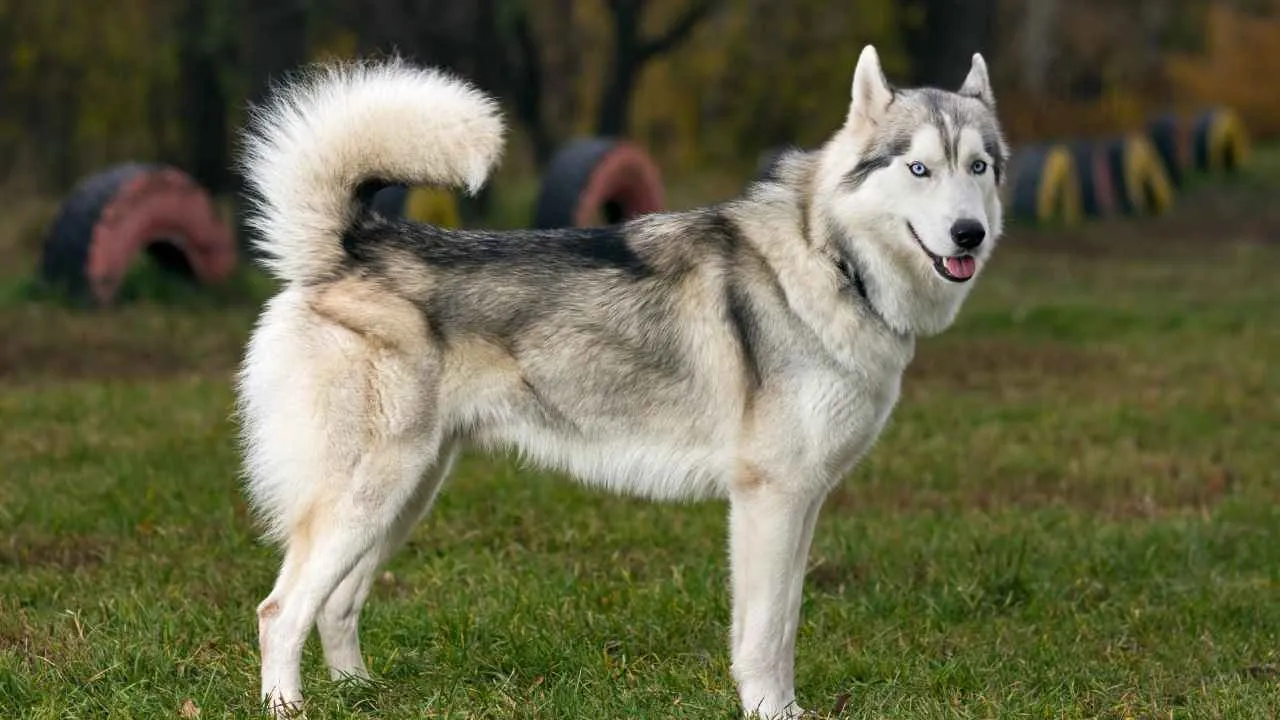
Siberian Husky is a compact, thickly coated sled dog bred to pull light loads across vast frozen expanses at steady speeds. Endurance shaped every part of this breed, from its efficient movement to its ability to work in coordinated packs.
Endurance in Motion
Siberian Husky is quick and nimble-footed, known for a powerful yet seemingly effortless gait that conserves energy over distance. As a born pack dog, it works smoothly alongside others and maintains rhythm across long stretches of snow, as Royal Canin noted.
Look closer at what supports that stamina:
Dense double coat insulation
Efficient ground covering stride
Strong pack coordination instinct
Energy With Direction
Siberian Huskies were bred to run and will seize any opportunity to do so, which is why secure space or harness work is essential. Activities such as rally, agility, and obedience provide structured outlets that mirror the breed’s working heritage. In colder seasons, sustained movement aligns naturally with its original purpose.
5. Finnish Lapphund
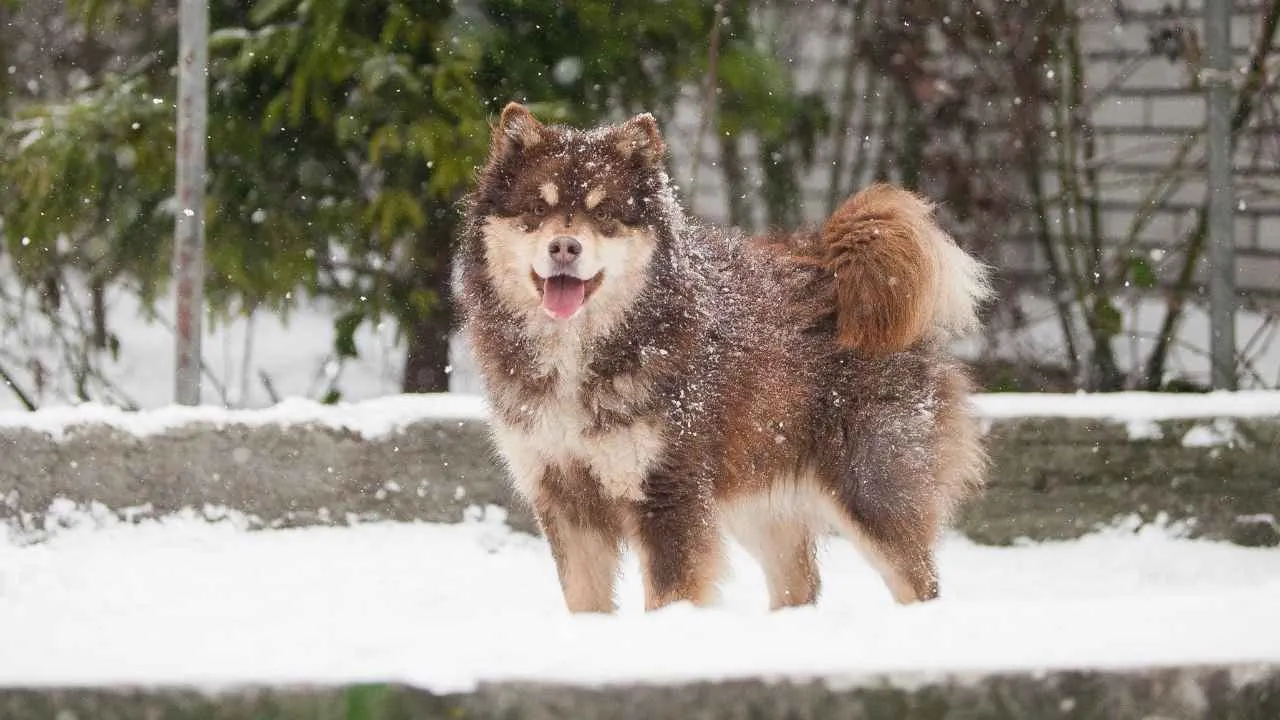
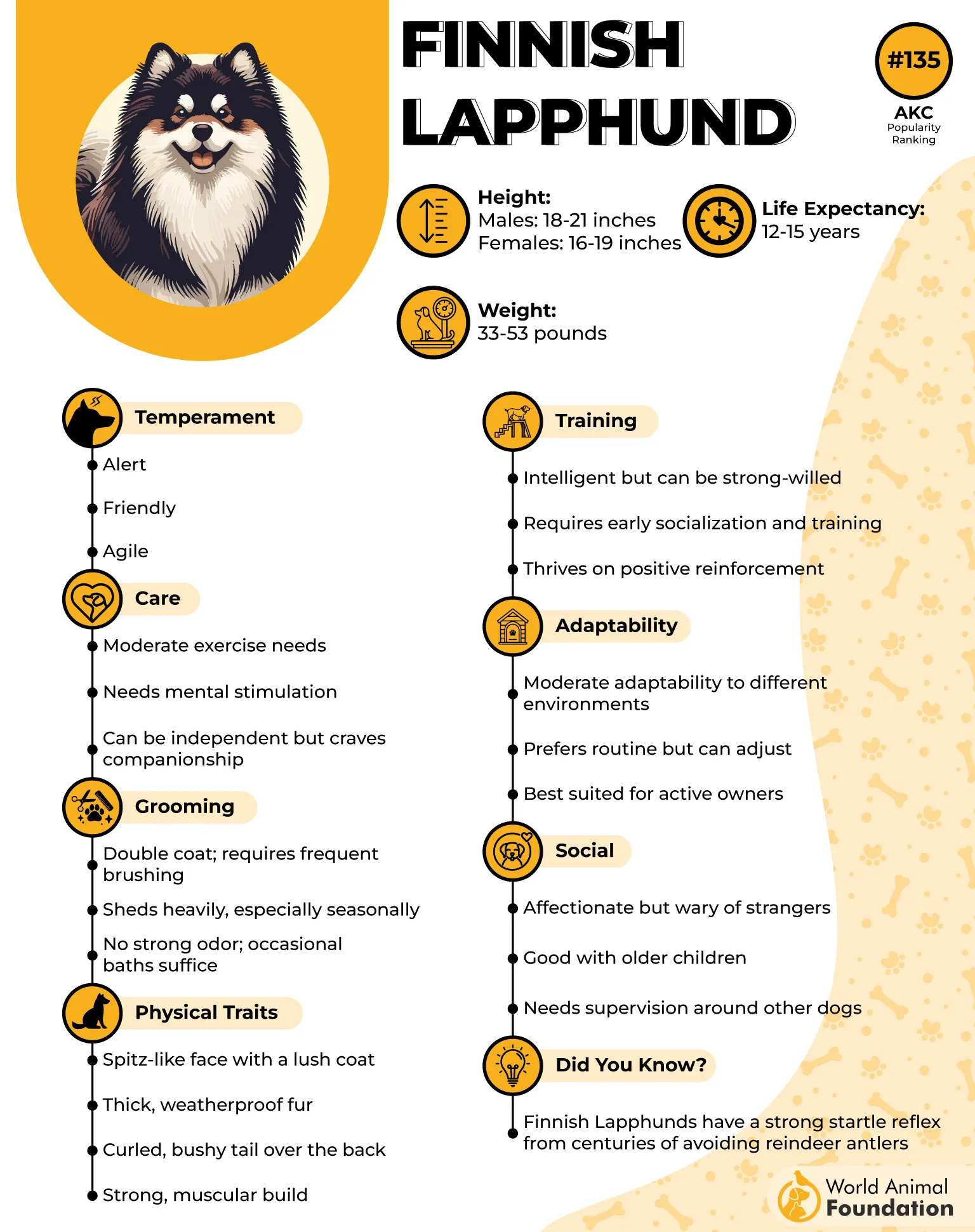
Originating north of the Arctic Circle, the Finnish Lapphund served as a sturdy reindeer herder built to withstand extreme cold. That water-resistant coat and solid frame were shaped by long days in freezing terrain. Life in snow and wind is part of this breed’s working history.
Built for Movement
Finnish Lapphund moves with quick, agile steps and can shift from a steady trot to a full gallop in a second. That speed once helped manage reindeer across the open tundra.
A closer look at that physical readiness reveals:
Instant gait changes
Strong cold tolerance
Efficient ground coverage
Nordic Presence
This breed is instantly recognizable by its profuse coat, spitz-like expression, and tail that curves over the back. The dense outer coat and underlayer were shaped for exposure to Arctic climates. Snow and low temperatures are conditions this breed was developed to handle.
6. Tibetan Mastiff
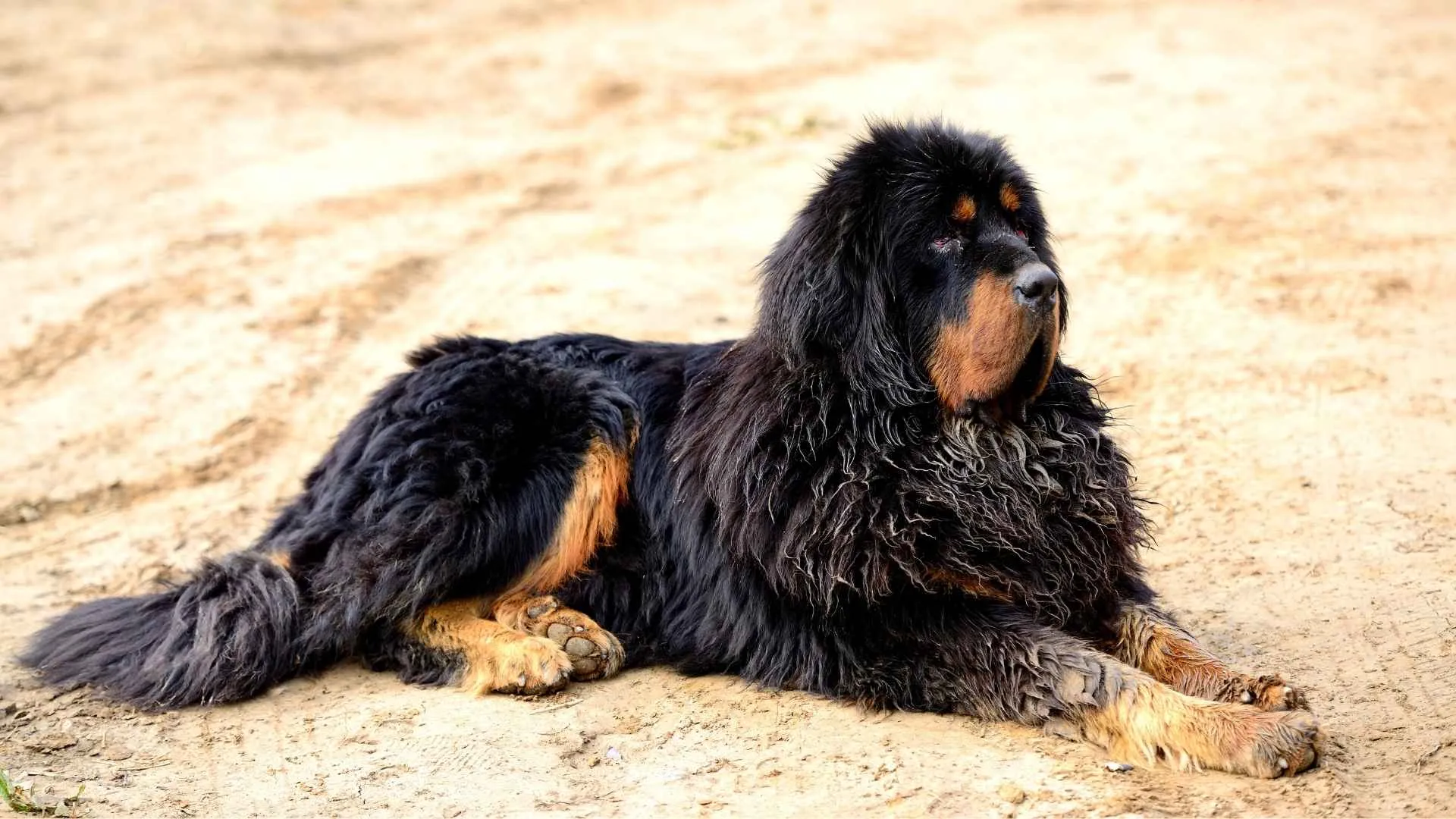
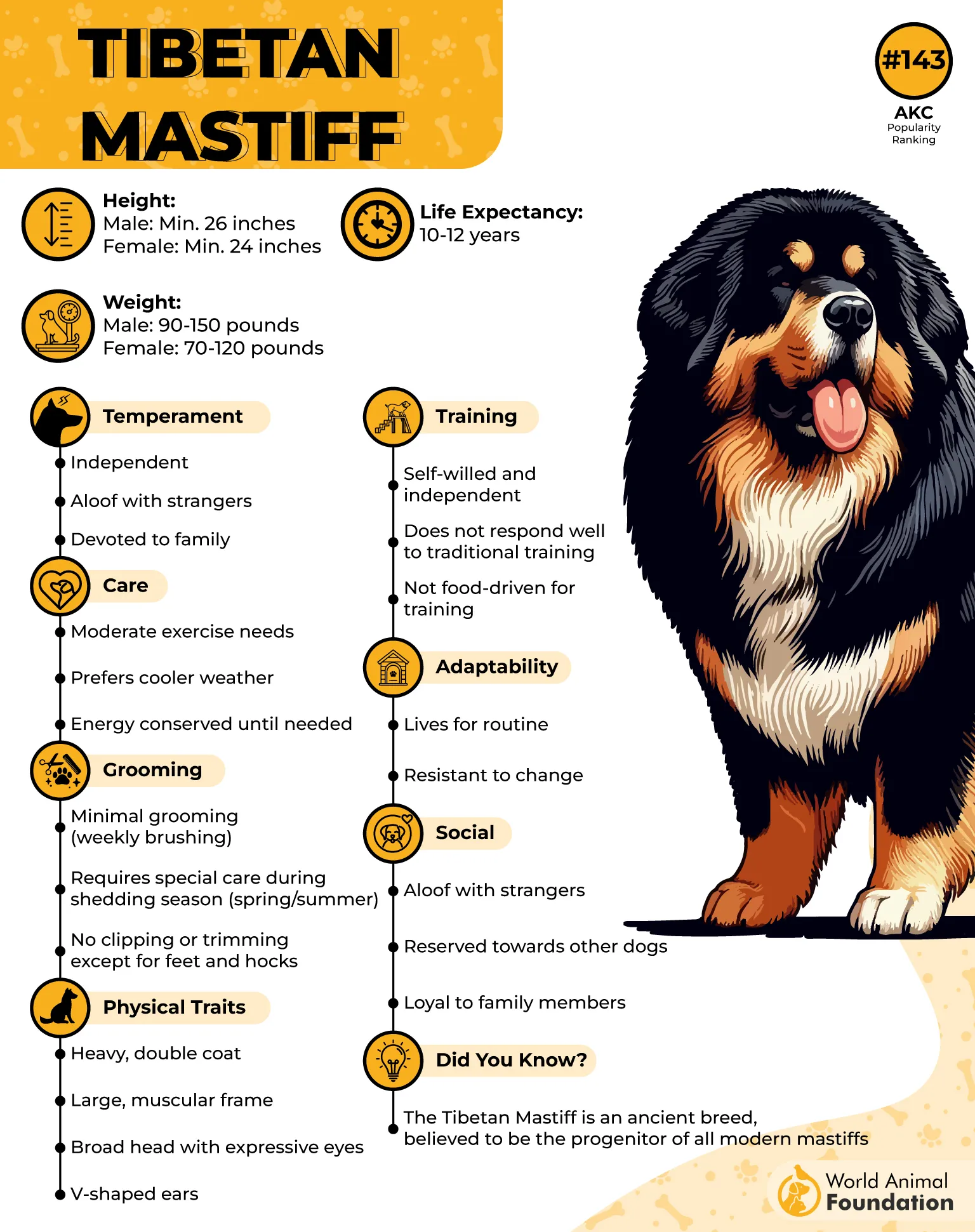
Tibetan Mastiff is watchful, imposing, and historically regarded as a supreme guardian. Its dense double coat and massive frame developed in harsh Himalayan climates where survival depended on vigilance. Cooler conditions often bring out its natural alertness and steady patrol habits.
Territorial Focus
Tibetan Mastiff prefers meaningful tasks such as monitoring its surroundings rather than structured games. This instinctive patrol style becomes more noticeable in colder months when activity levels rise.
Look closer, and a pattern appears:
Strong territorial awareness
- Increased activity in cool weather
Short, powerful bursts of movement
Energy Conserved With Purpose
Tibetan Mastiff conserves energy until needed, displaying brief surges of strength instead of sustained endurance. Daily exercise is required, though it favors purposeful movement over repetitive play. In winter, it often settles calmly indoors after deliberate rounds of observation.
7. Newfoundland
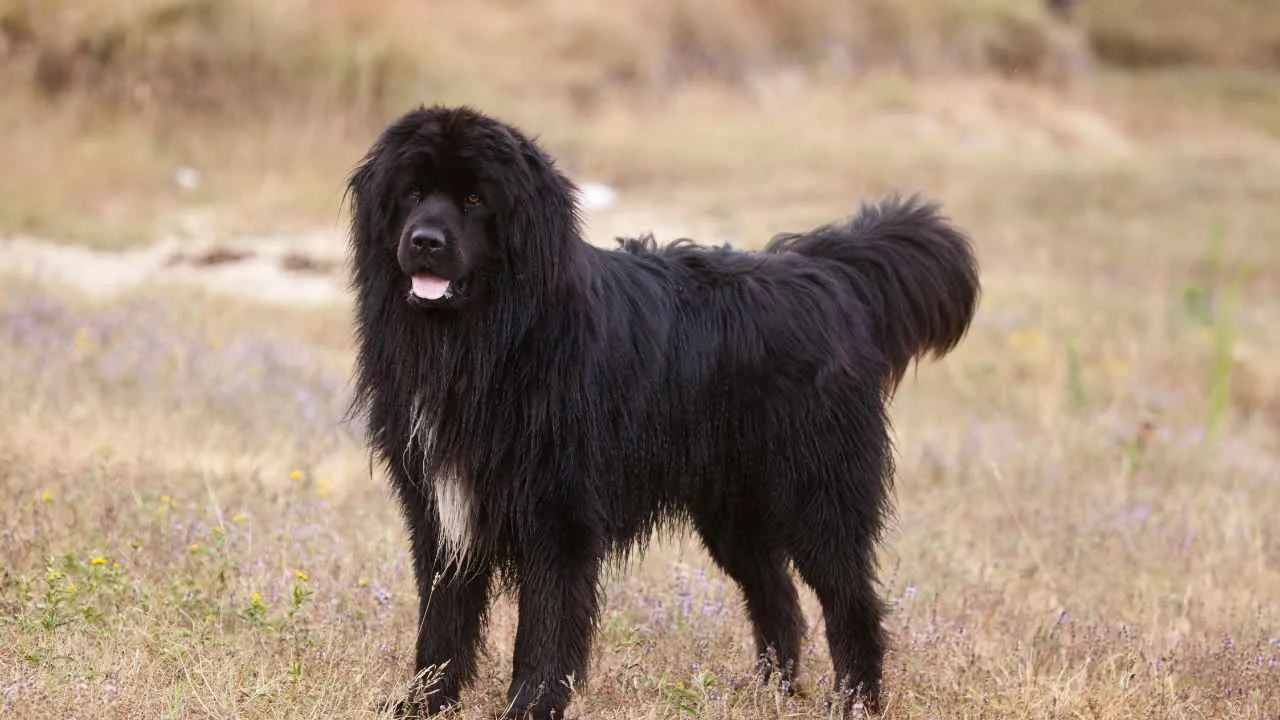
Newfoundland emerged along the cold Canadian coast, where strength and endurance were part of everyday life. This heavy-coated working dog hauled loads as a pack animal and towed ship lines through icy waters. That history explains why harsh winter conditions feel natural to this breed.
Built for Demanding Tasks
Newfoundland was bred to work hard for hours in cold climates, whether hiking long distances or pulling weight. The same stamina allows steady performance in low temperatures where other breeds slow down.
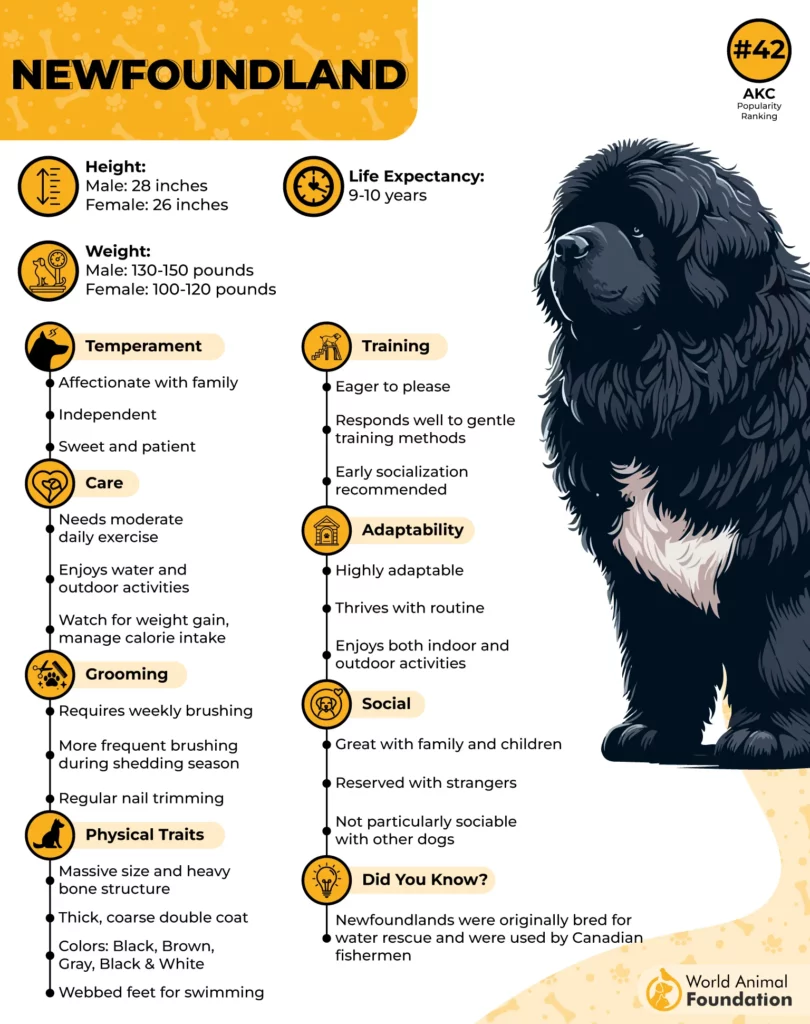
A few physical realities define that ability:
Dense water-resistant double coat
Strong build suited for hauling
Natural swimming power
Instinctive Water Rescue
Newfoundland is widely recognized for its instinct to rescue distressed swimmers without formal prompting. That lifesaving tendency developed alongside fishermen who relied on the breed in frigid coastal waters, as per Orvis. Cold lakes and snowy shorelines align closely with this inherited drive.
Note: Running long distances is discouraged for this breed, but a three to five mile hike in cool temperatures suits its working background.
Conclusion
Winter reveals which dogs are merely tolerant of the cold and which are true cold-weather breeds shaped by it. From sled pullers to coastal guardians, each carries excellent insulation, durable structure, and stamina refined by harsh climates. Snowy mountains and open fields become natural terrain rather than obstacles.
These dogs thrive during outdoor winter activities and welcome extended outdoor time when temperatures drop. Beyond endurance, many balance resilience with a friendly demeanor that fits family life. With proper care and partnership, they form strong bonds that make winter hiking feel less like exposure and more like shared purpose.
