




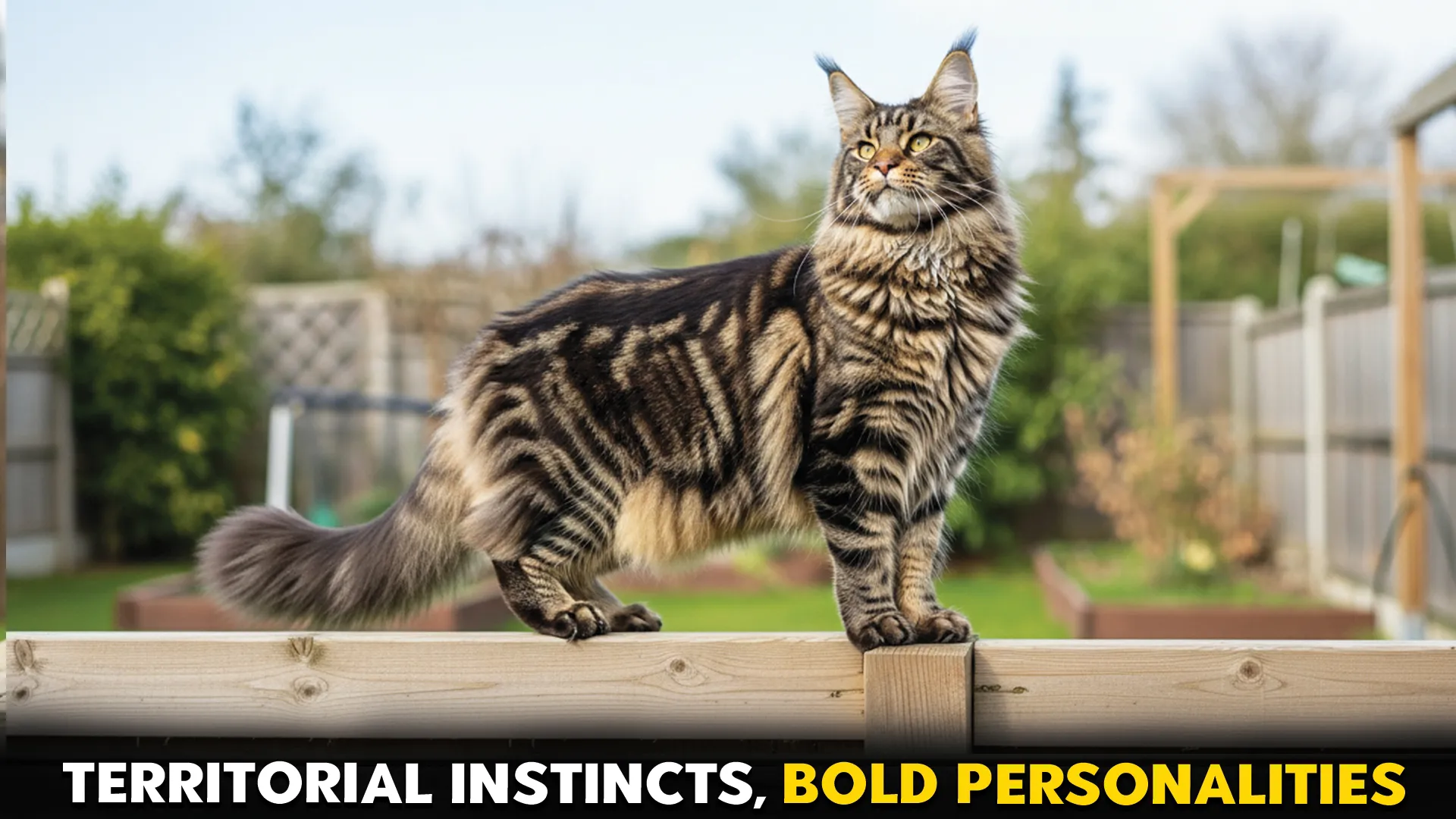
Territorial behavior in cats goes far beyond simple stubbornness—it’s a deeply rooted instinct tied to survival, security, and control over resources. For some breeds, this instinct is especially strong, shaping how they interact with people, other pets, and their environment.
Understanding what territorial behavior means in cats helps explain why certain breeds are more vigilant or reactive than others. Territorial cats may become stressed by unfamiliar smells, new animals, or changes in routine, leading to behaviors like spraying, hissing, or guarding favorite areas.
This doesn’t make them “bad” pets—it simply means their instincts are working overtime to keep their world predictable and secure.
Some cat breeds are more territorial due to genetics, history, and personality traits passed down over generations. Knowing which breeds have stronger territorial instincts can help owners manage behaviors, reduce conflict, and create a calmer, more harmonious home.
Cat breeds with strong territorial instincts
1. Bengal
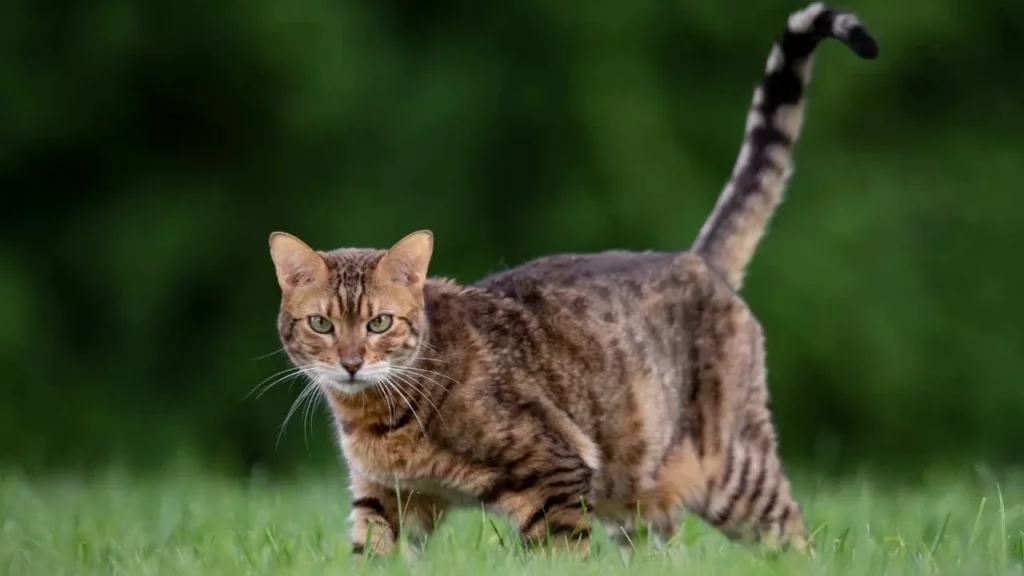
The Bengal, sometimes admired for its resemblance to the Asian Leopard Cat, is a striking hybrid breed known for its rosetted coat and muscular, athletic frame. Combining the elegance of a wild cat with the temperament of a domestic feline, Bengals are confident, curious, and highly alert.
According to Purina, despite their striking appearance, these cats have a well-balanced physical structure with no extreme or exaggerated features, characterized by small ears, a wedge-shaped head, tidy paws, and an overall athletic build.
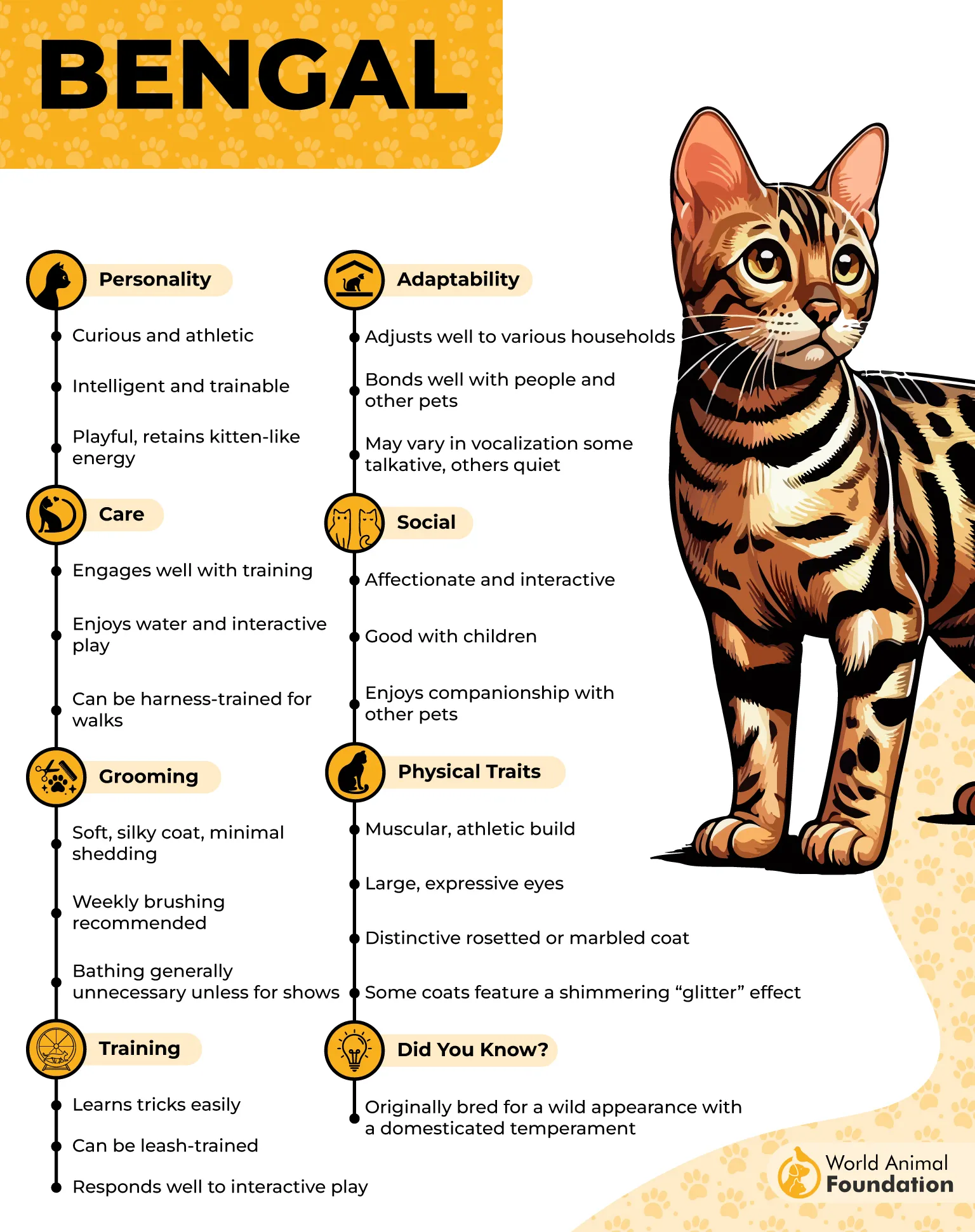
Bengals are naturally territorial hunters, often keeping a watchful eye over their environment. They enjoy climbing to high vantage points—such as shelves or cat trees—where they can survey their space and monitor any changes.
Because of their strong instincts, new pets or family members should be introduced gradually. Bengals can be cautious at first, preferring to assess newcomers before fully accepting them into their established territory.
High energy levels mean they require consistent mental and physical stimulation to prevent frustration or destructive behavior. Known for their agility and bold personality, Bengals form strong bonds with their owners while maintaining a vigilant, protective awareness of their surroundings.
2. Savannah
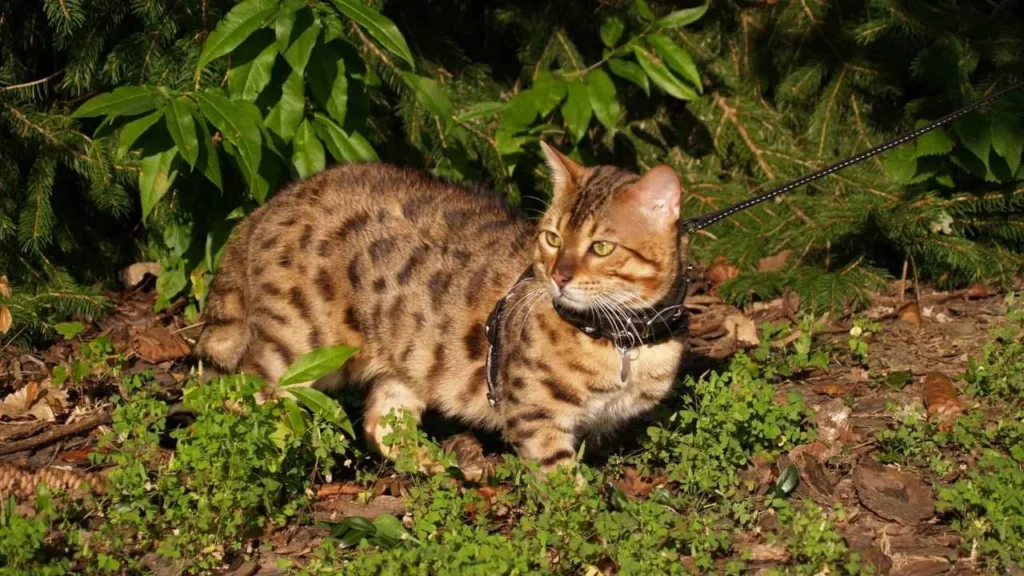
The Savannah, sometimes called the Serval hybrid, is an exotic-looking cat known for its long legs, large ears, and bold spotted coat. Bred from a domestic cat and the African Serval, this breed carries a striking wild presence and intense confidence.
According to Petplan, Savannah cats are described as intelligent, loyal, and highly energetic, resembling miniature cheetahs not only in appearance but also in behavior.
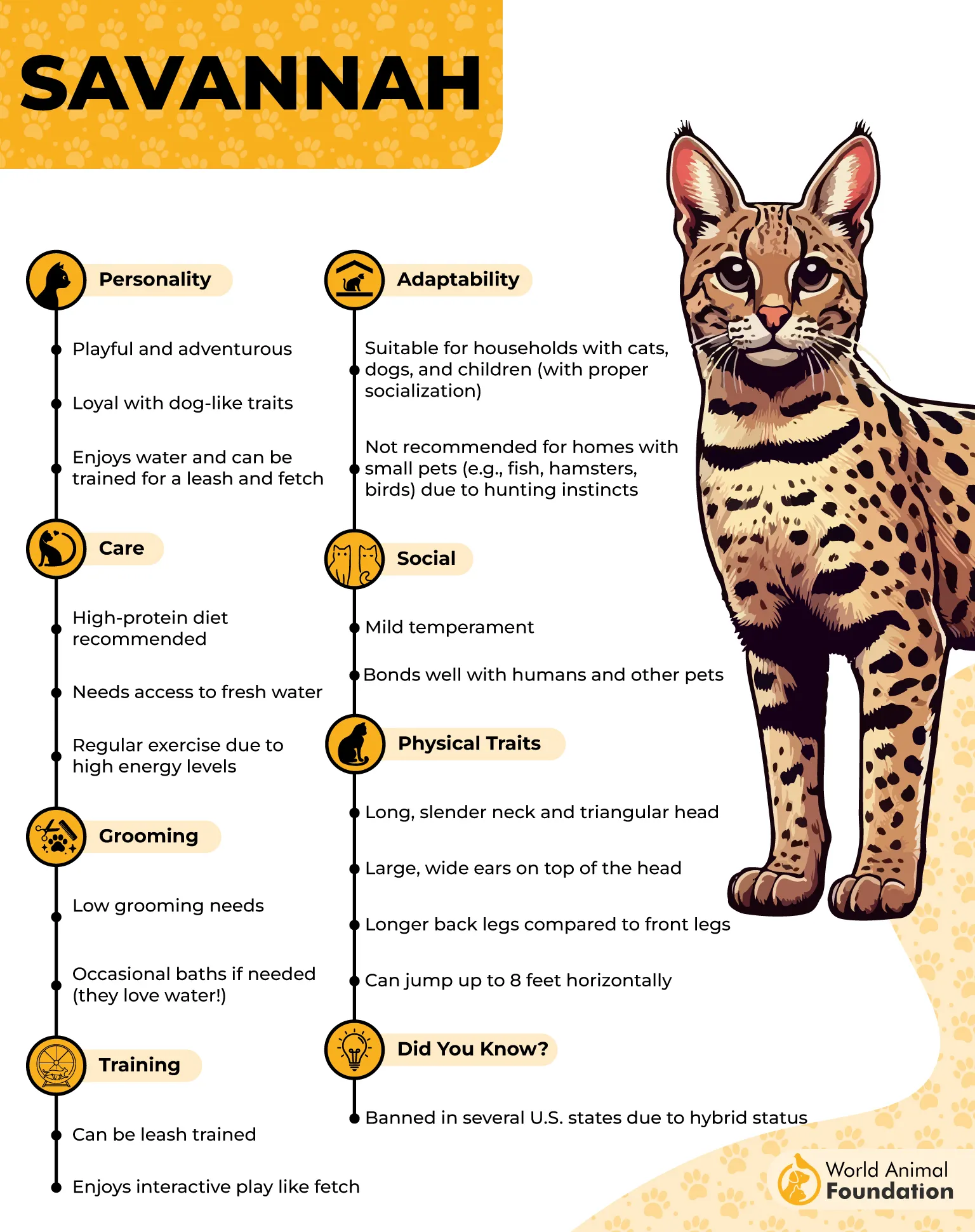
Savannahs are naturally territorial and highly aware of their surroundings, often patrolling their space and reacting quickly to changes. Their strong-willed nature means they prefer clear boundaries and may challenge unfamiliar people or animals entering what they consider their domain.
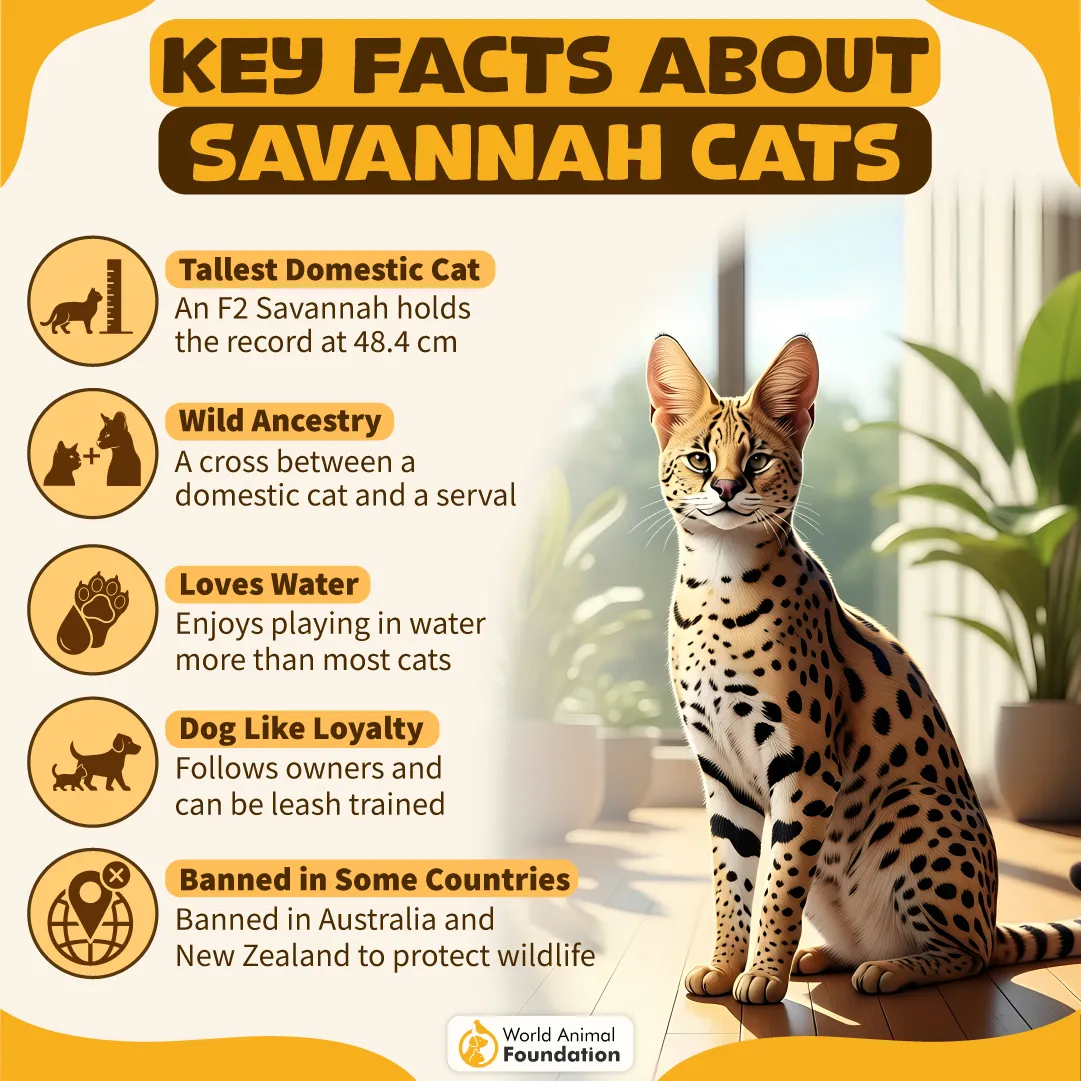
With high energy and sharp intelligence, these cats need structured routines and plenty of stimulation to stay balanced. Without enough enrichment, their territorial instincts and predatory drive can surface as stress or frustration in the home.
Although they form deep bonds with their humans, Savannahs require experienced owners who understand their unique needs.
Fact: Due to retained wild genes, Savannah cats can display strong territorial and predatory behaviors, making indoor management and enrichment essential.
3. Egyptian Mau

The Egyptian Mau, sometimes simply called the Mau, is one of the oldest natural cat breeds, instantly recognized by its spotted coat and vivid green eyes.
According to PetMD, Egyptian Maus are medium-sized, short-haired cats that descend from felines historically found roaming the streets of Egypt.
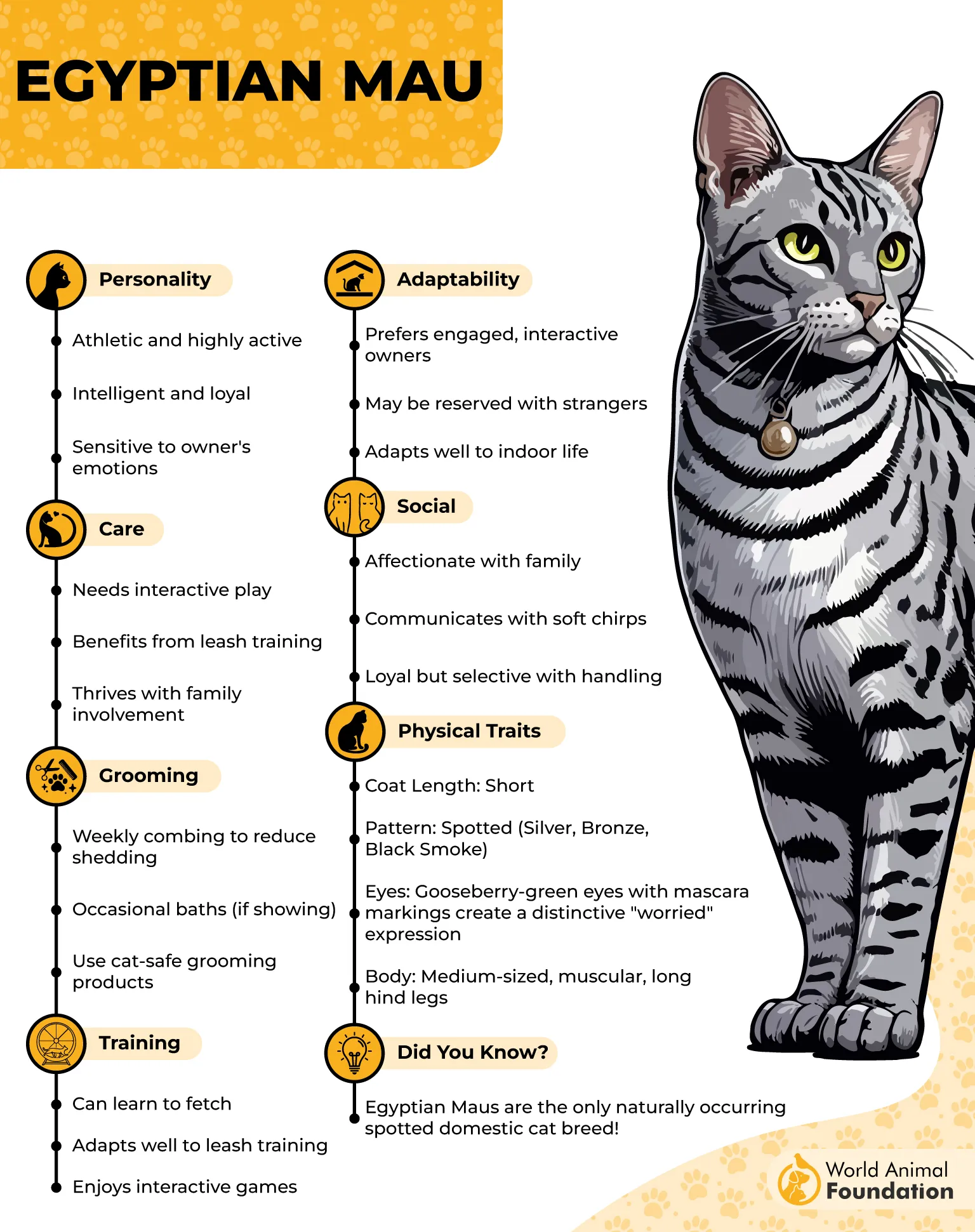
Known for strong territorial instincts, the Egyptian Mau is highly alert within its home and tends to keep a close watch on its surroundings. They are protective of familiar spaces and can become cautious or defensive when strangers or unfamiliar animals enter their territory.
While affectionate and playful with their family, Maus are selective about social interactions with other pets. They usually bond most closely with one person and prefer introductions to new animals to be slow and carefully managed.
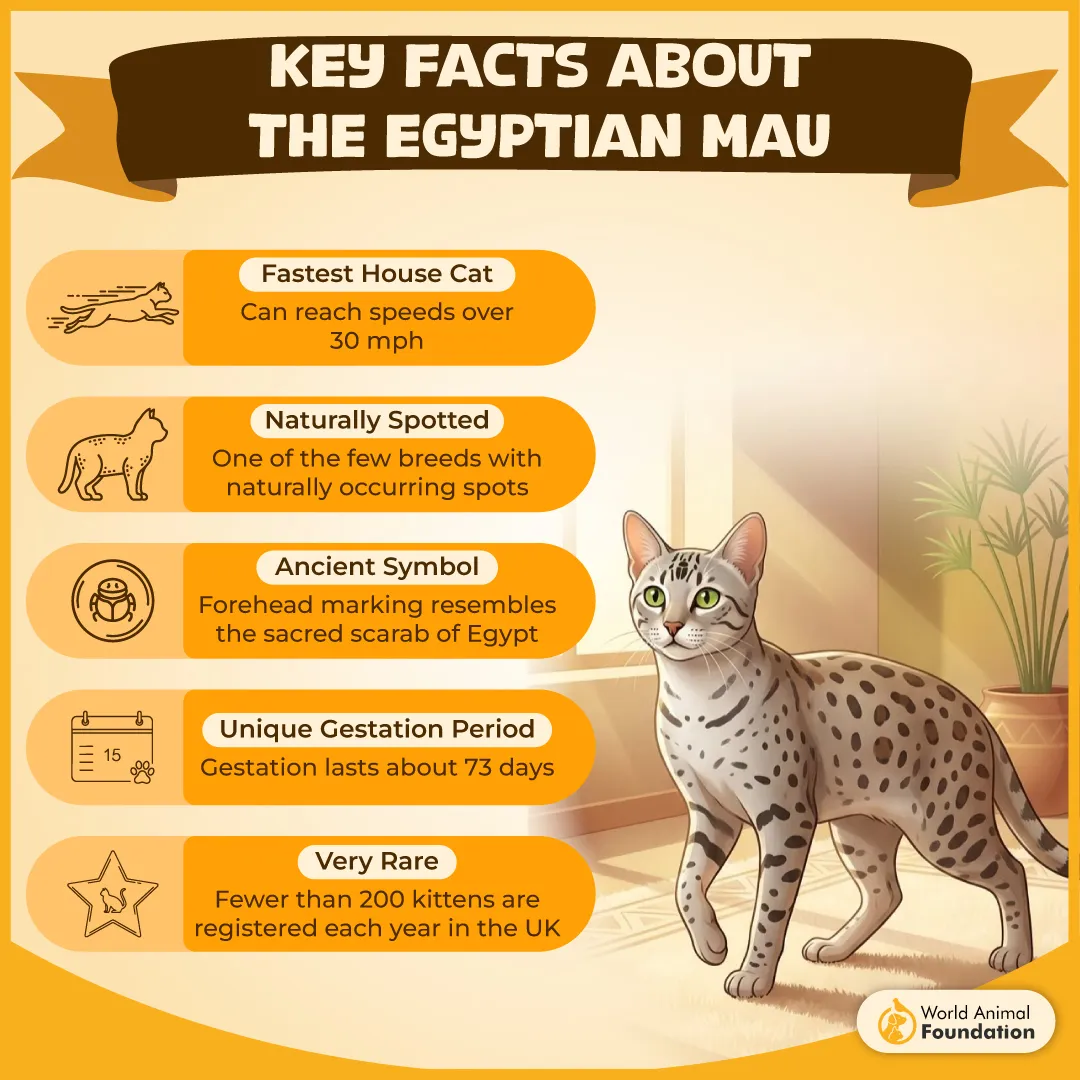
These cats thrive when given personal space, interactive toys, and predictable routines that help them feel secure.
Fact: Egyptian Maus are known to be wary of strangers and may actively defend their owners or territory if they feel threatened.
4. Abyssinian
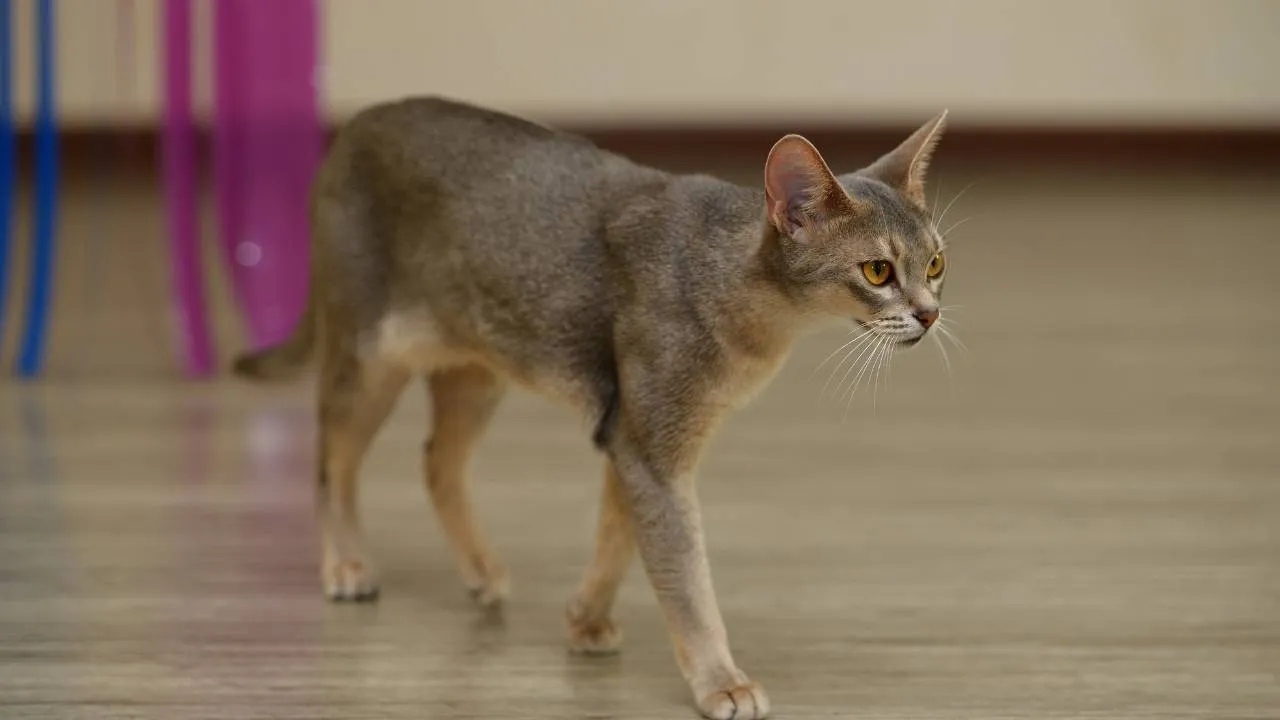
The Abyssinian, often called the “Aby” or nicknamed the “cat of ancient Egypt,” is instantly recognizable by its ticked coat, sleek build, and oversized, forward-tilted ears. Agile and elegant, this breed is alert, intelligent, and constantly aware of its surroundings.
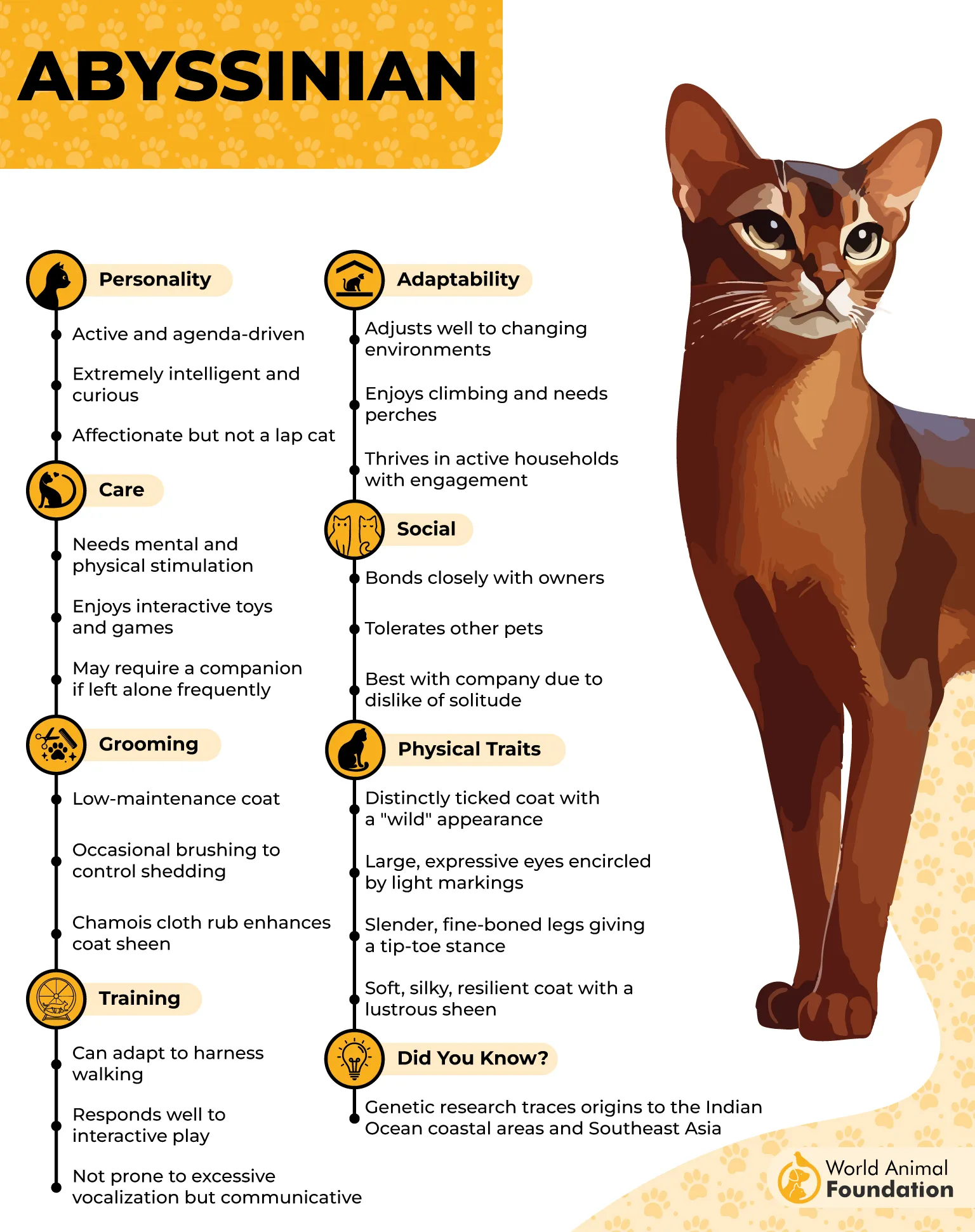
Naturally dominant and observant, Abyssinians like to patrol their territory, frequently choosing high vantage points to monitor household activity. They are deeply invested in their environment and quickly notice anything unfamiliar or out of place.
Their territorial instincts can surface when they feel threatened, leading to defensive behaviors toward other pets or strangers. Despite this, they are fiercely loyal and may step in protectively if they sense their owner is in danger.
Highly curious and energetic, Abyssinians need structured routines and mental stimulation to feel secure in their space.
Fact: Abyssinians are known to patrol their environment and may react aggressively if they feel their territory or owners are being challenged.
5. Turkish Van
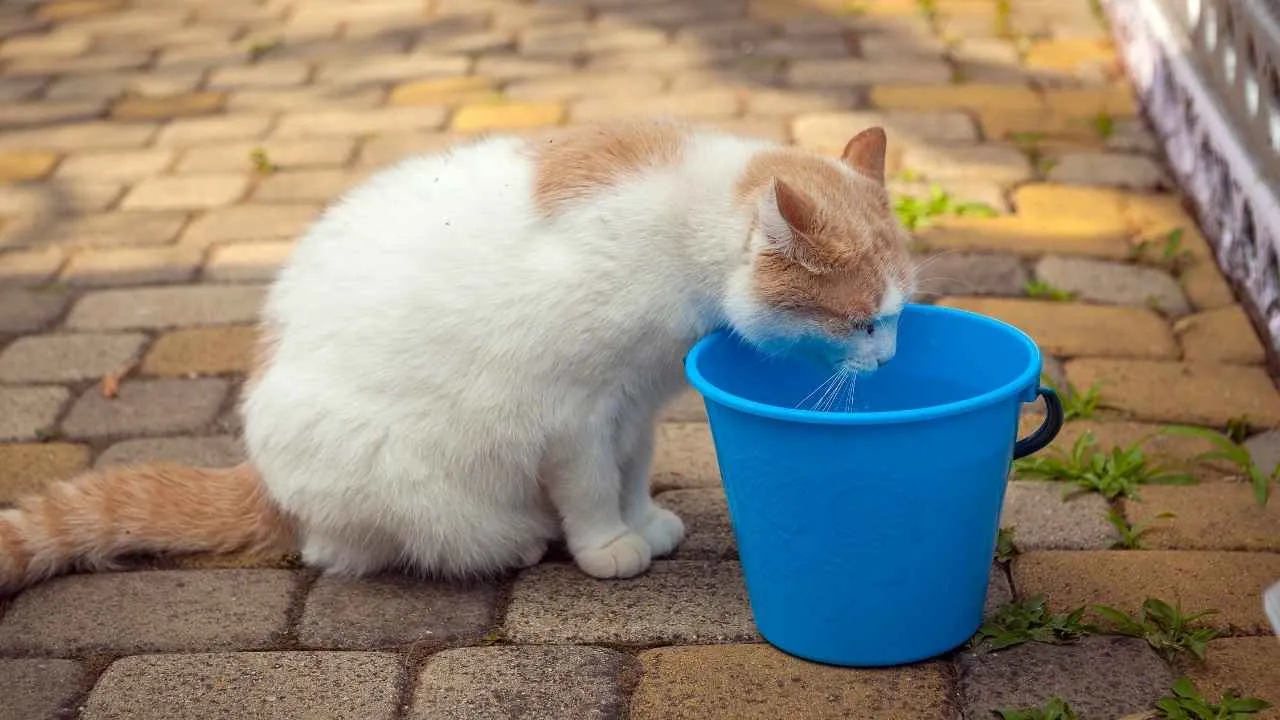
The Turkish Van, sometimes called the “Swimming Cat,” is a rare and striking breed known for its white body, colored head and tail, and athletic build. Originating near Lake Van in Turkey, this cat combines elegance with a fiercely independent spirit.
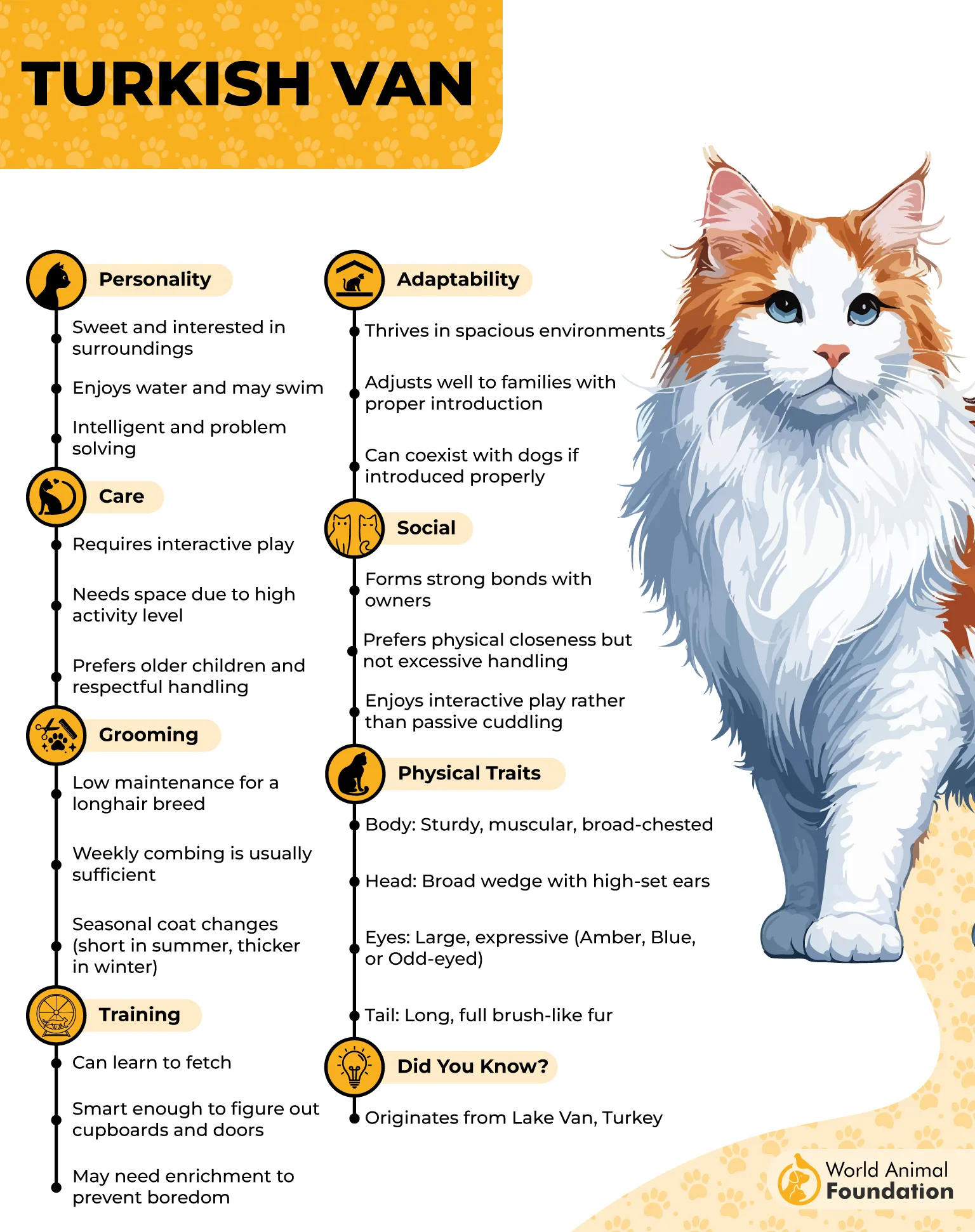
Independent and area-focused, Turkish Vans are natural patrollers that like to keep watch over their surroundings. They often claim specific zones in the home and may react strongly to unfamiliar people or animals entering what they view as their territory.
Studies have shown this breed can score higher in aggression toward humans and other cats, especially when they feel their family or space is threatened. Early socialization and controlled introductions are essential to help manage these instincts.
Despite their territorial tendencies, Turkish Vans form deep bonds with their people and are loyal, confident companions.
Fact: A research found Turkish Vans ranked highest for aggression toward people and cats among more than 15 breeds studied.
6. Norwegian Forest Cat
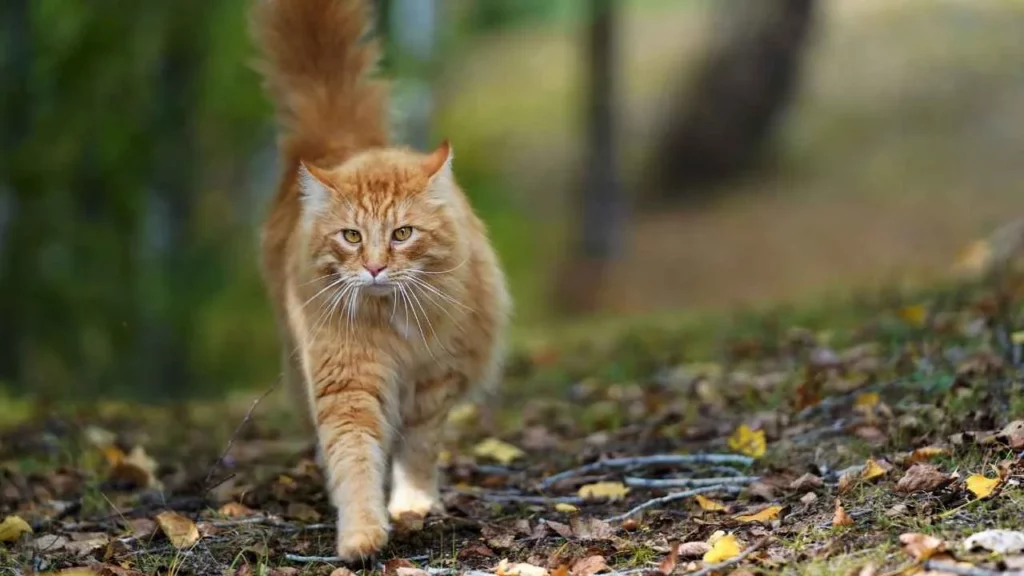
The Norwegian Forest Cat, often called the “Wegie,” is a large, powerful breed known for its thick, waterproof double coat and deep roots in Scandinavian history. With legends linking them to Viking life and Norse mythology, these cats are built for strength, endurance, and vigilance.
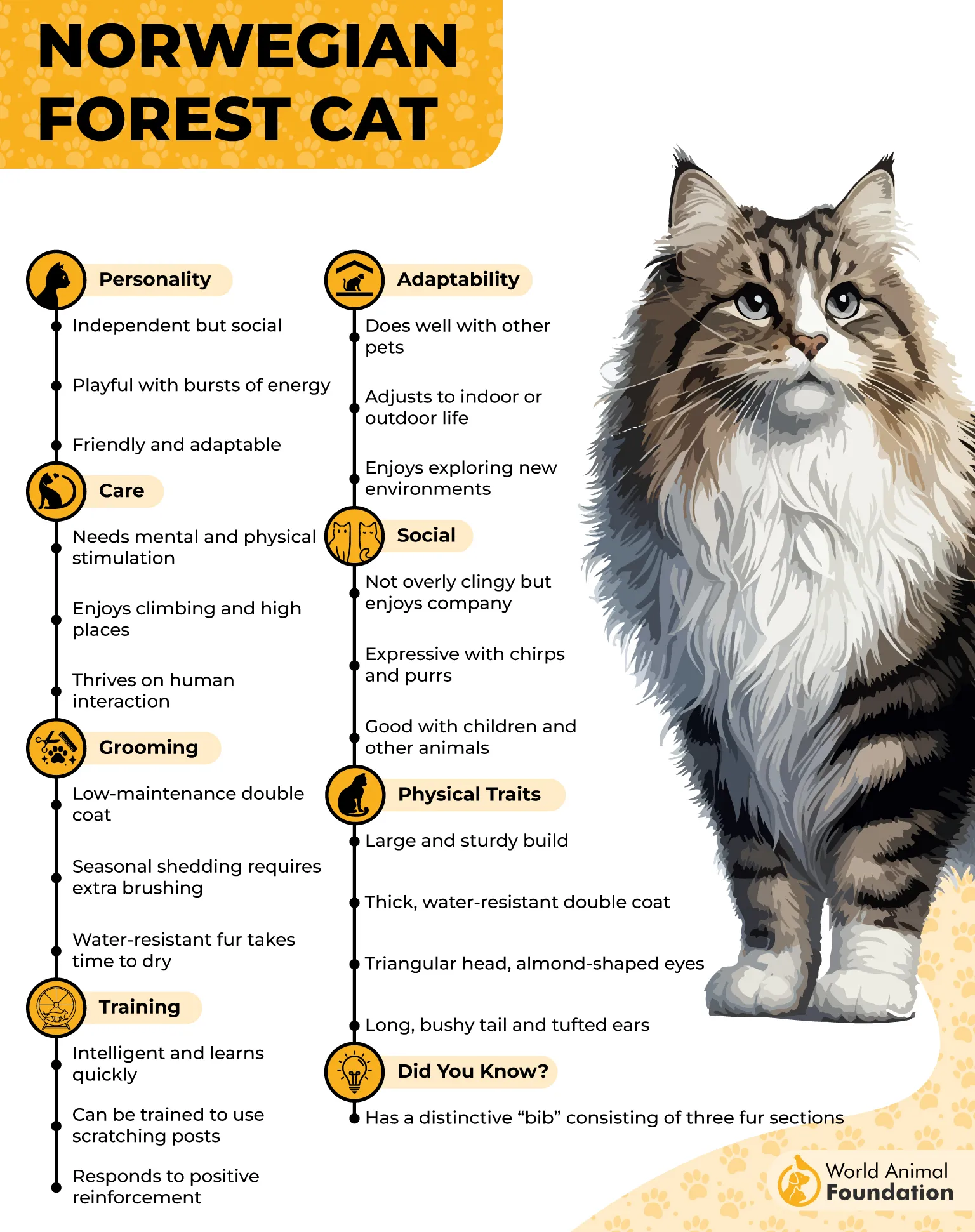
Naturally alert, Norwegian Forest Cats have a strong attachment to their surroundings. They instinctively monitor their home, treating it much like a territory to guard, whether indoors or in secure outdoor spaces.
Their love of climbing plays directly into this behavior. High perches, trees, or cat towers allow them to survey everything below, reinforcing their role as quiet sentinels who notice even subtle changes in their environment.
Although often described as gentle giants, they are fiercely protective of the people and animals they consider family.
Fact: Norwegian Forest Cats historically hunted rodents for Vikings and are known to patrol and defend their territory with remarkable dedication.
7. Siamese

The Siamese, also known as the Wichien-Matt or “Moon Diamond,” is a historic breed from Thailand once reserved for royalty. Recognized by their sleek bodies, pointed coats, and striking blue eyes, they are intelligent, vocal, and intensely people-focused.
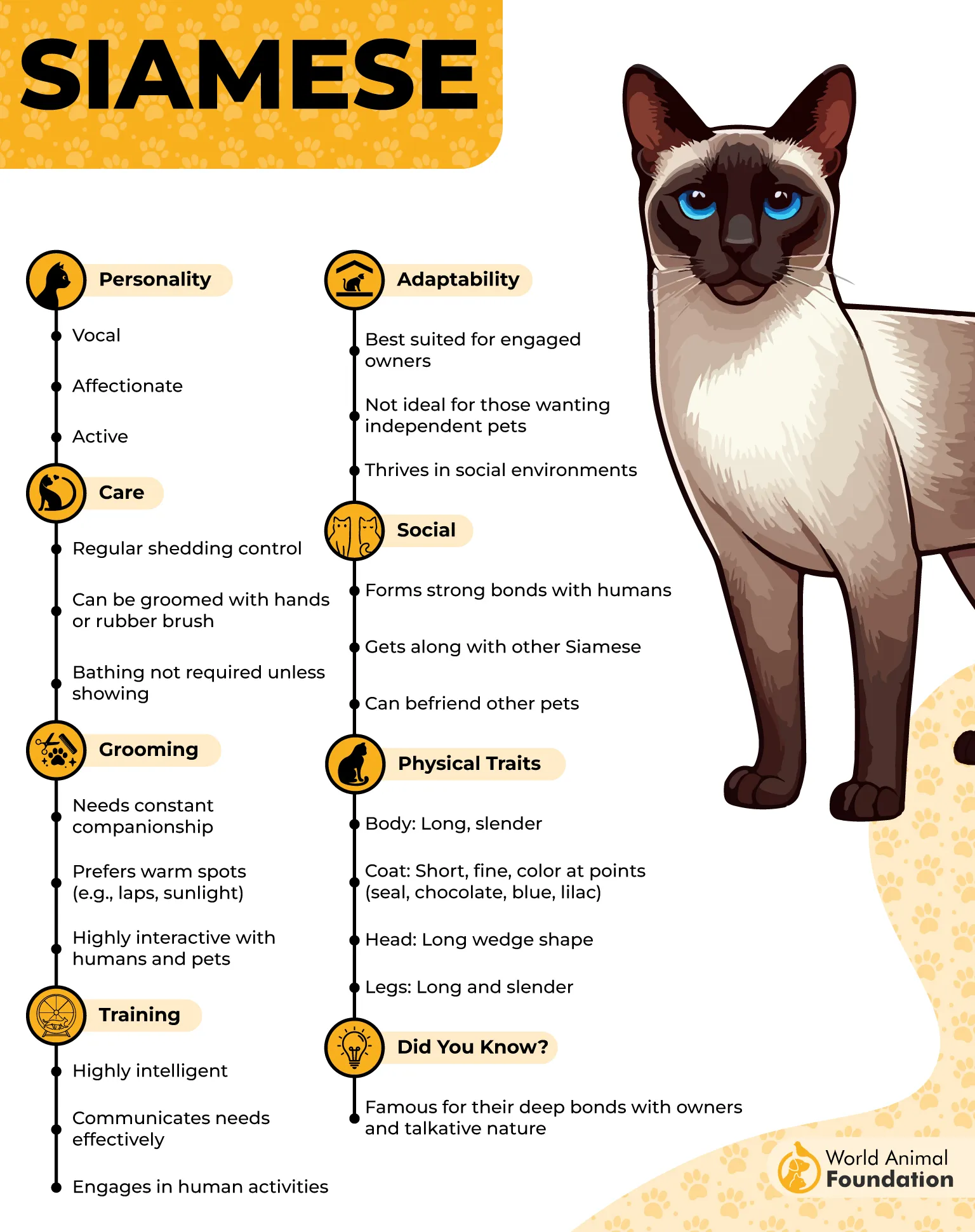
Their territorial instincts run deep, likely shaped by their past as temple guardians. Siamese cats stay alert to changes in their environment and are quick to react if something feels off, often sounding the alarm with loud, persistent vocalizations.
Because they bond so strongly with one person, they can become possessive of both space and attention. New pets or unfamiliar people may trigger stress or defensive behavior, especially if they feel their bond is being threatened.
This makes them best suited for single-pet homes where they can fully claim their territory and human companion without competition.
Fact: Siamese cats were once believed to protect temples and were trusted to guard sacred spaces due to their strong territorial and protective nature.
Conclusion
Cat breeds with strong territorial instincts show just how deeply rooted feline behavior can be. Influenced by wild cats, these purebred cats often act as natural guard cats, displaying impressive hunting skills and alertness.
Unlike a guard dog, these cats protect through awareness, scent marking, and swift reactions to loud noises or unfamiliar movement.
For pet parents, understanding territorial traits is essential to prevent behavioral issues. While many cats and even most cats can adapt, strongly territorial breeds may act aggressively if not properly socialized. This doesn’t mean they’re unsuitable—cats love structure and security.
With patience, consistent routines, and early socialization, even a feral cat–leaning personality or a powerful Maine Coon can become a loyal, balanced companion that thrives in a well-managed home.
