




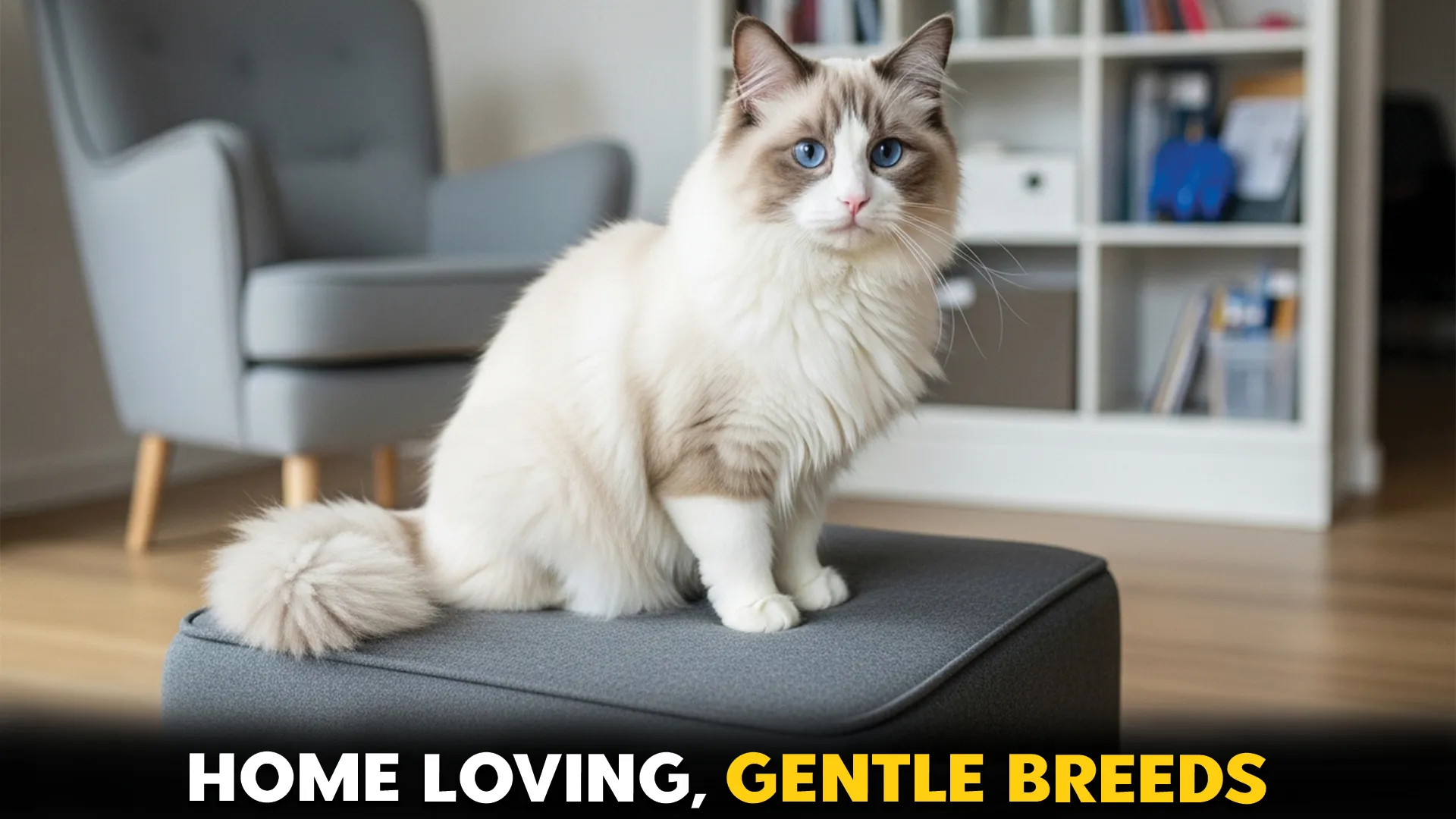
As more pet parents choose to keep their cats safely indoors, the question isn’t can cats adapt to indoor life—but which breeds truly thrive in it. While most cats can be content inside with the right care, some are naturally better suited to a home-based lifestyle.
So, what makes a cat breed suitable for indoor living? Personality plays a major role. Cats that enjoy human companionship, tolerate routine, and don’t rely heavily on roaming or hunting instincts tend to adjust best. Indoor-friendly breeds are often calmer, more affectionate, and mentally adaptable, especially when given proper stimulation, cozy spaces, and consistent interaction.
Indoor life doesn’t look the same for every cat, though. Some breeds are low-energy and content with lounging and cuddling, while others are playful and curious, needing toys, climbing furniture, and puzzle feeders to stay engaged.
This article explores 10 cat breeds adapted to indoor living, focusing on what helps them stay happy, healthy, and fulfilled without outdoor access.
Cat Breeds Adapted to Indoor Living
1. Ragdoll

The Ragdoll, also known simply as the Ragdoll cat, is a large, long-bodied breed famous for its silky coat, bright blue eyes, and ultra-affectionate nature.
According to Britannica, the Ragdoll is a long-haired cat breed noted for its habit of completely relaxing its muscles when lifted, causing it to resemble a limp rag doll. Often described as a “lap cat,” this breed is calm, sociable, and especially well-suited to apartment and indoor living.
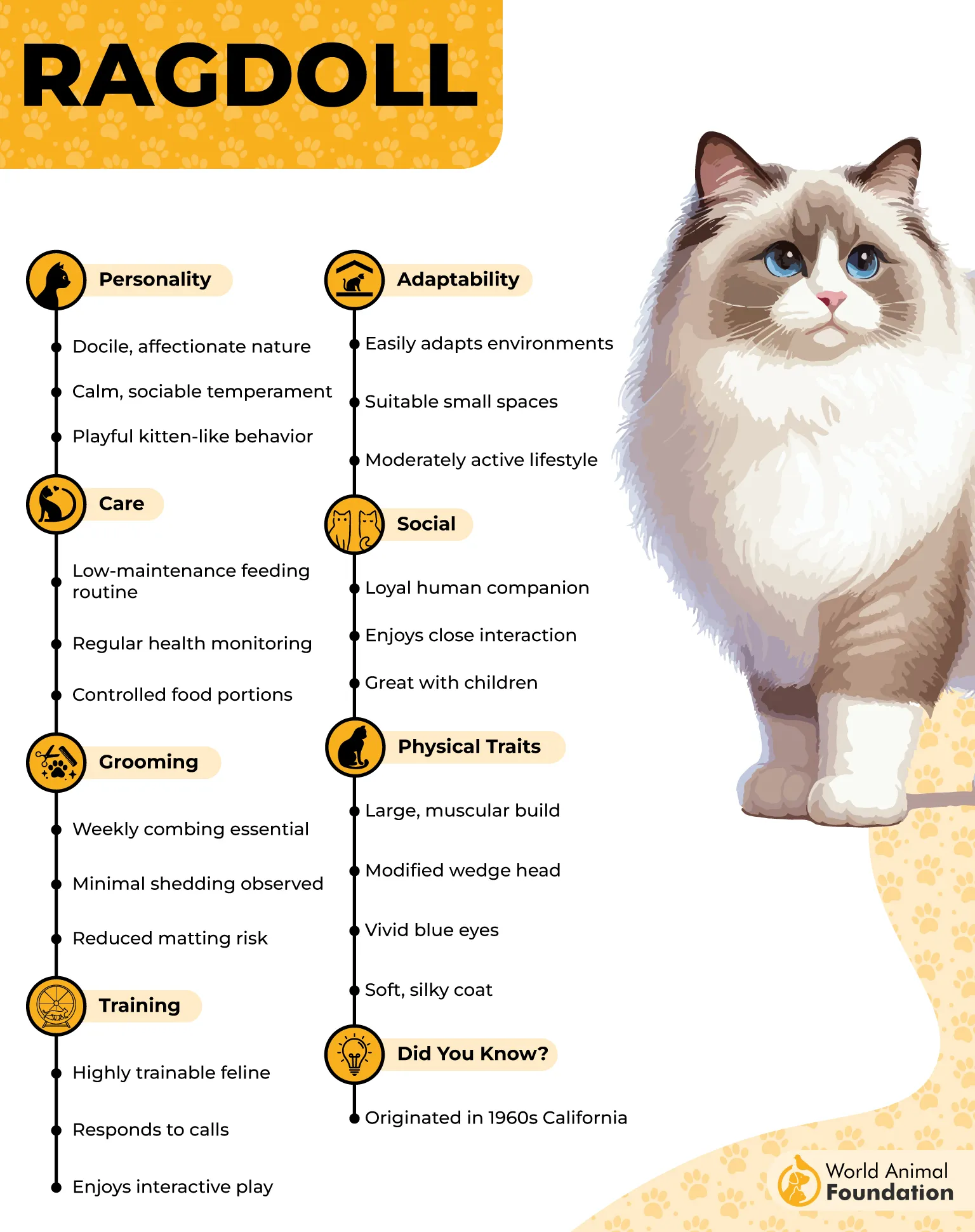
Calm and affectionate by nature, Ragdolls thrive in quiet indoor environments where companionship matters more than space. With an energy level that stays relaxed, they’re content lounging near their people, making them ideal for families, seniors, and first-time cat owners.
While they do enjoy playtime, their needs are easily met indoors with simple toys and positive interaction. Their low prey drive and gentle personality mean they don’t feel the urge to roam, and they adapt quickly to routines common in indoor households.
Despite their large size, Ragdolls are famously easygoing and tolerant of handling. A notable fact about this breed is that it often goes limp when picked up, which is how the Ragdoll got its name.
🐾 Which Indoor Cat Breed Is Perfect for You?
2. British Shorthair
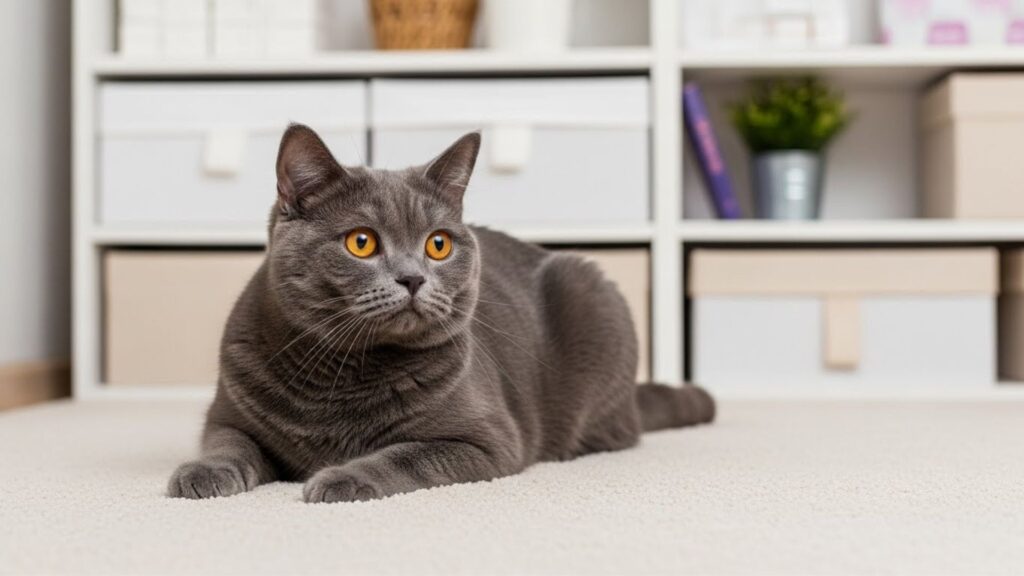
The British Shorthair, also known historically as the British Blue, is a medium-to-large cat admired for its round build, broad chest, and calm presence. Often associated with a plush blue-grey coat, this breed was originally developed as a working cat but has evolved into a beloved indoor companion.
According to PetMD, the British Shorthair is often described as the “teddy bear” of cat breeds due to both its appearance and temperament, and it is believed to have originated in ancient Egypt before migrating with humans to Rome and later to Great Britain.
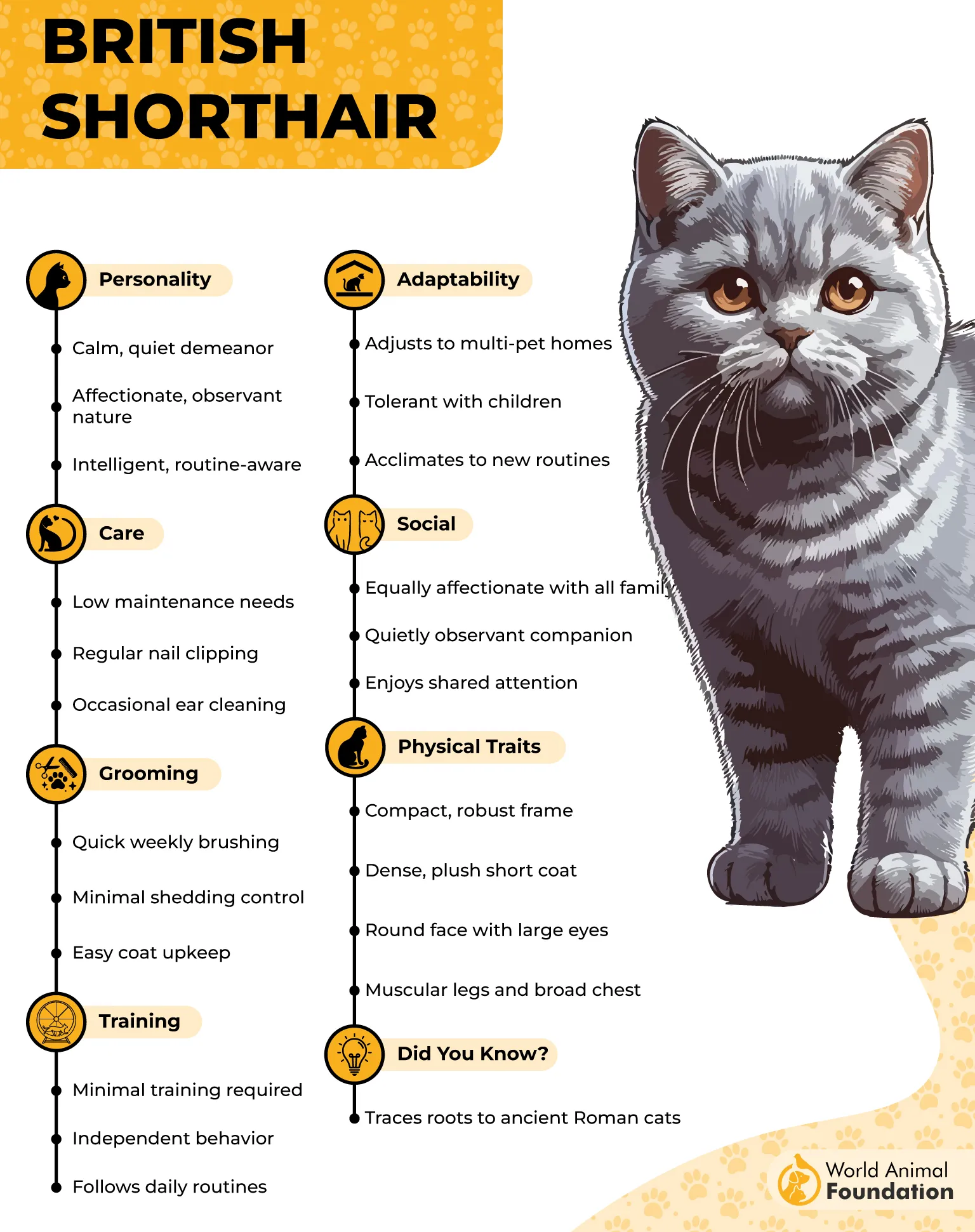
As a quiet companion that loves routine, the British Shorthair adapts easily to indoor living. It isn’t overly curious or driven to roam, making it content with familiar spaces, predictable schedules, and a peaceful home environment.
Their balanced energy level suits apartment life well. While kittens can be playful and need interaction, adults mellow into relaxed cats that enjoy short play sessions and plenty of downtime, often entertaining themselves without demanding constant attention.
Physically powerful with thick legs and strong musculature, they still prefer a low-key lifestyle indoors. A useful fact to note is that British Shorthairs develop especially dense coats in winter, making regular brushing important during seasonal shedding.
3. Scottish Fold
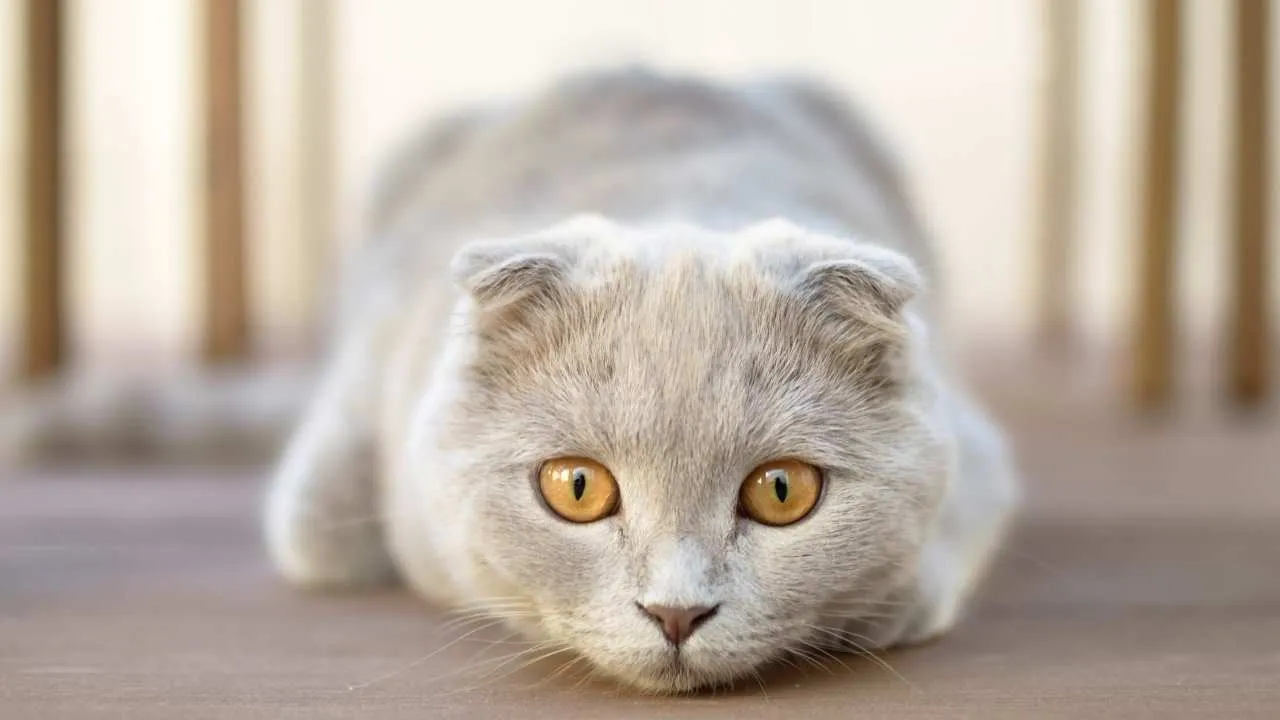
The Scottish Fold, sometimes called the Fold or longhaired Highland Fold, is a distinctive indoor-friendly breed famous for its folded ears and round, expressive eyes.
According to WebMD, Scottish Fold cats are known for their even-tempered nature and suitability for family environments. Originating in Scotland, this cat is affectionate, people-oriented, and calm, making it well-suited to apartment and home living.

Adapted to indoor life, Scottish Folds are playful without being destructive. They enjoy interactive games and light activity but rarely engage in high-energy chaos, preferring gentle play that fits well into quieter indoor routines.

Their moderate energy level makes them ideal for homes where stimulation is balanced with relaxation. Scottish Folds are content watching their surroundings, following family members from room to room, or curling up nearby rather than demanding constant activity.
Because they crave companionship, they thrive indoors where human interaction is consistent. A key fact about the Scottish Fold is that its signature folded ears are caused by a genetic condition affecting cartilage, which also requires responsible breeding and regular health monitoring.
4. Persian
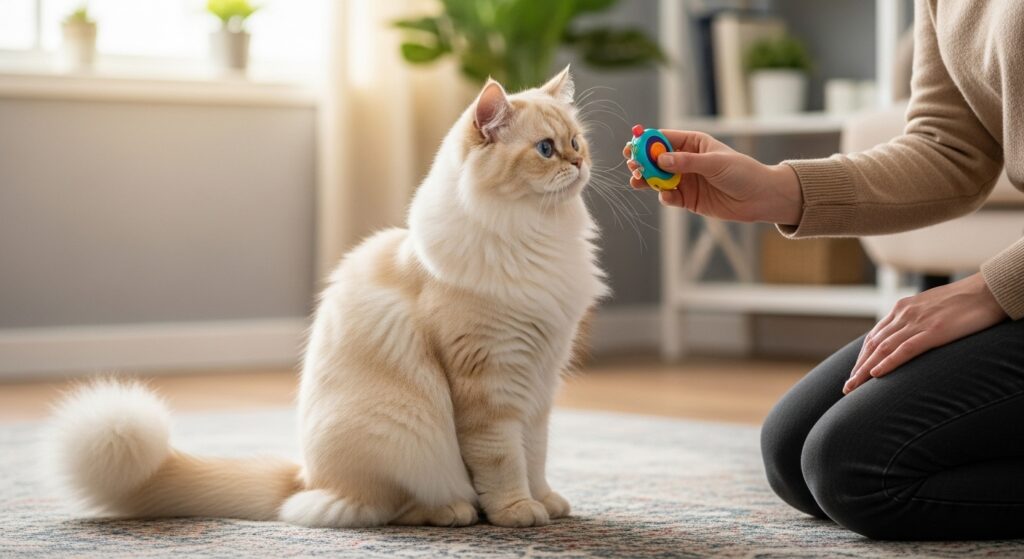
The Persian Cat, also known as the Persian Longhair, is one of the world’s most recognizable and beloved indoor breeds. Famous for its flat face, round eyes, and luxurious coat, this calm and affectionate cat prefers quiet homes and close bonds with its family.
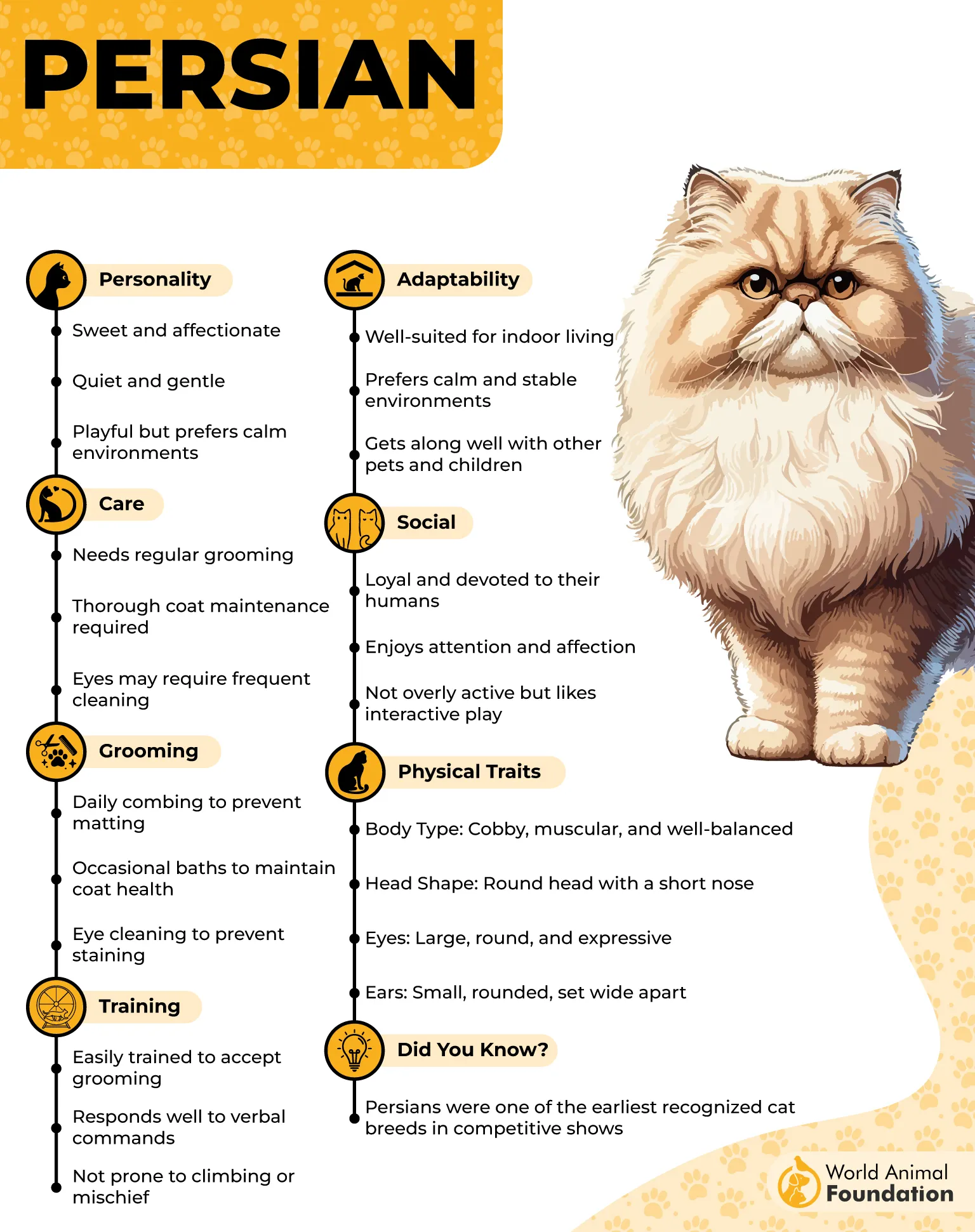
Well-suited to indoor living, Persians are independent yet people-oriented, enjoying companionship without demanding constant attention. They’re happy lounging on furniture, observing household activity, or curling up beside their favorite humans rather than climbing or exploring high spaces.
Their low-energy nature makes them ideal for apartments and serene households. While they enjoy gentle play, Persians are content with relaxed routines and minimal environmental changes, which helps them thrive in a controlled indoor setting.
Daily grooming is essential to maintain their thick, flowing coat and keep shedding manageable, reinforcing their indoor-only lifestyle. A key fact about Persian Cats is that they have short, sturdy legs designed to support their solid bodies rather than promote climbing or jumping.
5. Burmese
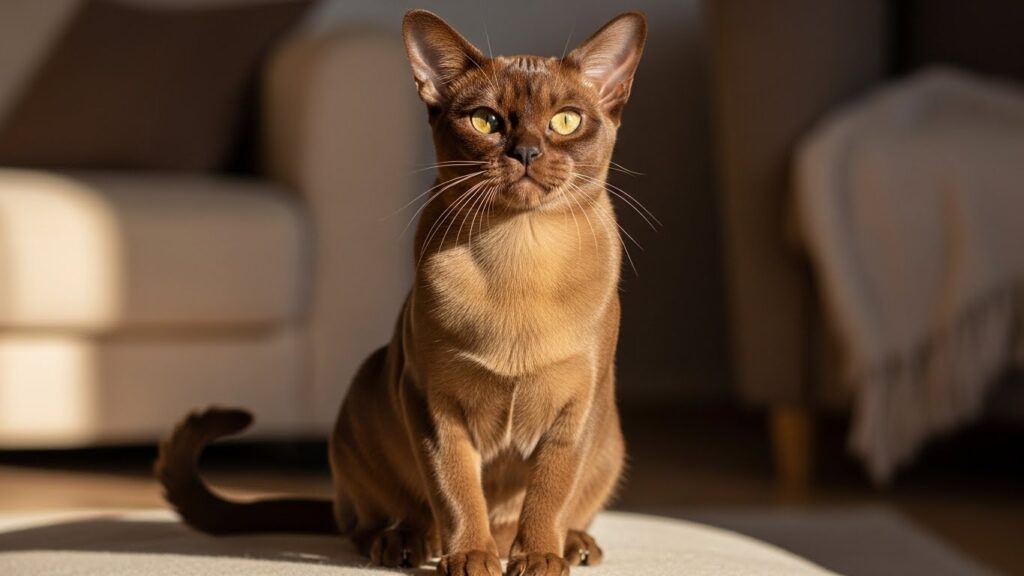
The Burmese cat, sometimes simply called Burmese, is a sleek, golden-eyed breed known for its affectionate nature and people-focused personality. With a short, glossy coat in warm beige to brown tones, this breed thrives on close companionship and indoor comfort.
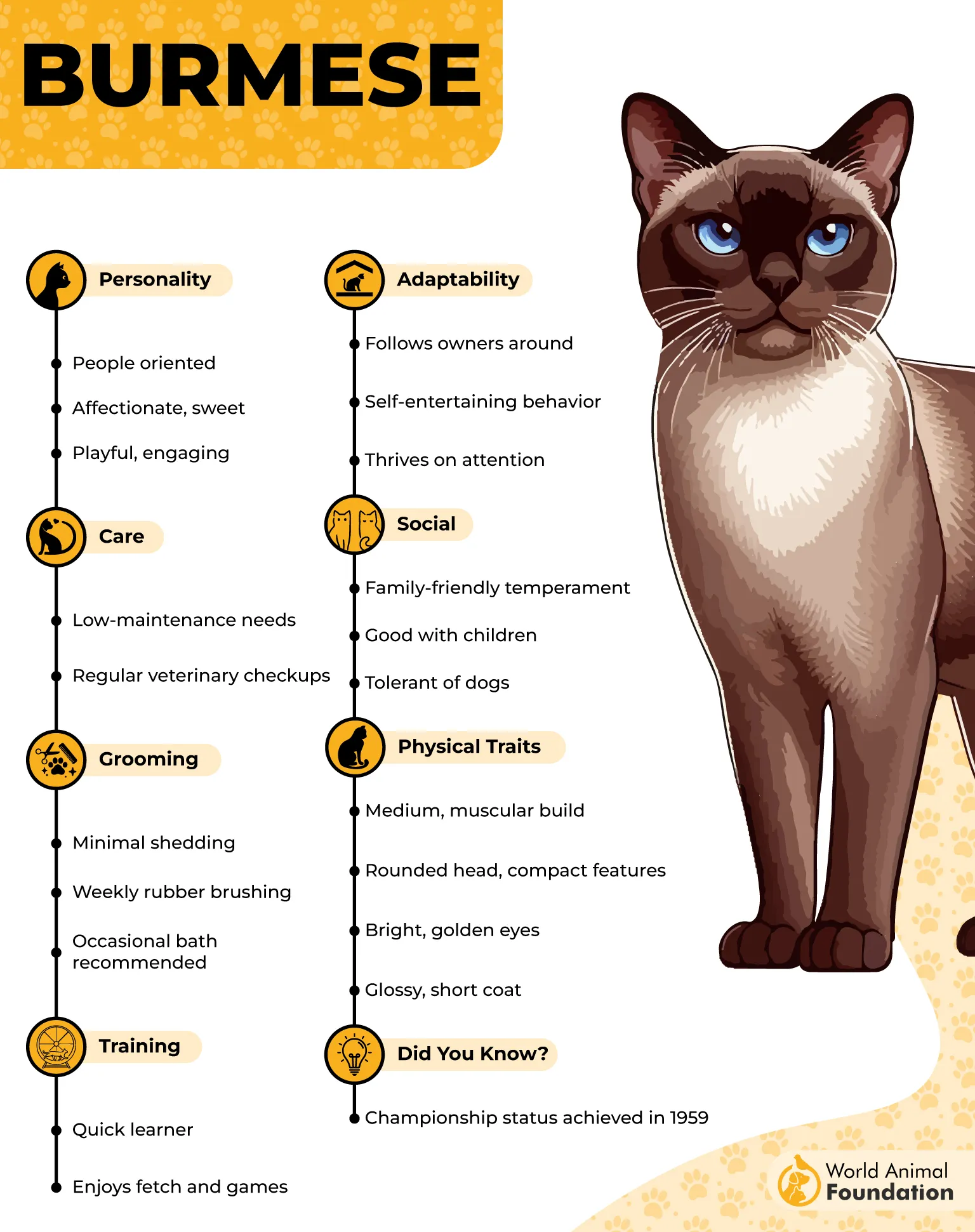
Well-suited for busy owners, Burmese cats are relatively low-maintenance indoors thanks to minimal shedding and simple weekly grooming needs. Their compact yet muscular build supports playful bursts of activity without requiring constant space or outdoor access.

These cats adapt beautifully to indoor routines, happily balancing athletic play with long cuddle sessions. They are sturdy without being demanding, making them easy to manage in apartments or smaller homes.
Social by nature, Burmese cats bond deeply with their families and prefer not to be left alone for long stretches. A notable fact about the breed is its long lifespan, offering many years of loyal companionship.
6. Exotic Shorthair
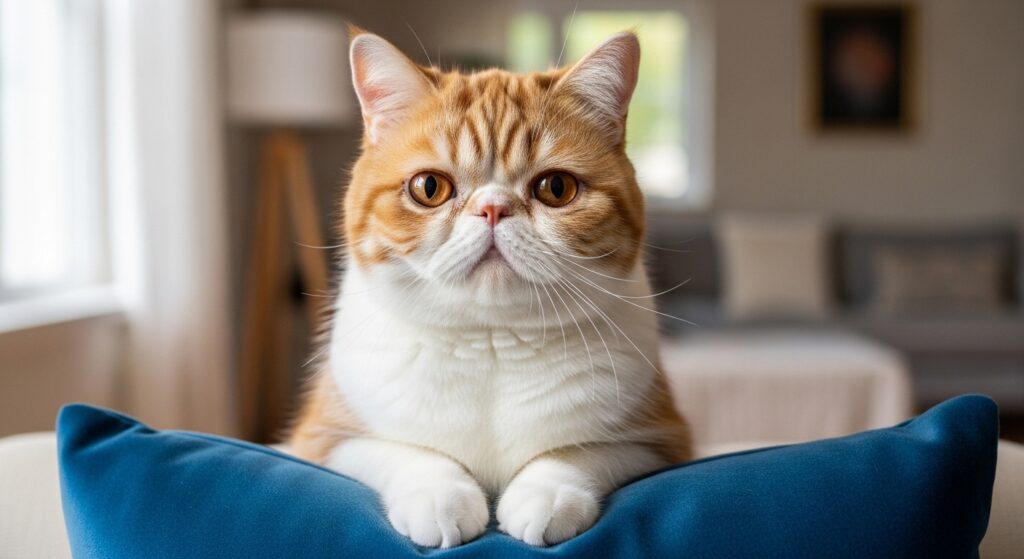
The Exotic Shorthair, sometimes called the short-haired Persian, is a breed developed from Persian and American Shorthair lines. Known for its round face, flat nose, and plush appearance without demanding grooming, it’s gentle, quiet, and ideal for relaxed indoor homes.
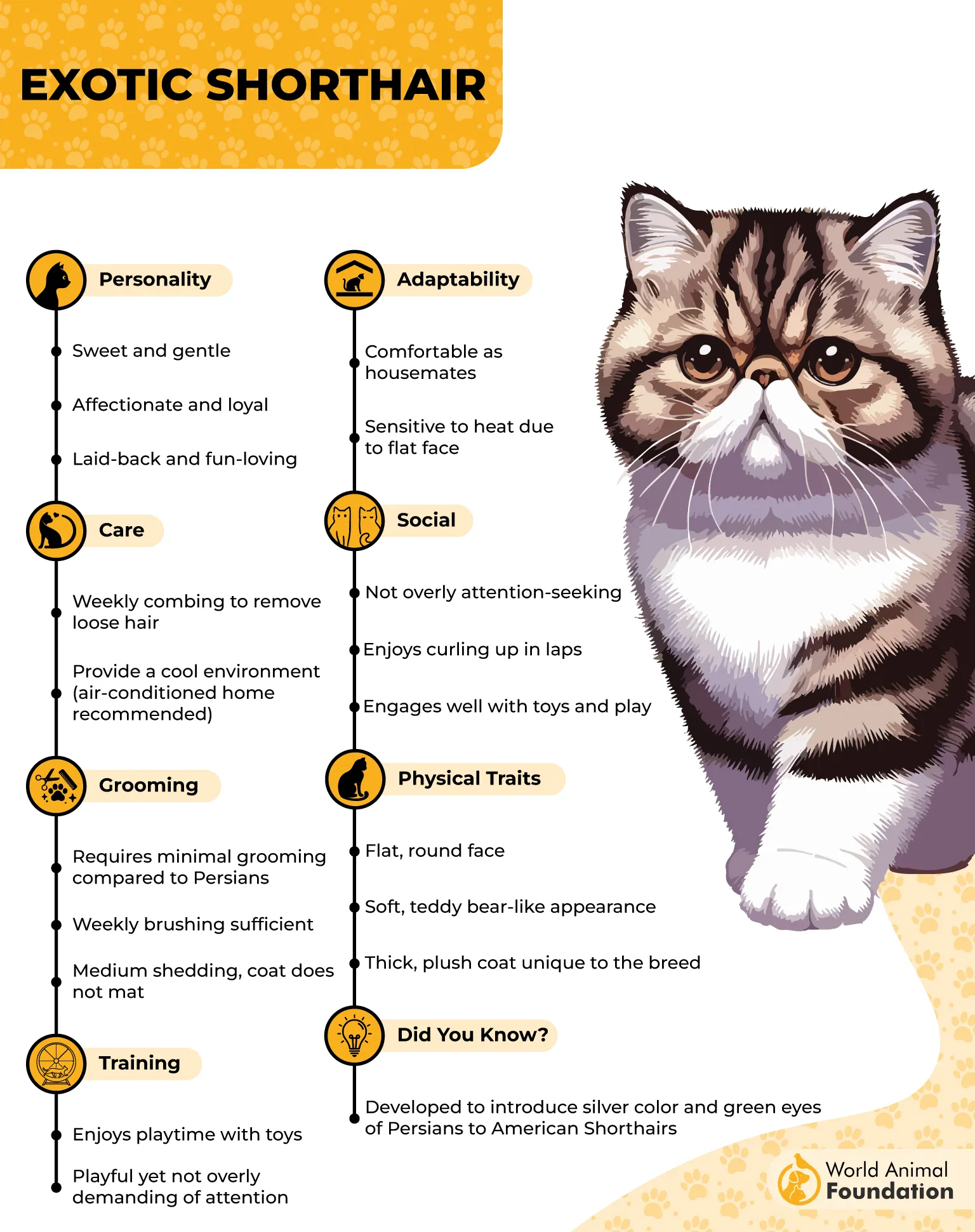
This breed adapts beautifully to indoor living thanks to its low energy level and calm temperament. Exotic Shorthairs are comfortable in smaller spaces and don’t need much room to roam, making apartments an excellent fit for their laid-back lifestyle.
When it comes to indoor enrichment, intelligence shines through in subtle ways. They enjoy brief play sessions, especially interactive toys, and will patiently figure out how to reach a favorite toy later rather than demanding constant activity or attention.
Their preference for soft perches and cozy spots means minimal vertical space is required, and a modest exercise area is enough to keep them satisfied indoors. A helpful fact about the Exotic Shorthair is that it can live comfortably in apartments as small as 400+ square feet, reflecting how well it adapts to indoor environments.
7. Maine Coon
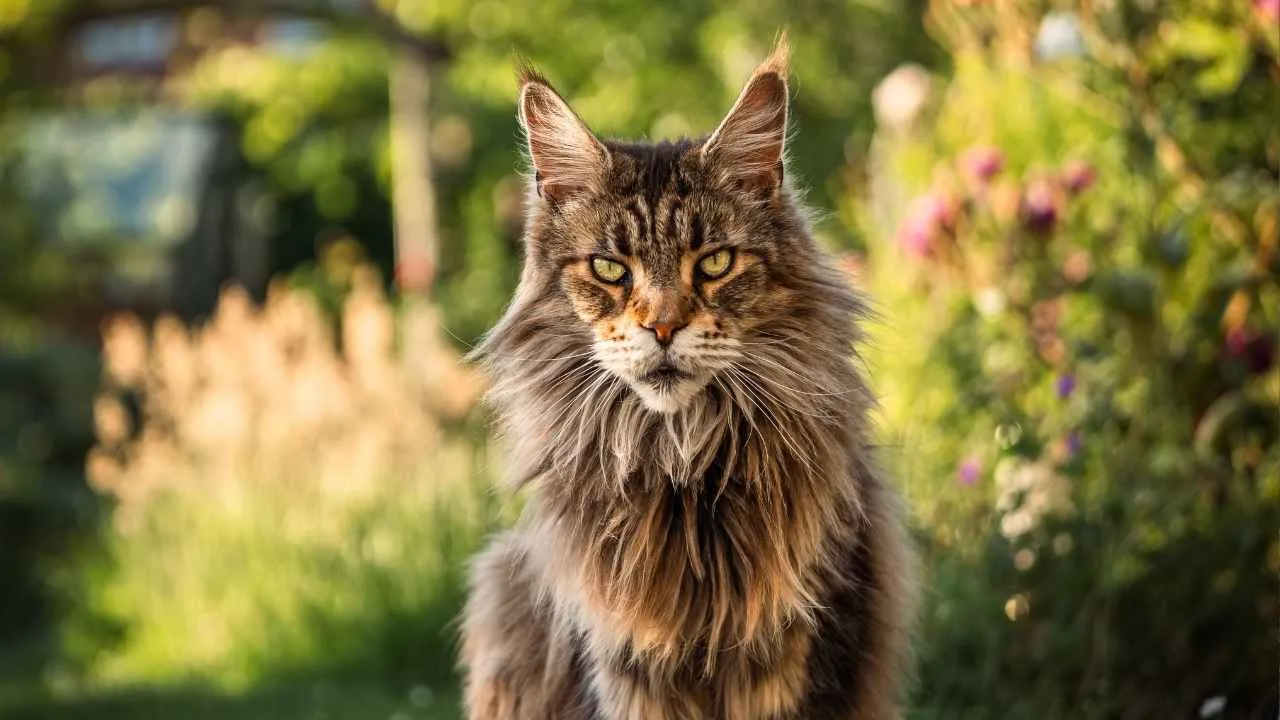
The Maine Coon, sometimes called the Gentle Giant or American Longhair, is the largest domestic cat breed and one of the most people-oriented. Known for tufted ears, a bushy tail, and long flowing fur, this breed adapts well to indoor life when given enough room and companionship.
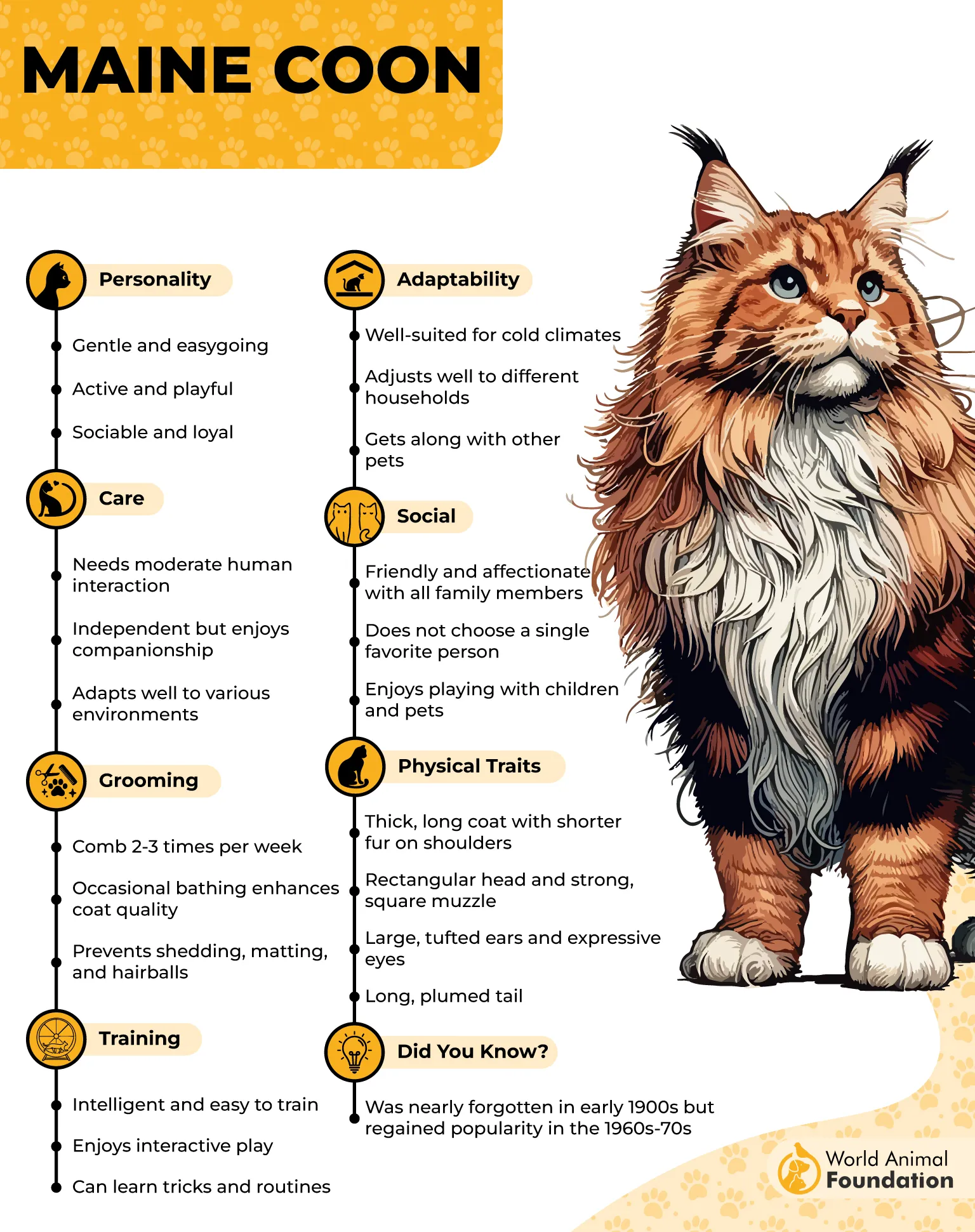
As an indoor cat, the Maine Coon thrives on close human interaction rather than constant activity. They’re happy to follow family members from room to room, bonding deeply without being overly needy, which makes them ideal for households seeking a social but balanced companion.
Mental engagement is key for this intelligent breed. Interactive toys, scratching posts, and shared playtime help satisfy their curiosity and prevent boredom, allowing them to stay content and well-adjusted indoors while strengthening their connection with humans.
Despite their impressive size, Maine Coons are calm, affectionate, and gentle with children and other pets. A notable fact is that they often communicate with soft chirps or trills rather than loud meowing, a trait many owners find endearing.
8. Sphynx
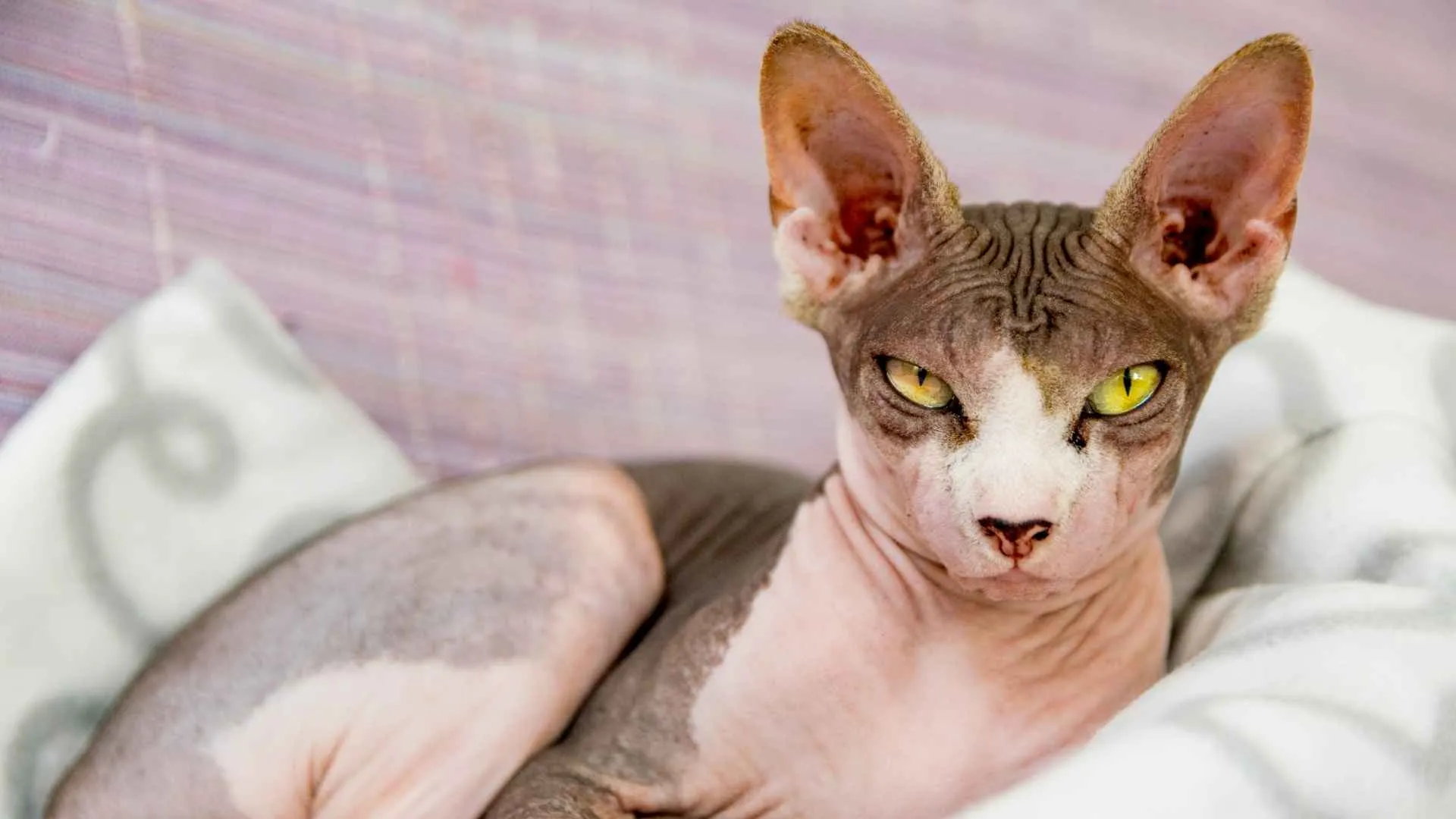
The Sphynx, often nicknamed the “Velcro cat,” is a distinctive hairless breed known for its warm skin, wrinkled appearance, and deeply affectionate nature. Intelligent, inquisitive, and people-focused, this breed thrives on close companionship and happily follows its favorite human from room to room.
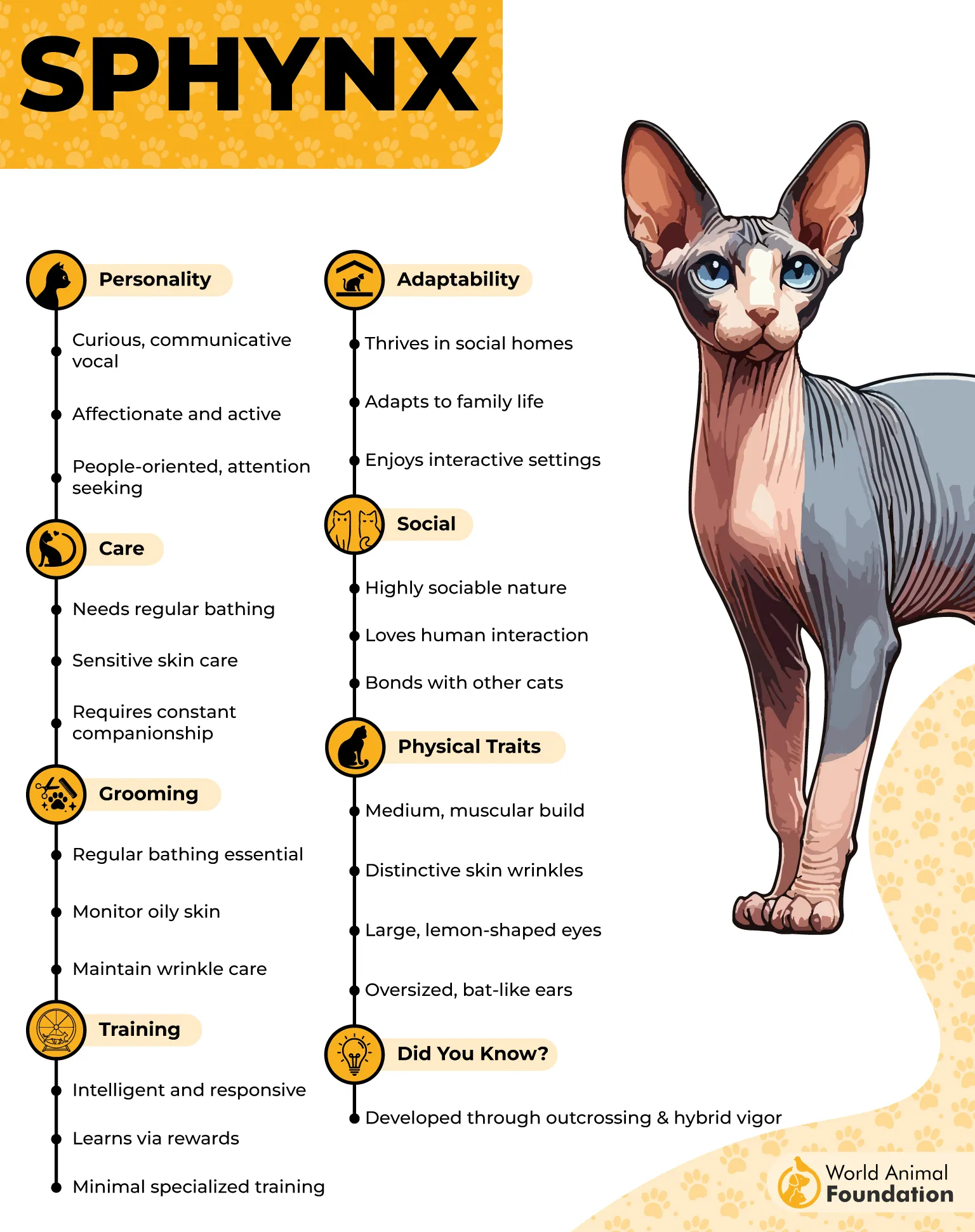
Perfectly suited for indoor living, the Sphynx handles small spaces well thanks to its adaptable personality and love of routine. Because its skin is sensitive and lacks fur protection, living indoors isn’t just a preference—it’s essential for comfort and safety.
Despite their relaxed, lap-loving reputation, Sphynx cats are playful and energetic. They need regular mental and physical stimulation through toys and interaction, making apartments or smaller homes ideal as long as attention and enrichment are consistent.
Their unique grooming needs also support an indoor lifestyle, as regular baths prevent oil buildup on the skin. A notable fact is that adult Sphynx cats are known for greeting their owners at the door like a dog.
9. Devon Rex

The Devon Rex, sometimes called the pixie-like cat, is instantly recognizable for its oversized ears, expressive eyes, slender body, and long legs. This small but lively breed is affectionate, relaxed, and deeply people-oriented, making it an excellent choice for indoor households and families with children.
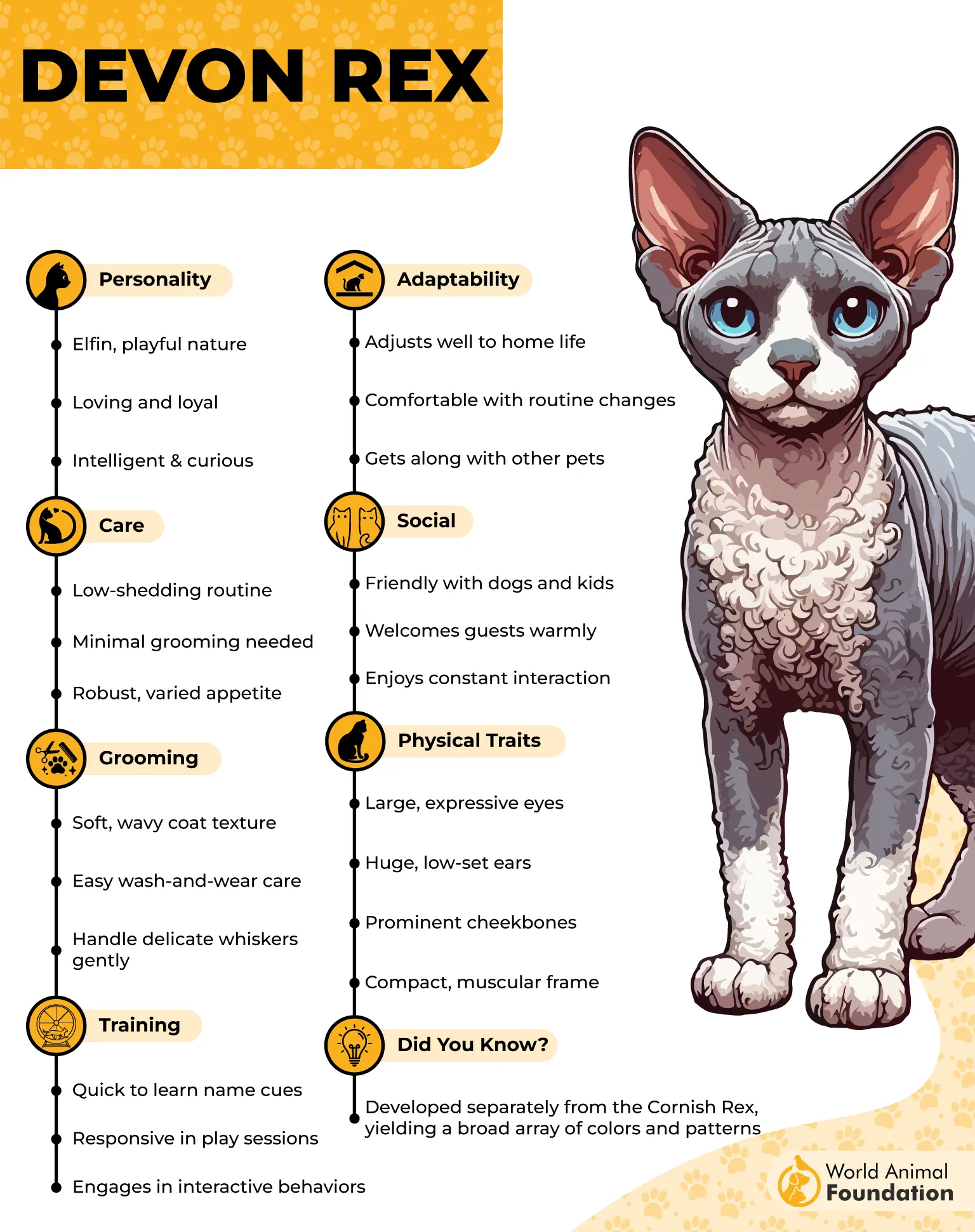
The Devon Rex prefers warmth, comfort, and close contact over outdoor adventures. Rather than roaming, it thrives by following its owner from room to room, curling up in cozy corners, or even perching on shoulders for attention and companionship.
Despite enjoying downtime, this breed isn’t lazy. Devon Rex cats balance their relaxed nature with playful bursts of energy, using toys, climbing furniture, and puzzle games to stay mentally satisfied without needing outdoor stimulation.
Their short, wavy coat is easy to care for and well-suited to indoor environments, while their intelligence makes training enjoyable. A notable fact about the Devon Rex is that it typically remains playful well into its senior years.
10. Siamese
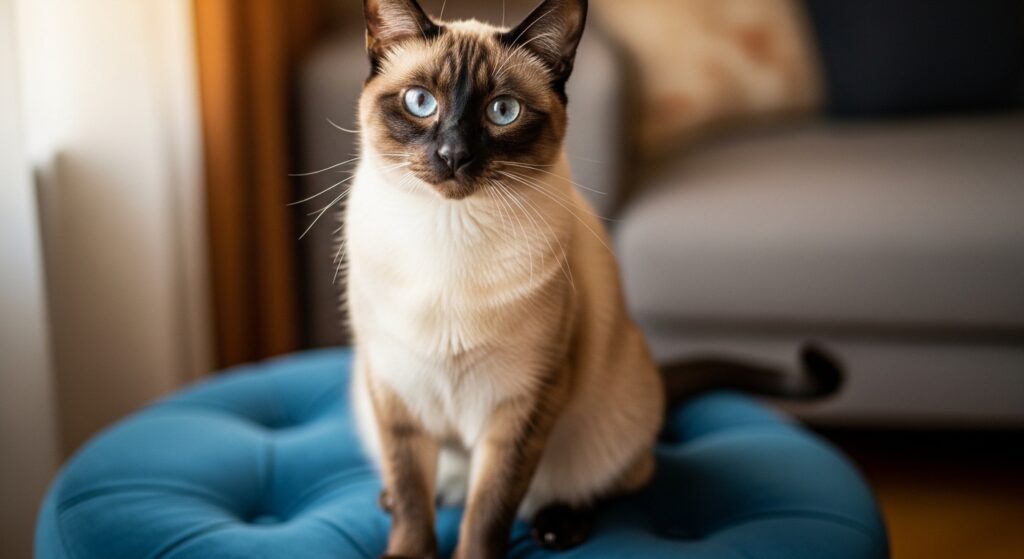
The Siamese cat, sometimes called the Thai cat or Traditional Siamese, is instantly recognizable for its sleek body, short coat, and striking blue eyes. Light-colored fur contrasts with darker points on the face, ears, paws, and tail, giving this breed a refined, elegant look suited to indoor living.
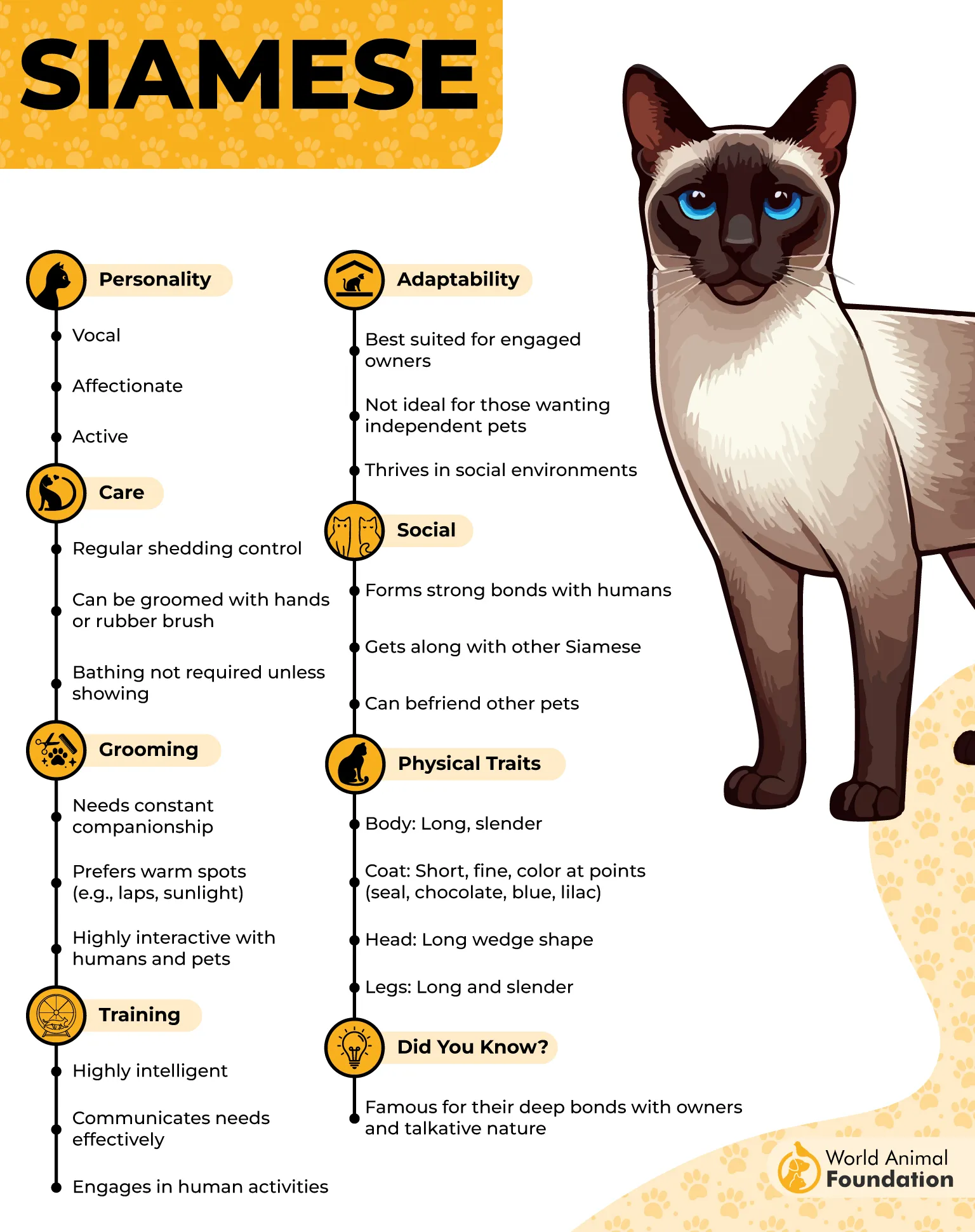
As ideal indoor cats for families and singles, Siamese thrive on close human interaction. They are famously social, often following their owners from room to room while “talking” in their distinctive, expressive voice, which makes them perfect for people who spend plenty of time at home.
Their intelligence adds to their indoor appeal but also demands engagement. Siamese cats enjoy interactive toys, puzzle games, and even playing fetch, keeping their minds busy without needing outdoor stimulation. A well-enriched home helps prevent boredom and unwanted mischief.
Low-maintenance grooming makes them easy indoor companions, thanks to their short, soft coat.
Conclusion
Choosing a cat suited to life indoors is about more than appearance—it’s about temperament, energy level, and adaptability. The best indoor cat breeds tend to enjoy human company, handle apartment living well, and thrive on routine.
Whether you prefer a pedigree cat companion or are drawn to mixed-breed cats, many cats can become great indoor cat options when given proper care, enrichment, and affection from attentive cat parents.
From calm demeanor house cats to playful personalities, the best house cats benefit from physical and mental stimulation through toys, cat trees, and tall cat trees that encourage safe movement.
While outdoor cats rely on roaming, indoor cat breeds bond closely with humans and other cats, making them ideal for today’s cat world. From adorable folded ears to breeds that simply enjoy human company, the best indoor cats turn homes into happy, shared spaces.
