




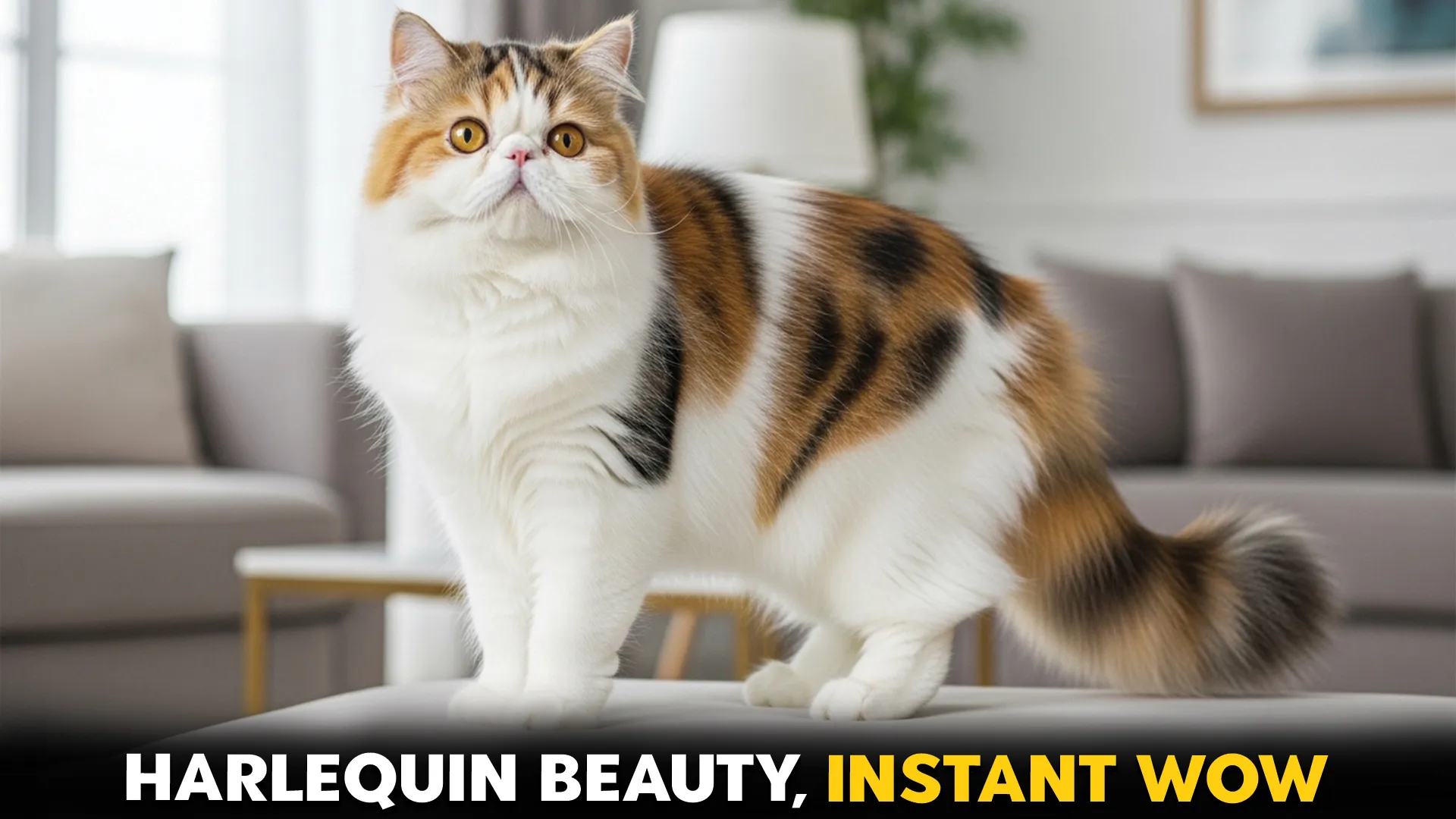
Cats are celebrated for their endless variety of coat colors and patterns, each shaped by fascinating genetic combinations. Among these eye-catching designs, the harlequin pattern stands out for its bold contrast and artistic appeal.
Often mistaken for a breed, harlequin is actually a specific coat pattern that can appear across many different cats, instantly capturing attention with its dramatic look.
So, what is a harlequin pattern in cats? This pattern features a mostly white coat accented by large, irregular patches of color, creating a striking, almost painted effect. Unlike calico, tortoiseshell, or tabby markings, harlequin patterns emphasize negative space, making the color patches appear more vivid and defined against the white background.
Harlequin markings differ from other coat patterns because of their high contrast and asymmetry, giving each cat a truly one-of-a-kind appearance. In this article, we explore seven cat breeds known to display stunning harlequin patterns and what makes their appearance so unforgettable.
Cat Breeds with Harlequin Patterns
1. Persian
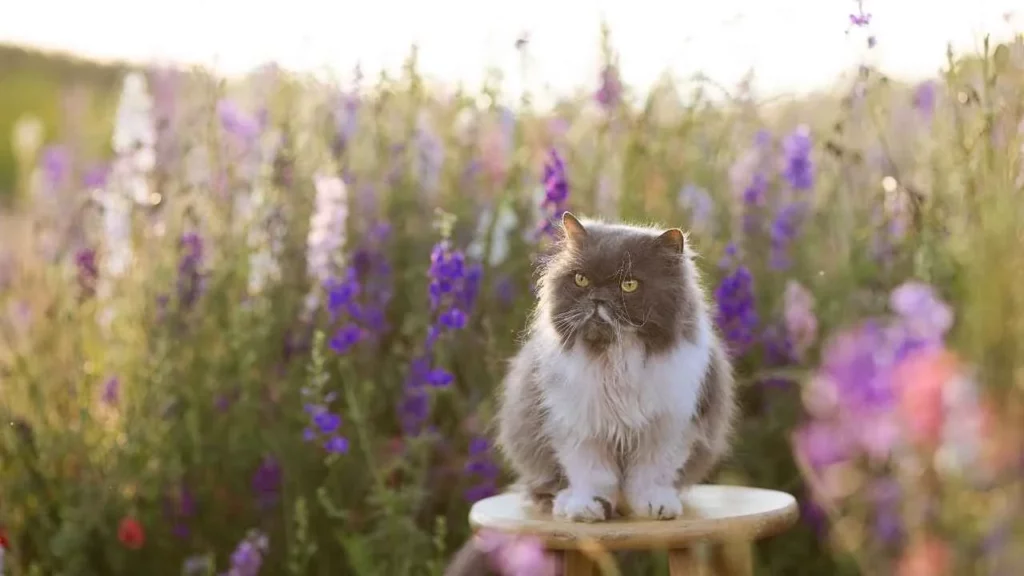
Also known as the Persian Longhair, the Persian is one of the most recognizable cat breeds, prized for its flat face, round eyes, and flowing coat. Gentle and laid back, this breed has long been admired for both beauty and temperament.
According to Purina, modern Persian cats come in over 80 color combinations, and the Persian was featured at the first modern cat show held in London in 1871.
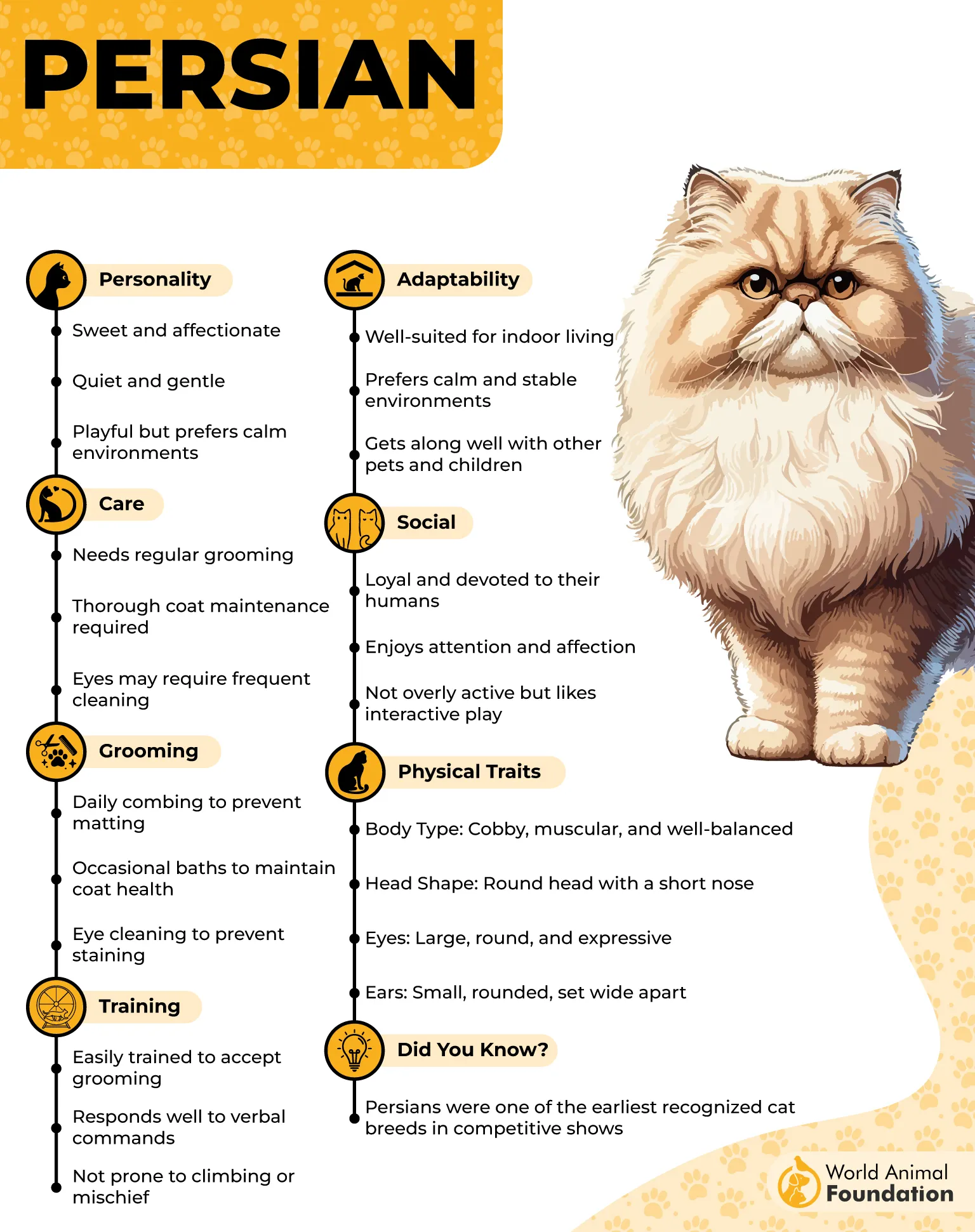
Persians are especially striking when they display classic harlequin, or bicolor, coloring. These patterns feature a predominantly white coat accented by bold patches of black, blue, or orange, creating a dramatic contrast that highlights the breed’s plush fur and rounded form.
Harlequin markings stand out on Persians because their long, dense coats soften the edges of each color patch. The result is a painterly effect where color appears to float across a cloud-like background, making each cat’s pattern entirely unique.
Beyond appearance, the Persian’s calm demeanor complements its visual elegance. Their relaxed posture allows the harlequin pattern to be fully appreciated in motion and at rest.
Fun fact: Persian cats are officially divided into seven color divisions, including bicolor and particolor varieties recognized by major cat associations.
2. Turkish Van
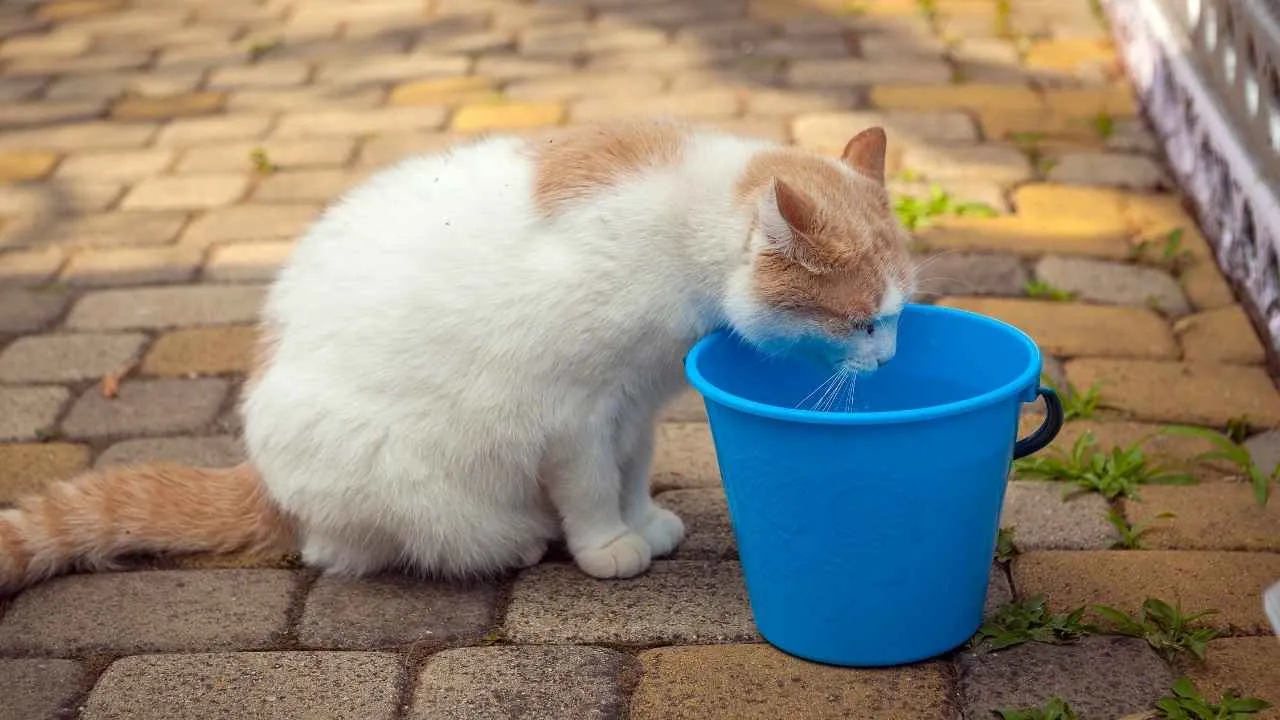
Also known as the Van, Turkish Van Kedisi, or historically the Turkish Cat, the Turkish Van is a large, athletic breed originating from the Lake Van region of modern-day Turkey.
It’s famous for its distinctive van pattern and energetic, adventurous nature. PetMD states that Turkish Vans are active cats that enjoy playing, jumping, and climbing. PetMD states that Turkish Vans are active cats that enjoy playing, jumping, and climbing.
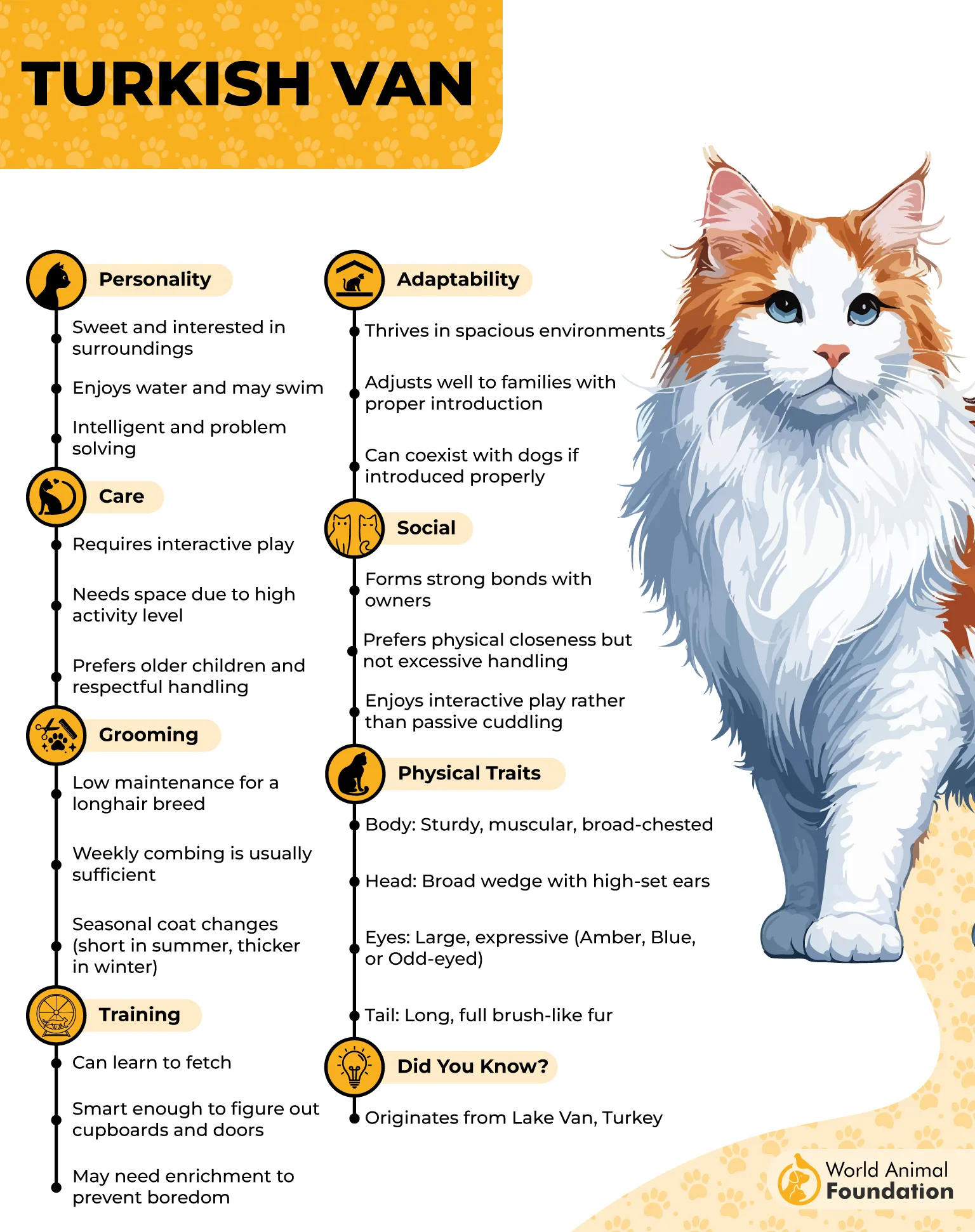
Harlequin-style markings appear boldly on the Turkish Van, with color confined mainly to the head and tail against a mostly white body. These strong, clean patches create a striking contrast that makes the pattern instantly recognizable and visually dramatic.
The breed’s playful personality brings those markings to life. Turkish Vans are active explorers that love climbing, jumping, and even interacting with water—earning them the nickname “swimming cats.” Their movement highlights the sharp contrast of their coat pattern.
Silky, semi-long fur enhances the clarity of the harlequin-style patches without heavy matting. Grooming is manageable, and the coat remains eye-catching year-round.
Fun fact: Turkish Van cats can weigh up to 20 pounds and are one of the few cat breeds known to enjoy swimming.
3. Japanese Bobtail
Also called the Bobtail of Japan, the Japanese Bobtail is instantly recognizable by its short, pom-pom-like tail and refined, athletic frame. With an unmistakable Asian appearance, long legs, and large upright ears, this breed carries natural elegance.
According to WebMD, bobtail cats can be found around the world, including in the United States, Spain, and Portugal, and people are especially drawn to their unique tails.
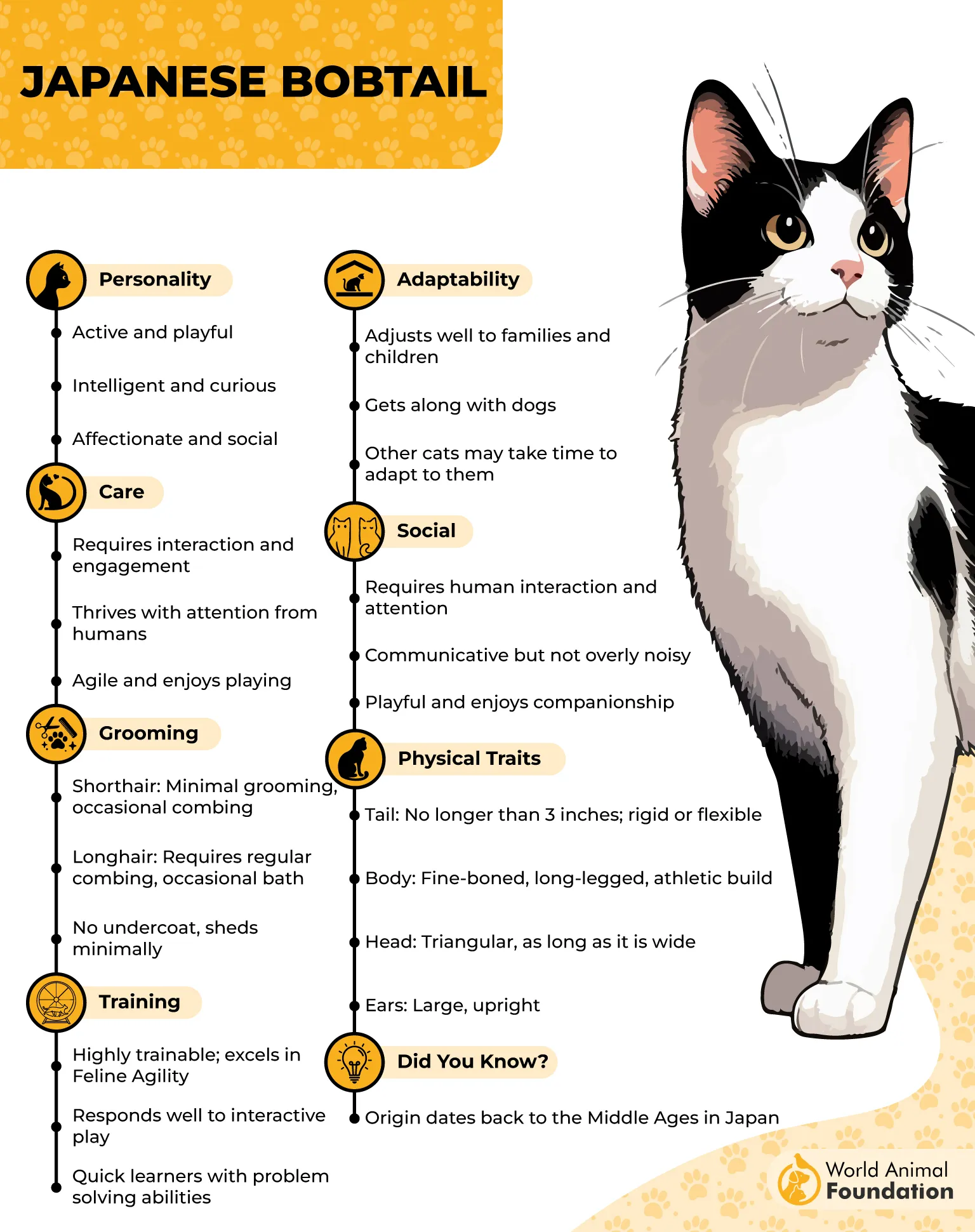
Harlequin markings appear especially striking on Japanese Bobtails due to their clean lines and balanced proportions. Bicolor patterns—often white paired with bold patches of black or red—create a refined contrast that highlights their sleek movement and graceful posture.
The absence of an undercoat enhances the clarity of these markings. Their fur lies smoothly against the body, allowing the harlequin pattern to look crisp rather than blended, whether on shorthaired or longhaired varieties.
Highly expressive and playful, Japanese Bobtails seem to “perform” as they move, making the harlequin pattern feel animated and artistic. Their confident gait and alert expression further amplify the visual appeal.
Fun fact: For show standards, a Japanese Bobtail’s tail must be clearly visible and measure no more than three inches in length.
4. British Shorthair

Also called the Brit or British Blue when seen in its famous gray shade, the British Shorthair is a sturdy, round-faced cat with a plush coat and calm demeanor. Originating in the United Kingdom, this breed is known for its broad chest, thick tail, and signature teddy-bear look.
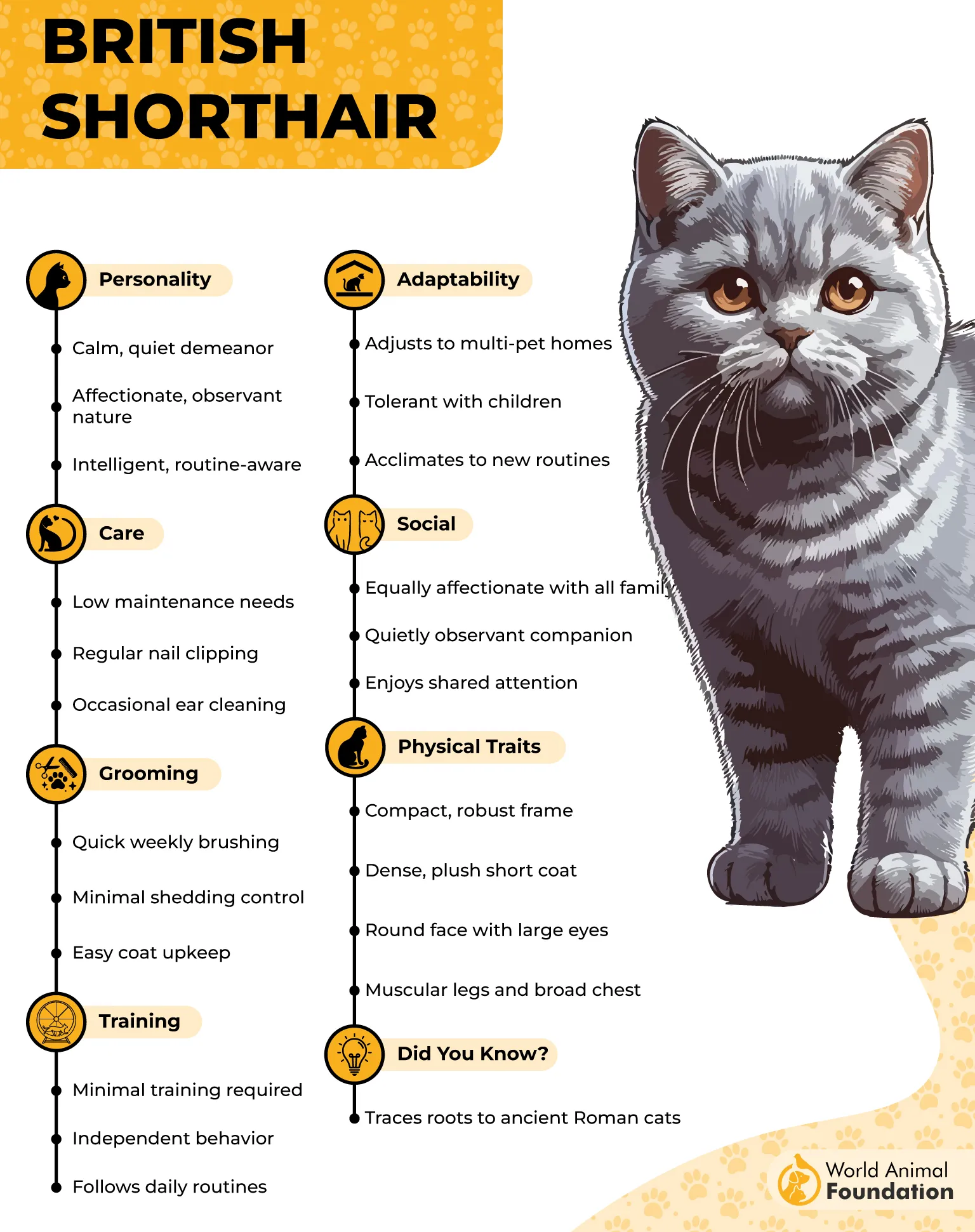
Harlequin-patterned British Shorthairs showcase striking contrast, with a mostly white coat accented by bold, well-defined color patches. These high-contrast markings stand out beautifully against the breed’s dense, velvety fur, giving the pattern a clean and balanced appearance.
The breed’s coat texture enhances the harlequin effect. Because the fur is thick and slightly lifted rather than lying flat, color patches appear rich and pronounced. A fully colored tail paired with scattered body spots creates a visually dramatic yet refined look.
Beyond looks, the British Shorthair’s relaxed posture and steady movements allow the harlequin pattern to be easily admired.
Fun fact: Feline associations recognize hundreds of British Shorthair color variants, including harlequin and van patterns with extensive white coverage.
5. Maine Coon
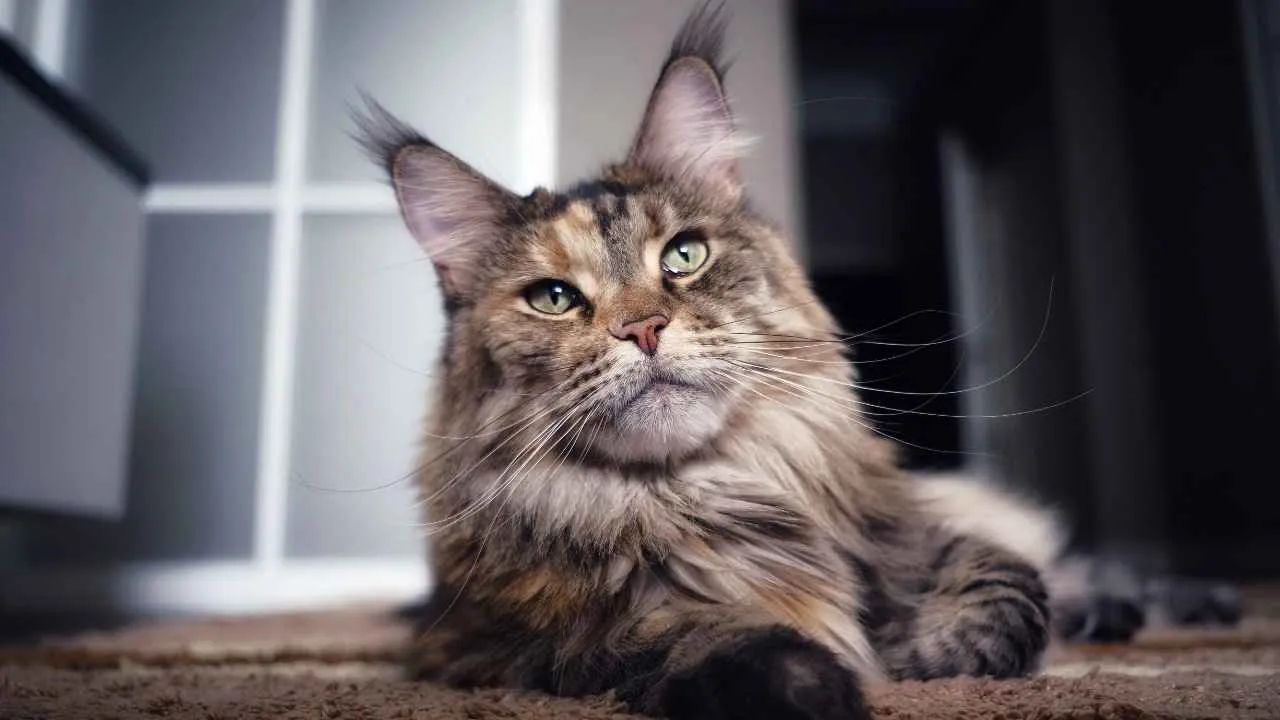
Also called the American Longhair, the Maine Coon is one of the largest and most sociable cat breeds, known for its tufted ears, bushy tail, and calm confidence. Despite its size, this gentle giant carries a friendly, approachable presence.
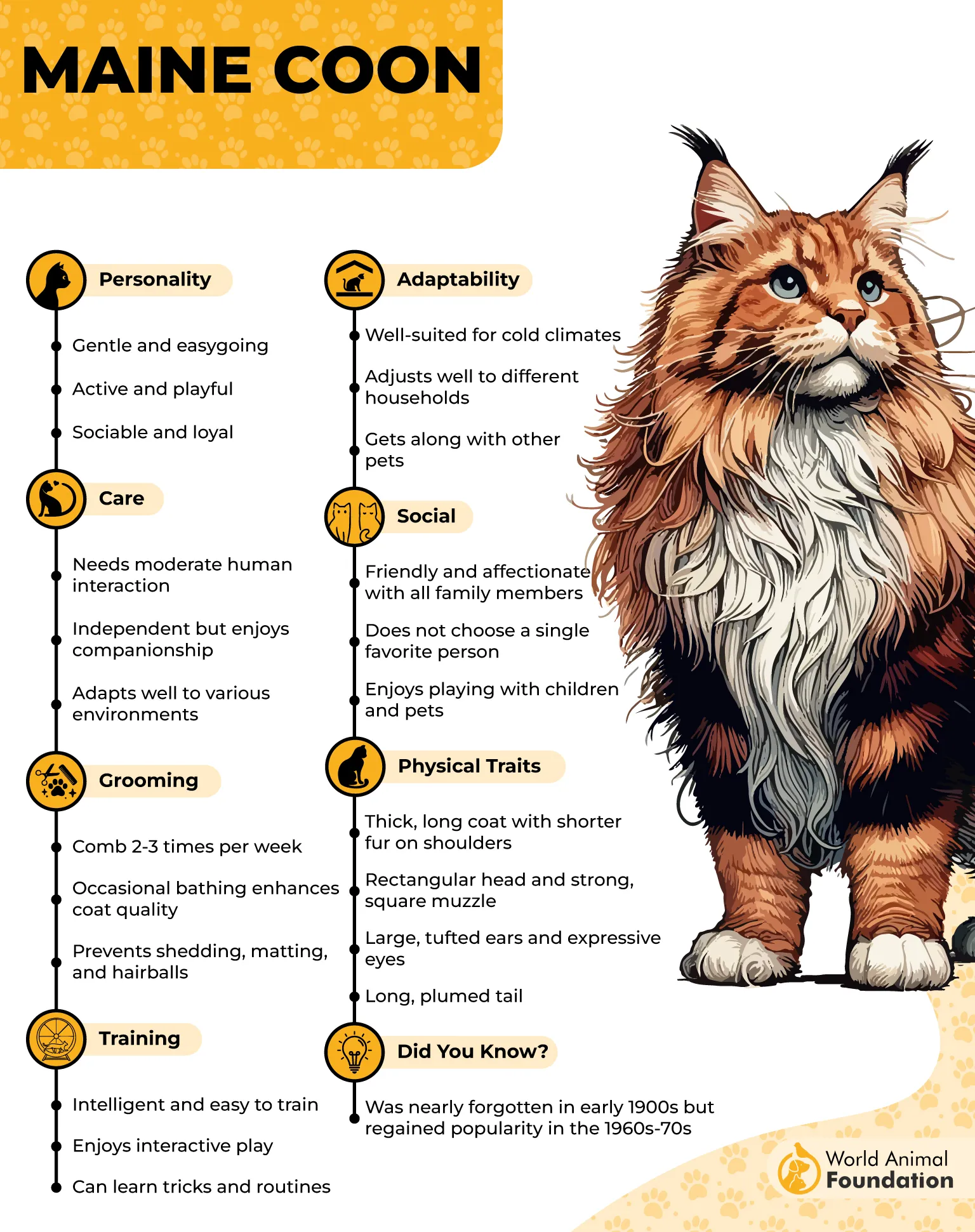
When Maine Coons display harlequin or bicolor patterns, their already impressive appearance becomes even more striking. Large patches of color set against a white base stand out across their long, flowing coat, giving each cat a bold yet balanced look.
Their relaxed temperament enhances the visual appeal of these markings. Because Maine Coons move with unhurried grace, the contrasting patches are easy to admire, whether they’re stretched out at rest or climbing a favorite perch.
Harlequin-patterned Maine Coons combine beauty with brains. Intelligent and playful, they enjoy interactive toys and climbing structures that keep both body and mind engaged.
Fun fact: All Maine Coons are based on either black or red color genetics, with blue and cream appearing only through dilution genes inherited from both parents.
6. Norwegian Forest Cat
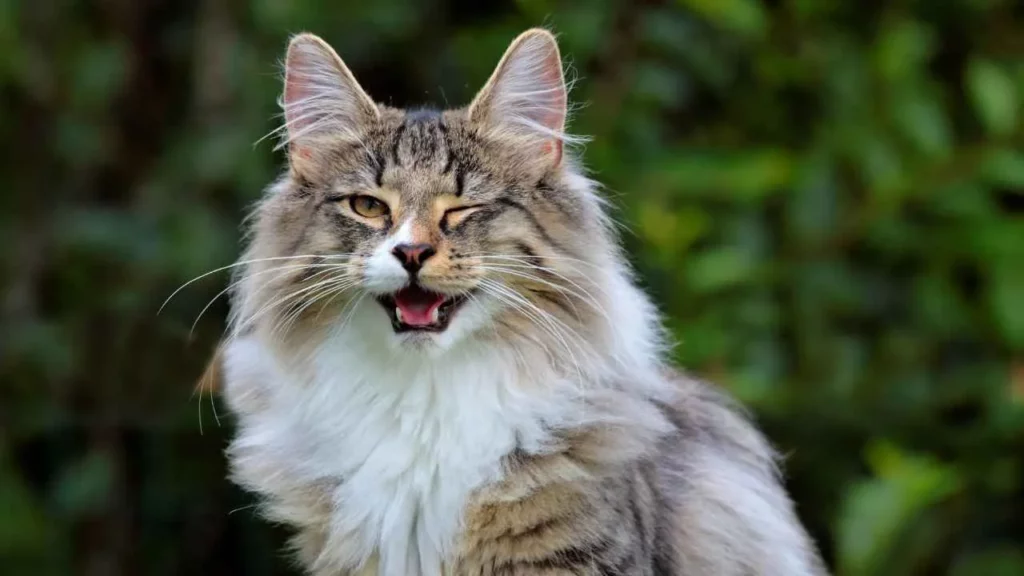
Also known as the Wegie or Skogkatt, the Norwegian Forest Cat is a large, rugged breed developed to survive harsh Nordic climates. Its long, dense coat, tufted ears, and bushy tail give it a powerful yet majestic appearance.
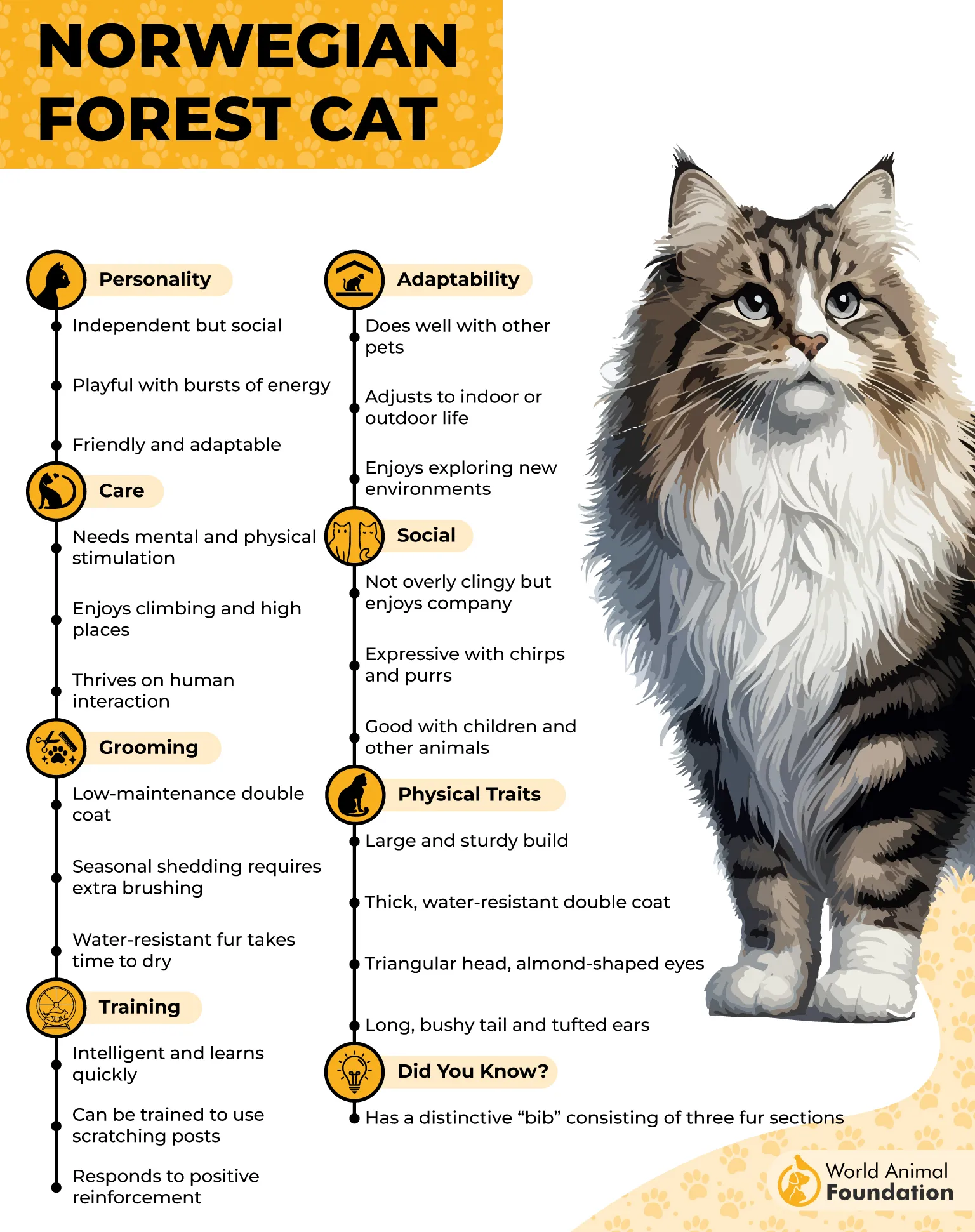
While tabby patterns are most common, the Norwegian Forest Cat can display a rare harlequin-style look when bicolor genetics dominate. In these cases, a mostly white coat is broken by bold patches of color, creating a striking contrast across its plush fur.
Harlequin markings appear especially dramatic on this breed due to its layered coat. The combination of a thick undercoat and long outer coat softens color edges, making each patch look expansive and painterly rather than sharply defined.
This breed’s size and calm confidence further enhance the visual impact of harlequin coloring. Their slow, graceful movement showcases the pattern beautifully.
Fun fact: The Norwegian Forest Cat is accepted in nearly all colors and patterns by major cat associations, with most variations allowed to include white.
7. Munchkin
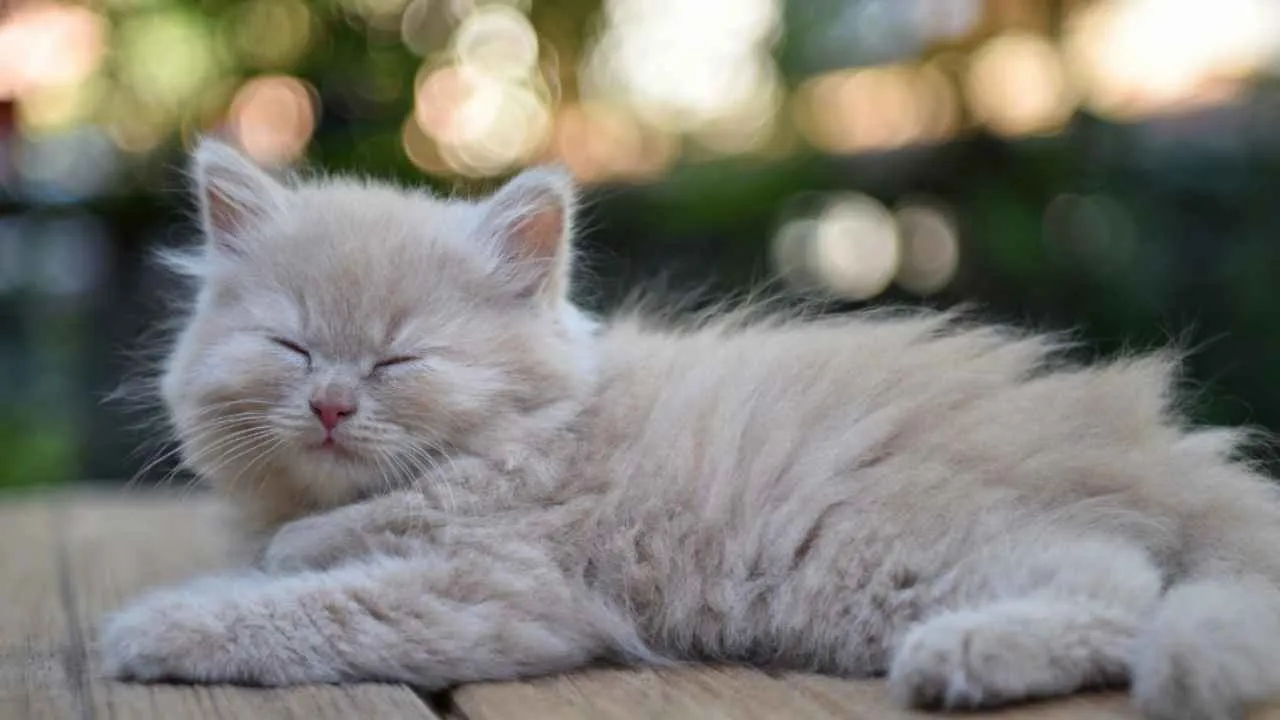
Also called the “Dachshund of the cat world,” the Munchkin is instantly recognizable for its extra-short legs and compact size. Despite their low stature, these cats are lively, confident, and full of personality.
Harlequin patterns appear especially striking on Munchkins due to their small frames and balanced proportions. A mostly white coat with bold, scattered patches draws attention to their playful movements, making the contrast even more noticeable as they dart across the room.
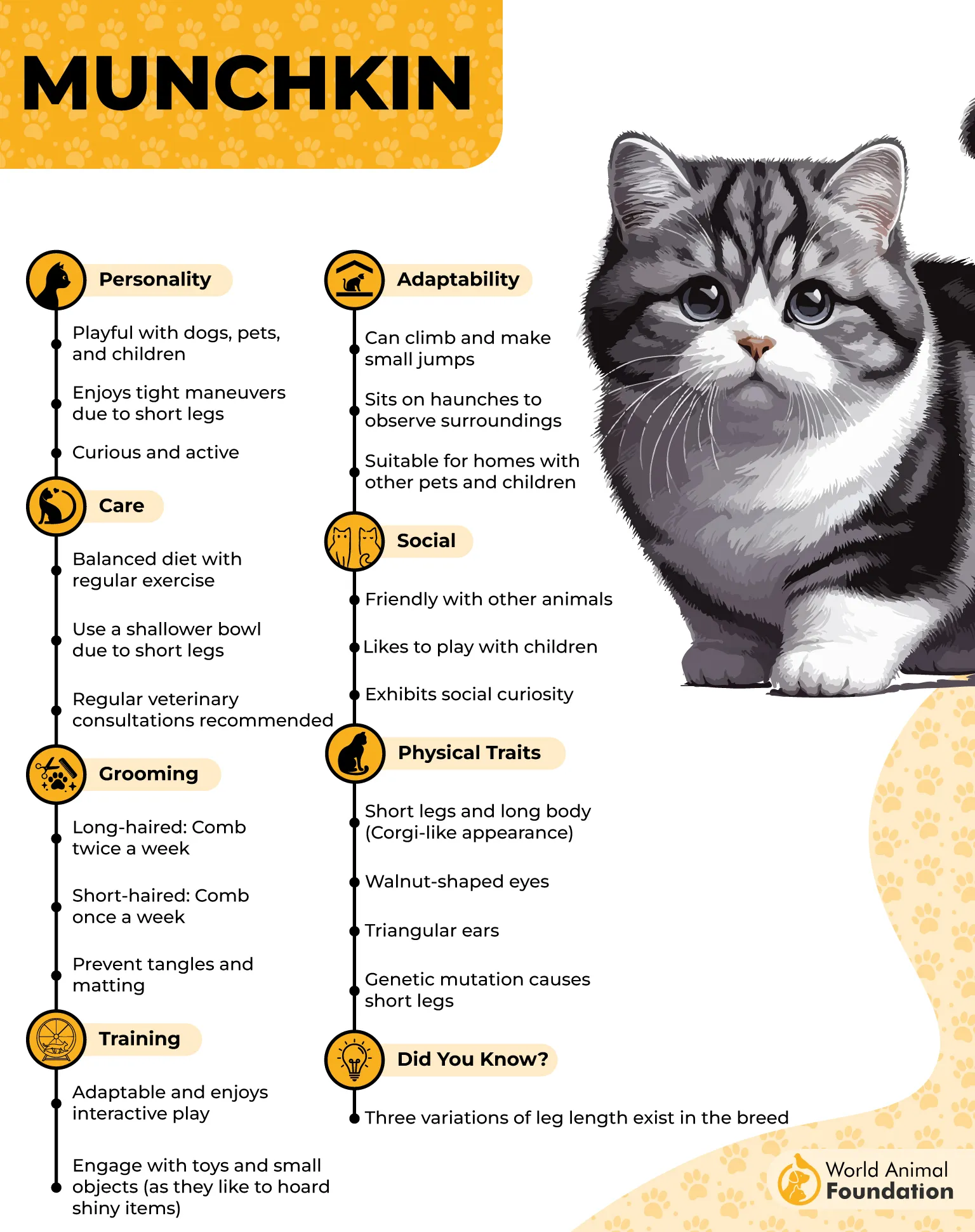
Their gentle temperament enhances the visual appeal of harlequin markings. Munchkins are affectionate, social, and enjoy staying close to their people, which means their distinctive patterns are often on full display during playtime and cuddles.
Highly intelligent and mischievous, they thrive on interaction and enrichment, using quick bursts of movement to fuel games and playful tricks.
Fun fact: Munchkin cats can come in virtually any color or pattern, including harlequin, and their short legs are caused by a naturally occurring genetic mutation.
Conclusion
Harlequin patterns add bold artistry to a cat’s coat, proving that harlequin cats aren’t a specific breed but a striking color pattern seen in domestic cats.
Defined by white fur with large colored patches, a harlequin cat may resemble a cow cat or be nicknamed moo cats, often featuring black spots, a black mask, or a solid color tail.
Unlike a gray tabby or tortoiseshell pattern, the harlequin coat pattern relies on dramatic white spotting that sets it apart from other felines.
For pet parents, harlequin markings offer endless variety. A bicolor cat may show cap and saddle, mask and mantle, or even appear almost completely white except for bold accents.
These patterns can appear across certain breeds, alongside black cat coloring or colored patches unique to each cat. Whether compared to other animals or admired among domestic cats, the harlequin beauty is always unforgettable.
