




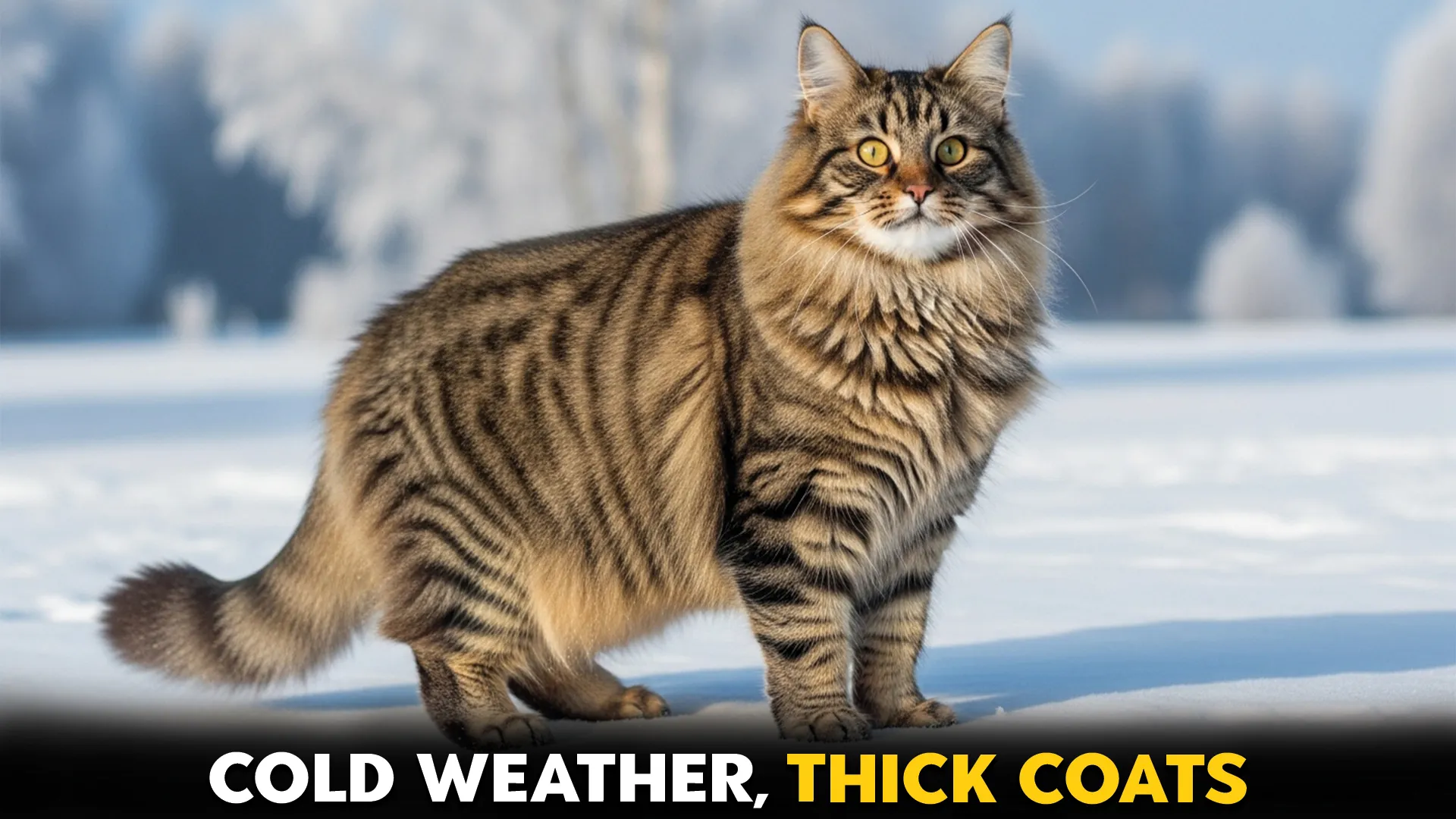
Whether you live where snowflakes fall or just love learning about the amazing diversity of our feline friends, some cat breeds have built-in winter gear that would make even the fluffiest parka jealous.
From natural thick, insulating coats to dense double fur that helps keep the cold at bay, these breeds come from chilly regions and have traits that make them better suited for frosty days and cool climates.
In this guide, we spotlight some of the most winter-ready cats around so you can appreciate how nature equips certain kitties to handle cooler weather with ease.
Cat Breeds with Heavy Winter Fur
1. Siberian Cat
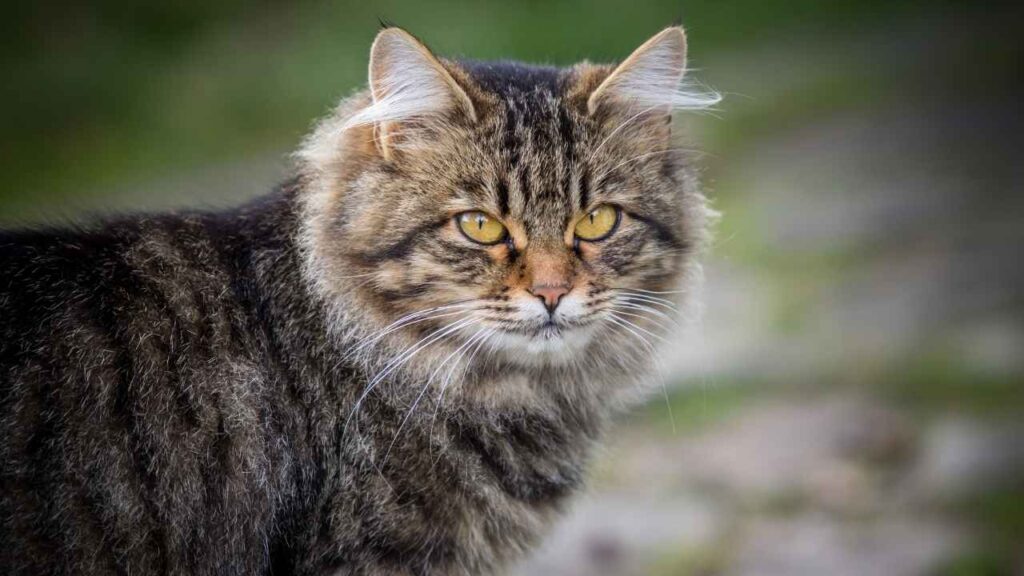
Being one of the oldest cat breeds, the Siberian is a powerful, athletic cat with a naturally dense coat with multiple layers that feels plush and resilient to the touch. Its fur develops in layers, giving it a full, rounded look that changes with the seasons. This breed has a solid, sturdy build that matches its rugged appearance.
Known for being confident and people-oriented, Siberians tend to enjoy activity rather than hiding from it. These outdoor cats are curious climbers and often choose high perches to observe what is happening around them. Despite their strong presence, they are typically gentle and social with family members.
CFA states that grooming a Siberian means dealing with a lot of fur, especially when the coat thickens. Regular brushing helps manage shedding and keeps the coat from matting. Their luxurious look may seem wild, but these cats adapt well to indoor life when given attention and enrichment.
Why This Cat Is a Good Fit
Thick, layered fur offers natural insulation in colder weather
Muscular build supports an active lifestyle year-round
Seasonal coat changes reflect adaptation to cold climates
2. Norwegian Forest Cat

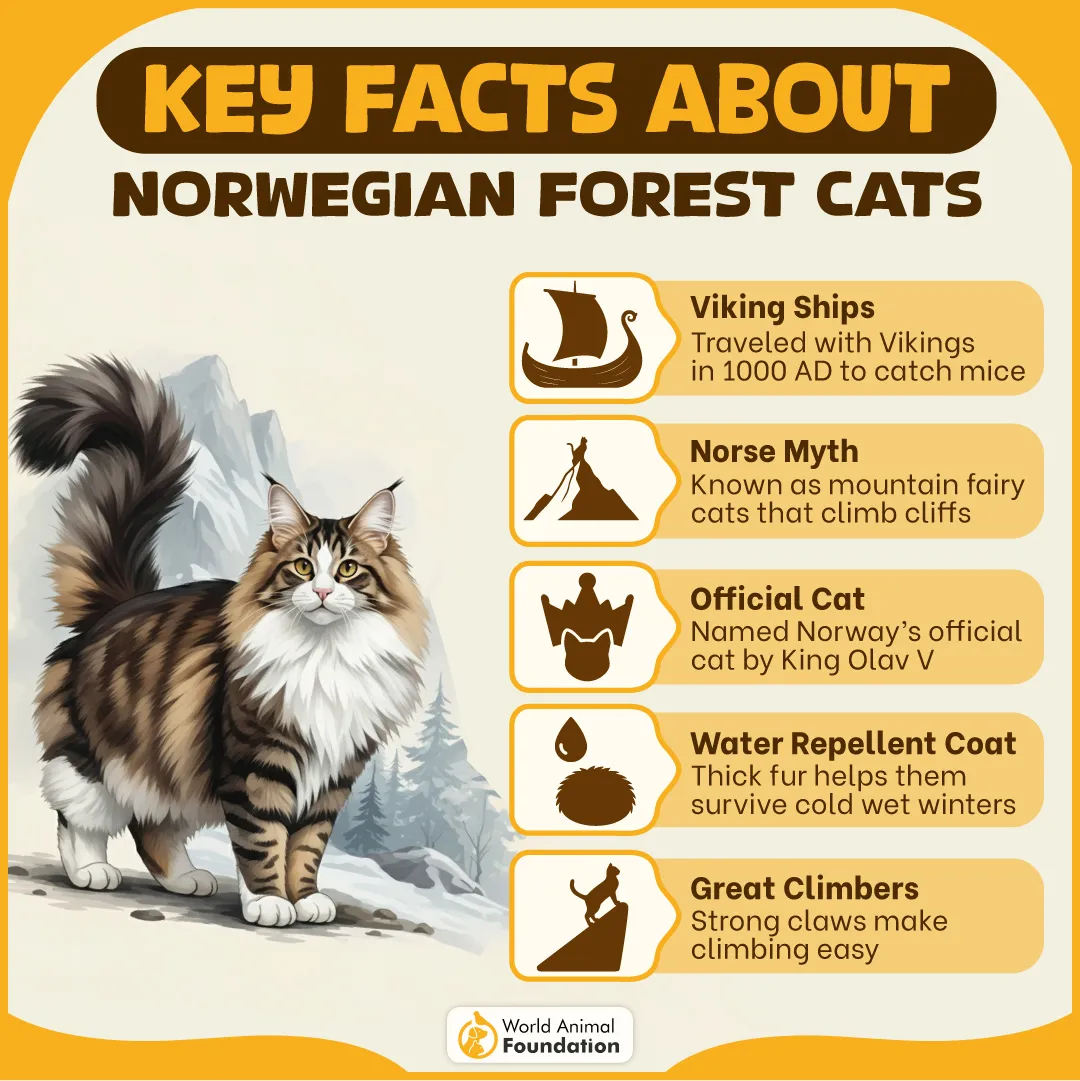
The Norwegian Forest Cat has a long, water-resistant outer coat paired with a dense underlayer. This combination gives the breed a rugged appearance that looks especially dramatic in winter. Its coat is longer around the neck and tail, adding to its wild, storybook look.
As per Purina, this breed is known for independence mixed with quiet affection. Norwegian Forest Cats enjoy companionship but prefer to engage on their own terms. They are skilled climbers and feel comfortable navigating vertical spaces.
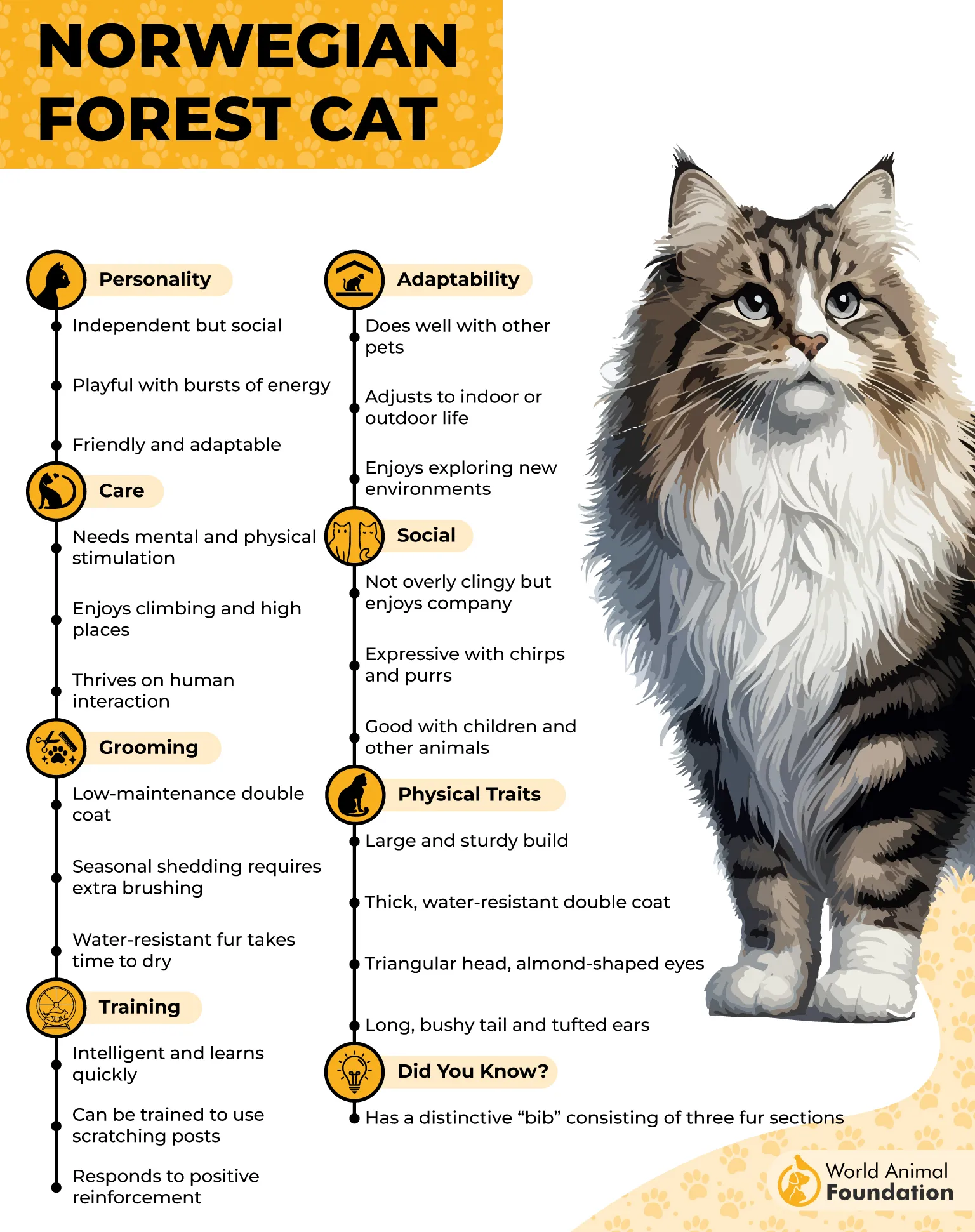
As temperatures cool, their coat becomes noticeably fuller and heavier. Shedding increases when the seasons shift, so brushing becomes essential. While they look like outdoor adventurers, many thrive as indoor cats with enough space to explore.
Why This Cat Is a Good Fit
Water-resistant fur helps handle cold, damp conditions
Dense undercoat provides warmth without constant care
Strong climbing instincts suit cooler, forest-like environments
3. Maine Coon
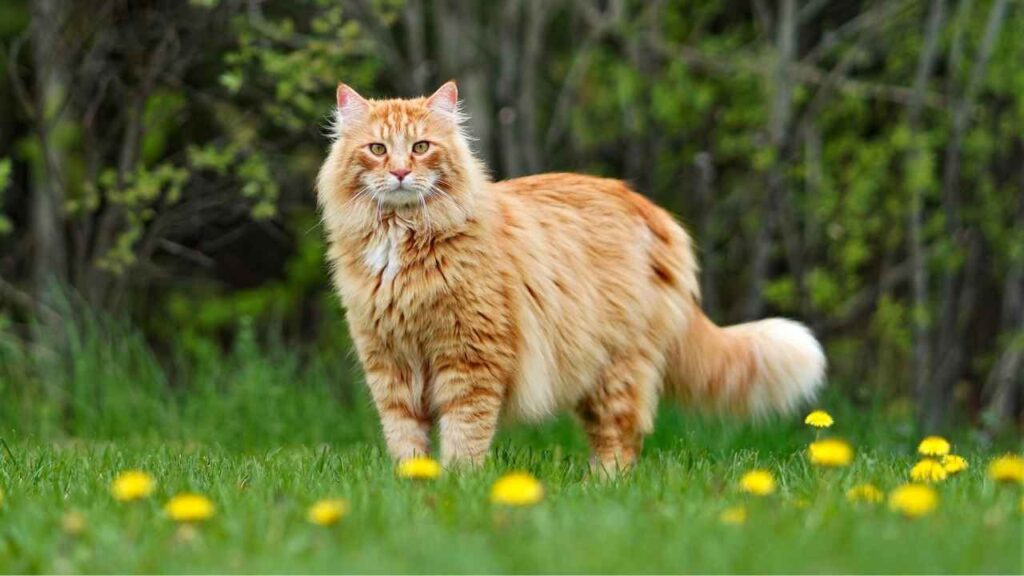
Maine Coons are famous for their large size, tufted ears, and impressive coats that seem made for winter. Their fur is shaggy rather than fluffy, with longer hair along the belly and tail. This uneven texture helps prevent matting while offering protection from the cold.
They are friendly, playful cats often described as gentle companions. Maine Coons tend to follow their people from room to room and enjoy interactive play. Their laid-back attitude makes them easy to live with despite their size.
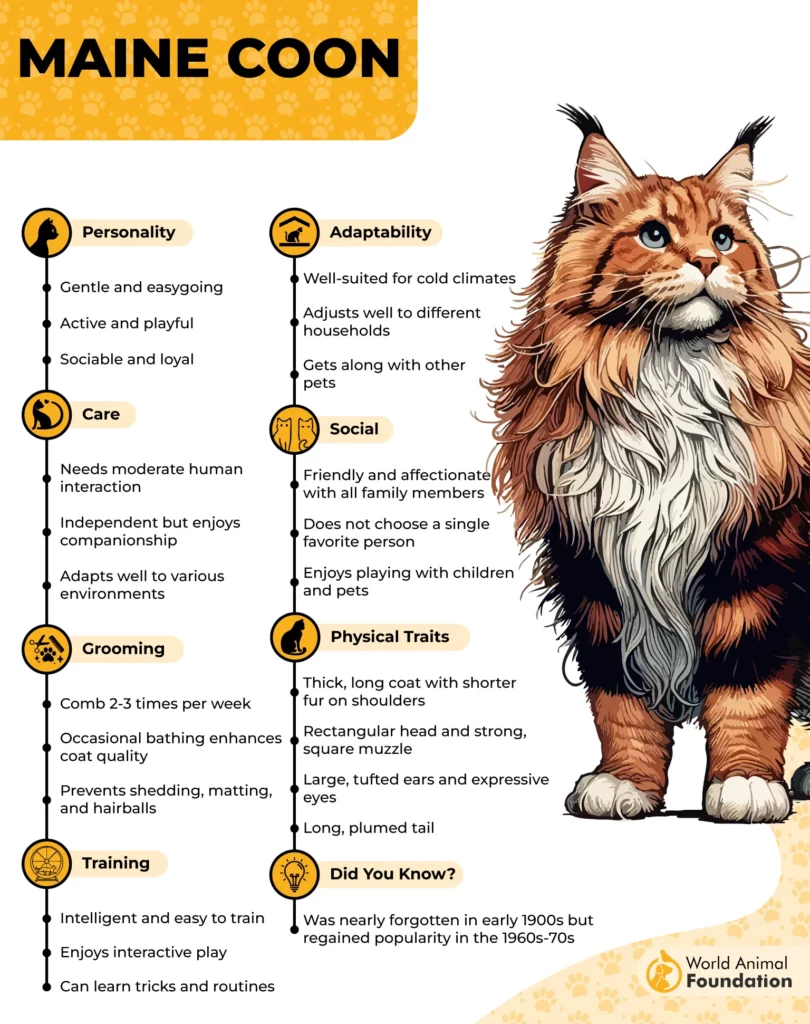
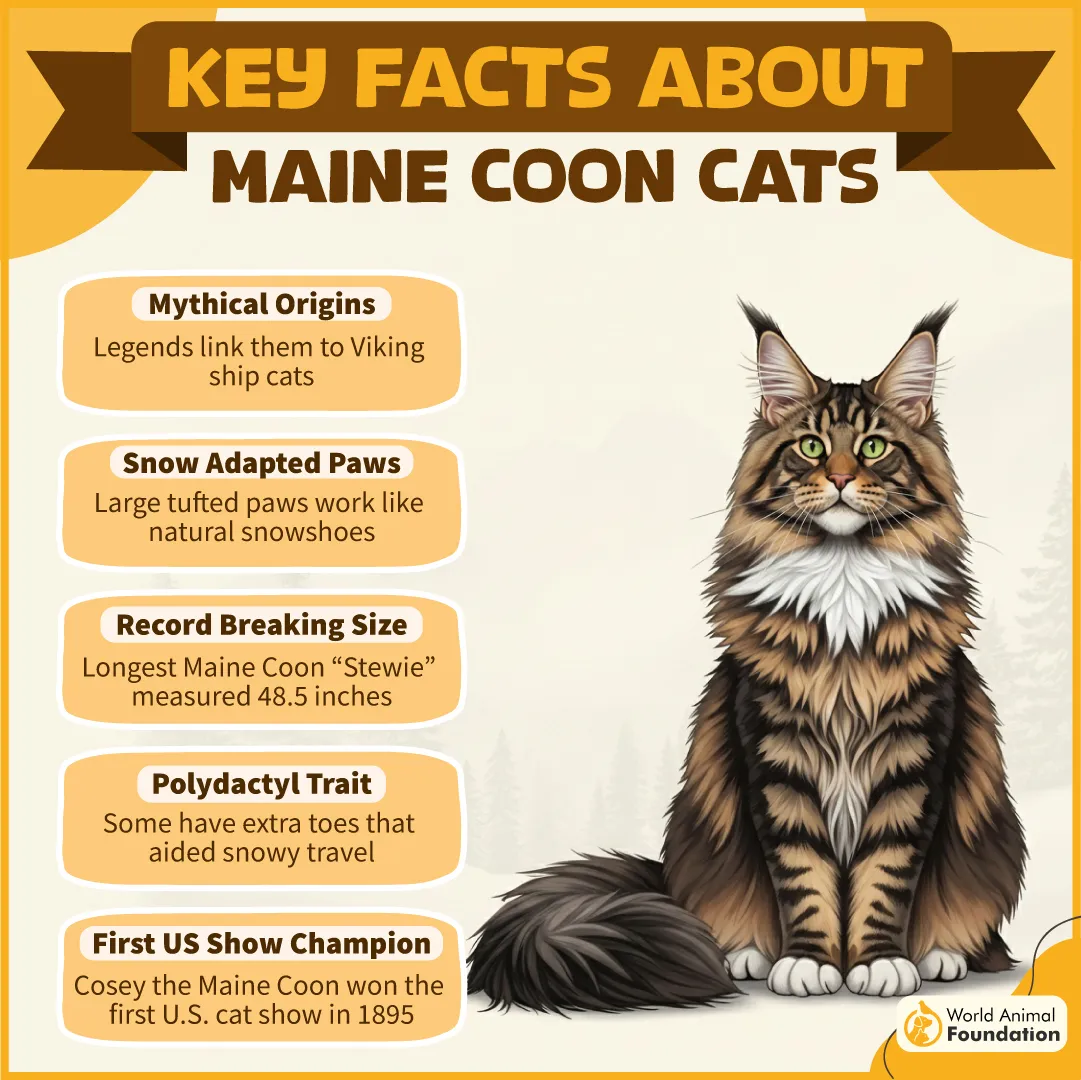
The breed also has tufted paws and a long, bushy tail that adds extra coverage. Regular grooming keeps their coat manageable, especially during heavier shedding periods. Their overall look balances toughness with approachability.
Why This Cat Is a Good Fit
Shaggy coat helps insulate without trapping debris
Tufted paws add comfort on cold surfaces
Large body mass supports heat retention
4. Persian Cat
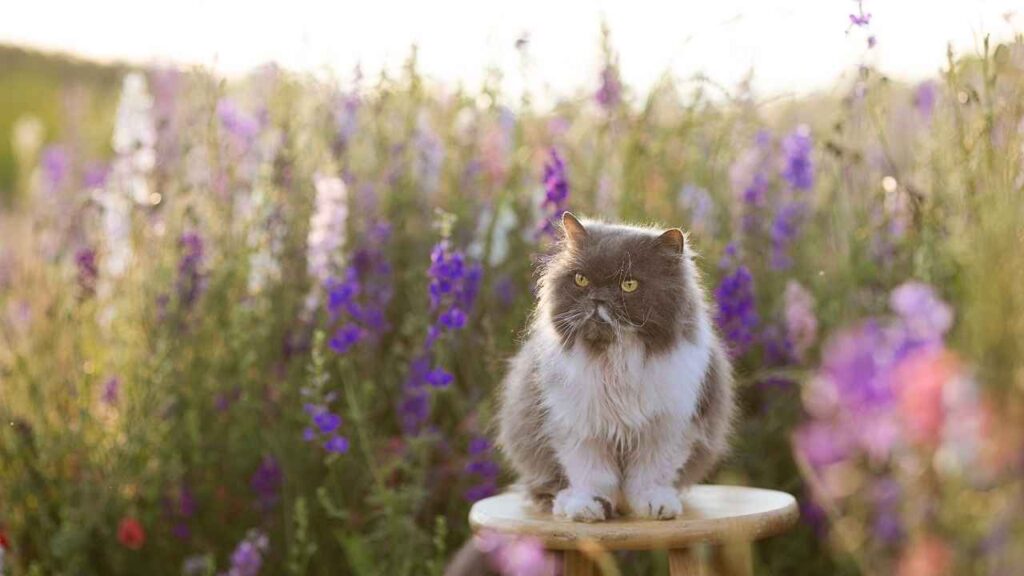
Persian cats are instantly recognizable by their long, flowing coats and rounded features. Their fur is soft and abundant, giving them a plush, elegant appearance. This coat can grow even thicker during colder months.
Persians are chill cats that prefer cozy indoor spaces. They enjoy lounging in warm spots and maintaining a predictable routine. Their relaxed personality matches their luxurious look.
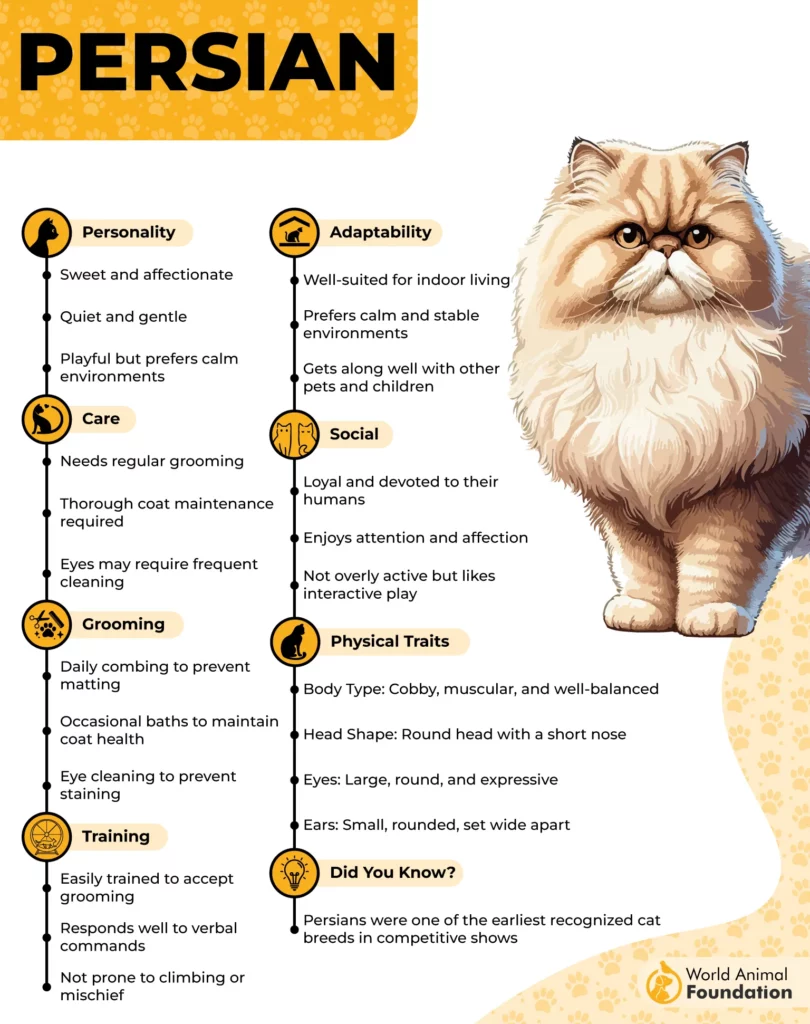
Because of their dense coat, Persians require daily grooming to prevent tangles and mats, as noted by PetMD. Cold weather can dry out skin, making coat care even more important. With proper maintenance, their fur remains one of their most striking traits.
Why This Cat Is a Good Fit
A thick coat offers warmth in cooler indoor environments
Calm nature pairs well with cozy winter routines
Long fur provides natural insulation when well-maintained
5. Russian Blue
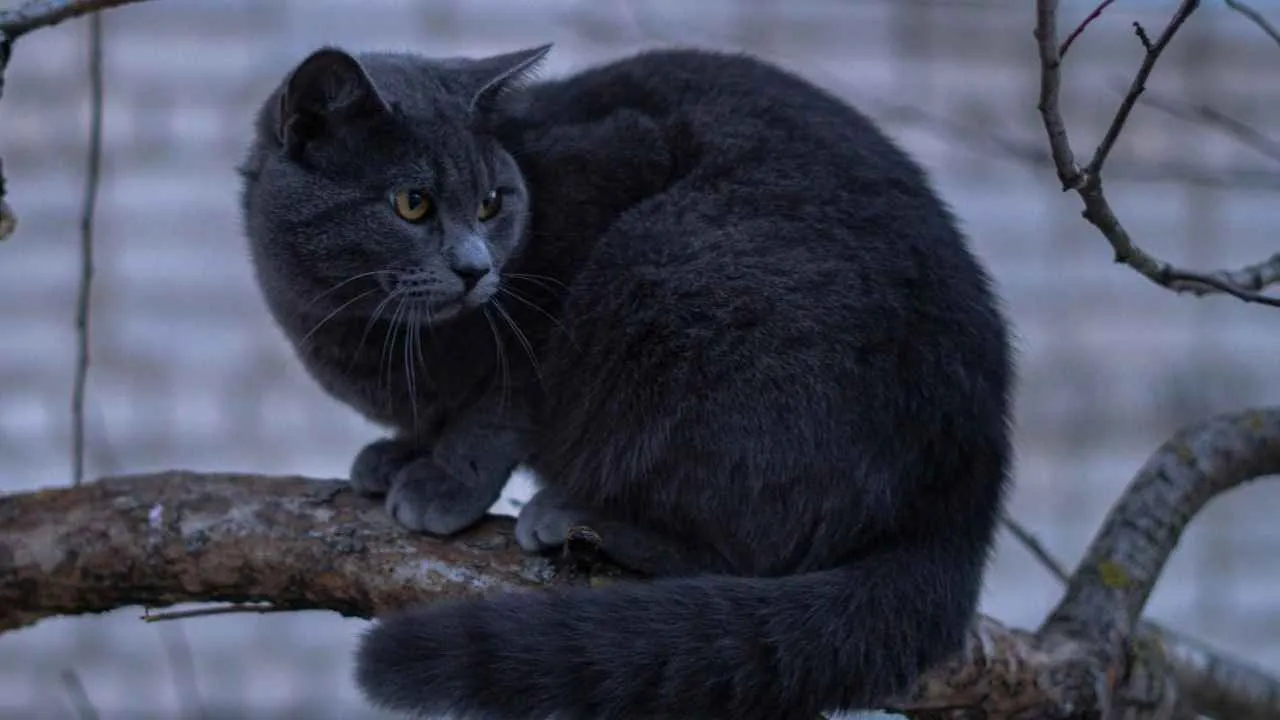
The Russian Blue is known for its short coat that is remarkably dense and stands out from the body. The fur has a plush, velvety feel and appears thicker than it actually is due to its thick, double-coated layer. This coat gives the breed a polished look while still offering protection from colder conditions.
These cats are typically quiet, observant, and deeply attached to their chosen people. Russian Blues often prefer calm environments and predictable routines. They may seem reserved at first, but they form strong bonds once trust is established.
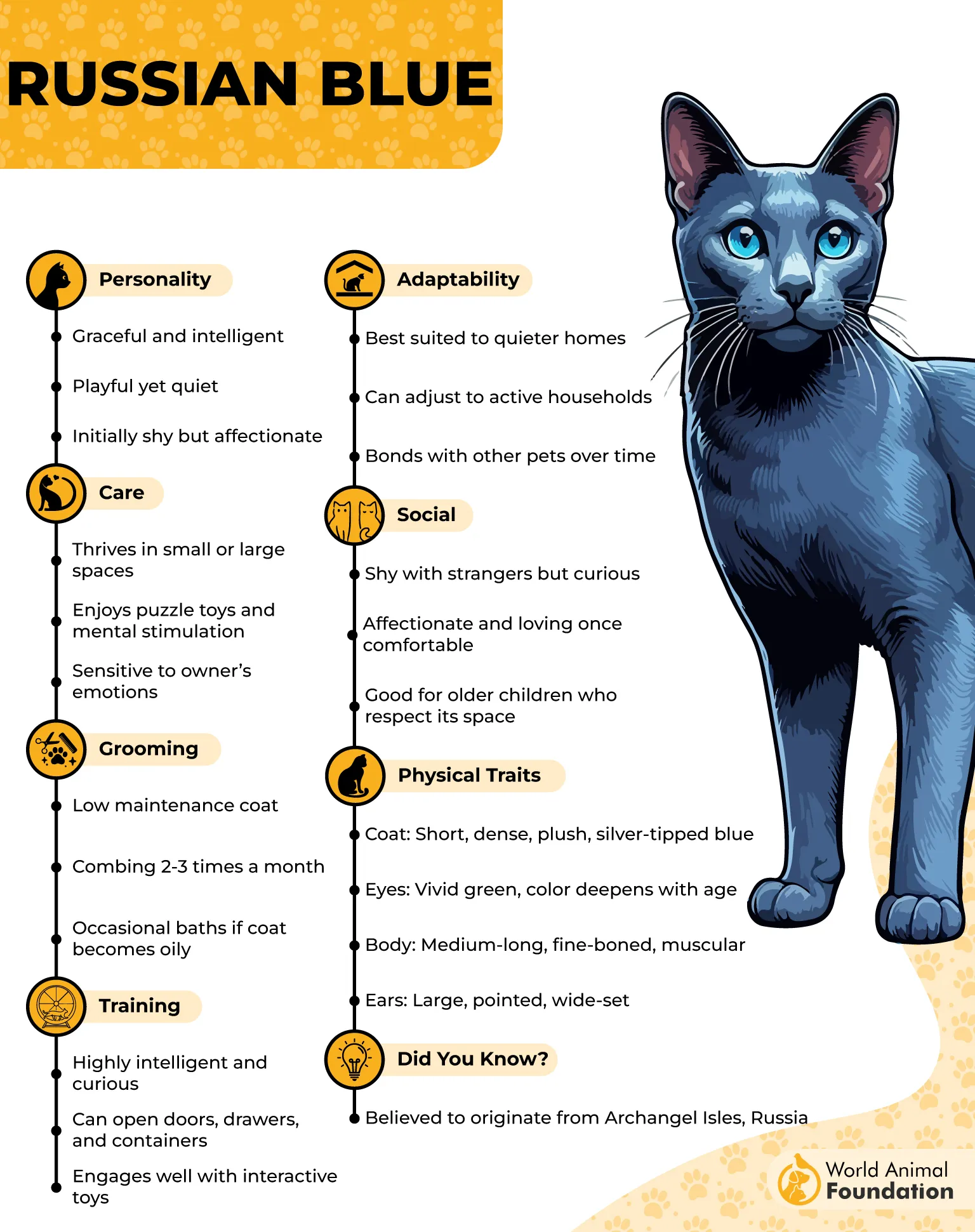
Grooming needs are minimal compared to long-haired breeds, which adds to their appeal. Their coat naturally resists matting and sheds less noticeably. This balance of elegance and practicality makes them easy to live with year-round.
Why This Cat Is a Good Fit
Dense double coat helps retain warmth despite short fur
Compact body supports efficient heat conservation
Thrives comfortably indoors during colder seasons
6. Kurilian Bobtail
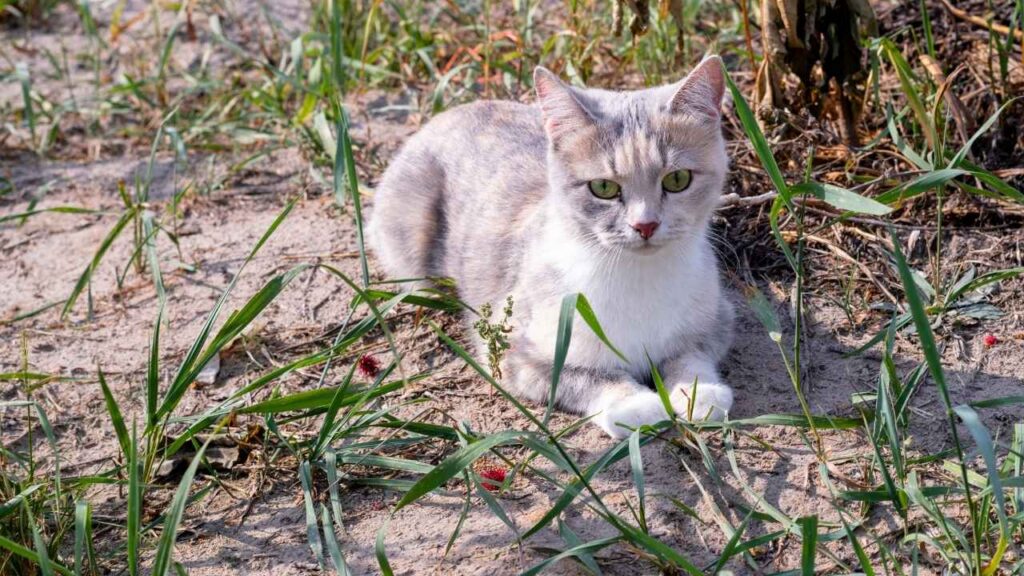
The Kurilian Bobtail has a wild, sturdy appearance shaped by its natural origins. Its coat can be short or semi-long, but both varieties feature a dense undercoat that provides insulation. The signature bobbed tail adds to the breed’s distinctive silhouette.
These cats are energetic, confident, and highly intelligent. Kurilian Bobtails enjoy interactive play and are often described as problem solvers. Their bold personality pairs well with active households.
Their fur is designed to handle harsh environments and does not mat easily. Seasonal shedding does occur, but regular brushing is usually enough. The breed’s resilience shows in both its structure and coat quality.
Why This Cat Is a Good Fit
Thick undercoat supports comfort in cold climates
Naturally hardy build suits cooler weather conditions
Coat designed to protect without demanding heavy grooming
7. Turkish Van
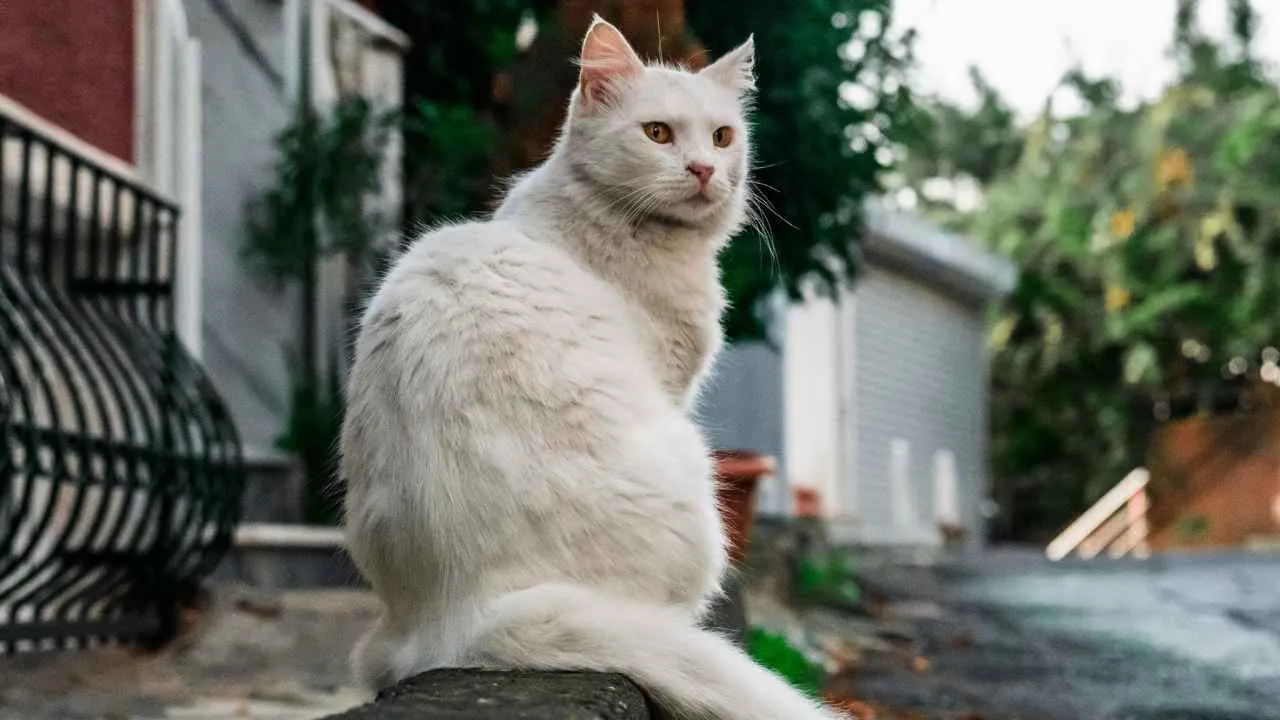
The Turkish Van has a unique coat that feels soft like cashmere and lacks a heavy undercoat. While lighter than some winter breeds, the fur still grows thicker during colder months. Its texture helps retain body heat in changing, harsh winter conditions.
This breed is playful, curious, and known for enjoying water more than most cats. Turkish Vans are active and prefer space to move and explore. Their confidence and energy give them a lively presence in the home.
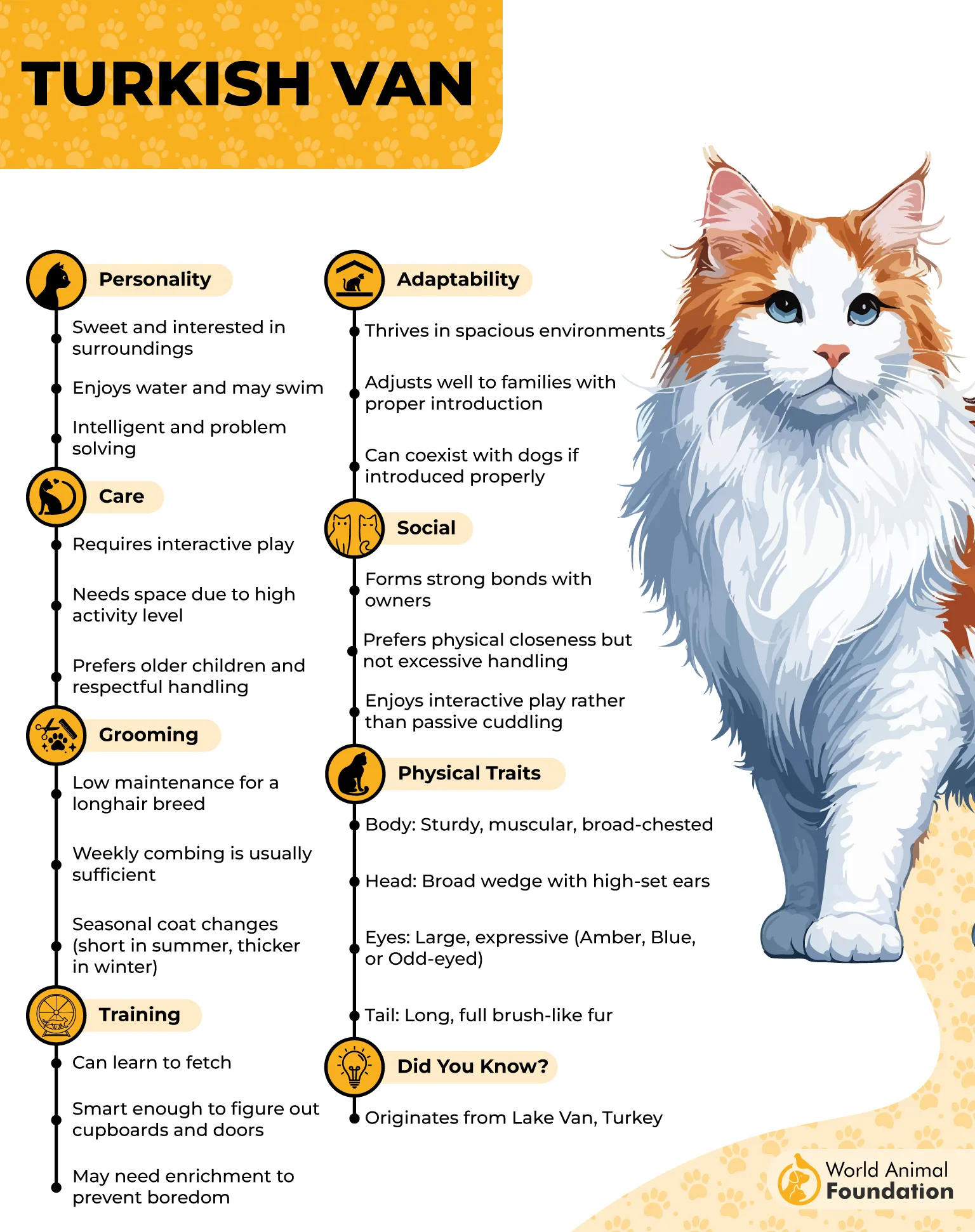
Grooming is relatively simple since the coat resists tangling. As seasons shift, shedding increases but remains manageable. Their adaptable fur supports comfort without sacrificing movement or agility.
Why This Cat Is a Good Fit
Seasonally adjusting coats help manage cooler temperatures
Fur texture provides warmth without excessive bulk
Active nature pairs well with brisk, cooler environments
Conclusion
These cold-weather cat breeds show just how adaptable and fascinating felines can be. From thick triple winter coats to dense plush fur, each breed brings its own version of built-in comfort for when the temperature drops. While a heavy coat does not mean a cat belongs outdoors in winter, it does highlight how climate and history shape appearance and personality.
Choosing the right breed is about matching energy level, grooming needs, and lifestyle just as much as admiring beautiful fur.
If you are drawn to fluffy coats and cool climate charm, take time to research, meet breeders or rescues, and decide which cat fits your home best. Your future fur companion is worth the thought.
