




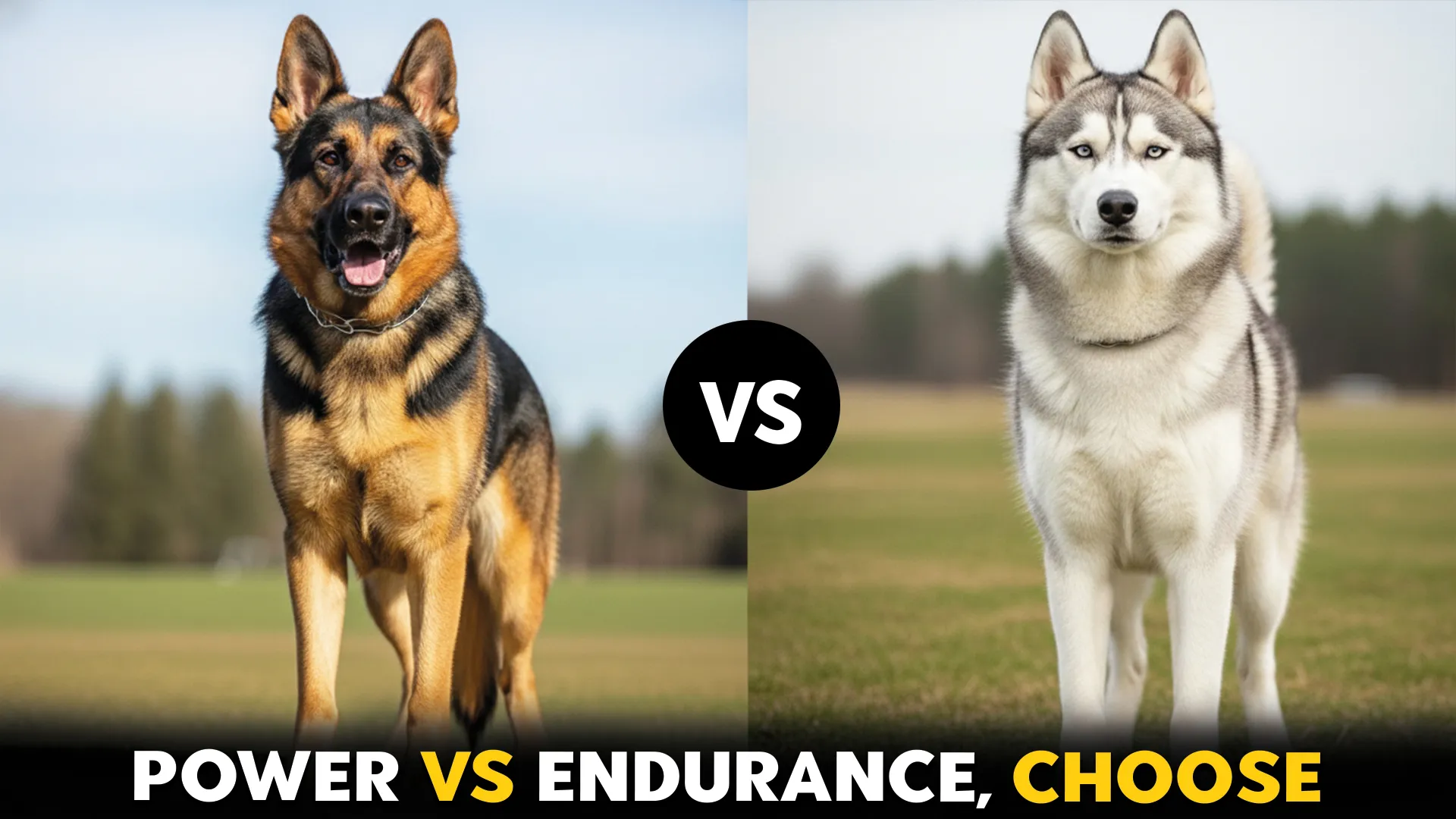
Picking a dog should feel exciting, not stressful. Many families find themselves choosing between two favorites: the German Shepherd vs. the Husky.
People compare these two popular dogs because both are smart, active, and striking in looks. Yet, they live and act in very different ways at home. That is why it helps to pause and look at the important factors to consider the German Shepherd breed vs. the Husky before you decide.
This guide is for pet lovers, busy families, first-time owners, and rescue fans who want a dog that fits their space, time, and daily routine.
The American Kennel Club (AKC) describes the German Shepherd as a large, agile, muscular dog of noble character and high intelligence — known for being loyal, confident, courageous, and steady with strong working ability.
On the other side is the Husky, a lively and social dog shaped by life in cold lands and teamwork. Both dogs can be great friends. However, the right choice depends on your home, your energy, and the kind of bond you want to build.
Important Factors: German Shepherd Dog Breeds vs. Huskies
Overview
People compare these two dogs all the time because they stand out in public. You often see them at parks, on trails, and in family homes. The German Shepherd and the Husky both look strong, alert, and full of life.
They also share high energy and sharp minds. Because of this, new owners often place them in the same group when choosing an active dog. At a glance, they seem alike. Both have thick fur and upright ears. Both carry themselves with pride. Yet, their looks tell two different stories.
One has a focused stare and a steady stance. The other shows bright eyes and a playful grin. Their movement also feels different. One moves with control. The other moves with bounce and speed.
Their past work shaped who they are today. One grew as a helper for people and flocks. The other grew as a team runner across snow and ice. These roles shaped their drive, focus, and daily needs. One leans into tasks with calm purpose. The other leans into motion and group play.
New owners should expect busy days with both dogs. Daily walks matter. So do games and training. These dogs need time and care each day. They need clear rules. They also need love and patience. When those needs get met, both can become loyal, fun, and lasting friends.
Origins & Purpose
Both dogs come from hard-working roots. People shaped them for real tasks, not just looks. Their early roles still guide how they think, move, and bond with people today.
German Shepherd
The German Shepherd, also known in Britain as the Alsatian, began as a herding dog for sheep and grew into a trusted working partner for many roles.
The breed was developed in 1899 by Max von Stephanitz using traditional German herding dogs to create a smart, steady, and reliable worker. Over time, these dogs proved their value in disability assistance, search and rescue, police work, and even warfare.
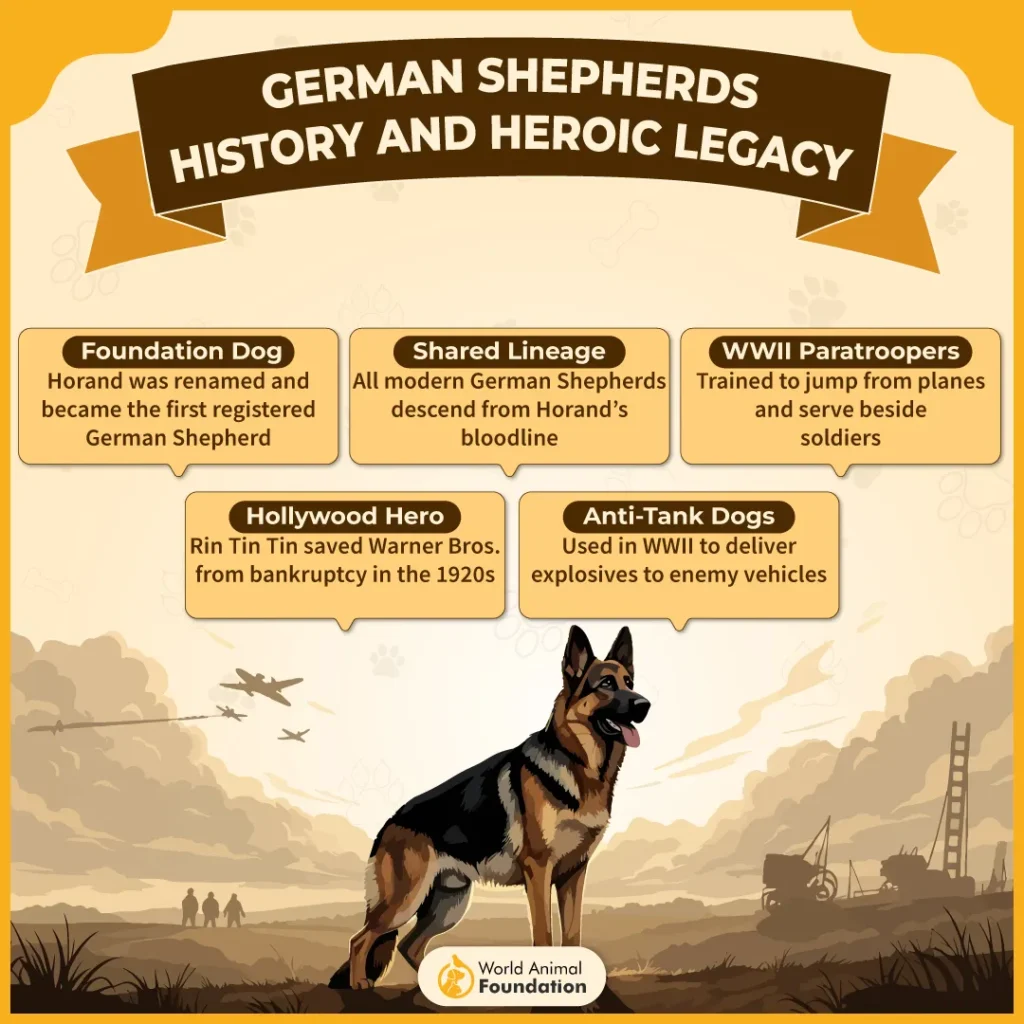
Their strong drive to serve helped them rise in popularity, earning high annual registrations in 2013 and becoming one of the most chosen breeds in the United States by 2016. Today, many families still value their loyalty and strong work ethic.
Did you know?
In 1990, a German Shepherd guide dog named Orient helped Bill Irwin become the first blind hiker to complete the Appalachian Trail. The German Shepherd is also one of the most popular and recognizable breeds recognized by the AKC.
Husky
The Husky comes from cold climates, where strong pullers were needed to move sleds across snow and ice. These dogs were selectively bred to run far, work in teams, and endure harsh weather.
According to Wikipedia, the term “Husky” began to appear in the mid to late 1700s, first used for dogs linked to Arctic peoples of North America. Over time, sled teams shaped the breed’s speed, stamina, and social nature.
Modern racing Huskies, often called Alaskan Huskies, still carry Arctic traits through careful cross-breeding for speed and strength.
Did you know?
In 2023, scientists studied the DNA from the remains of Balto, a famous sled dog who helped lead teams during the Great Race of Mercy in 1925. The study showed that Balto had mixed roots linked to strong working dogs from Greenland and other northern land dogs. This wide mix of genes likely gave Balto and the other race dogs an edge in harsh Alaska weather. In fact, they may have handled the cold and tough travel even better than many modern Siberian Husky today.
This history explains why many people compare a Husky or German Shepherd when choosing an active working companion for demanding outdoor lives.
Size & Physical Build
Size and shape matter when you pick a dog. These two breeds look strong and ready for action. Yet, some key differences show up once you look closer.
German Shepherd vs Husky Size
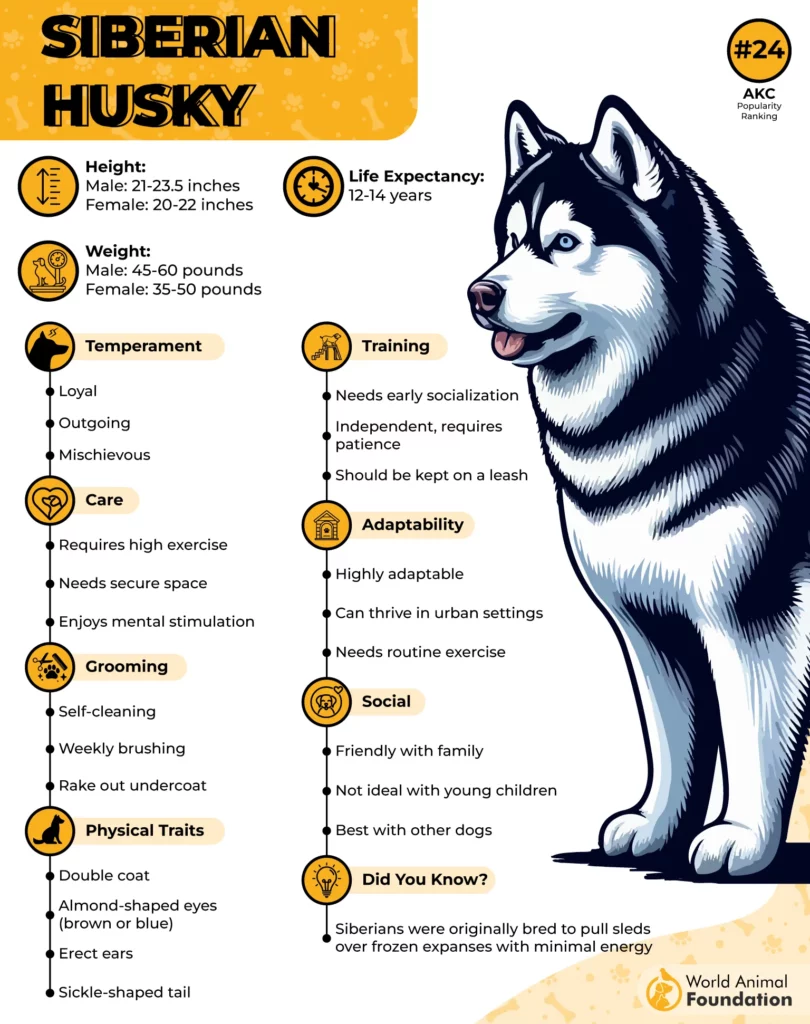
The German Shepherd is usually a bit taller than the Siberian Husky, with adults standing up to about 26 inches at the shoulder. Males tend to be larger than females in both breeds, but the German Shepherd often stands around two inches taller on average.
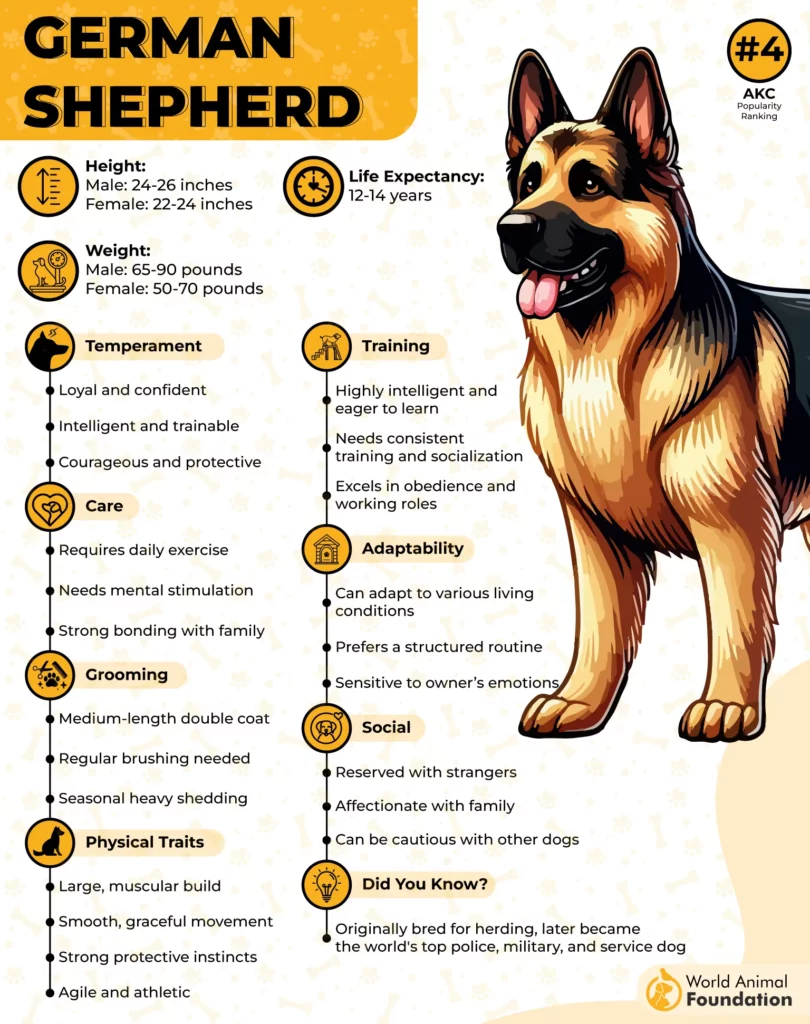
Both dogs have similar overall height ranges, yet they often look bigger because of their longer body and heavier builds. Weight also shows key differences, since they usually carry more muscle and mass, while Huskies stay lighter for speed and long runs.
German Shepherd vs Husky Physical Build
They have a strong frame built for steady work, which helps them guard and herd with focus. Their body shows smooth, graceful curves rather than sharp angles, giving them a powerful yet balanced look.
They have large, erect ears, a long neck, and a bushy tail that adds to their alert stance. Males are heavier and broader, while females are slightly lighter but still strong and athletic. This solid build supports tasks that need strength, control, and quick response.
Huskies, on the other hand, have a lean build made for speed and distance. Their bodies suit cold climates, with thick fur that protects them from harsh weather. They are lighter on their feet, which helps them pull loads over long miles without tiring fast.
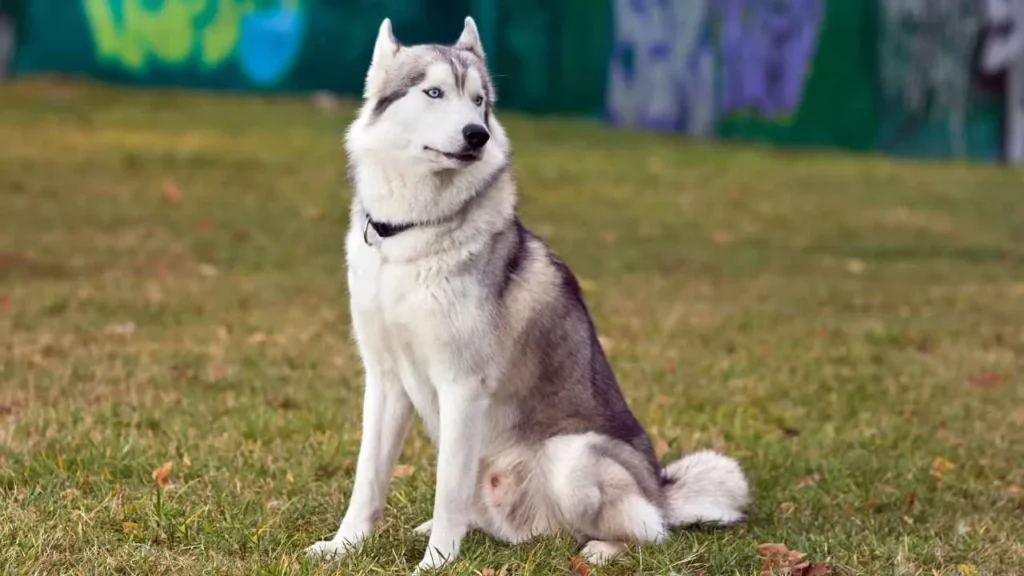
Males are usually a bit larger than females, yet both keep a slim, athletic shape. These key differences in build explain why one excels at guarding and herding, while the other shines at pulling sleds across snow.
Temperament & Personality
Temperament shapes daily life with a dog, from quiet moments at home to busy days outside. These two breeds bring very different vibes into a family.
German Shepherd
The German Shepherd forms loyal bonds with one main person and stays deeply devoted to the whole family. This breed shows calm focus during tasks and a strong, watchful nature at home, which is why many people trust them for protection duties.
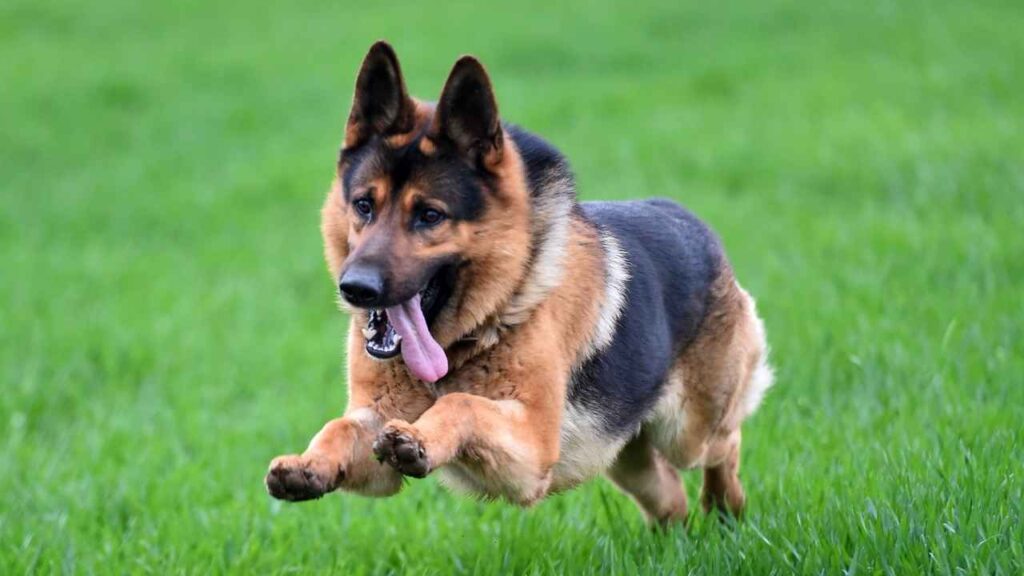
They are affectionate with their people, patient with children, and very intelligent, which helps with training and daily routines. At times, they may act wary toward strangers or other dogs, and some can show rough behavior with other pets if not guided well.
With steady training and clear rules, this behavior can be shaped into calm confidence. They will bark at real threats, yet they are not overly noisy. According to PetMD, loyalty, courage, and confidence define their character, making them good family dogs for homes that enjoy structure and leadership.
Husky
The Husky brings a playful spirit and a bold heart into any home. This breed stays friendly with new faces and loves groups, big energy, and pack life. Huskies are affectionate with children, outgoing with strangers, and tend to get along well with other dogs and many household pets.
Their friendly nature means they do not make strong guard dogs, but they do make good family dogs for active homes. They are intelligent but strong-willed, which can make training a bit tricky.
Britannica states that they rarely bark, yet they can be vocal in their own playful ways. With patience and daily activity, they become joyful companions and great walking partners for people who love to move.
Exercise & Energy Levels
Both breeds bring big energy into daily life. They stay happiest when their bodies and minds stay busy with steady activity.
German Shepherd
The German Shepherd is intelligent, active, and full of drive, so daily activities matter a lot. Without enough physical activity and mental work, this breed can grow restless and act out due to built-up energy.
Enjoys long walks and games each day
Thrives with daily structure and clear routines
Needs tasks to stay happy and calm
Requires one to two hours of exercise every day
Benefits from both physical and mental stimulation
Should not be let off-leash in open areas
Husky
The Siberian Husky is an active, athletic working breed that needs more exercise than many family dogs. Regular activities support both physical health and mental balance, and short walks alone are not enough for this high-energy dog.
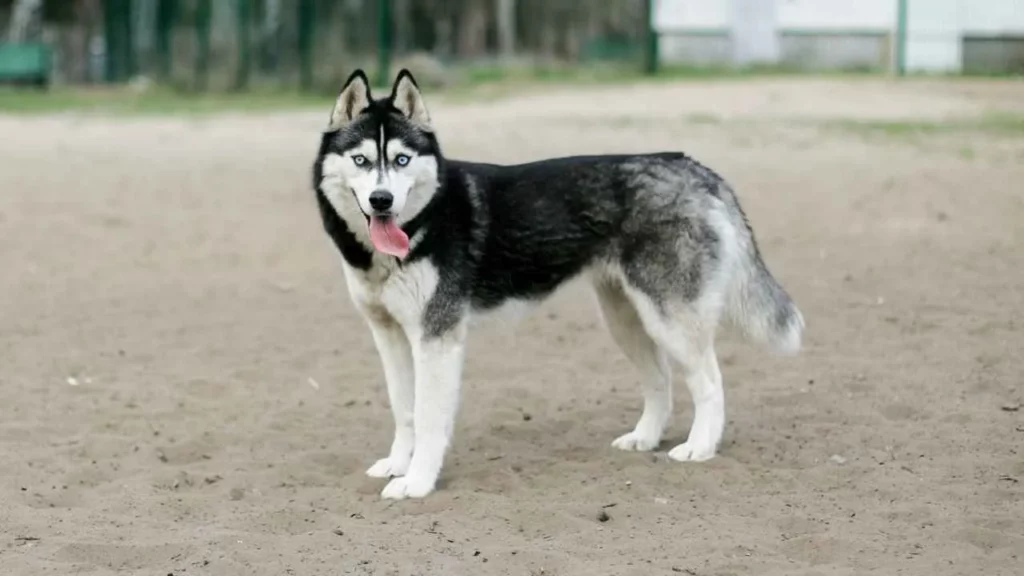
Loves long runs and fast play
Needs space to move each day
Can grow bored with short walks
Thrives with daily physical exercises outdoors
Enjoys pulling games and trail time
Training & Intelligence
Training and intelligence shape how easy daily life feels with these dogs.
The German Shepherd learns basic commands fast and loves to please its owner, so focused lessons often work well. This breed is one of the smartest dog breeds, which means strong drive and sharp focus come with the package.
Because of that drive, they should stay on a leash or inside a secure fence, since they may dart after a squirrel or rabbit. Early socialization helps a German Shepherd puppy learn calm manners with other animals and people, and steady control and obedience training builds trust.
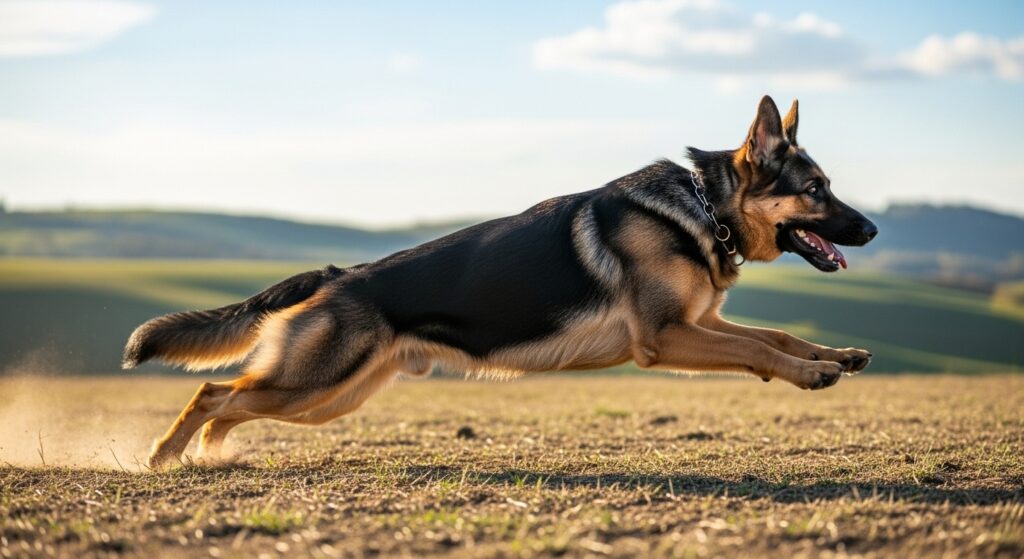
Consistency matters, and positive reinforcement with a clear treat reward system brings the best results. These dogs often suit experienced dog parents who enjoy meeting higher training needs.
The Husky is also smart, but this breed likes to test rules and show independence. Training works best with patience, short sessions, and fun games that keep interest high. Huskies are very social and often rush up to other people, so early socialization and basic obedience training help set safe habits.
They respond well to praise and playful rewards, yet they may ignore commands if lessons feel dull. With calm guidance and steady practice, both breeds can grow into well-mannered companions who enjoy learning with their people.
Coat Maintenance
A dog’s coat needs regular care to stay healthy and comfortable. Both German Shepherds and Siberian Huskies have thick double coats, but the way they shed and require grooming is different.
German Shepherd
The German Shepherd has a dense double coat that sheds year-round. They typically go through two periods of excessive shedding each year, which makes regular grooming essential.
Daily brushing or combing a few times a week helps prevent matting, reduces the buildup of dead hair, and keeps the coat looking healthy, especially for longer-haired German Shepherds.
Extra professional grooming can also be helpful during peak shedding times. Proper care ensures their coat stays strong and protects them in different climates.
Husky
The Siberian Husky has a thick double coat with an undercoat and guard hairs, which protects them against harsh winters. Contrary to popular belief, Huskies can also handle hotter climates, but their coat still needs attention.
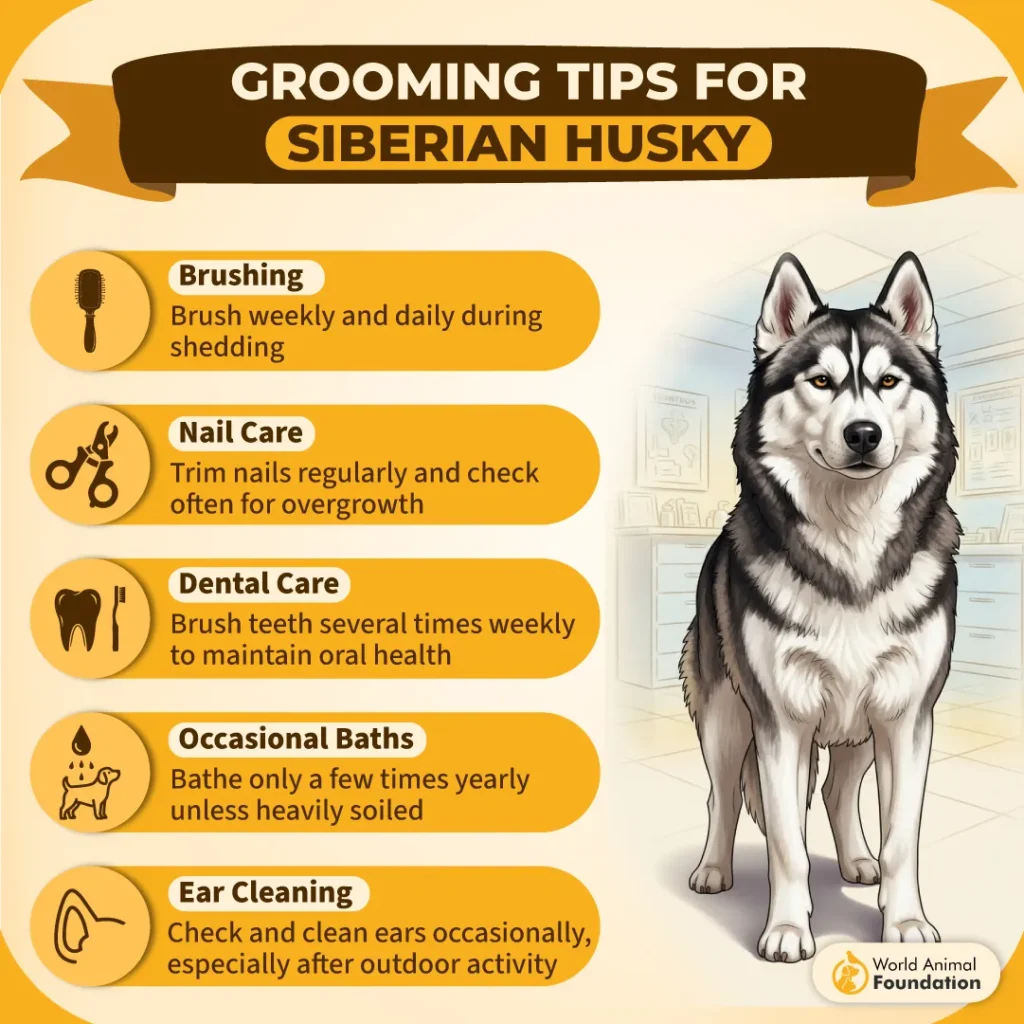
Huskies shed heavily twice each year, so steady grooming is important to maintain coat and skin health. Weekly brushing helps manage fur, keeps the coat clean, and reduces loose hair around the home.
Paying close attention to their double coat and regular grooming ensures these dogs stay comfortable and healthy year-round.
Health & Lifespan
Both German Shepherd and Siberian Husky are active, strong dogs, but they require attention to stay healthy and are prone to some diseases. Regular vet check-ups and proper daily care support their overall well-being and help them live long, fulfilling lives.
Both breeds can thrive for long periods when owners monitor their health, provide exercise, and ensure good nutrition. Awareness of potential health problems is key to maintaining a happy and active companion.
German Shepherd
German Shepherds are loyal, energetic dogs that do best with consistent care. They require routine check-ups and preventative care to maintain good health over the years.
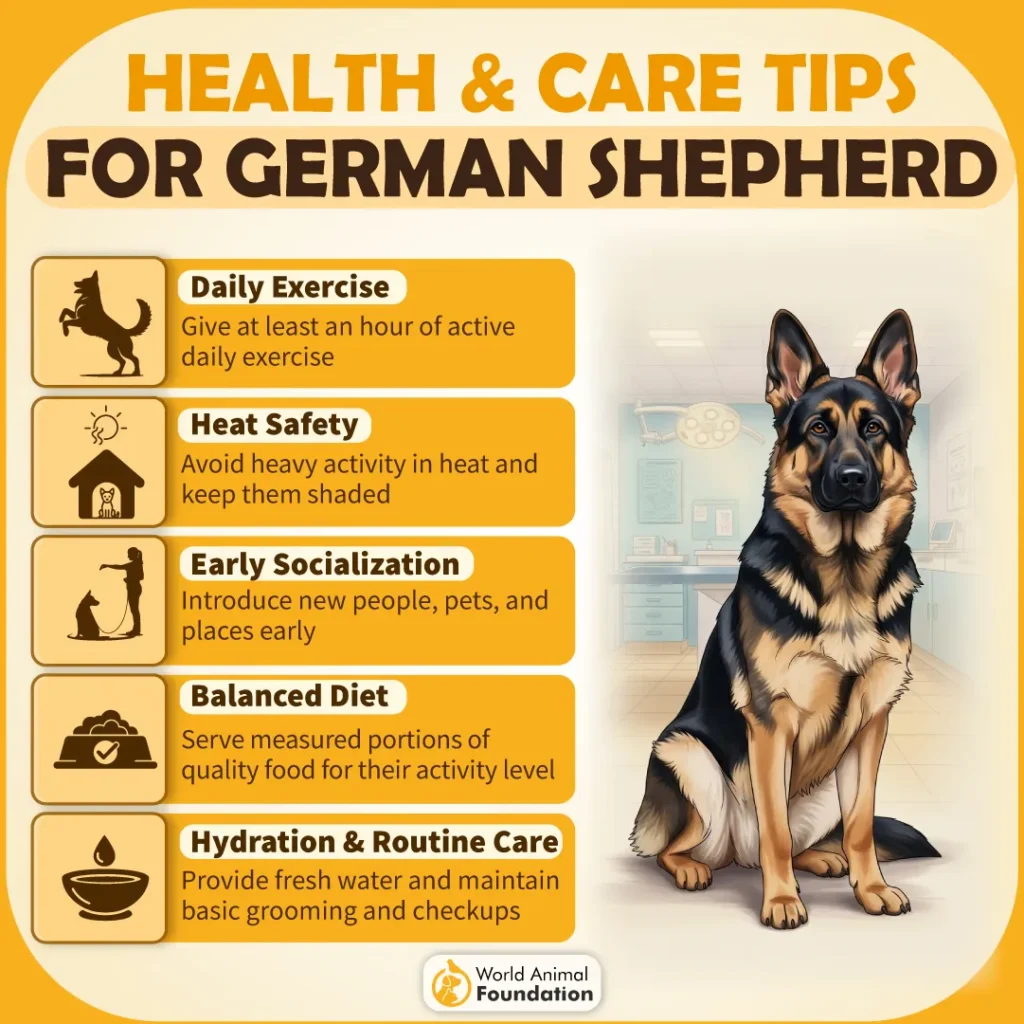
With the right lifestyle and supervision, German Shepherds enjoy active, vibrant lives, making them excellent companions for families and experienced dog owners.
Common Illnesses
Elbow dysplasia
Hip dysplasia
Hepatalexia
Canine degenerative myelopathy
Anal furunculosis
Inherited eye diseases, including progressive retinal atrophy and corneal dystrophy
Epilepsy
Pituitary dwarfism
Hemophilia
Lifespan
They typically live 9–13 years. German Shepherds’ life expectancy depends on genetics, exercise, and preventive care.
Husky
Huskies are energetic and athletic dogs that also benefit from regular vet visits and healthy routines. Early socialization and consistent care help them thrive for long periods, keeping them happy and well-adjusted.
Understanding health issues common to both Huskies and German Shepherds allows owners to provide a safe and active lifestyle without repeating any specific disease risks.
Common Illnesses
Progressive retinal atrophy
Corneal dystrophy
Hip dysplasia
Elbow dysplasia
Other inherited eye problems
Lifespan
Huskies generally live 12–15 years, often a bit longer than German Shepherds. Lifespan is supported by proper exercise, nutrition, and routine health monitoring.
German Shepherd vs. Huskies: Suitability as Family Pets vs Guard Dogs
When it comes to choosing a dog for your home, German Shepherds are well-suited for families looking for both companionship and protection.
Their medium-sized, strong frame, combined with natural protective instincts, makes them a better choice for homes where guarding and family safety are priorities.
These dogs form deep bonds with children and other family members, and their personality traits—loyalty, courage, and vigilance—make them attentive and protective without being unnecessarily aggressive.
In contrast, Siberian Huskies are ideal for active families who enjoy outdoor activities and exercise. They are friendly with other pets, affectionate with children, and full of playful energy, but they are not built to guard homes.
While both breeds bring unique strengths, the German Shepherd’s protective traits make it a better fit for families seeking a dog with guarding instincts, whereas the Husky excels in social, energetic family settings.
Conclusion
Both German Shepherd and Husky shine in their own way, bringing energy, loyalty, and joy to any home. Choosing between them depends on your lifestyle, space, and the kind of bond you want to form.
German Shepherds offer protective instincts and deep devotion, while Huskies bring playful energy and friendliness to active families.
By understanding their personality traits, exercise needs, and care requirements, you can own the right breed for your home. Ultimately, choosing a dog with care and love ensures years of happiness, companionship, and shared adventures.
