




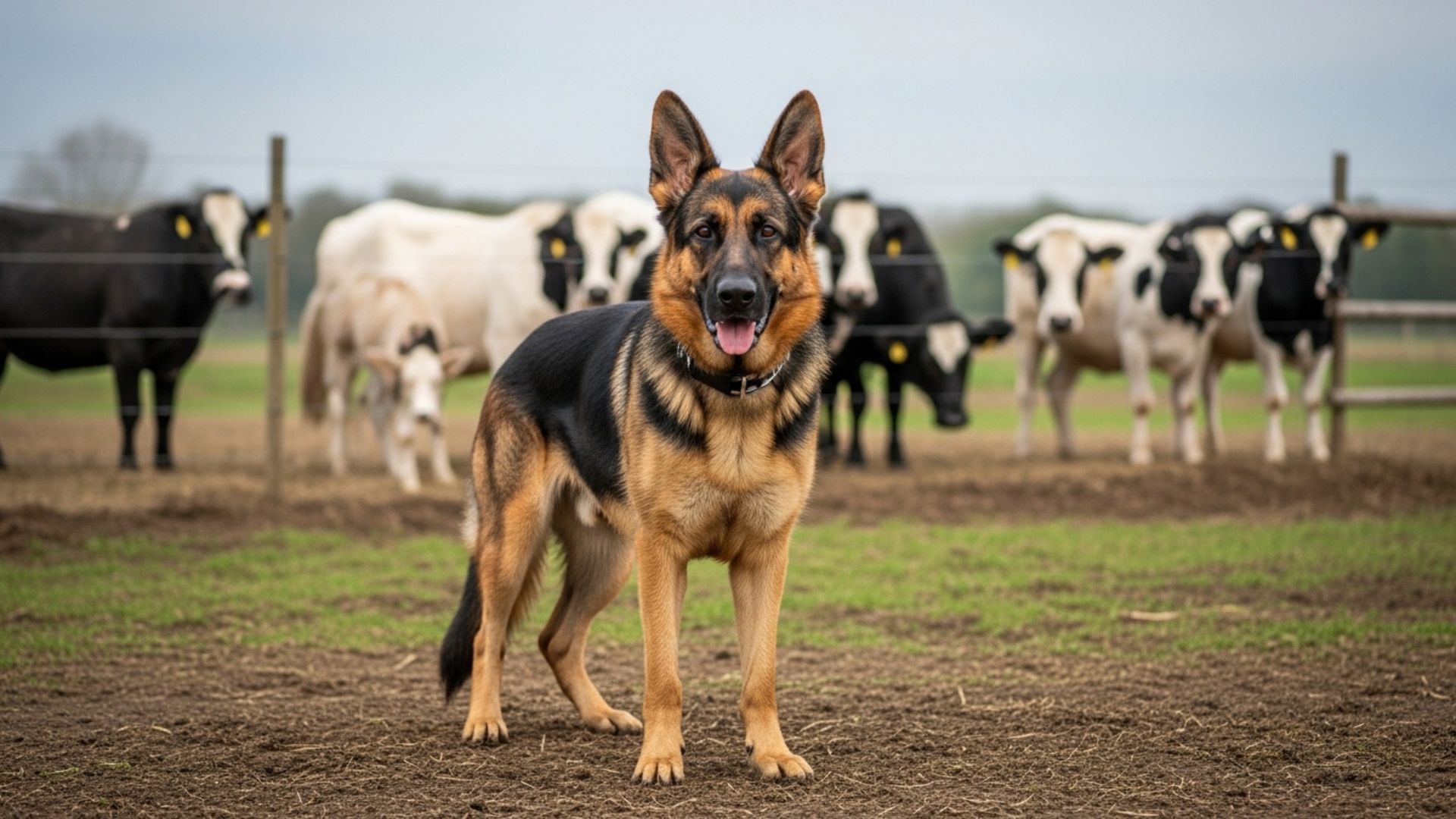
Herding and livestock protection require a rare blend of intelligence, instinct, courage, and cooperation.
A truly versatile working dog must think independently while still responding instantly to human direction—a balance that not every breed can manage. The best herding and protection dogs aren’t just fast or strong; they’re strategic, loyal, and deeply bonded to their handler.
For centuries, farmers and ranchers around the world relied on dogs to move livestock, protect herds from predators, and guard property. These dogs weren’t bred for looks or trends—they were shaped by work.
Today, many of these same breeds still excel in modern farming, ranching, and even in active family homes, where they can meet their needs.
What makes these breeds special is their adaptability. They can herd sheep at dawn, monitor the property by dusk, and settle in with their family at night—if properly trained and socialized. But make no mistake: these are not low-effort dogs.
Below are seven versatile breeds that consistently excel in both herding and livestock protection, combining working ability with loyalty and intelligence that are hard to match.
Versatile Dog Breeds Perfect for Herding and Livestock Protection
1. Australian Shepherd
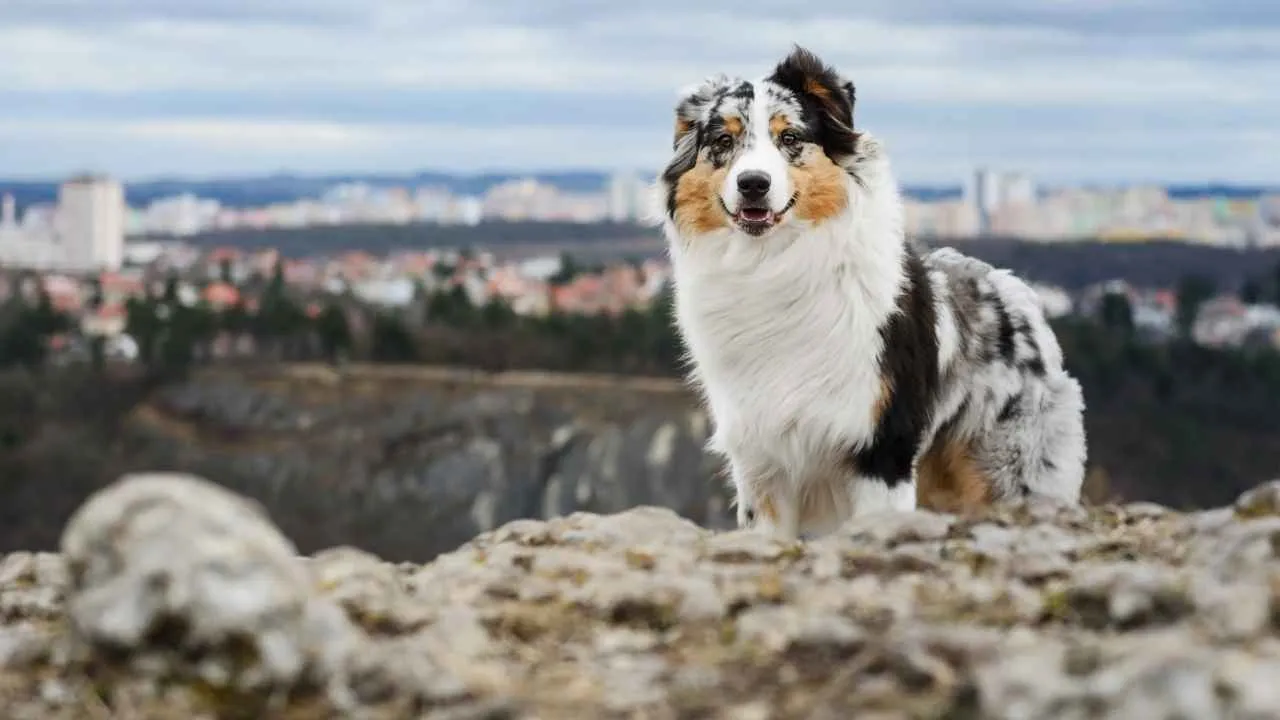
Australian Shepherds are among the most naturally gifted herding dogs in the world. Despite the name, the breed was refined in the United States for ranch work, particularly cattle and sheep handling. They are highly intelligent, athletic, and driven—traits that make them exceptional farm dogs and deeply loyal companions.
In herding, Aussies use an upright, loose-eyed working style, relying on movement, positioning, and controlled pressure rather than intense staring. This allows them to work a wide range of livestock, from cattle to poultry, with remarkable agility. Their endurance and responsiveness make them especially valuable in dynamic farm environments.
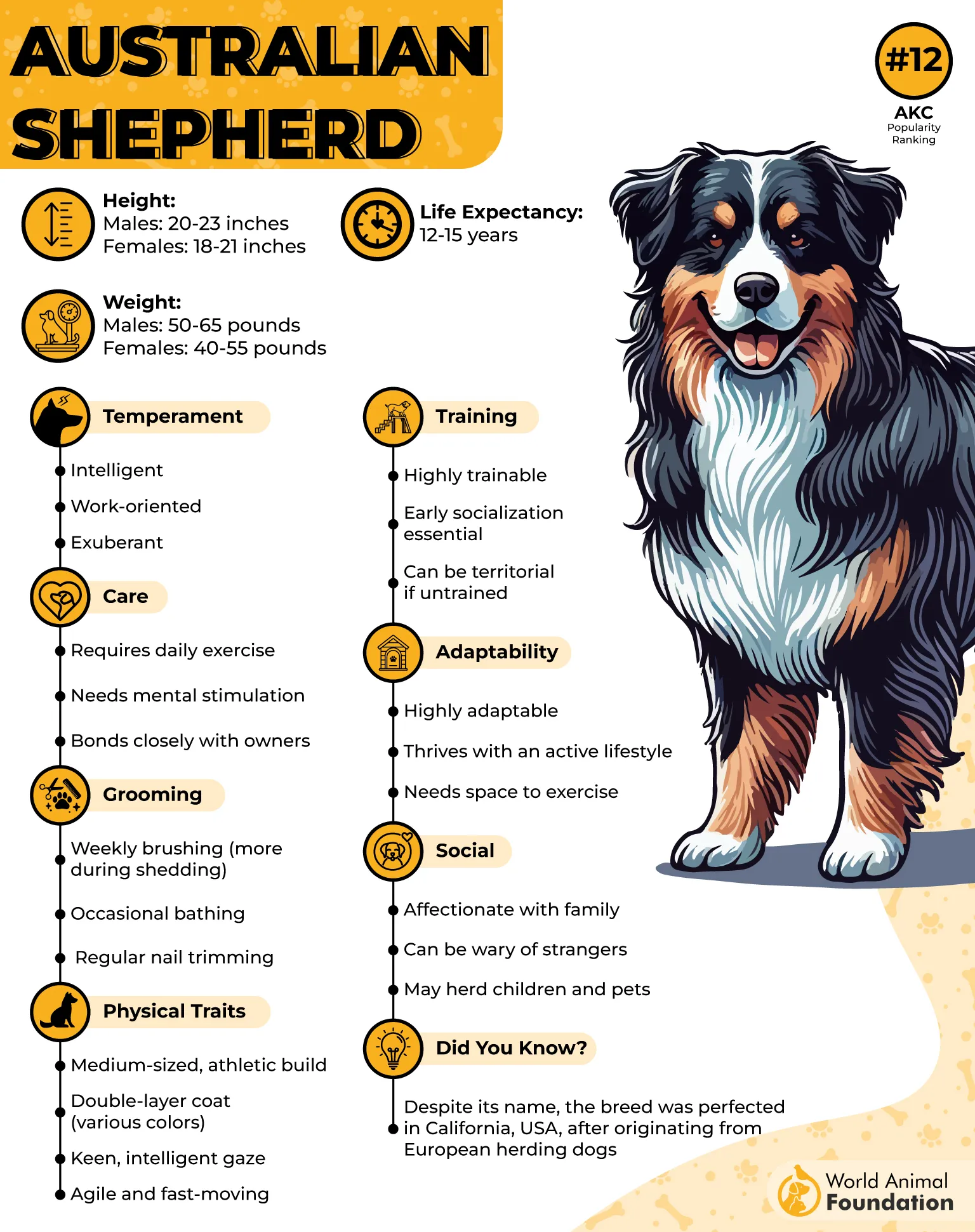
Beyond herding, Australian Shepherds are naturally alert and protective. They tend to be reserved with strangers and quick to alert their owners to unusual activity. While not aggressive by nature, they are excellent watchdogs and take their role as guardians of home and family seriously.
Their intelligence is both a strength and a challenge. Aussies learn commands quickly but require constant mental stimulation. Without a job to do, they may invent one—often herding children, other pets, or anything that moves. Structured training is non-negotiable.
They thrive in active homes or working farms. With proper training, exercise, and purpose, they become tireless workers and fiercely devoted partners—dogs that don’t just live on a property, but actively manage it.
2. Australian Cattle Dog
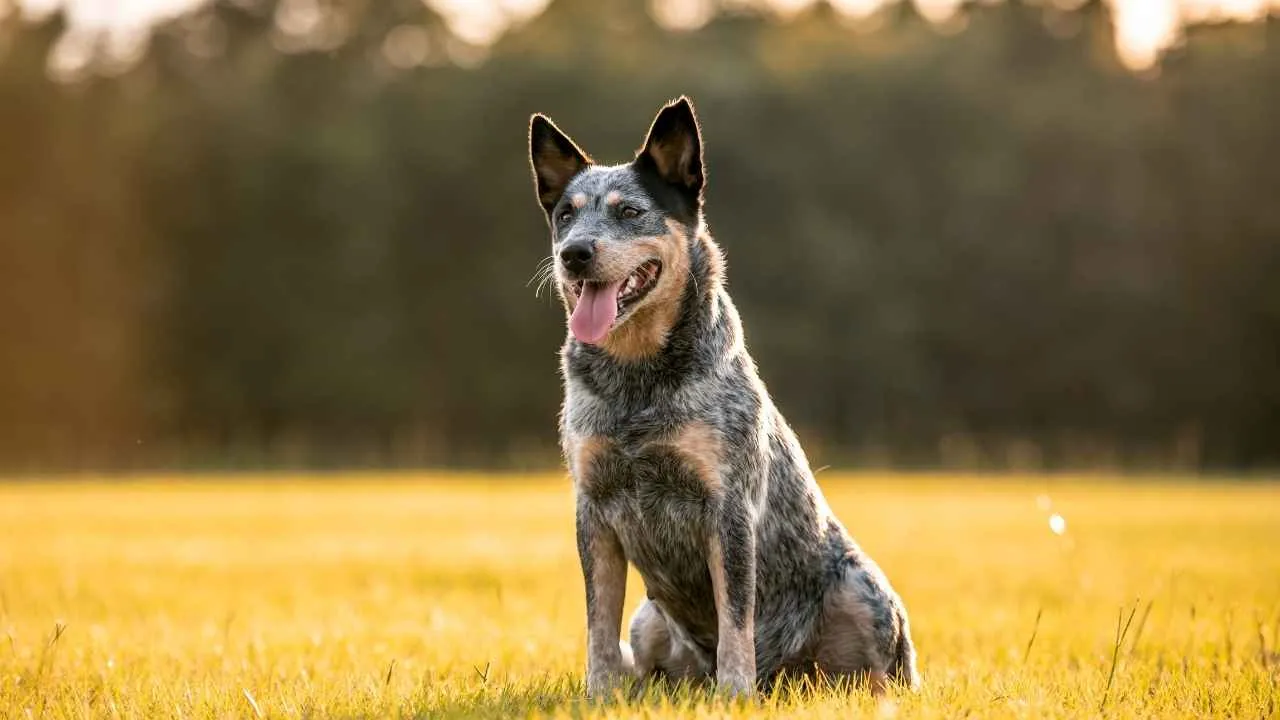
The Australian Cattle Dog (ACD), also known as the Blue or Red Heeler, was bred for one of the toughest jobs imaginable: driving stubborn cattle across vast, harsh terrain. This heritage created a dog that is tough, intelligent, and nearly unstoppable when working.
ACDs herd using controlled force, including strategic heel-nipping to move livestock efficiently. Britannica claims that this behavior is instinctual and effective but requires early training to prevent misdirected nipping toward people or pets. When properly guided, their herding precision is unmatched.

Protection comes naturally to the breed. Australian Cattle Dogs are intensely loyal and highly territorial, making them formidable watchdogs. They are wary of strangers and deeply bonded to their owners, often positioning themselves between their people and perceived threats.
These dogs are independent thinkers. They don’t blindly obey—they evaluate. This makes them excellent problem-solvers on farms, but challenging for inexperienced handlers. Consistent leadership and firm boundaries are essential.
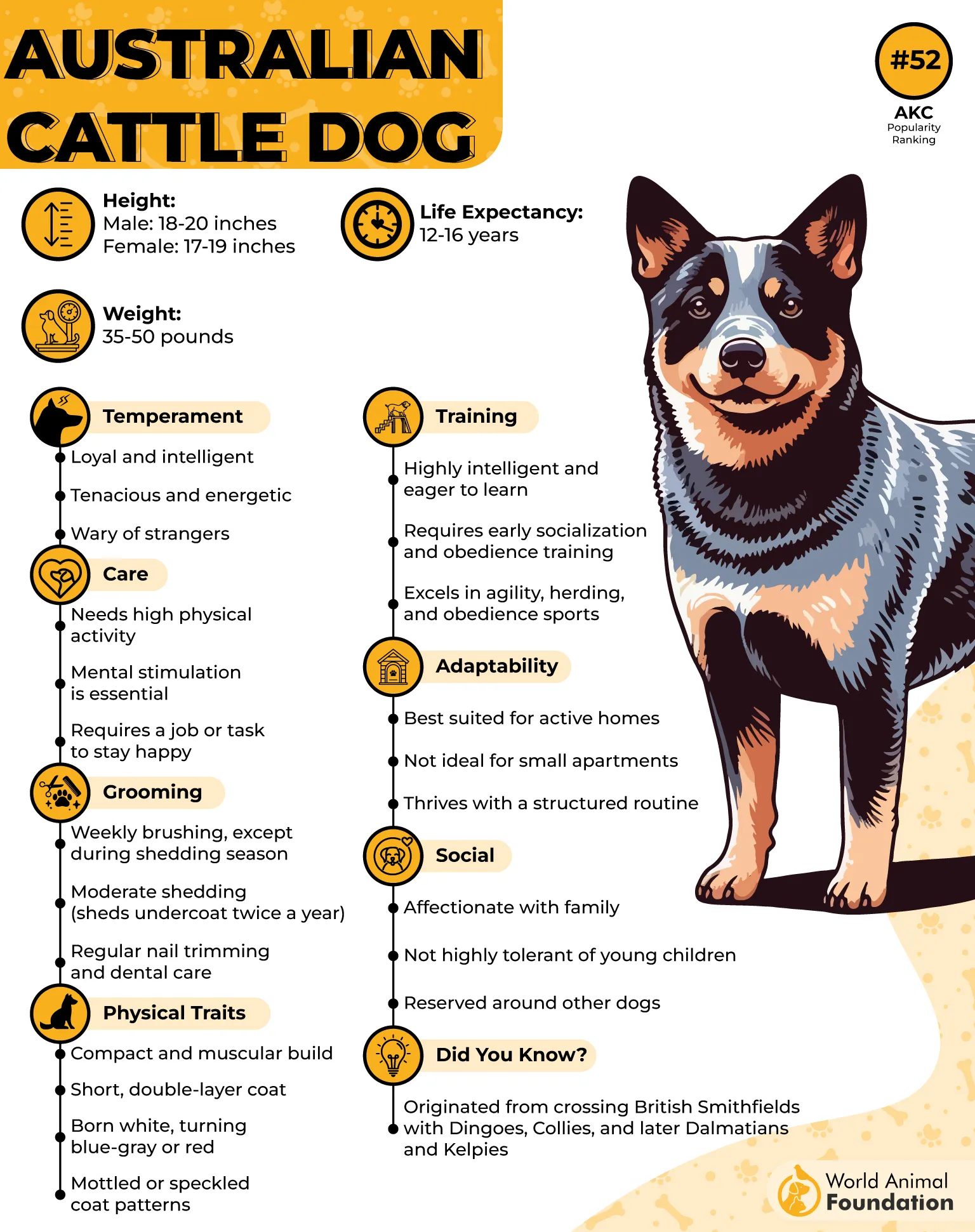
With high energy levels and a working mindset, ACDs need daily physical and mental outlets. In the right environment, they are relentless workers and steadfast protectors—true ranch dogs in every sense.
3. Pembroke Welsh Corgi
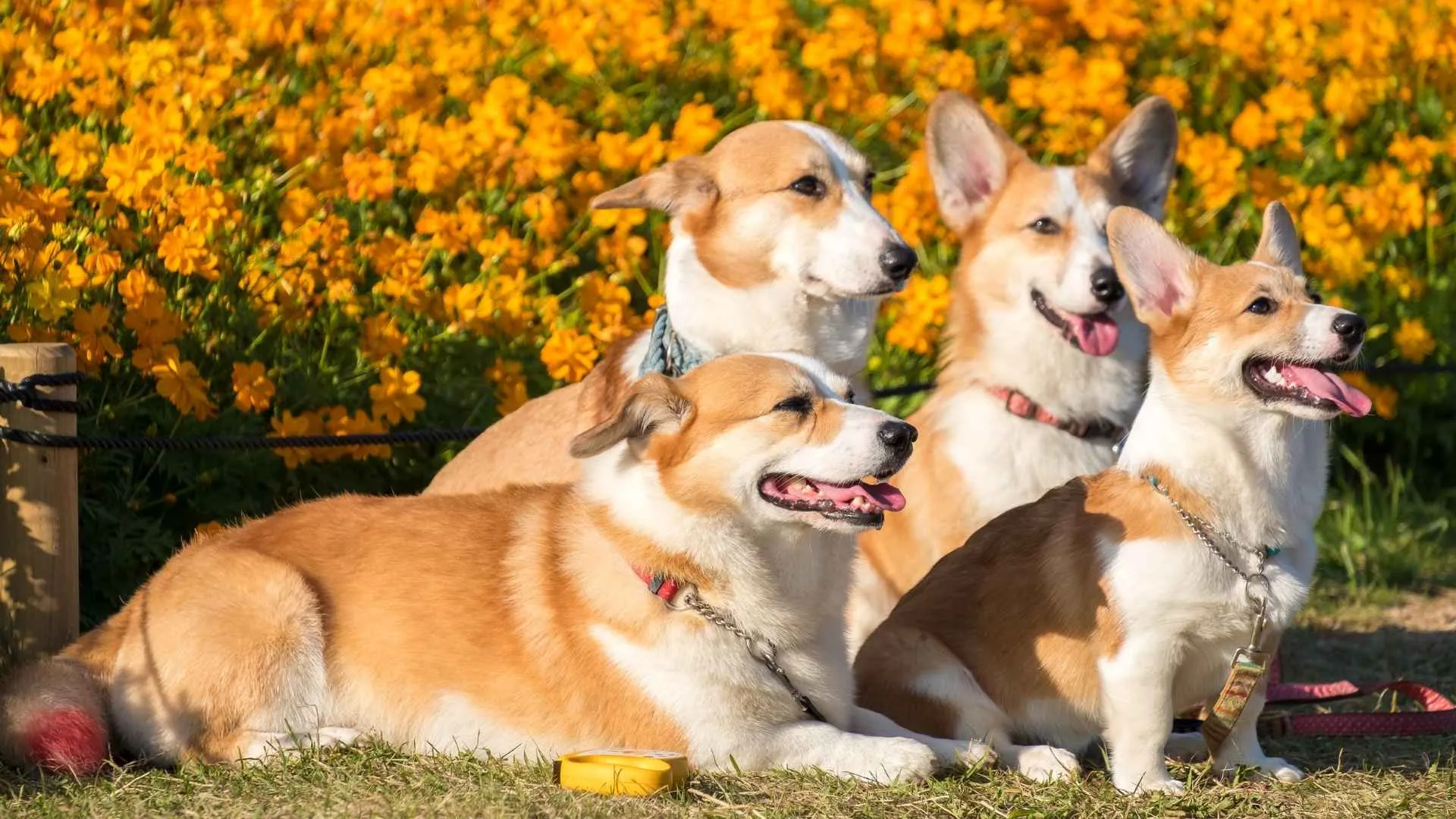
Small but mighty, the Pembroke Welsh Corgi is a historic cattle herder with a big-dog work ethic packed into a compact body. Originally bred in Wales, Corgis were all-purpose farm dogs responsible for herding cattle, guarding property, and alerting farmers to intruders.
Their low stature allowed them to nip at cattle’s heels while avoiding kicks, making them surprisingly effective herders. Even today, Corgis retain strong herding instincts and excel in competitive herding trials and agility sports.
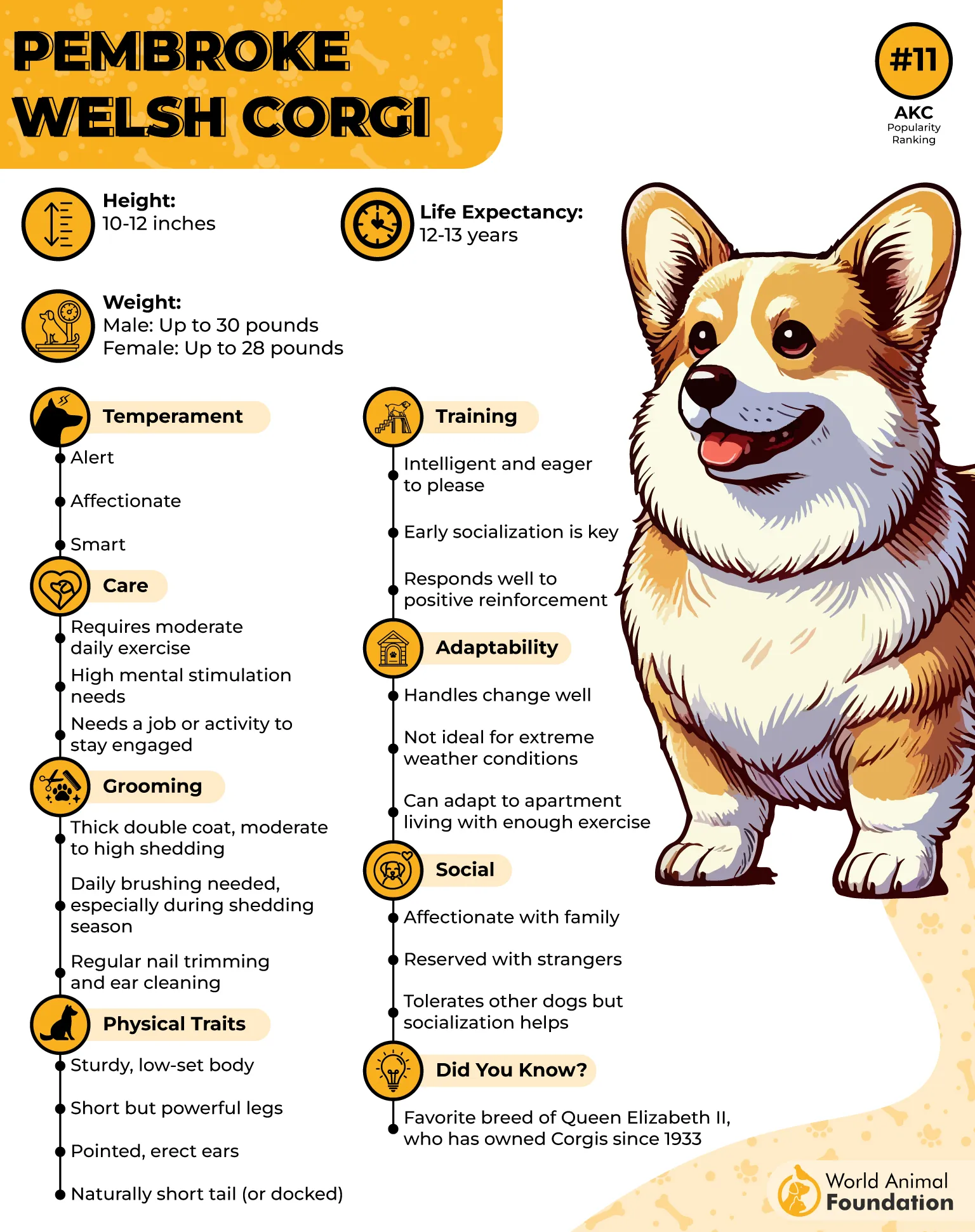
Corgis are naturally alert and vocal, making them excellent watchdogs. While they lack the size for physical protection, their awareness and confidence give them strong deterrent value around the home or farmyard.
They are intelligent and eager to please, though sometimes stubborn. Training must be consistent and engaging to prevent bossy behavior. Mental stimulation is just as important as physical activity.
Despite their popularity as companions, Pembroke Welsh Corgis remain true working dogs at heart. Given proper outlets, they are lively, loyal, and remarkably capable herders with a surprising protective streak.
4. Catahoula Leopard Dog
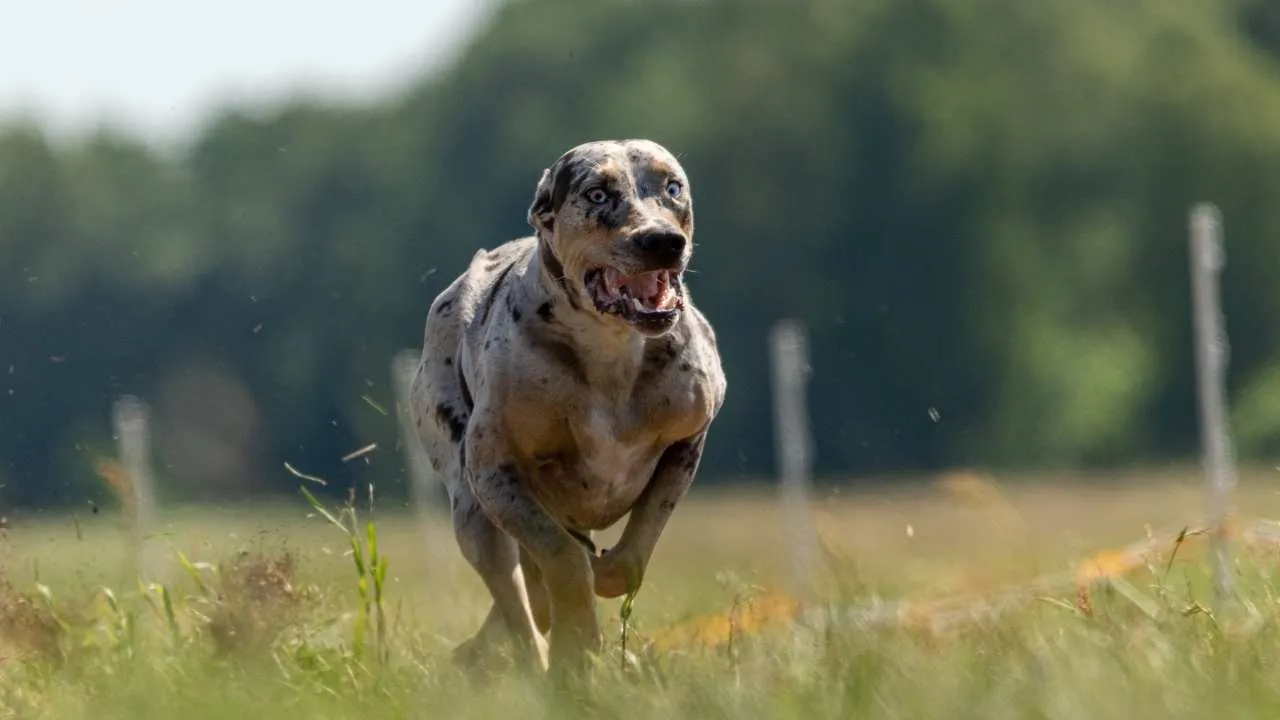
The Catahoula Leopard Dog is a uniquely American working breed developed in Louisiana for herding livestock and hunting feral hogs. Known for their intensity and independence, Catahoulas are powerful, serious working dogs with strong protective instincts.
Rather than traditional herding, PetMD claims that Catahoulas create a “canine fence,” circling and containing livestock so handlers can manage movement efficiently. This method is particularly effective for cattle and hogs in rough terrain where horses are impractical.
These effective farm dogs are territorial and naturally protective, making them excellent property guardians. They are typically affectionate with family but aloof with strangers, a trait that requires early socialization to ensure stability.
Their intelligence and independence mean they need experienced handlers. Without direction, they can become destructive or overly assertive. With structure, they become disciplined and dependable workers.
For ranchers and landowners who need a versatile dog capable of herding, guarding, and independent decision-making, the Catahoula Leopard Dog is a formidable and loyal choice.
5. Belgian Malinois
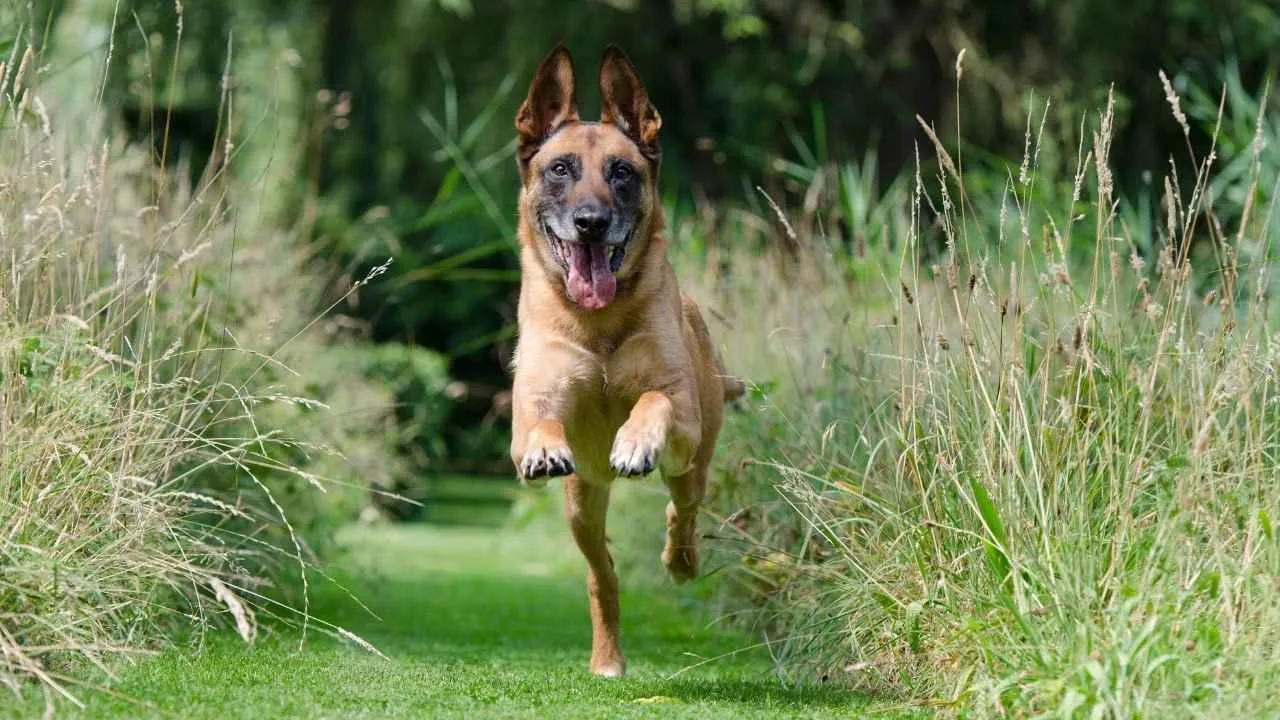
Originally bred for herding sheep in Belgium, the Belgian Malinois has become one of the world’s most respected working dogs. Their speed, intelligence, and drive allow them to excel in herding, protection, and advanced working roles.
As a herding breed, Malinois are fast, precise, and intensely focused. They thrive on structured work and respond instantly to handler commands, making them effective in controlled livestock environments.
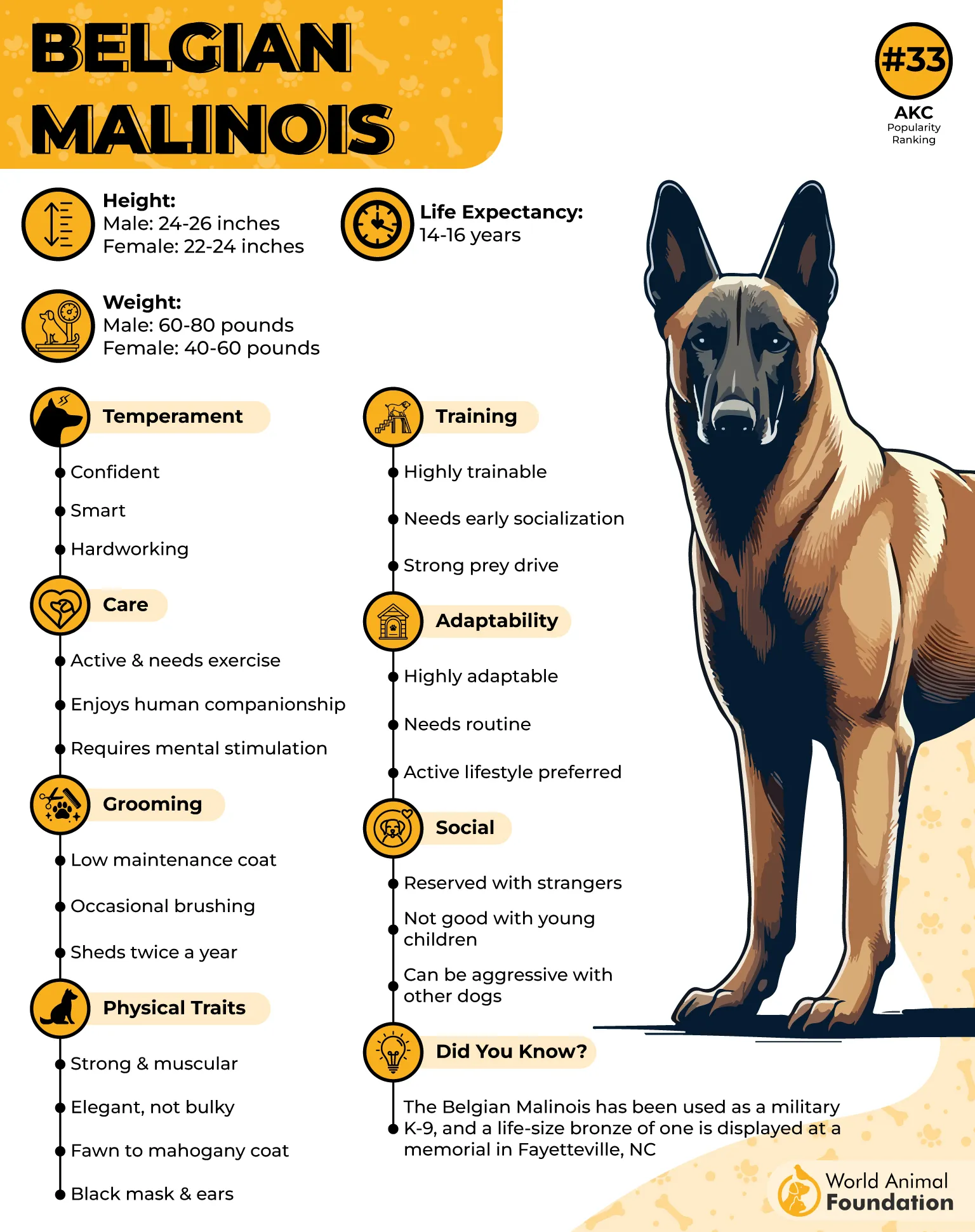
Hillspet claims that their protective instincts are legendary. Widely used in police and military roles, Malinois are highly alert and quick to respond to threats. However, protection training should only be pursued with professional guidance.
This breed requires significant daily exercise and mental engagement. Without it, their intensity can become overwhelming. They are not suited for casual pet homes or idle lifestyles.
In experienced hands, the Belgian Malinois is a powerhouse—capable of herding, guarding, and working at elite levels unmatched by most breeds.
6. German Shepherd
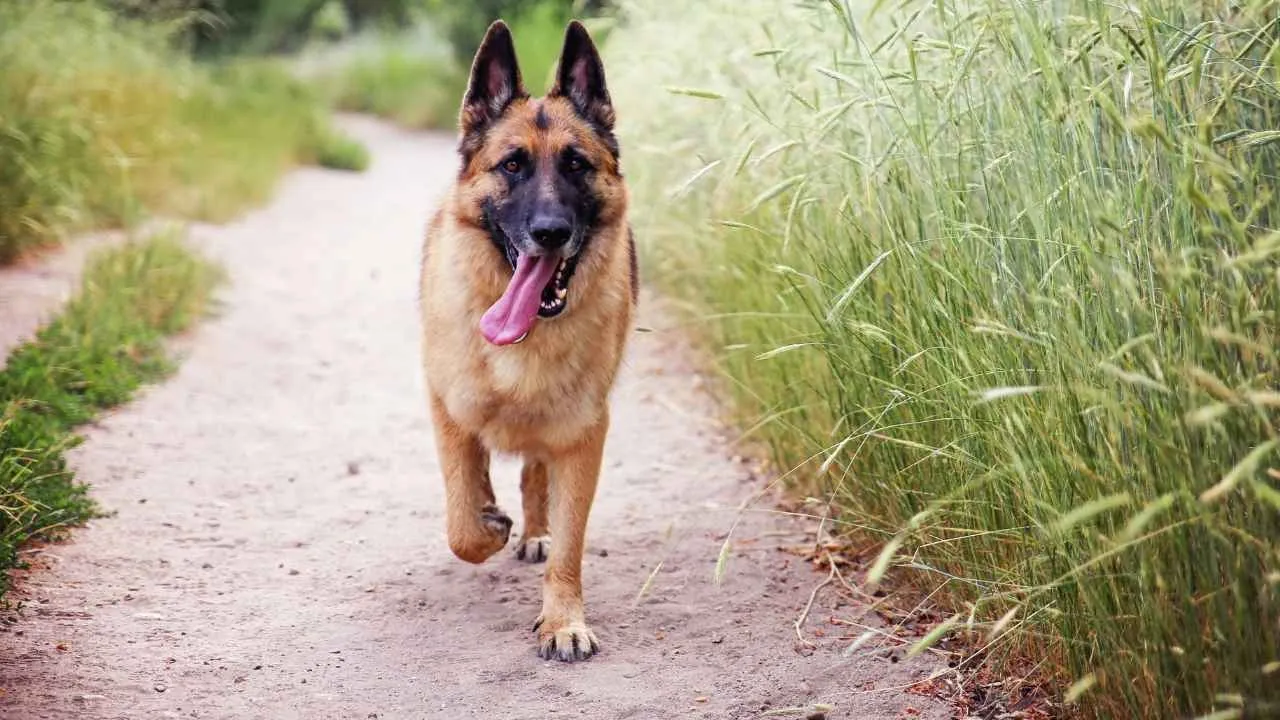
German Shepherds were developed specifically to herd and protect livestock, combining intelligence, strength, and obedience into a single versatile breed. Their work ethic has made them indispensable across numerous industries.
German Shepherds are widely considered one of the best farm dogs due to their unmatched combination of intelligence, versatility, and protective instinct. Originally bred for herding and guarding sheep, they excel at managing livestock while remaining highly responsive to their handler’s commands.
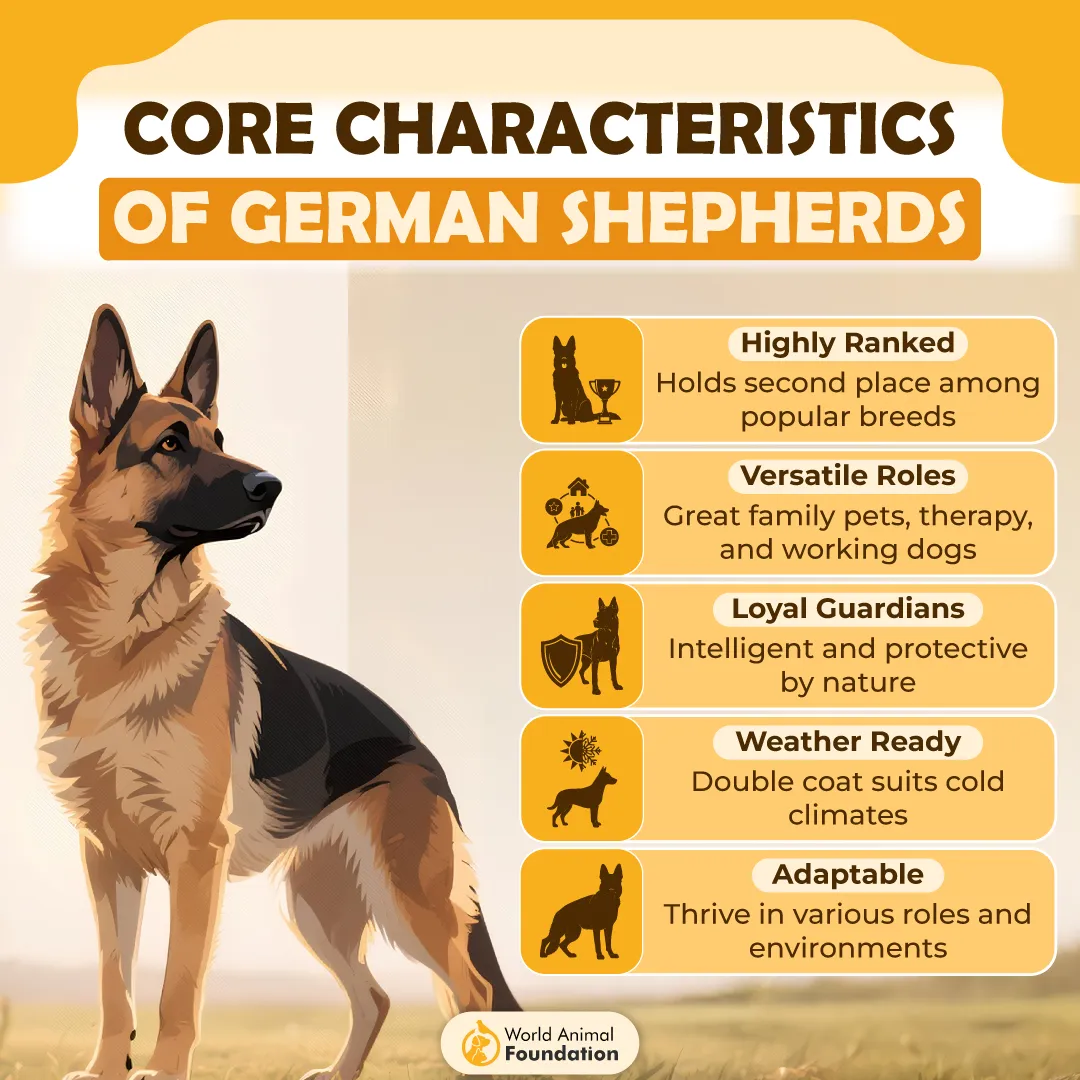
Their natural loyalty and alertness make them outstanding guardians of property, livestock, and family, often deterring predators and intruders simply through their presence.
In herding roles, they manage livestock using speed, presence, and strategic movement. Their ability to think independently while remaining handler-focused sets them apart. Protection is ingrained in the breed. German Shepherds are naturally loyal and territorial, making them exceptional guardians of livestock, property, and family.
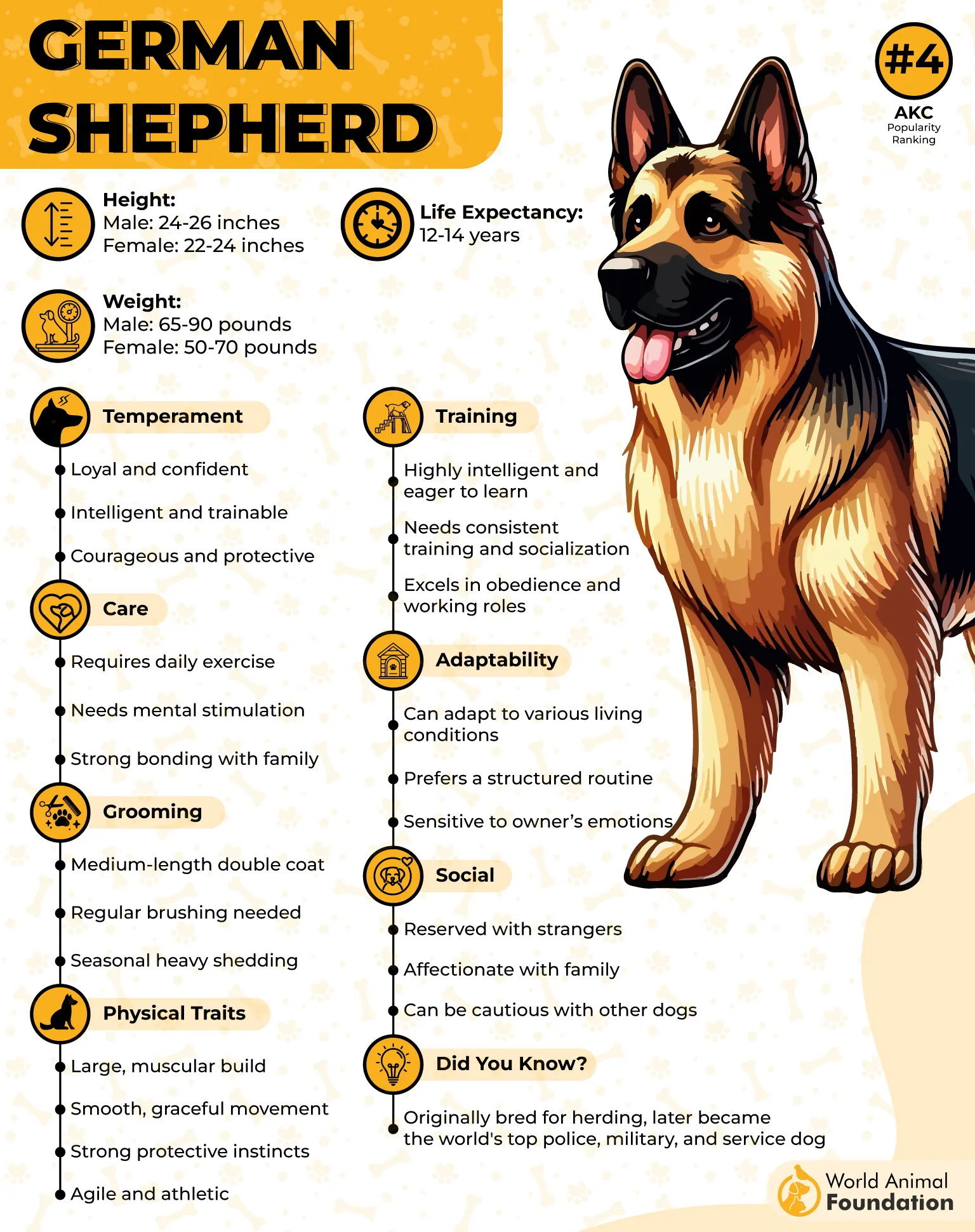
They are highly trainable but require consistent leadership and daily exercise. Without structure, they may develop anxiety or overprotective behaviors.
Few breeds match the German Shepherd’s versatility. Properly trained, they are reliable herders, fearless protectors, and deeply bonded companions.
7. Shetland Sheepdog
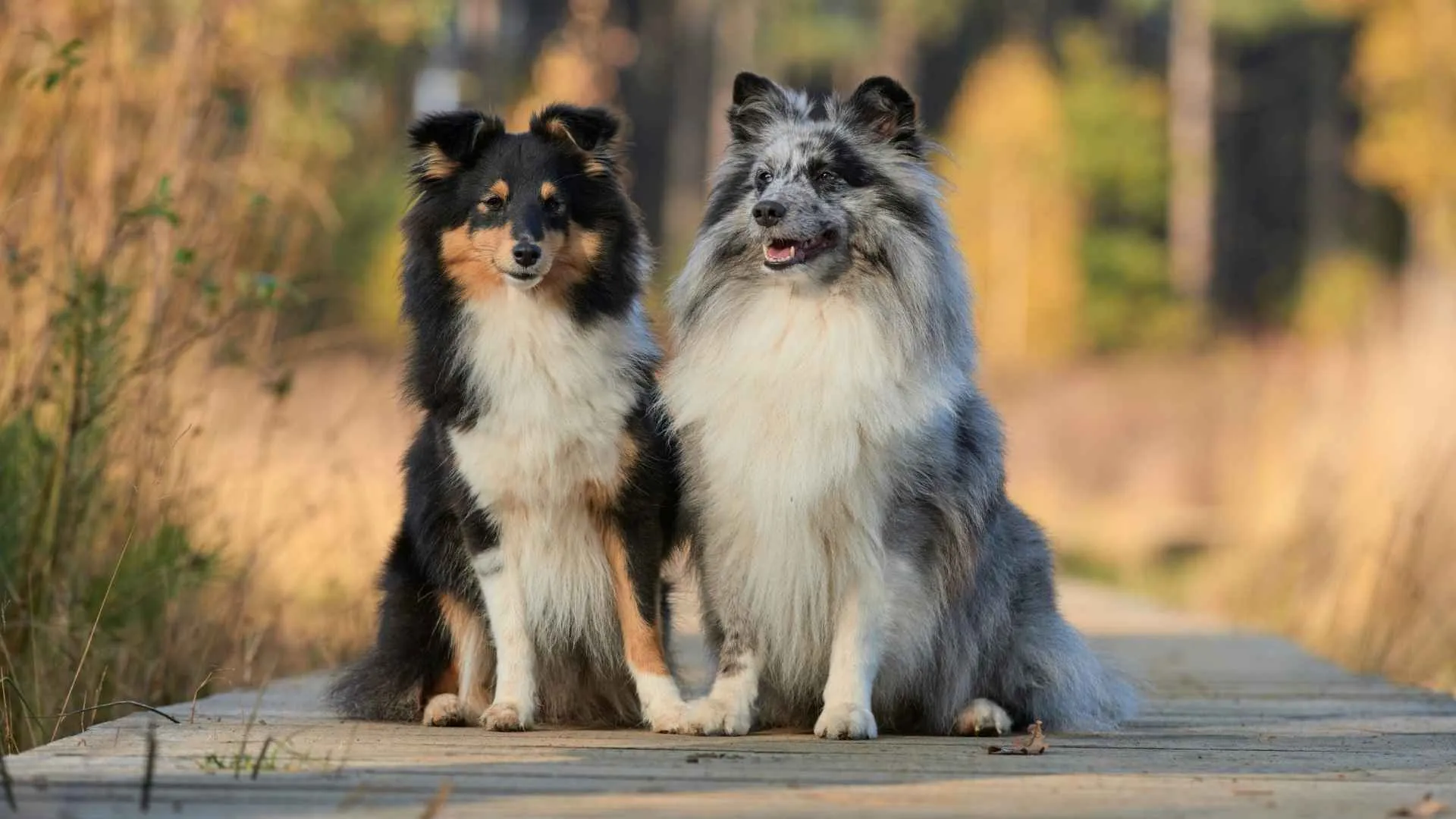
The Shetland Sheepdog, or Sheltie, was bred to herd small livestock in the rugged Shetland Islands. Though smaller than many working breeds, they are exceptional herders due to their intelligence and agility.
This farm dog breed relies on movement, vocal cues, and precision rather than force. They excel at managing sheep, poultry, and ponies, especially in smaller operations.
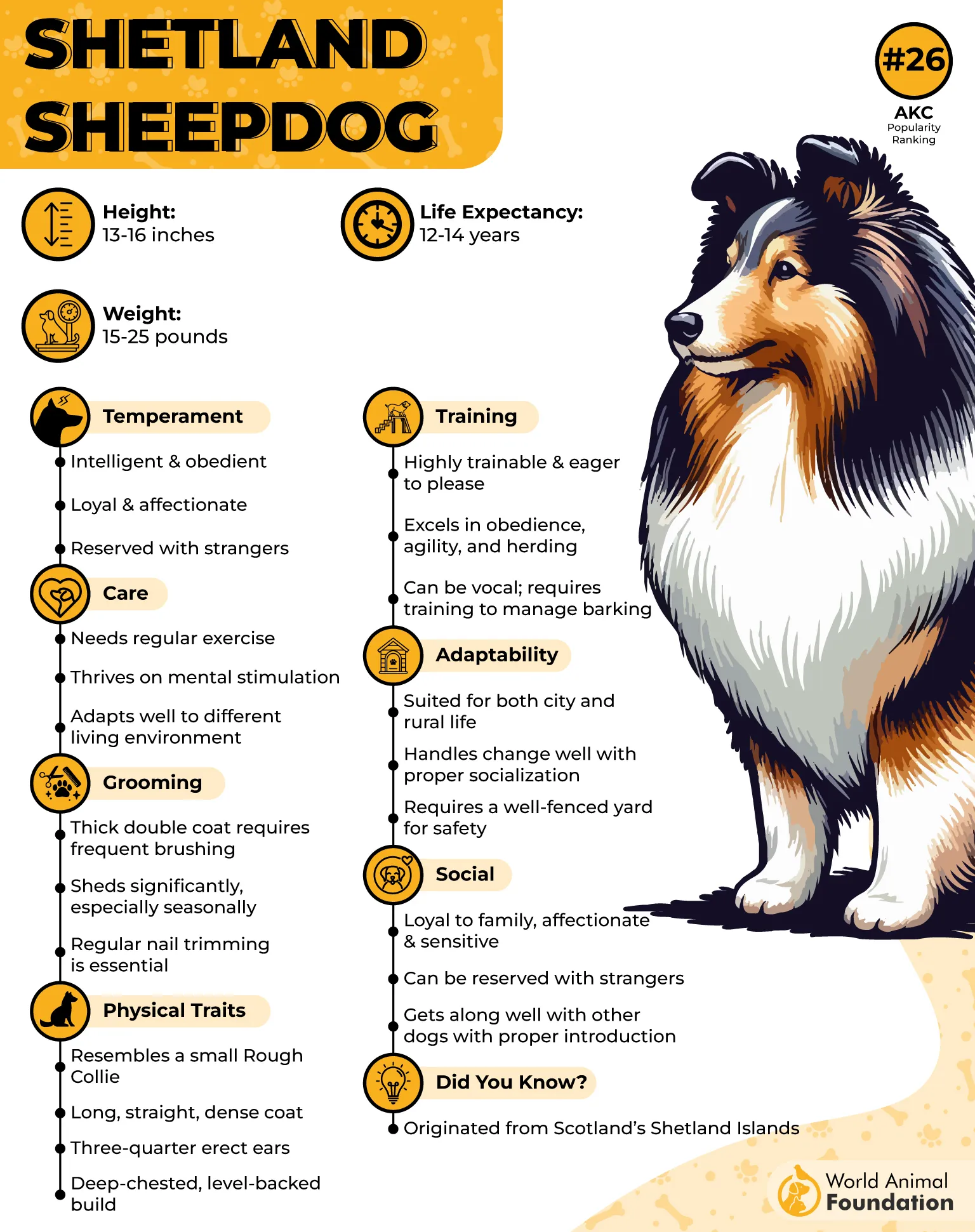
While not guard dogs, AKC says these Shelties are excellent alert dogs. They are highly observant and vocal, quickly notifying owners of unusual activity. Despite their smaller size, these herding dogs possess strong natural herding instincts, using quick movement, keen awareness, and controlled barking to efficiently guide livestock.
They are highly intelligent and responsive to their handler, making them easy to train for herding, obedience, and agility.
While they are not physical livestock protectors, their alert nature makes them excellent watchdogs, and with proper training and mental stimulation, Shetland Sheepdogs remain capable, reliable herders in both farm and modern working or active family settings.
For small farms or active families, the Shetland Sheepdog offers herding ability, loyalty, and intelligence in a compact, highly trainable package.
Conclusion
Versatile herding and livestock protection dogs are not just pets—they are partners. Each breed on this list brings a unique blend of instinct, intelligence, and loyalty shaped by generations of real work.
Choosing the right breed depends on your land, livestock, experience, and lifestyle. These dogs thrive when given purpose, structure, and respect for what they were bred to do. Border Collies, Great Pyrenees, Belgian Sheepdogs, Polish Lowland Sheepdogs, and Anatolian Shepherds are also among the best farm dog breeds.
When matched correctly, they don’t just protect animals—they protect livelihoods, families, and traditions. And they do it with heart, grit, and unwavering devotion.
