




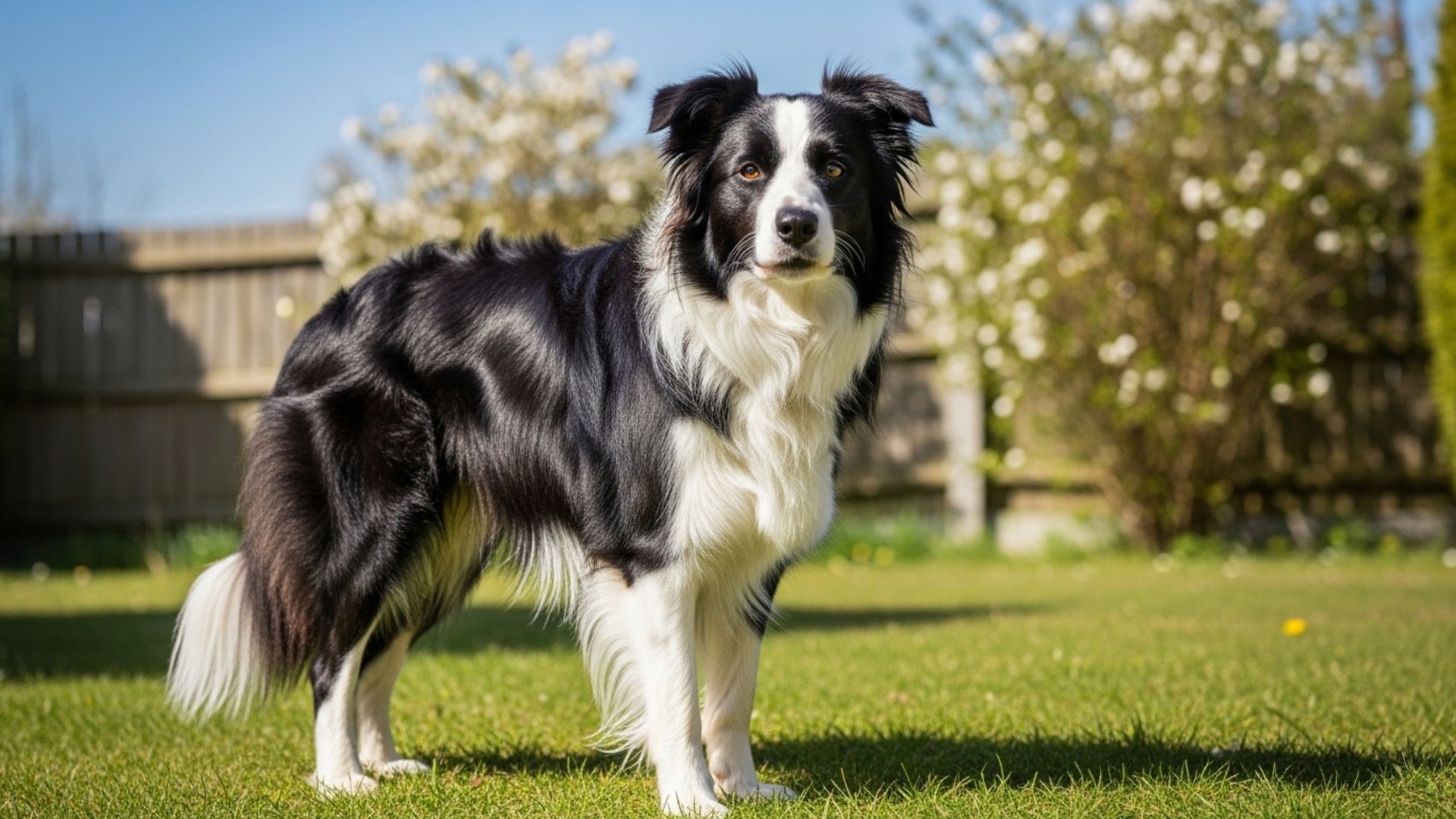
Watching a dog grow old with grace is one of the quiet privileges of life. Strong joints that still rise easily, clear eyes that remain curious, and a body that keeps pace with daily routines year after year.
Health like that is not accidental. It is shaped by genetics, structure, and balance that allow a dog to age without constant struggle. Long-lasting dog breeds are valued not because they avoid illness entirely, but because they are built to endure life steadily and comfortably.
Fewer chronic issues, stronger immune systems, and resilient bodies mean more years spent living, not recovering. For families, this translates into deeper bonds, fewer medical emergencies, and a shared life that feels uninterrupted.
This article explores what makes certain dogs healthier for longer, how that durability shows itself over time, and why choosing wisely can change the entire rhythm of life you share.
Key Takeaways
Some dogs seem to defy time, staying active, alert, and full of energy well into their teens.
Australian Shepherds and Australian Cattle Dogs carry energy and focus that support long-term health, while Rat Terriers stay agile and sturdy well into adulthood.
Toy Poodles and Chihuahuas prove that mental sharpness and resilience are just as important as physical strength.
Reading through these seven breeds reveals which dogs combine durability, vitality, and lifelong companionship.
7 Long‑Lasting Dog Breeds Known for Their Health
1. Poodle

Poodle is highly intelligent and excel at learning both simple commands and complex tricks with ease. This mental sharpness contributes to its long-term health by keeping the dog engaged and responsive throughout life. Toy Poodles, in particular, combine small size with a surprisingly robust disposition.
Longevity and Resilience
With a life expectancy of 10 to 18 years, the breed is among the longest-living dogs, especially in the Toy variety. Their intelligence and adaptability support physical and mental well-being as they age.
Qualities that highlight their longevity include:
Quick learning of routines and signals
Adaptable response to changing environments
Strong memory for tasks and cues
Health-Minded Habits
Despite a long lifespan, Poodles may face specific small-dog health concerns like dental issues, luxating patellas, or eye problems. Routine care, mental stimulation, and structured activity contribute to sustaining their vitality. A balanced lifestyle helps preserve the physical and cognitive benefits of their naturally active nature.
2. Border Collie

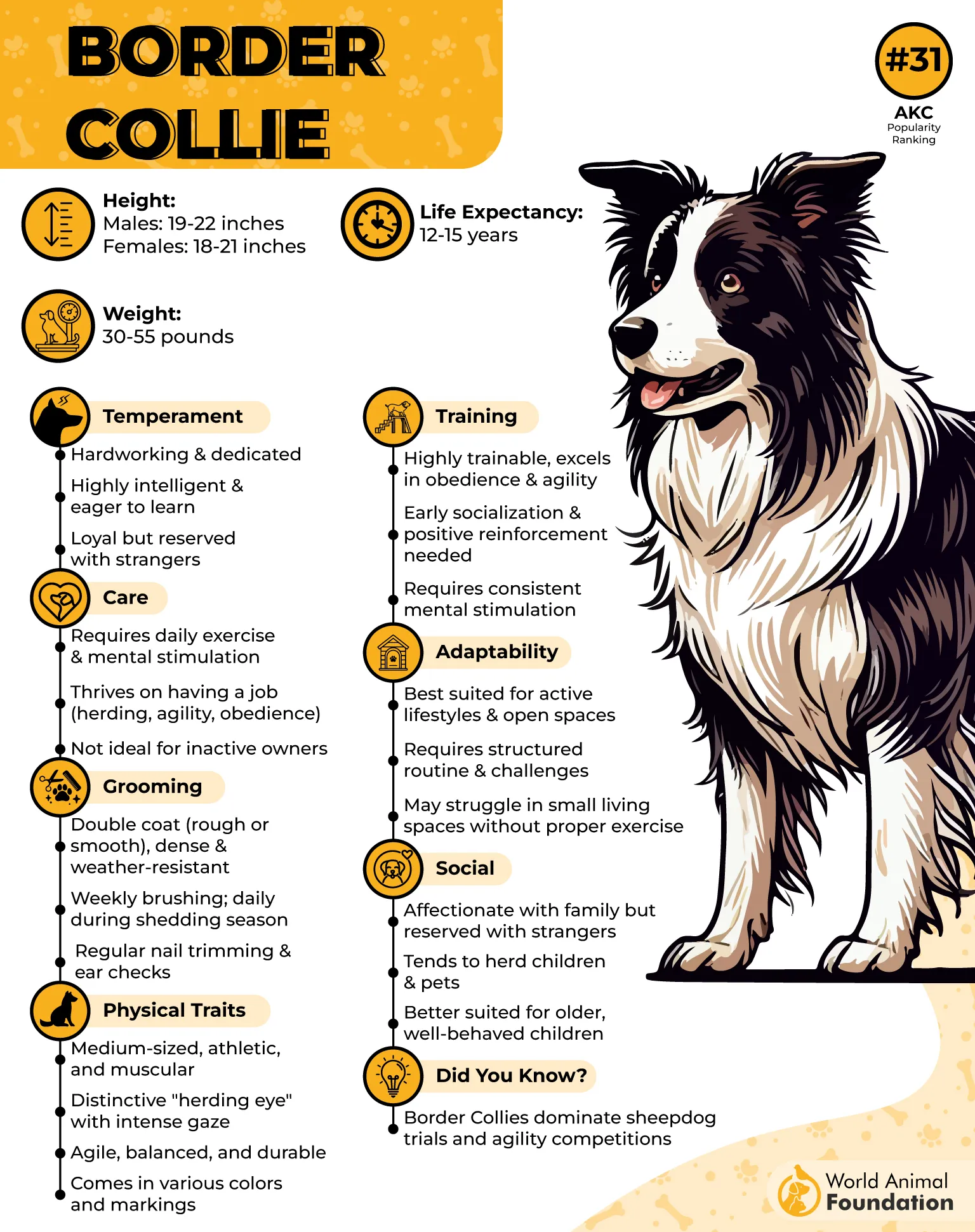
Border Collies are highly intelligent herders with an intense gaze known as the ‘herding eye,’ which guides their movements with exact focus, as per the AKC.
Their medium-sized, muscular build supports agility, balance, and long-term stamina. With a lifespan of 12 to 15 years, their structure and energy contribute to durable health.
Health and Longevity
These dogs benefit from naturally strong bodies and mental resilience, which make them among the hardiest working breeds. Proper care and routine monitoring help prevent common issues like ear infections or dental problems.
Key factors supporting a Border Collie’s long life include:
Regular physical and mental activity
Routine ear and dental care
Screening by responsible breeders
Coat Protection and Care
The breed’s smooth or rough coat shields them from weather extremes and minor injuries while outdoors. Maintaining hygiene and monitoring for early signs of illness helps maximize their vitality. Responsible breeding practices further reduce genetic health risks, supporting a long and robust life.
Note: Hip and ophthalmology evaluations recommended by the National Breed Club ensure the breed maintains strong joints and vision, key to sustaining long-term health.
3. Chihuahua

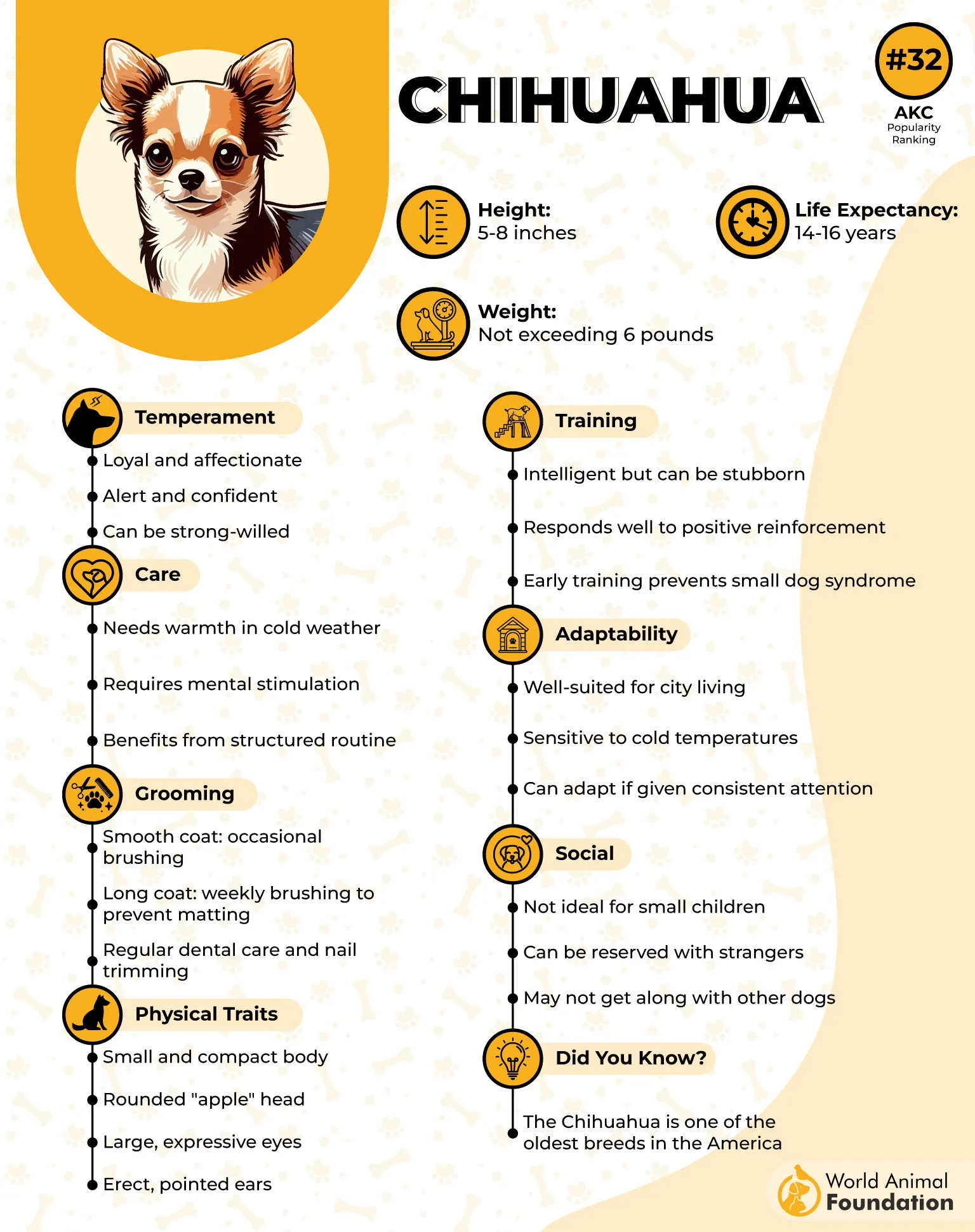
Chihuahua developed in Mexico as a compact breed with a naturally resilient build. Despite being the smallest dog breed, it is widely recognized for its physical durability over the years. A typical lifespan of 14 to 16 years places this breed among the longest-living companion dogs.
Health Profile Over Time
Overall wellness in Chihuahuas is supported by a sturdy constitution and efficient body structure. National breed guidance highlights specific health screenings that help preserve long-term soundness.
A few markers often linked to their sustained health include:
Patella evaluations to monitor joint stability
Cardiac exams to track heart function
Early detection of age-related changes
Alertness and Longevity
Mental sharpness plays a role in how this breed maintains vitality well into later years. Chihuahuas remain attentive to their surroundings, which often encourages consistent movement and engagement, as PDSA notes. That ongoing alertness supports both cognitive health and daily physical balance.
4. Papillon

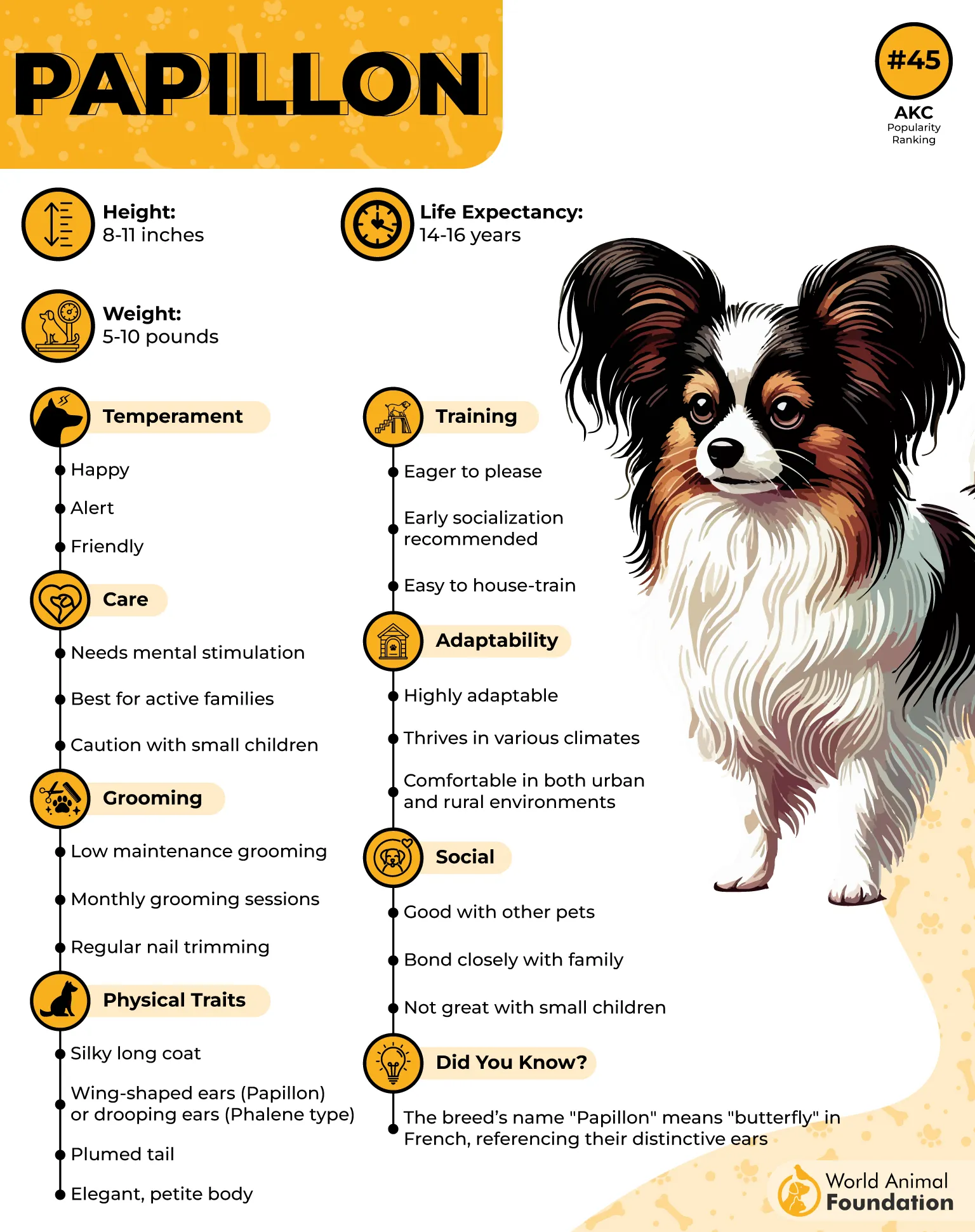
Papillon is known for its fine bone structure and efficient movement, traits often associated with durability in small breeds. The breed’s name comes from its butterfly-like ears, a feature documented in French toy spaniel history. That physical balance places Papillon among living dog breeds recognized for steady aging.
Health Stability Over Time
Papillon maintains energy and responsiveness across years, a pattern frequently linked to its sound overall health. It is commonly reported to live between 14 and 16 years, placing it among longer-living companion dogs.
These specific factors tend to shape that long-term stability.
Naturally low incidence of systemic illness
Strong recovery after routine veterinary care
Predictable health patterns across adulthood
Known Areas to Monitor
Papillon health discussions commonly highlight dental disease as an area that benefits from early attention. Luxating patellas are also noted, particularly in active individuals within small breeds. Awareness of these points helps pet owners plan preventive care rather than reactive treatment.
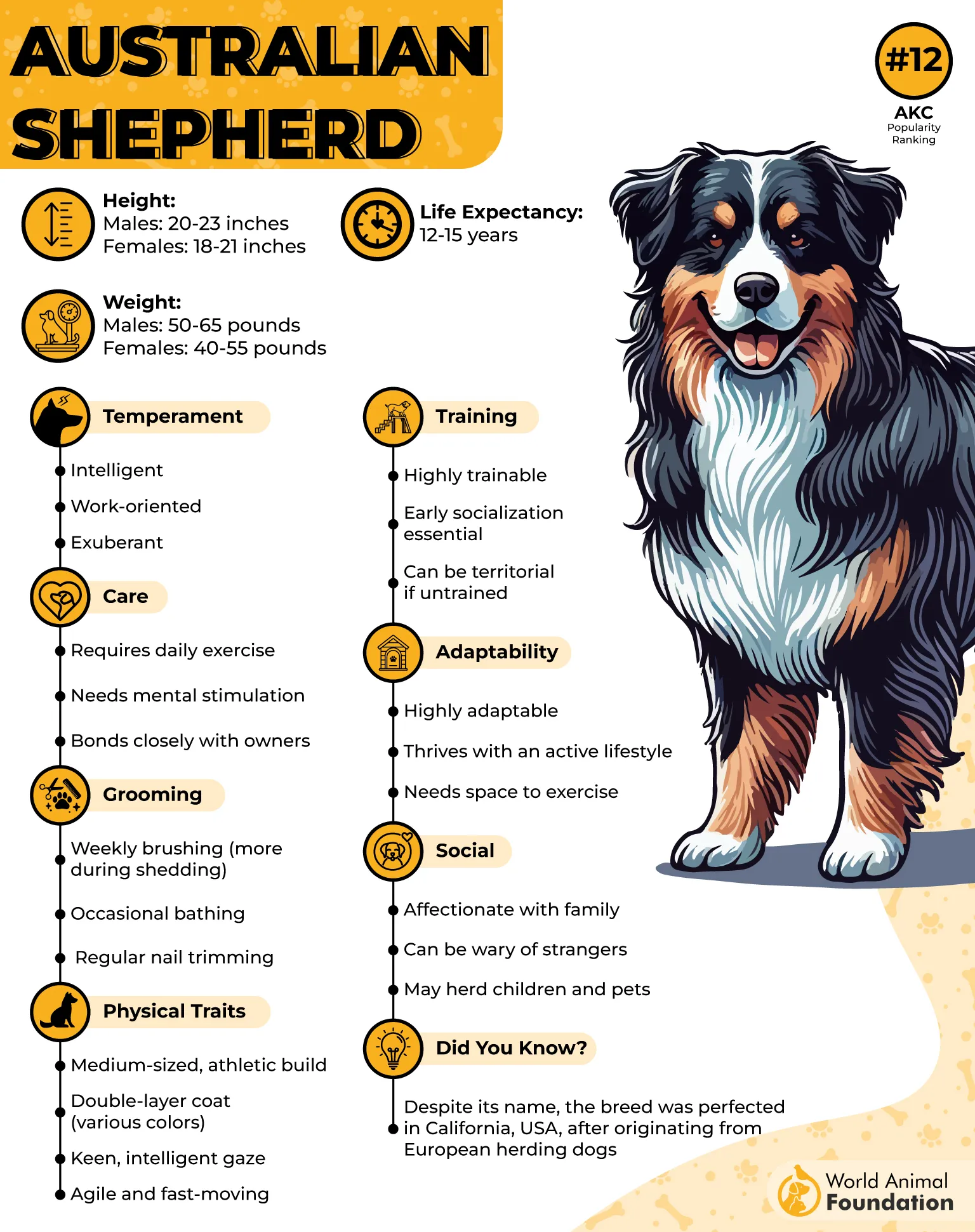
5. Australian Shepherd

Australian Shepherd is known for exceptional problem-solving shaped by generations of herding work. This mental engagement supports consistent routines that reduce stress-related health decline over time. Such stability explains why the breed is often discussed among the longest living dog breeds.
Physical Soundness
Australian Shepherd maintains an athletic structure that supports long-term mobility when properly managed. That balance plays a role in sustaining health across a lifespan that commonly reaches 12 to 15 years.
A few factors quietly support this pattern:
Efficient, coordinated movement
Strong recovery after sustained activity
Balanced energy use across the day
Weight and Longevity
Australian Shepherd benefits from maintaining a healthy weight due to its active build and joint reliance, as Royal Canin claims. Excess strain over time can amplify known orthopedic concerns within the breed. Thoughtful daily management supports long-term resilience rather than short bursts of performance.
6. Australian Cattle Dog
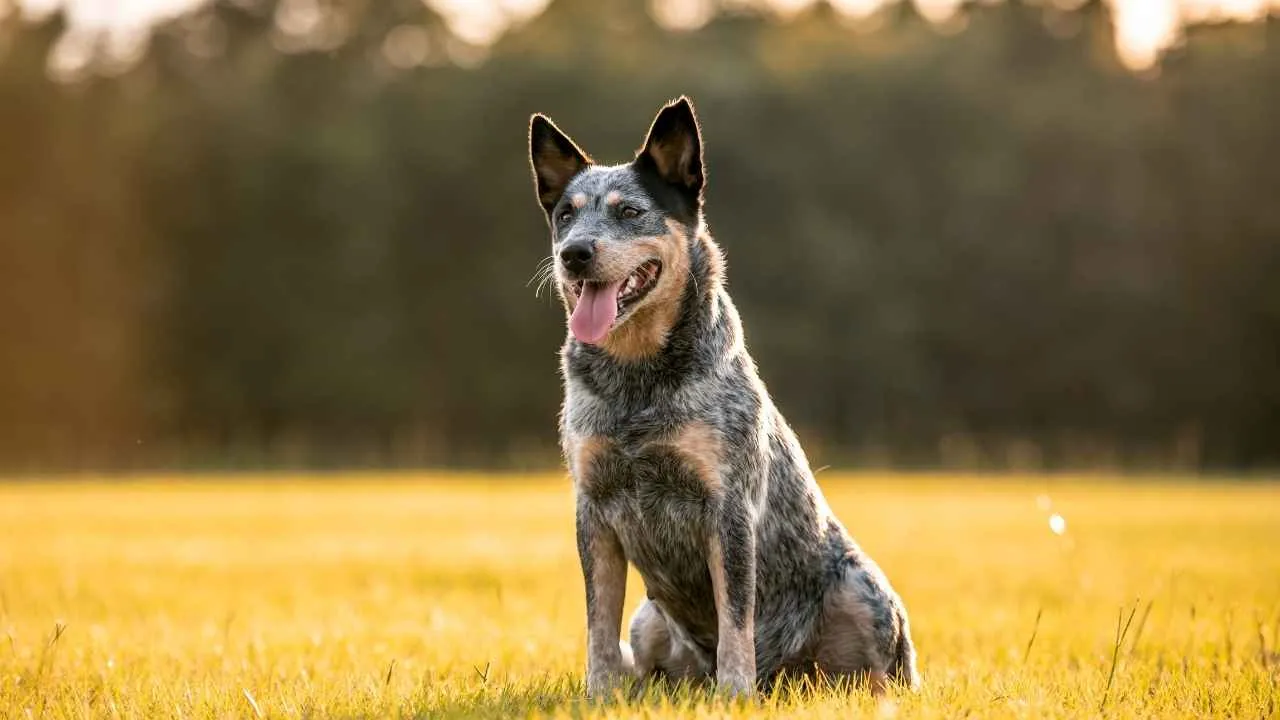
Australian Cattle Dog is a medium-sized working breed known forits intelligence and high energy. Its quick reflexes and sharp focus allow it to handle physically demanding tasks without strain. This natural agility contributes to overall resilience and long-term vitality.
Longevity and Health Focus
The breed enjoys a remarkable life expectancy of 12 to 16 years, reflecting its hardiness when provided proper care. Pet parents should note that hip dysplasia and progressive retinal atrophy are the main health concerns.
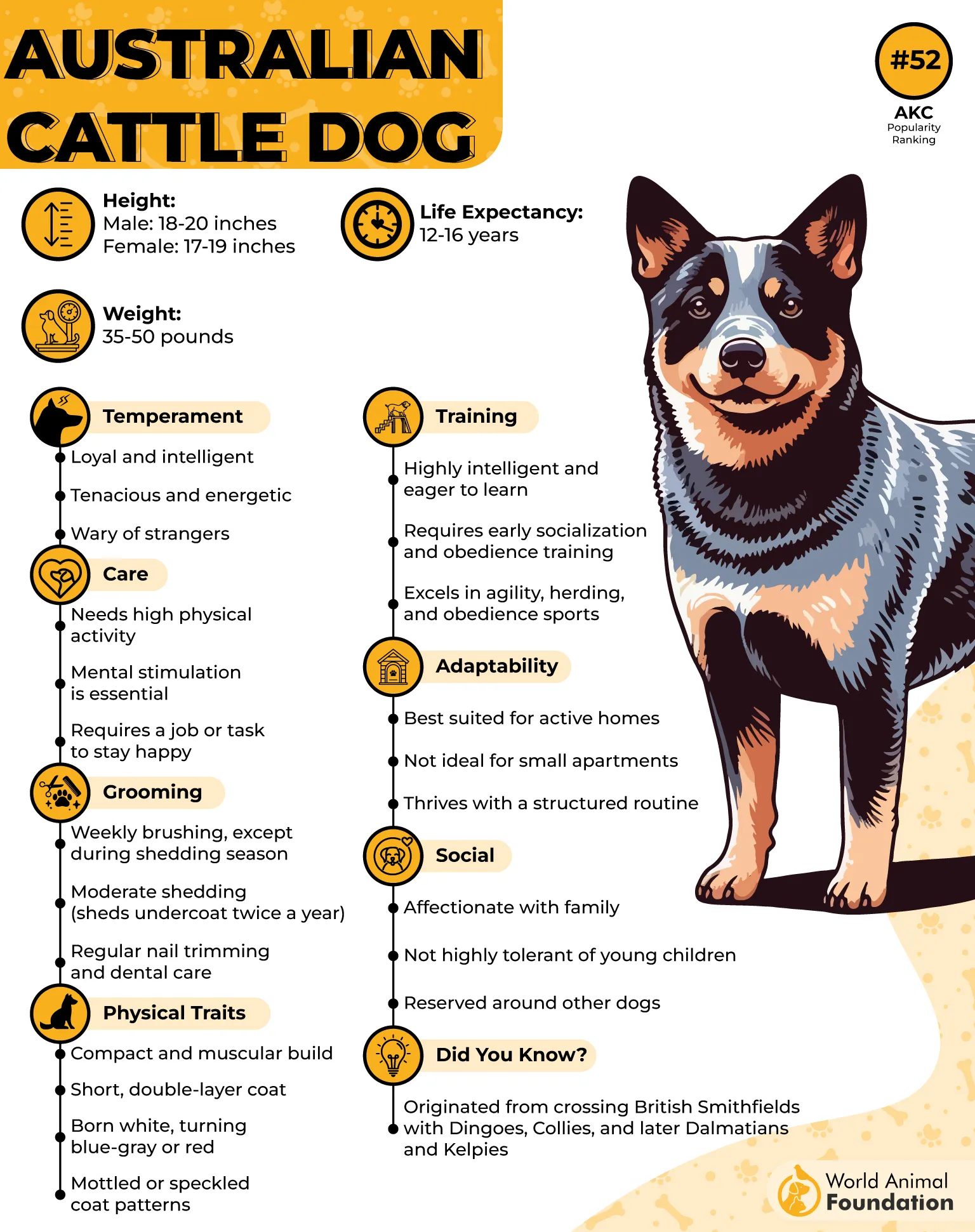
These few traits support a long, active life:
Strong endurance for outdoor work
Rapid recovery from physical activity
Keen sensory awareness for environmental changes
Lifestyle and Wellness
Australian Cattle Dogs thrive when engaged with tasks and outdoor activity, which helps maintain a healthy weight and joint support. A balanced, healthy diet complements exercise to prevent common age-related issues. Early attention to eyesight and hip health can extend overall quality of life.
7. Rat Terrier
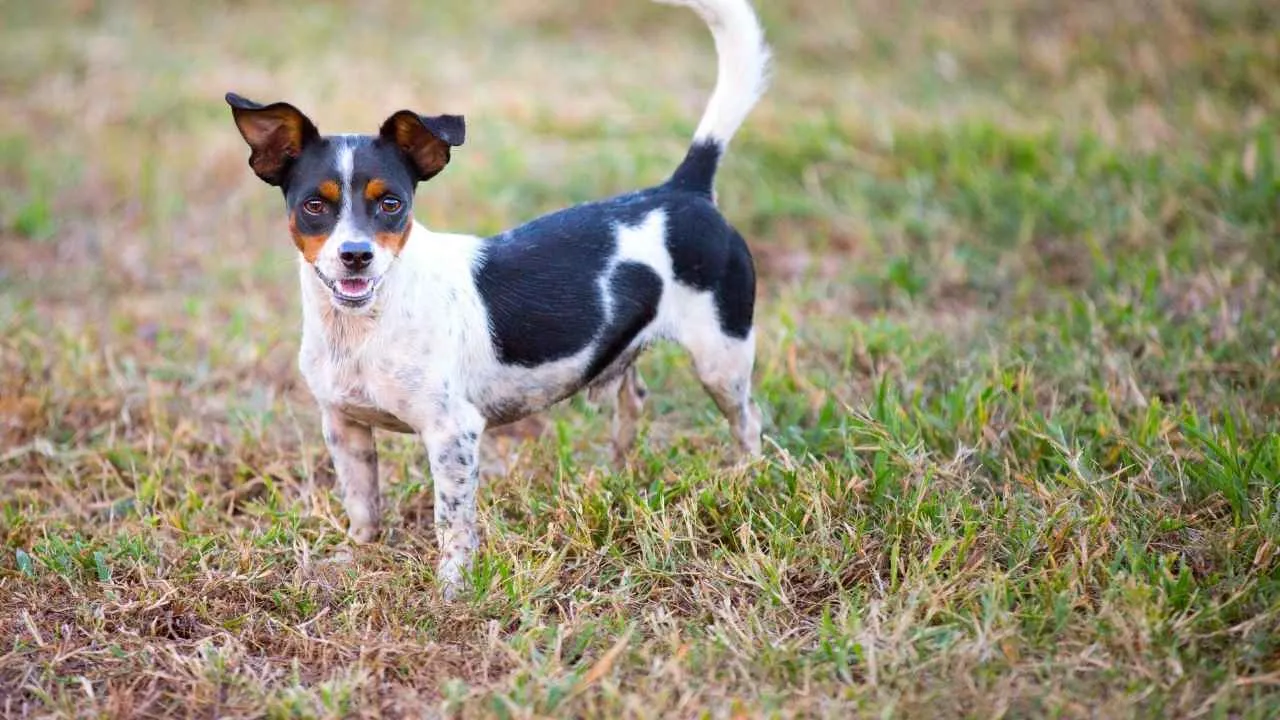
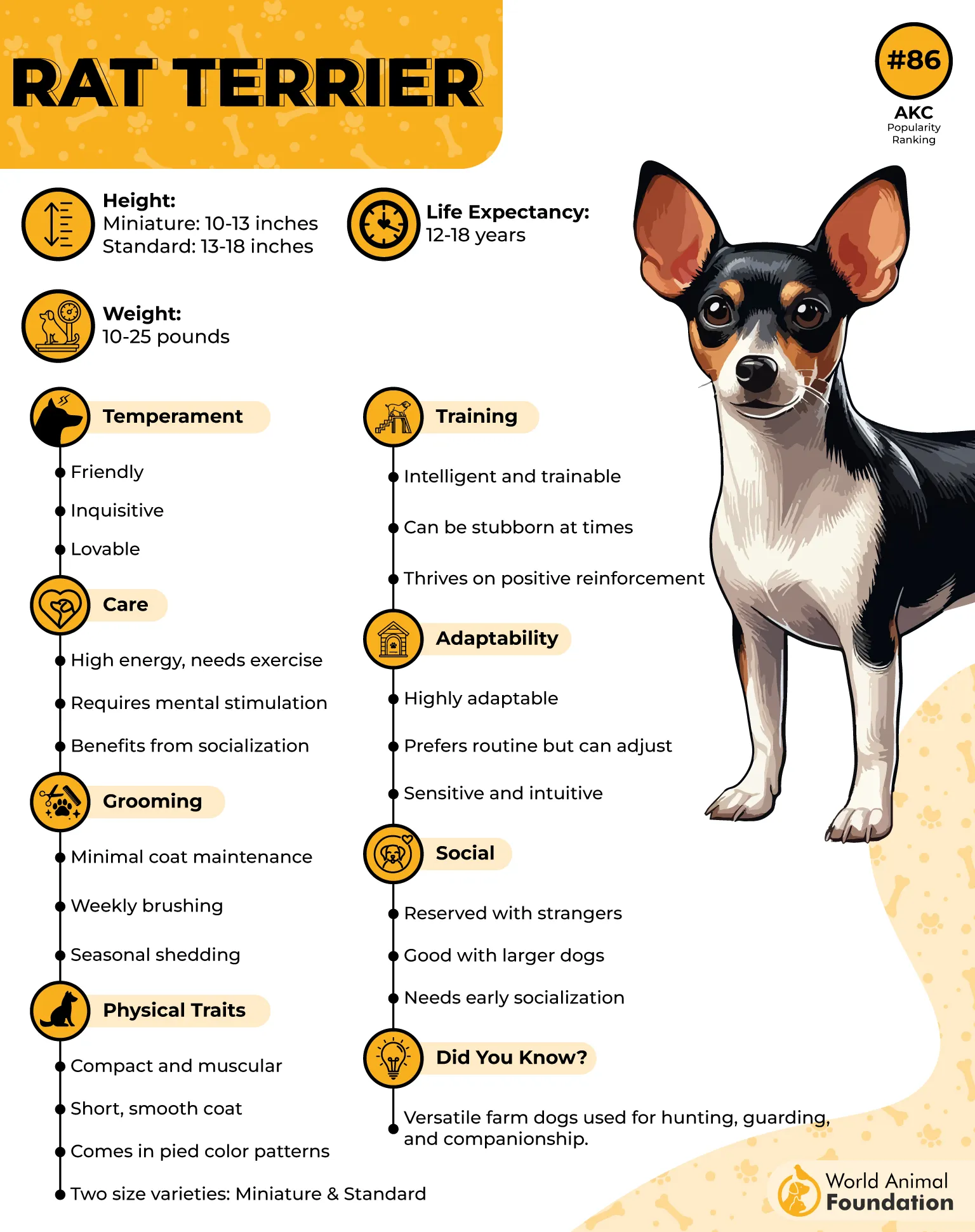
Rat Terrier is an American original, known for its compact, smooth-coated body built for agility and stamina. Playful and balanced, this breed maintains toughness in a small frame while remaining highly active. Its energy and sturdy build contribute to an overall healthy lifestyle from puppyhood through adulthood.
Enduring Health Traits
The breed is generally very healthy, with natural resilience that supports longevity and consistent activity. Their robust condition is strengthened by recommended health screenings, keeping genetic issues in check.
These qualities make them reliable companions for active households:
Patella evaluation for joint stability
Hip evaluation to support movement
Cardiac exam for long-term heart health
Lifespan and Well-Being
Rat Terriers typically enjoy a long life, often living into their mid-teens, supported by overall soundness and strong constitutions. Regular activity, combined with attention to their health screenings, keeps them energetic and disease-resistant.
Conclusion
Longevity in dogs rarely happens by chance. The healthiest dog breeds tend to combine sound structure, mental engagement, and steady care across every stage of a dog’s life. From small companions to large breeds, these dogs show how resilience grows through balance rather than extremes.
Energetic dogs benefit most when activity matches their natural design, not excess. With routine checkups and mindful daily habits, many become dependable family pets for years longer than expected. What truly sustains them is consistency, where thoughtful breeding, responsible ownership, and daily interaction quietly support strength well into later years of enduring health and calm.
