




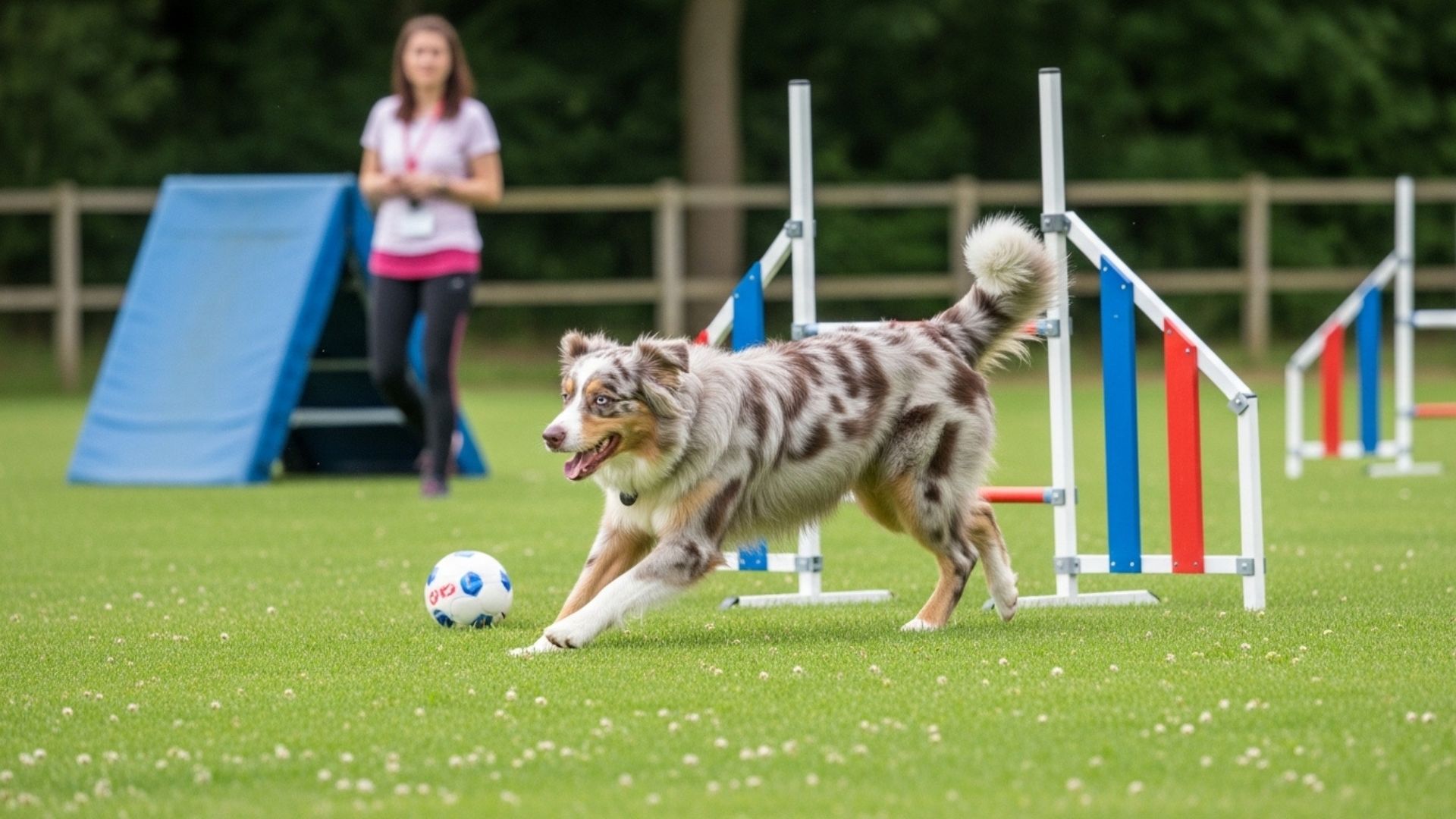
Some dogs move through space with intention. Their bodies respond before hesitation appears, their focus sharpens the moment a task begins, and their energy channels itself into motion that feels purposeful.
Elite agility dogs do not simply run courses. They understand them. They read signals, anticipate direction, and adapt without confusion. This is why some dogs master agility training faster than others, not because of luck, but because their instincts align with the demands of precision movement.
For owners, trainers, and competitors, this difference becomes clear within weeks of training. Progress appears smoother, learning curves shorten, and confidence builds on both ends of the leash.
This article explores what separates elite agility learners from the rest, how their traits accelerate mastery, and what that means for training expectations and performance potential.
Key Takeaways
High energy, quick thinking, and flawless coordination define the dogs that truly shine in agility.
German Shepherds and Australian Shepherds respond to challenges with precision, showing how focus and athleticism come naturally to them.
Whippets and Shetland Sheepdogs move like lightning, changing direction instantly while keeping balance and rhythm on every obstacle.
By the end, you’ll discover all seven breeds that transform agility into art and make training look effortless.
Elite Dog Breeds That Master Agility Quickly
1. German Shepherd
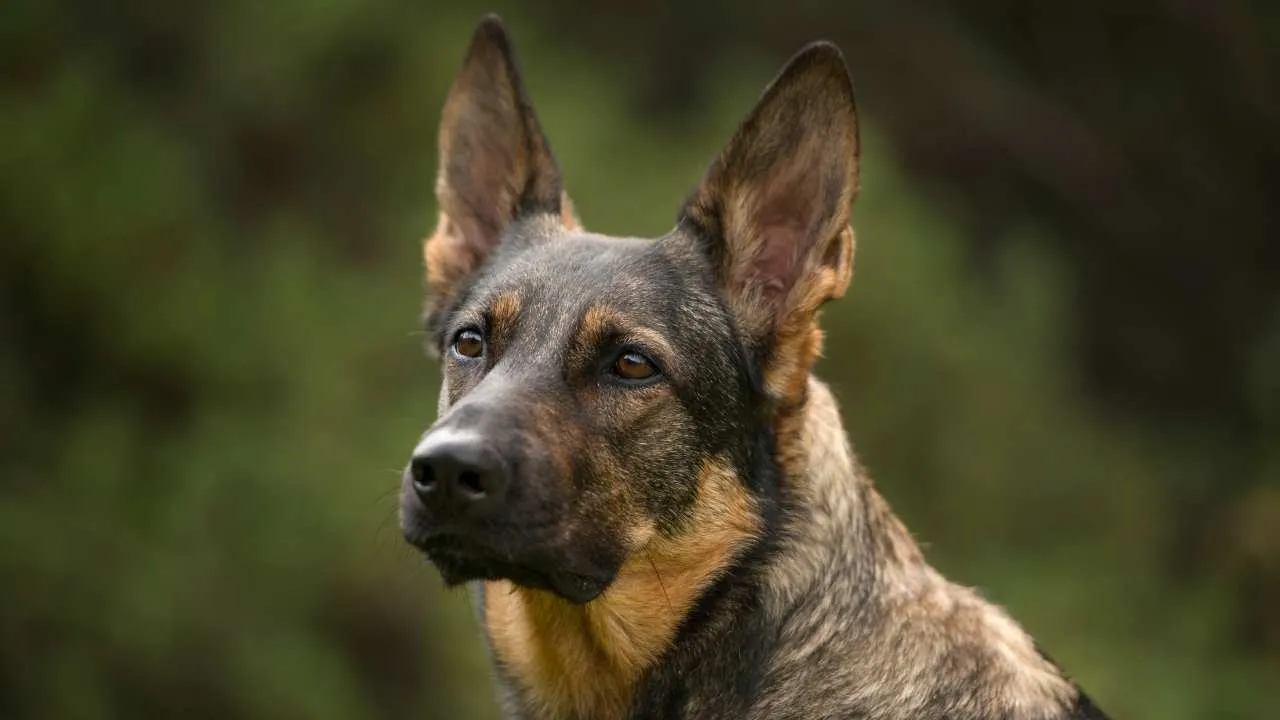
German Shepherds are large, muscular dogs known for their intelligence and high energy. Their agility allows them to respond quickly to complex tasks and move efficiently across any terrain. Confidence and bravery make them capable of mastering challenging activities with consistent guidance.
Energy in Motion
As part of the herding group, German Shepherds thrive on having a job or outlet for activity, which keeps them alert and sharp.

Their abilities highlight specific strengths:
Quick learning of commands
Efficient coordination during movement
High endurance for sustained tasks
Active and Versatile
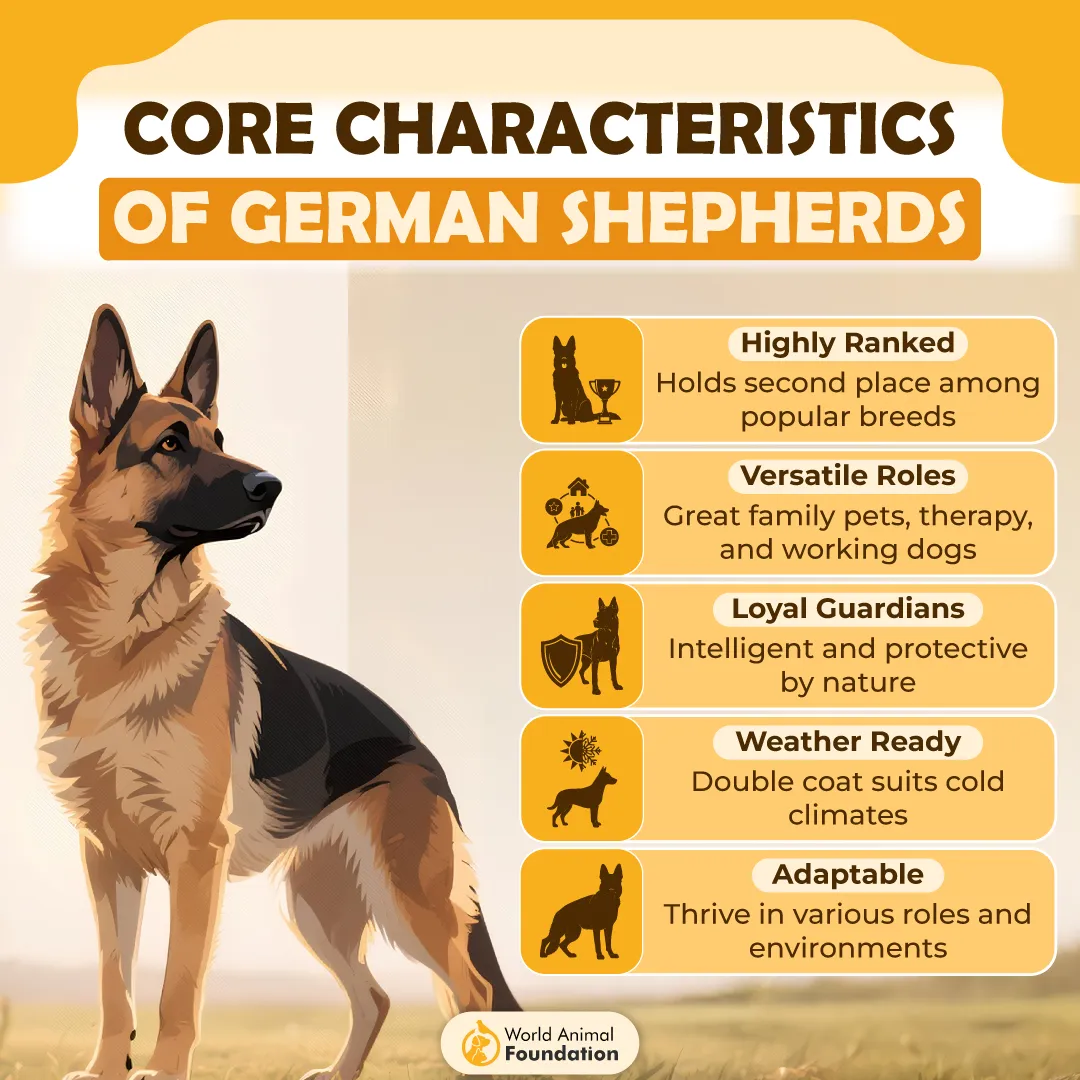
German Shepherds enjoy tasks like herding, tracking, agility, and nose work, showing how multi-talented they are, as PetMD stated. Their physical and mental abilities allow them to tackle complex routines without losing focus. Structured engagement ensures their potential is fully realized in any demanding activity.
Note: Early training and socialization are essential to develop their confidence and precision in new challenges, supporting agility and task mastery.
2. Rat Terrier
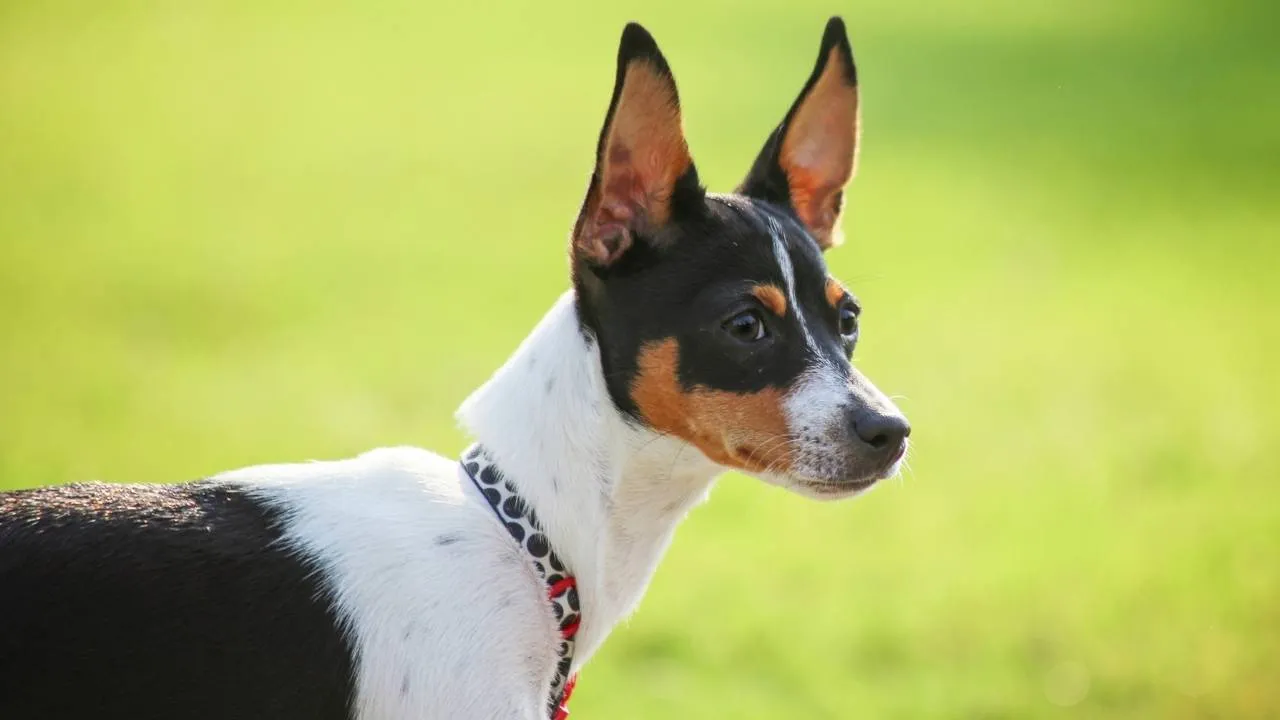
Rat Terrier is defined by relentless energy, sharp intelligence, and a drive that stays switched on. Originally bred to hunt rats, this background explains their fast reactions and tight movement control. That natural intensity translates smoothly into agility settings where speed and focus matter.
Problem Solving in Motion
This breed enjoys figuring things out, especially when obstacles demand quick decisions and body awareness. Their willingness to engage with puzzles keeps sessions active rather than repetitive.
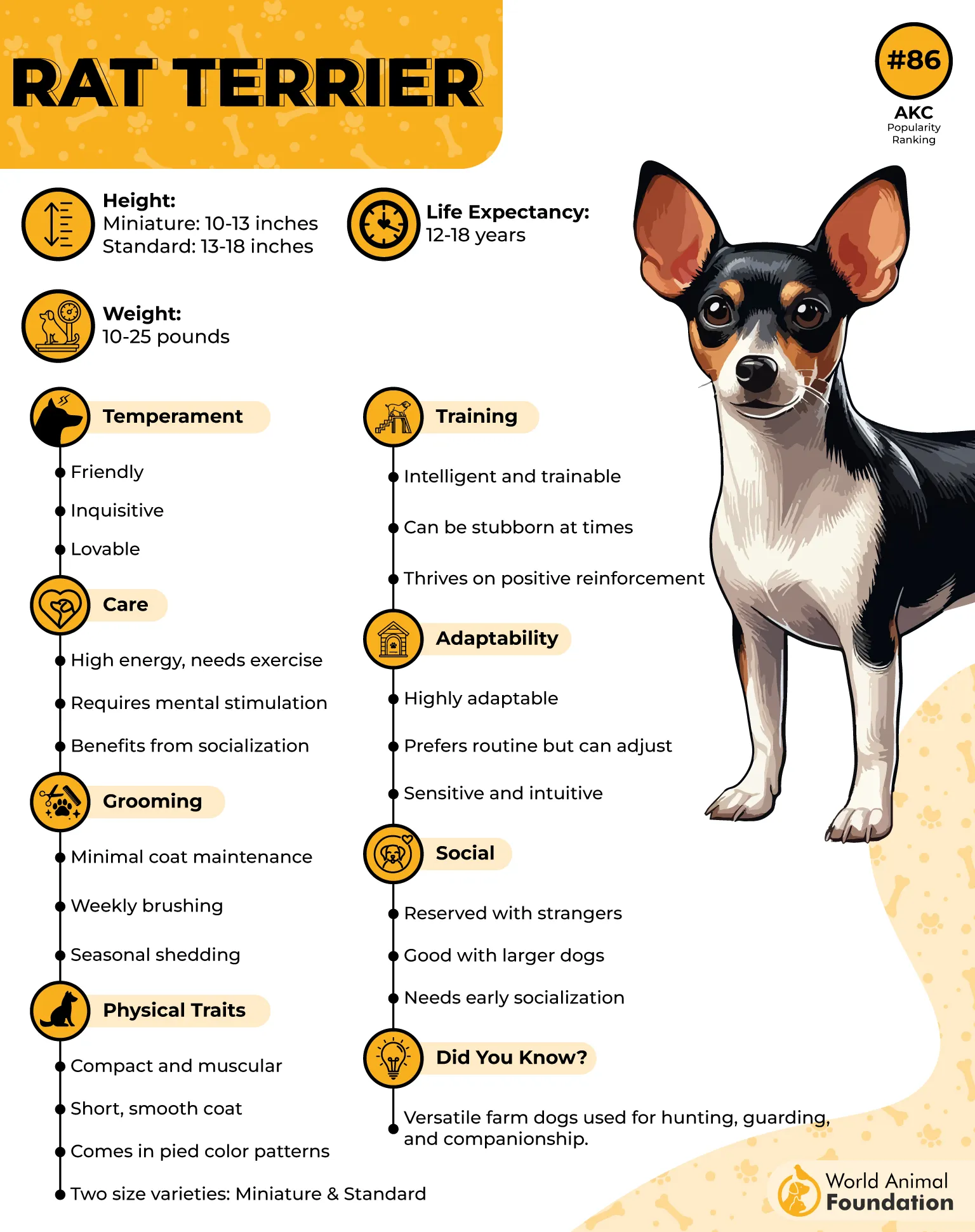
Here is where their performance edge becomes obvious.
Quick obstacle recognition
Fast directional changes
Strong task engagement
Small Frame Big Output
Closely related to the Jack Russell Terrier, Rat Terrier shares the same extra energy packed into a small frame. They adapt well to structured outlets like agility training, flyball, and scent work. Being involved keeps their energy directed rather than scattered.
3. Australian Shepherd
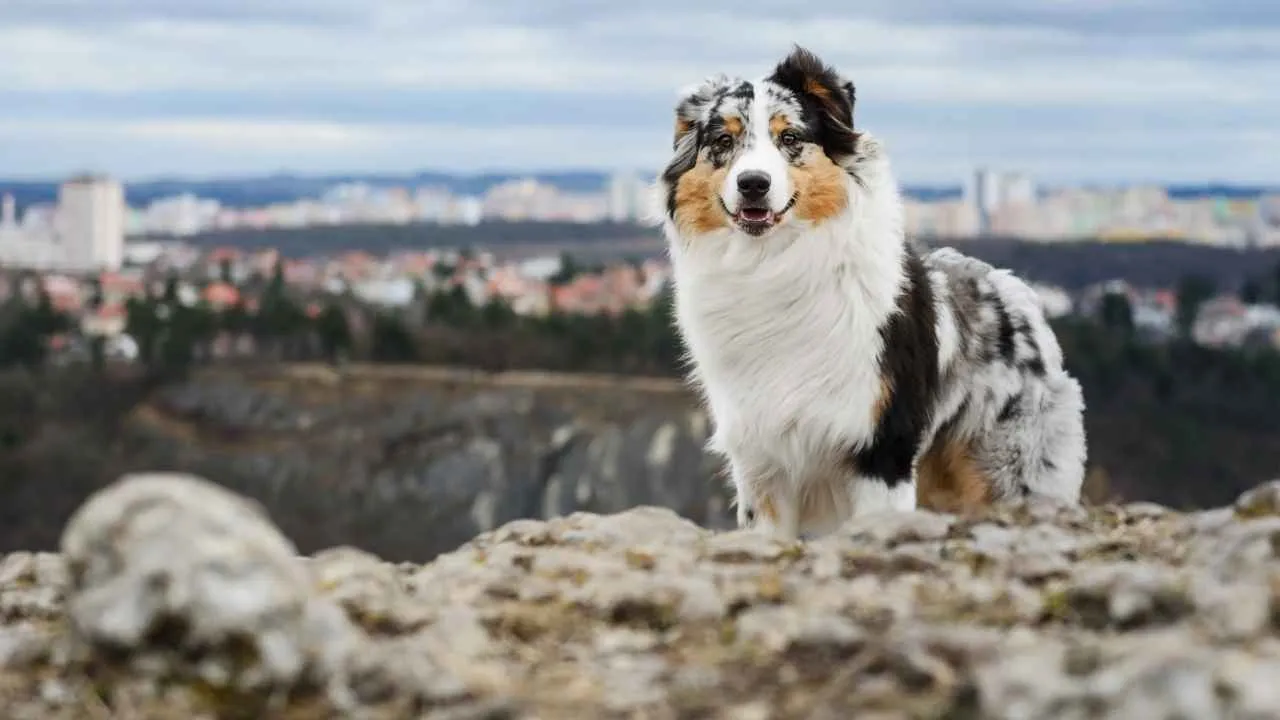
Australian Shepherds developed as lean, tough ranch dogs closely tied to rodeo and working stock. Their intelligence and work-first mindset shaped a dog built for constant movement and quick decisions. This background explains why they respond so well to fast-paced, skill-based challenges.
Energy With Direction
On the rodeo circuit, Australian Shepherds earned a reputation as agile stock movers that stay focused under pressure, as the AKC claims. Their enthusiasm shows most clearly when they work alongside a handler rather than acting independently.
This shows up clearly in how they perform:
Fast directional changes
Strong handler engagement
Consistent course commitment
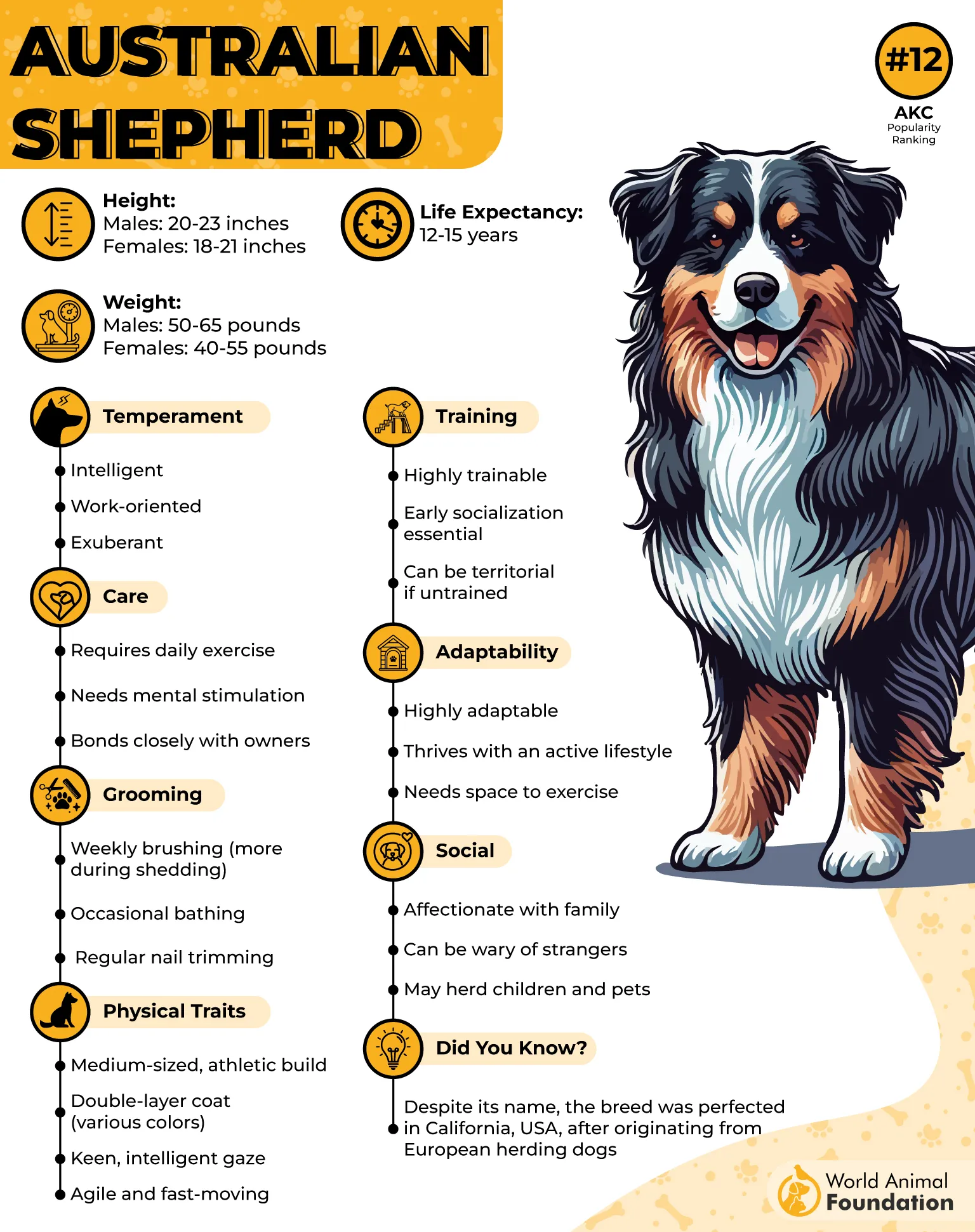
Built for Motion
Australian Shepherds excel at high-energy tasks like hurdling jumps, weaving tunnels, and chaining movements smoothly. Their coordination comes from herding work that demanded speed without losing accuracy. That balance helps them stay sharp through repeated runs.
4. Whippet
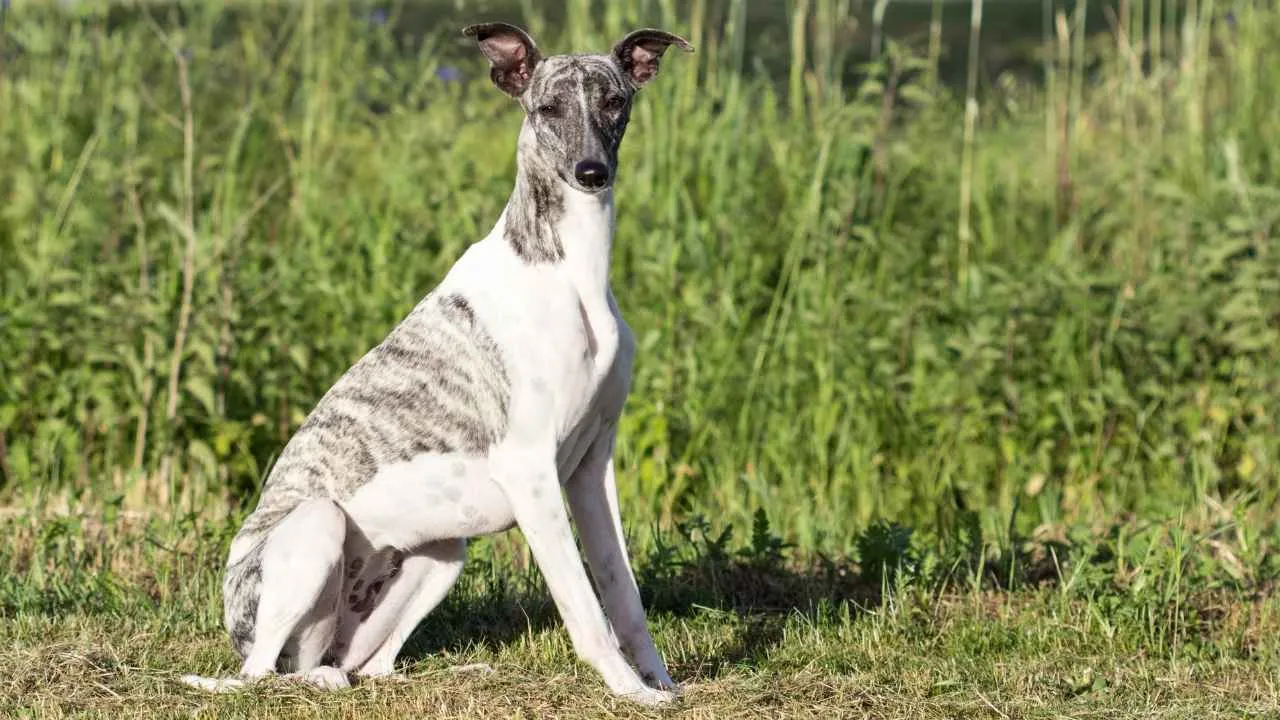
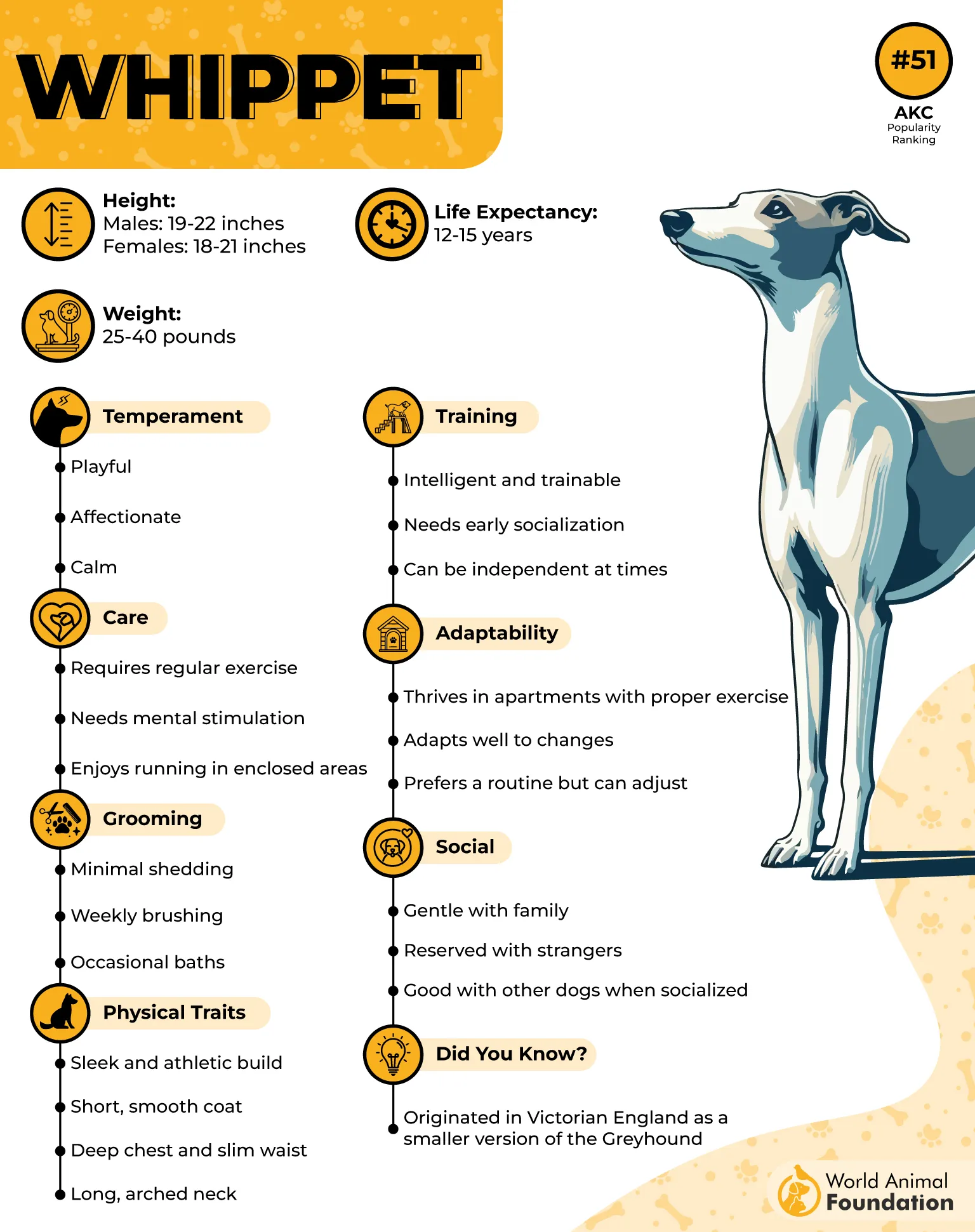
Whippet is defined by exceptional speed, sharp reflexes, and a body shaped for rapid acceleration. Bred for racing and lure coursing, running is central to how this breed learns and responds, as Purina writes. That natural quickness translates smoothly into agility courses built around pace and timing.
Thinking While Moving
Beyond speed, the Whippet shows an alert and surprising intellect shaped by its hunting background. Problem-solving tends to happen mid-motion, which makes agility training feel intuitive rather than forced.
This rhythm becomes clearer when watching how they work:
Instant response to visual cues
Fast line correction at full speed
Strong focus during short burst tasks
Drive With Balance
Whippet is more handler-oriented than many sighthounds, which supports consistent training progress. At the same time, that independence can make them slightly trickier than herding breeds in structured drills. Agility works best when sessions stay fast-paced and mentally engaging.
5. Shetland Sheepdog
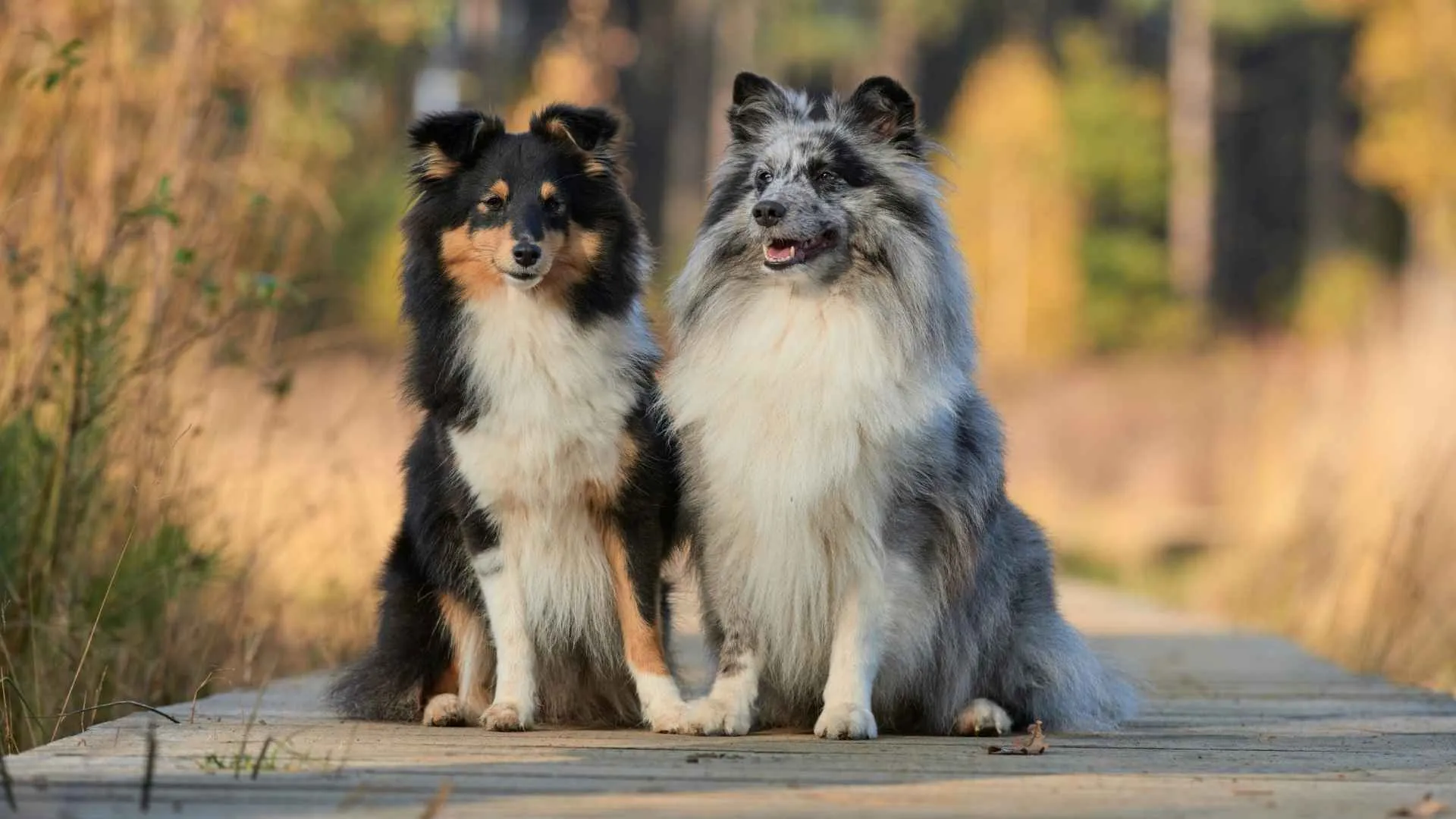
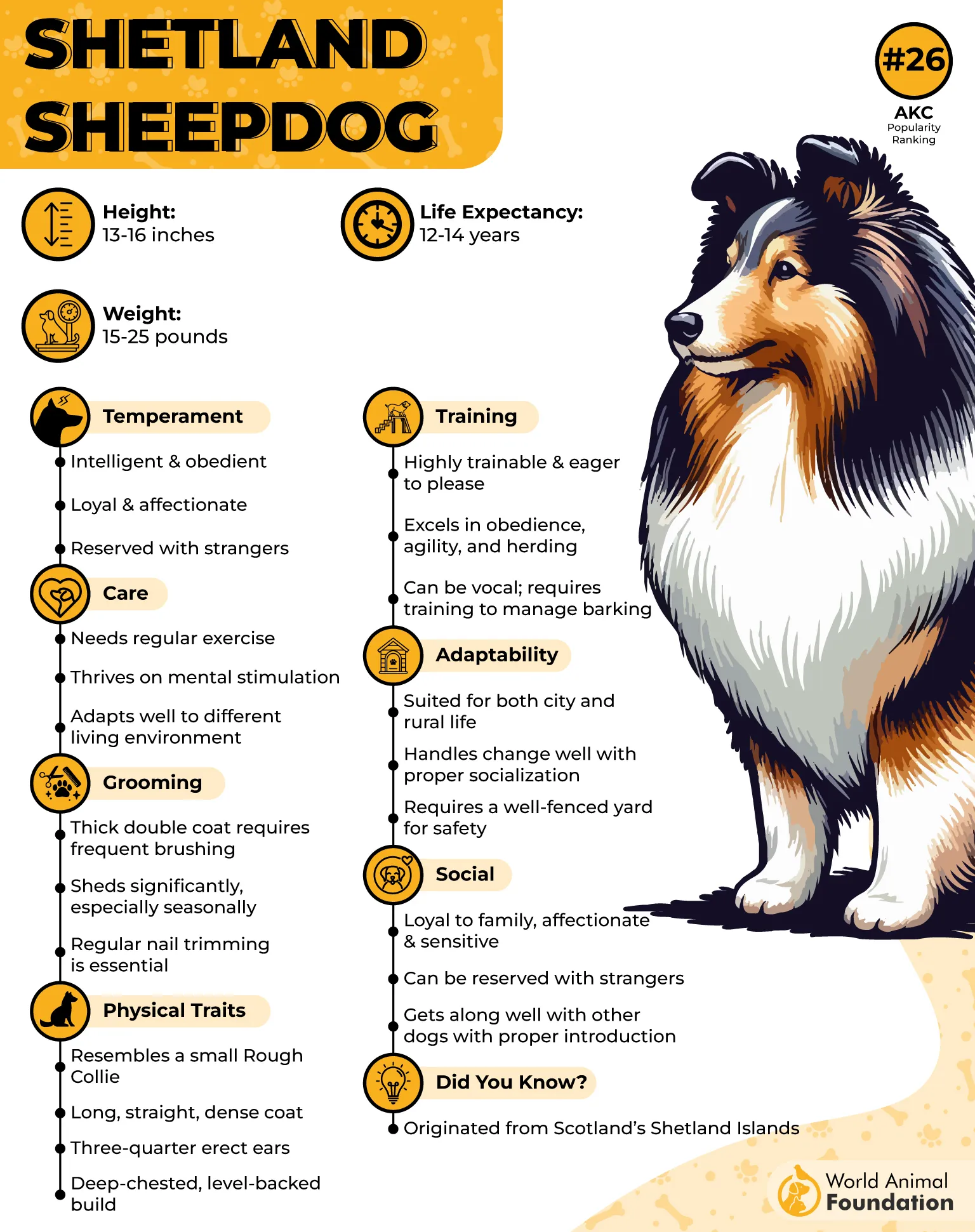
Shetland Sheepdog stands out as the smallest herding dog discussed here, yet its speed and intensity often surprise pet parents. That compact build allows rapid direction changes without losing balance or rhythm. They naturally align with courses that reward precision over raw stride length.
Trainability in Motion
This breed is recognized as one of the most intelligent and trainable small dogs, with quick reflexes supporting fast decision-making. That responsiveness shows clearly once training becomes technical.
A few details sharpen this advantage:
Fast response to verbal cues
Consistent focus across repetitions
Strong pattern recognition in courses
Competitive Range
Shetland Sheepdogs regularly perform in agility, obedience, herding, and tracking events at advanced levels. Their eagerness to please pairs well with tasks that reward accuracy and timing. Sensitivity to their handler’s cues often keeps their performance tight and controlled.
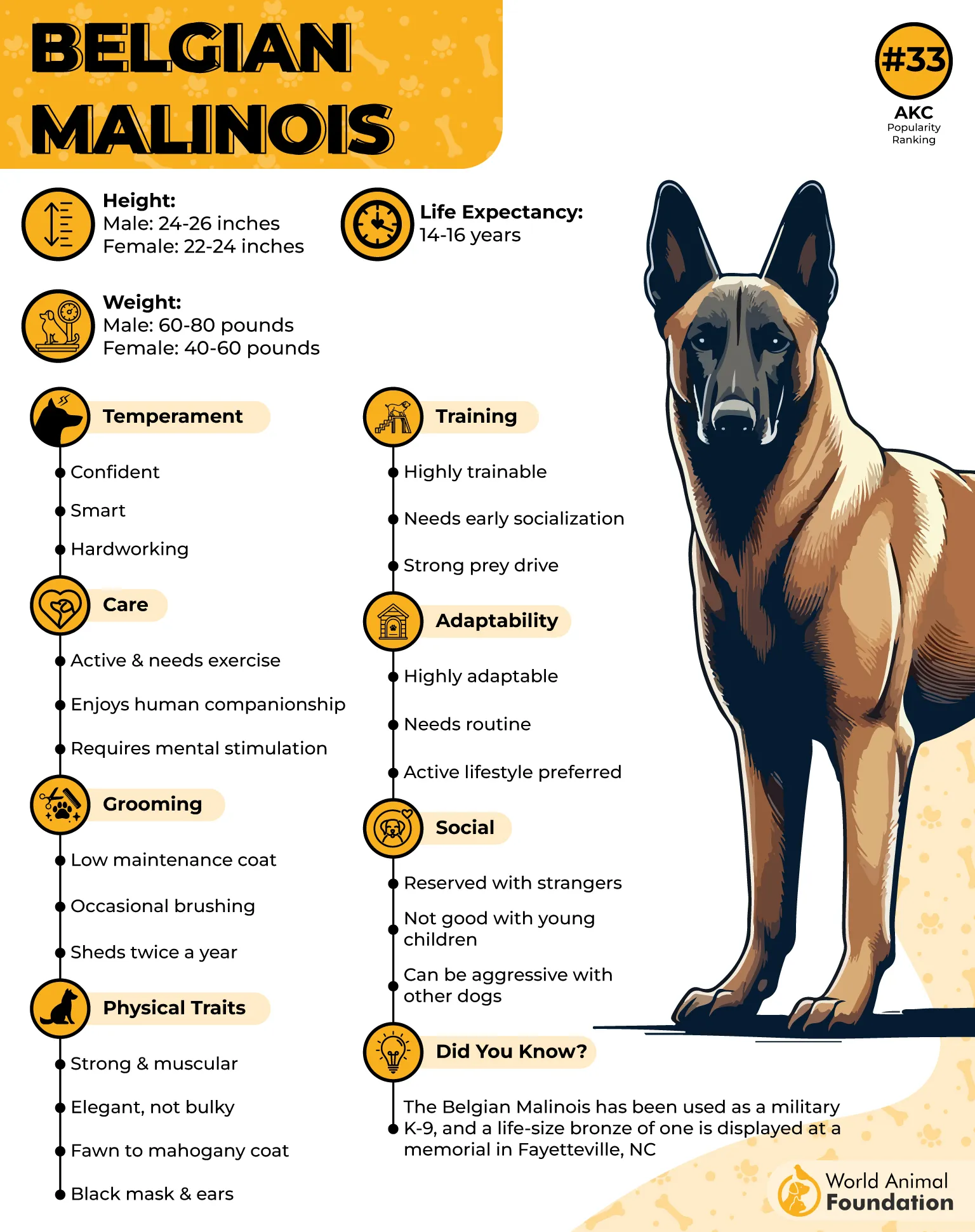
6. Belgian Malinois
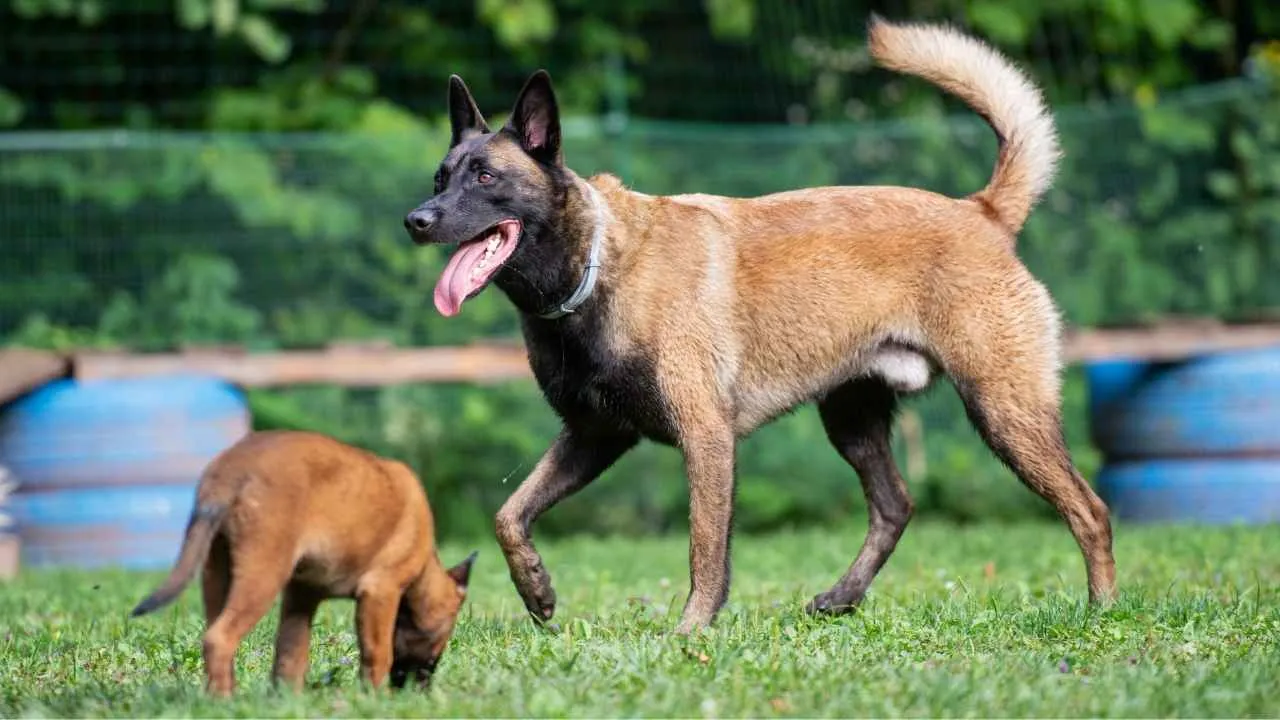
Belgian Malinois are highly intelligent dogs with a strong sense of focus and determination. Their natural confidence allows them to tackle demanding tasks quickly and accurately. These traits make them exceptionally suited for activities that challenge both mind and body.
Drive and Versatility
This Belgian breed was first developed near Malines to herd livestock, but their intelligence and focus led them into police, search and rescue, and detection work too.
These key abilities stand out:
Rapid learning and responsiveness
High energy sustained over a long activity
Precise coordination during complex exercises
Strength Matched with Skill
These dogs excel at running, hiking, biking, herding, tracking, and agility challenges due to their muscular, athletic build. They require consistent engagement to channel natural drive into productive action. Structured training helps them maintain focus while maximizing potential.
7. Border Collie
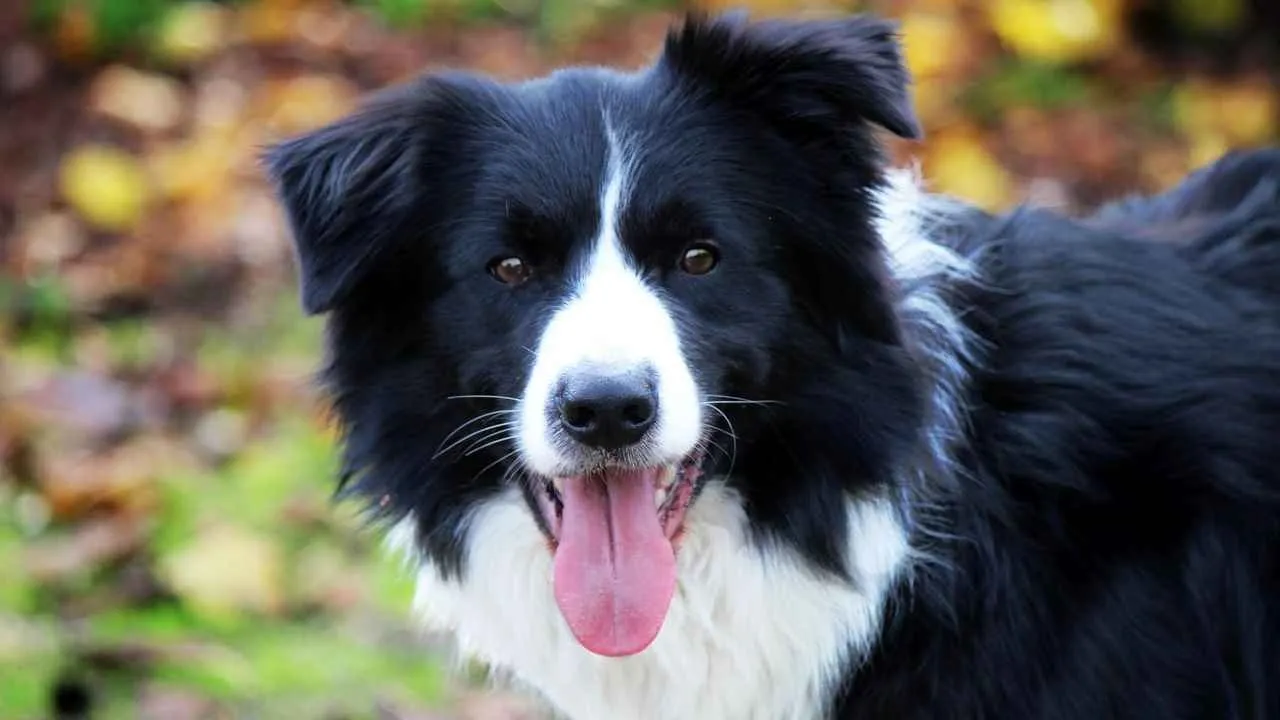
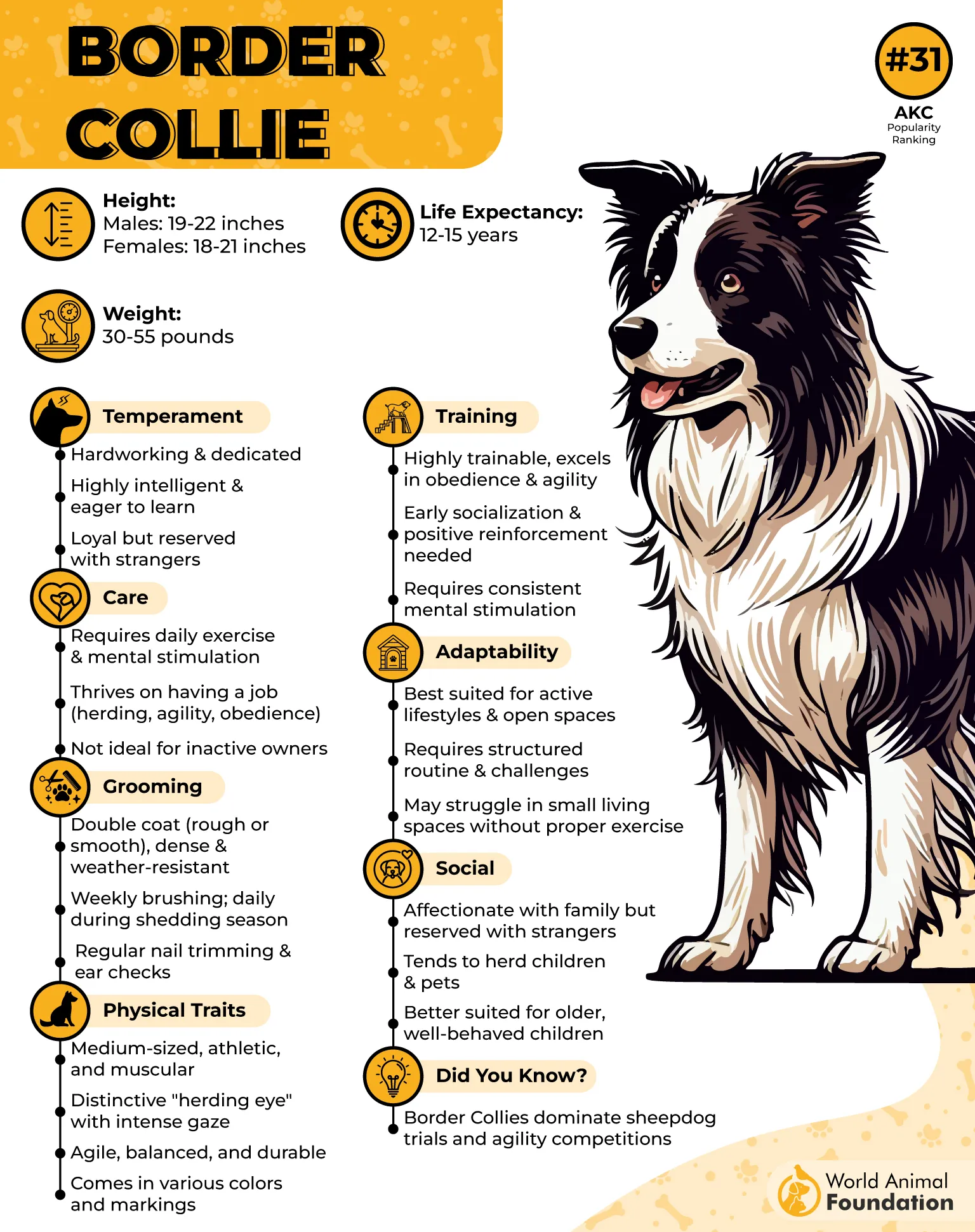
Border Collies, in fact, are the Einsteins of the dog world, originally bred to herd sheep with remarkable precision. Their sharp focus and quick reflexes allow them to anticipate movement and make split-second decisions in the demanding conditions.
Task-Oriented Energy
These medium-sized herders excel when given structured jobs or activities that challenge their minds and bodies. Otherwise, they often invent their own ways to stay busy, from rearranging objects to inventing new games.
They showcase particular strengths in focused scenarios:
Navigates obstacles with precision
Learns new commands quickly
Adapts to complex routines
Competitive Instinct
Border Collies often enter agility spaces already scanning for cues and anticipating the next move. Activities like weave poles, tracking patterns, and fast transitions match its natural herding mechanics. That instinctive coordination explains why this breed dominates agility fields so consistently.
Conclusion
Elite agility dogs stand apart because their instincts match speed, balance, and focus. Across breeds, success comes from intelligent breeds that thrive on mental challenges and respond quickly during agility competitions. These dogs anticipate commands, adjust mid-run, and show independent thinking without losing connection to humans.
Training progresses fastest with experienced handlers who understand timing and motivation. Positive reinforcement keeps confidence high while sharpening precision. Beyond titles and ribbons, agility builds trust, clarity, and shared momentum. When dog and handler move as one, courses feel less like obstacles and more like conversations shaped by motion and mutual respect together daily.
