




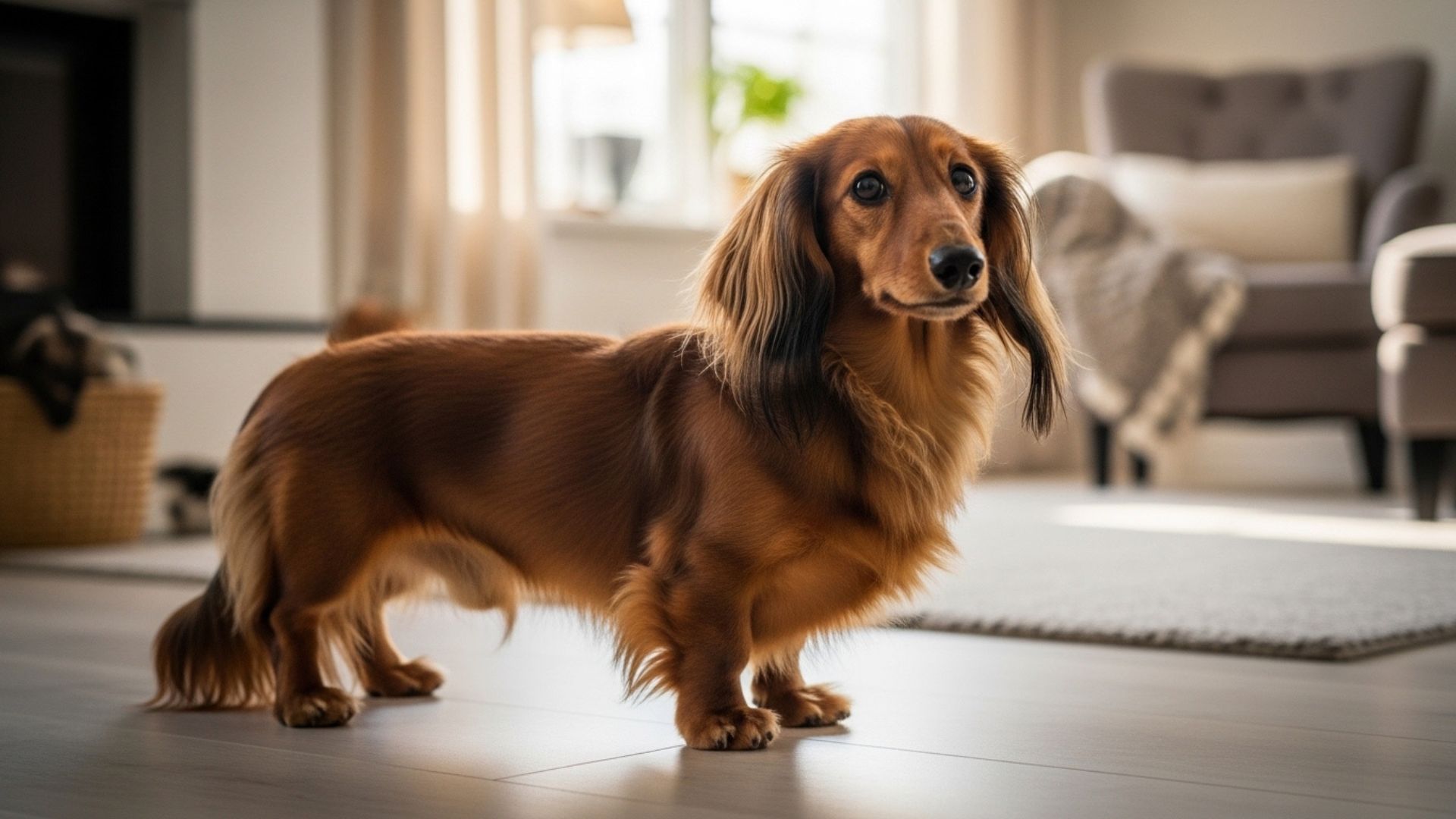
Small dog breeds have an undeniable charm that’s hard to resist. Compact, cuddly, and full of personality, these highly trainable companion dogs prove that great things often come in small packages. Their size makes them perfect for snuggling on the couch, fitting into cozy apartments, or tagging along on busy city adventures.
It’s worth remembering that the ideal small dog isn’t always purebred. Mixed breeds and rescue dogs often offer the same lovable traits, and shelters work tirelessly to match pets with owners who suit their lifestyle. Every dog is unique, and finding the right match—whether through adoption or a breeder—can lead to years of companionship, laughter, and loyalty.
The world’s smallest dog breeds come in a delightful variety of temperaments, sizes, and hypoallergenic options. Whether you’re seeking a spunky sidekick or a gentle snuggler, there’s a tiny companion animal waiting to steal your heart.
Dog Breeds With Distinctive, Short Dog Breeds
Small in size, big on personality—these pint-sized pups are pure joy wrapped in fur.
1. Chinese Crested
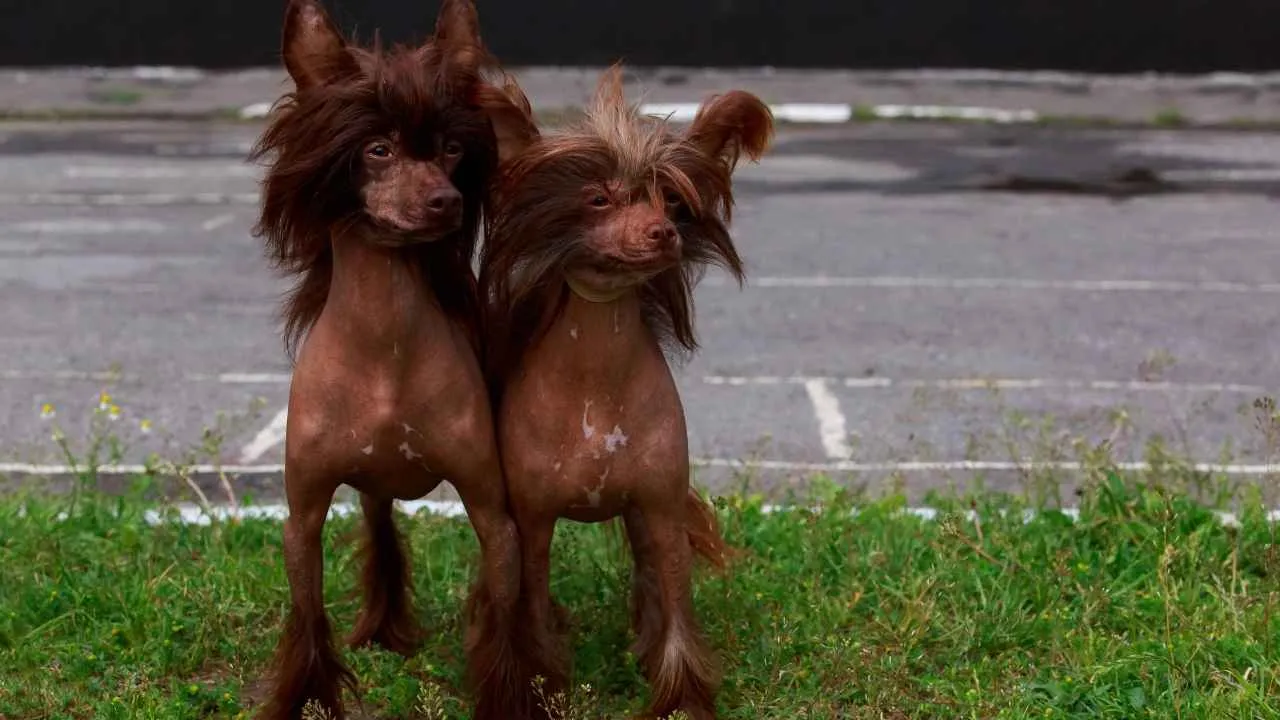
The Chinese Crested’s history is as fascinating as its appearance. Likely descended from African hairless dogs, they were miniaturized in China, a country famous for producing compact companion breeds like the Shih Tzu. Sailors later brought them aboard trading vessels, where they earned fame as skilled rat catchers and travelers across exotic ports worldwide.
Personality Packed into a Petite Frame
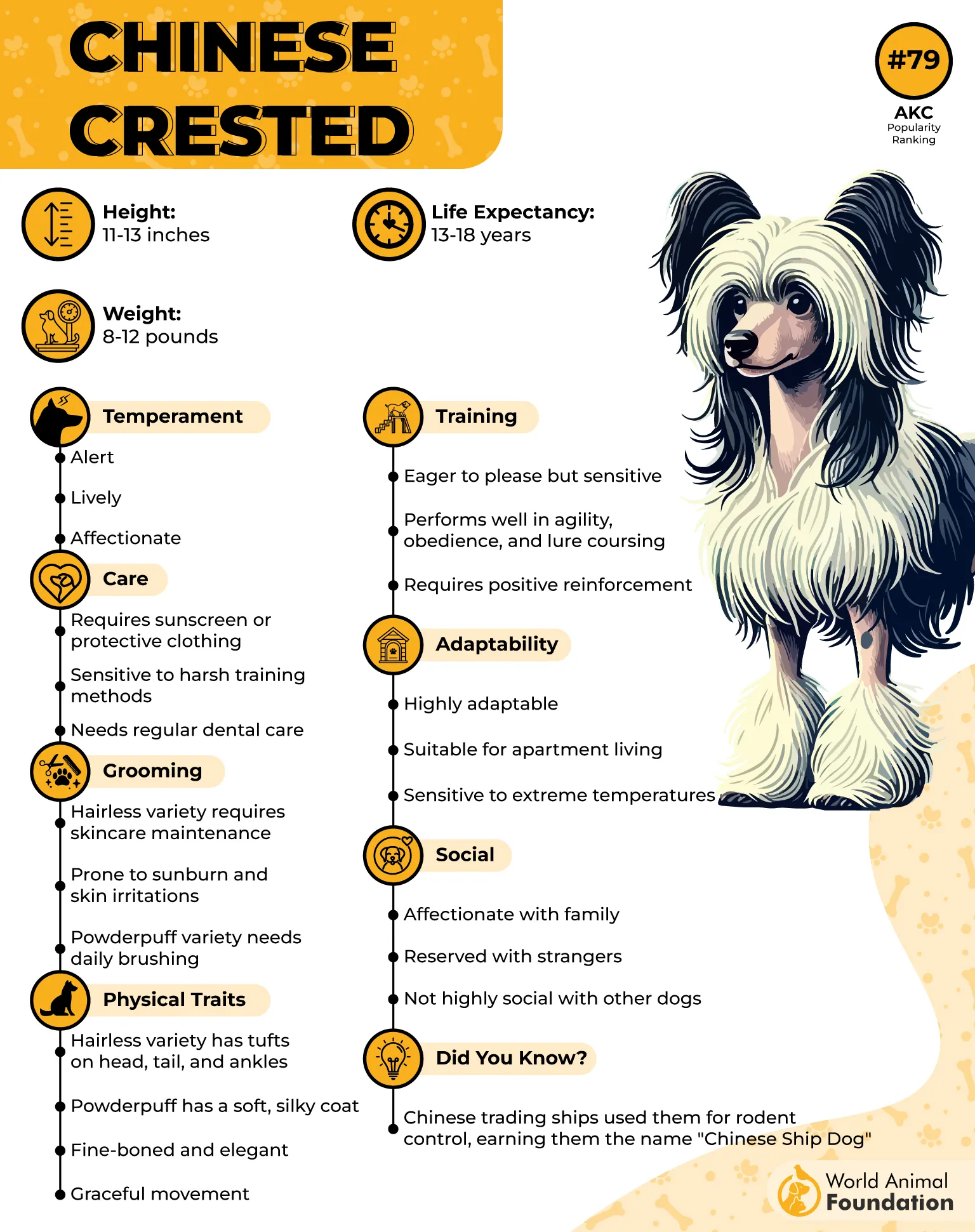
Despite their small size, Cresteds are lively, playful, and deeply affectionate. Both hairless and powderpuff varieties love human company and form strong bonds with their families. With their alert, friendly nature, they make excellent companions for adults, seniors, and families alike, always ready for snuggles or playtime.
Training and Care for the Delicate Companion
Early socialization is key to a well-rounded Chinese Crested, along with gentle, positive reinforcement training. Hairless dogs need careful skin care, while powderpuffs require regular brushing and grooming. These attentive pups also thrive on structured routines, love attention, and enjoy activities that challenge their clever, mischievous minds.
Why Chinese Cresteds Stay Small
Selective breeding favored compact, delicate frames for companionship.
Miniaturization in China reduced the size over generations.
Their small build suited life aboard ships, making them agile ratters.
Lightweight bodies made them easier to transport during trading voyages.
Genetic predisposition maintains their fine-boned, slender structure.
2. Jack Russell Terrier
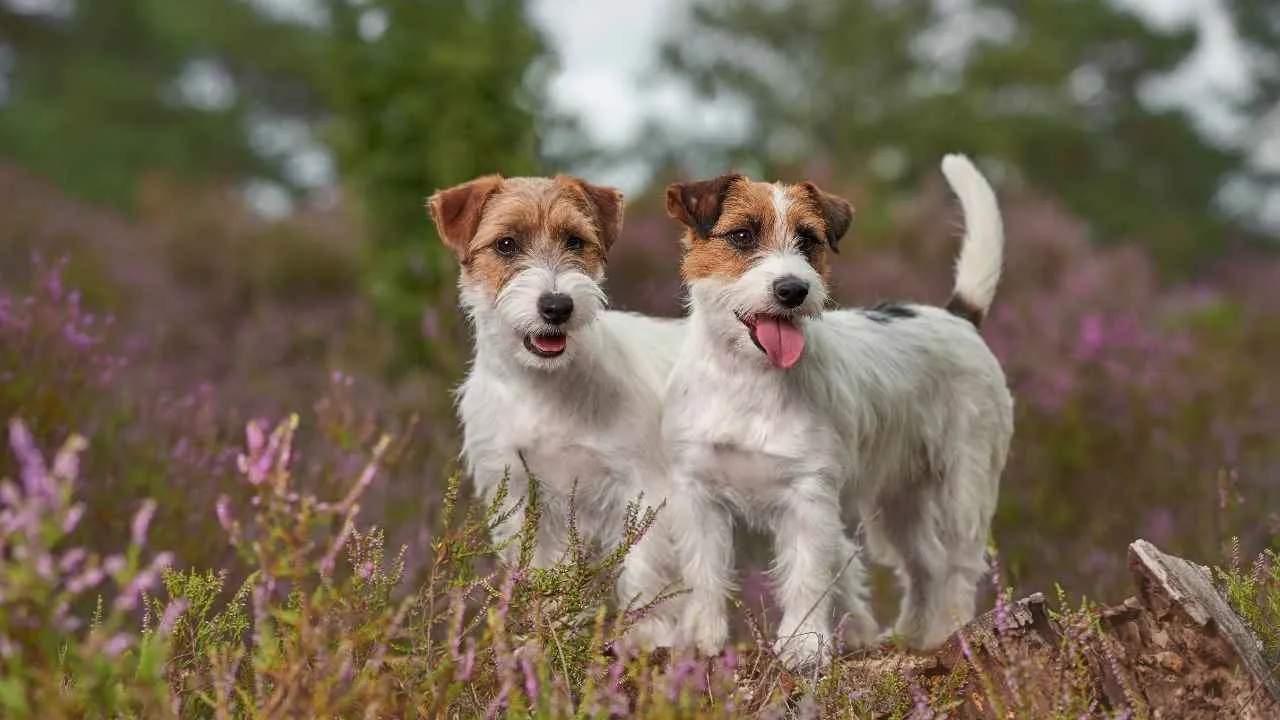
The Jack Russell Terrier was developed in 19th-century England by Rev. John Russell, an avid fox hunter who wanted a small, muscular dog to chase quarry above and below ground. Though its exact ancestry is unclear, Bull Terriers and Beagles likely contributed to its bold, compact frame.
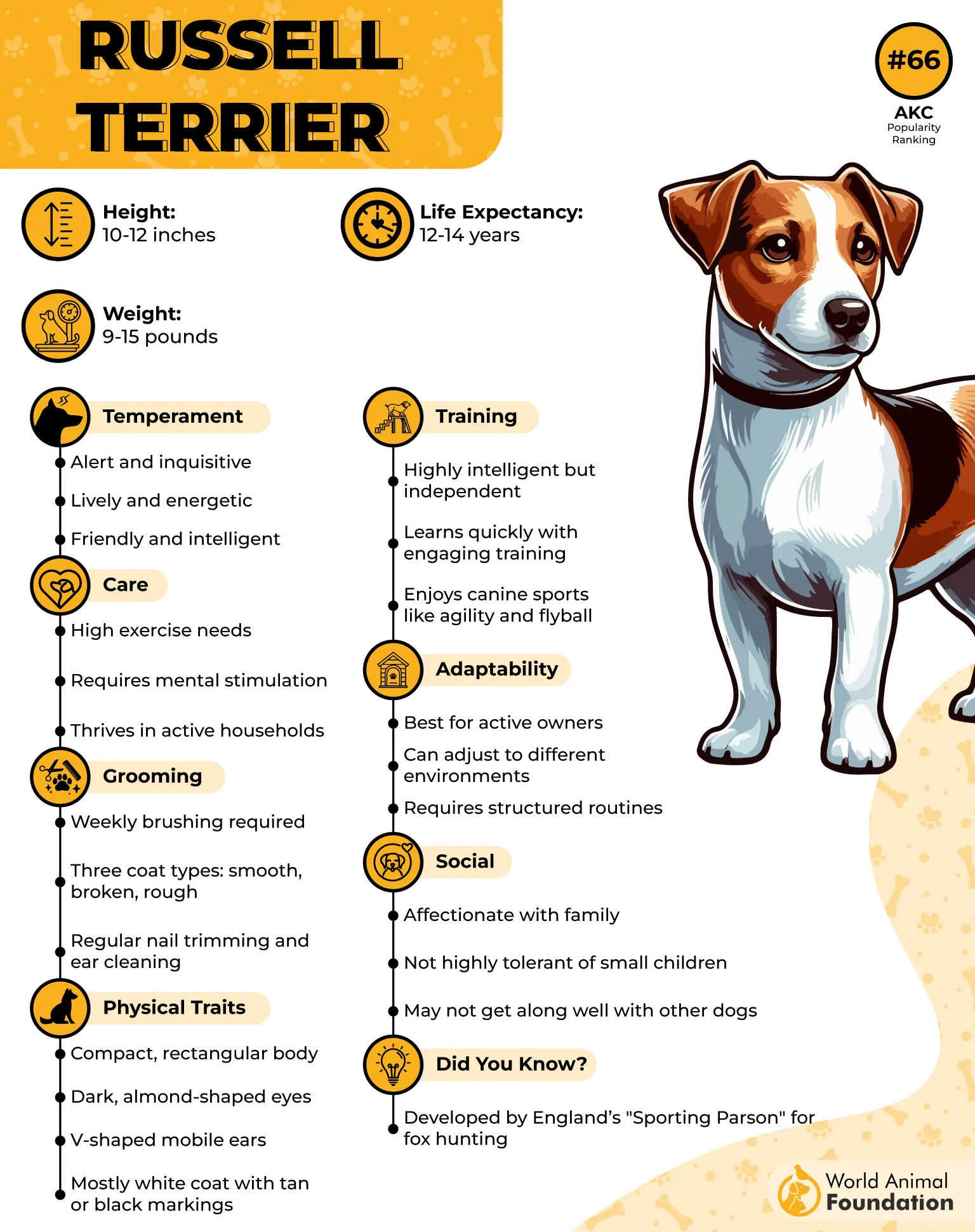
Spirited Personality in a Pocket-Sized Package
Jack Russells are confident, playful, and full of energy, making them a lively companion for active households. They are affectionate and loyal, often choosing a favorite human, but their strong hunting instinct can lead to chasing small animals.
Training and Keeping Up With the High-Energy Pup
These terriers respond best to positive reinforcement, short training sessions, and plenty of play to keep their minds sharp.
Early socialization is essential to prevent overconfidence or aggression toward small pets. Regular walks, agility challenges, and interactive games help manage their energy while ensuring a well-behaved and happy companion.
Why Jack Russells Stay Compact
Selective breeding for fox hunting favored a small, nimble frame.
Short legs allowed them to pursue quarry into burrows efficiently.
Lightweight bodies improved stamina for long hunts.
Compact size made them easier to transport and handle in the field.
Genetics preserved their terrier-typical muscular yet diminutive build.
3. Chihuahua
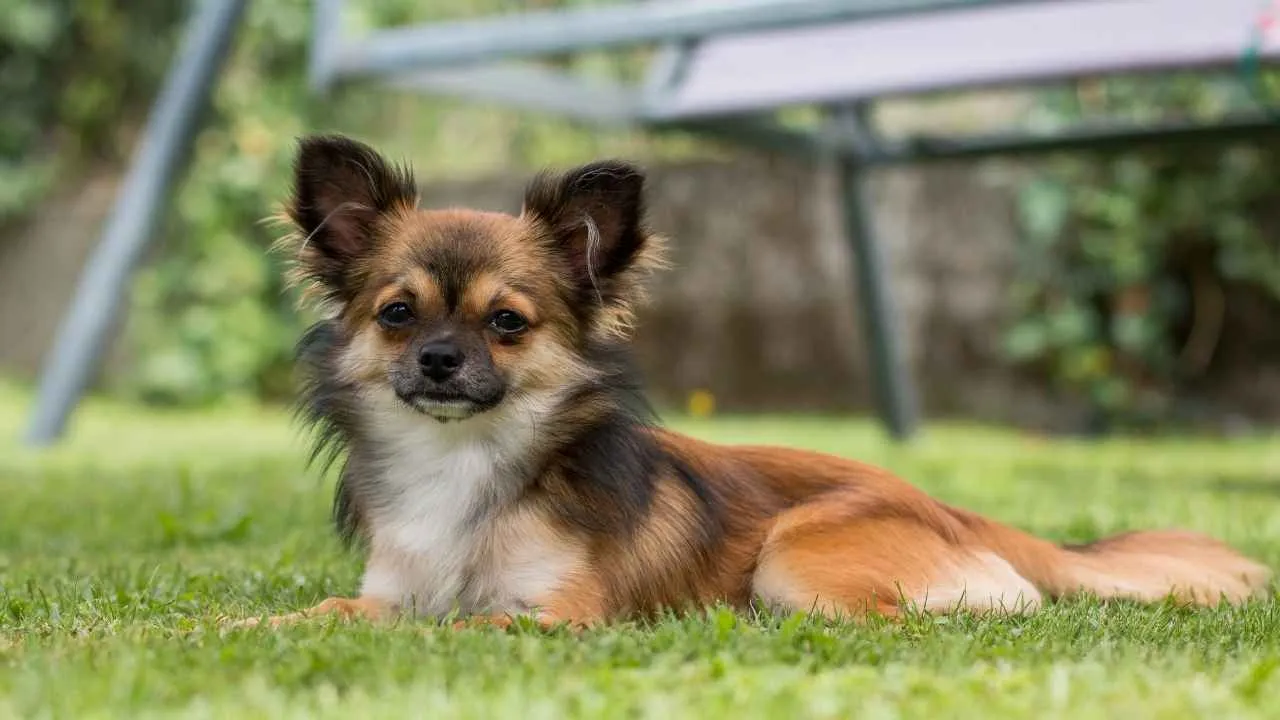
The Chihuahua hails from Mexico, named after the state where it was first discovered, as per WebMD. Likely descended from the ancient Techichi of the Toltecs, this diminutive breed was refined over centuries into the spirited companion we know today. Its petite stature makes it one of the smallest dog breeds in the world, yet its presence is impossible to ignore.
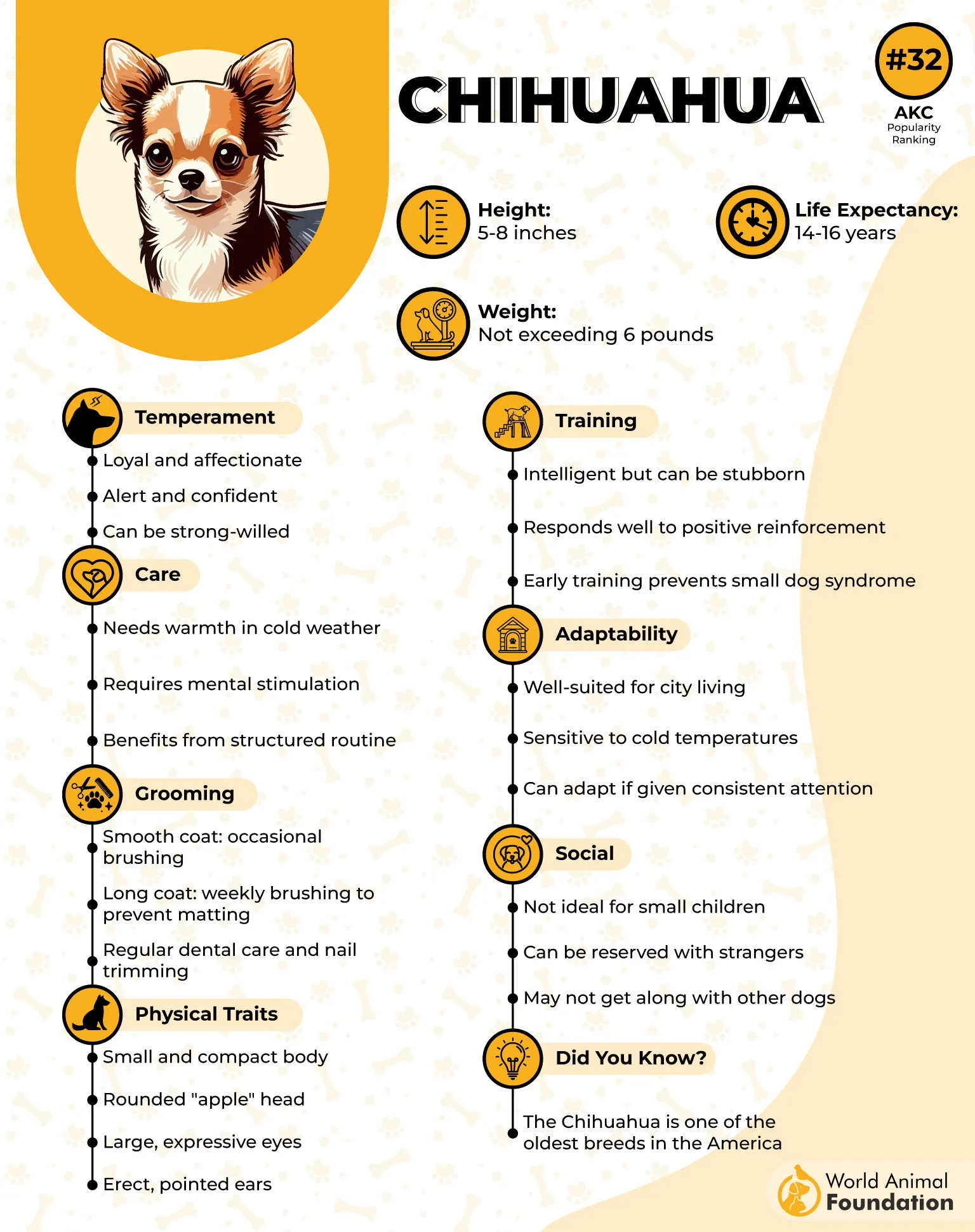
Big Personality in a Pocket-Sized Pup
Don’t let their small frame fool you—Chihuahuas are confident, loyal, and sometimes sassy. These excellent family dogs form strong bonds with their humans, love snuggling, and thrive on attention, but require gentle handling and socialization, especially around children and other pets.
Training and Care for a Miniature Diva
Chihuahuas need consistent, positive reinforcement training to manage their clever but stubborn nature. Smooth coats need minimal grooming, while long-haired varieties require regular brushing. Moderate daily exercise keeps them healthy and mentally stimulated without overexerting their tiny bodies.
Why Chihuahuas Stay Petite
Selective breeding emphasized a lightweight, compact body for companionship.
Descended from the small, refined Techichi of the Toltecs.
Miniaturization was favored for warmth and portability.
Small size allowed the breed to thrive as indoor and city pets
Genetic factors preserve their tiny yet sturdy frame.
4. Dachshund
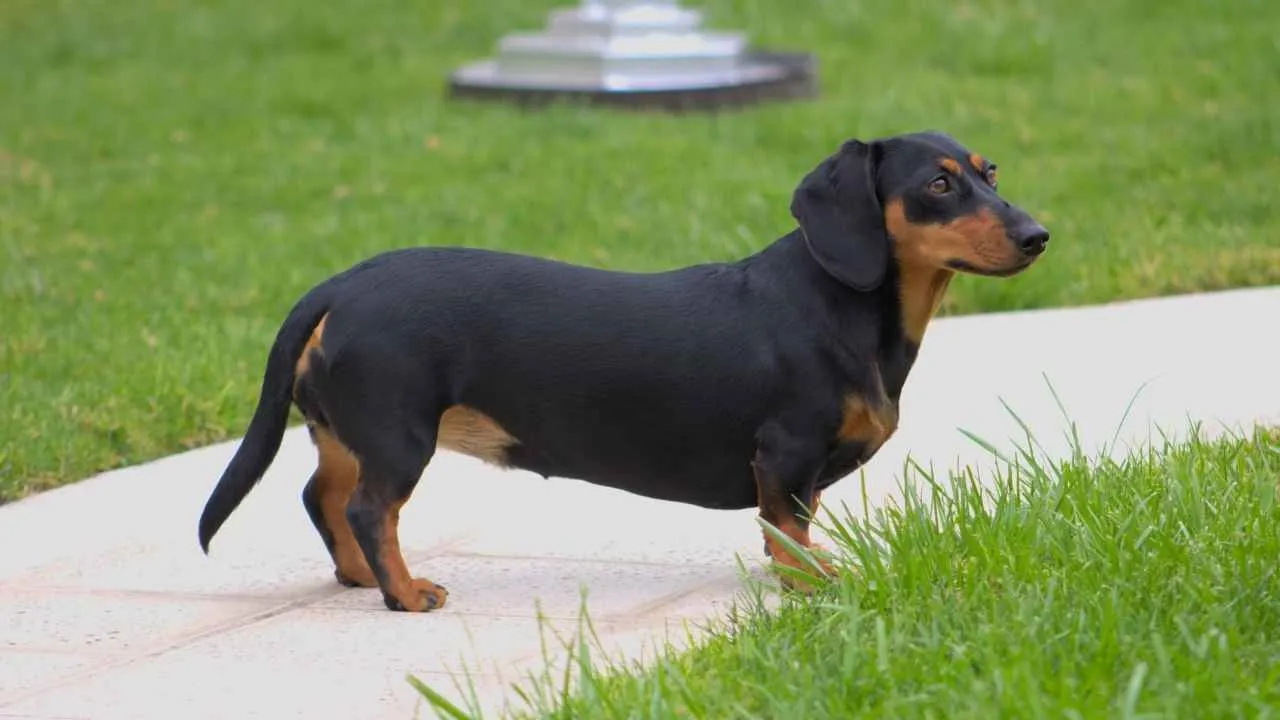
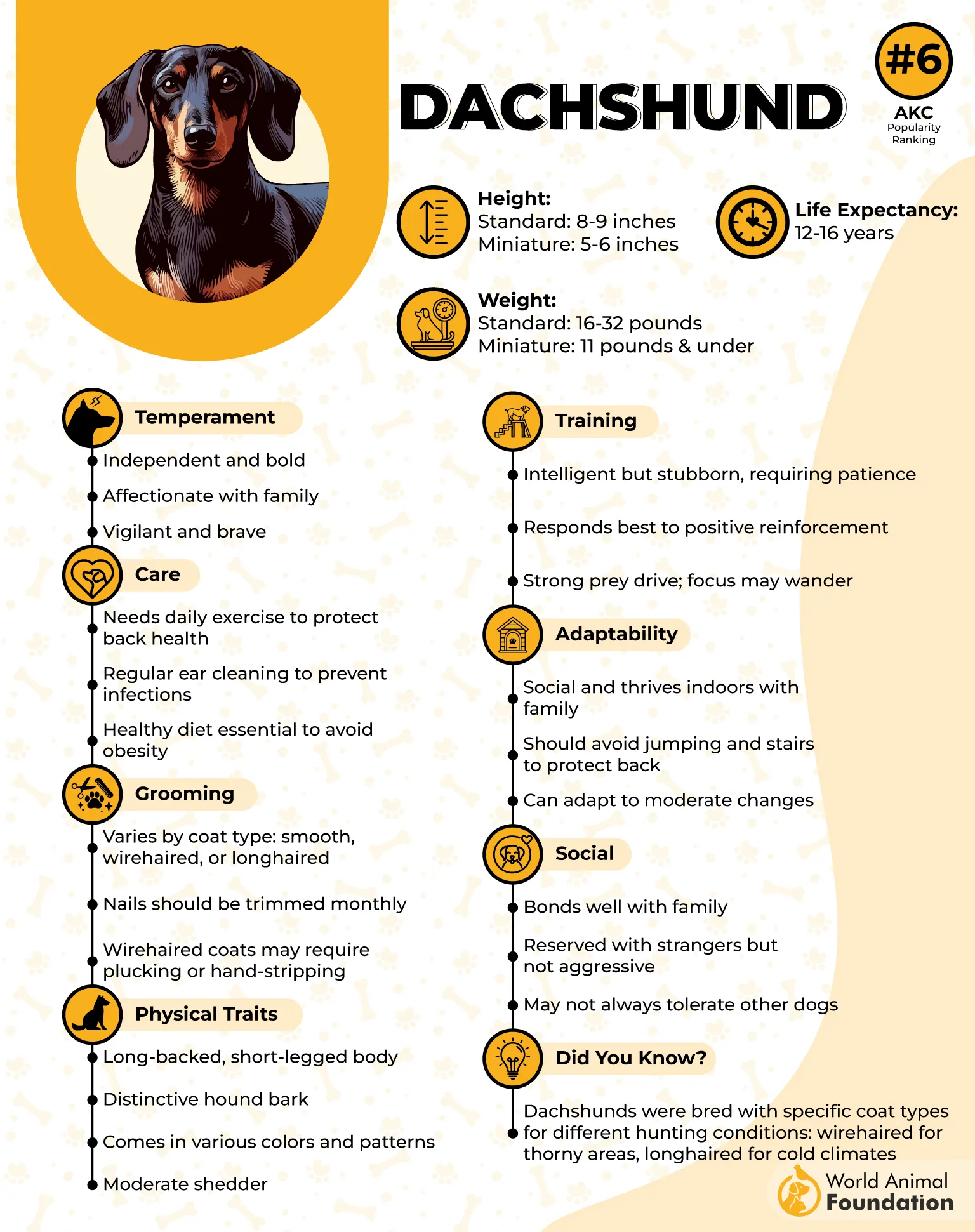
The Dachshund originated in Germany hundreds of years ago as a fearless hunter of badgers, with “Dach” meaning badger and “hund” meaning dog, as per PDSA. Bred in standard and miniature sizes, their long backs and short legs allowed them to dig into burrows and pursue prey underground.
Spirited Personality and Loyal Companions
Despite their small stature, Dachshunds are playful, energetic, and brave, often taking on animals much larger than themselves. They form strong bonds with their families, enjoy human company, and can be mischievous if not given enough mental and physical stimulation. Proper socialization and consistent training help channel their boldness into lovable, well-behaved behavior.
Care, Exercise, and Training Essentials
Dachshunds thrive on daily walks, playtime, and interactive games to satisfy their high energy and sharp minds. Smooth coats need minimal grooming, long-haired types require regular brushing, and wire-haired Dachshunds benefit from professional trimming.
Why Dachshunds Remain Low to the Ground
Short legs were specifically bred for digging and entering burrows.
Miniaturization produced a body suited to hunting smaller prey.
Compact size enhances agility underground and in tight spaces.
Genetics maintain their long-backed, low-profile structure.
Small stature allows them to function efficiently as both hunters and household companions.
5. Border Terrier
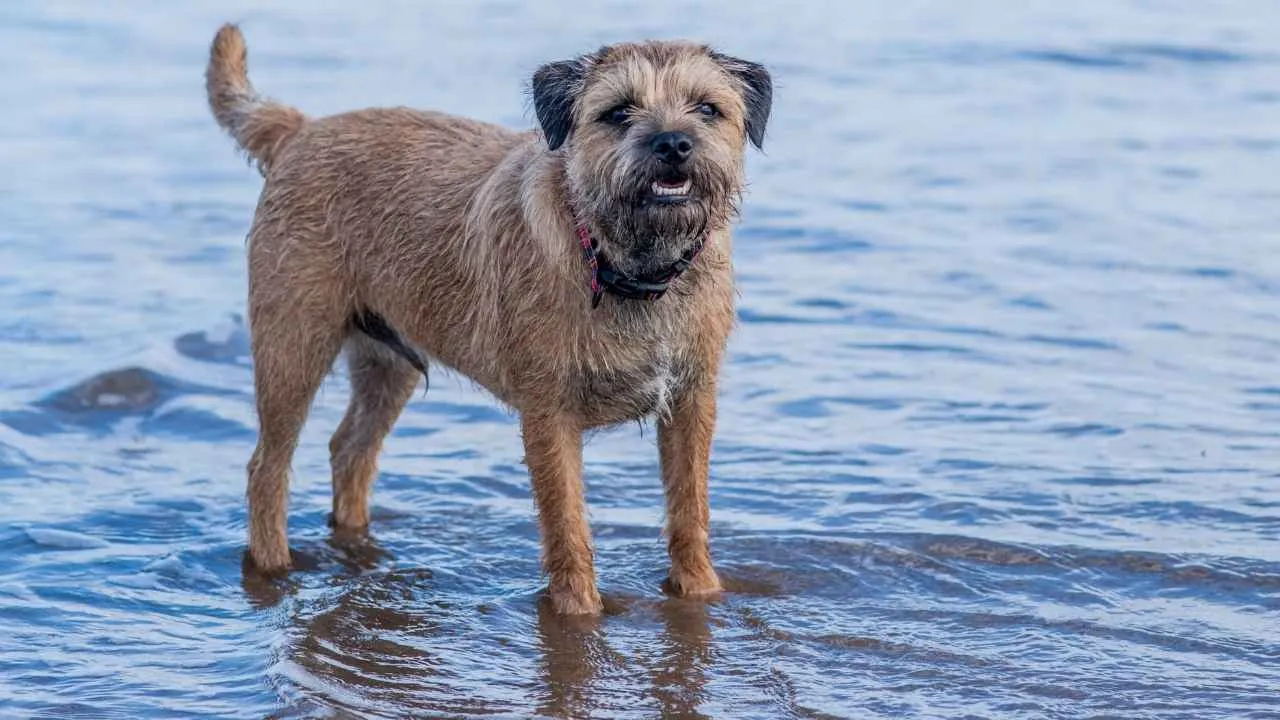
Border Terriers hail from the Cheviot Hills between England and Scotland, bred to track foxes alongside hounds. Their small, sturdy bodies, weather-resistant coats, and energetic nature made them perfect for hunting in harsh terrain. Over generations, they became resilient companions, both in the field and at home.
Spirited Companions with Gentle Hearts
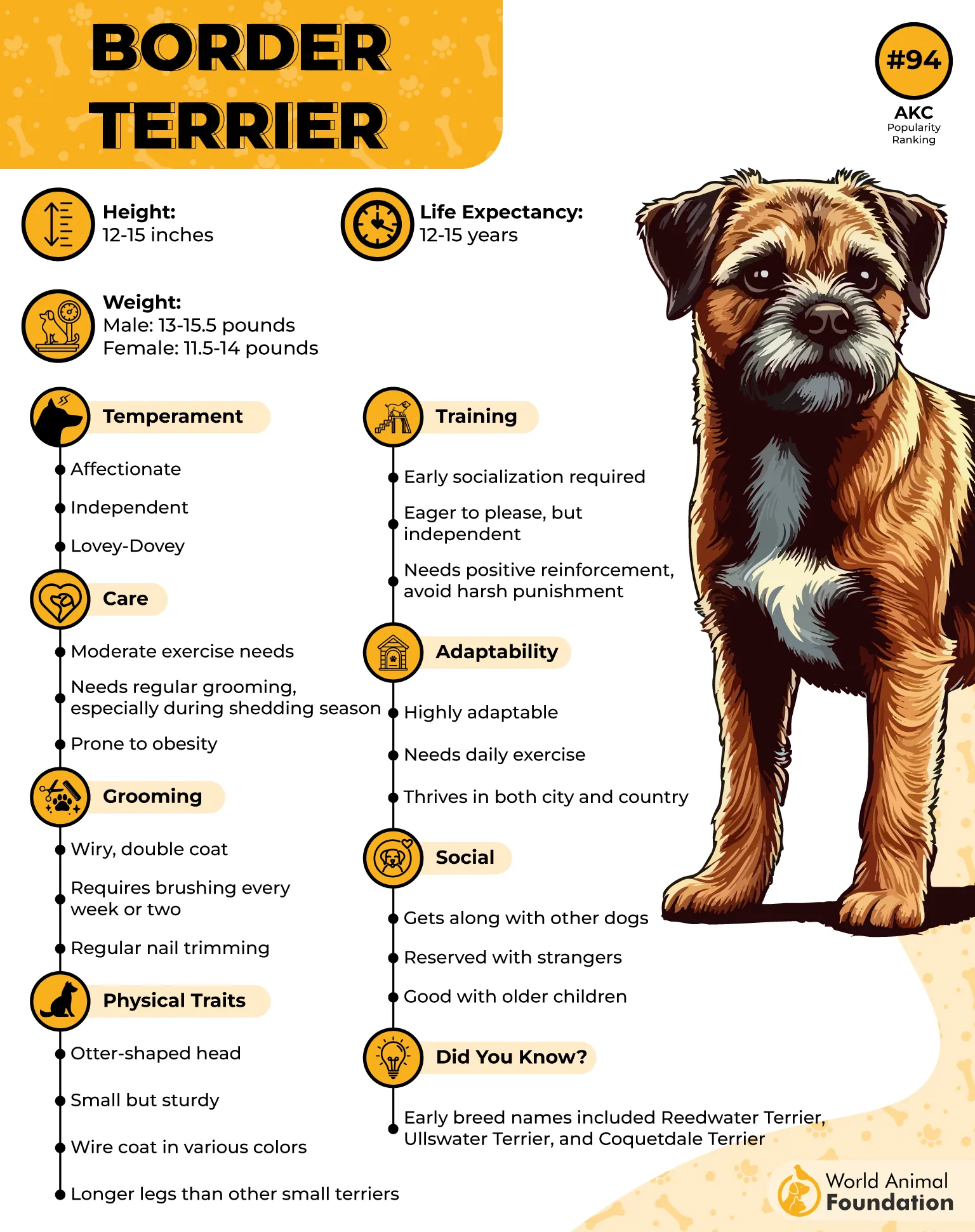
Although small, Border Terriers are lively, affectionate, and endlessly curious, thriving on interaction and mental challenges. These cuddly companions are brave and social, getting along with people and other dogs when properly introduced. Their independent streak and love of digging make them playful, determined, and endlessly entertaining pets.
Training, Grooming, and Daily Life
Borders excel with positive, reward-based training, but their strong prey drive and independent thinking require patient consistency. Regular exercise, including walks, play, and scent games, keeps them happy and well-balanced.
Their wiry coats are low-maintenance, requiring occasional hand stripping or brushing, with minimal shedding and natural dirt resistance, as per Purina.
Why Border Terriers Stay Compact
Bred small enough to follow foxes into burrows.
Short, strong legs allow endurance without tiring quickly.
Narrow shoulders and bodies enhance agility in tight spaces.
Compact size maintains a balance of strength and speed.
Smaller stature keeps them efficient hunters in varied terrain.
6. Yorkshire Terrier
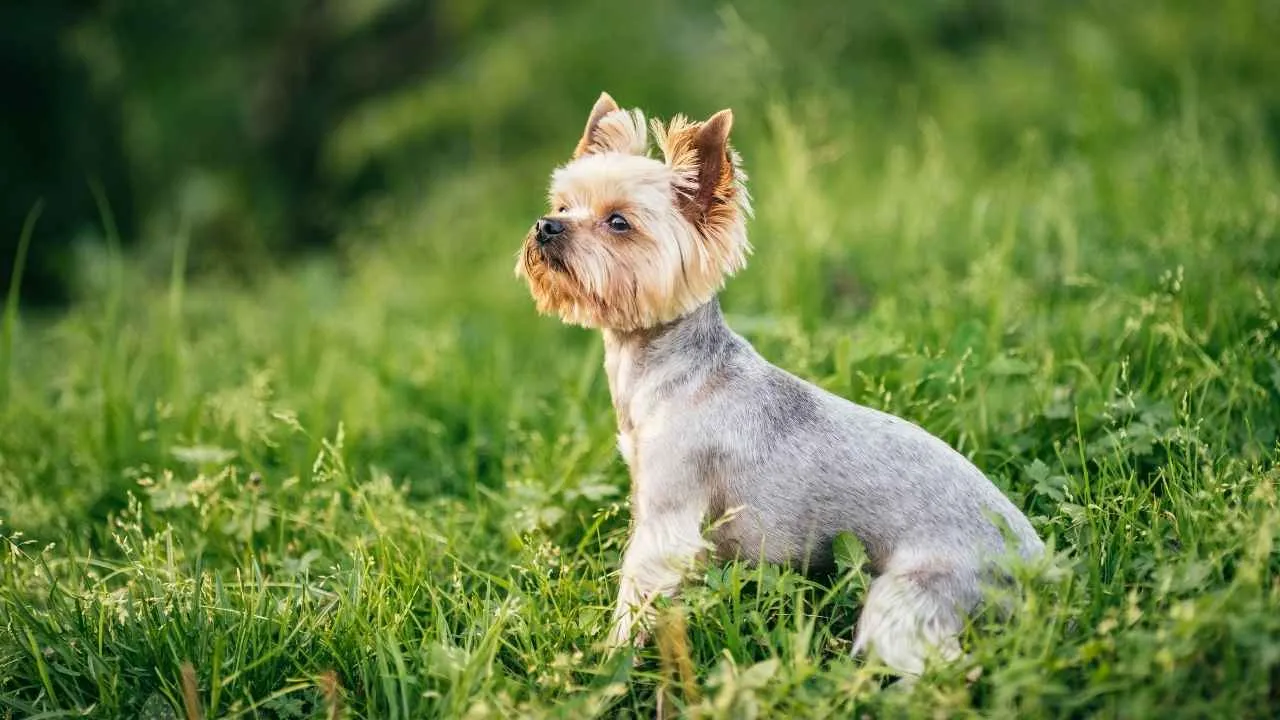
Yorkshire Terriers were born in the industrial north of England during the mid-1800s, originally helping Scottish weavers chase rodents in textile mills and coal mines. Over time, their tiny size and silky coats caught the eye of Victorian society, transforming these working-class terriers into fashionable lapdogs.
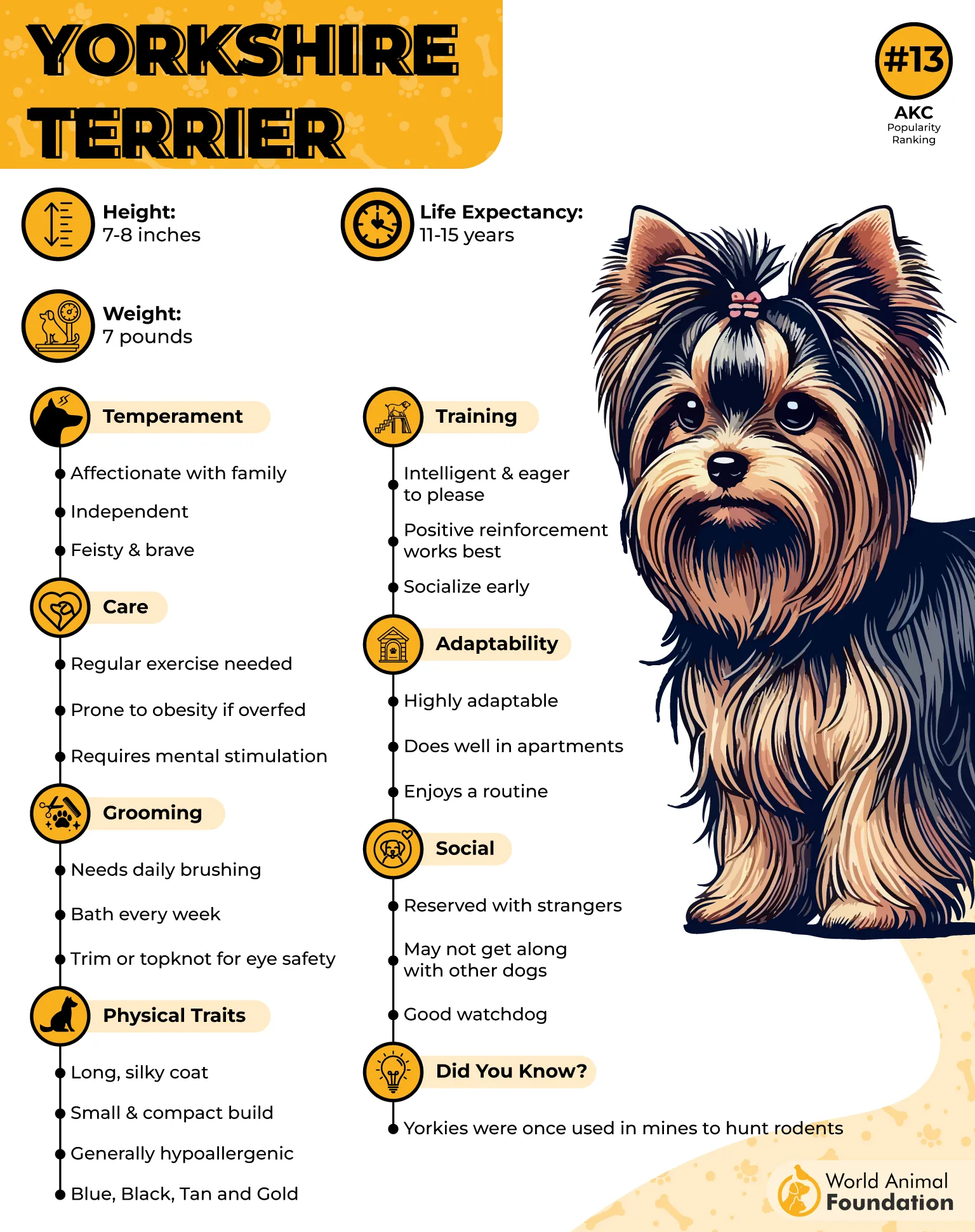
Feisty Companions with Big Personalities
Though no more than seven pounds, Yorkies are spirited, bold, and full of character. They are affectionate, playful, and fiercely loyal dogs, often behaving like watchdogs despite their small stature.
Beneath their long, glossy coats lies a true terrier heart, always ready to assert itself and entertain their families with charm and tenacity.
Grooming, Care, and Daily Life
Yorkies require consistent grooming, especially if sporting a full-length coat, with brushing and occasional trims to maintain their silky texture. Socialization from a young age ensures they grow into confident, well-rounded companions, ready to embrace both city life and cozy lapdog adventures.
Why Yorkshire Terriers Stay Petite
Bred small for chasing rodents in tight mill spaces.
Miniature frames made them ideal Victorian lapdogs.
Compact size allows agility in confined urban environments.
Tiny build emphasizes their role as a companion rather than a worker.
Selective breeding reduced size without losing terrier courage.
7. Miniature Schnauzer
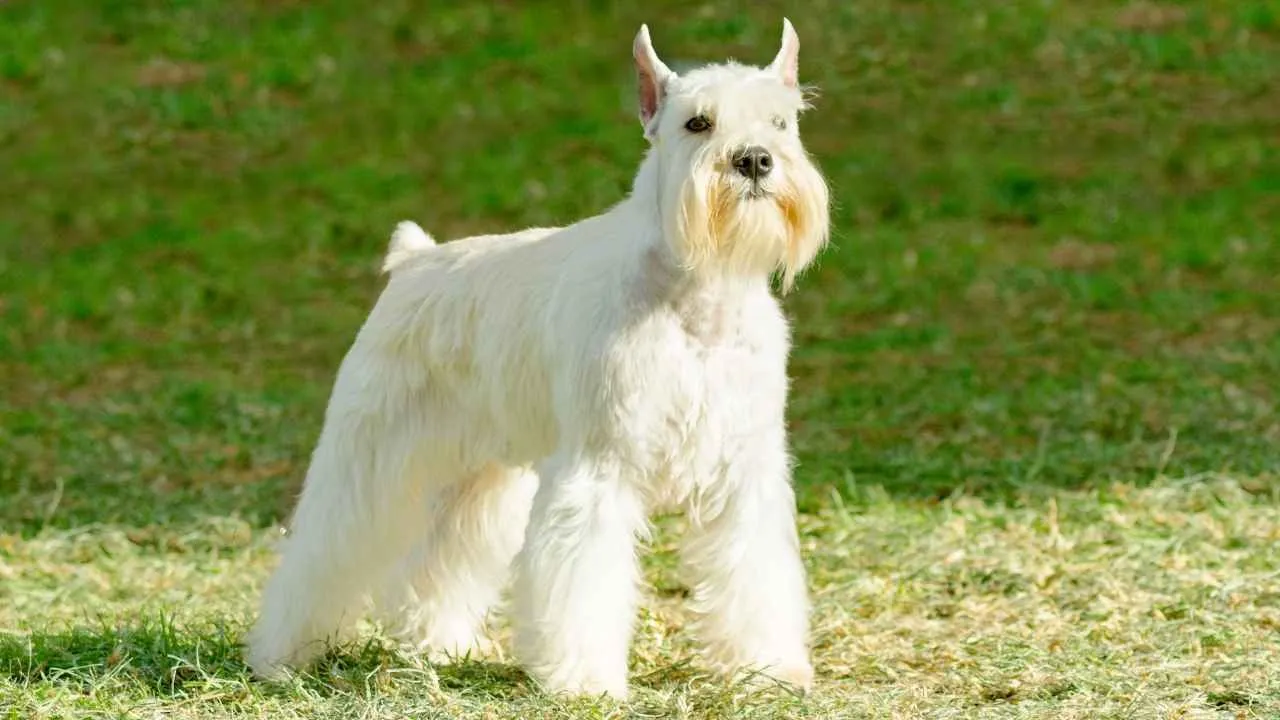
The Miniature Schnauzer is a tiny powerhouse with roots in 15th-century Germany, descending from the Standard Schnauzer, Poodles, and Affenpinschers, according to the AKC. Originally bred to hunt vermin on farms, this small terrier quickly became a versatile companion and watchdog.
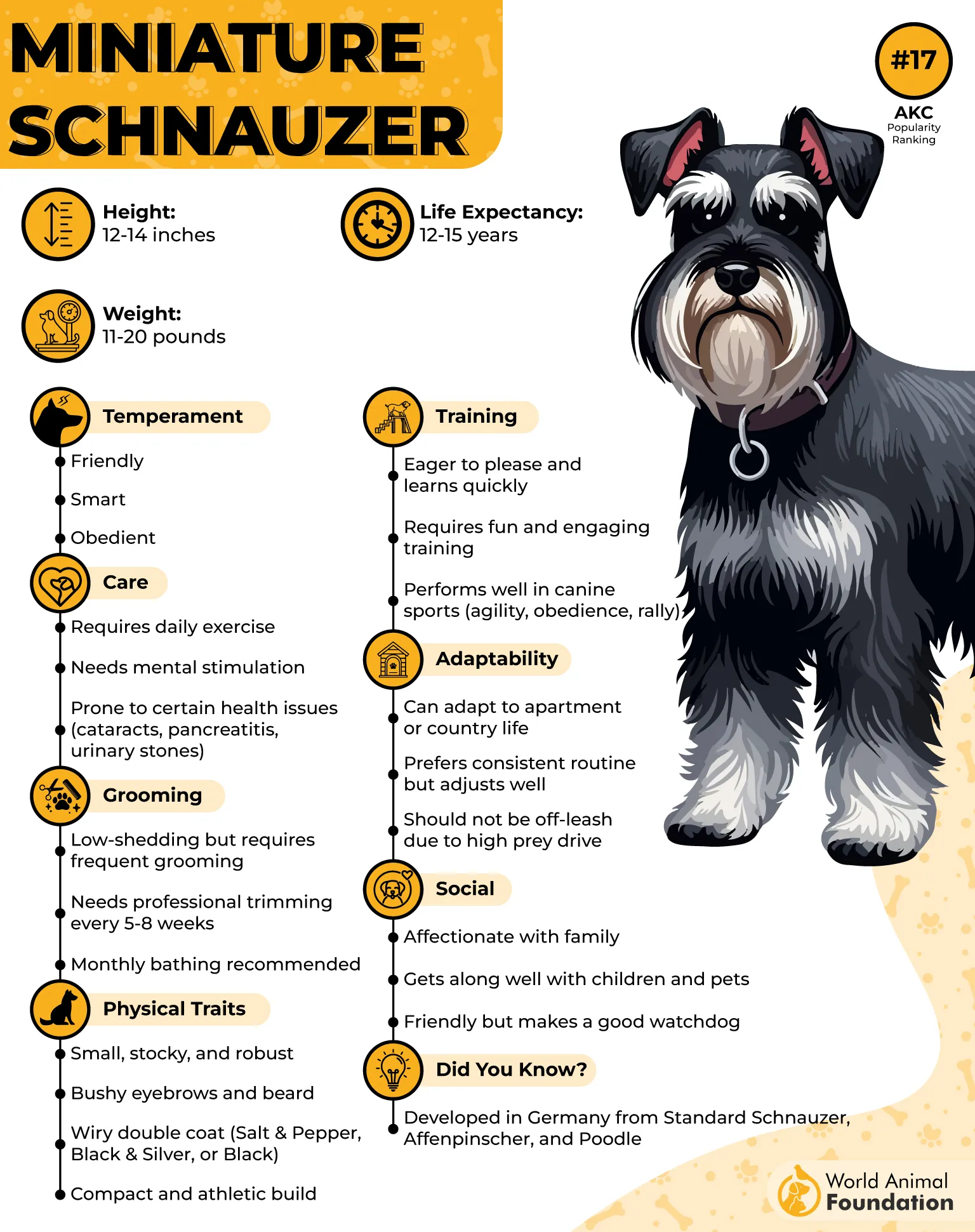
Spirited Companions with Big Personalities
Despite their compact size, Miniature Schnauzers are brave, lively, and affectionate. They bond closely with their families and make excellent watchdogs due to their vocal nature and keen awareness of strangers. Playful and extremely intelligent, they thrive in active households and enjoy games, walks, and obedience challenges.
Smart Pup, Easy to Train (With a Twist)
These good family dogs are clever learners but can grow bored with repetitive drills, so variety and positive reinforcement are key. Socialization from an early age helps them coexist with other pets and adapt to new experiences.
Professional grooming is essential, especially for their signature beard and wiry coat, which requires regular brushing and occasional professional clipping.
Why Mini Schnauzers Keep Their Small Stature
Selective breeding from the Standard Schnauzer, Poodle, and Affenpinscher reduced size without losing intelligence or stamina.
Compact frames made them ideal for hunting vermin in tight farm spaces.
Shorter legs and stocky bodies allow for agility in small areas while still being strong and sturdy.
Breeding focused on temperament and practicality rather than sheer size, preserving a friendly, manageable dog.
Conclusion
Small dogs bring a lot of joy in a compact package, and each one has its own unique charm and personality. Their playful energy and affectionate nature make them wonderful companions for any household. With so many options, there’s truly a perfect little friend out there for everyone.
Living in a smaller space doesn’t mean giving up on having a pet. These little dogs are easy to manage, travel with, and care for, making them ideal for busy lifestyles or apartment living. Their size and adaptability mean you can enjoy all the joys of dog ownership without feeling overwhelmed.
Beyond practicality, their lovable looks and friendly disposition make them irresistible. Small breeds can brighten any home, connect deeply with family members, and fit seamlessly into everyday life. Take the step to explore the perfect pint-sized companion—it might just change your life for the better.
