




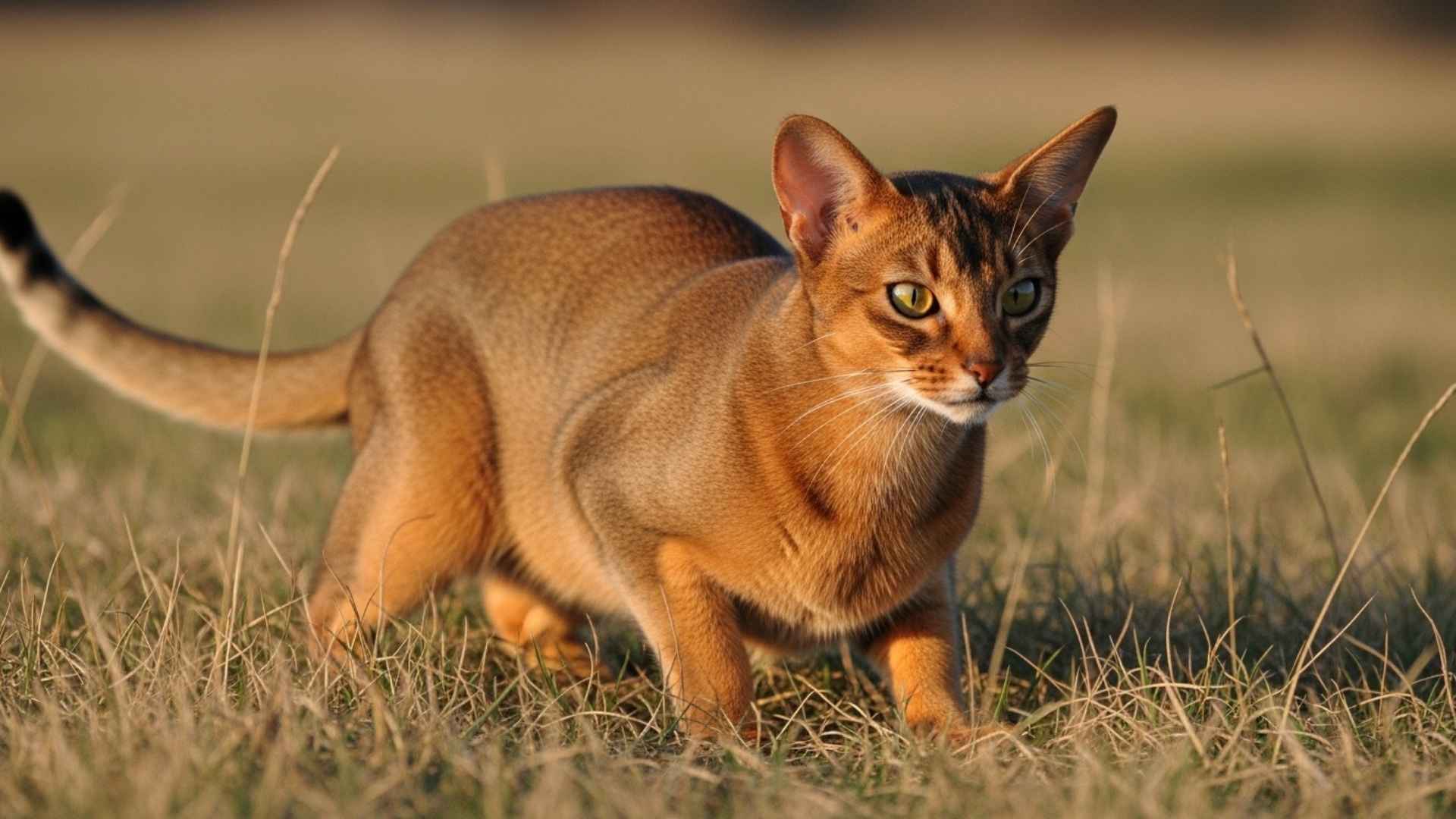
Every cat, from playful kitten to sleepy senior, carries the instincts of a skilled hunter. Prey drive is the natural urge to stalk, chase, and pounce, behaviors you see when a cat locks onto a fluttering toy, a moving shadow, or even a speck of dust.
While all cats have this instinct to some degree, certain breeds are especially driven by it, displaying heightened focus, speed, and determination when something triggers their inner hunter.
Even well-fed house cats retain this instinct, engaging in “practice hunts” through play, bug-catching, or ambushing toys. For some breeds, this instinct is stronger and more persistent, influencing how they play, explore, and interact with their environment.
Some cat breeds have a stronger hunting instinct due to genetics, historical roles, and body structure. These cats thrive when their prey drive is acknowledged and safely channeled, making understanding their needs essential for a happy, well-balanced companion.
Cat breeds with strong prey drive
1. Bengal Cat
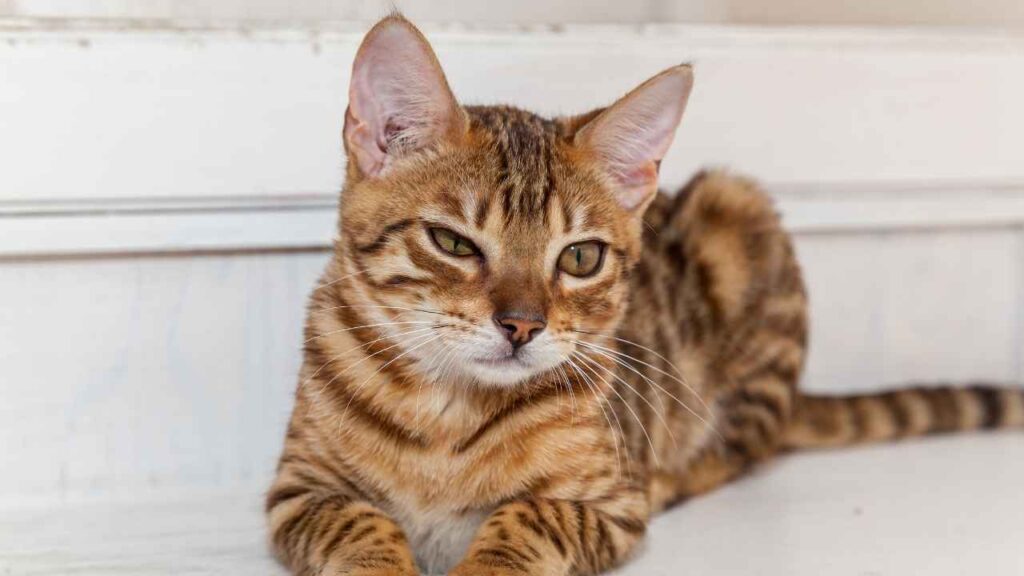
The Bengal cat, sometimes called a hybrid spotted cat, descends from crosses between domestic cats and the Asian leopard cat. Known for rosetted coats and athletic builds, Bengals are intelligent, energetic, and visually striking.
According to Purina, the Bengal is described as a sleek and muscular cat with a wild look, which is emphasized by the distinctive marbling and spotting on its thick, luxurious coat.
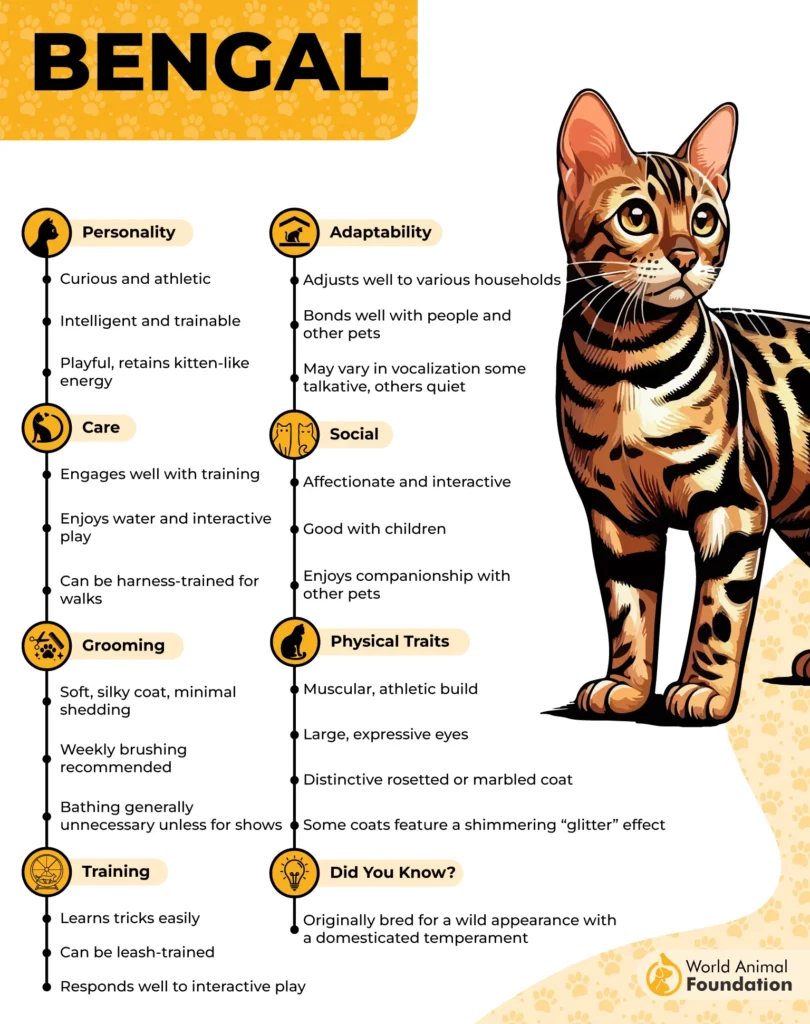
As a born hunter with endless energy, Bengals display one of the strongest prey drives among domestic breeds. They instinctively stalk, chase, and pounce, turning moving objects, toys, and even shadows into targets.
Their hunting instincts mean they need daily outlets like food puzzles, lick mats, and interactive toys to stay balanced. Without enough stimulation, their prey drive can quickly turn into frustration or destructive behavior.
While they can coexist with other cats or dogs if properly introduced, Bengals may struggle around smaller or timid pets due to their intense focus and territorial nature.
Fact: Bengals typically require significantly more enrichment and activity than most cat breeds to prevent boredom and stress.
2. Abyssinian
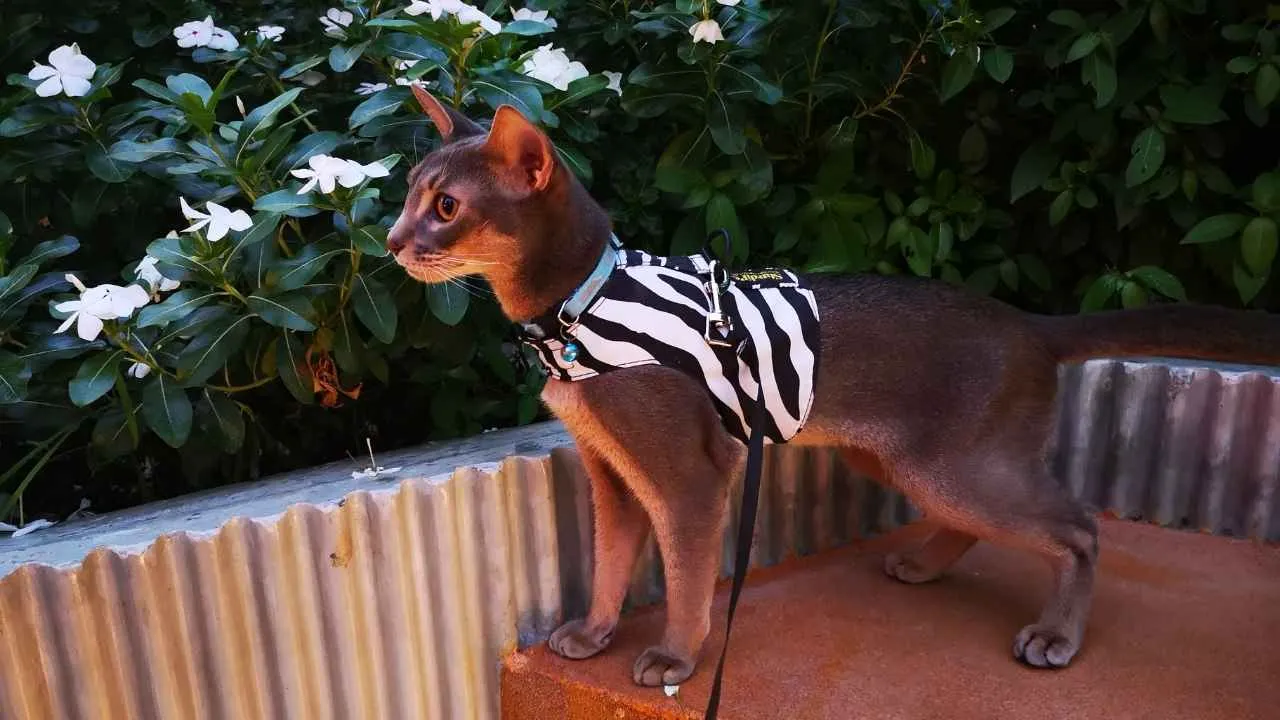
The Abyssinian, often called the “Aby,” is a sleek, athletic breed admired for its ticked coat, large, alert ears, and expressive almond-shaped eyes. Thought to have ancient roots, this breed is built for speed, agility, and constant motion.
According to PetMD, all Abyssinian cats possess an agouti coat, meaning each hair contains multiple color bands, including dark and light sections with a dark tip, resulting in a silky, ticked, salt-and-pepper appearance.
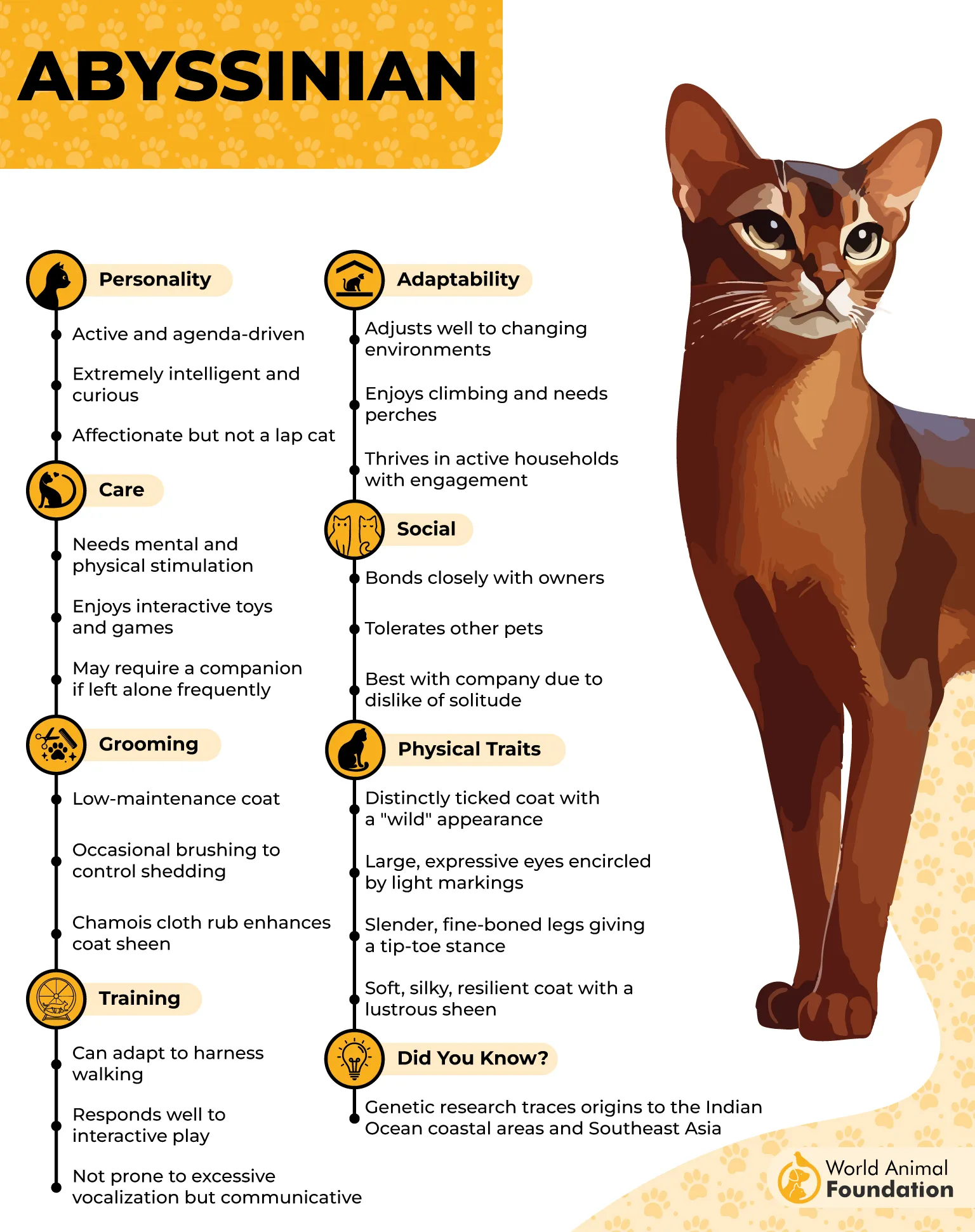
Sharp reflexes and high curiosity define the Abyssinian’s powerful prey drive. These cats are always scanning their surroundings, reacting instantly to movement, sound, or anything that resembles potential prey.
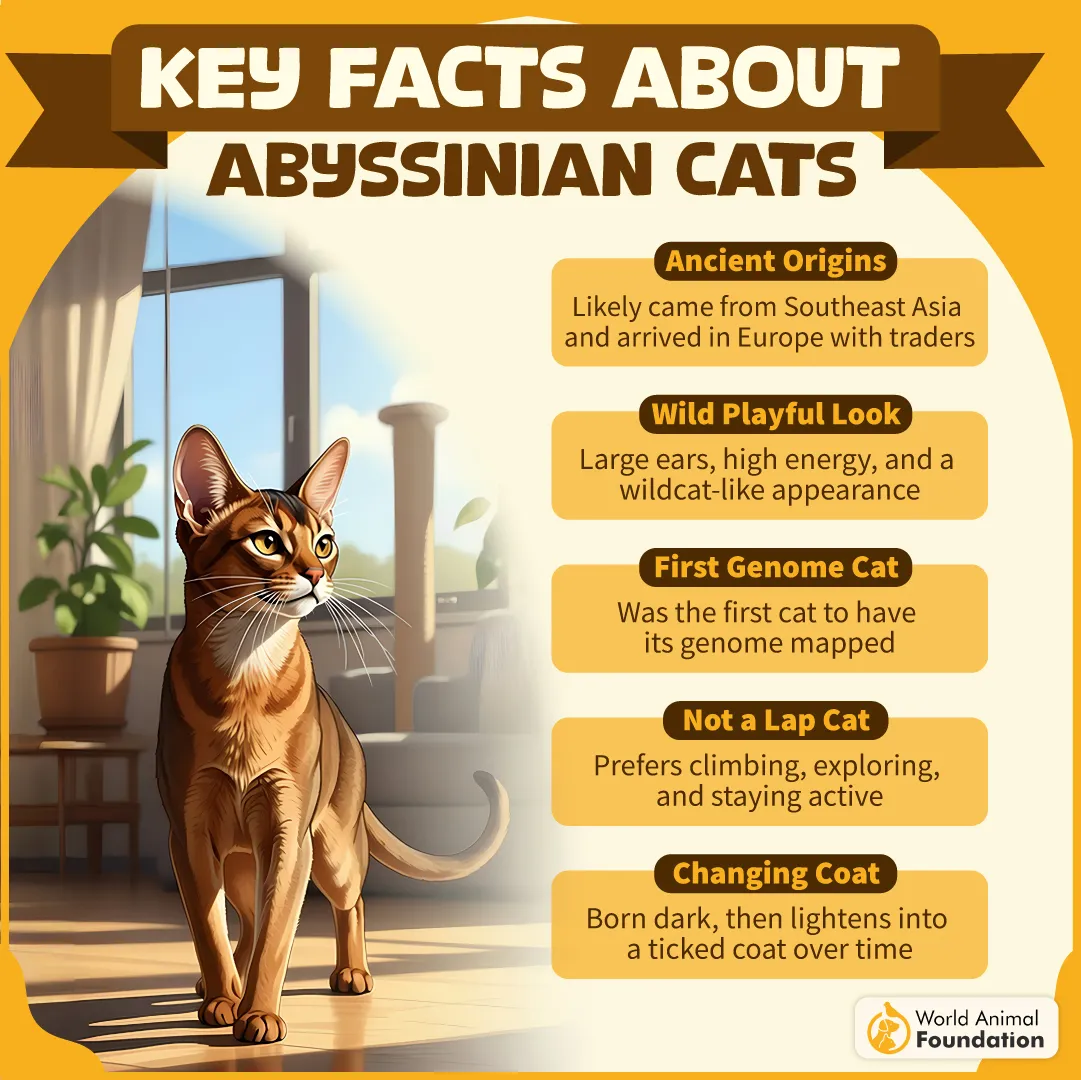
Their natural hunting instincts make them relentless chasers of toys, insects, and fast-moving objects. Abyssinians excel at climbing, leaping, and navigating vertical spaces, mimicking the stalking patterns of wild hunters.
Because of this intense drive, they thrive in homes that provide daily interactive play and mental challenges.
Fact: Abyssinians are known to hunt small animals like mice, birds, and insects, using exceptional agility and lightning-fast reflexes.
3. Maine Coon
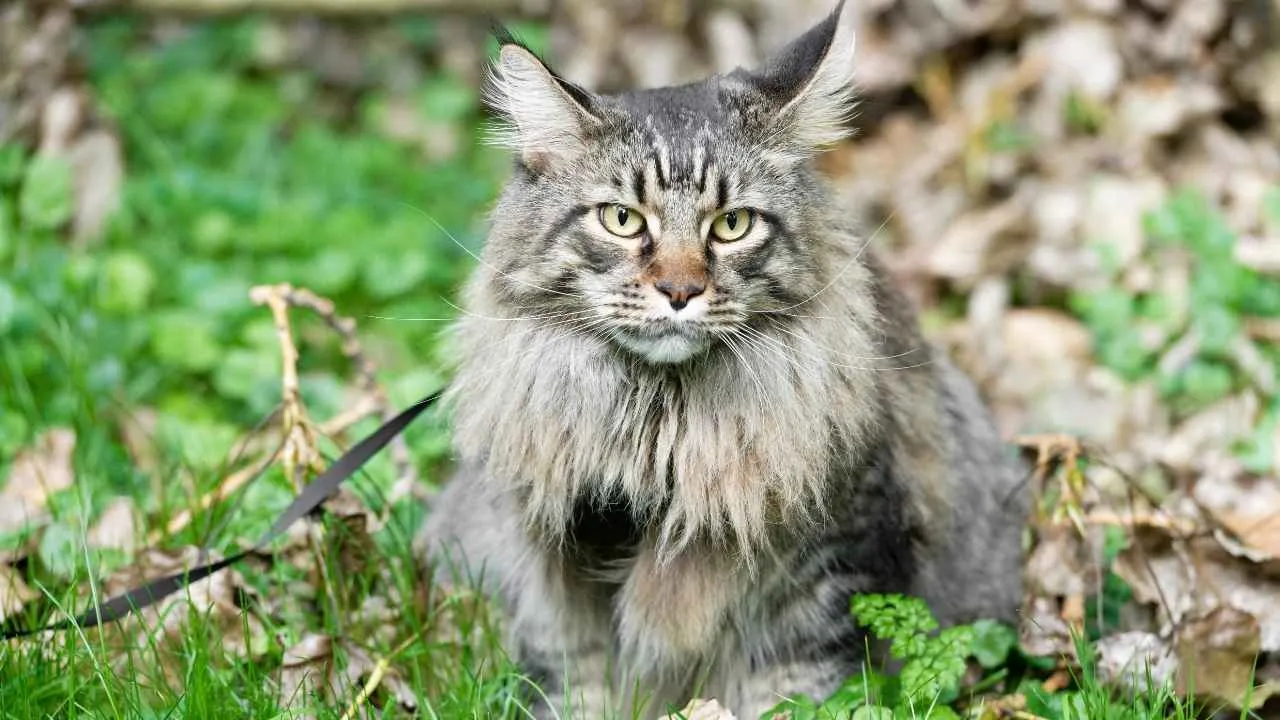
The Maine Coon, often called the “gentle giant” or the American Longhair, is the only long-haired cat breed native to the United States. Originating in New England, this large, rugged cat is known for its tufted ears, bushy tail, and weather-resistant coat.
According to Petplan, the Maine Coon has a bright and adaptable temperament, initially taking time to become comfortable with people before revealing an extroverted personality.
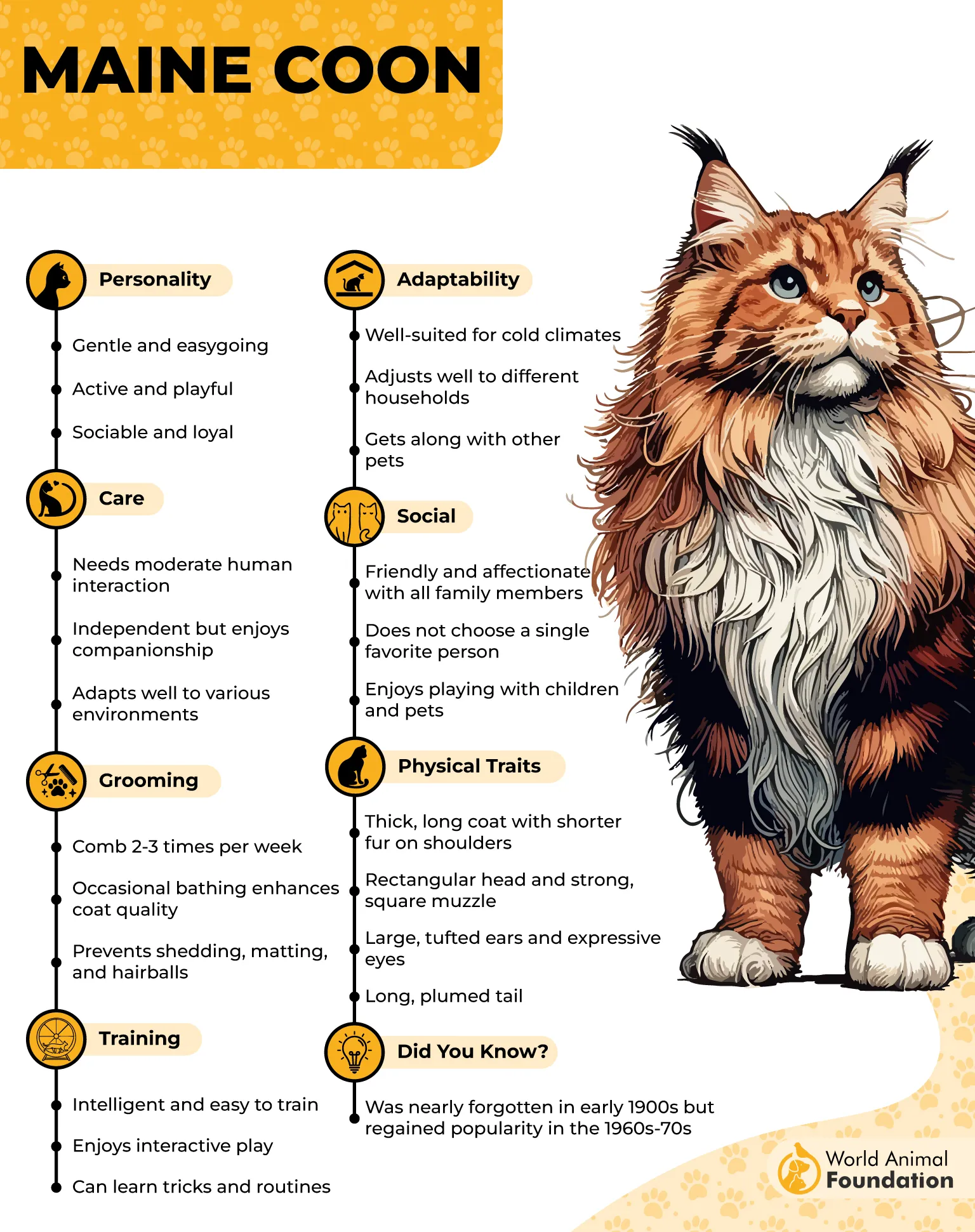
Agile, fast, and always alert, Maine Coons retain a surprisingly strong prey drive beneath their friendly demeanor. Historically valued as mousers, they instinctively track movement and remain highly attentive to sounds and motion around the home.
Despite their large size, they are quick learners and respond well to interactive play that mimics hunting. Wand toys, puzzle feeders, and games that involve chasing help healthily channel their prey instincts.
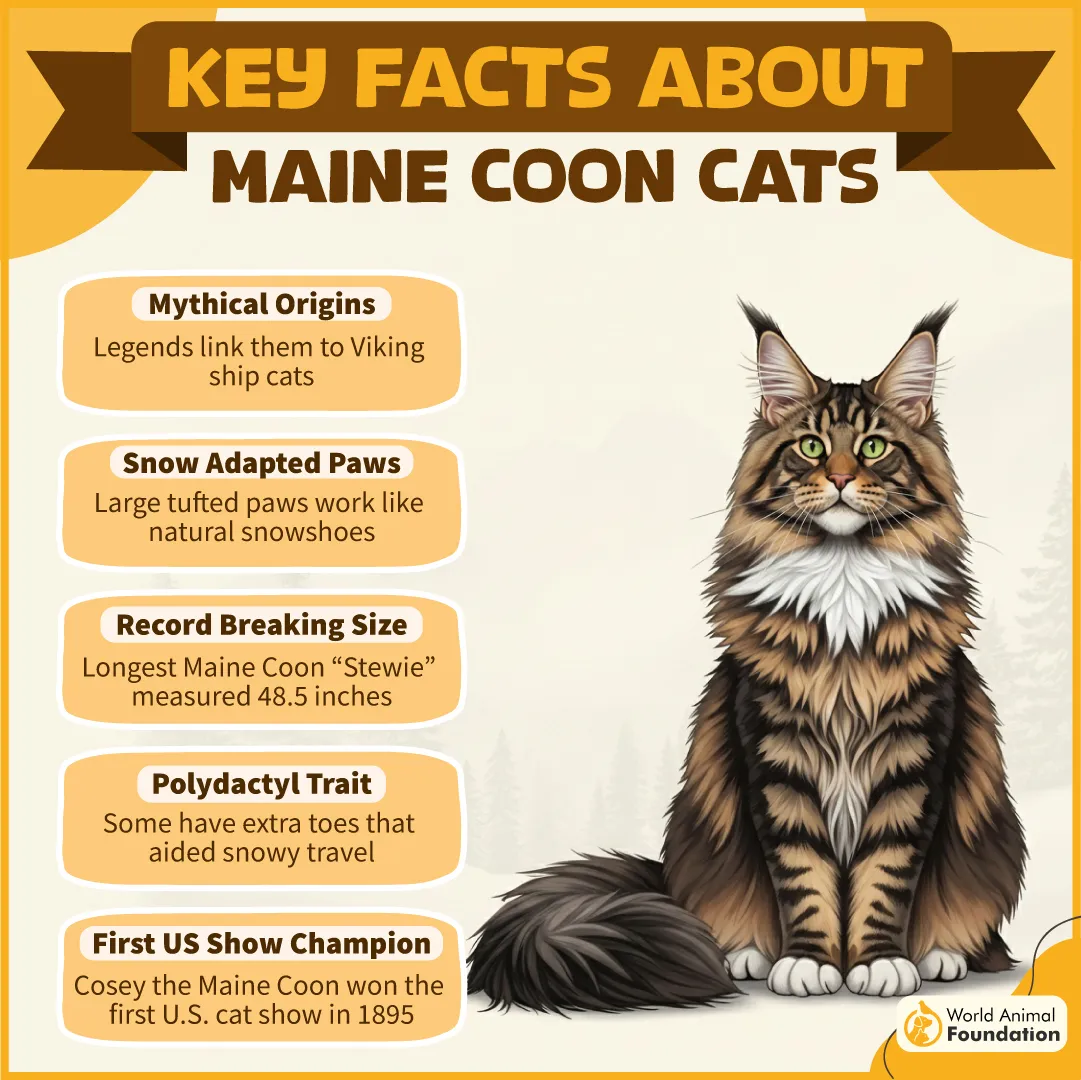
While sociable with people and other pets, their alert nature means they are always “on duty,” watching their surroundings closely.
Fact: Maine Coons developed naturally in New England, preserving the high prey drive that once made them excellent working mousers.
4. Russian Blue
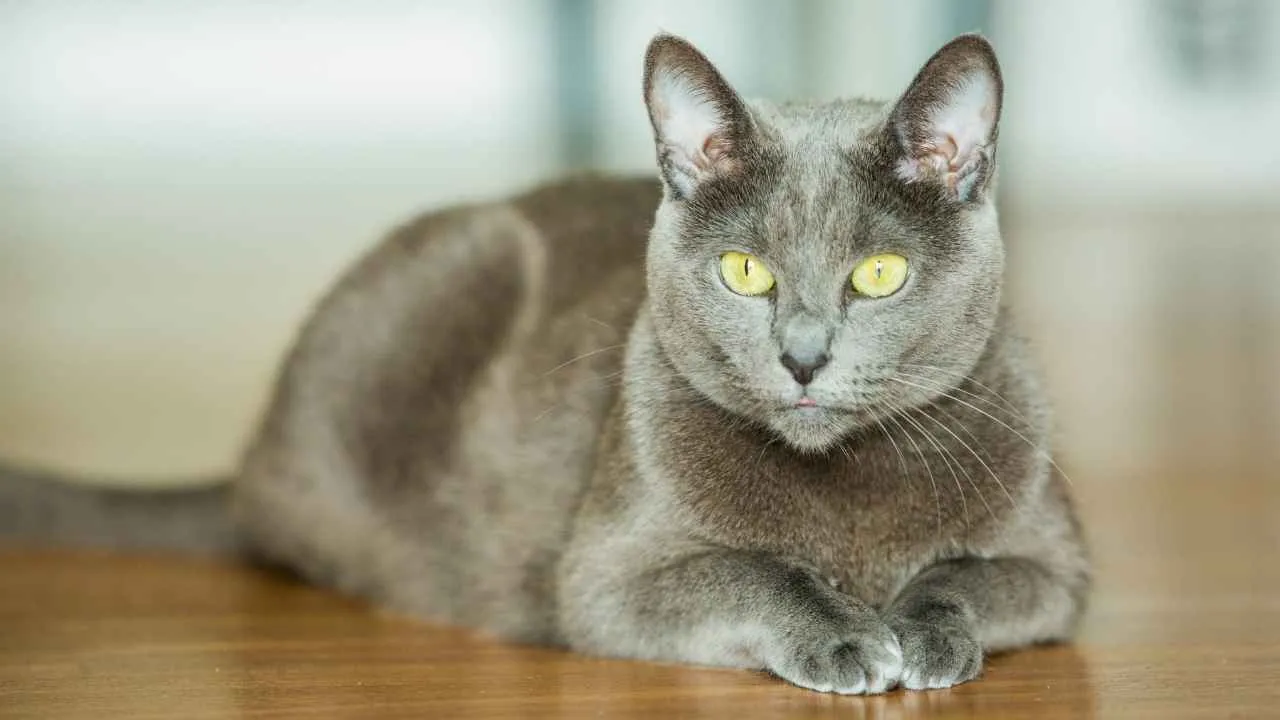
The Russian Blue, also known as the Archangel Blue, is a sleek, elegant cat recognized for its silvery-blue coat and vivid green eyes. Naturally intelligent and reserved, this breed forms deep bonds with its family while maintaining an observant, watchful presence.
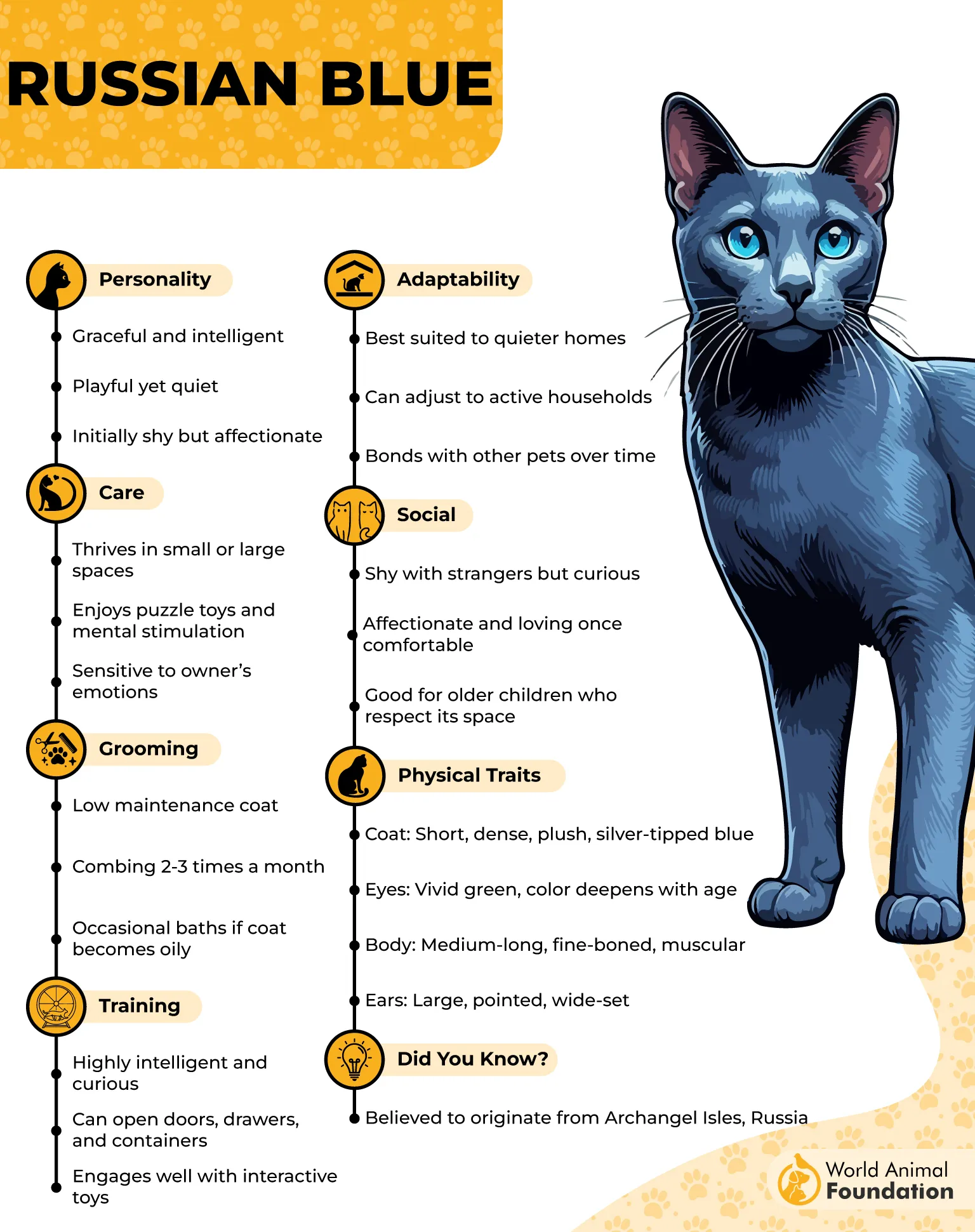
Instinct-driven and highly focused, Russian Blues retain a strong prey drive that shows up during play. They are quick to lock onto movement, making feather wands and fishing-pole toys irresistible outlets for their hunting instincts.
Their sharp minds need regular physical and mental stimulation to stay balanced. Interactive toys, short but frequent play sessions, and puzzle-based games help prevent boredom while satisfying their natural urge to stalk and chase.
Although affectionate and loyal, Russian Blues enjoy quiet control of their space and often retreat to private nooks after intense play.
Fact: Russian Blue cats are known for having a high prey drive and will enthusiastically shred feathered toys if given the chance.
5. Savannah
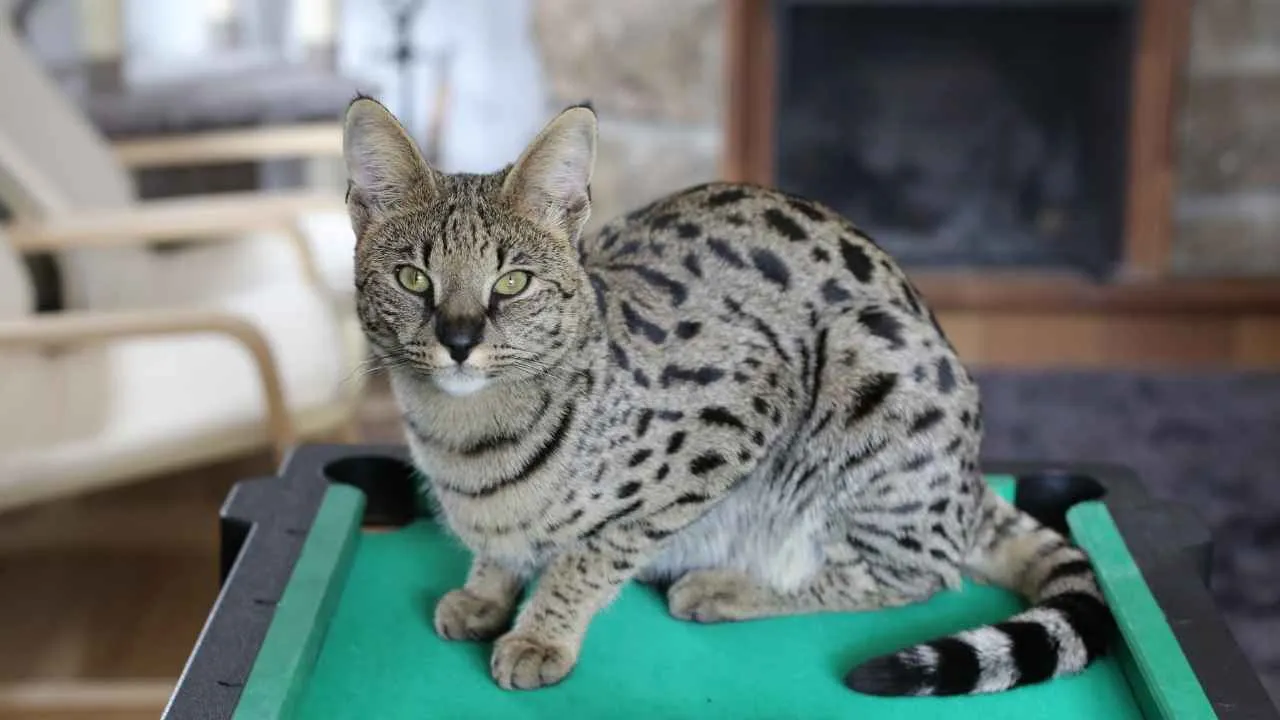
The Savannah cat, sometimes referred to as the Savvy, is a striking hybrid known for its tall, lean build and exotic appearance. Descended from the African serval, this breed stands out for its long legs, large ears, and boldly spotted coat.
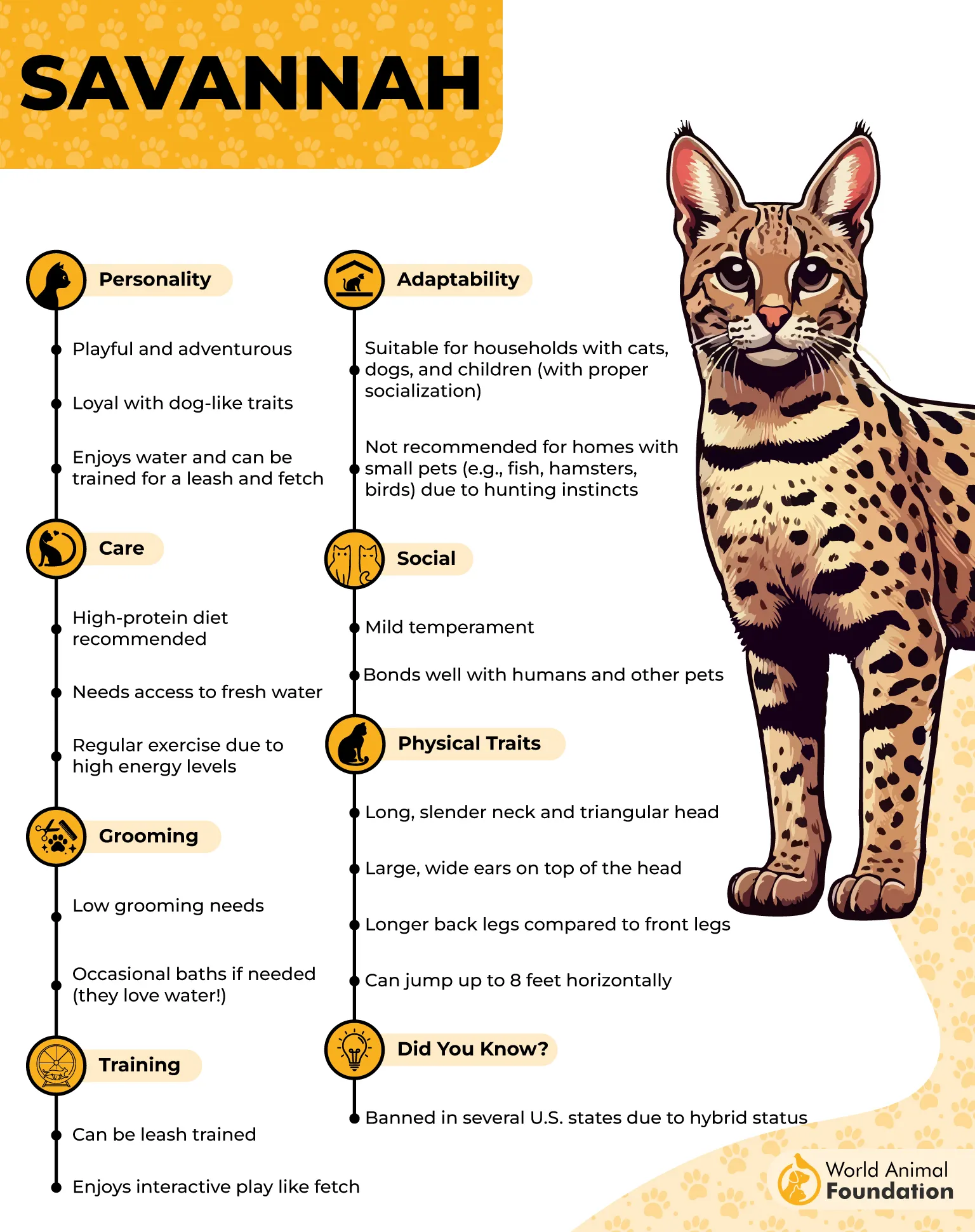
As a playful predator with a wild streak, the Savannah has an exceptionally strong prey drive. These cats are naturally alert, fast-moving, and deeply motivated by anything that mimics real hunting, from darting toys to moving shadows.
Their intelligence amplifies this instinct, making enrichment essential. Food puzzles, foraging games, and interactive toys help channel their hunting energy while preventing boredom-related behaviors in indoor environments.
Despite their intense instincts, Savannah cats can coexist with dogs and other cats when properly socialized early. However, small pets like birds or rodents are often seen as prey.
Fact: Savannah cats are tall but lean, typically weighing between 11 and 20 pounds depending on their generation.
6. Manx
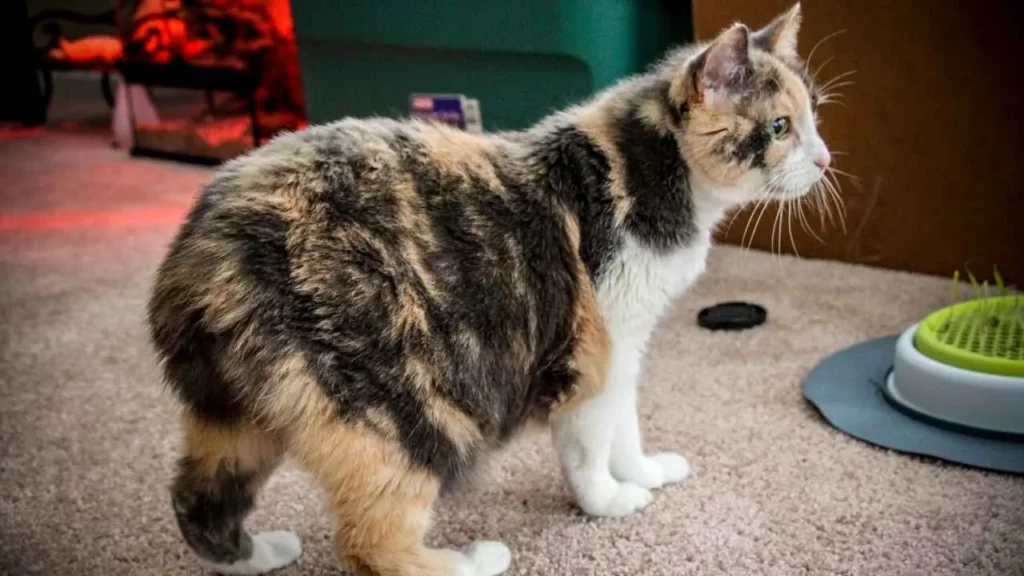
The Manx, sometimes called the “stubbin” or tailless cat, hails from the Isle of Man and is instantly recognizable by its rounded body and naturally shortened or absent tail. Medium-sized and muscular, this breed combines a sturdy build with sharp instincts.
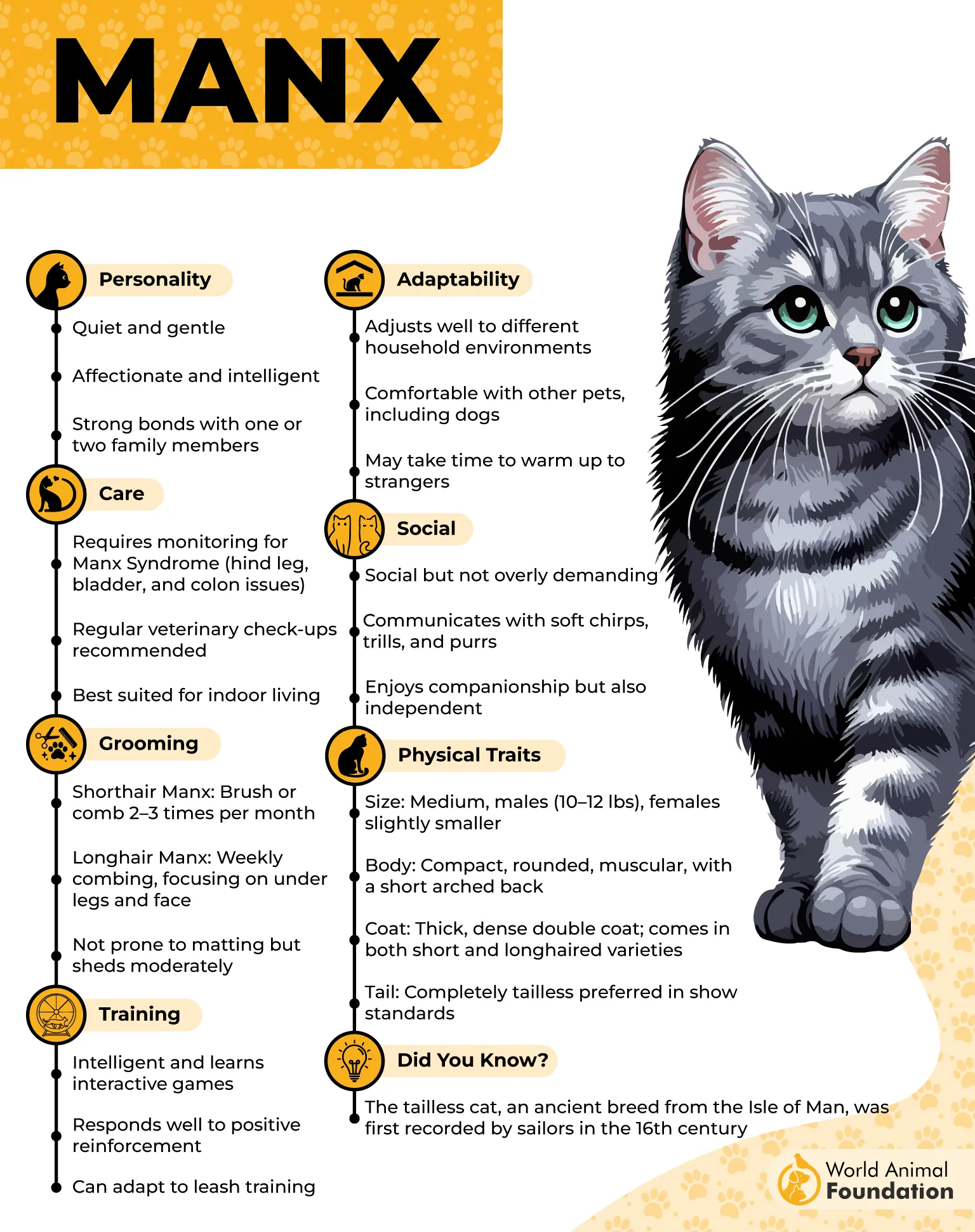
As an independent thinker with impressive hunting skills, the Manx has a long history as a working cat. Originally used as ship ratters and farm pest controllers, they instinctively track mice and insects with speed, focus, and determination.
Their strong prey drive shows up in constant vigilance around the home. Even when lounging quietly, a Manx is usually watching, listening, and ready to spring into action if something moves unexpectedly.
Despite their hunter’s mindset, they balance independence with affection. Manx cats enjoy family time but don’t demand attention, making them reliable companions who work quietly in the background.
Fact: Manx cats were historically prized as ship and farm hunters, valued for their ability to control rodents with remarkable efficiency.
7. American Shorthair
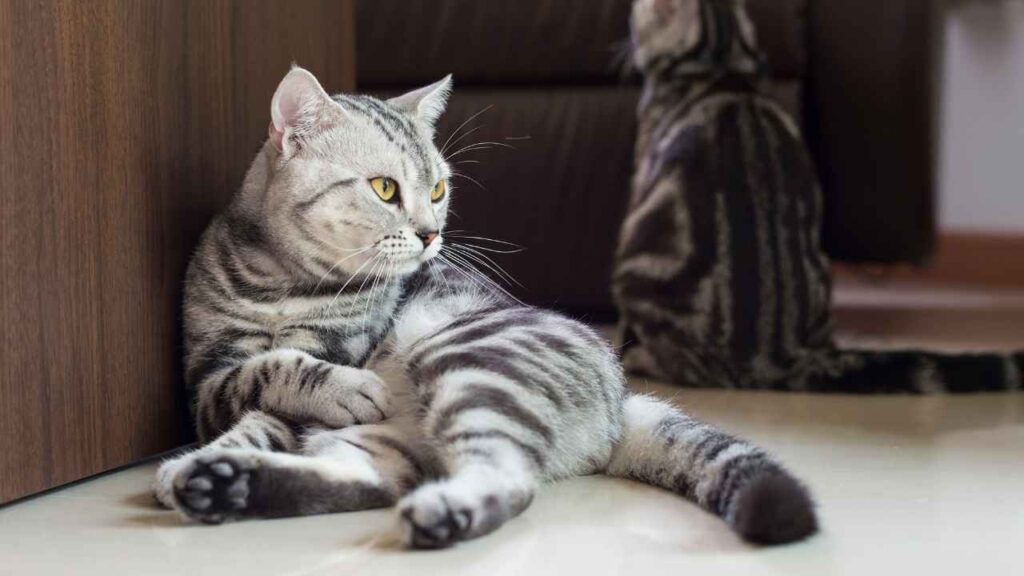
The American Shorthair, sometimes referred to as the American Domestic Shorthair, is a classic working cat with a sturdy, athletic build. Developed in the United States from British shorthairs, this breed was shaped by function as much as appearance.
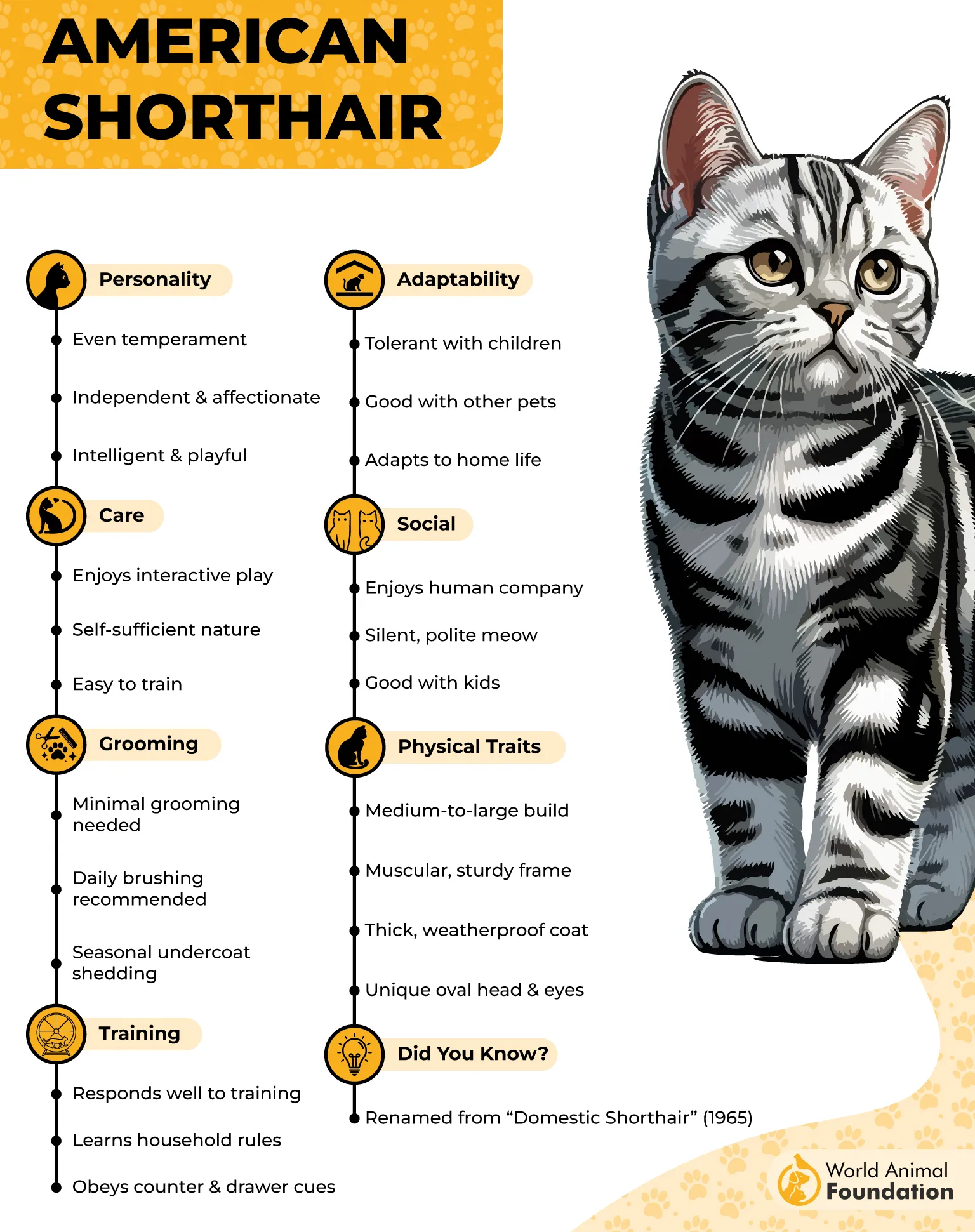
Powerful prey drive is written into their physique. With a broad chest, muscular neck, and strong jaws, American Shorthairs were bred to hunt rodents efficiently, making them natural pest controllers in homes and barns alike.
Even as household companions, their hunting instincts remain sharp. They’re quick to chase moving toys, alert to sounds, and highly responsive during interactive play that mimics stalking and pouncing behaviors.
Despite their hunter roots, they balance intensity with affection and adaptability. Easy to train and generally social, they can thrive in family settings while still satisfying their instinct to hunt.
Fact: American Shorthairs were originally kept to protect homes and food stores from rodents, a role that shaped their strong prey drive.
Conclusion
Cat breeds with strong prey drive highlight just how powerful a cat’s natural instinct can be. From Bengal cats to Maine Coon and American Shorthair, these excellent hunters retain the same sharp hunting abilities once prized in farm cats for catching mice and controlling other pests.
Even as indoor cats, their curious nature, athletic builds, and muscular breed traits shine through during play. While Siamese cats and other breeds may show it differently personality-wise, prey drive remains a defining feature across many bloodlines.
For pet parents, choosing a particular breed means understanding how prey drive affects life with other animals, small dogs, or even an older cat. Whether you have one cat or four cats, proper enrichment helps keep adult cats content and focused.
Some breeds with thick coats even thrive in cold climates, bonding closely with family members. Adopting from a local shelter can also reveal surprising hunters among other breeds with equally strong instincts.
