




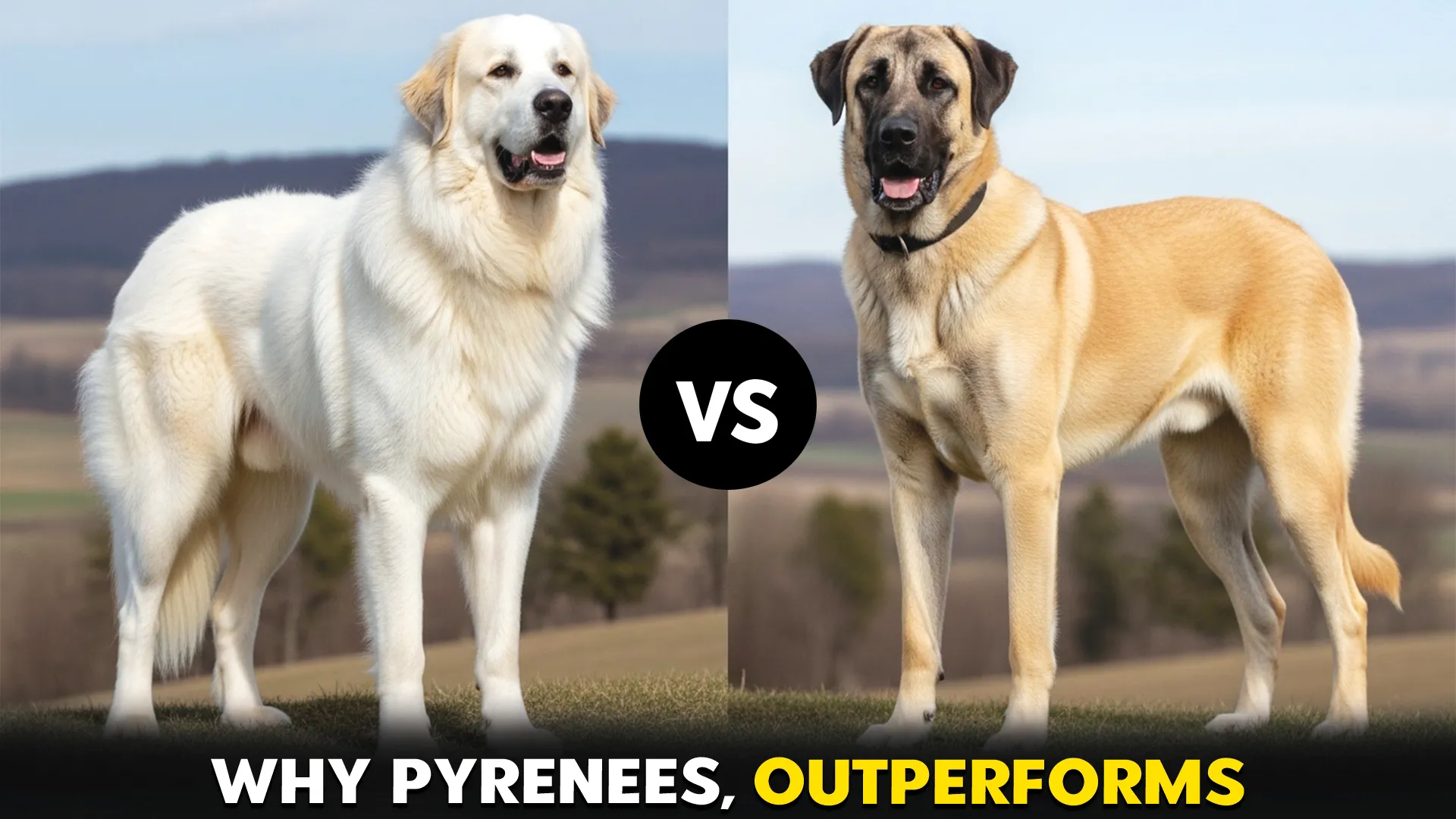
When it comes to large, majestic guardian dogs, both the Great Pyrenees and the Anatolian Shepherd are renowned for their strength, loyalty, and protective instincts.
Both breeds were developed to safeguard livestock and property, making them powerful, independent, and devoted companions. However, the Great Pyrenees has several qualities that give it a distinct edge for certain families and lifestyles.
Known for their calm temperament, gentle nature, and striking appearance, Great Pyrenees dogs combine guardianship with approachability, making them more adaptable to family life compared to the sometimes more aloof Anatolian Shepherd.
We’ll explore 7 compelling reasons the Great Pyrenees often outshines the Anatolian Shepherd, comparing their temperament, training needs, social compatibility, and overall suitability as a family-friendly guardian.
Great Pyrenees vs. Anatolian Shepherd
Whether you’re looking for a loyal companion, a majestic protector, or a dog that balances strength with gentleness, this guide will help you understand why the Great Pyrenees is a standout choice.
Origins & Purpose
Great Pyrenees:
Ah, the majestic Great Pyrenees—think of them as the aristocrats of the dog world. Originating from the snowy peaks of the Pyrenees Mountains between France and Spain, these livestock guardian dogs were bred to guard flocks of sheep.
Their mission? Keep predators away and look dignified while doing it. Imagine a dog with the calm confidence of a mountain monk who also happens to weigh enough to knock over a small car if you anger it—yes, that’s a Great Pyrenees.
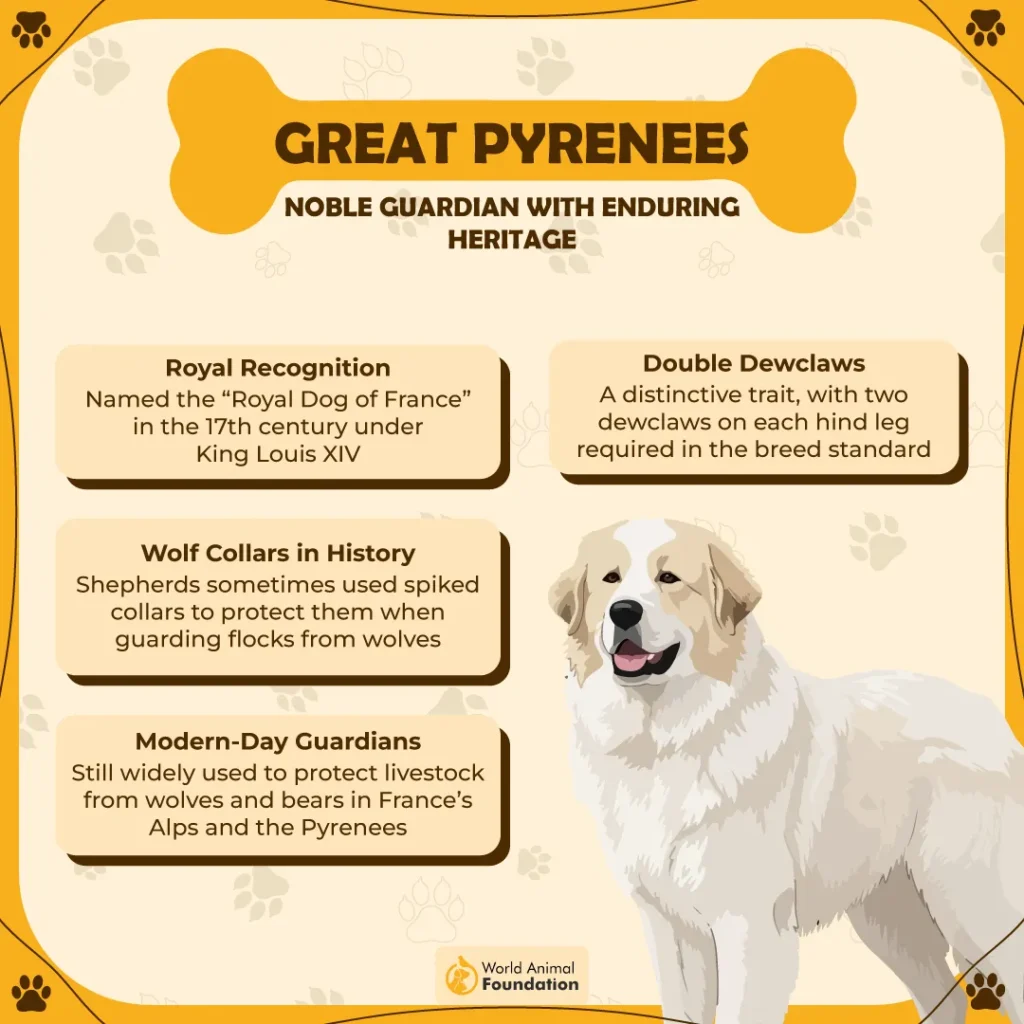
They were bred to be independent thinkers, quietly patrolling the fields, fluffy coats glistening in the sun, all while their human shepherds do the work…or nap.
Anatolian Shepherd:
Meanwhile, the Anatolian Shepherd hails from the rugged, sun-baked lands of Turkey. According to the American Kennel Club (AKC), Anatolian Shepherds are frequently characterized as strong and robust. With a lineage stretching back roughly 6,000 years, their traits remain as enduring and formidable as ever.
Picture a dog forged by harsh terrain, centuries of guarding livestock against wolves and jackals, and a diet of pure determination (and maybe some bones on the side).
These dogs are the no-nonsense bodyguards of the shepherding world: massive, alert, and serious about their work. Unlike the Pyrenees, which exude “I’ll protect you, but elegantly, thank you,” the Anatolian says, “I’ll protect you, and if you don’t like it, I’ll stare you down until you reconsider your life choices.”
Size & Physical Build
Great Pyrenees:
- Height: 25-32 inches
- Weight: 85+ pounds
The Great Pyrenees is like the snowy mountain king of the dog world—tall, fluffy, and impossible to ignore. These dogs are basically walking clouds with paws.
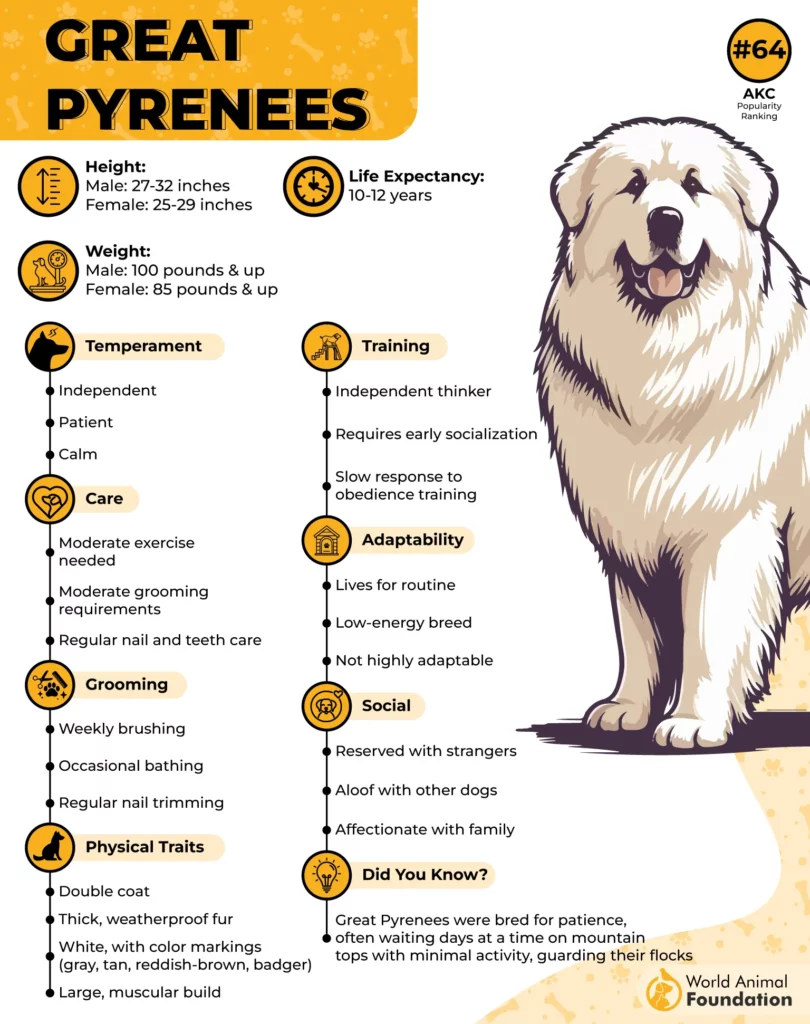
Their coats are always predominantly white, which makes them look angelic, but they can have subtle markings in tan, grey, badger, or reddish-brown—like Mother Nature decided to throw in some “artistic flair” while brushing them.
With their luxurious medium-length fur, they look like they just stepped out of a winter fairytale, even if they’ve been rolling in mud all day.
Anatolian Shepherd:
- Height: 27-29 inches
- Weight: 80-150 pounds
Now, meet the Anatolian Shepherd: the rugged, stoic guardian who doesn’t care much about looking fluffy in the breeze. Their short, dense coat comes in a rainbow of serious-sounding colors:
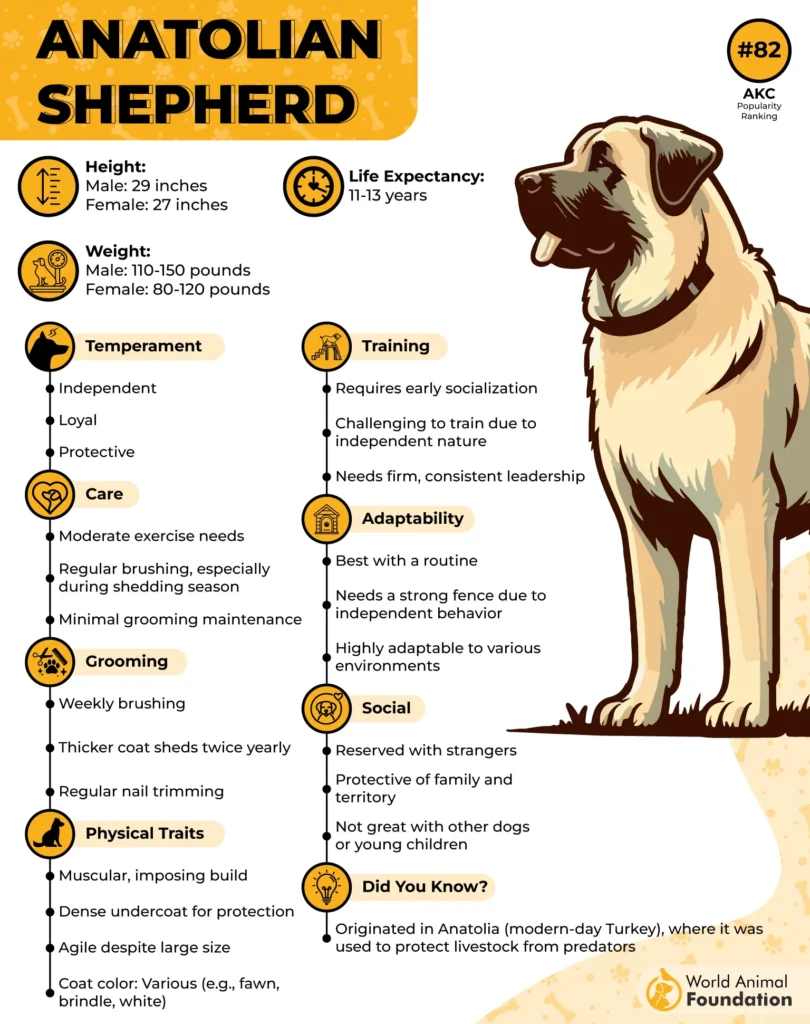
They’re built like sturdy fortress walls—lean, muscular, and ready to stare down predators (or your mailman) without breaking a sweat.
If you want a dog that looks like a snow angel that could also crush a small pumpkin, go Pyrenees. If you want a dog that looks like it was carved from the Anatolian hills and could single-pawedly repel a wolf pack, the Anatolian Shepherd is your champion.
Temperament & Personality
Both the Great Pyrenees and Anatolian Shepherd were bred to think independently, protect livestock, and make their own decisions in the field—but they express their personalities in very different ways. Here’s a closer look at what makes each breed tick:
Great Pyrenees:
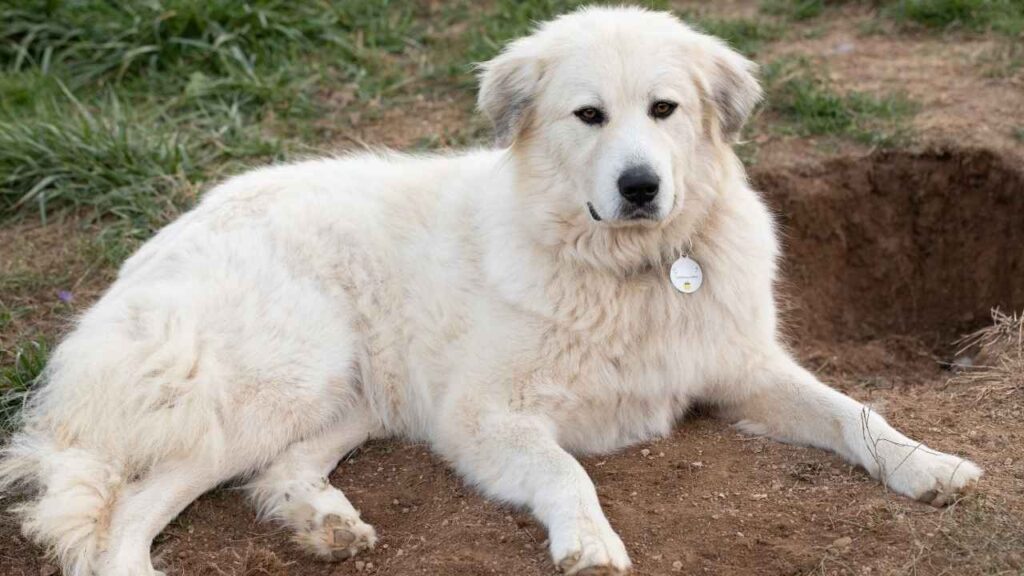
- Calm and gentle, often described as “patient giants.”
- Naturally affectionate with family members, including kids.
- Loyal to a fault, sometimes bordering on “shadow dog” territory—they’ll follow you everywhere.
- Independent thinkers: they can make decisions without waiting for human input.
- Protective, but generally more relaxed unless they sense danger.
Anatolian Shepherd:
- Confident, assertive, and extremely alert.
- Highly protective—takes guarding very seriously.
- Independent and strong-willed, they expect respect and boundaries.
- Less outwardly affectionate, but deeply loyal to their family.
- Can be wary of strangers, sometimes more suspicious than the Pyrenees.
Exercise & Energy Levels
Despite their massive size, both the Great Pyrenees and Anatolian Shepherd have surprisingly different energy patterns. One is more “zen mountain sage,” while the other is a “vigilant warrior on patrol.”
Great Pyrenees:
✔ Moderate energy: more of a slow-and-steady type than a sprinting marathoner.
✔ Enjoy daily walks and a safe yard to roam, but don’t need intense workouts.
✔ Can be quite content lounging around the house, especially if they’ve done a bit of “patrolling” outside.
✔ Playful but in a calm, measured way—think giant teddy bear vibes rather than a hyper puppy.
Anatolian Shepherd:
✔ Higher energy than the Pyrenees, especially mentally, even if they look like statues.
✔ Require regular exercise to keep their minds sharp and avoid boredom (long walks, hikes, or yard patrols).
✔ Enjoy having a “job” to do—mental stimulation is just as important as physical activity.
✔ Can get restless if confined for too long; think “patrol mode activated” in the living room.
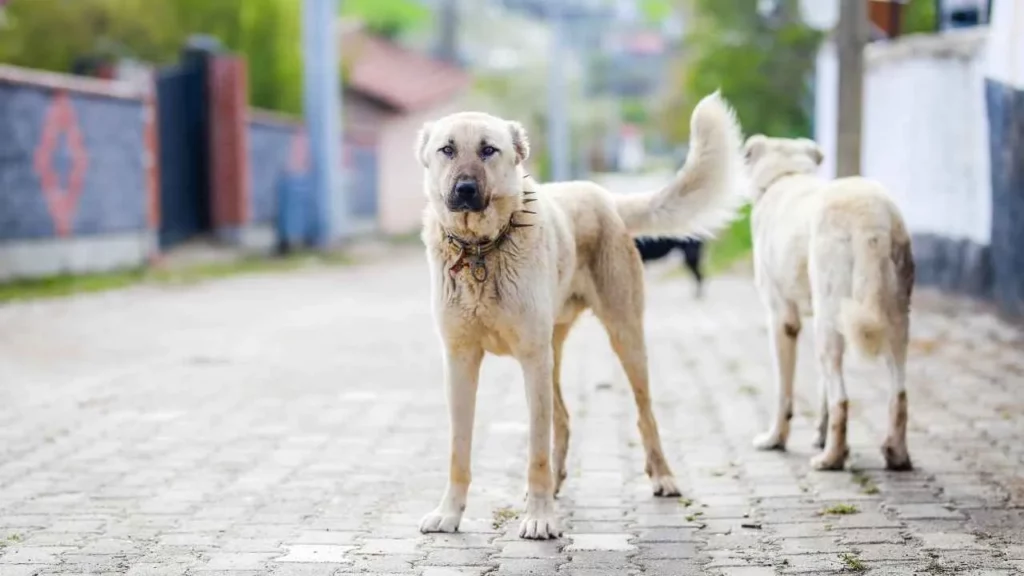
If you’re looking for a dog that’s more chill and content to lounge like a fluffy snow angel, the Great Pyrenees fits the bill. If you want a watchful, energetic guardian who keeps both you and the yard on high alert, the Anatolian Shepherd is your four-legged sentinel.
Training & Intelligence
Training these gentle giants isn’t exactly “sit, stay, repeat” territory. Think of training these dogs less like teaching a puppy and more like negotiating with a furry CEO.
Great Pyrenees:
- Intelligent, but can be stubborn—sometimes they have a “my way or the highway” attitude.
- Respond best to the patient, consistent training with positive reinforcement.
- Can take a while to learn commands because they like to think for themselves.
- Good at problem-solving, especially when it comes to guarding their flock—or your living room snacks.
Anatolian Shepherd:
- Highly intelligent and alert, but extremely independent-minded.
- Excellent at assessing situations and making decisions—sometimes ignoring commands if they think it’s “their call.”
- Mental stimulation is key: puzzle toys, structured activities, or “jobs” like guarding and herding keep them happy.
- Early socialization and consistent rules are critical to prevent them from becoming overly protective.
Both breeds are smart enough to outthink you if you’re not consistent—but the Pyrenees is more laid-back and cooperative once trust is built, while the Anatolian is a strategic thinker who expects leadership and will challenge you if boundaries are unclear.
Coat Maintenance
If there’s one thing you can say for sure about these two giant guardians, it’s this: their coats are a big part of their personality—and your life. One says “fluffy cloud cuddles,” the other says “rugged fortress of fur.”
Great Pyrenees:
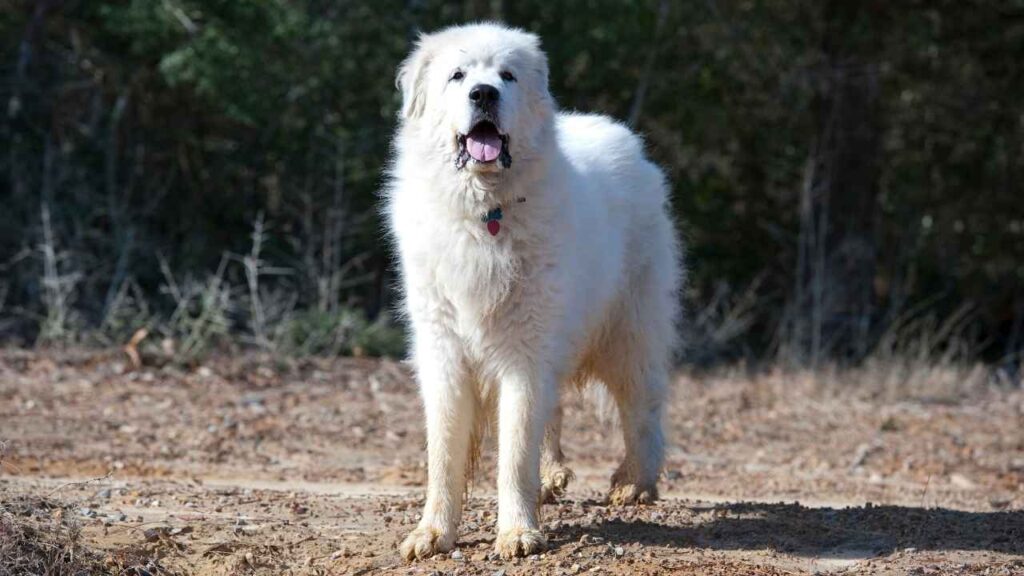
- Coat type: Long, thick, double coat designed to withstand cold mountain weather.
- Shedding: Heavy—yes, prepare for white fur tumbleweeds in every corner.
- Grooming needs: PetMD noted regular brushing (2–3 times per week, more during shedding season) to prevent mats and tangles.
- Bathing: Occasional, as frequent washing can strip natural oils.
Anatolian Shepherd:
- Coat type: Short, dense double coat built for rugged terrain and sun.
- Shedding: Moderate—easier to manage than a Pyrenees, but they do blow coat seasonally.
- Grooming needs: Weekly brushing is usually enough to keep their coat healthy.
- Bathing: Infrequent; they’re surprisingly low-maintenance for a dog of their size.
Health & Lifespan
Both the Great Pyrenees and Anatolian Shepherd are robust, long-lived giants—but like all big dogs, they come with a few quirks you should know about. Think of them as gentle mountains or fortress-sized companions with a few maintenance needs.
Great Pyrenees:
Lifespan: 10-12 years
The Great Pyrenees are robust, long-lived giants, but like all big dogs, they come with a few quirks you should know about:
- Hip dysplasia
- Elbow dysplasia
- Bloat (a serious, life-threatening stomach twist)
Anatolian Shepherd:
Lifespan: 11-13 years
Though they are generally very hardy dogs, they can also experience:
- Hip dysplasia
- Elbow issues
- Hypothyroidism
Both breeds live long enough to become part of the family for over a decade, but their size means joint health is key. Pyrenees may need a little more grooming TLC, while Anatolians are built like tanks—but both are sturdy, loyal companions worth every ounce of care.
Great Pyrenees vs. Anatolian Shepherd: Suitability as Family Pets Vs Guard Dogs
Great Pyrenees:
As family pets, Great Pyrenees are gentle giants with a soft spot for children. Their calm, patient demeanor makes them wonderful companions for families who want a big, affectionate dog that loves to lounge around the house but will also protect loved ones when needed.
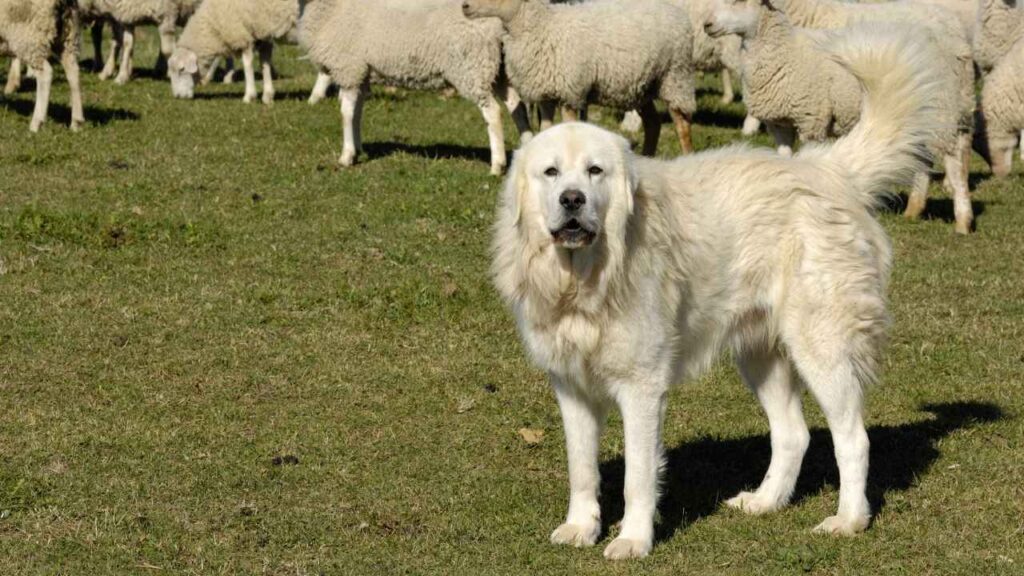
As guard dogs, the Great Pyrenees shine in a subtle, understated way. They don’t bark at every passing leaf; instead, they monitor the property with quiet confidence. Their large size alone is usually enough to deter intruders—but their alert, independent nature makes them better suited to a property with space rather than a small apartment.
Anatolian Shepherd:
As family pets, Anatolian Shepherds are more selective. They bond deeply with their family but are less openly affectionate than the Pyrenees. They’re best suited to families who understand their independent, sometimes aloof nature, and who can provide consistent rules and boundaries.
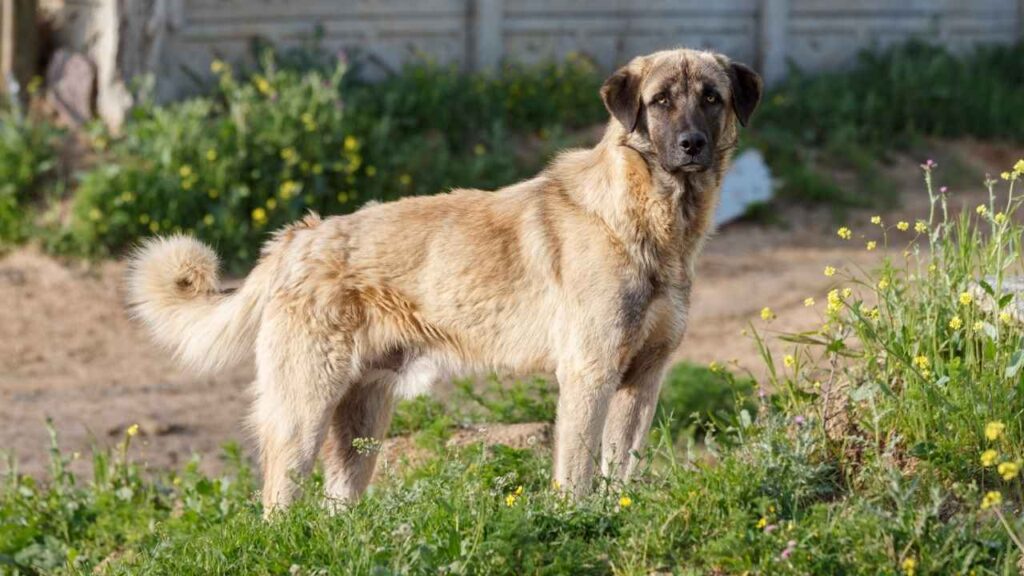
As guard dogs, the Anatolian Shepherd truly comes into its own. This breed is a no-nonsense, highly alert protector. Their vigilance and size make them formidable against intruders or predators. Unlike the Pyrenees, they are always “on duty,” assessing situations and ready to act decisively.
Anatolian Shepherds have a distinct personality—they’re true working dogs through and through. If you’re looking for a lazy couch companion, this breed might not be the right fit, says WebMD.
Conclusion
Reasons the Great Pyrenees outshines the Anatolian Shepherd dog breeds are clear on farms and in family life. Great Pyrenees dogs, originally bred to protect goats, chickens, and other animals, are naturally aware and gentle with other dogs and individual dogs. They tend to watch over the property at night, stand guard, rest, or play as needed.
With a strong bite when necessary, they can deter coyotes or threats without being overly aggressive. Loyal to people, pups, and all the dogs on the farm, they adapt to leash training, handle vet care well, and their instincts, loyalty, and longevity make them the better dog, living forever in the hearts of those interested in a protective companion.
