




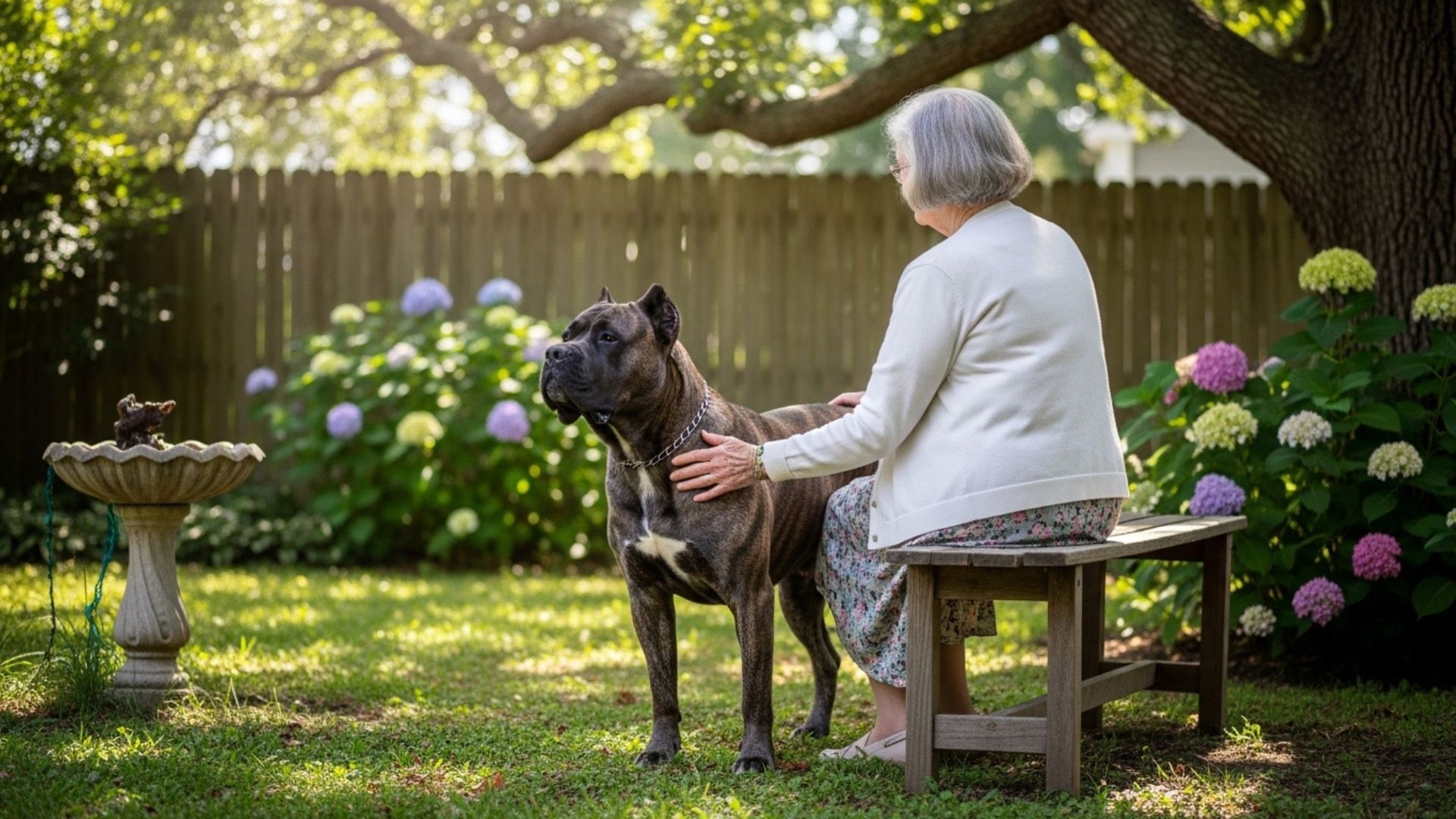
Security is never optional; it’s a responsibility that lasts around the clock. While humans can miss warning signs, working dog breeds rarely do. Bred for protection and vigilance, these dogs rely on instinct, intelligence, and loyalty to guard what matters most. Beyond being loving companions, they are courageous, alert, and deeply devoted to their families.
In this guide, we’ll introduce the seven most protective dog breeds well-suited for serious home security. These dogs stand out for their natural guarding abilities, confidence, and unwavering loyalty. They protect with both strength and heart, often putting themselves in harm’s way without hesitation; true everyday heroes.
Important note: All of the breeds featured here need early training, proper socialization, and moderate daily exercise to thrive.
Before bringing home a guard dog, it’s important to consider the responsibility involved. Protective breeds can be costly to maintain, and training, especially corrective training, can add up quickly. Their size, strength, and instincts require consistent guidance. This guide will help you explore seven reliable protective breeds that balance effectiveness with more manageable long-term care.
Top Protective Dog Breeds for Serious Home Security
When choosing a protective dog breed, it’s important to also think about easy housing. A dog may have impressive strength and strong guarding instincts, but if it struggles to adapt to home life, it can quickly become a challenge. That’s why selecting a breed that is easy to manage, simple to exercise, and comfortable in a home setting is just as important as its protective ability.
These popular guard dog breeds combine reliability, adaptability, and strong home-security instincts. Below is a list of protective dog breeds that balance all of these qualities.
1. Boxer
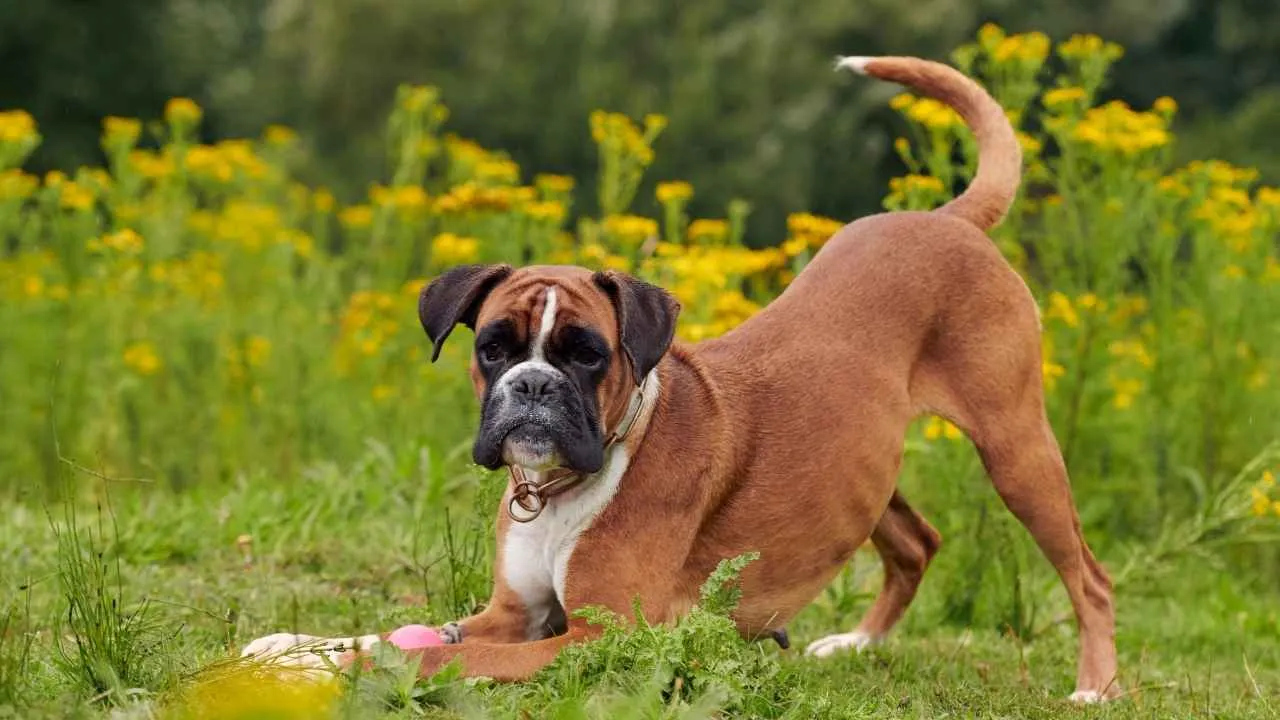
The Boxer is a strong, playful, and confident breed known for its protective nature. Loyal and naturally alert, Boxers are devoted to their families and take their role as guardians seriously.
Their muscular build and watchful personality make them a solid choice for home security. With proper training, they grow into reliable watchdogs who adapt well to family life.
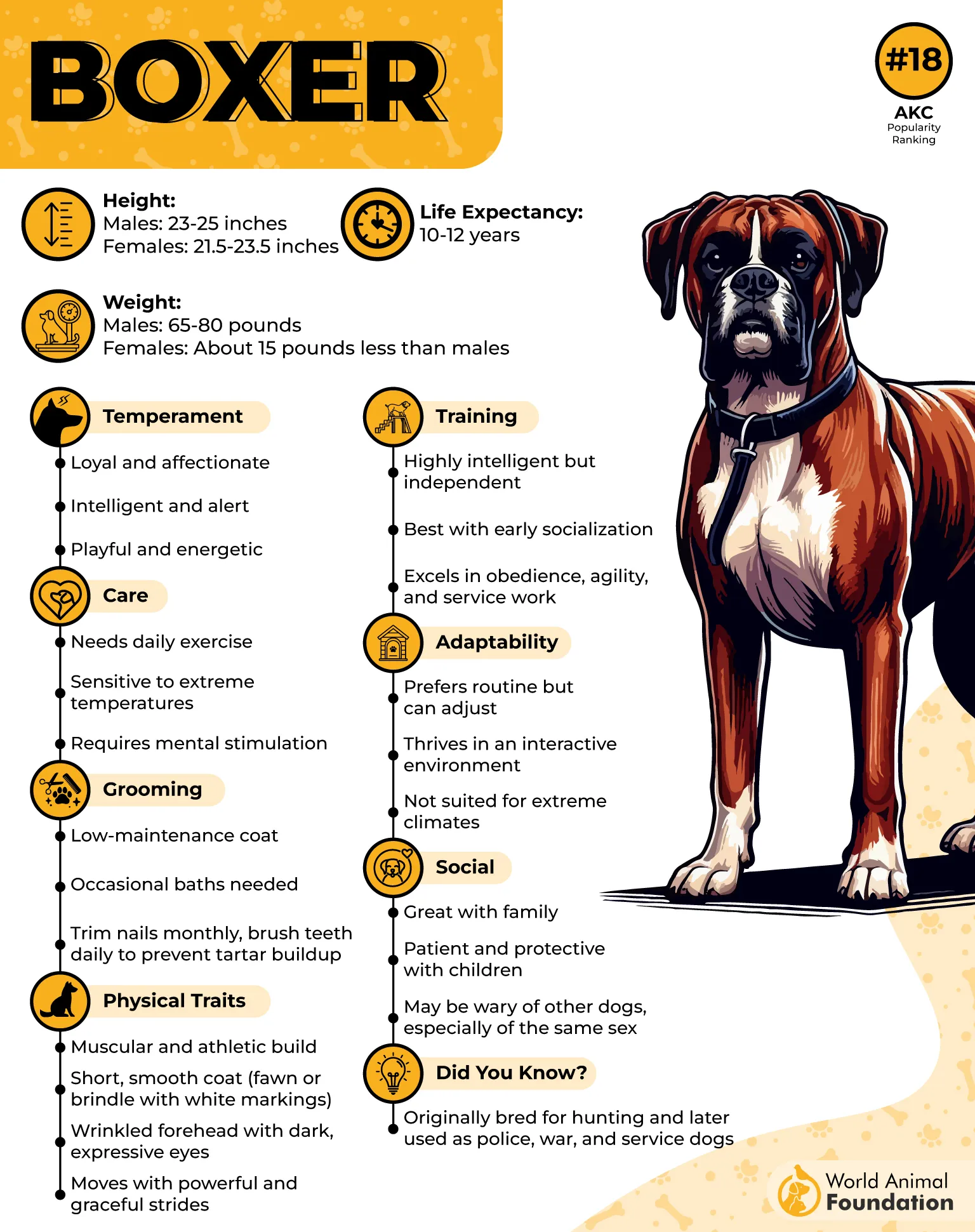
Boxers have a deep, powerful bark that can deter strangers and alert owners to unusual activity. They are energetic dogs who enjoy outdoor play and staying active. Regular exercise and consistent training are important to keep them physically fit and mentally sharp.
While Boxers are not excessive barkers, experienced owners note that when they do bark, it’s usually for a reason. Beyond their protective instincts, they also make enthusiastic companions for long walks and active lifestyles.
2. Akita
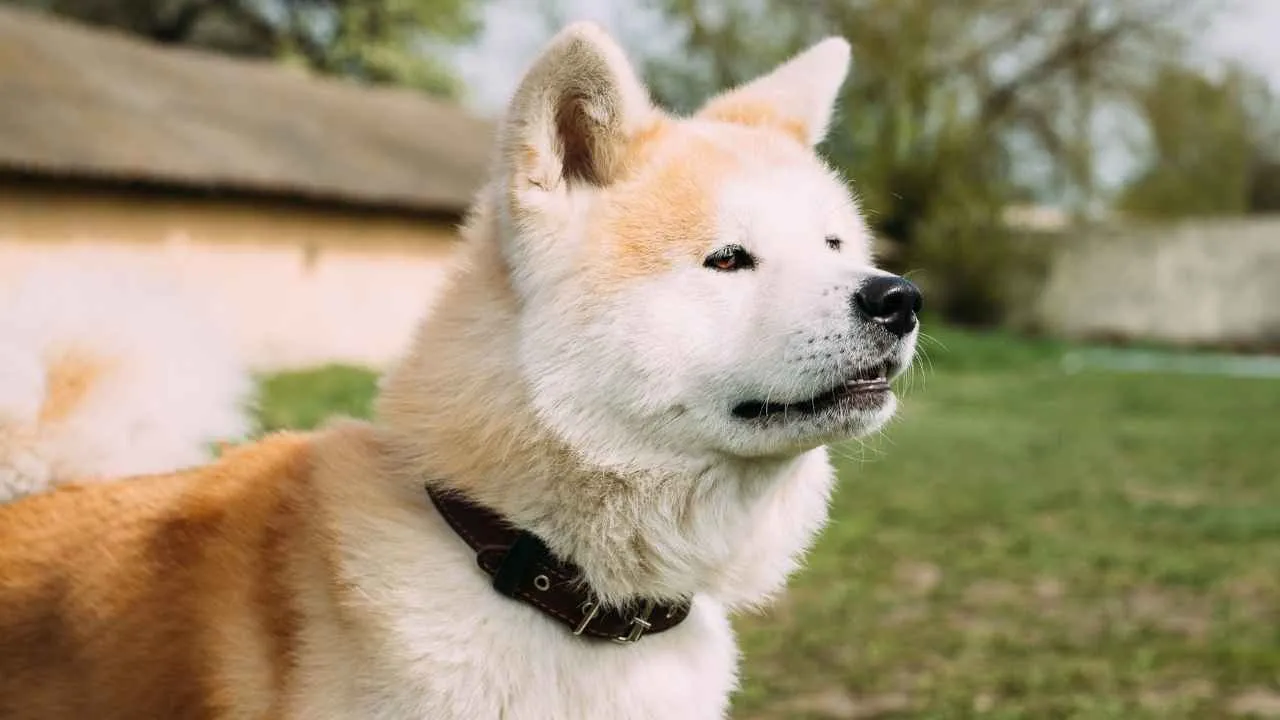
The Akita is a strong and dignified breed known for deep loyalty to its family and a naturally reserved attitude toward strangers. Originally bred for guarding, Akitas are instinctively protective of their home and loved ones.
While they can be affectionate with children in their household, they require proper training and supervision due to their size and strength. Because they tend to be cautious around unfamiliar people, early socialization is essential to help them grow into well-balanced adults.
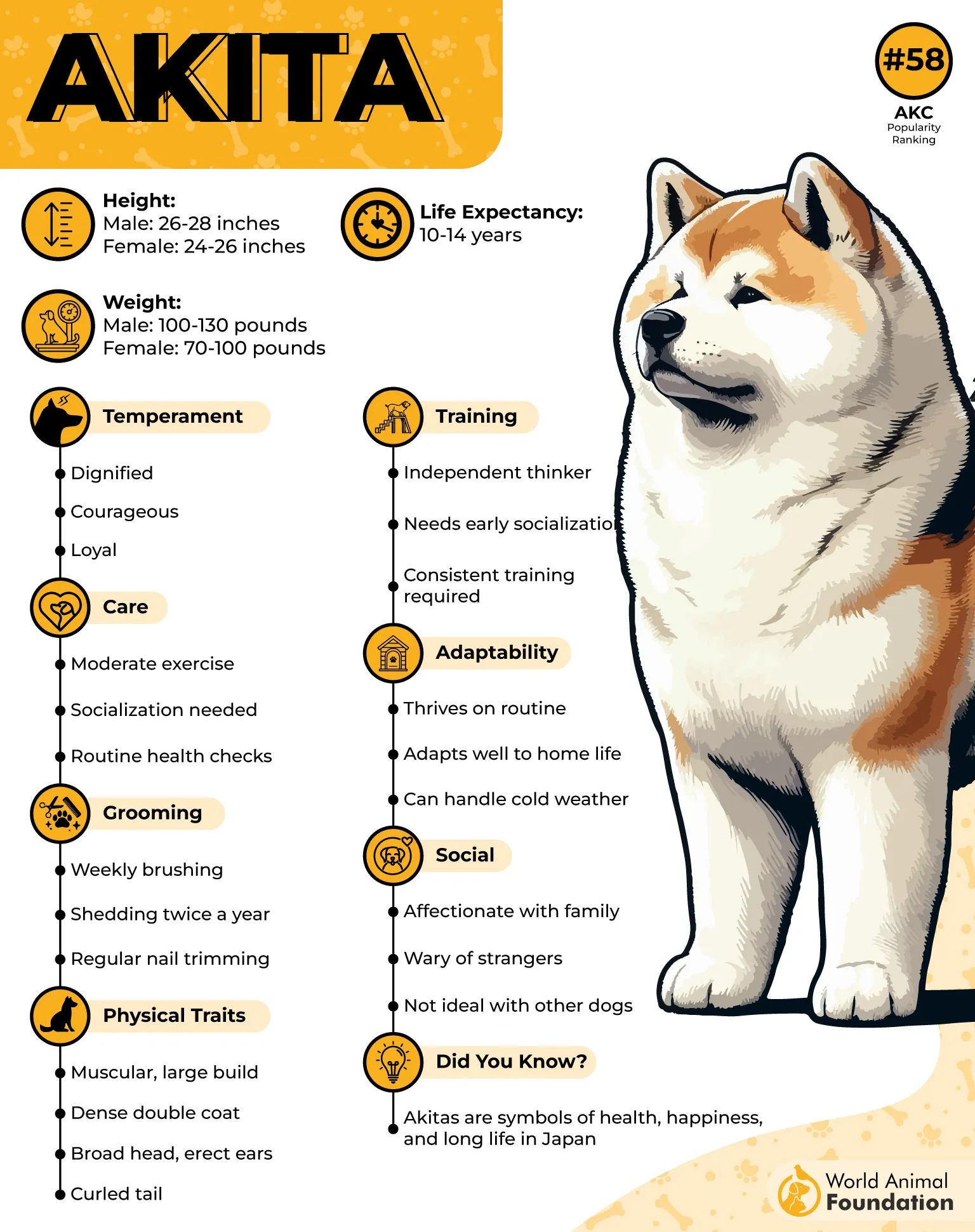
If you’re considering adding an Akita to your family as a protective companion, secure fencing and structured training are highly recommended. The AKC mentions that Akitas are naturally loyal and territorial, but they respond best to consistent guidance rather than aggressive guard training.
What makes them well-suited for home security is their quiet, observant nature; they are often silent watchdogs who remain calm but alert indoors. Since they are sensitive to heat, they typically do best in cooler climates and comfortable indoor environments.
3. Cane Corso
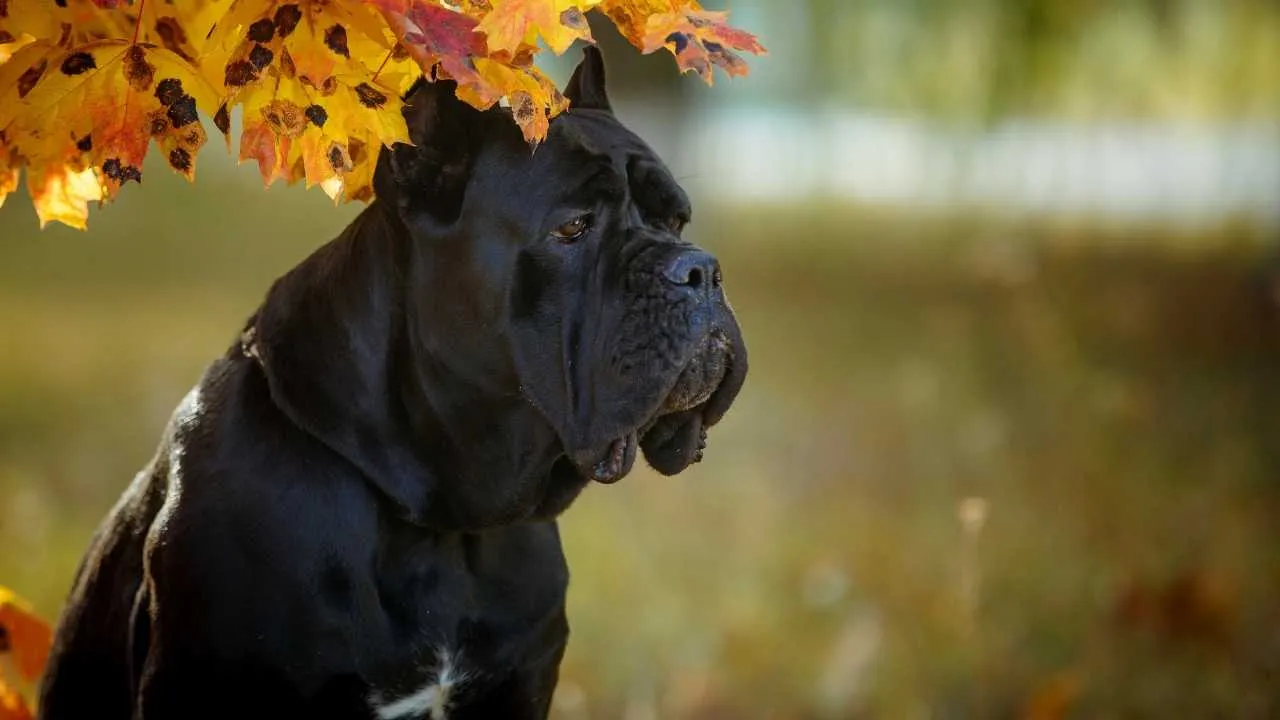
Historically, the Cane Corso was bred as a war and guard dog, valued for its strength, courage, and protective instincts. With a muscular build and powerful presence, this breed makes an excellent guardian for experienced owners.
Intelligent and athletic, Cane Corsos are built for both strength and endurance. However, they require consistent training and proper socialization, which can demand time, effort, and financial commitment.
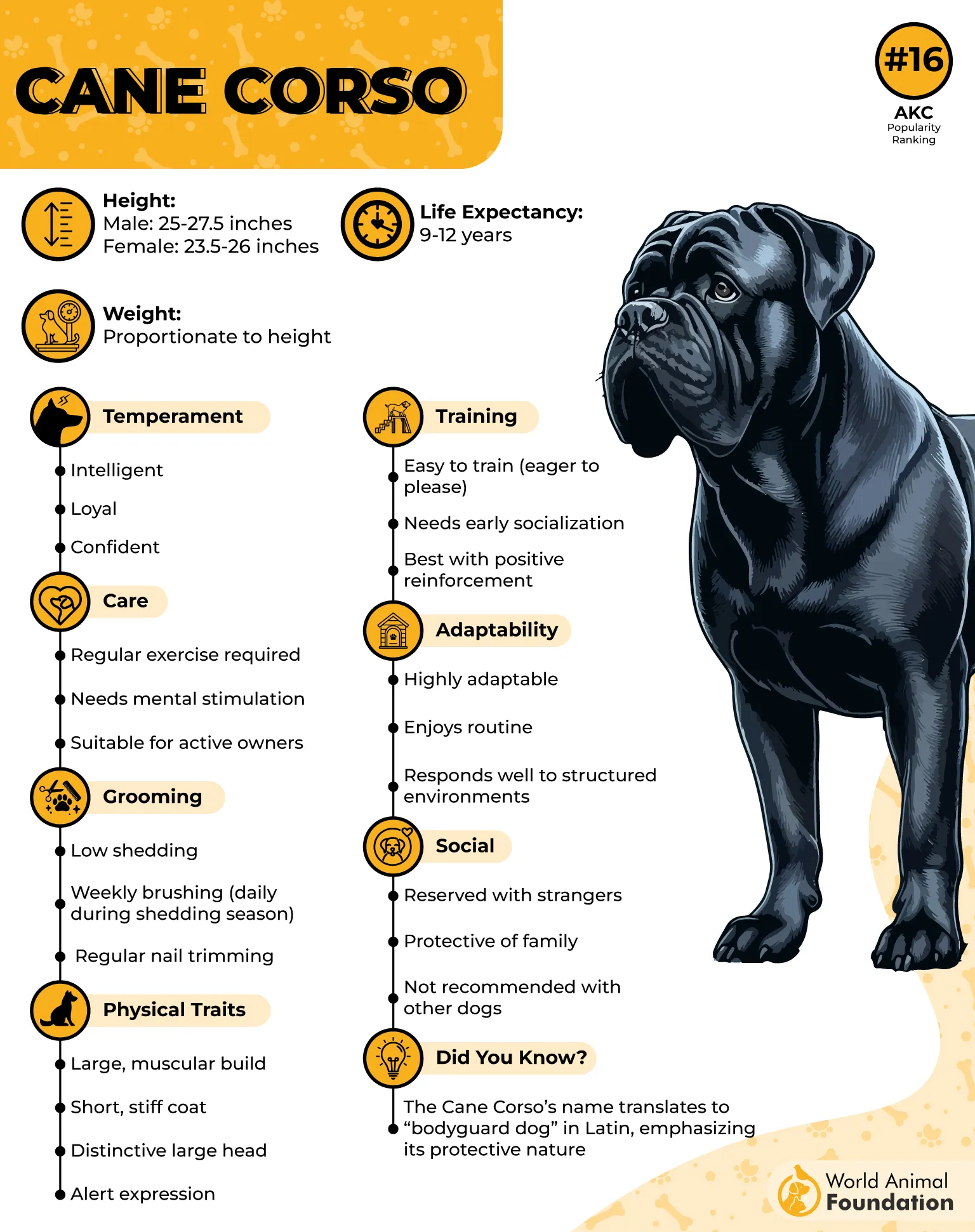
With proper training and supervision, Cane Corsos can live safely in family homes, including those with children. Due to their large size and strength, supervision is important, as they may accidentally knock over small kids during play. Teaching children how to interact respectfully with the dog is equally essential.
Cane Corsos are naturally protective and highly intelligent, able to assess situations calmly when properly trained. If you plan to bring one home, be sure to provide structured training, regular exercise, and a quiet space where they can relax and unwind.
4. Rhodesian Ridgeback
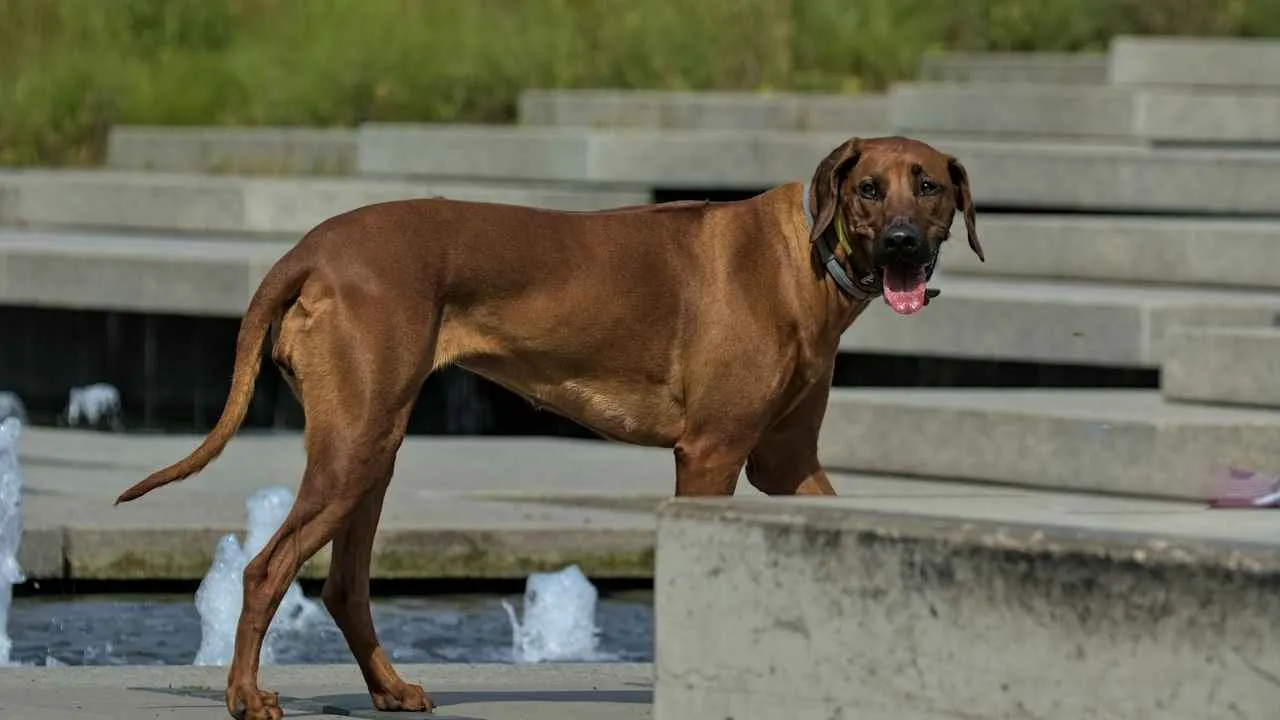
The Rhodesian Ridgeback, often called the “Ridgie” or “Lion Dog,” is a powerful and loyal breed known for its endurance and courage. Originally bred in Africa to assist in hunting lions, this dog is fearless, athletic, and highly alert.
Its natural protective instincts and strong prey drive make it a capable guardian. However, early training, firm leadership, and regular exercise are essential, as an untrained Ridgeback can become difficult to manage.
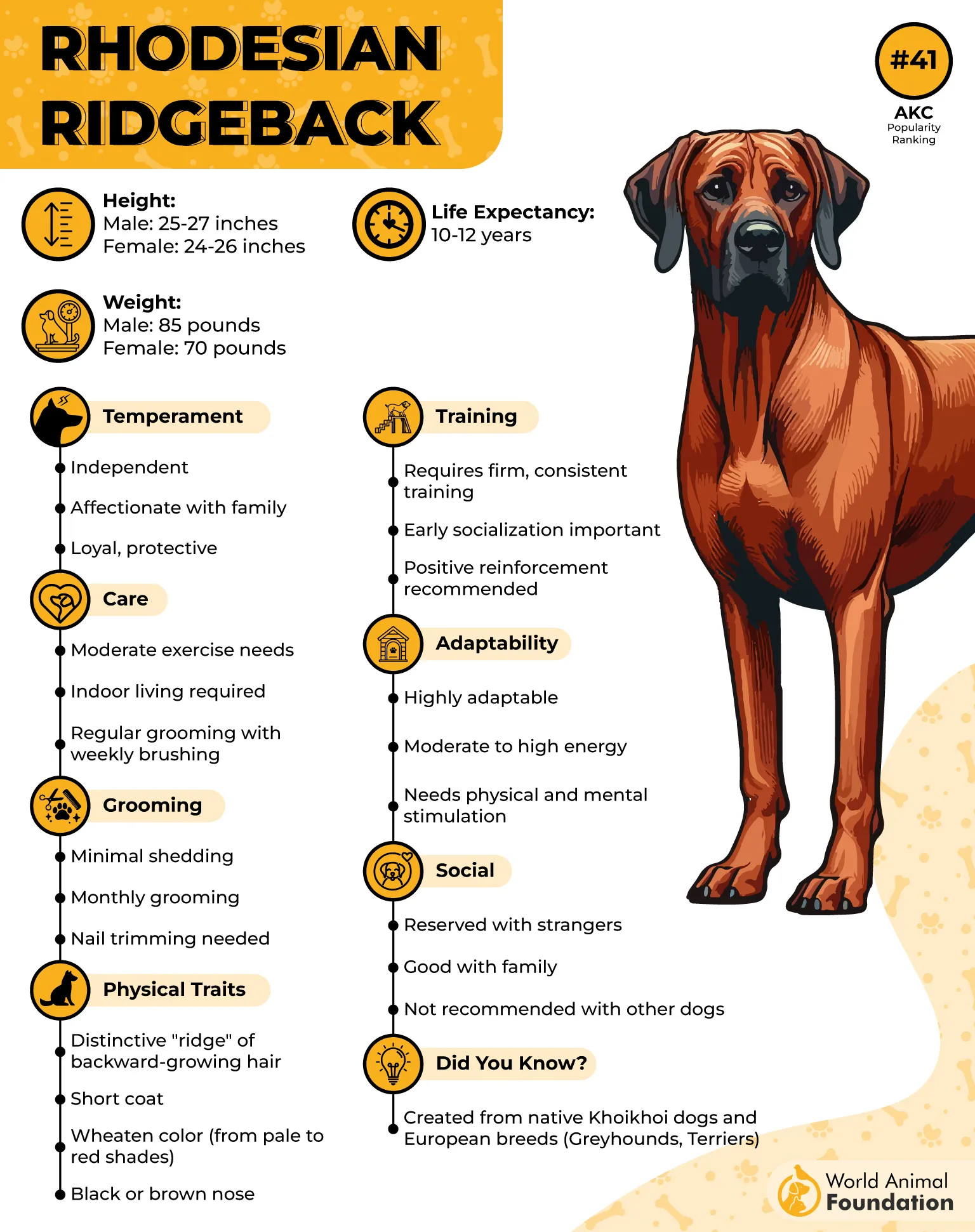
According to Purina’s breed characteristics, the Rhodesian Ridgeback is best suited for experienced dog owners. First-time owners may find its independent temperament challenging. When properly trained and socialized, Ridgebacks are calm and confident, but without guidance, their strength and assertiveness can become problematic.
With their powerful build and strong bite force, they naturally deter intruders. Beyond their guarding abilities, Ridgebacks are affectionate, loyal companions who enjoy spending active time with their families.
5. Doberman Pinscher
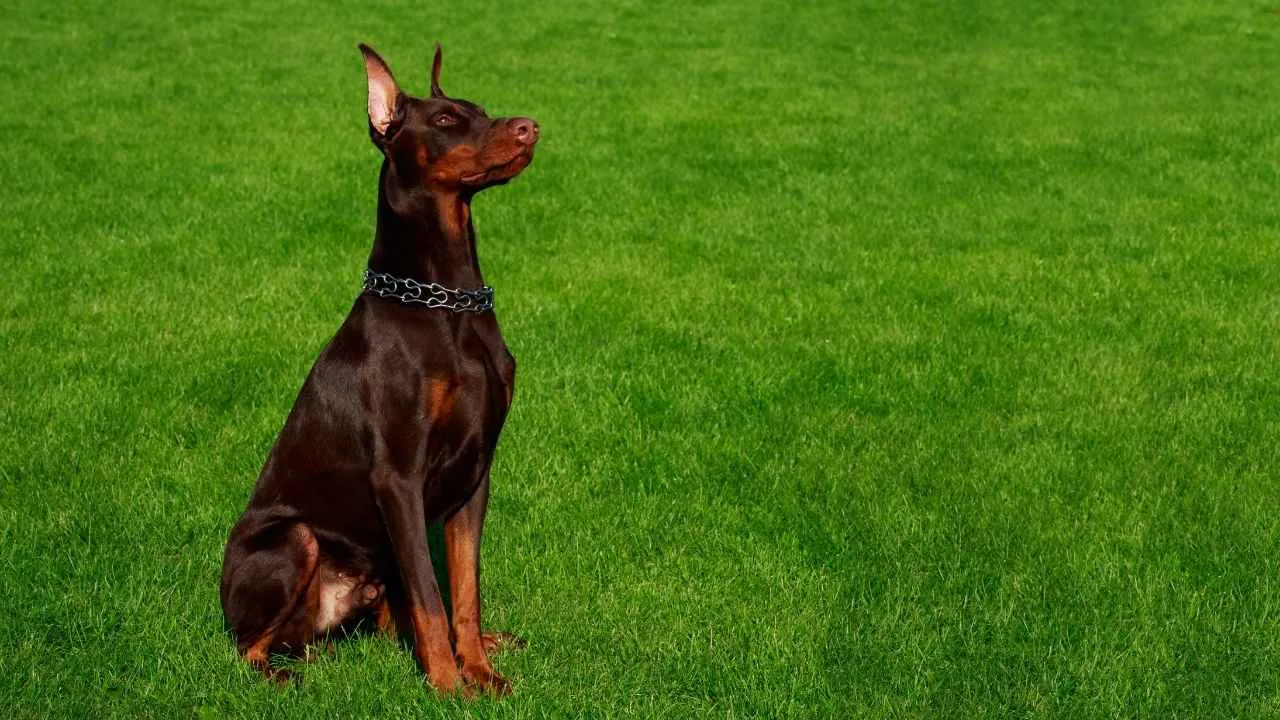
The Doberman Pinscher is a sleek, intelligent, and highly alert breed known for its strong protective instincts. Deeply devoted to their families, Dobermans form close bonds with their owners and are always ready to step in if needed.
Their athletic build and high energy levels make them a great match for active individuals who enjoy running, hiking, and outdoor activities. Beyond their role as protectors, they thrive on spending quality time with their people.
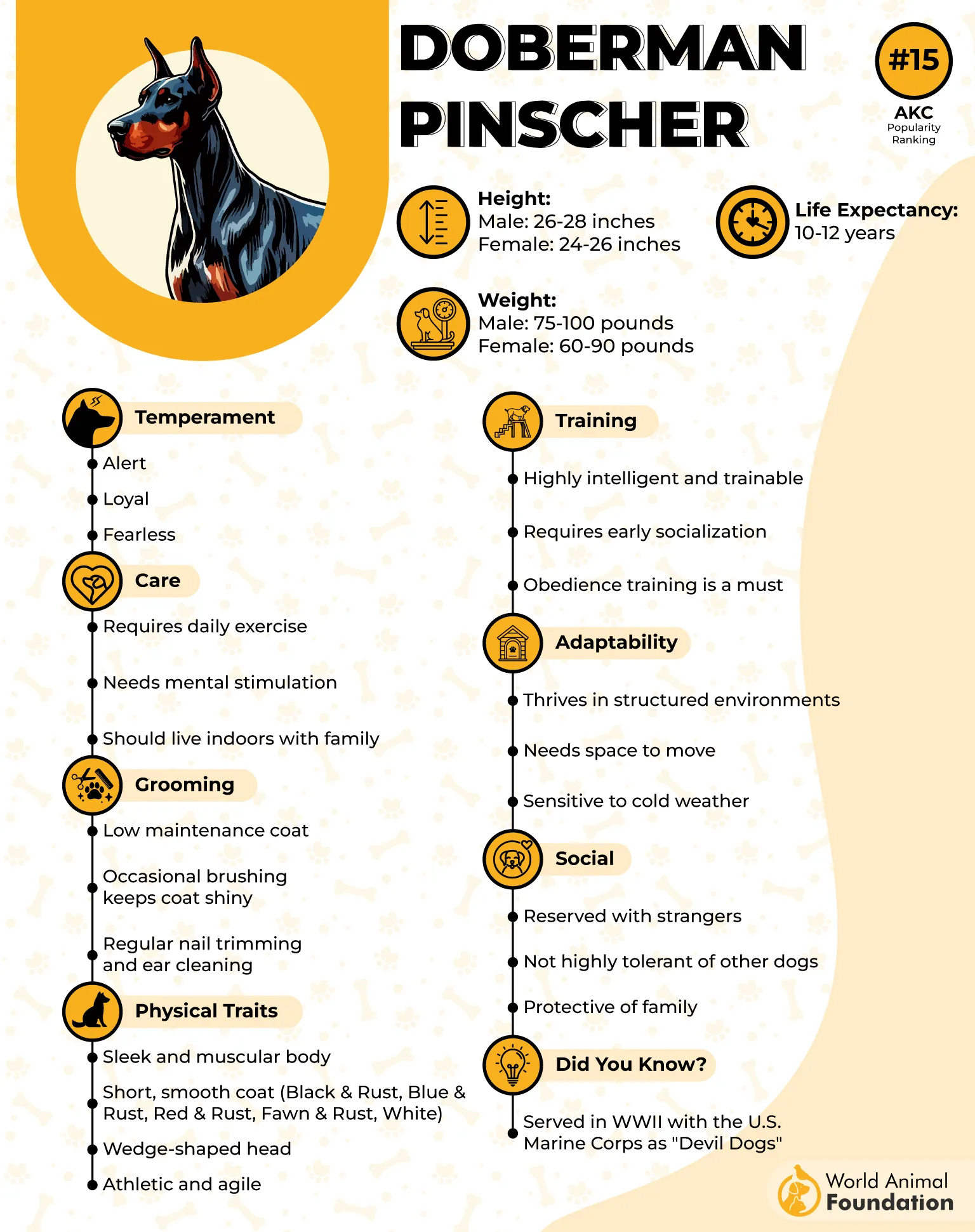
Dobermans require regular exercise, mental stimulation, and consistent training to stay balanced and well-behaved. Proper nutrition is equally important, so feeding high-quality dog food and maintaining routine health care should never be overlooked.
Early training and socialization are essential, as a poorly trained Doberman can become destructive or difficult to manage. With the right guidance and care, this breed grows into a loyal, disciplined, and dependable companion.
6. Belgian Malinois
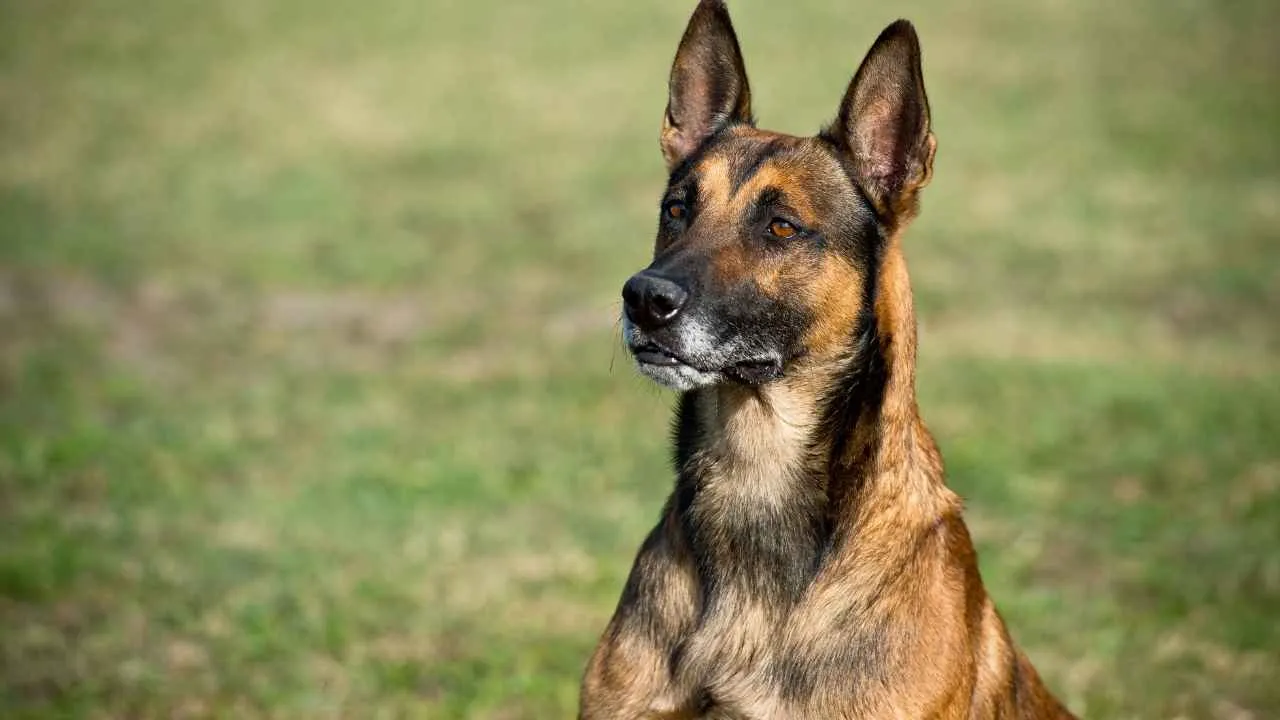
The Belgian Malinois is a sharp, alert, and highly intelligent breed often recognized for its wolf-like appearance and upright ears. Known as one of the fastest and most athletic dog breeds, the Malinois is widely respected for its work in military and police roles. Originally bred for herding and guarding livestock, this breed has a strong prey drive and exceptional focus.
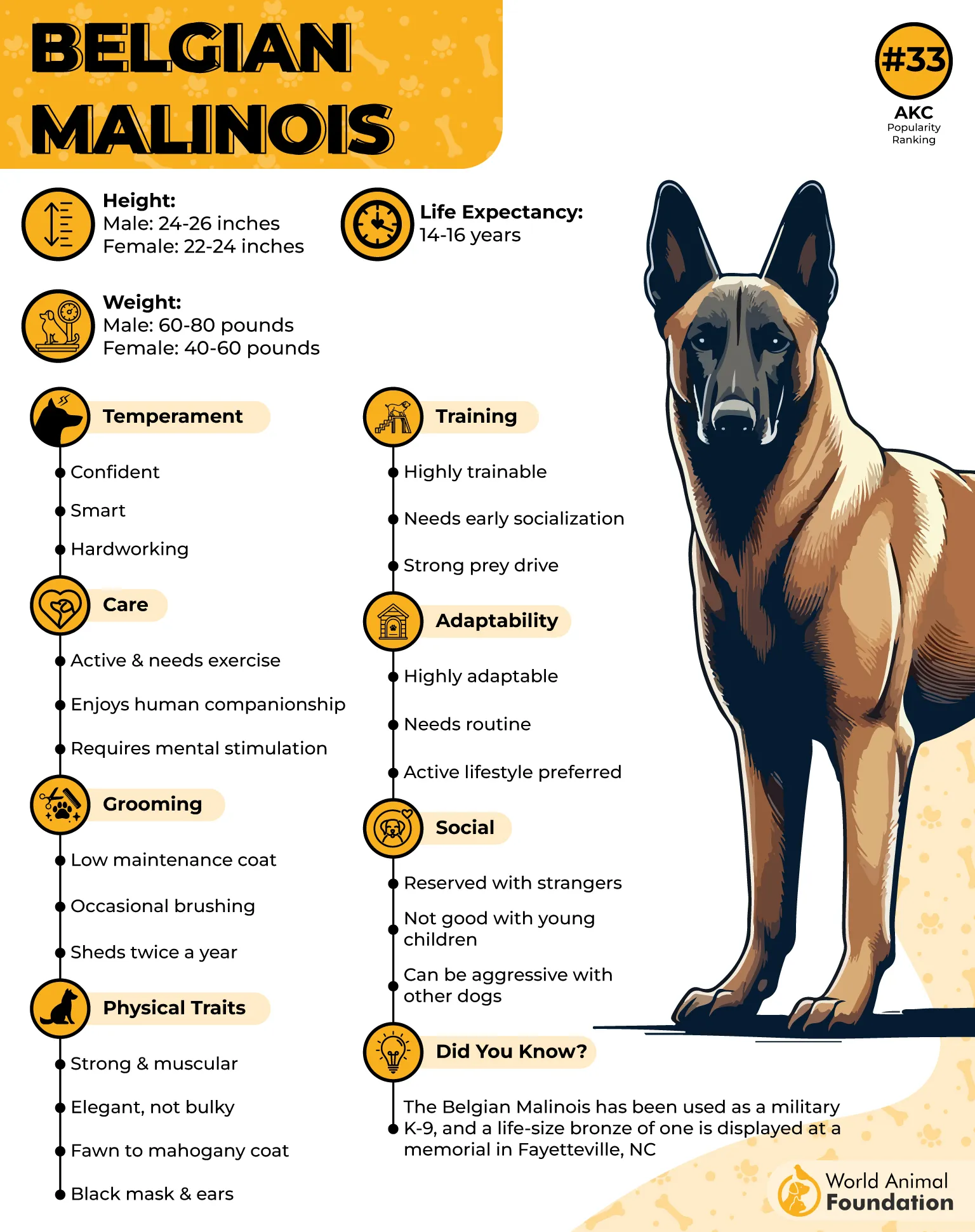
A strong prey drive does not make a dog dangerous; instead, it reflects heightened awareness, natural instinct, and responsiveness. The Belgian Malinois is incredibly quick and powerful, capable of impressive speed and agility. Loyal and deeply devoted to its family, this breed thrives on purpose and structure, as per PetMD.
However, the Malinois is a high-energy working dog that requires significant daily exercise and mental stimulation. Without proper activity and training, they can become bored and develop destructive behaviors. With experienced handling, consistent training, and an active lifestyle, the Belgian Malinois becomes a disciplined, intelligent, and reliable companion.
7. Great Dane
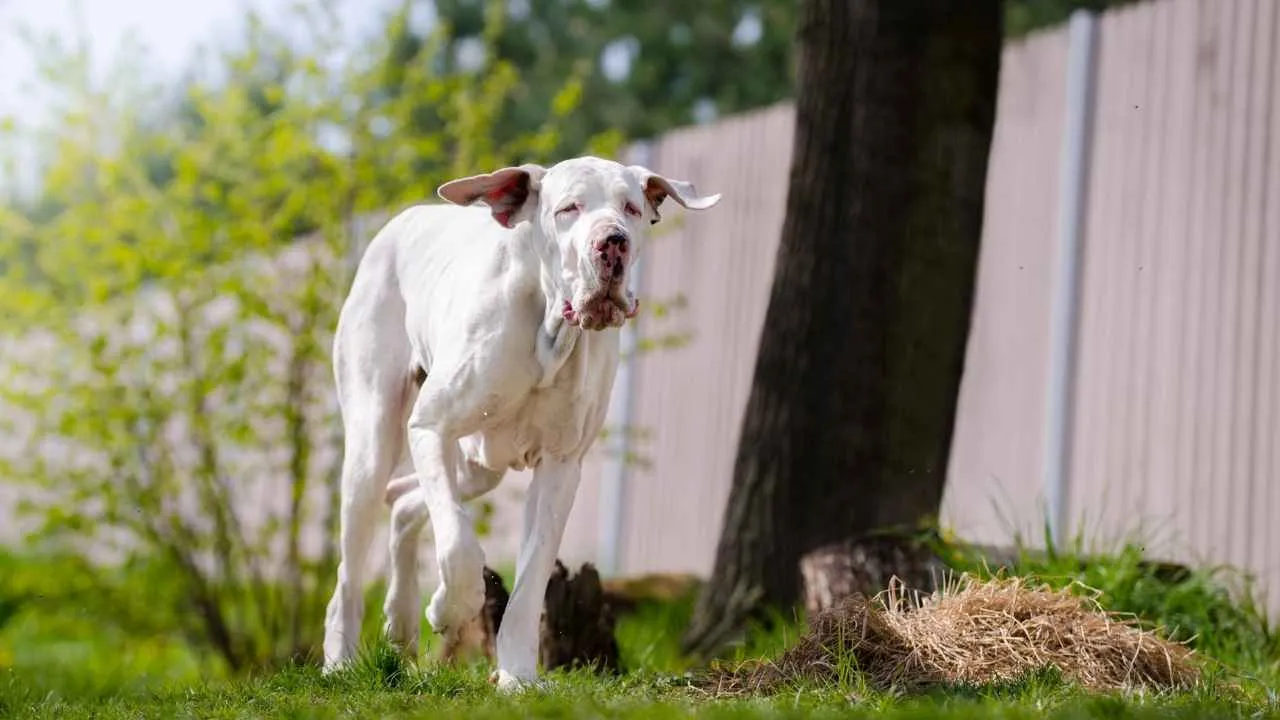
The Great Dane is a giant breed with a gentle heart. Known for its loyalty, intelligence, and deep devotion to family, this great guard dog breed combines size with affection.
Despite their towering presence, Great Danes are patient with children and generally friendly, often earning the nickname “gentle giants.” They can live peacefully with other pets when properly socialized and enjoy activities like tracking and agility. Daily exercise, such as a brisk walk, helps keep them healthy and happy.
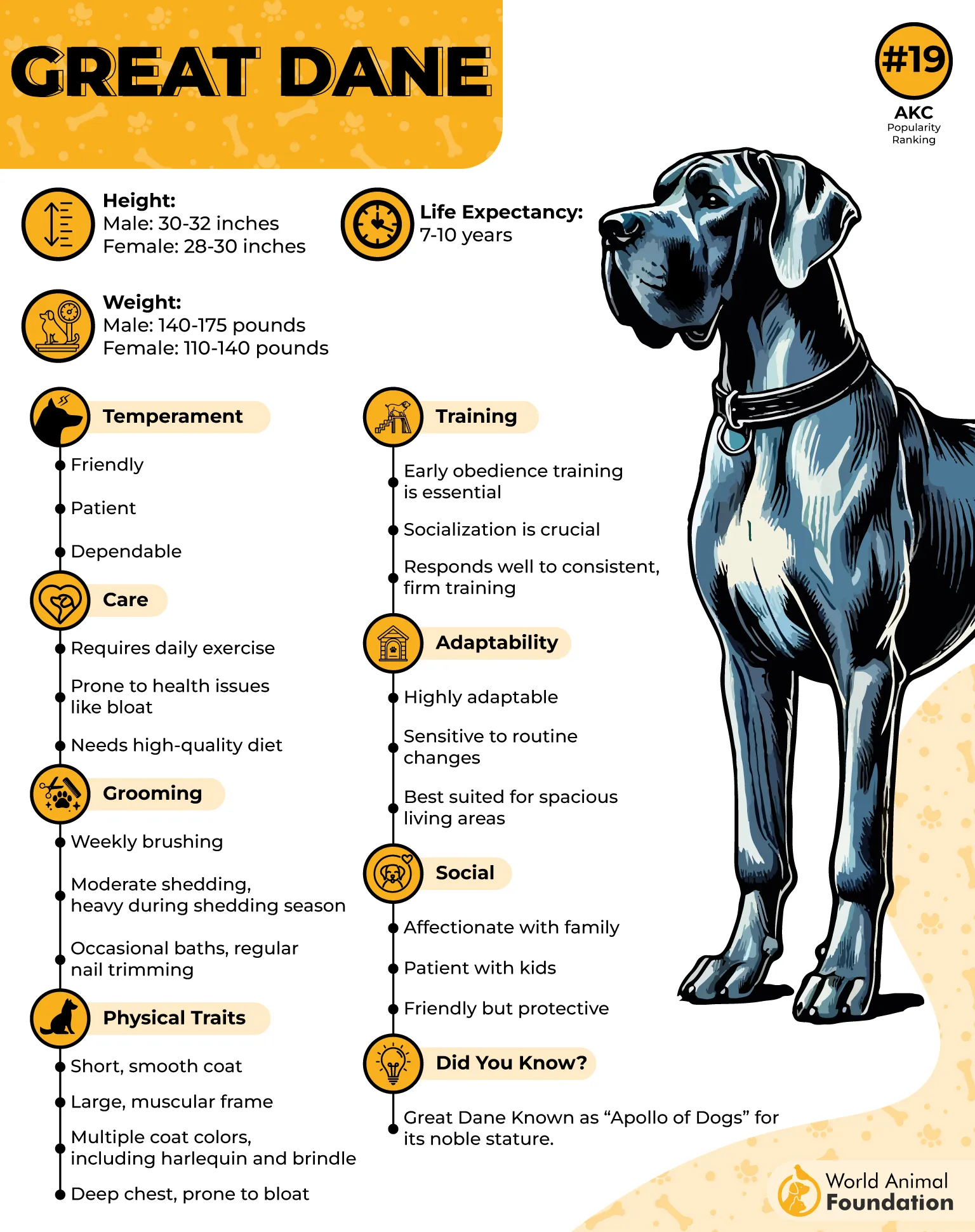
Early training is essential to ensure a well-mannered and manageable Great Dane, especially given their large size. While grooming needs are minimal due to their short coat, regular exercise is a must.
Because they may follow interesting scents without hesitation, secure and tall fencing is important to prevent wandering. With proper care, structure, and attention, the Great Dane becomes a loving, dependable, and devoted family companion.
Conclusion
The capabilities of the best guard dog breeds cannot be judged. All the breed-specific roles that dogs play, if we look deeper into the history, mankind has failed, but animals have not.
Dogs have won as protection dogs, and with their natural guard dog instinct. For ages, they have worked alongside humans and aided them in difficult times. In situations like wars where it was impossible to defeat enemies, these amazing dog breeds have made the victory happen, and make excellent guard dogs.
Also, these canines require early training just like we need to train our kids from a young age. As they grow up, their aggressive and stubborn nature does not let them pick up things you want them to.
