




Bringing a dog into your life is one of the most rewarding decisions you can make. Their wagging tails, sloppy kisses, and endless companionship fill our homes with joy. But there’s one question many pet parents don’t think about until later: how long will your furry friend actually be with you?
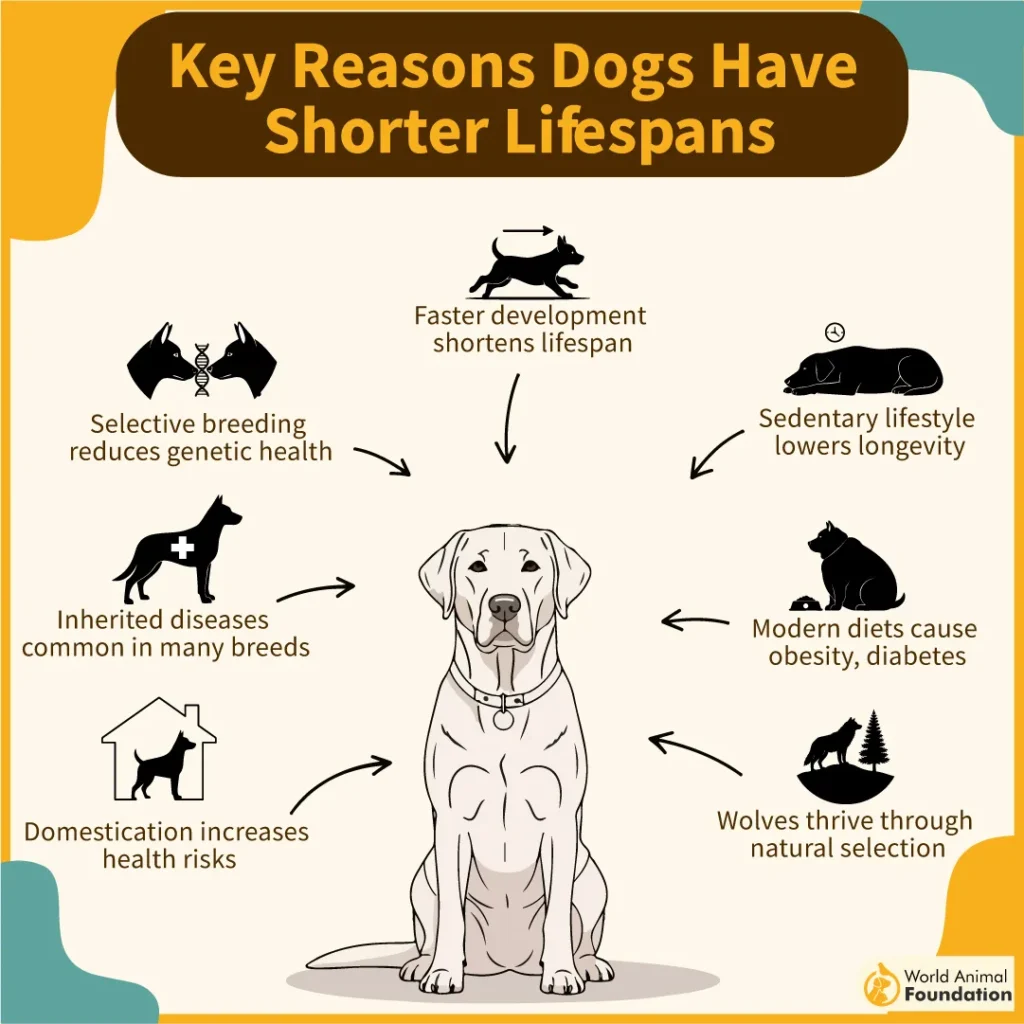
Lifespan isn’t just a number—it’s closely tied to a dog’s overall health, genetics, and even the kind of care they’ll need over the years. Some dogs grow quickly, some are more prone to certain diseases, and some simply age faster than others.
Surprisingly, size and breed matter more than many realize. Large, flat-faced, or selectively bred dogs, for instance, often face shorter lifespans, even with the best care.
Knowing a dog’s life expectancy ahead of time can help you prepare—not just practically, but emotionally too. It allows you to plan for health checkups, anticipate medical needs, and cherish every single moment you have together.
After all, every day with a dog is precious, and understanding what to expect can make those years even more meaningful.
Key Takeaways
See why giants like Bernese Mountain Dogs and Great Danes often live shorter lives.
Learn the top health risks for Saint Bernards, Irish Wolfhounds, and other big breeds.
Discover how care and diet can boost years for Newfoundlands, Rottweilers, and Bullmastiffs.
Find out which shorter-lived breeds fit your lifestyle and make every moment count.
Dog Breeds Facing Shorter Lifespan – Are They Right for You?
1. Bernese Mountain Dog
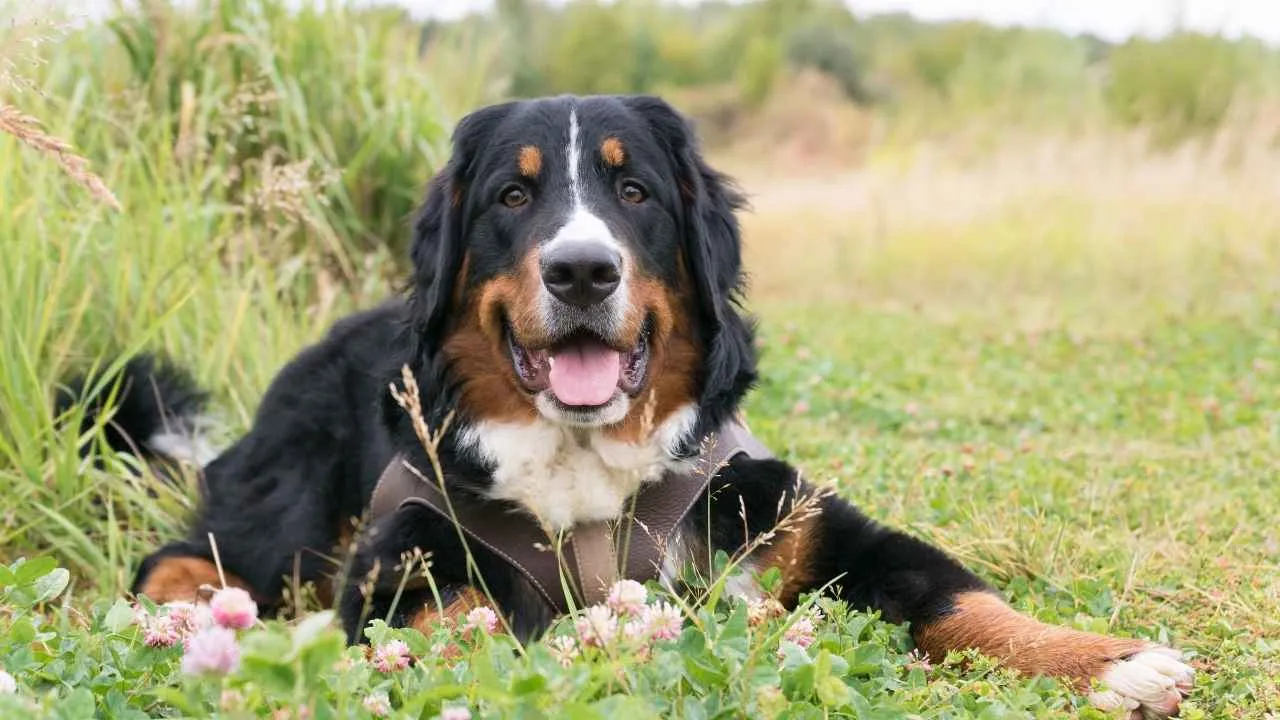
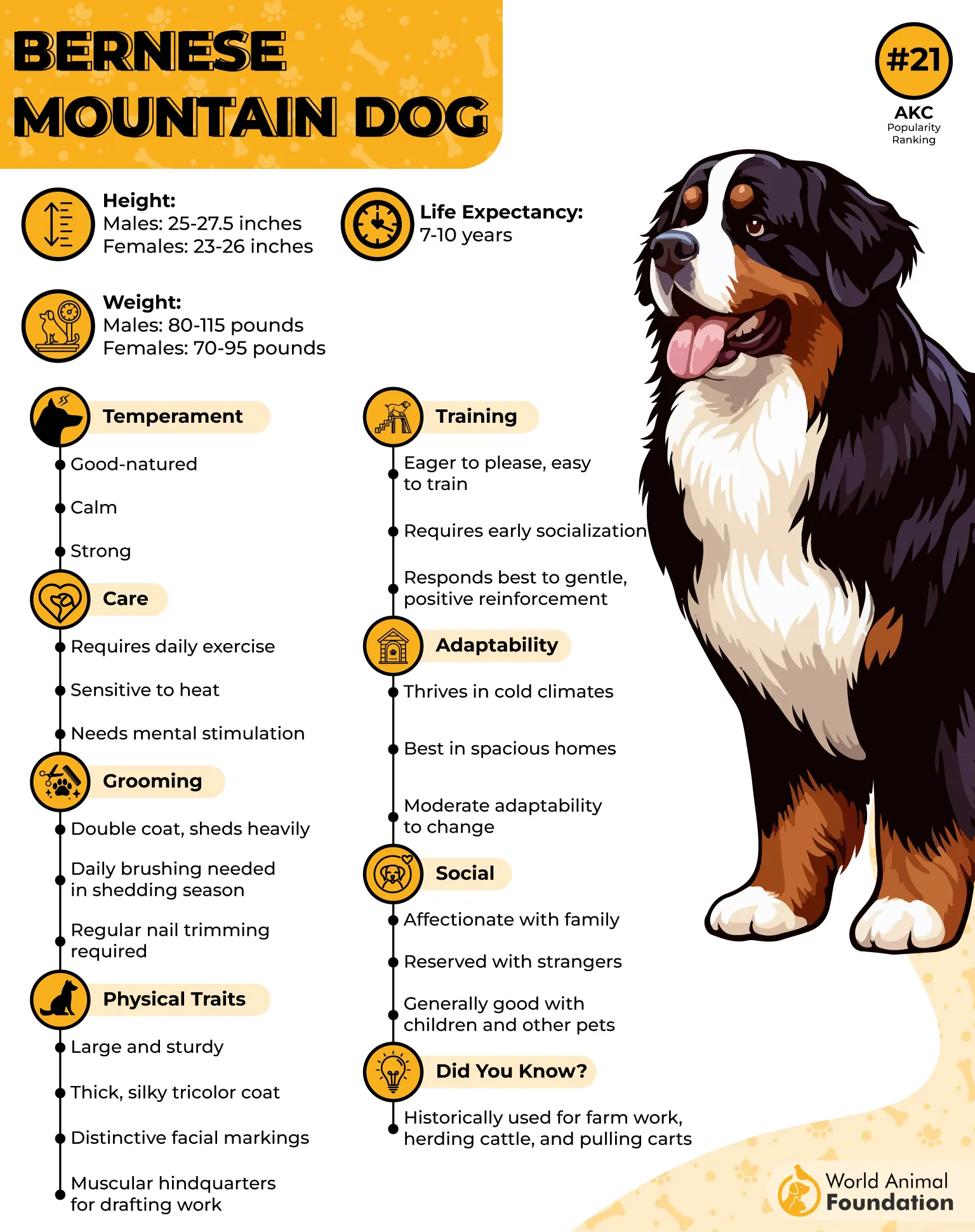
Bernese Mountain Dogs are known for their gentle nature and loving personalities. They make wonderful companions for families, thanks to their affectionate and loyal temperament.
However, these giant dogs face a serious challenge: their lifespan is shorter than that of many other breeds. On average, they live only about 6–8 years, with some studies suggesting it may be closer to six years today due to modern breeding practices.
Health Risks That Affect Lifespan
These dogs are unfortunately prone to serious health problems, which contribute to their shorter lives:
Cancer: Especially aggressive types like histiocytic sarcoma, which affects Bernese Mountain Dogs disproportionately.
Bloat: A life-threatening stomach condition that requires immediate attention.
Heart and Joint Problems: Hip and elbow dysplasia, along with progressive neurological disorders, can also impact their longevity.
Caring for a Bernese Mountain Dog
Despite these challenges, Bernese Mountain Dogs can live happy and fulfilling lives with proper care. They thrive with daily exercise, ample space, and a diet tailored to prevent stomach issues.
Knowing their health risks ahead of time helps pet parents provide the right care and make the most of the time they have together. These dogs give enormous love, even if their time with us is shorter than we’d hope.
2. Saint Bernard
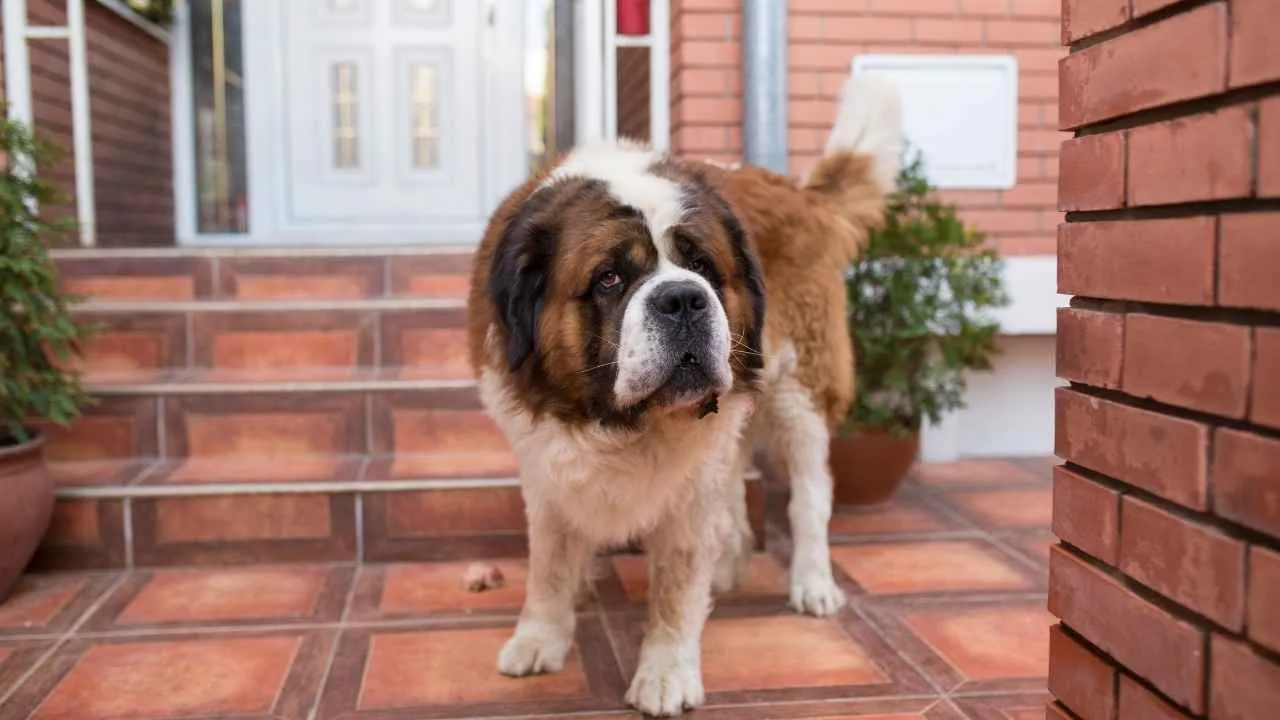
Saint Bernards are famous for their calm, loyal nature and their history as rescue dogs in the Swiss Alps. These gentle giants have captured hearts for generations with their affectionate personalities.
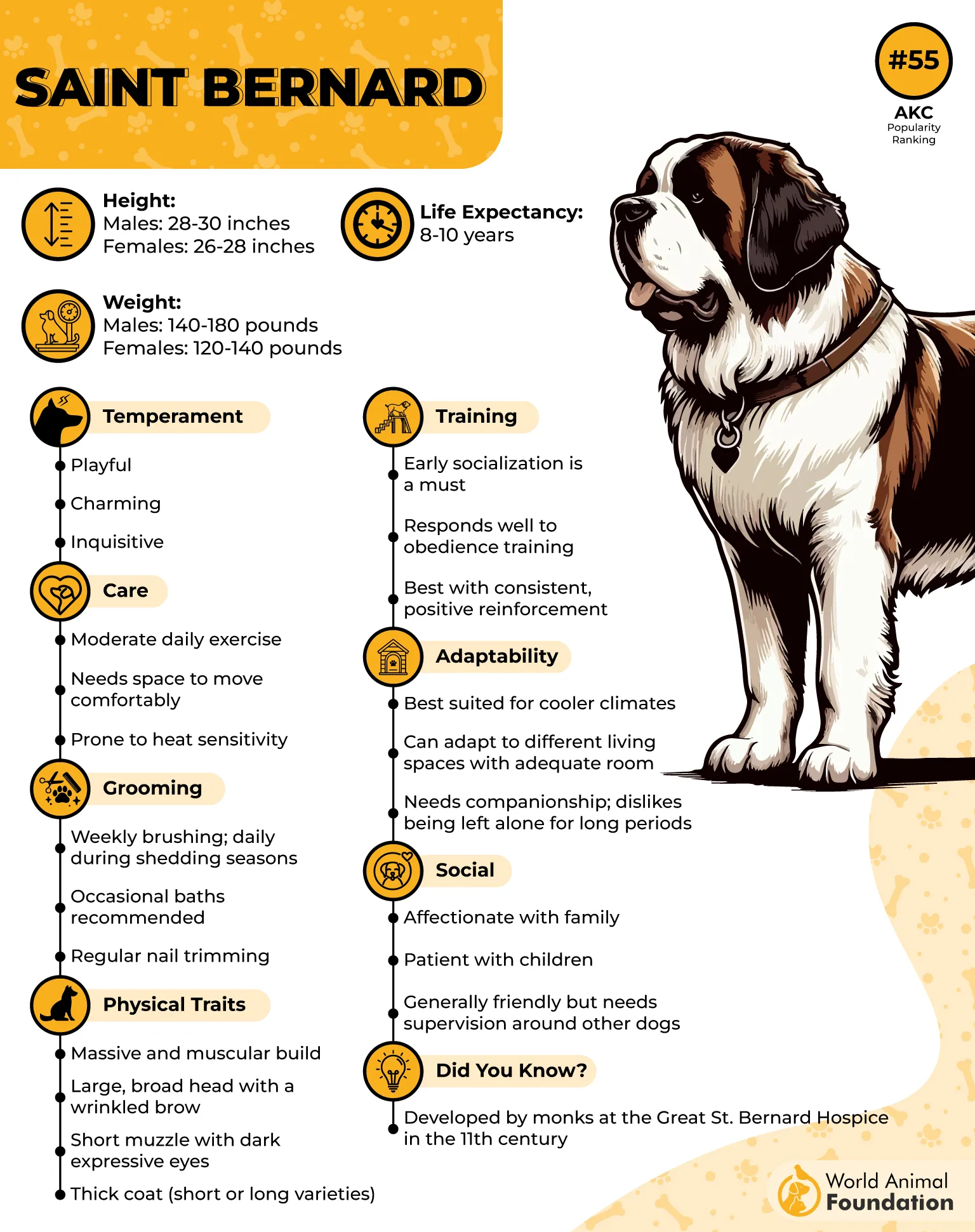
Despite their impressive size and presence, their lifespan is relatively short for such beloved companions, averaging 8–10 years.
Health Risks That Affect Lifespan
Like many large breeds, Saint Bernards are prone to health issues that can limit their years:
Heart Disease: Can impact overall health and energy levels.
Cancer: More common in giant breeds than smaller dogs.
Epilepsy: Neurological conditions may arise in some dogs.
Bloat: A serious, potentially life-threatening stomach condition.
Caring for a Saint Bernard
Proper care can make a big difference in a Saint Bernard’s quality of life. Daily exercise, joint-friendly diets, and access to cool spots in warm weather help keep them comfortable.
Working with a reputable breeder ensures puppies are healthy and meet breed standards. While their lifespan is shorter than that of smaller dogs, the love and loyalty they bring make every year count.
3. Great Dane
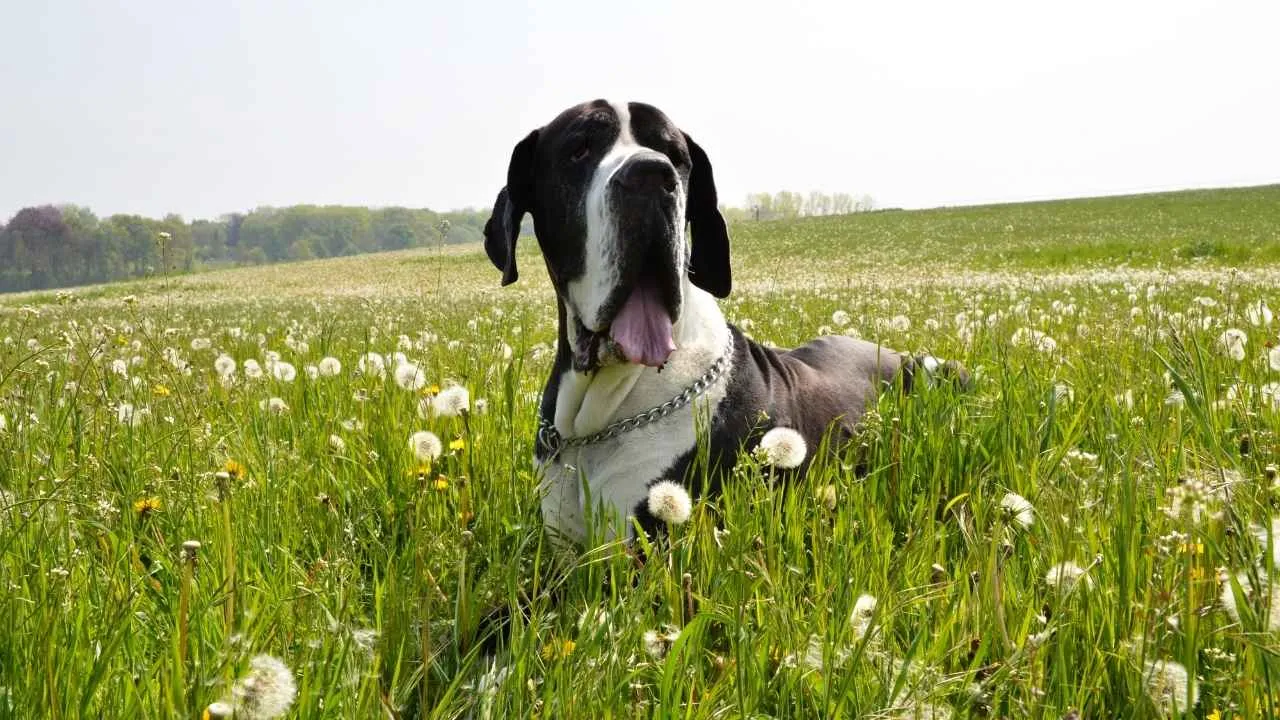
Great Danes are the classic “gentle giants,” as stated by Hill’s Pet. Their calm and affectionate nature makes them wonderful companions, leaving a lasting impression on everyone they meet.
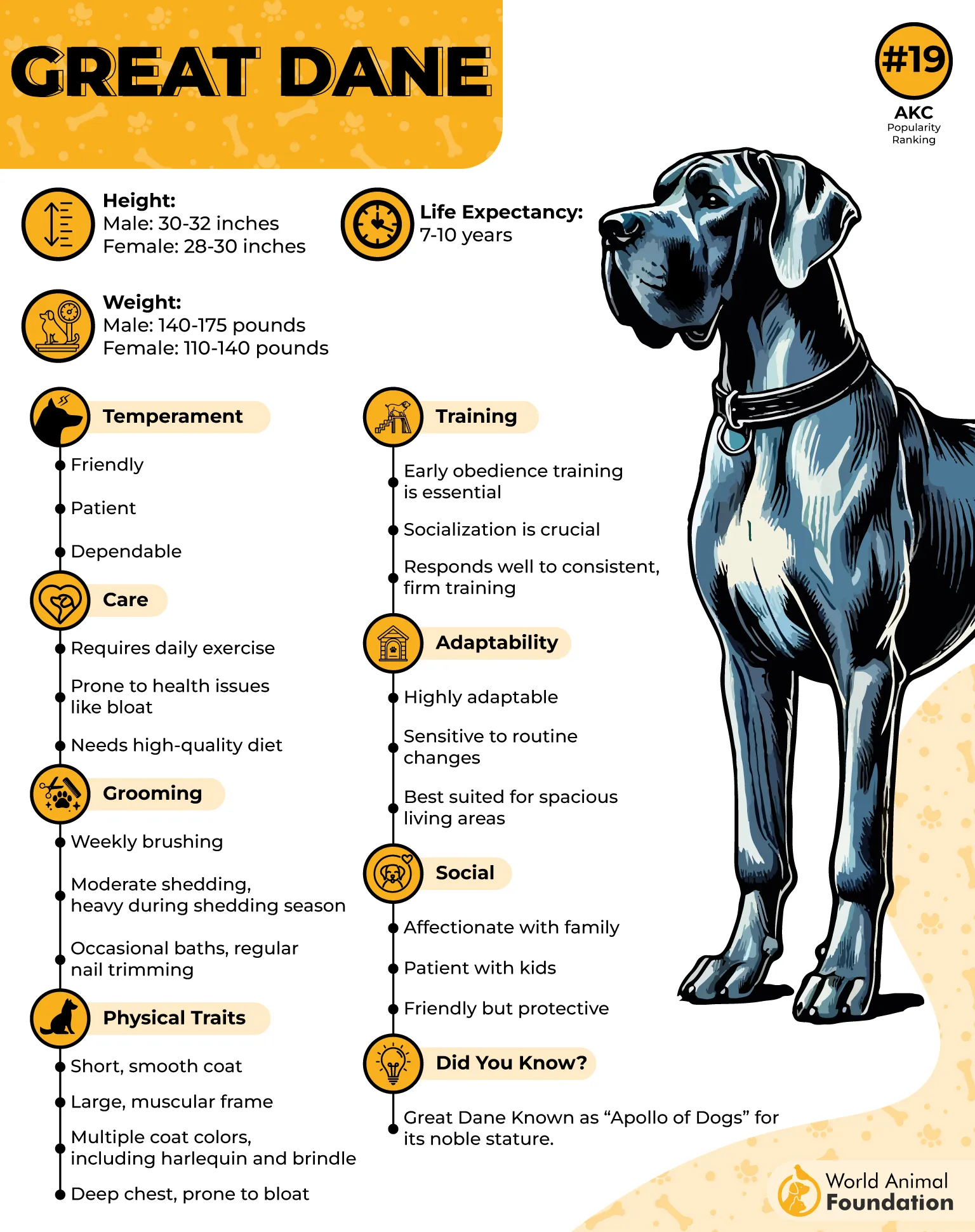
Despite their size and charm, these dogs have a relatively short lifespan, averaging 6–8 years, with some living up to 10 years. Their massive bodies age faster, which contributes to their shorter lives compared to smaller dogs.
Health Risks That Affect Lifespan
Several health issues make Great Danes prone to a shorter life:
Heart Disease: Dilated cardiomyopathy (DCM) is common and serious.
Bloat (Gastric Dilatation-Volvulus): A life-threatening condition where the stomach twists.
Orthopedic Issues: Canine hip dysplasia and arthritis can develop early due to rapid growth and large size.
Caring for a Great Dane
Proper care can help these giants enjoy a healthier life. Regular vet checkups, careful feeding routines, and attention to heart and joint health are essential.
Even with the risks, their gentle, patient, and friendly personality makes every year meaningful. With the right care, a Great Dane’s shorter lifespan can still be filled with love, loyalty, and unforgettable moments.
4. Irish Wolfhound
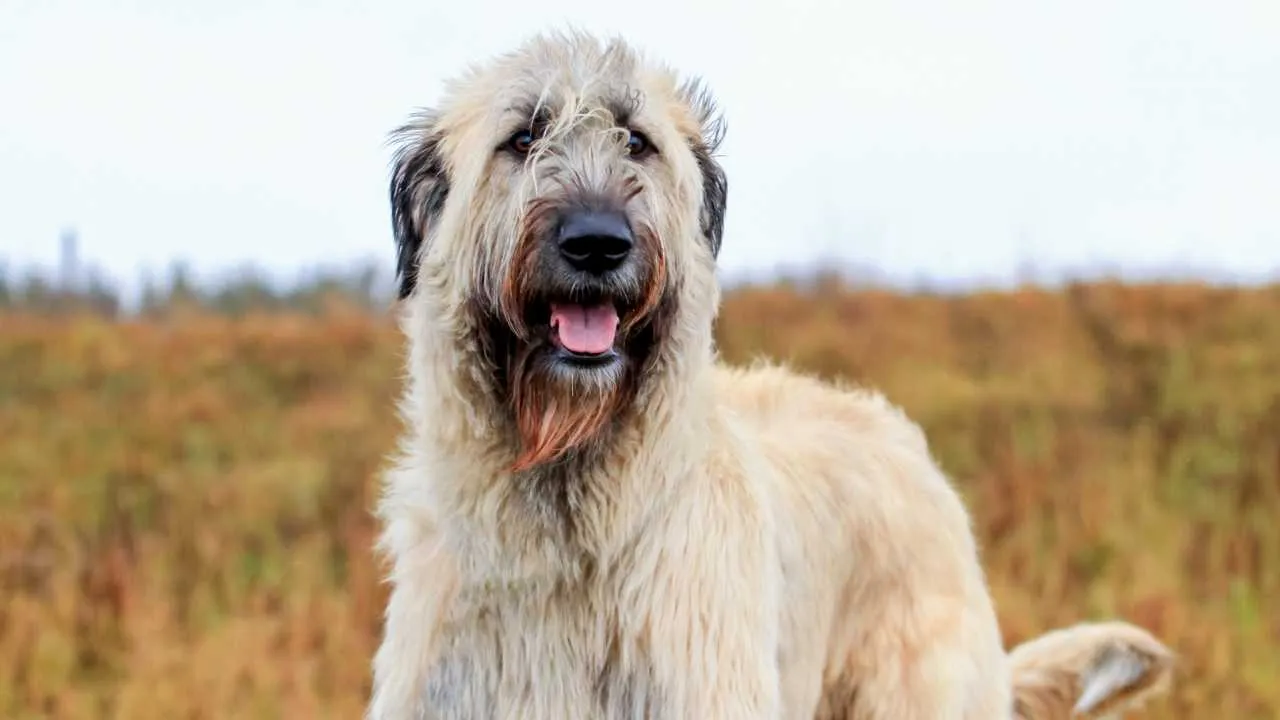
The Irish Wolfhound is a majestic and gentle giant, known for its calm, affectionate nature and noble presence. According to Britannica, these dogs were originally bred to hunt wolves and other game, but today they make loving canine companions.
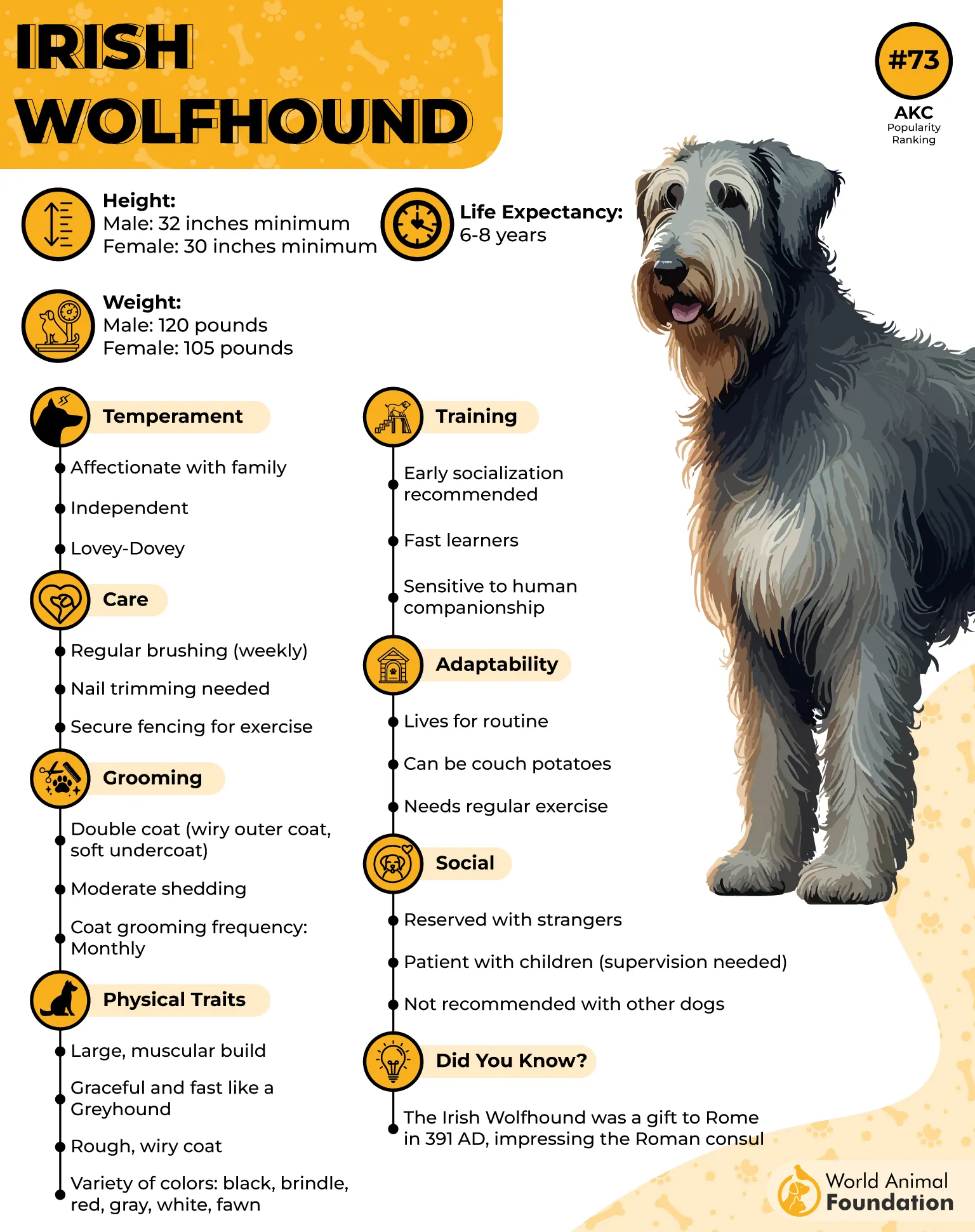
Despite their strength and size, these large dogs have one of the shortest life expectancies among dogs, averaging 6–8 years. Their large bodies age quickly, which shortens the time we get to spend with them.
Health Risks That Affect Lifespan
Several health conditions make Irish Wolfhounds prone to shorter lives:
Bone Cancer (Osteosarcoma): A common and aggressive cancer in this breed.
Heart Disease: Dilated cardiomyopathy (DCM) is a major concern.
Blood and Other Conditions: von Willebrand’s disease, bloat, lymphoma, and hyperthyroidism can also occur.
Caring for an Irish Wolfhound
Providing proper care can improve their quality of life. Gentle exercise, regular vet visits, and careful attention to their heart, bones, and joints are essential.
Despite their short lifespan, Irish Wolfhounds give unmatched loyalty and love. Their calm and sensitive nature makes every year with them unforgettable.
5. Newfoundland
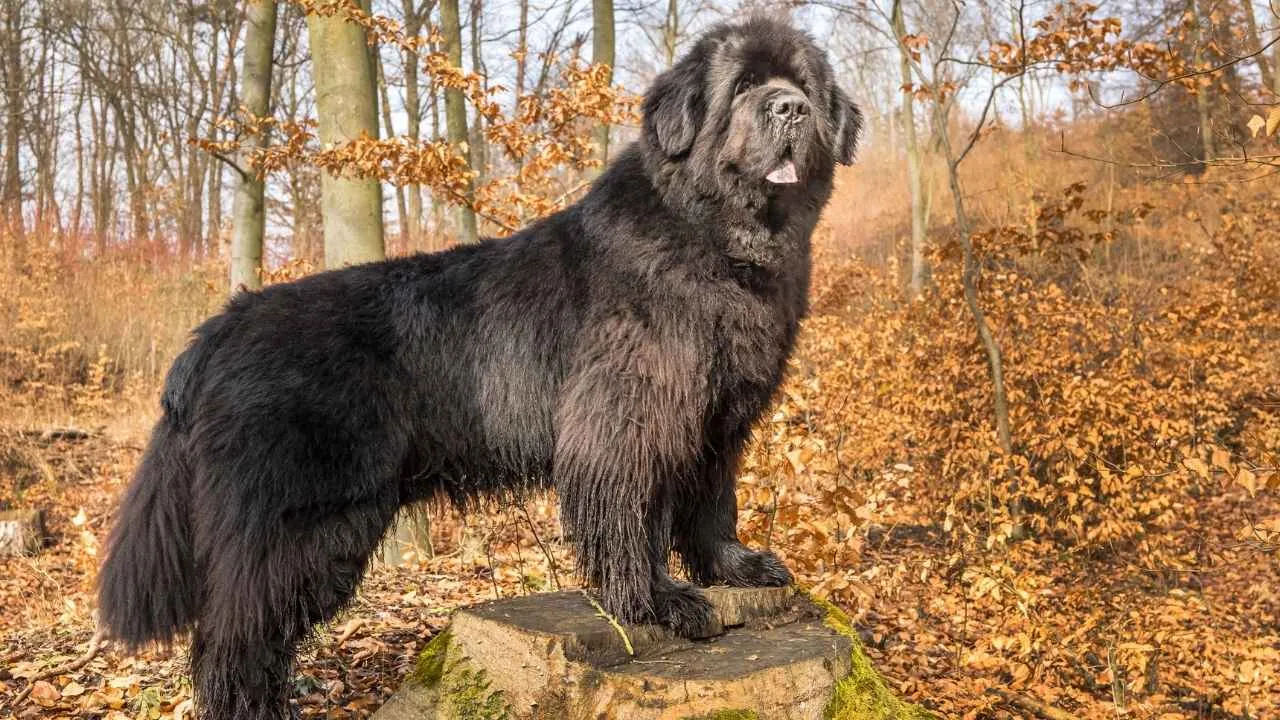
Newfoundlands are calm, loving giants known for their protective instincts and gentle nature. Famous as the dog “Nana” in Peter Pan, they are especially good with children and make loyal family companions.
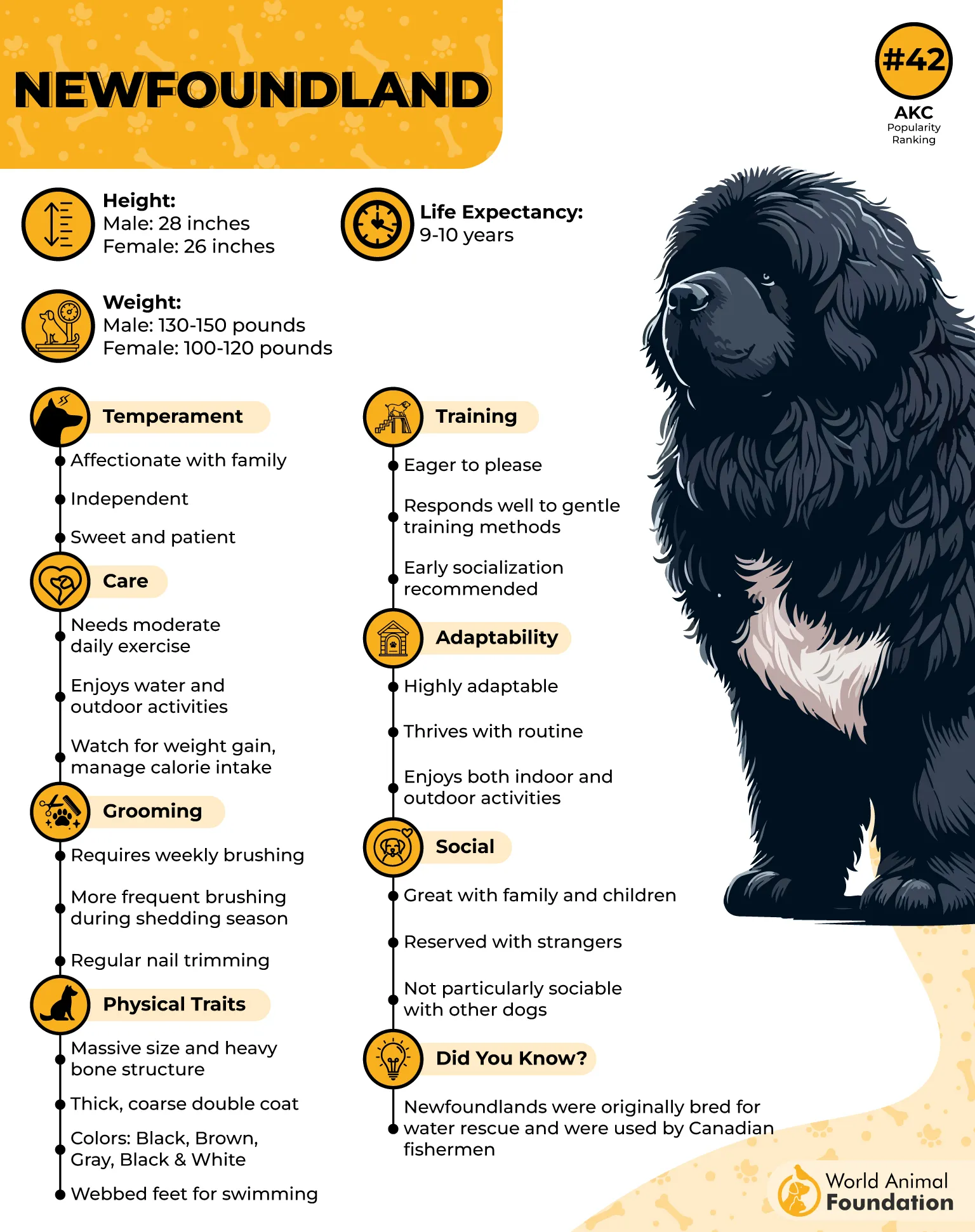
Despite their impressive size, their lifespan is relatively short for such beloved dogs, averaging 8–10 years.
Health Risks That Affect Lifespan
Like other large breeds, Newfoundlands face health challenges that can shorten their lives:
Heart Disease: Subaortic stenosis and heart failure are common concerns.
Bloat: A life-threatening stomach condition that requires immediate attention.
Other Risks: Sensitivity to anesthesia, heat-related issues, and orthopedic problems like hip and elbow dysplasia.
Caring for a Newfoundland
With proper care, Newfoundlands can enjoy a happy and healthy life. Gentle exercise, regular veterinary checkups, and monitoring for heart and joint issues are key.
While their lifespan is shorter than that of smaller breeds, their calm, loyal, and loving nature ensures every moment is filled with companionship and joy.
6. Rottweiler
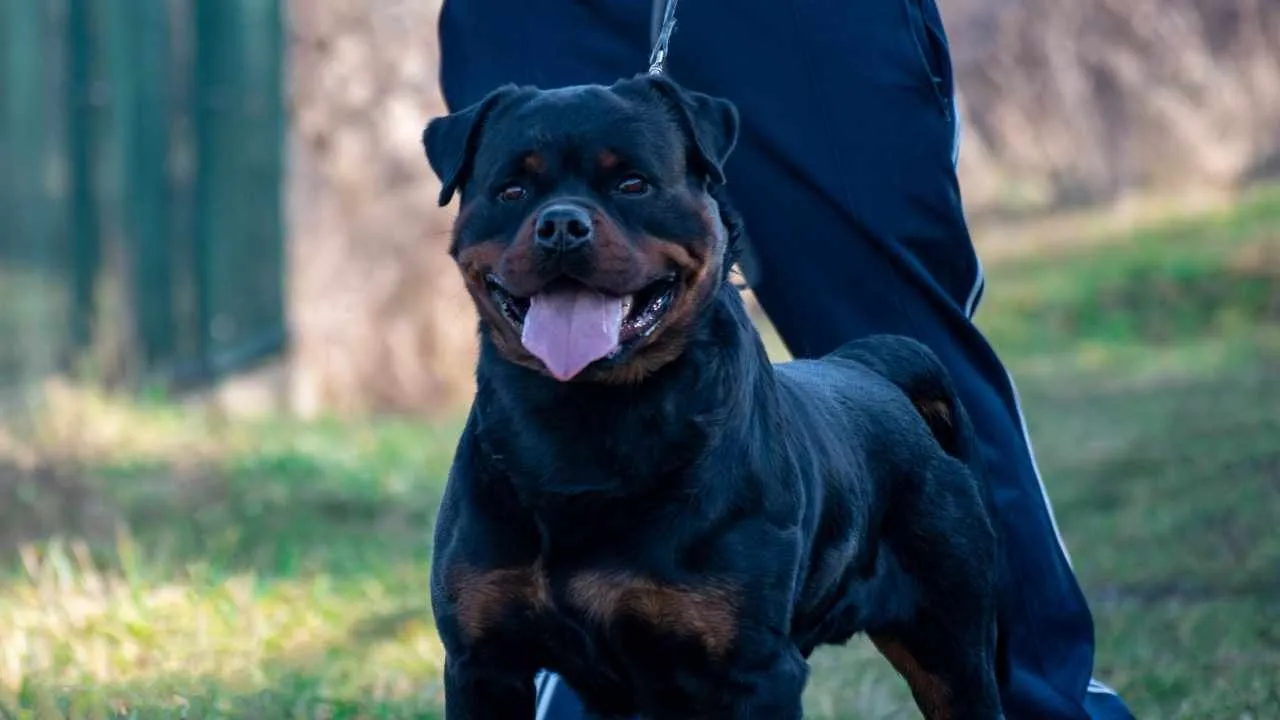
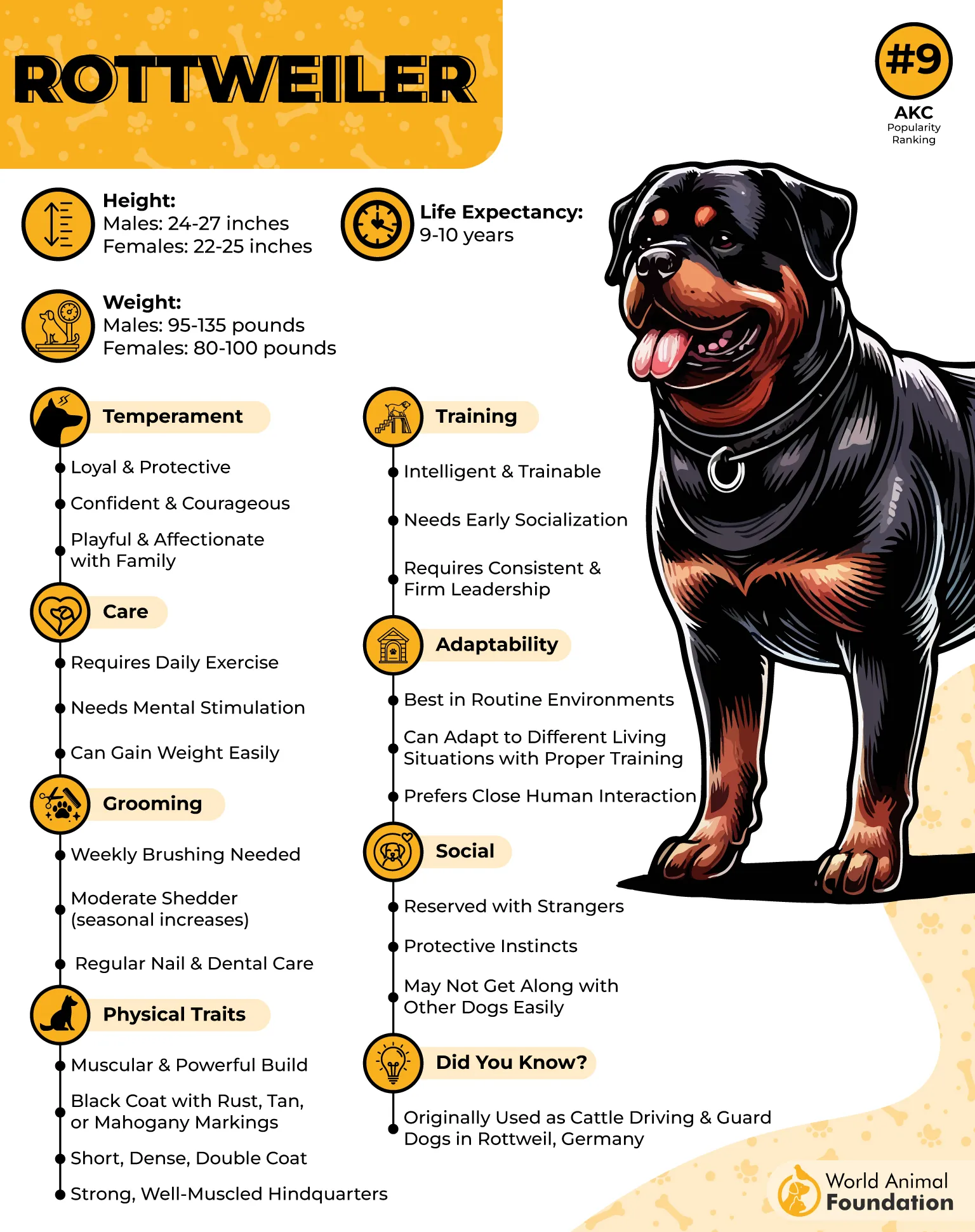
Rottweilers are often misunderstood as aggressive, but with proper training and early socialization, they are affectionate and devoted family pets. Known for their strong build and striking black-and-tan coats, these loving dogs are intelligent, obedient, and protective.
Their average lifespan is around 8–10 years, which is shorter than some medium and large breeds, but their loyalty and love make every year meaningful.
Health Risks That Affect Lifespan
Rottweilers have a few breed-specific health concerns that can impact their longevity:
Bone Cancer: A serious risk for this breed.
Parvovirus: Puppies can be particularly vulnerable without vaccination.
Other Concerns: Joint issues, obesity, and eye or heart problems can also arise.
Caring for a Rottweiler
Proper care can help Rottweilers live a full, happy life. Maintaining a healthy weight, providing regular exercise, and scheduling routine vet checkups are essential.
Interestingly, female Rottweilers tend to live slightly longer than males, often by about a year. With love, attention, and good care, these strong, self-assured dogs offer immense companionship, protection, and joy in their relatively short but impactful lives.
7. Bullmastiff
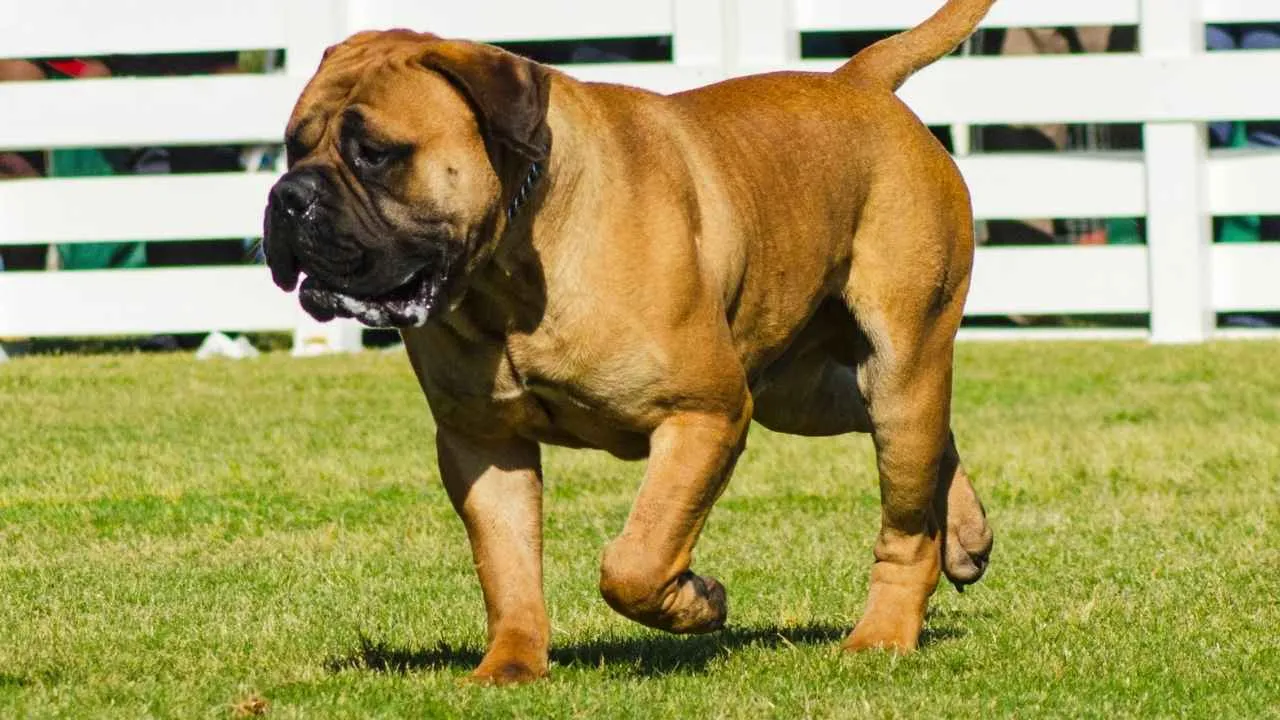
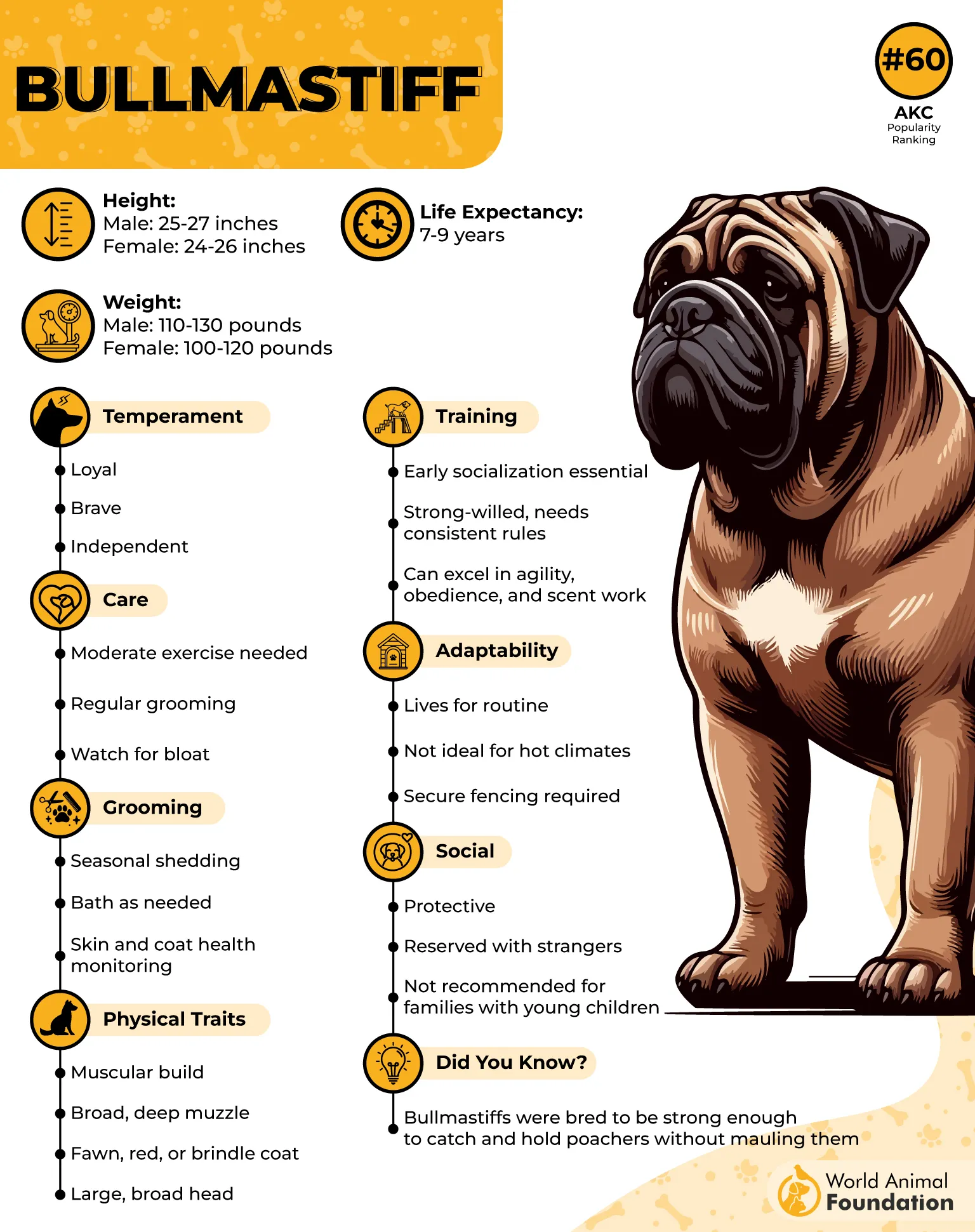
Bullmastiffs are massive, gentle dogs known for their calm nature and loyal personalities. Originally bred in England to guard estates and ward off poachers, as mentioned by Orvis, they make excellent family protectors.
Despite their size and loving nature, their lifespan is relatively short, averaging 7–9 years, though some may live longer with proper care.
Health Risks That Affect Lifespan
Several health concerns make Bullmastiffs prone to shorter lives:
Bloat: A life-threatening stomach condition.
Heart Disease: Can affect overall health and longevity.
Cancer: Common in larger breeds and can reduce lifespan.
Caring for a Bullmastiff
With proper care, Bullmastiffs can live a happy and fulfilling life. Regular veterinary care, balanced diets, and gentle exercise are essential.
While their lifespan is shorter than that of smaller breeds, these loyal and affectionate dogs make every year count, offering protection, companionship, and endless love to their families.
Conclusion
Choosing a dog is about more than looks or personality—it’s also about understanding their lifespan and health needs. As we’ve seen, some of the most majestic giant dog breeds tend to live shorter lives, often due to genetic predispositions, rapid growth, and specific health risks.
As a prospective dog owner, knowing a dog’s longevity can help you prepare for their care, cherish every moment, and make informed decisions about which breed fits your lifestyle.
Every dog, whether a purebred dog or a mixed-breed dog, leaves a lasting pawprint on our hearts. If you’re considering a shorter-lived breed, embrace the love, loyalty, and joy they bring while planning for their unique needs.
The more prepared you are, the richer the experience—and the more unforgettable the memories you’ll create together.
However, if you’re hoping for a furry companion who may stay by your side for many more years, be sure to explore the Australian Cattle Dog, Shih Tzu, Labrador Retriever, Italian Greyhound, Cavalier King Charles Spaniel, Miniature Dachshund, Toy Poodle, Boston Terrier, and French Bulldog.
