




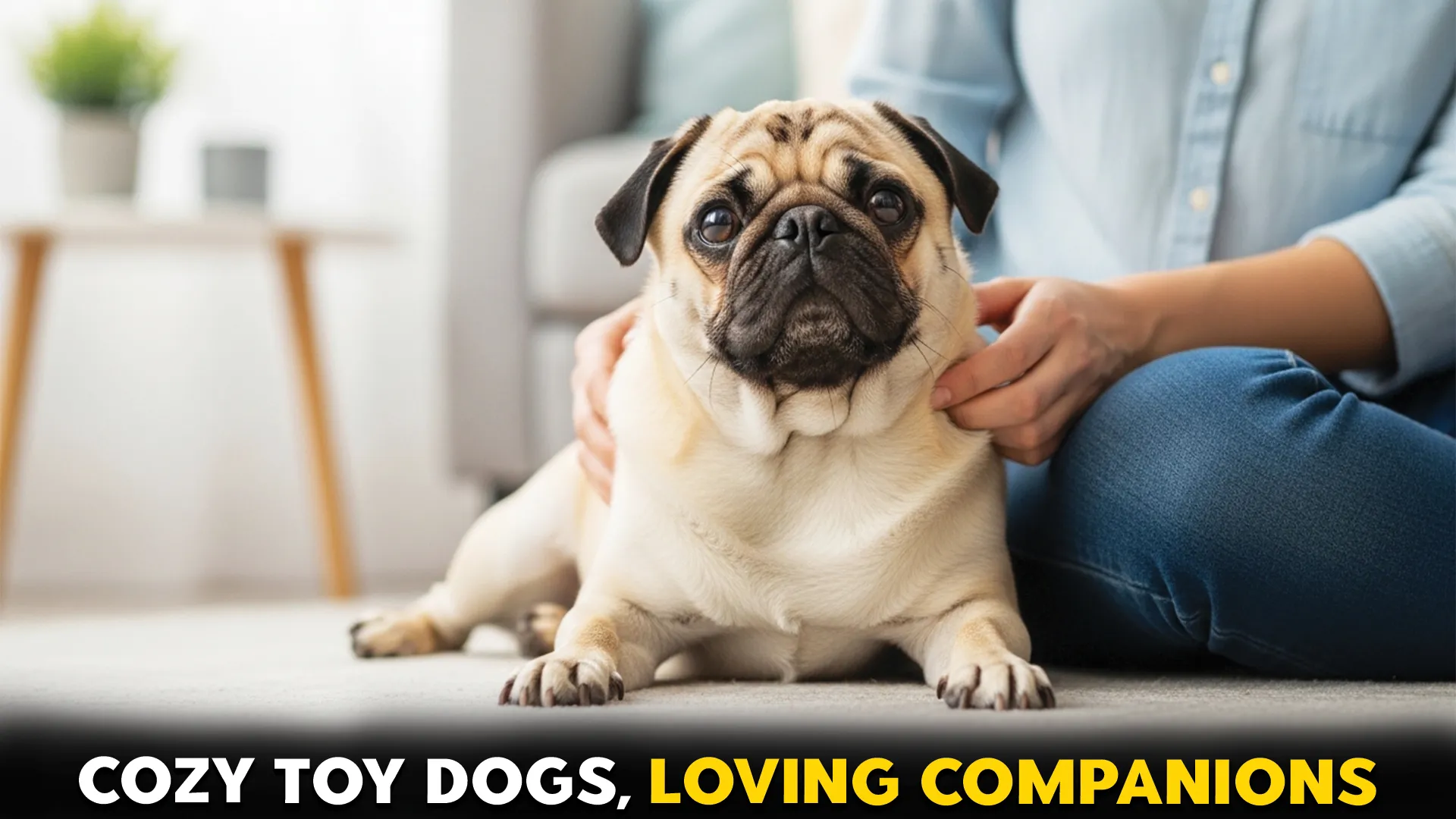
Looking for a tiny friend who can bring warmth and joy to your home?
Don’t let their small size fool you—these dogs are packed with personality! These little pups are affectionate, social, and highly adoptable. They thrive in apartments, fit perfectly in cozy homes, and make wonderful companions for families, couples, or anyone looking for a loving lap dog.
According to Wikipedia, a toy dog traditionally refers to a very small dog or a group of miniature breeds. This category includes tiny spaniels, pinschers, and terriers that have been carefully bred down in size.
Despite their small stature, these tiny dogs offer considerable charm, energy, and intelligence, making them surprisingly versatile across different lifestyles. What makes them even more appealing is the incredible variety available. Some of these are calm and gentle, perfect for quiet homes, while others are lively and playful, ready to entertain and engage.
They also differ in coat type, grooming needs, and activity level, so there are amazing toy dog breeds for a cozy companion.
Curious? Absolutely.
Amazing Toy Dog Breeds for a Cozy Companion
1. Maltese

The Maltese is one of the best small dog breeds, loved for its graceful look and gentle charm. This breed is best known for its long, luxurious white coat and playful yet calm personality.
According to PetMD, the Maltese, originating on the Mediterranean island of Malta, has been a cherished companion dog for centuries. Ancient Greek and Roman writers often mentioned this breed, praising its beauty and loyal nature.
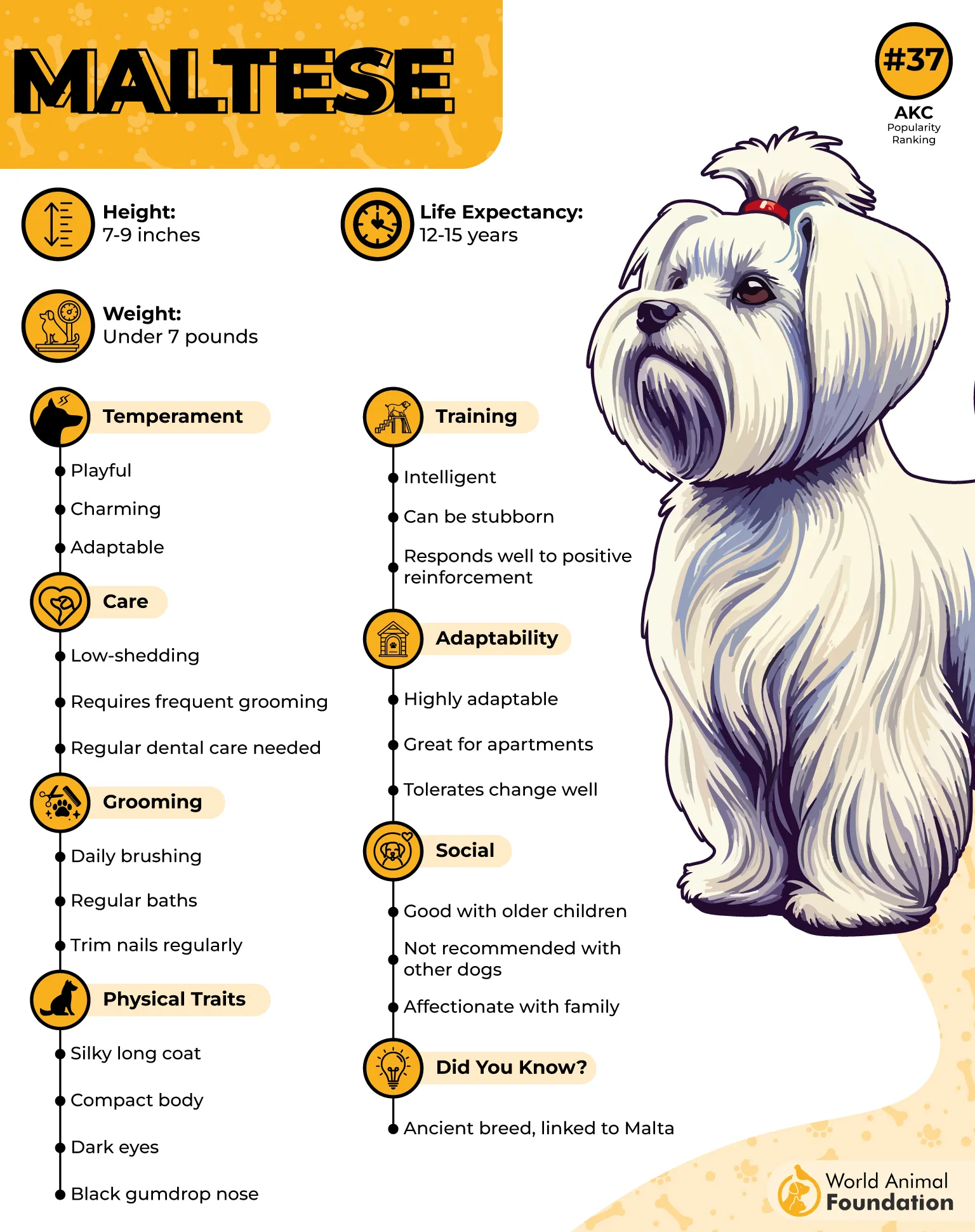
Over time, the Maltese became a symbol of comfort and companionship rather than work. That role has never changed. Even today, this dog thrives on close bonds with people. Its sweet nature makes it a wonderful choice for apartment residents, seniors, and families with children.
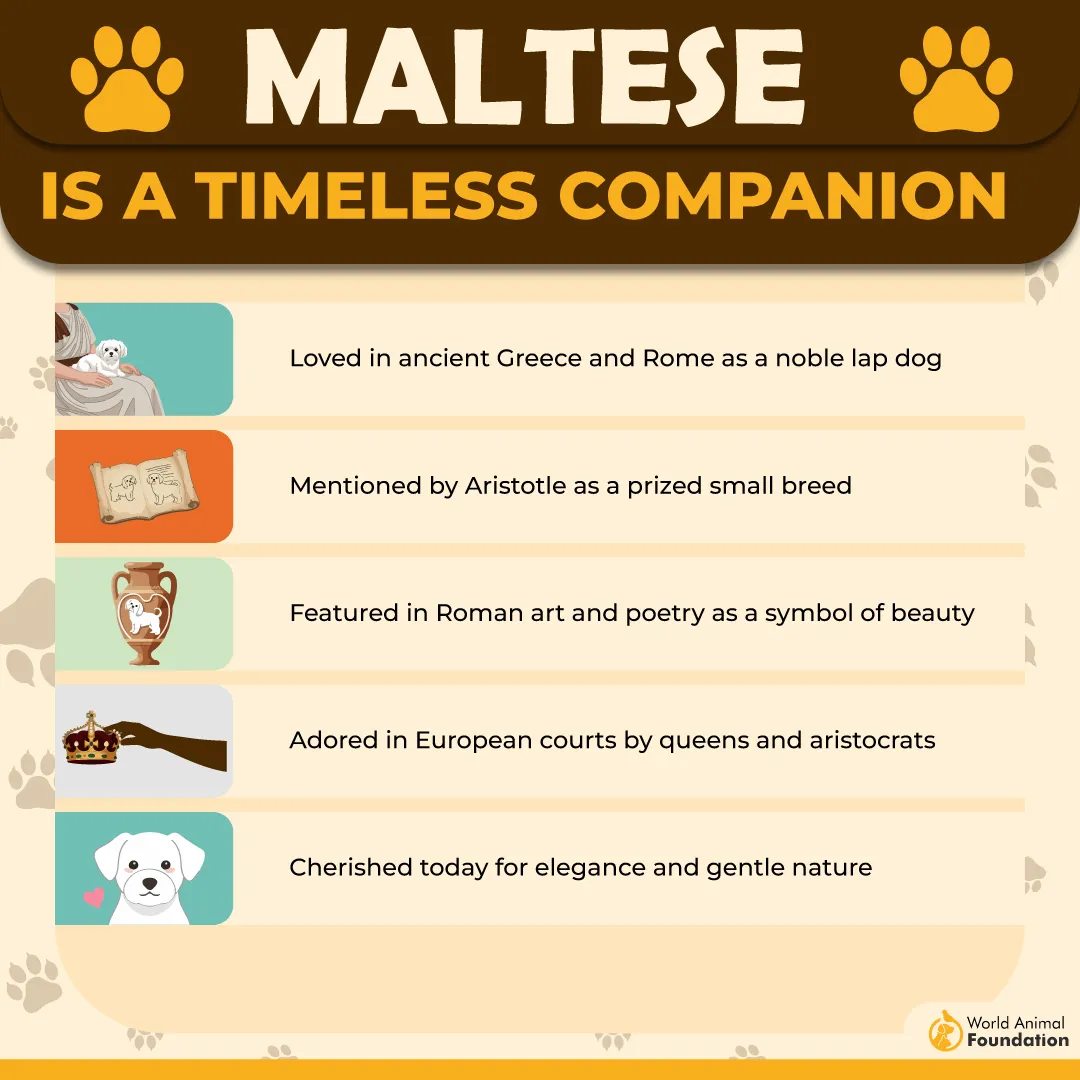
Grooming plays a big role in Maltese care. Their silky coat needs regular brushing to stay smooth and tangle-free. Many pet owners also rely on professional groomer visits to keep the coat healthy and neat. Despite their elegant look, Maltese dogs enjoy simple routines.
Gentle play sessions and short walks are usually enough to keep them happy and relaxed. They are also considered a hypoallergenic breed, which contributes to their enduring popularity. Friendly, charming, and highly adoptable, the Maltese remains a timeless companion.
Do You Know?
The first Maltese shown in the United States appeared in 1877 at the Westminster Kennel Club’s very first dog show, where it was listed as a “Maltese Lion Dog” and proudly displayed in pure white.
2. Pomeranian
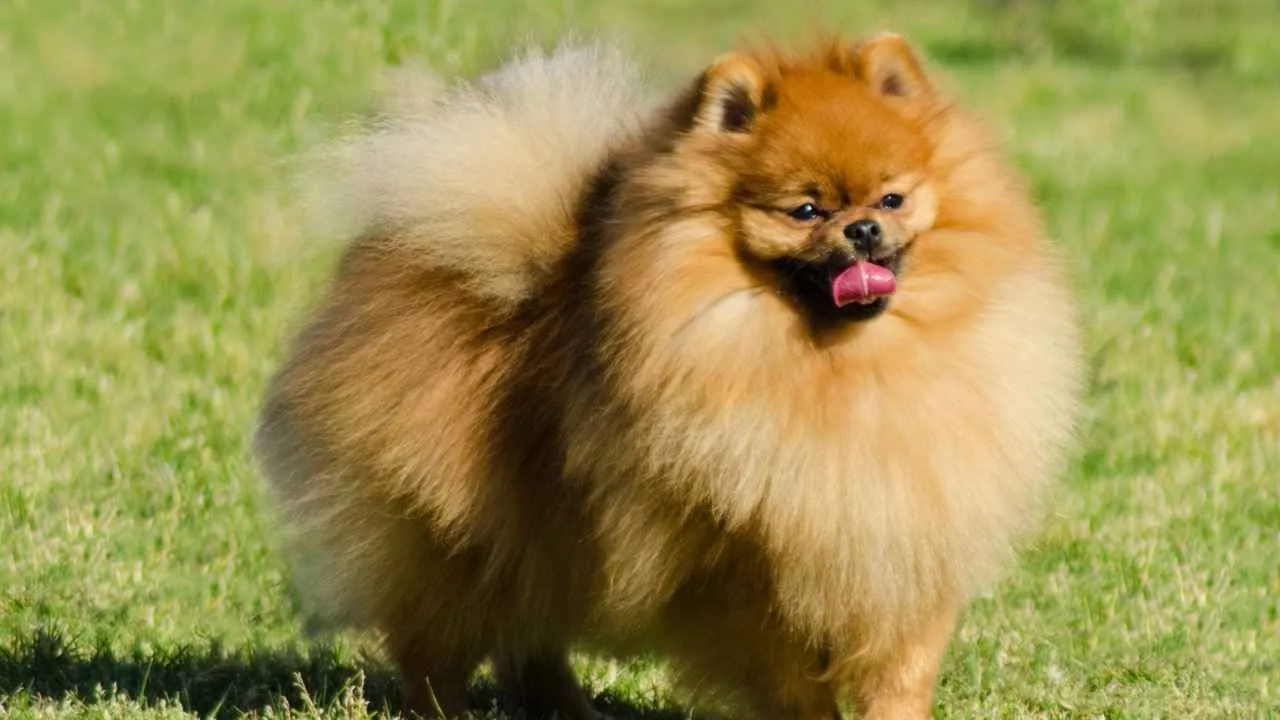
The Pomeranian’s rise to fame is closely tied to royalty, art, and fashion. In the 19th century, Queen Victoria began breeding Pomeranians that were much smaller than their original size of nearly 30 pounds.
Her influence reshaped the breed and helped create the compact version we know today. By the end of that century, the breed had become fashionable and was often called “the ideal companion by a long line of royals and commoners alike.”
Although small, the Pomeranian is a spitz-type dog with ancient roots. Britannica notes that its lineage can be traced back to early sled dog ancestors related to the Samoyed and Norwegian Elkhound. This heritage explains the breed’s intelligence, alertness, and confidence.
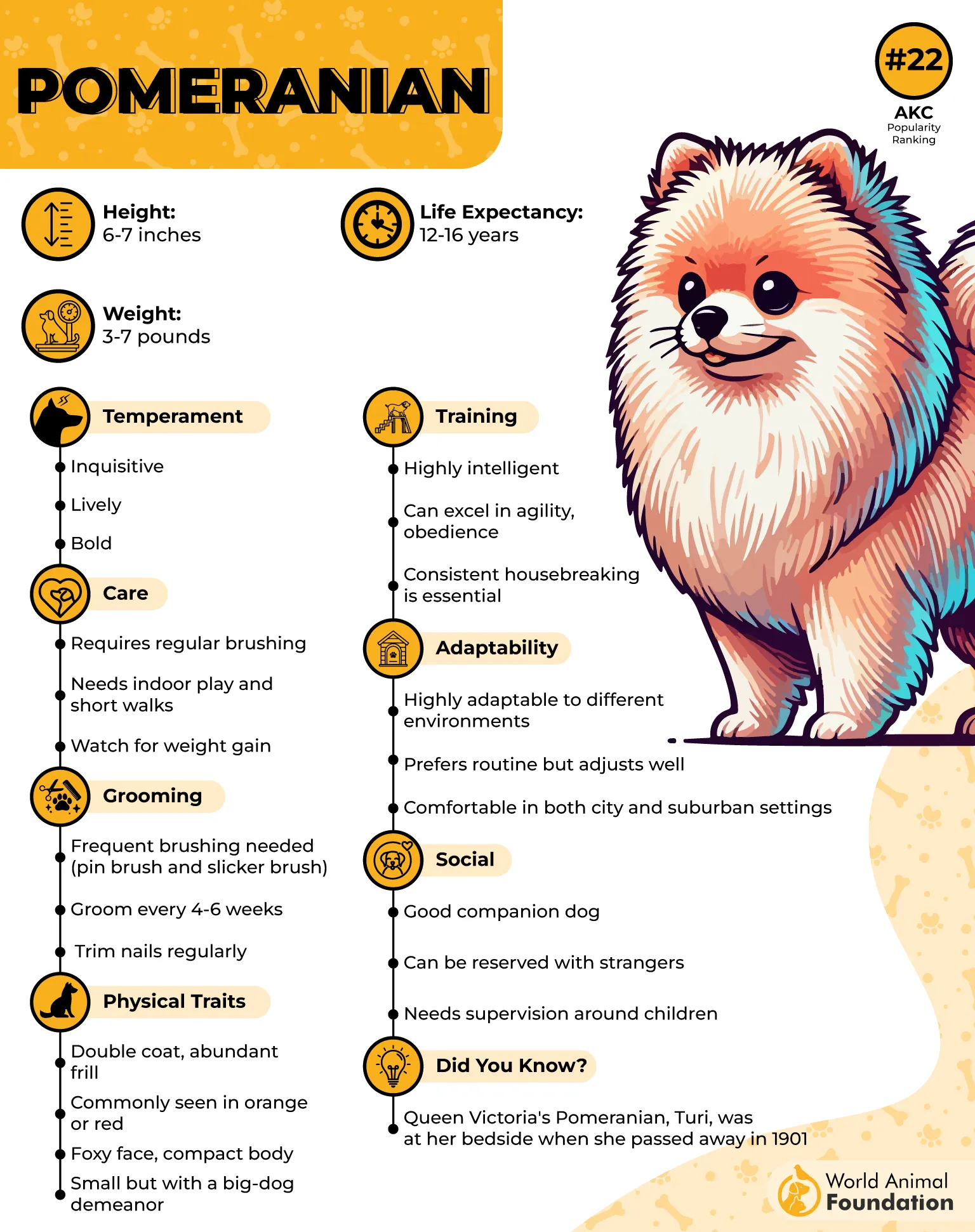
Pomeranians are curious, playful, and highly alert. They may bark if not properly socialized, but they are also sensitive and deeply affectionate. Many enjoy being close to their owners and make good lap dogs.
Brushing helps maintain their thick coat, while puzzle toys provide mental stimulation. They have moderate energy levels and enjoy short leash walks, yet they truly shine during interactive play sessions.
Do You Know?
Famous Pomeranian owners include Theodore Roosevelt and Wolfgang Amadeus Mozart, and legend says Michelangelo kept a Pomeranian nearby while painting the ceiling of the Sistine Chapel.
3. Pekingese
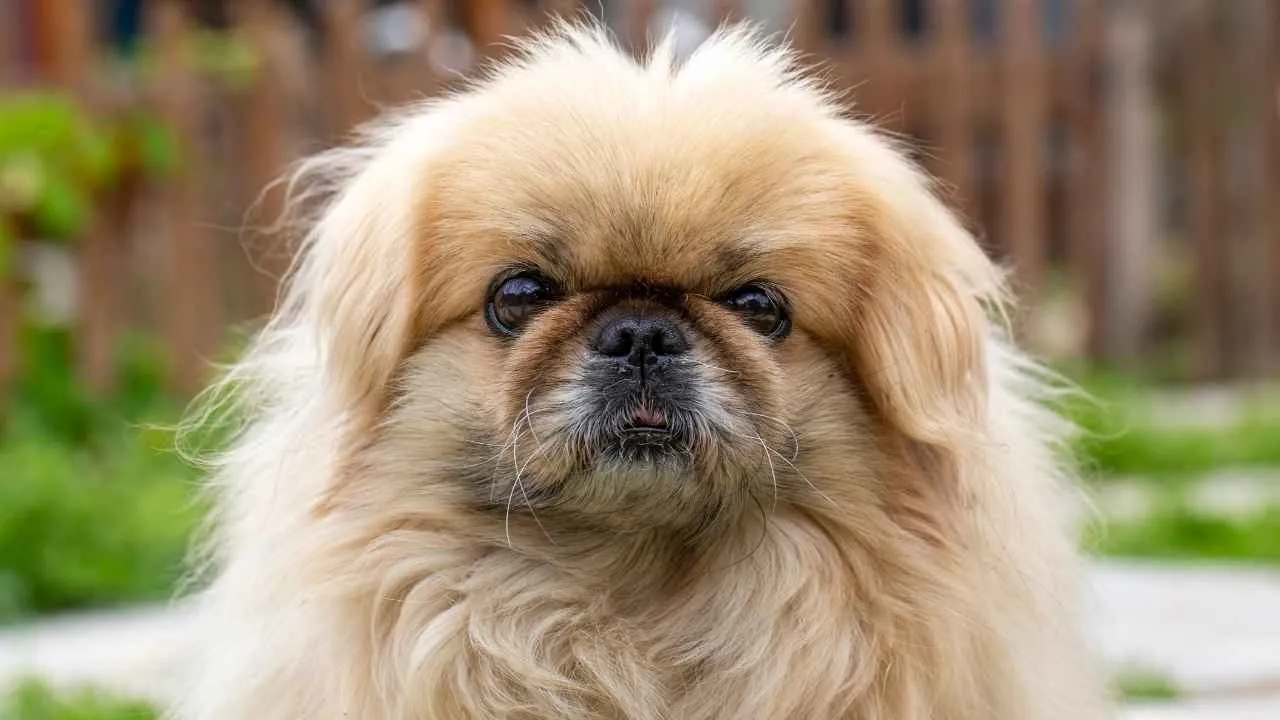
The Pekingese is an excellent small dog breed with deep historical roots and a proud personality. For centuries, this little dog was sacred in ancient China and favored by Chinese royalty. It lived within the walls of the Forbidden City in Beijing, formerly Peking, where the breed takes its name.
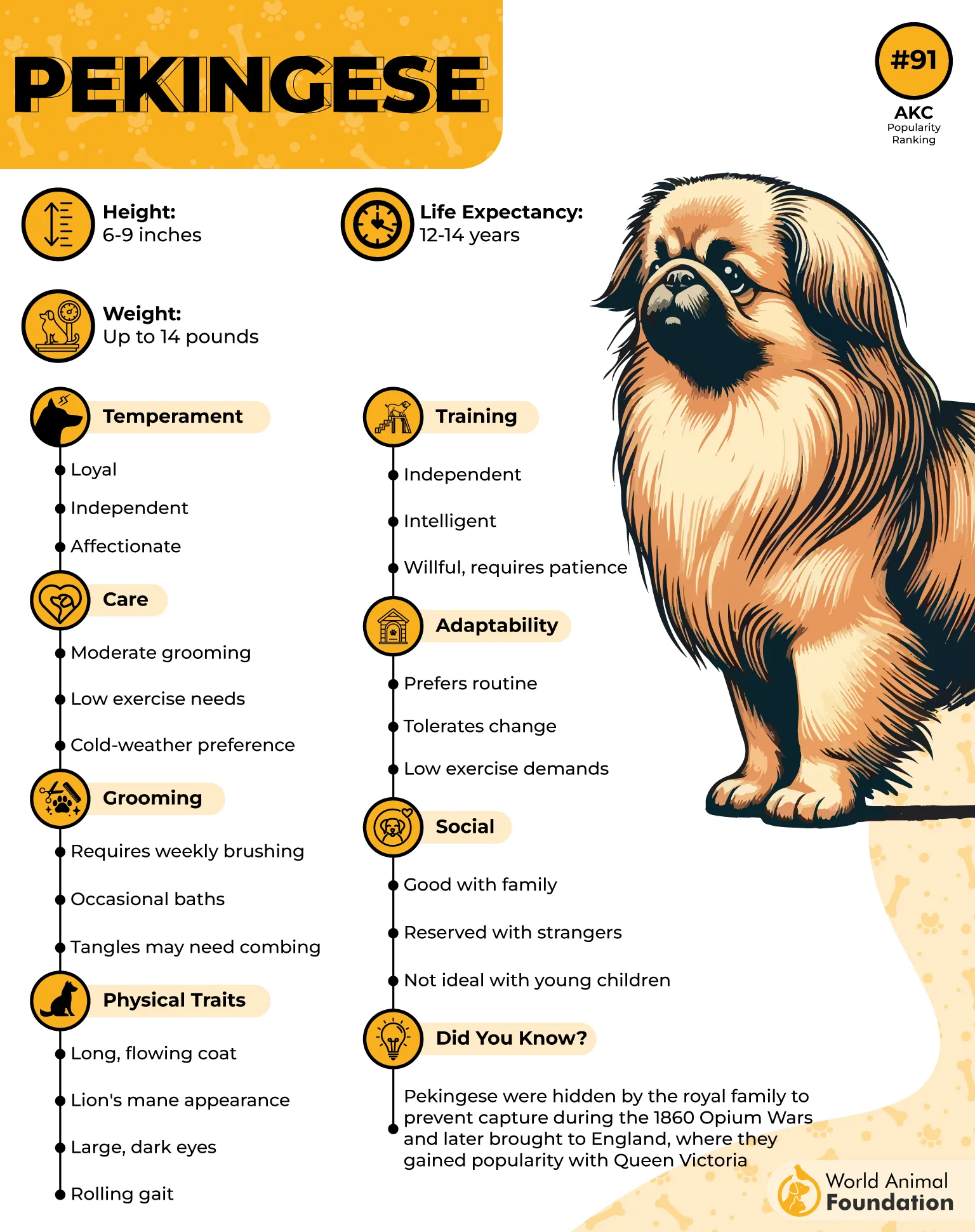
The Pekingese was treasured as a companion and was not exhibited in England until the very late 19th century. According to Purina, this small breed is a robust, short-legged little dog with a flowing tail and a keen, lion-like expression.
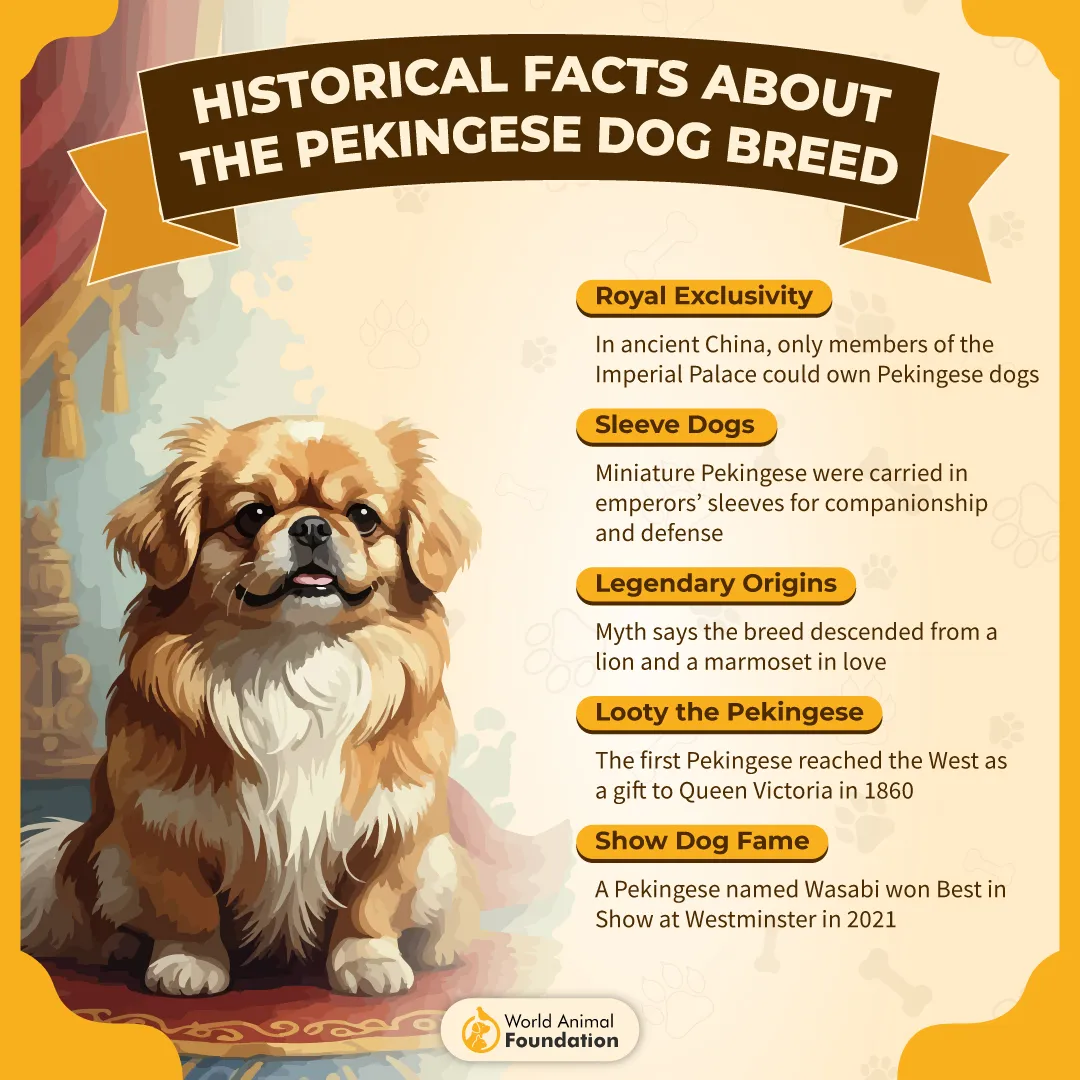
Pekingese are independent yet affectionate, forming strong bonds with their people. They have a sensitive nature and prefer calm homes. With proper socialization, they can coexist peacefully with other pets when introduced carefully.
Their thick double coat requires regular grooming to prevent matting and discomfort. Coat colors commonly include gold, red, sable, cream, black, white, and black-and-tan, with blue or slate gray appearing occasionally.
Like many toy breeds, trauma is a leading cause of health issues, making gentle handling important.
Do You Know?
The famous fictional Pekingese Tricky Woo from All Creatures Great and Small helped boost the breed’s popularity. In the recent remake, a real Pekingese named Derek often stole scenes by adding his own growls, grunts, and reactions—sometimes upstaging the human actors.
4. Japanese Chin
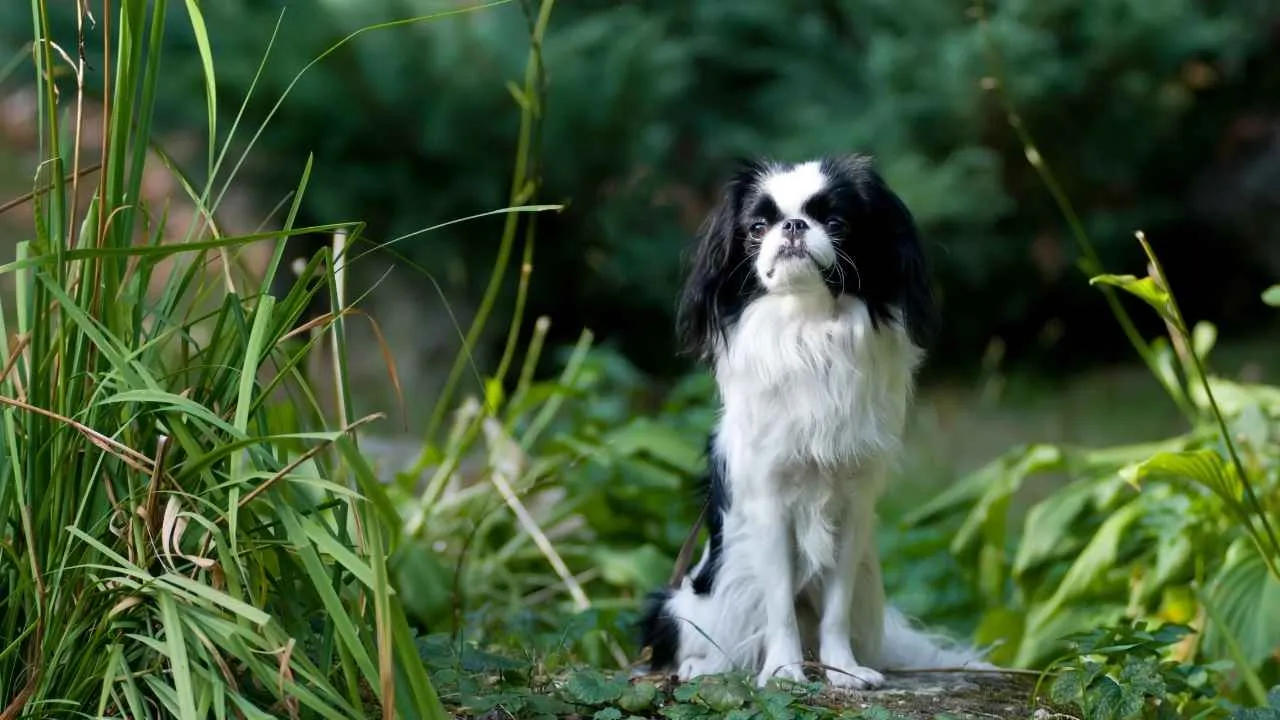
The Japanese Chin is prized for its quiet companionship and gentle nature. This breed is well-suited to apartment life and calm households, where it thrives as a relaxed lapdog. Its personality is affectionate yet reserved, often forming a strong bond with a single person.
Many pet parents describe the Japanese Chin as quiet and sensitive, making it an ideal dog for peaceful homes. Health is critical to caring for this breed. Like many toy breeds, the Japanese Chin is prone to certain conditions, so regular veterinary visits are strongly recommended.
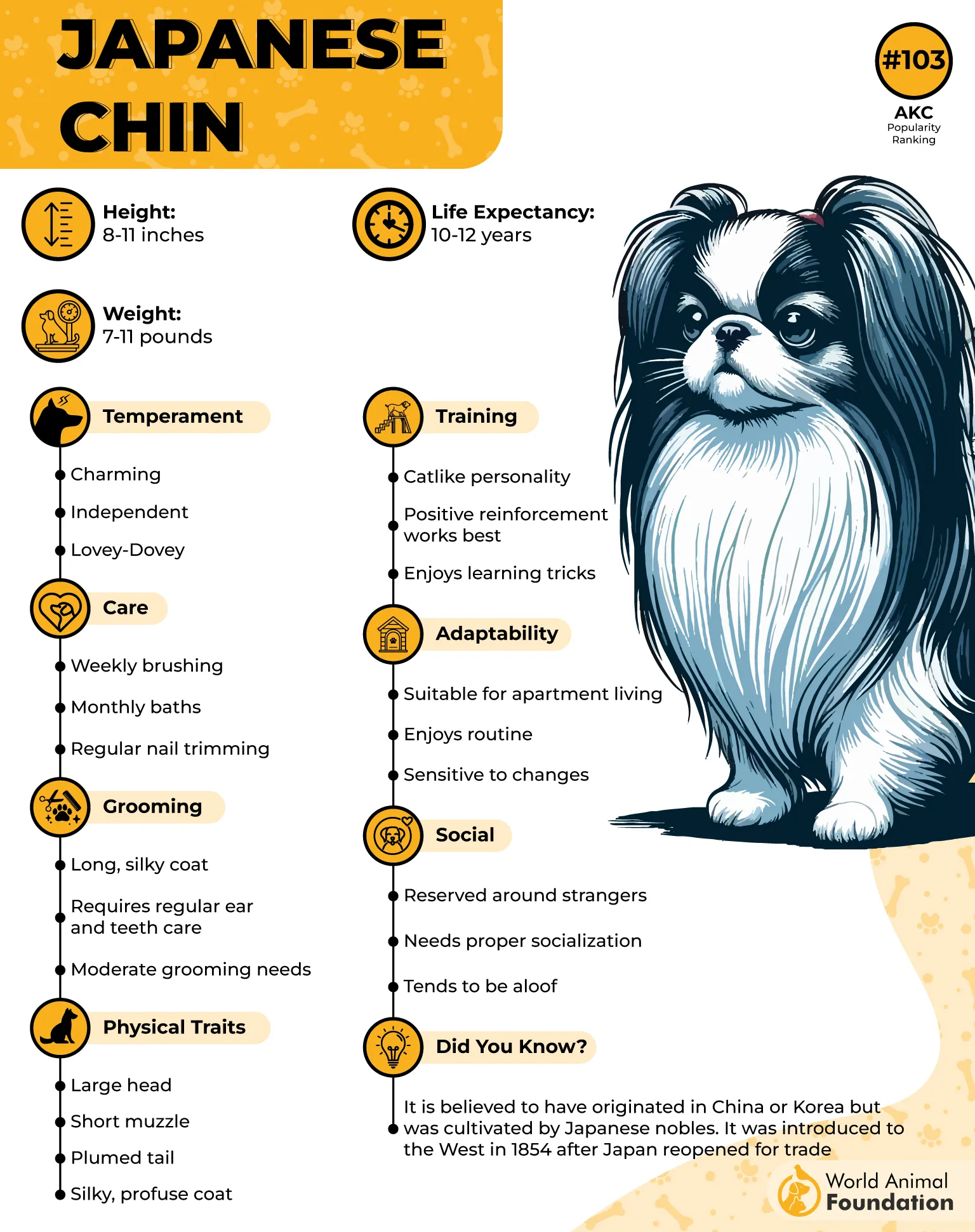
Its activity needs are low, and it prefers gentle indoor play over long walks or high-energy routines. The breed has a distinctive and fascinating heritage. It was brought to England in 1613 and was known for many years as the Japanese Spaniel until its official name change in 1977.
The Japanese Chin is often described as having a feline-like demeanor. According to Hill’s Pet, British breeders may have crossed the Japanese Chin with the King Charles Spaniel, which may explain their similar facial features and elegant appearance.
In Japan, Chin were royal companions, unlike Inu, which were working dogs. Positive training methods are best suited to this breed.
Do You Know?
The Japanese Chin is often called a “cat-like dog” because of its graceful movements, love for high perches, and habit of grooming itself with its paws—traits rarely seen in other breeds.
5. English Toy Spaniel
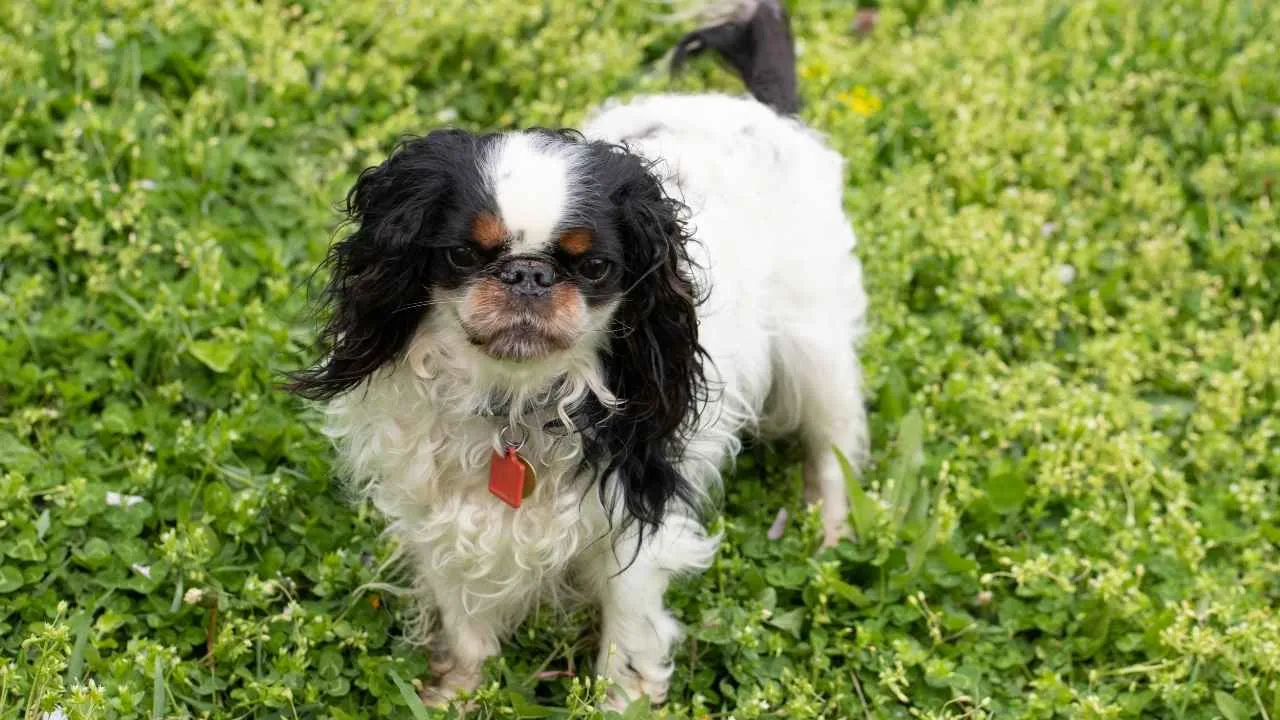
The English Toy Spaniel is a small dog breed known for its gentle, sociable temperament and ideal companion profile. Calm, affectionate, and friendly with strangers, this breed adapts well to apartment living and quiet family homes.
It is especially well-suited for people who want a loving, low-maintenance dog that enjoys closeness without constant activity. This perfect toy dog has low energy needs and is content with short daily walks.
It also enjoys relaxed interactive sessions with toys and owners, making bonding easy and natural. The breed is easy to train, responds well to gentle guidance, and rarely shows excessive barking when properly socialized. It generally gets along well with other pets and prefers peaceful environments.
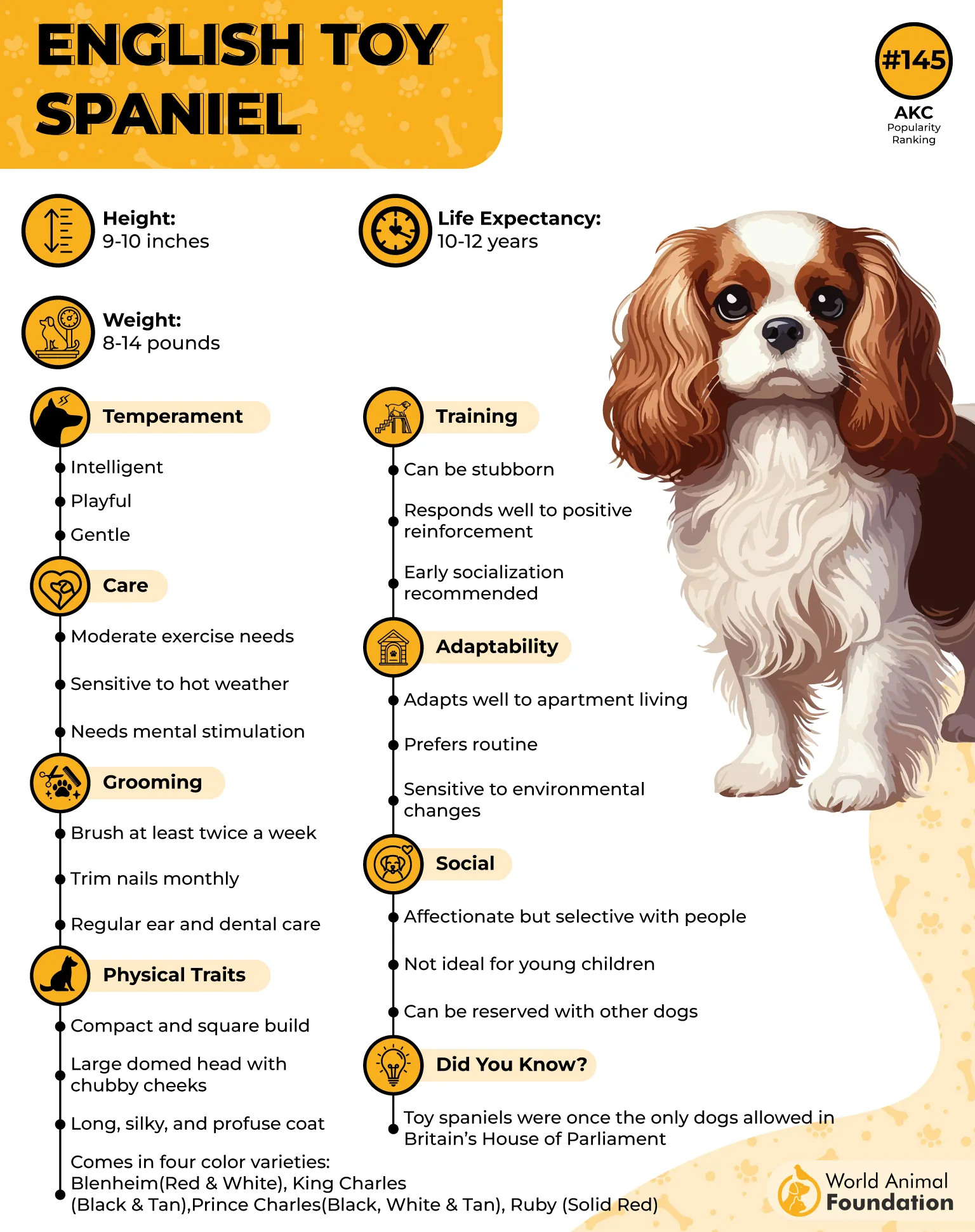
The English Toy Spaniel has a profuse coat that needs only occasional brushing. Its coat appears in four recognized varieties, each with its own name: red-and-white Blenheim, black-and-tan King Charles, white-and-black-and-tan Prince Charles, and solid red Ruby.
Also known as the King Charles Spaniel, this breed was once called the “Comforter.” It was cherished by royalty, including Mary, Queen of Scots, whose spaniel reportedly refused to leave her side even at the scaffold.
Do You Know?
The red-and-white variety of the English Toy Spaniel appears in Renaissance art, including Titian’s Venus of Urbino (1538), where the small dog symbolized affection and intimacy.
6. Papillon
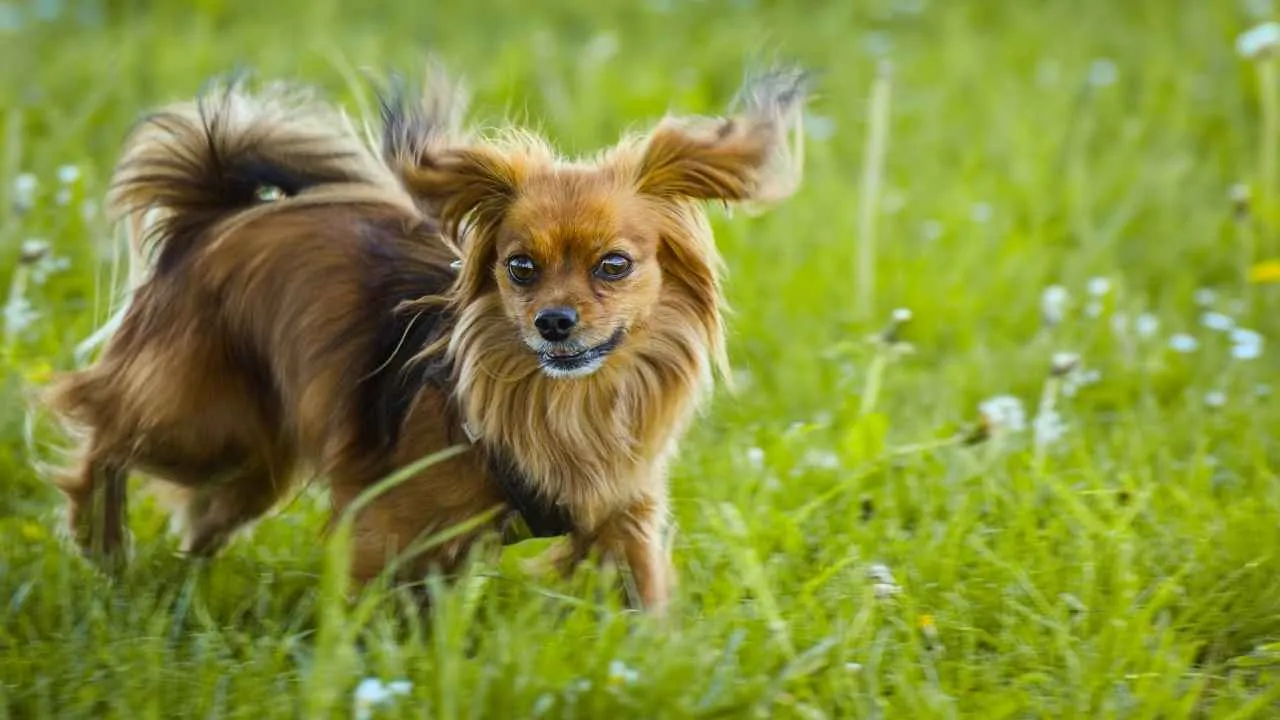
The Papillon is a small dog breed celebrated for its sharp intelligence and impressive training potential. Often described as eager to please, this breed learns quickly and thrives in homes with active owners who value routine and engagement.
Papillons are highly trainable and respond well to positive methods, making them a great choice for people who enjoy teaching and interacting with their dog regularly. Despite their delicate appearance, these are energetic pups that excel in agility and obedience.
They enjoy daily mental engagement, especially when puzzle toys are part of their routine. While they are lively, they are also known as relatively quiet dogs when properly trained and given enough stimulation. Their affectionate nature makes them wonderful companions for individuals and families alike.
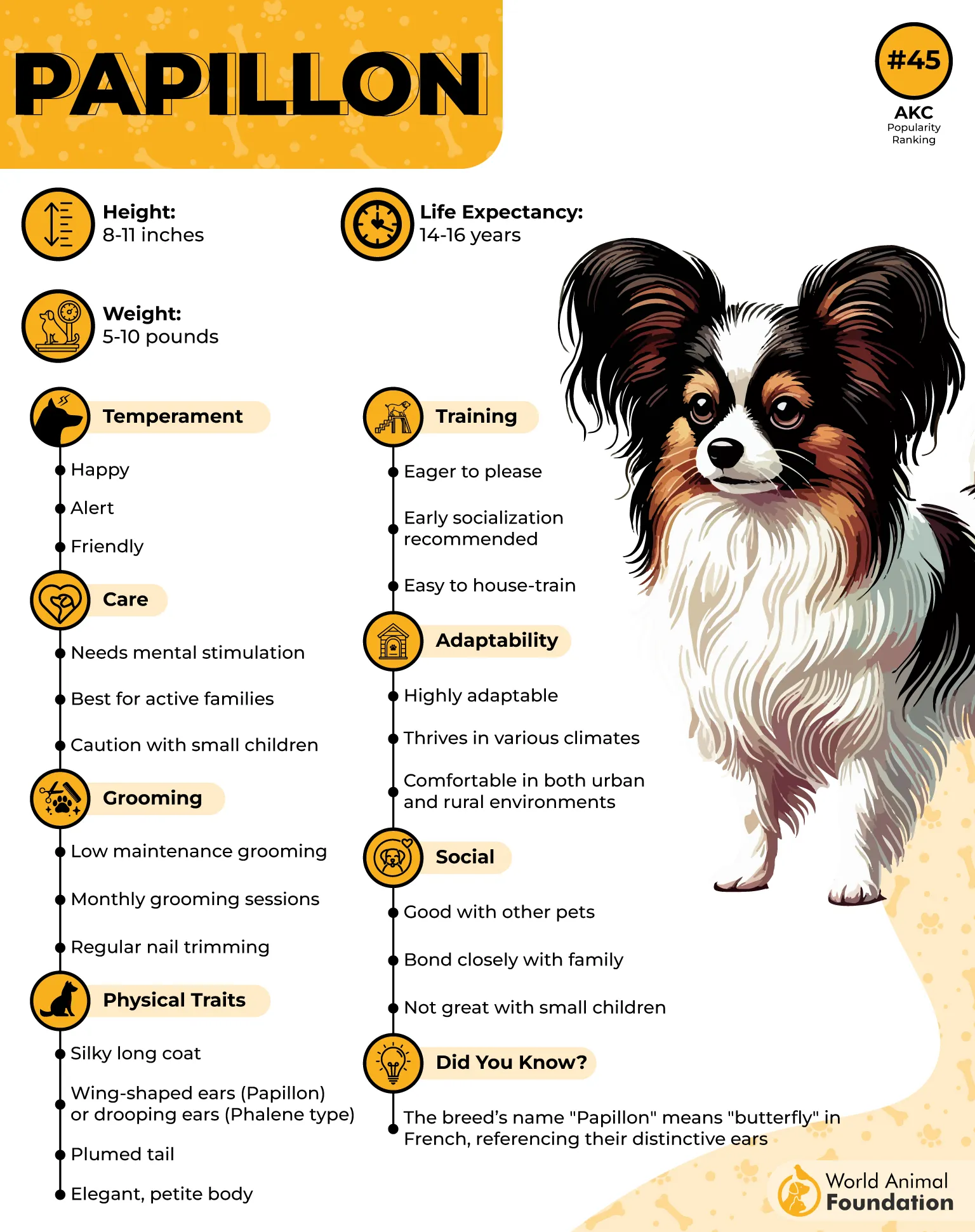
Grooming needs are moderate, with daily brushing keeping their fine coat neat. Papillons adapt well to different lifestyles, whether living alone with one owner or in busy households. They can even learn to use a designated potty area, which adds flexibility for apartment living.
Though small, they often carry themselves with confidence similar to larger breeds. The Papillon gets its name from its butterfly-like ears—papillon is French for “butterfly.” Also known as the Continental Toy Spaniel, it is one of the oldest toy spaniels and was formerly called the Dwarf Spaniel.
Do You Know?
Marie Antoinette was an ardent admirer of Papillons, and legend says one followed her to the guillotine, a lasting symbol of the breed’s deep loyalty and gentle spirit.
7. Yorkshire Terrier
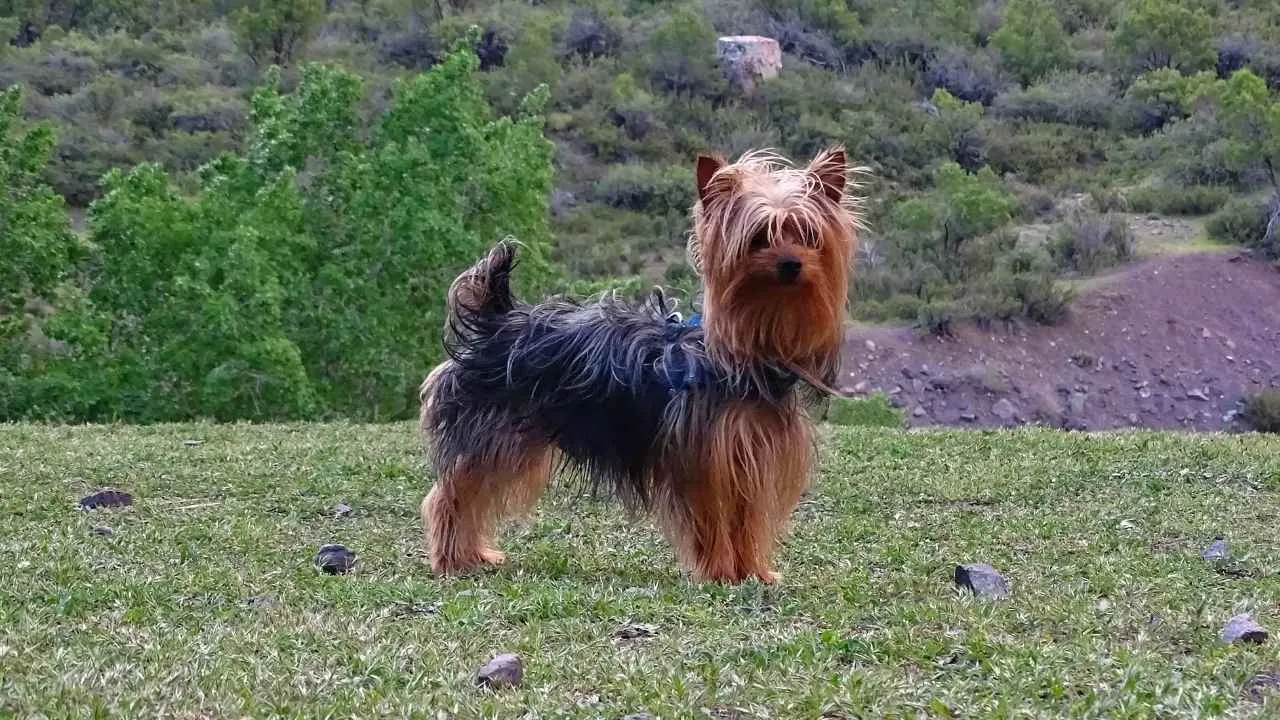
The Yorkshire Terrier, more affectionately known as the Yorkie, is a small dog with a surprisingly big personality, making it a perfect match for busy households that want energy without chaos. Yorkies are lively, bold, and adventurous, yet deeply affectionate with their people.
Few terrier breeds combine confidence and charm so naturally in such a compact size. Their alertness and strong attachment to their owners help them fit into structured daily routines, especially for apartment dwellers with active lifestyles.
Despite their size, Yorkies are spirited and curious, often believing they are much larger than they really are. This “small but mighty” attitude makes crate training important, not as punishment, but for safety and comfort when owners are busy or away.
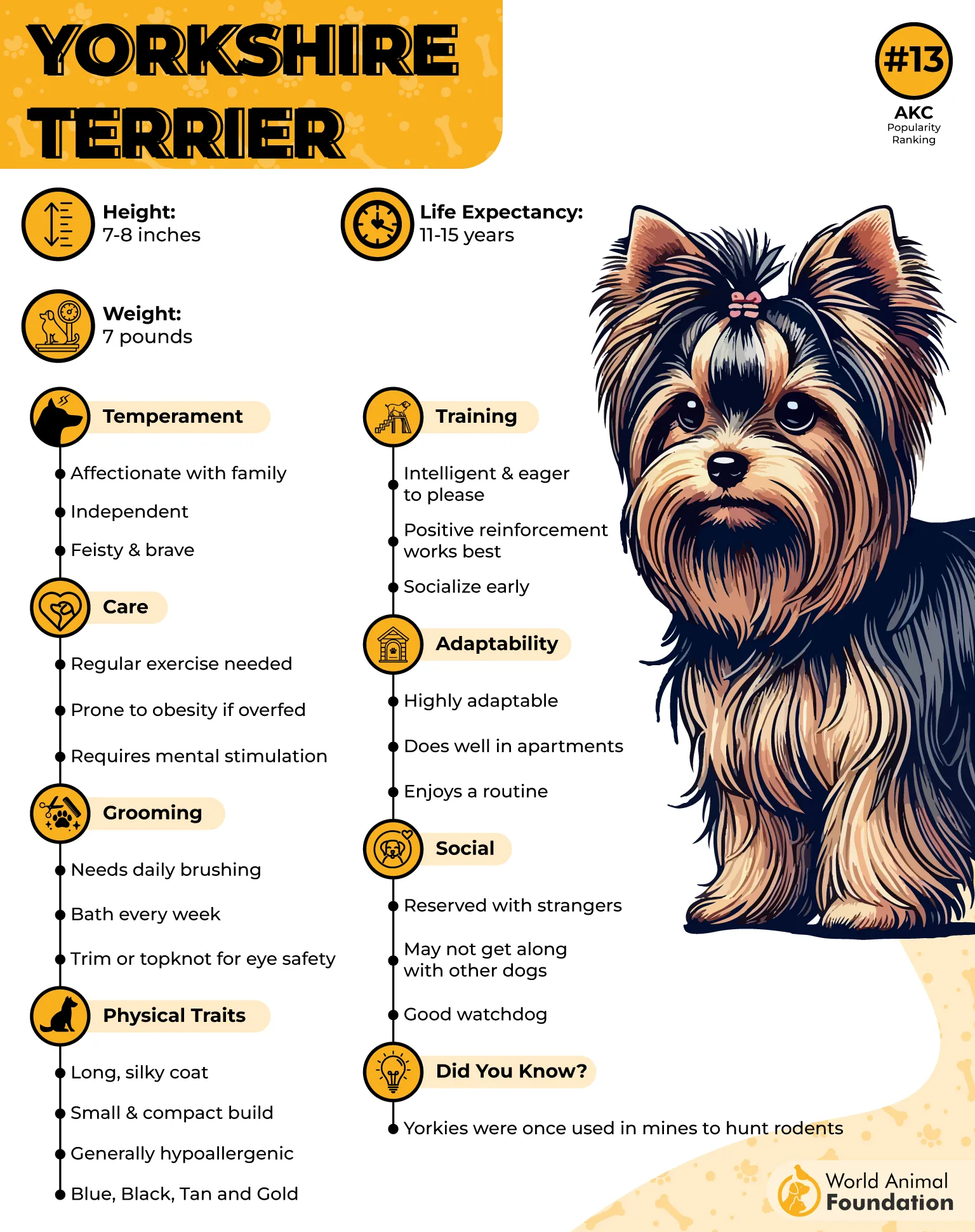
With early socialization, Yorkshire Terriers work well with other animals and adapt smoothly to multi-pet homes. According to PDSA, they are best suited to families with older children, as their fragile bones can be easily injured by younger kids.
Routine grooming is essential for this breed. Their fine coat requires brushing to prevent matting and maintain its signature shine. Historically admired by Victorian ladies, the Yorkie first appeared at a bench show in England in 1861 as a broken-haired Scotch terrier.
The breed traces back to the Waterside Terrier, also known as a weaver’s dog, valued for both companionship and purpose.
Do You Know?
Yorkshire Terriers are often called “small but mighty” because, despite their tiny size, they were originally bred to catch rats in mills and mines, showing both courage and determination far beyond their stature.
8. Toy Poodle
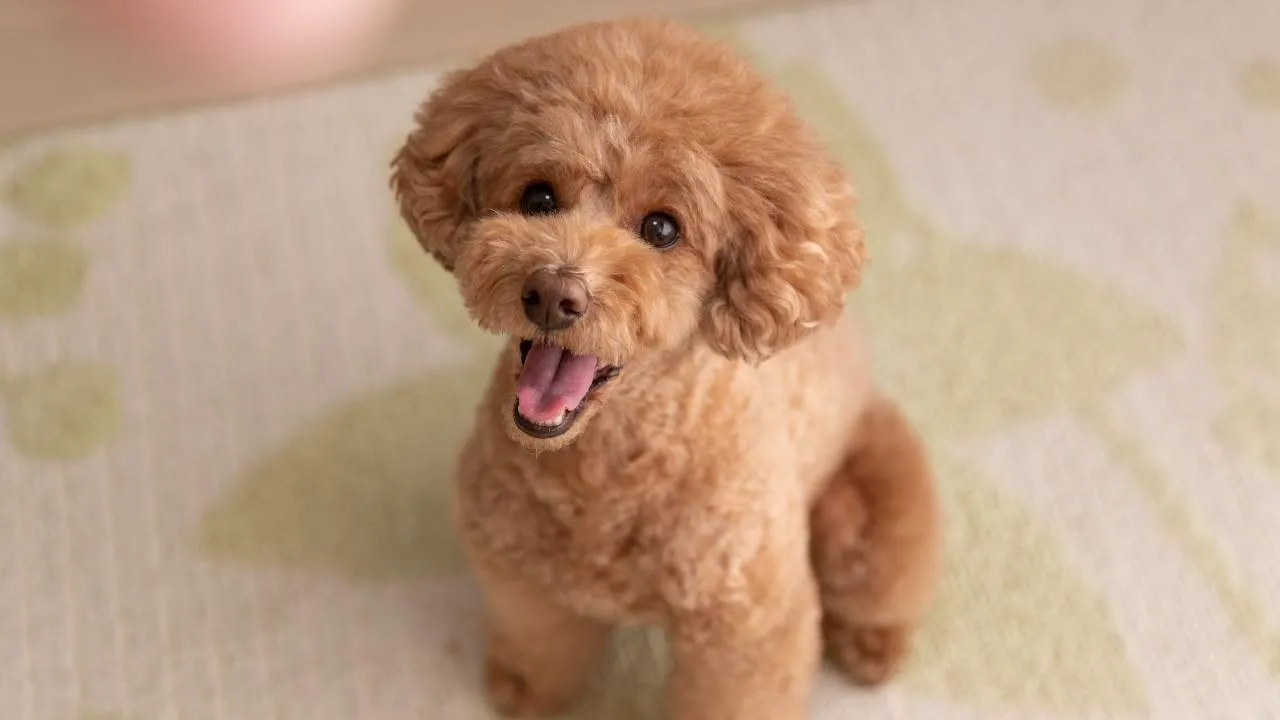
The Toy Poodle is one of the smartest dog breeds, known for its versatility, intelligence, and loving personality. Whip-smart and eager to please, this small dog excels as a companion for both children and adults.
They are highly adaptable to apartment life and to different households and lifestyles. They are also ideal for allergy sufferers, thanks to their low-shedding coat, which is perfectly suited to sensitive homes.
Originally from France, it was called Caniche, meaning “duck dog,” and became famous for performing tricks, earning a reputation as the ultimate trick dog. They were court favorites during the reign of Louis XVI and Queen Anne, admired for their elegance and intelligence.
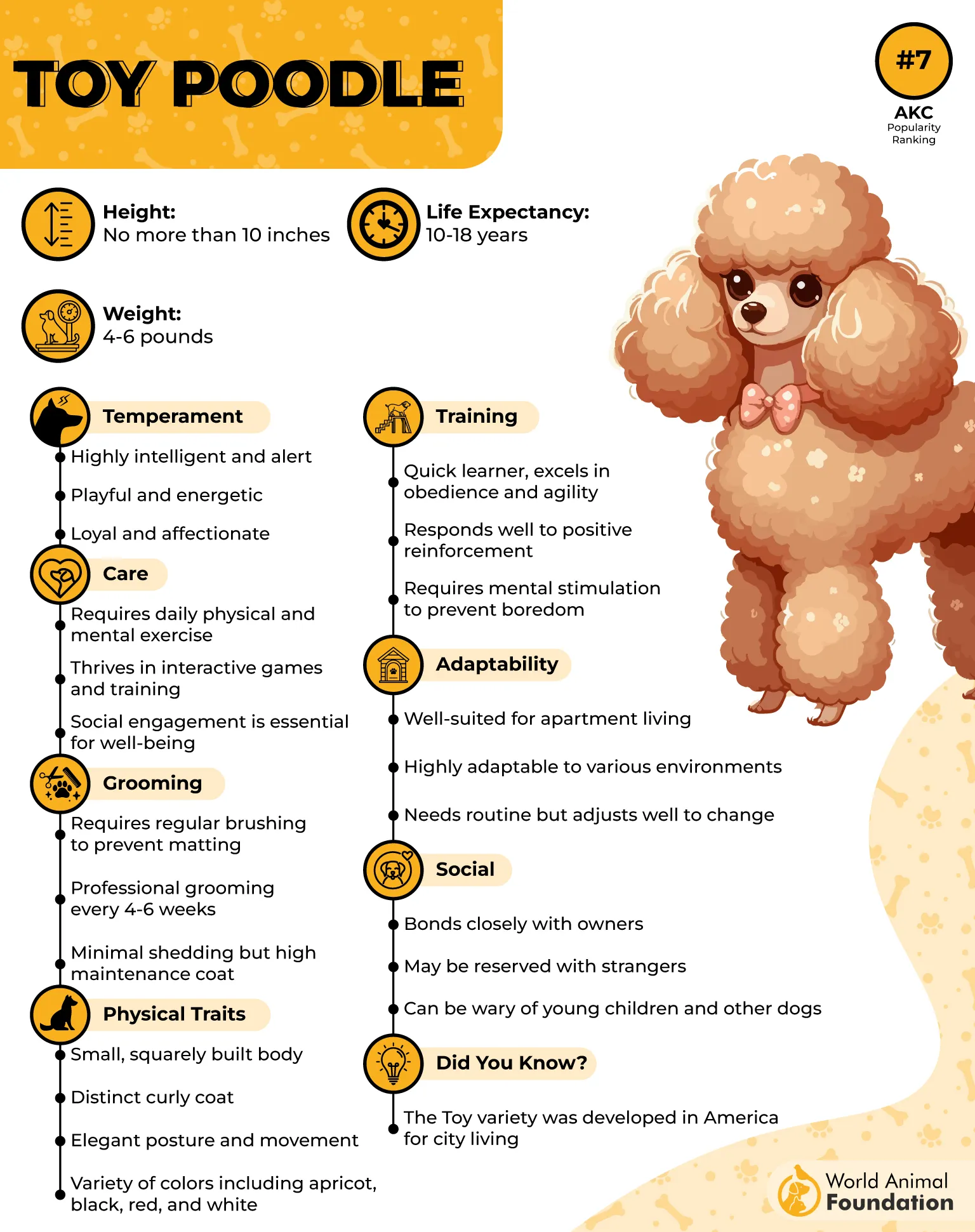
In Germany, they are called Pudel, literally meaning “water dog,” reflecting their origins as skilled retrievers. Despite their petite size, they are fairly active and thrive with mental stimulation, making them lively yet loyal companions.
Their affectionate nature ensures they bond closely with their people, fitting seamlessly into families, apartments, or homes with other dogs and pets.
Do You Know?
The Toy Poodle became widely popular in France as a “trick dog” and often performed alongside entertainers in royal courts, earning fame long before it became a beloved family companion worldwide.
9. Shih Tzu
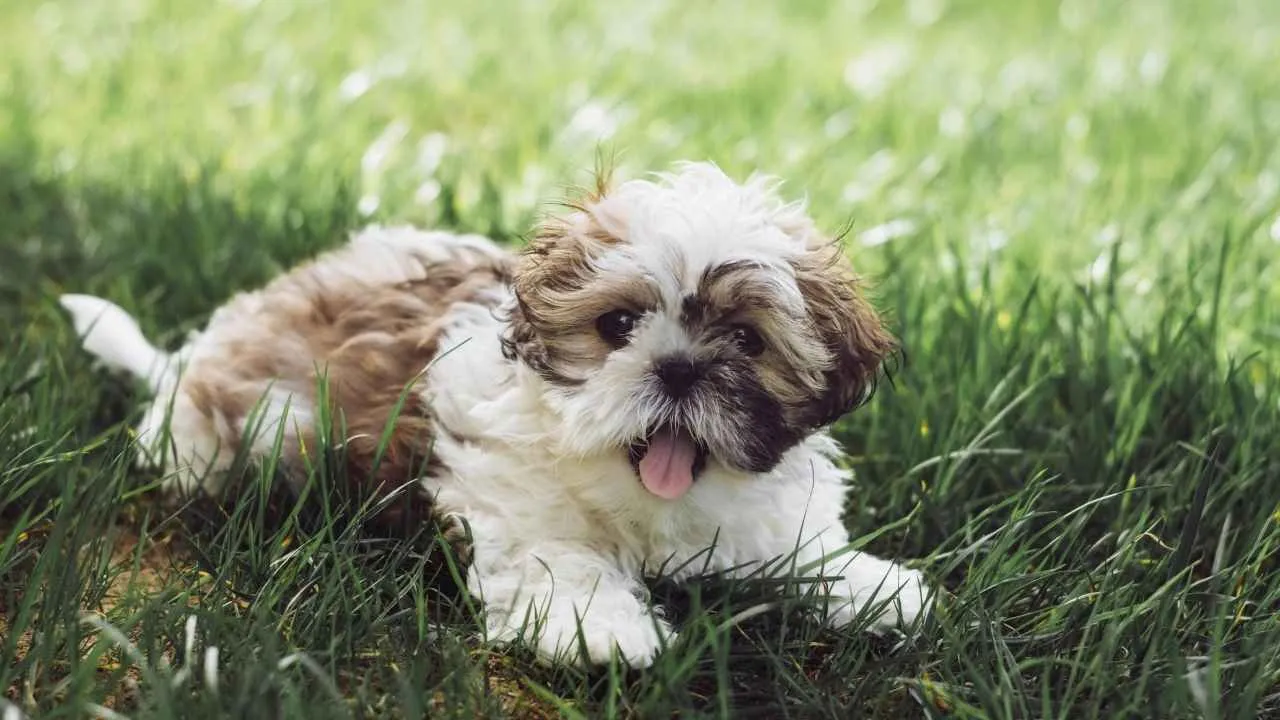
The Shih Tzu is one of the most loving and popular small dog breeds, admired for its affectionate personality and strong compatibility with families. Sweet and gentle, this breed thrives in homes where it can enjoy attention and companionship.
Shih Tzus have a moderate energy level, enjoying both cuddles and brisk walks, making them excellent companions for people of all ages. They adapt well to their family’s lifestyle, yet may experience separation anxiety if left alone for long periods.
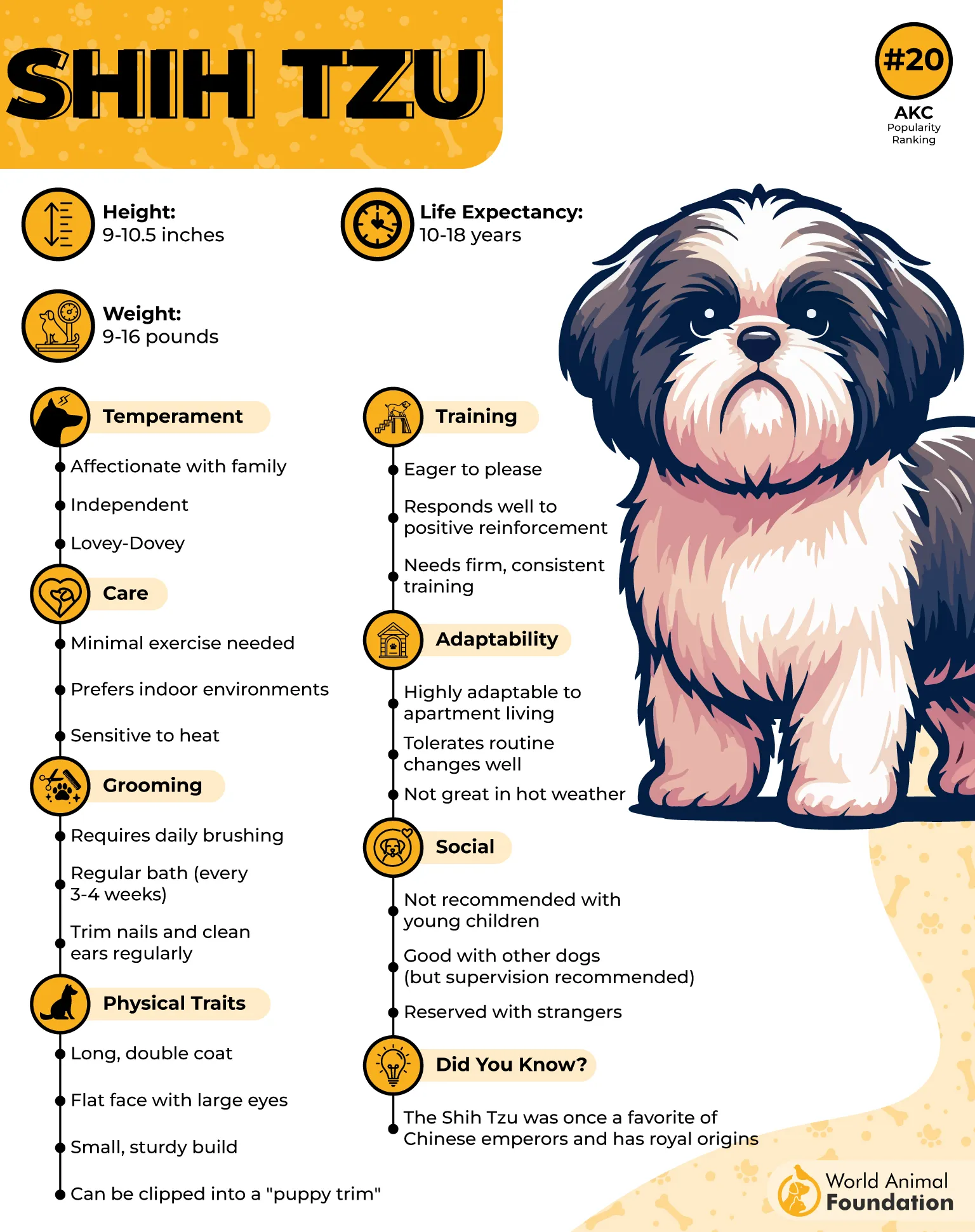
Despite their small size, they are confident and interact well with larger dogs when properly socialized. This ancient breed has a rich history rooted in Asia. Once a favorite among Chinese royalty, they were bred in the courts and associated with Buddhist symbolism, representing a deity in palace life.
During the Ming dynasty, they were cherished house pets, and records from the Tang dynasty note that Qi Yu Tai, King of Weikou, presented a pair of these dogs to the Chinese court as tribute.
In AD 990–994, the Hu-chu people also sent them as tribute, highlighting the breed’s historical significance and enduring charm.
Do You Know?
Shih Tzus were highly prized by Chinese emperors, and their name means “lion dog,” reflecting their symbolic association with Buddhist lions and royal guardianship.
Conclusion
Toy dog breeds offer a unique blend of charm, intelligence, and loving personalities, each suited to different lifestyles, spaces, and family dynamics.
These small breeds and their mixed-breed companions bring warmth and joy to every home. Whether you have an apartment, multiple pets, or young children, choosing the right dog ensures a harmonious fit.
Incorporating simple routines like short walks, puzzle toys, puppy pads, or having two dogs can enhance their happiness and well-being.
These furry companions are more than pets—they are playful, loyal friends who add laughter, love, and companionship, turning any house into a cozy, lively home.
