




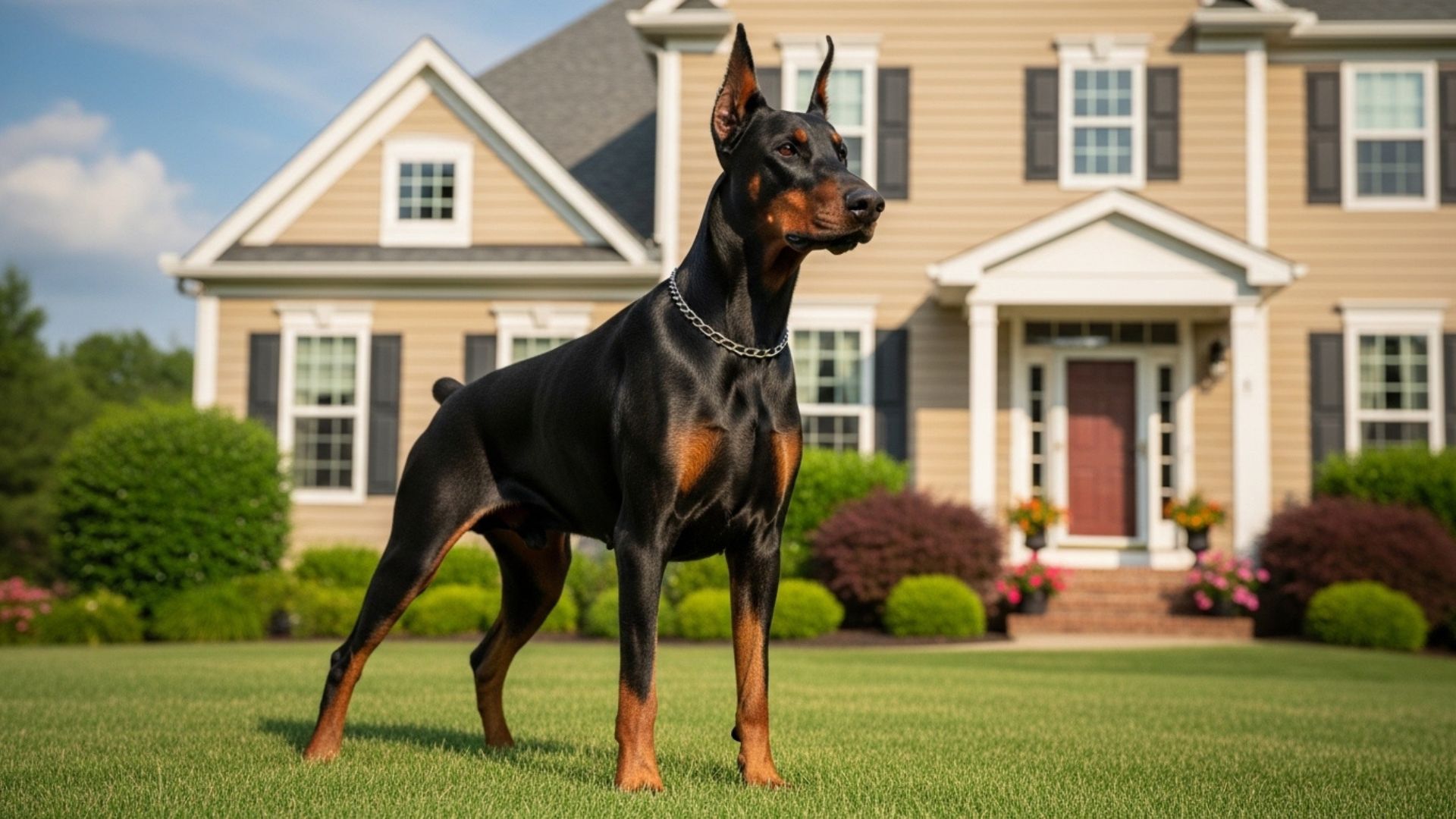
Guard dogs aren’t just pets—they’re vigilant companions with an innate sense of loyalty, intelligence, and natural protective instinct.
With heightened senses, quick reactions, and a natural ability to read situations, these dogs are built to safeguard their families and homes. If you’re a dog owner searching for a loyal companion who doubles as a protector, certain breeds stand out.
These best guard dog breeds combine courage, intelligence, and devotion, making them ideal for families seeking security without sacrificing affection. Whether you live on a bustling city street or a quiet suburban block, a well-trained guard dog can provide both peace of mind and a loving presence.
We’ll explore protective dog breeds renowned for their guarding abilities, temperaments, and loyalty—and share tips for nurturing and channeling their natural instincts safely. Let’s help you find the perfect protector for your home.
Quick Insight: Research shows ancient civilizations, including Mesopotamia and Egypt, relied on dogs to protect property and livestock. In ancient China, Mastiff-like breeds guarded villages and palaces.
Protective Dog Breeds That Will Safeguard Your Home
1. German Shepherd
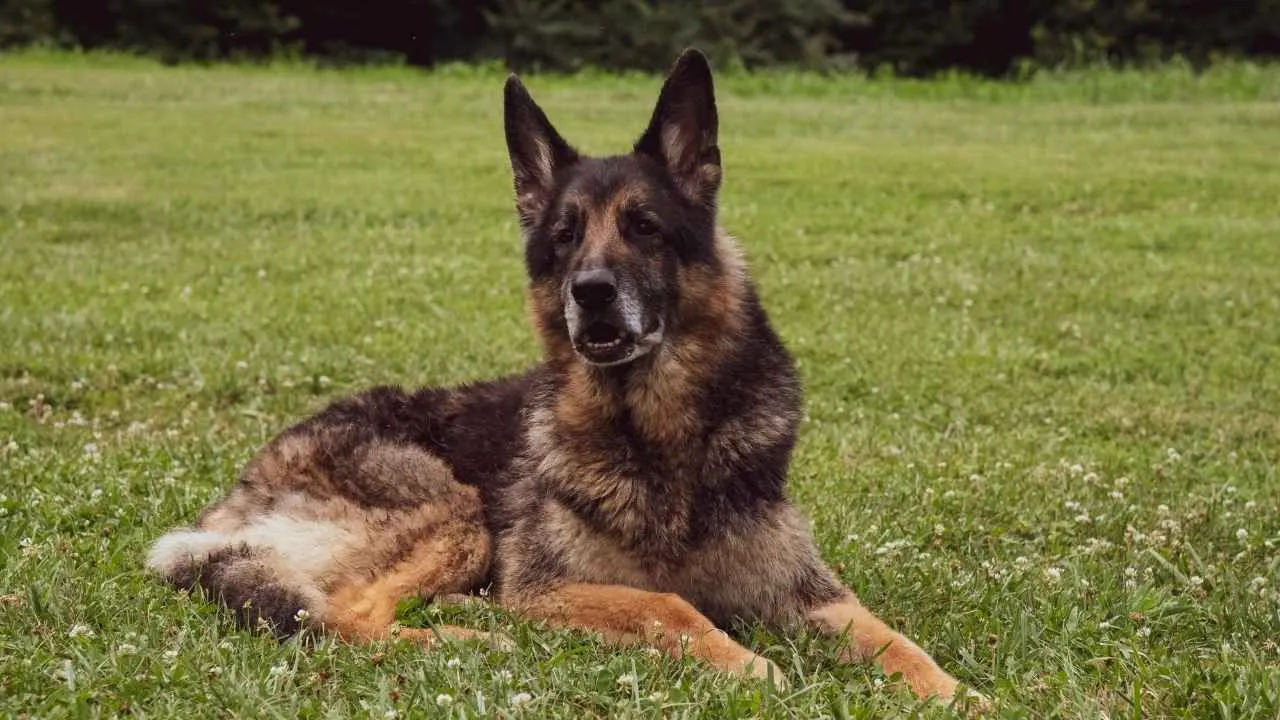
Meet the German Shepherd: the canine equivalent of a superhero in a fur coat. With their alert eyes, confident stance, and that classic black-and-tan tuxedo look, German Shepherds are not just gorgeous—they’re guardians by nature.
Think of these family guard dogs as the four-legged bodyguards who also give you unconditional love… and occasionally judge your life choices with a single raised eyebrow. Similar in appearance and drive to the Belgian Malinois, German Shepherds are high-energy, highly intelligent, and fiercely loyal.
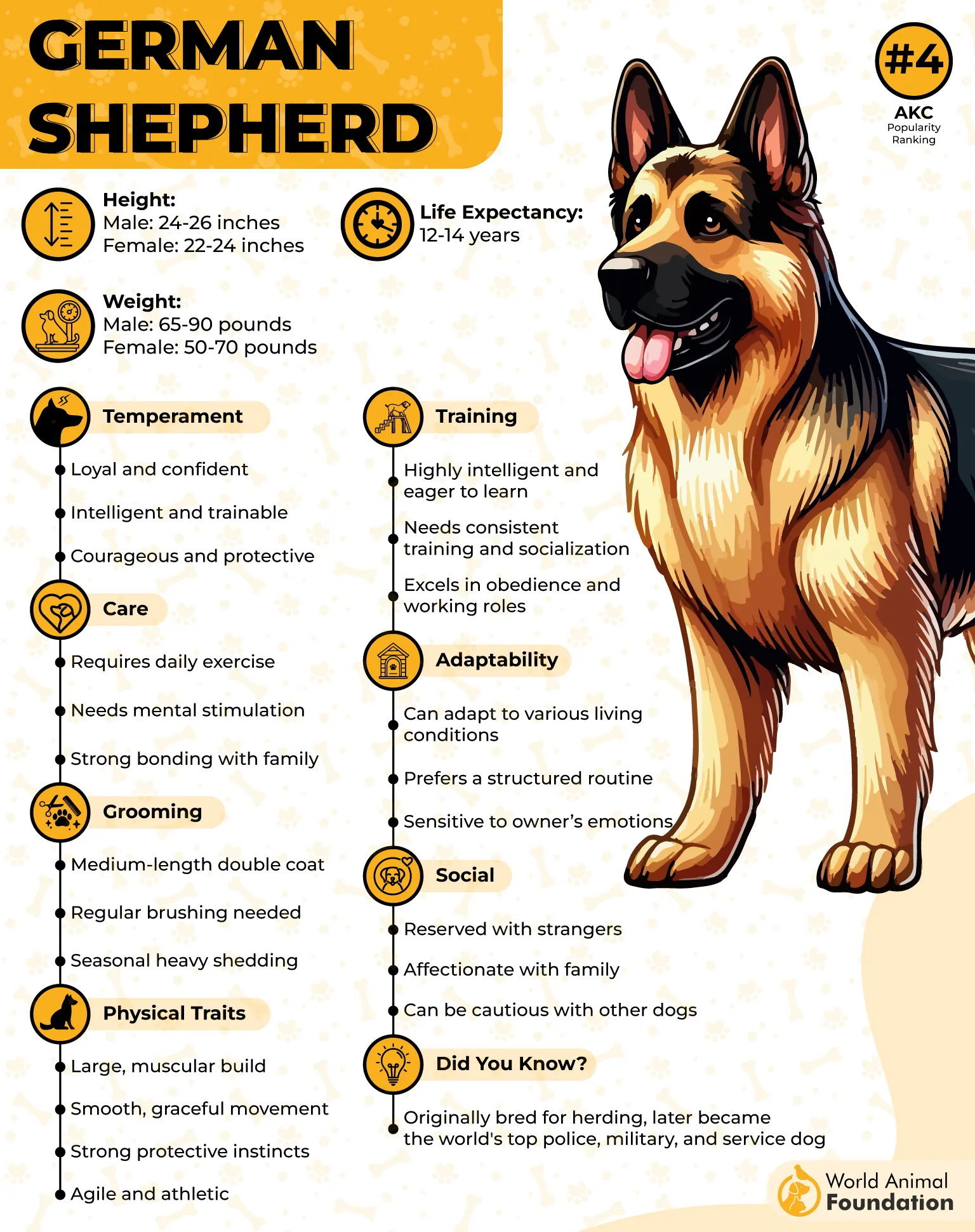
They’re the smartest breed that makes burglars rethink their career choices. These dogs form an unbreakable bond with their family and can be wary of strangers, which makes sense—would you want someone snooping around your castle, either?
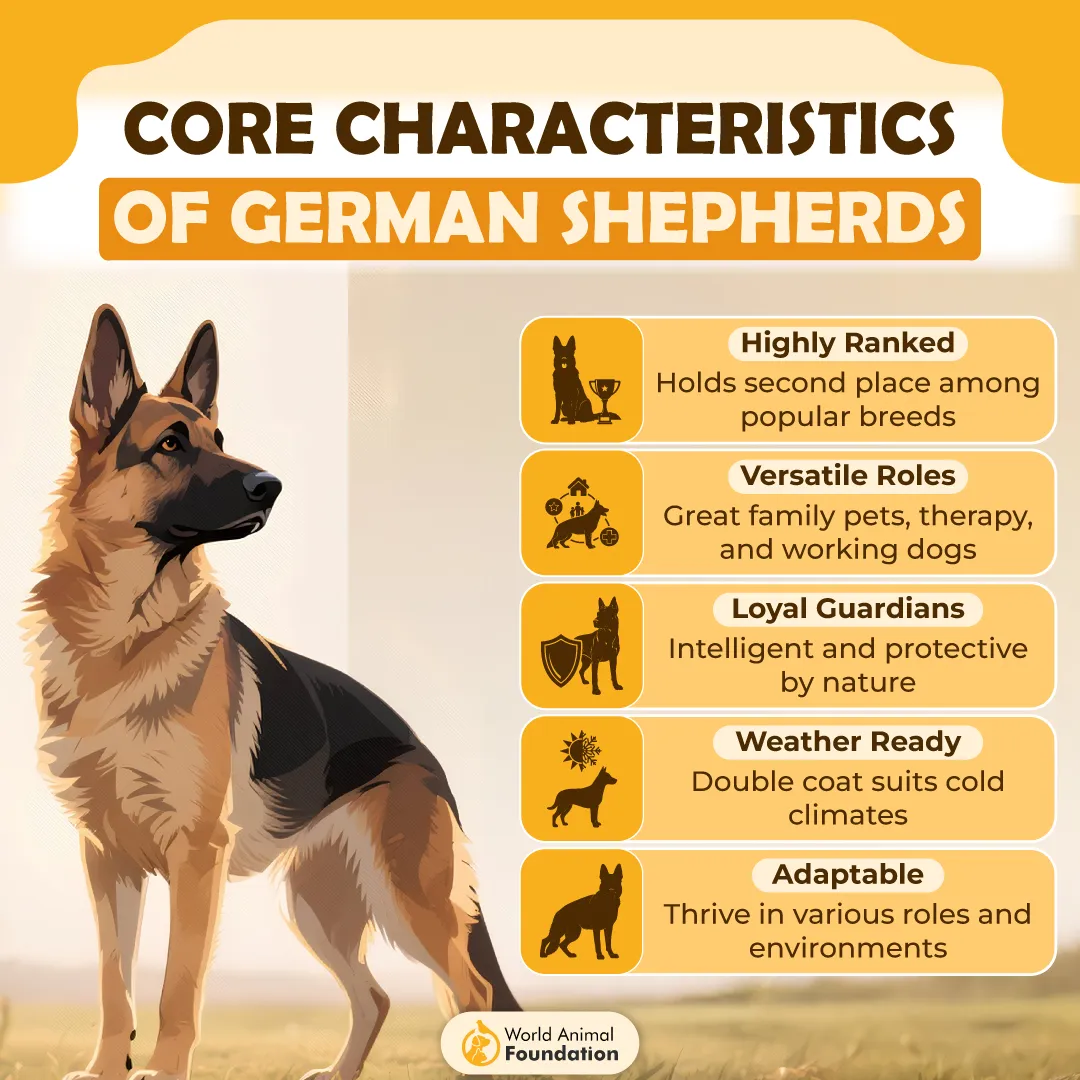
But a German Shepherd isn’t all loud bark and no brain. They thrive on mental challenges and positive reinforcement obedience training, which means you can teach them tricks ranging from “sit” and “stay” to “retrieve the snacks from the fridge” (okay, maybe not that last one… yet).
As per Wikipedia, proper socialization is key. Without it, a German Shepherd might turn their protective nature into overprotectiveness, and suddenly, your mail carrier is an unwelcome visitor instead of a friendly face.
Exercise and mental stimulation are another non-negotiable. These furry breeds need about two hours of daily activity—running, fetching, training, or even shadowing you around the house like a furry shadow. Skipping this could result in a bored German Shepherd… and trust me, a bored one is a mischievous one.
2. Doberman Pinscher
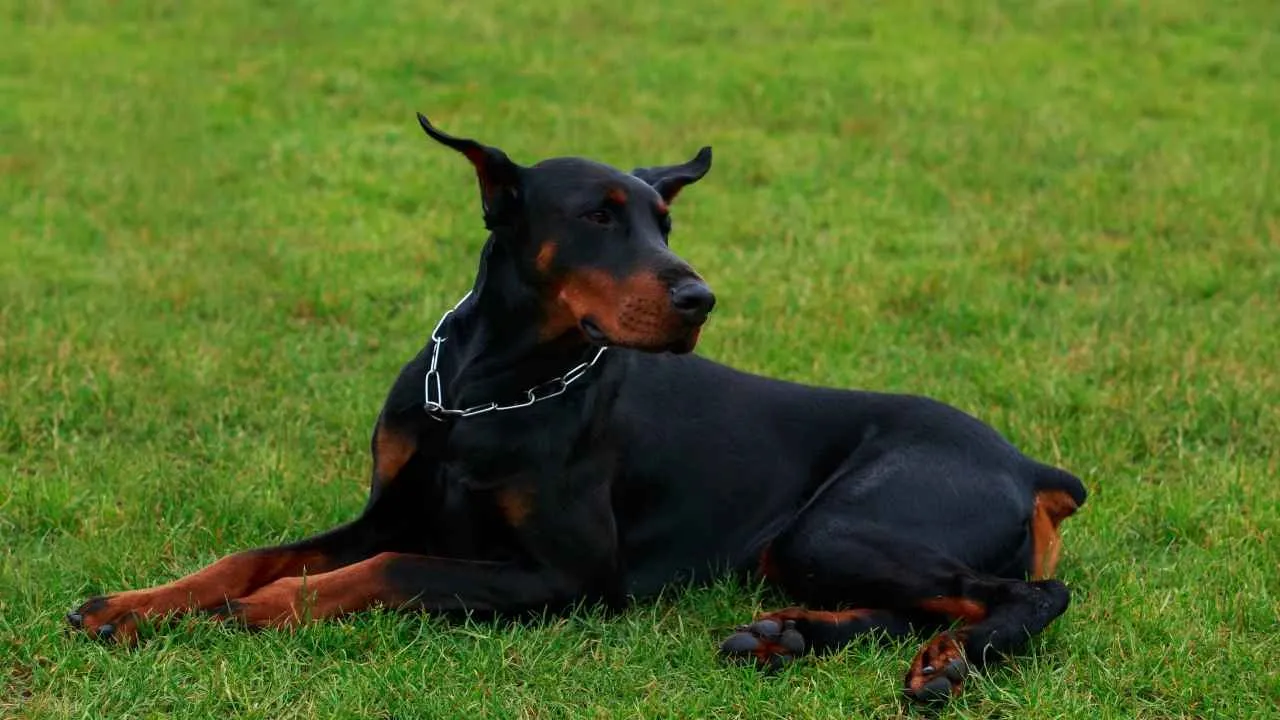
Ah, the Doberman Pinscher—the sleek, muscular guardian who looks like they walked straight out of an action movie poster. Historically, Dobies have had a bit of a bad reputation, often cast as the “villain dog” in movies.
But behind that intimidating exterior is a heart of gold… and occasionally a goofy grin that’ll make you forget they could outrun you if they wanted. With their human family, Dobermans are affectionate, playful, and downright loyal.
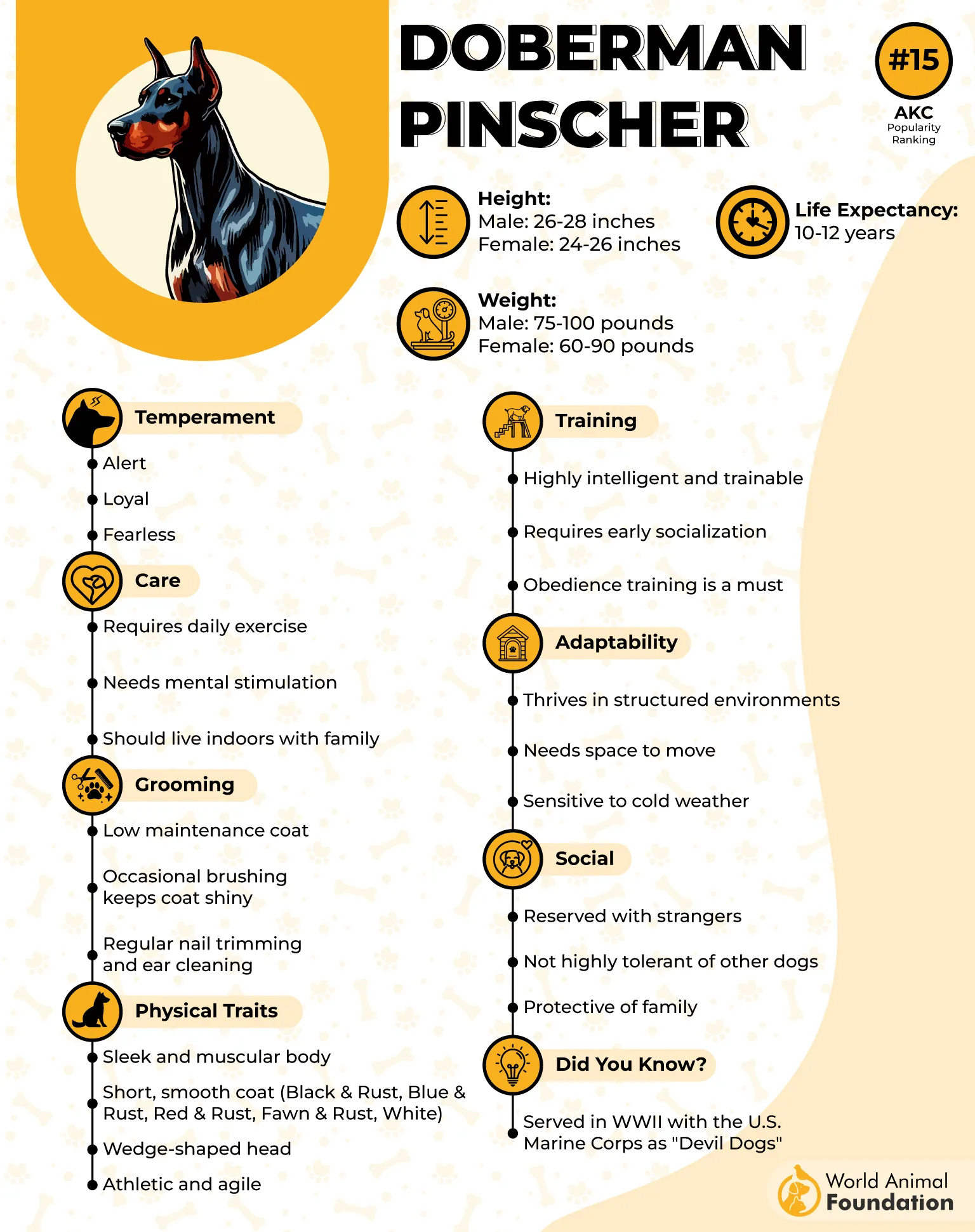
They’re not the type to bark at every stranger on sight—unless they genuinely sense danger. That natural instinct, combined with their intelligence, means Dobermans can often protect your home with little formal training.
But, as with any superhero, a little guidance goes a long way. Structured training programs can hone their skills and turn them into top-notch guardians who know the difference between a real threat and… your neighbor borrowing sugar.
Smart as a whip, Dobies learn quickly, which makes initial training a breeze. But beware: this clever breed gets bored easily, says Purina. Repeating the same old commands can feel like watching paint dry to them. Keep sessions engaging—think puzzle games, new tricks, or agility exercises—to make sure your Doberman stays sharp and happy.
Physically strong and wonderfully strong-willed, a well-trained Doberman isn’t just a protector—they’re a graceful, extremely intelligent partner who will stick by your side through thick and thin… and maybe even help you chase down the ice cream truck.
3. Belgian Malinois
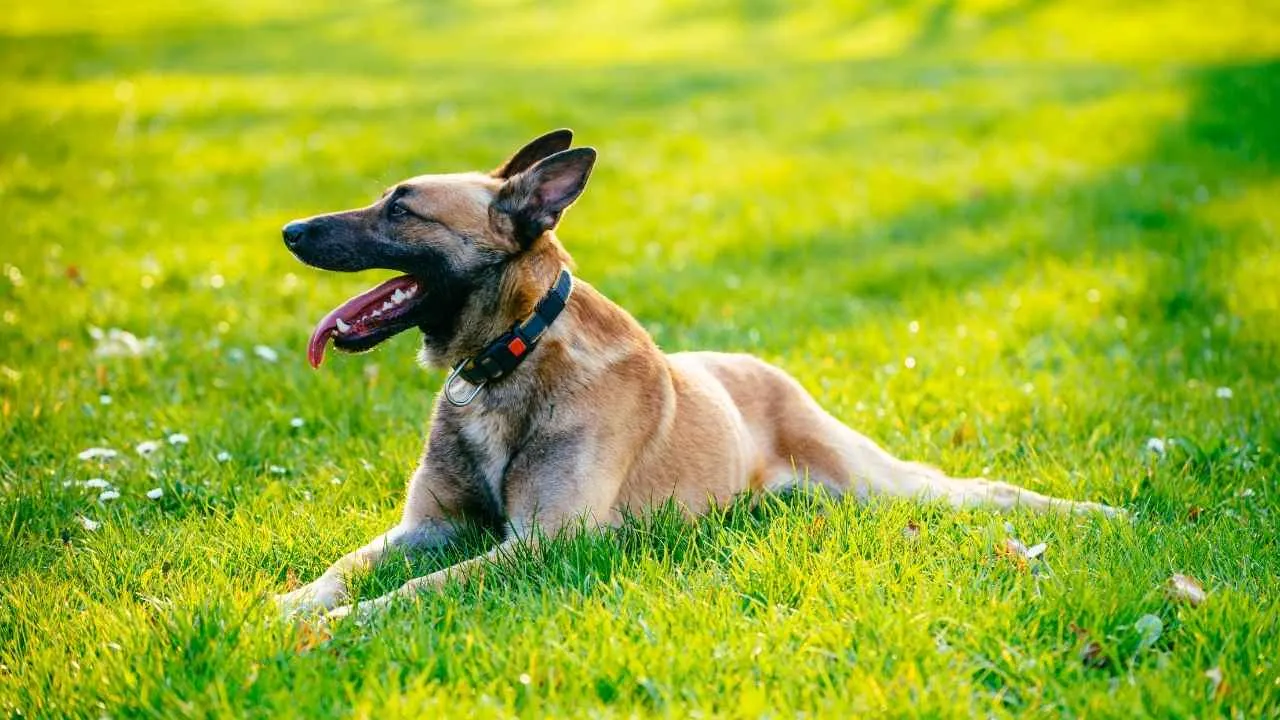
Meet another most protective dog breed, the Belgian Malinois—the canine equivalent of an Olympic athlete crossed with a secret agent. Intense, agile, and always on the move, this dog isn’t just a pet; they’re a high-octane guardian with a serious work ethic.
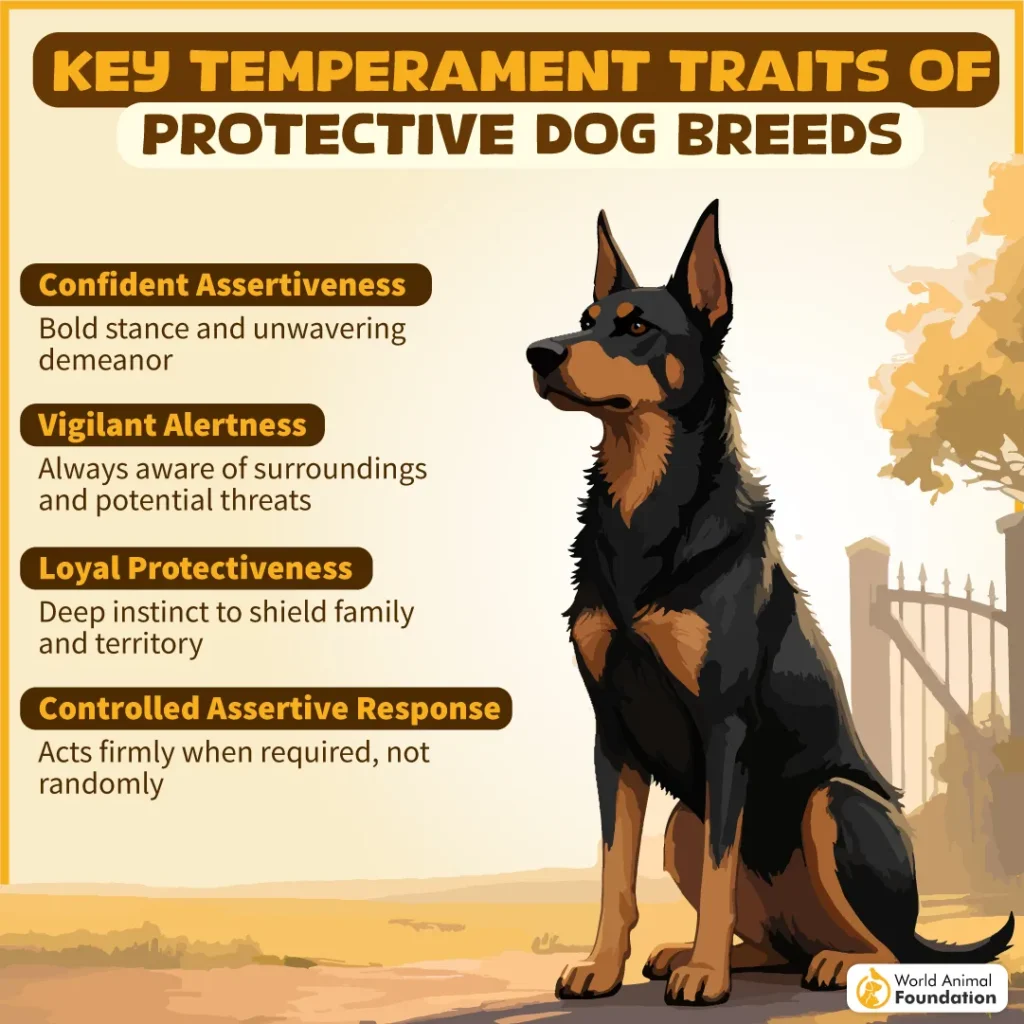
No wonder police and military K-9 units adore them—they can sniff out trouble, chase down intruders, and look heroic doing it. Malinois are not couch potatoes. If you’re imagining long, lazy afternoons of Netflix and belly rubs… think again.
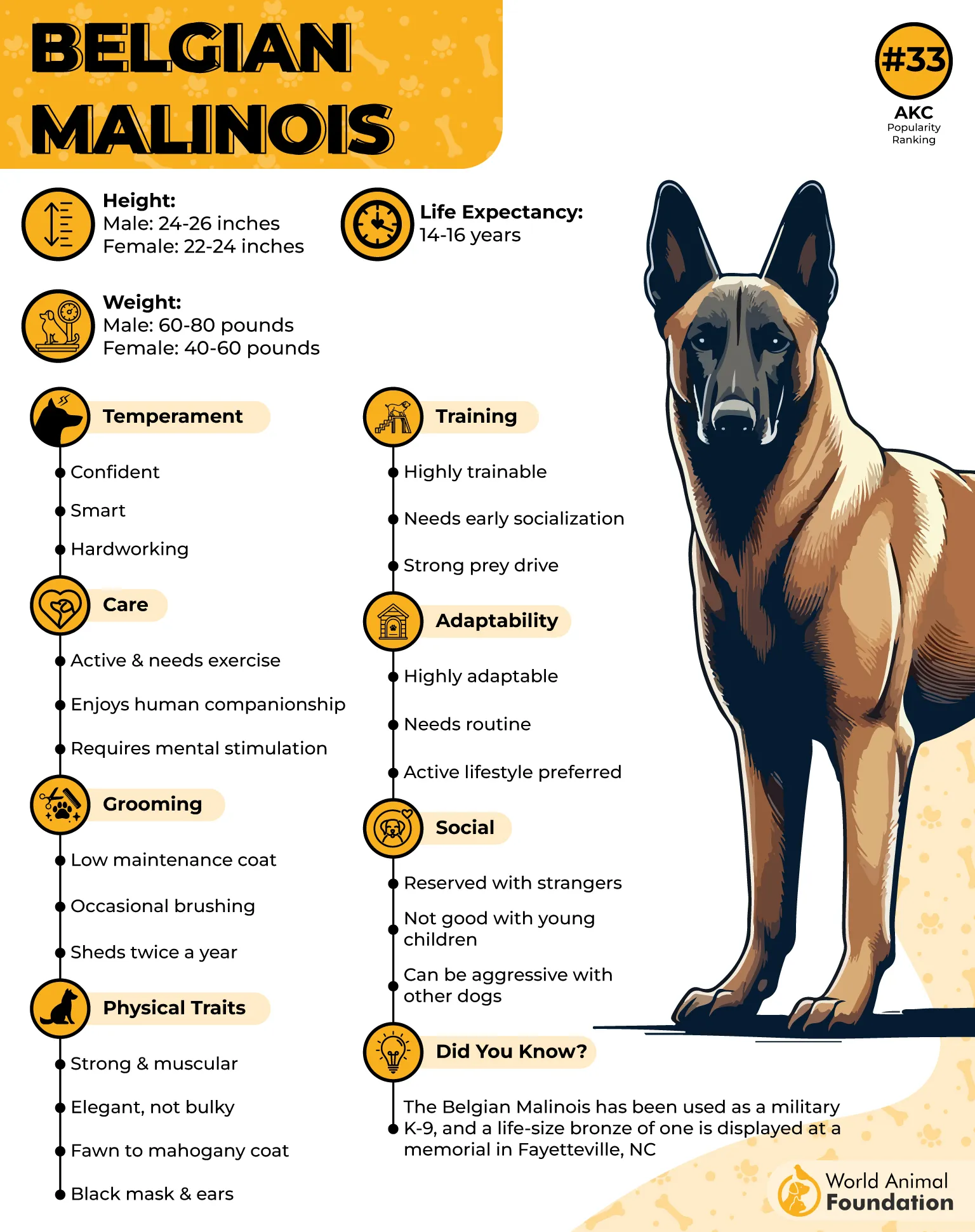
This breed thrives when it has a “job” to do, whether that’s agility training, obedience challenges, or, you know, guarding the living room from the suspicious cat next door. Without enough mental and physical stimulation, a Malinois can turn that boundless energy into… creative chaos (chewed shoes, anyone?).
Early socialization and proper training are non-negotiable. A well-trained Malinois can handle new or unfamiliar situations with confidence, but an untrained one may treat your Amazon delivery person like a high-level threat.
Daily exercise isn’t optional—it’s a must. A Malinois with two hours of activity feels like a Zen master; one with none… well, you might just reconsider what “home security” really means.
If you want a dog that’s smart, fast, loyal, and always ready to spring into action, the Belgian Malinois is your four-legged superhero. Just be ready to keep up—they don’t do slow walks in the park.
4. Bullmastiff
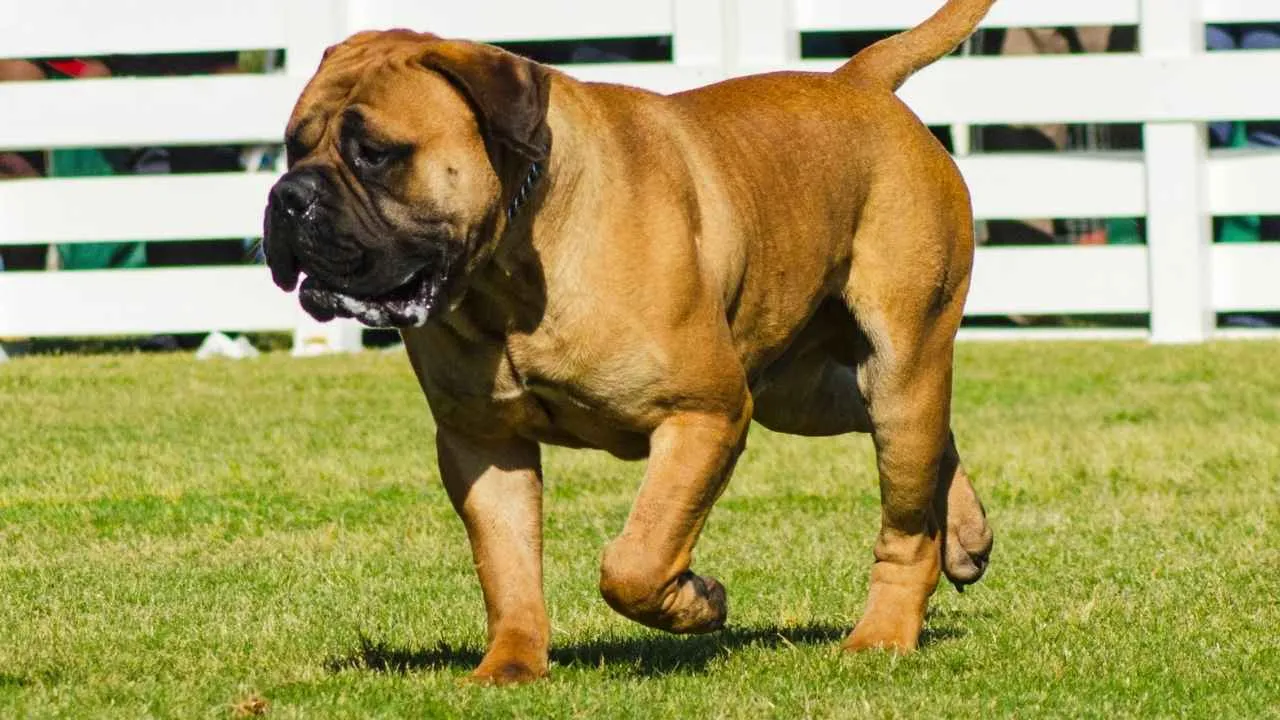
Say hello to the Bullmastiff—the gentle giant of the great guard dog world. Originally bred by gamekeepers to protect estates from poachers, this massive, muscular dog can look downright intimidating. One stare from a Bullmastiff, and even the boldest intruder might think twice about stepping onto your property.
But don’t let that tough exterior fool you. Beneath all that muscle is a heart of gold. Bullmastiffs are naturally affectionate with their families, happy to lounge by your side, and perfectly content to be your incredibly loyal, cuddly shadow. Think of these large dogs as part bodyguard, part teddy bear.
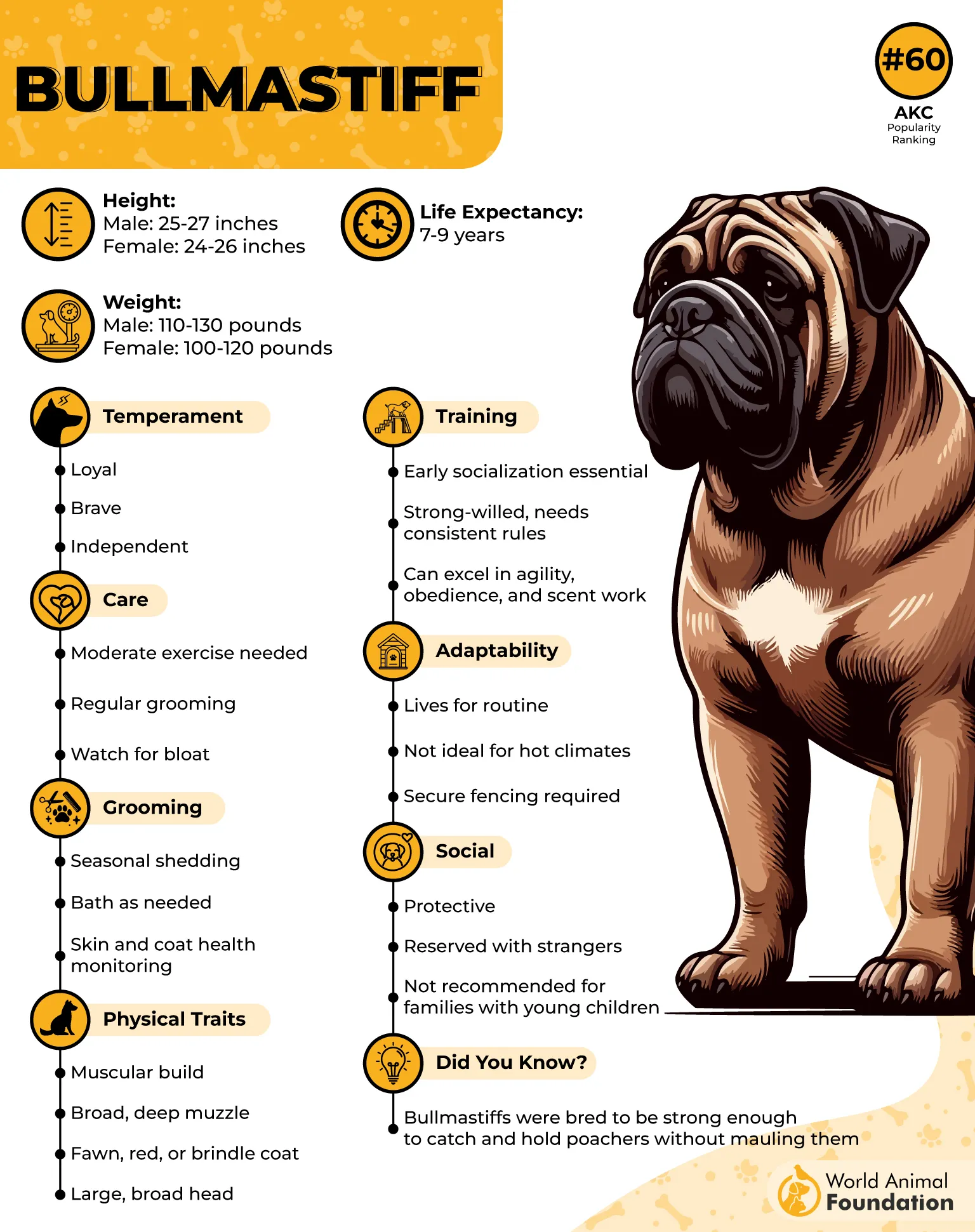
Despite their calm demeanor at home, Bullmastiffs are born protectors. Structured training is key to helping them channel that natural guarding instinct correctly, so they know when to stand watch and when to simply nap. And yes, with a dog this big, naps are serious business.
In short, a Bullmastiff offers the perfect combination of muscle, loyalty, and love. They’ll defend your home when duty calls, but they’ll also happily help you binge-watch your favorite shows on the couch—sometimes taking up more space than the couch itself.
5. Akita
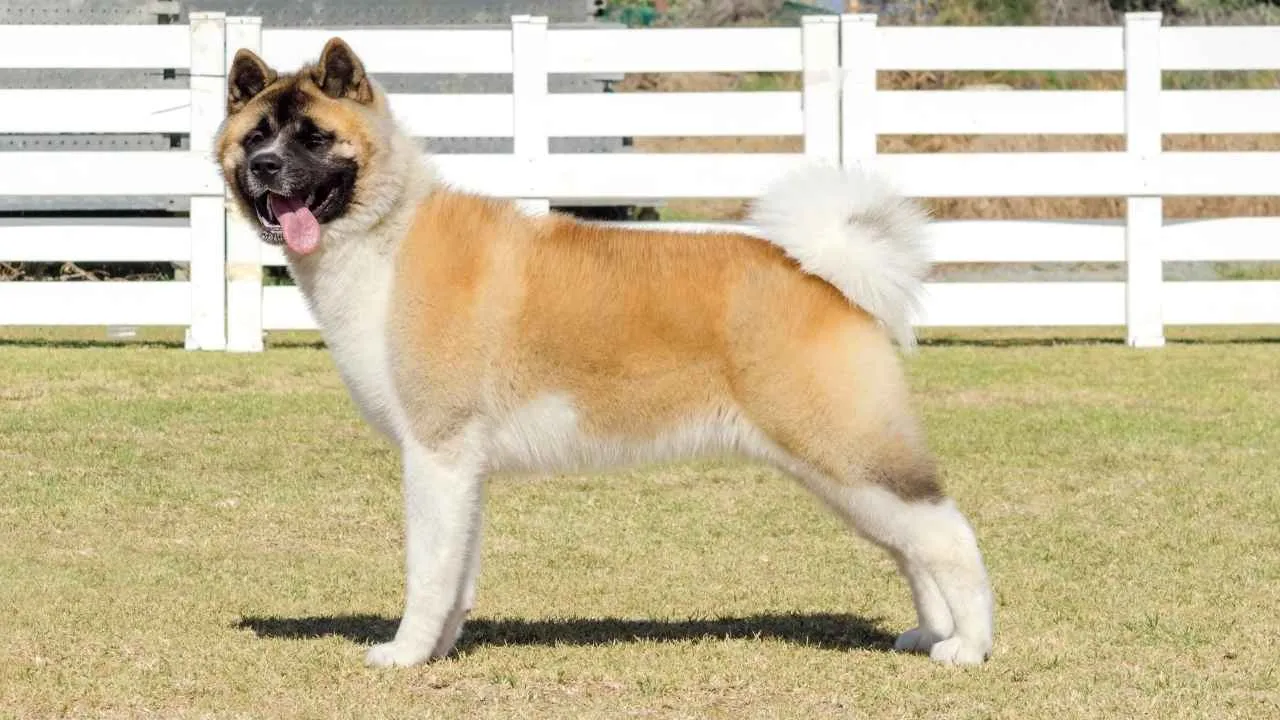
Meet the Akita—the noble sentinel of the dog world. Originating in feudal Japan, these majestic dogs were bred to guard royalty and nobility, which explains their natural air of dignity… and their “I-see-everything” stare.
Loyal to a fault, an Akita will watch over you and your family like a furry, four-legged security system—no snooze button required. Akitas take their guarding duties seriously. Unlike some breeds that need intensive training to understand boundaries, many Akitas instinctively know when to be alert and when to relax.
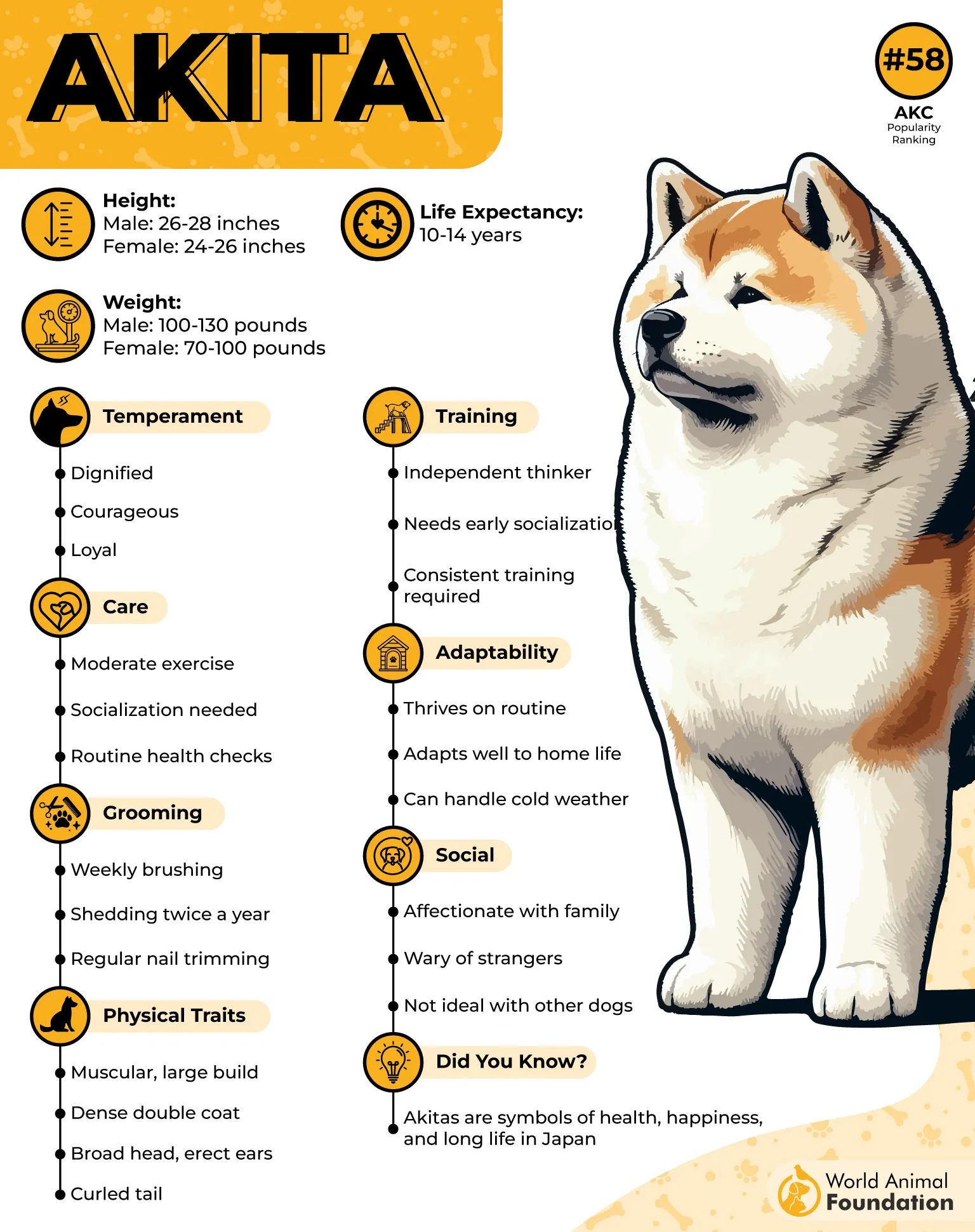
That said, obedience training is still essential to keep their independence in check, and guard dog training can help sharpen their protective skills. Without it, an Akita might politely “remind” the mail carrier to respect your property… repeatedly.
Socialization is key with this breed. Akitas can be naturally wary of strangers, so early exposure to different people, animals, and environments helps prevent unnecessary standoffishness—or, worse, unsolicited doggy drama at the neighbor’s barbecue.
In short, an Akita isn’t just a dog—they’re a loyal guardian with a strong sense of honor, a watchful eye, and a heart as big as their intimidating presence. They’ll defend your home with dignity… and maybe silently judge your choice in shoes while they do it.
6. Rottweiler
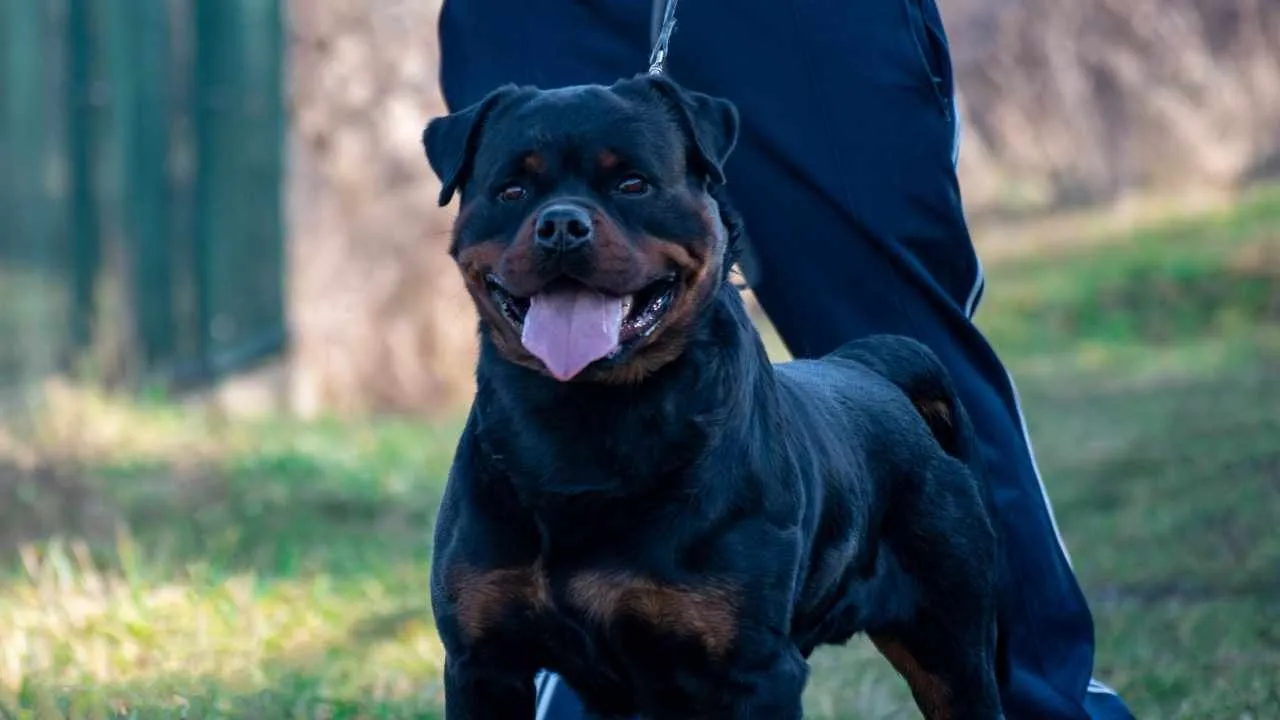
Say hello to the Rottweiler—the ultimate mix of muscle, deep loyalty, and a surprisingly big heart. Sure, Rottweilers have a reputation for being intimidating, but anyone who knows them will tell you they can switch from “goofy lovebug” to “fearsome protector” faster than you can say, “Who’s a good boy?”
Rotties are fiercely loyal to their families. Once they trust you, you’ve got a lifelong companion who will happily cuddle on the couch one moment and stand guard like a furry fortress the next.
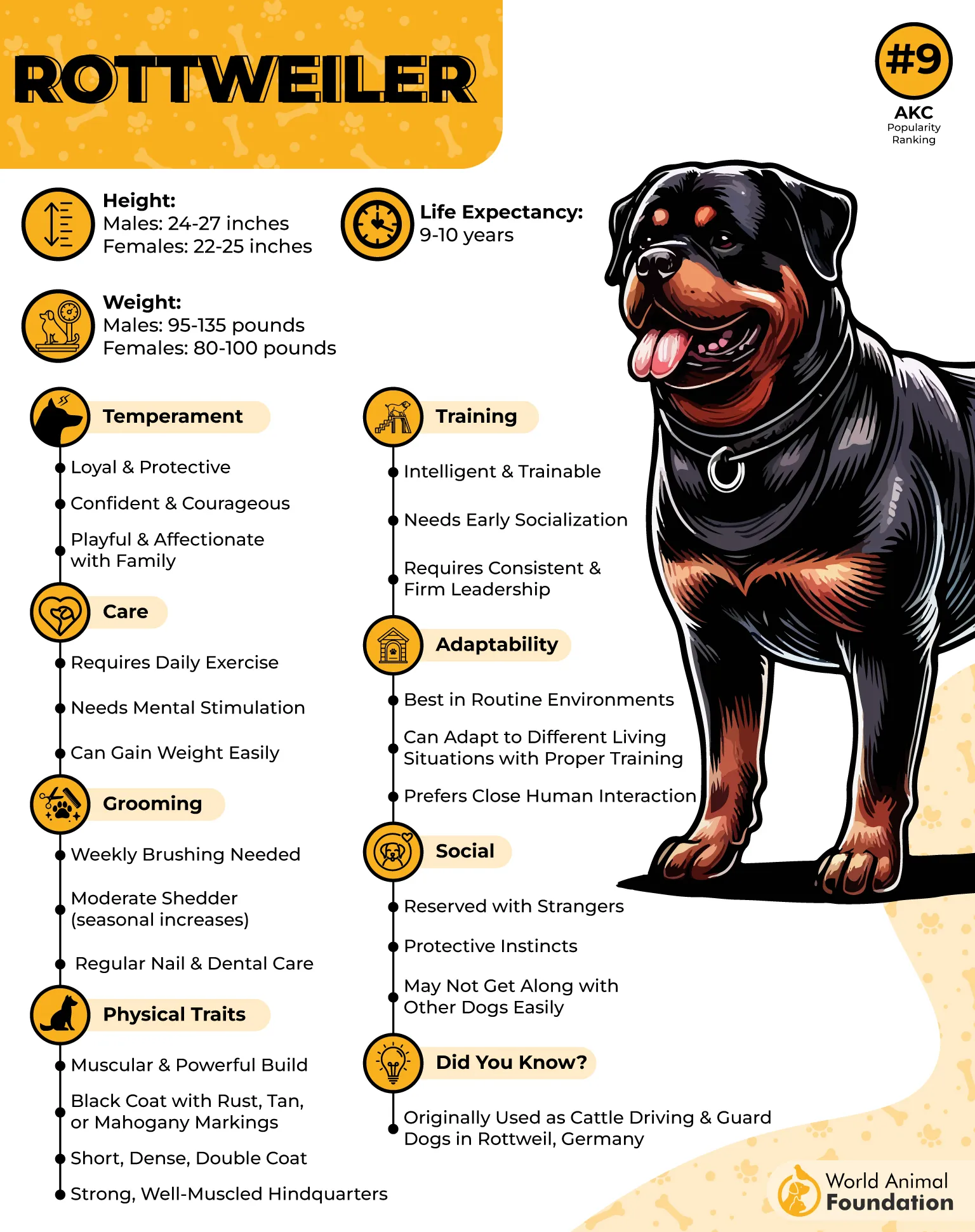
Around strangers, a Rottweiler is usually cautious, assessing whether someone is friend or foe—so don’t be surprised if your dog gives your neighbor the classic Rottie side-eye until they pass inspection.
This breed thrives with structure, socialization, and daily tasks to keep its mind and body active. A well-trained Rottweiler can be an excellent guard dog, but without consistent guidance, that protective energy might get misdirected toward your recycling bin instead of potential intruders.
In short, a Rottweiler is like having a bodyguard with a PhD in love. Big, strong, smart, and loyal—they’ll protect your home, your family, and occasionally your favorite chair… all while wagging their tail like a gentle giant.
7. Cane Corso
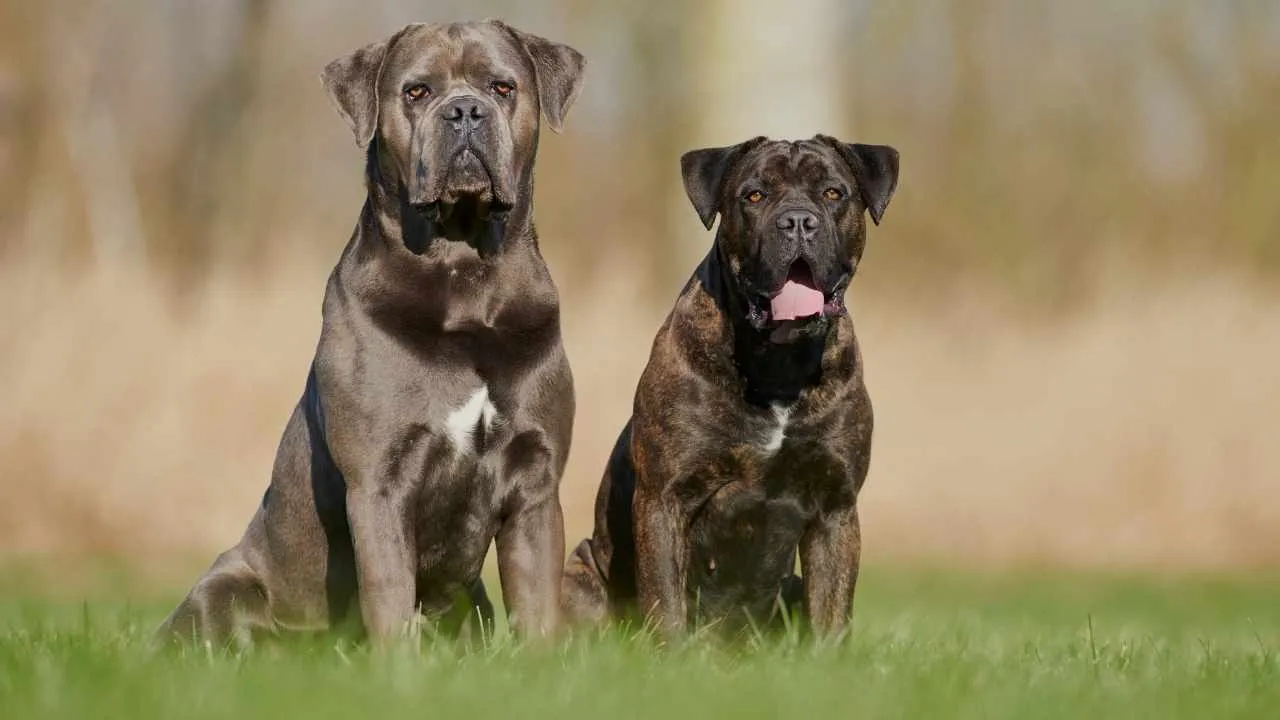
Meet the Cane Corso (pronounced KAH-nay KOR-so)—Italy’s answer to the ultimate bodyguard. This massive, muscular breed was historically used as a guard dog, war dog, and hunter, so you know they take protecting their family seriously.
In fact, the name roughly translates from Latin as “bodyguard dog,” which basically says it all. Cane Corsos are one part loyal companion, one part intimidating fortress. Their sheer size, strength, and deep, commanding bark make them natural deterrents to any would-be intruders.
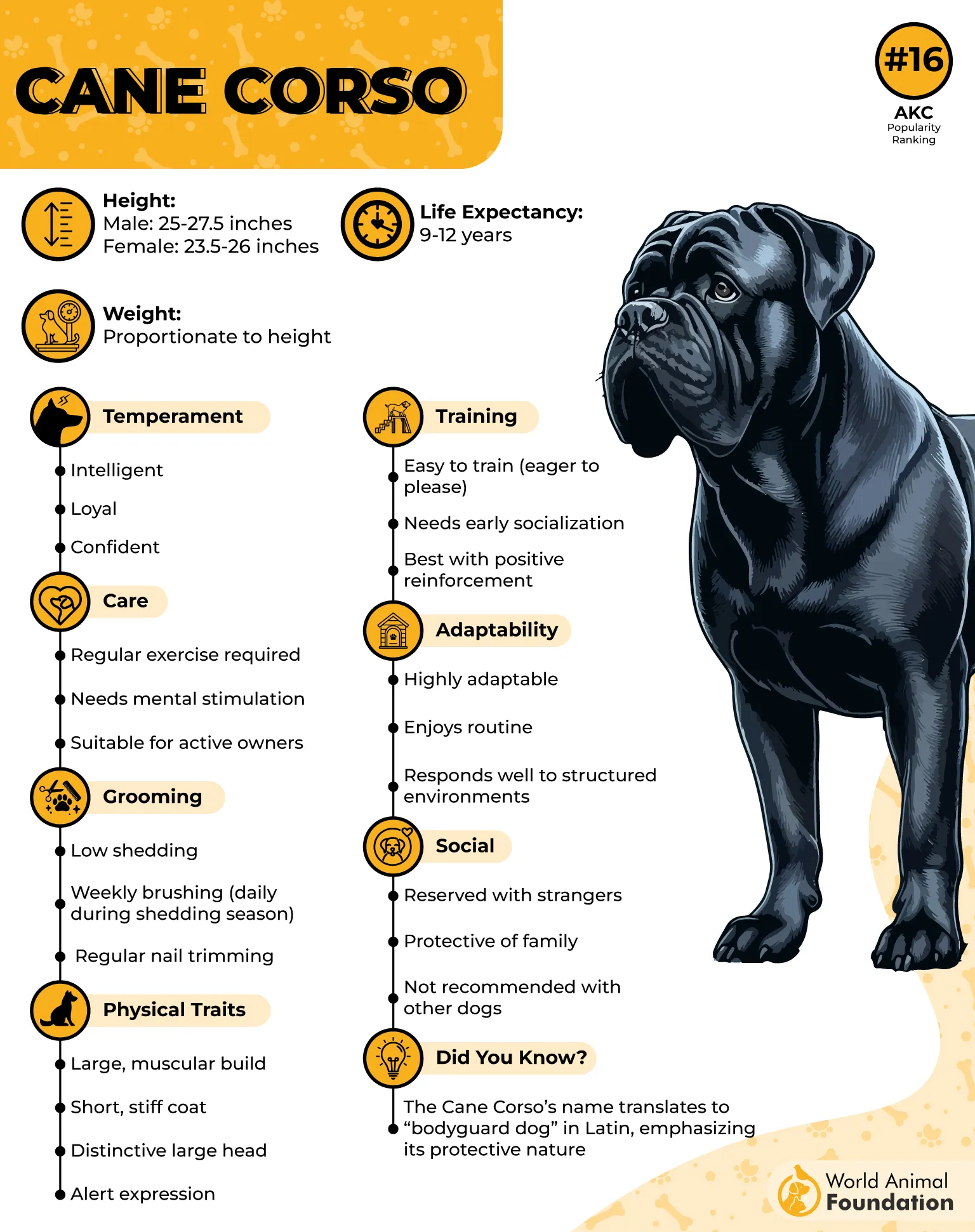
But don’t let their tough exterior fool you—they’re also intelligent dogs who thrive on mental and physical stimulation. Daily walks, runs, and structured training help keep them happy, healthy, and well-behaved.
Britannica noted these dogs aren’t really suited for small apartments or overly crowded households. They prefer space to move and a family that can match their energy and determination.
While Cane Corsos can bond deeply with their people, they may not be the best choice for households with small children, seniors, or multiple dogs of the same sex.
Training for a Cane Corso should focus on obedience and refining their natural guarding instincts. With the right guidance, you get a dog that’s both a loving family member and a vigilant protector—a true Italian powerhouse who can guard your home and still enjoy a lazy nap in the sun afterward.
Conclusion
Natural guard dog breeds combine loyalty, intelligence, and natural guarding instincts to safeguard your home and loved ones. Many guardian breeds excel at personal protection while also being great family pets when properly trained.
Early training, socialization from a young age, and consistent obedience training are essential to ensure these protection dogs remain lovable companions while effectively deterring intruders and guarding livestock or property.
With experienced owners providing guidance, structure, and a healthy environment, these lovable pets offer both security and companionship, making them some of the best dogs for families seeking peace of mind alongside a devoted furry friend.
