




Many dogs carry a personality that feels larger than the room itself. You call once, and they look away. You offer direction, and they turn it into negotiation.
Their untamed spirit is both charming and maddening, and there is something strangely endearing about a creature that refuses to be easily convinced. These dogs test your patience, challenge your expectations, and remind you that not every companion is designed to follow smoothly.
Their uncooperative nature is not hostility. It is independence mixed with stubborn confidence, a kind of messy honesty that reveals itself in every ignored command. Living with such dogs means learning to laugh, learning to adjust, and learning to appreciate the spark that keeps them unpredictable.
This article will uncover the most famous difficult breeds and help you understand why their wild-hearted nature continues to fascinate dog lovers everywhere.
Key Takeaways:
Not every dog bends to instructions, and a few breeds wear stubbornness like a badge of pride.
Shiba Inu tests patience at every turn, ignoring calls and bolting through open doors without a second thought.
Basenji and Jack Russell Terrier combine cleverness with endless energy, making focus a fleeting companion during play or training.
By the end, you’ll see why these ten breeds keep handlers on their toes while winning hearts with their bold, independent spirits.
Top Dog Breeds Known for Their Unruly and Uncooperative Nature
1. Shiba Inu
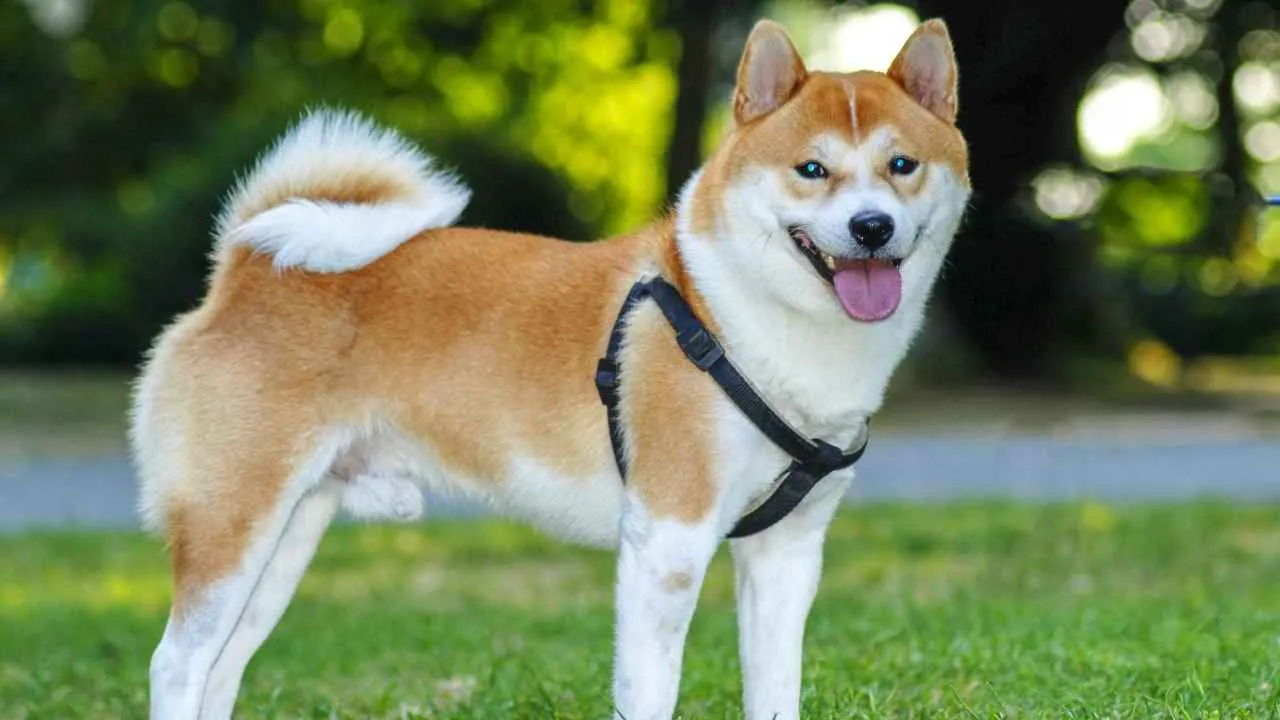
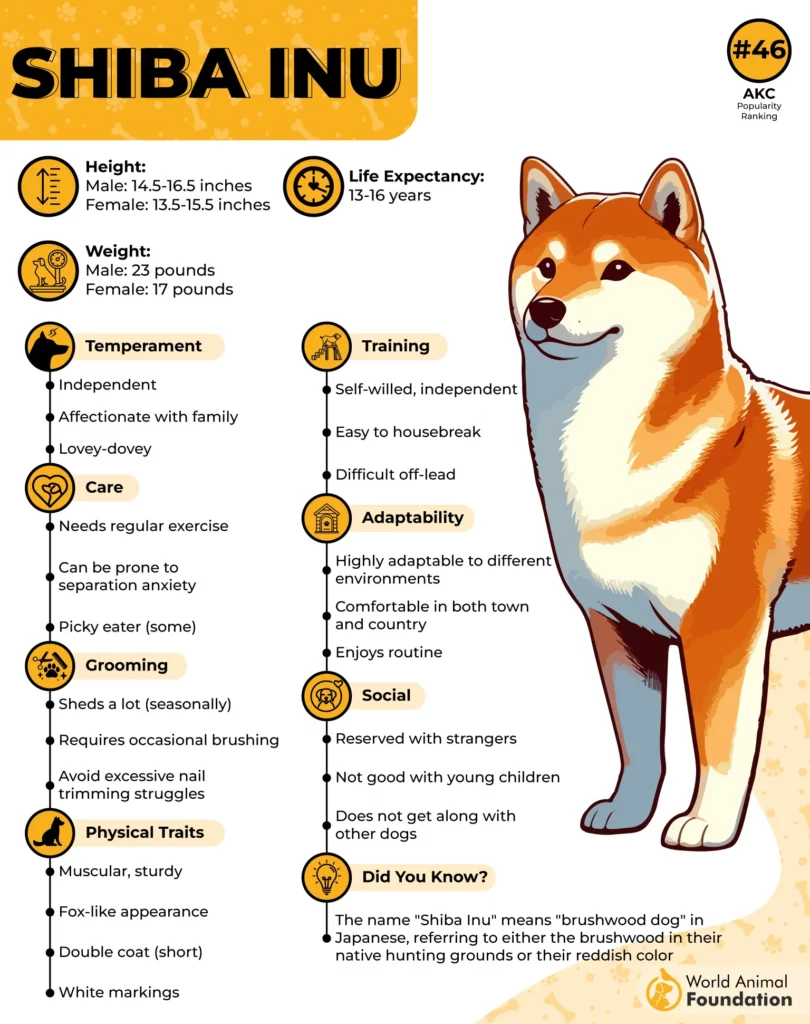
Shiba Inu approaches life on its own terms, which places this breed high on any list of unruly behavior. Commands are often evaluated rather than followed, especially when motivation feels unclear. That self-directed mindset is exactly what makes cooperation a consistent challenge.
Stubbornness in Daily Life
Training a Shiba Inu requires strategy, patience, and creativity rather than repetition. Once this dog decides something is unnecessary, pushing harder rarely works. That attitude shows up in very specific ways.
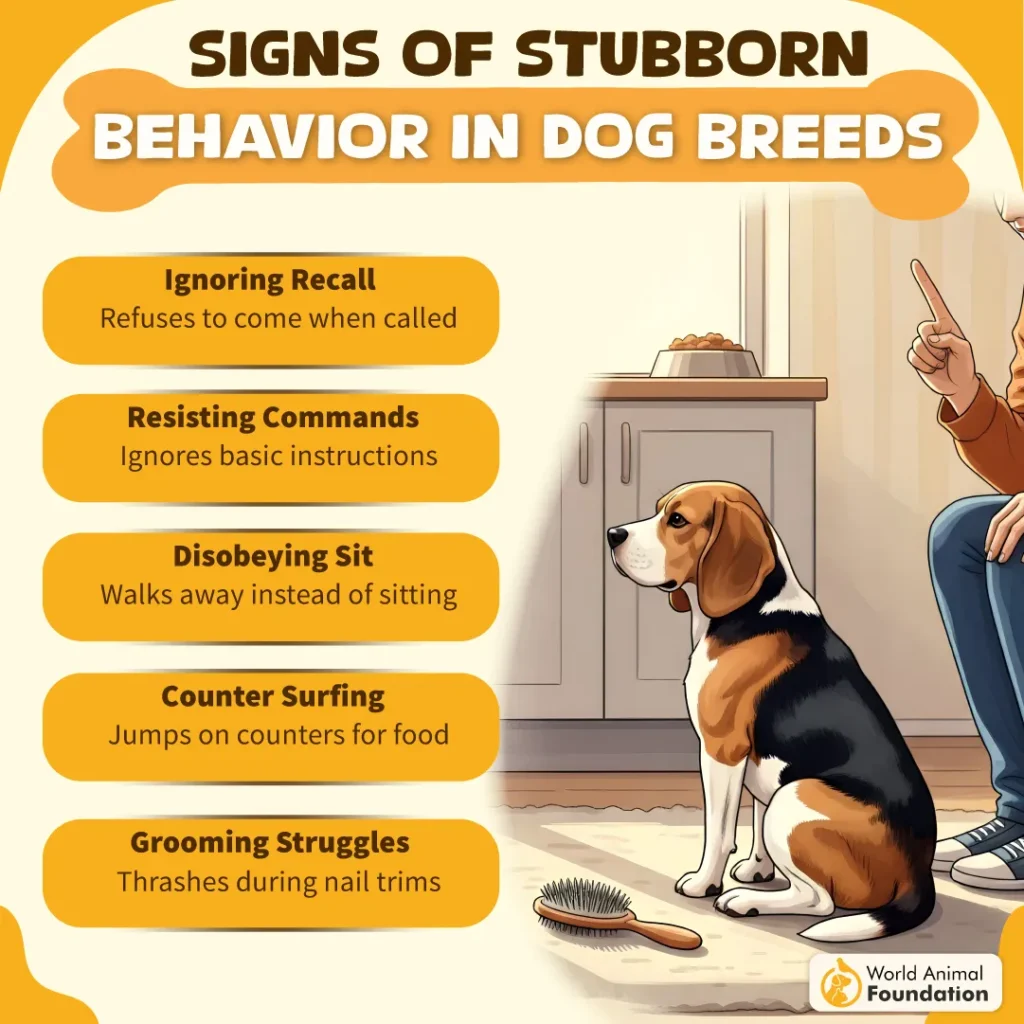
A short list explains the resistance:
Selective listening
Strong escape instincts
Refusal to recall outdoors
Off Lead Is Not an Option
Freedom without barriers is where risk spikes with this breed. Shiba Inu is widely known for bolting through open doors or gates without hesitation, as the AKC mentioned. Reliable recall is not realistic in open spaces, regardless of training effort or experience.
Important Note: Shiba Inu should only be off lead in fully enclosed areas due to their instinct to run without warning.
2. Basenji
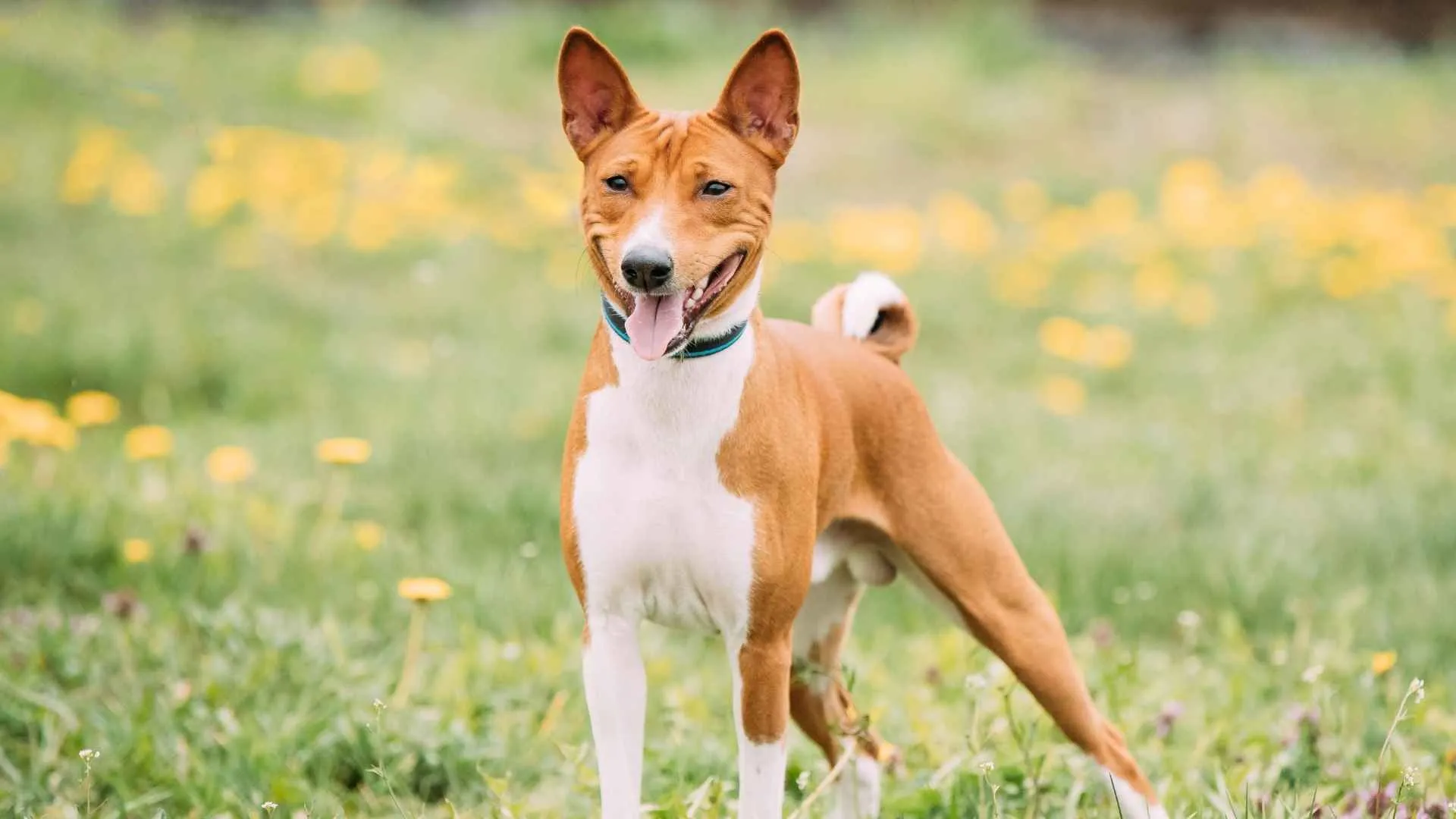
Basenji brings a self-governed attitude that quickly places it among the most uncooperative dogs. This breed prefers deciding for itself rather than responding on cue, which often frustrates structured households. That detached mindset directly fuels its reputation for stubborn behavior.
Intelligence That Resists Direction
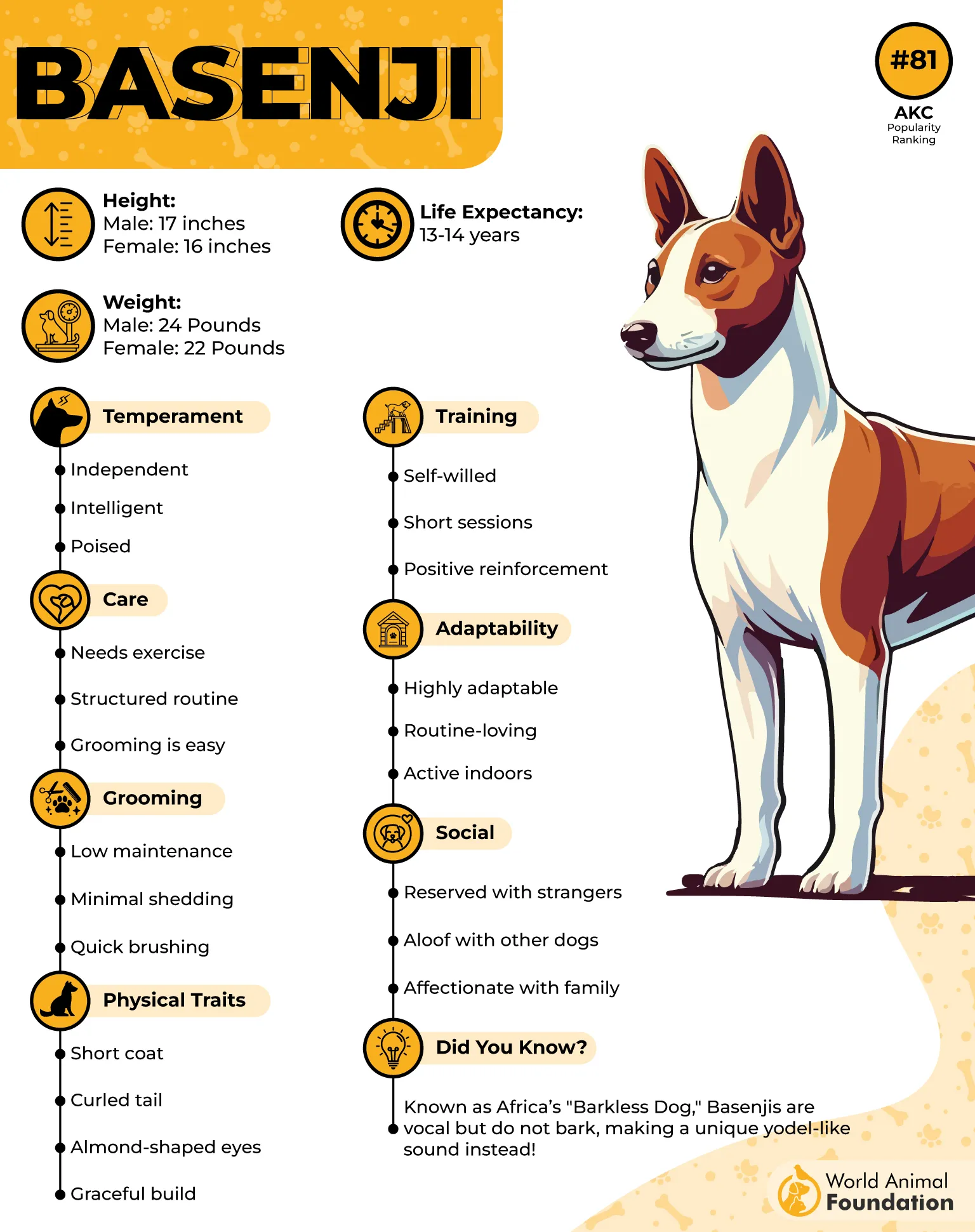
Basenji clearly understands commands but often questions their value. Training feels less like instruction and more like persuasion, especially when instinct takes priority.
That tension usually appears through a few consistent patterns:
Ignores repeated cues
Acts on impulse
Drops focus fast
Instinct Over Instruction
Hunting roots strongly influence how this barkless dog behaves at home, as Orvis reports. Instincts guide decisions far more than verbal correction, which explains why obedience feels optional. Once attention drifts, regaining control requires creativity rather than firmness.
Training Note: Basenji responds better to short sessions that spark curiosity and reward interest, as forceful methods tend to shut cooperation down.
3. Basset Hound
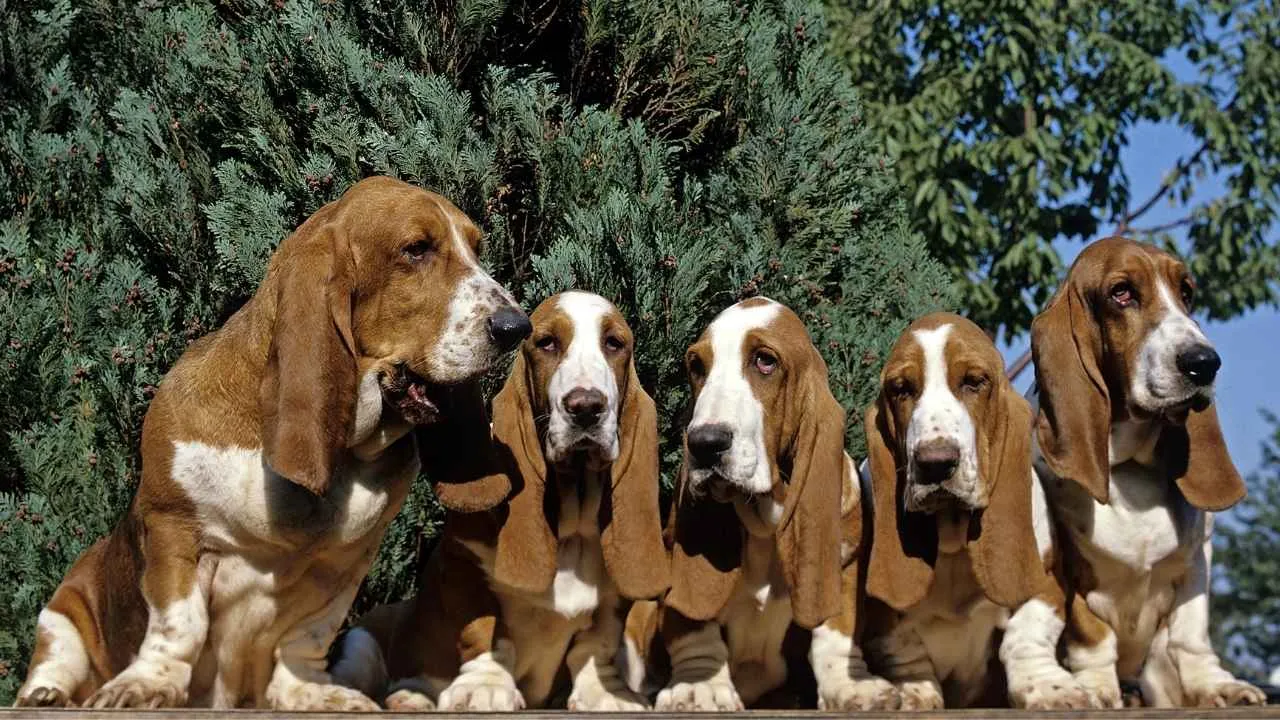
Basset Hounds often win people over with their calm manners and laid-back presence at home. That easygoing side changes once expectations come into play, especially in structured situations. Independence shapes how this breed reacts when cooperation is expected.
Independence on Full Display
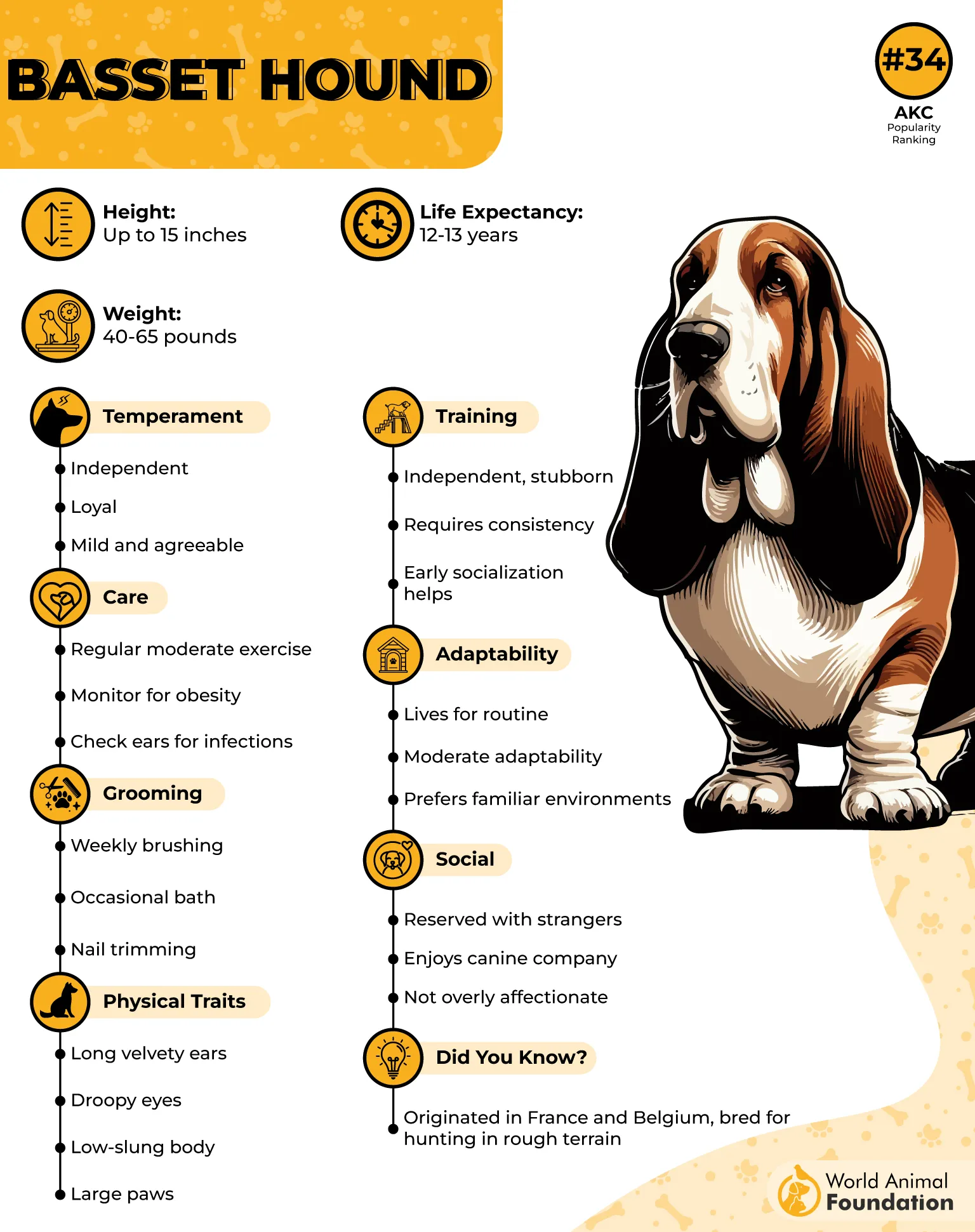
Tasks that require repetition or quick compliance often meet resistance. This behavior traces back to a history of working alone, staying locked onto a trail without interruption.
That background still shapes daily behavior in clear ways:
Commands may be ignored if interest fades
Focus shifts quickly to scents
Patience is tested during training
Training Takes Commitment
Consistency matters more here than firmness or volume. Progress usually depends on time, routine, and well-timed rewards rather than strict correction. Pet parents should prefer early exposure, and steady positive methods tend to work better than pressure-based techniques.
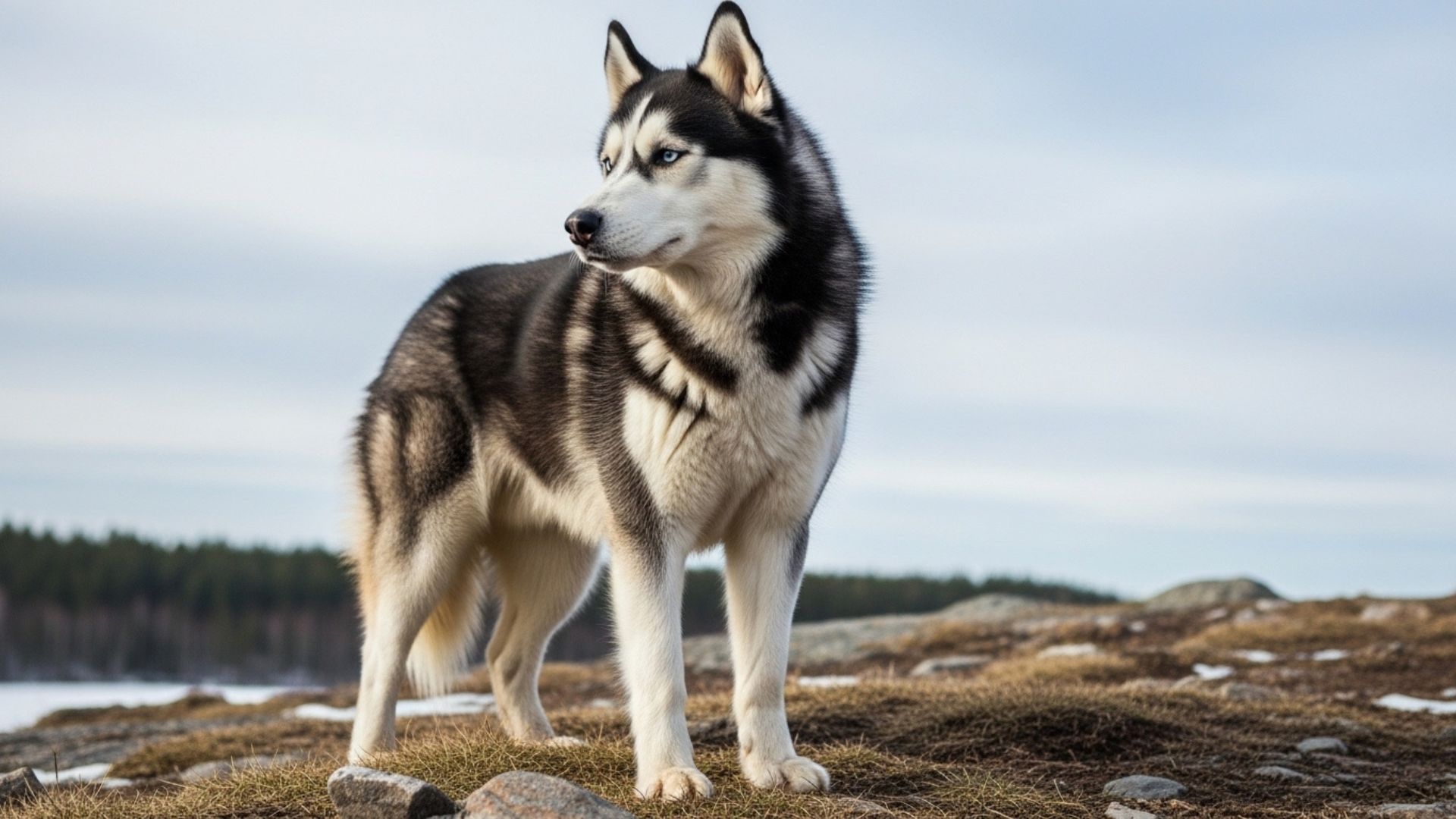
4. Siberian Husky
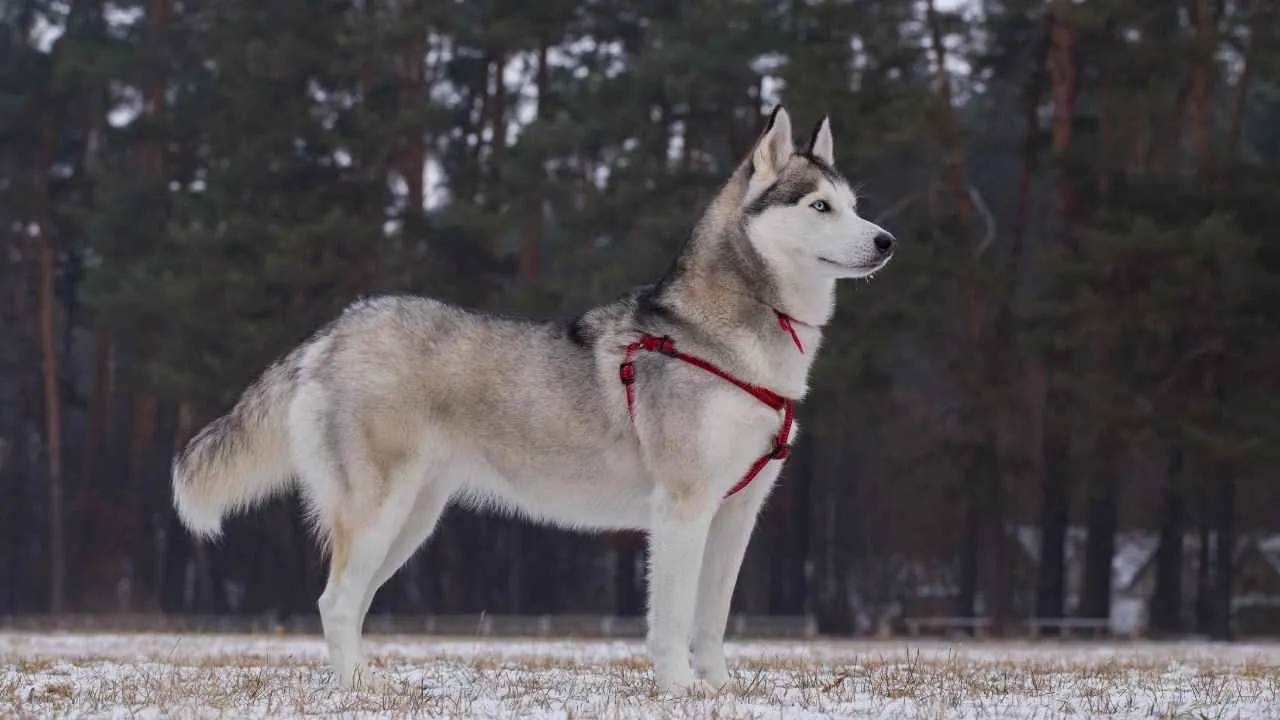
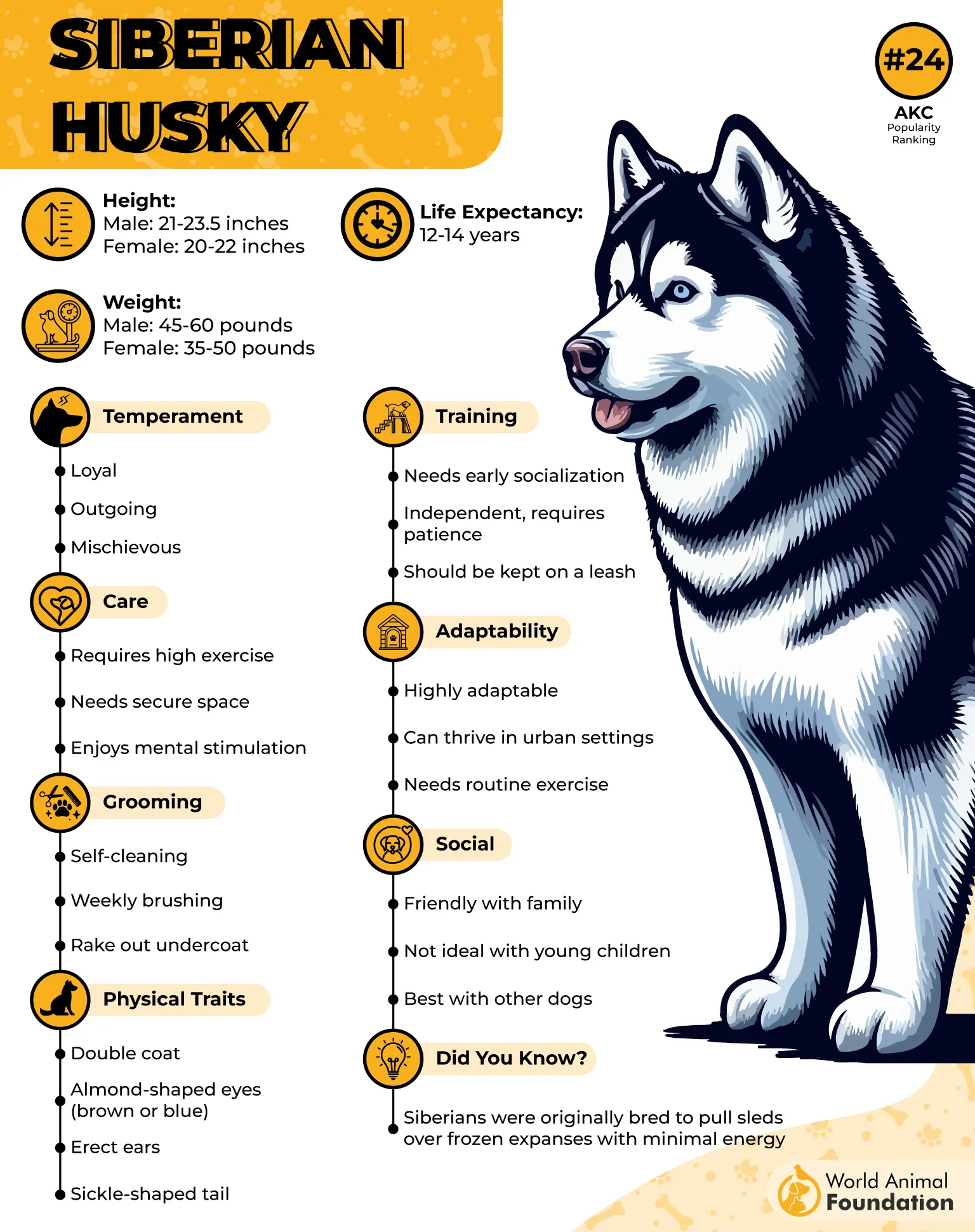
Siberian Husky bursts with energy that rarely slows down, making them a challenge for training sessions. Their determination to explore means they notice every small distraction around them. This lively nature demands consistency and patience from dog owners.
Independent and Clever
This breed’s intelligence shows in clever escapes and calculated moves around the yard. Their focus shifts quickly, which keeps interactions interesting and sometimes unpredictable.
A few standout behaviors include:
Constant urge to explore
Quick problem-solving skills
Short attention spans
Pack Instincts at Play
This sled dog responds strongly to social dynamics and prefers activity alongside others. Their cooperative streak appears mostly when with a compatible companion or in a group. This instinct drives their playful and sometimes stubborn interactions with humans and other pets.
5. Scottish Terrier
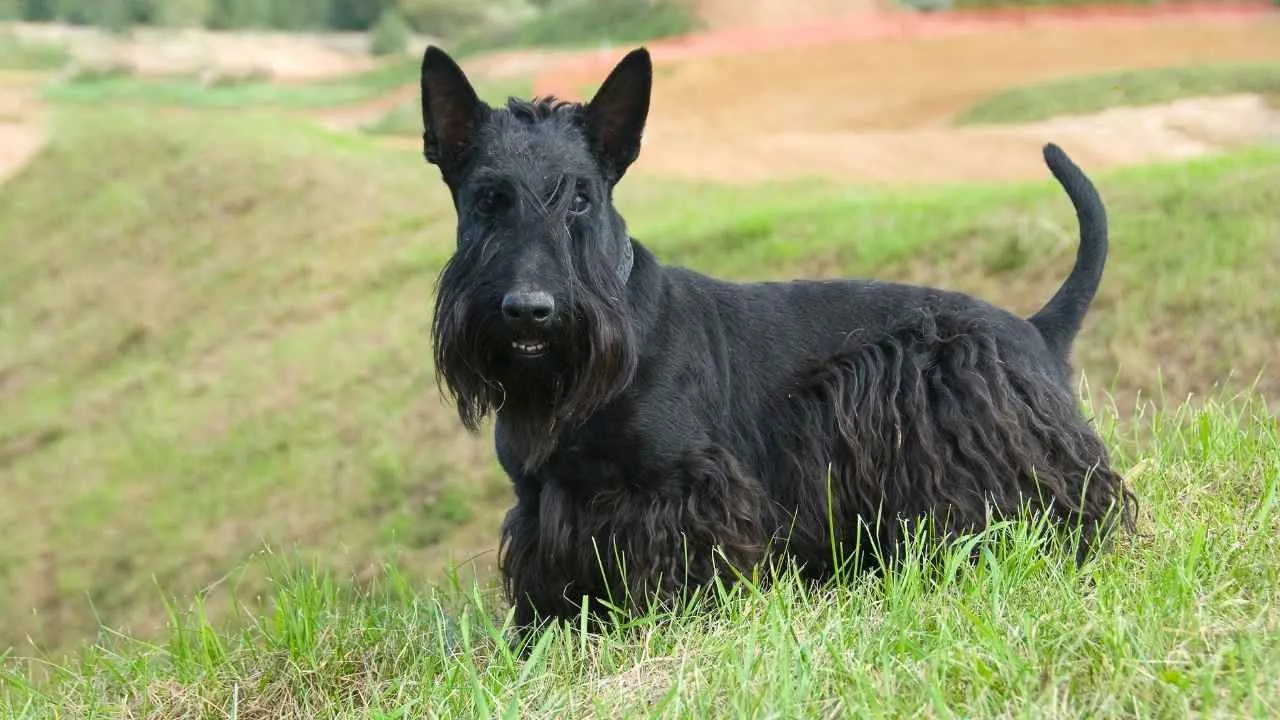
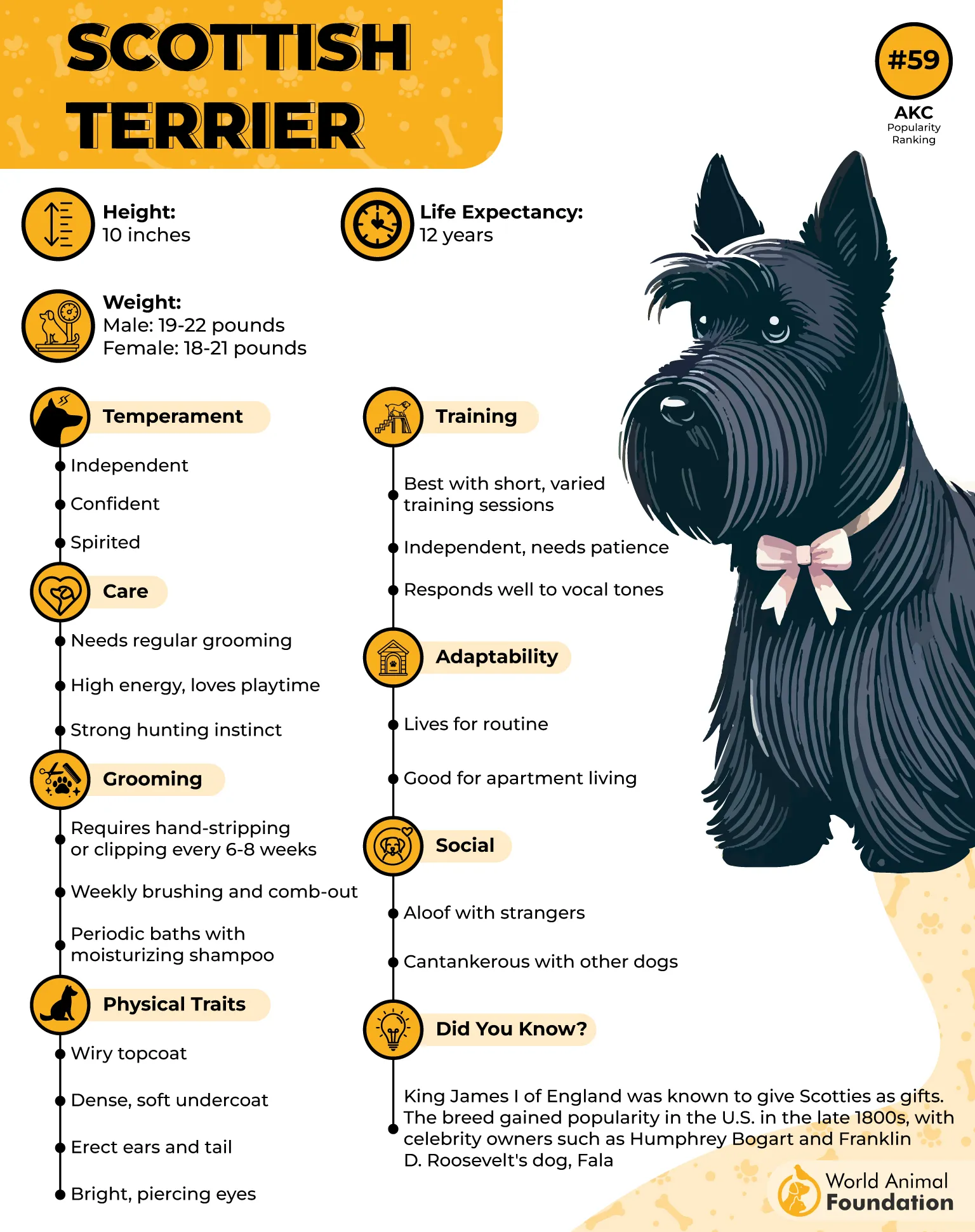
Scottish Terriers have earned the nickname “the Diehard” thanks to their terrier persistence, as WebMD mentioned. This handsome Terrier knows how pawesome they are and often does exactly what they want. Brave, active, and loyal, they carry an independent streak that shapes every interaction.
Clever Challenges
Their sharp minds make them quick to test boundaries, especially when left to their own devices. Training sessions need to be brief and creative to keep attention, or this terrier breed will ignore tasks entirely.
Here are a few qualities that show their distinctive style:
Responds strongly to tone of voice
Thinks through tasks before acting
Enjoys figuring out solutions independently
Loyal Yet Headstrong
Scotties form deep connections with family but insist on leading in their own way. Their independent nature surfaces when rules aren’t clear, showing why proper guidance is essential. Even playful moments can turn into subtle tests of authority.
6. Afghan Hound
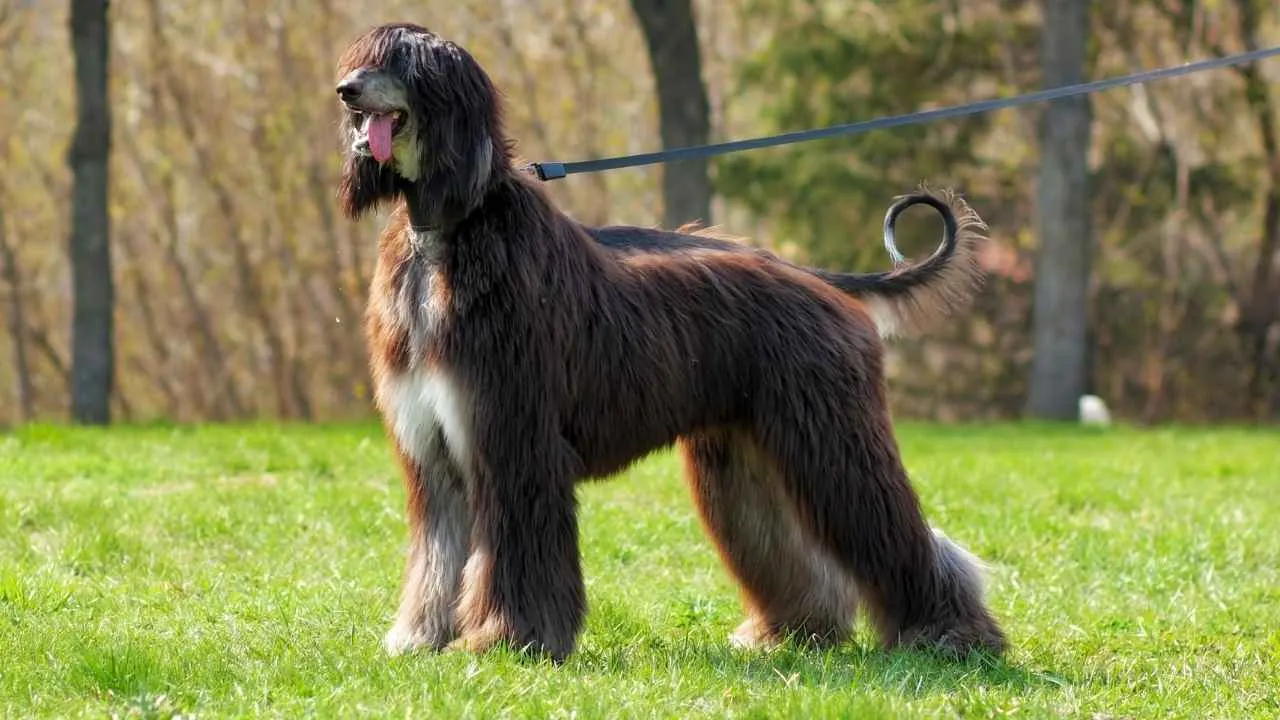
Raw athletic power sits beneath the long, flowing coat, shaping Afghan hounds built for speed and stamina. That strength feeds directly into why this breed often resists routine control. In households expecting easy cooperation, this physical confidence quickly influences behavior.
Instinct Over Instruction
Independent decision-making guides much of an Afghan Hound’s behavior, especially when something triggers its chase drive. That instinct explains why structure can feel optional to the dog.
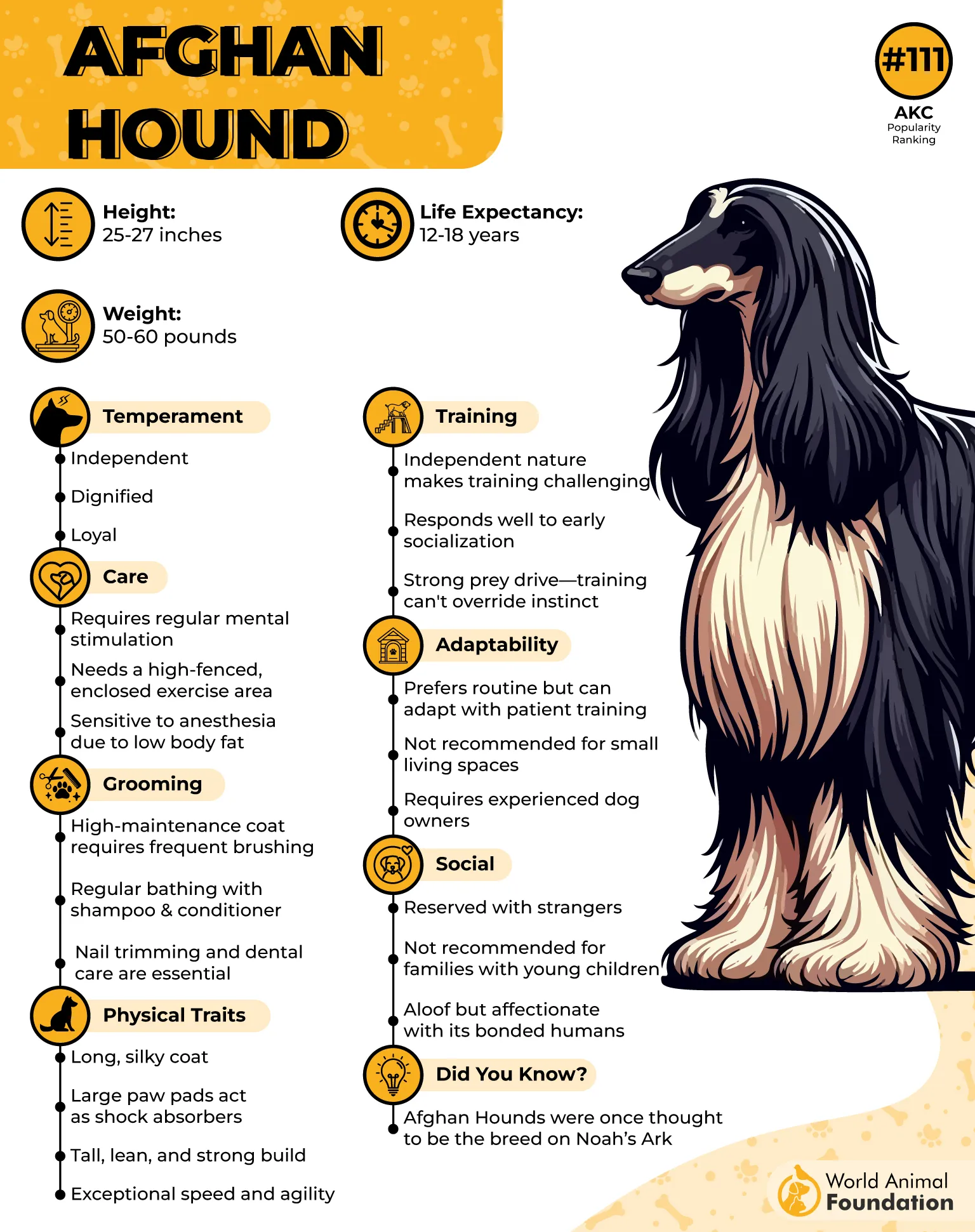
It plays out clearly in daily life as this:
Sudden pursuit when movement catches the eye
Selective response to commands
Focus that breaks without warning
Dignity With Distance
Aloof manners are part of this large dog’s natural posture, even around familiar faces. Bonds run deep once formed, yet that loyalty rarely extends outward to other dogs or strangers. This emotional reserve often places the breed among the least obedient dog breeds in shared environments.
7. Jack Russell Terrier
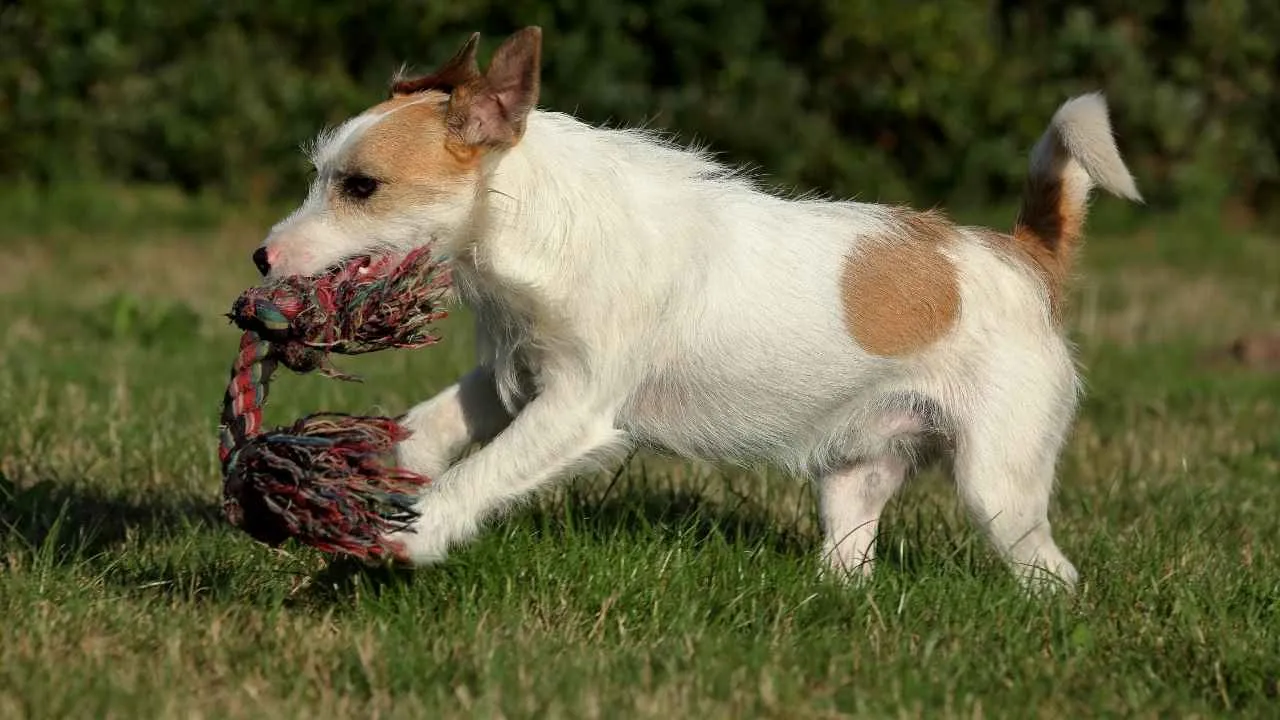
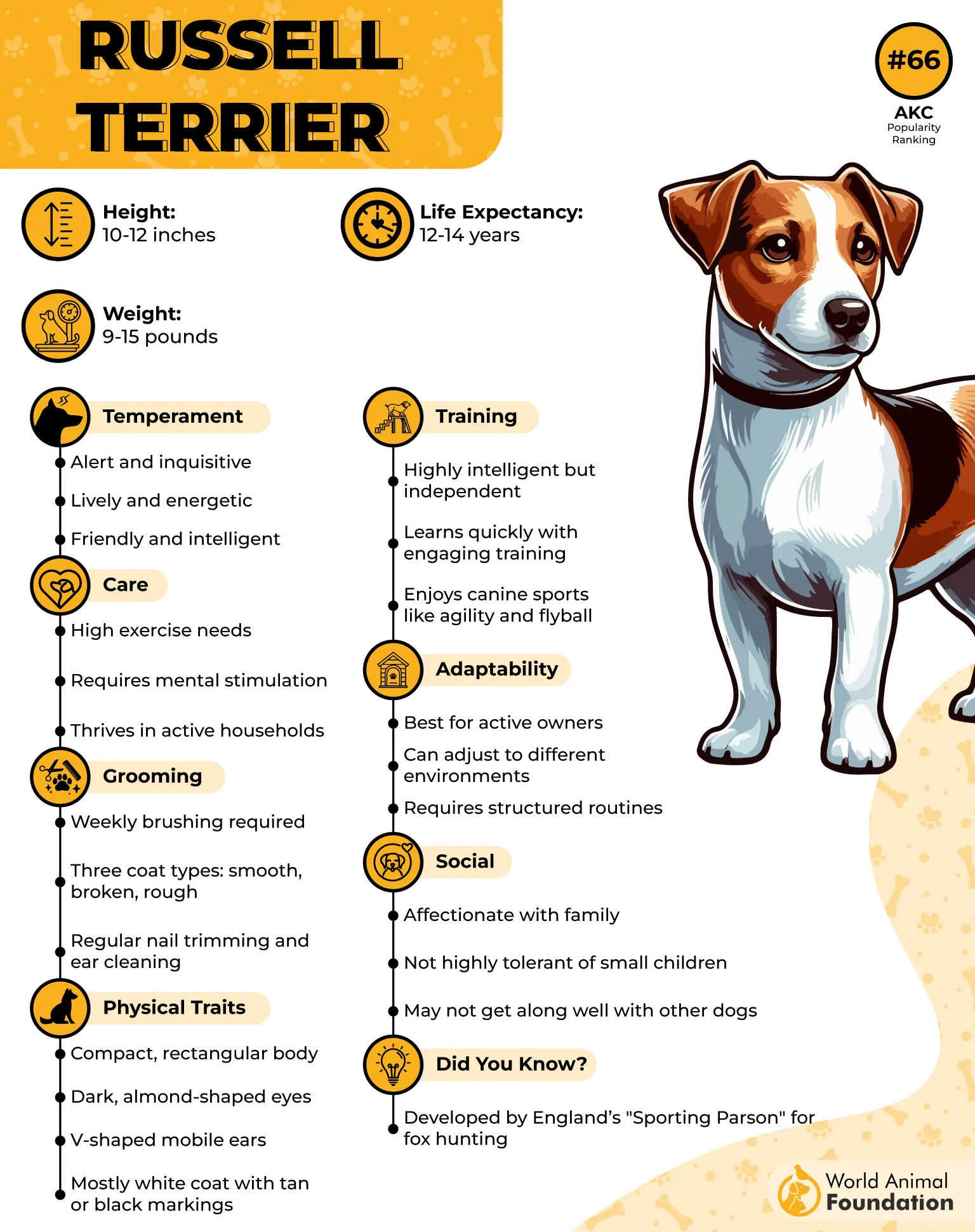
Jack Russell Terrier energy shows up as upbeat, inquisitive, and constantly in motion. That friendly spark comes with a working mindset that never fully switches off. What looks playful on the surface often turns into nonstop action that challenges calm household routines.
Busy Minds Create Busy Problems
Jack Russell Terrier behavior reflects a tireless drive to explore, dig, chase, and investigate everything nearby. This curiosity rarely stays quiet for long.
The following mindset shapes daily challenges:
Strong fixation on movement
Rapid boredom with repetition
Constant need to stay involved
Small Frame, Big Pushback
Jack Russell Terrier confidence is packed into a compact body, making restraint a frequent source of conflict. Rules feel negotiable once excitement takes over, especially indoors. That determination often reads as uncooperative when boundaries are not firm.
8. Shar Pei
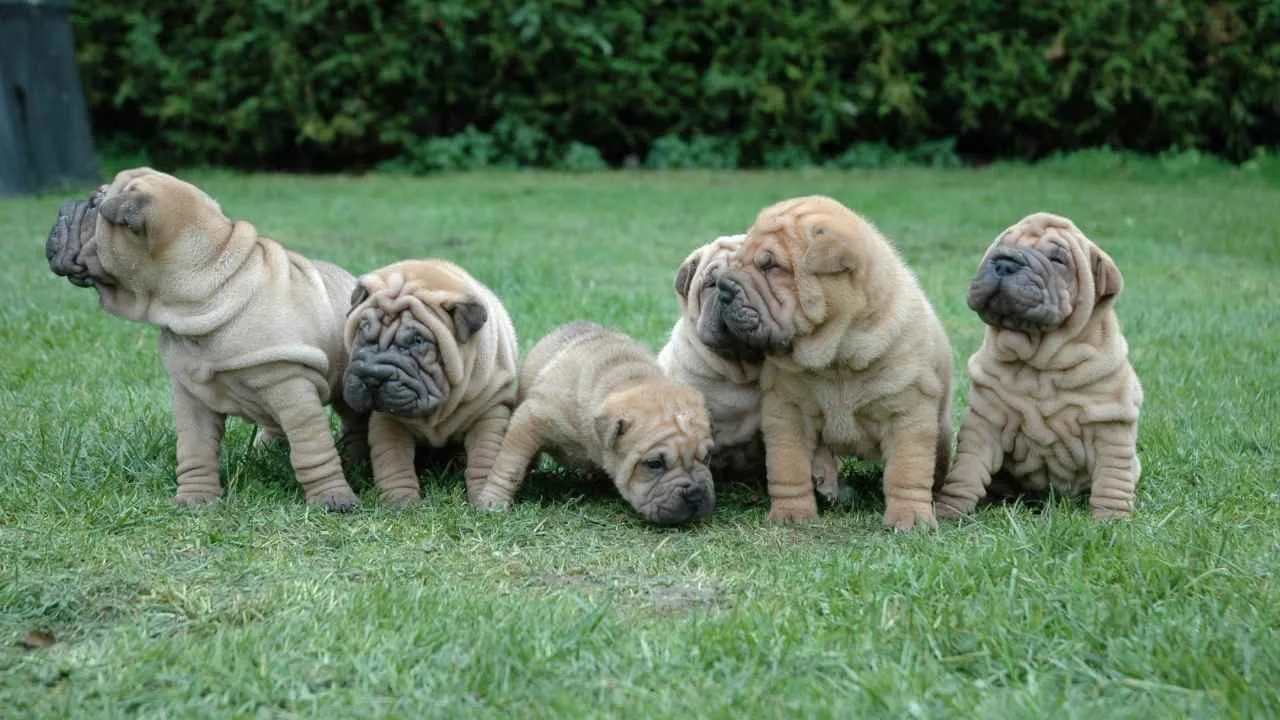
Shar Pei has loose folds of skin and a naturally furrowed brow that gives it a serious expression. Their square, muscular build and bristly coat make them look strong and compact. These physical traits hint at a personality that is deliberate and self-assured, shaping how they behave around others.
Independent Temperament
This breed often questions authority, treating commands as suggestions rather than rules. Early structure is essential to guide their stubborn streak, or small issues can become bigger challenges.
Their temperamental quirks include:
Aloof behavior toward strangers
Hesitation around unfamiliar dogs
Resistance to repeated commands
Training Challenges
Shar Pei views training as beneath them unless it is consistent and engaging. Socialization during puppyhood is crucial for leash manners and basic obedience, as per Purina. Their natural caution and selective trust often make them one of the more difficult breeds to guide without patience and strategy.
9. Chihuahua
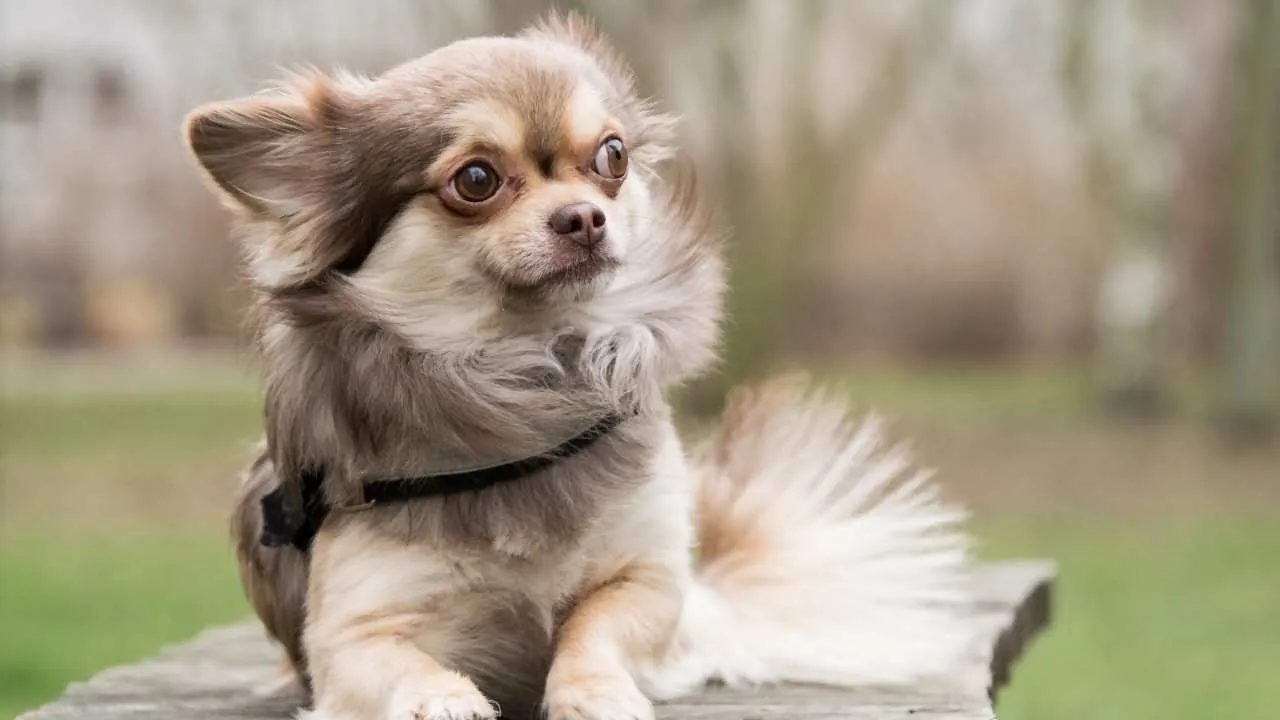
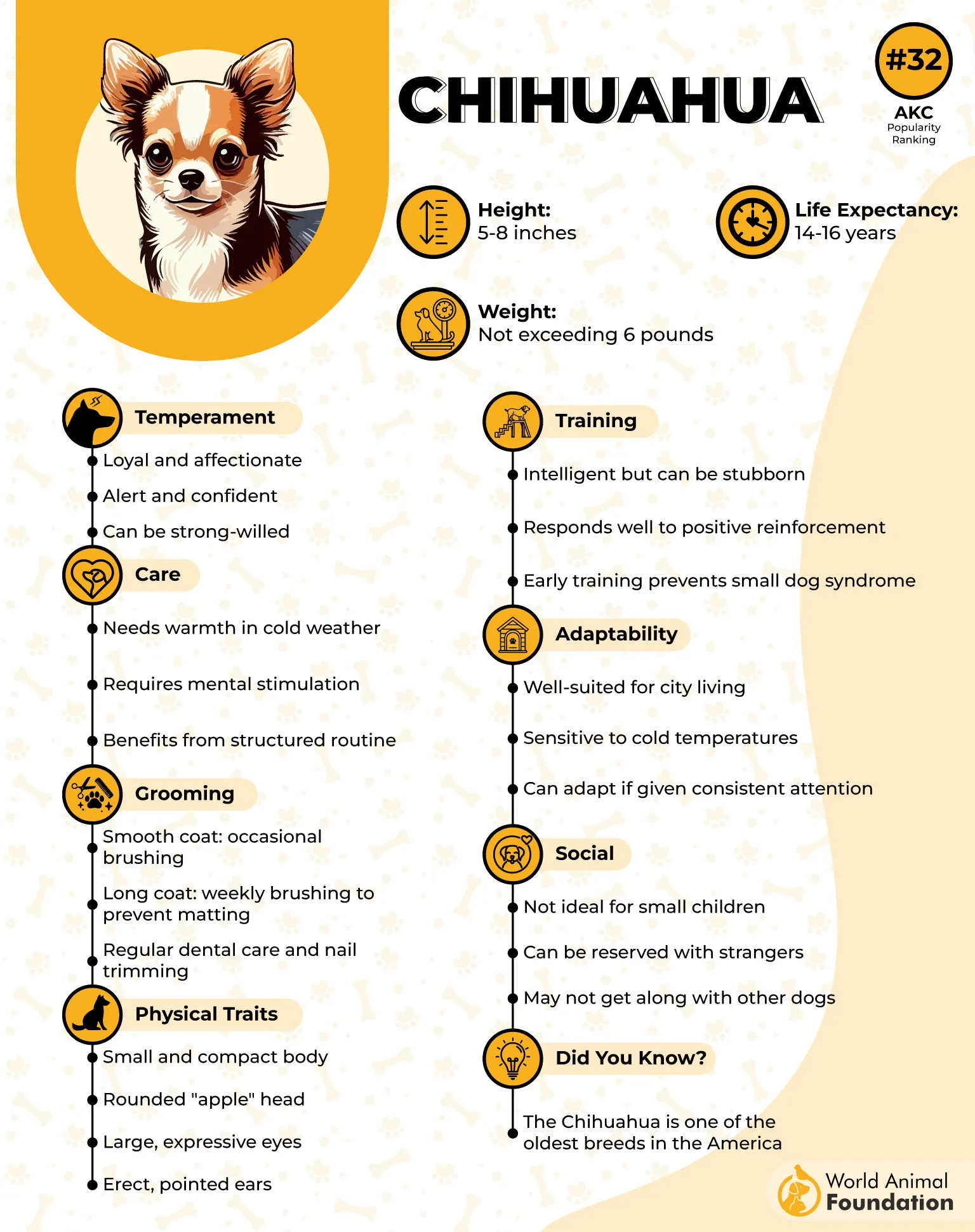
Chihuahua exudes confidence in every step, often acting like the dominant presence in a room. Their boldness gives them a commanding personality despite their small size. Curiosity fuels their interactions, making them highly alert to their surroundings and anyone nearby.
Spirited and Stubborn
Training this breed can be a test of patience because they often follow their own instincts first. Their intelligence means they pick up on routines quickly but choose when to obey.
Trailblazing their own path shows up in practical ways:
Sharp memory for familiar people and places
Strong preference for deciding when to play or rest
Quick reactions that can surprise even experienced handlers
Social but Selective
Chihuahua forms attachments carefully, showing loyalty to those they trust most. Interactions with strangers can be unpredictable, as they assert themselves with little hesitation. Their self-assured nature keeps them consistently on guard in both new and familiar environments.
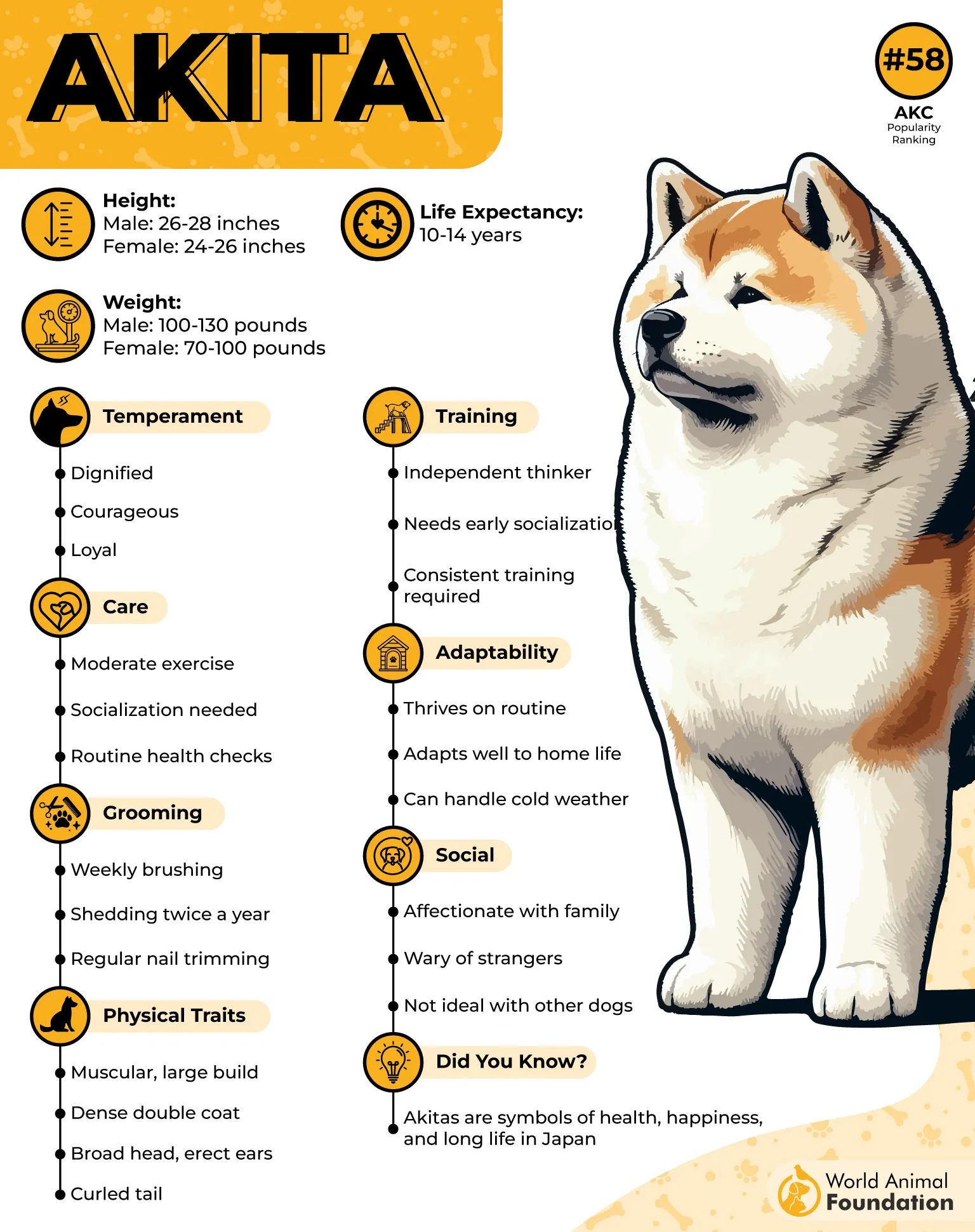
10. Akita
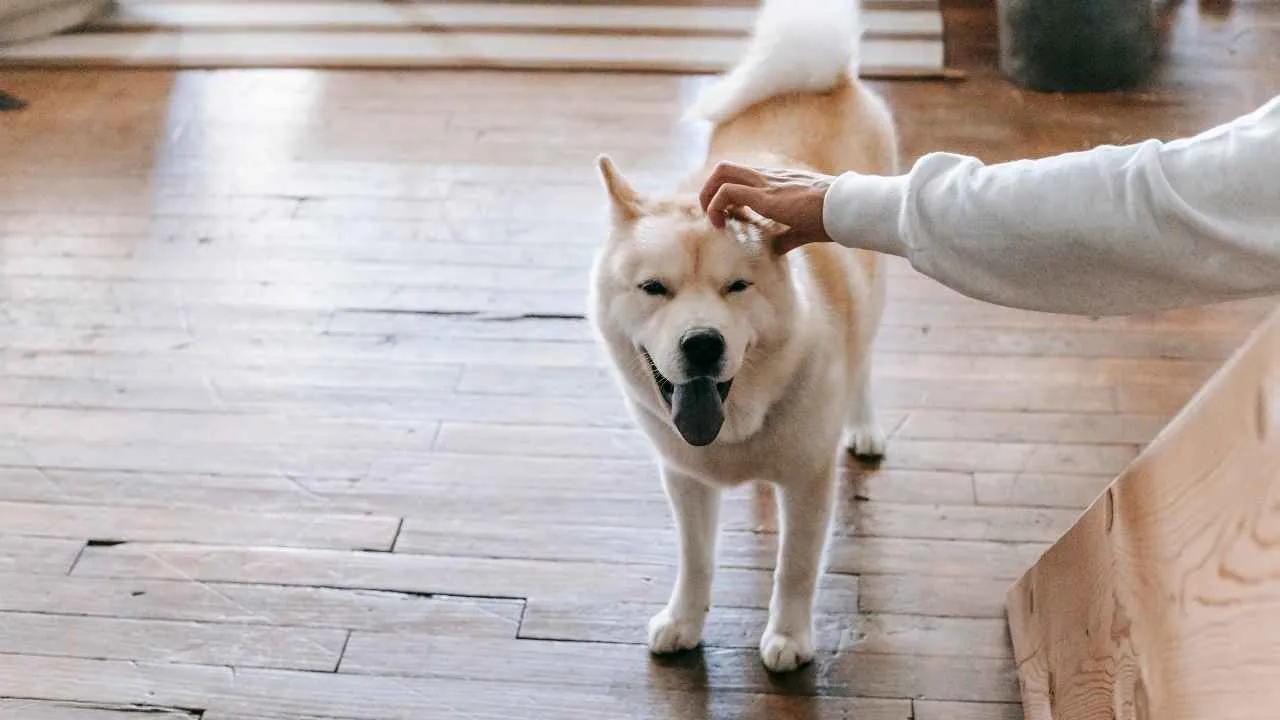
Akita is a powerful, dignified dog with a presence that demands attention in any room. Their independence is clear from early puppyhood, often showing thoughtful assessment before acting. This breed responds best when guidance is firm and consistent, shaping their natural strength into controlled behavior.
Loyalty and Protective Instincts
Intelligence and a protective nature give the Akita a reputation for being headstrong at times. They are extremely loyal but approach strangers and other animals cautiously.
Some traits that stand out in daily life include:
Vigilant awareness of surroundings
Clear preference for familiar people
Calm, quiet observation before engagement
Socialization and Boundaries
Early and extensive socialization is key to balancing Akita’s instincts. They excel in households where boundaries are clear and rules are consistently applied. Exposure to diverse situations from a young age helps them differentiate between a threat and normal social interaction.
Conclusion
Living with breeds that push boundaries teaches a rhythm that feels different from what most pet owners expect. These are independent dogs with their own ideas, shaped by instincts that often reflect their history as hunting dogs. Some are extremely energetic, others clever enough to outthink routine rules, and a few are simply difficult to train without patient guidance.
Consistent training keeps their focus steady and prevents destructive behavior from settling in. Even when they resist proper training, their loyal nature still shows through in quiet moments. What stays with people is how intelligent dogs like these make companionship feel honest.
