





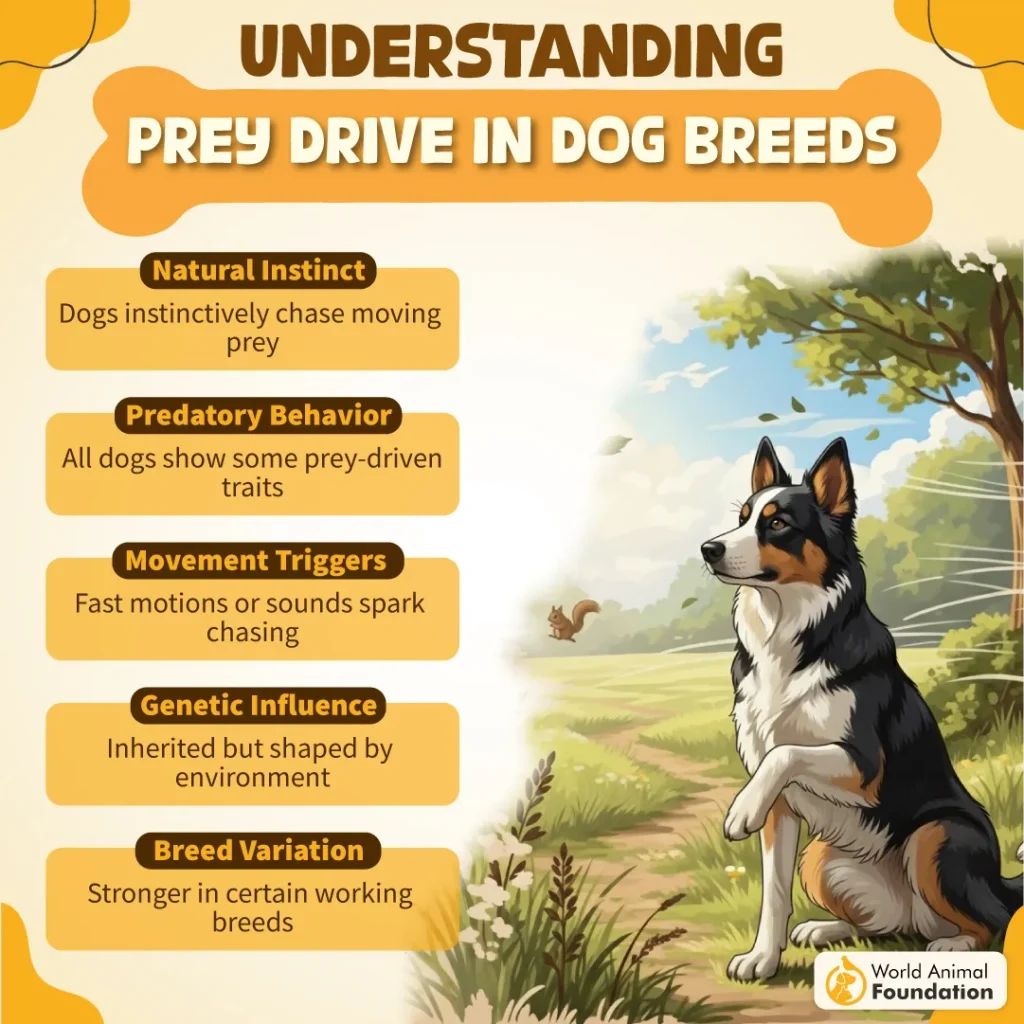
Some dogs see the world differently. Where you see a squirrel, a leaf blowing across the sidewalk, or a bike passing by, they see movement, purpose, and a deeply wired instinct kicking into gear. This instinct is known as prey drive, and it’s one of the most powerful—and misunderstood—canine traits.
Prey drive doesn’t mean aggression. It doesn’t mean a dog is “bad” or unsafe. It means that for thousands of years, humans selectively bred certain dogs to notice motion instantly, pursue targets relentlessly, and stay focused until the task was complete. In modern homes, that instinct can show up as chasing cats, fixating on joggers, obsessing over balls, or ignoring recall when something exciting moves.
Understanding prey drive is critical if you live with—or are considering—one of these breeds. When managed properly, it becomes a superpower. When ignored, it can disrupt daily life. Let’s explore top dog breeds driven by intense prey drive, why they have it, and what living with them is really like.
Top Dog Breeds Driven by Intense Prey Drive
1. Border Collie
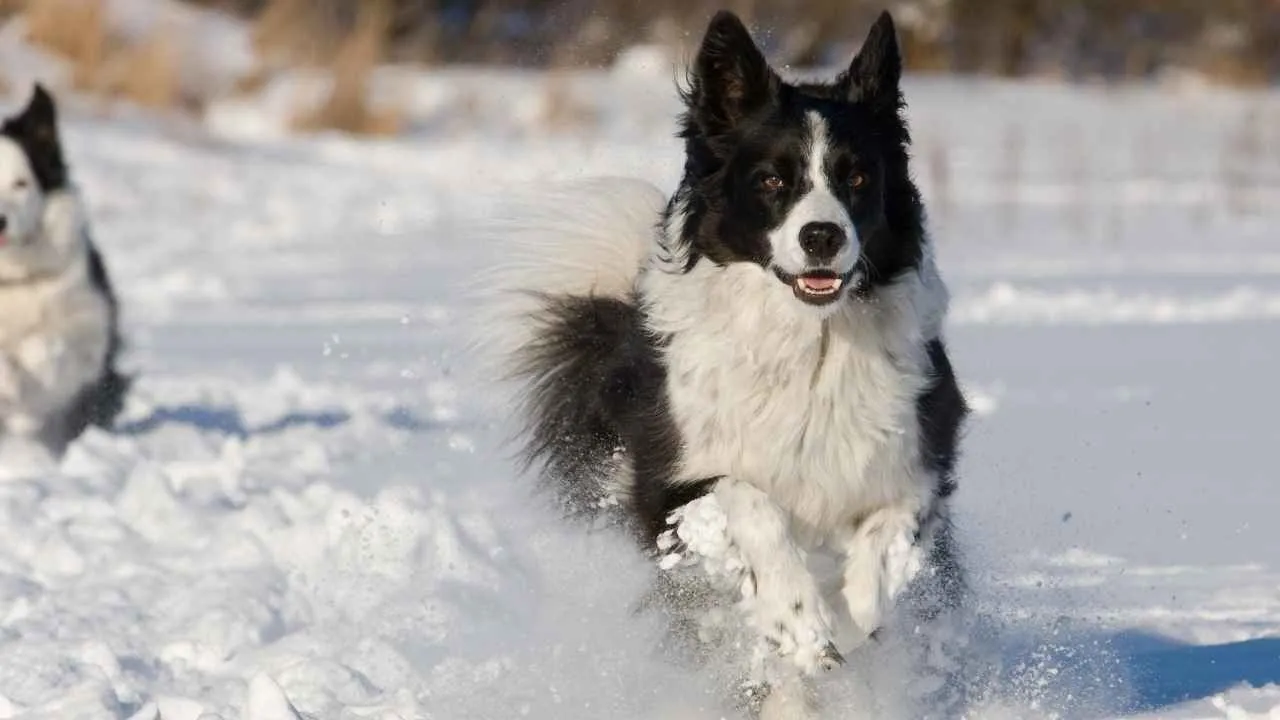
Border Collies are often described as the smartest dogs in the world—but intelligence alone doesn’t explain their intensity. Their prey drive is a refined, highly specialized hunting behavior, evolved over centuries to control livestock rather than kill it. That famous “eye,” the crouch, the slow stalk? That’s pure predatory sequence—paused just before the final act.
Unlike traditional hunting dogs, they aren’t chasing for the reward of capture. They’re chasing the satisfaction of control. Movement triggers them: sheep, cars, bicycles, running children, even shadows. When it locks onto something, the mental focus is astonishing—and sometimes overwhelming for unprepared owners.
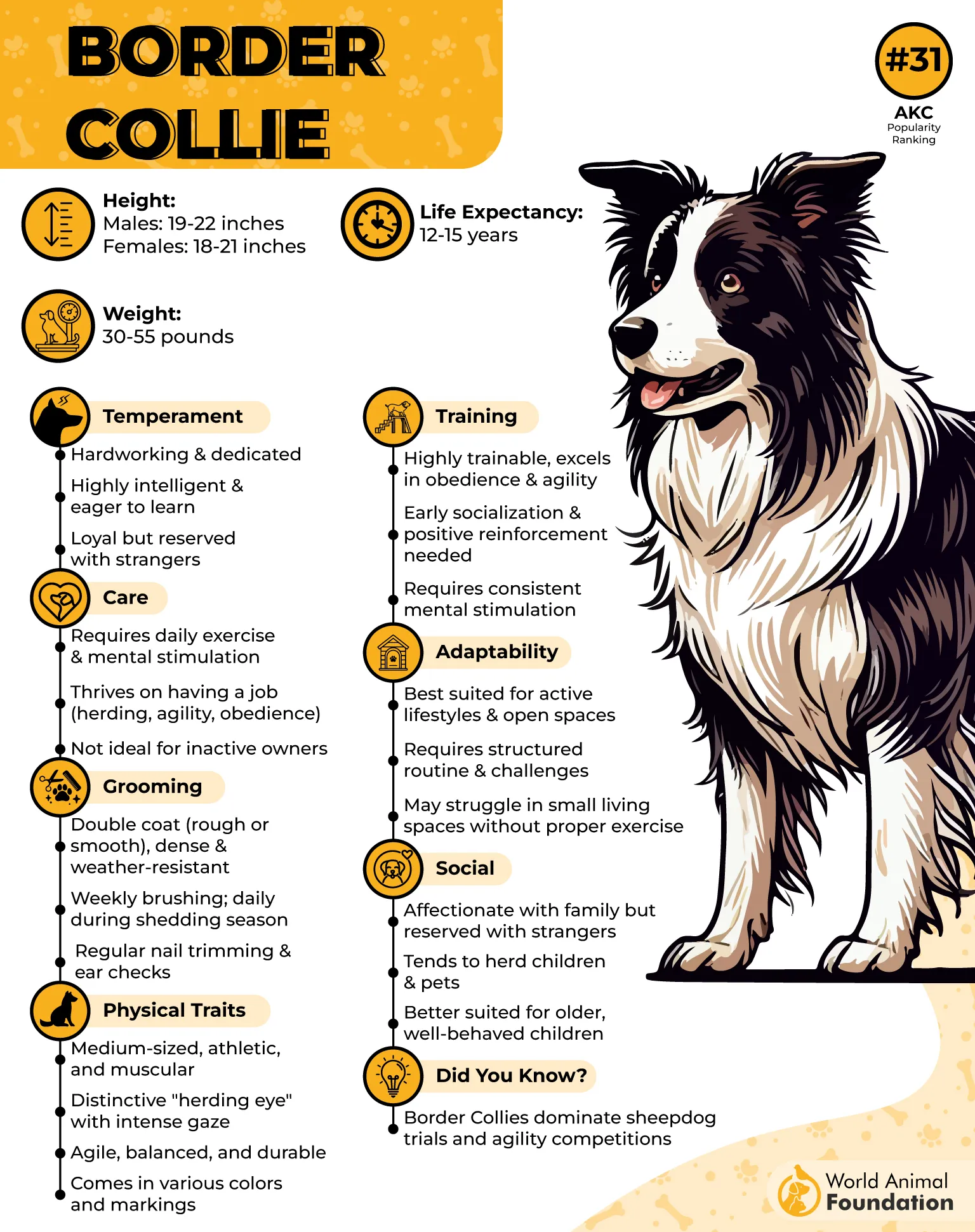
This breed thrives on goal-directed work. Without daily mental challenges—such as advanced obedience, agility, and herding simulations—their prey drive often leaks into inappropriate outlets.
Despite common fears, Border Collies are not naturally aggressive. Behavioral issues usually stem from understimulation or poor socialization, not malice. When their minds are fulfilled, they become remarkably responsive, cooperative colleagues.
Living with it means managing prey drive through purpose, not suppression. Give them a job, and you get brilliance. Ignore the instinct, and they’ll invent their own job—often one you didn’t approve.
2. Irish Setter
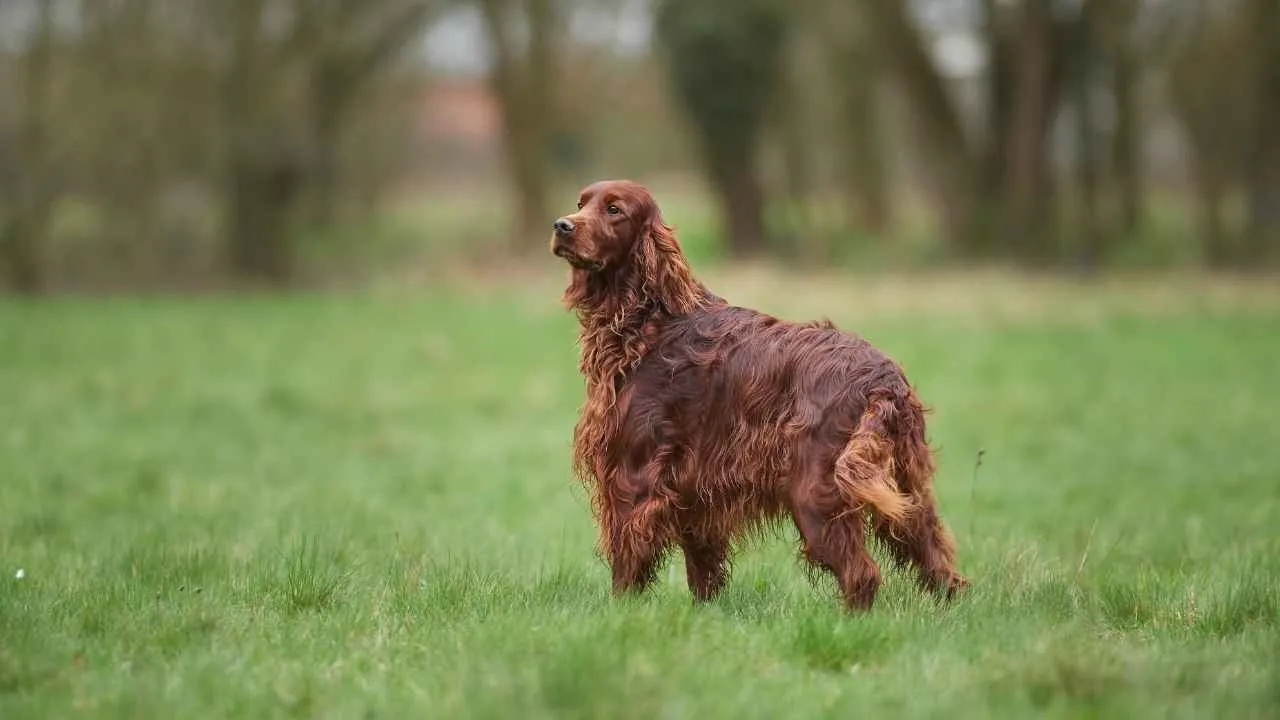
Irish Setters are elegance in motion—long legs, flowing red coats, and an unstoppable enthusiasm for life. Beneath that friendly exterior lies a serious bird dog, bred to locate, flush, and pursue game across open fields for hours at a time.
Their prey drive is rooted in motion sensitivity. Birds taking off, squirrels darting, leaves scattering in the wind—these all trigger that ancient instinct. While Irish Setters are famously affectionate and social, their chase reflex is strong enough that leash control and secure fencing are non-negotiable.
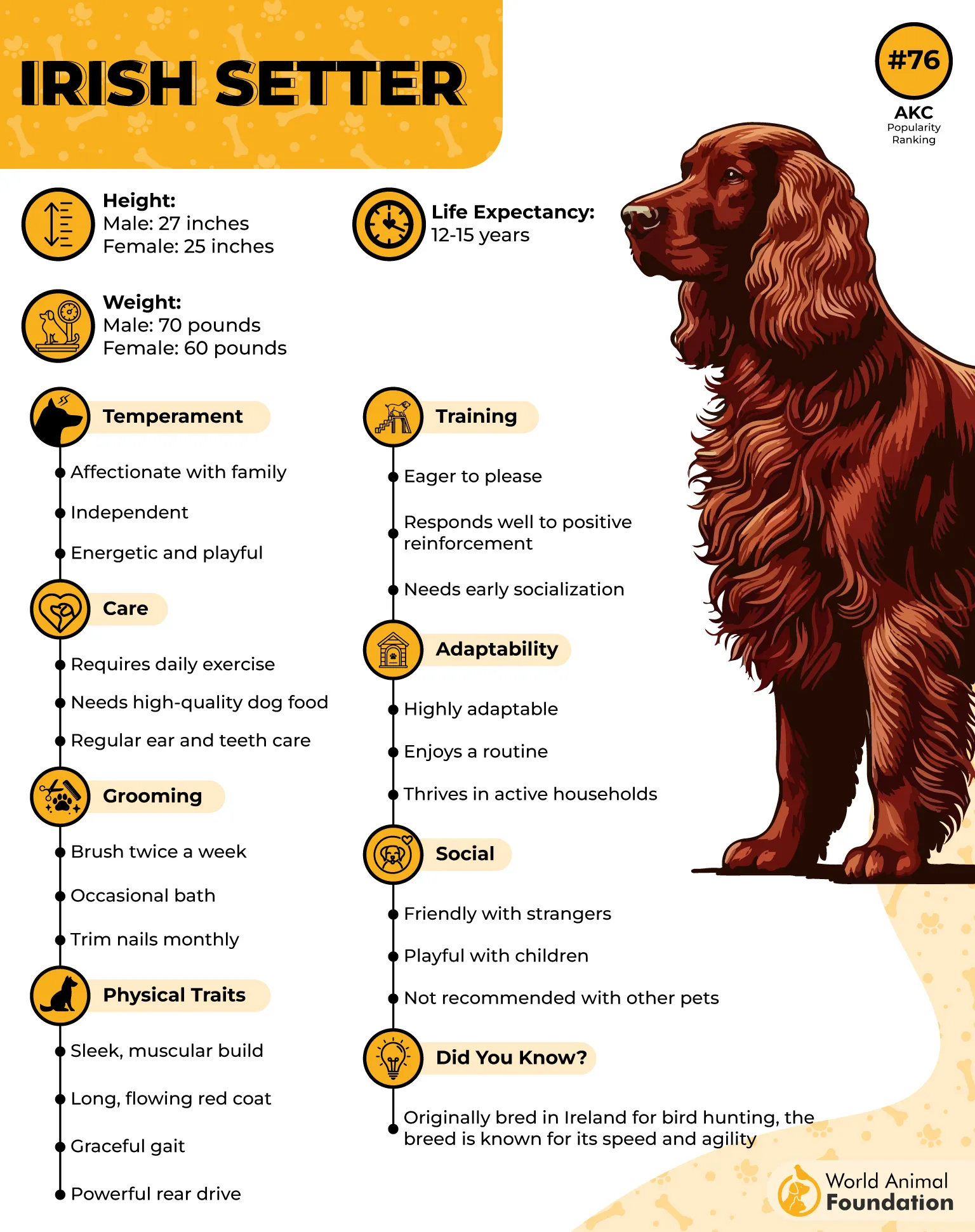
Field trials and sporting records consistently show them excelling in endurance-based tasks. They’re not quick bursts of intensity; they’re long-distance athletes. That’s why insufficient exercise often leads to restlessness, destructive chewing, or excessive excitement indoors.
Importantly, the small prey drive in it doesn’t equal aggression. They are soft-mouthed, people-loving dogs. However, small pets can be at risk without careful management and early exposure. Cats, rabbits, and birds may activate instincts faster than training can override.
A fulfilled Irish Setter is joyful, goofy, and deeply bonded to their family. A bored one will happily redecorate your home while chasing imaginary birds. Channeling that prey drive into sports such as agility, scent work, or field training is key to harmony.
3. Australian Shepherd
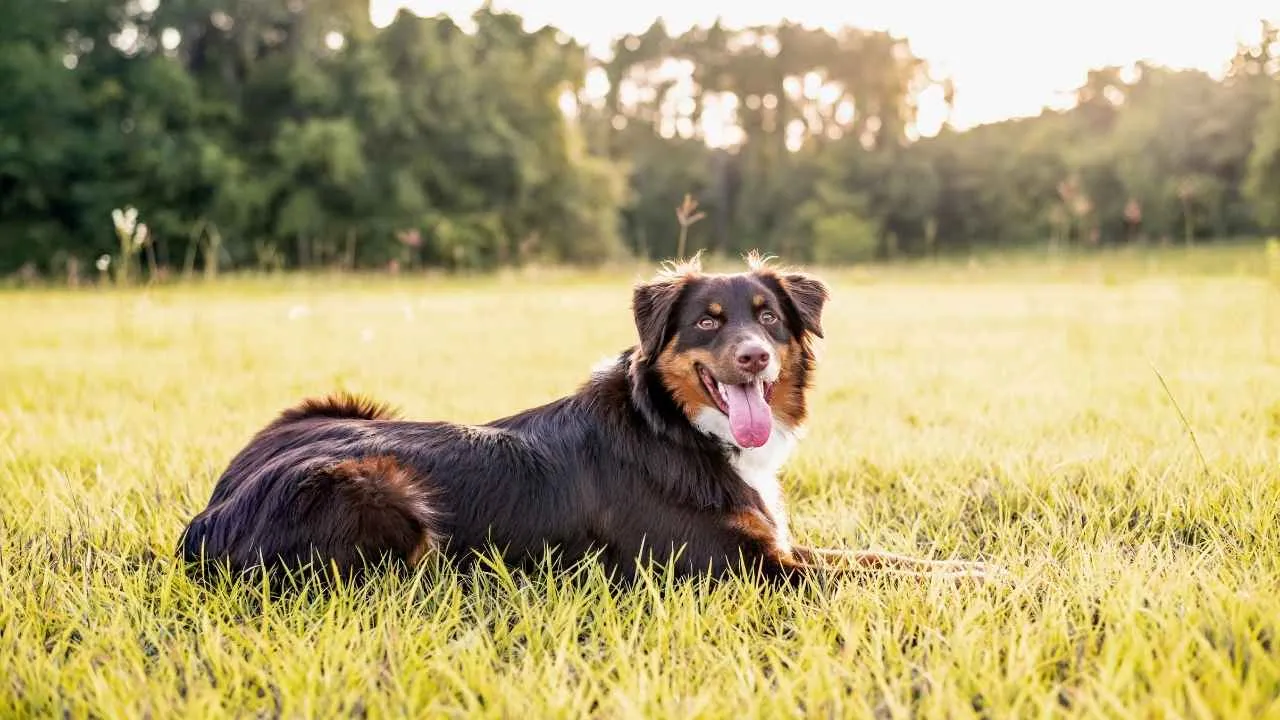
Australian Shepherds don’t just chase—they manage movement. Their prey drive comes from herding roots, which means anything that moves unpredictably can become a “problem to solve.” Children running, bikes rolling, cats darting across the room—all may trigger an instinctive response.
Aussies are intensely visually sensitive. Studies on herding breeds show heightened motion detection compared to non-working breeds, which explains why they notice things others miss. This sensitivity makes them incredible workers—and sometimes overstimulated companions.
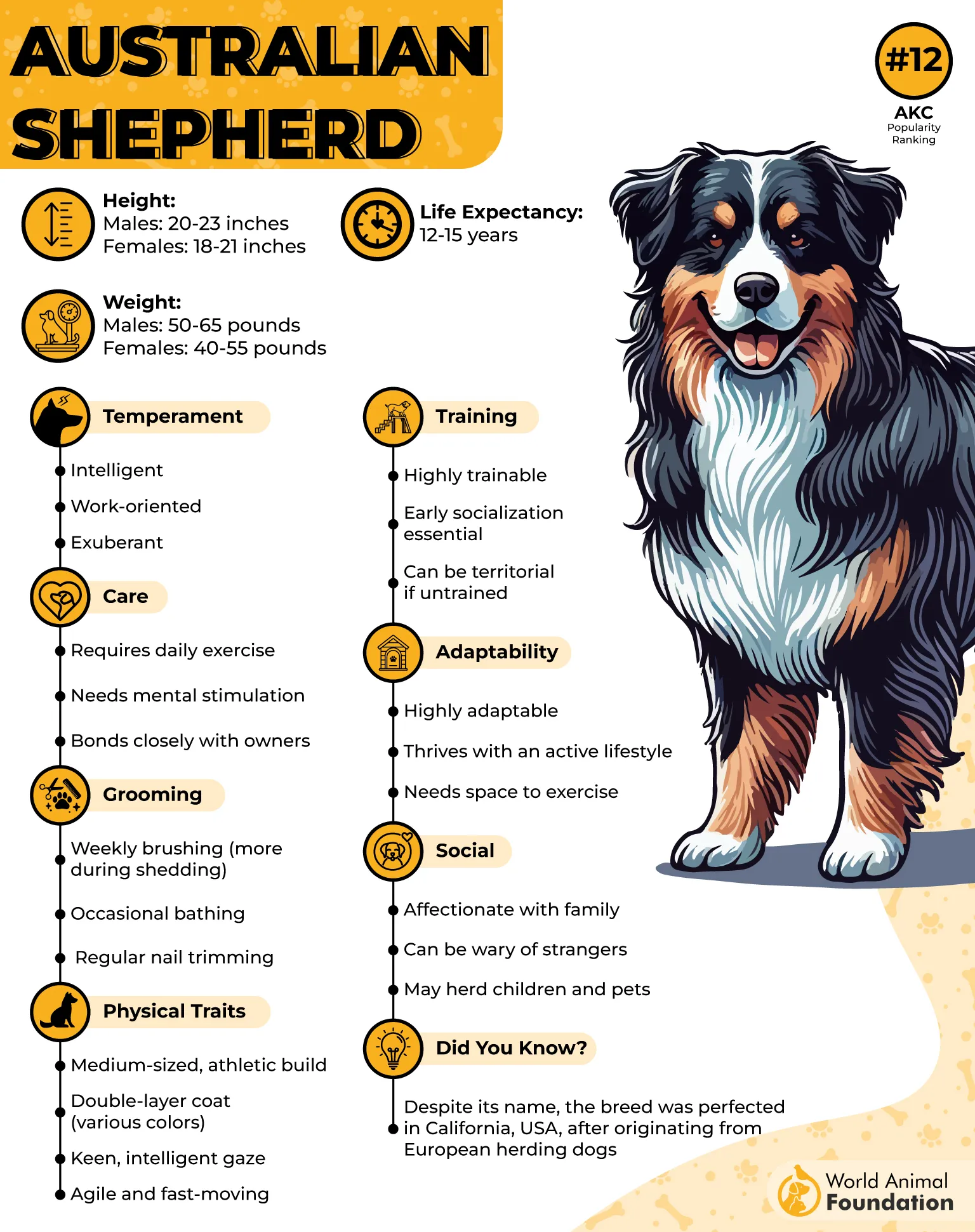
Unlike some hunting breeds, Aussies often express prey drive through nipping and circling rather than full pursuit. This is why early training is critical, especially in households with kids. Without guidance, the dog believes it’s simply doing its job.
The upside?
This same dog’s prey drive makes Aussies obsessive about toys, Frisbees, and training games. Fetch isn’t just play—it’s prey satisfaction without consequences. Mental fatigue is as important as physical exhaustion for this breed.
Handled correctly, Australian Shepherds are loyal, affectionate, and remarkably adaptable, as per Britannica. Mishandled, their prey drive turns into anxiety-driven behavior. The difference lies in structured outlets and thoughtful socialization.
4. Weimaraner
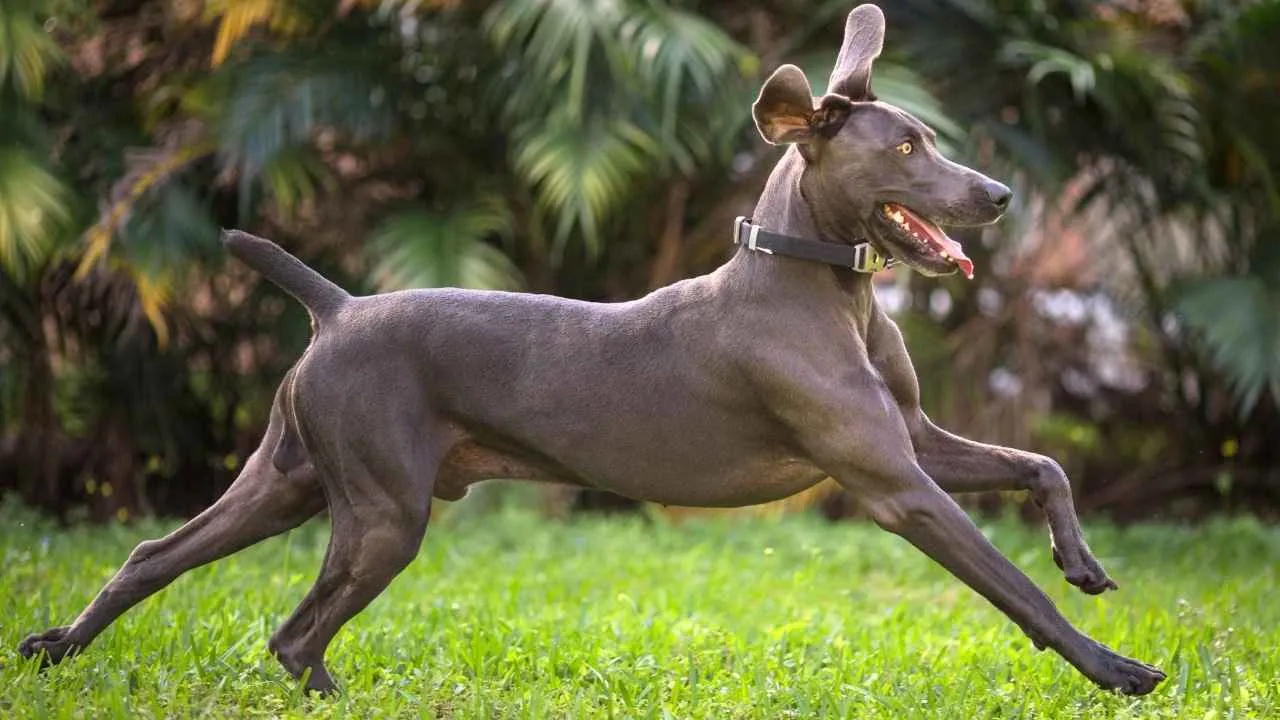
Nicknamed the “Gray Ghost,” the Weimaraner is intensity personified. Bred as a versatile hunting dog capable of tracking, pointing, and retrieving large game, their prey drive is not subtle—it’s all-consuming.
These great family dogs don’t just chase; they obsess. Once triggered, their focus narrows dramatically. Joggers, cyclists, cats, deer—anything fast-moving can flip the switch. This isn’t stubbornness; it’s deeply ingrained predatory wiring.
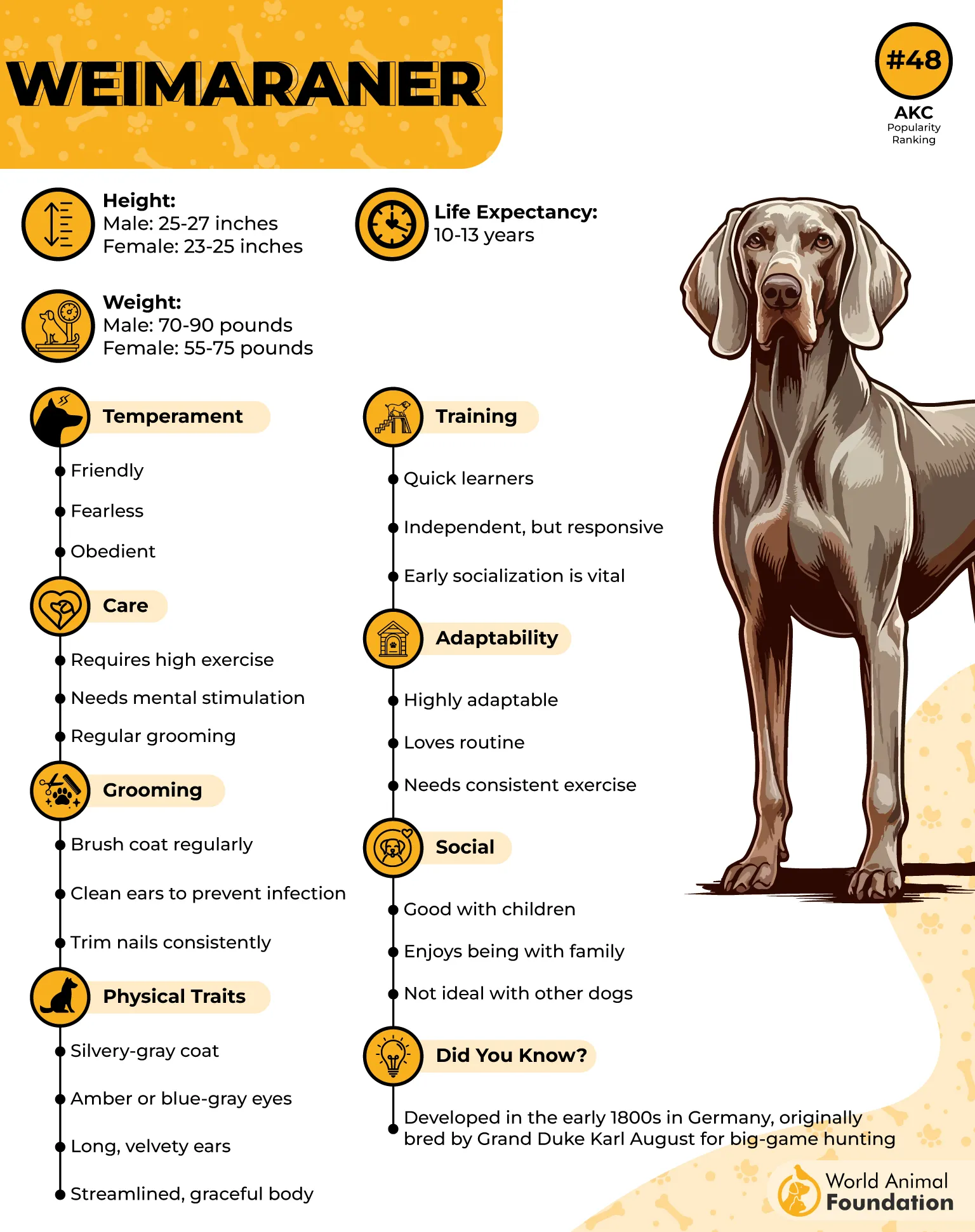
The American Kennel Club (AKC) says that, as sporting breeds, Weimaraners rank high in persistence and environmental awareness, traits that make them excellent hunters—and demanding pets. They require strict management: leashes, secure fencing, and consistent training.
Despite the intensity, Weimaraners are affectionate and famously attached to their humans. This emotional closeness means boredom and isolation often worsen prey-driven behavior. A lonely Weimaraner is destructive.
Owning a Weimaraner means committing to daily, structured outlets—tracking games, scent work, and long runs. You can’t train prey drive away, but you can give it a healthy direction.
5. Greyhound
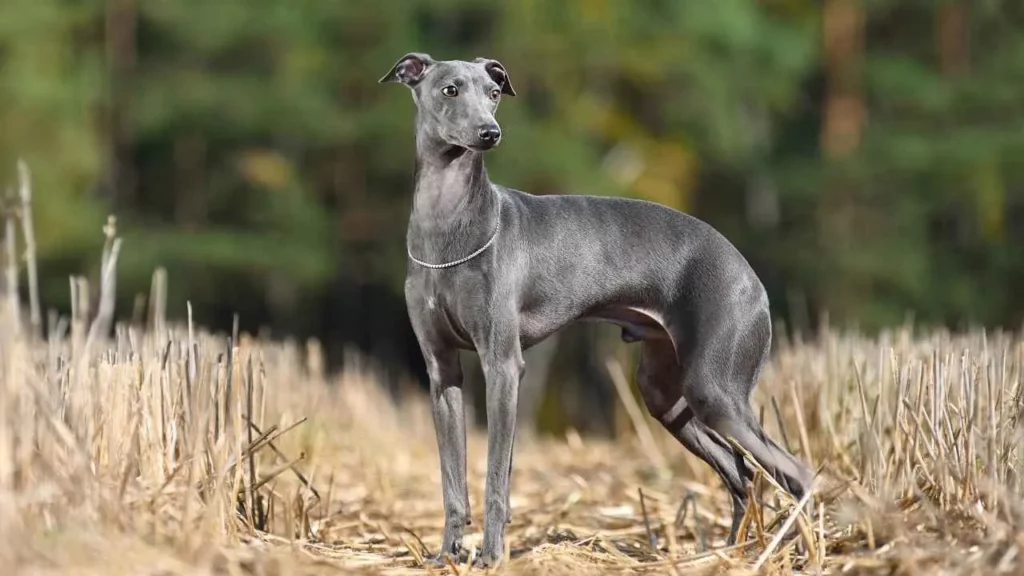
Greyhounds are paradoxes: calm couch potatoes with the instincts of a missile. As sighthounds, their prey drive is triggered almost exclusively by visual movement, not scent.
Historically bred for coursing game at incredible speeds—up to 45 mph—Greyhounds react faster than conscious thought allows. Once something small and fast moves, instinct takes over.
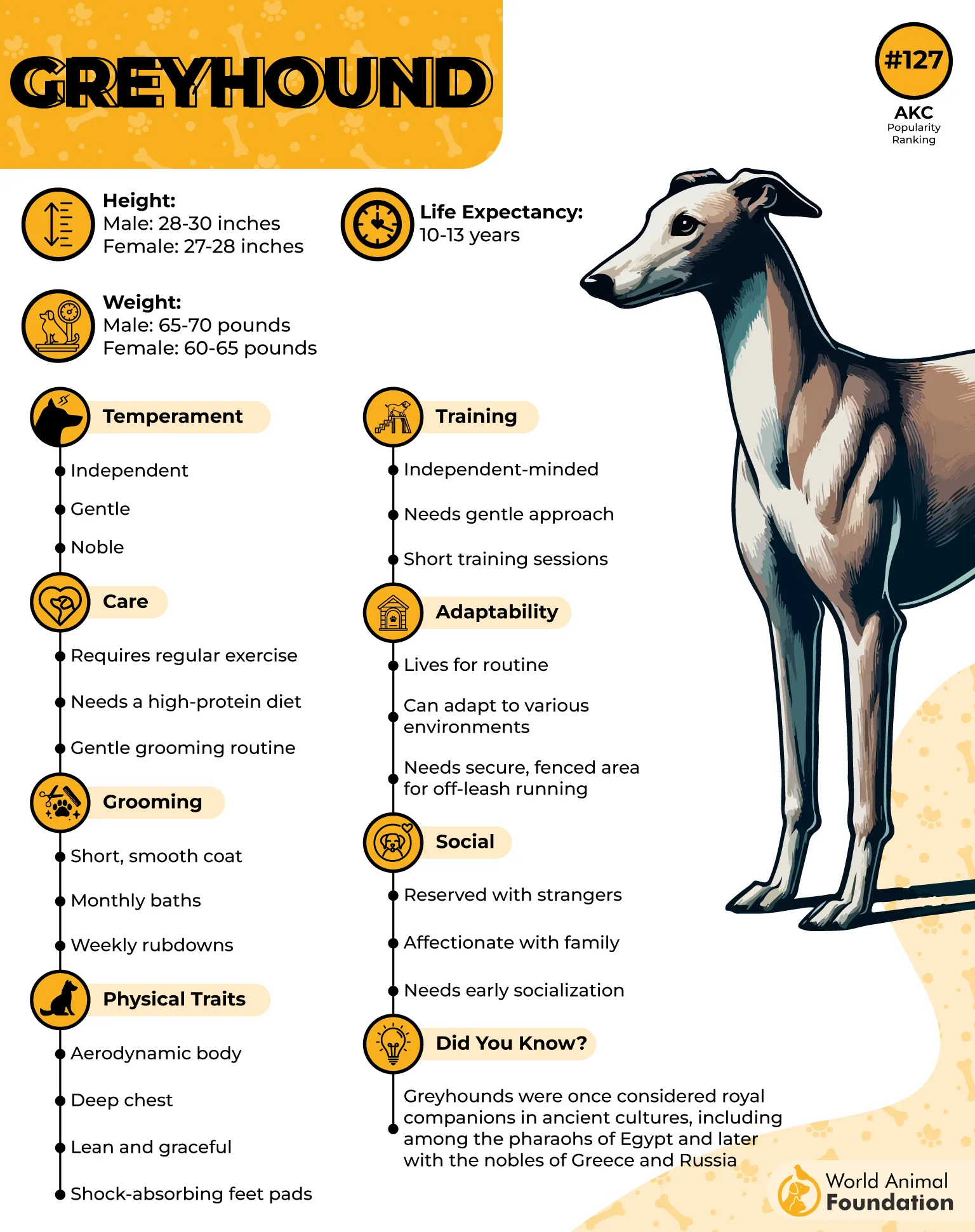
This doesn’t make them aggressive toward people. In fact, PetMD claims that Greyhounds are often gentle, quiet, and affectionate indoors. But small animals can be at real risk, especially outdoors or in unsecured environments.
Many retired racing Greyhounds undergo “cat testing” before adoption, as some can coexist peacefully with cats while others cannot. The variation is individual, but the underlying instinct remains.
Management is everything: leashes, fenced areas, and awareness. When respected, the Greyhound’s prey drive coexists beautifully with their calm domestic nature, along with their pet owners.
6. Whippet
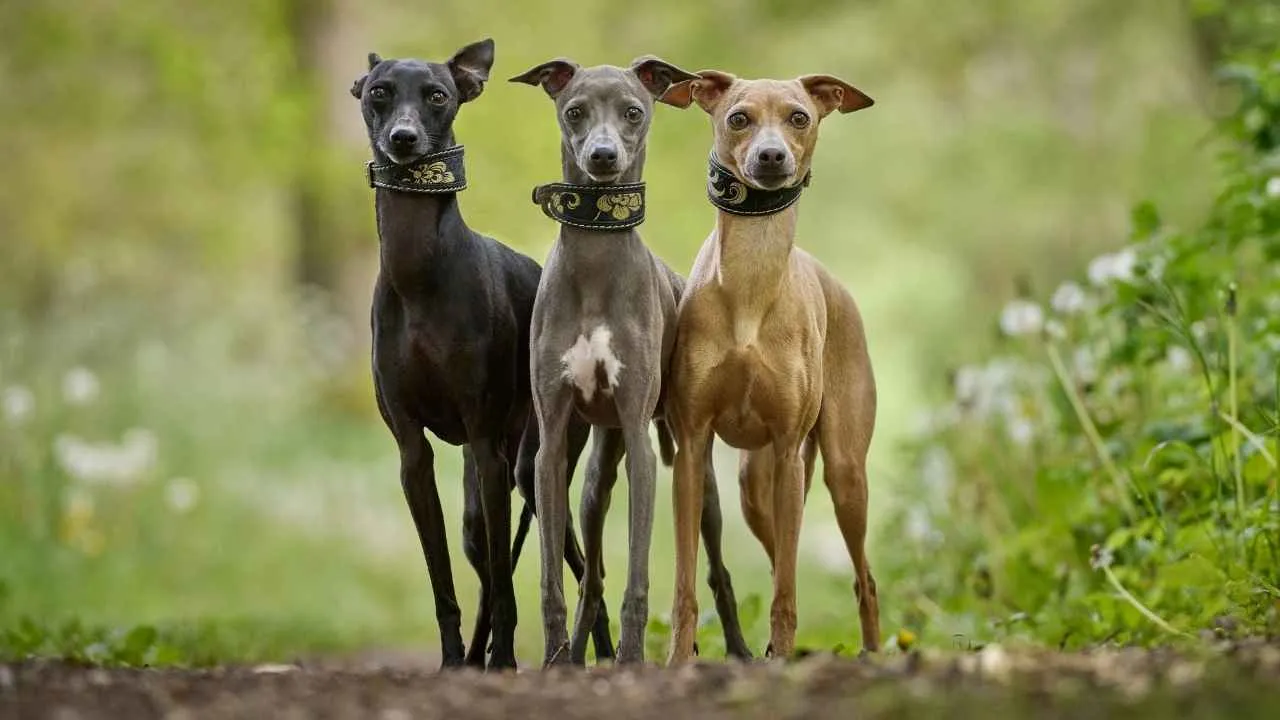
Whippets are essentially Greyhounds in a smaller, turbo-charged package. Their prey drive is lightning-fast and deeply visual, making sudden chases almost unavoidable if they’re off-leash in open areas.
Bred to hunt rabbits, Whippets can reach speeds of 30–35 mph in seconds. That explosive acceleration is instinctual, not learned. Once triggered, recall often disappears.
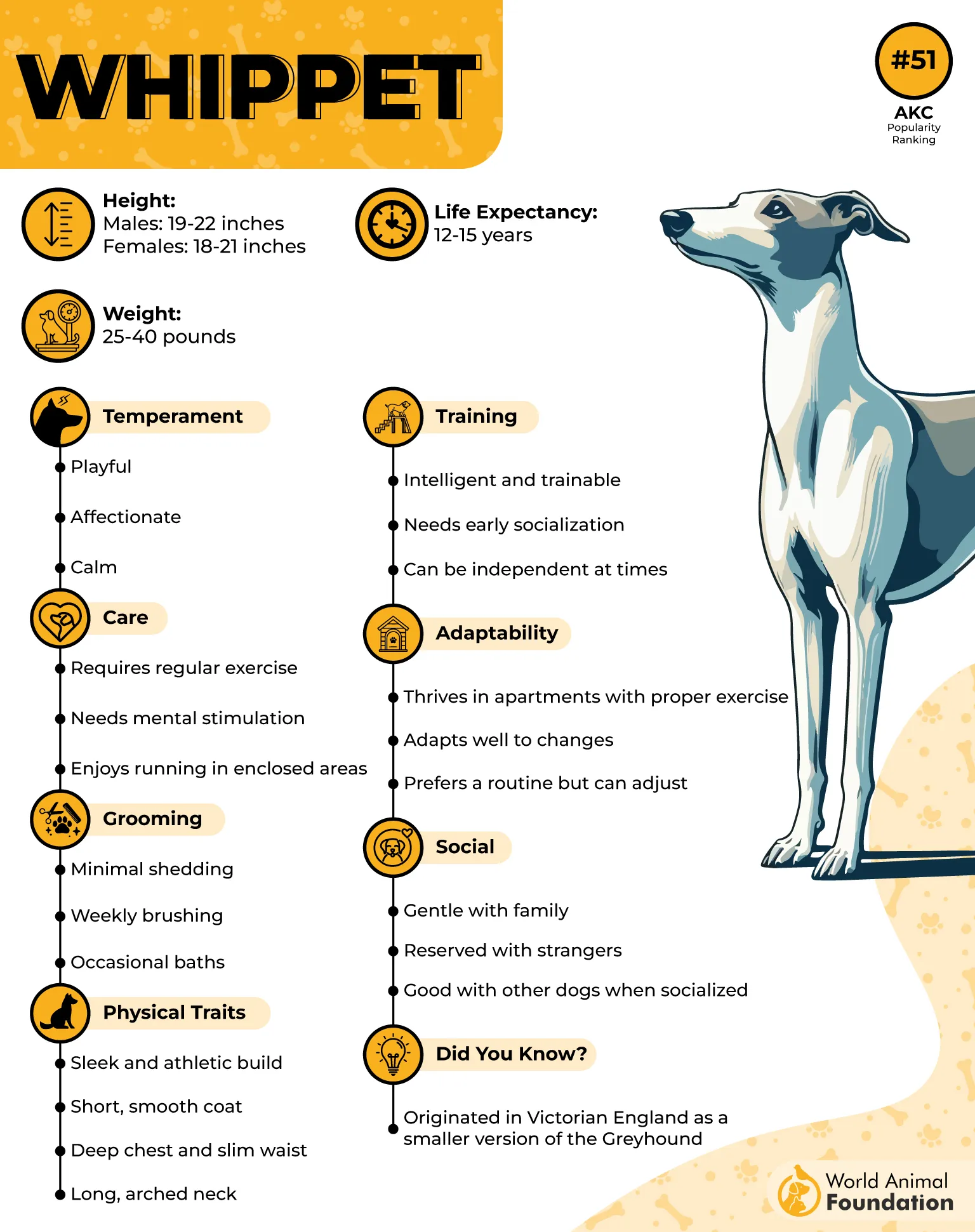
Unlike more food-driven breeds, Whippets can be challenging to motivate with treats alone. Their reward system is movement itself—chasing is the prize.
At home, they’re gentle, affectionate, and sensitive. Outdoors, they’re athletes with a single-minded mission. This contrast often surprises new owners.
Safe outlets like lure coursing, flirt poles, and fenced sprinting areas are essential. Without them, frustration builds quickly.
7. Cocker Spaniel

Cocker Spaniels may look soft and cuddly, but their prey drive—especially in working lines—is very real. Bred to flush birds from dense cover, they’re hardwired to pursue movement close to the ground.
Their prey drive shows up as fixation, stalking, sudden lunges, and intense interest in birds or small animals. Unlike sighthounds, Cockers rely heavily on scent and sound.
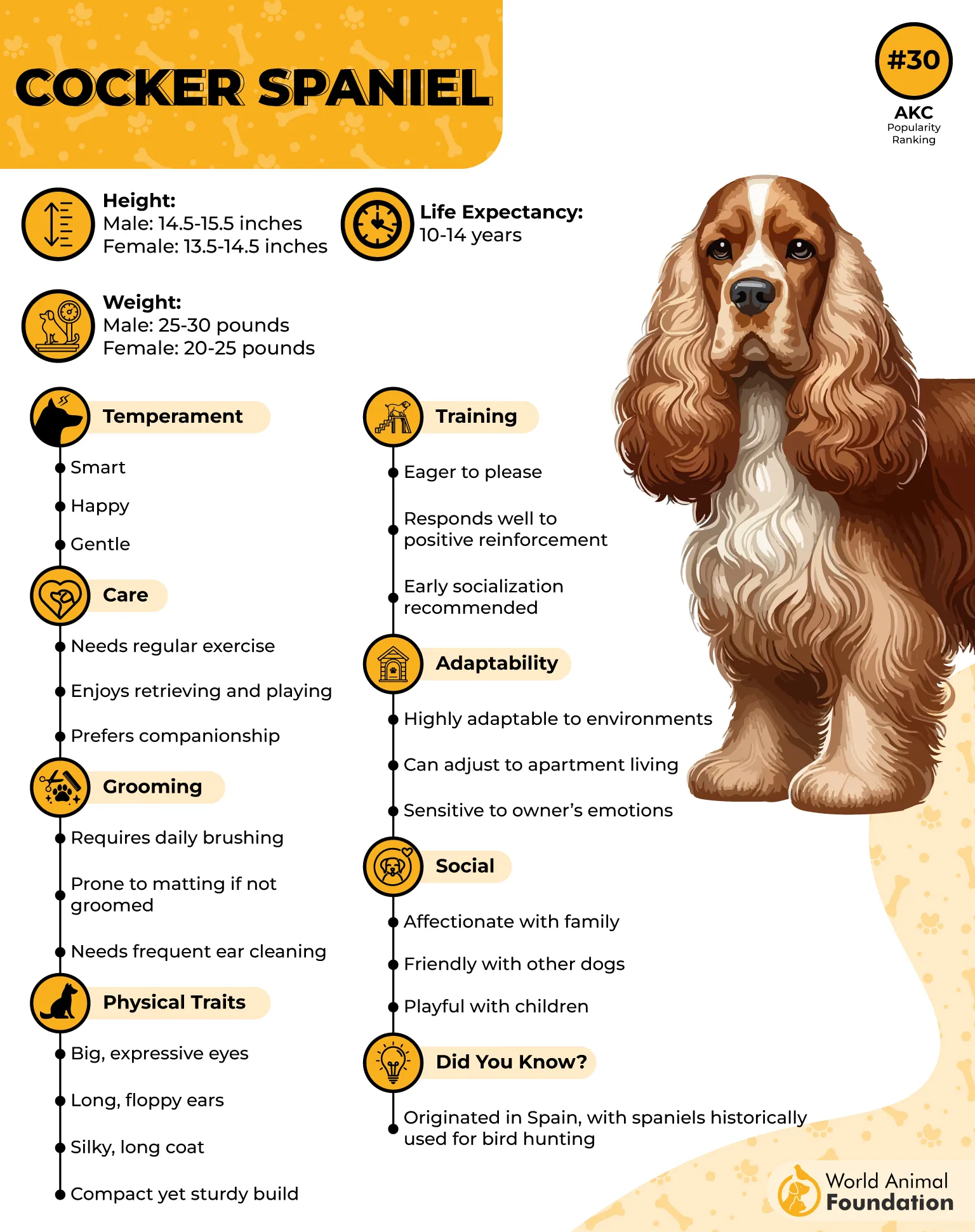
Proper training makes a huge difference. Spaniels are intelligent and responsive, and consistent recall work can significantly reduce risk. Still, instincts don’t disappear entirely. They were originally bred as hunting dogs, specifically to flush birds from dense cover. Because of that, these active dogs have good stamina, a love for movement, and strong curiosity and sniffing instincts.
Mental stimulation is crucial, as per Purina. Puzzle toys, scent games, and structured walks help satisfy their natural curiosity and drive.
With guidance, these great companion dogs become loving, joyful companions. Without it, their enthusiasm can spill into chaos.
8. Alaskan Malamute
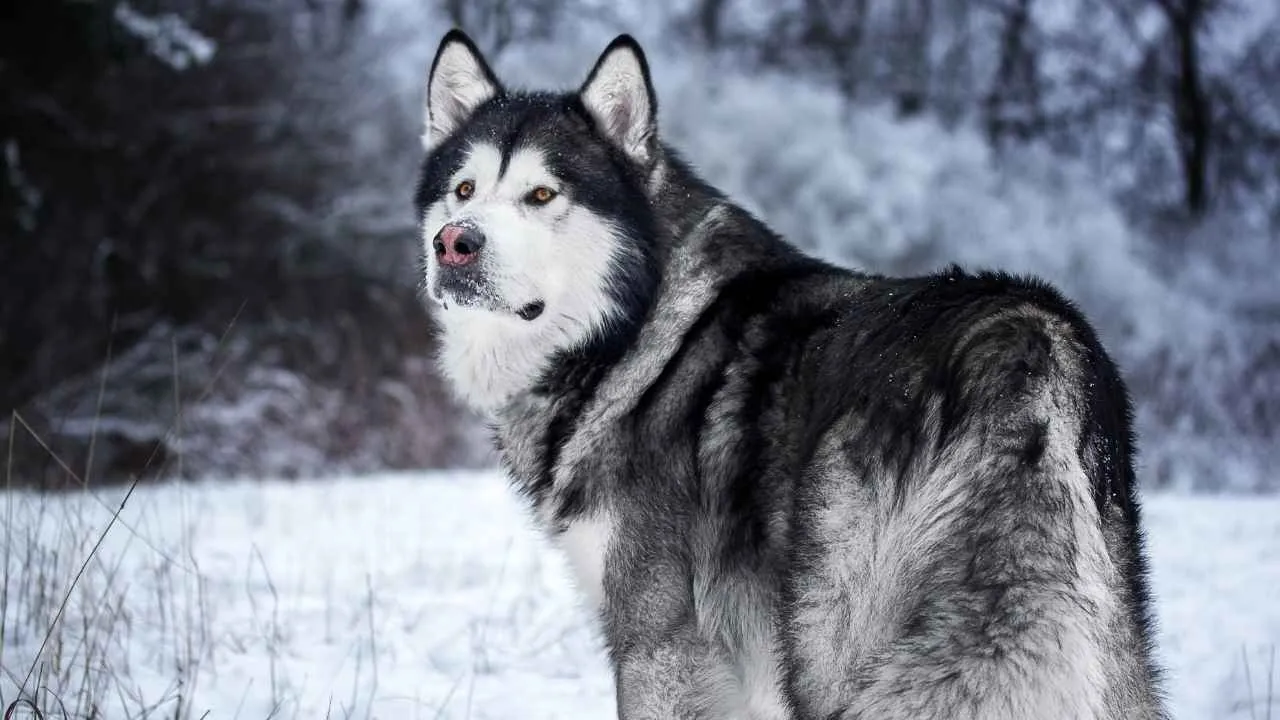
Malamutes were bred for endurance and survival, not obedience. Their prey drive is ancient, powerful, and largely independent of human input.
Small animals trigger a strong chase response, and once engaged, Malamutes often ignore commands. This isn’t defiance—it’s genetics.
Secure fencing is essential. Malamutes are strong, determined, and capable of escaping poorly designed enclosures to pursue prey. They were developed by the Mahlemut people of Alaska for hauling heavy loads, endurance sled pulling, and survival work in extreme cold. They were not bred to be good hunting dogs, retrieve game, or work closely with a handler the way hunting dogs are.
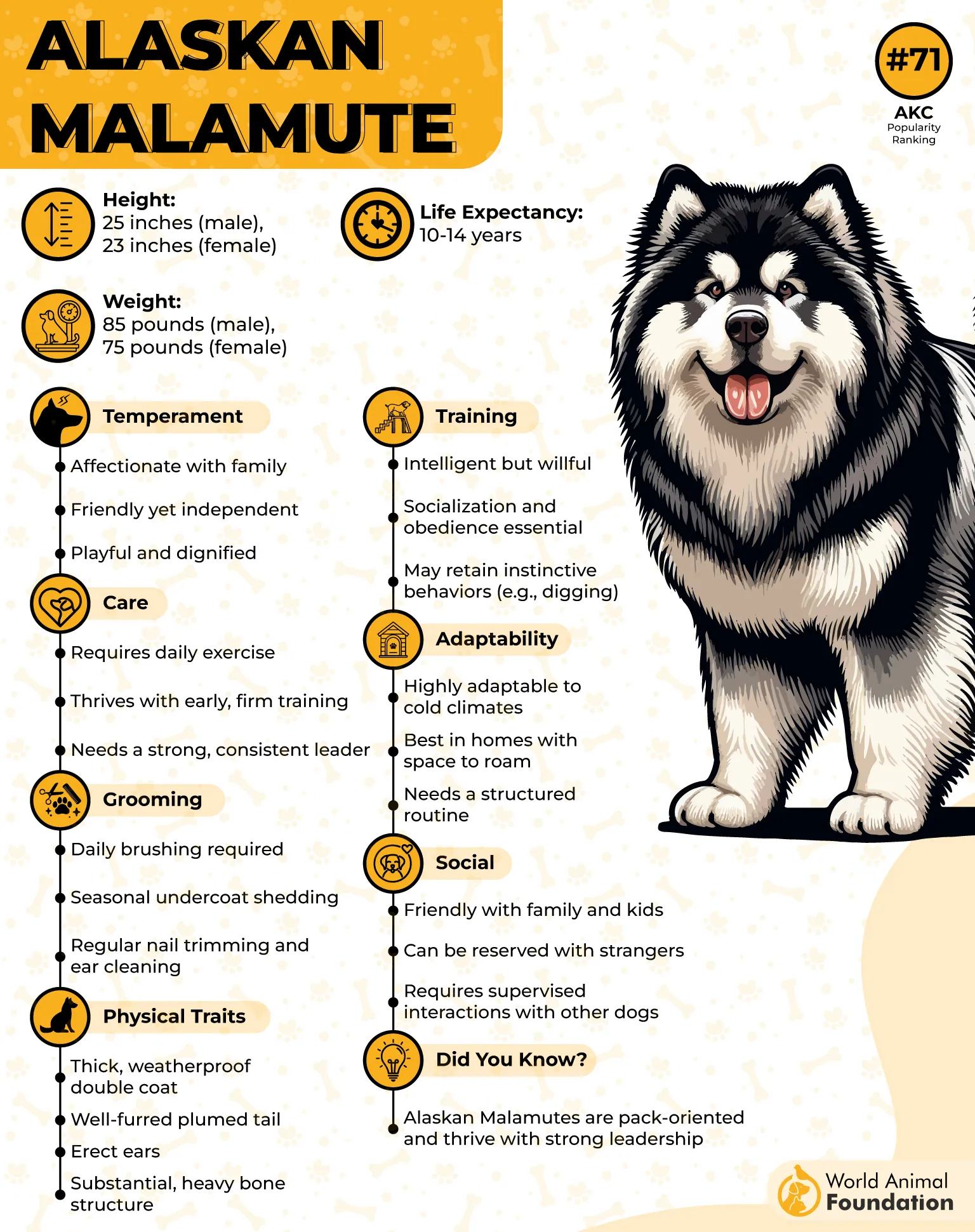
Despite this, they’re generally friendly with people and other large dogs. The danger lies mostly with smaller animals.
Owning a Malamute means respecting their instincts and managing environments carefully—not relying on recall alone.
9. Doberman Pinscher
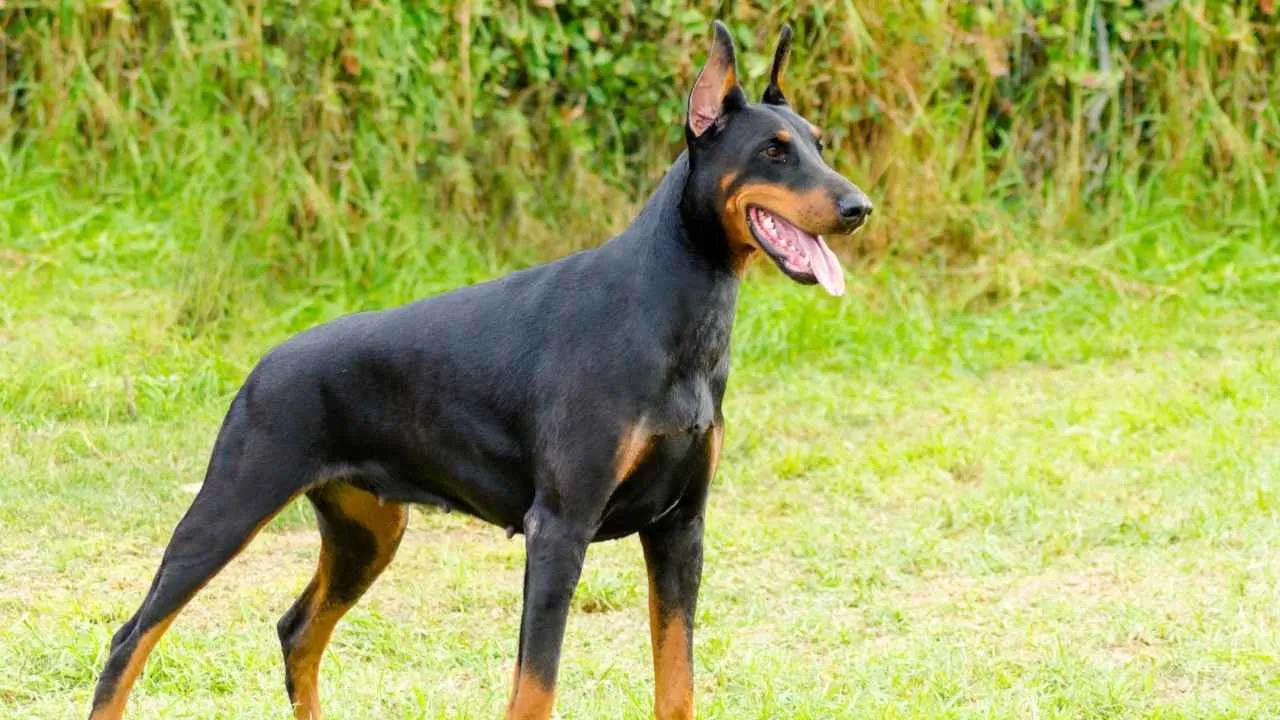
Dobermans are intense thinkers with athletic bodies, and their prey drive often manifests as focused pursuit rather than mindless chasing. Small animals can trigger it, but so can fast-paced games.
Their intelligence makes them highly trainable, and unlike some breeds, Dobermans can learn impulse control effectively with consistent, positive reinforcement.
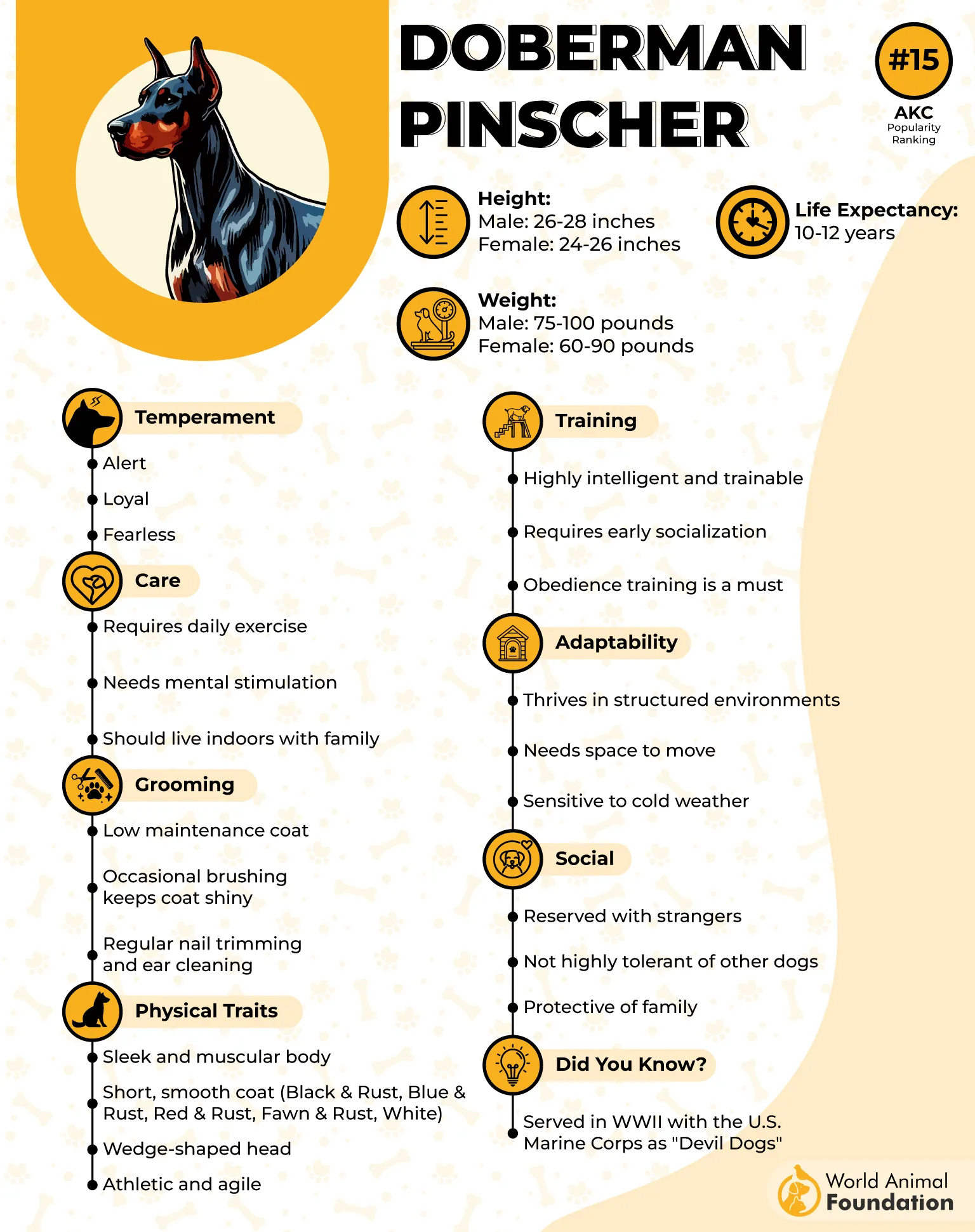
Early socialization is critical. Well-raised Dobermans often coexist peacefully with other animals, though vigilance is still required.
Their prey drive pairs with protective instincts, which means mental stimulation and clear boundaries are essential to prevent overreaction.
When properly trained, the high-energy Dobermans channel their drive into sport, work, and deep companionship rather than chaos.
Conclusion
Prey drive isn’t a flaw—it’s a feature. It’s the result of centuries of selective breeding for purpose, performance, and precision. The key is understanding that management beats suppression every time.
These breeds don’t need less instinct; they need better outlets. Exercise, mental work, training, and realistic expectations transform intense prey drive from a liability into a powerful bond between dog and owner.
If you choose one of these dogs, you’re not just getting a pet—you’re partnering with instinct itself. And when respected, that instinct can be one of the most fascinating things about living with a dog.
