




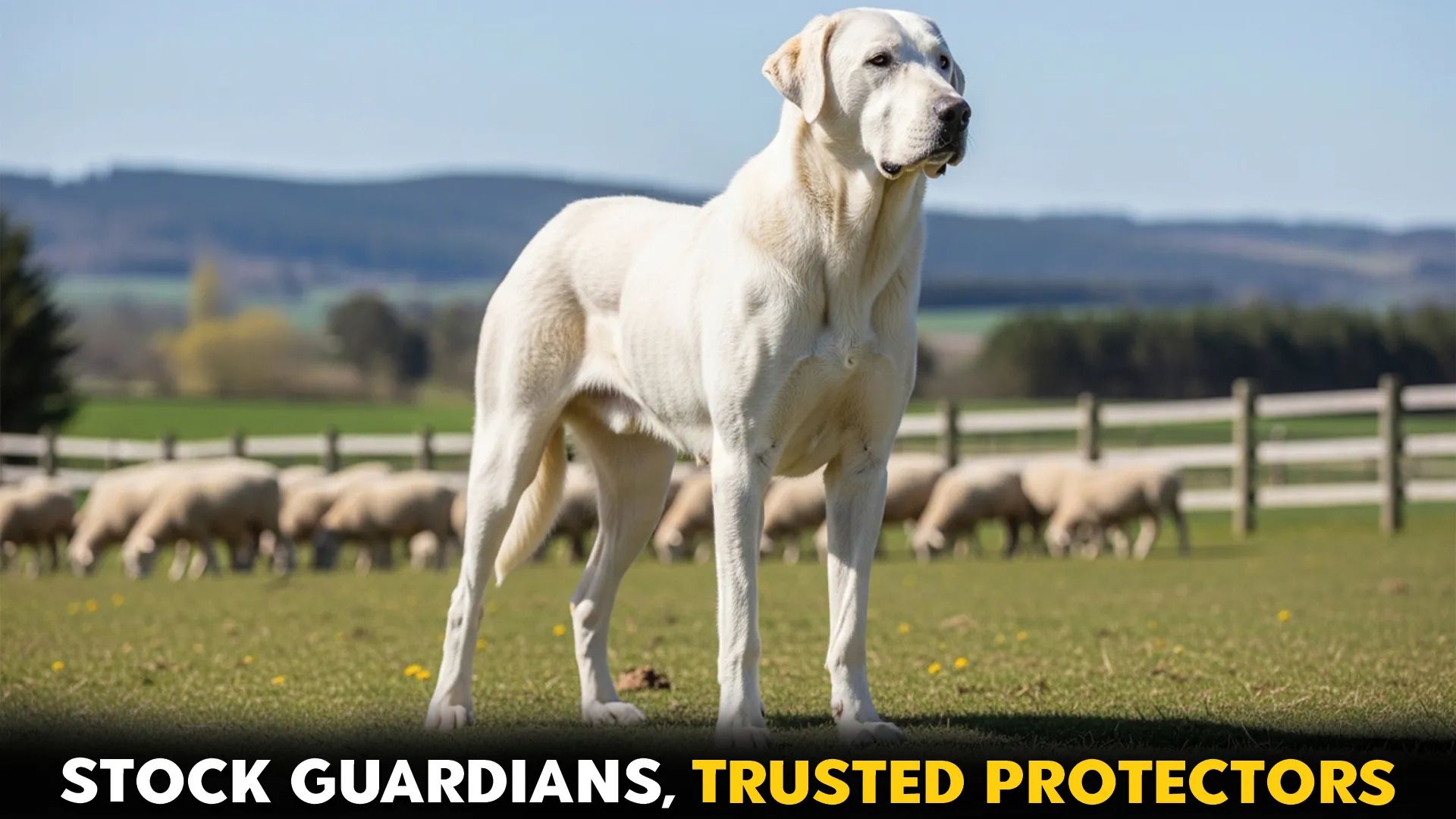
Long before fences, night-vision cameras, or electric deterrents existed, humans relied on dogs to protect what mattered most. Livestock guardian dogs (LGDs) weren’t bred to herd animals or obey constant commands — they were bred to think independently, assess danger, and act decisively.
Their role was simple but vital: stand between vulnerable animals and predators, no matter the hour, weather, or threat. Unlike modern companion breeds, livestock guardians evolved alongside flocks in harsh, often isolated environments. Wolves, bears, big cats, and human thieves were constant dangers.
Over centuries, selective breeding favored dogs with strong territorial instincts, emotional stability, endurance, and an almost supernatural sense of responsibility. These dogs didn’t just guard livestock — they became part of the flock.
Today, livestock guardian dogs are still used worldwide, from sheep farms in Europe to goat ranches in North America and conservation projects in Australia and Africa.
While some people are drawn to these breeds as family guardians, it’s important to understand that LGDs are not typical pets. They are working dogs first, and their instincts remain powerful even in modern settings.
This guide offers top livestock guardian dog breeds, a protector’s guide — their origins, personalities, strengths, and challenges — so you can understand what makes each one a true protector.
Top Livestock Guardian Dog Breeds: A Protector’s Guide
1. Great Pyrenees
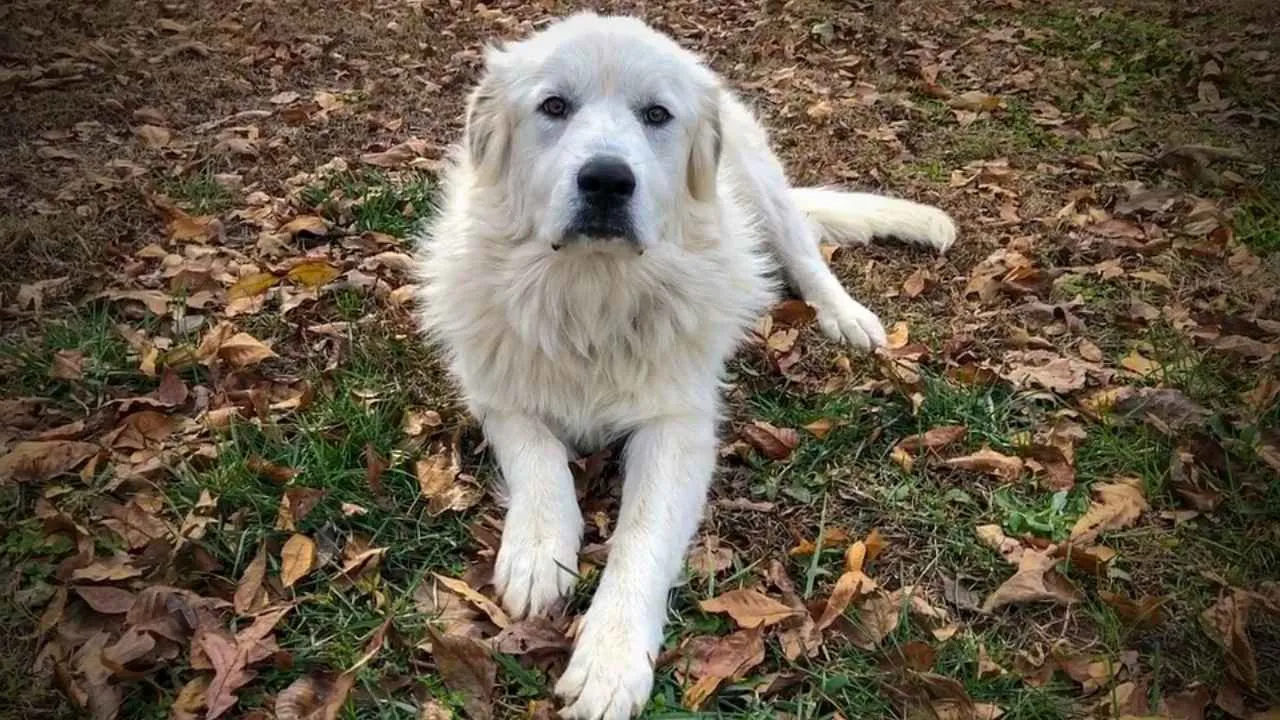
The Great Pyrenees is one of the most iconic livestock guardian dogs in the world. Originating in the Pyrenees Mountains between France and Spain, this breed was developed specifically to guard sheep from wolves and bears while shepherds slept.

What sets the Great Pyrenees apart is that it doesn’t just defend — it nurtures. These dogs are known for their remarkable gentleness with young, injured, or vulnerable animals.
Their instinct is not domination but stewardship, treating livestock almost as extensions of themselves. This nurturing instinct is a defining trait of the breed and one reason they’ve been trusted for centuries.
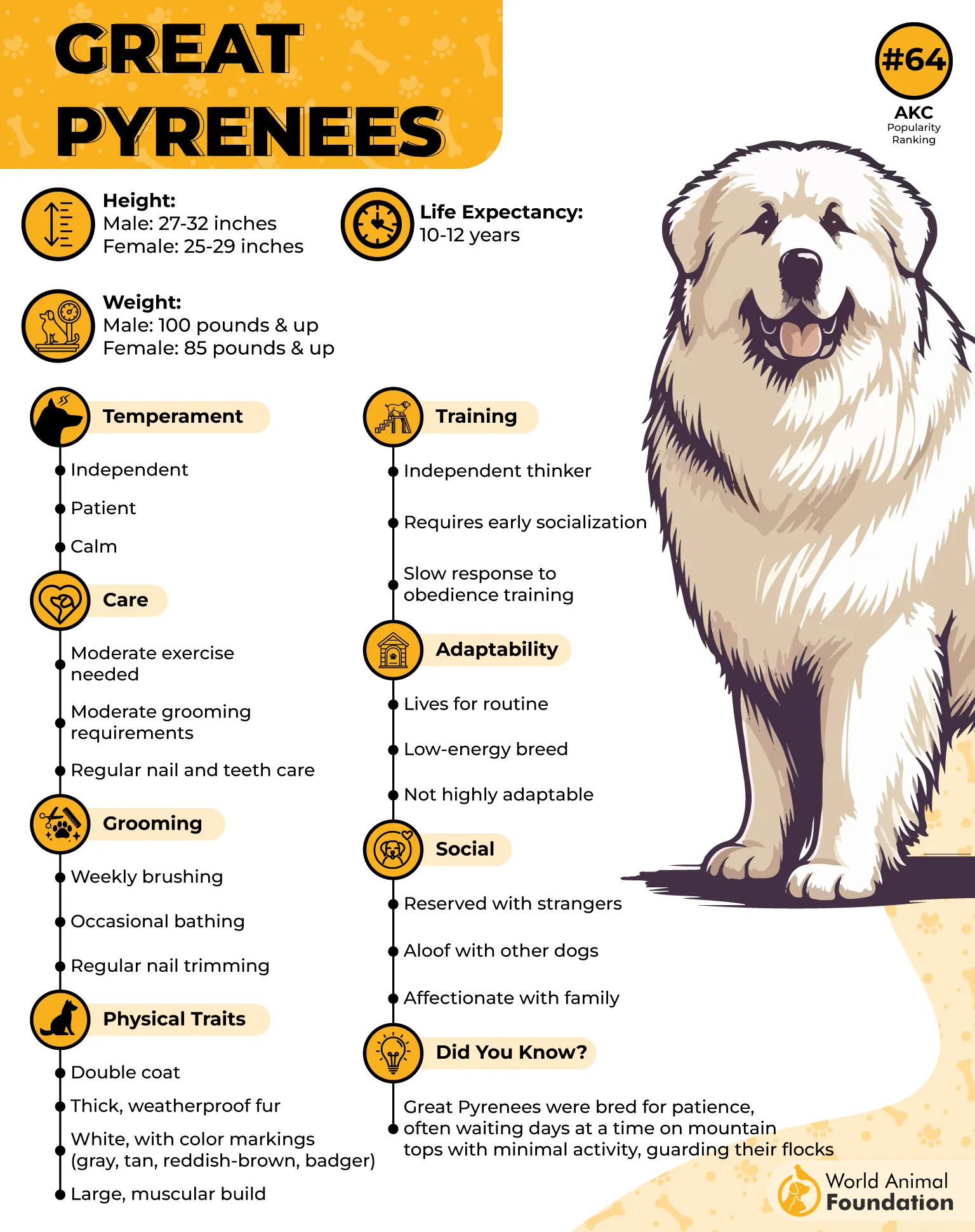
Because they were bred to work independently, these gentle giants are natural decision-makers. Obedience training is possible, but blind compliance is not in their nature.
They are also famously nocturnal. Night barking is not a flaw — it is a feature. That deep, rolling bark is designed to travel long distances and deter predators without confrontation. In rural settings, it’s invaluable; in suburban neighborhoods, it can be challenging.
Despite their serious work ethic, Great Pyrenees tend to bond strongly with humans and are often more people-oriented than other LGDs. Patient with children and deeply loyal, they are both guardians and companions when placed in the right environment.
2. Anatolian Shepherd
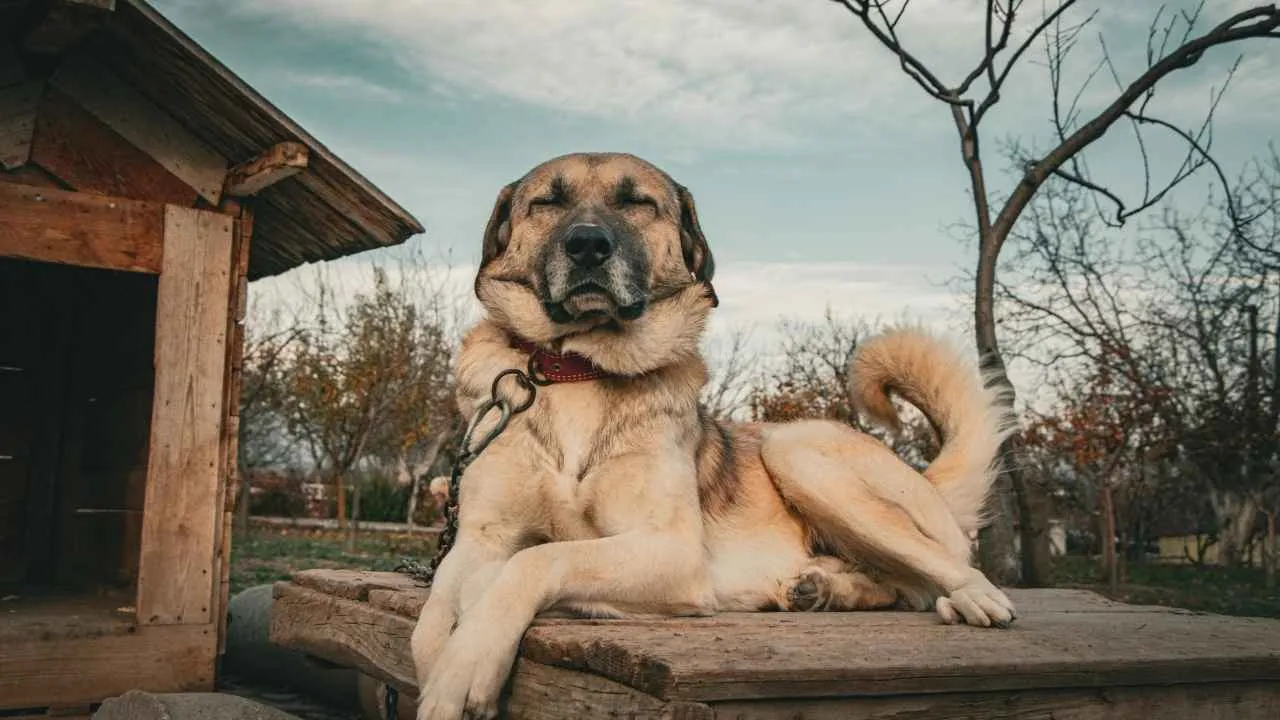
The Anatolian Shepherd is one of the oldest livestock guardian breeds still in use today, with roots tracing back thousands of years to central Turkey. Bred by nomadic shepherds, these dogs were expected to guard flocks over vast distances, often completely out of sight of humans.
As a result, independence and sound judgment are deeply ingrained traits.
Unlike herding breeds, they do not move livestock — they anchor territory. AKC says that their presence alone is often enough to deter predators. When threatened, they rely on intimidation, strategic positioning, and escalation only when necessary. This calm confidence is one of their greatest strengths.
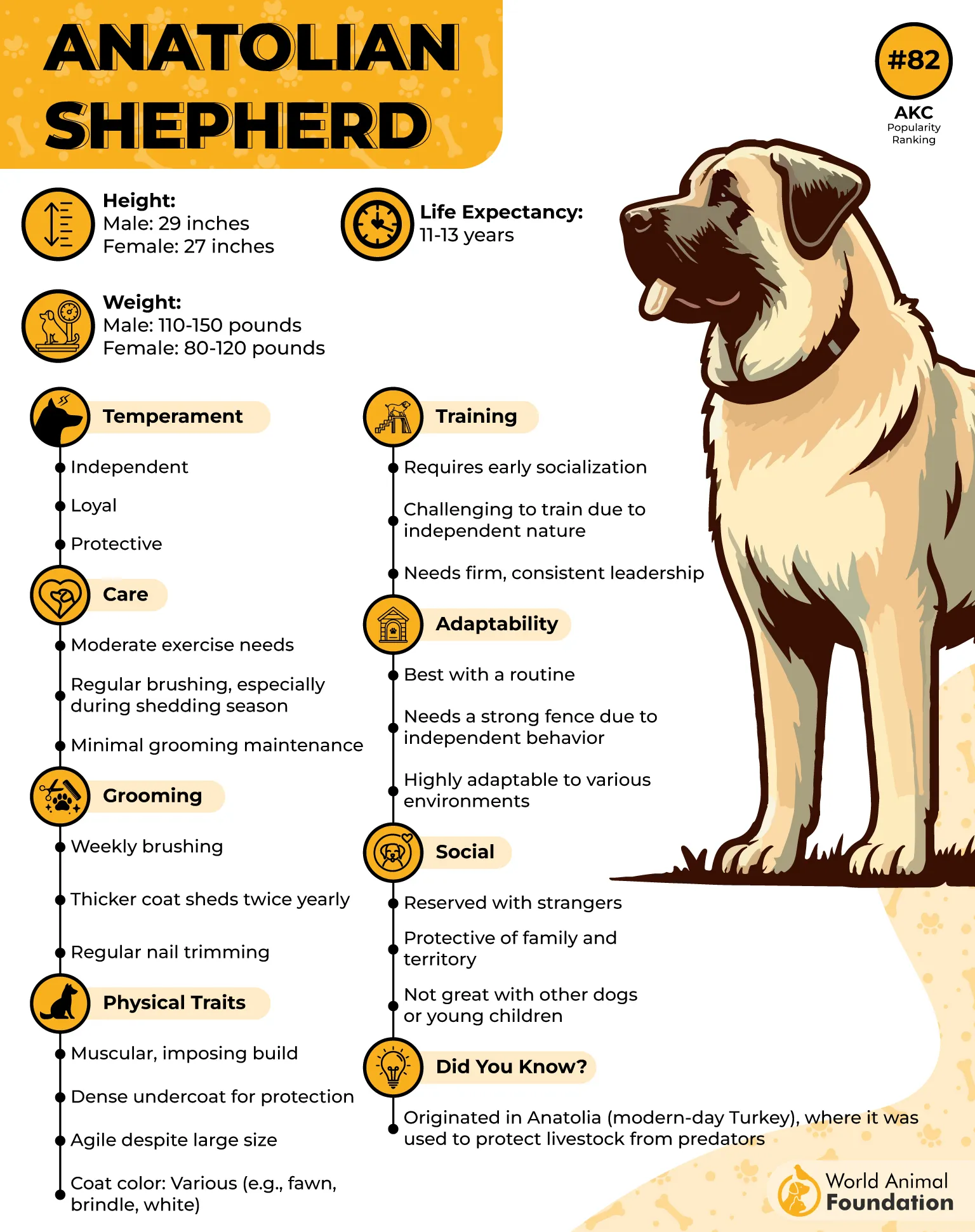
They are used to guard an extraordinary range of animals, including sheep, goats, cattle, horses, llamas, and poultry. However, early supervision is critical, especially with birds. Puppies must be taught appropriate behavior early to prevent accidental injury during play.
Physically, like most livestock guardian breeds, Anatolians are built for endurance rather than speed. They can travel long distances without fatigue and withstand extreme temperatures. Mentally, they are highly analytical, constantly scanning their environment and assessing risk.
This breed is not ideal for inexperienced owners. These Shepherd dogs require firm, confident leadership and space to work.
3. Akbash
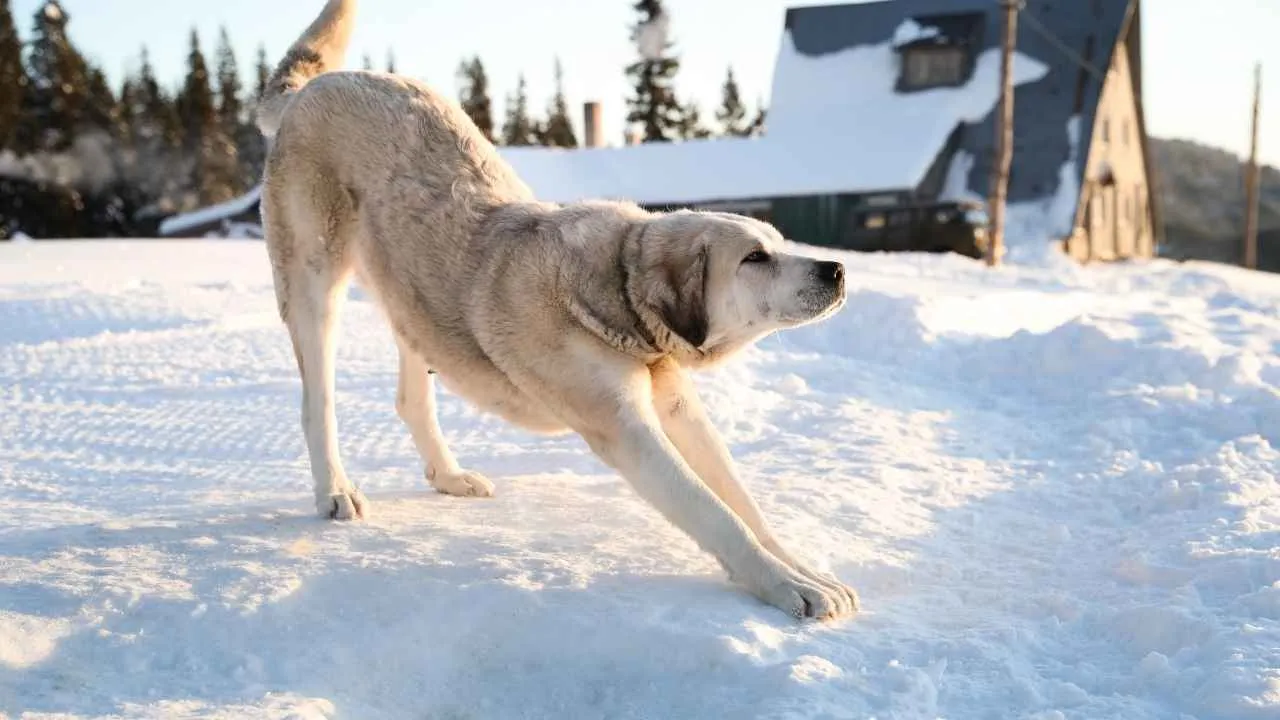
The Akbash is a striking white livestock guardian breed from western Turkey, prized for its speed, intelligence, and intense protective instincts. The white coat isn’t aesthetic — it serves as camouflage among sheep and allows shepherds to distinguish the dog from predators at a distance.
These dogs are highly independent thinkers, capable of making complex decisions without guidance. This trait makes them exceptional guardians but also challenging to train. They are not motivated by praise or repetition; instead, they respond best to clear boundaries and purpose-driven guidance.
Unlike some LGDs, HillsPet mentions that Akbash dogs are particularly reactive toward strange canines and aerial threats. Their vigilance extends beyond ground predators, making them effective against birds of prey in certain environments.
While they are calm and gentle with livestock, Akbash dogs are intensely territorial. They bond closely to their flock and land, showing little tolerance for unfamiliar animals that cross boundaries.
For experienced handlers who understand livestock guardianship, the Akbash is a powerful and precise protector — efficient, loyal, and unwavering.
4. Maremma Sheepdog
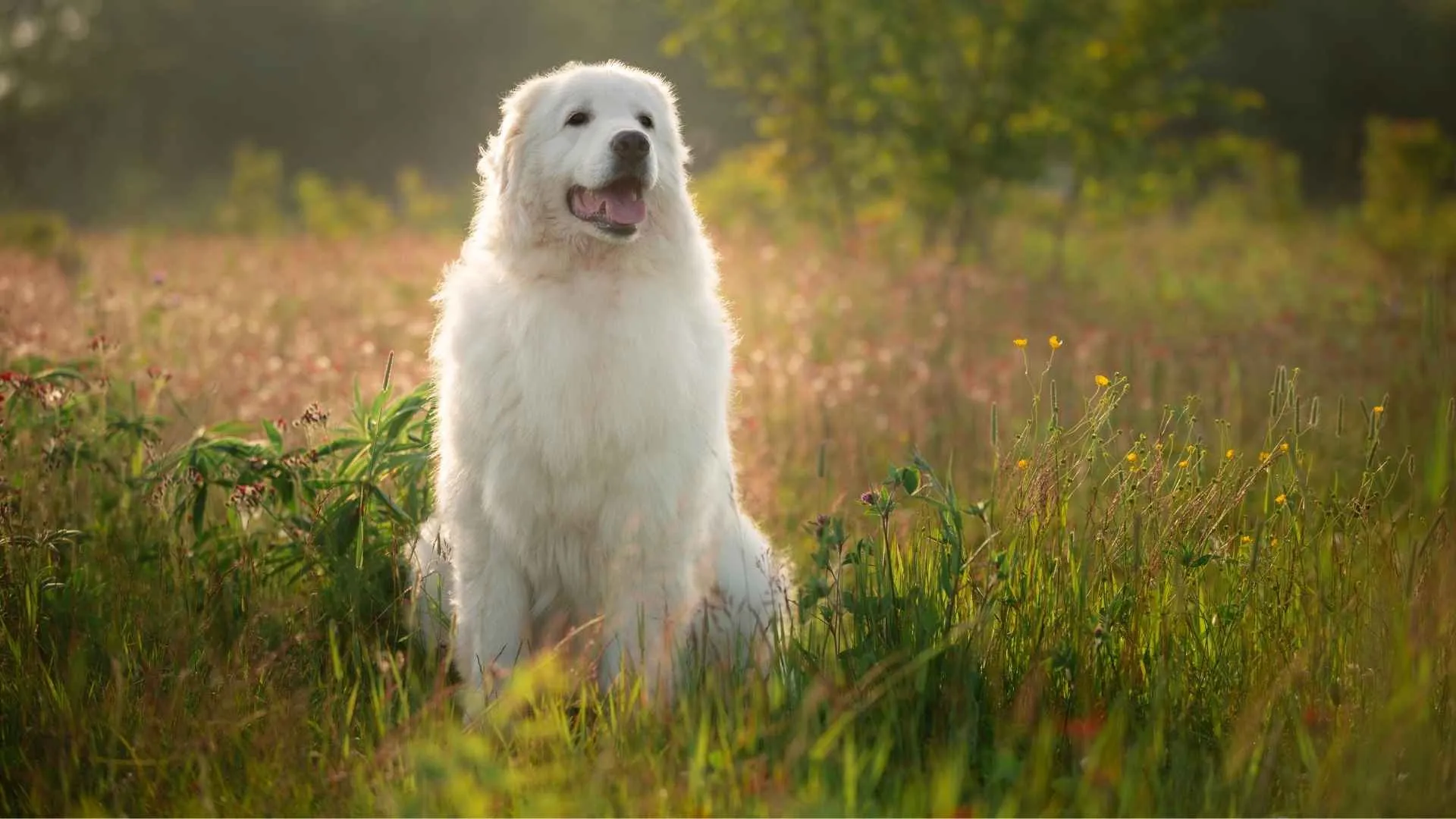
The Maremma Sheepdog originates from Italy’s rugged pastoral regions and has been selectively bred for centuries to guard livestock with minimal human involvement. Calm, steady, and deeply committed, Maremmas are known for their emotional resilience and consistency.
One of the most fascinating modern uses of the Maremma is in wildlife conservation. In Australia, Maremmas famously protect endangered Little Penguins from foxes on Phillip Island — a real-world demonstration of their adaptability and instinctual guarding behavior.
Maremmas form deep bonds with their charges, whether sheep or penguins. Once bonded, they patrol tirelessly, deterring predators through presence rather than aggression. Their confidence alone often prevents attacks.
Training these large dogs requires patience, according to Purina. They prefer to assess situations themselves rather than respond immediately to commands. Positive reinforcement and trust-based handling are essential.
Gentle with livestock and devoted to their people, Maremmas are ideal for those who want a thoughtful, reliable guardian with a calm demeanor.
5. Komondor
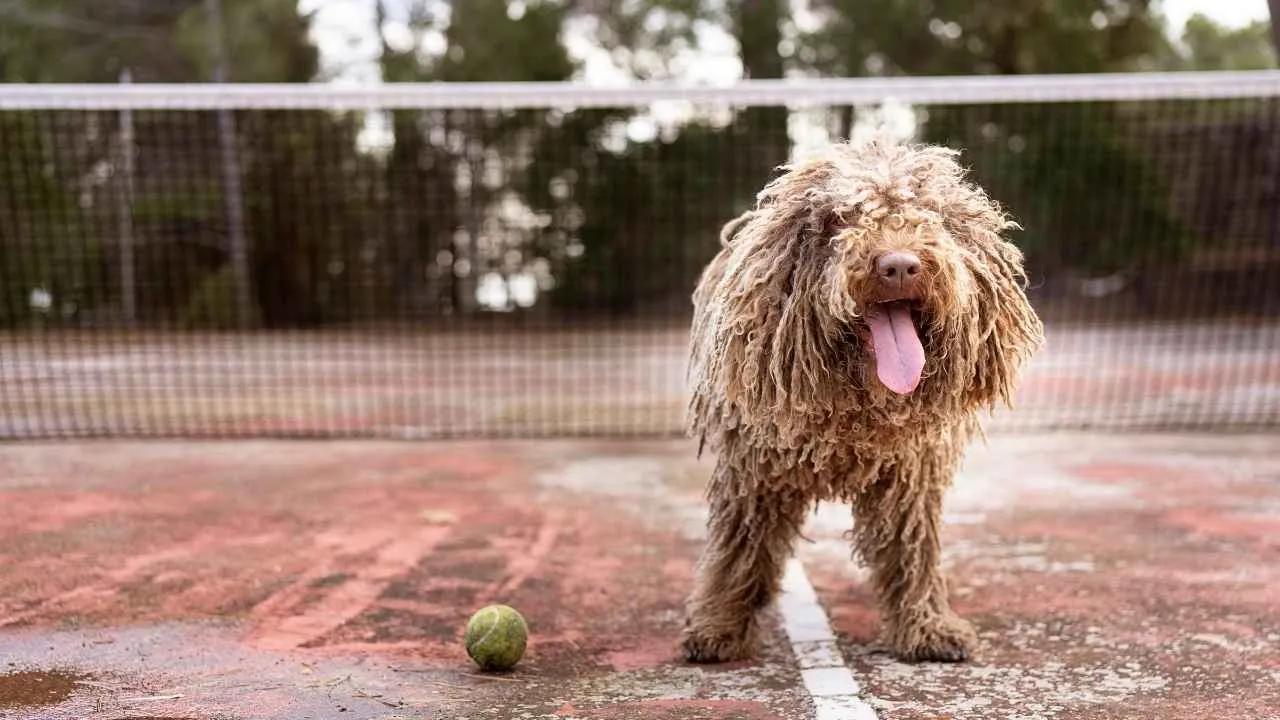
Few breeds are as visually distinctive as the Komondor. Its iconic corded coat evolved as camouflage and armor, allowing it to blend with sheep and protect against predator bites.
They mature slowly, both physically and mentally. Puppies are playful and require careful supervision around livestock. True guarding instincts usually emerge between 18 and 24 months, especially when raised with animals.
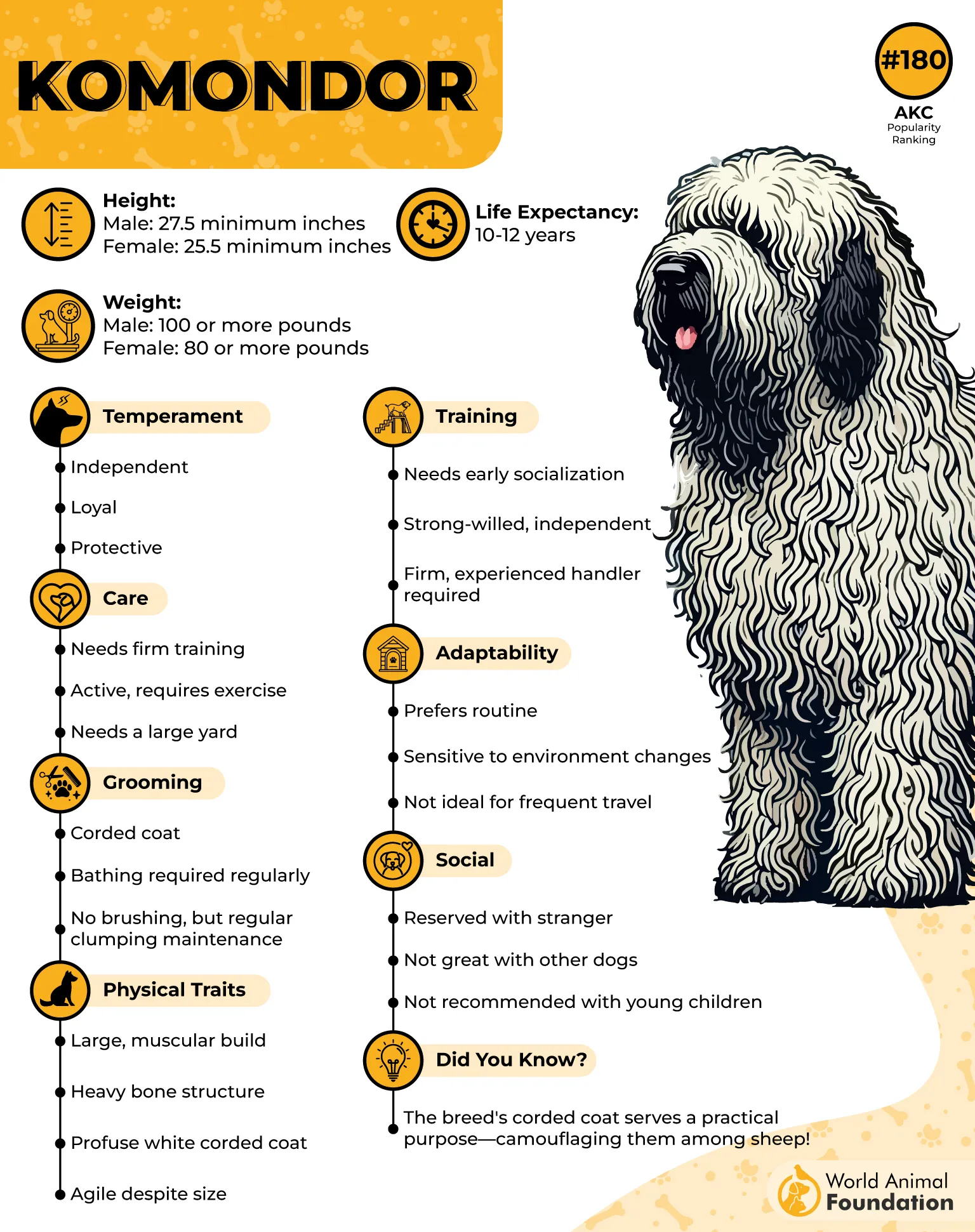
Highly territorial, PDSA claims that they consider land, livestock, and family all part of their responsibility. This makes them exceptional guardians — and potentially problematic pets without proper socialization.
It’s famous corded coat is more than a visual trademark. It acts as natural camouflage among livestock and protects against bites during confrontations. Predators often struggle to grip the cords, giving this guard dog a physical advantage during an attack. Combined with its size and strength, this makes the breed a formidable deterrent.
Early exposure to people and environments is essential. Poorly socialized Komondors can become overly aggressive toward strangers.
In the right setting, however, the Komondor is deeply loyal, affectionate with family, and unwavering in its commitment to protection.
6. Kuvasz
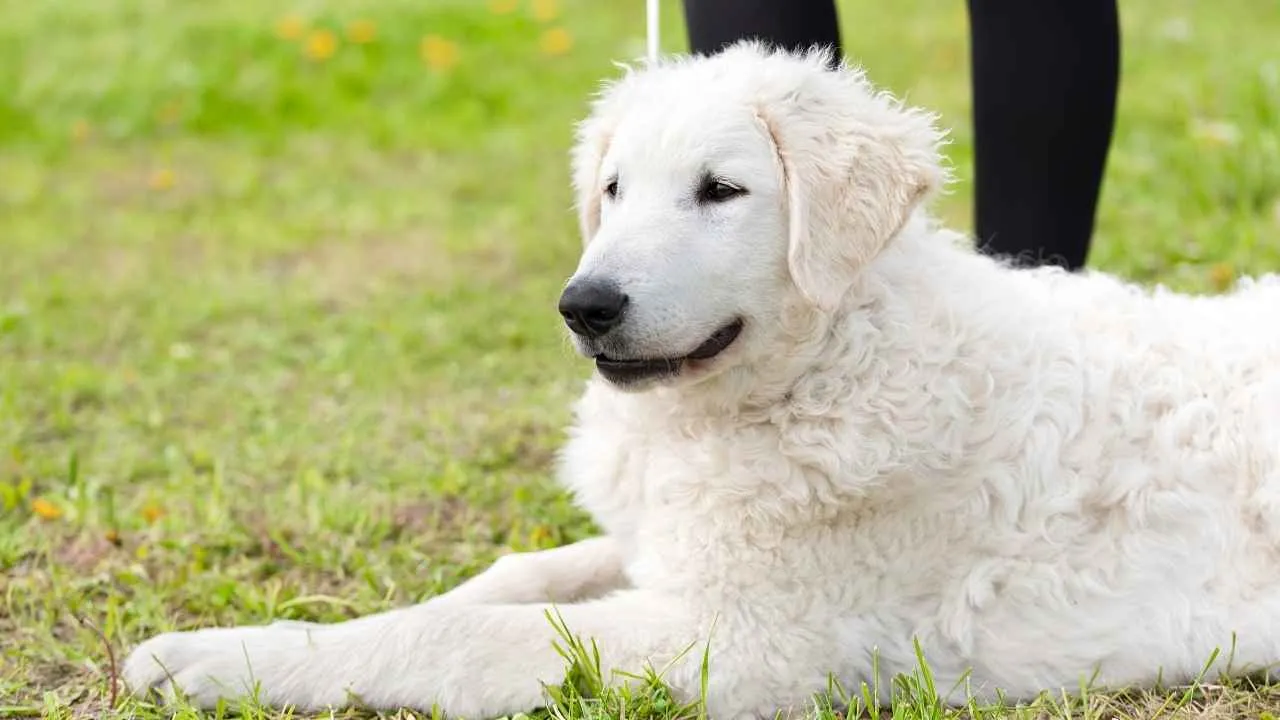
The Kuvasz is an ancient Hungarian livestock guardian with a noble history. Once both flock protector and royal guard, this breed combines strength with emotional depth.
While historically fierce, modern Kuvasz breeding emphasizes stable temperament and family compatibility. They are deeply loyal and form strong emotional bonds with their people.
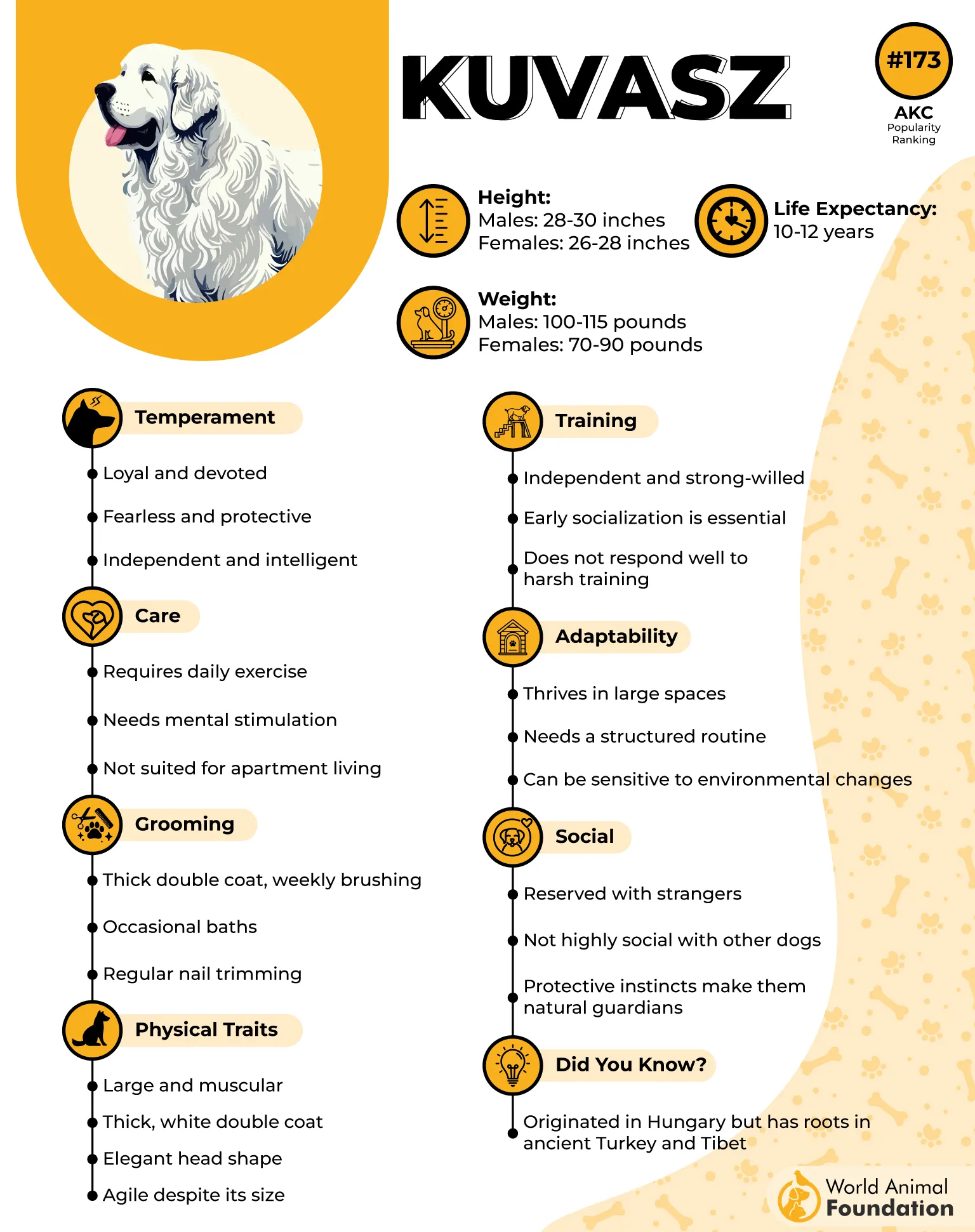
Kuvaszok are vigilant watchdogs, alert to movement and sound, yet capable of remarkable gentleness with those they trust. They do best on farms with experienced owners who understand guardian breeds.
They need early socialization, consistent leadership, and room to roam. When given those things, a Kuvasz isn’t just a farm dog — it becomes a loyal, vigilant protector that takes its role to heart every single day.
They require experienced handling, early socialization, and consistent training. Without leadership, their independence can become problematic.
For families on farms or rural properties, the Kuvasz offers a powerful blend of devotion, courage, and kindness.
7. Tibetan Mastiff
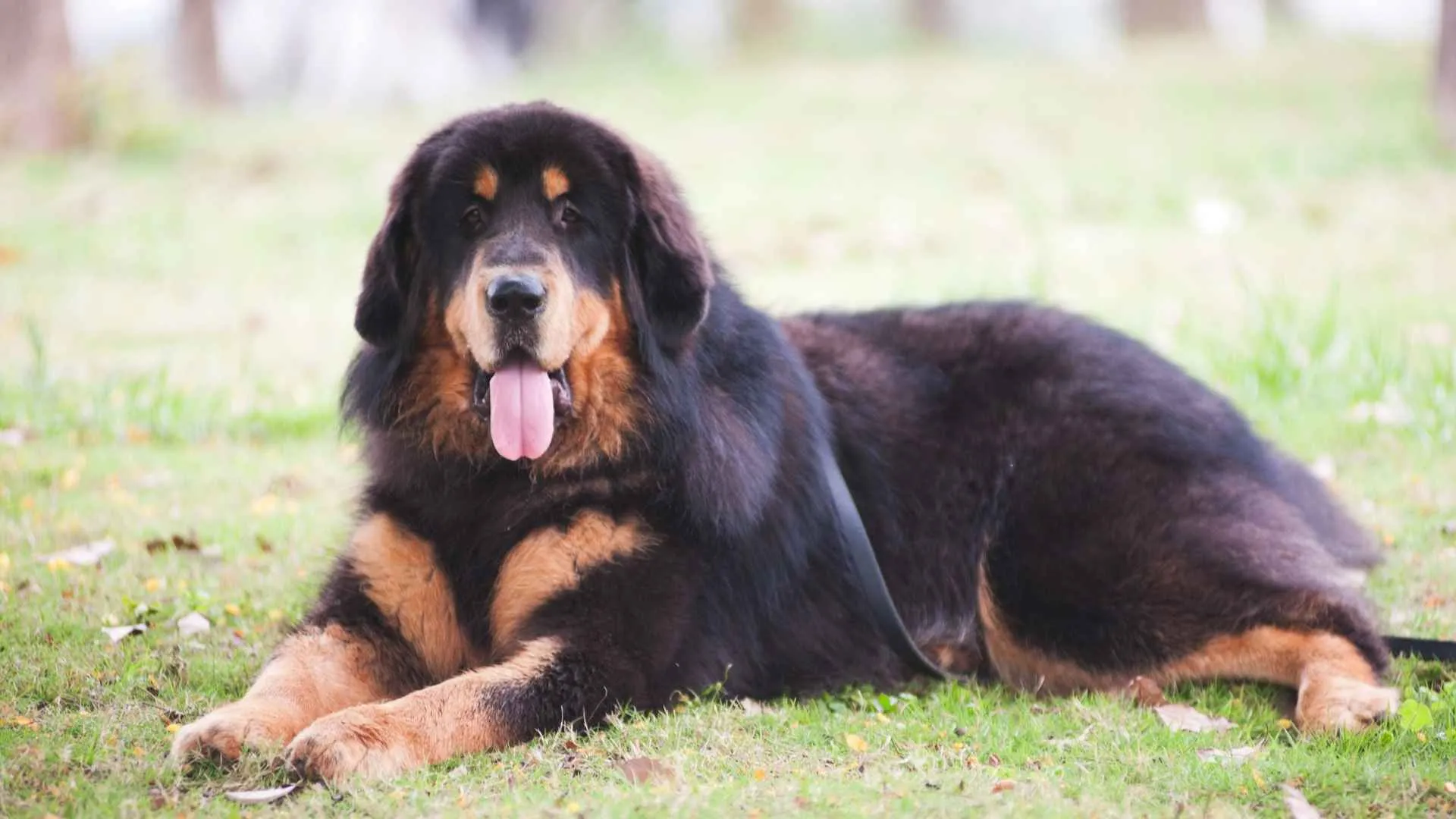
The Tibetan Mastiff is not a typical livestock guardian — it is a mountain sentinel. Bred by nomadic Himalayan cultures, these dogs guarded camps, people, and animals in some of the harshest conditions on Earth.
They are intensely territorial, aloof with strangers, and naturally nocturnal. Barking through the night is instinctual and non-negotiable. It was bred as a livestock and property guardian, not as herding dogs to move animals.
These dogs were developed to stand watch over livestock, camps, monasteries, and villages, especially at night. Their job was to deter and confront predators like wolves, snow leopards, and human intruders — not to guide sheep or cattle from place to place.
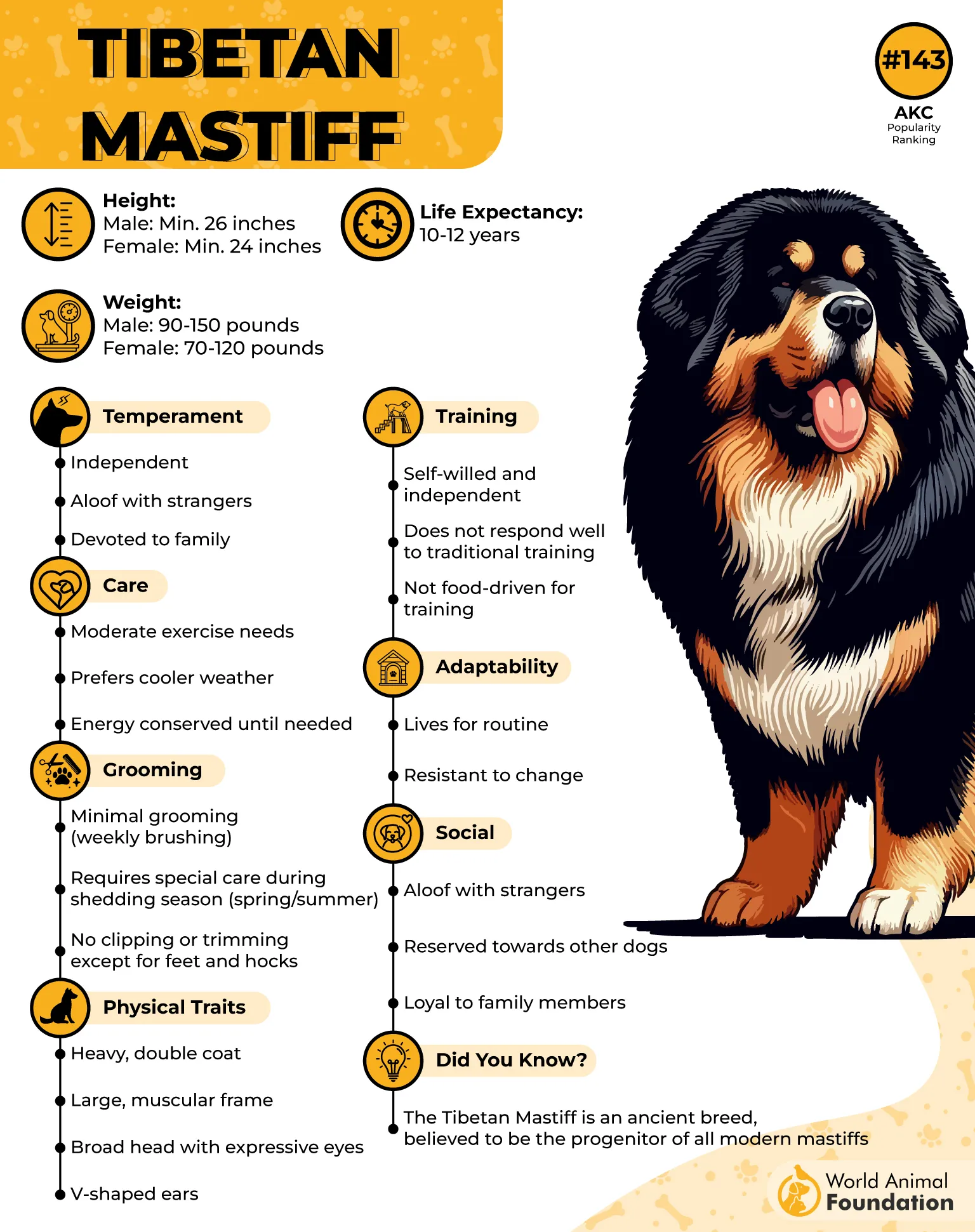
Tibetan Mastiffs are not eager to please and do not enjoy active training. However, reward-based training will work well with them. They assess threats independently and act accordingly.
Their thick double coat makes them unsuitable for hot climates, and their temperament makes them poor candidates for urban living. For those who understand them, they are formidable guardians — ancient, powerful, and uncompromising.
8. Caucasian Shepherd Dog

The Caucasian Shepherd is one of the most physically imposing livestock guardian breeds in existence. Developed in the Caucasus Mountains, they were bred to confront wolves, bears, and human intruders.
These dogs are fearless, territorial, and deeply devoted to their families. Without proper socialization, their natural aggression can become dangerous.
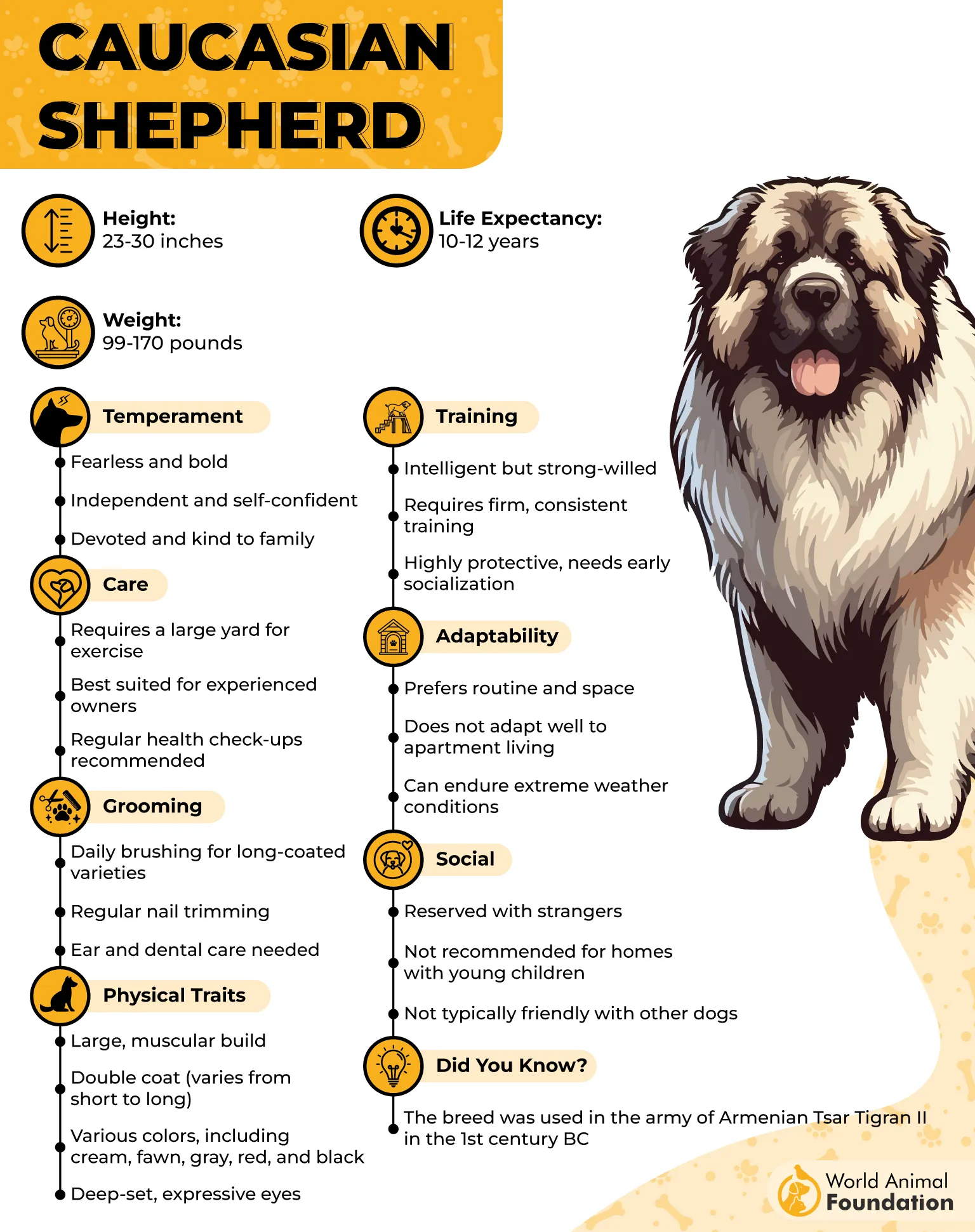
Despite their intensity, Caucasian Shepherds are surprisingly affectionate with their people, often enjoying calm downtime when not working. It can make a wonderful family pet — but only for the right kind of family.
This is a breed built on centuries of guarding livestock and property in the rugged Caucasus Mountains, and that heritage still runs deep. When raised correctly and placed in an experienced home, Caucasian Shepherds are incredibly devoted, loyal, and emotionally bonded to their families.
They are best suited to experienced owners with large properties and a clear understanding of guardian breeds. They are good for people who live in rural or semi-rural settings, have plenty of space, and understand guardian breeds.
This is not a dog for first-time owners or busy urban households. They need structure, clear boundaries, and an owner who can calmly take charge without harshness.
In the right hands, they are unmatched protectors.
9. Central Asian Shepherd Dog

The Central Asian Shepherd Dog (Alabai) is one of the oldest working dog breeds in the world, developed across Central Asia over 4,000 years. These dogs guarded livestock, villages, and caravans against predators and human threats.
This dog was originally bred across the vast regions of Central Asia, making it one of the oldest livestock guardian dogs in the world, with a history that spans over 4,000 years.
They evolved alongside nomadic tribes, who relied on them to protect livestock, caravans, and settlements from predators such as wolves, bears, and large wild cats, as well as from human intruders. Because there was no formal kennel breeding at the time, the Central Asian Shepherd developed through natural selection, favoring strength, endurance, territorial instinct, and sound judgment.
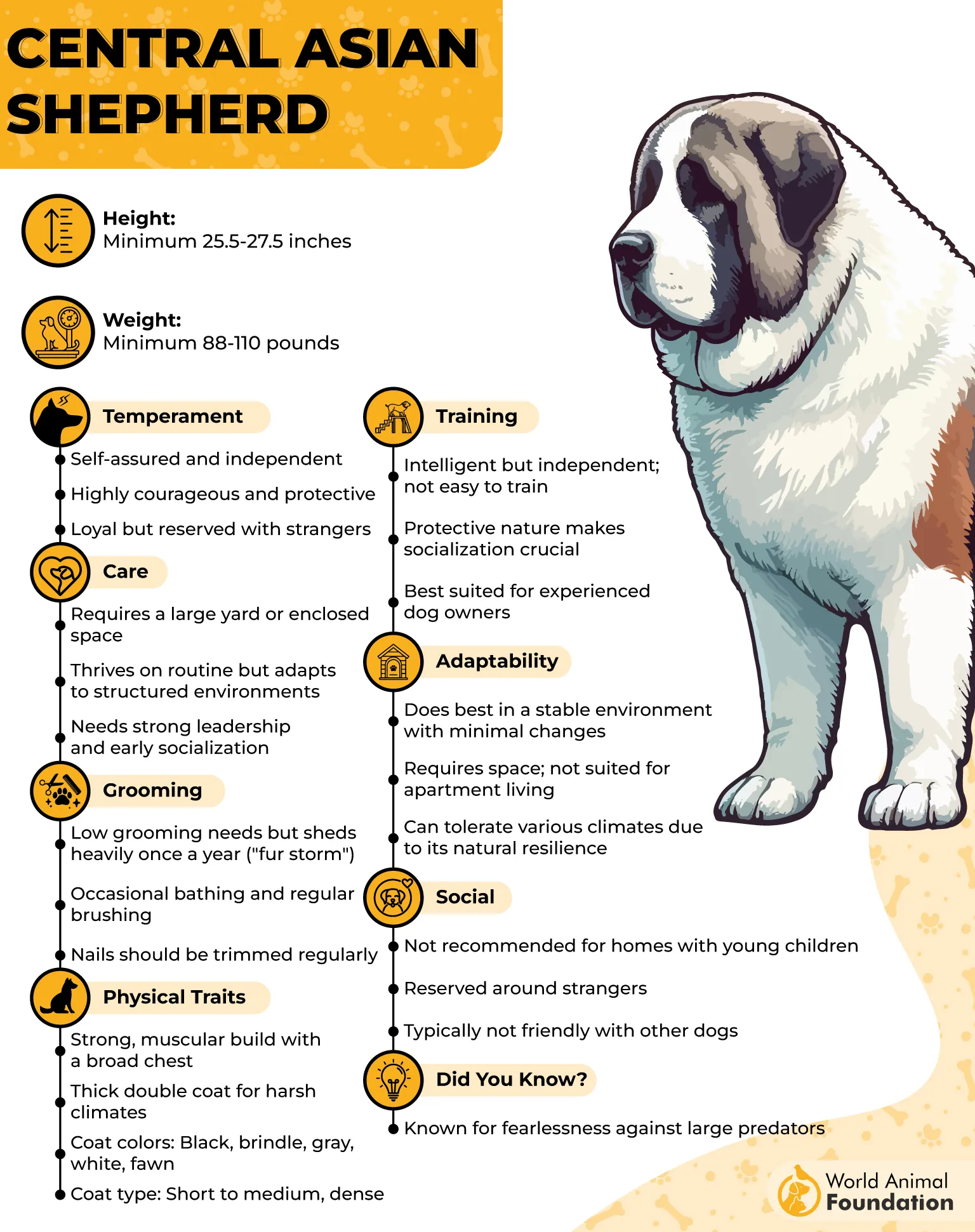
They are naturally protective yet stable, known for being gentle with children and respectful of elders. Unlike some LGDs, they balance aggression with discernment.
Central Asian Shepherds are extremely territorial and bond strongly with their environment. Once established, they will defend it without hesitation.
They require space, leadership, and purpose. Without a job, they can become difficult to manage. For large rural settings, the Central Asian Shepherd is a confident, steady, and formidable guardian.
Conclusion
Livestock guardian dogs are not casual companions — they are living security systems shaped by centuries of survival.
Choosing the right breed means understanding not just size or temperament, but instinct, independence, and responsibility.
Bernese Mountain Dog, Pyrenean Mountain Dog, Pit Bulls, Border Collies, Hungarian Sheepdog, and Pyrenean Mastiff are some other dogs that are also considered to be effective guardians of livestock and also make great family dogs.
When matched correctly, these dogs don’t just protect livestock — they become steadfast partners, silent sentinels, and loyal guardians who take their role seriously.
A true protector doesn’t wait for instructions. It watches. It decides. And it stands its ground.
