




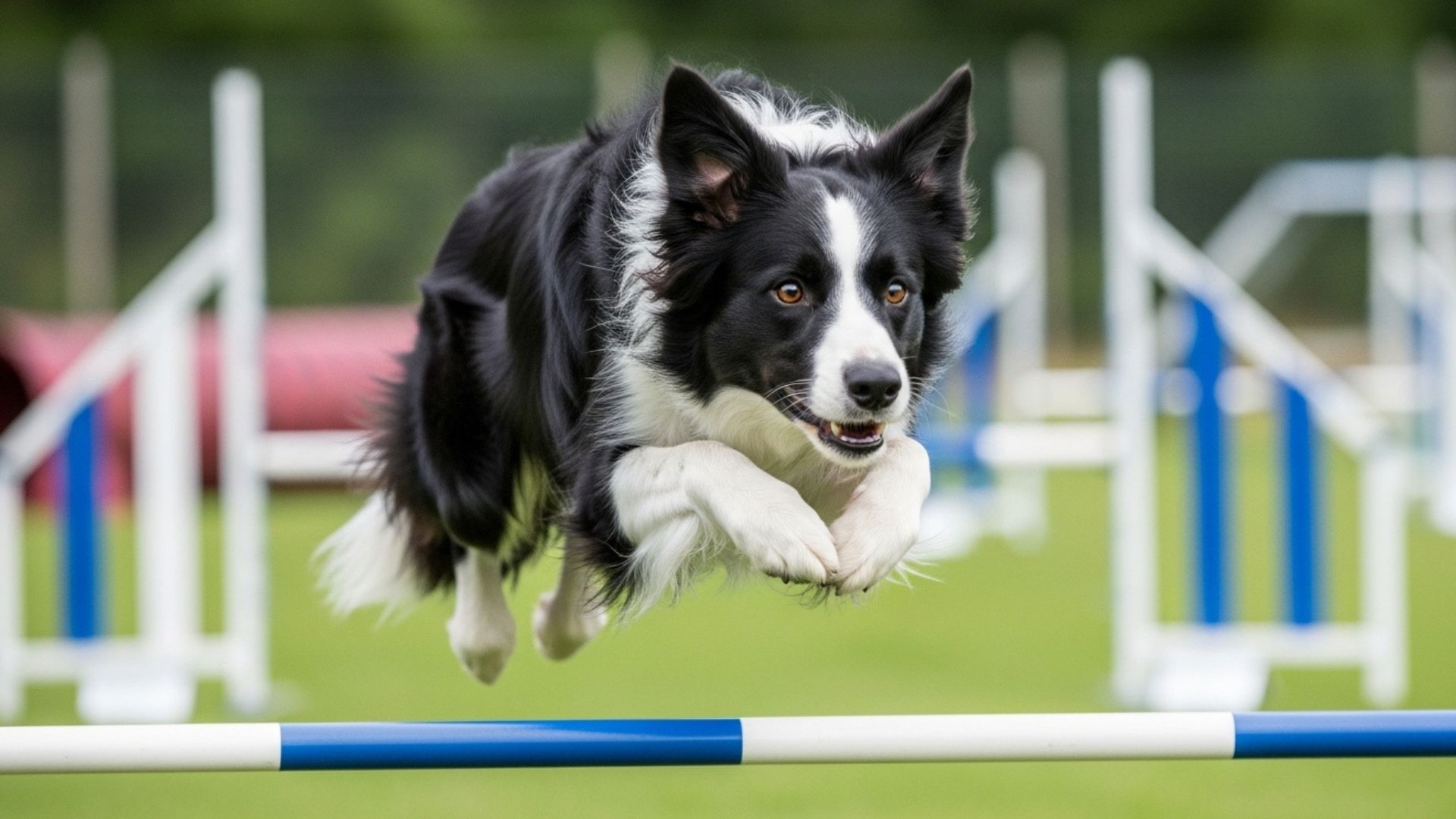
Some dogs understand us in ways that feel almost impossible to explain. Their intelligence shows in the quiet moments when they study our faces, sense our emotions, and respond with uncanny accuracy. Training them becomes less of a command and more of a conversation.
They seem to absorb patterns, gestures, and intentions with a natural ease that feels almost human. Their minds stay alert, curious, and eager to learn, and the bond that forms during training grows deeper with each shared step forward.
These remarkable dogs do more than perform tasks. They anticipate, interpret, and adapt, turning training into a partnership built on trust and understanding. Their intelligence makes every interaction feel meaningful, and their willingness to engage turns learning into a connection.
As you move through this article, you will discover how these gifted minds use their abilities to master training in ways that truly stand out.
Key Takeaways
The dog’s intelligence shows most when training becomes more than commands, turning into a conversation of trust and awareness.
Border Collies and Papillons turn training into a lively conversation, mastering commands and puzzles faster than most people expect.
Golden Retrievers and German Shepherds pair intelligence with focus, making every exercise a rewarding challenge for both dog and handler.
By the end, you’ll see which breeds transform simple training into a game of connection, skill, and shared curiosity.
Remarkable Dog Breeds: Intelligence and Training Mastery
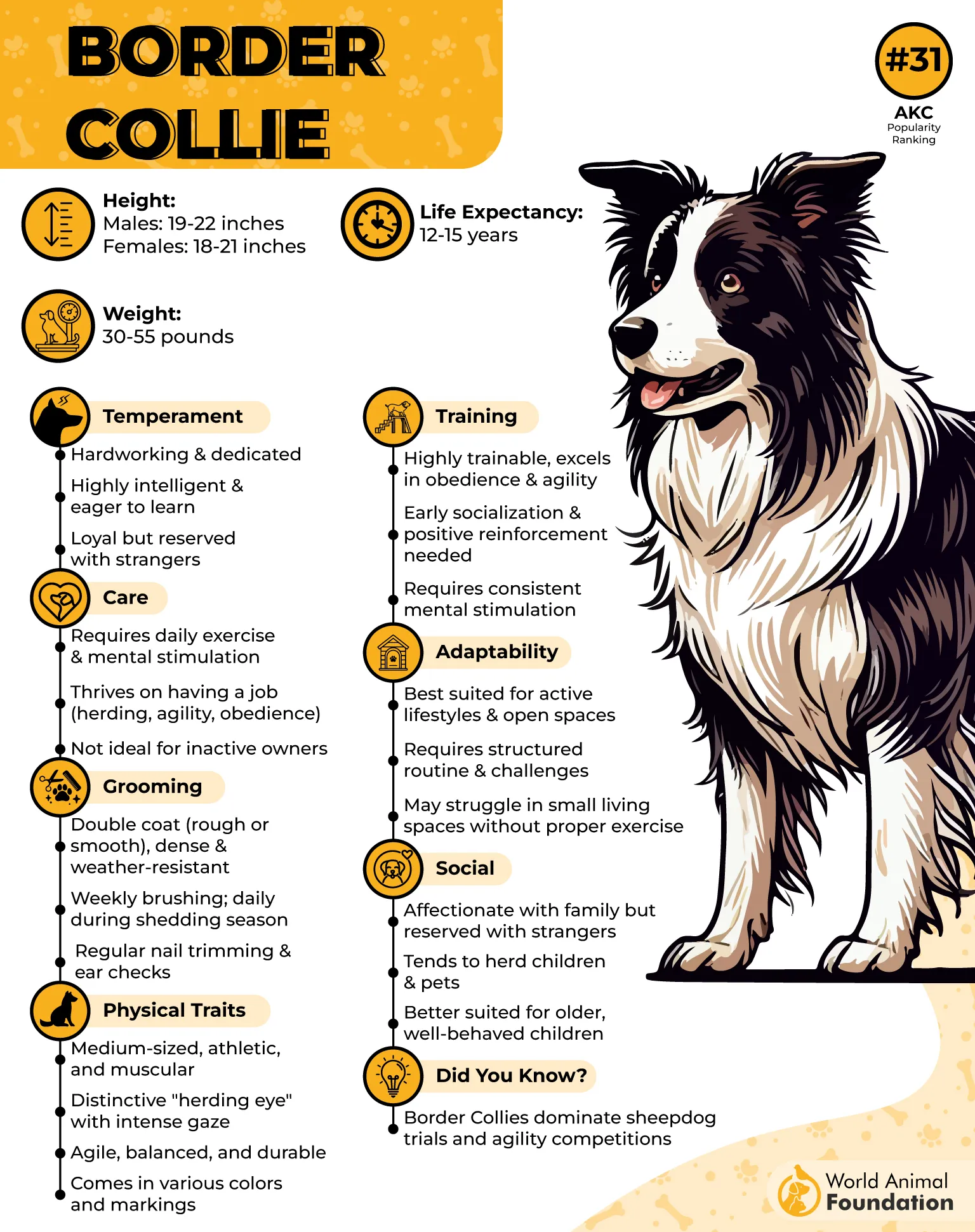
1. Border Collie
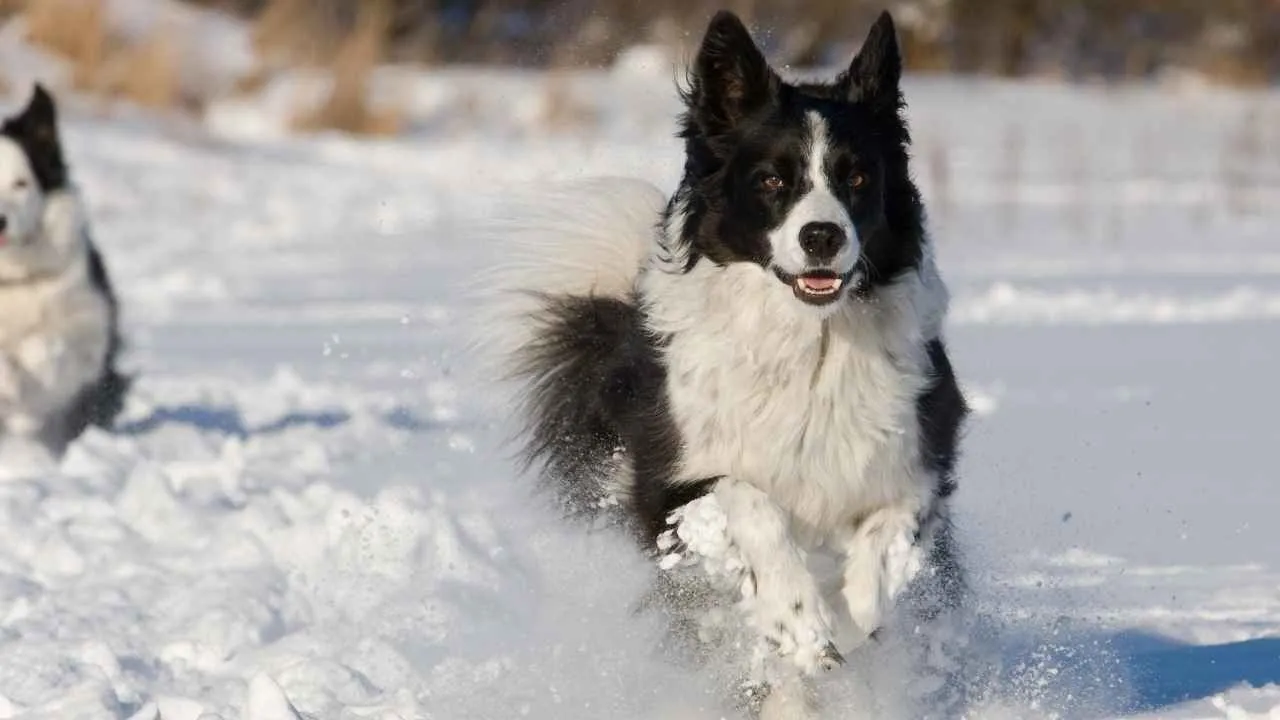
Border Collies are highly alert and incredibly responsive, making them standout problem-solvers. Their quick thinking and sharp instincts allow them to master tasks rapidly, whether learning commands or navigating complex challenges. These qualities keep them focused and efficient in any training scenario.
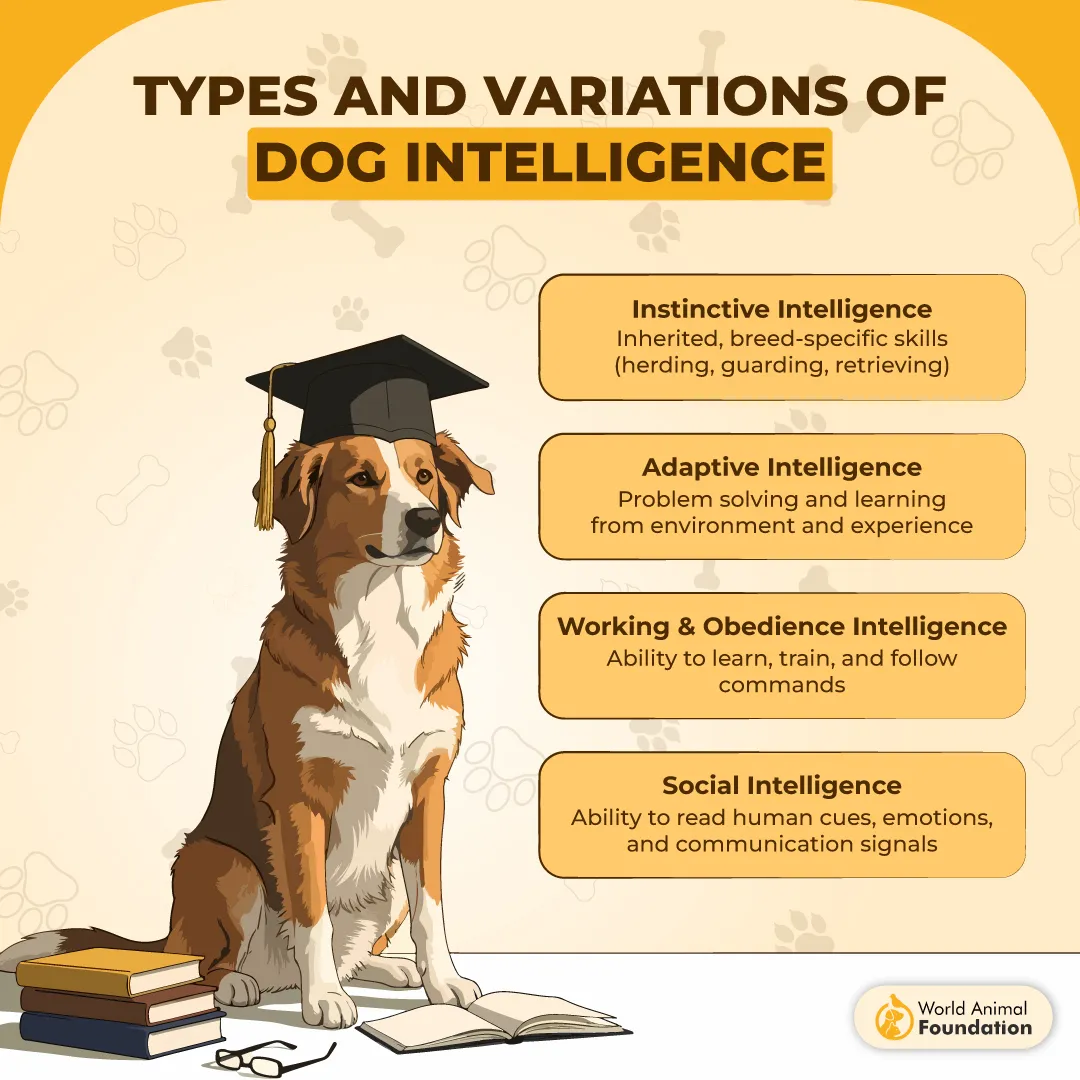
Skills That Make Them Exceptional
Their canine intelligence translates into agility, obedience, and endless curiosity. These traits shine when they’re challenged mentally or physically, allowing them to excel in structured activities.
Some practical highlights include:
Rapidly understanding new cues and commands
Excelling in puzzle and problem-solving tasks
Maintaining focus for long periods without fatigue
Deep Connection Through Training
Collies bond strongly with those guiding them, forming a partnership built on trust and responsiveness. This connection enhances their learning, as they respond to subtle cues and gestures naturally. They adapt seamlessly to complex routines, reflecting a remarkable combination of attentiveness and loyalty.
Fun fact: Rico, a famous Border Collie, could respond to over 200 words, proving the breed’s extraordinary memory and comprehension.
2. Papillon
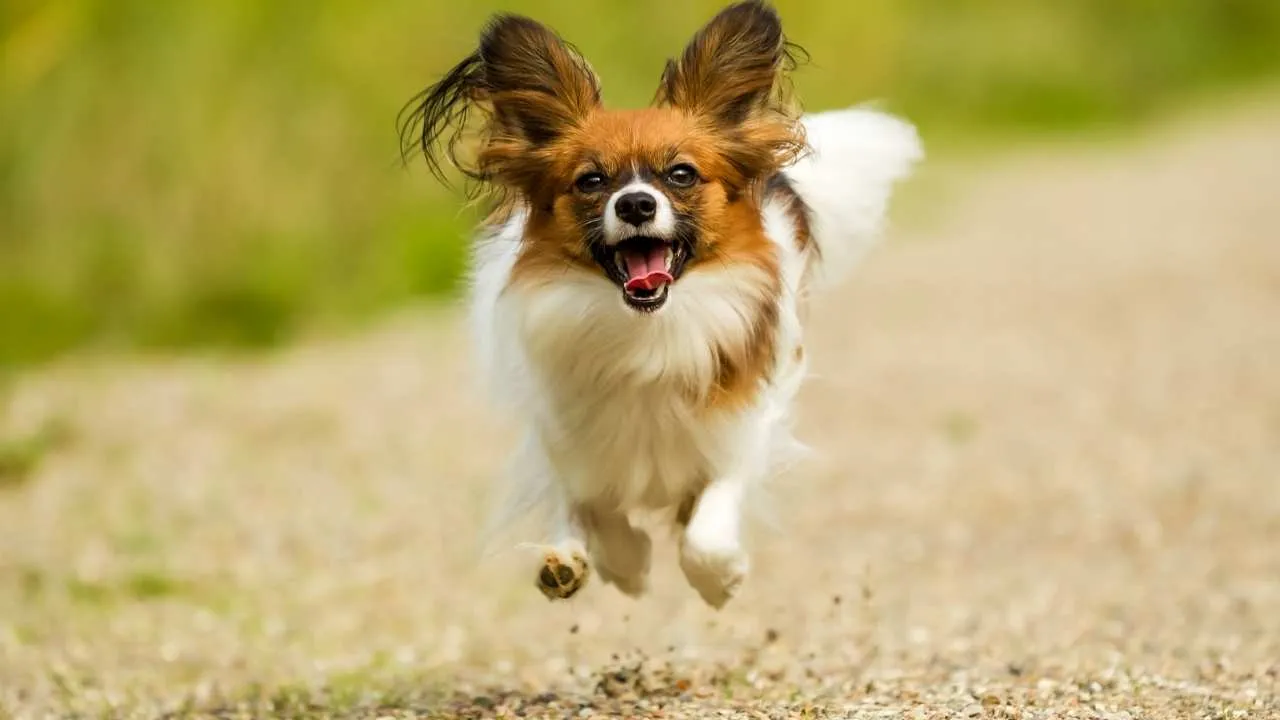
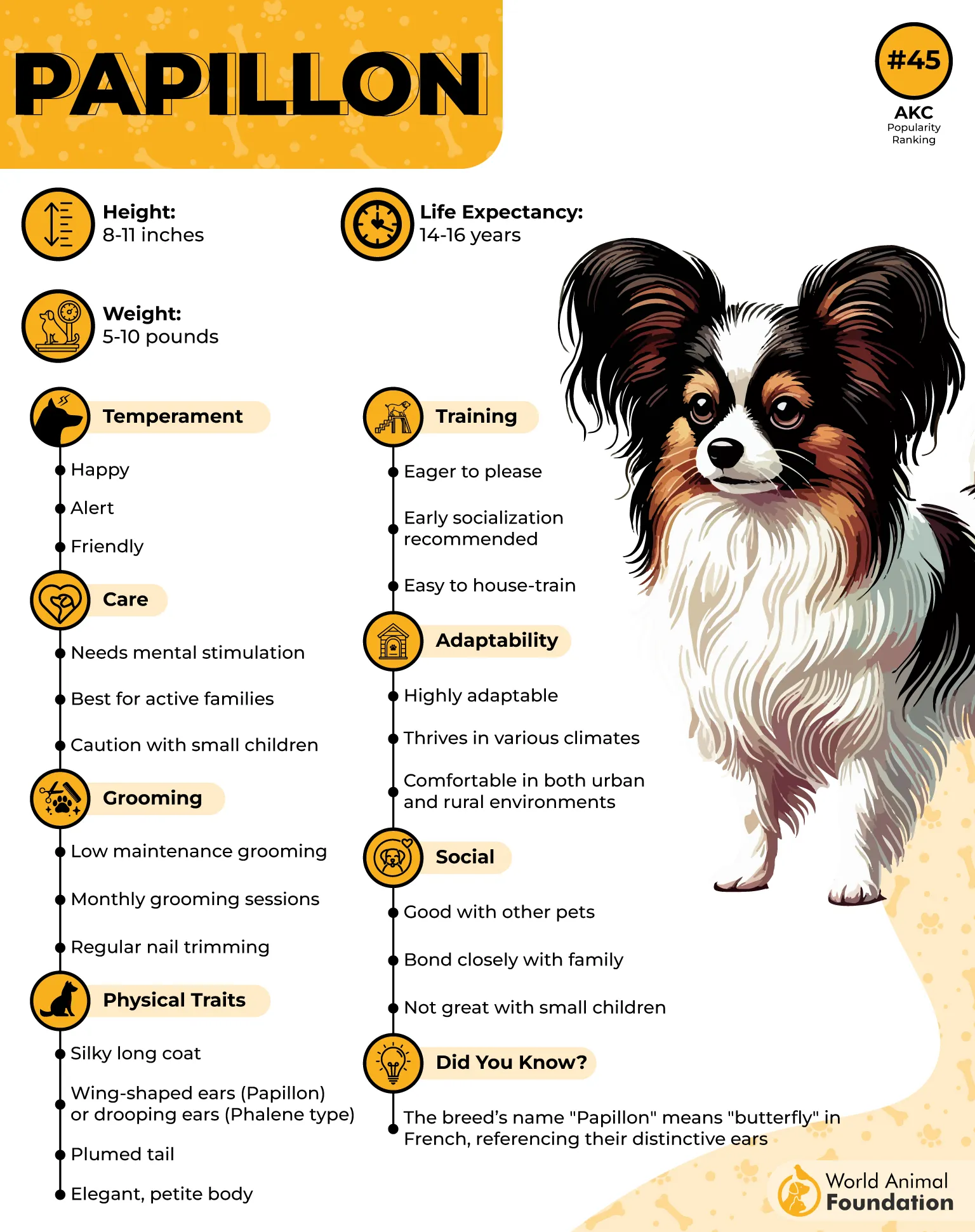
Papillons are highly perceptive, noticing even subtle cues from their environment. Their rapid learning ability makes them natural in obedience and agility tasks. Confidence and energy combine to make them responsive, attentive, and ready to follow commands.
Mental Agility in Action
Their lively minds make training an engaging and rewarding process. They respond eagerly to new challenges and enjoy activities that stimulate adaptive intelligence, as per Orvis. This creates opportunities to focus their energy effectively in structured learning.
Their sharp mind shines through here:
Learns new commands swiftly
Adapts to training routines easily
Engages actively in problem-solving
Confidence and Energy
Small in size yet full of spirit, Papillons approach each task with focus and determination. Their energy supports consistent training sessions while keeping them engaged in daily life. Children and adults alike find their loyalty and responsiveness a rewarding experience.
3. Cocker Spaniel
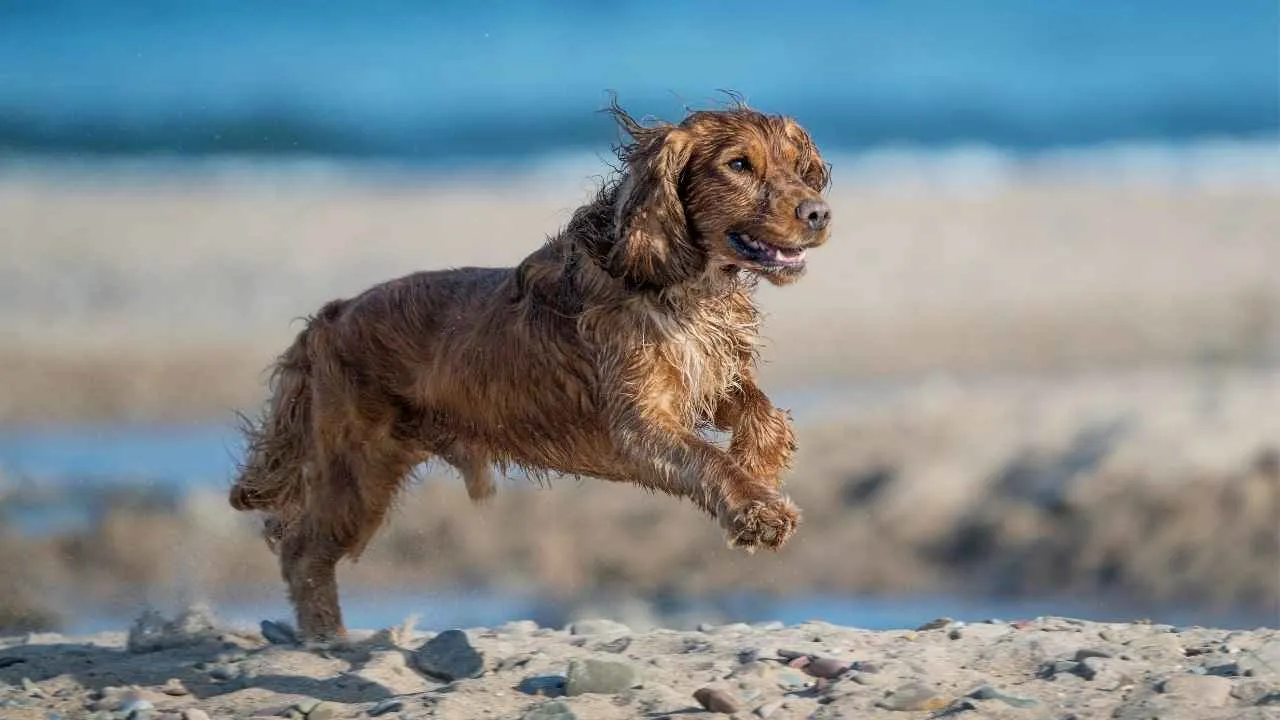
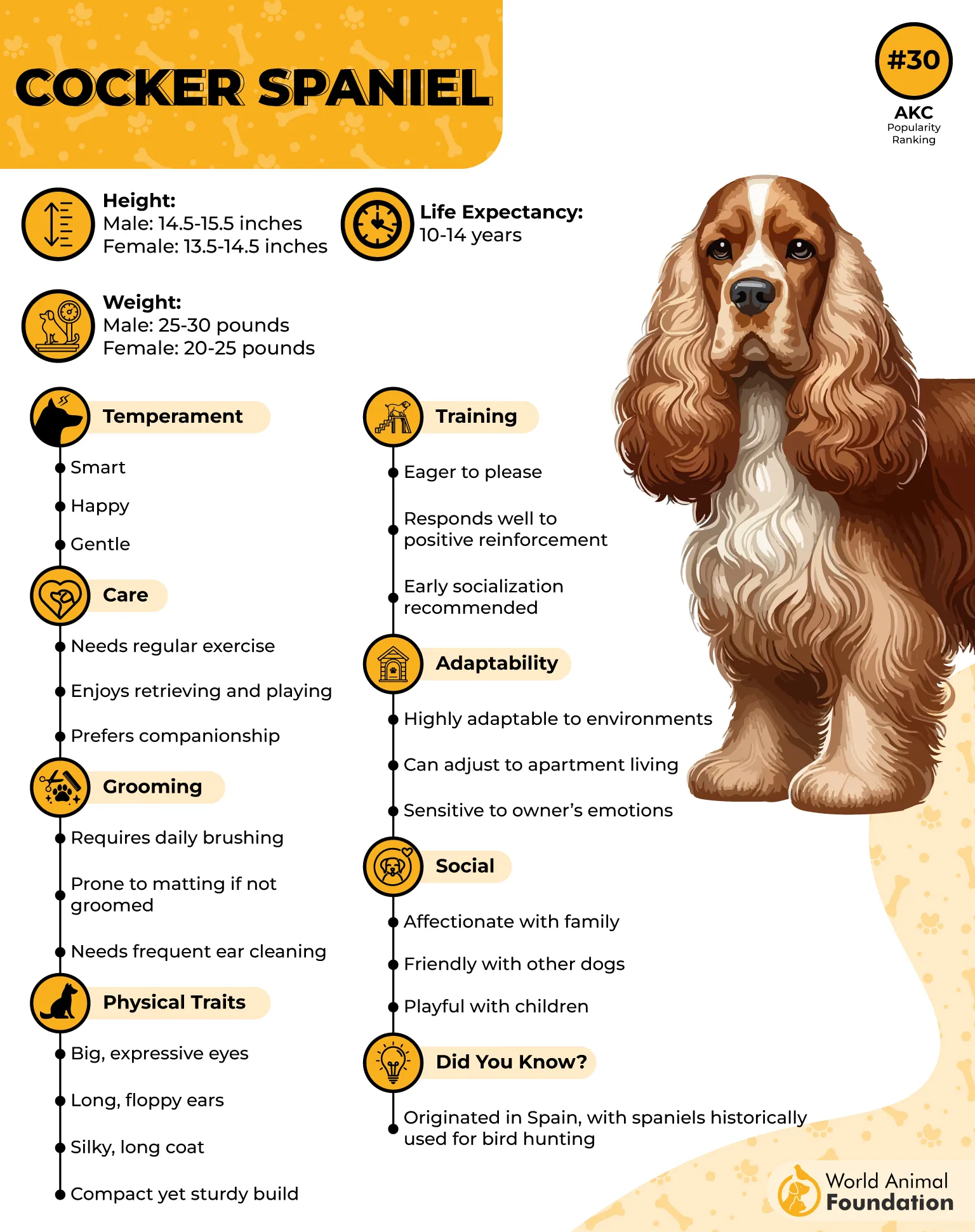
Cocker Spaniels combine a cheerful personality with a sharp, attentive mind, making them quick to pick up commands. Their expressive eyes and responsive nature reflect their eagerness to engage and understand their human companions.
Skills and Distinctive Capabilities
Their athletic yet compact frame allows Cockers to excel in agility and performance activities, as mentioned by the AKC. This breed enjoys challenges and responds well to consistent guidance, staying attentive without being overbearing.
Their motivation shows in simple ways:
Strong motivation from praise and treats
High responsiveness to gentle correction
Enjoyment in problem-solving tasks and interactive games
Social Intelligence and Adaptability
Cocker Spaniels bond deeply with their family, thriving in environments where they are included in daily activities. They are adept at reading subtle cues and adjusting their behavior, which enhances training outcomes. Their pack instincts and playful demeanor allow smooth interaction with other dogs.
4. Shetland Sheepdog
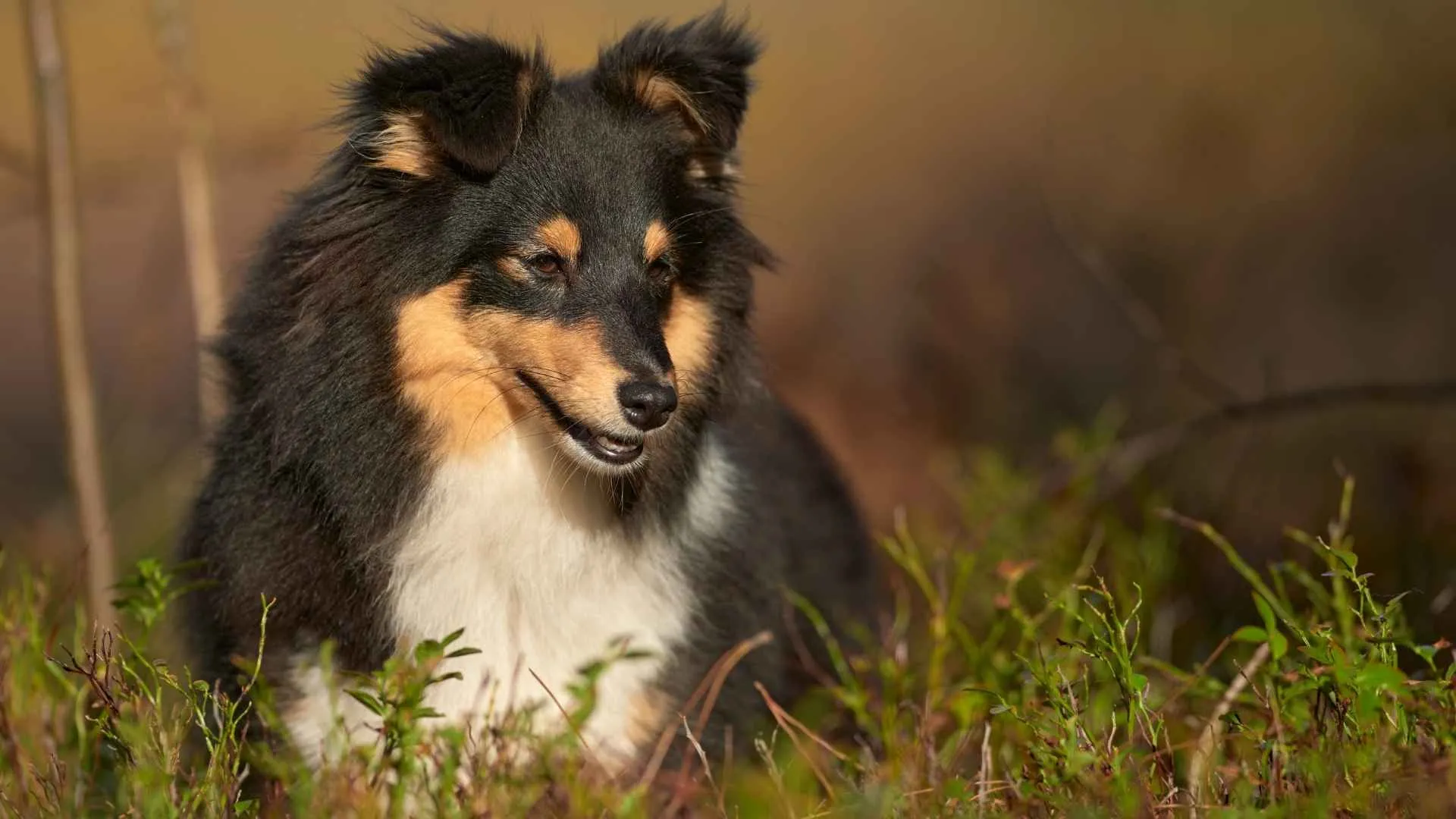
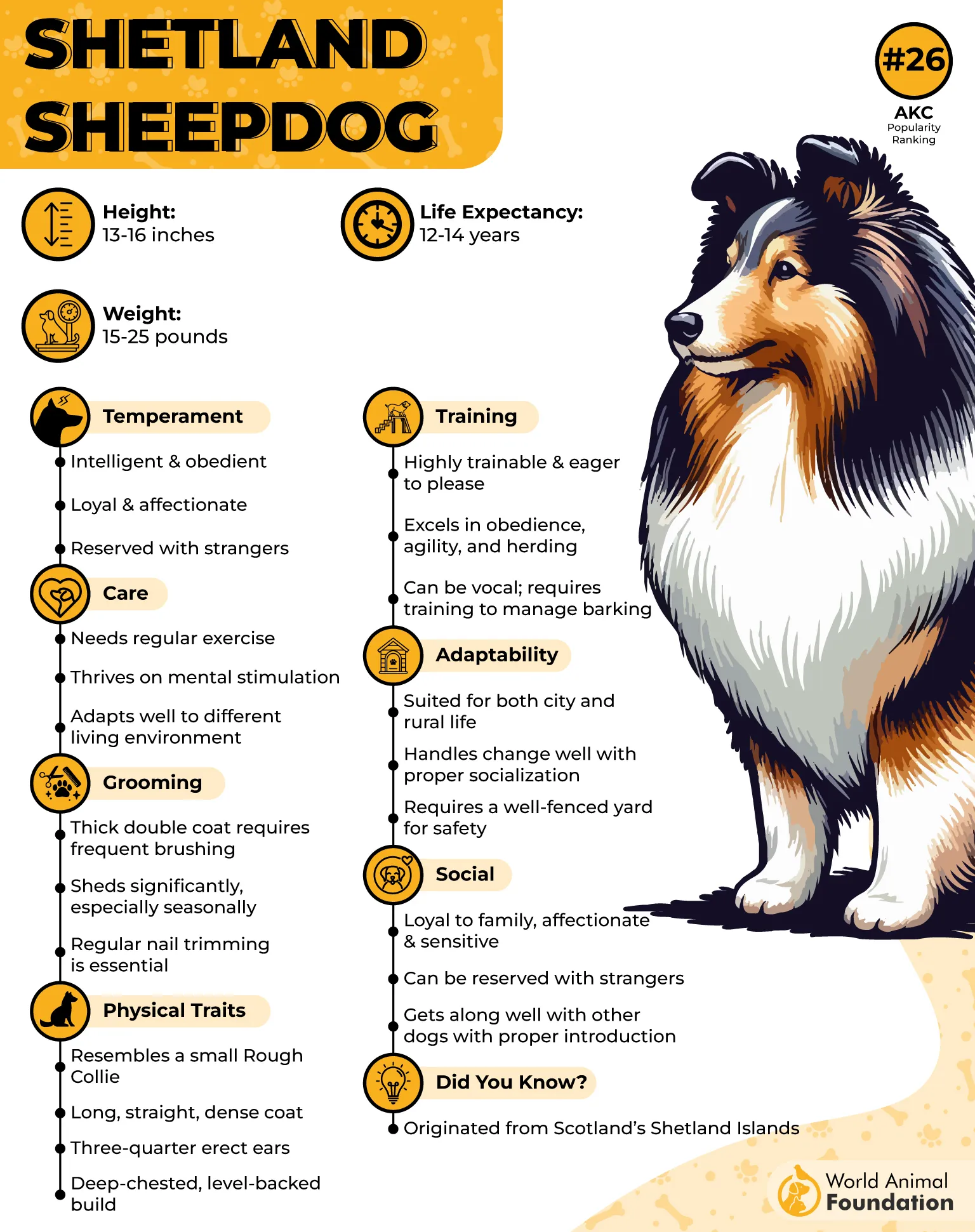
The Shetland Sheepdog is an obedient herder from Scotland’s remote and rugged Shetland Islands. Shelties resemble their bigger cousin, the Collie, yet have a nimble, quick-thinking nature. Their intelligence and responsiveness make them one of the most remarkable dog breeds for training mastery.
Quick Learners with Focused Energy
Shelties are highly trainable and eager to please, thriving in activities that challenge their minds. Early socialization and puppy classes help them develop confidence and control.
You can see this strength in these actions:
Rapid mastery of new commands
Success in agility and obedience tasks
Calm and attentive in therapy roles
Loyalty and Awareness
Shetland Sheepdogs form strong bonds with their families and enjoy joining daily routines. Their vocal nature reflects both excitement and awareness, which can be guided through training. They remain alert and responsive, combining loyalty with attentiveness.
5. German Shepherd
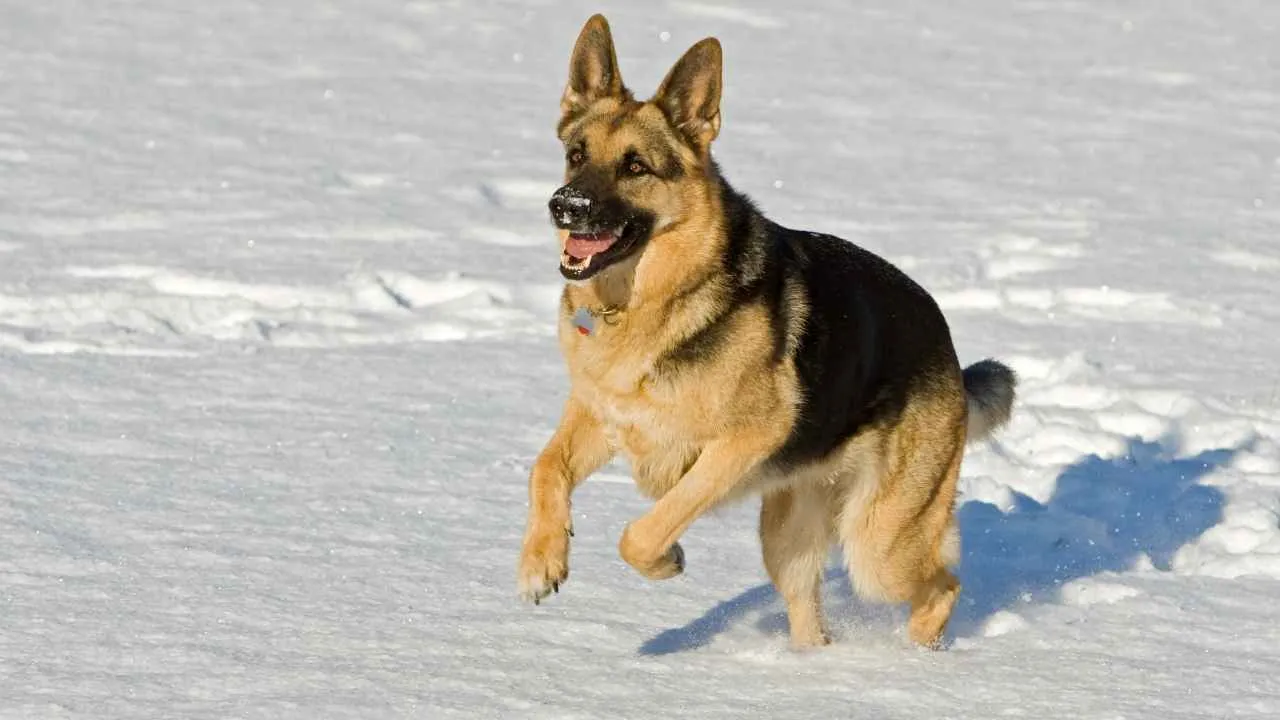
German Shepherd confidence shows in how calmly the breed handles pressure and unfamiliar situations. That steadiness allows learning to happen without hesitation or emotional spikes. A composed mindset is one reason this breed absorbs structured training with remarkable clarity.
Learning That Translates Into Action
German Shepherd movement supports training accuracy through smooth balance and controlled speed changes. Their natural gait allows precise execution during drills that require timing and coordination. This physical harmony strengthens how learning turns into real performance.
That foundation supports several strengths:
Fast command recognition
Consistent task follow-through
Strong focus on handler cues
Character as a Training Advantage
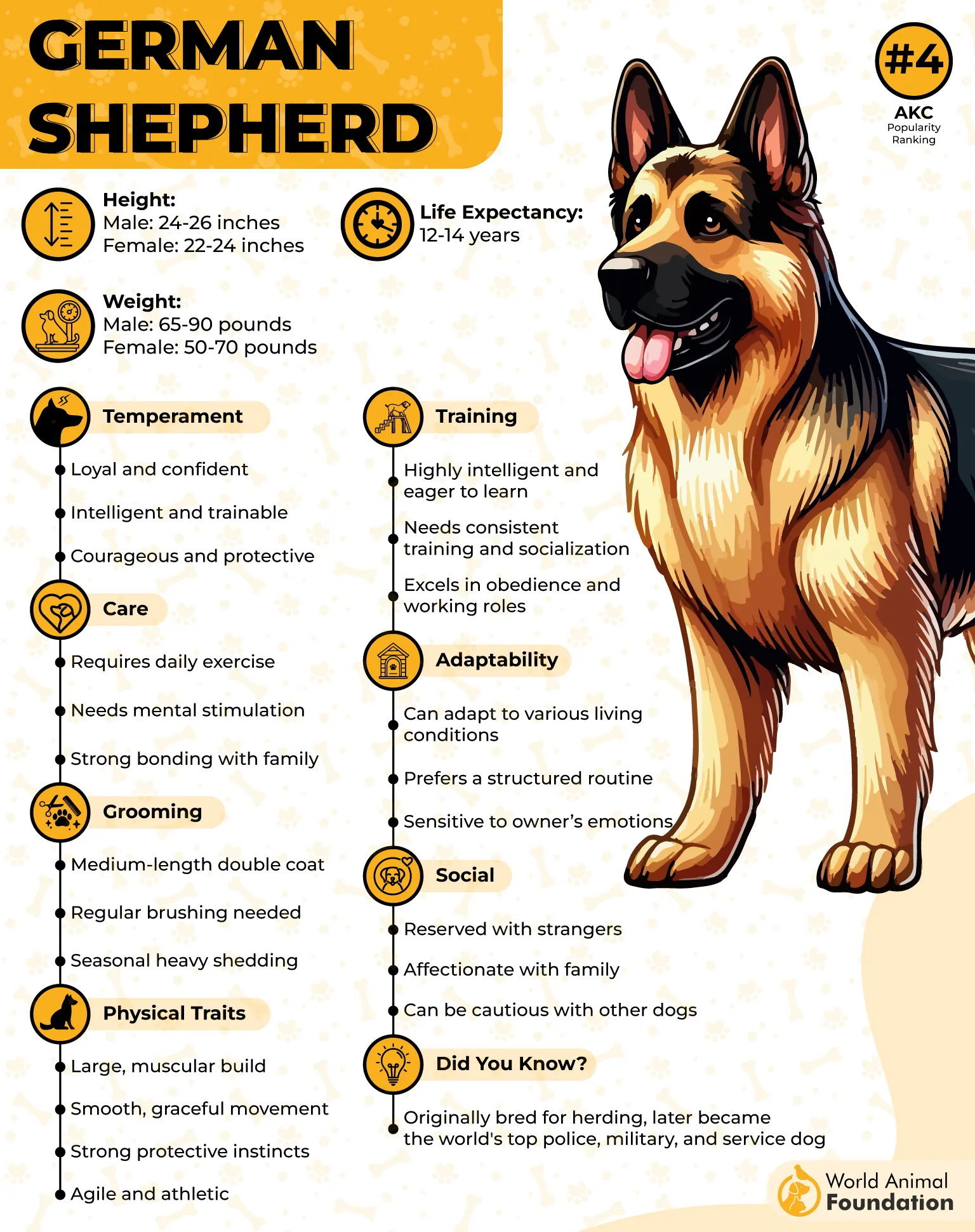
German Shepherd character blends loyalty, courage, and self-control into one dependable working temperament. These traits help the breed stay responsive during complex instruction without becoming reactive. A measured reserve with strangers supports discipline rather than distraction.
6. Golden Retriever
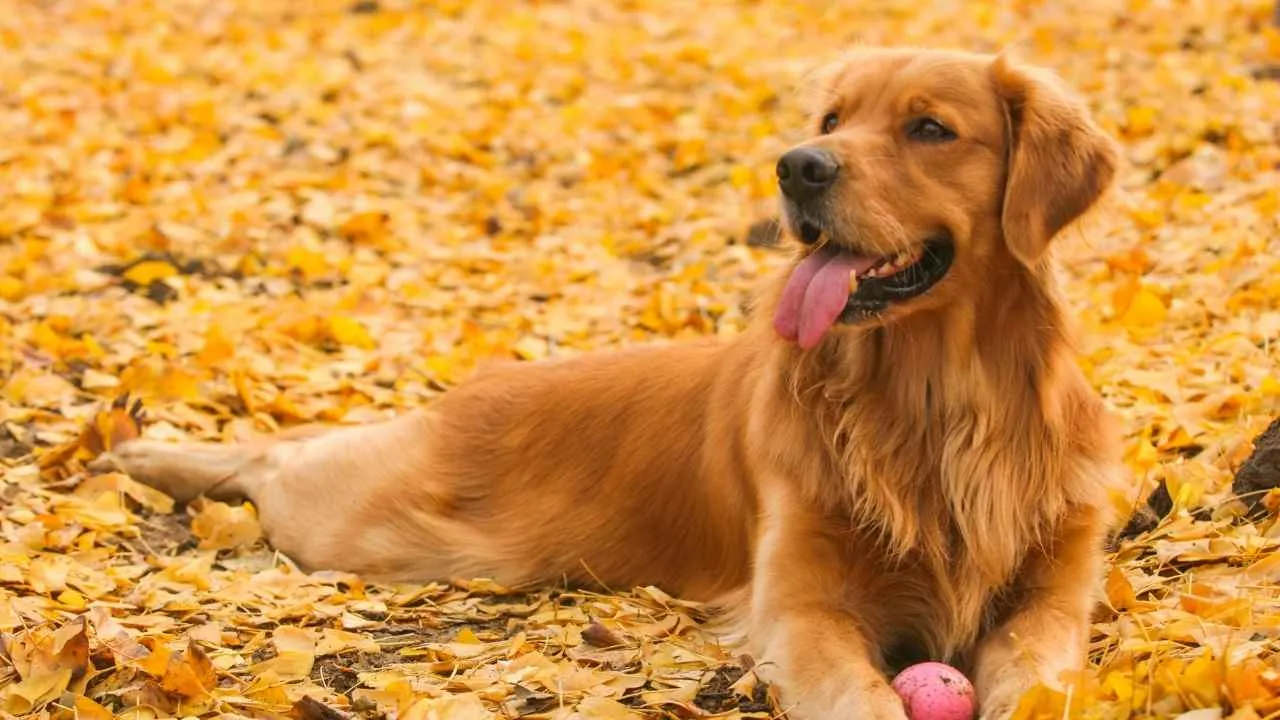
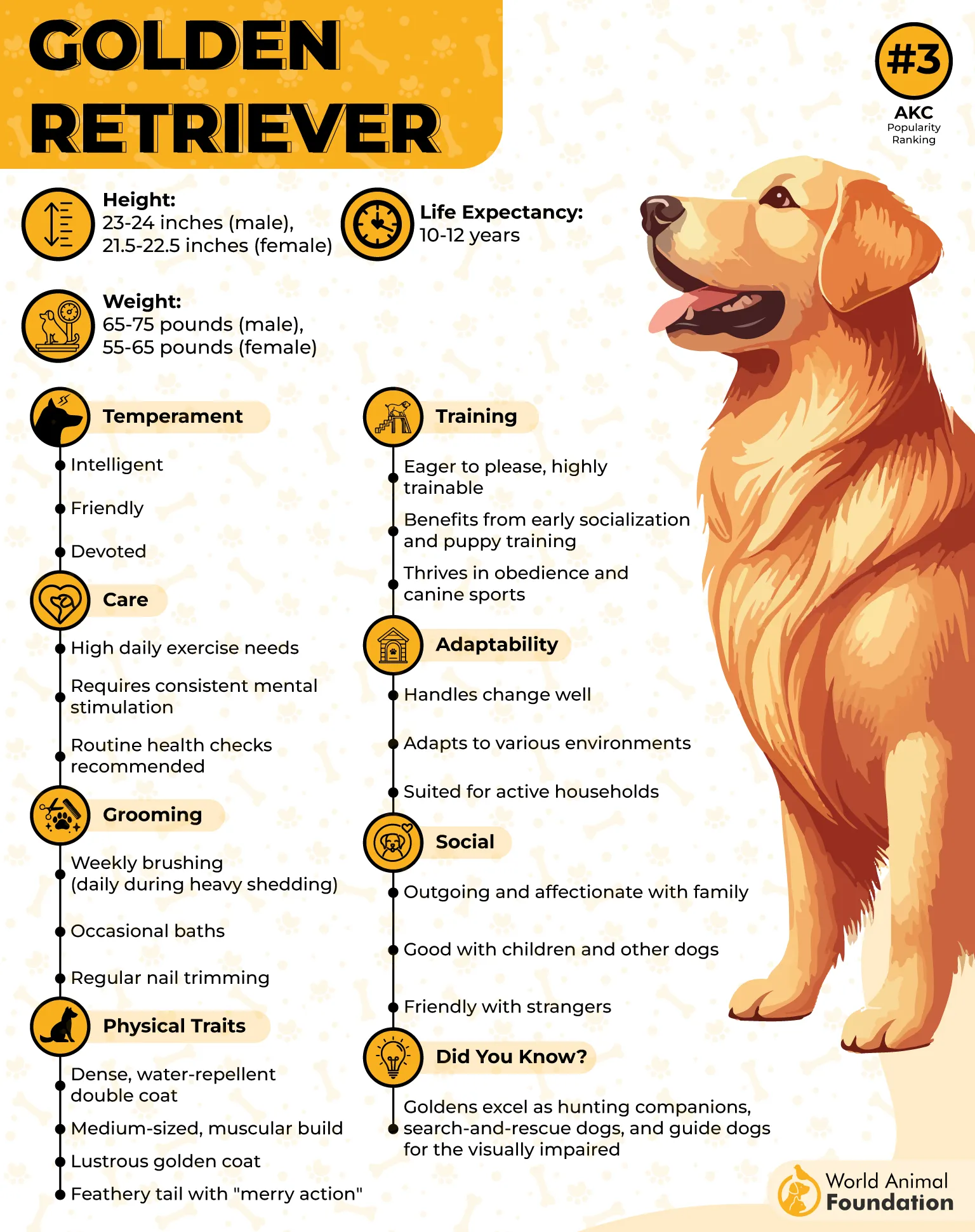
Golden Retriever begins with an intense willingness to learn, shaped by generations of serious working roles. That mindset connects naturally to intelligence and training mastery rather than surface-level obedience. Tasks that require memory, consistency, and trust fit easily into their routine.
Work That Demands Precision
The Golden Retriever has a long record of structured duties in hunting fields, guiding work, search operations, and competitive obedience. These roles demand focus over long hours and an accurate response to direction.
Here’s how their discipline shows in action:
Reliable response to guidance
Strong task memory across sessions
Steady performance in structured settings
Documented Development and Purpose
Golden Retriever has one of the most carefully recorded breed histories, preserved by estate gamekeepers between 1835 and 1890, as the AKC highlighted.
Those records later confirmed how carefully their working abilities were shaped over time. This documented development reinforces their reputation for dependable training outcomes.
7. Labrador Retriever
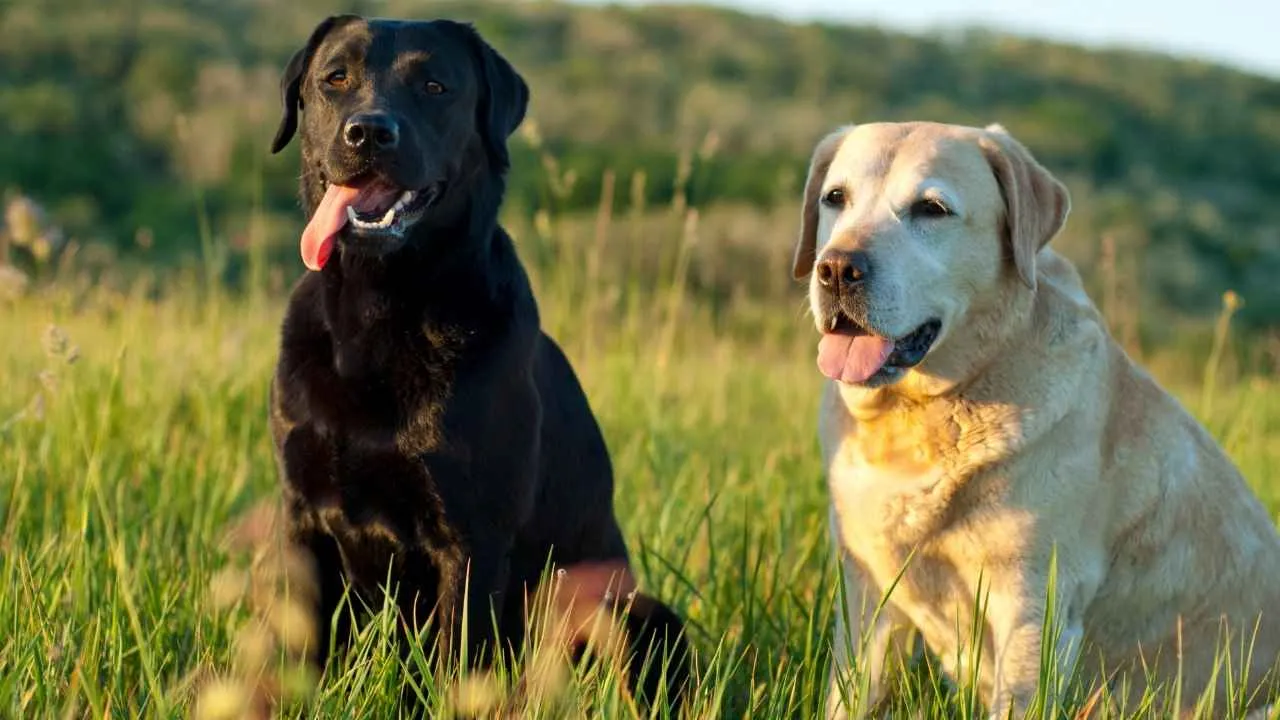
Labrador Retrievers are friendly and high-spirited, radiating enthusiasm in every activity. Their energy and attentiveness make them responsive partners in training and family routines. This combination of liveliness and awareness allows them to quickly adapt to tasks that require focus and intelligence.
Training Potential and Highlights
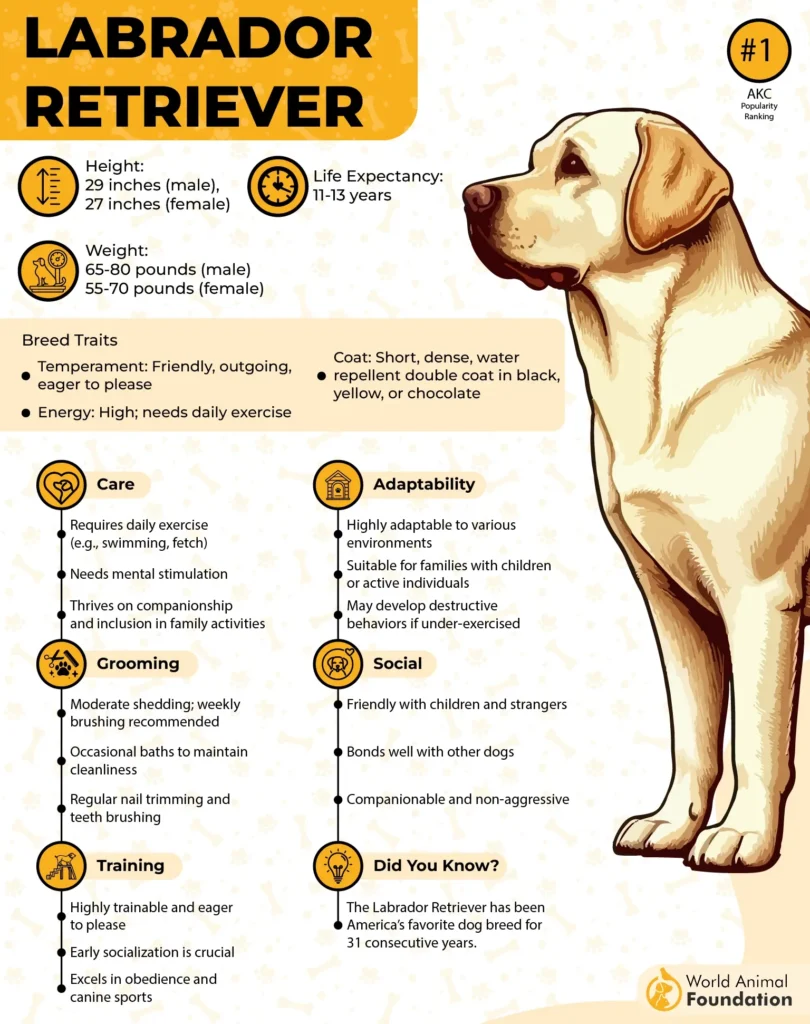
These dogs benefit from early guidance and socialization, developing into well-mannered adults when exposed to varied experiences. Labs show remarkable adaptability in structured training sessions and daily activities.
Their learning and playful side shines in these ways:
Quick learning through positive reinforcement
Strong interest in games that challenge both mind and body
Bonding with humans while following guidance consistently
Active Companions
High energy levels call for tasks that engage both body and mind, like swimming or fetching exercises. These activities satisfy their physical drive while maintaining mental sharpness. The Lab’s enthusiasm and focus allow them to participate actively, reinforcing the bond with their human companions.
Conclusion
These dogs show how deeply a bond can grow when learning feels shared rather than forced. The smartest dog breeds approach training with a clarity that turns every cue into progress. Their focus and adaptability give dog owners a chance to build routines that feel calm and consistent.
Even among the most intelligent dog breeds, each one carries its own rhythm that shapes how it learns. Their obedience intelligence stays steady when they receive the right challenges and gentle direction.
With enough mental stimulation, these canine companions reveal how thoughtful, responsive, and connected a well-trained dog can truly become.
