




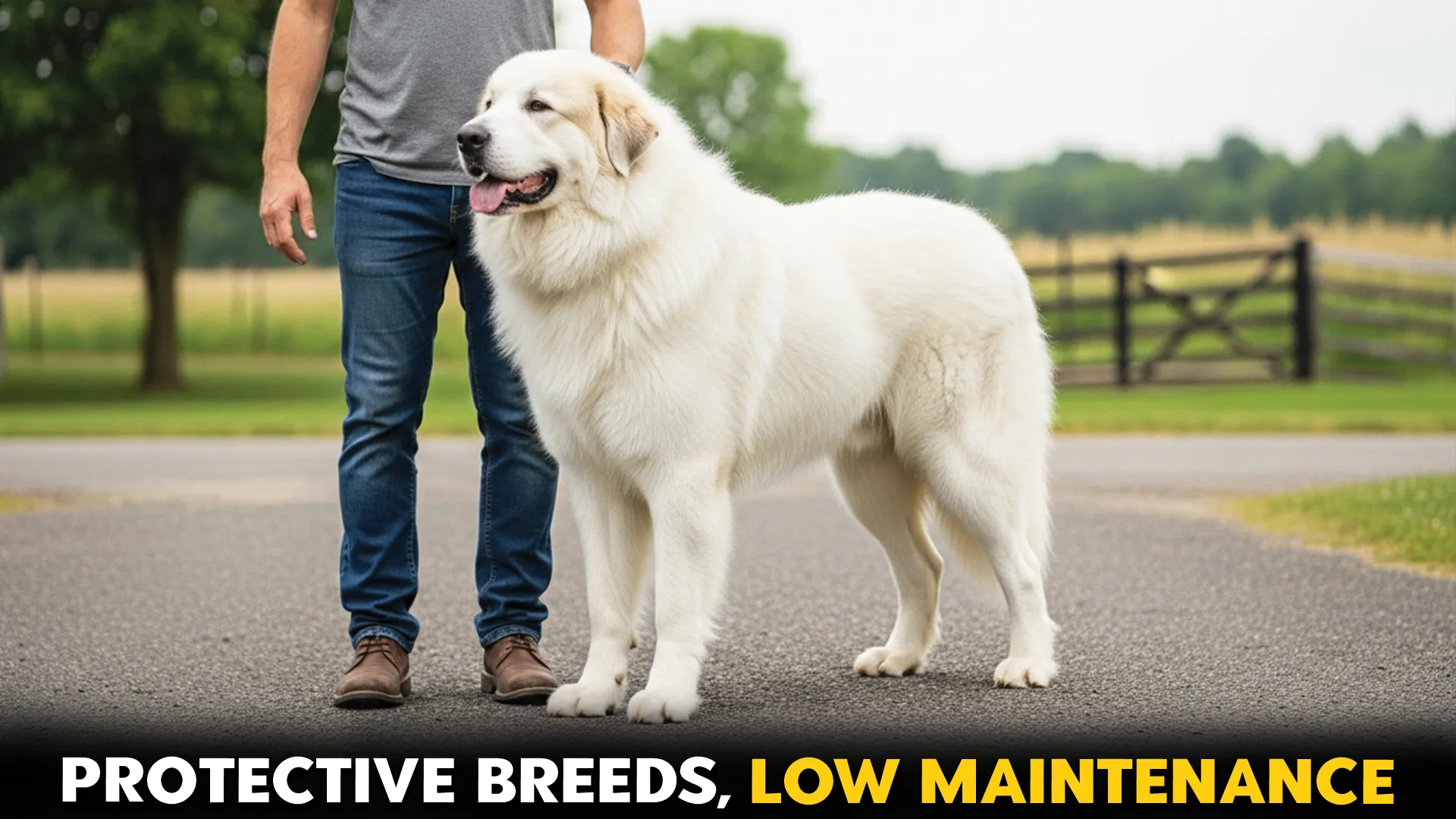
Protection is not always loud. Sometimes it is quiet awareness, steady presence, and the instinct to stay alert without turning daily life into chaos.
Many people want a dog that can guard their home and loved ones, yet they also want peace, balance, and routines that do not revolve around constant grooming or nonstop exercise. That desire is deeply human. A protective dog should feel like reassurance, not another responsibility to manage.
Low-maintenance matters when life already demands enough attention. These dogs offer confidence without chaos, watchfulness without restlessness, and loyalty without excessive upkeep. They fit into real households where work, family, and rest must coexist.
Ahead, you will discover how protection and practicality come together, what traits make these dogs reliable guardians, and why low-maintenance protection is not a compromise but a thoughtful choice.
Key Takeaways
A dog that guards well doesn’t need to demand attention to show its presence.
Great Pyrenees and Rottweilers combine strength with composure, giving families a sense of security without constant supervision.
Cane Corso and Anatolian Shepherds pair alertness with independence, showing loyalty and protection while staying low-maintenance.
Read till the end to discover which breeds balance vigilance, calm, and practicality in a way that makes them truly dependable.
Commendable Protective Dog Breeds with Low Maintenance Needs
1. Great Pyrenees
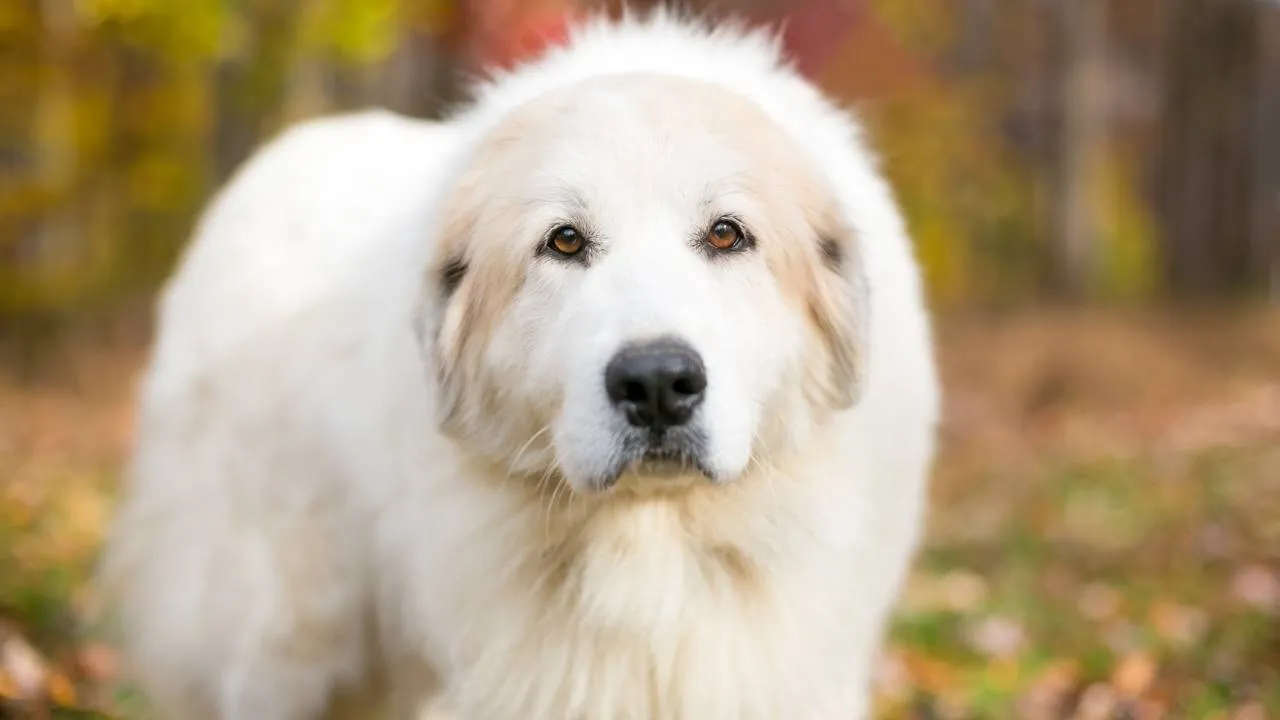
Great Pyrenees developed as a powerful mountain guardian tasked with deterring wolves on isolated, snow-covered terrain. That background shaped a dog comfortable working independently while monitoring wide, quiet spaces. In a home setting, this history translates into steady observation rather than constant motion.
Calm With Intent
Great Pyrenees are often described as composed and almost meditative until a situation demands attention. This balance between stillness and readiness reflects generations of nighttime flock guarding.
That reliability is shaped by several specific behaviors:
Independent threat assessment
Quiet response to unfamiliar movement
Strong awareness of property boundaries
Low-Intervention Built
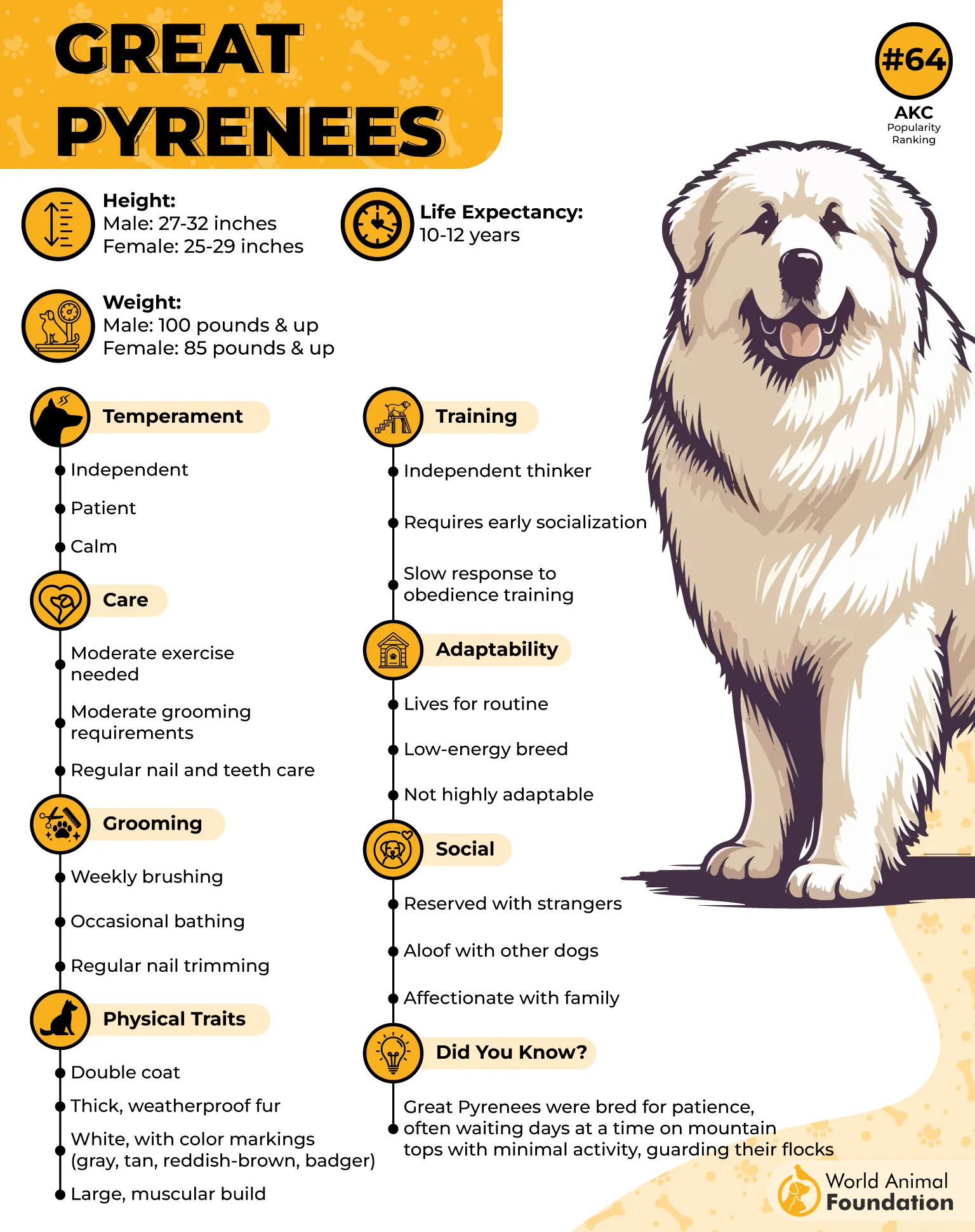
The breed’s dense double coat evolved to handle harsh weather without constant upkeep, as mentioned in Orvis. Despite its thickness, the outer layer naturally resists dirt and tangling in everyday conditions. Weekly brushing is typically enough outside of seasonal undercoat shedding.
2. Rottweiler
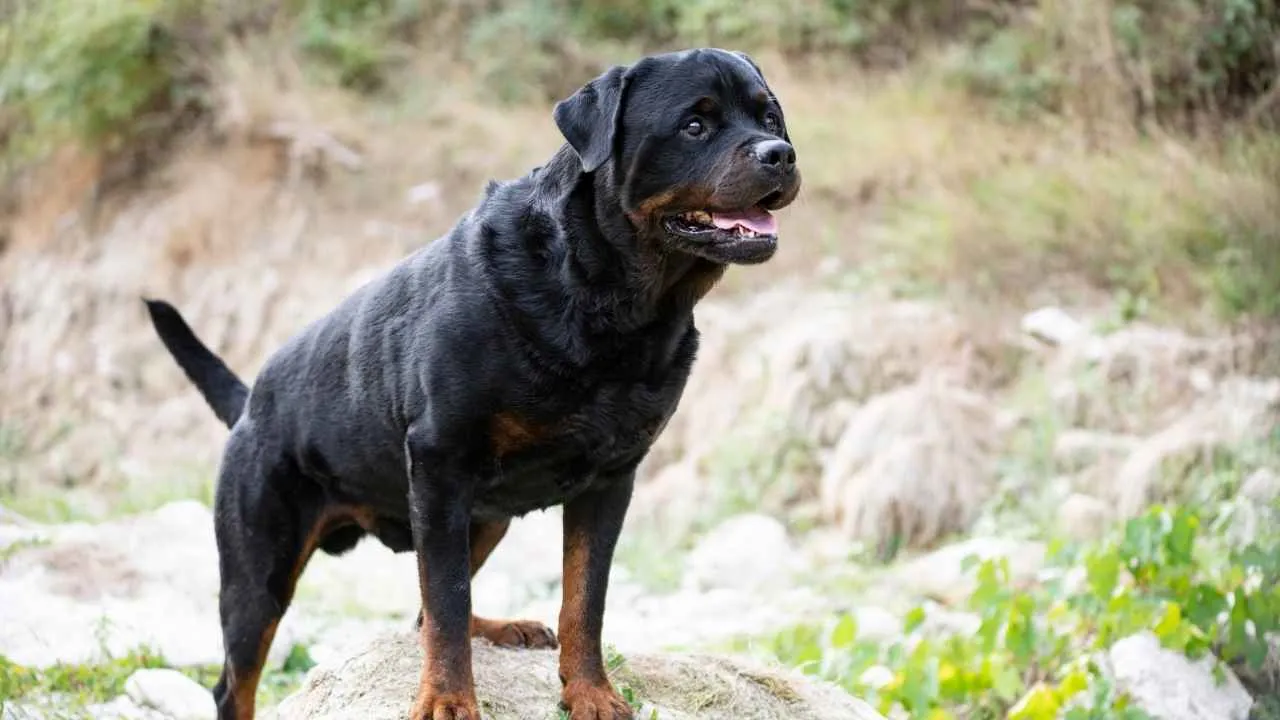
Rottweiler presents a solid, muscular frame supported by a thick hindquarter that drives an efficient, ground-covering trot. The short black coat with defined rust markings reinforces a naturally imposing outline without exaggeration. This physical presence tends to discourage intrusion before any reaction is required.
Controlled Awareness
This guard dog shows a composed watchfulness shaped by generations of working responsibility rather than impulsive reactivity. A naturally aloof response toward unfamiliar activity helps the dog assess situations without unnecessary escalation.
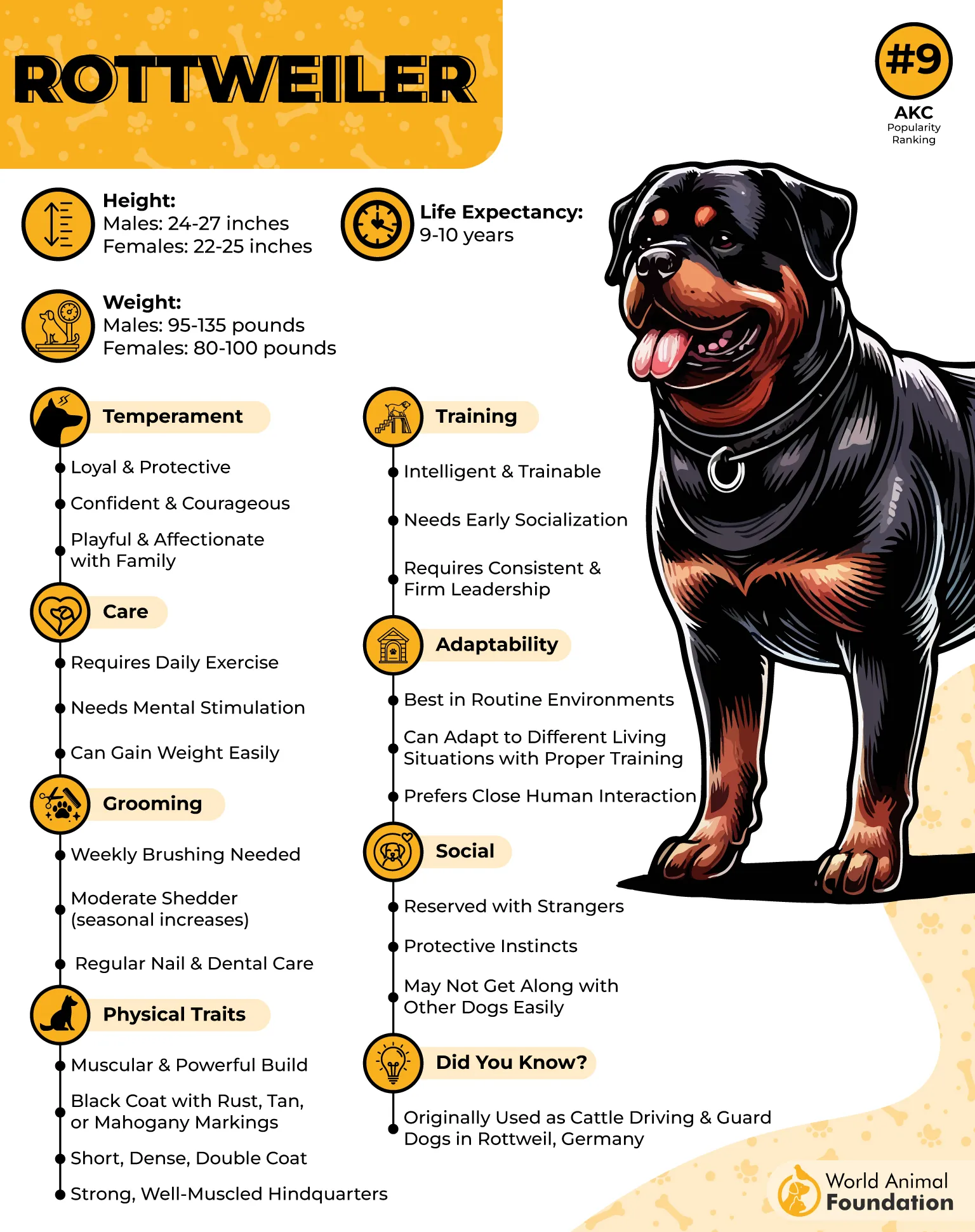
That balance becomes clearer through these observable traits:
Calm posture during unfamiliar movement
Strong spatial focus near access points
Reliable recognition of routine changes
Practical Upkeep
Rottweiler has a straight, coarse outer coat with an undercoat concentrated around the neck and thighs. Weekly brushing and routine bathing are generally sufficient due to moderate shedding for most of the year. Seasonal coat changes are predictable and manageable within a regular care schedule.
3. Cane Corso
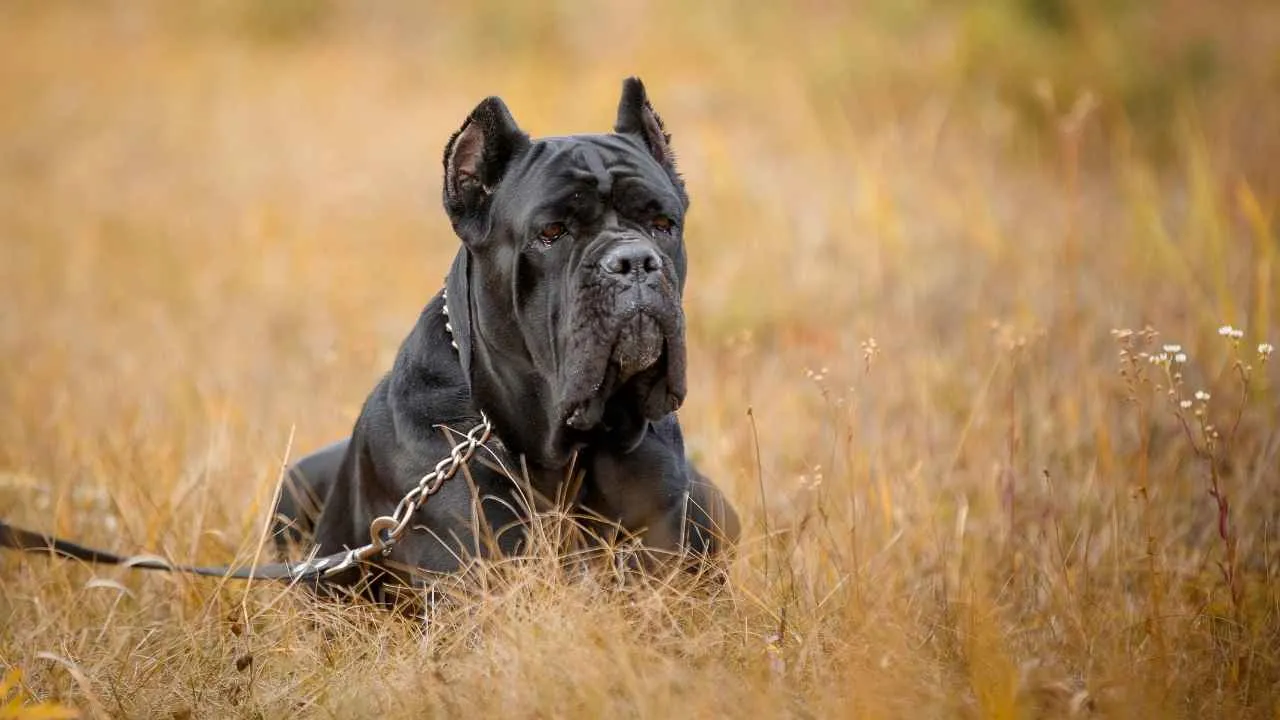
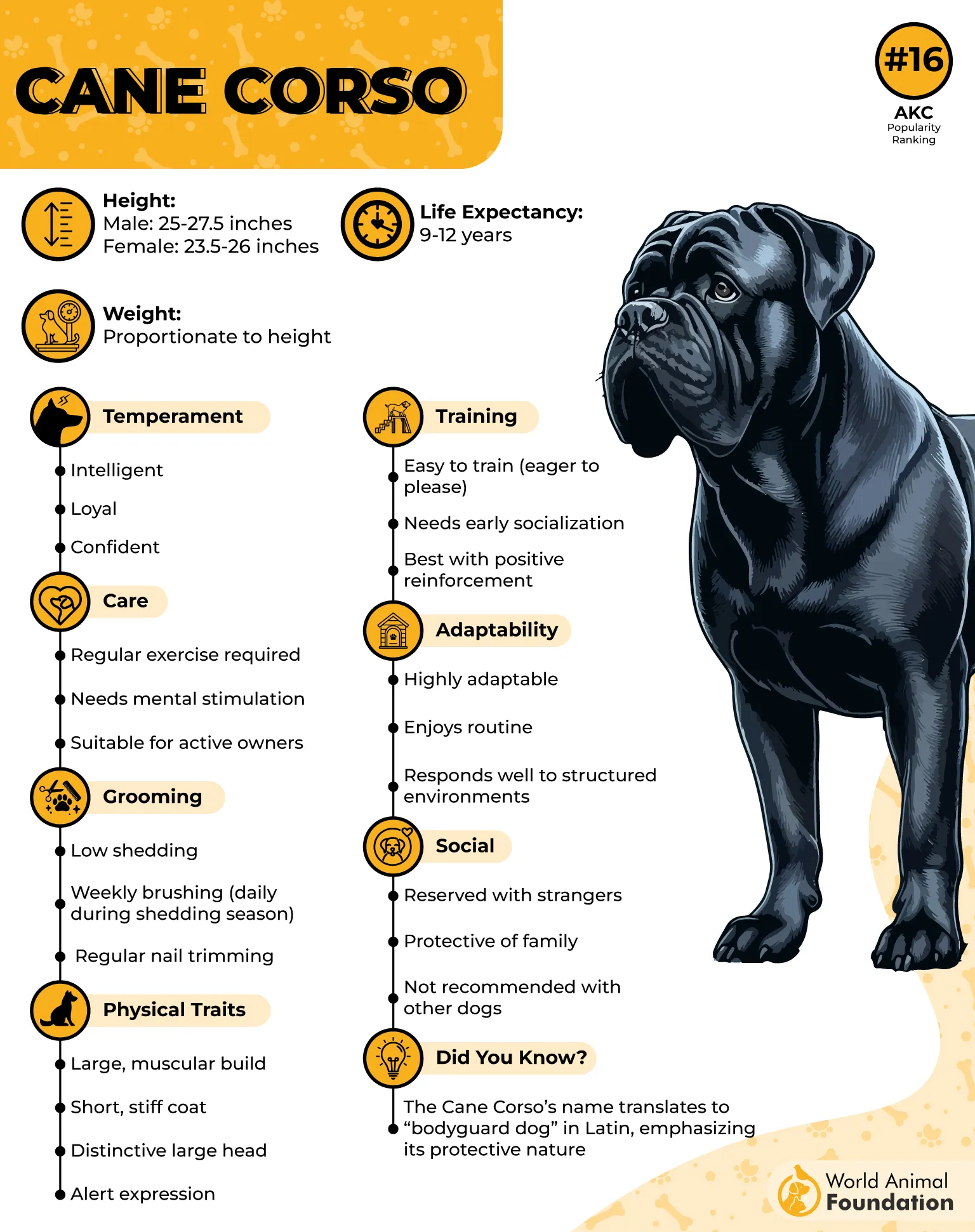
Cane Corso descends from ancient Roman guardian dogs bred for direct protection and controlled strength. The breed’s name traces back to Latin roots, meaning bodyguard dog, reflecting its historic role. This background shaped a dog that approaches space and responsibility with seriousness.
Professional Demeanor
Cane Corso is often described as having an understated air of cool competence, similar to a trained security presence, as the AKC mentioned. That demeanor shows in how the dog stands alert without unnecessary movement or sound.
This controlled presence expresses itself through specific behaviors:
- Silent environmental scanning
Immediate recognition of unfamiliar intent
Firm positioning near access points
Low-Maintenance Build
This best guard dog has a short, stiff coat supported by a functional underlayer that adapts to the climate. Seasonal shedding occurs, but grooming needs remain straightforward and predictable. Physical presence alone often acts as a visual deterrent before any action is required.
4. Great Dane
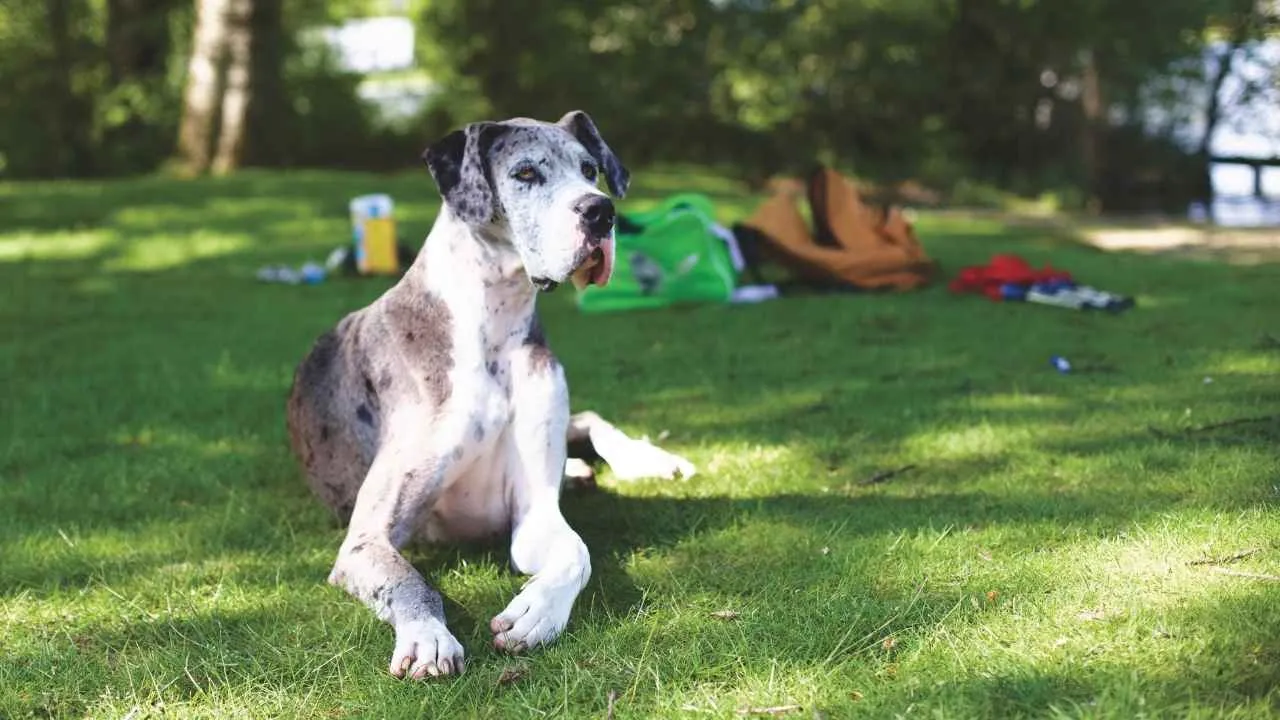
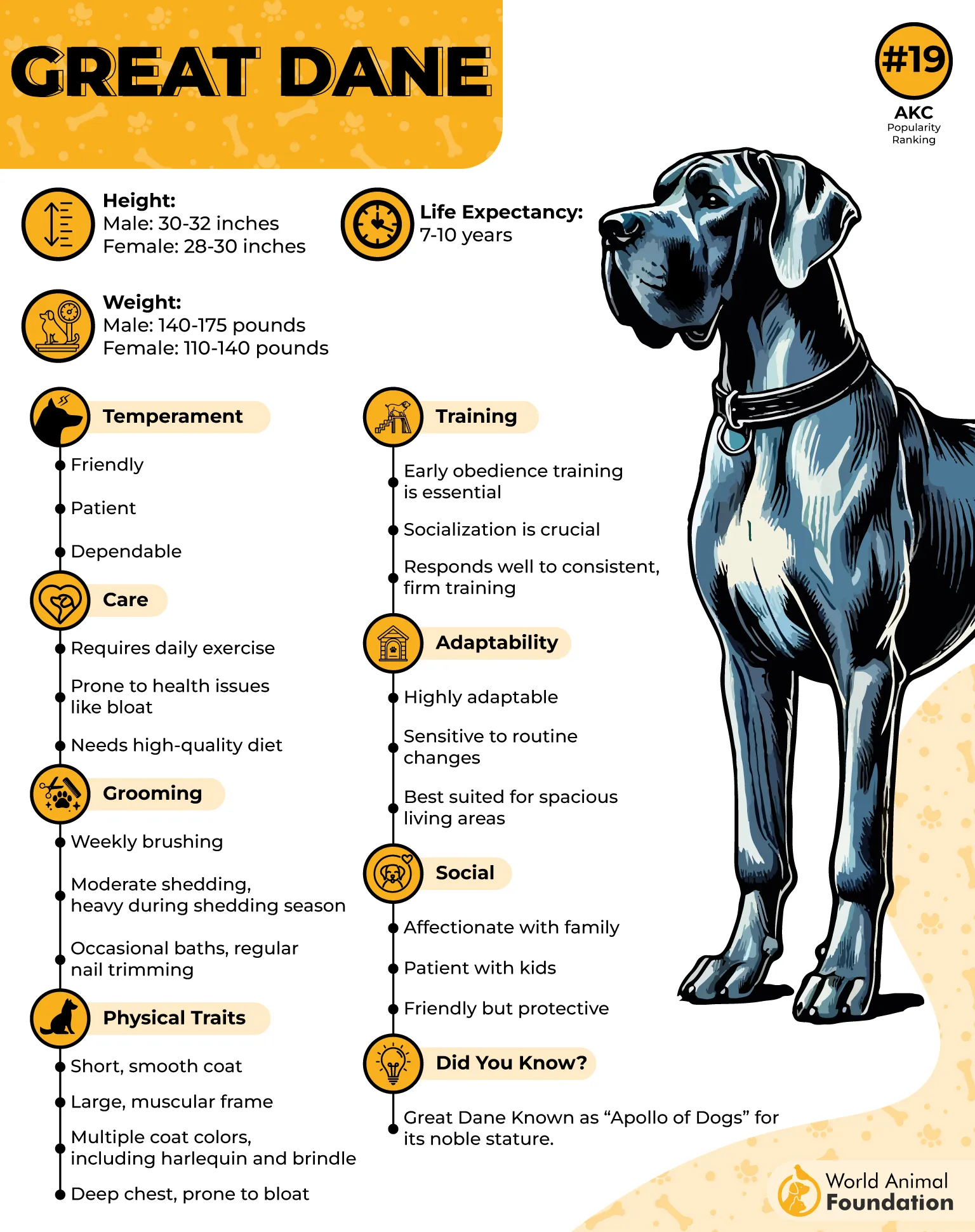
Great Dane moves with the smooth grace of a natural giant, each step measured and balanced despite its towering size. Its coat, often seen in harlequin or other patterns, stays mostly short and easy to maintain with weekly brushing, as stated in PetMD.
Alertness and Household Awareness
These big dogs remain alert without being disruptive, noticing changes in movement or unusual sounds around them. Their size alone can signal authority, while intelligence guides measured reactions.
Qualities that make them reliable companions include:
Quick recognition of unusual activity
Composed stance near doors and windows
Ability to read the body language of visitors
Close Bonding Tendencies
Great Dane tends to form strong attachments to their primary household members, often positioning themselves nearby during daily routines. This proximity allows it to anticipate household changes and respond instinctively. The breed’s naturally patient demeanor supports a calm and reassuring presence.
5. Anatolian Shepherd
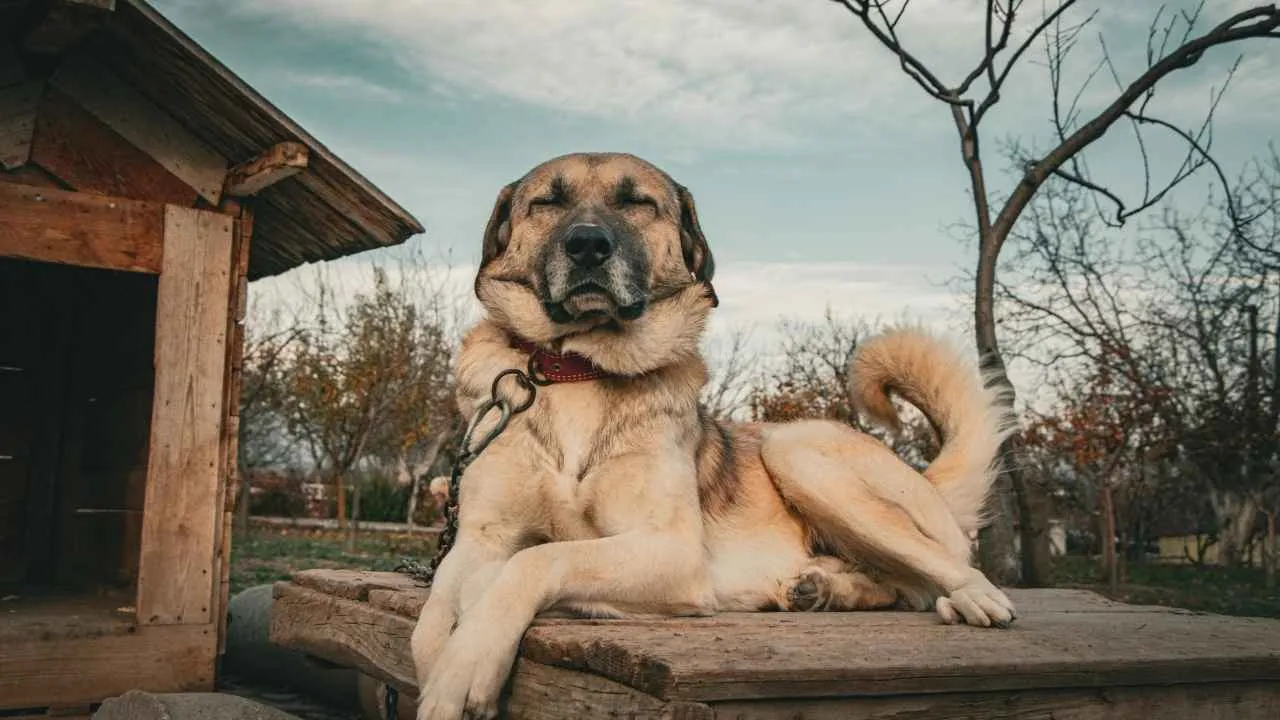
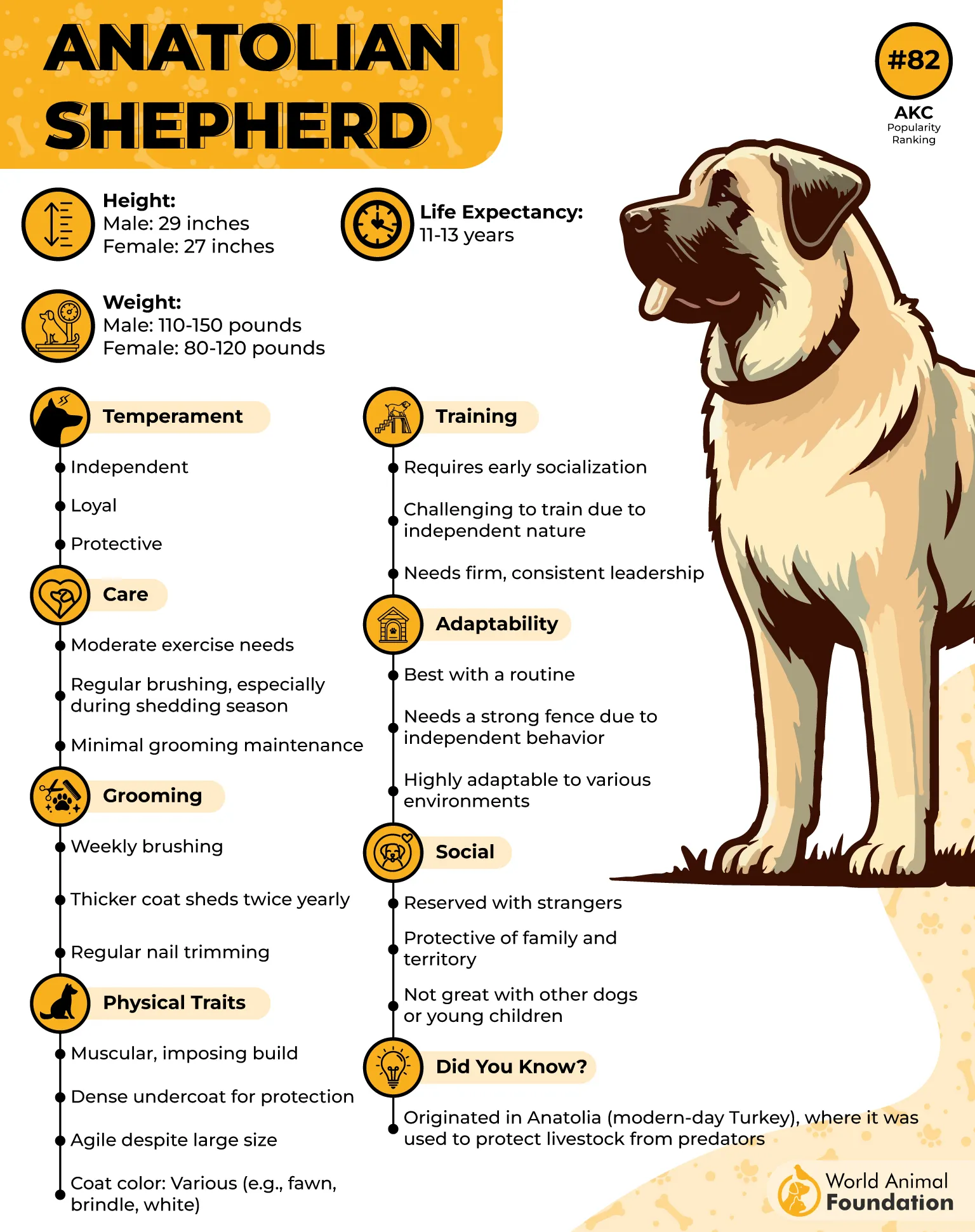
Anatolian Shepherds are powerful flock guardians with instincts shaped over thousands of years. Their muscular yet nimble build allows them to navigate rough terrain while remaining alert. This natural vigilance makes them well-suited for watching over a property without constant supervision.
Alert and Independent
These dogs combine intelligence and patience with calm decisiveness, allowing them to handle situations on their own. Their independence reduces the need for constant oversight while maintaining reliable protection.
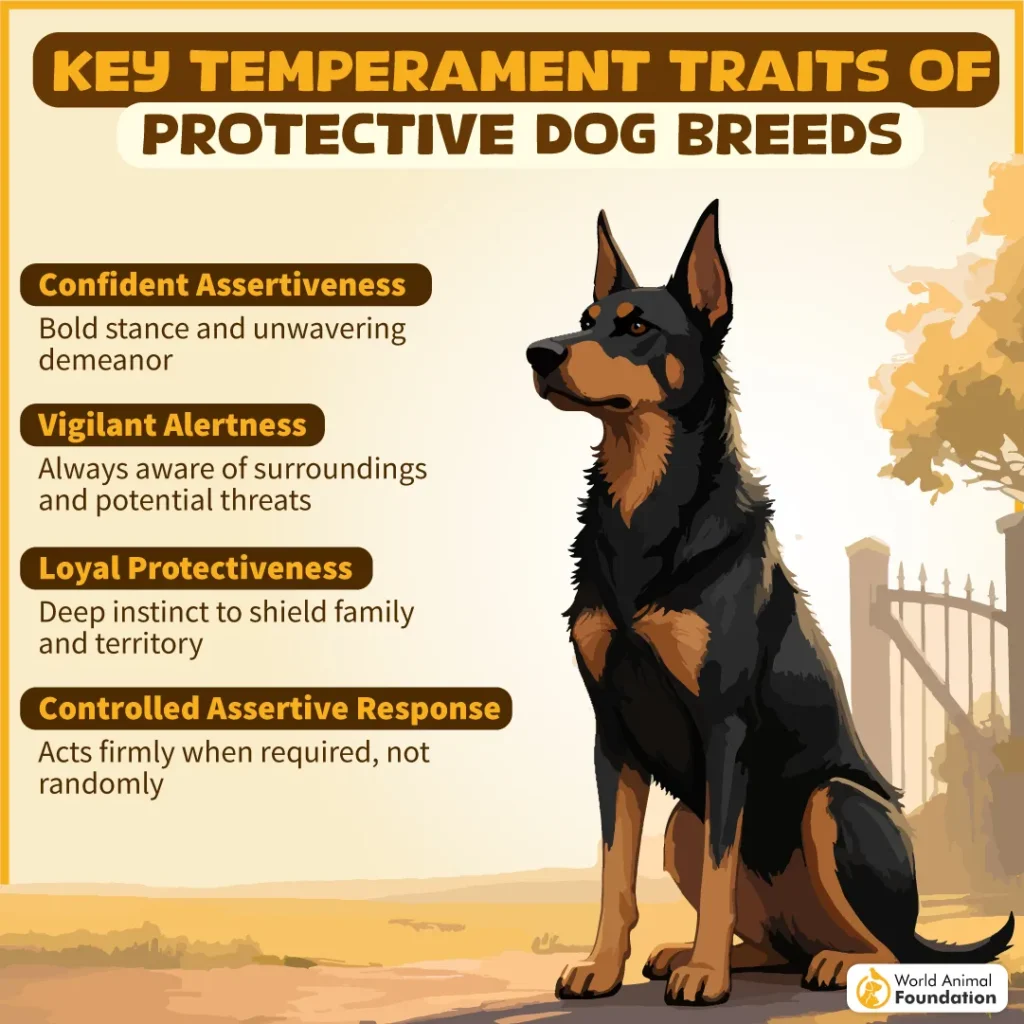
Their instincts manifest in ways that matter daily:
Assesses unfamiliar movements calmly
Maintains clear boundaries around the home and yard
Adapts to different household members and animals
Built for Endurance
A protective undercoat shields them from weather extremes, making grooming minimal and straightforward. Anatolian Shepherds can patrol outdoor spaces for hours without fatigue, yet settle indoors without disruption. Their energy and alertness remain steady, reflecting a dog that protects naturally and efficiently.
6. Rhodesian Ridgeback
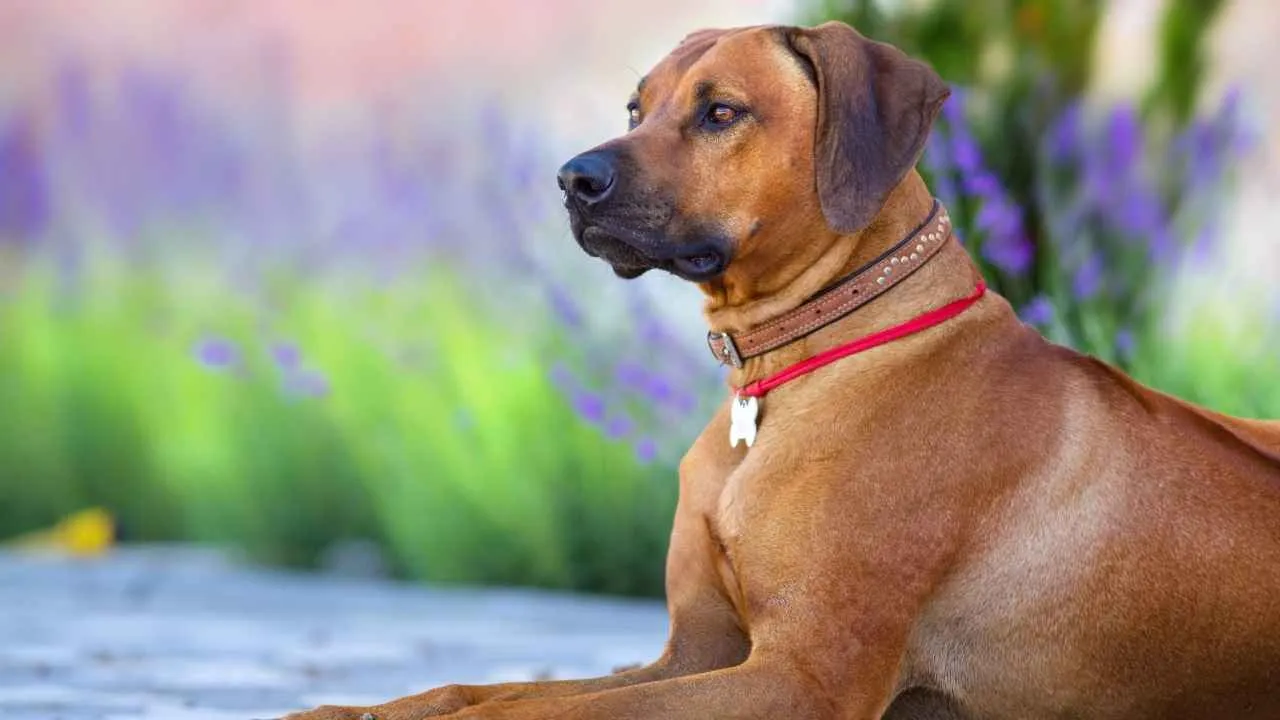
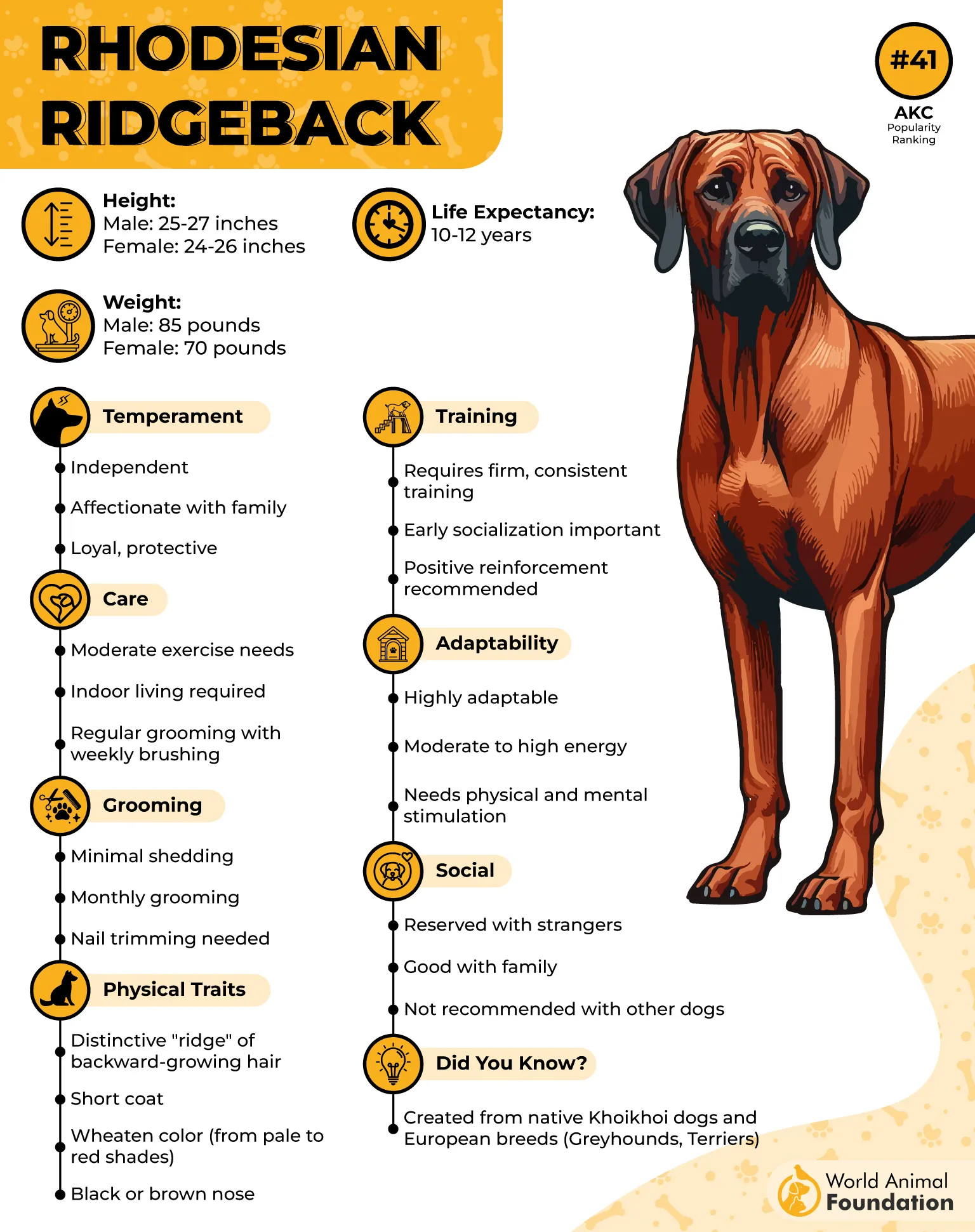
Rhodesian Ridgeback is renowned for the ridge of backward-growing hair along its back, a hallmark trait of the breed. This hound was historically valued in Africa for tracking and baying lions without attacking, highlighting focus and restraint.
Independent Intelligence
The breed’s independence requires consistent guidance, yet it forms deep bonds with those it trusts. Their alertness and instincts make them observant without constant prompting.
These characteristics shape daily interactions:
Strong problem-solving when exploring new areas
Confident posture near doors and windows
Acute awareness of unusual movements
Minimal Maintenance
The Ridgeback’s short wheaten coat sheds lightly, needing only weekly brushing and occasional baths to stay glossy. Combined with a calm indoor demeanor, this keeps grooming simple and predictable. Their athletic energy benefits from structured walks and outdoor engagement.
7. Bullmastiff
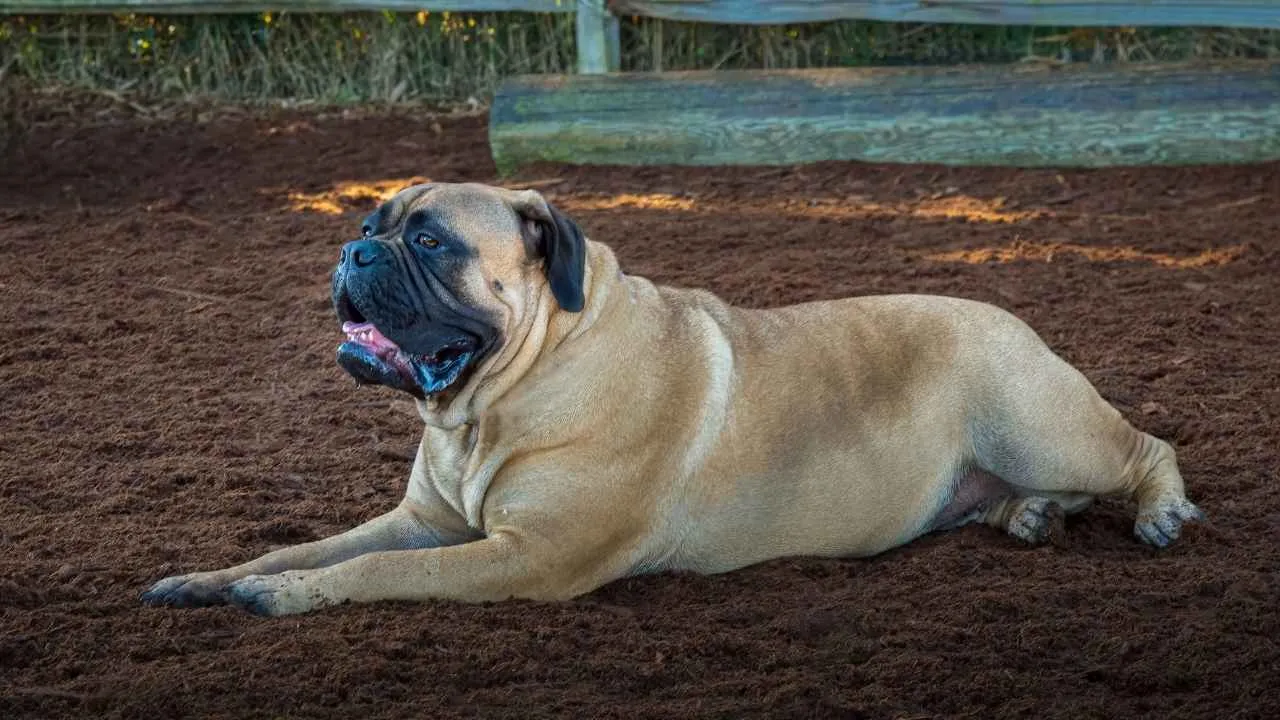
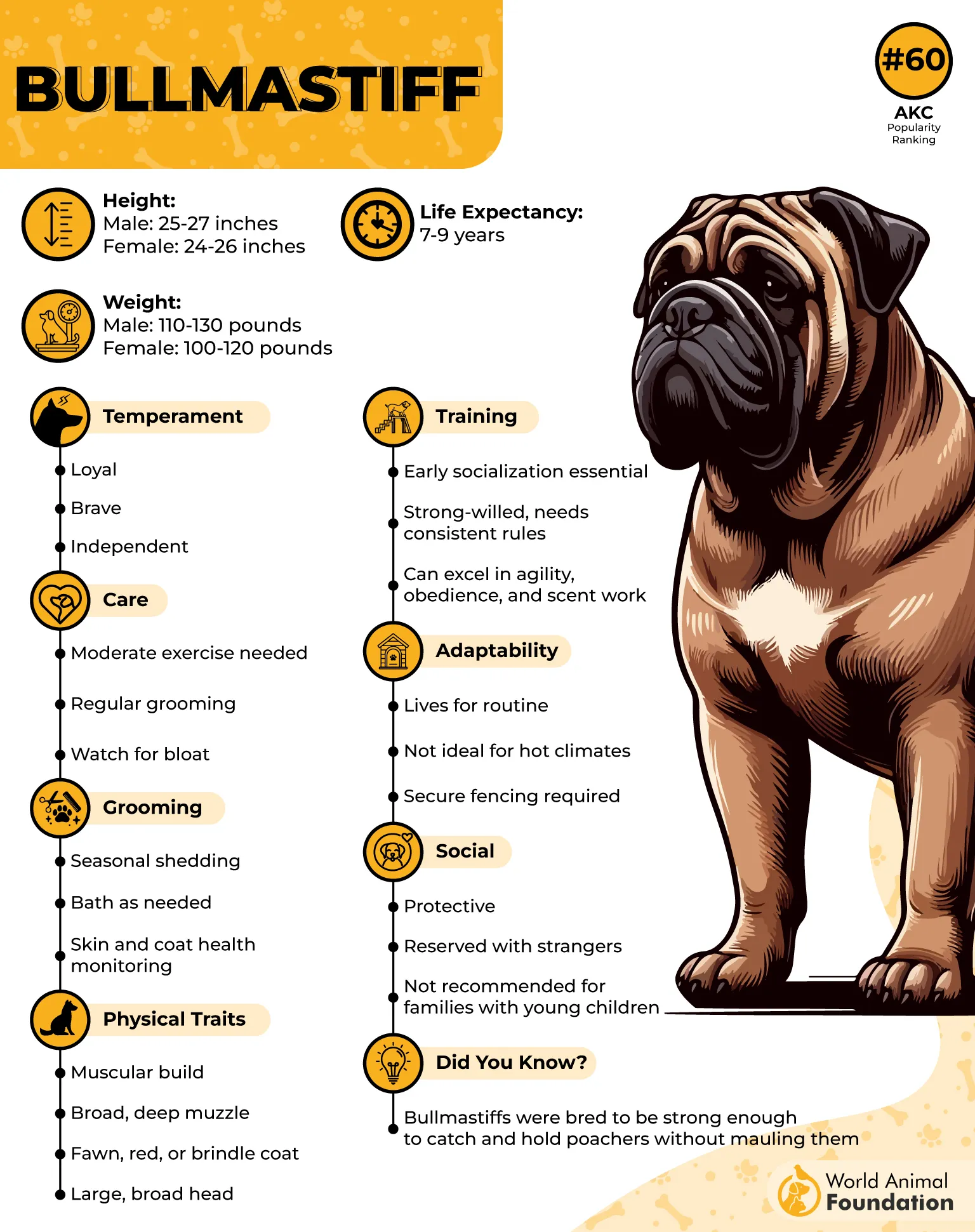
Bullmastiff is a large, muscular breed developed by crossing Bulldogs and Mastiffs in England to guard estates against intruders. Its deep muzzle, broad head, and high-set V-shaped ears convey intelligence and calm alertness. At home, they watch carefully, calm and collected, without any extra noise.
Reliable Guarding Instincts
This excellent guard dog combines courage with a measured response, making it dependable for protecting households while staying easygoing indoors. Its instincts are balanced and controllable when early socialization is applied, producing calm vigilance.
Key qualities that highlight this balance:
Focused attention on unfamiliar activity
Composed reaction under minimal guidance
Maintains presence without constant intervention
Low-Maintenance Companionship
Coats of fawn, red, or brindle are short and manageable, requiring only occasional grooming to keep shedding under control. This simplicity in care adds to the breed’s suitability for single owners seeking protection without daily high maintenance.
8. Belgian Malinois
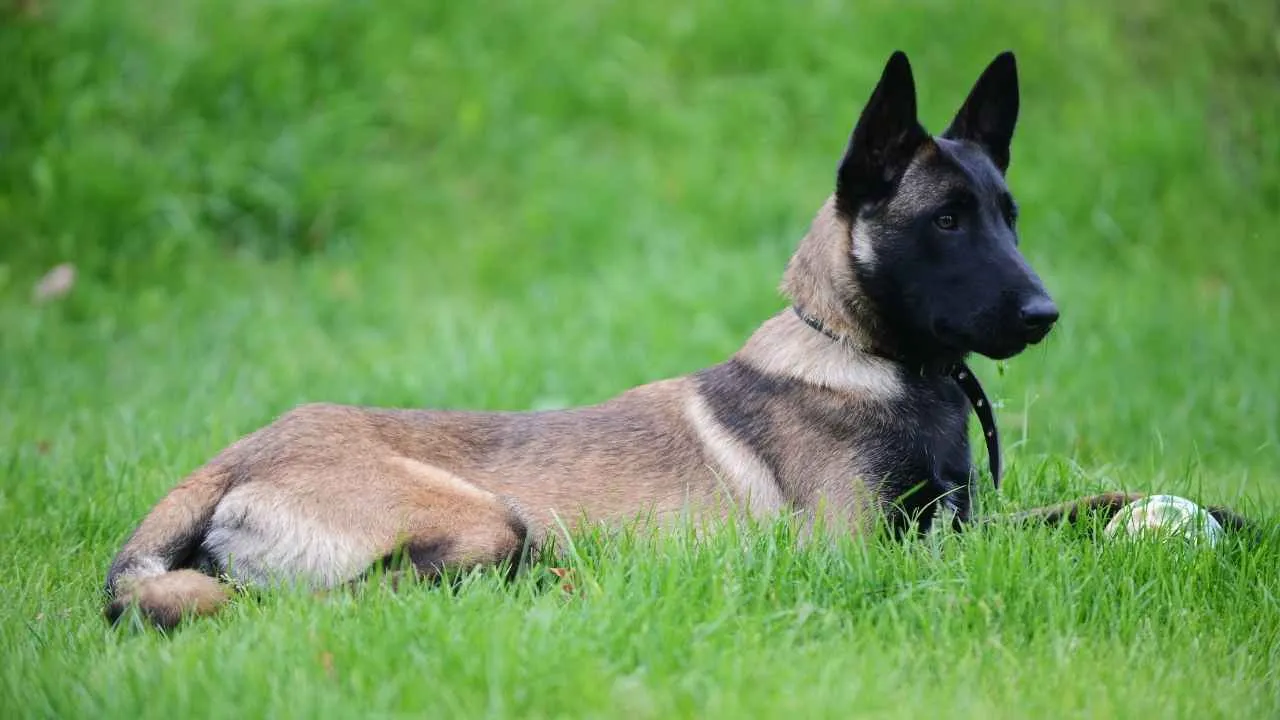
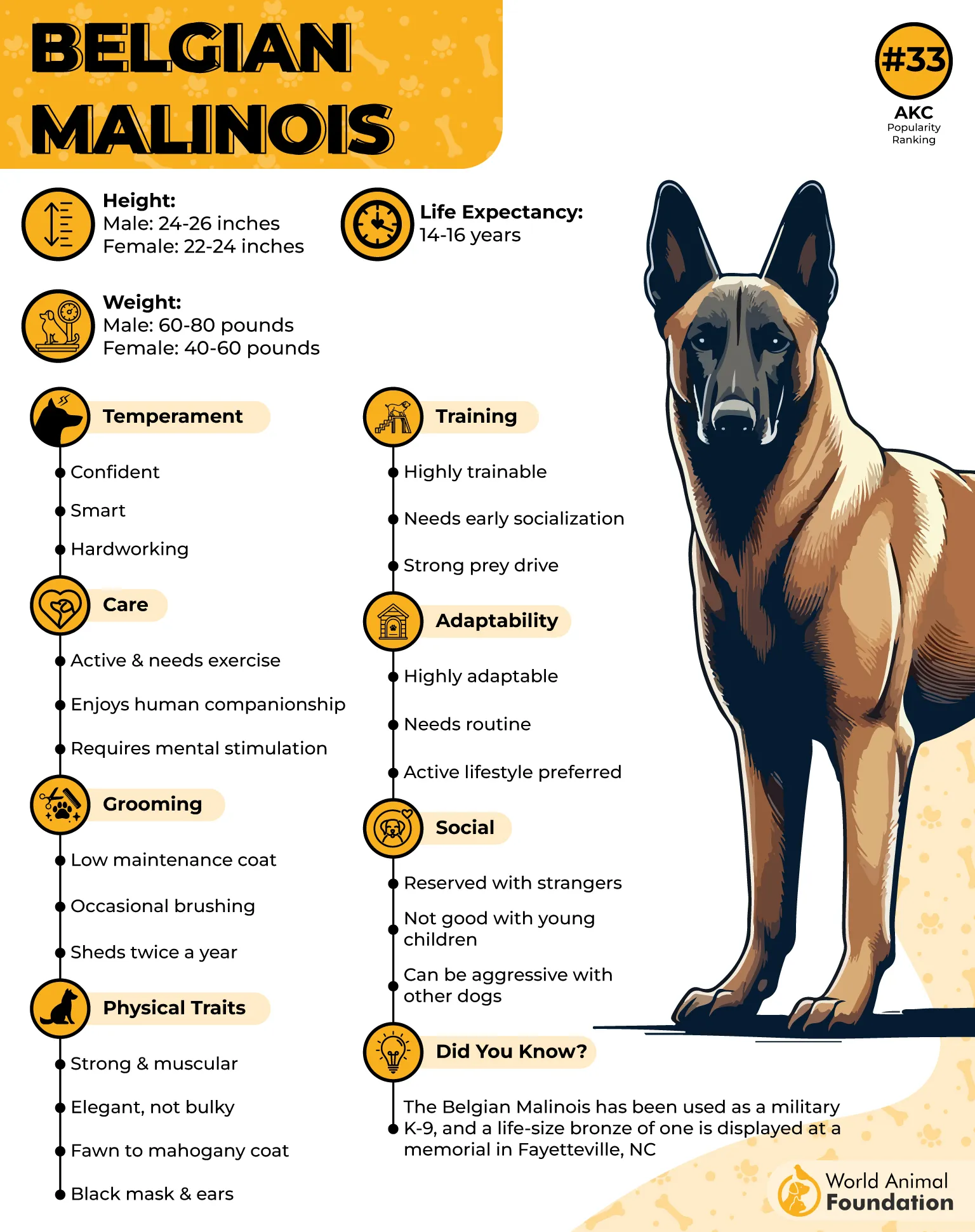
Belgian Malinois are confident, squarely built herders with a proud carriage that reflects their working heritage. Their alertness allows them to notice changes in routine or unusual movements around the home. Smart and attentive, they form strong bonds with their humans.
Focused Efficiency
This breed thrives on structured engagement and enjoys learning new commands alongside their person. Their intelligence and eagerness make them quick to respond in household routines and protective tasks.
Traits that shape their reliability include:
Fast learning of new commands
Sharp awareness of surroundings
Steady focus during unexpected activity
Purposeful Energy
Muscular and agile, the Malinois moves with smooth, controlled motion suitable for demanding tasks. Short, easy-to-care-for coats simplify grooming while supporting active lifestyles. With mental stimulation and tasks that match their intelligence, they remain balanced and dependable.
9. Greyhound
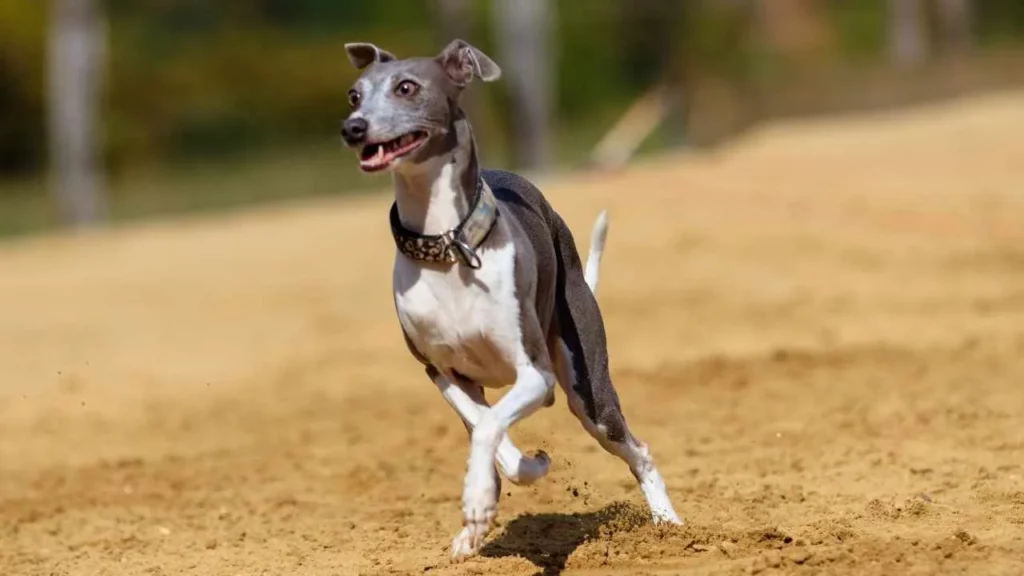
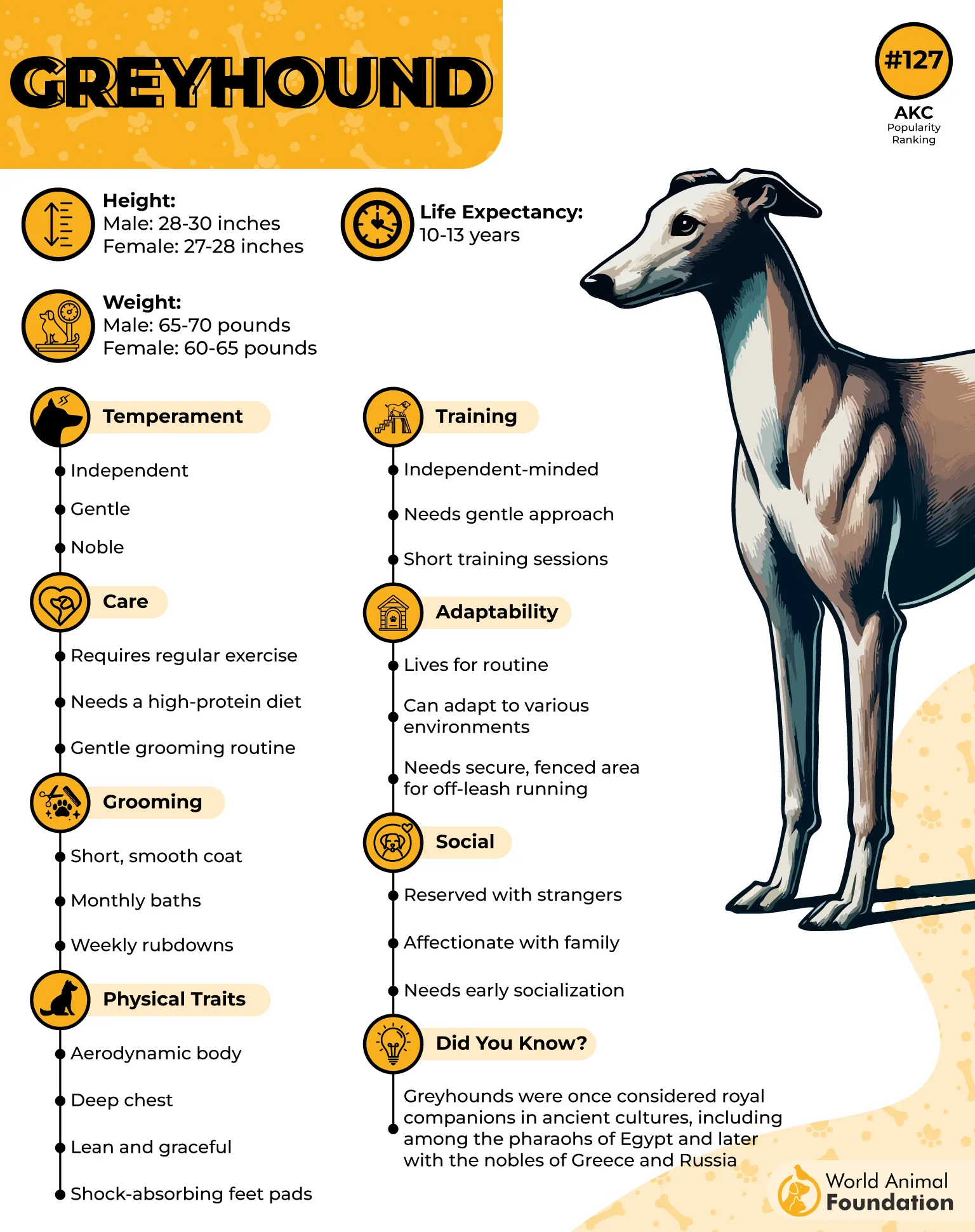
Greyhound is the champion sprinter of dogdom, built with a narrow skull, deep chest, and tucked waist that define its athletic form. Its design allows efficient, high-speed movement that is controlled and precise. This lean structure also supports quiet observation around the home, enhancing situational awareness.
Composure and Alertness
The breed moves with grace and maintains calm focus even in new environments, making it an attentive companion. Its instinct for observation comes naturally, ensuring subtle awareness in shared spaces.
Key aspects of this attentiveness include:
Sharp visual recognition of movement
Quick adjustment to household activity
Ability to sense changes in routine
Low-Maintenance Elegance
The breed’s short, smooth coat is easy to maintain with minimal grooming, fitting a lifestyle that prefers low upkeep. Greyhounds respond well to structured routines and enjoy light activity that engages both mind and body. This balance allows the dog to remain composed while being a subtle watch dog in the household.
Conclusion
Protective dogs do not need constant care to remain effective or dependable. Each large dog in this list shows how calm presence, instinct, and restraint can replace excess activity. What makes a family dog is not intensity, but balance shaped by personality and daily routine.
These breeds settle naturally into homes with other animals and existing pets when boundaries are clear. Even a puppy raised with structure grows into a steady protector. Over time, that reliability deepens into a loyal companion who watches quietly rather than reacts loudly.
